

Vermiculated puffer
Takifugu snyderi
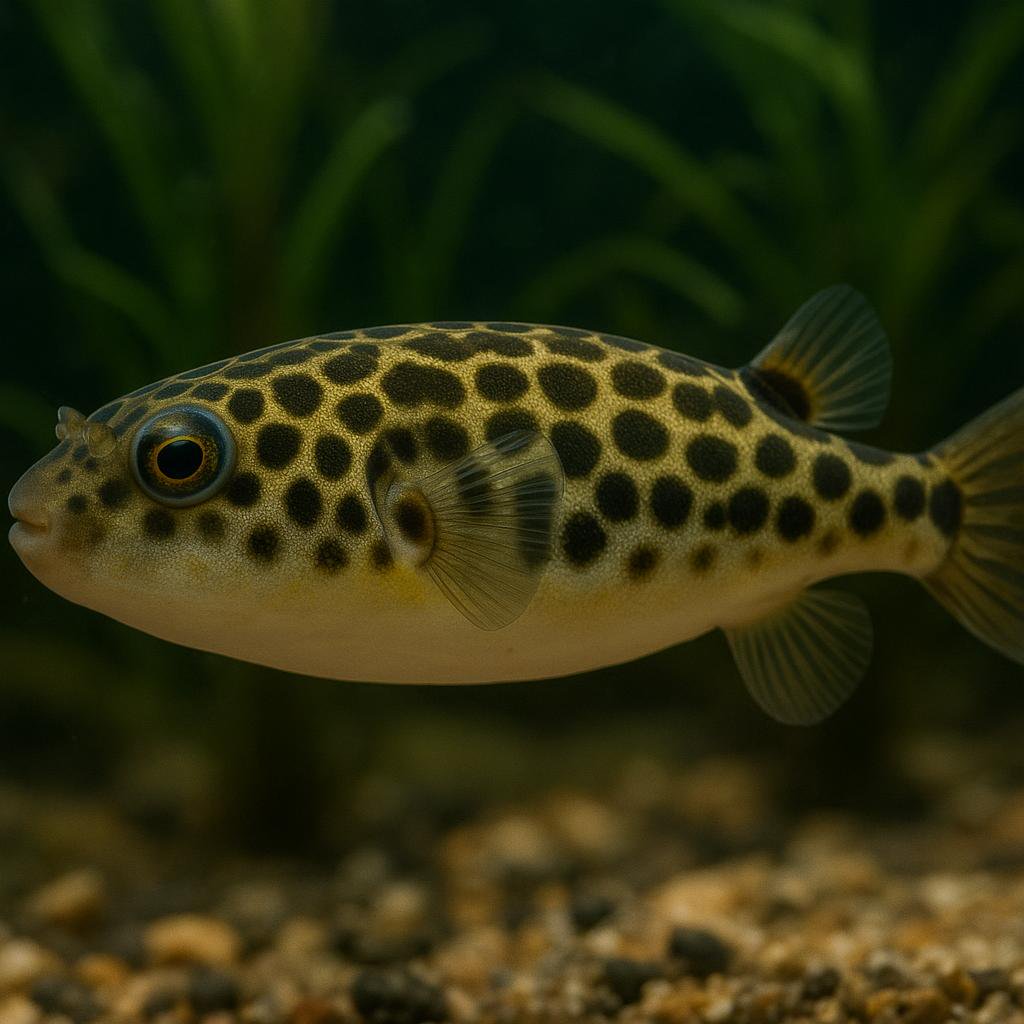
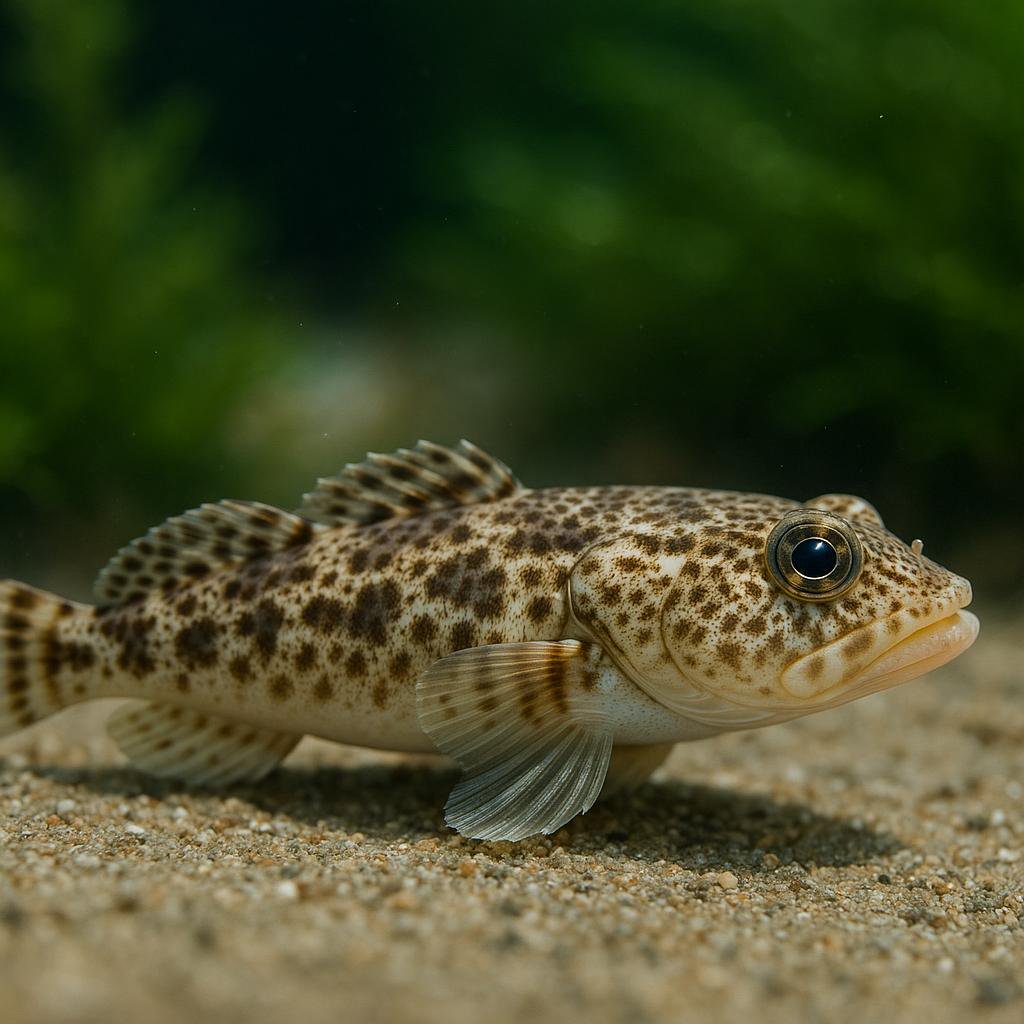
The Vermiculated puffer exhibits a distinctive pattern of intricate blotches and a robust, rounded body resembling a pufferfish.
This page includes AI-generated images. Why am I seeing AI images?
About the Vermiculated puffer
Takifugu snyderi (vermiculated puffer; Japanese: shōsai-fugu) is a demersal coastal puffer native to Japan and nearby northwest Pacific waters (including the Yellow Sea and South China Sea). It reaches about 30 cm standard length and feeds on hard-shelled prey such as crustaceans; like other fugu, certain organs (notably liver/ovaries) can be highly toxic (tetrodotoxin).
Also known as
Quick Facts
Size
30 cm SL
Temperament
Semi-aggressive
Difficulty
Expert
Min Tank Size
75 gallons
Lifespan
5-10 years
Origin
Western Pacific (Japan, Yellow Sea, South China Sea)
Diet
Carnivore/invertivore - hard-shelled foods (snails, clams, crustaceans), plus meaty frozen foods; needs crunchy items to manage tooth growth
Water Parameters
15-23°C
8-8.4
8-12 dGH
Need a heater for this species?
This species needs 15-23°C in a 75 gallon tank. Use our heater calculator to find the right wattage.
Calculate heater sizeCare Notes
- Give it a species-only tank if you value your other fish - Takifugu puffs are bitey, fast, and will shred fins and tails just for fun. If you insist on tankmates, only try tough, non-finny fish and be ready to separate.
- Run a big, tight-lidded marine system with heavy filtration and flow; they are messy eaters and the waste adds up fast. Think plenty of open swimming room with some rockwork to break sightlines, not a reef packed with delicate corals.
- Keep water quality extremely stable (0 ammonia, 0 nitrite) and perform regular water changes; as a marine fish it should be maintained at stable marine salinity appropriate to the system.
- Feed meaty foods like shrimp, squid, clam, and chunks of marine fish, and rotate in hard-shelled stuff (snails, small clams, crab legs) to wear down the beak. Skip feeder goldfish and other freshwater feeders - bad fats and disease roulette.
- Watch the teeth: if it starts struggling to eat or the mouth looks overgrown, you need more crunchy foods or you are heading toward a beak-trim situation. Also keep an eye on the belly after meals - they are pigs and will gorge.
- Do not let it gulp air while netting or during moves; use a container instead of a net whenever you can, and keep it submerged. Air in the gut can mess them up, and stress spikes fast with rough handling.
- If it ever puffs, treat that as a warning you pushed it too hard; back off and fix whatever spooked it. Chronic stress shows up as hiding, refusing food, and random aggression spikes.
- Breeding in home tanks is rare and not worth chasing unless you have a dedicated setup; they need space, conditioning, and you still might get nothing. If you do see pairing behavior, give them multiple caves and be ready for the male to guard and bully.
Compatibility
Good Tankmates
- Wrasses that are always on the move (Halichoeres-type, not the delicate fancy ones). They are quick, not fin-draggy, and usually smart enough to stay out of a puffer's face.
- Hawkfish (flame hawk and similar). They are chunky, confident perchers and usually do fine with a semi-spicy puffer as long as both are similar size and you feed well.
- Rabbitfish (foxface-type) in bigger setups. They are not pushovers, they cruise around, and puffers tend to give them a bit more personal space. Just do not cram them into a small tank together.
- Tangs and bristletooths (yellow tang, kole tang) if you have the swimming room. They are generally too quick and too slab-sided to be easy targets, and they are not usually fin candy.
- Bigger, tougher clownfish pairs (maroon or tomato clowns) can work if the tank has lots of rockwork and everyone has their own zone. Some clowns will stand their ground and the puffer learns to keep it moving.
Avoid
- Slow fish with fancy fins like lionfish, longfin triggers, or any frilly showpiece fish. Puffers are basically professional fin inspectors, and those fins look like snacks.
- Small, peaceful, easygoing fish like firefish, dartfish, and tiny gobies. They get stressed fast, and once a puffer decides to 'sample' them, it usually goes downhill.
- Other puffers, especially similar-sized Takifugu or any puffer that will compete for the same space and food. You will see jaw sparring and bite marks sooner or later unless the system is huge and you get very lucky.
- Crustaceans and most clean-up crew shrimp and crabs (peppermint shrimp, cleaner shrimp, hermits). Not fish, but worth saying at the club table - they are basically puffer enrichment toys.
Where they come from
Vermiculated puffers (Takifugu snyderi) are a cool little Takifugu from Japan. Think temperate coastal waters, not tropical reefs. That matters a lot because a big chunk of the failures I see with these come from keeping them too warm for too long.
These are temperate marine puffers. If you run them like a warm reef tank year-round, you are stacking the deck against yourself.
Setting up their tank
Give them space, stability, and a setup you can keep clean. They are messy predators and they are curious, so you want a tank that can handle heavy feeding without turning into a nutrient swamp.
I would not keep one in anything under a 55 gallon long-term, and bigger is nicer if you want to give it room to cruise. They do a lot of scanning and patrolling, especially once they settle in.
- Tank size: 55+ gallons for one adult (more volume makes the mess easier to manage)
- Filtration: oversized skimmer plus strong biological filtration (sump helps a lot)
- Flow: moderate, with calmer zones so they can hover and investigate
- Rockwork: stable piles with caves, but leave open sand/space for swimming
- Substrate: sand is fine, bare bottom is even easier to keep clean
- Cover: tight lid - puffers can launch when startled
- Lighting: whatever suits the tank, they do not care much as long as they have shelter
Temperature is the big gotcha. These are not a "set it to 78F and forget it" fish. If your room runs warm, plan on a chiller or a cool-water system.
For parameters, aim for boring and consistent. Natural seawater salinity (around 1.025-1.026), stable pH, and low nitrogen waste. They do not tolerate sloppy ammonia or nitrite at all, and nitrate tends to climb fast because you will be feeding real food.
I like to build the tank around maintenance: easy siphon access, filter socks you can change fast, and a spot where you can drop in an extra bag of carbon after a big feeding week.
What to feed them
They are hunters, and they want meaty foods. Mine always did best on a varied menu, and they stayed more interested and less picky when I rotated foods instead of leaning on one staple.
- Shell-on foods for tooth wear: small clams, mussels, cockle, unshelled shrimp, crab pieces
- Frozen meaty staples: squid, octopus, scallop, prawn, marine fish flesh (sparingly)
- Live foods (use thoughtfully): small shore crabs, snails (watch where they are sourced), ghost shrimp acclimated to saltwater
- Avoid or limit: freshwater feeder fish, oily fish chunks as a main diet, and anything that will foul the water fast
Feed smaller amounts more often rather than blasting a huge meal and letting the leftovers rot. I usually target 4-6 feedings a week for adults, adjusting by body condition. You want a full, rounded belly after a meal, not a constant balloon look.
Do not rely on soft foods only. Takifugu teeth can overgrow if they never crunch. If you end up needing dental trimming, it is stressful for you and the fish.
How they behave and who they get along with
They are smart, bold, and always watching you. They also have that classic puffer combo of curiosity and attitude. Mine would follow my hand, beg like a puppy, then immediately test-bite the thermometer suction cup.
Tankmates are where people get burned. Vermiculated puffers are not reef-safe, and they are not a friendly community fish. Even if they ignore a fish for months, they can flip a switch after a big molt of confidence or a missed feeding.
- Best plan: species-only, one puffer per tank
- If you try tankmates: large, fast, tough fish that can handle a rude neighbor (still a gamble)
- Never mix with: shrimp, crabs, snails you care about, slow fancy fish, long fins, or anything bite-sized
- Corals: they may ignore some corals, but they will eat cleanup crew and often nip at things just to see what happens
These puffers can deliver a serious bite. Use tools for tank work, not bare fingers right in front of their face. They learn your routine fast.
Breeding tips
Breeding Takifugu in home aquariums is rare. In the wild they are tied to seasonal cues and specific spawning behavior, and you will usually need a group, space, and a way to mimic a temperate seasonal cycle. Most hobbyists keep them as display predators, not breeding projects.
If you are determined, think in terms of: a large temperate system, heavy feeding to condition them, and seasonal temperature and photoperiod shifts. Even then, raising larvae (if you get that far) is its own mountain.
One more reason species-only setups make sense here: adults can be rough on each other, and pairing attempts can turn into injuries fast.
Common problems to watch for
Most issues with this fish come down to three things: temperature that is too warm, water that is too dirty from heavy feeding, and dental problems from a soft diet.
- Overgrown teeth: trouble eating, dropping food, weight loss - add more shell-on foods and be ready for a vet/pro-level trim if it gets bad
- Ich and other parasites: puffers are sensitive and do not love harsh treatments - quarantine new fish and inverts, and have a separate hospital plan
- Fin and face damage: often from attempted tankmates or rough décor - keep rock stable and skip risky roommates
- Ammonia/nitrite spikes: can happen after big feedings or a missed filter change - test often and do not be shy about water changes
- Bloat/constipation: usually from too much rich food or not enough variety - back off feeding for a day or two and offer different textures
Quarantine is worth the hassle with puffers. Once they are in a big, rock-filled display, catching and treating them is a whole event.
Never intentionally make a puffer inflate. Air inflation can be dangerous. If one puffs from stress, keep the lights low, reduce commotion, and let it settle.
Similar Species
Other marine semi-aggressive species you might be interested in.
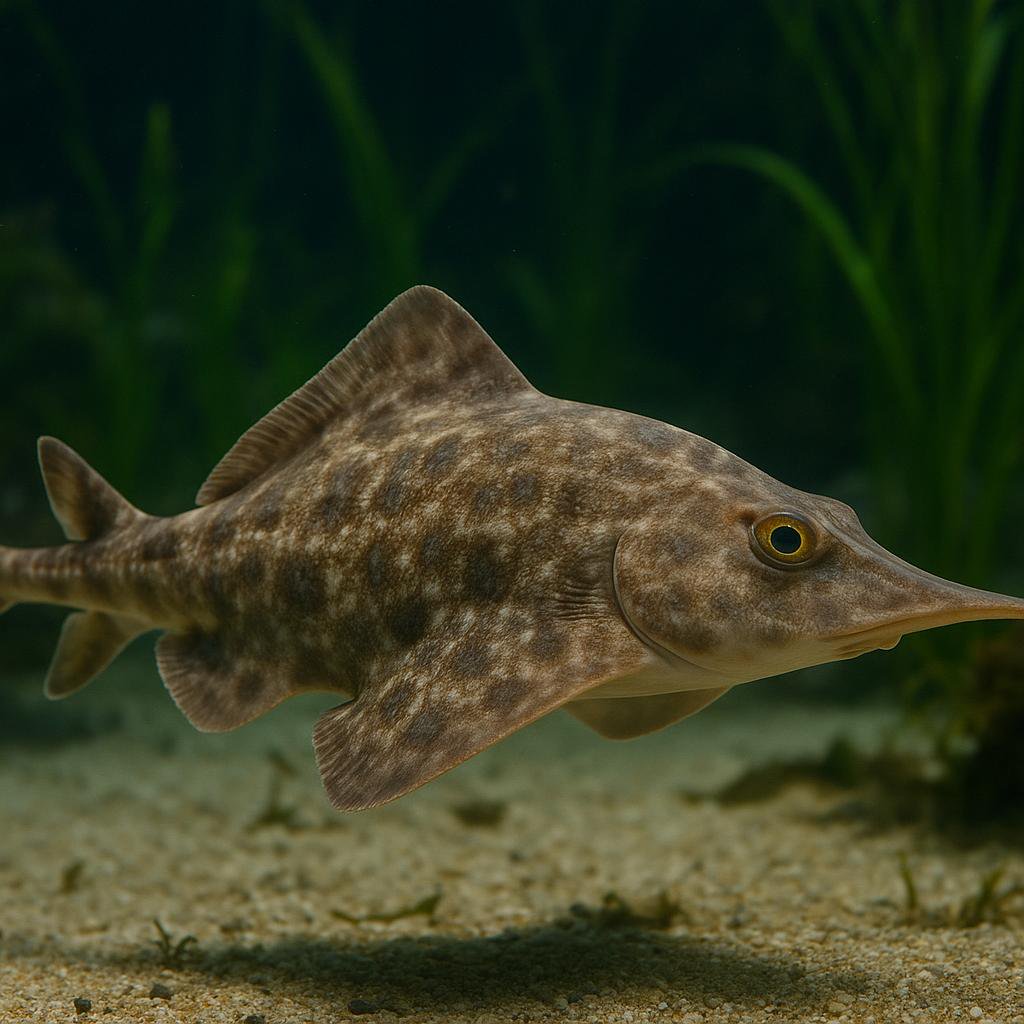
Aleutian skate
Bathyraja aleutica
This is a big, cold-water deep-slope skate from the North Pacific that cruises muddy bottoms and eats chunky benthic prey like crabs and shrimp. The really cool bit is its egg-laying skate life - it does distinct pairing (the classic skate "embrace") and drops those tough egg cases on the seafloor. Not an aquarium fish at all unless you're basically running a public-aquarium-style chilled system.
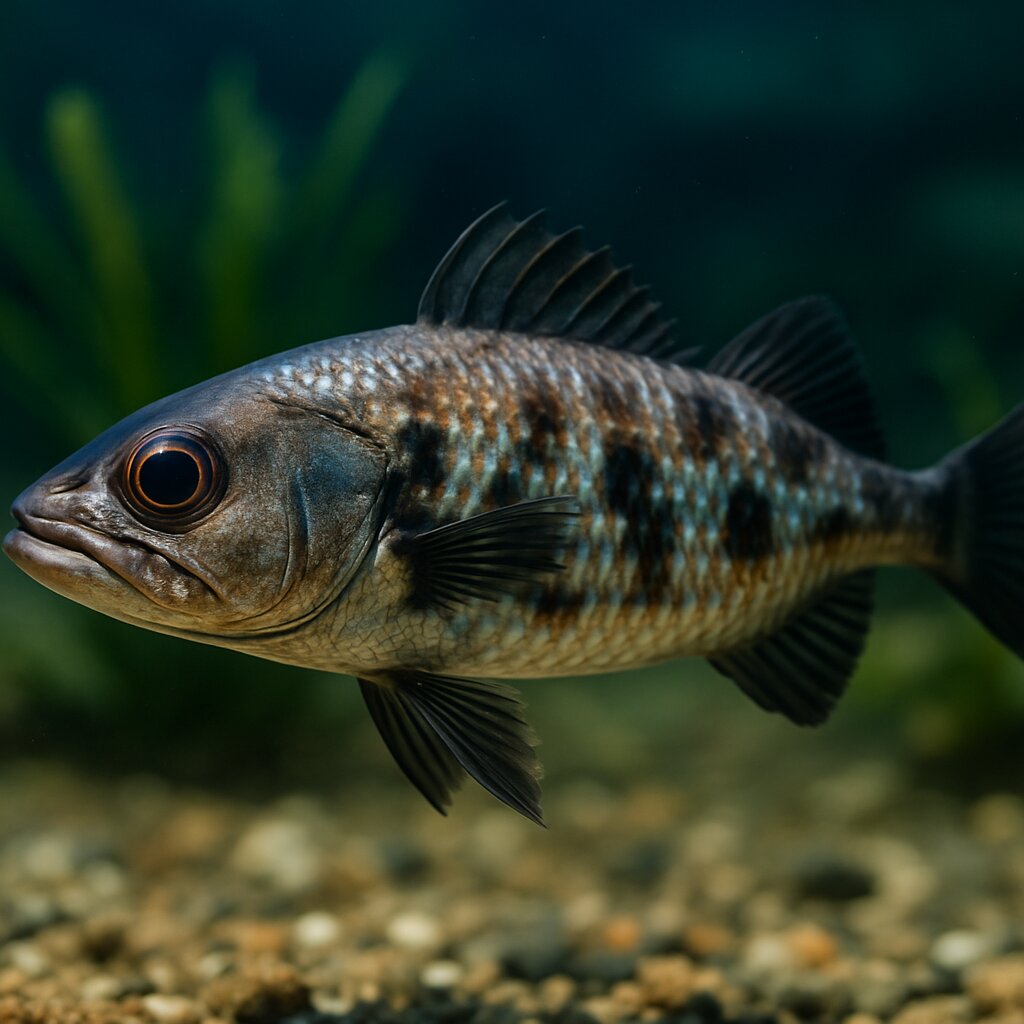
Antarctic dragonfish
Vomeridens infuscipinnis
Deep down around Antarctica, this sleek dragonfish cruises the water column like a little submarine, nearly neutrally buoyant so it can hover above the seafloor. It munches almost exclusively on Antarctic krill and lives in near-freezing water 500-800 m down, so it is a cool species to read about, not one for home tanks.
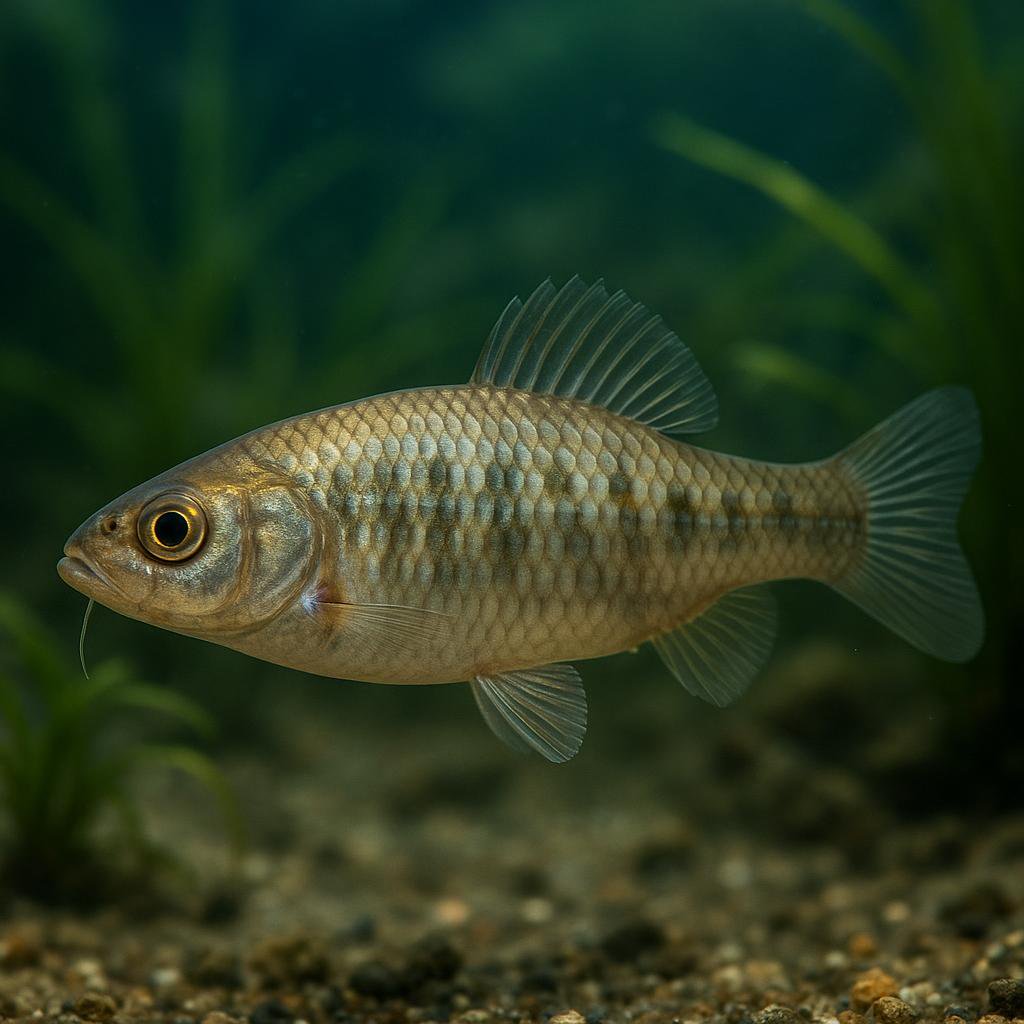
Arabian spiny eel
Notacanthus indicus
Notacanthus indicus is a deep-sea spiny eel (family Notacanthidae; not a true eel) known from the Arabian Sea on the continental slope at roughly ~960–1,046 m depth, with reported maximum length around 20 cm TL; it is a deep-water bycatch species and not established in the aquarium trade.
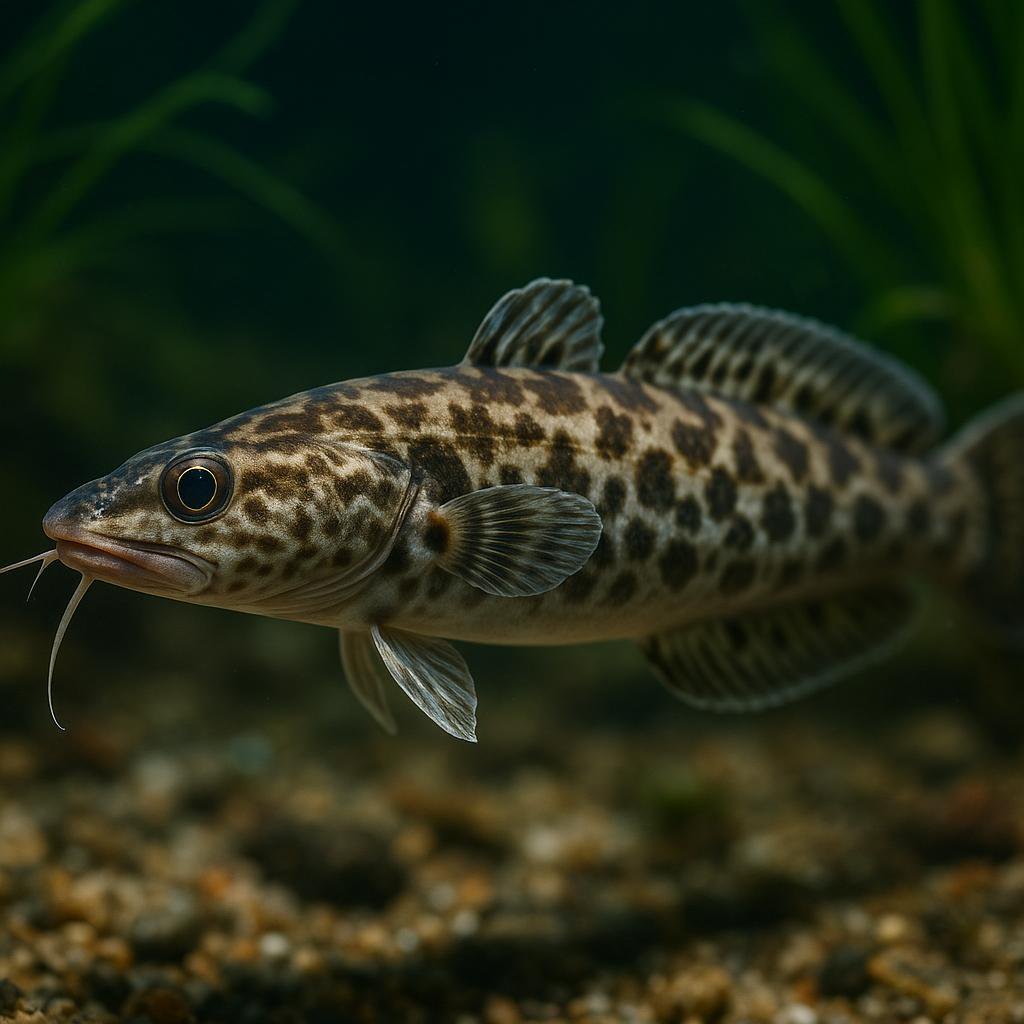
Arctic rockling
Gaidropsarus argentatus
This is a deepwater North Atlantic rockling (a cod relative) that hangs out on soft bottoms way down the slope. It is a cold-water, bottom-hugging predator that snoots around for crustaceans and will also take small fish when it gets the chance.
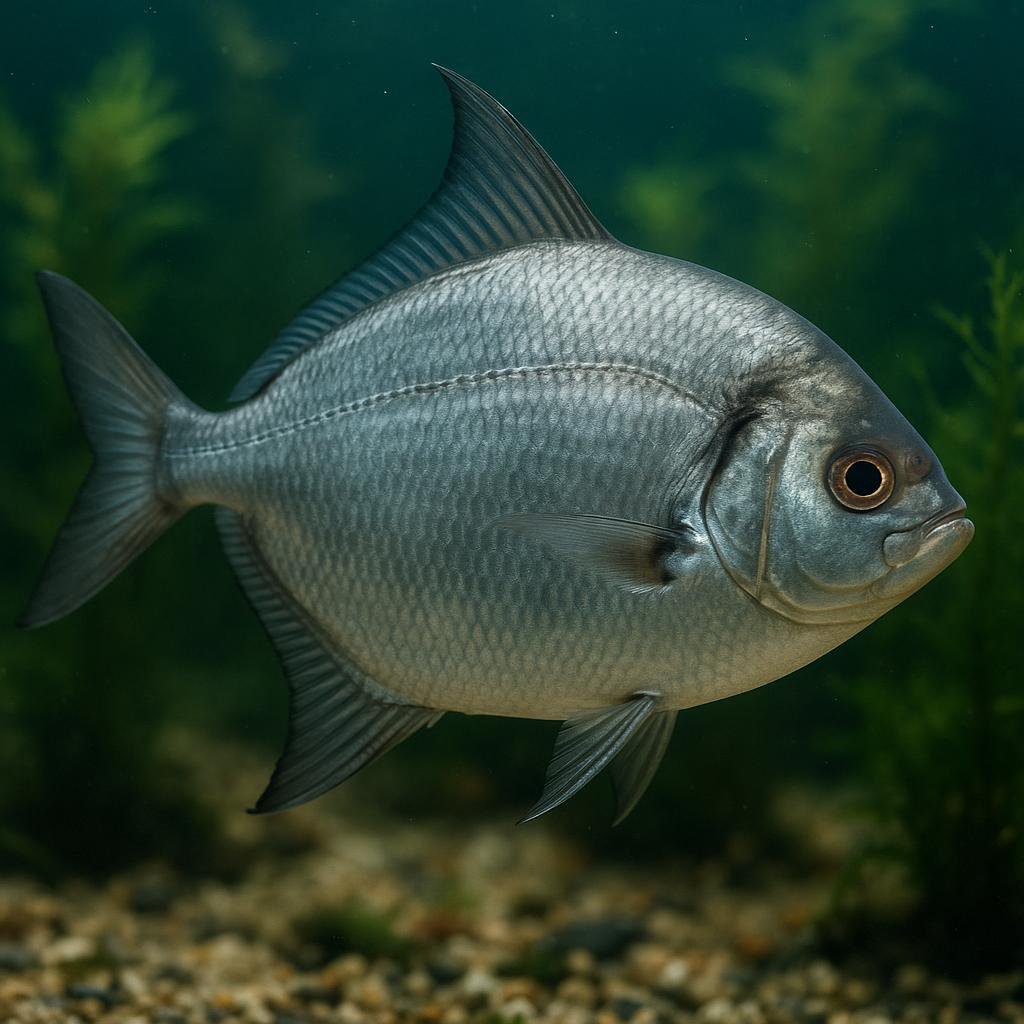
Atlantic pomfret
Brama brama
Brama brama is the Atlantic pomfret (aka Ray's bream) - a deep-bodied, open-ocean pelagic fish that cruises around in small schools and follows water temps. It is a legit big, wild marine species (not an aquarium fish) that eats other small sea critters like fish and squid, and it ranges across a huge chunk of the Atlantic plus parts of the Indian and South Pacific.
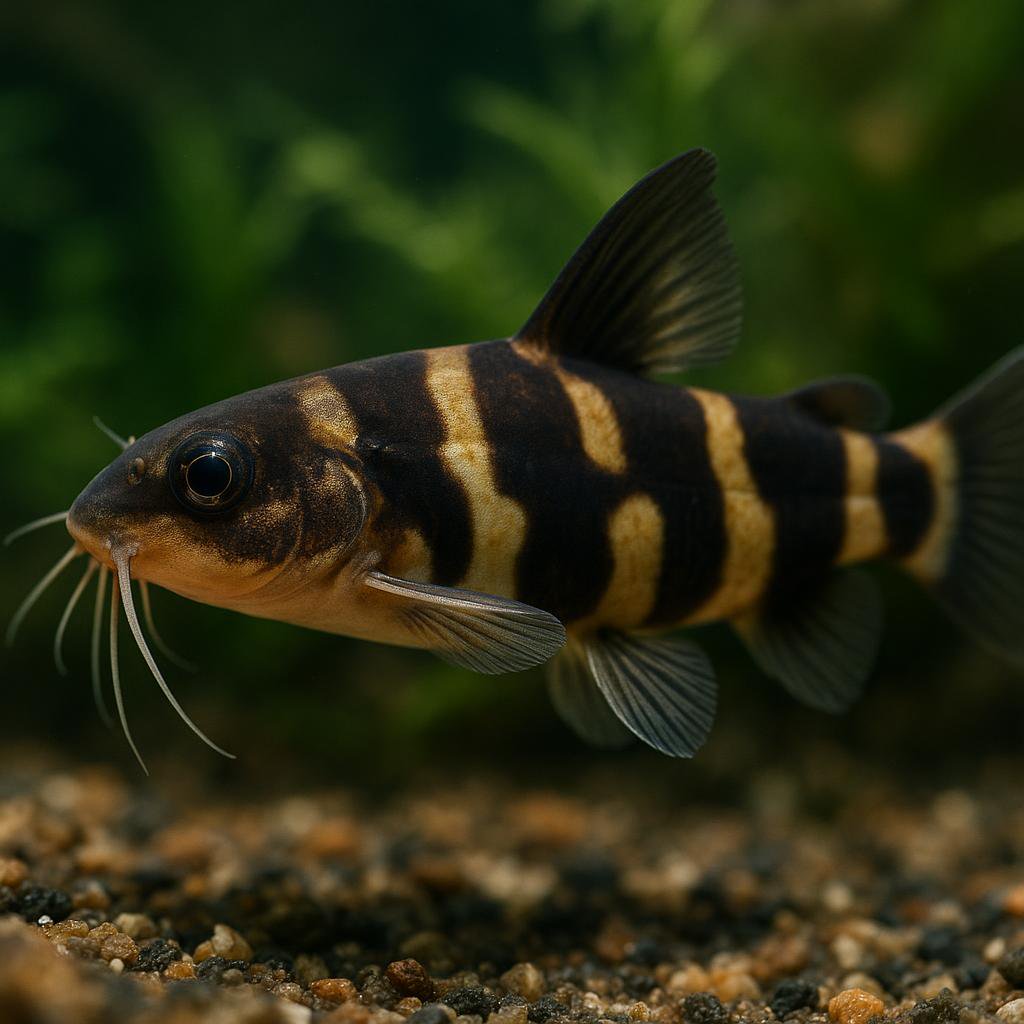
Australian sawtail catshark
Figaro boardmani
Figaro boardmani is a small, deepwater Australian catshark with these cool saw-like ridges of spiny denticles along the tail and a neat pattern of dark saddle bands. It lives way down on the outer continental shelf and slope, so its natural water is cold, dim, and stable - totally not a typical home-aquarium fish. Diet-wise its a predator that goes after fish, crustaceans, and cephalopods.
More to Explore
Discover more marine species.
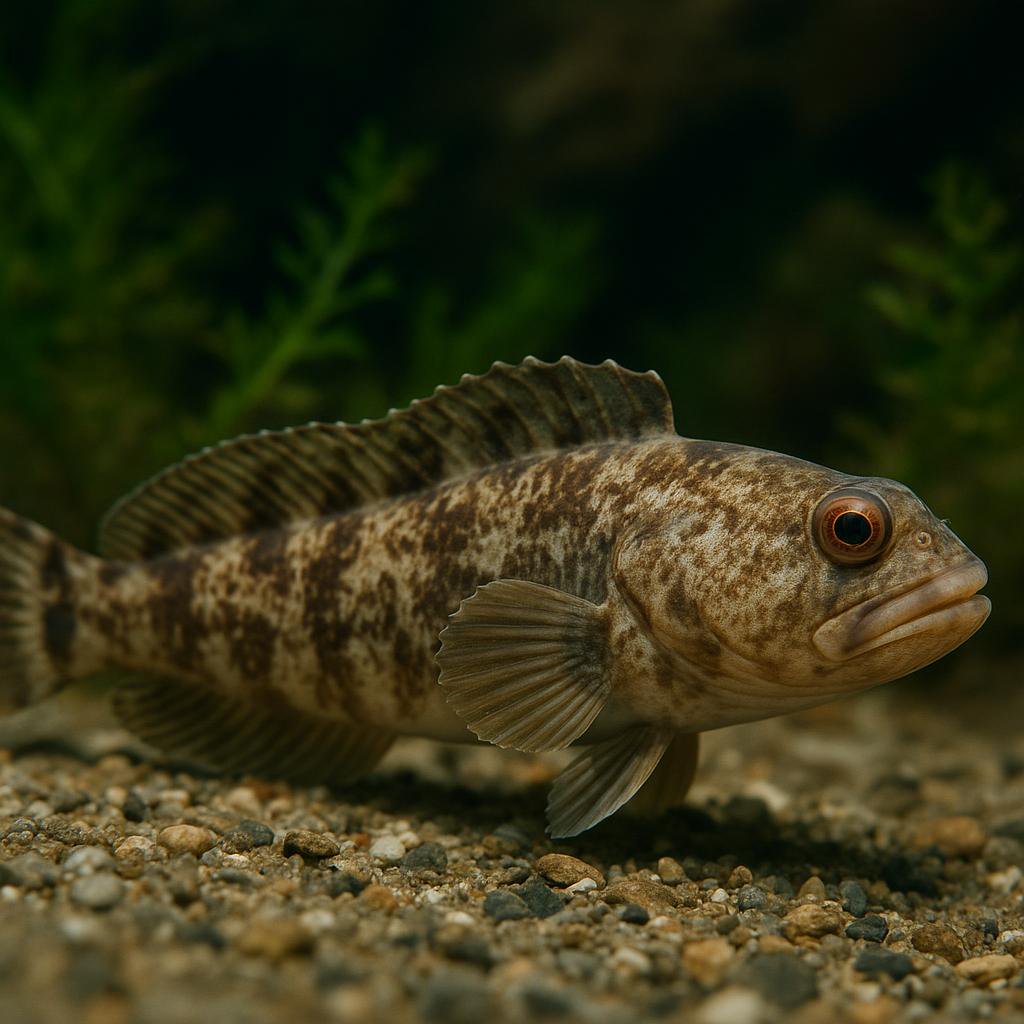
Abe's eelpout
Japonolycodes abei
Japonolycodes abei is a temperate, deepwater demersal eelpout (family Zoarcidae) endemic to Japan (Kumano-nada Sea reported; other sources also report Sagami Bay and Tosa Bay). It is the only species in the genus Japonolycodes and occurs roughly 40-300 m depth, making it an uncommon/atypical aquarium species.
Affinis blind cusk-eel
Barathronus affinis
Barathronus affinis is a tiny, super-weird deep-sea blind cusk-eel from the western-central Indian Ocean. It is one of those gelatinous, loose-skinned brotula-type fishes that live way down in the dark and are basically never seen alive, so almost everything we know comes from preserved specimens and taxonomic work.
African red snapper
Lutjanus agennes
This is a true snapper from West Africa - a big, fast-growing predator that goes from coastal reefs to brackish lagoons and estuaries (especially as a juvenile). Super cool fish in the wild, but it gets absolutely huge and will eat smaller tankmates once it has the mouth for it, so its really more of a public-aquarium scale animal than a home-aquarium fish.
Allis shad
Alosa alosa
Gorgeous silver, fast-swimming shad that spends most of its life in the sea and then surges up big rivers in noisy, surface-spawning schools. It grows huge for a herring-type fish and needs cool, ultra-oxygenated water and tons of open space, so it is a public-aquarium species rather than a home tank fish.
Annandale's zebra sole
Zebrias annandalei
Zebrias annandalei is a small demersal sole from coastal India that inhabits sandy or muddy bottoms and buries for camouflage. It is rarely kept in home aquaria and would require a specialized marine sand-bottom setup and appropriate feeding.
Banded stargazer
Kathetostoma binigrasella
This is a New Zealand stargazer that lives half-buried in sand or mud with its eyes pointed up, waiting to rocket upward and nail passing prey. It has those neat dark saddle-bands across the back (especially as a juvenile), and like other stargazers it is venomous with spines near the gill cover/pectoral area - definitely a look-dont-touch fish.
Looking for other species?