

Fringe-gill toadfish
Torquigener tuberculiferus
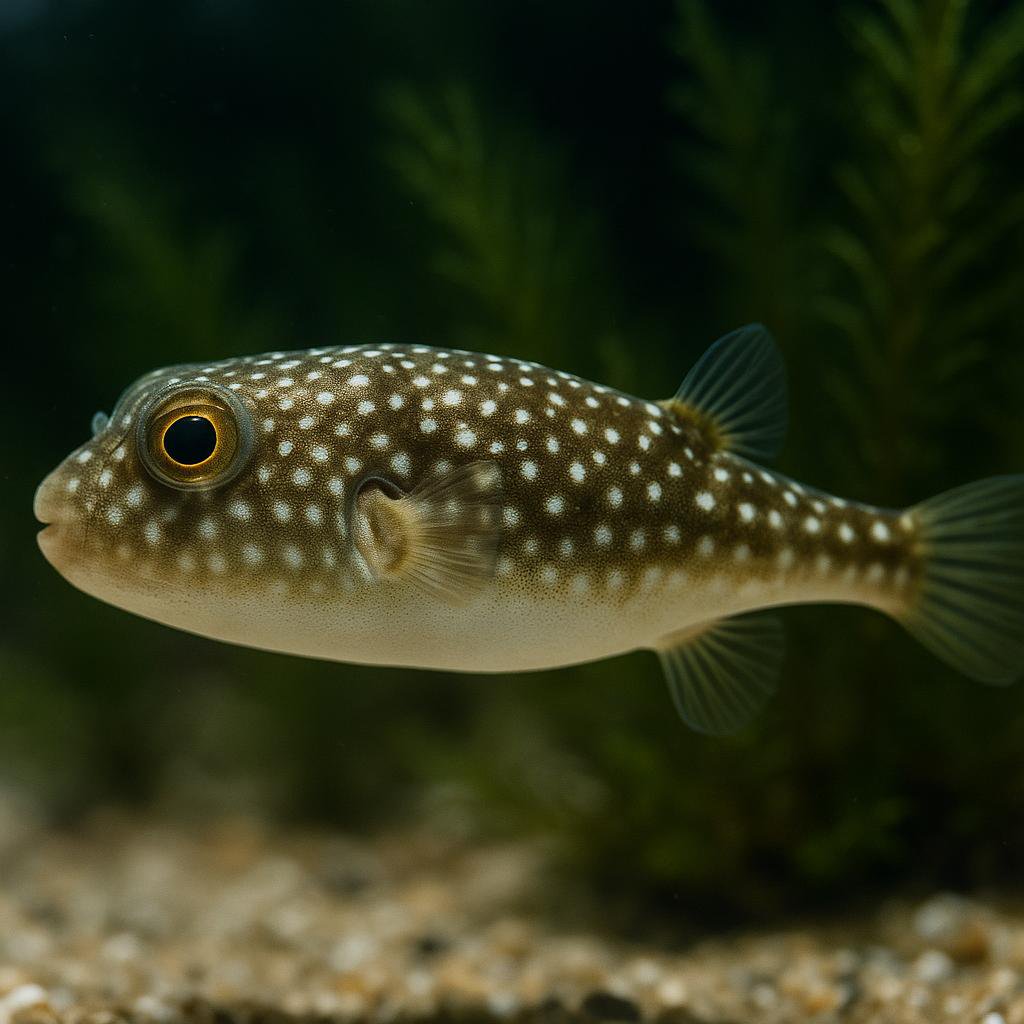
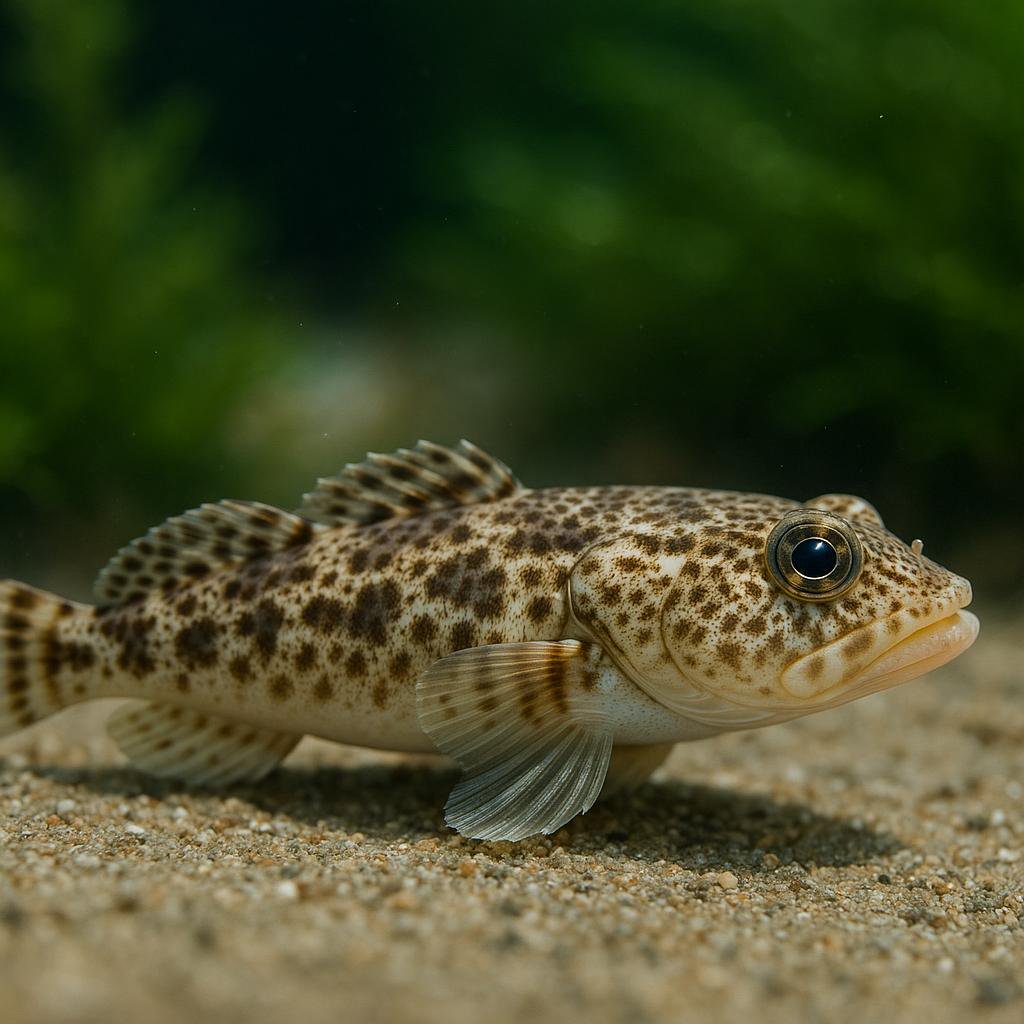
The Fringe-gill toadfish features a mottled brown body, distinctive fringe-like gill filaments, and large, protruding eyes.
This page includes AI-generated images. Why am I seeing AI images?
About the Fringe-gill toadfish
This is a little marine puffer relative that lives down on the bottom in tropical waters. It is the kind of fish that does the classic puffer thing (cute until it decides it is had enough of tankmates), and it is much more of a niche species than a standard saltwater "beginner puffer".
Also known as
Quick Facts
Size
9.5 cm SL
Temperament
Semi-aggressive
Difficulty
Advanced
Min Tank Size
30 gallons
Lifespan
5-10 years
Origin
Indo-West Pacific
Diet
Carnivore/invertivore - meaty frozen foods (shrimp, clam, squid), snails/crustaceans; avoid feeder fish
Water Parameters
24-28°C
8-8.4
8-12 dGH
Need a heater for this species?
This species needs 24-28°C in a 30 gallon tank. Use our heater calculator to find the right wattage.
Calculate heater sizeCare Notes
- Give it a big footprint tank with a deep sand bed (2-4 inches) and scattered rubble - they like to sit, scoot, and half-bury instead of cruising open water.
- Keep salinity stable at 1.025-1.026 and temp around 75-79F; they sulk fast if salinity swings, so use an ATO and don't do sloppy top-offs.
- They are messy ambush feeders, so run oversized filtration and strong gas exchange; aim for ammonia/nitrite at 0 and keep nitrate low (try to stay under ~20 ppm).
- Feed meaty marine foods: chunks of shrimp, clam, squid, silversides, and crab; use tongs and target feed so it doesn't ignore food or dump it into the sand to rot.
- Skip tiny tankmates - anything that fits in its mouth is food; also avoid fin-nippers because the toadfish won't run and will just get shredded.
- Best tankmates are tough, not-too-small fish that keep their distance (think larger gobies/blennies, hardy wrasses, rabbitfish) and avoid mixing with other toadfish unless you have a lot of space and sight breaks.
- Watch for bloat and buoyancy issues if it gulps air or eats oversized chunks; smaller pieces and slow feeding helps, and don't chase it around with nets.
- Breeding is rare in home tanks, but if it happens you'll see nest-guarding behavior near a burrow or under rock; if you want a shot, keep the tank calm and don't rearrange the sand/rocks once it picks a spot.
Compatibility
Good Tankmates
- Tougher medium-sized marine fish that mind their own business, like damselfish or bigger chromis - they are fast, street-smart, and usually learn to give the toadfish some space
- Rabbitfish (Siganus spp.) - solid, not easily bullied, and they are not usually trying to pick at the toadfish. Just give both plenty of rockwork and swim room
- Hardy wrasses that are always on the move (think Halichoeres types) - they do fine as long as the toadfish is not big enough to swallow them, because the wrasse will cruise and not hover in the strike zone
- Bristletooth tangs (like a kole tang) - generally too big and too active to get ambushed, and they are not usually interested in picking fights with a bottom-sitter
- Hawkfish (like a flame hawkfish) - similar vibe, perch-and-watch fish. Works best in a bigger tank where each can claim a spot and you are not forcing constant face-offs
Avoid
- Lionfish and other slow, gulping predators - this is a bad combo. They can see the toadfish as food, and the toadfish can also try to inhale smaller lions or get into a nasty mouth-to-mouth situation
- Small peaceful fish that hover or sleep low (gobies, blennies, small cardinals) - fringe-gill toadfish are classic ambush eaters, and anything that can fit in that mouth is eventually on the menu
- Aggressive triggerfish or big puffer types - they will harass, bite fins, and mess with the toadfish when it is parked in its cave. Also just way too much attitude in one tank
Where they come from
Fringe-gill toadfish (Torquigener tuberculiferus) show up around shallow coastal areas in the Indo-Pacific, usually hanging close to sandy flats and rubble where they can vanish in plain sight. They are not a flashy reef fish. They are a sit-and-wait, bottom-hugging ambush predator that would rather blend in than swim laps.
That background matters because most of your success with them comes from giving them the right kind of bottom and the right kind of food, not from fancy coral-level lighting.
Setting up their tank
Think "predator burrower" and build around that. I have had the best luck treating them like a weird little marine freshwater puffer mash-up: open sand, a few solid hides, stable saltwater, and no fussy aquascape they can rearrange.
- Tank size: I would not do one in less than 40-55 gallons, and bigger is calmer. They are chunky, messy eaters and they do not appreciate being boxed in.
- Substrate: fine sand is your friend. They like to settle in and can scrape themselves up on sharp crushed coral.
- Rockwork: keep it low and stable. Use epoxy or put rocks on the glass before sand so they cannot undermine it.
- Flow: moderate. You want good oxygen and gas exchange, but not a sandstorm.
- Filtration: oversize it. A strong skimmer and plenty of biological capacity make life easier with a messy predator.
- Cover: tight lid. They can startle and launch, and you do not want that surprise on the floor.
Toadfish can contain tetrodotoxin. Do not handle them unless you have to, do not let them nibble you, and keep kids/pets away from bucket water or wet nets used on them. Also, never mix them with edible seafood prep (separate tools, always).
Dimmer lighting and a few shadowy caves help them settle. Mine acted way bolder once they had a predictable "home spot" under a ledge.
What to feed them
They are meaty-food fish. If you are used to grazers or pellet pigs, this is different. You are basically feeding a small ambush predator that wants chunks, not flakes.
- Best staples: thawed shrimp, squid, clam, mussel, bits of marine fish (not freshwater feeder fish).
- Good variety: scallop, krill, crab, prawn heads, and the occasional live ghost shrimp to trigger a picky new arrival.
- Avoid: goldfish/rosy reds (bad fats), supermarket oily fish as a main diet, and anything that is been sitting around with freezer burn.
- Supplements: I use a marine vitamin soak 1-2 times a week, especially if they are on a mostly shrimp/squid rotation.
Portioning matters. They will act like they are starving and then sit there looking offended when you stop. Feed smaller amounts and watch their body shape over time. A slightly rounded belly after a meal is fine; a permanently "stuffed sausage" look is not.
Train them to tongs. Start by wiggling food right in front of the mouth. Once they associate the tongs with dinner, feeding gets safer and you can keep track of exactly what they ate.
If they refuse food right after introduction, do not panic. Dim the lights, offer a smelly food like clam, and give them a day or two. Stress and bright tanks shut them down.
How they behave and who they get along with
They are not "community" fish, even if they are not actively hunting everything 24/7. They sit, they watch, and anything that fits in the mouth is a menu item. They also have a mean bite and they do not bluff.
- Best tankmates: honestly, I recommend species-only unless you have a big tank and a very clear plan.
- If you must mix: larger, tough, non-nippy fish that stay midwater and do not sleep on the bottom. Still risky.
- Bad ideas: small fish, shrimp/crabs/snails you care about, slow bottom perchers, fin-nippers, and anything that might pick at their eyes/skin while they rest.
They can be surprisingly personable once settled. Mine learned the feeding routine and would shuffle out of the sand when I approached. But they are still a toadfish: they do not "play nice" if crowded, and they do not back down in a dispute.
Do not hand-feed. Even a "small" bite can be nasty, and you do not want open cuts around a potentially toxic fish. Use tongs, feeding sticks, or a dish.
Breeding tips
Breeding in home aquariums is uncommon. In the wild, Torquigener species can have complex nesting behavior, and getting a compatible pair plus the right seasonal cues in a glass box is a tall order.
If you ever want to try, start by keeping a single fish for a while and getting it fat, stable, and predictable. Then you would be looking at a very large tank with multiple hides and a way to separate fish fast if they decide they hate each other. Even then, I would treat breeding as "maybe you get lucky" rather than a project you can schedule.
If you see them excavating and guarding a spot more than usual, reduce disturbances (hands in the tank, big water changes) and keep feeding steady. A stressed predator will eat first and parent later.
Common problems to watch for
- Not eating: usually stress, too much light, or the food is the wrong type/texture. Try clam/mussel, dim the tank, and give them time.
- Poor water quality: they are messy and your nitrates can climb fast. Big, regular water changes and strong skimming help a lot.
- Damaged belly/skin: sharp substrate or unstable rockwork. Sand and secure structures prevent a lot of mystery scrapes.
- Parasites on new imports: quarantine if you can. Observe for flashing, rapid breathing, spots, or excess slime. Treating scaleless-ish oddballs can be tricky, so go slow with meds and research each one.
- Overfeeding and fatty liver: they will beg. Watch the body profile and do not feed like you would a constantly swimming fish.
Netting and moving them is stressful and can end badly. Use a container instead of a net if possible, and keep them submerged. They can wedge themselves, puff slightly, and get stuck in mesh.
If you are the type of hobbyist who enjoys a fish with character that mostly sits around looking like a grumpy rock, they are rewarding. Just go in knowing this is an advanced, messy, bitey predator that wants stable marine water and meaty food more than it wants company.
Similar Species
Other marine semi-aggressive species you might be interested in.
Aleutian skate
Bathyraja aleutica
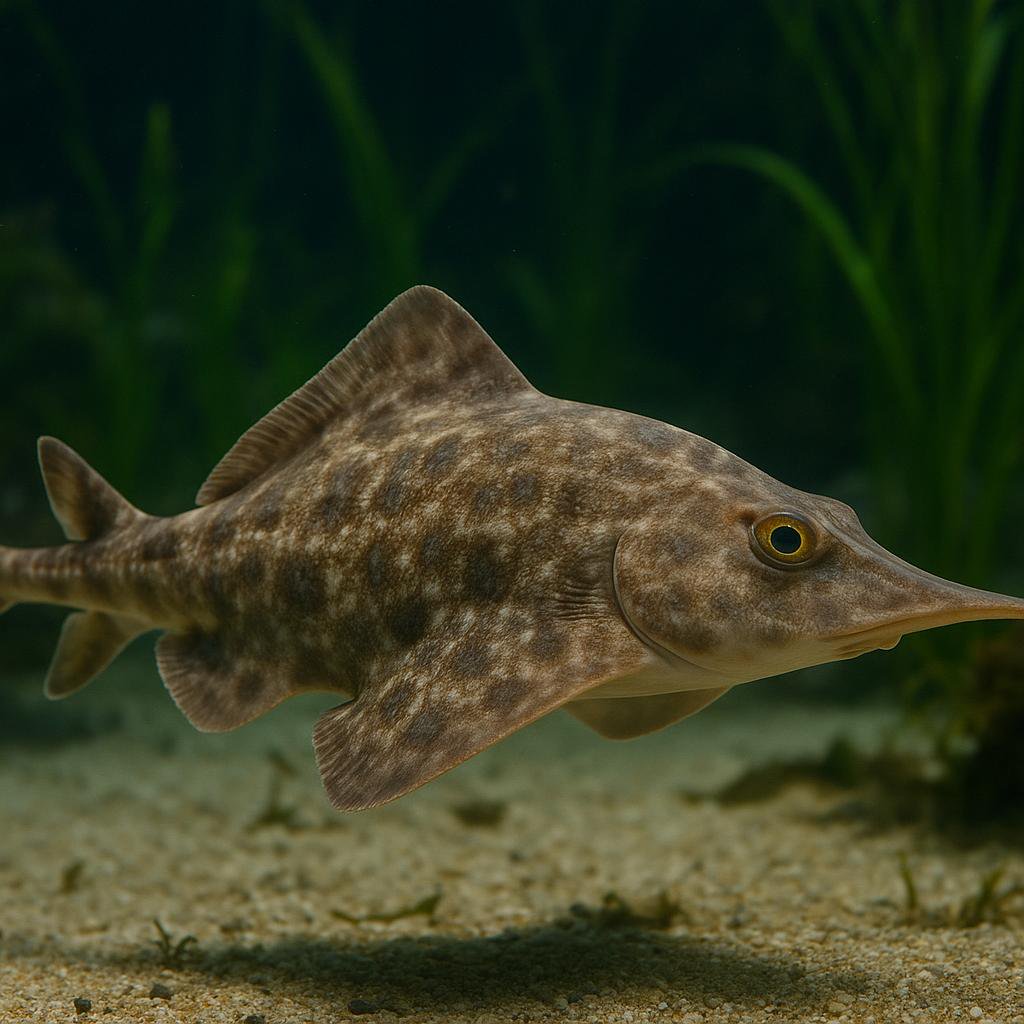
This is a big, cold-water deep-slope skate from the North Pacific that cruises muddy bottoms and eats chunky benthic prey like crabs and shrimp. The really cool bit is its egg-laying skate life - it does distinct pairing (the classic skate "embrace") and drops those tough egg cases on the seafloor. Not an aquarium fish at all unless you're basically running a public-aquarium-style chilled system.
Antarctic dragonfish
Vomeridens infuscipinnis
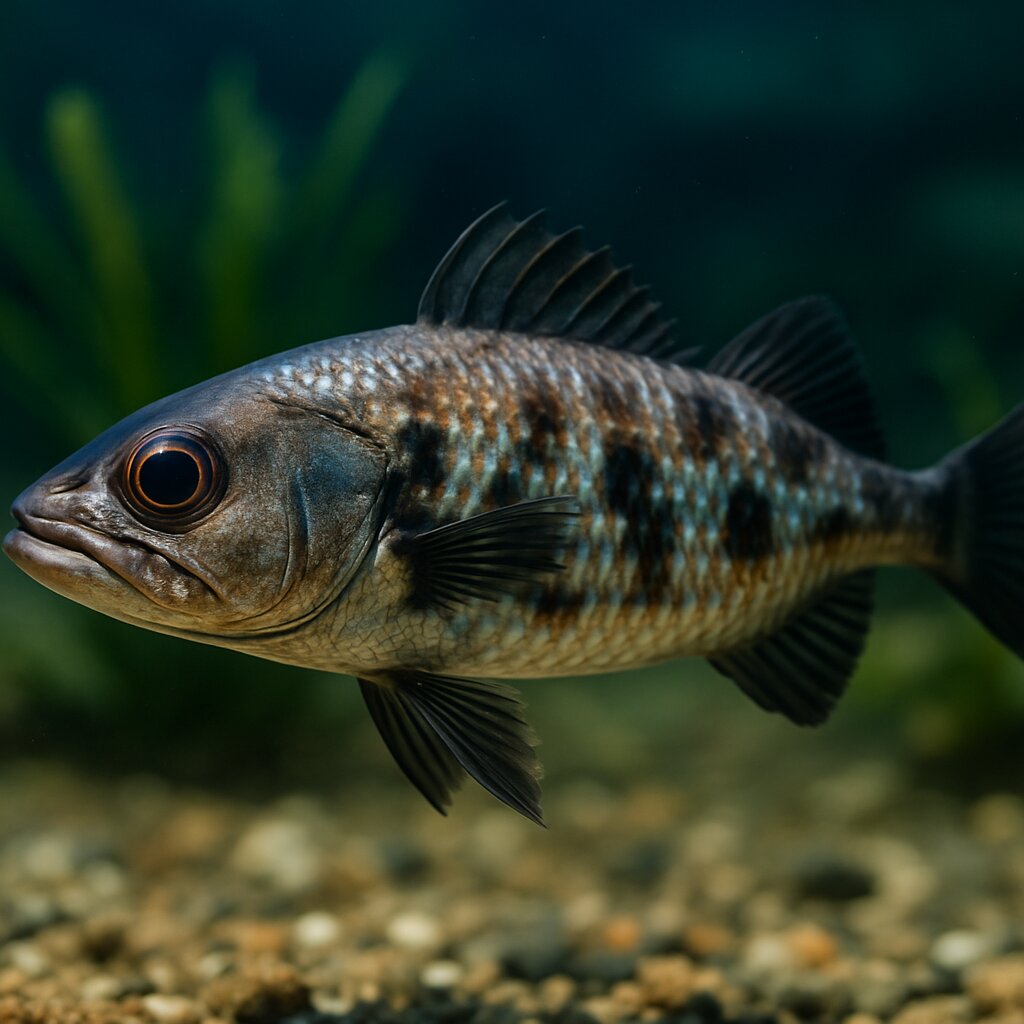
Deep down around Antarctica, this sleek dragonfish cruises the water column like a little submarine, nearly neutrally buoyant so it can hover above the seafloor. It munches almost exclusively on Antarctic krill and lives in near-freezing water 500-800 m down, so it is a cool species to read about, not one for home tanks.
Arabian spiny eel
Notacanthus indicus
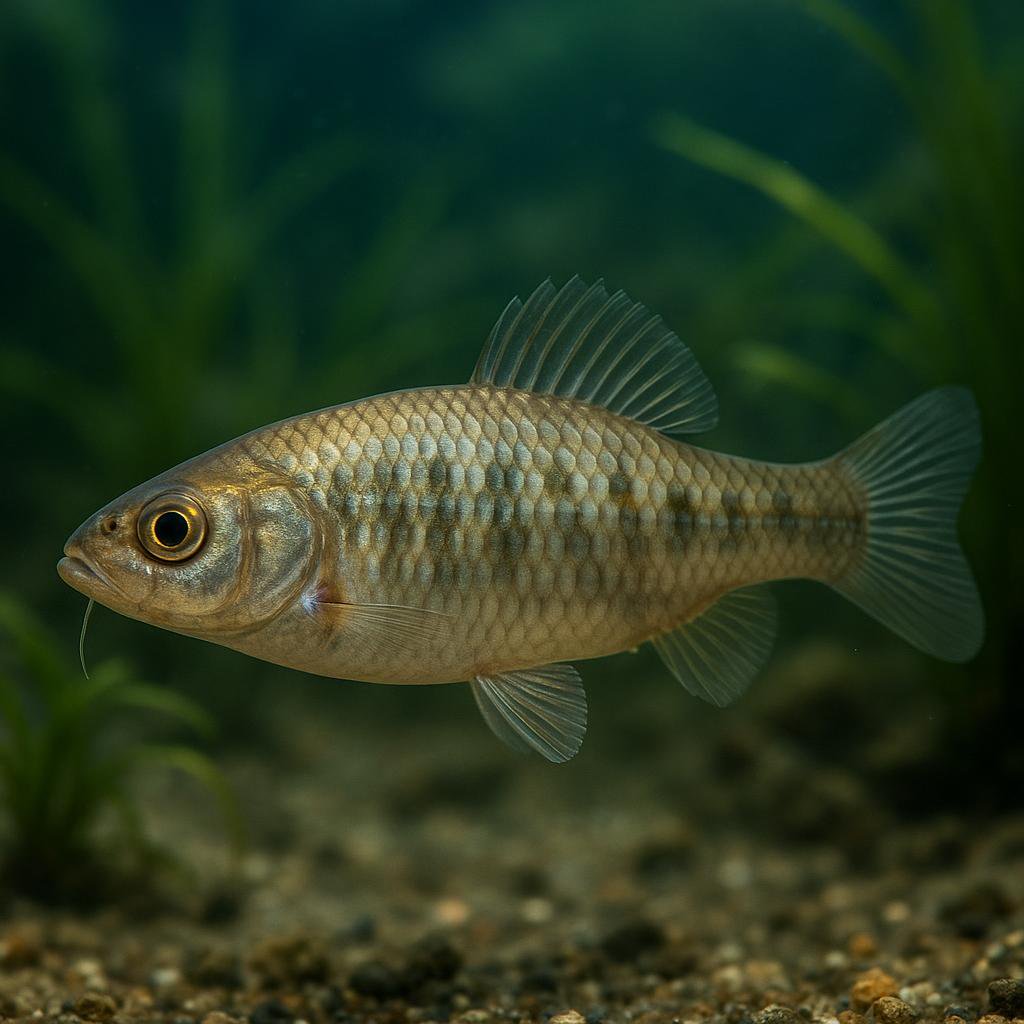
Notacanthus indicus is a deep-sea spiny eel (family Notacanthidae; not a true eel) known from the Arabian Sea on the continental slope at roughly ~960–1,046 m depth, with reported maximum length around 20 cm TL; it is a deep-water bycatch species and not established in the aquarium trade.
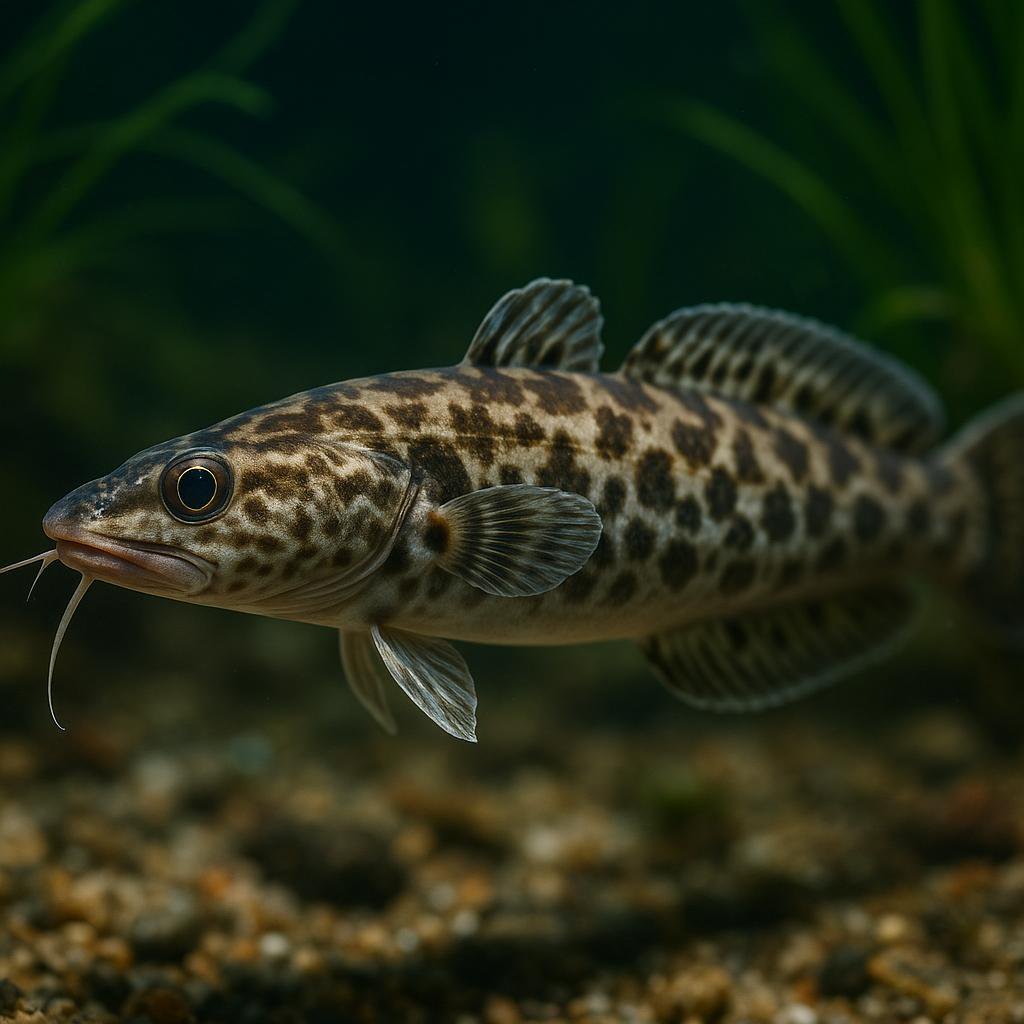
Arctic rockling
Gaidropsarus argentatus
This is a deepwater North Atlantic rockling (a cod relative) that hangs out on soft bottoms way down the slope. It is a cold-water, bottom-hugging predator that snoots around for crustaceans and will also take small fish when it gets the chance.
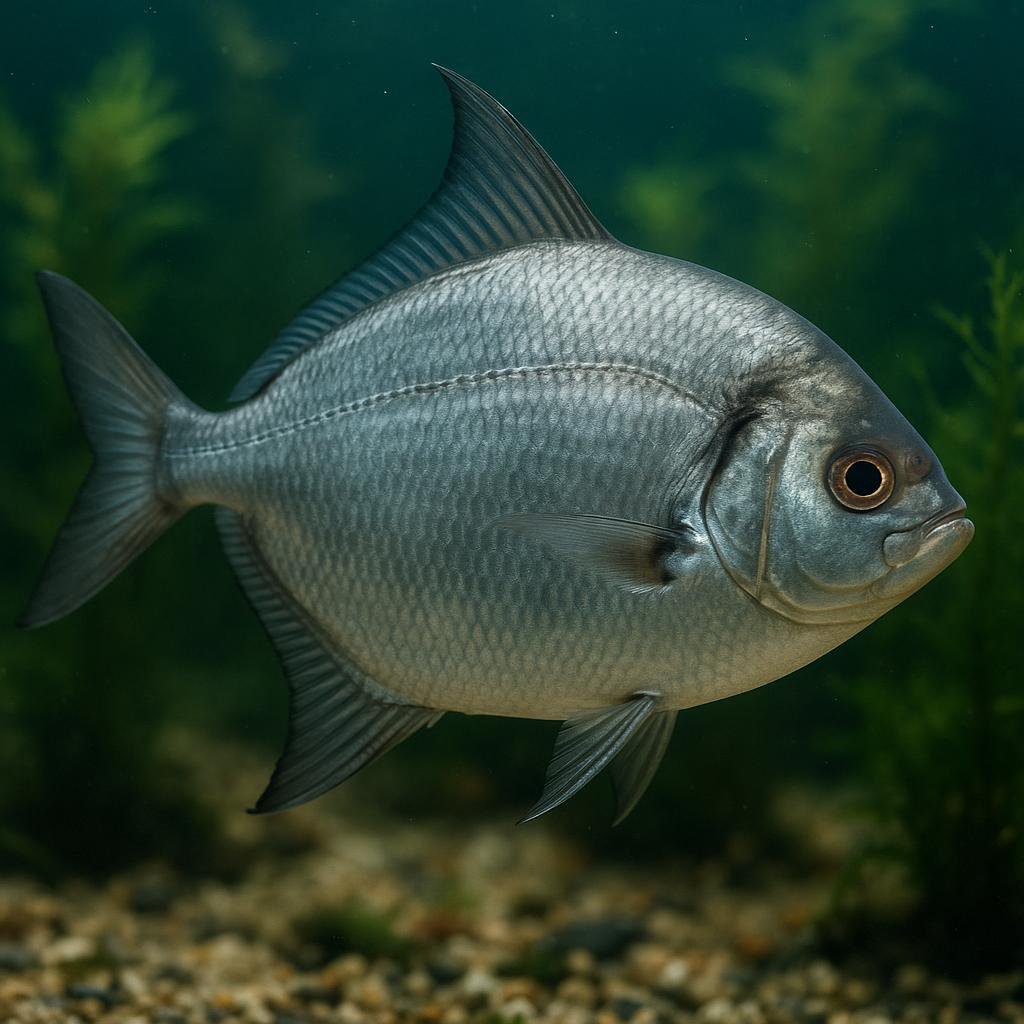
Atlantic pomfret
Brama brama
Brama brama is the Atlantic pomfret (aka Ray's bream) - a deep-bodied, open-ocean pelagic fish that cruises around in small schools and follows water temps. It is a legit big, wild marine species (not an aquarium fish) that eats other small sea critters like fish and squid, and it ranges across a huge chunk of the Atlantic plus parts of the Indian and South Pacific.
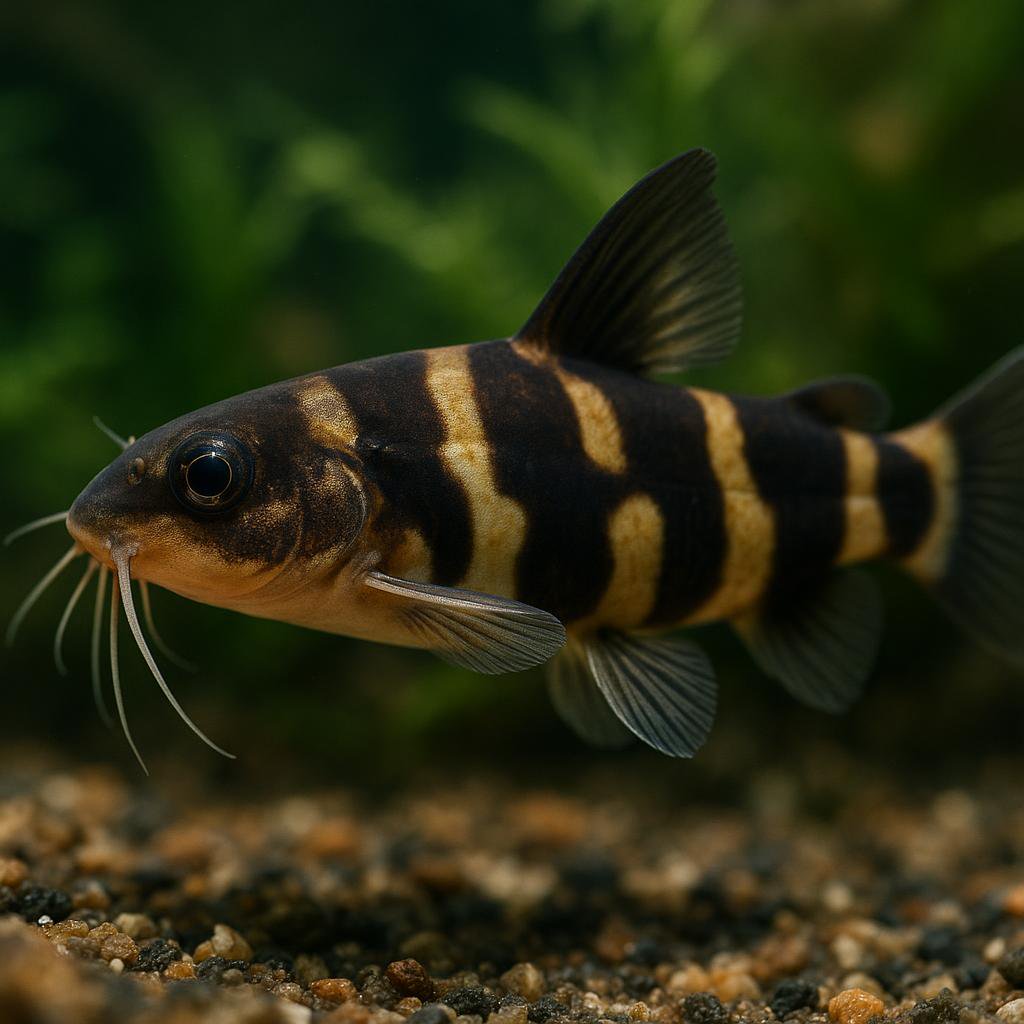
Australian sawtail catshark
Figaro boardmani
Figaro boardmani is a small, deepwater Australian catshark with these cool saw-like ridges of spiny denticles along the tail and a neat pattern of dark saddle bands. It lives way down on the outer continental shelf and slope, so its natural water is cold, dim, and stable - totally not a typical home-aquarium fish. Diet-wise its a predator that goes after fish, crustaceans, and cephalopods.
More to Explore
Discover more marine species.
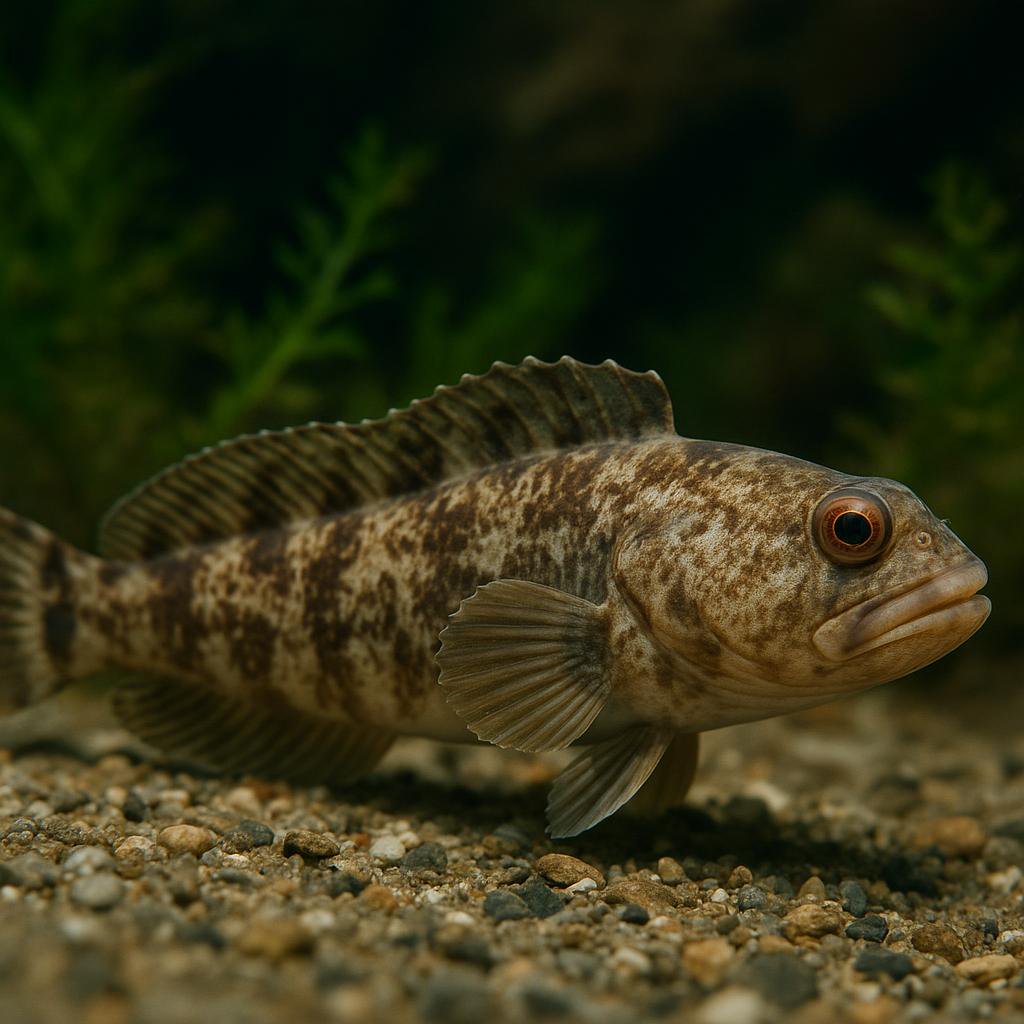
Abe's eelpout
Japonolycodes abei
Japonolycodes abei is a temperate, deepwater demersal eelpout (family Zoarcidae) endemic to Japan (Kumano-nada Sea reported; other sources also report Sagami Bay and Tosa Bay). It is the only species in the genus Japonolycodes and occurs roughly 40-300 m depth, making it an uncommon/atypical aquarium species.
Affinis blind cusk-eel
Barathronus affinis
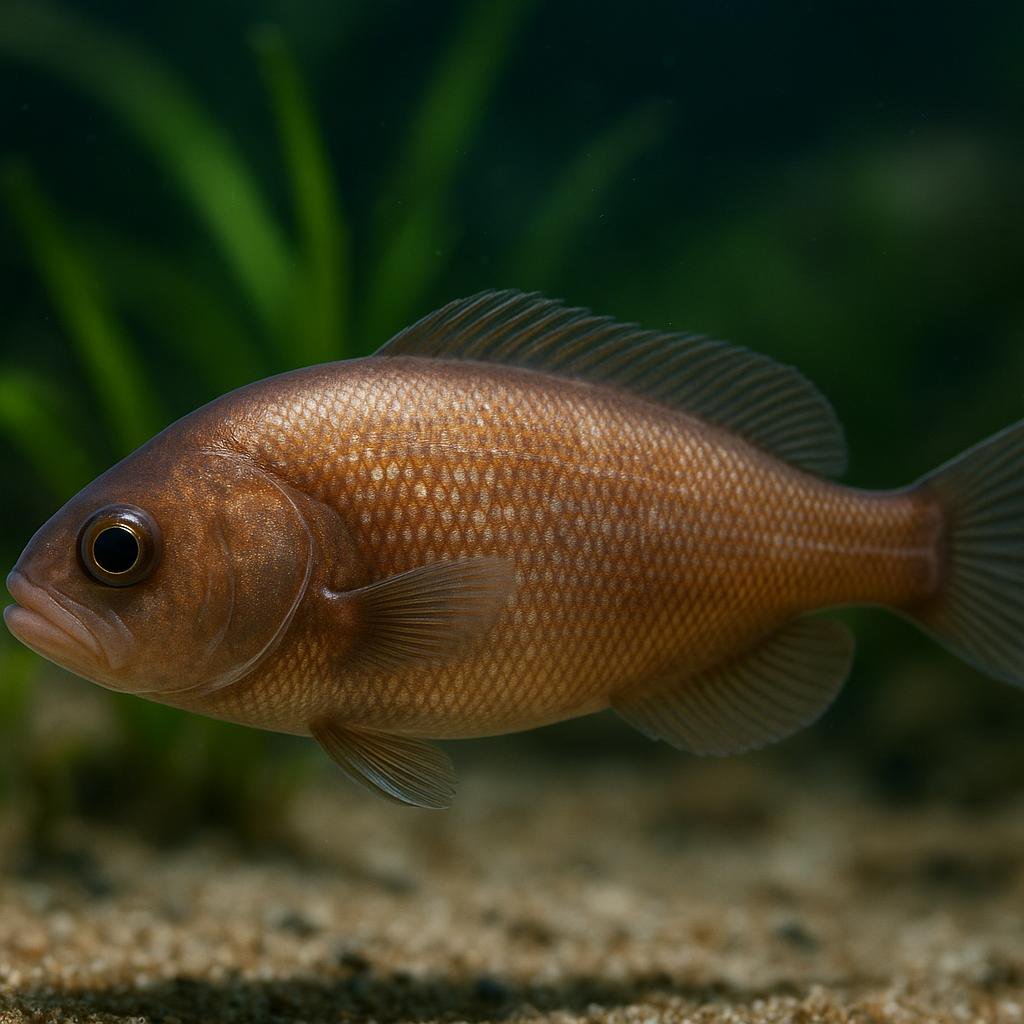
Barathronus affinis is a tiny, super-weird deep-sea blind cusk-eel from the western-central Indian Ocean. It is one of those gelatinous, loose-skinned brotula-type fishes that live way down in the dark and are basically never seen alive, so almost everything we know comes from preserved specimens and taxonomic work.
African red snapper
Lutjanus agennes
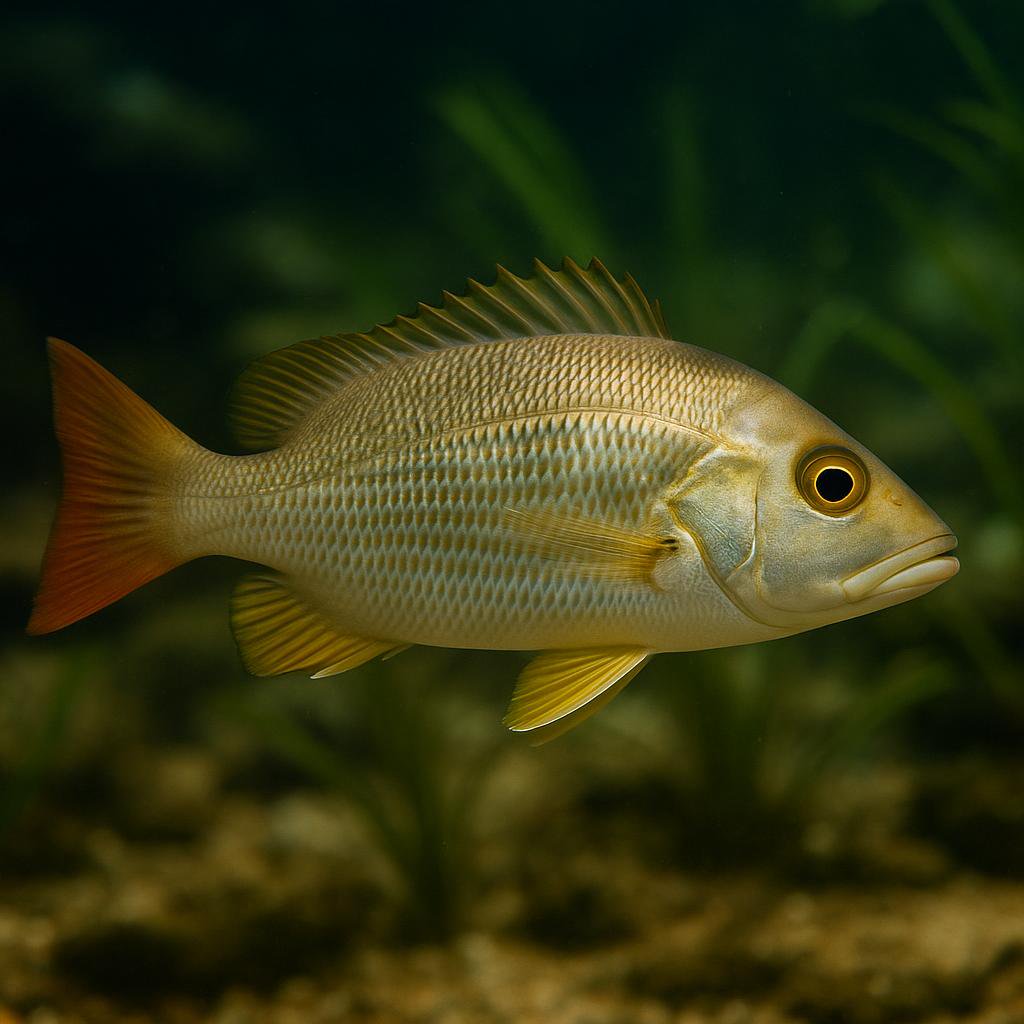
This is a true snapper from West Africa - a big, fast-growing predator that goes from coastal reefs to brackish lagoons and estuaries (especially as a juvenile). Super cool fish in the wild, but it gets absolutely huge and will eat smaller tankmates once it has the mouth for it, so its really more of a public-aquarium scale animal than a home-aquarium fish.
Allis shad
Alosa alosa
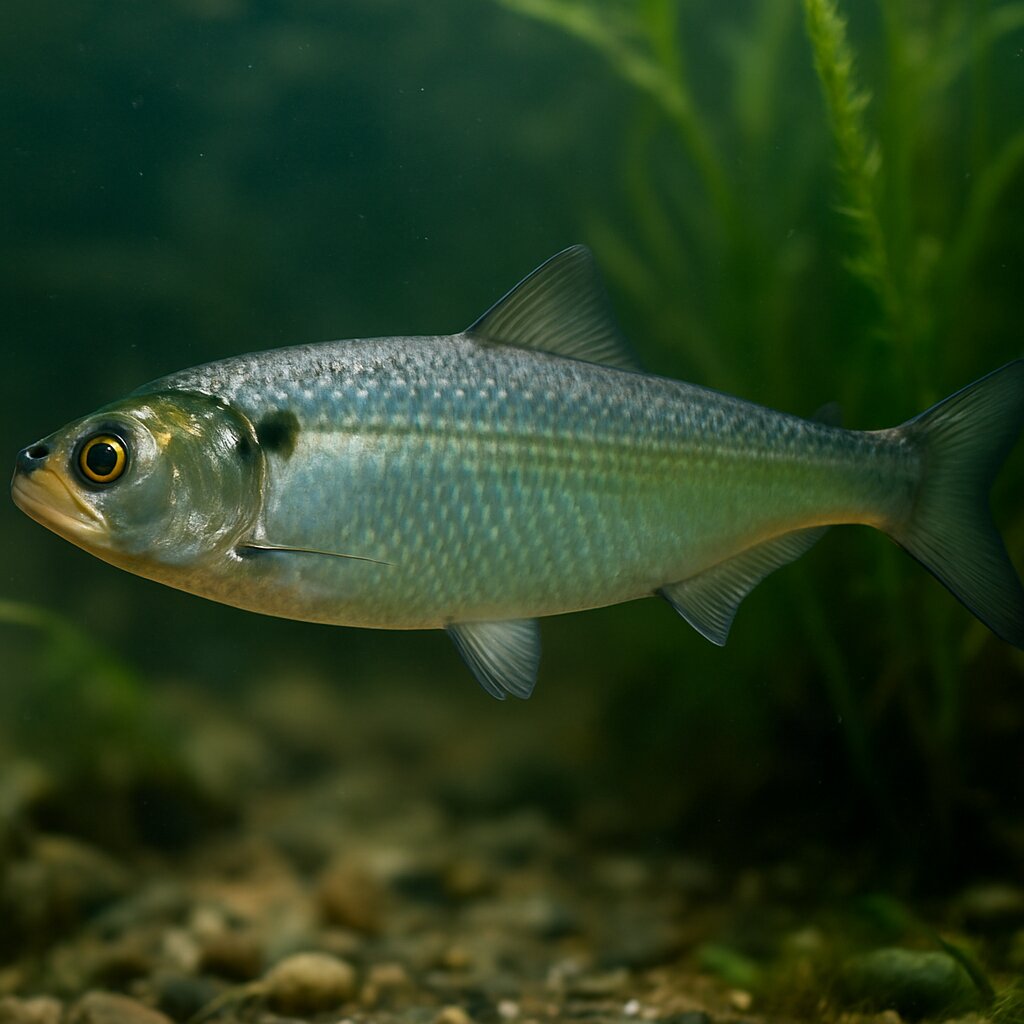
Gorgeous silver, fast-swimming shad that spends most of its life in the sea and then surges up big rivers in noisy, surface-spawning schools. It grows huge for a herring-type fish and needs cool, ultra-oxygenated water and tons of open space, so it is a public-aquarium species rather than a home tank fish.
Annandale's zebra sole
Zebrias annandalei
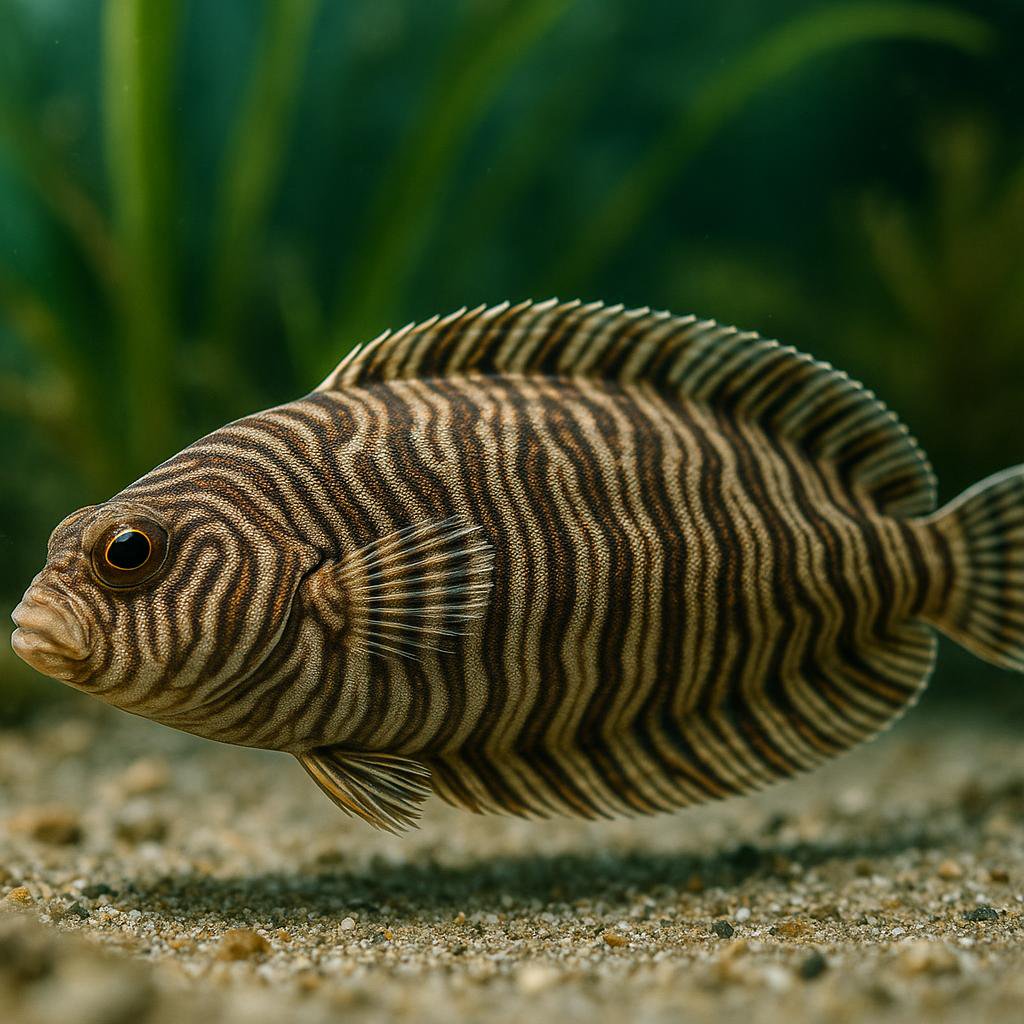
Zebrias annandalei is a small demersal sole from coastal India that inhabits sandy or muddy bottoms and buries for camouflage. It is rarely kept in home aquaria and would require a specialized marine sand-bottom setup and appropriate feeding.
Banded stargazer
Kathetostoma binigrasella
This is a New Zealand stargazer that lives half-buried in sand or mud with its eyes pointed up, waiting to rocket upward and nail passing prey. It has those neat dark saddle-bands across the back (especially as a juvenile), and like other stargazers it is venomous with spines near the gill cover/pectoral area - definitely a look-dont-touch fish.
Looking for other species?