

Steindachner's drum
Umbrina steindachneri
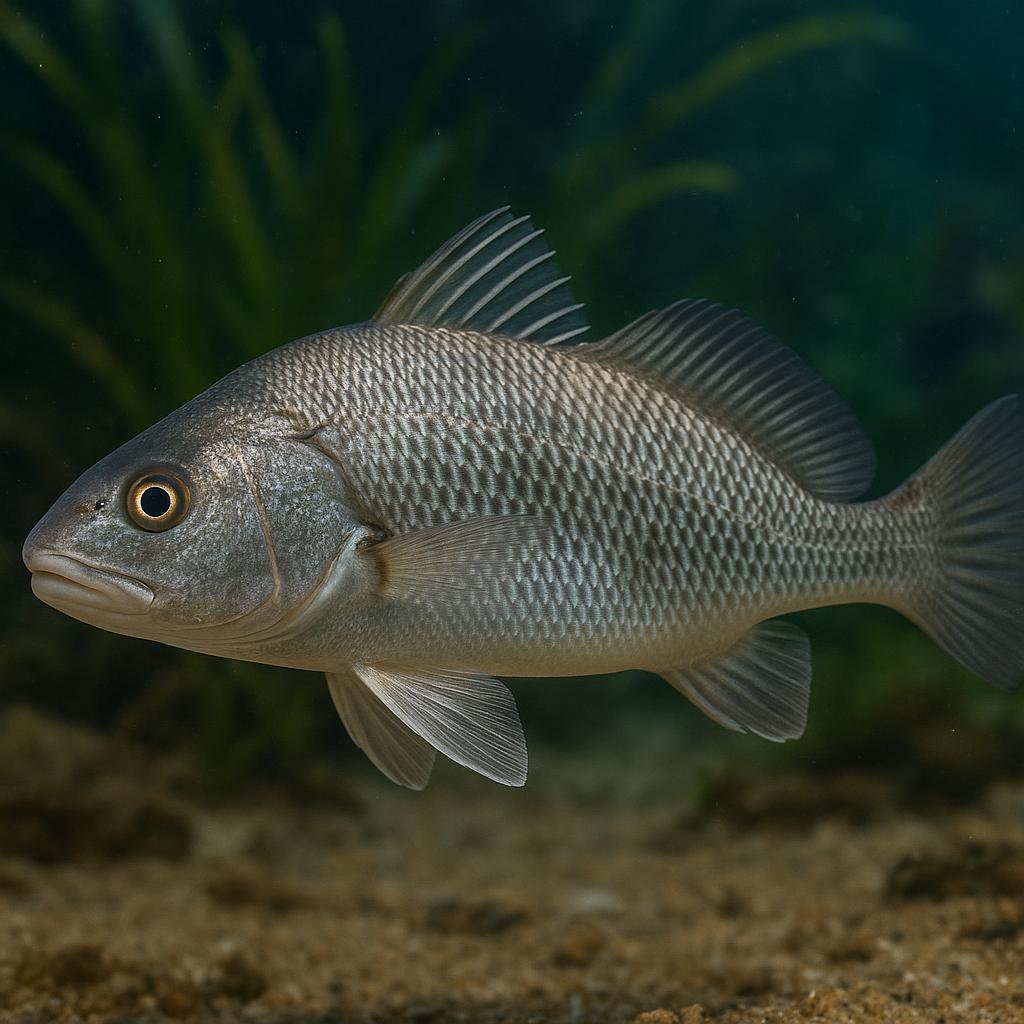
Steindachner's drum exhibits a streamlined body with a silvery hue and distinctive dark spots along the sides.
This page includes AI-generated images. Why am I seeing AI images?
About the Steindachner's drum
Umbrina steindachneri is a West African marine croaker/drum that hangs around sandy-mud bottoms in deeper coastal water. It tops out around 47 cm (about 18.5 inches), so its size alone is the big reason it is not really an aquarium fish even though it is super cool as a real-deal saltwater surf and shelf species.
Quick Facts
Size
47 cm TL
Temperament
Semi-aggressive
Difficulty
Expert
Min Tank Size
300 gallons
Lifespan
unknown
Origin
Eastern Atlantic (West Africa)
Diet
Carnivore - likely benthic invertebrates and small fishes (typical croaker/drum feeding on sandy-mud bottoms)
Water Parameters
18.6-25.9°C
8-8.4
8-12 dGH
Need a heater for this species?
This species needs 18.6-25.9°C in a 300 gallon tank. Use our heater calculator to find the right wattage.
Calculate heater sizeCare Notes
- Plan for a big, open footprint tank - these are coastal drummers that cruise and spook easily, so give them long swim room and keep rockwork to the edges with clear lanes.
- Run marine salinity around 1.023-1.026 and keep temp in the mid-70s F (about 23-26 C); sudden swings and low oxygen hit them fast, so use strong surface agitation and a tight lid (they can bolt).
- They like sandy bottoms and will probe and sift, so use fine sand and avoid sharp crushed coral that can mess up their mouth and barbels.
- Feed like a predator that hunts small bottom stuff: chopped shrimp, clam, squid, and quality sinking marine pellets; multiple smaller meals beats one huge dump, and soak dry foods so they do not gulp air.
- Tankmates need to be calm but tough and not bitey - think other medium-large marine fish that will not harass them; skip aggressive triggers, big wrasses that pick, and anything small enough to be inhaled.
- Watch for abrasion and bacterial issues after scares (they slam into glass/rock), so keep the decor smooth, lights ramped, and have a hospital tank ready if you see split fins or red sores.
- Breeding in home tanks is basically a unicorn - they are seasonal spawners and usually need big groups and environmental cues you will not easily replicate, so do not buy them expecting babies.
Compatibility
Good Tankmates
- Other similar-size, toughish marine fish that mind their own business - think small-to-medium grunts or croakers (Haemulon spp., Orthopristis spp.). They act the most 'normal' around each other and nobody panics when the drum does its patrol laps.
- Rabbitfish (Siganus spp.) - great 'don’t start none, won’t be none' tank mates. They are sturdy, not fluttery, and usually too big to be seen as food once everyone is grown. Just give them room and algae to graze.
- Bigger, confident wrasses that are built like footballs, not ribbons - like a Halichoeres or a Coris type. They can handle the semi-aggressive posturing and they are fast enough to stay out of the drum's face.
- Medium triggers that are on the 'less murdery' end - like a bluejaw (Xanthichthys) or similar plankton-y trigger. The drum will try to be bossy, the trigger won't care much, and neither tends to get shredded if the tank is roomy.
- Chunky tangs/surgeonfish (Zebrasoma, Ctenochaetus, Acanthurus) - they are active, not easy to intimidate, and usually not shaped like an easy meal. Add them with good rockwork and lots of swim room so everyone can claim space.
- Sturdy angels (Pomacanthus/large Centropyge types) - as long as sizes are comparable. They can deal with some attitude and they are not the kind of fish that just sits there and gets picked on.
Avoid
- Small fish that fit in its mouth - damsels when young, small gobies, firefish, tiny cardinals, juvenile clowns. Steindachner's drum is a croaker-type predator and it will eventually treat snack-sized tank mates like snacks.
- Shrimp, small crabs, and most 'cute cleanup crew' that wander in the open - cleaner shrimp, peppermint shrimp, little hermits. If it can crunch it, it probably will, especially at night when the drum gets bold.
- Slow, delicate, long-finned fish - things like lionfish, scorpionfish, or fancy butterflyfish that hover and hope for the best. The drum's pushy cruising and food-chasing tends to stress them out and can turn into fin-nipping or bullying.
Where they come from
Steindachner's drum (Umbrina steindachneri) is a sciaenid from the eastern Pacific. Think sandy bays, surf zones, and nearshore bottoms where they can poke around for crustaceans and worms. They are built for that life: big mouth, a "listening" vibe (drums have great sensory systems), and a habit of cruising low and slow over sand.
If you've kept other drums or croakers, this one feels familiar: bottom-oriented, food-driven, and a lot more confident once it has space and a steady routine.
Setting up their tank
This is an expert fish mostly because of size, waste output, and how fast a small setup gets overwhelmed. Give it room to turn and cruise. In my experience, they look "fine" in a too-small tank right up until they don't - then you get stress, skittishness, and water quality problems all at once.
- Tank size: plan big. A 300+ gallon footprint-style tank is where this starts to make sense long-term. Wider is better than tall.
- Aquascape: keep the rockwork simple and stable. Leave open sand lanes for cruising and feeding.
- Substrate: sand is your friend. They like to nose around, and a bare bottom fish can get jumpy and scraped up.
- Filtration: heavy, and then heavier. Oversized skimmer, lots of biological capacity, and strong mechanical filtration you can clean often.
- Flow: moderate, not blasting. You want good turnover and oxygen, but not a constant sandstorm.
- Cover: tight lid. They can spook and launch, especially during the first month or after lights-out surprises.
Build the rockwork like you expect a strong fish to body-check it. I have watched drums wedge themselves into spots and shove around unstable piles. Use epoxy, rods, or keep it minimal.
Water numbers are standard marine stuff, but stability matters more than chasing a perfect decimal. Keep salinity steady, keep oxygen high, and stay on top of nitrate because these fish eat like predators and poop like it.
What to feed them
They are enthusiastic carnivores and usually not picky once settled. The trick is getting them onto a varied, clean diet without turning the tank into a nutrient swamp.
- Staples: chopped shrimp, squid, clam, mussel, marine fish flesh (sparingly), and quality sinking carnivore pellets once they'll take them.
- Treats/variety: live blackworms (short term for tempting new arrivals), live or frozen mysis for smaller individuals, and occasional crab bits.
- Feeding style: they like food delivered to the bottom. Use a feeding tube or target feed so it does not all blow into the rocks.
- Schedule: smaller meals more often beats one huge dump. Think 4-6x/week for adults, daily for juveniles.
If a new fish is shy, dim the lights and offer food right on the sand in the same spot every time. They learn routines fast, and once they associate you with dinner, they get bold.
Avoid fatty freshwater feeders and sloppy chunks that rot in the substrate. This species will absolutely let you overfeed it, and your nitrate and phosphate will pay the price.
How they behave and who they get along with
Most of the time they are calm, bottom-cruising predators. They are not "petting zoo" fish, but they do get interactive in a food-driven way. They can startle easily at first, then settle into a confident, almost dog-like hover when you approach the tank.
- Temperament: generally not a bully, but absolutely a predator.
- Tankmates: sturdy, similarly sized fish that will not fit in its mouth. Think larger angels, tangs, triggers with a decent attitude, robust groupers of appropriate size, and other big community marine fish.
- Avoid: anything small, slender, or slow at night. Also avoid delicate bottom fish that compete for the same space (sleepy gobies, small wrasses that bury, etc.).
- Inverts: treat shrimp, crabs, and small snails as food. Large, tough urchins sometimes survive, but I would not bank on a reef-safe setup here.
If it can fit in their mouth, it is food. This includes "it was fine for months" tankmates that suddenly disappear after a growth spurt.
They also throw their weight around without meaning to. A drum turning fast can spook other fish and can slam into rockwork if the tank is cramped. Give everyone lanes and hiding spots that do not pinch into dead ends.
Breeding tips
Realistically, breeding Steindachner's drum in home aquariums is not something most of us will pull off. Drums are typically broadcast spawners with seasonal cues, and they want space, mature conditioning, and sometimes group dynamics that are hard to replicate indoors.
If you do keep more than one, watch for increased vocalizing and chasing during seasonal changes in your room temperature or photoperiod. It is interesting behavior, but not a sign you are a step away from raising fry.
Common problems to watch for
Most issues I have seen with drums come down to three things: transport stress, diet problems, and water quality sliding because they are big eaters.
- Shipping stress and refusal to eat: common early on. Keep things quiet, offer meaty foods on the bottom, and do not keep moving decor around.
- Mouth and snout scrapes: from spooking into glass or rockwork. Tight lids, calm lighting transitions, and open swimming lanes help a lot.
- Parasites (marine ich/velvet): they are not magically resistant. Quarantine is worth the hassle with a fish like this.
- Nutrient creep: nitrate and phosphate rising from heavy feeding. Strong skimming, filter sock changes, and not letting food disappear into the sand fixes most of it.
- Gas exchange issues: big fish + warm water + closed tops can mean low oxygen. Aim for strong surface agitation and a skimmer that actually pulls air.
Do a quick flashlight check an hour after lights out for leftover food on the sand. If you see a lot, cut portions back and tighten your feeding method. That single habit prevents a lot of mystery algae and "why is nitrate climbing" headaches.
Similar Species
Other marine semi-aggressive species you might be interested in.
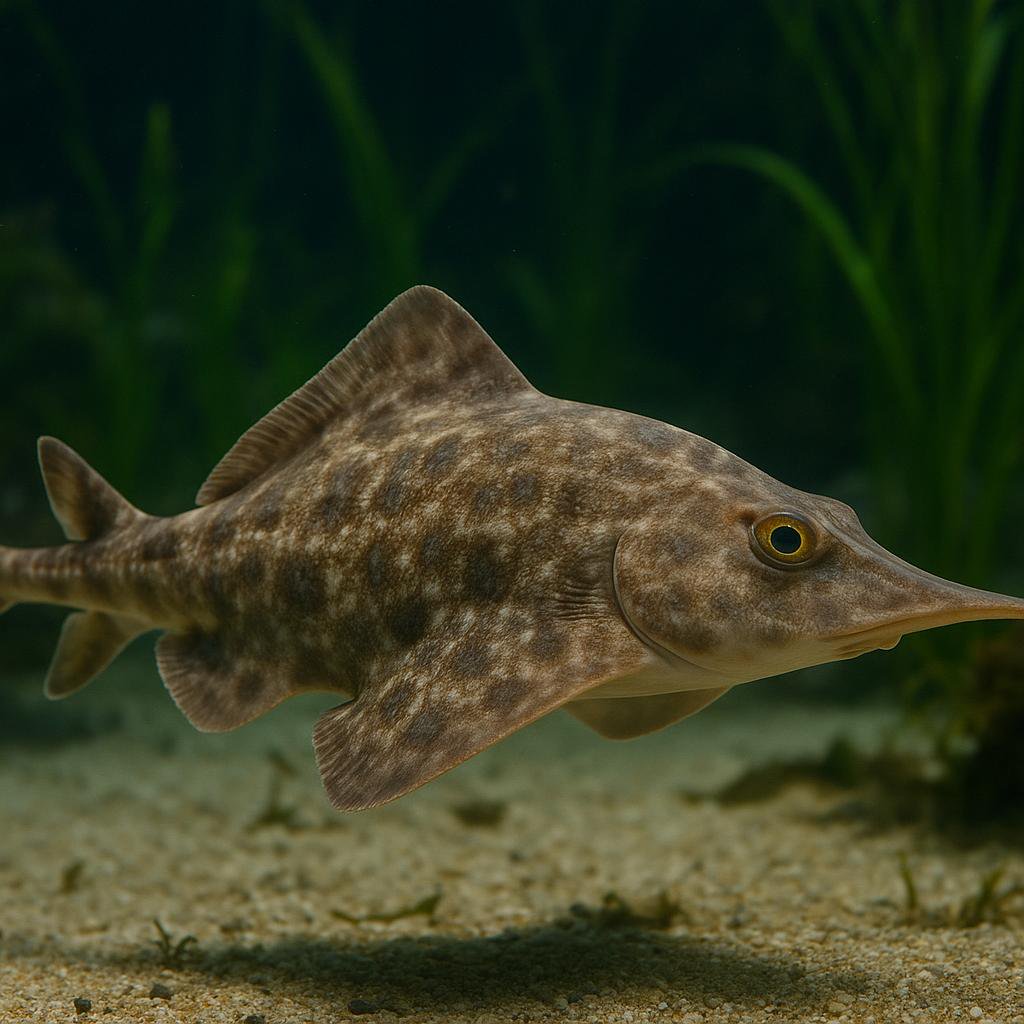
Aleutian skate
Bathyraja aleutica
This is a big, cold-water deep-slope skate from the North Pacific that cruises muddy bottoms and eats chunky benthic prey like crabs and shrimp. The really cool bit is its egg-laying skate life - it does distinct pairing (the classic skate "embrace") and drops those tough egg cases on the seafloor. Not an aquarium fish at all unless you're basically running a public-aquarium-style chilled system.
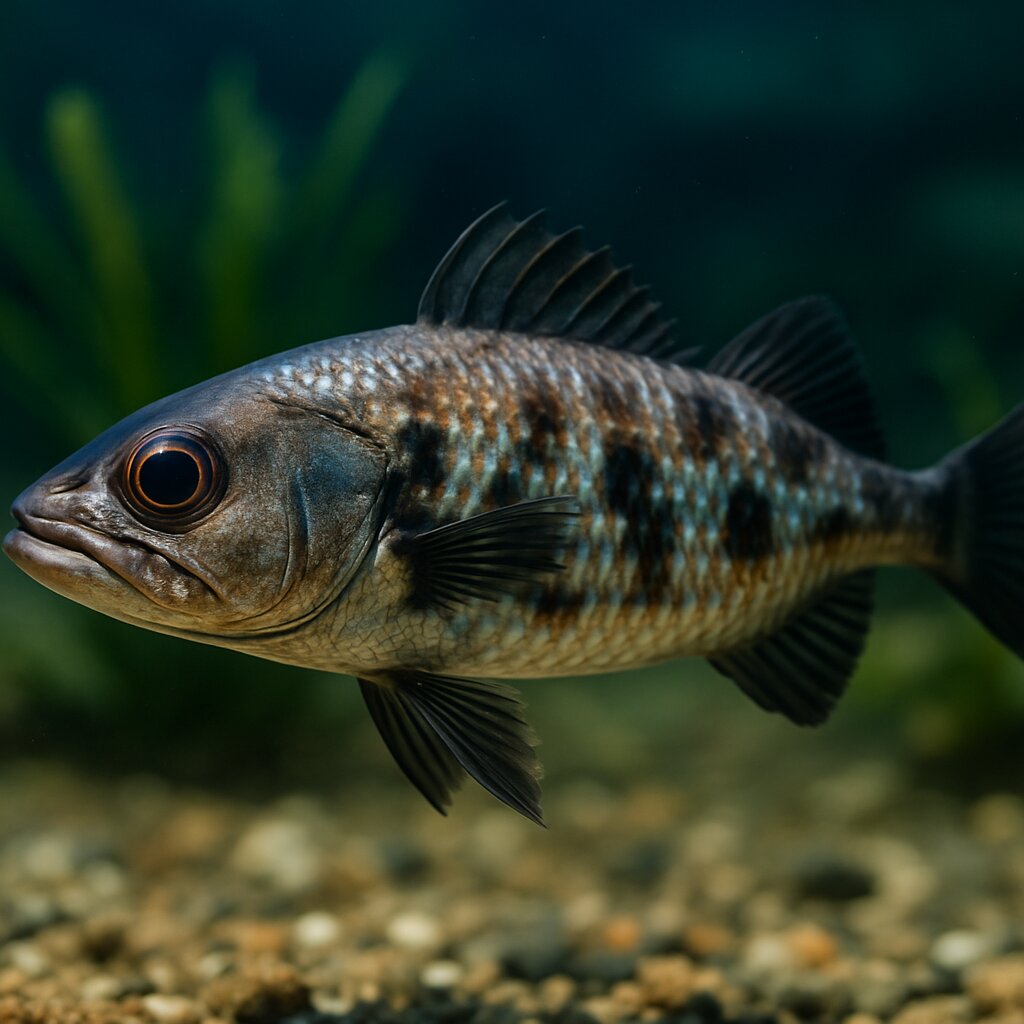
Antarctic dragonfish
Vomeridens infuscipinnis
Deep down around Antarctica, this sleek dragonfish cruises the water column like a little submarine, nearly neutrally buoyant so it can hover above the seafloor. It munches almost exclusively on Antarctic krill and lives in near-freezing water 500-800 m down, so it is a cool species to read about, not one for home tanks.
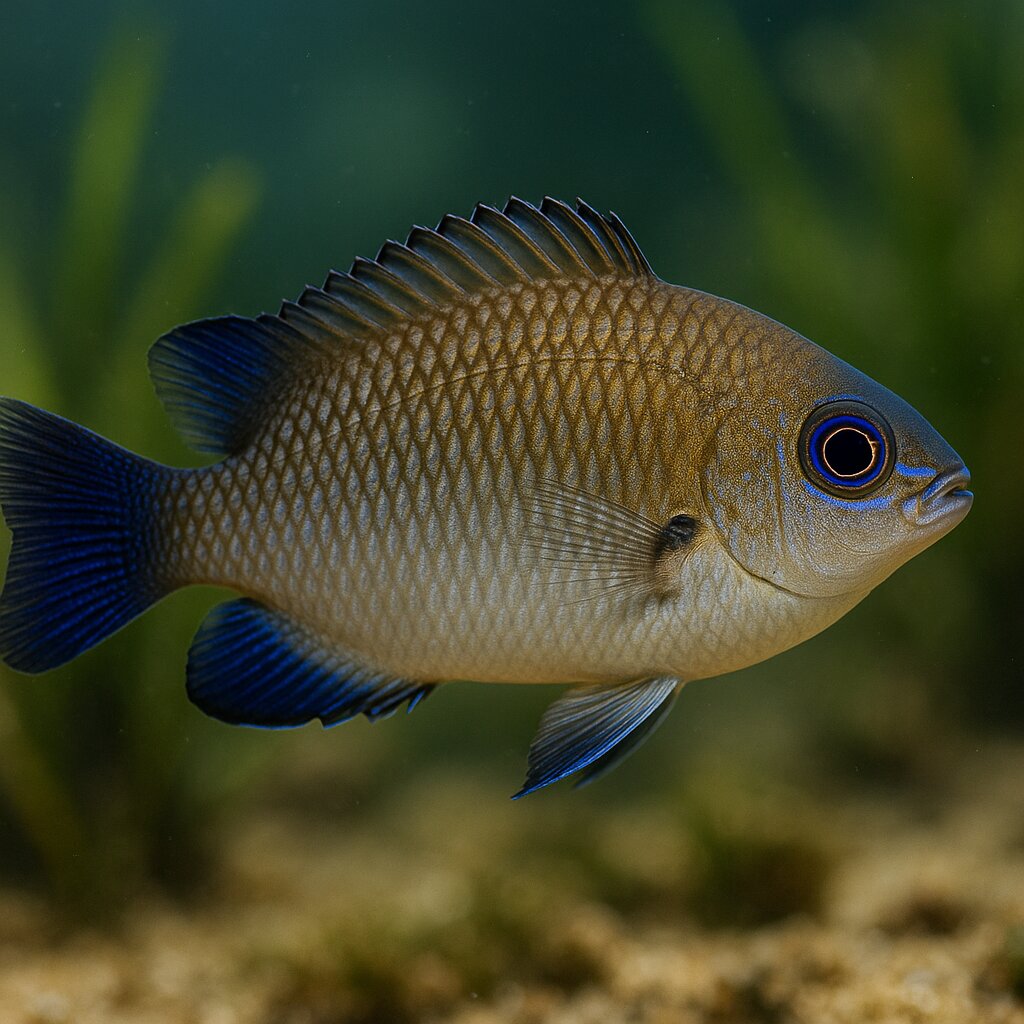
Arabian demoiselle
Neopomacentrus sindensis
A small lyretail damsel from the Persian Gulf and Arabian Sea, it hangs in loose groups around coral heads, rocks, and even pier pilings picking zooplankton from the flow. Think classic damsel toughness with a slightly milder attitude than the real bruisers, plus subtle yellow tail accents. Males clean a patch, get a mate to lay eggs there, and then stand guard fanning the clutch.
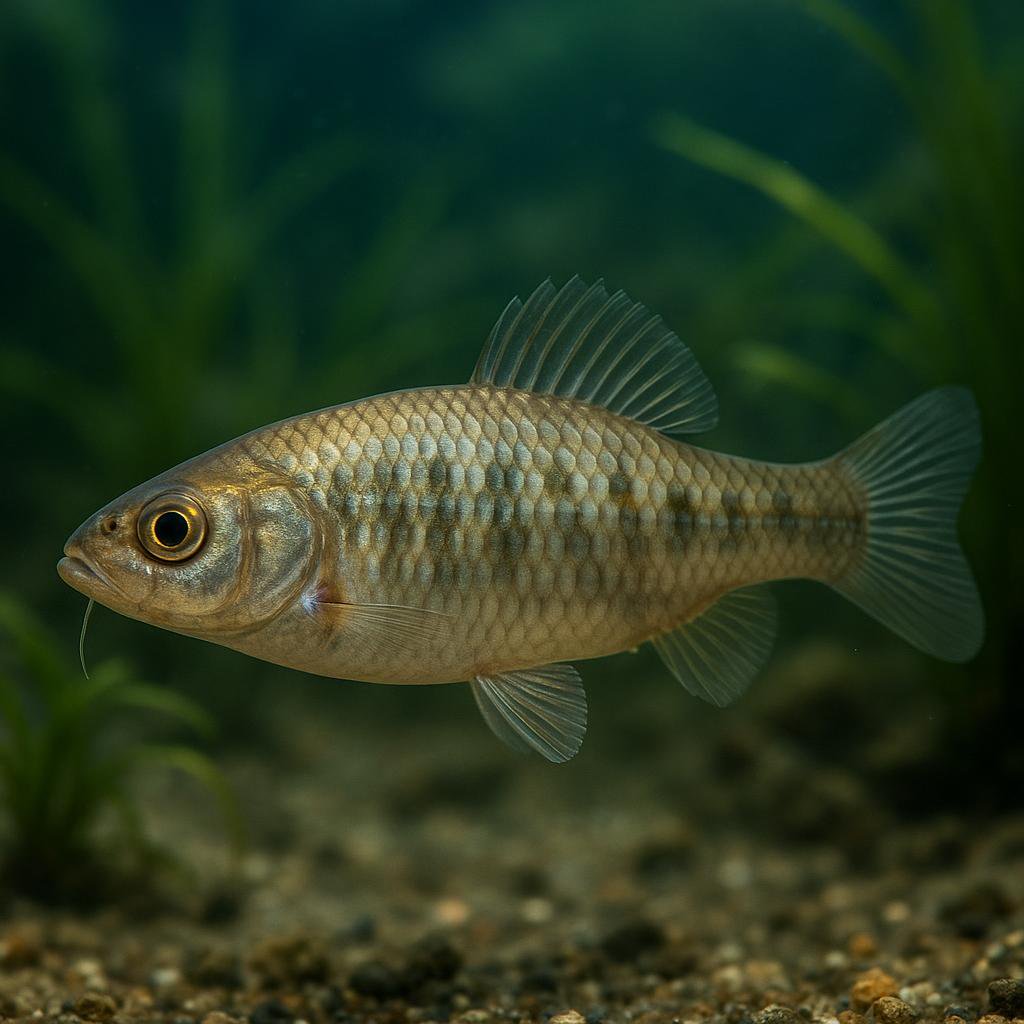
Arabian spiny eel
Notacanthus indicus
Notacanthus indicus is a deep-sea spiny eel (family Notacanthidae; not a true eel) known from the Arabian Sea on the continental slope at roughly ~960–1,046 m depth, with reported maximum length around 20 cm TL; it is a deep-water bycatch species and not established in the aquarium trade.
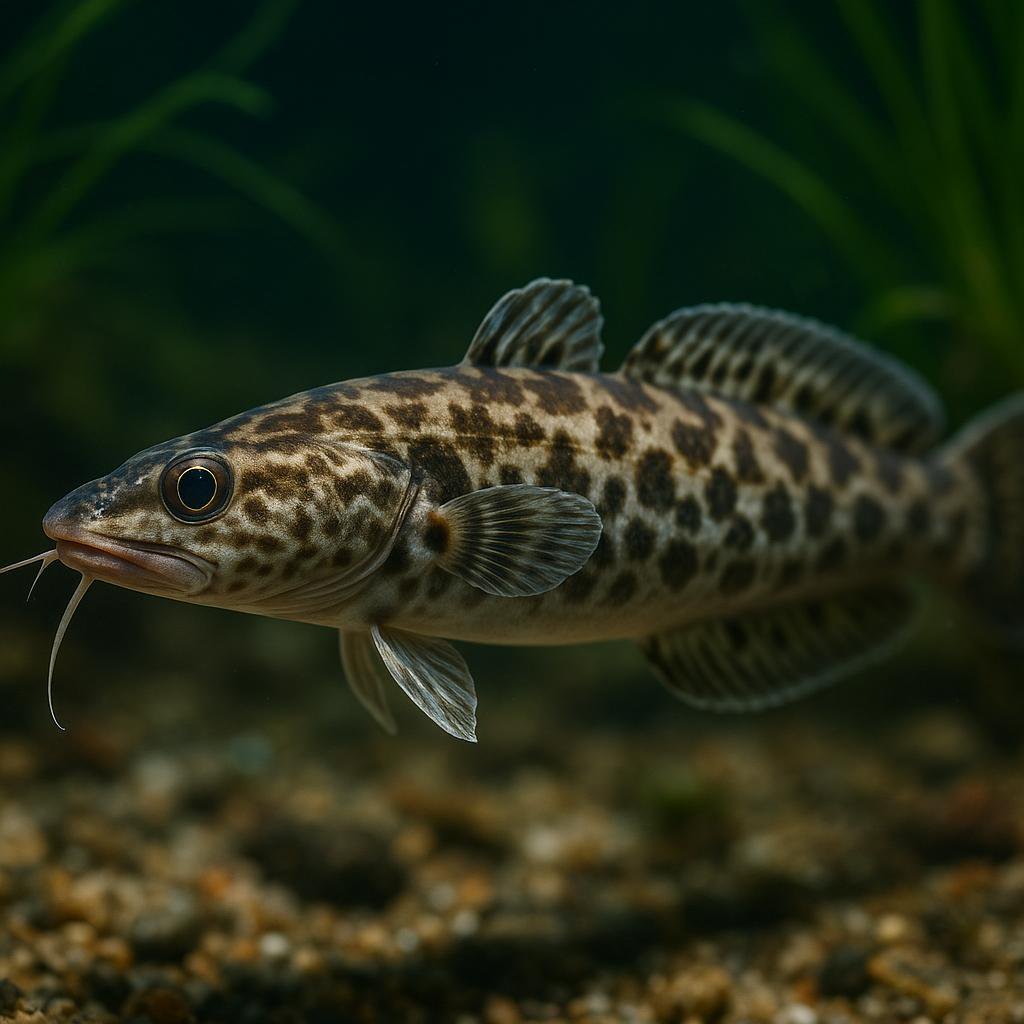
Arctic rockling
Gaidropsarus argentatus
This is a deepwater North Atlantic rockling (a cod relative) that hangs out on soft bottoms way down the slope. It is a cold-water, bottom-hugging predator that snoots around for crustaceans and will also take small fish when it gets the chance.
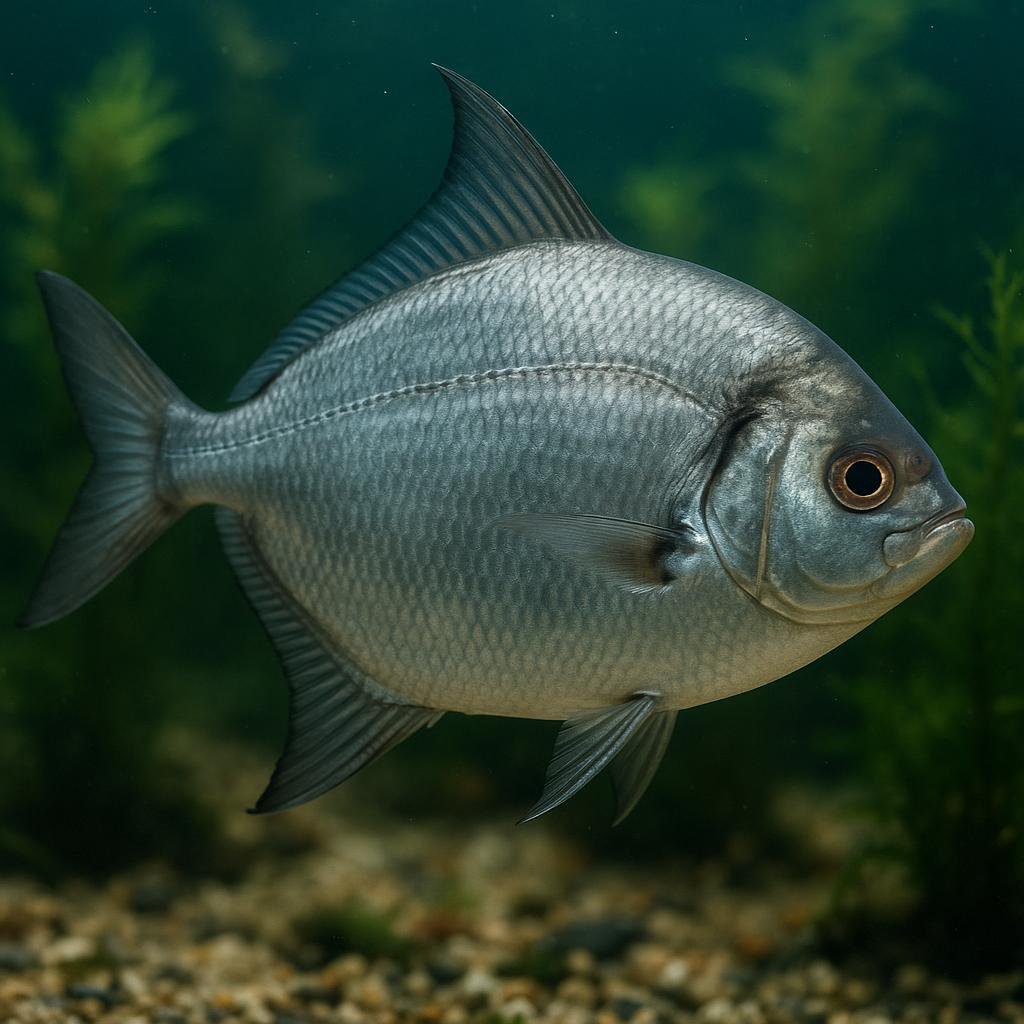
Atlantic pomfret
Brama brama
Brama brama is the Atlantic pomfret (aka Ray's bream) - a deep-bodied, open-ocean pelagic fish that cruises around in small schools and follows water temps. It is a legit big, wild marine species (not an aquarium fish) that eats other small sea critters like fish and squid, and it ranges across a huge chunk of the Atlantic plus parts of the Indian and South Pacific.
More to Explore
Discover more marine species.
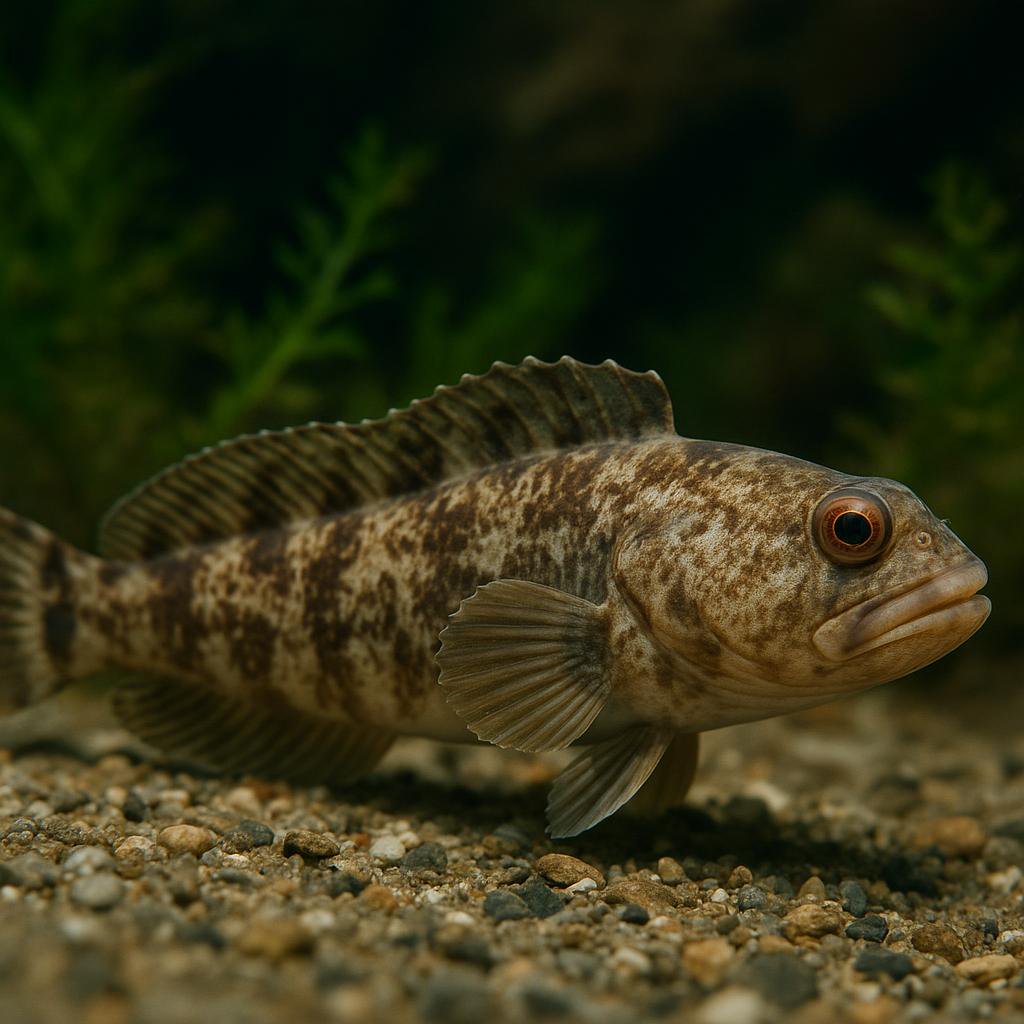
Abe's eelpout
Japonolycodes abei
Japonolycodes abei is a temperate, deepwater demersal eelpout (family Zoarcidae) endemic to Japan (Kumano-nada Sea reported; other sources also report Sagami Bay and Tosa Bay). It is the only species in the genus Japonolycodes and occurs roughly 40-300 m depth, making it an uncommon/atypical aquarium species.
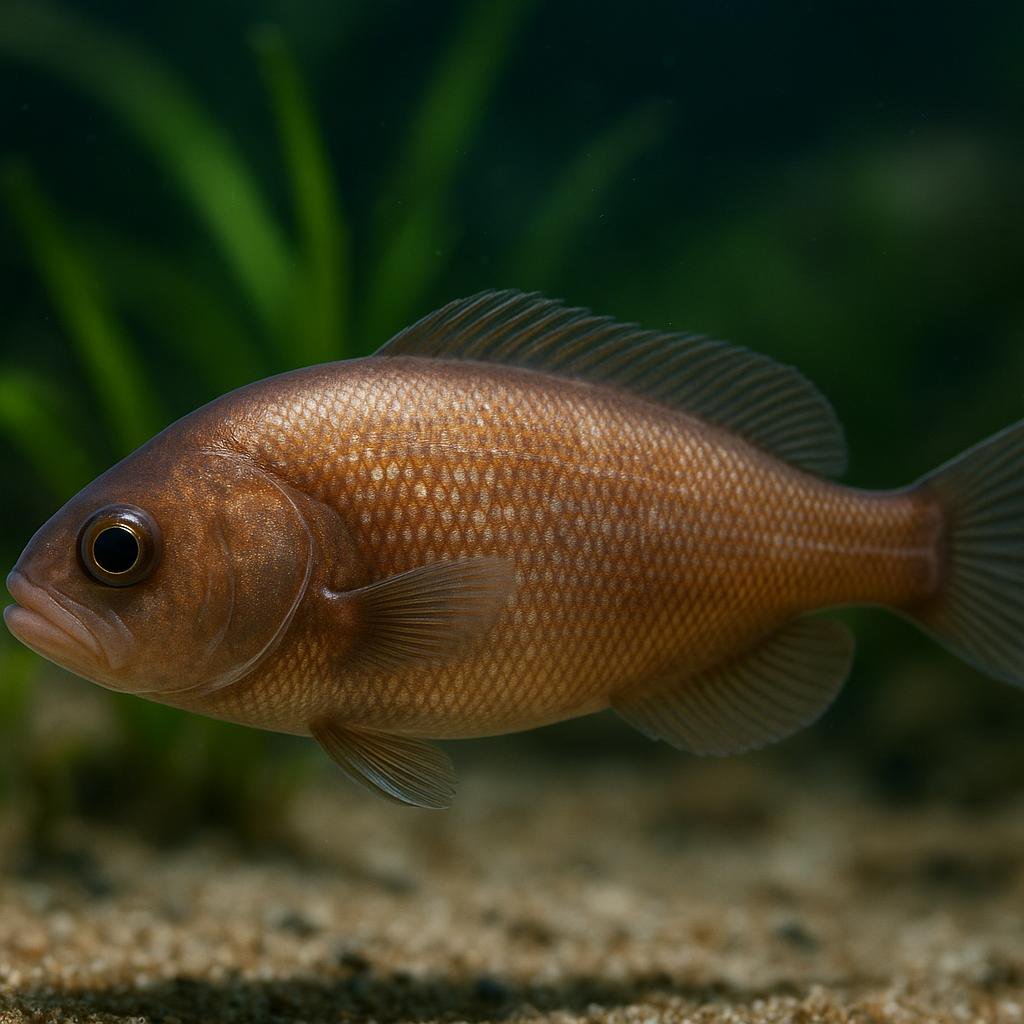
Affinis blind cusk-eel
Barathronus affinis
Barathronus affinis is a tiny, super-weird deep-sea blind cusk-eel from the western-central Indian Ocean. It is one of those gelatinous, loose-skinned brotula-type fishes that live way down in the dark and are basically never seen alive, so almost everything we know comes from preserved specimens and taxonomic work.
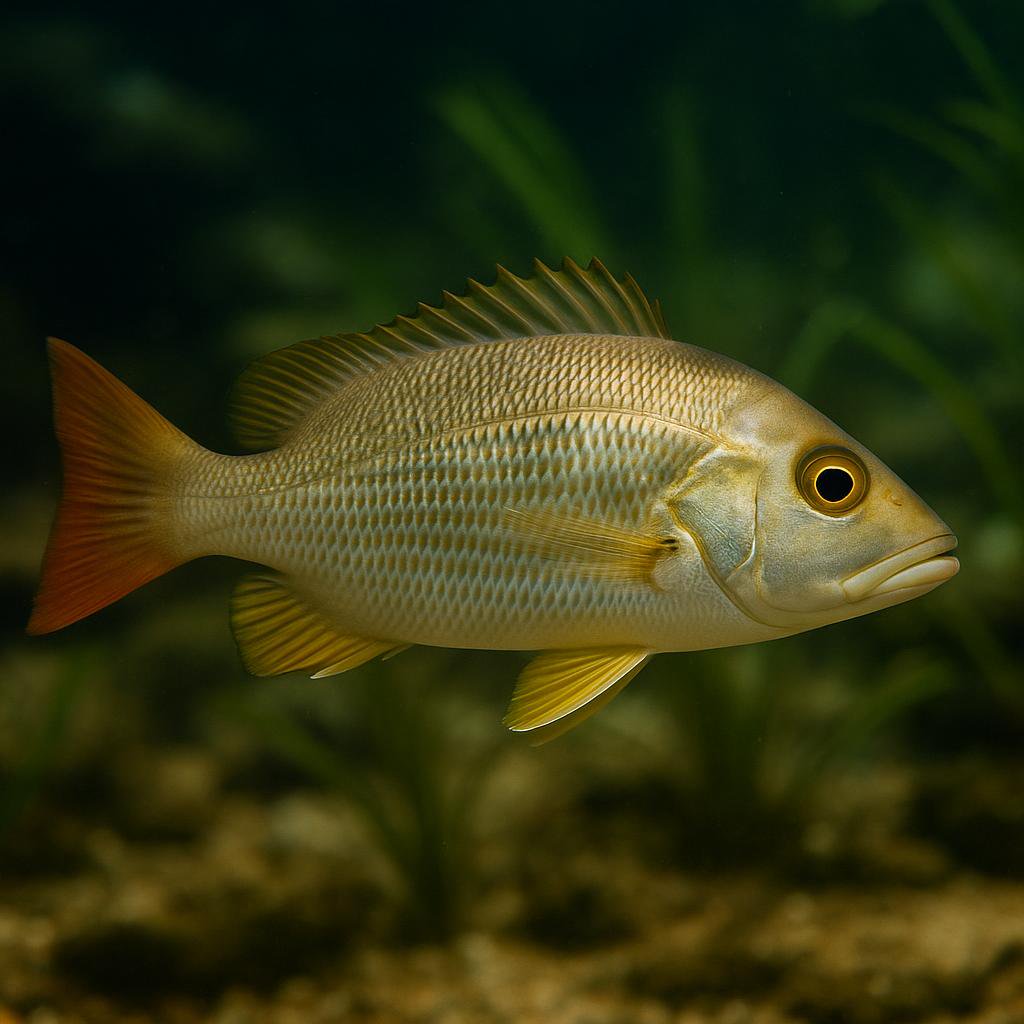
African red snapper
Lutjanus agennes
This is a true snapper from West Africa - a big, fast-growing predator that goes from coastal reefs to brackish lagoons and estuaries (especially as a juvenile). Super cool fish in the wild, but it gets absolutely huge and will eat smaller tankmates once it has the mouth for it, so its really more of a public-aquarium scale animal than a home-aquarium fish.
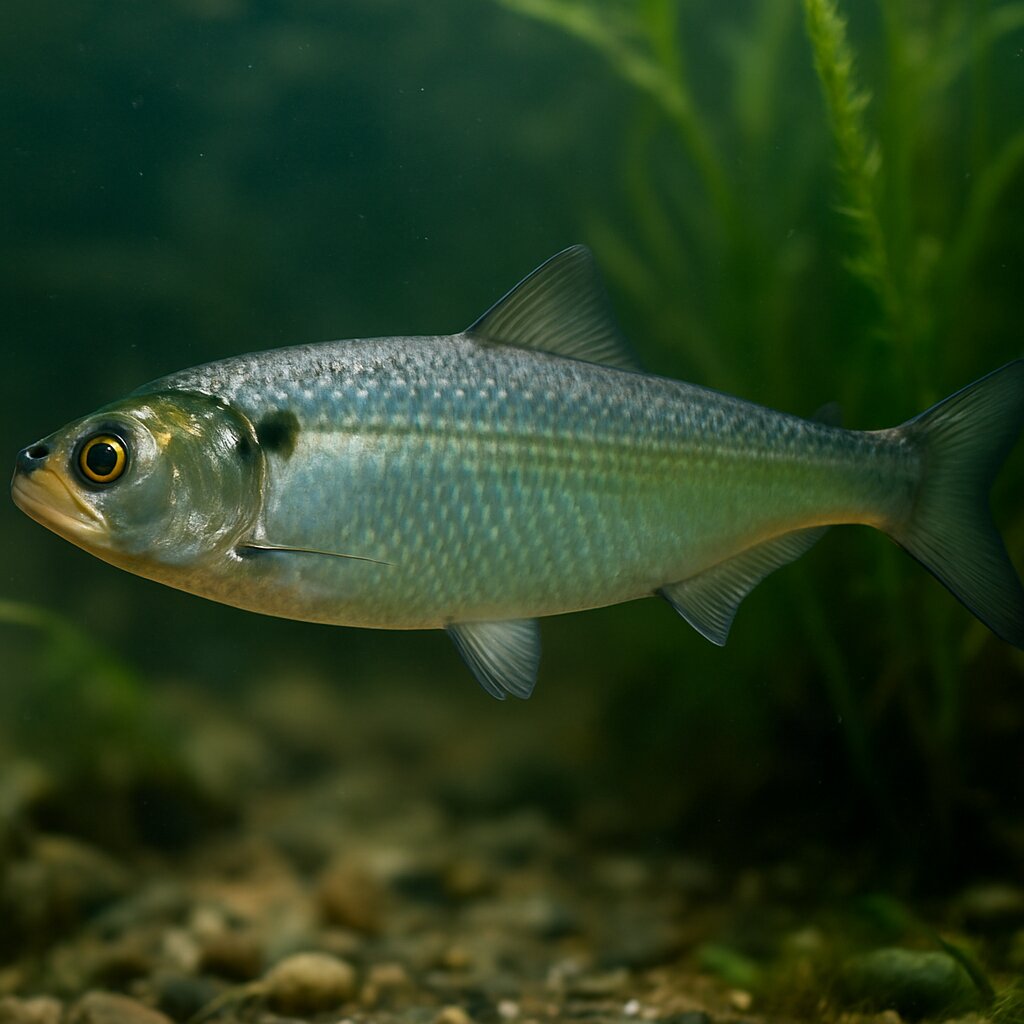
Allis shad
Alosa alosa
Gorgeous silver, fast-swimming shad that spends most of its life in the sea and then surges up big rivers in noisy, surface-spawning schools. It grows huge for a herring-type fish and needs cool, ultra-oxygenated water and tons of open space, so it is a public-aquarium species rather than a home tank fish.
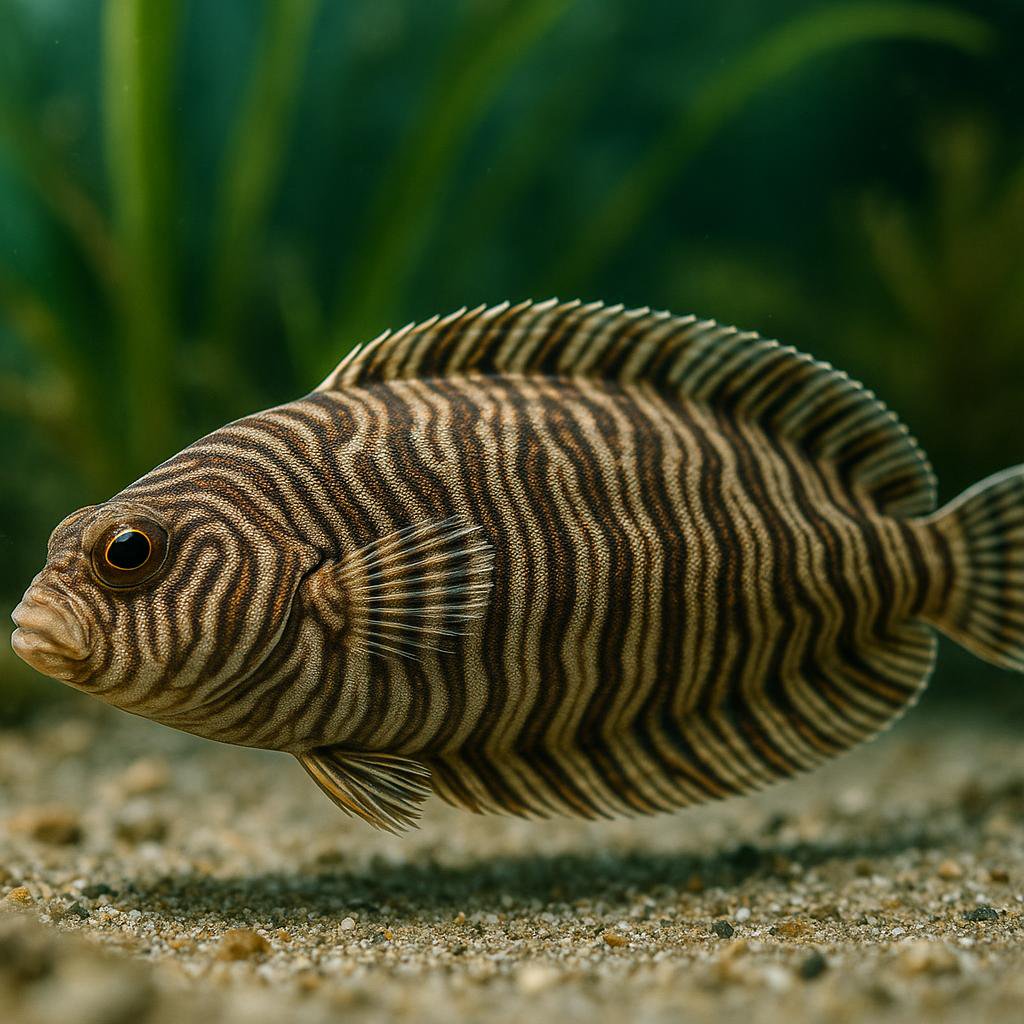
Annandale's zebra sole
Zebrias annandalei
Zebrias annandalei is a small demersal sole from coastal India that inhabits sandy or muddy bottoms and buries for camouflage. It is rarely kept in home aquaria and would require a specialized marine sand-bottom setup and appropriate feeding.
Australian sawtail catshark
Figaro boardmani
Figaro boardmani is a small, deepwater Australian catshark with these cool saw-like ridges of spiny denticles along the tail and a neat pattern of dark saddle bands. It lives way down on the outer continental shelf and slope, so its natural water is cold, dim, and stable - totally not a typical home-aquarium fish. Diet-wise its a predator that goes after fish, crustaceans, and cephalopods.
Looking for other species?