

Japanese goatfish
Upeneus japonicus
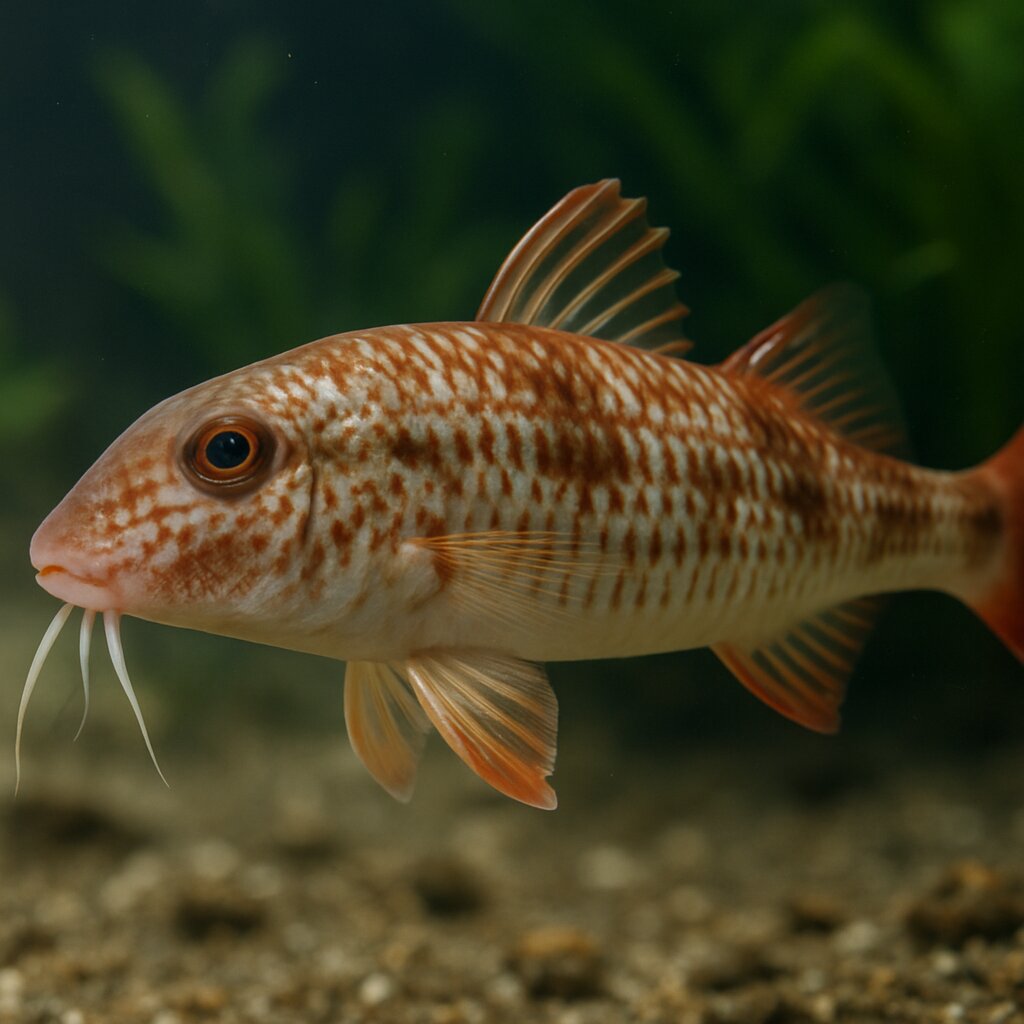
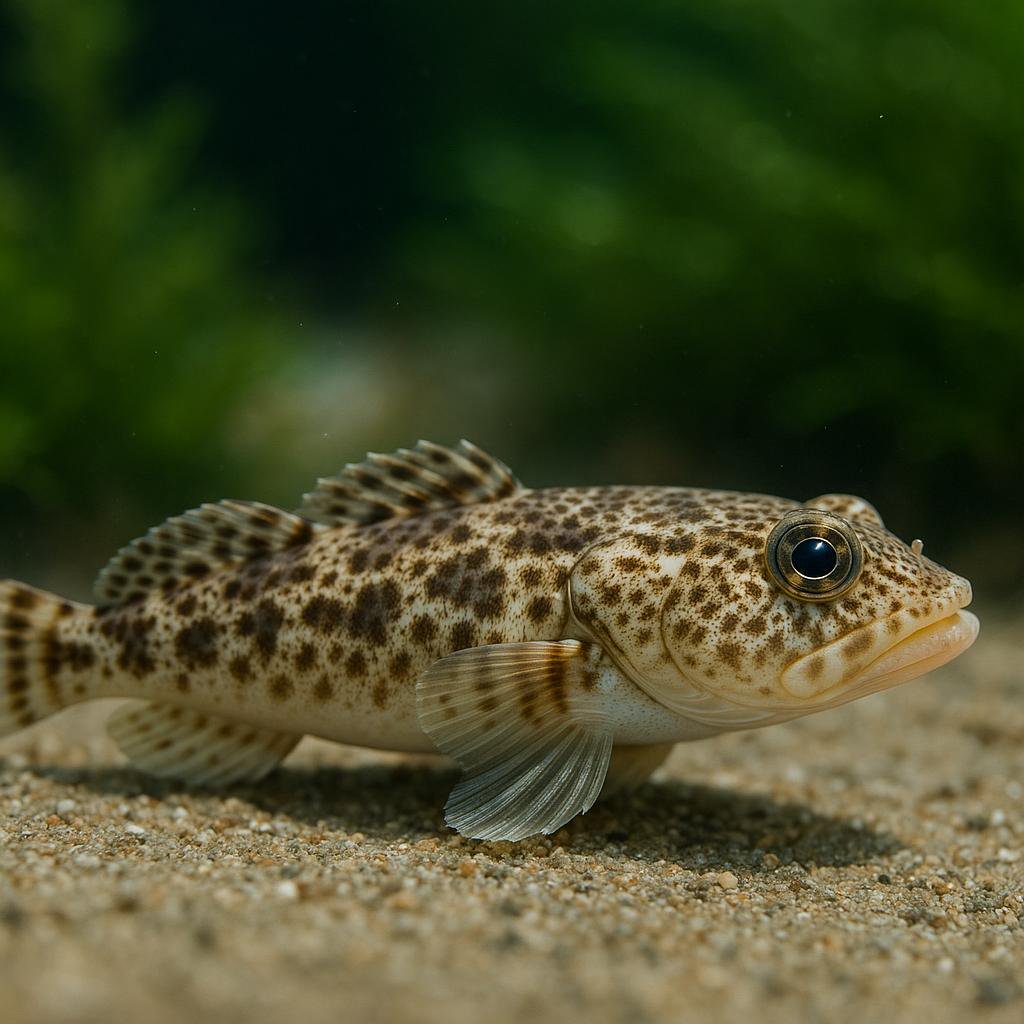
The Japanese goatfish features a slender body, vibrant pinkish hue, and distinctive barbels beneath its chin for foraging in sandy substrates.
This page includes AI-generated images. Why am I seeing AI images?
About the Japanese goatfish
A sandy-bottom cruiser from Japan and the Western Pacific, the Japanese goatfish uses its whisker-like barbels to sift the sand for snacks. It gets big for home tanks and really needs coolish marine water, lots of open swimming room, and frequent small meaty feedings to stay in top shape.
Also known as
Quick Facts
Size
28 cm
Temperament
Semi-aggressive
Difficulty
Advanced
Min Tank Size
317 gallons
Lifespan
5-8 years
Origin
Western Pacific
Diet
Carnivore - meaty foods like mysis, krill, chopped shrimp; sand-sifter that needs multiple small feedings daily
Water Parameters
14-24°C
8.1-8.4
300-400 dGH
Need a heater for this species?
This species needs 14-24°C in a 317 gallon tank. Use our heater calculator to find the right wattage.
Calculate heater sizeCare Notes
- Give it a long tank with a big footprint; adults hit about 10-12 inches and cruise nonstop, so think 6-foot/180g or larger.
- Run 2-3 inches (5-7 cm) of soft, fine sand; crushed coral or sharp substrates will wreck the barbels they use to hunt.
- Keep temp on the cool side for a marine setup at 68-75 F (20-24 C), salinity 1.024-1.026, and pH 8.0-8.3, with strong aeration for high oxygen. Heavy feeding means oversized filtration and regular water changes to keep nitrate in check.
- Feed meaty foods to the bottom 2-3 times daily: live or frozen mysis, chopped clam/squid/shrimp, then train onto sinking carnivore pellets; use a tube or feeding dish so food lands where it is searching.
- Skip shrimp, crabs, and tiny snails (it will eat them), and avoid bullies like triggers, big puffers, and groupers. Go with mid-temperament tankmates like tangs, rabbitfish, and larger halichoeres/fairy wrasses, and avoid other sand-sifters that compete for the same zone.
- Build rock up off the sand and lock it in place, leave a wide open sand runway, and cover the tank tight - they jump when spooked.
- Quarantine and deworm new arrivals (praziquantel works); watch for weight loss or frayed barbels, and offer softer meaty foods until they put weight back on.
- Breeding is not happening in home tanks - they broadcast spawn with pelagic larvae, so just plan on a single display fish.
Compatibility
Good Tankmates
- Midwater cruisers like tangs and rabbitfish that ignore the bottom and let the goatfish do its sand-sifting thing
- Big angels and butterflies with a bit of backbone - they hang midwater and usually could not care less about a goatfish nosing around
- Sturdy wrasses (larger fairy/flasher or Halichoeres types) that work the rock and water column, not the sand patch the goatfish patrols
- Schoolers like chromis or anthias, as long as they are not bite-size - the goatfish will ignore them while it hunts worms and pods
- Laid-back triggers like bluejaw or sargassum in a big tank - plenty of room and they usually do not mess with the goatfish's whiskers
- Another goatfish only if you can run a proper group in a very large footprint; otherwise keep it solo to avoid turf squabbles
Avoid
- Tiny bottom dwellers and burrowers like shrimp gobies, jawfish, and small dartfish - the goatfish will bulldoze their spots and may snack on paired shrimp
- Delicate or slow fish like mandarins, seahorses, and pipefish that get outcompeted and stressed by a constantly foraging goatfish
- Nippy beaks and bullies: puffers and aggressive triggers (clown, picasso, titan) that will go after the goatfish's barbels
- Big predators that can fit them in their mouth - large groupers, big moray eels, or oversize lionfish
Where they come from
Japanese goatfish roam sandy and muddy bottoms around Japan, Korea, and the East China Sea. Picture wide, open flats on the continental shelf, 10-100 m down, where they sweep their chin barbels through the sand to find worms, small crabs, and other crunchy snacks.
They are more of a temperate-subtropical fish than a tropical reef fish, which matters for temperature and tankmates.
Setting up their tank
Give them floor space. They are movers, not climbers. A long tank with a big sand runway beats a tall show tank. For an adult, I would not go smaller than a 6-foot tank. They top out around the size of a good kitchen knife and need room to pace and forage.
- Substrate: fine, rounded aragonite sand (sugar size). 2-4 cm depth is plenty. Skip crushed coral and sharp grains - it shreds their barbels.
- Aquascape: rock stacked to the back or sides, wide open middle. They dig, so secure the rockwork well.
- Flow: moderate, high oxygen. They do not want a sandstorm in their face.
- Lighting: nothing fancy. They are crepuscular and appreciate a gentle ramp-up/ramp-down to avoid spooks.
- Lid: tight-fitting. They jump when startled.
- Filtration: heavy. They eat a lot and kick up silt. Run an oversized skimmer and good mechanical filtration you can rinse often.
Temperature: I keep mine cooler than a reef - about 20-23 C (68-73 F). They handle typical marine salinity (1.024-1.026), pH 8.0-8.3, and low nitrate. Heat spikes into the high 70s F tend to make them gasp and go off food.
They relax a lot once they have proper sand. A bare-bottom quarantine is fine short term if you drop in a tray or bowl of fine sand for them to work.
What to feed them
Think small, meaty, and often. They hunt with those whiskers, so put food on the sand, not just in the water column.
- Great starters: live blackworms, live or freshly killed small shrimp, clam strips, and enriched mysis.
- Staples once trained: frozen mysis, finely chopped prawn, squid, clam, and quality sinking marine pellets or soft granules.
- Feeding style: 2-3 small meals a day. I use a turkey baster and puff the food just onto the sand in a few spots so they can work it.
- Supplements: a vitamin soak a couple times a week helps keep them in condition when you feed a lot of frozen.
If a new goatfish will not eat, kill the flow, dim the lights, and lay a little live food right on the sand. Mine turned the corner the night I tried that.
Behavior and tankmates
They are peaceful, busy foragers that mind their own business. At rest they park on the sand. At dawn and dusk they get chatty and cover the whole tank, whiskers down and tail wagging.
- Good companions: calm to moderately assertive fish that ignore the bottom - tangs, butterflies, larger wrasses that are not bullies, peaceful triggers like sargassum (with caution), angels that do not fixate on them.
- Risky: big predators (groupers, eels, adult triggers), very aggressive wrasses, and anything that mugs slow eaters at the bottom.
- Snacks-on-legs: small ornamental shrimp and tiny fish can end up as food. Larger snails and urchins are usually fine, but they will flip small hermits while rooting.
- More than one goatfish: possible in a very large tank with tons of sand real estate. Otherwise, keep a single; they do not need a buddy to feel secure.
They will redecorate. Corals sitting on the sand get buried. Put sandbed LPS on small stands or up on the rock.
Breeding
Not something you can plan for at home. They are broadcast spawners that release eggs and sperm into open water, with tiny pelagic larvae. Sexing adults is not practical, and raising the larvae needs specialized plankton-rearing gear. Cool to read about, but not a home project.
Common problems to watch for
- Barbel damage: usually from rough substrate or panicked dashes. Switch to finer sand and keep water extra clean. The barbels can regrow if the fish is eating well.
- Not eating: new imports often ignore food. Try live offerings on the sand at low light, then wean to frozen. Frequent small feeds beat one big feed.
- Overheating: temps in the high 70s F can stress them. A fan or chiller is worth planning for if your room runs warm.
- Sand silt and clogged filters: they kick up dust. Rinse mechanical media often and do gentle, regular sand maintenance.
- Parasites: wild-caught fish can carry flukes or worms. I quarantine new goatfish and watch for flashing, rapid breathing, or a skinny look despite eating.
Acclimate slowly in dim light, and keep the first week calm. Once a Japanese goatfish settles, eats, and has its sand, it becomes a steady, personable fish. The trick is getting those first two weeks right.
Similar Species
Other marine semi-aggressive species you might be interested in.
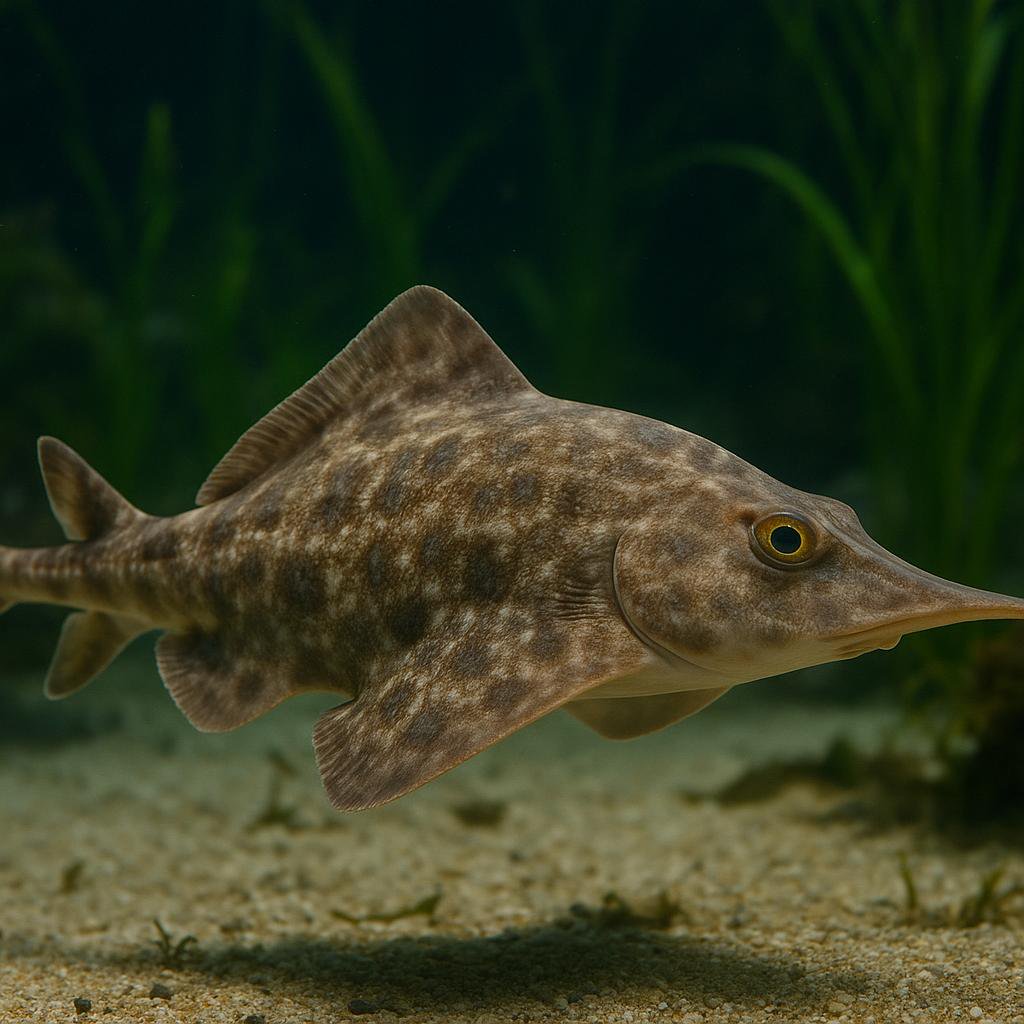
Aleutian skate
Bathyraja aleutica
This is a big, cold-water deep-slope skate from the North Pacific that cruises muddy bottoms and eats chunky benthic prey like crabs and shrimp. The really cool bit is its egg-laying skate life - it does distinct pairing (the classic skate "embrace") and drops those tough egg cases on the seafloor. Not an aquarium fish at all unless you're basically running a public-aquarium-style chilled system.
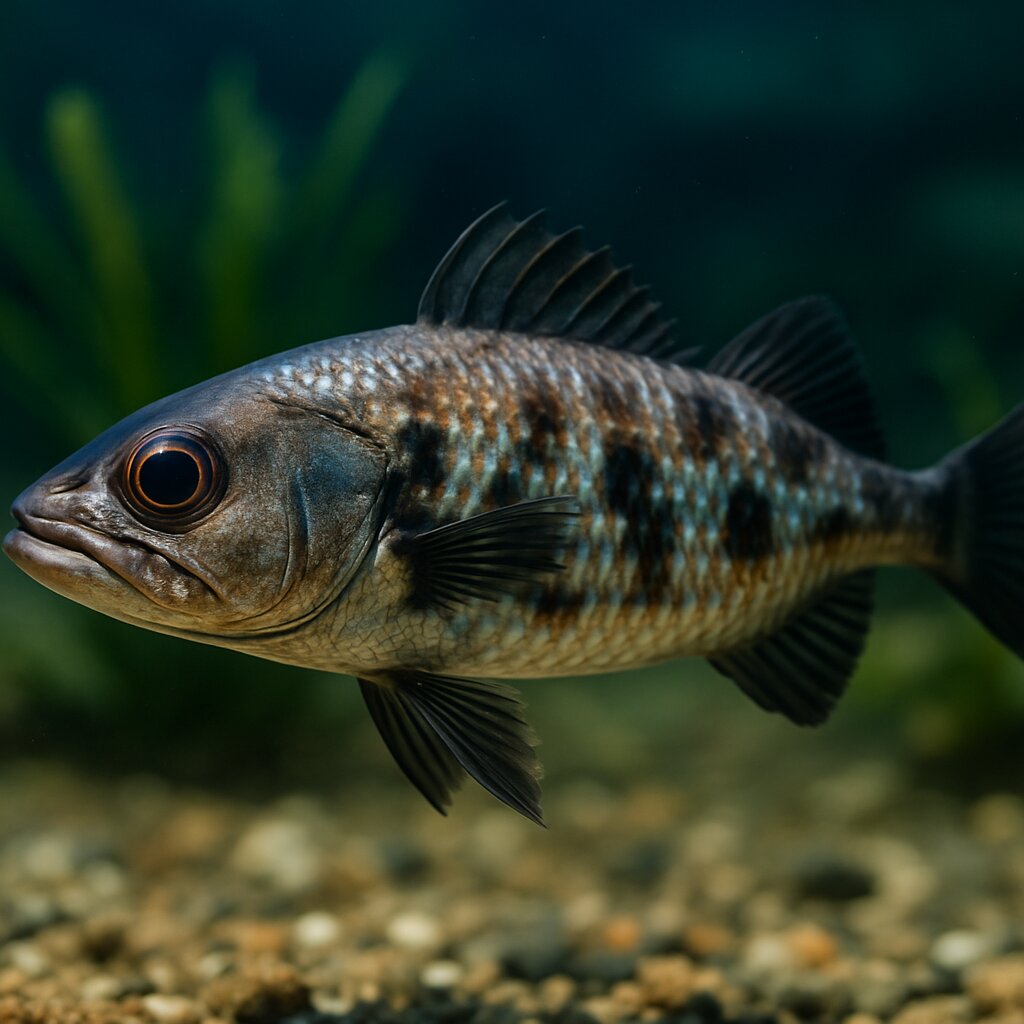
Antarctic dragonfish
Vomeridens infuscipinnis
Deep down around Antarctica, this sleek dragonfish cruises the water column like a little submarine, nearly neutrally buoyant so it can hover above the seafloor. It munches almost exclusively on Antarctic krill and lives in near-freezing water 500-800 m down, so it is a cool species to read about, not one for home tanks.
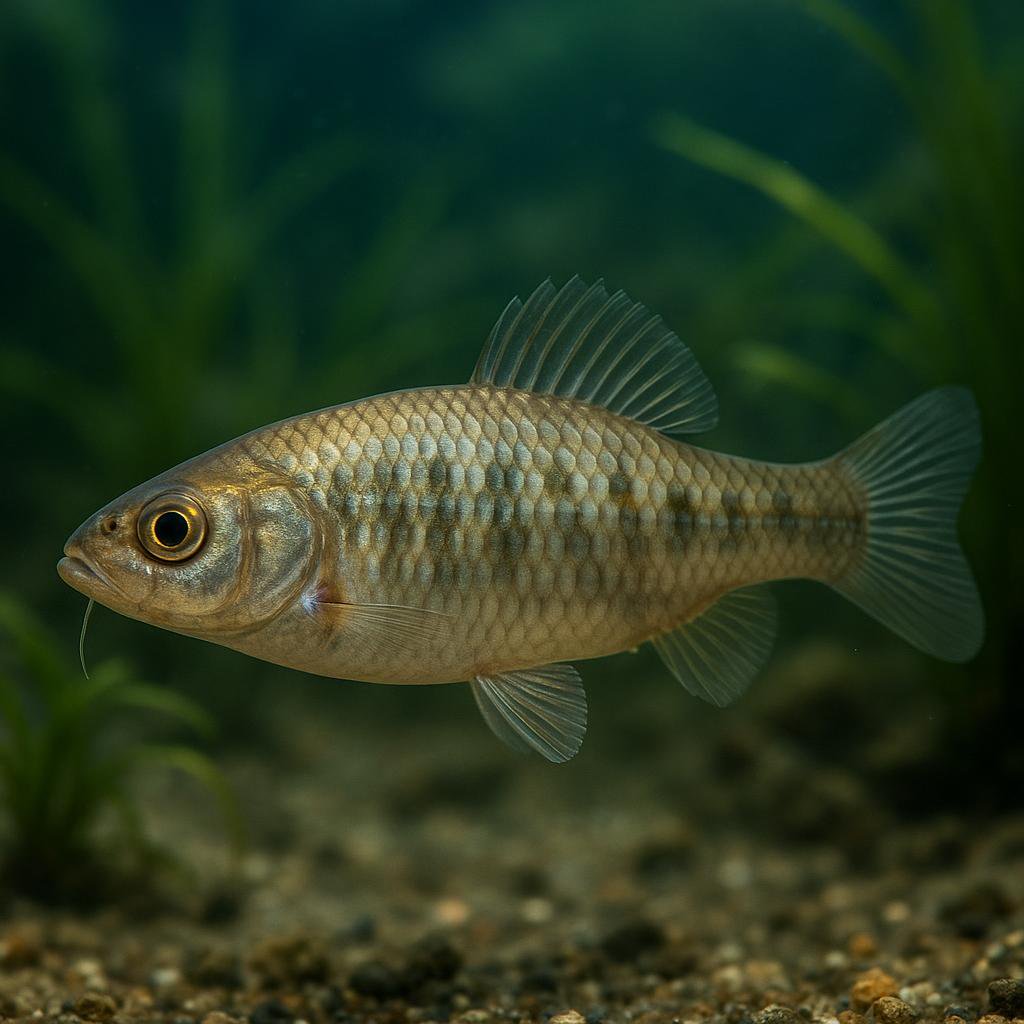
Arabian spiny eel
Notacanthus indicus
Notacanthus indicus is a deep-sea spiny eel (family Notacanthidae; not a true eel) known from the Arabian Sea on the continental slope at roughly ~960–1,046 m depth, with reported maximum length around 20 cm TL; it is a deep-water bycatch species and not established in the aquarium trade.
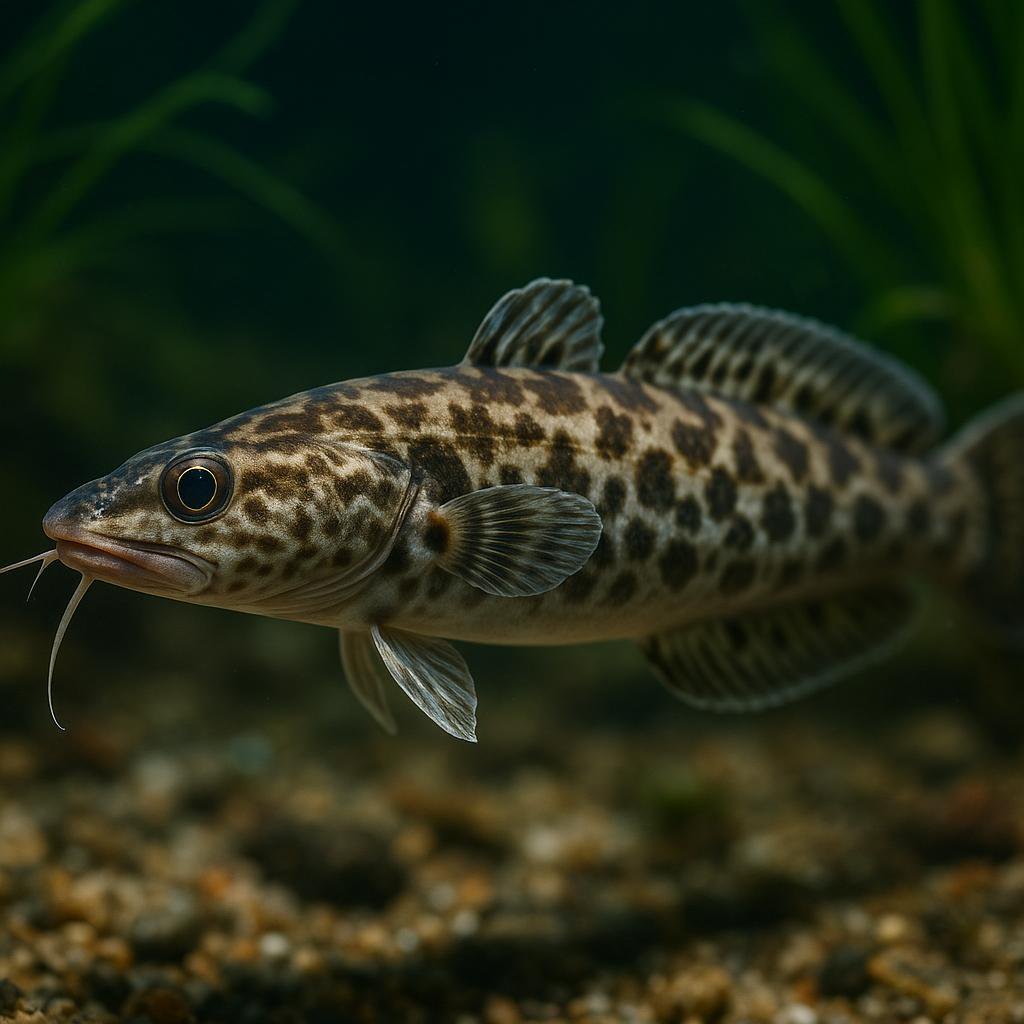
Arctic rockling
Gaidropsarus argentatus
This is a deepwater North Atlantic rockling (a cod relative) that hangs out on soft bottoms way down the slope. It is a cold-water, bottom-hugging predator that snoots around for crustaceans and will also take small fish when it gets the chance.
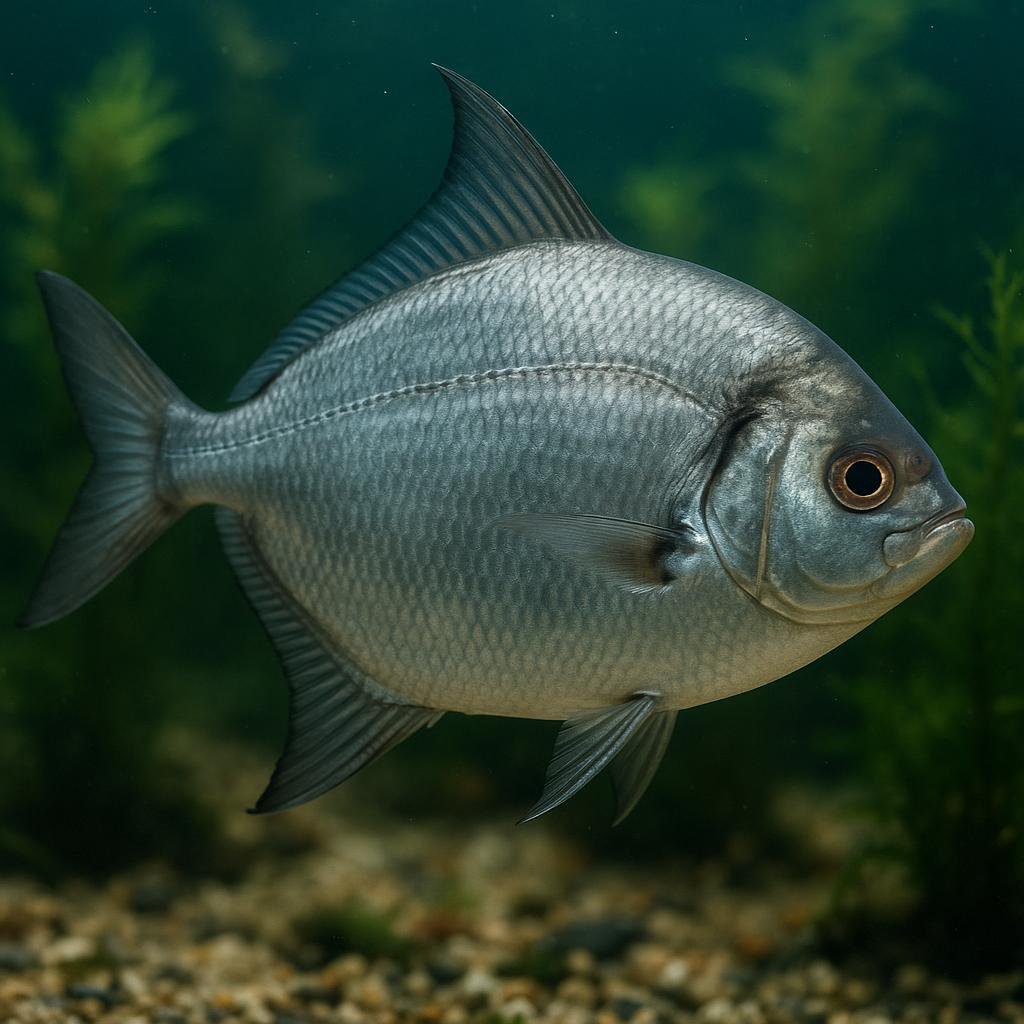
Atlantic pomfret
Brama brama
Brama brama is the Atlantic pomfret (aka Ray's bream) - a deep-bodied, open-ocean pelagic fish that cruises around in small schools and follows water temps. It is a legit big, wild marine species (not an aquarium fish) that eats other small sea critters like fish and squid, and it ranges across a huge chunk of the Atlantic plus parts of the Indian and South Pacific.
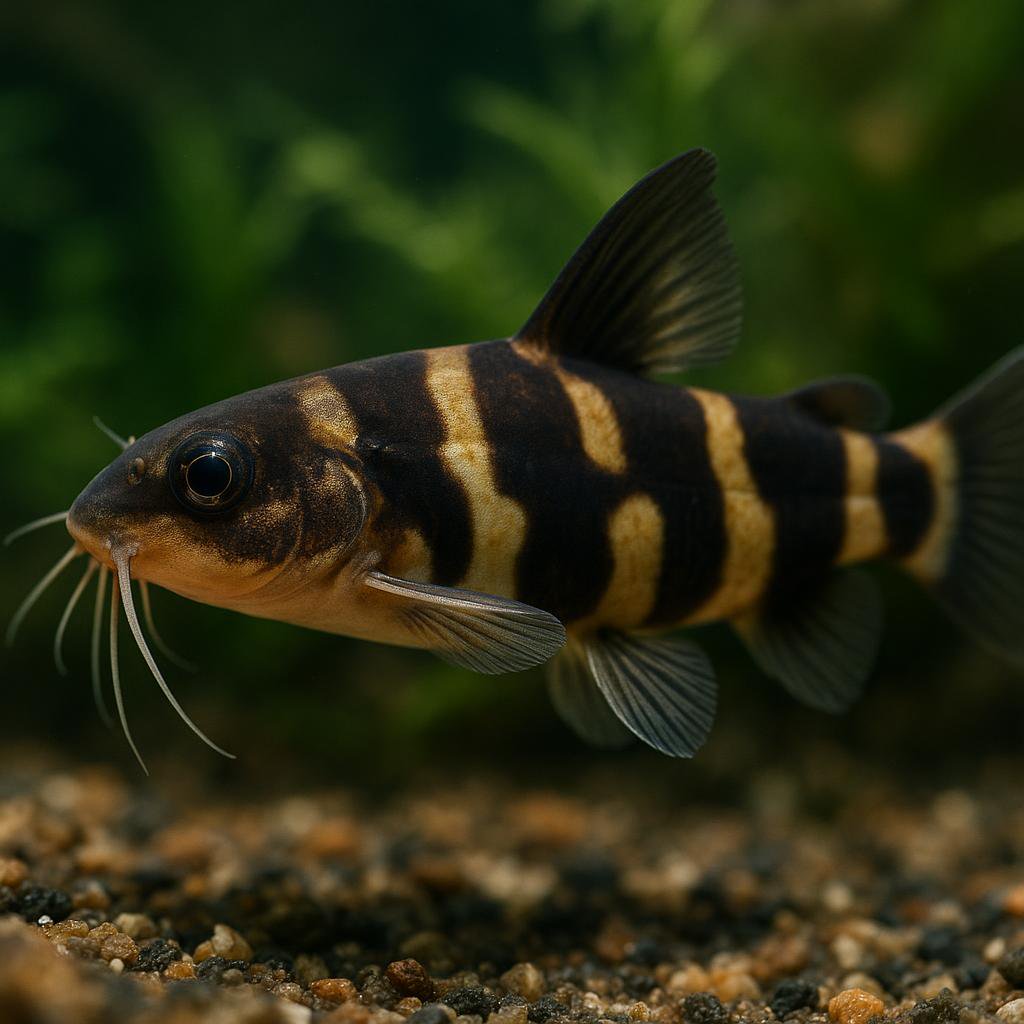
Australian sawtail catshark
Figaro boardmani
Figaro boardmani is a small, deepwater Australian catshark with these cool saw-like ridges of spiny denticles along the tail and a neat pattern of dark saddle bands. It lives way down on the outer continental shelf and slope, so its natural water is cold, dim, and stable - totally not a typical home-aquarium fish. Diet-wise its a predator that goes after fish, crustaceans, and cephalopods.
More to Explore
Discover more marine species.
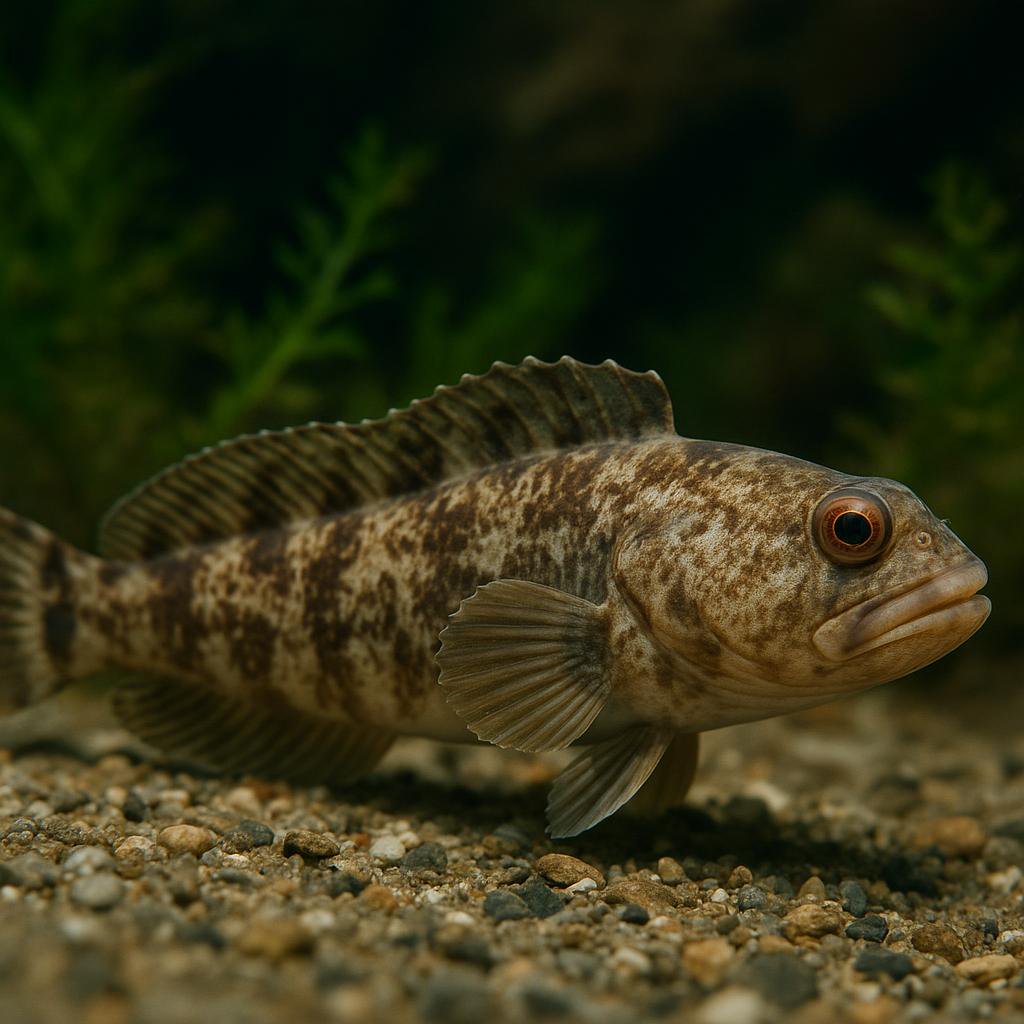
Abe's eelpout
Japonolycodes abei
Japonolycodes abei is a temperate, deepwater demersal eelpout (family Zoarcidae) endemic to Japan (Kumano-nada Sea reported; other sources also report Sagami Bay and Tosa Bay). It is the only species in the genus Japonolycodes and occurs roughly 40-300 m depth, making it an uncommon/atypical aquarium species.
Affinis blind cusk-eel
Barathronus affinis
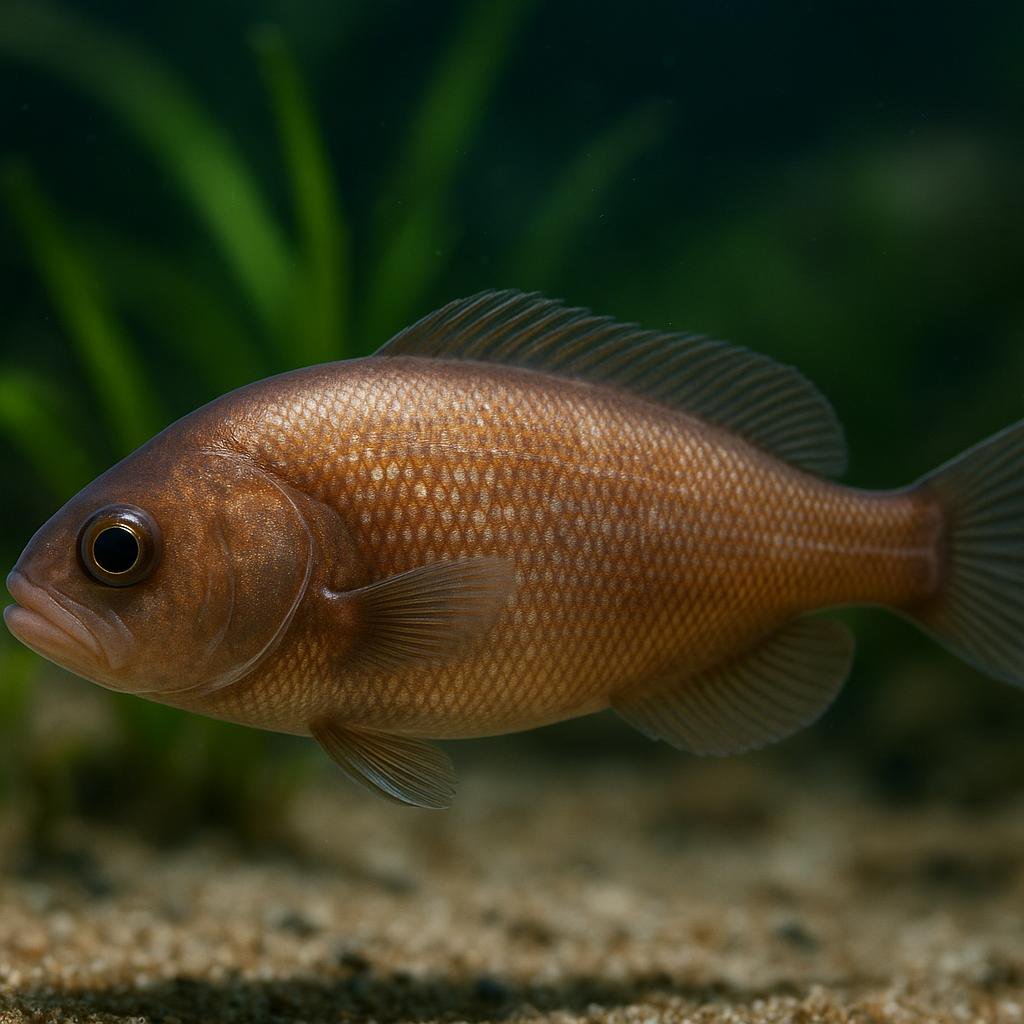
Barathronus affinis is a tiny, super-weird deep-sea blind cusk-eel from the western-central Indian Ocean. It is one of those gelatinous, loose-skinned brotula-type fishes that live way down in the dark and are basically never seen alive, so almost everything we know comes from preserved specimens and taxonomic work.
African red snapper
Lutjanus agennes
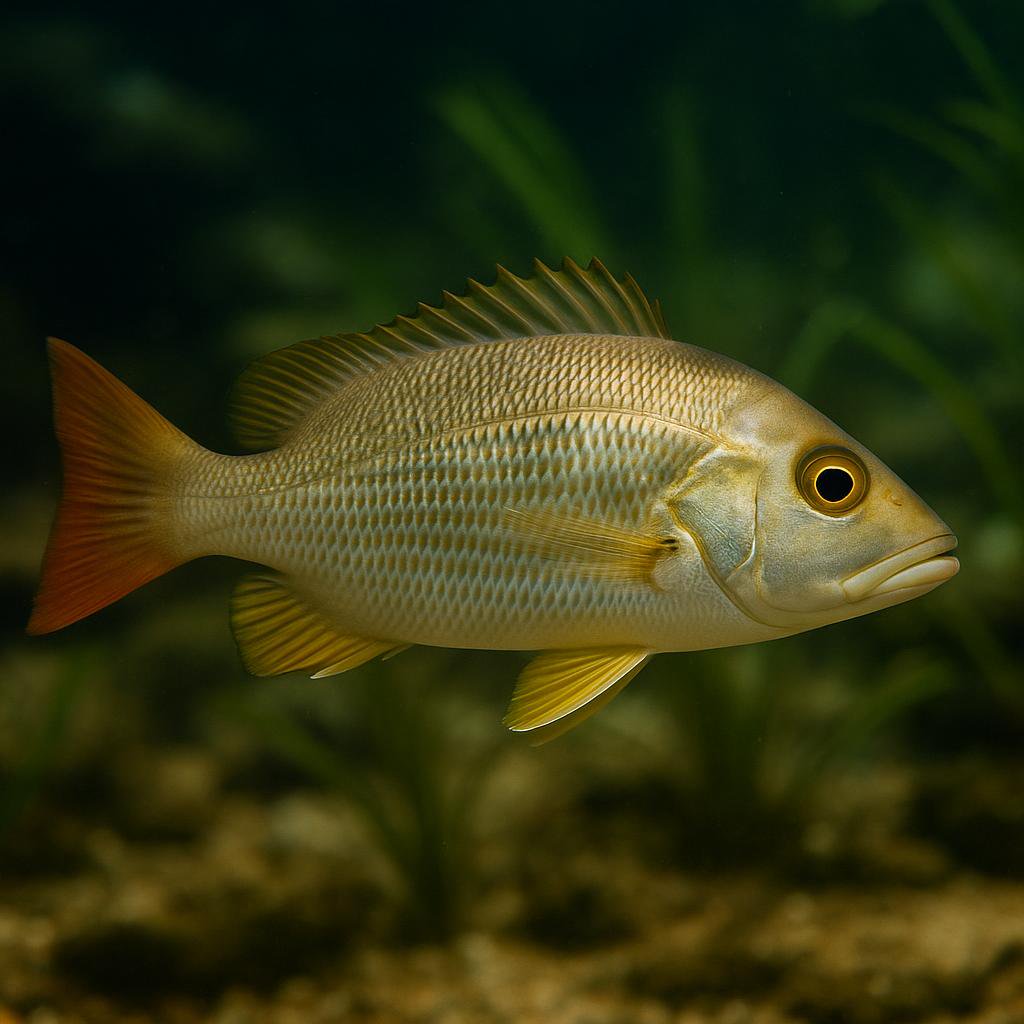
This is a true snapper from West Africa - a big, fast-growing predator that goes from coastal reefs to brackish lagoons and estuaries (especially as a juvenile). Super cool fish in the wild, but it gets absolutely huge and will eat smaller tankmates once it has the mouth for it, so its really more of a public-aquarium scale animal than a home-aquarium fish.
Allis shad
Alosa alosa
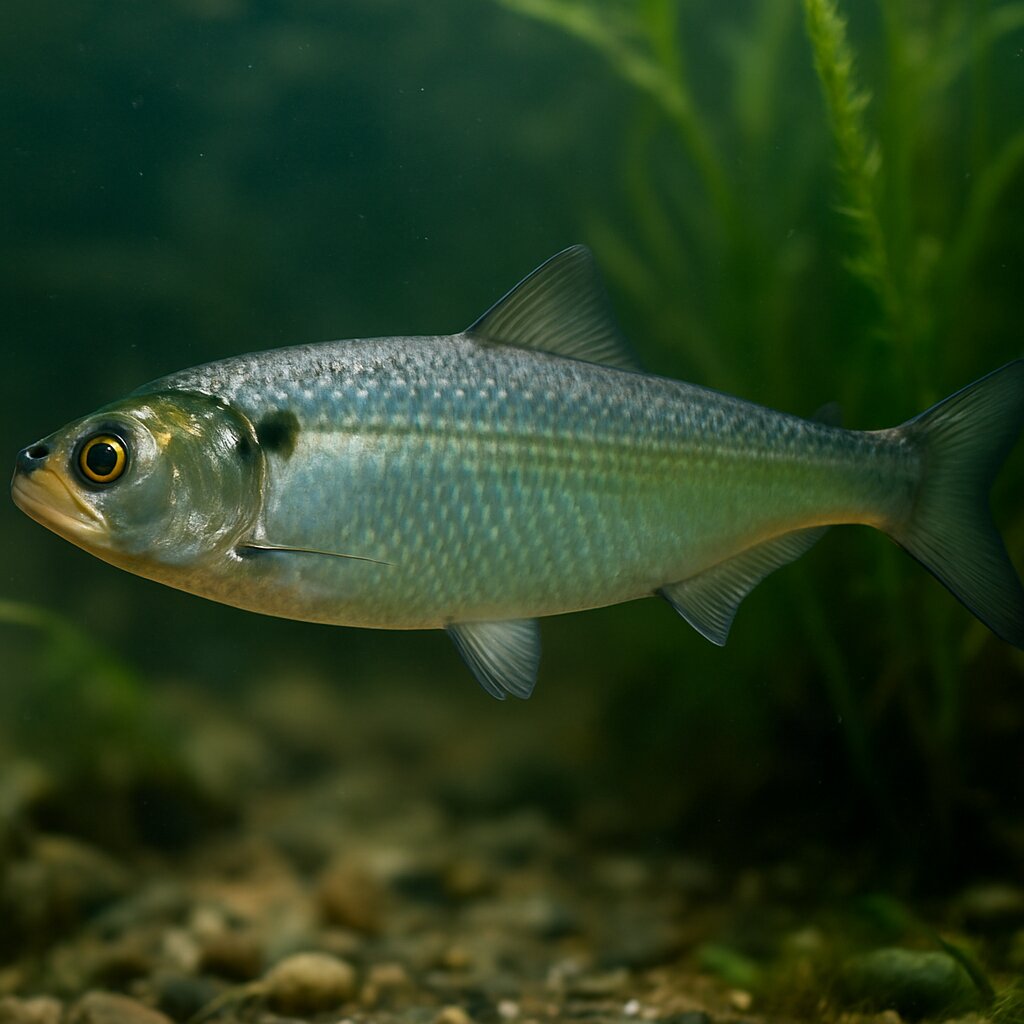
Gorgeous silver, fast-swimming shad that spends most of its life in the sea and then surges up big rivers in noisy, surface-spawning schools. It grows huge for a herring-type fish and needs cool, ultra-oxygenated water and tons of open space, so it is a public-aquarium species rather than a home tank fish.
Annandale's zebra sole
Zebrias annandalei
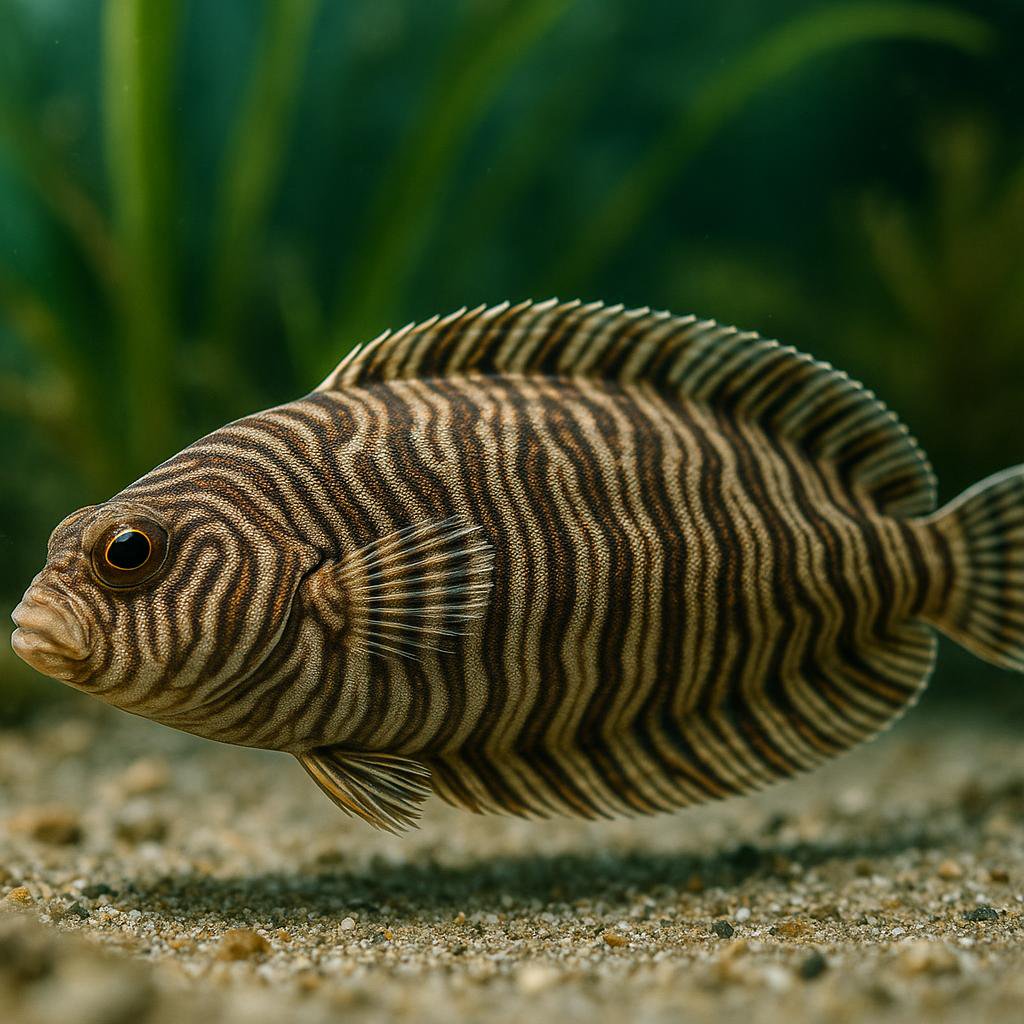
Zebrias annandalei is a small demersal sole from coastal India that inhabits sandy or muddy bottoms and buries for camouflage. It is rarely kept in home aquaria and would require a specialized marine sand-bottom setup and appropriate feeding.
Banded stargazer
Kathetostoma binigrasella
This is a New Zealand stargazer that lives half-buried in sand or mud with its eyes pointed up, waiting to rocket upward and nail passing prey. It has those neat dark saddle-bands across the back (especially as a juvenile), and like other stargazers it is venomous with spines near the gill cover/pectoral area - definitely a look-dont-touch fish.
Looking for other species?