

SAIAB goatfish
Upeneus saiab
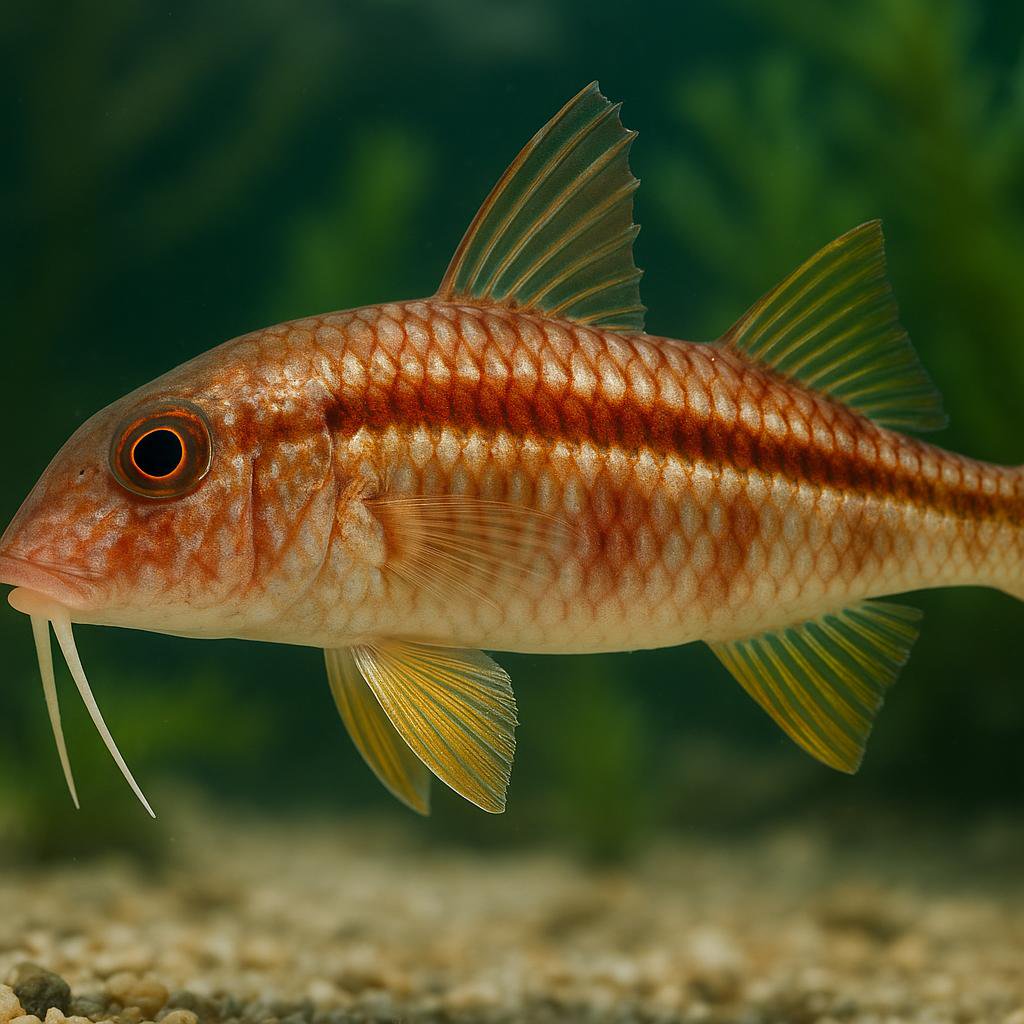
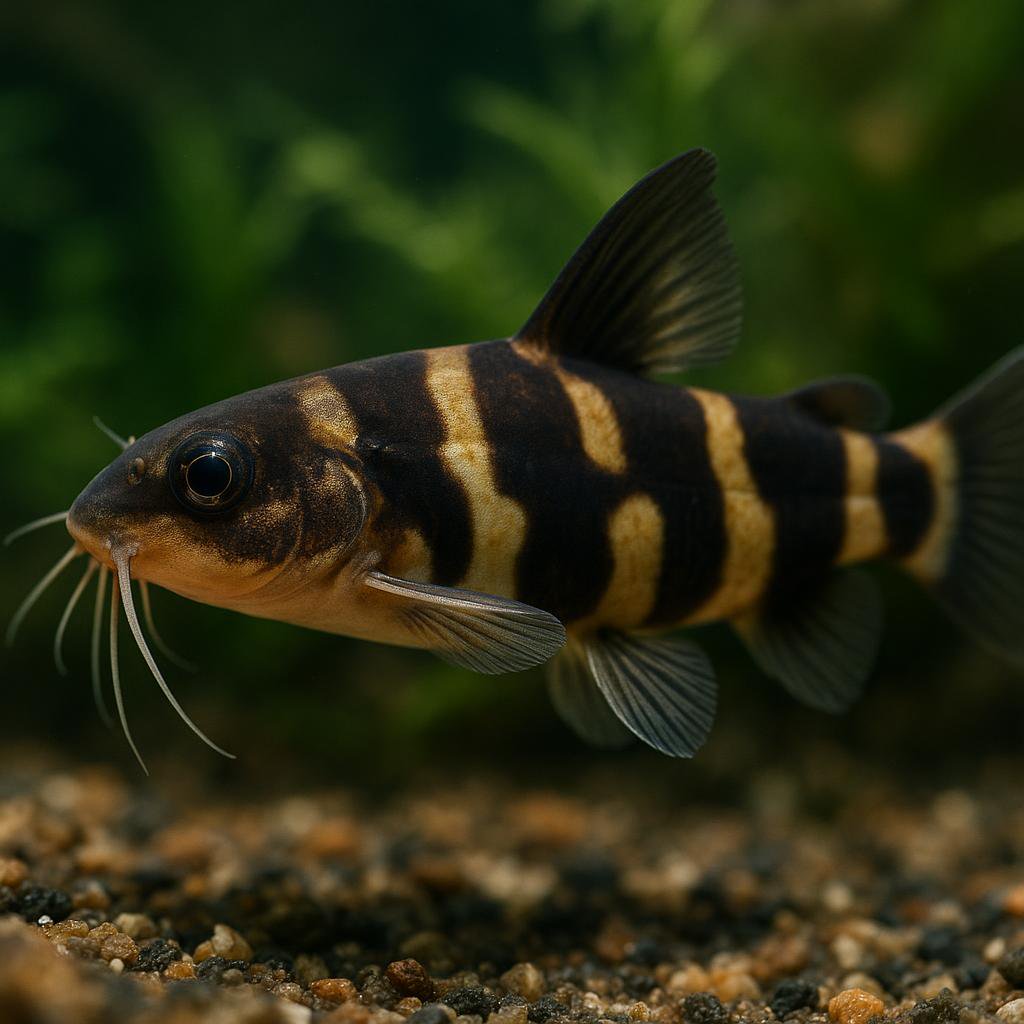
The SAIAB goatfish exhibits a distinctive yellow body with two prominent, dark stripes running along its sides and elongated barbels on its chin.
This page includes AI-generated images. Why am I seeing AI images?
About the SAIAB goatfish
Upeneus saiab is a small demersal goatfish from northern Mozambique that cruises sandy bottoms and uses its chin barbels to hunt little critters. In fresh colors it has a subtle pale lateral stripe and a really eye-catching tail pattern (red oblique bars on the upper lobe and a mostly red lower lobe with a dark tip). This one is basically a wild marine fish from deeper water, so its more of a research/taxonomy fish than a realistic home-aquarium species.
Quick Facts
Size
10.2 cm SL
Temperament
Semi-aggressive
Difficulty
Expert
Min Tank Size
75 gallons
Lifespan
unknown
Origin
Western Indian Ocean (northern Mozambique)
Diet
Carnivore - small benthic invertebrates (worms, small crustaceans); offer meaty frozen foods and sinking carnivore foods if ever kept
Water Parameters
22-26°C
8.1-8.4
8-12 dGH
Need a heater for this species?
This species needs 22-26°C in a 75 gallon tank. Use our heater calculator to find the right wattage.
Calculate heater sizeCare Notes
- Give it a big sand flat to work (4-6 inch fine sand bed) because it hunts by shoveling and sifting - sharp crushed coral will shred the barbels and you will regret it.
- Rockwork should be stable and sitting on the glass, not on the sand; goatfish will bulldoze under rocks and can trigger a collapse if you stacked it on the substrate.
- Keep it in a roomy tank (think 125+ gallons) with strong flow and high oxygen - they are nonstop cruisers and a cramped tank turns them into stressy, skinny fish fast.
- Aim for reef-sane numbers but steady: 1.025-1.026 salinity, 77-80F, pH 8.1-8.4, and keep nitrate low-ish; swings hit them harder than a lot of hardy fish.
- Feed like a predator that forages all day: small meaty foods 2-3 times daily (mysis, chopped shrimp, clam, krill, quality pellets) and use a feeding stick or target feed so faster fish do not steal it all.
- Skip tiny tankmates and fancy shrimp - if it fits in the mouth it is food, and it will vacuum the sand for worms and pods like a machine.
- Tankmates: other robust, non-bully fish are fine (tangs, larger wrasses, angels), but avoid aggressive triggers and hyper-mean dottybacks that will nip the barbels and keep it from feeding.
- Watch the barbels and belly: frayed barbels usually means rough substrate or a dirty sandbed, and a pinched stomach means it is getting outcompeted at feeding time or has internal parasites (quarantine and treat early).
Compatibility
Good Tankmates
- Other medium, sturdy reef fish that can handle a little attitude - think tangs and rabbitfish (they are busy, fast, and not easy to bully)
- Dwarf to medium angels like a coral beauty or flame angel (similar vibe, can hold their own, usually no drama if everyone has space)
- Wrasses that are quick and confident - fairy and flasher wrasses especially (they do their own thing and dont sit still enough to get picked on)
- Clownfish in a bigger tank (pairs that stay near their corner/anemone usually ignore the goatfish and vice versa)
- Hawkfish (like longnose) in a roomy setup - they perch, the goatfish cruises and sifts, and they mostly just watch each other
- Large, tough gobies that dont get intimidated easily (watchman-type in bigger systems) - just make sure the goatfish has sand to work and the goby has a solid burrow zone
Avoid
- Tiny shrimp gobies and other small timid sand sitters (the goatfish is a sand sifter and opportunistic, and the little guys get stressed or can go missing)
- Small crustacean-eaters or anything you want to keep as cleanup crew - ornamental shrimp, tiny crabs, and small snails can get hunted when the goatfish is in forage mode
- Slow, fancy-finned fish that hover and cannot get out of the way - stuff like longfin butterflies or delicate show fish can get harassed or outcompeted at feeding time
Where they come from
Saiab goatfish (Upeneus saiab) are Indo-West Pacific goatfish. Youll see them around sandy bottoms and rubble zones, nosing around for tiny critters with those chin barbels. In the wild they spend a lot of time cruising and sifting, not hovering on a rock like a goby.
Most of the ones that show up in the trade are wild-caught, and they act like it at first - jumpy, hungry, and very focused on the sandbed.
Setting up their tank
Think of this fish as a sandbed project more than a rockwork project. If you give it room to roam and a deep enough, clean sand area to hunt, everything gets easier.
- Tank size: I would not try one in anything under 125 gallons, and bigger is honestly better. They move a lot and they get chunky.
- Footprint matters more than height. Long tanks beat tall tanks.
- Sand: fine to medium grain. They actively sift and can injure themselves on sharp crushed coral.
- Rockwork: stable and sitting on the glass, not on top of sand. Goatfish bulldoze and can undermine rocks over time.
- Flow: moderate. They dont need a washing machine, but they do want good oxygen and clean water.
- Lid: tight. They can and will launch if spooked, especially the first couple weeks.
If your aquascape is balanced on sand, assume it will collapse eventually. Ive watched goatfish dig under a rock like they were on a mission. Put rocks on the bottom glass or on supports before sand goes in.
Filtration wise, you want a system that can handle a heavy eater that constantly stirs detritus. A solid skimmer, good mechanical filtration you actually change, and enough bio capacity to keep ammonia and nitrite at zero are non-negotiable. They dont forgive sloppy cycles.
I like to run a filter sock or roller mat on goatfish tanks because the sand-sifting kicks up fine junk. If you dont catch it, it ends up back in the sand and you get that dirty-bed feedback loop.
What to feed them
This is where most people lose goatfish. They look like they are always hunting because they are. If you underfeed, they get thin fast and start making dumb choices like harassing tankmates or picking at things they shouldnt.
They do best on meaty foods and frequent meals. Mine would take frozen right away once it recognized food hitting the sand.
- Staples: frozen mysis, chopped krill, chopped clam, shrimp, squid, and good quality marine pellets that sink.
- Best trick: target feed to the sand in a couple spots so they can do their natural hunt-and-sift routine.
- Frequency: 2-3 smaller feedings a day beats one big dump.
- If its new and shy: try live blackworms (saltwater acclimated if possible), live ghost shrimp (marine-safe source), or fresh clam on the half shell to get it started.
These fish are built to eat bottom critters. If you have a thriving clean-up crew of small snails, tiny hermits, micro brittle stars, or sandbed worms you care about, expect losses. Thats not the goatfish being mean, thats lunch.
How they behave and who they get along with
Saiab goatfish are active, alert, and always moving. Theyre usually not outright aggressive like some triggers, but they are bold once settled and they will outcompete slow, timid fish at feeding time.
- Temperament: generally peaceful with similarly sized fish, but predatory toward small crustaceans and very small fish.
- Reef safety: coral-wise they usually ignore corals, but they constantly rearrange sand and can bury frags or irritate low corals with sandstorms.
- Best tankmates: larger wrasses, tangs, angels (with the usual angel caveats), rabbitfish, bigger damsels, and other sturdy community fish.
- Avoid: tiny gobies and blennies, small ornamental shrimp, sexy shrimp, small crabs, and delicate sand-sifters you want to keep long-term.
- Other goatfish: possible in very large tanks, but watch for bullying and food competition. Introduce with lots of space and multiple feeding stations.
Ornamental shrimp are basically a coin flip at best. Peppermints, cleaners, blood shrimp - any of them can get grabbed, especially at night or right after a molt. If you really want shrimp, add the goatfish last and dont be surprised if it still doesnt work.
One more behavior thing: they startle easily under bright lights and sudden movement. Give them a couple caves or overhangs to dart into, and dont blast the tank lights on all at once if you can help it.
Breeding tips
Realistically, youre not breeding Upeneus saiab in a home setup. Goatfish are pelagic spawners and the larvae are a whole separate challenge, like most marine fish that produce tiny planktonic young. Even getting a confirmed pair is hard since sexing them isnt straightforward.
If you ever see a goatfish looking extra plump and doing open-water laps at dusk, thats the kind of timing many marine spawners use. Still fun to observe, just dont plan a fry raise around it.
Common problems to watch for
Most issues with this species come down to three things: shipping stress, starvation, and sandbed-related wear and tear.
- Refusing food: common right after import. Offer strong-smelling meaty foods and feed to the bottom. Dim the lights for a few days and keep tank traffic calm.
- Weight loss: they can look fine and then suddenly look pinched behind the head. Feed more often and make sure food is reaching them (not just getting stolen midwater).
- Jumping: usually in the first couple weeks or after being chased. Use a tight lid and cover gaps around plumbing.
- Chin/barbel damage: rough substrate, dirty sand, or bacterial issues can inflame the barbels. Keep sand clean, avoid sharp grains, and dont let detritus build up.
- Ich/velvet after arrival: theyre not immune and stress hits them hard. Quarantine is your friend, but treat with methods safe for a fish that needs oxygen-rich water (go heavier on aeration).
- Nitrate creep and cloudy water: heavy feeding plus a stirred sandbed can overwhelm weak filtration. Stay on top of mechanical media and export.
Do not put a newly imported goatfish into an uncycled or borderline system. They are big oxygen users, heavy eaters, and they dont handle ammonia or nitrite swings. If your tank is still settling, wait.
If you set up the tank around their habits - open sand, stable rock, strong filtration, and regular meaty feedings - theyre honestly a really fun fish to keep. Youll catch yourself watching them work the sand like a little underwater metal detector.
Similar Species
Other marine semi-aggressive species you might be interested in.
Aleutian skate
Bathyraja aleutica
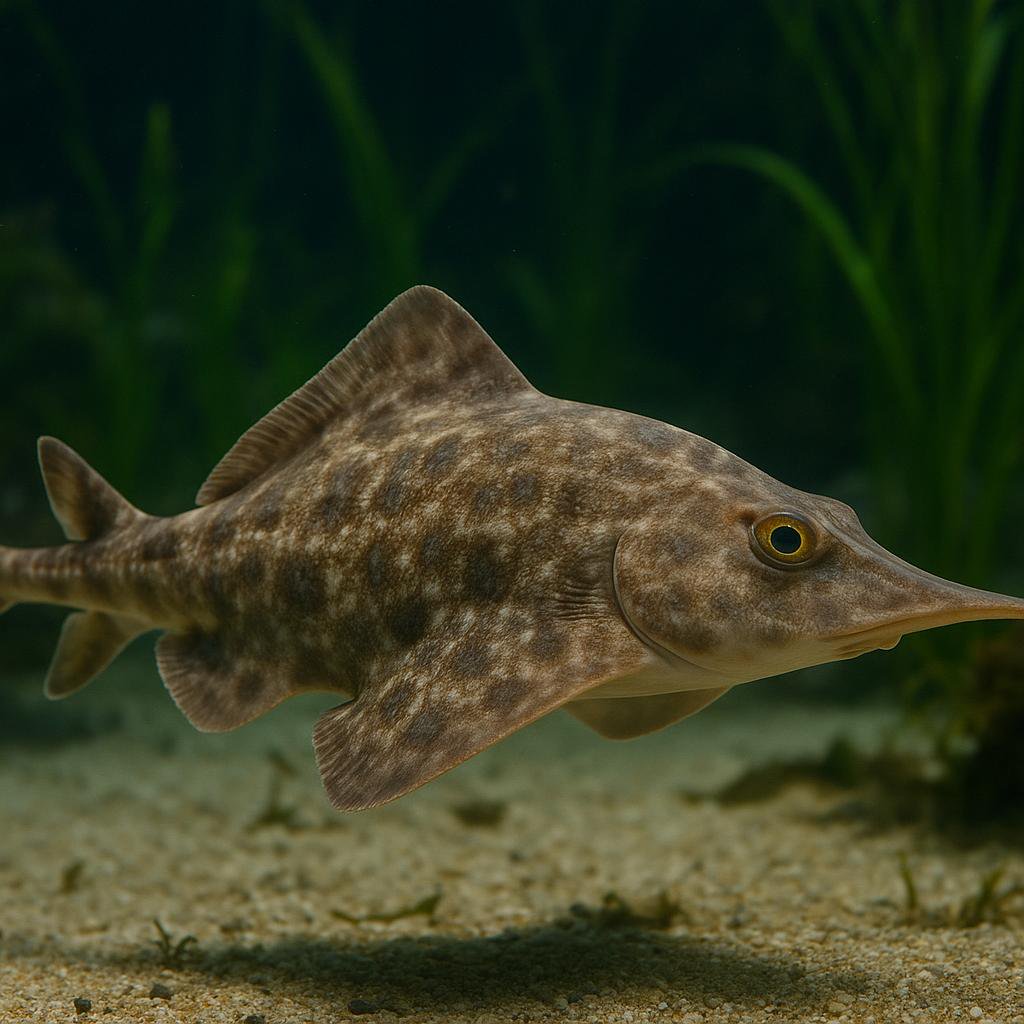
This is a big, cold-water deep-slope skate from the North Pacific that cruises muddy bottoms and eats chunky benthic prey like crabs and shrimp. The really cool bit is its egg-laying skate life - it does distinct pairing (the classic skate "embrace") and drops those tough egg cases on the seafloor. Not an aquarium fish at all unless you're basically running a public-aquarium-style chilled system.
Antarctic dragonfish
Vomeridens infuscipinnis
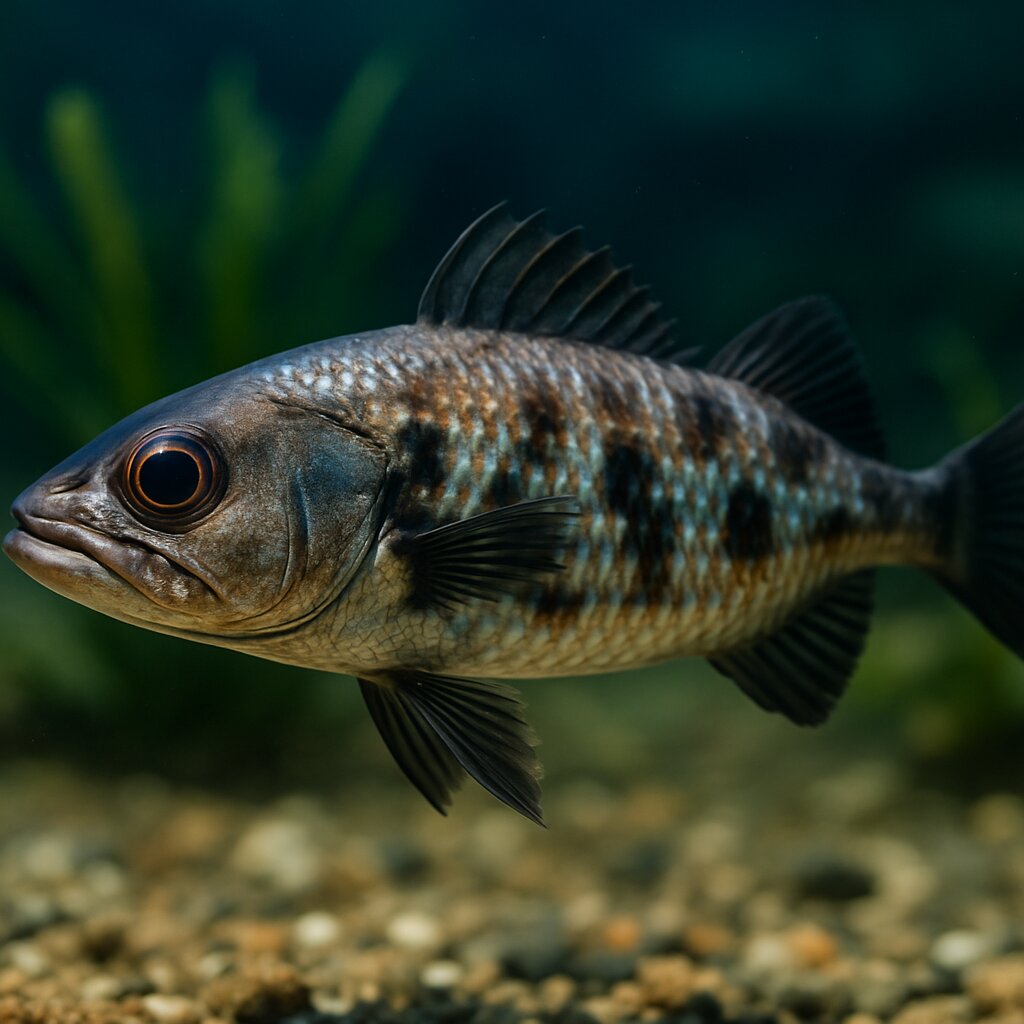
Deep down around Antarctica, this sleek dragonfish cruises the water column like a little submarine, nearly neutrally buoyant so it can hover above the seafloor. It munches almost exclusively on Antarctic krill and lives in near-freezing water 500-800 m down, so it is a cool species to read about, not one for home tanks.
Arabian demoiselle
Neopomacentrus sindensis
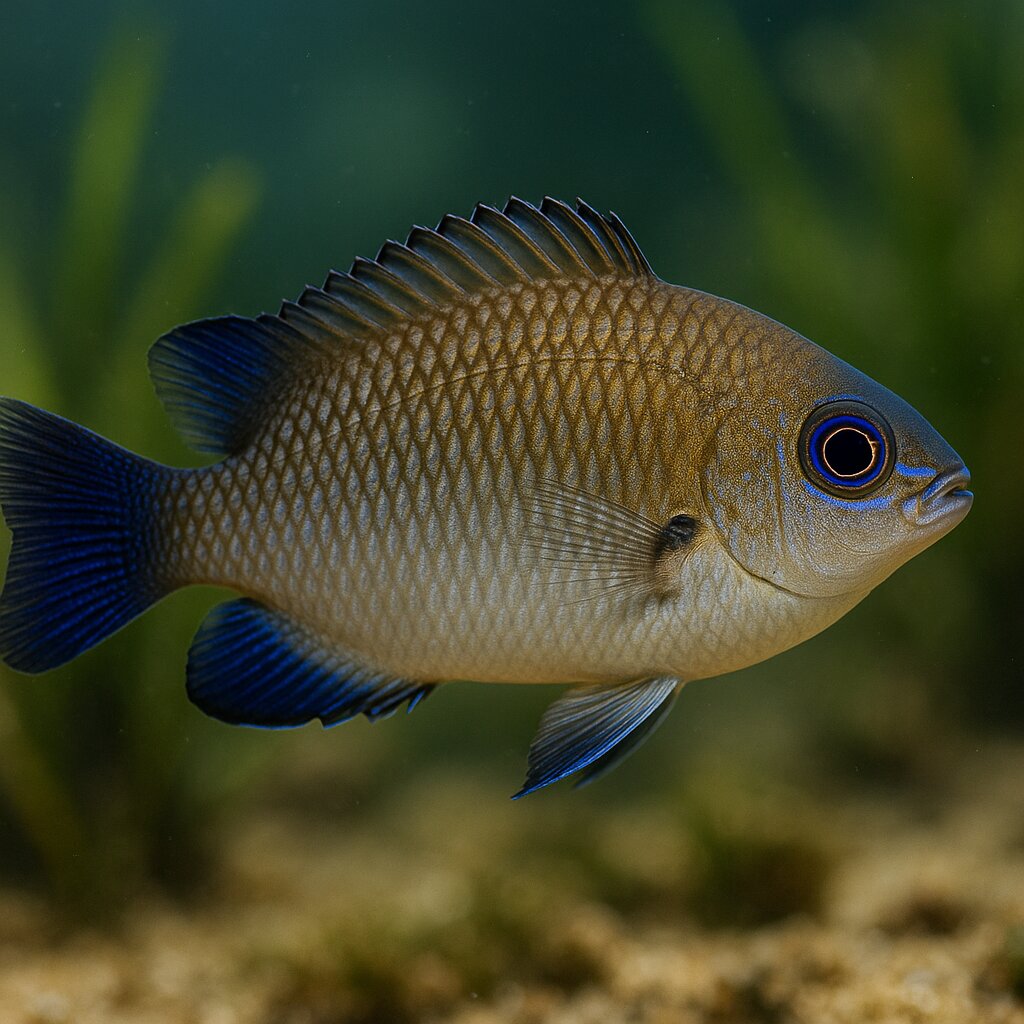
A small lyretail damsel from the Persian Gulf and Arabian Sea, it hangs in loose groups around coral heads, rocks, and even pier pilings picking zooplankton from the flow. Think classic damsel toughness with a slightly milder attitude than the real bruisers, plus subtle yellow tail accents. Males clean a patch, get a mate to lay eggs there, and then stand guard fanning the clutch.
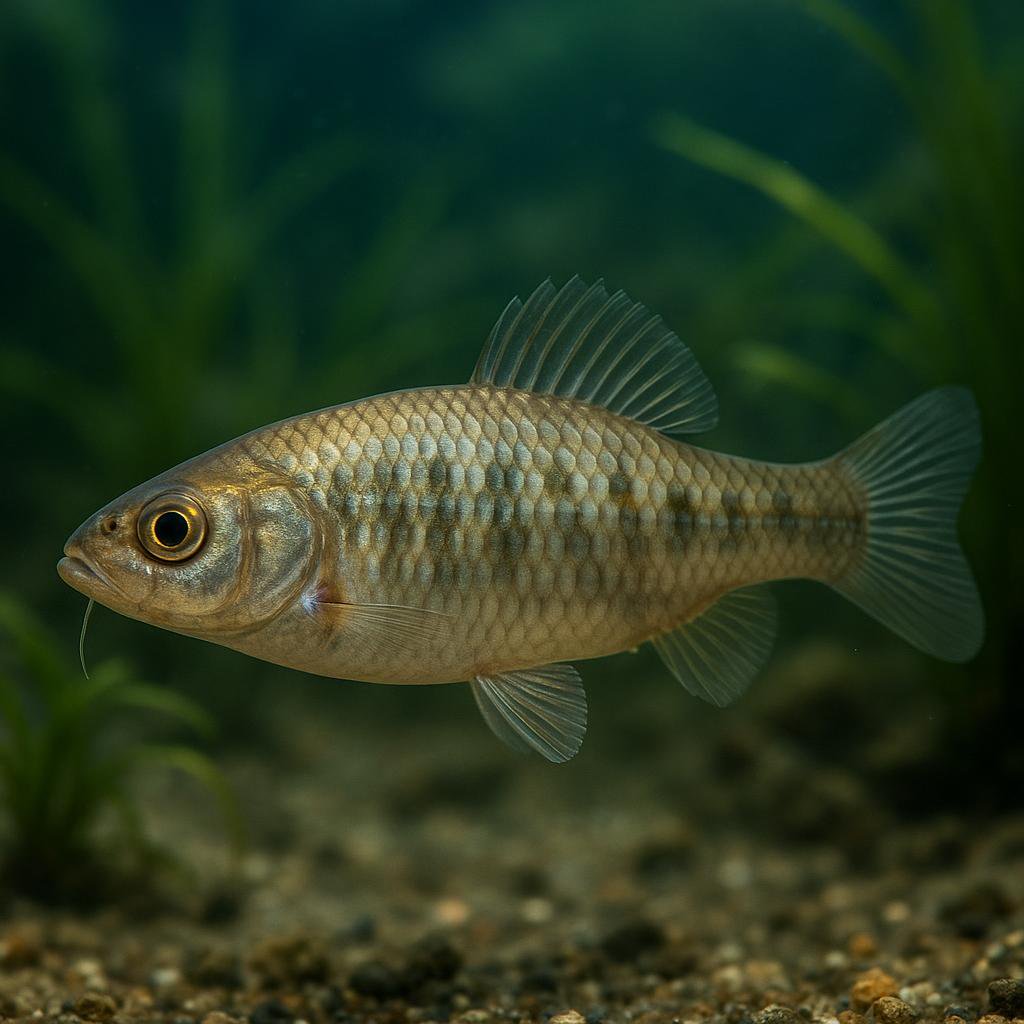
Arabian spiny eel
Notacanthus indicus
Notacanthus indicus is a deep-sea spiny eel (family Notacanthidae; not a true eel) known from the Arabian Sea on the continental slope at roughly ~960–1,046 m depth, with reported maximum length around 20 cm TL; it is a deep-water bycatch species and not established in the aquarium trade.
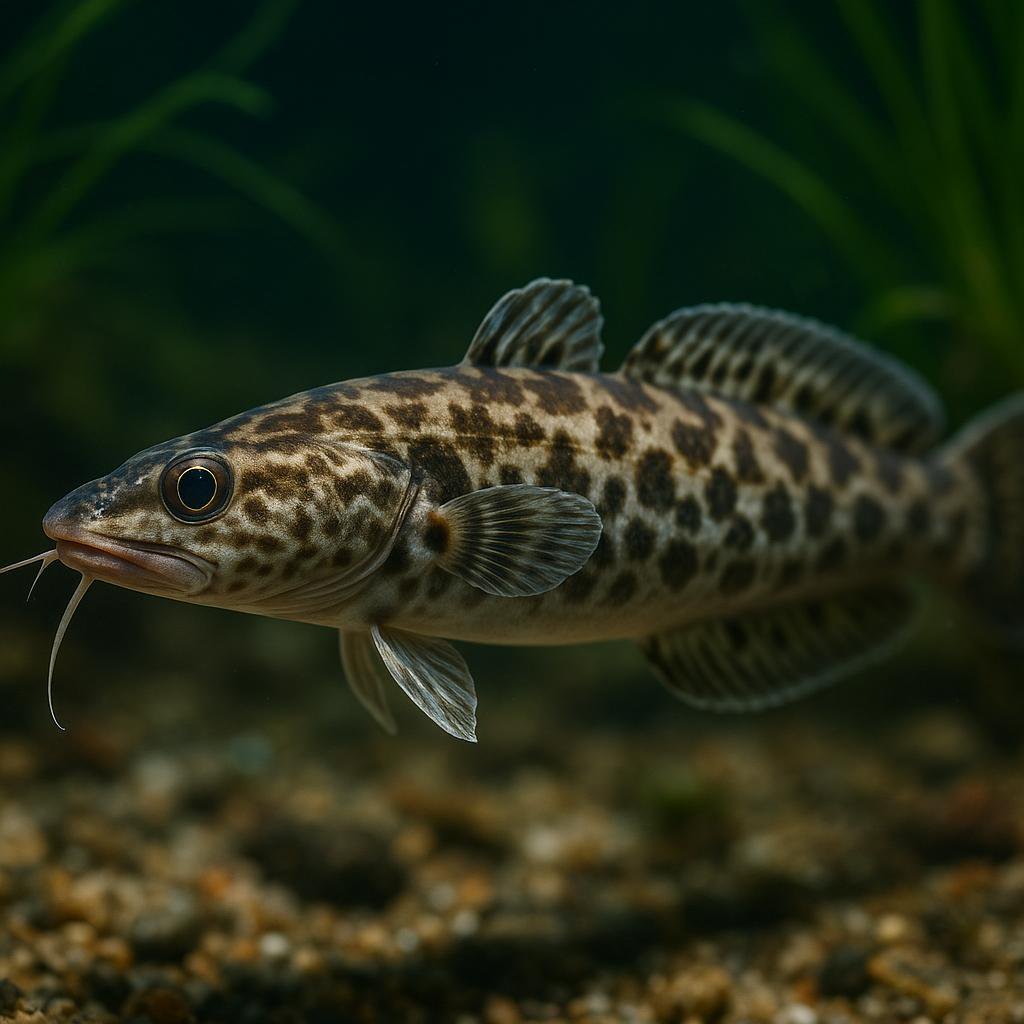
Arctic rockling
Gaidropsarus argentatus
This is a deepwater North Atlantic rockling (a cod relative) that hangs out on soft bottoms way down the slope. It is a cold-water, bottom-hugging predator that snoots around for crustaceans and will also take small fish when it gets the chance.
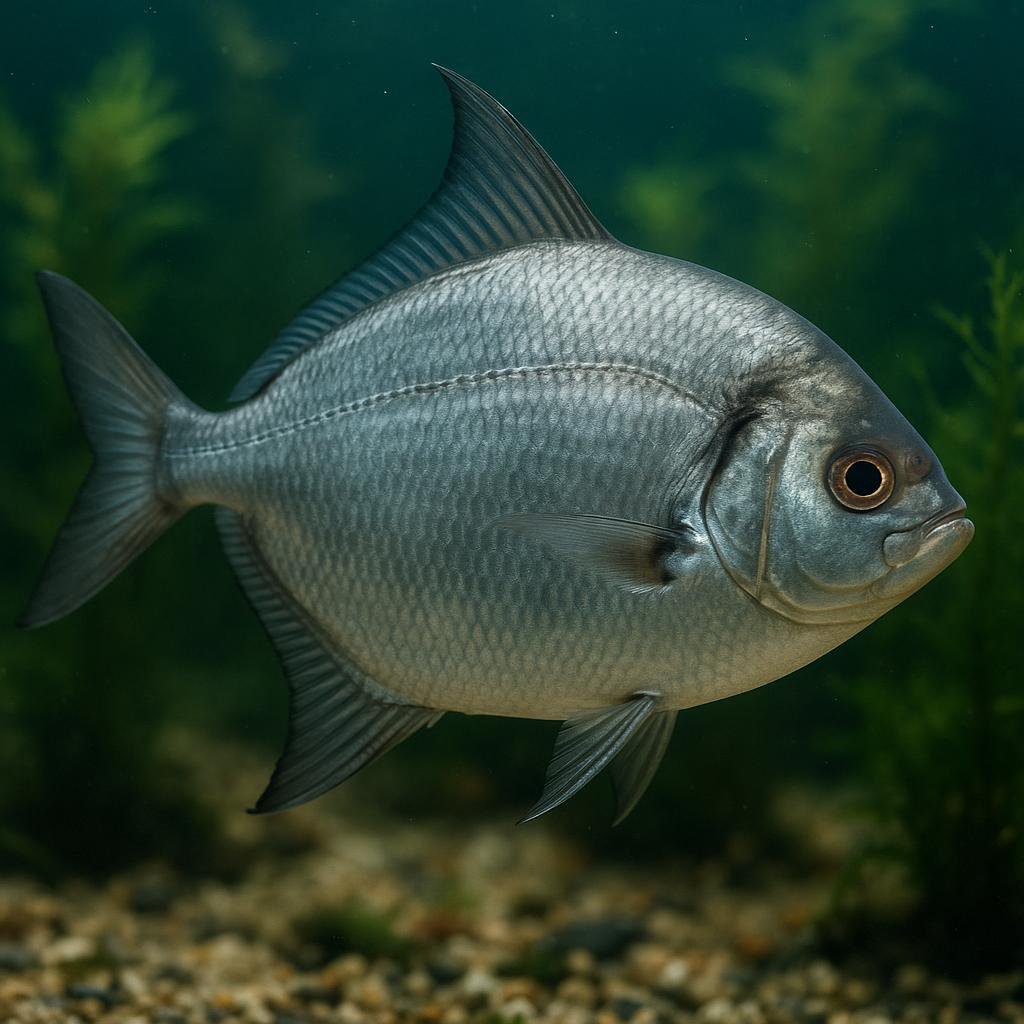
Atlantic pomfret
Brama brama
Brama brama is the Atlantic pomfret (aka Ray's bream) - a deep-bodied, open-ocean pelagic fish that cruises around in small schools and follows water temps. It is a legit big, wild marine species (not an aquarium fish) that eats other small sea critters like fish and squid, and it ranges across a huge chunk of the Atlantic plus parts of the Indian and South Pacific.
More to Explore
Discover more marine species.
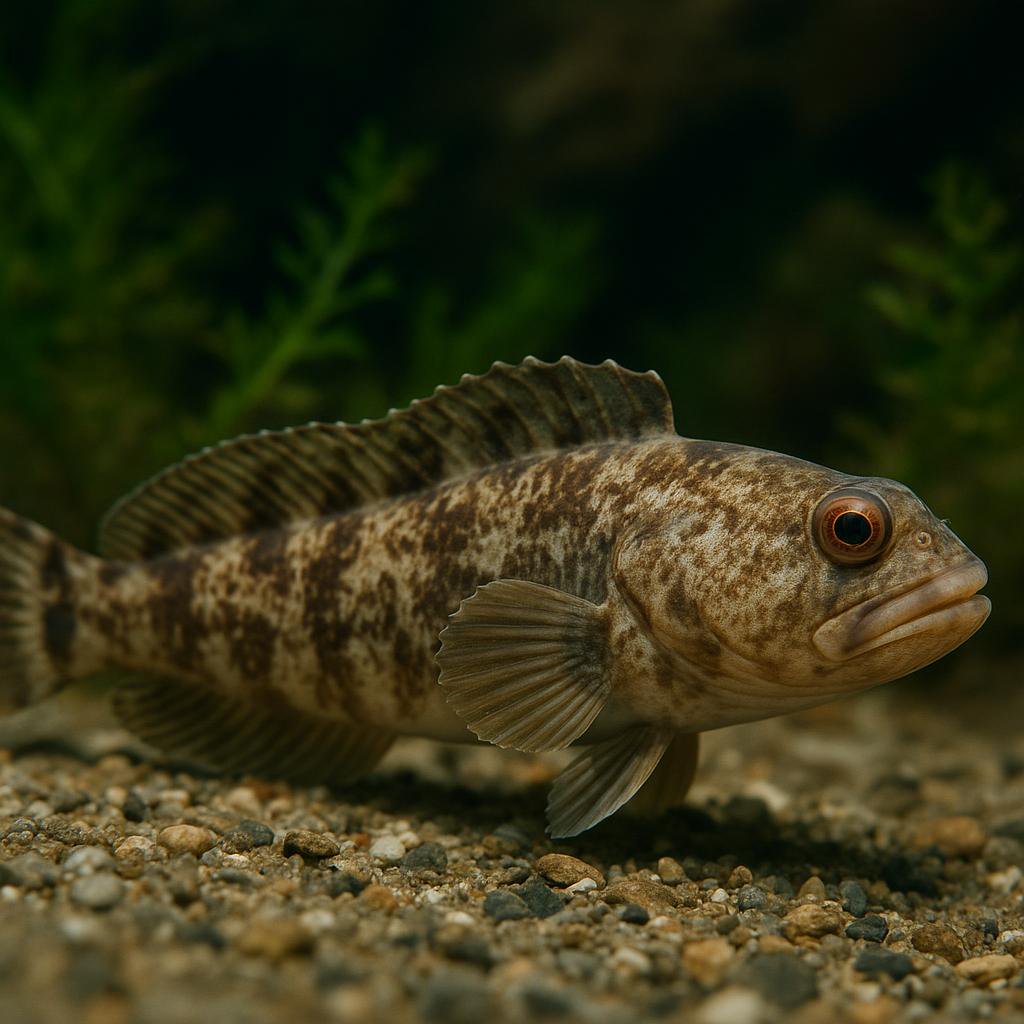
Abe's eelpout
Japonolycodes abei
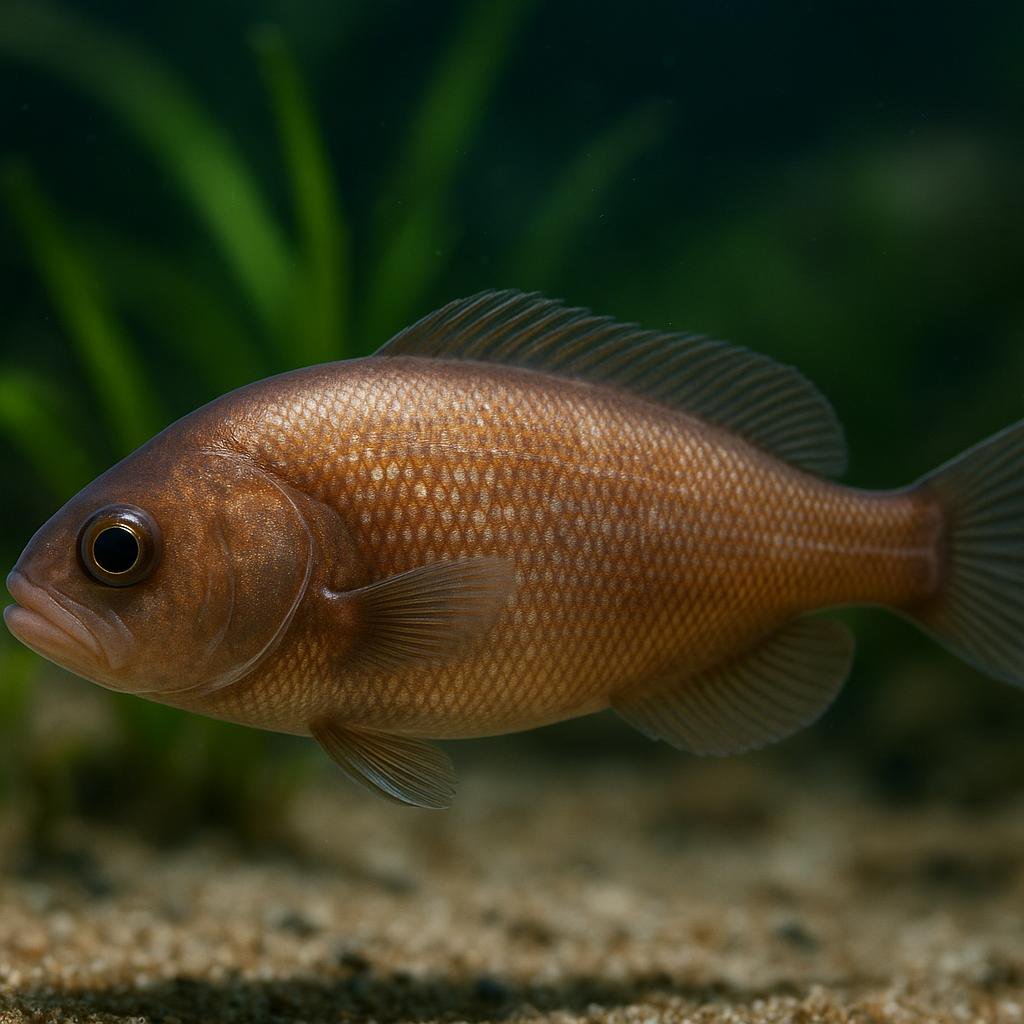
Japonolycodes abei is a temperate, deepwater demersal eelpout (family Zoarcidae) endemic to Japan (Kumano-nada Sea reported; other sources also report Sagami Bay and Tosa Bay). It is the only species in the genus Japonolycodes and occurs roughly 40-300 m depth, making it an uncommon/atypical aquarium species.
Affinis blind cusk-eel
Barathronus affinis
Barathronus affinis is a tiny, super-weird deep-sea blind cusk-eel from the western-central Indian Ocean. It is one of those gelatinous, loose-skinned brotula-type fishes that live way down in the dark and are basically never seen alive, so almost everything we know comes from preserved specimens and taxonomic work.
African red snapper
Lutjanus agennes
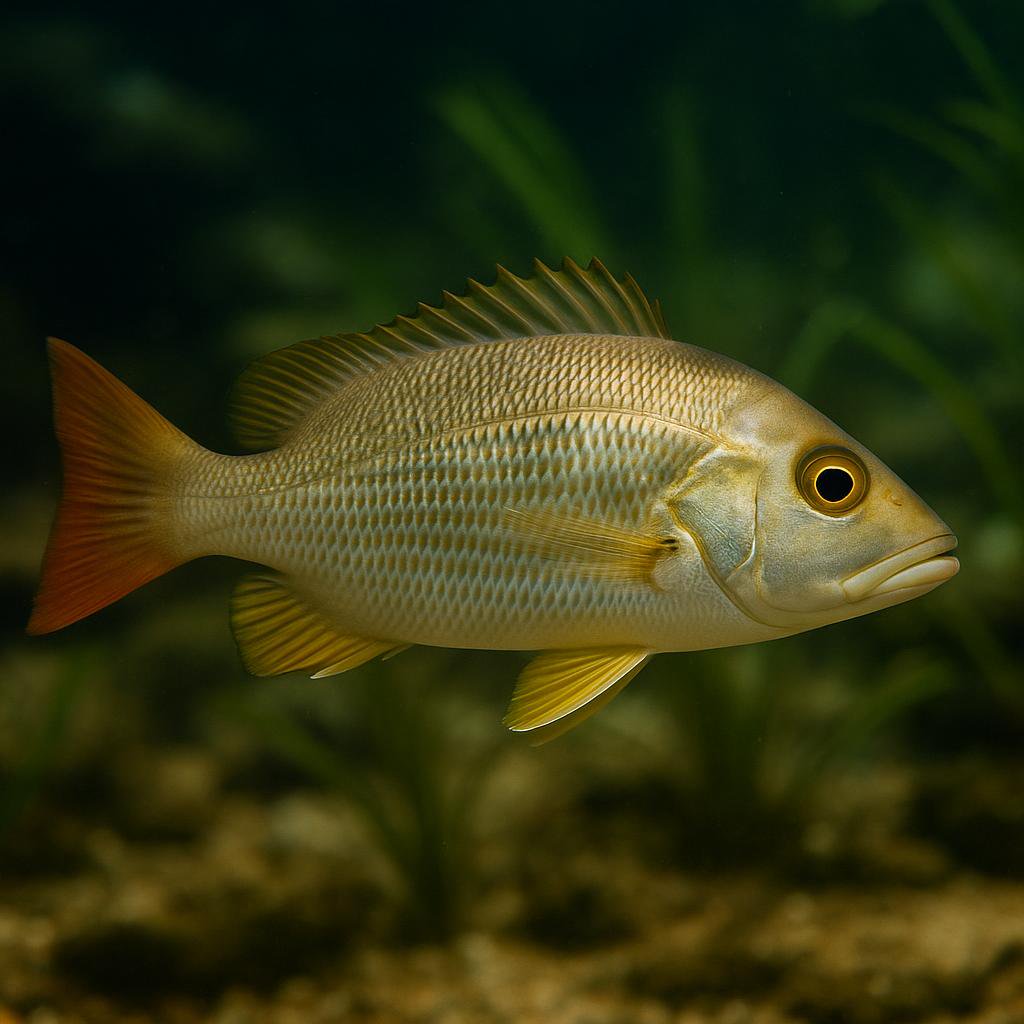
This is a true snapper from West Africa - a big, fast-growing predator that goes from coastal reefs to brackish lagoons and estuaries (especially as a juvenile). Super cool fish in the wild, but it gets absolutely huge and will eat smaller tankmates once it has the mouth for it, so its really more of a public-aquarium scale animal than a home-aquarium fish.
Allis shad
Alosa alosa
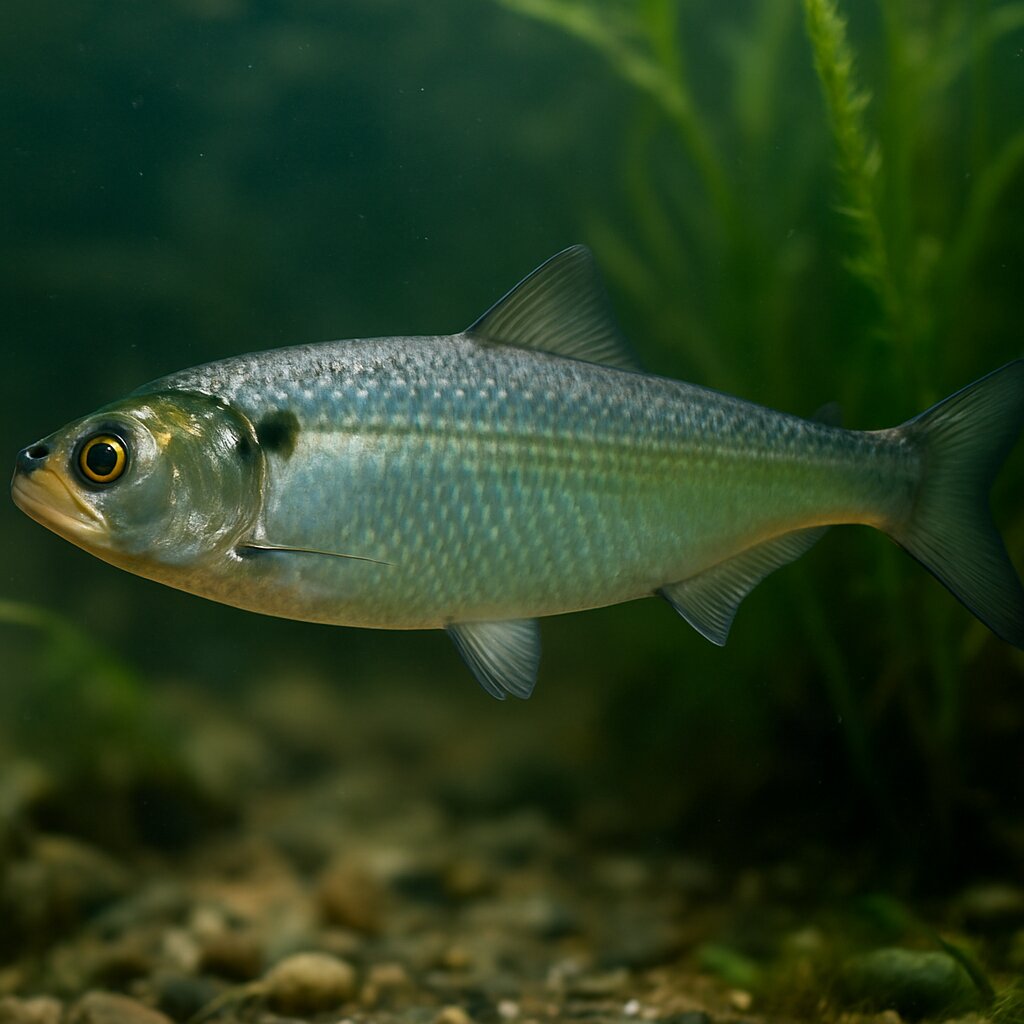
Gorgeous silver, fast-swimming shad that spends most of its life in the sea and then surges up big rivers in noisy, surface-spawning schools. It grows huge for a herring-type fish and needs cool, ultra-oxygenated water and tons of open space, so it is a public-aquarium species rather than a home tank fish.
Annandale's zebra sole
Zebrias annandalei
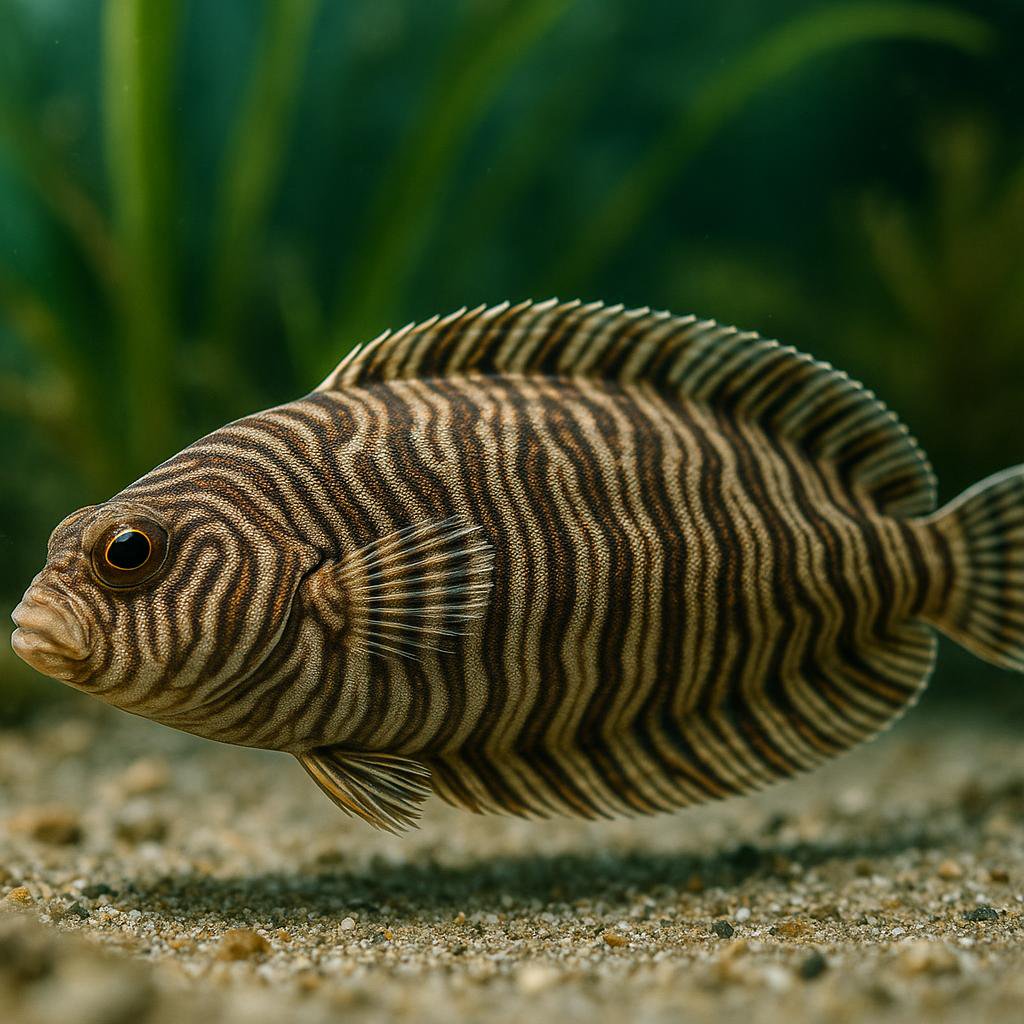
Zebrias annandalei is a small demersal sole from coastal India that inhabits sandy or muddy bottoms and buries for camouflage. It is rarely kept in home aquaria and would require a specialized marine sand-bottom setup and appropriate feeding.
Australian sawtail catshark
Figaro boardmani
Figaro boardmani is a small, deepwater Australian catshark with these cool saw-like ridges of spiny denticles along the tail and a neat pattern of dark saddle bands. It lives way down on the outer continental shelf and slope, so its natural water is cold, dim, and stable - totally not a typical home-aquarium fish. Diet-wise its a predator that goes after fish, crustaceans, and cephalopods.
Looking for other species?