

Round stingray
Urobatis halleri
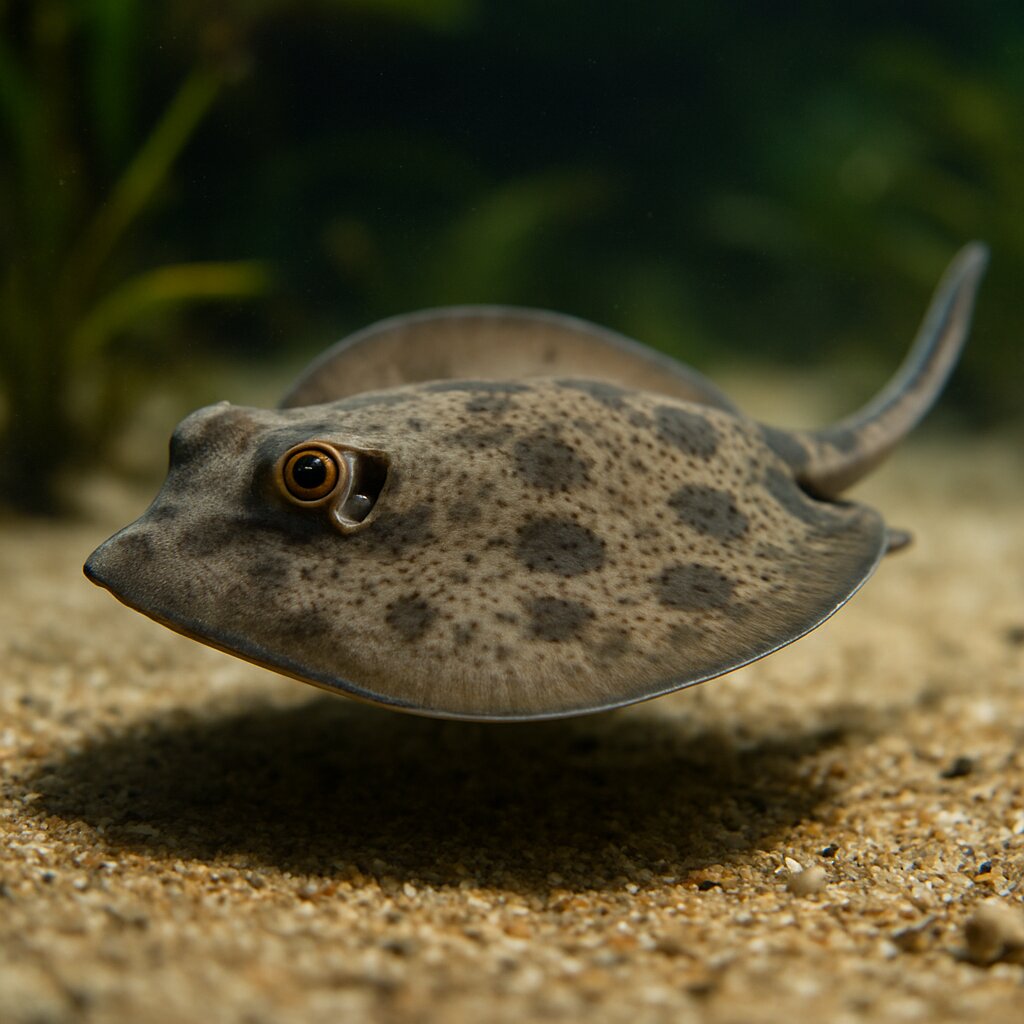
The Round stingray features a flattened, disc-like body with a smooth, mottled gray-brown coloration and a long, slender tail with a venomous spine.
This page includes AI-generated images. Why am I seeing AI images?
About the Round stingray
A neat California-to-Ecuador coastal ray that spends a lot of time buried in sand with just the eyes showing. It fans the bottom to pop up shrimp and crabs, and once it trusts you it will cruise over for hand-fed seafood. Cool-water marine fish that needs a deep soft sand bed and a big, wide tank to turn comfortably.
Also known as
Quick Facts
Size
58 cm TL (23 inches)
Temperament
Semi-aggressive
Difficulty
Expert
Min Tank Size
180 gallons
Lifespan
about 8 years
Origin
Eastern Pacific (California to Ecuador)
Diet
Carnivore - benthic invertebrates and small fishes; accepts meaty marine foods like shrimp, squid, scallops in captivity
Water Parameters
18-24°C
8.1-8.4
300-400 dGH
Need a heater for this species?
This species needs 18-24°C in a 180 gallon tank. Use our heater calculator to find the right wattage.
Calculate heater sizeCare Notes
- Think footprint, not gallons - aim for at least 8x3 ft of open sand for an adult (300+ gal), with 3-4 in of fine sugar sand; no crushed coral or sharp rock.
- Cool-water species - run 65-72 F with a chiller, SG 1.023-1.026, pH 8.1-8.4, 0 ammonia/nitrite, and nitrate under 20; big skimmer and high oxygen.
- Put heaters in the sump and foam-guard any pump intakes; they bury and will burn or shred themselves on exposed gear.
- Feed with tongs right to the mouth so others do not steal it; rotate shrimp, squid, scallop, clam, and small fish, and use a vitamin soak to cover thiaminase-heavy items like silversides.
- Juveniles eat small portions daily; adults every other day; pull leftovers within minutes because rays foul water fast.
- Tankmates: keep solo or with large calm fish; skip triggers, puffers, big wrasses, nippy angels, and eels; it will eat crabs, shrimp, and small fish, so plan on no clean-up crew.
- Handle with a tub, not a net, and always know where the barb is; no copper or formalin-malachite meds on rays, so quarantine and use elasmobranch-safe treatments only.
- Give wide open sand with gentle laminar flow and stable rock islands; blasting powerheads stress them and loose rock can crush a buried ray.
Compatibility
Good Tankmates
- Temperate midwater schoolers that do not pick - sargo, blacksmith, larger surfperch - they cruise up high and ignore the ray
- Big, mellow tangs/surgeonfish that are too large to be swallowed and not nippy - only if they can handle the ray's cooler temps
- Foxface and rabbitfish - peaceful grazers that leave the ray alone (just mind their venom spines)
- Lookdowns and other calm open-water fish in big, open tanks - zero interest in the sandbed or the ray
- Other laid-back bottom sharks (bamboo, epaulette, horn) in truly huge footprints with tons of floor space
Avoid
- Triggers and puffers - notorious disc and tail biters; hard no with rays
- Nippy pickers like big angels, butterflyfish, hawkfish, cleaner wrasses - they go for the ray's eyes and spiracles
- Moray eels, big groupers, or jacks - rough predators that will test or injure a ray (or get stung starting trouble)
- Anything bite-size - little gobies, blennies, small damsels - the ray will snack on them after lights out
Where they come from
Round stingrays are coastal natives of the eastern Pacific, from central California down past Baja. You find them in shallow surf zones and sandy bays, buried with just their eyes showing. That burying habit drives almost everything about how you house them.
Check your local laws before you buy or collect. This is a California native species and there can be permit or sourcing rules depending on where you live.
Setting up their tank
Think footprint, not gallons on the box. A single adult really wants something like an indoor lagoon or pond with at least a 6x4 ft open sand area, and 8x4 is much better. Height is not a priority; turning radius and uninterrupted sand are.
- Temperature: 64-72 F (18-22 C). Use a chiller if your house runs warm.
- Salinity: 1.024-1.026. pH 8.1-8.4. Alkalinity 8-10 dKH.
- Substrate: 2-3 in of sugar-fine aragonite. No crushed coral, no sharp grains.
- Aquascape: mostly open sand. If you add rock, keep it minimal, rounded, and placed on the tank bottom before sand so it cannot topple.
- Flow: moderate, broad, and well-oxygenated. Avoid narrow jets that blast the sand.
- Filtration: big skimmer, oversized biological media, and a sump you can easily service. These fish are messy eaters.
- Cover: tight lid or net top. They can push up and splash.
- Intakes: guard every pump and overflow with foam or mesh so a buried ray cannot get pinned.
Rinse the sand thoroughly before it goes in. I like to add it wet to cut down dust. After it settles, run the tank a few days and gently vacuum the top half inch during water changes so detritus does not build up where they bury.
They carry a venomous spine on the tail. Do not hand-catch. Use a large, smooth-sided tub to move them, keep your hands away from the tail, and never corner a stressed ray.
Avoid copper-based medications and most standard reef treatments. Elasmobranchs absorb copper through their skin and gills. If you ever need to treat, talk to an experienced elasmobranch vet or public aquarium pro first.
What to feed them
They eat crustaceans and small fish in the wild. In a tank, think meaty marine foods offered on the sand so they can locate it with their electroreceptors. Tongs are your friend. A ceramic feeding tile or shallow dish helps keep sand out of their mouth.
- Good staples: raw shrimp, squid, scallops, clam or mussel meat, marine fish strips (mackerel, smelt), sandworms.
- Starter live foods for new arrivals: ghost shrimp, shore crabs, or saltwater grass shrimp to trigger feeding, then switch to thawed items.
- Supplements: soak foods in a vitamin/HUFA mix; add iodine weekly to prevent goiter.
Training routine: put a flat tile in the same spot, place a small piece of thawed shrimp on it, and gently waft scent toward the ray. Repeat daily. Most learn within a week that the tile means dinner, which makes portion control easy.
Skip feeder goldfish or other freshwater feeders. They are risky for disease and loaded with thiaminase, which can cause deficiencies. Do not overfeed; adults do well on every-other-day meals. A bulging disc edge is a sign to cut back.
How they behave and who they get along with
Round stingrays are calm, methodical bottom cruisers that spend a lot of time buried. They will bulldoze anything loose. Not reef safe with inverts; snails, crabs, clams, and worms are snacks. Corals will get sanded over and knocked around, and the cooler water is outside typical reef ranges anyway.
- Usually fine: larger, peaceful midwater fish that ignore the bottom (lookdowns, temperate wrasses, larger gobies, some groupers if not pushy).
- Use caution: eels and big predators that might grab the disc.
- Avoid: triggers, puffers, large angels, hawkfish, and anything that nips fins. Also avoid lionfish; spines and rays are a bad combo.
- Multiple rays: only in very large lagoons. One male to two females works better than pairs. Provide lots of open space and watch for biting during courtship.
Breeding tips
They are livebearers. Mature males have claspers; females grow larger. Breeding happens seasonally in nature as temps rise in spring, with pups born late summer. It can be done in captivity, but you need public-aquarium scale space and the ability to simulate seasonal light and temperature shifts.
- Space: think 10x8 ft or bigger with gentle corners and protected pump intakes for pups.
- Cycle: a cool winter period around 62-65 F, then gradually back up to 68-72 F by spring.
- Diet: heavy on shellfish and varied seafood with vitamins to support gestation.
- Gestation: roughly a few months; litters are small. Newborns take enriched mysis, finely chopped shrimp, and small pieces of clam.
- Separate if needed: an aggressive male may harass a female. Have a divider or second pond ready.
Plan ahead for pups. Rehoming temperate rays is not easy, and there may be legal restrictions on sales or transfers. Also double up on intake guards so small rays cannot get sucked in.
Common problems to watch for
- Disc abrasions: caused by rough substrate or rock. Switch to finer sand, remove sharp decor, and keep water pristine to prevent infection.
- Refusing food: new arrivals often need live ghost shrimp to start. Check temperature and oxygen, reduce activity around the tank, and try feeding at dusk.
- Goiter (neck swelling): usually iodine deficiency. Add iodine and use vitamin-soaked foods.
- Heat stress: above mid-70s they get lethargic and breathe fast. Use a chiller and keep a stable range.
- Ammonia/nitrite sensitivity: rays are unforgiving of spikes. Seed bio media well and add livestock slowly. Aim for ammonia/nitrite 0, nitrate under 20-30 ppm.
- Parasites: look for flashing or excess mucus. Do not use copper. Work with a vet on praziquantel or freshwater dips only if appropriate and brief.
- Stray voltage: can make them skittish. Check equipment and use a grounding probe if needed.
Weekly routine: 10-20% water change, gently vacuum the top layer of sand, rinse intake guards, and inspect the disc edge for scrapes. Log temperature and feeding response. Small, steady maintenance beats big cleanups with this fish.
Similar Species
Other marine semi-aggressive species you might be interested in.
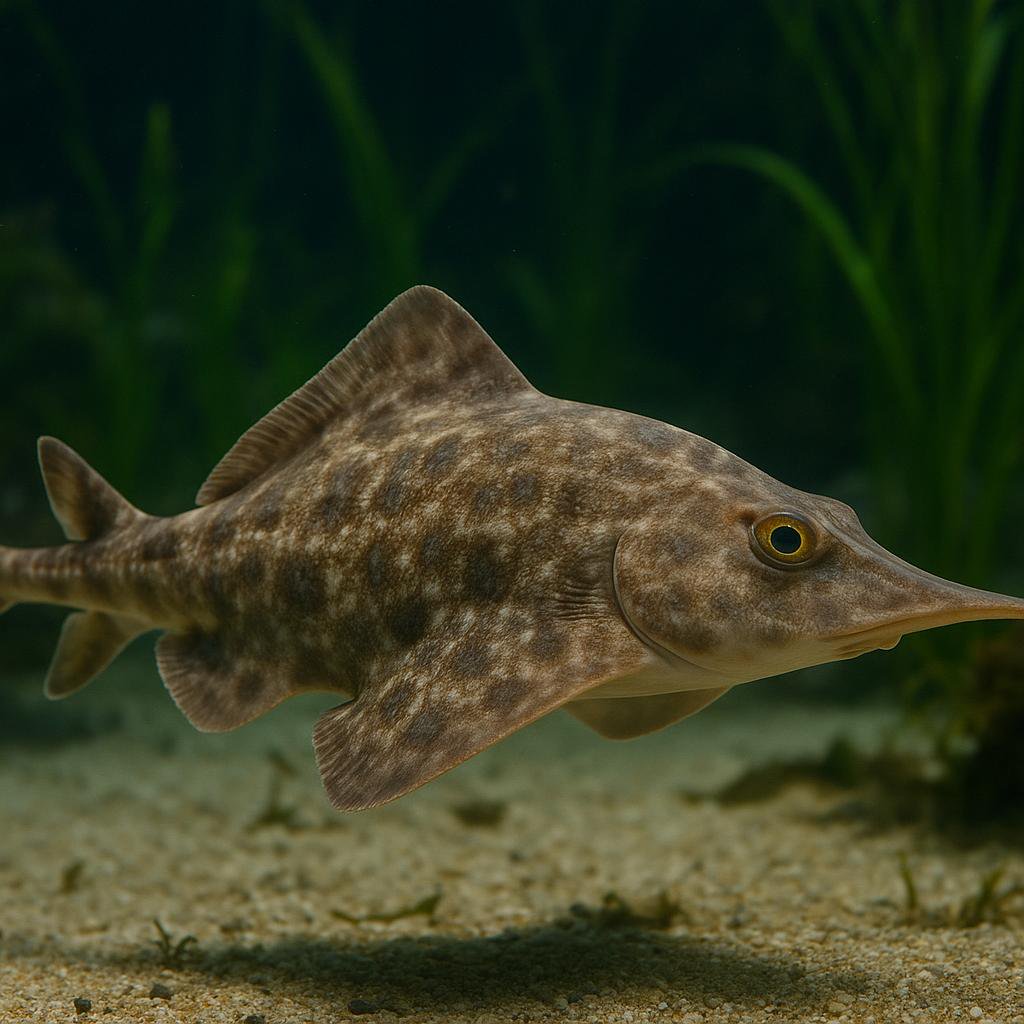
Aleutian skate
Bathyraja aleutica
This is a big, cold-water deep-slope skate from the North Pacific that cruises muddy bottoms and eats chunky benthic prey like crabs and shrimp. The really cool bit is its egg-laying skate life - it does distinct pairing (the classic skate "embrace") and drops those tough egg cases on the seafloor. Not an aquarium fish at all unless you're basically running a public-aquarium-style chilled system.
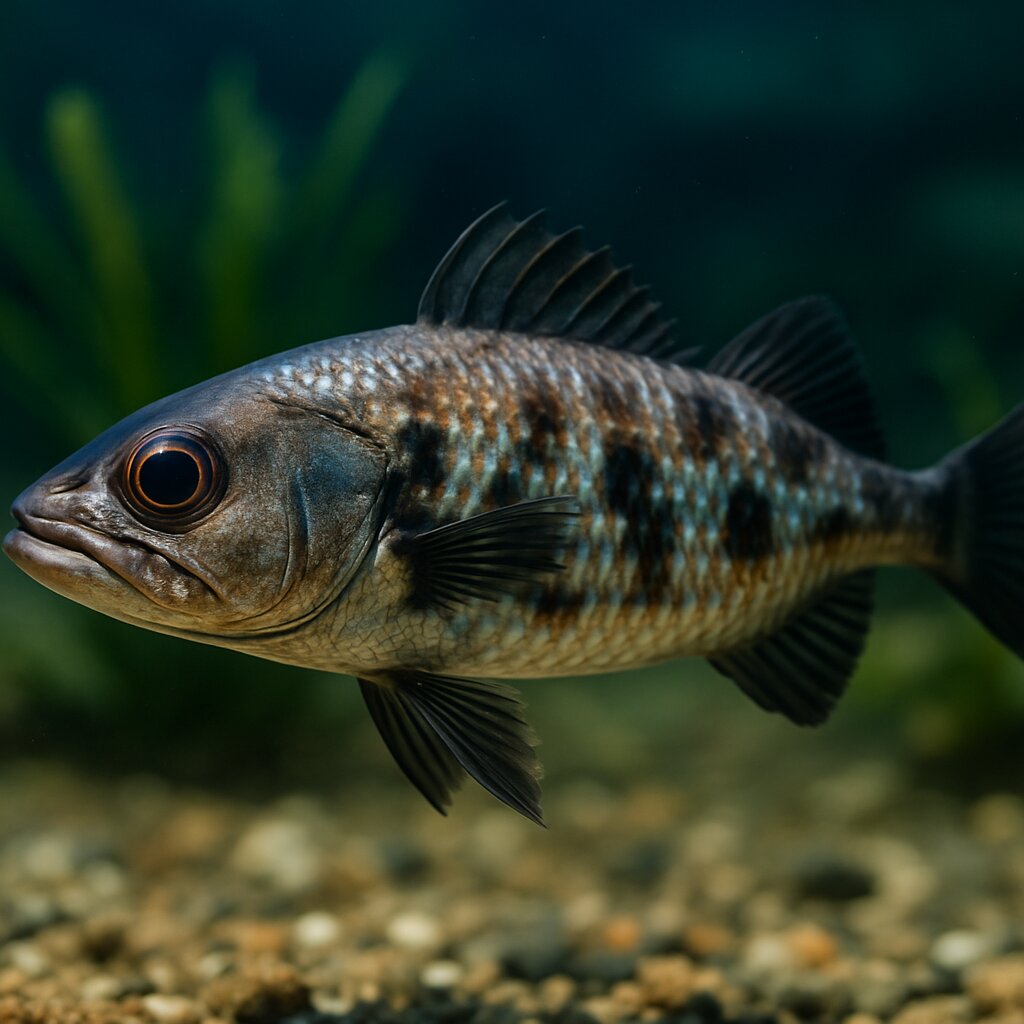
Antarctic dragonfish
Vomeridens infuscipinnis
Deep down around Antarctica, this sleek dragonfish cruises the water column like a little submarine, nearly neutrally buoyant so it can hover above the seafloor. It munches almost exclusively on Antarctic krill and lives in near-freezing water 500-800 m down, so it is a cool species to read about, not one for home tanks.
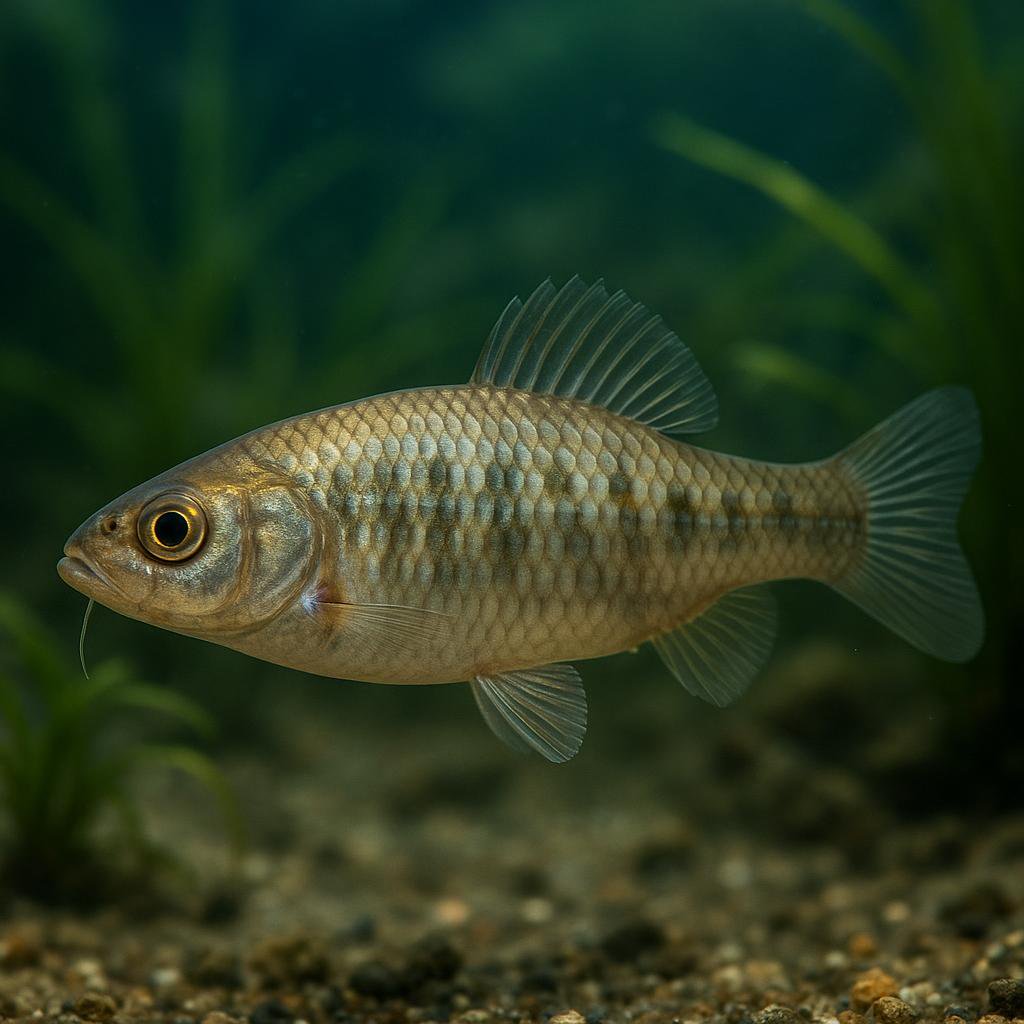
Arabian spiny eel
Notacanthus indicus
Notacanthus indicus is a deep-sea spiny eel (family Notacanthidae; not a true eel) known from the Arabian Sea on the continental slope at roughly ~960–1,046 m depth, with reported maximum length around 20 cm TL; it is a deep-water bycatch species and not established in the aquarium trade.
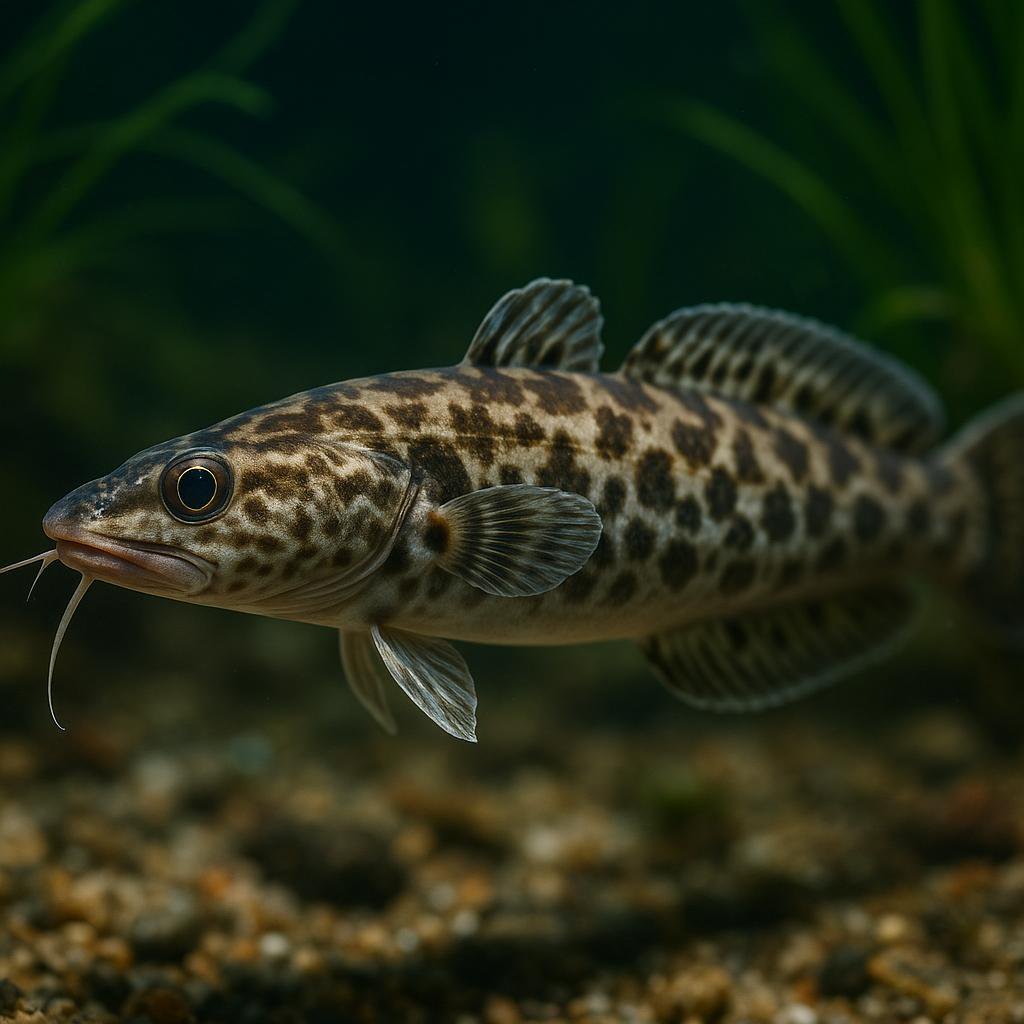
Arctic rockling
Gaidropsarus argentatus
This is a deepwater North Atlantic rockling (a cod relative) that hangs out on soft bottoms way down the slope. It is a cold-water, bottom-hugging predator that snoots around for crustaceans and will also take small fish when it gets the chance.
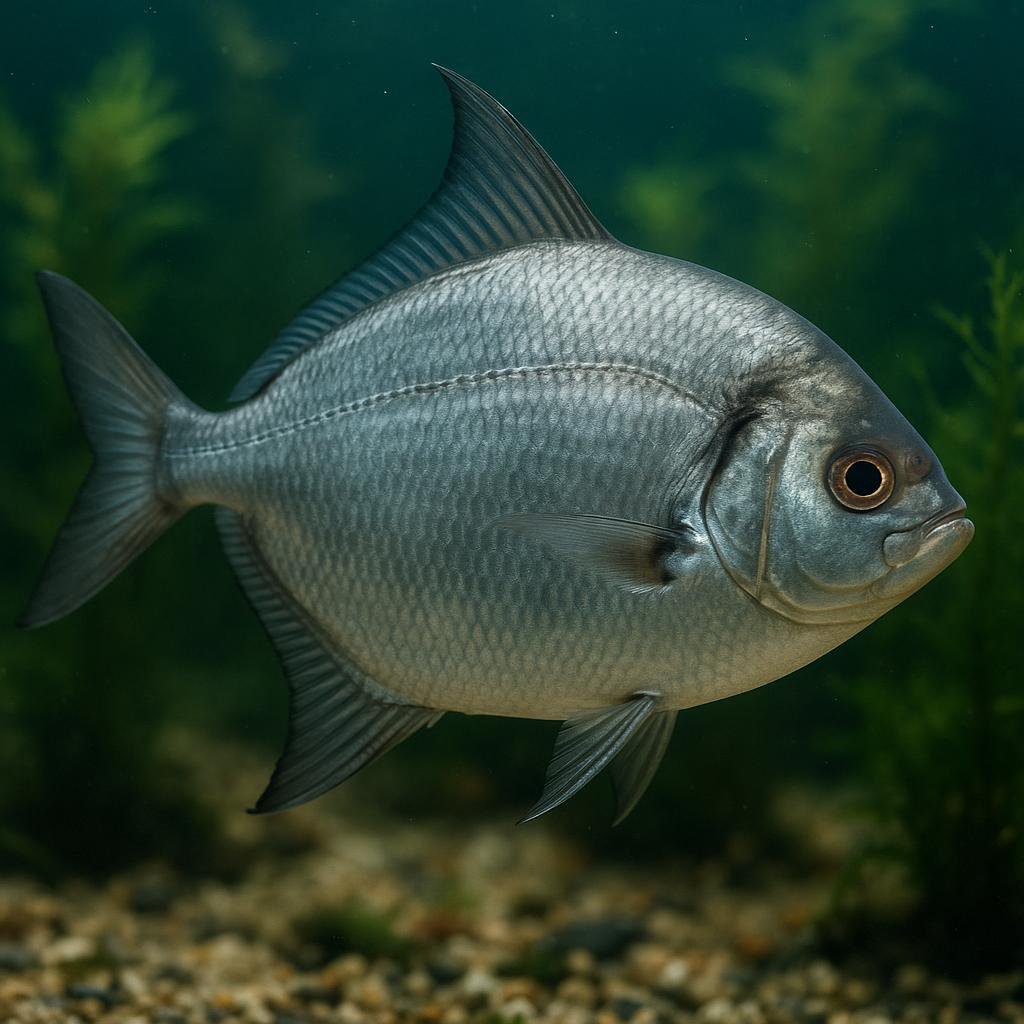
Atlantic pomfret
Brama brama
Brama brama is the Atlantic pomfret (aka Ray's bream) - a deep-bodied, open-ocean pelagic fish that cruises around in small schools and follows water temps. It is a legit big, wild marine species (not an aquarium fish) that eats other small sea critters like fish and squid, and it ranges across a huge chunk of the Atlantic plus parts of the Indian and South Pacific.
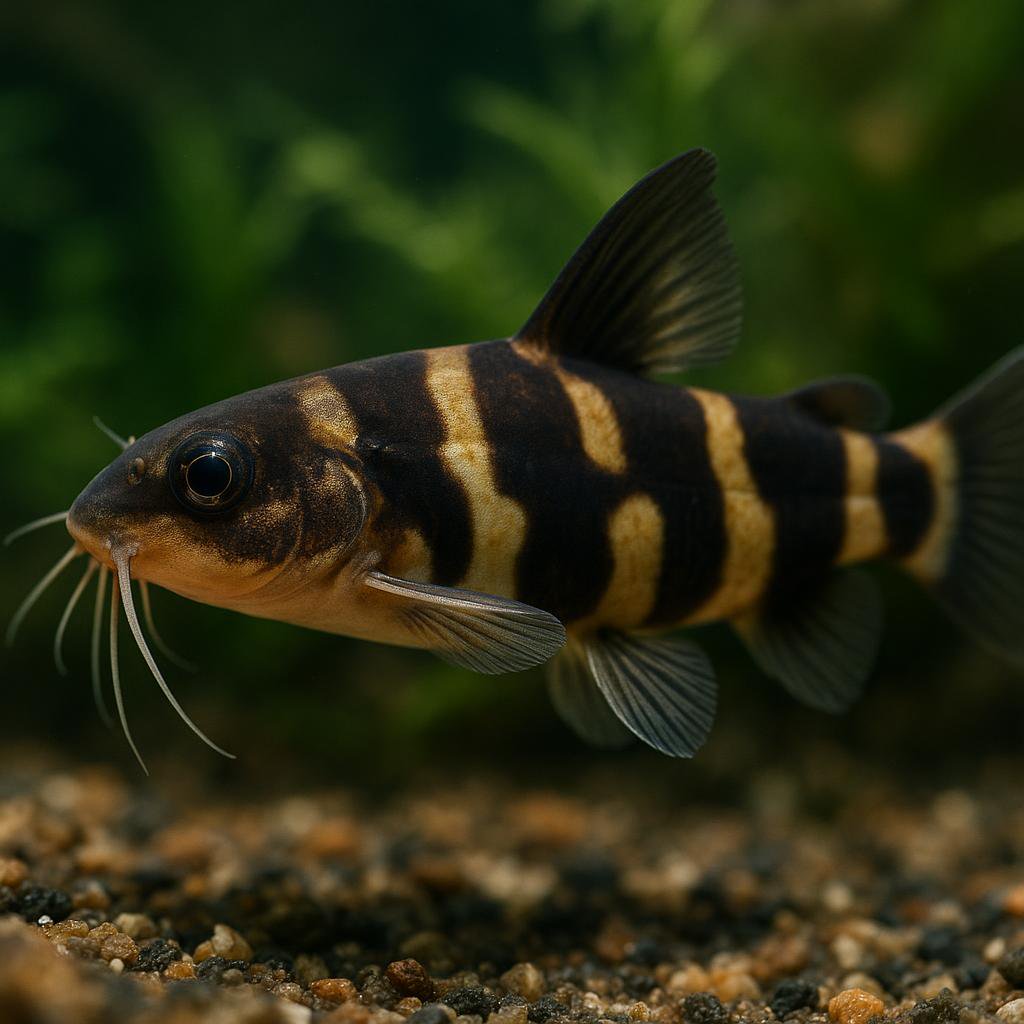
Australian sawtail catshark
Figaro boardmani
Figaro boardmani is a small, deepwater Australian catshark with these cool saw-like ridges of spiny denticles along the tail and a neat pattern of dark saddle bands. It lives way down on the outer continental shelf and slope, so its natural water is cold, dim, and stable - totally not a typical home-aquarium fish. Diet-wise its a predator that goes after fish, crustaceans, and cephalopods.
More to Explore
Discover more marine species.
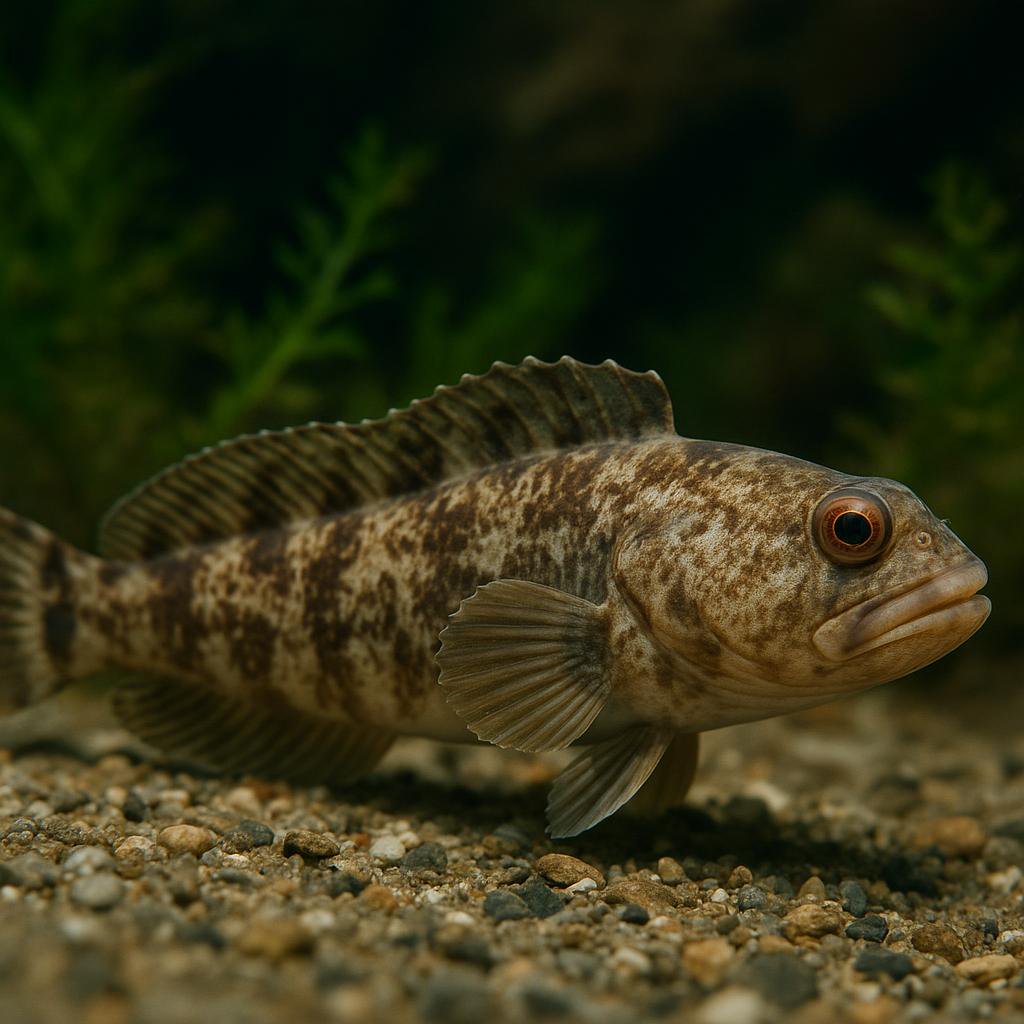
Abe's eelpout
Japonolycodes abei
Japonolycodes abei is a temperate, deepwater demersal eelpout (family Zoarcidae) endemic to Japan (Kumano-nada Sea reported; other sources also report Sagami Bay and Tosa Bay). It is the only species in the genus Japonolycodes and occurs roughly 40-300 m depth, making it an uncommon/atypical aquarium species.
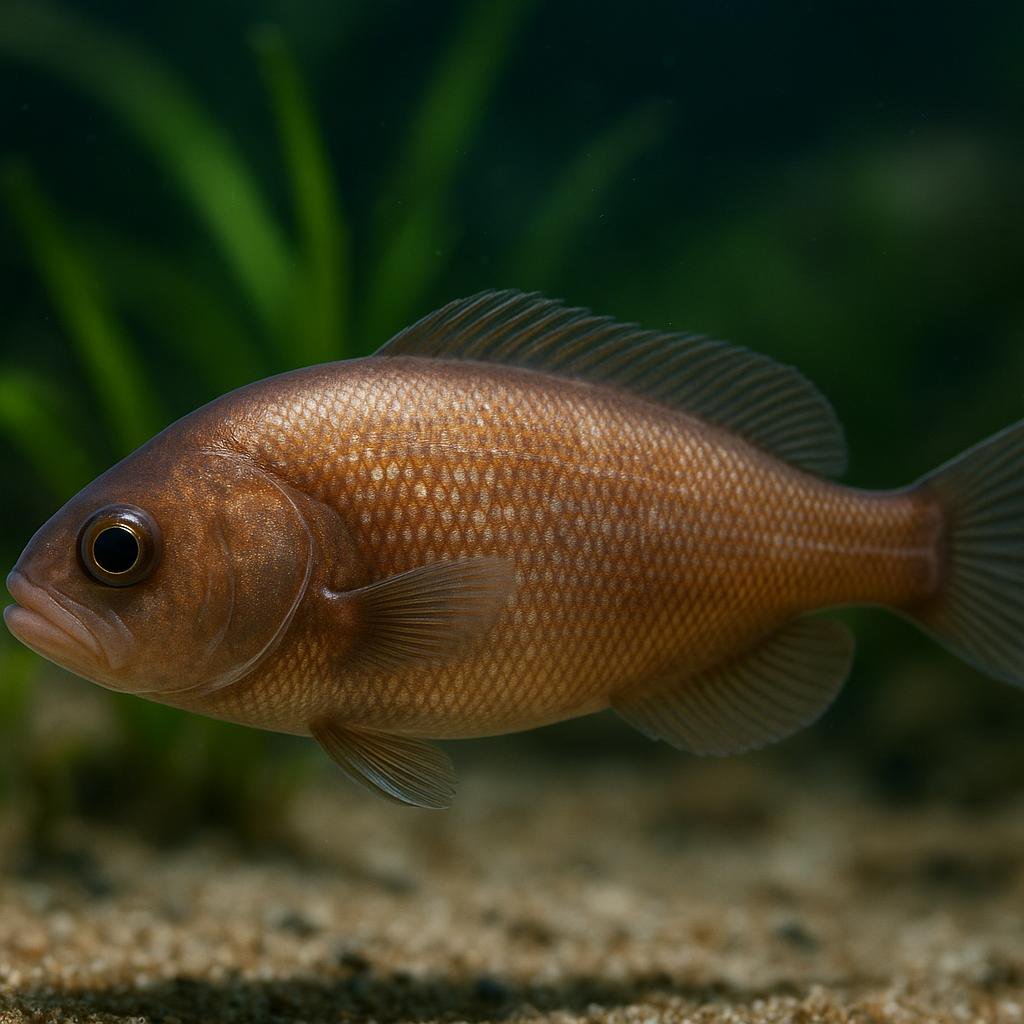
Affinis blind cusk-eel
Barathronus affinis
Barathronus affinis is a tiny, super-weird deep-sea blind cusk-eel from the western-central Indian Ocean. It is one of those gelatinous, loose-skinned brotula-type fishes that live way down in the dark and are basically never seen alive, so almost everything we know comes from preserved specimens and taxonomic work.
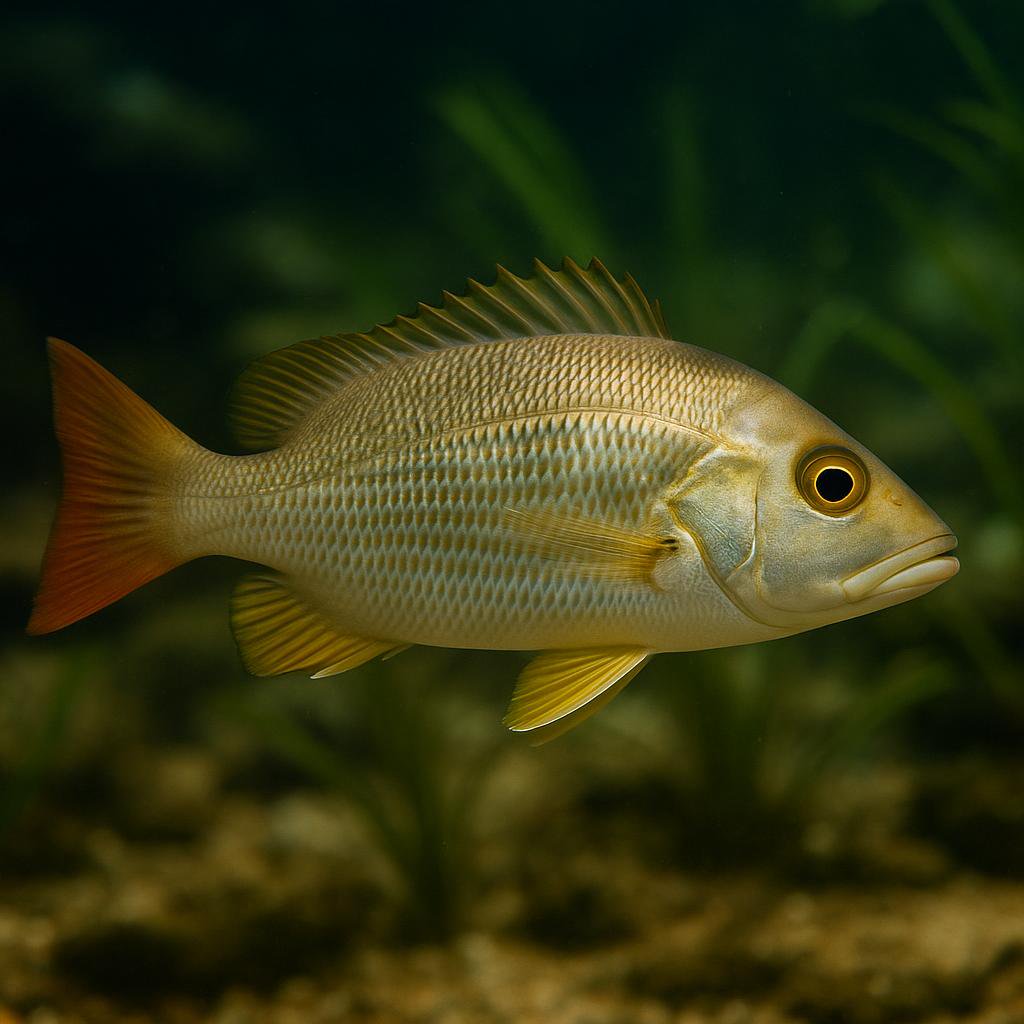
African red snapper
Lutjanus agennes
This is a true snapper from West Africa - a big, fast-growing predator that goes from coastal reefs to brackish lagoons and estuaries (especially as a juvenile). Super cool fish in the wild, but it gets absolutely huge and will eat smaller tankmates once it has the mouth for it, so its really more of a public-aquarium scale animal than a home-aquarium fish.
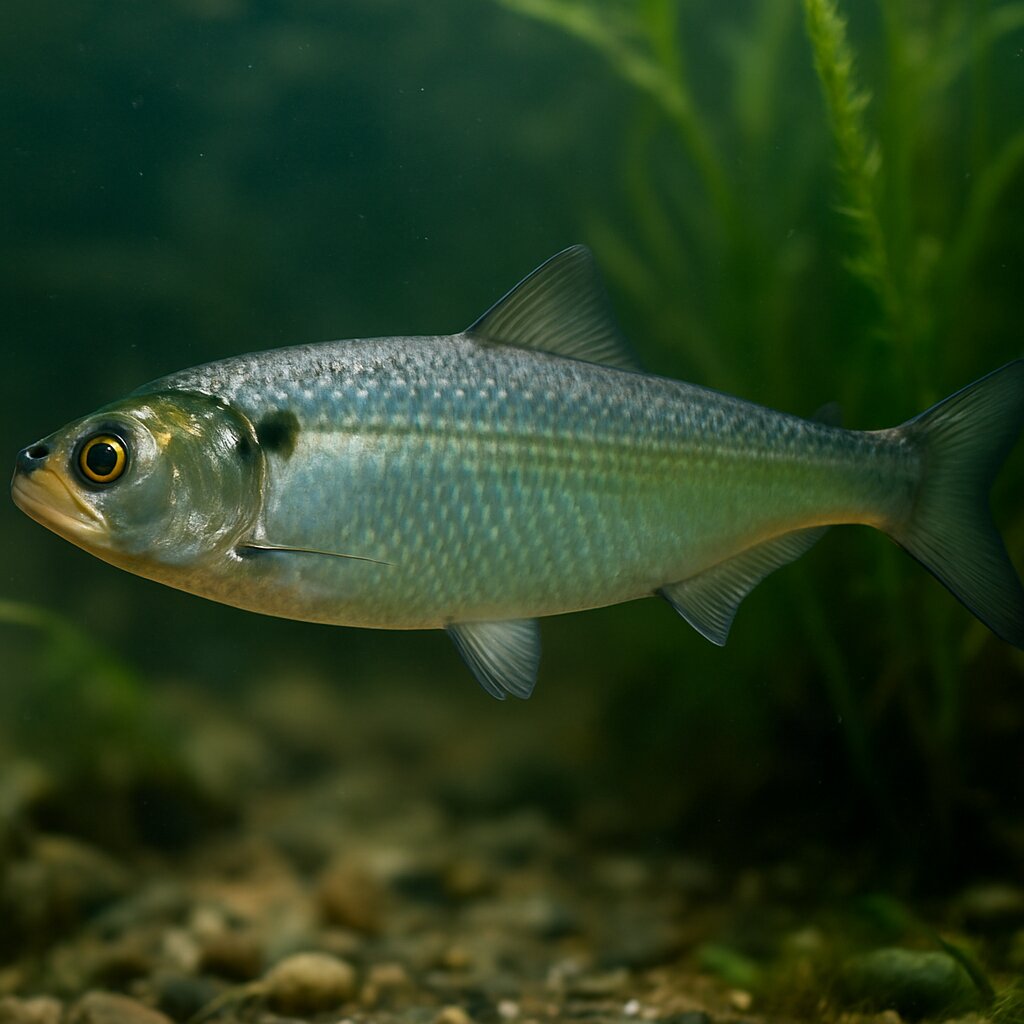
Allis shad
Alosa alosa
Gorgeous silver, fast-swimming shad that spends most of its life in the sea and then surges up big rivers in noisy, surface-spawning schools. It grows huge for a herring-type fish and needs cool, ultra-oxygenated water and tons of open space, so it is a public-aquarium species rather than a home tank fish.
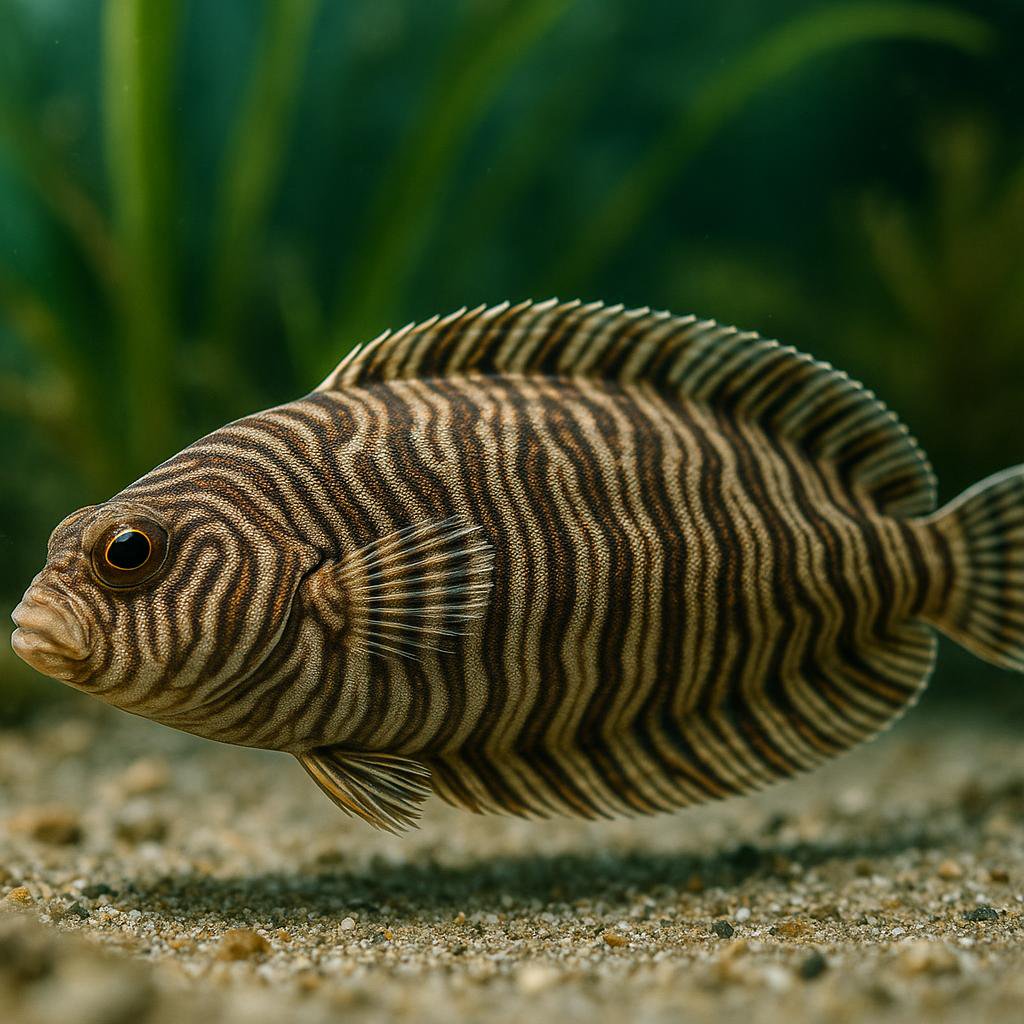
Annandale's zebra sole
Zebrias annandalei
Zebrias annandalei is a small demersal sole from coastal India that inhabits sandy or muddy bottoms and buries for camouflage. It is rarely kept in home aquaria and would require a specialized marine sand-bottom setup and appropriate feeding.
Banded stargazer
Kathetostoma binigrasella
This is a New Zealand stargazer that lives half-buried in sand or mud with its eyes pointed up, waiting to rocket upward and nail passing prey. It has those neat dark saddle-bands across the back (especially as a juvenile), and like other stargazers it is venomous with spines near the gill cover/pectoral area - definitely a look-dont-touch fish.
Looking for other species?