

Red hake
Urophycis chuss
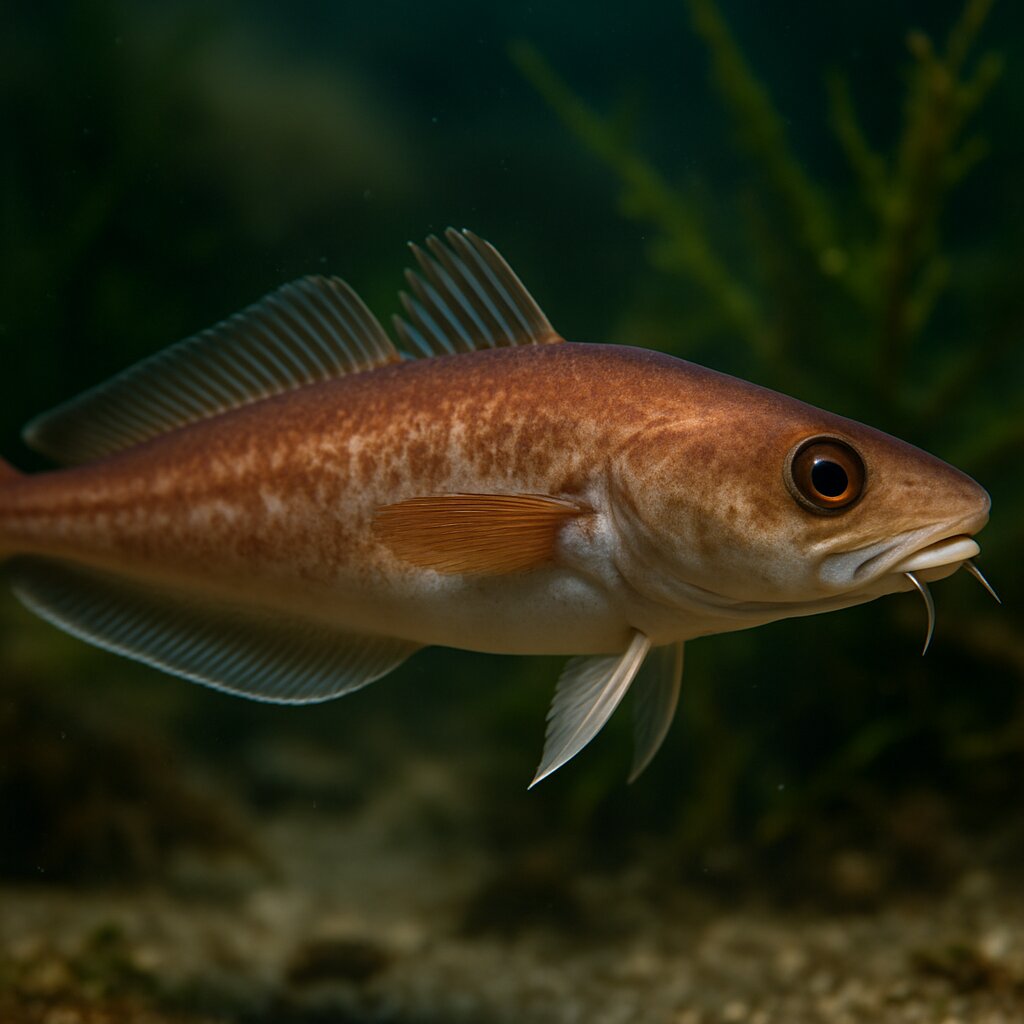
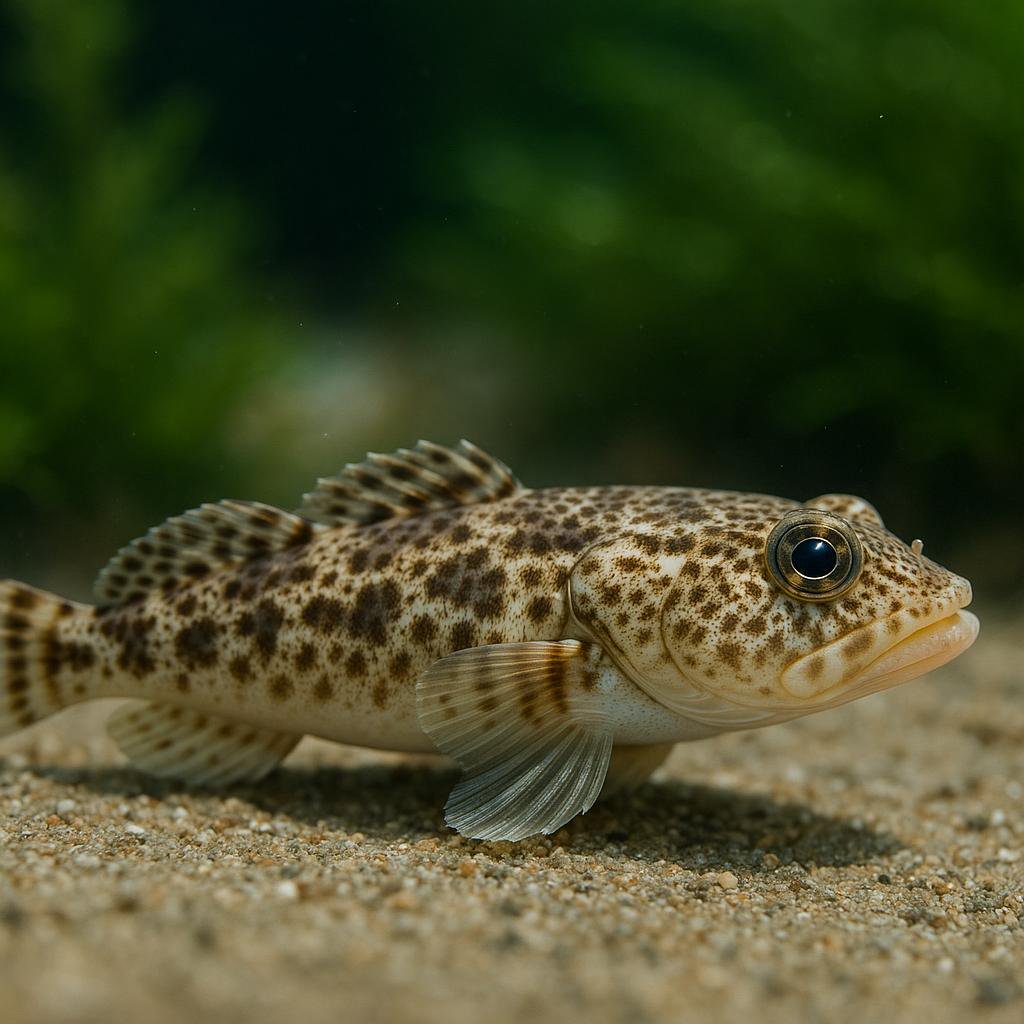
The Red hake features a slender body with a mottled reddish-brown coloration and long, pointed pectoral and dorsal fins.
This page includes AI-generated images. Why am I seeing AI images?
About the Red hake
Think of a small cod with a single little chin whisker that prowls cold New England waters at night. Red hake cruise up off the bottom to hunt and their youngsters even hide under sea scallops, which is wild to watch in research footage. They get big and need 7-10 C water, so this is a public-aquarium kind of fish, not a home tank candidate.
Also known as
Quick Facts
Size
66 cm
Temperament
Semi-aggressive
Difficulty
Expert
Min Tank Size
500 gallons
Lifespan
5-8 years
Origin
Northwest Atlantic
Diet
Carnivore - crustaceans, squid, and fish (herring, mackerel, small hake)
Water Parameters
2-17°C
8-8.4
10-30 dGH
Need a heater for this species?
This species needs 2-17°C in a 500 gallon tank. Use our heater calculator to find the right wattage.
Calculate heater sizeCare Notes
- Think coldwater: run a solid chiller and hold 6-10 C (43-50 F) without swings; do not let it creep above 12-13 C. Give it a huge footprint tank (300+ gal) with soft sand and big PVC caves.
- Salinity 1.025-1.026 and pH 8.0-8.3. Blast oxygen with heavy surface agitation and an oversized skimmer, and keep ammonia/nitrite at 0 and nitrate under ~15 ppm.
- Feed at dusk with tongs so it actually finds the food. Offer squid, shrimp, clam, and marine fish strips in bite-size pieces it can swallow cleanly, and rotate with a vitamin/HUFA soak.
- Skip feeder fish and avoid thiaminase-heavy species as a staple (smelt, herring, anchovy). They get fat but end up with deficiency issues and go off feed.
- Tankmates are a gamble - anything under half its length is prey, and crabs, shrimp, and snails will vanish. If you must, choose other large, chilled-water, calm fish it cannot fit in its mouth.
- Keep lighting dim and flow gentle along the bottom so it can settle. They spook hard, so run a tight lid for those panic dashes.
- Assume parasites on arrival; quarantine in a chilled setup and deworm via food under vet guidance (praziquantel works well). Be cautious with copper at low temps and use UV to cut pathogen load.
- Breeding at home is basically a no-go. They are pelagic spawners that need seasonal temperature and photoperiod swings and massive volume.
Compatibility
Good Tankmates
- Big, calm coldwater bottom fish like sea ravens or other large sculpins that mind their own business
- Adult lumpfish around the same size - armored, slow, and usually ignored
- Large searobins big enough not to be a snack - they work the sand and leave the hake alone
- Sturdy temperate midwater fish raised to matching size, like haddock or pollock, that wont pester the hake
- Non-nippy coldwater wrasses like an adult ballan wrasse, provided sizes are comparable
- Another hake of similar size in a very large, chilled tank with multiple hides
Avoid
- Anything bite-sized - small gobies, blennies, juvenile sculpins, seahorses, or any shrimp and crabs - it will eat them
- Nippy temperate wrasses like tautog or cunner that chew fins and outcompete at feeding time
- Big ambush bruisers like monkfish, wolffish, or lingcod that will try to swallow or shred a hake
- Fast, relentless pelagics (bluefish, mackerel types) that create constant chase and food stress
Where they come from
Red hake are a cold-water cod relative from the Northwest Atlantic, from Newfoundland down to the Mid-Atlantic Bight. You find them over sand and mud on the continental shelf, often tucked into soft bottoms by day and cruising for snacks at night. Think dim, chilly, and silty rather than coral reef.
This is a true cold-water, predatory fish. You need a serious chiller, a very large tank, and a plan for oxygen and power outages. Not a casual project.
Setting up their tank
Give them space and cold, stable water. They are long, active hunters with a big mouth and a slow metabolism at low temps. A cramped warm tank is a short road to disappointment.
- Tank size: 240-300+ gallons for a single adult. Aim for a long footprint (6-8 ft) with plenty of open bottom.
- Temperature: 6-12 C (43-54 F). Keep it steady. They start to struggle as you creep above 14-15 C.
- Salinity: 33-35 ppt (SG 1.025-1.027).
- pH: 8.0-8.3. Alkalinity 8-10 dKH.
- Dissolved oxygen: high. Strong surface agitation and a quality skimmer help.
- Lighting: dim. They are nocturnal. Use red light for viewing at night.
Filtration needs to be oversized. Biological filtration runs slower at cold temps, so go big on media and give the tank extra time to cycle. A skimmer rated for twice your volume is not overkill.
- Chiller sized for your total system volume, with a reliable controller and a backup plan (battery air pump or generator).
- Flow: moderate with calm zones. Keep the bottom gentle so they can rest, but avoid dead spots where gunk piles up.
- Substrate: 3-5 inches of fine sand so they can settle in and partially bury. Use smooth decor (PVC caves, rounded rock). Avoid sharp live rock.
- Cover: tight-fitting lid. They can bolt at night and hit the top.
- Plumbing: insulate lines to stop condensation and temp swings.
Tropical live rock will die back in a chilled tank. Use dry rock or cold-water sourced rock, and seed with bacteria. Cycle longer than you think you need to.
What to feed them
They are ambush carnivores. That chin barbel is their metal detector for food. Fresh, meaty seafood is your friend, and they usually feed best at dusk.
- Primary foods: squid strips, silversides, sand eels, pieces of mackerel/capelin, shrimp, clams, and marine worms.
- Starter tricks: offer moving food on tongs near the sand at lights-out. A slight wiggle usually does the trick.
- Vitamins: rotate foods and soak in a vitamin/HUFA supplement. Many baitfish are high in thiaminase, so add a thiamine supplement now and then.
- Frequency: juveniles small meals daily; adults 2-4 times per week. They do fine with a fast day after a big feed.
- Clean-up: pull leftovers within 10 minutes. Cold tanks hide decay, and waste builds fast.
If they refuse food at first, try very fresh squid or a live salt-tolerant baitfish. Once they take a few meals, wean to thawed items on a feeding stick.
How they behave and who they get along with
Red hake are shy by day and cruise at night. They sit on or in the sand, feel around with the barbel, and strike fast. They are not aggressive in the chest-thumping way, but anything that fits in the mouth is a snack.
- Best setup: species-only display.
- Possible tankmates (advanced keepers only): large, calm, cold-water benthic fish too big to be swallowed, like big sculpins or lumpfish. Feed separately so the hake gets its share.
- Avoid: small fish, ornamental crustaceans, and pushy predators (cod, wolffish) that will outcompete or harass them.
- Feeding time: switch off strong pumps, dim the lights, and target-feed. They learn your routine quickly.
They can inhale surprisingly large prey. If you are on the fence about a tankmate, assume the hake can eat it.
Breeding tips
Not something hobbyists are pulling off at home. Red hake are broadcast spawners with pelagic eggs and larvae. In the wild they move seasonally and spawn in cool water columns full of plankton. Sexing is not straightforward, conditioning them would take a chilled public-aquarium-scale system, and rearing larvae needs dense live plankton cultures. Treat this species as non-breedable in home aquaria.
Common problems to watch for
- Heat stress: rapid breathing, pacing, hanging near the surface. Short-term fix is ice packs in the sump and maxed-out aeration. Do not drop temp more than about 2 C per hour.
- Low oxygen: big fish, high demand. Keep strong surface agitation and have a battery air pump for outages.
- Internal and external parasites: wild-caught hake often carry worms and flukes. Quarantine 4-6 weeks. Prazi-based treatments for flukes/worms and metronidazole in food for internal protozoans work well. Observe feces and appetite.
- Feeding strikes: common early on. Try fresh squid at dusk, add scent (clam juice), and reduce light. Once they eat, keep a steady routine.
- Mouth and skin abrasions: they can spook. Use a soft, tight lid and smooth decor. Skip rough netting; guide with a tub if you must move them.
- Dirty sand bed: they like deep, fine sand but it can go anoxic. Siphon the surface lightly during water changes and avoid deep stirring.
Acclimation: match temperature first. If the bag is warmer than your tank, cool it quickly but gently, then short drip-acclimate. Keep lights off and give them a quiet first night.
Check local regulations before collecting or buying wild red hake. Source responsibly, and quarantine every time.
Similar Species
Other marine semi-aggressive species you might be interested in.
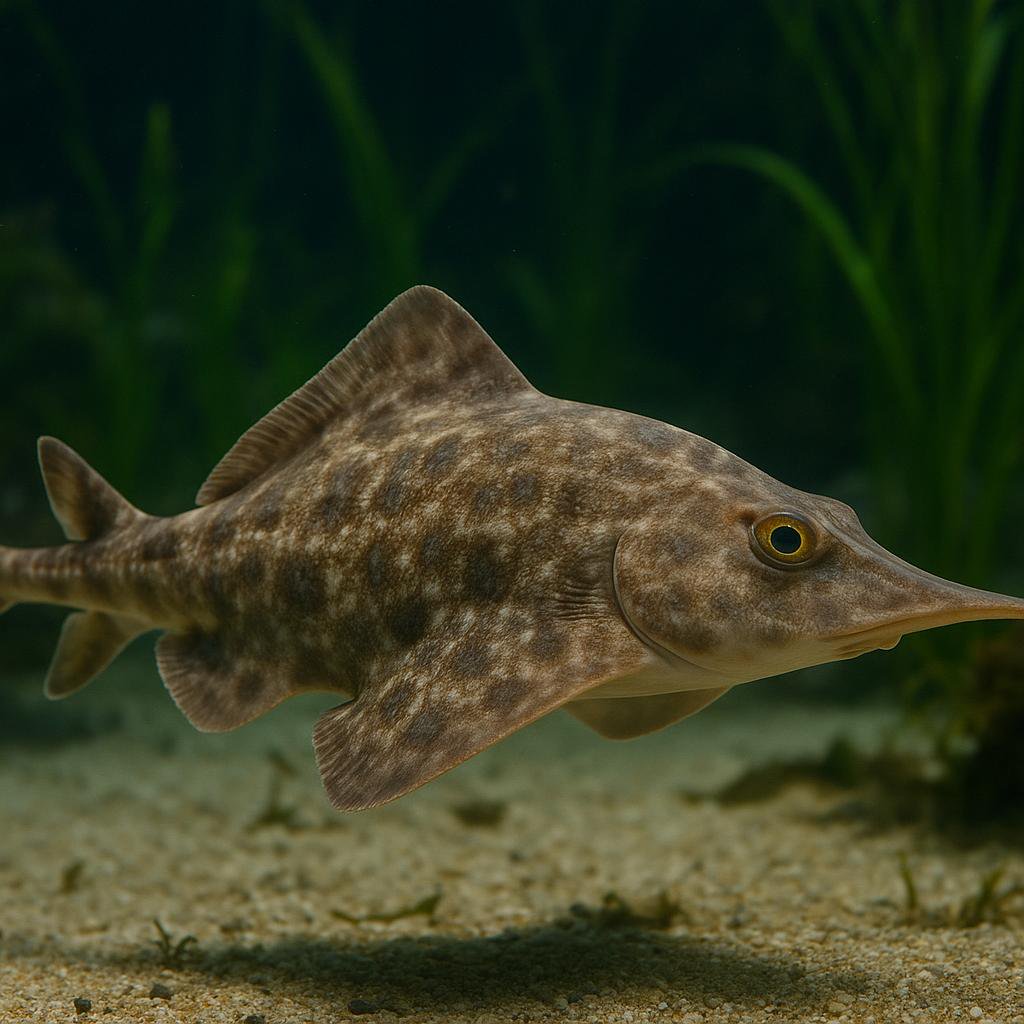
Aleutian skate
Bathyraja aleutica
This is a big, cold-water deep-slope skate from the North Pacific that cruises muddy bottoms and eats chunky benthic prey like crabs and shrimp. The really cool bit is its egg-laying skate life - it does distinct pairing (the classic skate "embrace") and drops those tough egg cases on the seafloor. Not an aquarium fish at all unless you're basically running a public-aquarium-style chilled system.
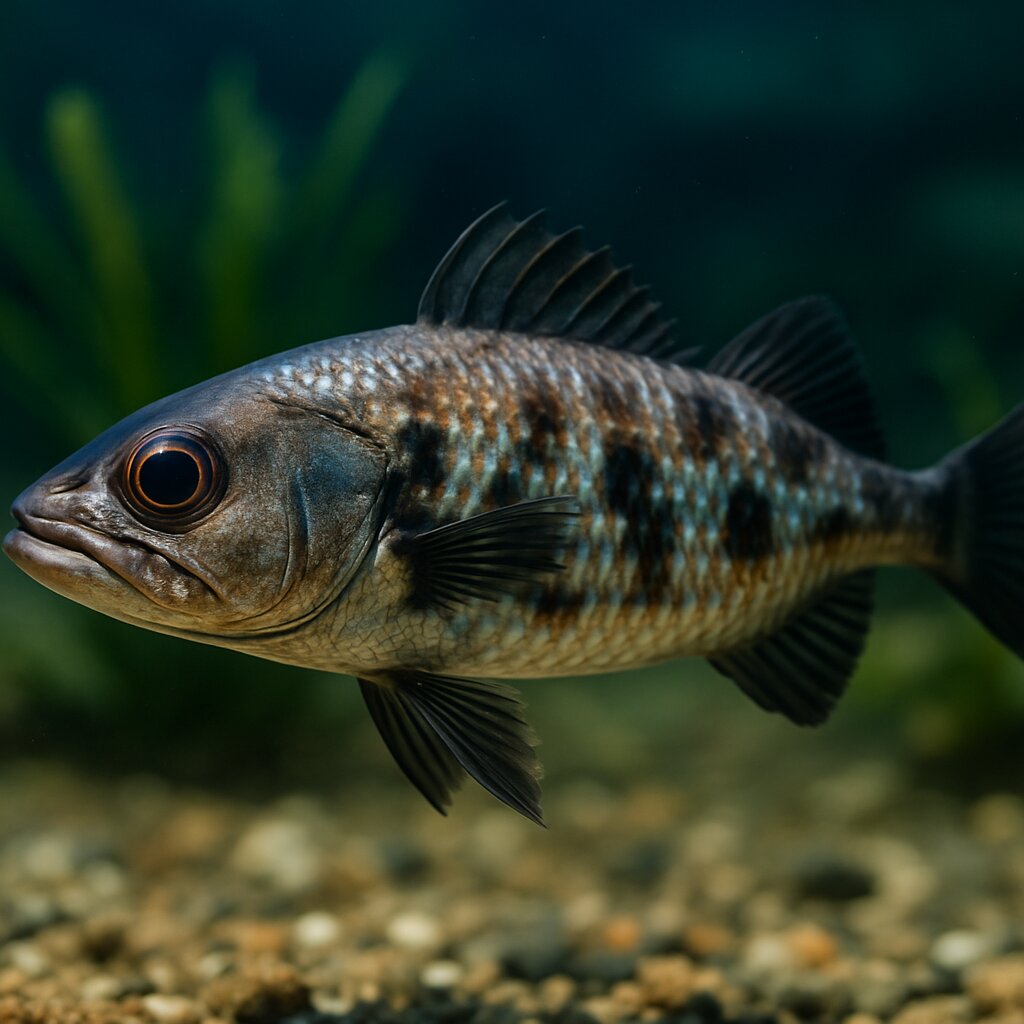
Antarctic dragonfish
Vomeridens infuscipinnis
Deep down around Antarctica, this sleek dragonfish cruises the water column like a little submarine, nearly neutrally buoyant so it can hover above the seafloor. It munches almost exclusively on Antarctic krill and lives in near-freezing water 500-800 m down, so it is a cool species to read about, not one for home tanks.
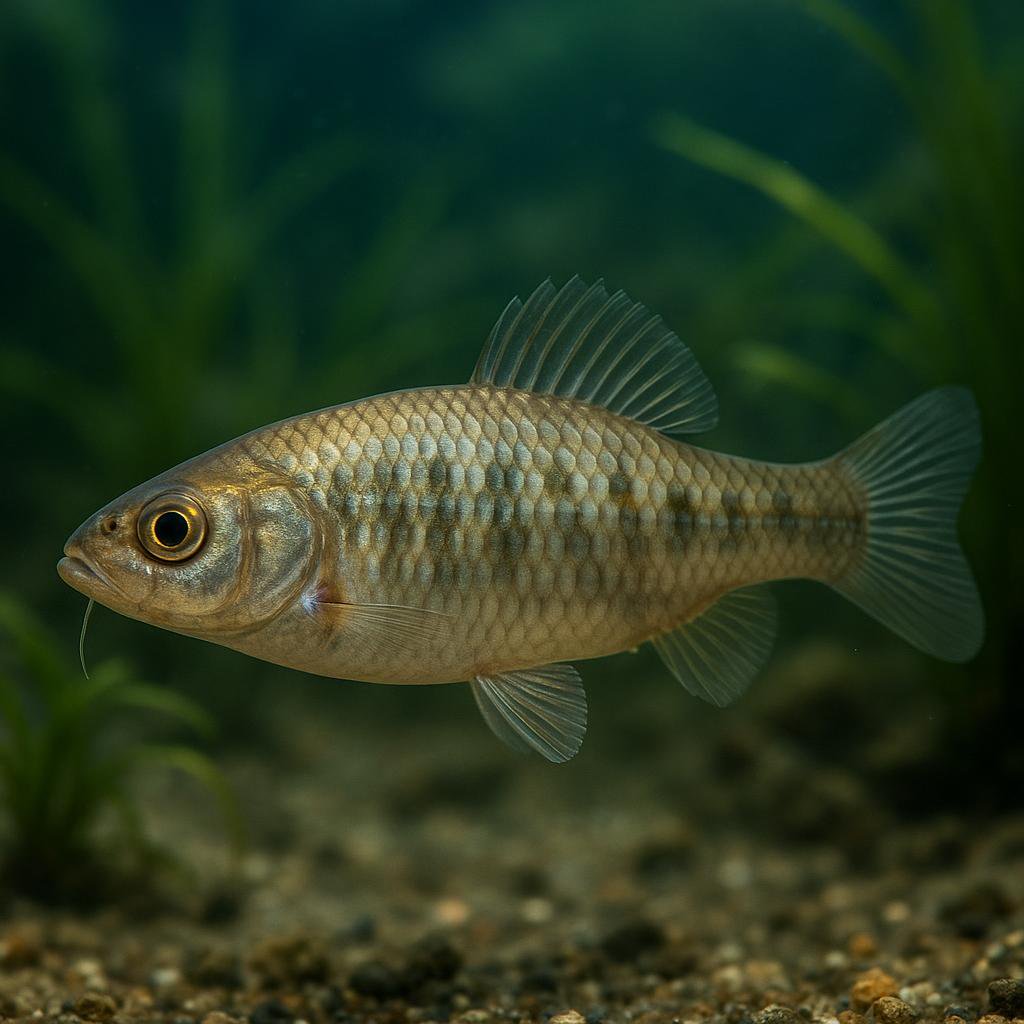
Arabian spiny eel
Notacanthus indicus
Notacanthus indicus is a deep-sea spiny eel (family Notacanthidae; not a true eel) known from the Arabian Sea on the continental slope at roughly ~960–1,046 m depth, with reported maximum length around 20 cm TL; it is a deep-water bycatch species and not established in the aquarium trade.
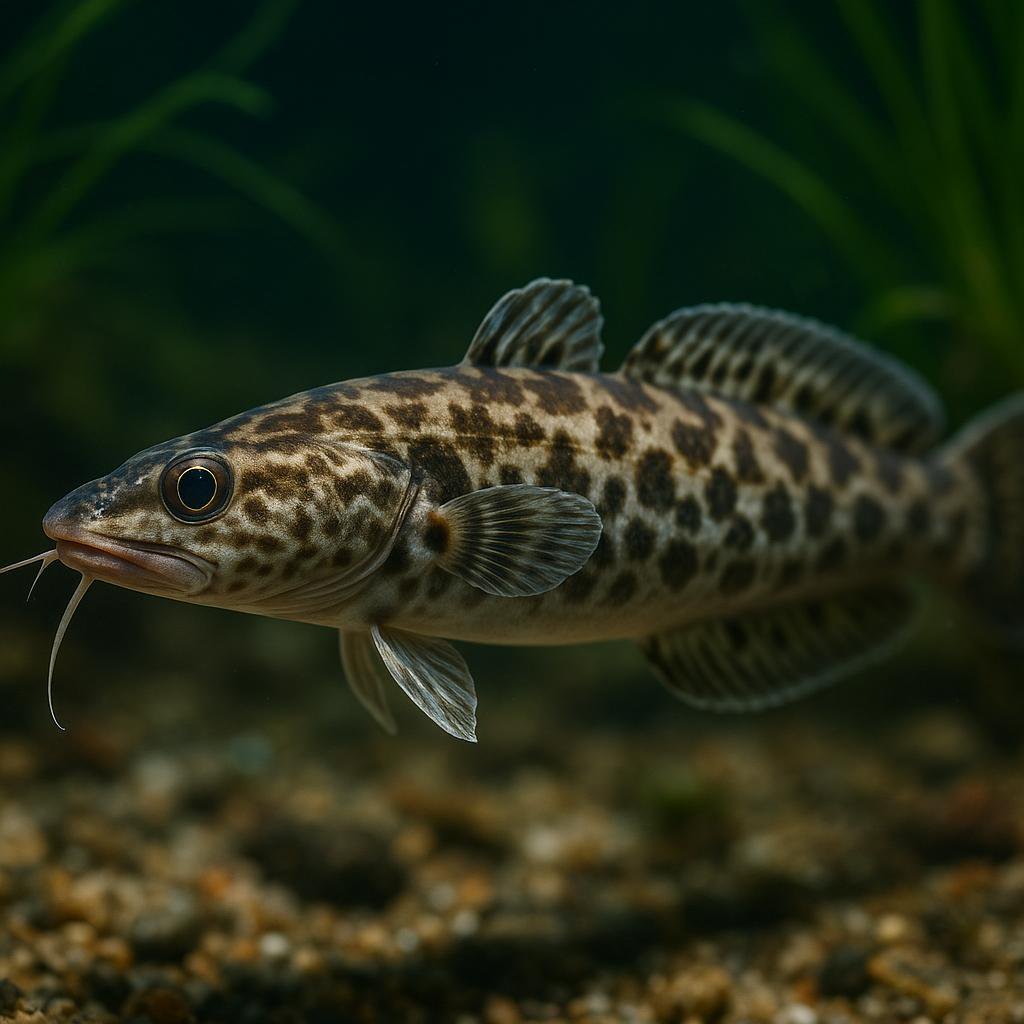
Arctic rockling
Gaidropsarus argentatus
This is a deepwater North Atlantic rockling (a cod relative) that hangs out on soft bottoms way down the slope. It is a cold-water, bottom-hugging predator that snoots around for crustaceans and will also take small fish when it gets the chance.
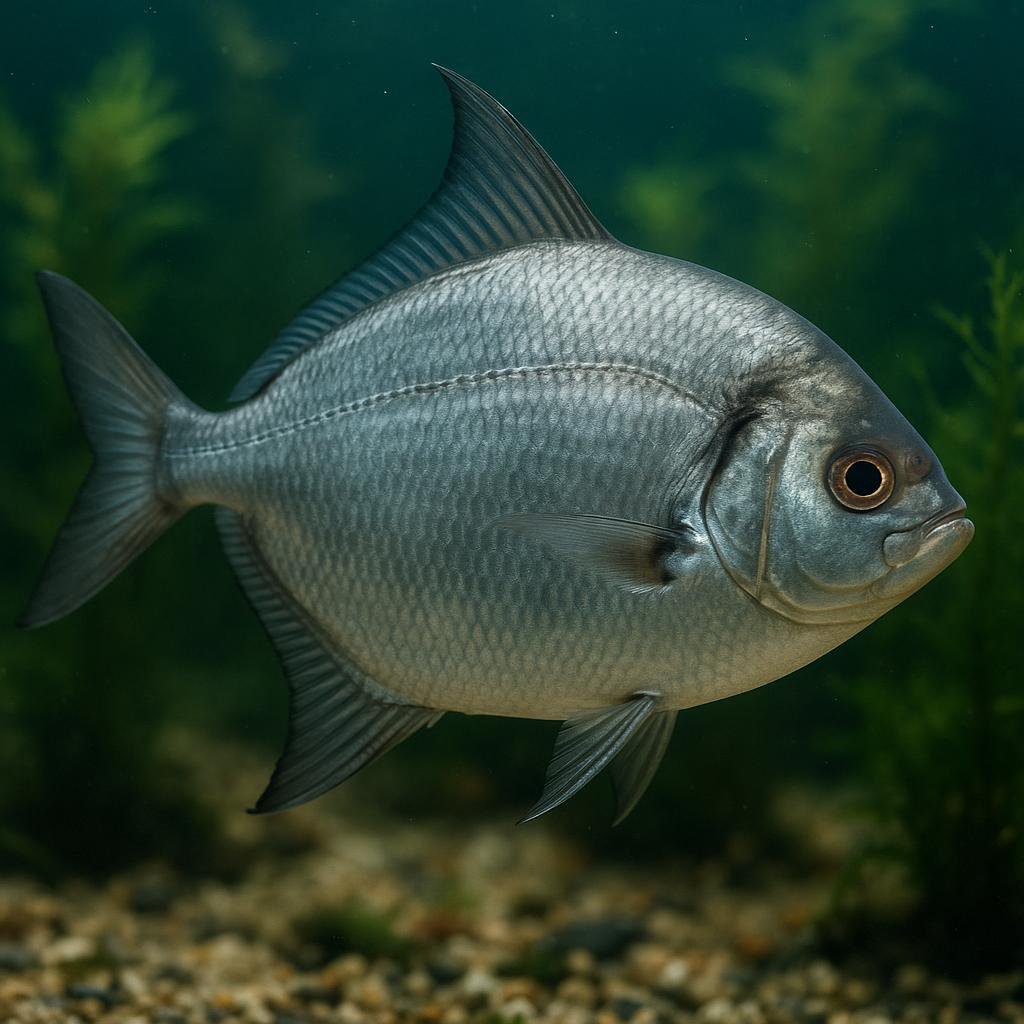
Atlantic pomfret
Brama brama
Brama brama is the Atlantic pomfret (aka Ray's bream) - a deep-bodied, open-ocean pelagic fish that cruises around in small schools and follows water temps. It is a legit big, wild marine species (not an aquarium fish) that eats other small sea critters like fish and squid, and it ranges across a huge chunk of the Atlantic plus parts of the Indian and South Pacific.
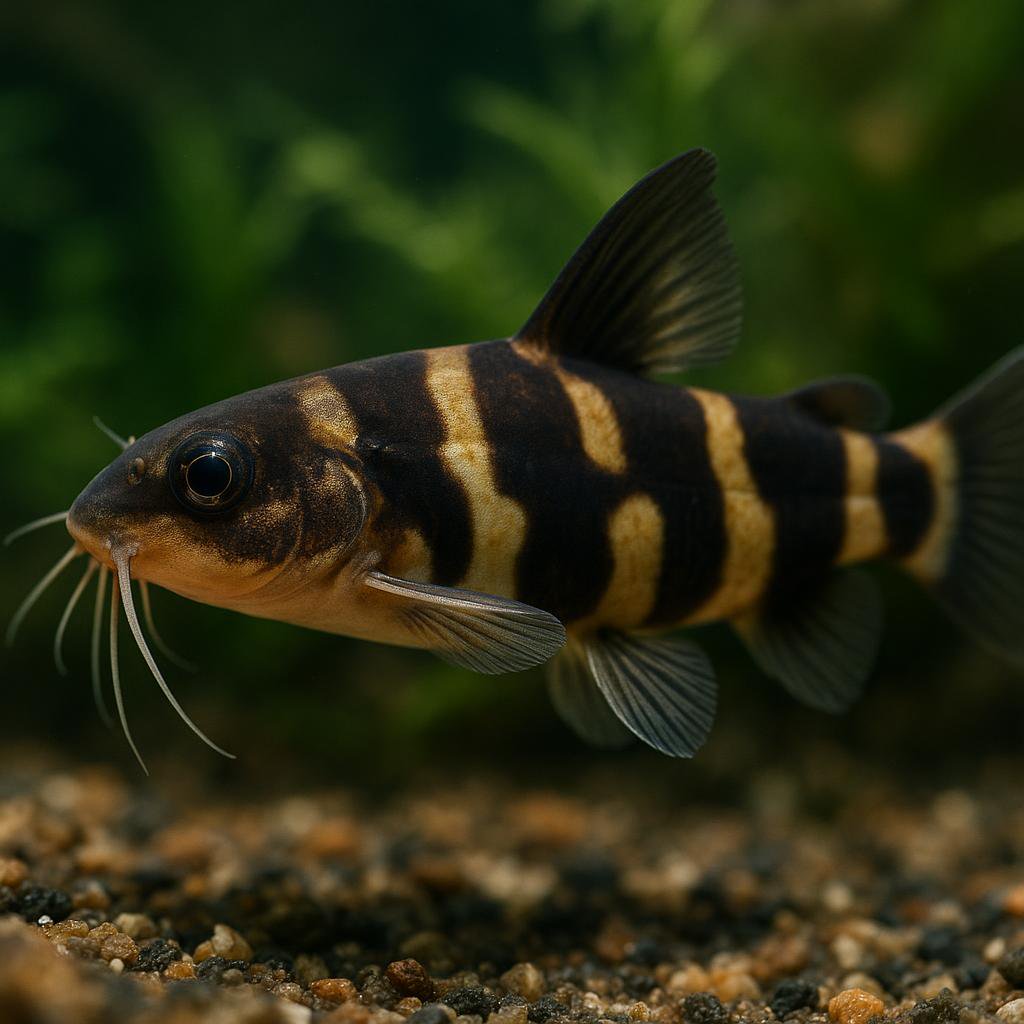
Australian sawtail catshark
Figaro boardmani
Figaro boardmani is a small, deepwater Australian catshark with these cool saw-like ridges of spiny denticles along the tail and a neat pattern of dark saddle bands. It lives way down on the outer continental shelf and slope, so its natural water is cold, dim, and stable - totally not a typical home-aquarium fish. Diet-wise its a predator that goes after fish, crustaceans, and cephalopods.
More to Explore
Discover more marine species.
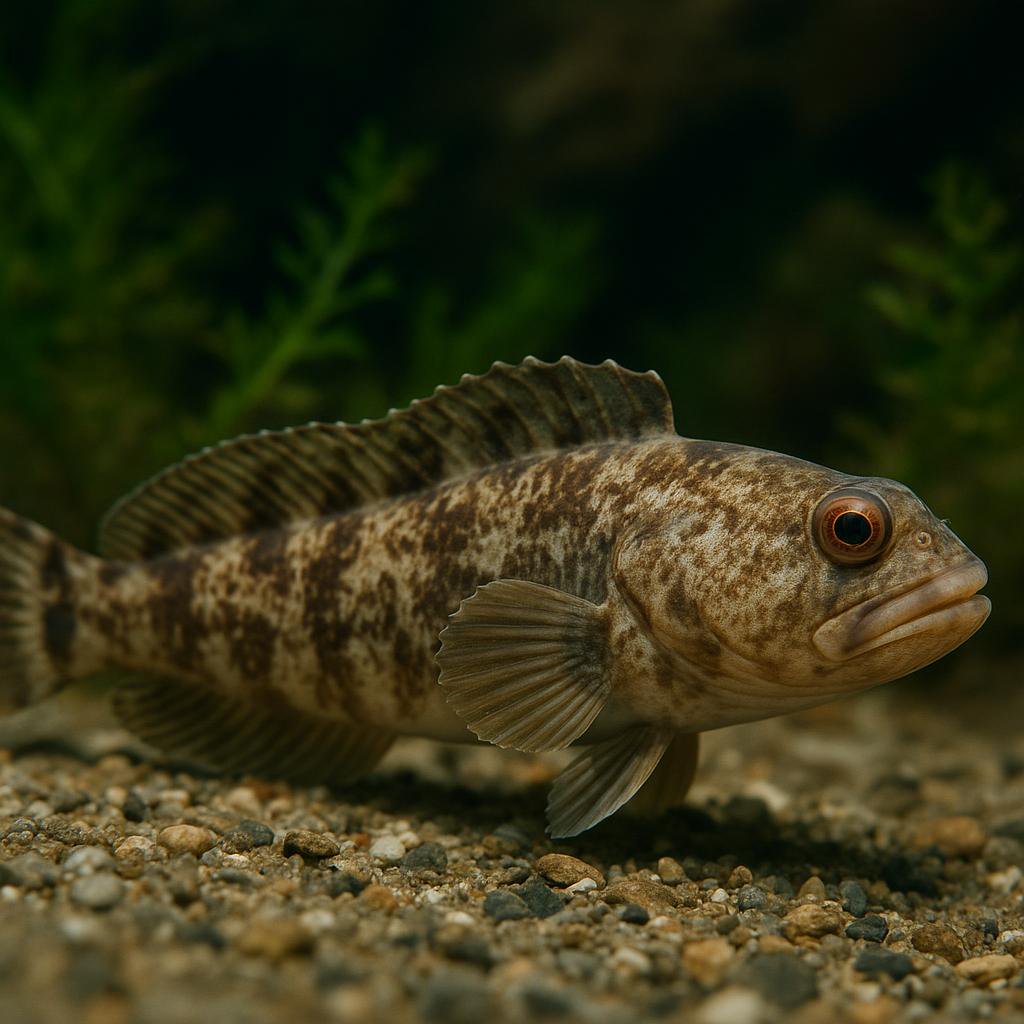
Abe's eelpout
Japonolycodes abei
Japonolycodes abei is a temperate, deepwater demersal eelpout (family Zoarcidae) endemic to Japan (Kumano-nada Sea reported; other sources also report Sagami Bay and Tosa Bay). It is the only species in the genus Japonolycodes and occurs roughly 40-300 m depth, making it an uncommon/atypical aquarium species.
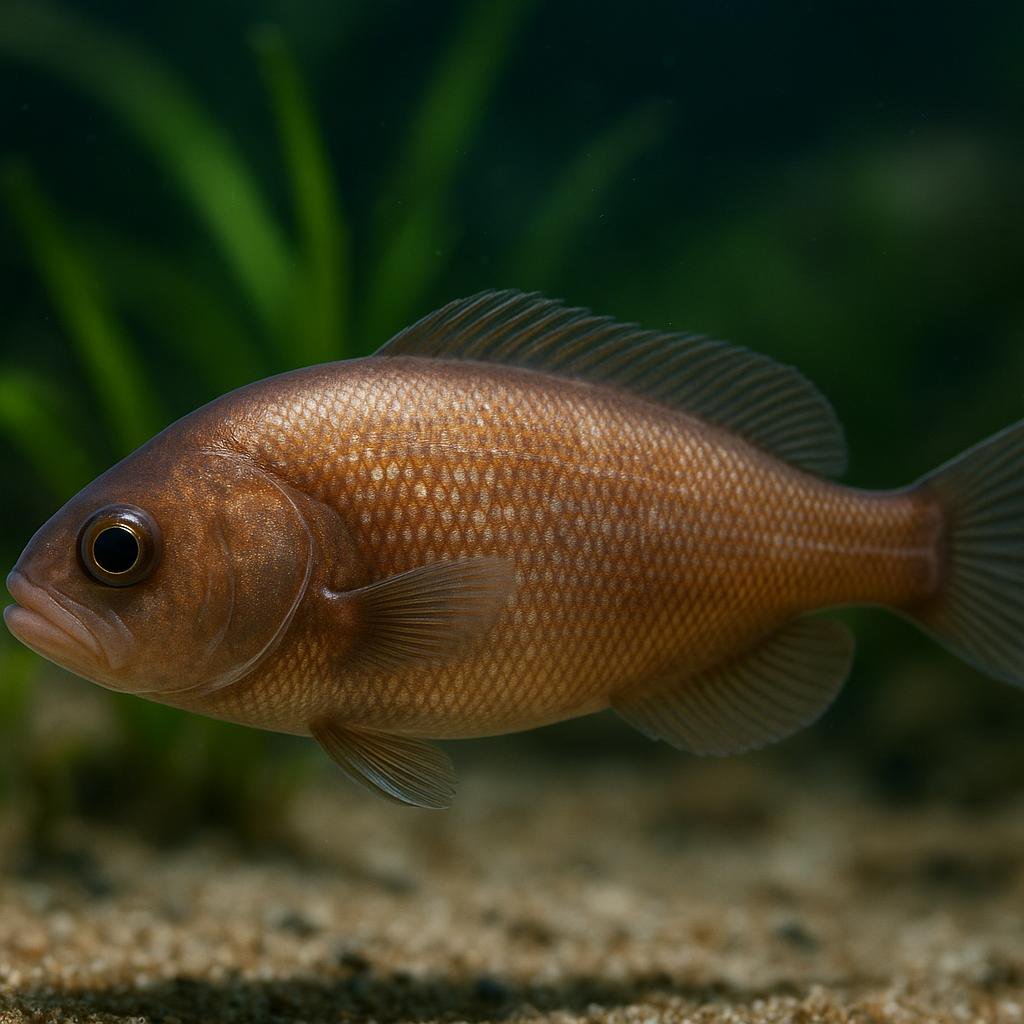
Affinis blind cusk-eel
Barathronus affinis
Barathronus affinis is a tiny, super-weird deep-sea blind cusk-eel from the western-central Indian Ocean. It is one of those gelatinous, loose-skinned brotula-type fishes that live way down in the dark and are basically never seen alive, so almost everything we know comes from preserved specimens and taxonomic work.
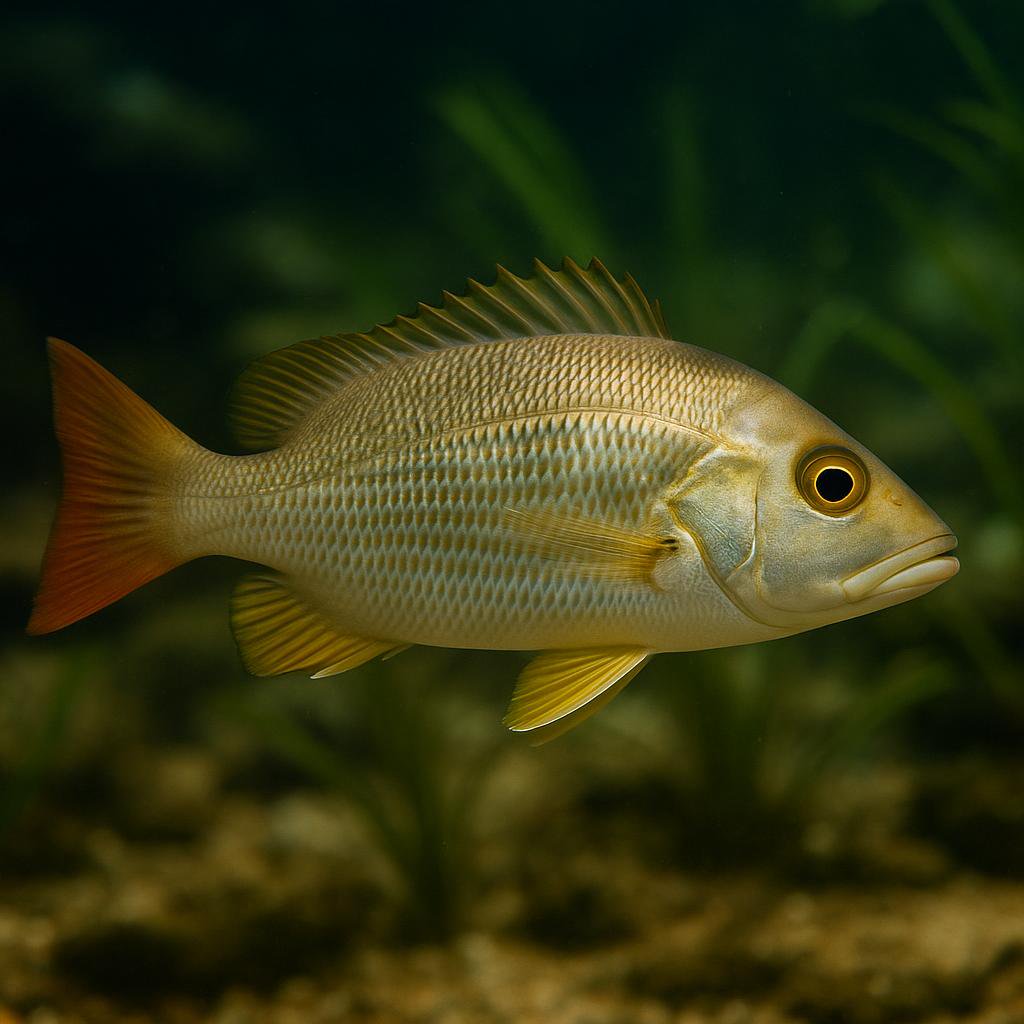
African red snapper
Lutjanus agennes
This is a true snapper from West Africa - a big, fast-growing predator that goes from coastal reefs to brackish lagoons and estuaries (especially as a juvenile). Super cool fish in the wild, but it gets absolutely huge and will eat smaller tankmates once it has the mouth for it, so its really more of a public-aquarium scale animal than a home-aquarium fish.
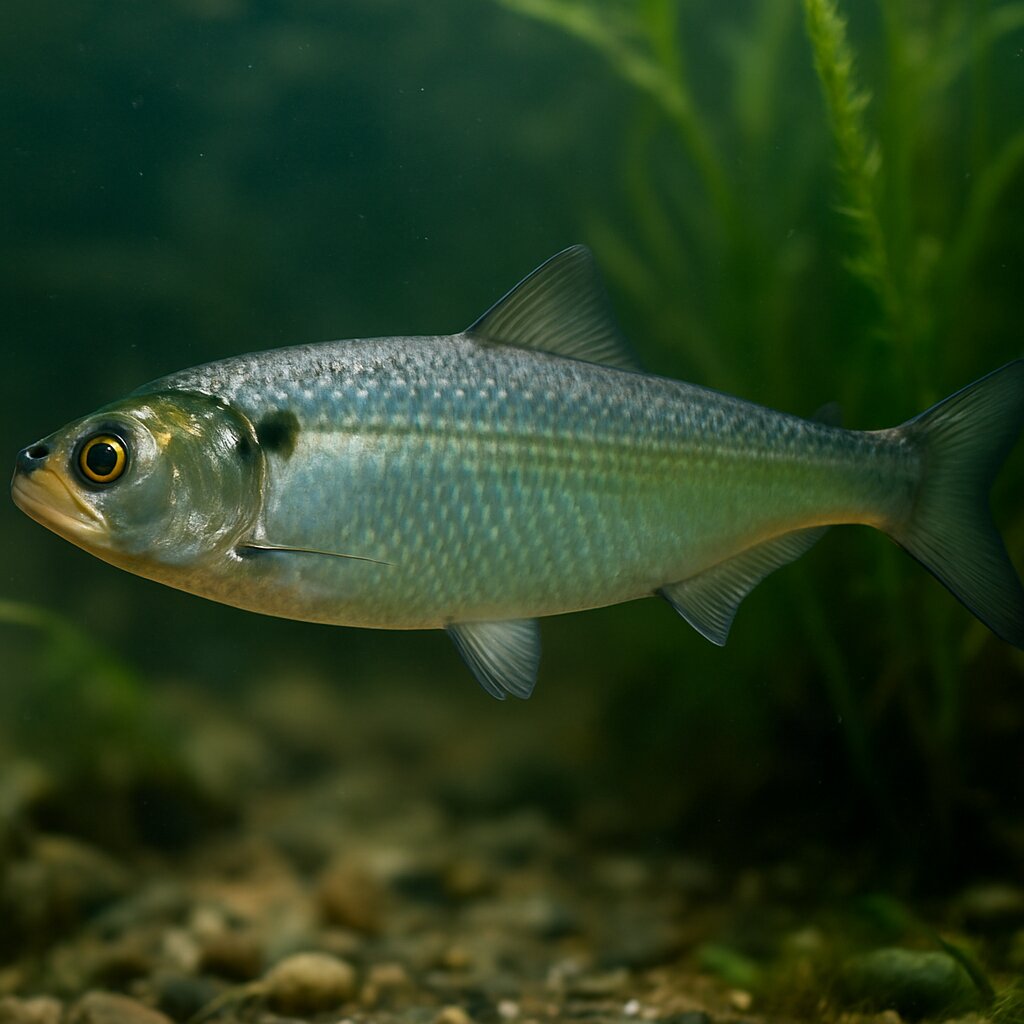
Allis shad
Alosa alosa
Gorgeous silver, fast-swimming shad that spends most of its life in the sea and then surges up big rivers in noisy, surface-spawning schools. It grows huge for a herring-type fish and needs cool, ultra-oxygenated water and tons of open space, so it is a public-aquarium species rather than a home tank fish.
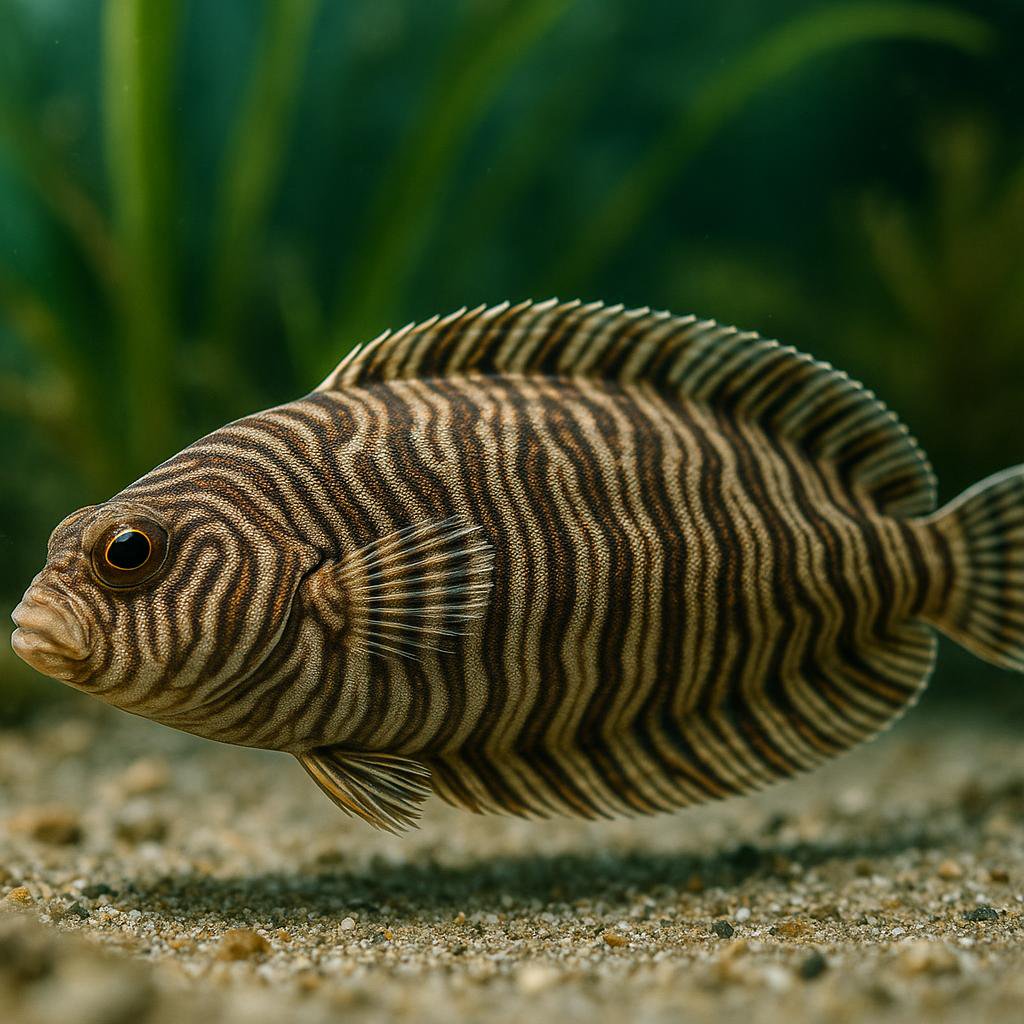
Annandale's zebra sole
Zebrias annandalei
Zebrias annandalei is a small demersal sole from coastal India that inhabits sandy or muddy bottoms and buries for camouflage. It is rarely kept in home aquaria and would require a specialized marine sand-bottom setup and appropriate feeding.
Banded stargazer
Kathetostoma binigrasella
This is a New Zealand stargazer that lives half-buried in sand or mud with its eyes pointed up, waiting to rocket upward and nail passing prey. It has those neat dark saddle-bands across the back (especially as a juvenile), and like other stargazers it is venomous with spines near the gill cover/pectoral area - definitely a look-dont-touch fish.
Looking for other species?