

Insolitus sand eel
Yirrkala insolitus
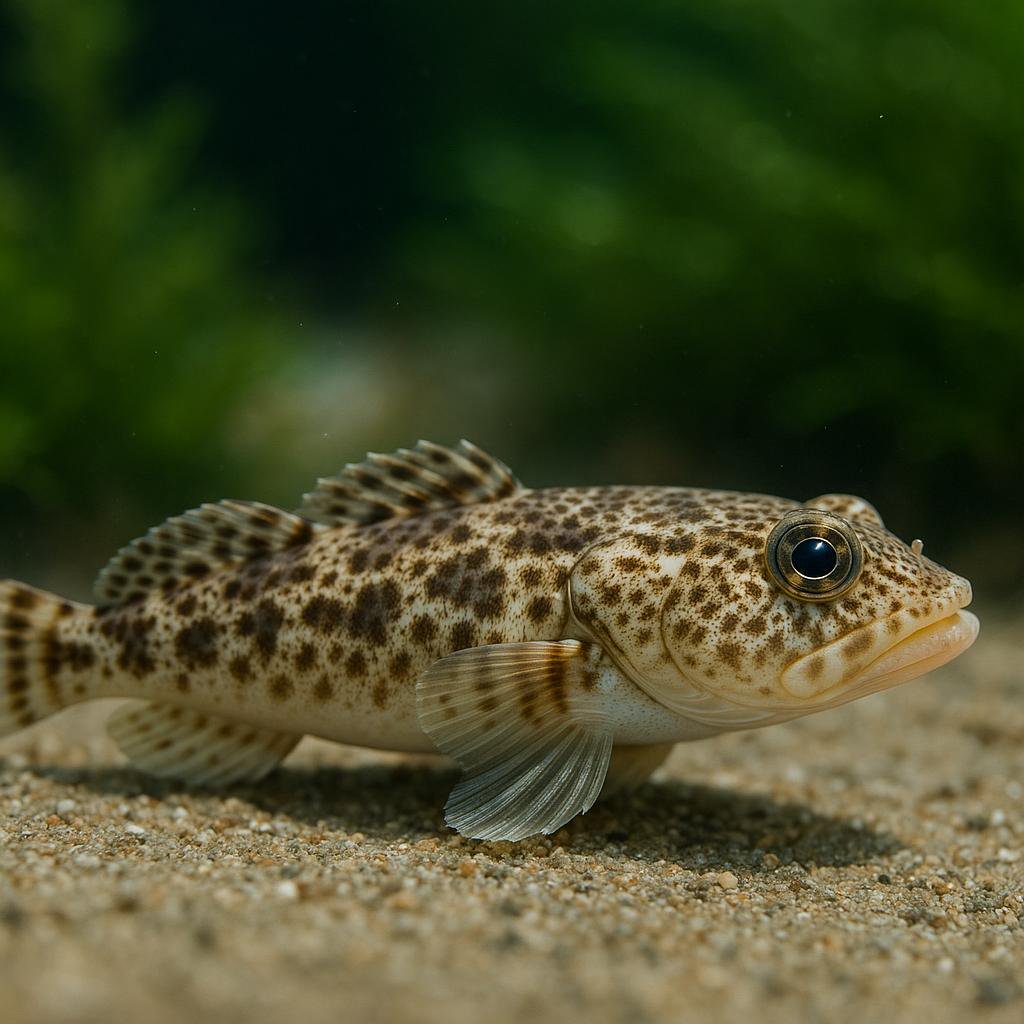
The Insolitus sand eel features a slender, elongated body with a pale silvery sheen and distinctive dark spots along its lateral line.
This page includes AI-generated images. Why am I seeing AI images?
About the Insolitus sand eel
A small tropical marine snake eel (Ophichthidae) described from New Caledonia; known from demersal habitat to about 59 m depth and reaching at least 25.8 cm TL (female). Aquarium husbandry information appears scarce because the species is rarely encountered in the trade.
Quick Facts
Size
25.8 cm TL
Temperament
Semi-aggressive
Difficulty
Expert
Min Tank Size
55 gallons
Lifespan
unknown
Origin
Western Pacific (New Caledonia)
Diet
Carnivore - meaty marine foods (small fish/crustaceans); likely a burrowing ambush feeder
Water Parameters
24-28°C
8-8.4
8-12 dGH
Need a heater for this species?
This species needs 24-28°C in a 55 gallon tank. Use our heater calculator to find the right wattage.
Calculate heater sizeCare Notes
- Provide a sandy substrate suitable for a burrowing ophichthid eel; secure cover/hiding structure and ensure the aquarium is escape-proof.
- Use a tightly fitting lid and block gaps; many eels can escape through small openings.
- Maintain stable marine water quality appropriate for tropical marine fishes; use standard reef/saltwater best practices (stable salinity, low nitrogenous waste).
- Feed meaty stuff that sinks and smells: chopped shrimp, squid, silversides, and marine fish flesh; use tongs or a feeding tube to drop food near its burrow until it learns the routine.
- Skip tiny tankmates - anything small enough to fit in its mouth is food, and fast feeders will steal its meals so you may need target feeding every time.
- Avoid aggressive rock-pickers and bulldozers (big wrasses, triggers, large puffers) since they can harass it or dig it up; calm midwater fish and non-grabby inverts are safer.
- Watch for injuries and infections from sand-scrapes and rock gaps; if you see cloudy skin, frayed fins, or it stops burying, check for sharp rock edges and double-check ammonia/nitrite are truly zero.
- Breeding in tanks is basically a unicorn - they are secretive, likely pair/spawn in burrows, and you will not get far without a large, mature setup and a way to raise tiny live foods for larvae.
Compatibility
Good Tankmates
- Bigger, confident tankmates like dwarf angels (Centropyge) - they can hold their own, cruise the rockwork, and usually ignore the sand eel once everyone is settled.
- Rabbitfish (Siganus) - chill algae grazers with some attitude and size, so the sand eel is way less likely to try anything dumb.
- Unknown: Species-specific compatibility data for Yirrkala insolitus is not well documented; avoid housing with fish/invertebrates small enough to be eaten and avoid aggressive predators that may harass a burrowing eel.
- Tangs in appropriate-sized tanks (Zebrasoma or Ctenochaetus) - active, not easy to bully, and they are not shaped like 'food' to an eel-ish predator.
- Hawkfish (like a flame hawk) - semi-spicy personality matches well, and they do not get intimidated by a fish that pops in and out of sand.
- Damsels that are not tiny babies (chromis or sturdier damsels) - they are quick and street-smart, so they can coexist if the tank has lots of rockwork and hideouts.
Avoid
- Very small fish or crustaceans that could be eaten by a predatory/burrowing eel.
- Tiny ornamental shrimp and similar snack-sized inverts - cleaners are hit or miss, but little peppermint-size stuff tends to disappear once the sand eel is comfortable.
- Slow, passive fish like seahorses or pipefish - they cannot compete at feeding time and they get stressed when a semi-aggressive burrower is lunging around.
Where they come from
Yirrkala insolitus is one of those oddball sand-eel style fishes that pops up in the Indo-West Pacific region. Think shallow coastal areas where the bottom is a mix of sand and rubble, and the fish survives by staying out of sight most of the time. If you are used to reef fish that pose for you all day, this one is the opposite.
This is a burrower/ambush fish first and an "aquarium fish" second. If you set the tank up like a normal reef display, you will mostly be staring at sand.
Setting up their tank
The whole game with Insolitus sand eels is substrate. Give them the wrong sand and you will have a stressed fish that refuses food, constantly tries to wedge under rock, or scrapes itself up.
- Tank size: I would not bother under 30 gallons, and 50+ is nicer just for stability. They do not need tons of open swimming space, but they do need consistent water and room to establish a hiding routine.
- Substrate: fine sand, deep enough that it can fully disappear (I like 3-4 inches minimum). Avoid sharp crushed coral.
- Rockwork: keep it stable and sitting on the glass or on supports, not perched on sand that can shift when the fish digs.
- Flow: moderate. Too much direct blast and they will struggle to settle. Dead spots are fine as long as you keep nutrients in check.
- Cover: tight lid. If they get spooked at night, they can launch.
Do not put rock directly on deep sand and assume it will stay put. A sand eel that undermines a rock can cause a collapse, and it only takes one time.
Lighting is whatever fits your system. Bright reef lights will not kill them, but it can make them extra secretive. I have had better "sightings" in tanks with shaded areas and a calmer vibe.
If you want to actually see the fish, build a couple of "runways" - open sand patches bordered by low rock. They tend to pop up at the edge of cover and watch for food.
What to feed them
Plan on a finicky start. A lot of these come in skinny, and they do not always recognize pellets or flakes as food. Once they are eating, they usually keep eating, but getting there can take patience.
- Best starters: live foods (blackworms if you can do them marine safely, live ghost shrimp acclimated, small live mollies converted to salt can work in a pinch).
- Reliable frozen: mysis, enriched brine, chopped krill, chopped clam, and any small meaty mix meant for carnivores.
- How to offer: use feeding tongs or a turkey baster and squirt food right at the burrow entrance. They often strike from the sand like a little trapdoor.
- Schedule: small portions daily at first. Once weight is on, you can do every other day, but watch body condition.
If it is not eating within the first week or two, do not just "wait it out." These fish can go downhill fast once they are already thin. Try live, dim the lights, and reduce competition during feeding.
A feeding trick that helped me: feed the tank normally, then come back 10 minutes later and target-feed the sand eel after the busy fish are distracted. They hate chaotic food storms.
How they behave and who they get along with
Most of the time they are invisible. Then you will notice eyes poking out of sand, a quick dart, and they are gone again. They are not a "centerpiece" fish unless you are the kind of hobbyist who enjoys hunting for subtle movement.
- Temperament: generally peaceful toward similar-sized fish, but anything small enough to fit in the mouth can get eaten.
- Tankmates I avoid: aggressive feeders (large wrasses, big dottybacks), fish that pester the sand (some gobies that constantly dig), and anything that will bite at a head sticking out of sand.
- Tankmates that tend to work: calmer community reef fish that do not live on the bottom (chromis, cardinals, smaller tangs in larger tanks, many peaceful anthias if you feed enough).
- Inverts: shrimp and tiny crabs can be a gamble. If it moves like food and fits, it might become food.
Watch your cleanup crew choices. Small snails are usually fine, but decorative shrimp can disappear if the sand eel is big enough and hungry enough.
If you keep more than one, do it only in a big tank with lots of sand real estate and multiple hiding zones. Even then, I would not call it predictable. Most folks keep them singly for a reason.
Breeding tips
Realistically, breeding Yirrkala insolitus in home aquariums is in the "nice if it happens" category. They are secretive, likely spawn in ways we rarely witness, and raising larvae (if pelagic) is its own full-time project.
- If you want to try: keep a well-fed pair, run a calm, stable system, and give them lots of undisturbed sand and low-traffic zones.
- Look for clues: sudden hiding changes, a noticeably plumper fish, or odd nighttime activity.
- If you ever see eggs/larvae: be ready with rotifers, copepods, and a dedicated rearing setup. Do not expect the display tank to raise them for you.
Most successes with odd burrowing marine fish come from long-term stability and minimal harassment. If your tank is a constant rearranging project, they will never relax enough to do anything interesting.
Common problems to watch for
These are expert-level mostly because they are unforgiving about acclimation, feeding, and stress. A healthy one is fairly hardy, but getting it established is the hard part.
- Refusing food: usually stress, too much competition, or the fish not recognizing prepared food yet. Try live, target-feed, and reduce activity around the tank for a few days.
- Scrapes and mouth damage: commonly from rough substrate or frantic burrowing against sharp rubble. Fine sand fixes a lot of this.
- Rockwork shifts/collapses: caused by digging under rocks. Build rock structures to be dig-proof from day one.
- Jumping: almost always a spook response. Tight lid and no gaps around plumbing.
- Parasites after import: keep an eye out for rapid breathing, flashing, and excess mucus. Quarantine is hard with a sand burrower, but skipping it can bite you later.
If you quarantine, give it a container of sand (even a small dish) so it can settle. A bare-bottom QT with nowhere to hide often turns into a hunger strike.
The best "health check" with these is body shape. You want a fish that looks filled out behind the head and along the body, not pinched or stringy. If it is losing weight, change something fast: quieter feeding, more frequent small meals, and less competition usually turns the corner.
Similar Species
Other marine semi-aggressive species you might be interested in.
Aleutian skate
Bathyraja aleutica
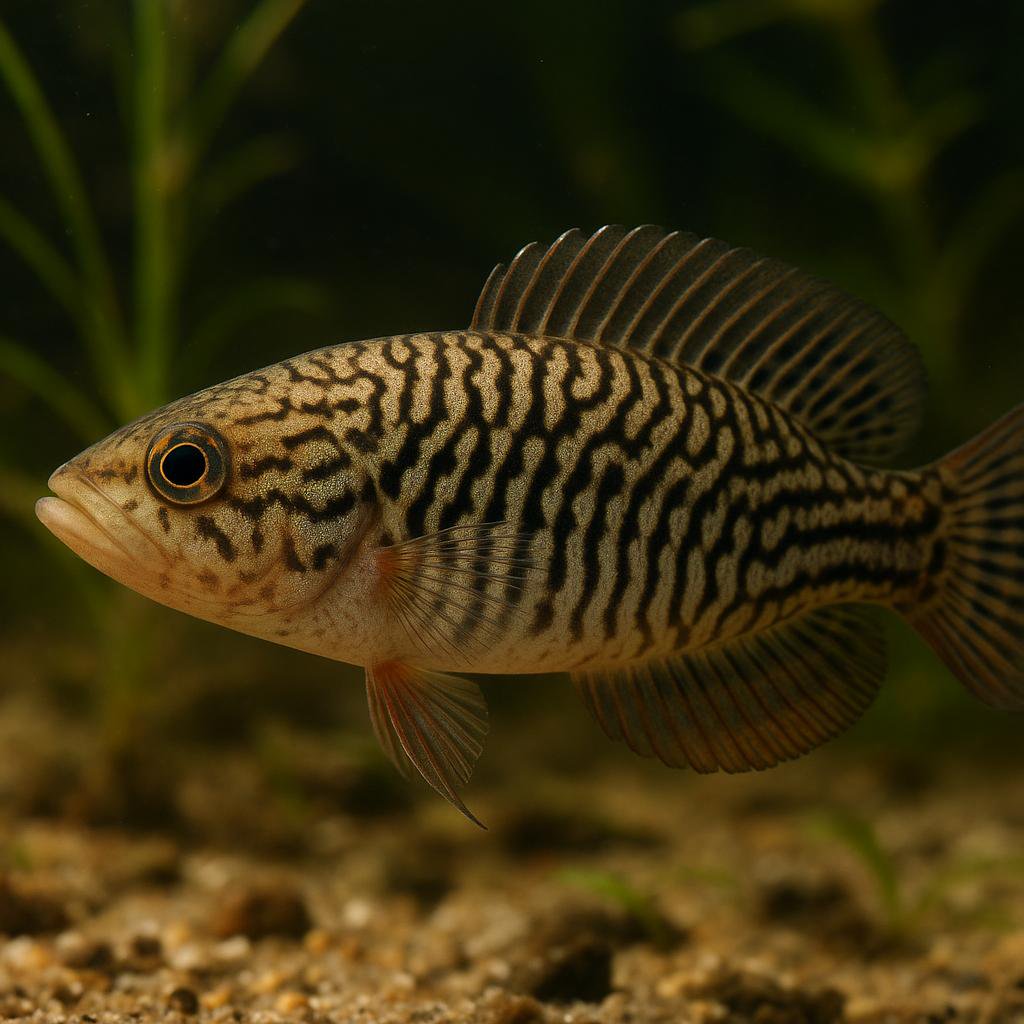
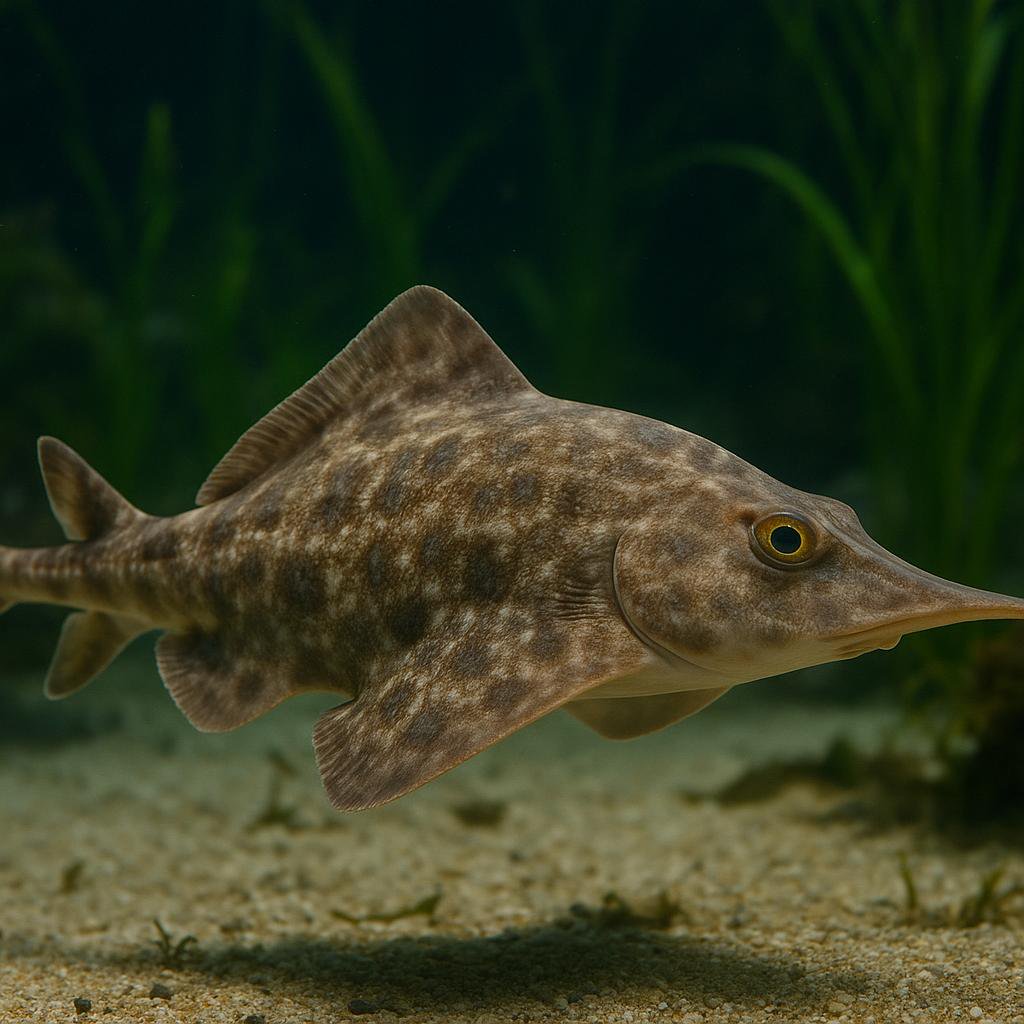
This is a big, cold-water deep-slope skate from the North Pacific that cruises muddy bottoms and eats chunky benthic prey like crabs and shrimp. The really cool bit is its egg-laying skate life - it does distinct pairing (the classic skate "embrace") and drops those tough egg cases on the seafloor. Not an aquarium fish at all unless you're basically running a public-aquarium-style chilled system.
Antarctic dragonfish
Vomeridens infuscipinnis
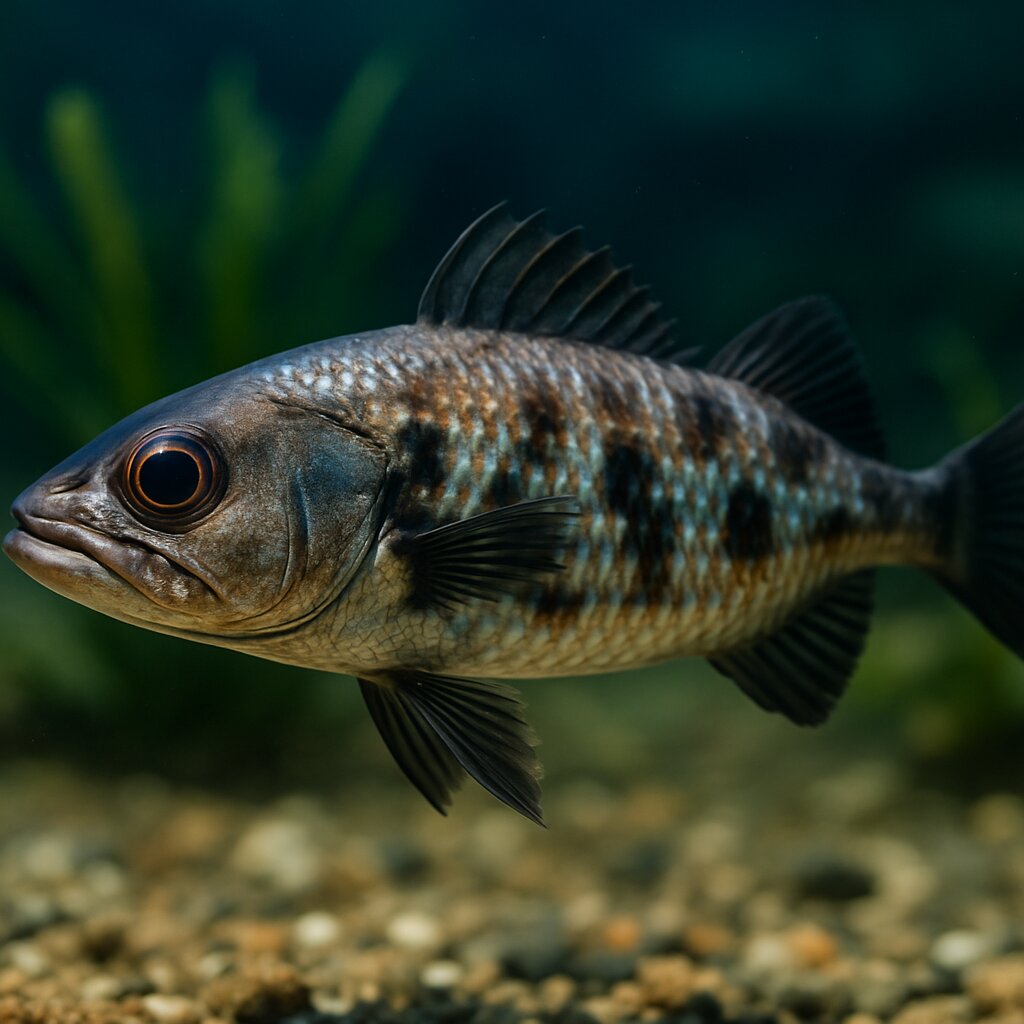
Deep down around Antarctica, this sleek dragonfish cruises the water column like a little submarine, nearly neutrally buoyant so it can hover above the seafloor. It munches almost exclusively on Antarctic krill and lives in near-freezing water 500-800 m down, so it is a cool species to read about, not one for home tanks.
Arabian spiny eel
Notacanthus indicus
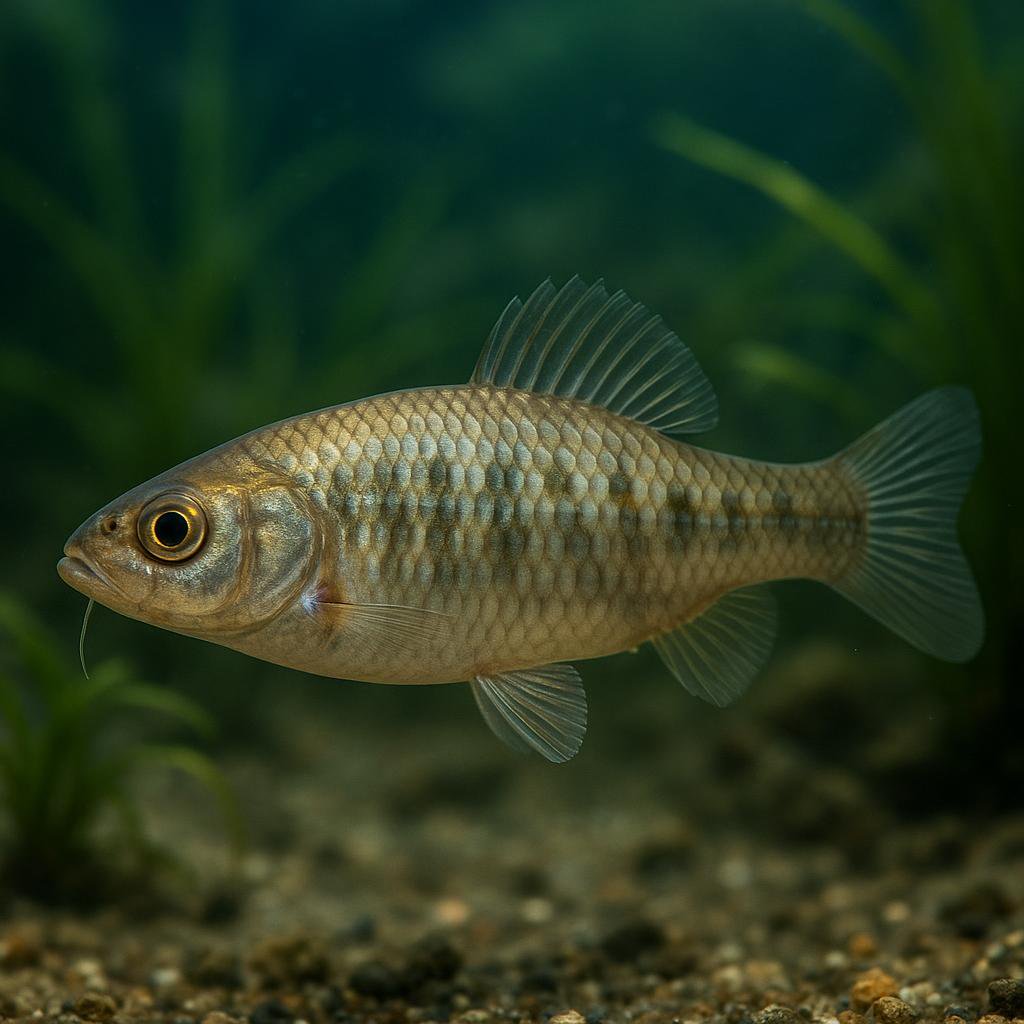
Notacanthus indicus is a deep-sea spiny eel (family Notacanthidae; not a true eel) known from the Arabian Sea on the continental slope at roughly ~960–1,046 m depth, with reported maximum length around 20 cm TL; it is a deep-water bycatch species and not established in the aquarium trade.
Arctic rockling
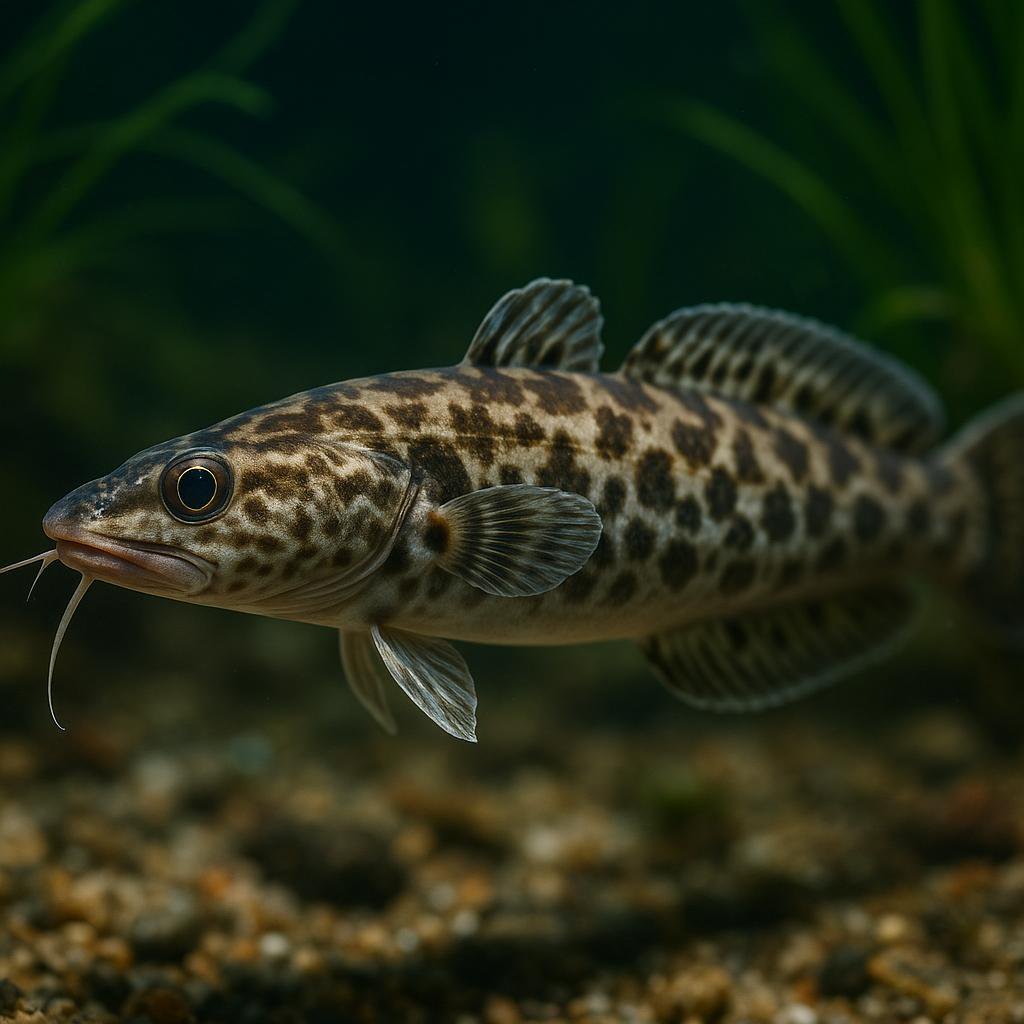
Gaidropsarus argentatus
This is a deepwater North Atlantic rockling (a cod relative) that hangs out on soft bottoms way down the slope. It is a cold-water, bottom-hugging predator that snoots around for crustaceans and will also take small fish when it gets the chance.
Atlantic pomfret
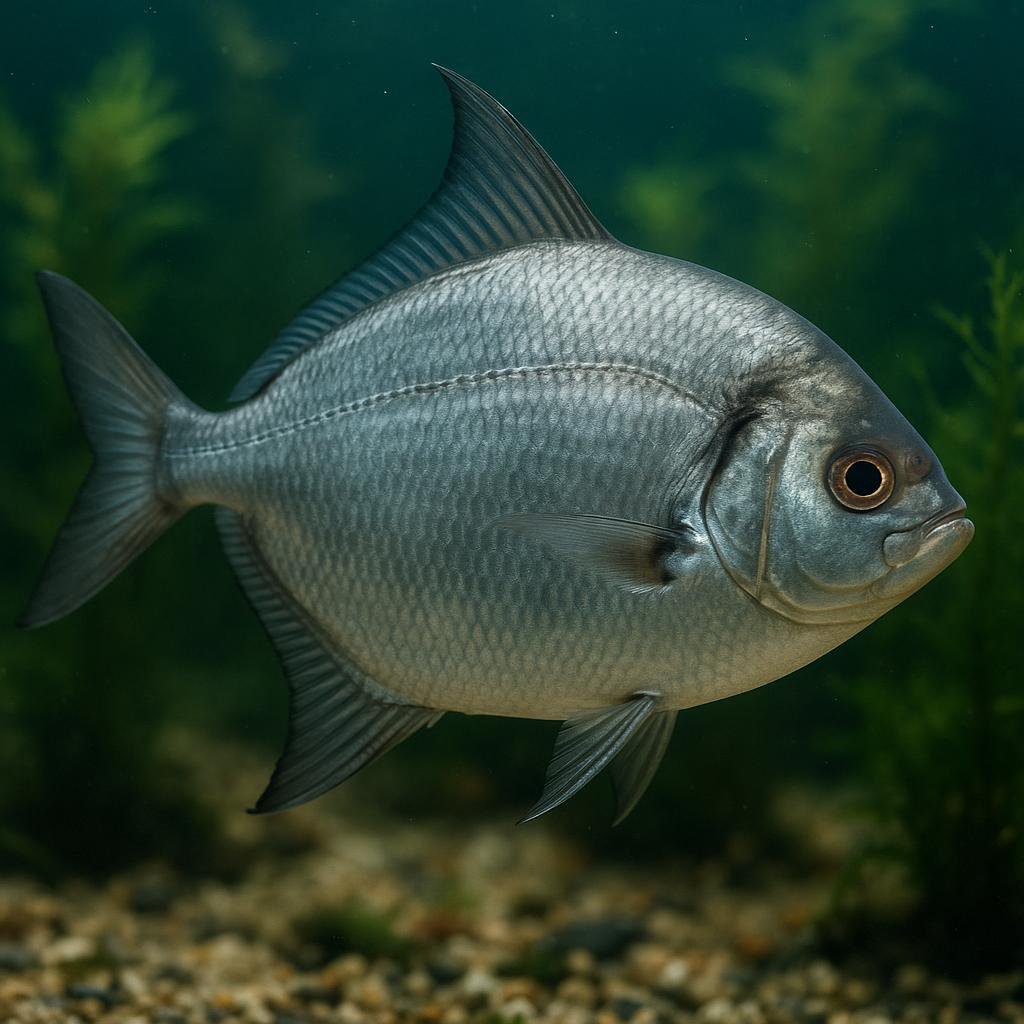
Brama brama
Brama brama is the Atlantic pomfret (aka Ray's bream) - a deep-bodied, open-ocean pelagic fish that cruises around in small schools and follows water temps. It is a legit big, wild marine species (not an aquarium fish) that eats other small sea critters like fish and squid, and it ranges across a huge chunk of the Atlantic plus parts of the Indian and South Pacific.
Australian sawtail catshark
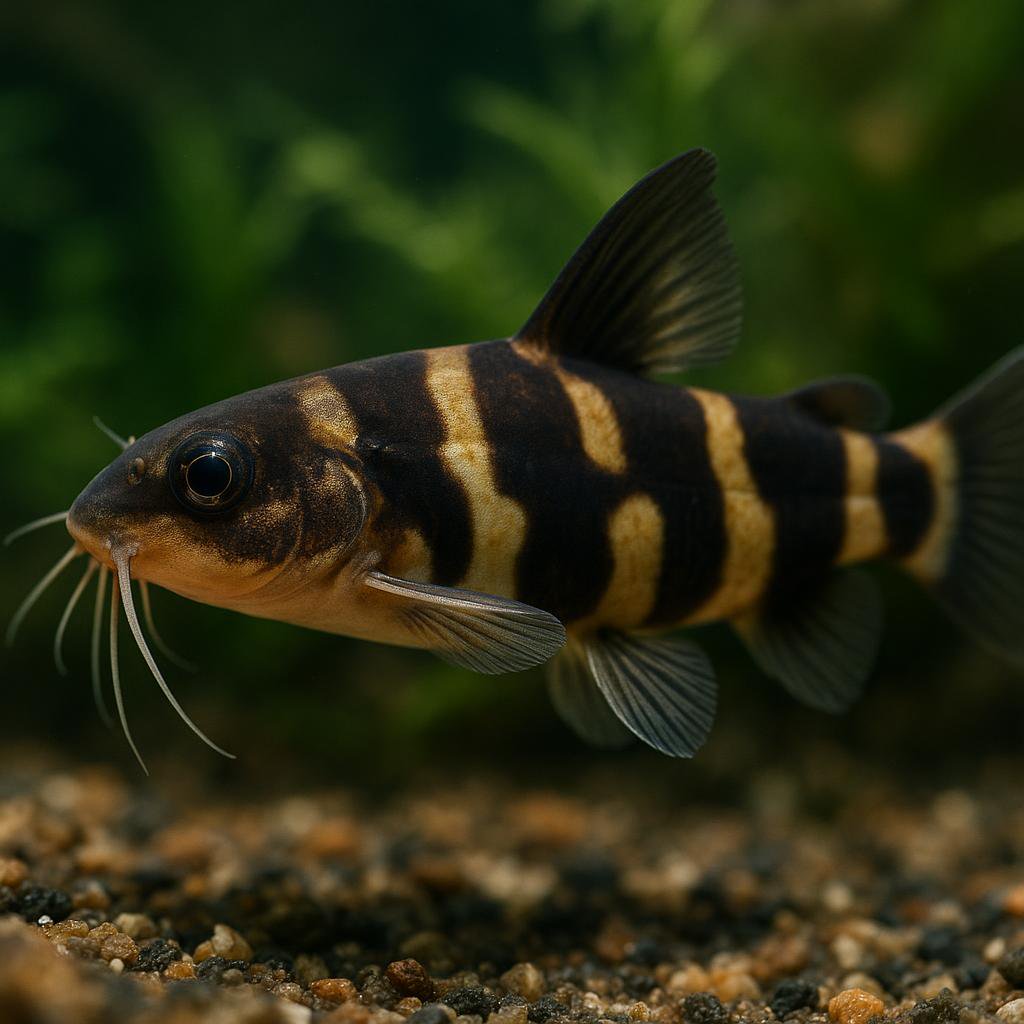
Figaro boardmani
Figaro boardmani is a small, deepwater Australian catshark with these cool saw-like ridges of spiny denticles along the tail and a neat pattern of dark saddle bands. It lives way down on the outer continental shelf and slope, so its natural water is cold, dim, and stable - totally not a typical home-aquarium fish. Diet-wise its a predator that goes after fish, crustaceans, and cephalopods.
More to Explore
Discover more marine species.
Abe's eelpout
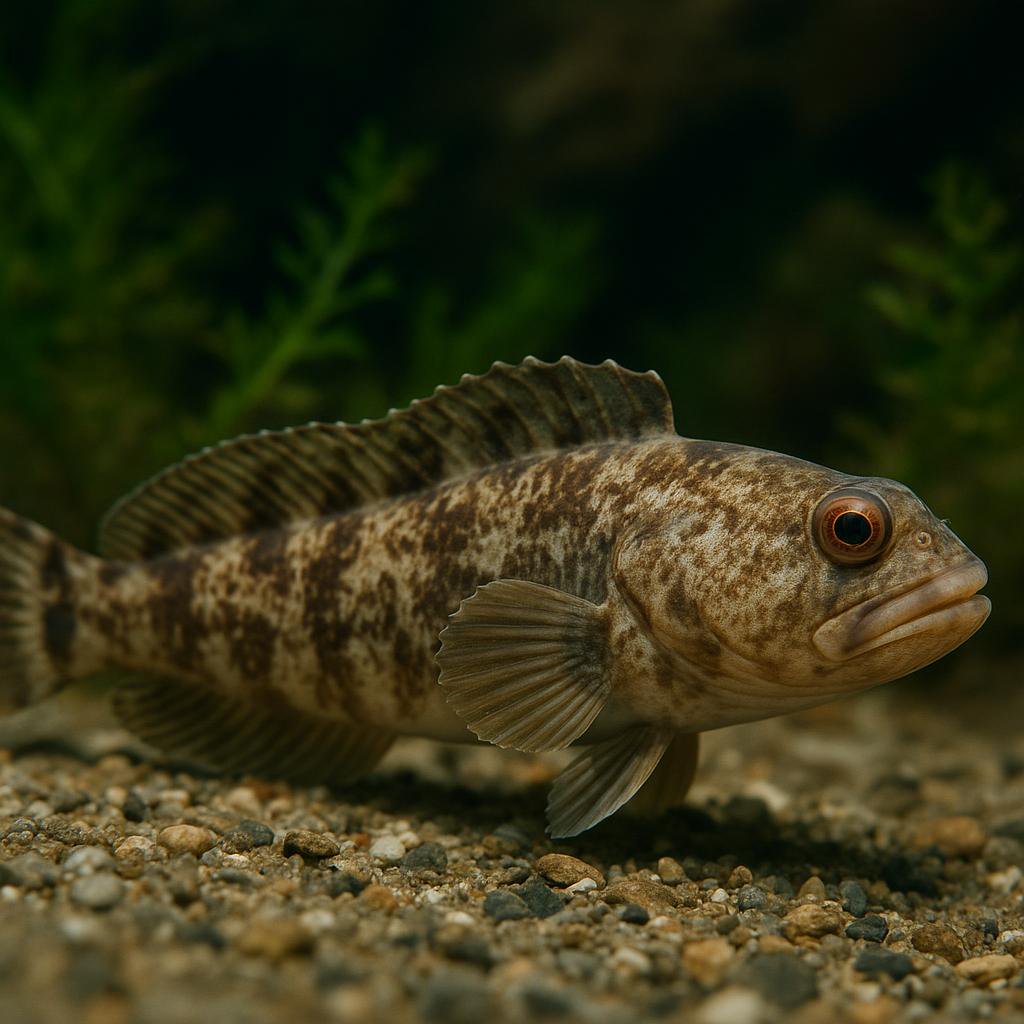
Japonolycodes abei
Japonolycodes abei is a temperate, deepwater demersal eelpout (family Zoarcidae) endemic to Japan (Kumano-nada Sea reported; other sources also report Sagami Bay and Tosa Bay). It is the only species in the genus Japonolycodes and occurs roughly 40-300 m depth, making it an uncommon/atypical aquarium species.
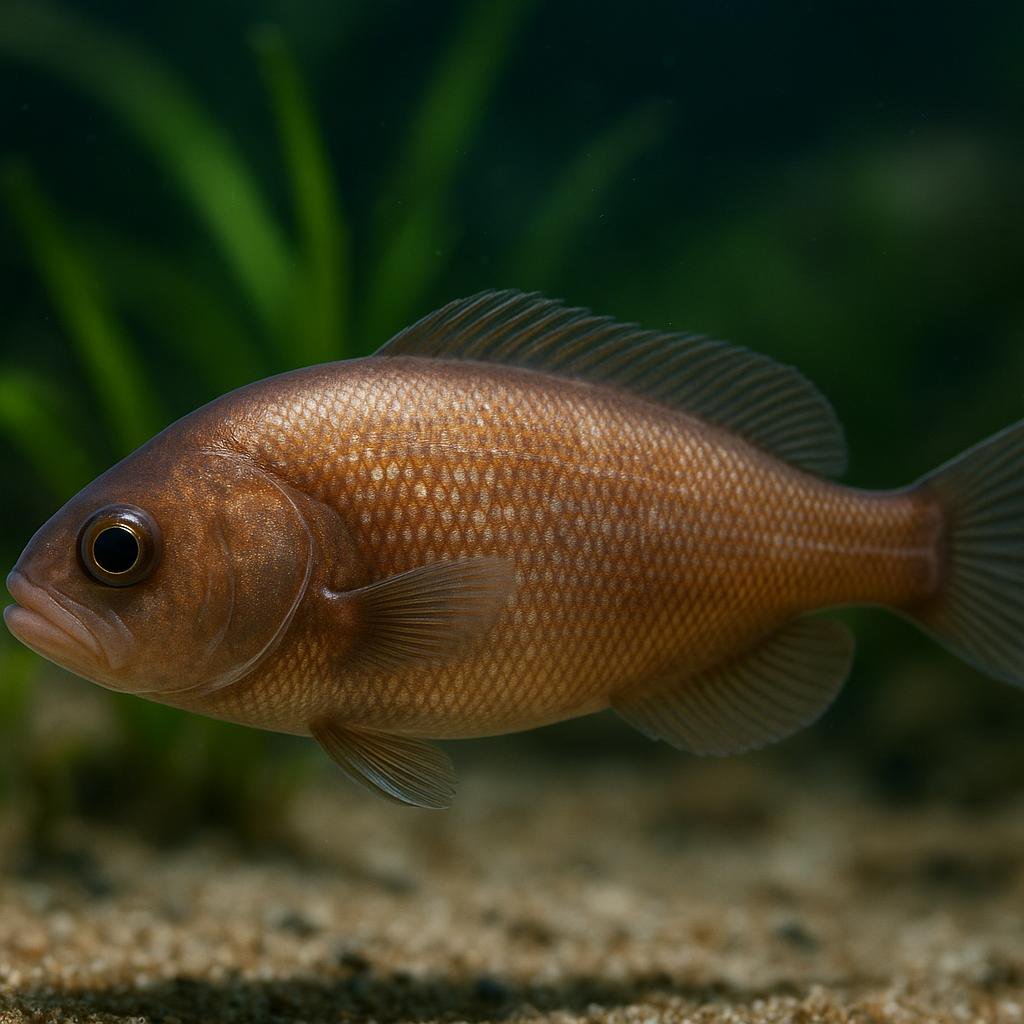
Affinis blind cusk-eel
Barathronus affinis
Barathronus affinis is a tiny, super-weird deep-sea blind cusk-eel from the western-central Indian Ocean. It is one of those gelatinous, loose-skinned brotula-type fishes that live way down in the dark and are basically never seen alive, so almost everything we know comes from preserved specimens and taxonomic work.
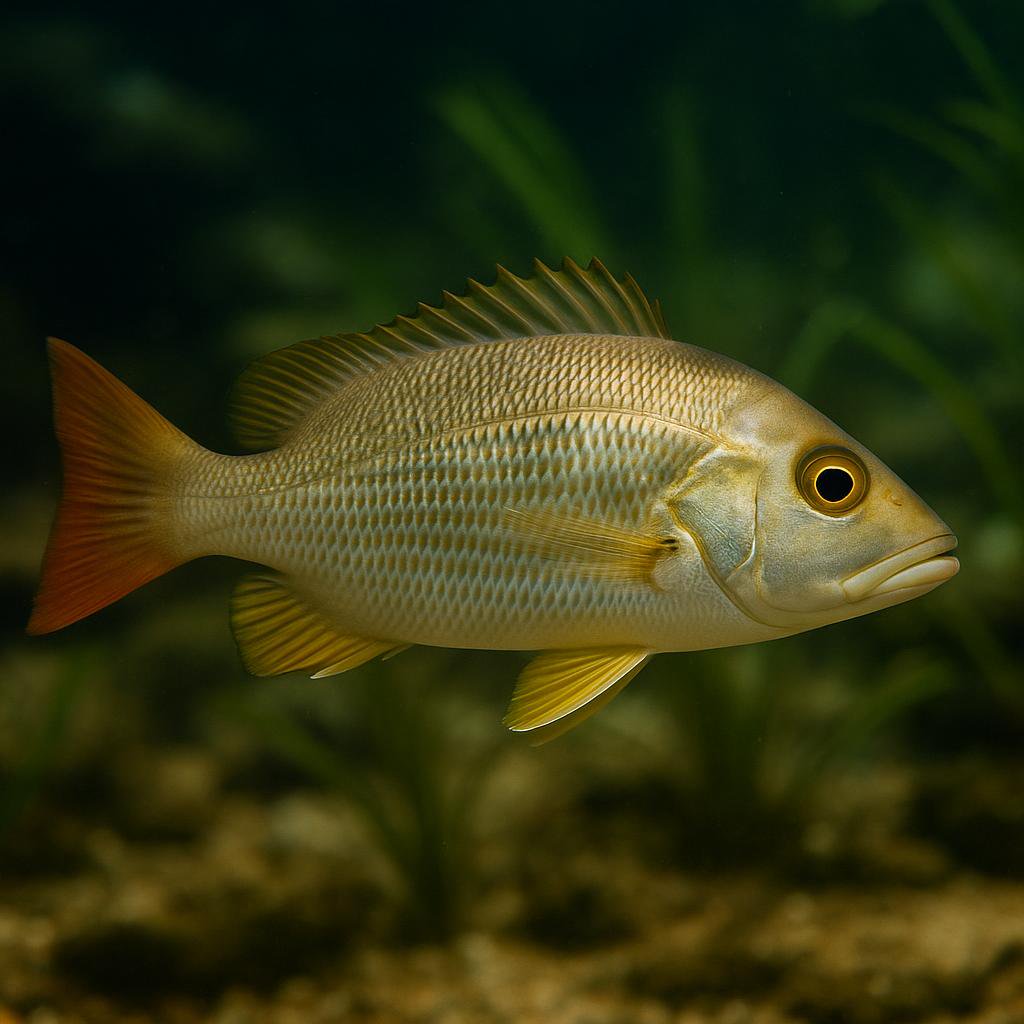
African red snapper
Lutjanus agennes
This is a true snapper from West Africa - a big, fast-growing predator that goes from coastal reefs to brackish lagoons and estuaries (especially as a juvenile). Super cool fish in the wild, but it gets absolutely huge and will eat smaller tankmates once it has the mouth for it, so its really more of a public-aquarium scale animal than a home-aquarium fish.
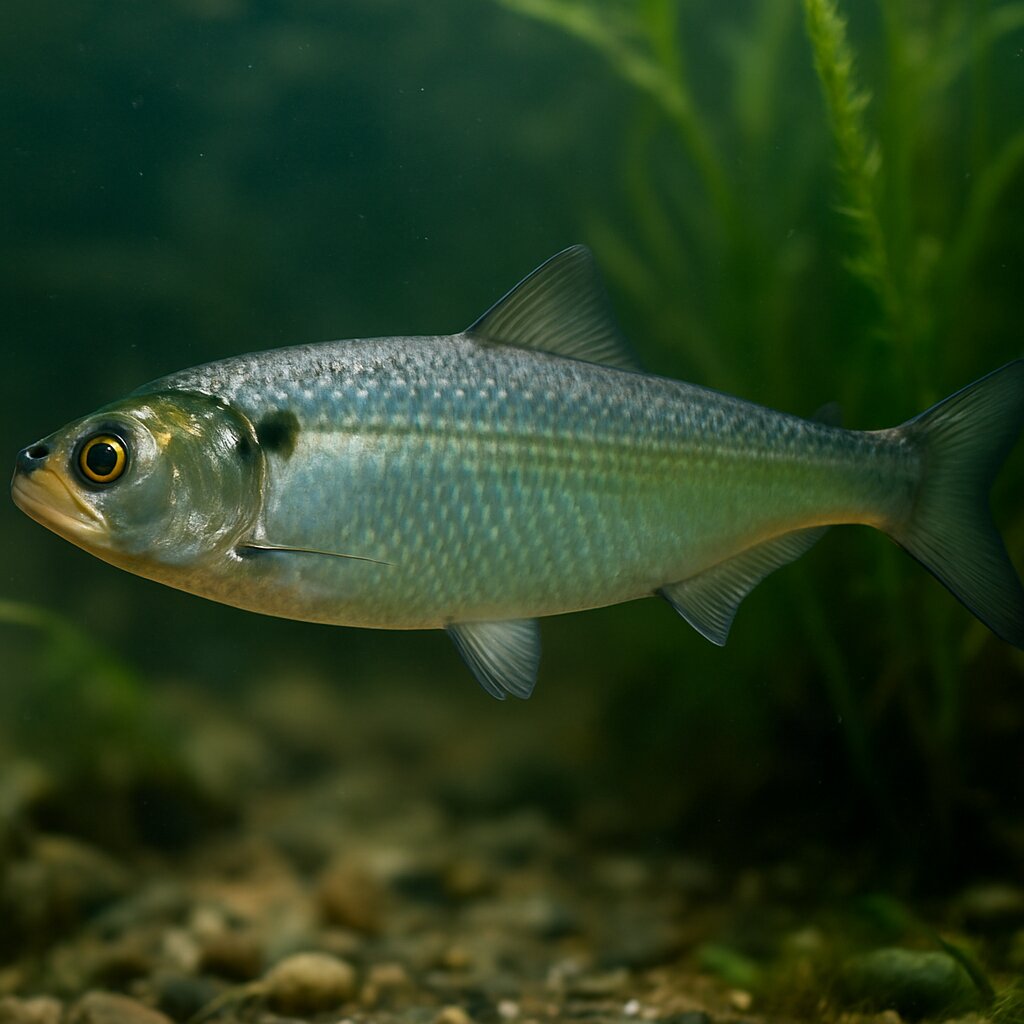
Allis shad
Alosa alosa
Gorgeous silver, fast-swimming shad that spends most of its life in the sea and then surges up big rivers in noisy, surface-spawning schools. It grows huge for a herring-type fish and needs cool, ultra-oxygenated water and tons of open space, so it is a public-aquarium species rather than a home tank fish.
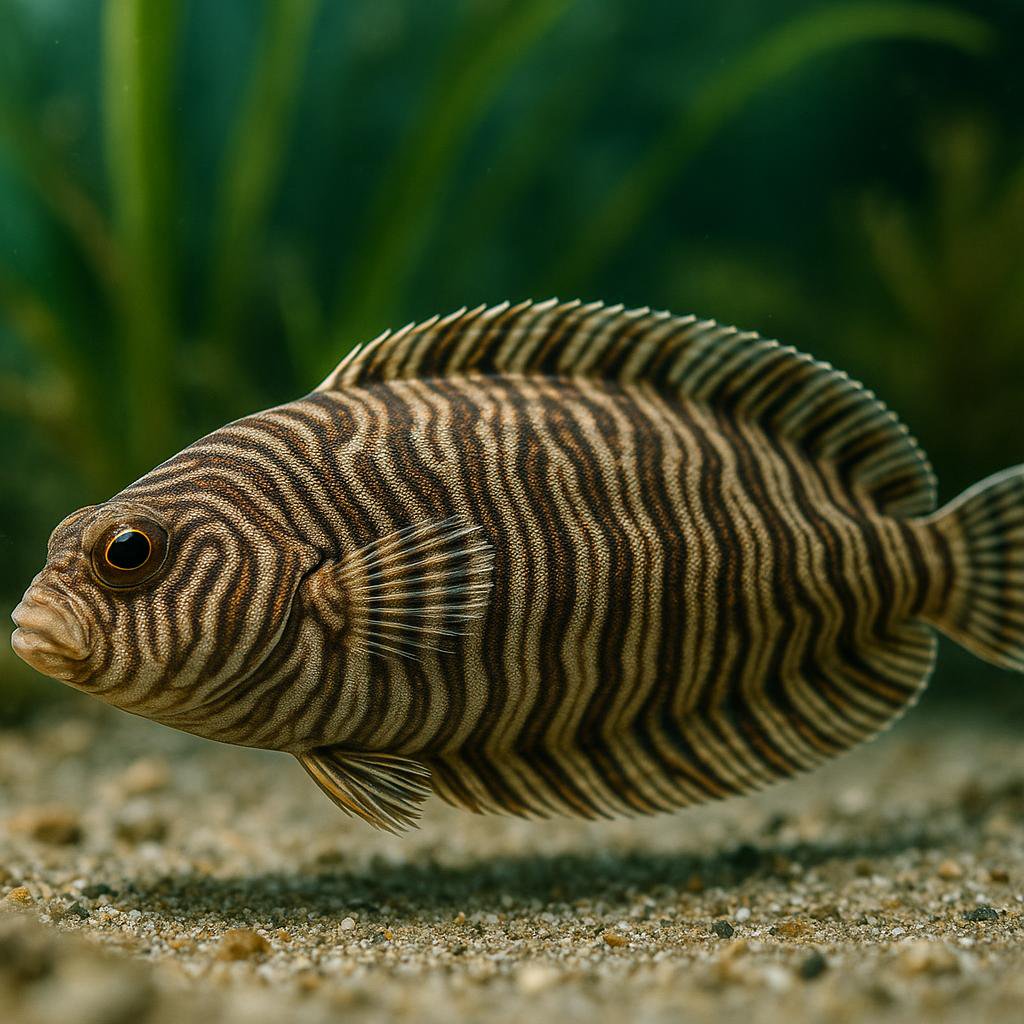
Annandale's zebra sole
Zebrias annandalei
Zebrias annandalei is a small demersal sole from coastal India that inhabits sandy or muddy bottoms and buries for camouflage. It is rarely kept in home aquaria and would require a specialized marine sand-bottom setup and appropriate feeding.
Banded stargazer
Kathetostoma binigrasella
This is a New Zealand stargazer that lives half-buried in sand or mud with its eyes pointed up, waiting to rocket upward and nail passing prey. It has those neat dark saddle-bands across the back (especially as a juvenile), and like other stargazers it is venomous with spines near the gill cover/pectoral area - definitely a look-dont-touch fish.
Looking for other species?