

Chereshnev's horsefish
Zanclorhynchus chereshnevi
About the Chereshnev's horsefish
This is a weird, cold-water Southern Ocean bottom-dweller from around the Prince Edward Islands. It is a deep, polar marine fish (recorded down to at least 170 m) and not something that shows up in the aquarium trade - it would need chilled, high-oxygen seawater and a public-aquarium style setup.
Quick Facts
Size
25.2 cm TL
Temperament
Semi-aggressive
Difficulty
Expert
Min Tank Size
300 gallons
Lifespan
unknown
Origin
Southern Ocean (sub-Antarctic Indian Ocean)
Diet
Carnivore - likely small benthic invertebrates and small fishes (demersal predator); no established aquarium diet info
Water Parameters
0-4°C
7.8-8.4
8-12 dGH
Need a heater for this species?
This species needs 0-4°C in a 300 gallon tank. Use our heater calculator to find the right wattage.
Calculate heater sizeCare Notes
- This is a cold-water marine fish - think chiller, not reef temps. Aim around 36-45F (2-7C) with rock-solid salinity near 1.025 and lots of oxygen/flow.
- Give it a long tank with a big sand/mud patch and scattered rocks; it likes to perch and scoot more than it likes open-water swimming. Tight lid is a must because they can spook-jump when lights flip on.
- Keep nitrate low (under ~20 ppm, lower is better) and run heavy mechanical filtration, because cold tanks still get nasty fast with meaty foods. Big, frequent water changes beat chasing numbers with bottles.
- Feed like a predator that prefers small crustaceans: live/frozen mysis, chopped shrimp, krill bits, and enriched brine as a starter. Target feed with tongs or a pipette so faster fish do not steal everything.
- Skip warm-water tankmates and skip aggressive feeders; they lose at dinner time and then melt away. Best companions are other cold-water, calm bottom types that will not harass its fins or hog food.
- Watch for mouth damage and refusal to eat after shipping - they can come in banged up and then starve quietly. If it is not taking food within a couple days, try live mysis/ghost shrimp and dim the tank for a bit.
- Breeding in home tanks is basically a unicorn; most people never see it. If you ever end up with a pair, expect seasonal cues (cold, light cycle) to matter more than any fancy spawning mop.
Compatibility
Good Tankmates
- Other coldwater, rocky-reef fish with some size and attitude control - think similar-temperament sculpin-ish neighbors that can hold their ground but are not psycho aggressive
- Medium-to-large temperate wrasses (not the hyper mean ones) - they are active enough to avoid getting bullied and usually do fine if the tank has lots of rockwork and line-of-sight breaks
- Temperate perch-ish fish like temperate bass/sea-perch types that are sturdy, not finicky, and not tiny enough to be considered food
- Robust bottom hangers that keep to themselves - bigger temperate blennies and similar perchers that claim a hole and do not pester everyone all day
- Tough, non-nippy schooling fish from cool marine setups (sizable baitfish-type tankmates) - works best when they are not small enough to be snack-sized and you feed heavy enough to reduce hunting vibes
Avoid
- Anything tiny or slender that can fit in their mouth (small gobies, small juveniles, small dartfish) - they are opportunistic and will eventually test the "can I eat this" theory
- Slow, delicate fish that cannot handle getting shoved off food (fancy-finned, hover-in-place types) - horsefish can get pushy at feeding time and stress them out fast
- Fin nippers and real brawlers (especially aggressive wrasses or trigger-type personalities) - they will turn the tank into a nonstop turf war and the horsefish does not back down
Where they come from
Chereshnev's horsefish (Zanclorhynchus chereshnevi) is one of those oddball cold-water marine fish from the Southern Ocean zone - think subantarctic, deep, and chilly. You are basically trying to keep a fish that evolved to live in cold, stable water with lots of oxygen and not a lot of day-to-day swing.
If you have only kept tropical marines, reset your expectations. This is a cold-water specialist, and most failures come from temperature and oxygen issues, not feeding.
Setting up their tank
Plan the tank around cold water and stability first. These fish do best in a system that runs like a cold reef holding tank: steady temp, high dissolved oxygen, and clean water. If your room temp changes a lot, you will want a chiller that is sized generously, not barely adequate.
- Tank size: bigger is your friend. Give them footprint over height, with open bottom area to move and perch.
- Temperature: cold and stable. Use a reliable chiller, and put the controller probe where flow is strong so it reads the real tank temp.
- Flow and oxygen: strong circulation plus heavy aeration. I like a mix of powerheads for broad flow and an air stone or venturi for extra gas exchange.
- Filtration: oversize it. Big skimmer, lots of mechanical removal, and easy access for frequent sock/floss changes.
- Aquascape: rockwork kept low and stable, with plenty of caves and shaded spots. Avoid sharp rock piles they can scrape themselves on.
- Lighting: you do not need reef-bright lights. Moderate to dim is fine, and they tend to act more natural under softer light.
Do not treat them like a tropical "fish-only" that can handle warm spells. A few days of warmer water plus lower oxygen can snowball into breathing trouble and infections.
I also recommend a lid. Cold systems can have a lot of surface agitation and these fish can spook. A simple mesh cover saves heartbreak.
What to feed them
They are carnivores and usually want meaty foods. The challenge is less about what they can eat and more about getting a new import to recognize frozen food and eat with confidence.
- Start with: enriched mysis, chopped shrimp, krill bits, clam, squid, and high-quality frozen marine blends.
- If they are picky: offer live foods short-term (like live shrimp) to get them going, then transition to frozen.
- Feed style: smaller portions more often beats one big dump. You want them hunting and picking, not stuffing and leaving scraps to rot.
- Enrichment: soak foods in a marine vitamin/FA supplement a few times a week, especially during the first month.
- Clean-up: remove uneaten meaty food quickly. Cold tanks still foul - just slower, which can trick you into thinking its fine.
Use a feeding stick or long tweezers at first. Target feeding helps shy fish eat without competing tankmates stealing everything.
How they behave and who they get along with
Horsefish are quirky and can be surprisingly bold once settled, but new ones often act like they are made of glass. Give them quiet time. They are not a "busy community" fish, and they hate chaos in the tank.
- Temperament: generally not a nonstop bully, but they can be pushy around food once established.
- Best tankmates: other cold-water species with similar calm energy and similar feeding speed.
- Avoid: fast, nippy fish that will outcompete them at feeding time or stress them into hiding.
- Inverts: depends on the individual, but assume small shrimp/crabs could be viewed as food. Choose tankmates accordingly.
- Social setup: single specimens are usually the safest bet unless you have a big system and a backup plan for separation.
Competition at feeding is a real killer with expert species like this. If they miss meals early on, they go downhill fast. Watch their belly and their confidence at the food, not just whether you saw them grab one bite.
Breeding tips
Breeding in home aquariums is realistically a long shot. You would need seasonal cues (temperature and photoperiod shifts), a compatible pair, and a system stable enough to handle long conditioning periods. Most hobbyists never see anything beyond courtship behavior, if that.
If you ever do get spawning behavior, document everything: temperature trend, day length, foods used, and any changes in flow. For rare cold-water fish, good notes help the whole hobby.
Common problems to watch for
Most issues trace back to cold-water husbandry: not enough oxygen, temperature drift, and slow-building water quality problems from heavy meaty feeding.
- Low oxygen: rapid breathing, hanging in high flow, acting "panicky." Fix gas exchange and flow first.
- Temperature creep: chiller undersized, dirty condenser, hot room days. Put the chiller where it can breathe and keep the intake clean.
- Shipping and acclimation stress: they can come in rough. Keep lights low, keep the tank quiet, and focus on getting them eating.
- Bacterial infections after scrapes: watch for red patches, frayed fins, cloudy areas. Reduce stressors and keep water very clean.
- Internal parasites or chronic thinness: if they eat but do not fill out, you may need a deworming plan from a qualified aquatic vet.
- Food-related water fouling: leftover chunks trapped in rockwork. Siphon the bottom and use mechanical filtration you can change often.
If you see heavy breathing plus lethargy, treat it like an emergency. In cold marine systems, oxygen and temperature problems can spiral fast. Check temp, increase surface agitation/aeration, and verify pumps are actually moving water.
Last thing: quarantine is worth the hassle with a fish like this. A simple bare QT with a chiller (even a small one) and lots of aeration can save your display from pathogens and gives the new fish a calm place to learn frozen food.
Similar Species
Other marine semi-aggressive species you might be interested in.
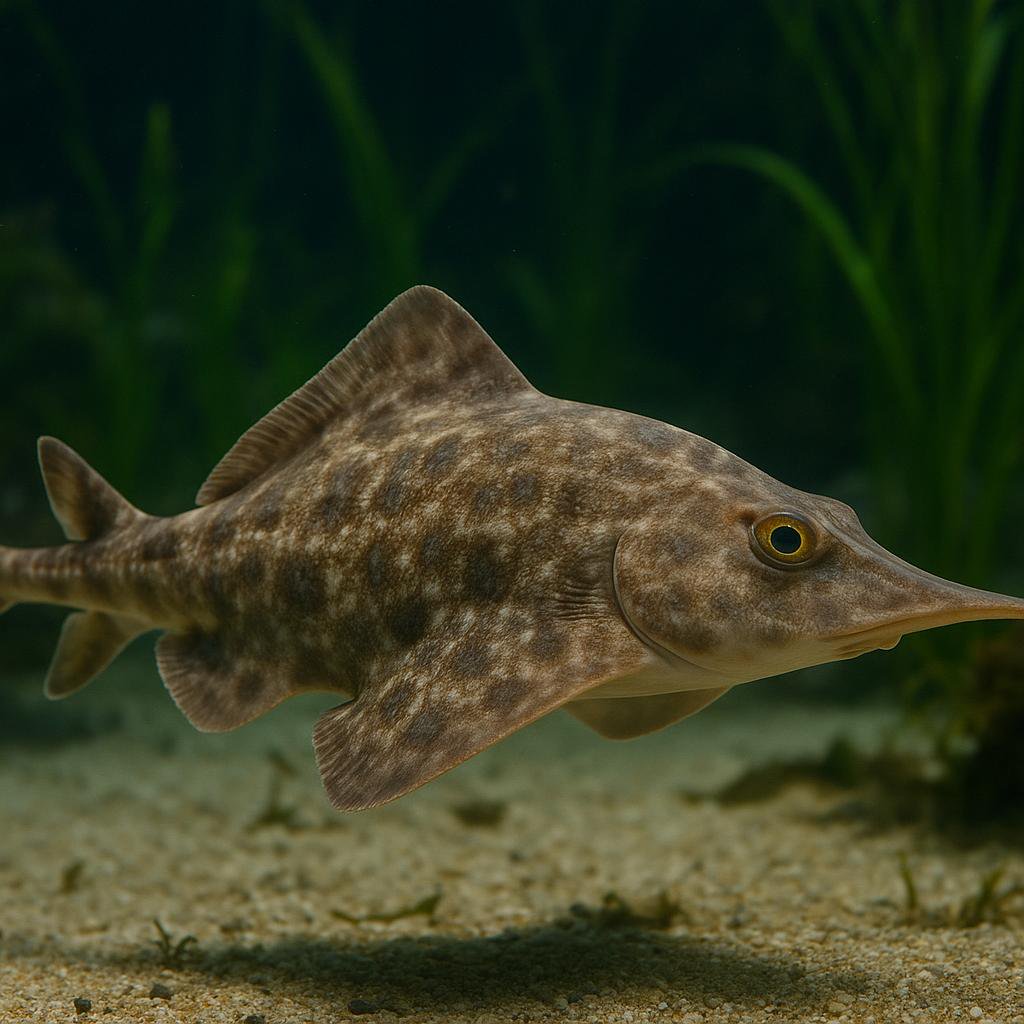
Aleutian skate
Bathyraja aleutica
This is a big, cold-water deep-slope skate from the North Pacific that cruises muddy bottoms and eats chunky benthic prey like crabs and shrimp. The really cool bit is its egg-laying skate life - it does distinct pairing (the classic skate "embrace") and drops those tough egg cases on the seafloor. Not an aquarium fish at all unless you're basically running a public-aquarium-style chilled system.
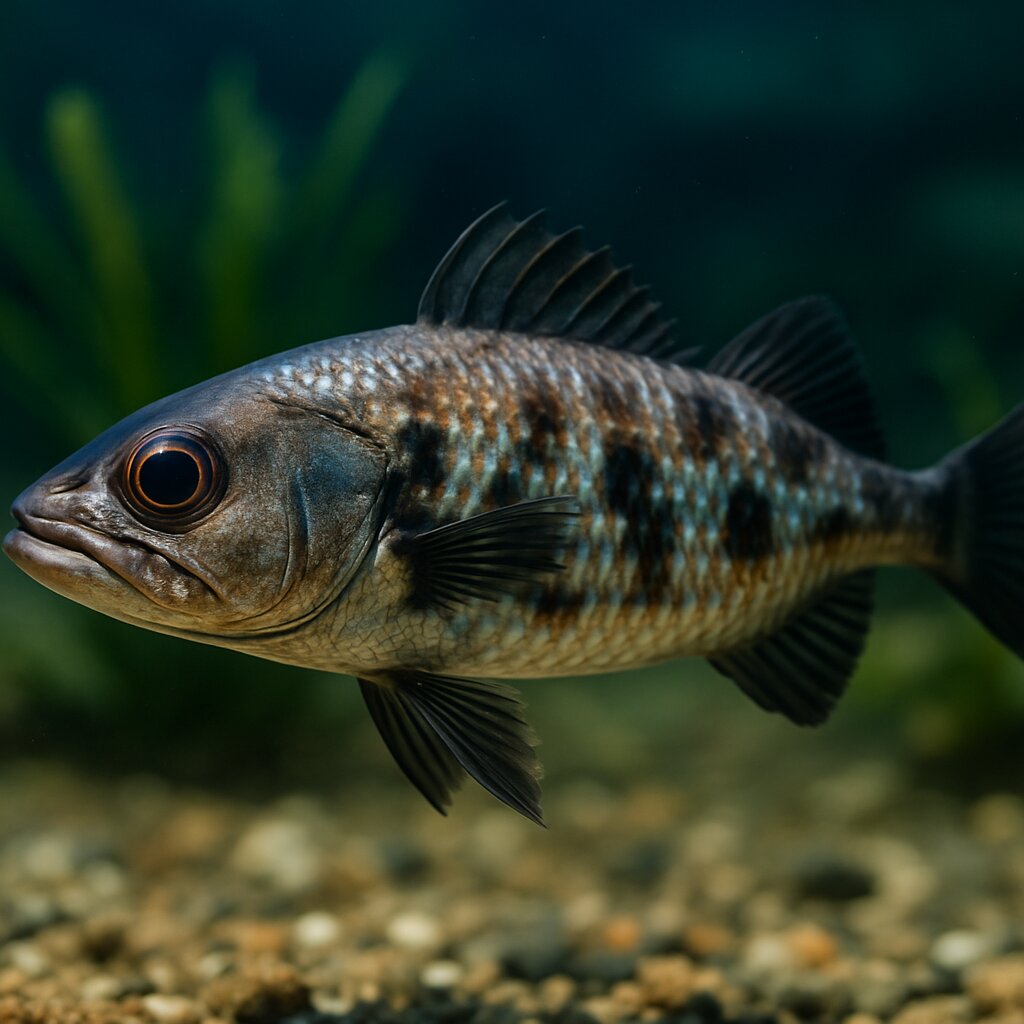
Antarctic dragonfish
Vomeridens infuscipinnis
Deep down around Antarctica, this sleek dragonfish cruises the water column like a little submarine, nearly neutrally buoyant so it can hover above the seafloor. It munches almost exclusively on Antarctic krill and lives in near-freezing water 500-800 m down, so it is a cool species to read about, not one for home tanks.
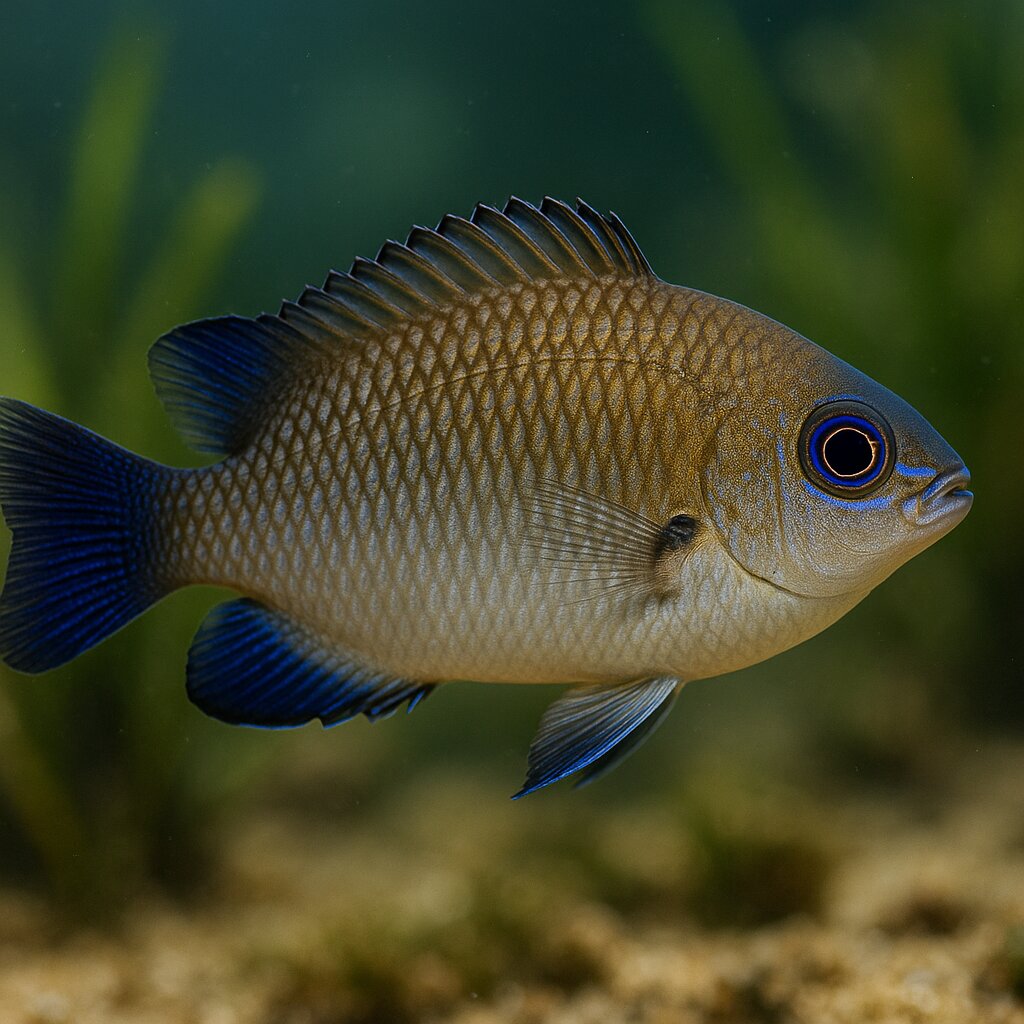
Arabian demoiselle
Neopomacentrus sindensis
A small lyretail damsel from the Persian Gulf and Arabian Sea, it hangs in loose groups around coral heads, rocks, and even pier pilings picking zooplankton from the flow. Think classic damsel toughness with a slightly milder attitude than the real bruisers, plus subtle yellow tail accents. Males clean a patch, get a mate to lay eggs there, and then stand guard fanning the clutch.
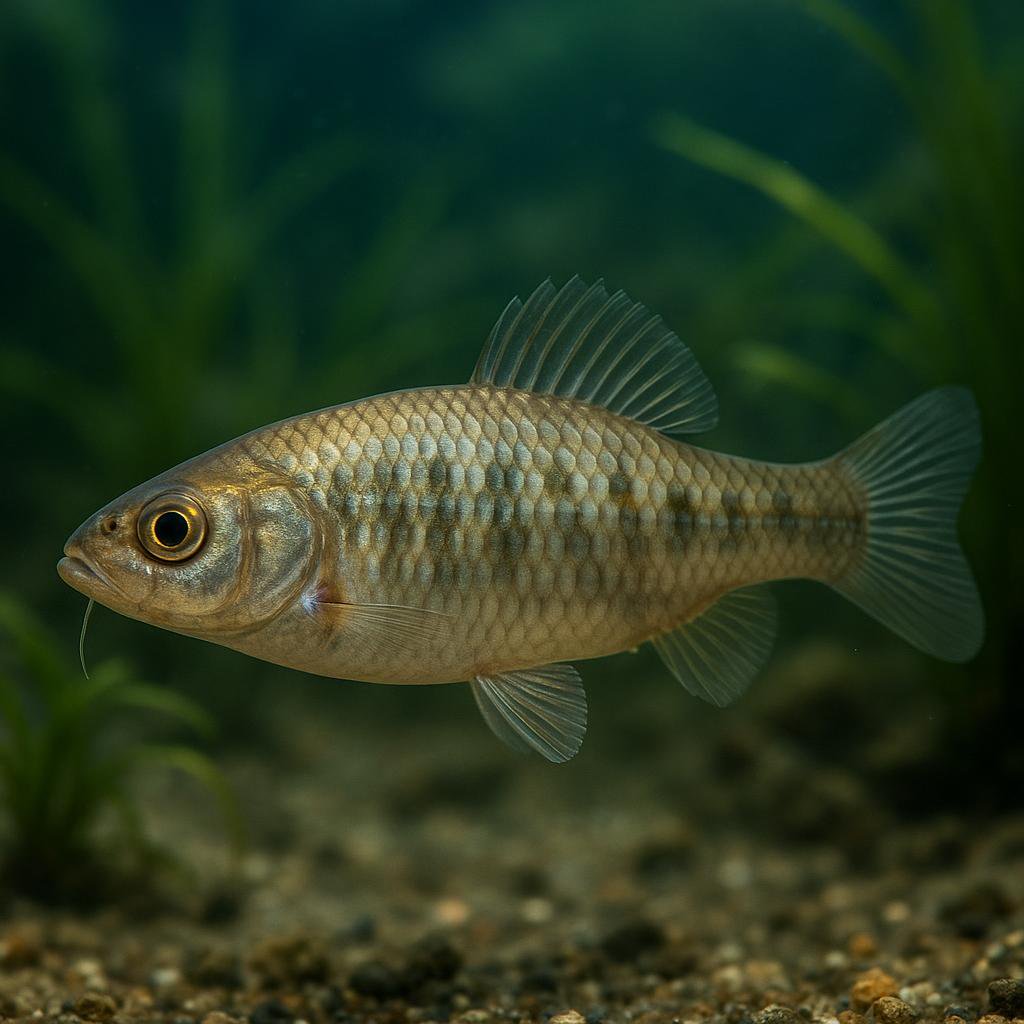
Arabian spiny eel
Notacanthus indicus
Notacanthus indicus is a deep-sea spiny eel (family Notacanthidae; not a true eel) known from the Arabian Sea on the continental slope at roughly ~960–1,046 m depth, with reported maximum length around 20 cm TL; it is a deep-water bycatch species and not established in the aquarium trade.
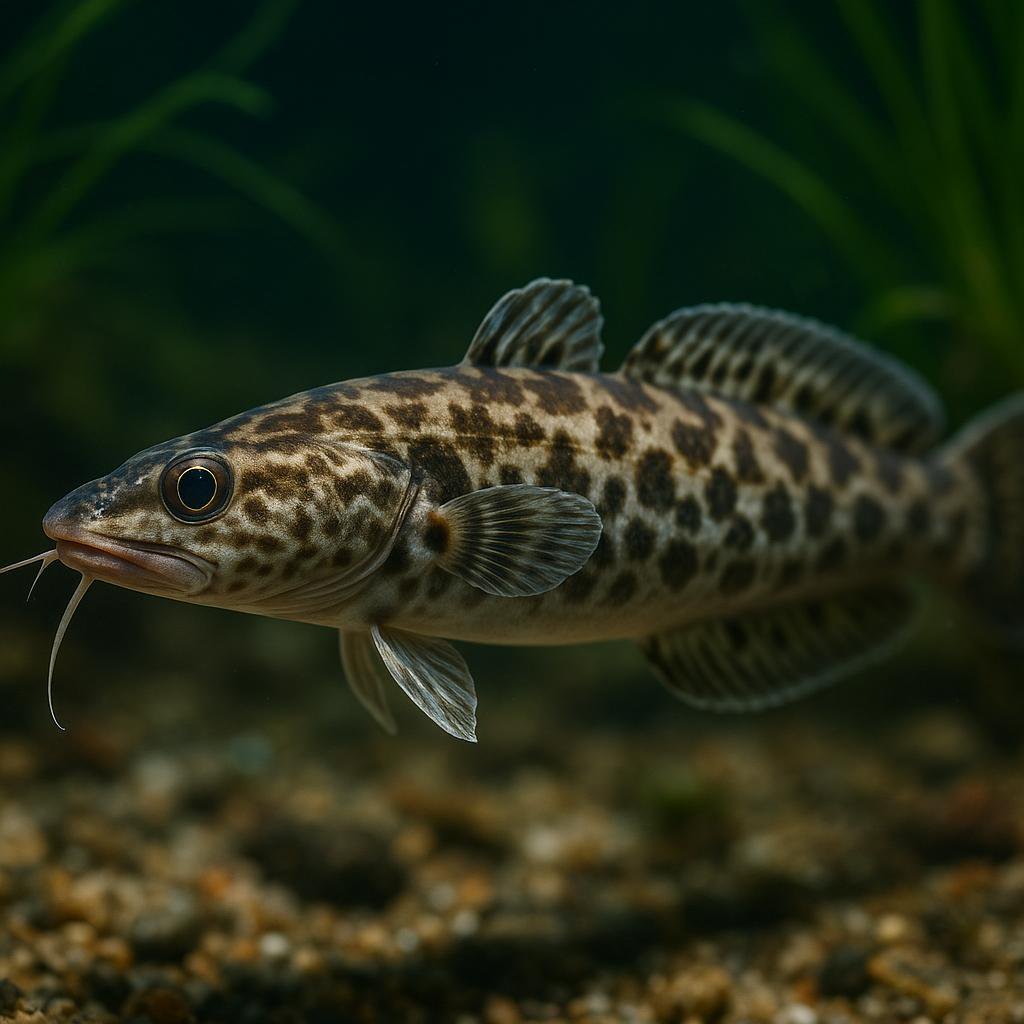
Arctic rockling
Gaidropsarus argentatus
This is a deepwater North Atlantic rockling (a cod relative) that hangs out on soft bottoms way down the slope. It is a cold-water, bottom-hugging predator that snoots around for crustaceans and will also take small fish when it gets the chance.
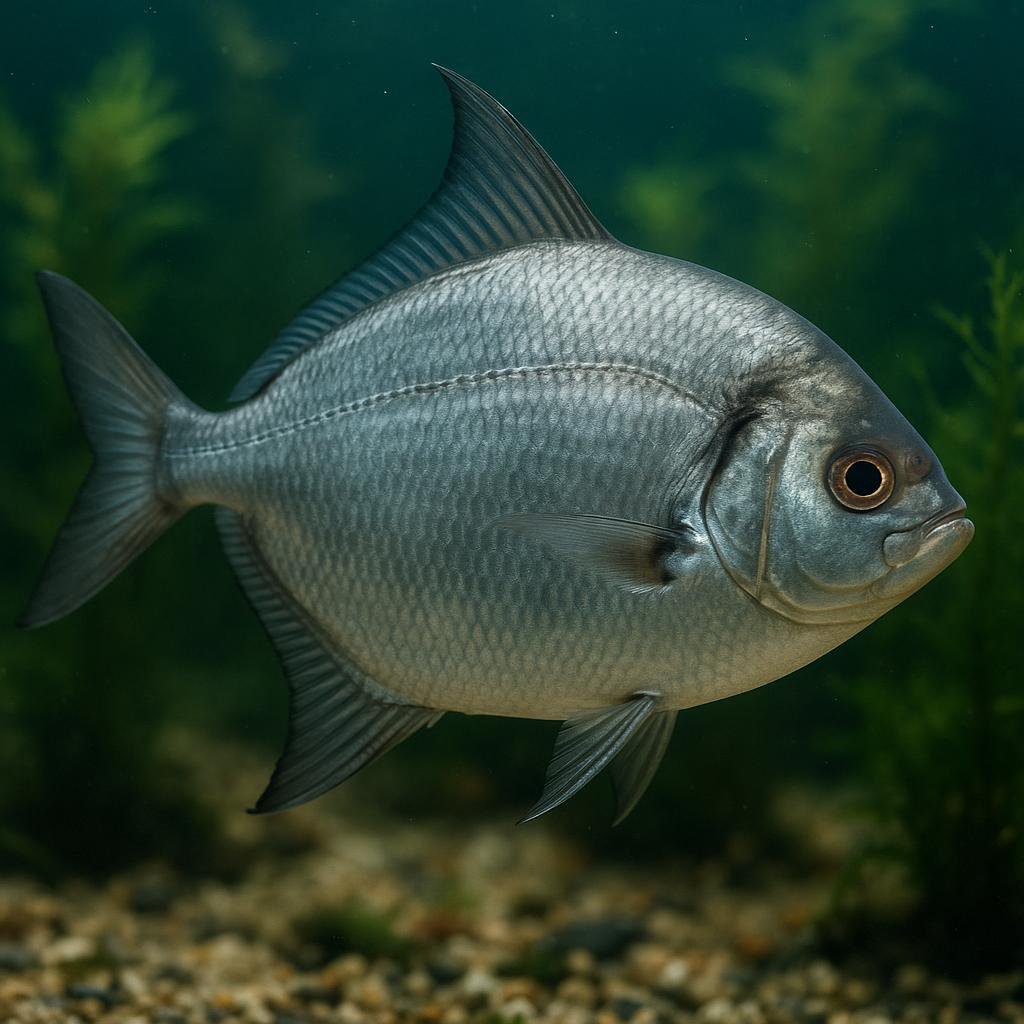
Atlantic pomfret
Brama brama
Brama brama is the Atlantic pomfret (aka Ray's bream) - a deep-bodied, open-ocean pelagic fish that cruises around in small schools and follows water temps. It is a legit big, wild marine species (not an aquarium fish) that eats other small sea critters like fish and squid, and it ranges across a huge chunk of the Atlantic plus parts of the Indian and South Pacific.
More to Explore
Discover more marine species.
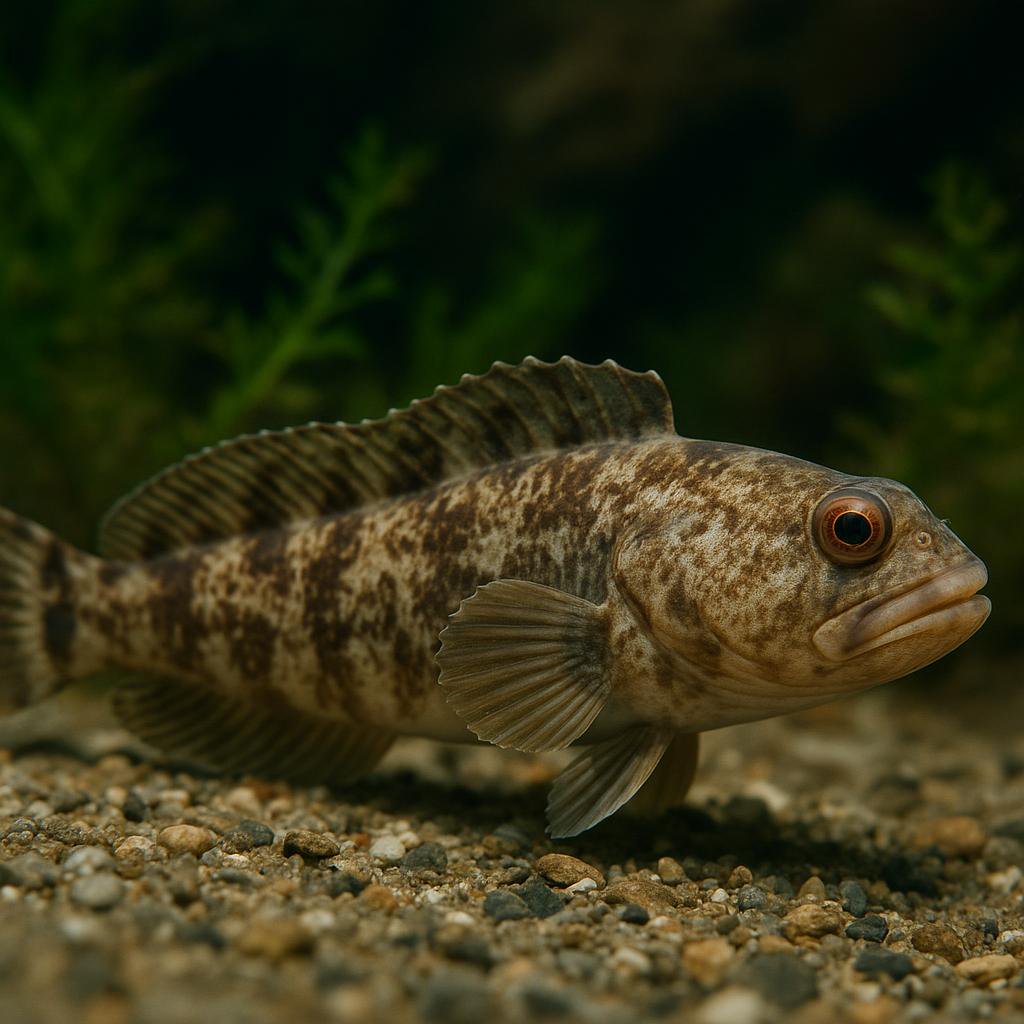
Abe's eelpout
Japonolycodes abei
Japonolycodes abei is a temperate, deepwater demersal eelpout (family Zoarcidae) endemic to Japan (Kumano-nada Sea reported; other sources also report Sagami Bay and Tosa Bay). It is the only species in the genus Japonolycodes and occurs roughly 40-300 m depth, making it an uncommon/atypical aquarium species.
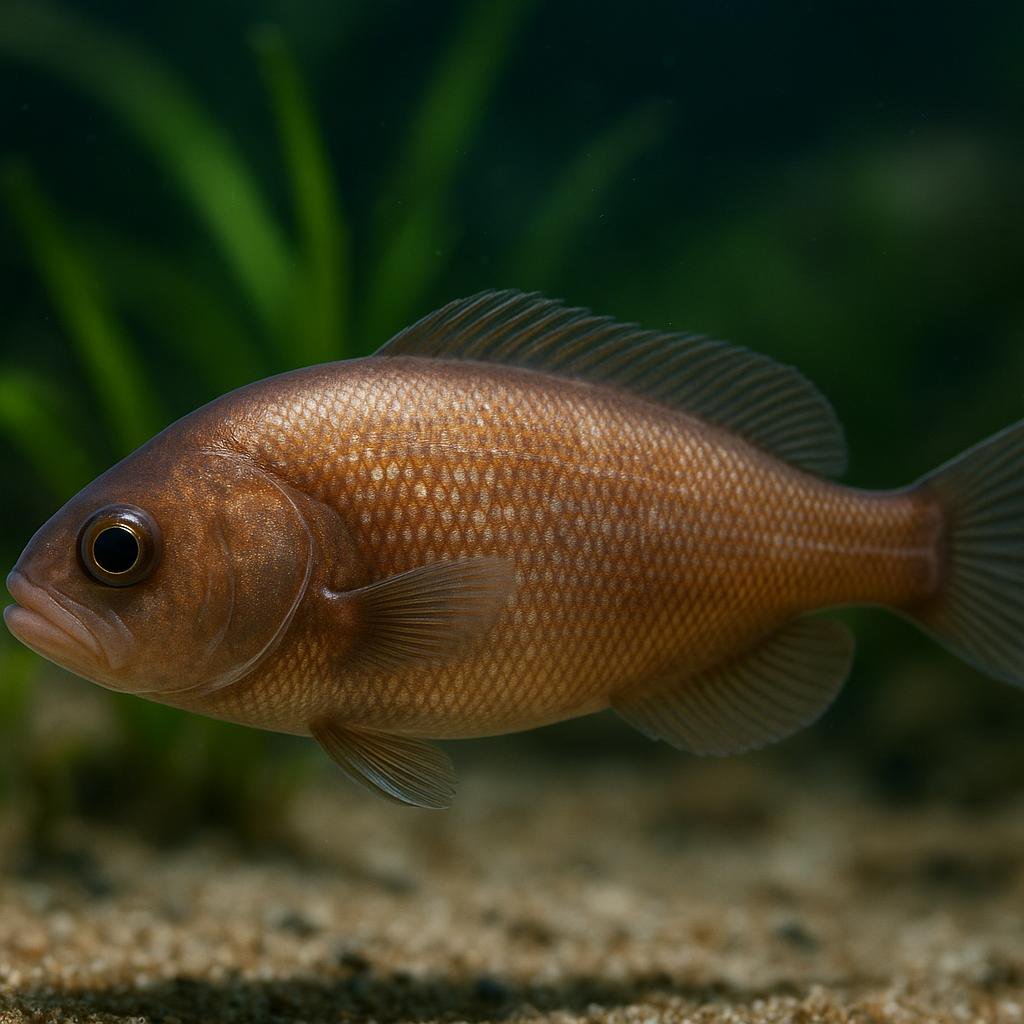
Affinis blind cusk-eel
Barathronus affinis
Barathronus affinis is a tiny, super-weird deep-sea blind cusk-eel from the western-central Indian Ocean. It is one of those gelatinous, loose-skinned brotula-type fishes that live way down in the dark and are basically never seen alive, so almost everything we know comes from preserved specimens and taxonomic work.
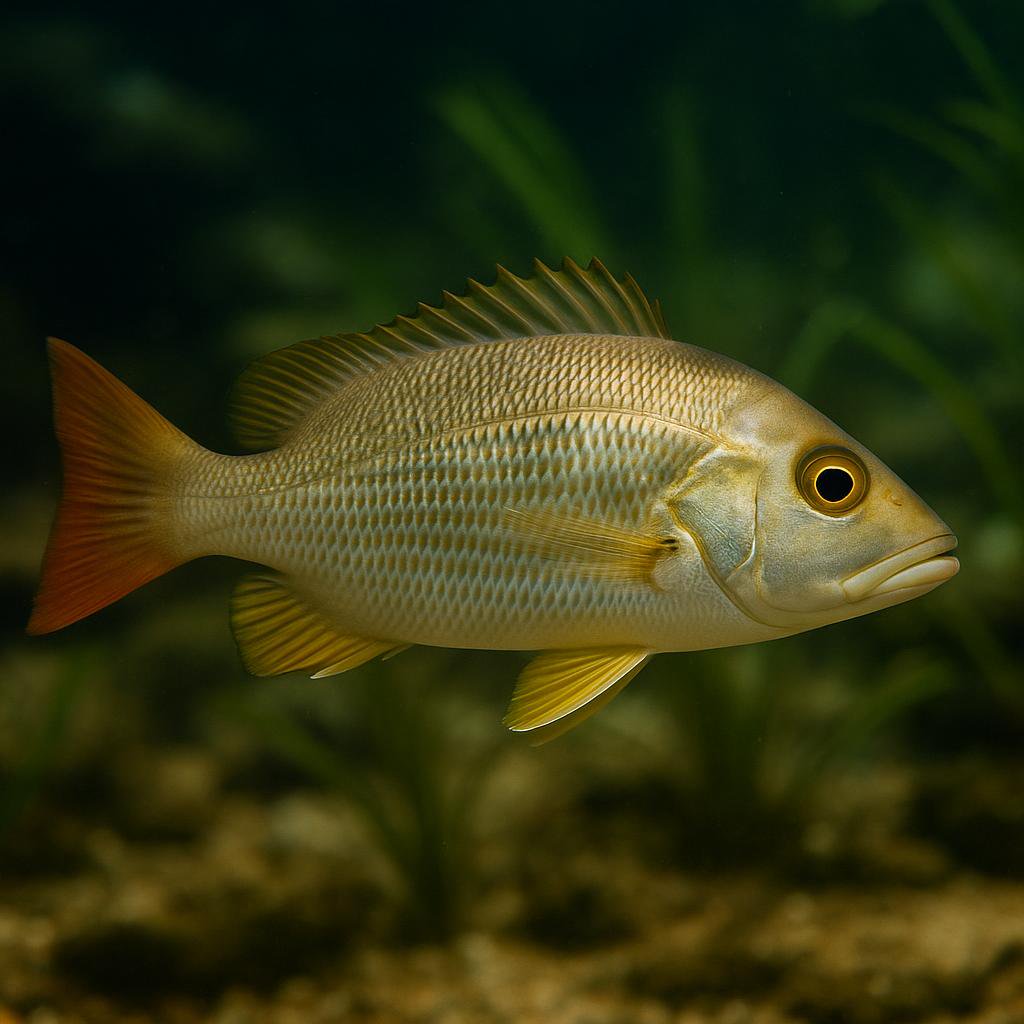
African red snapper
Lutjanus agennes
This is a true snapper from West Africa - a big, fast-growing predator that goes from coastal reefs to brackish lagoons and estuaries (especially as a juvenile). Super cool fish in the wild, but it gets absolutely huge and will eat smaller tankmates once it has the mouth for it, so its really more of a public-aquarium scale animal than a home-aquarium fish.
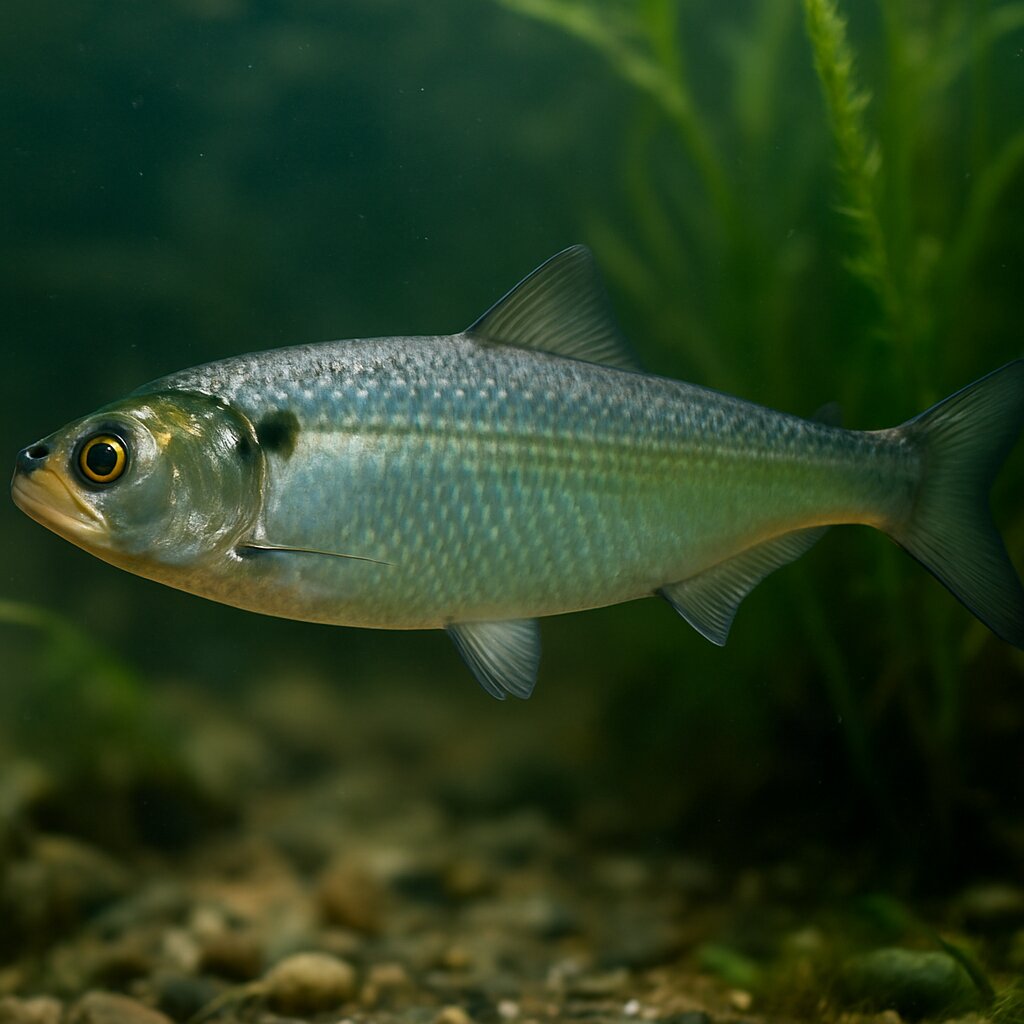
Allis shad
Alosa alosa
Gorgeous silver, fast-swimming shad that spends most of its life in the sea and then surges up big rivers in noisy, surface-spawning schools. It grows huge for a herring-type fish and needs cool, ultra-oxygenated water and tons of open space, so it is a public-aquarium species rather than a home tank fish.
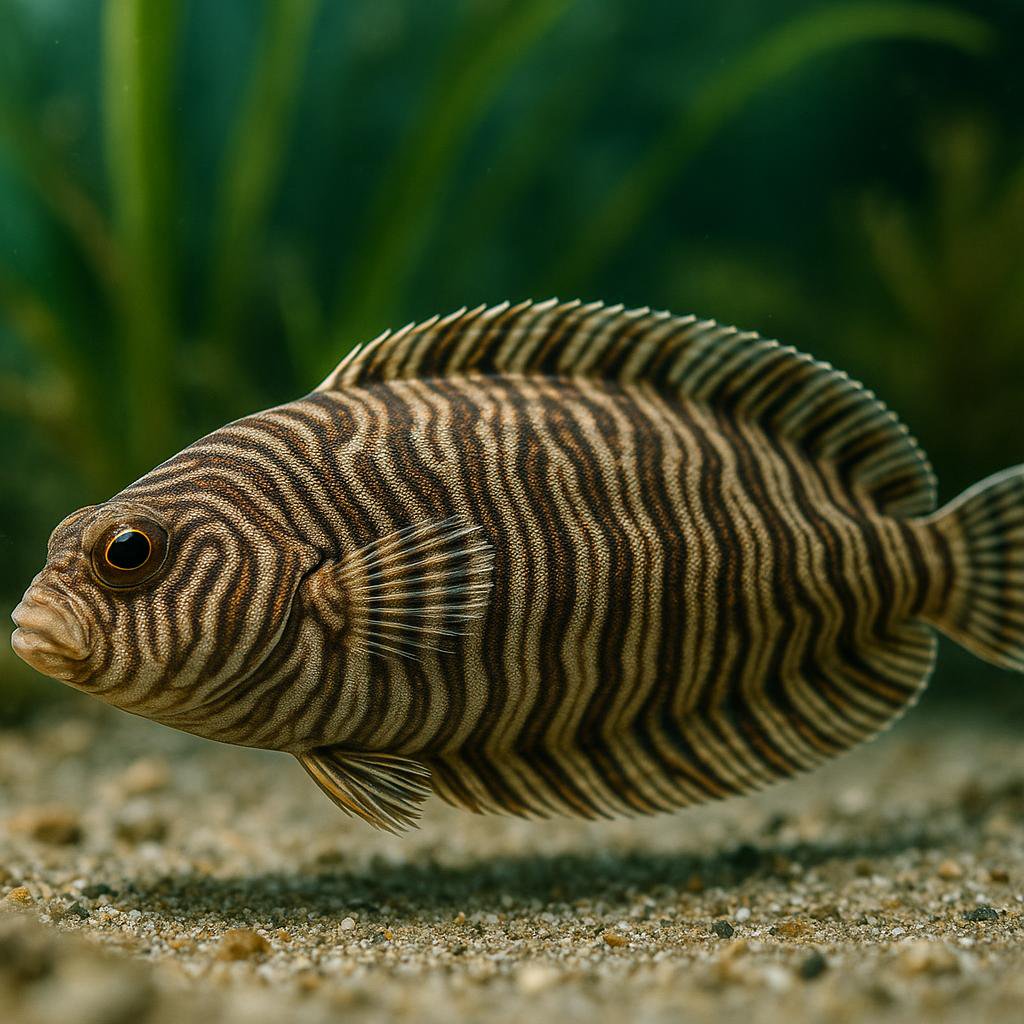
Annandale's zebra sole
Zebrias annandalei
Zebrias annandalei is a small demersal sole from coastal India that inhabits sandy or muddy bottoms and buries for camouflage. It is rarely kept in home aquaria and would require a specialized marine sand-bottom setup and appropriate feeding.
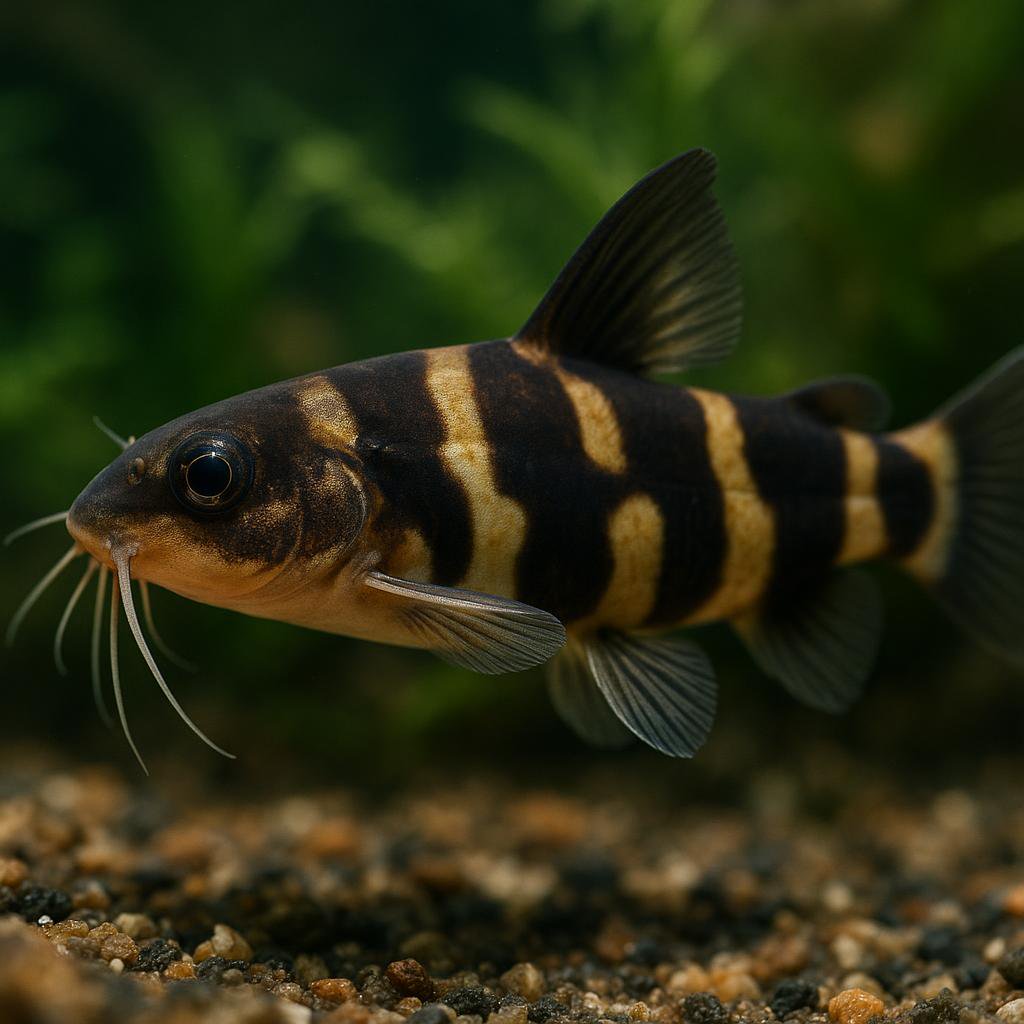
Australian sawtail catshark
Figaro boardmani
Figaro boardmani is a small, deepwater Australian catshark with these cool saw-like ridges of spiny denticles along the tail and a neat pattern of dark saddle bands. It lives way down on the outer continental shelf and slope, so its natural water is cold, dim, and stable - totally not a typical home-aquarium fish. Diet-wise its a predator that goes after fish, crustaceans, and cephalopods.
Looking for other species?