

Eckstrom's topknot
Zeugopterus regius
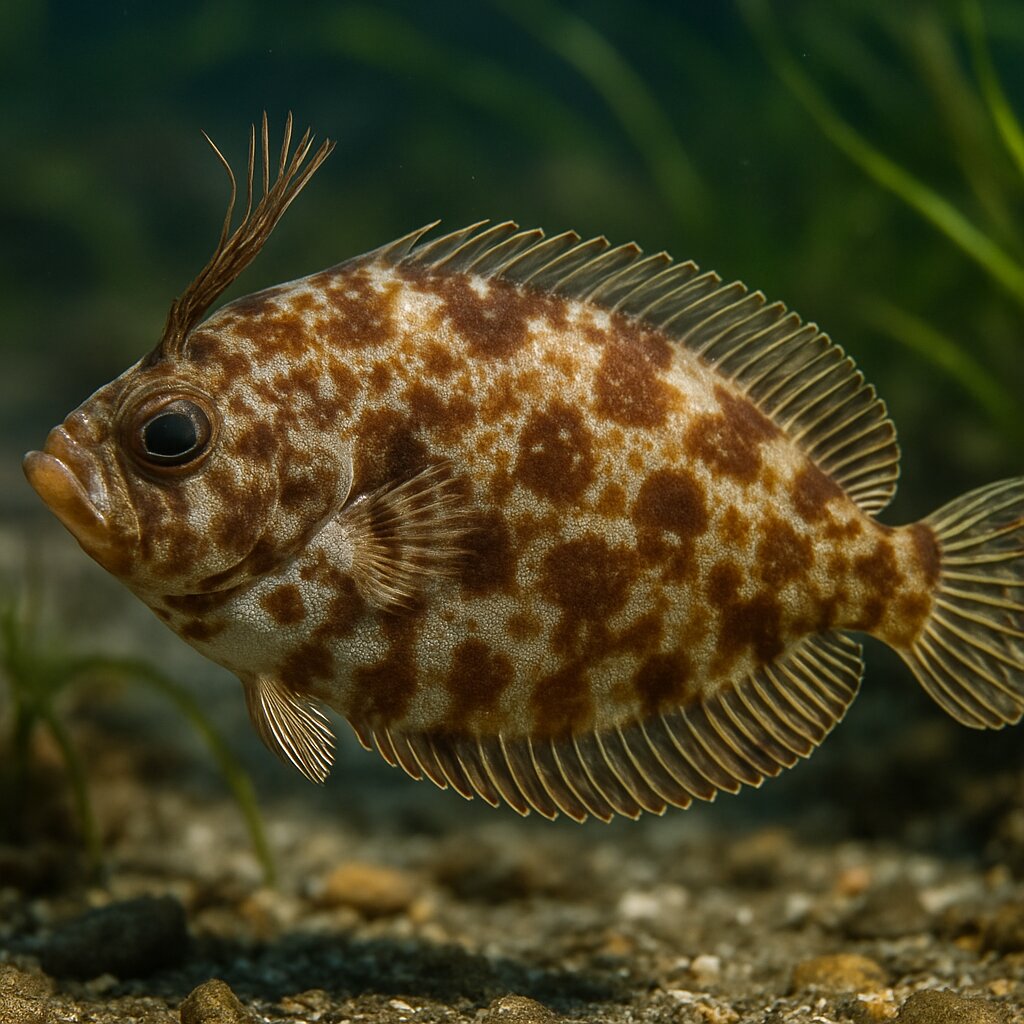
Eckstrom's topknot showcases a flattened, diamond-shaped body with bright orange to reddish-brown coloration and distinctive, elongated dorsal fins.
This page includes AI-generated images. Why am I seeing AI images?
About the Eckstrom's topknot
A small left-eyed flatfish from the eastern Atlantic and Mediterranean, this little ambush hunter hugs rocky bottoms and blends in crazy well. It tops out around 8 inches and snags tiny fish and shrimp that wander too close. Super cool fish to see while diving, but it really wants chilly water and a very big, specialized tank.
Also known as
Quick Facts
Size
20 cm (7.9 inches)
Temperament
Semi-aggressive
Difficulty
Advanced
Min Tank Size
528 gallons
Lifespan
Unknown
Origin
Eastern Atlantic and Mediterranean
Diet
Carnivore - small fish, shrimp, and other benthic invertebrates; will take meaty frozen foods
Water Parameters
12-24°C
8-8.4
11-22 dGH
Need a heater for this species?
This species needs 12-24°C in a 528 gallon tank. Use our heater calculator to find the right wattage.
Calculate heater sizeCare Notes
- Coldwater marine only - keep it 8-15 C with a chiller, lots of aeration, and strong gas exchange; once you creep past 18 C they crash fast.
- Build tall rockwork with rough vertical faces, overhangs, and tight crevices; run dim lighting so it can cling and ambush without stress.
- Run full-strength seawater at 1.024-1.026 SG, pH 8.0-8.3, zero ammonia and nitrite, and nitrate under 20 ppm; heavy skimming and regular big water changes help.
- Feed at dusk with tongs right in front of its face; start with live shore shrimp or small crabs, then switch to pieces of prawn, mussel, silversides, or lancefish 3-4 times a week.
- Tankmates are tricky - best solo or with slow, non-aggressive coldwater fish that will not outcompete it and do not fit in its mouth; skip wrasses, triggers, scorpionfish, crabs, and stinging anemones.
- Quarantine all new arrivals, deworm with praziquantel, and watch for skin scrapes turning into bacterial fuzz; warm water and low oxygen are the usual killers.
- Use alternating moderate flow to mimic surge but do not blast it; it likes to perch on vertical rock, not fight a firehose.
- Breeding in home tanks is a no-go; they broadcast spawn pelagic eggs and the larvae need dedicated plankton rearing.
Compatibility
Good Tankmates
- Fast midwater planktivores that ignore the bottom, like adult chromis or anthias - just make sure they are too big to swallow
- Peaceful algae grazers such as tangs and rabbitfish that cruise the water column and leave bottom sitters alone
- Larger, non-nippy clownfish pairs that keep to their corner and do not hassle bottom fish
- Quick, non-picky fairy or flasher wrasses that are too fast to be ambushed and are not into pecking flatfish
- Mellow hawkfish, size matched, that perch up high and do not fuss with rock-hugging fish
- Calm, robust butterflies or bannerfish that stay midwater and are not fin nippers
Avoid
- Triggers, puffers, and big hogfish - classic fin nippers and bulldozers that will chew on or flip a flatfish
- Damsels and dottybacks with attitude - they will harass anything that sits still, and a topknot will not fight back much
- Predators that see a flatfish as food, like lionfish, groupers, scorpionfish, or big morays
- Tiny or slow fish with skinny profiles, like neon gobies, pipefish, small blennies, or mandarins - easy nighttime snacks
Where they come from
Eckstrom's topknot (Zeugopterus regius) is a cold-temperate flatfish from the Northeast Atlantic. Think rocky coastlines, kelp-covered reefs, and pier pilings from the British Isles down toward Iberia. They hug vertical rock faces and overhangs, often sitting upside down like little pancakes waiting for a snack to wander past.
This is a true coldwater marine fish. You will need a chiller. Room-temp reef setups won't cut it.
Setting up their tank
Give them height and rockwork, not just floor space. They perch on walls and under ledges more than they sit on sand. A single adult does well in 250 L/65+ gal, but bigger is nicer if you want tall rock faces and calm zones.
- Temperature: 10-16 C (50-61 F). They handle brief bumps to 18 C, but keep it cool.
- Salinity: 1.025 specific gravity (1.023-1.026 is fine).
- pH: 8.0-8.3, alkalinity 8-10 dKH.
- Nitrate: under 20 ppm, closer to 5-10 is safer long term.
- Flow: moderate with some slack water pockets so they can rest.
- Lighting: dim to moderate. They do not love bright reef lights.
Stack stable live rock or dry rock to make ledges, caves, and at least one tall, mostly vertical face. Slate tiles siliconed to the back or sides work great and are easy to clean. Sand is optional; if you use it, go fine and clean. Avoid sharp lava rock that can scrape their skin.
Run a skimmer and keep oxygen high. Cold water holds more O2, but they still appreciate surface agitation. Use a tight lid; they are not big jumpers, but any fish can bolt during maintenance.
Quarantine in a chilled, dim tank with PVC elbows and a small rock ledge. Drip acclimate slowly (45-60 min) with the lights off. Move with a container, not a net, to protect their skin.
What to feed them
They're ambush predators with a lazy streak. Most new arrivals only respond to movement at first. Start with live foods, then wean to frozen. Feed at dusk or with room lights off; they get braver in low light. Use tongs and place the food right in front of them.
- Starter foods: live river shrimp, amphipods, live mysis, small shore crabs (soft-shelled), glass shrimp.
- Frozen options once they catch on: PE mysis, krill (not as a sole diet), chopped raw prawn, squid strips, sand eel/lancefish pieces, marine fish fillet.
- Supplements: add a marine vitamin/HUFA soak once or twice a week.
Juveniles do best with small daily feeds. Adults are fine every 2-3 days. Remove leftovers within a few minutes so they do not rot in crevices.
Skip feeder goldfish or rosy reds. Wrong fats and disease risk. Also avoid stuffing them with just krill; mix it up to prevent nutrition issues.
How they behave and who they get along with
Calm, cryptic, and mostly nocturnal. They spend hours perched on rock faces, then make a quick lunge at passing prey. They ignore most fish that ignore them, but anything bite-sized is a snack. They are not reef safe around ornamental shrimp and small crabs.
I keep mine either alone or with other cool-temperate, mellow fish that do not pick at fins. Boisterous wrasses and fast feeders steal all the food and stress them out.
- Better choices: larger temperate gobies/blennies that mind their own business, sedate sculpin-type fishes, peaceful dither fish from similar temps.
- Risky/avoid: warm-water species, nippy wrasses, triggers, groupers, big crabs/lobsters, decorative shrimp, tiny fish under about 6-7 cm.
Breeding tips
Realistically, this is not a home-aquarium project. Topknots spawn pelagic eggs in spring with increasing day length and cool water. The larvae are planktonic and need specialized live foods (copepods) and gentle circular flow like a kreisel setup. I have not seen a confirmed home breeding of Z. regius.
If you ever spot floating eggs after a lights-out period in spring, you can collect them in a fine cup and try a separate larval rearing tank with greenwater and copepods. Expect a steep learning curve.
Common problems to watch for
- Heat creep: summer rooms push tanks over 18 C. Use a chiller and monitor with a reliable controller.
- Hunger strike: many new fish ignore dead food. Offer live first, feed at dusk, and train with tongs. Patience wins.
- Flukes/skin issues: wild-caught fish often carry flukes. Praziquantel works well. Avoid copper on scaleless/cuticle-heavy fishes like this.
- Bacterial sores from scrapes: keep water clean, treat early with a broad-spectrum antibiotic in QT if you see fuzzy patches or ulcers.
- Food theft by tankmates: target feed and use a feeding stick so the topknot actually gets its share.
- Rubbing on rough rock: they press against surfaces all day. Use smoother faces and check for sharp edges.
Do not try to medicate them with copper at reef-strength levels. They are sensitive, and it can go bad fast. If treatment is needed, consult meds that are safer for scaleless fish and treat in a separate chilled QT.
If you commit to cool temps, dim light, and the feeding routine, Eckstrom's topknot is a fascinating display fish. Low drama, lots of personality once it settles, and a great excuse to build a rocky temperate setup.
Similar Species
Other marine semi-aggressive species you might be interested in.
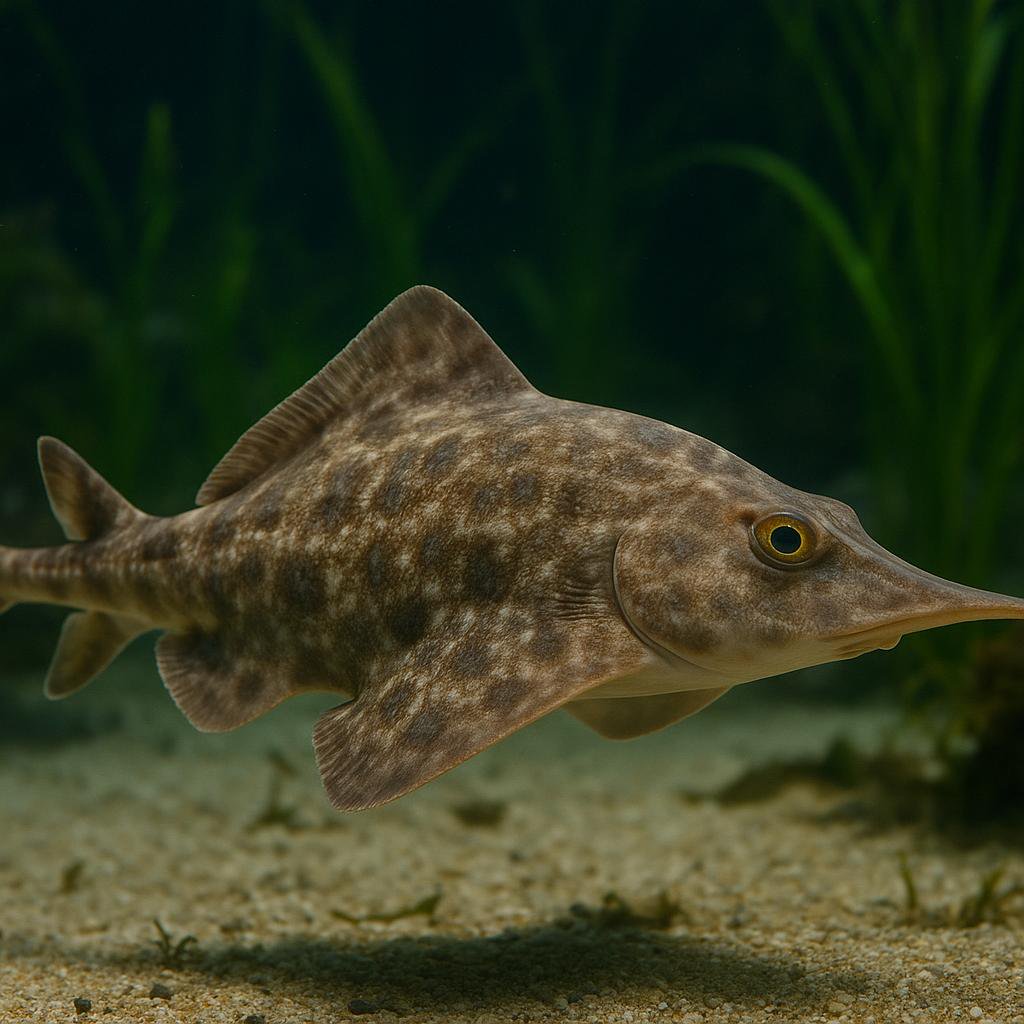
Aleutian skate
Bathyraja aleutica
This is a big, cold-water deep-slope skate from the North Pacific that cruises muddy bottoms and eats chunky benthic prey like crabs and shrimp. The really cool bit is its egg-laying skate life - it does distinct pairing (the classic skate "embrace") and drops those tough egg cases on the seafloor. Not an aquarium fish at all unless you're basically running a public-aquarium-style chilled system.
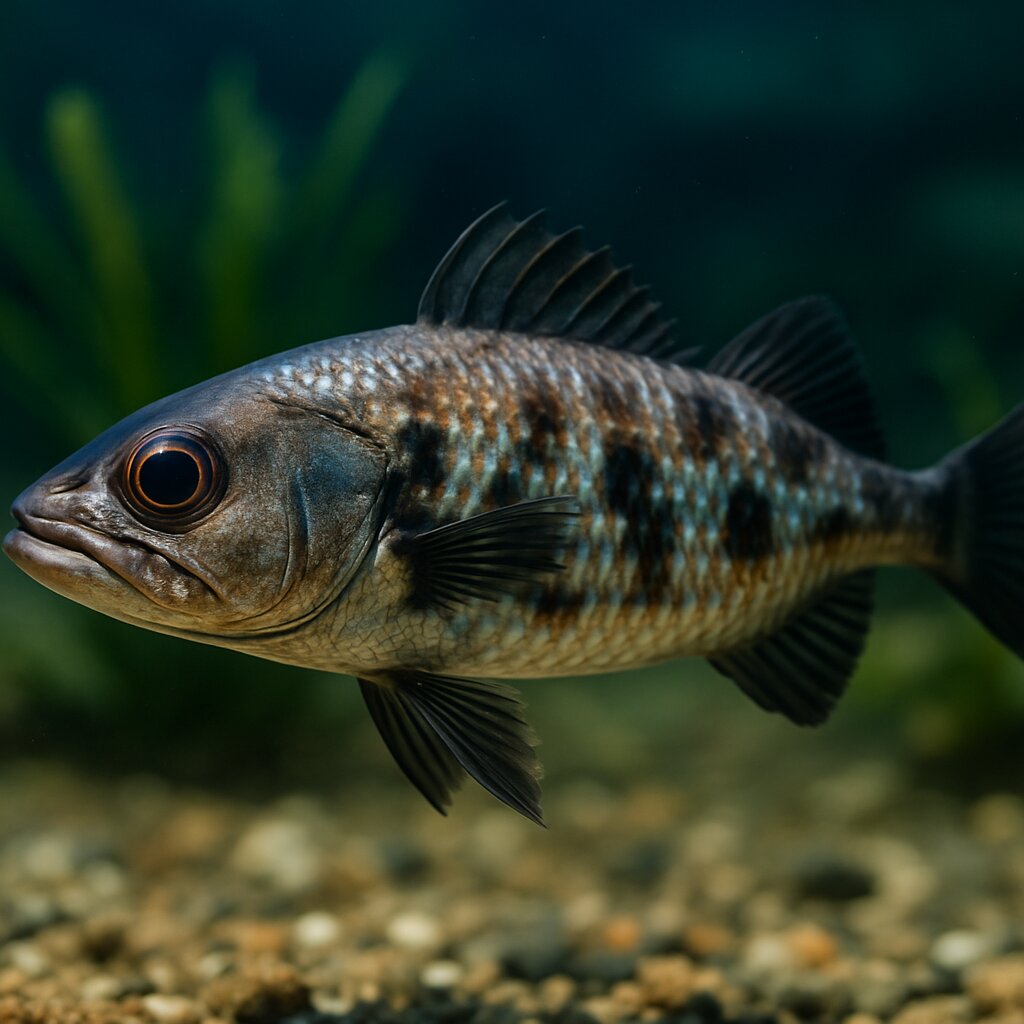
Antarctic dragonfish
Vomeridens infuscipinnis
Deep down around Antarctica, this sleek dragonfish cruises the water column like a little submarine, nearly neutrally buoyant so it can hover above the seafloor. It munches almost exclusively on Antarctic krill and lives in near-freezing water 500-800 m down, so it is a cool species to read about, not one for home tanks.
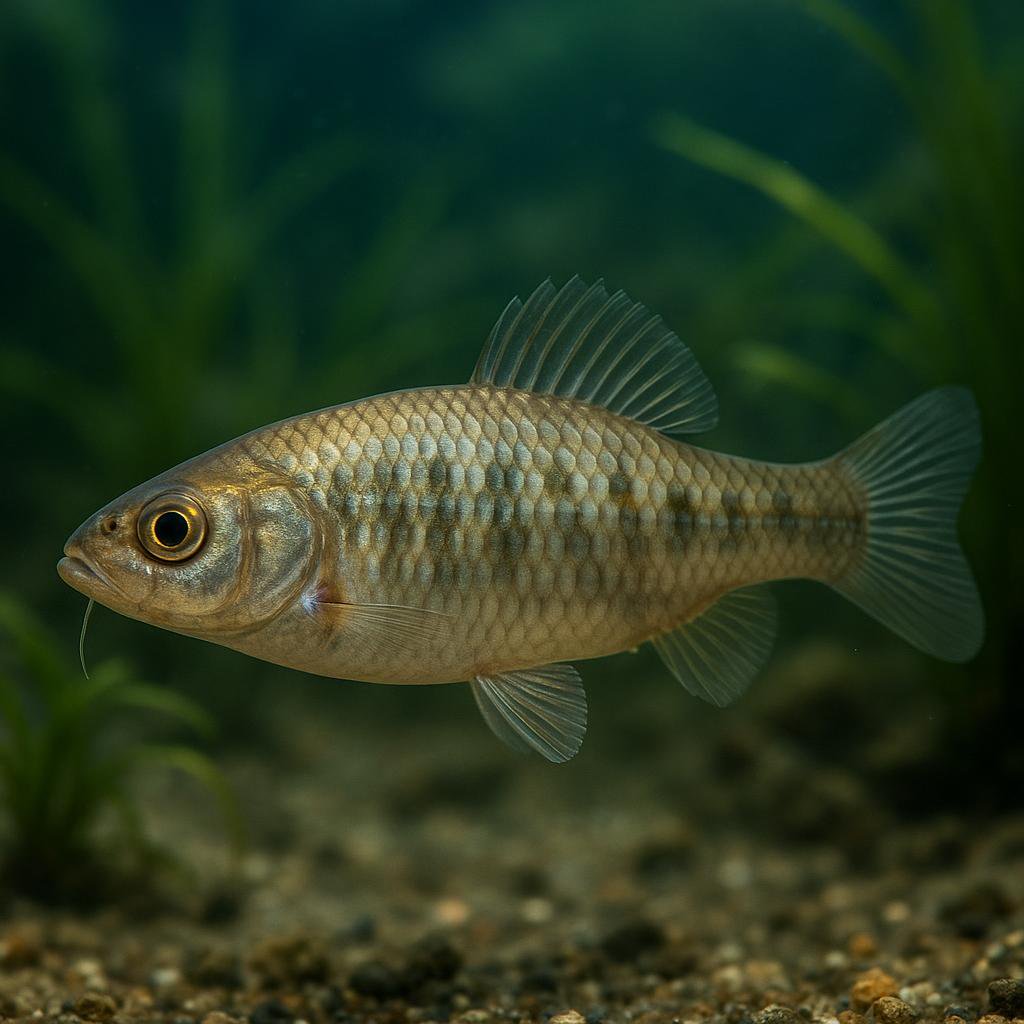
Arabian spiny eel
Notacanthus indicus
Notacanthus indicus is a deep-sea spiny eel (family Notacanthidae; not a true eel) known from the Arabian Sea on the continental slope at roughly ~960–1,046 m depth, with reported maximum length around 20 cm TL; it is a deep-water bycatch species and not established in the aquarium trade.
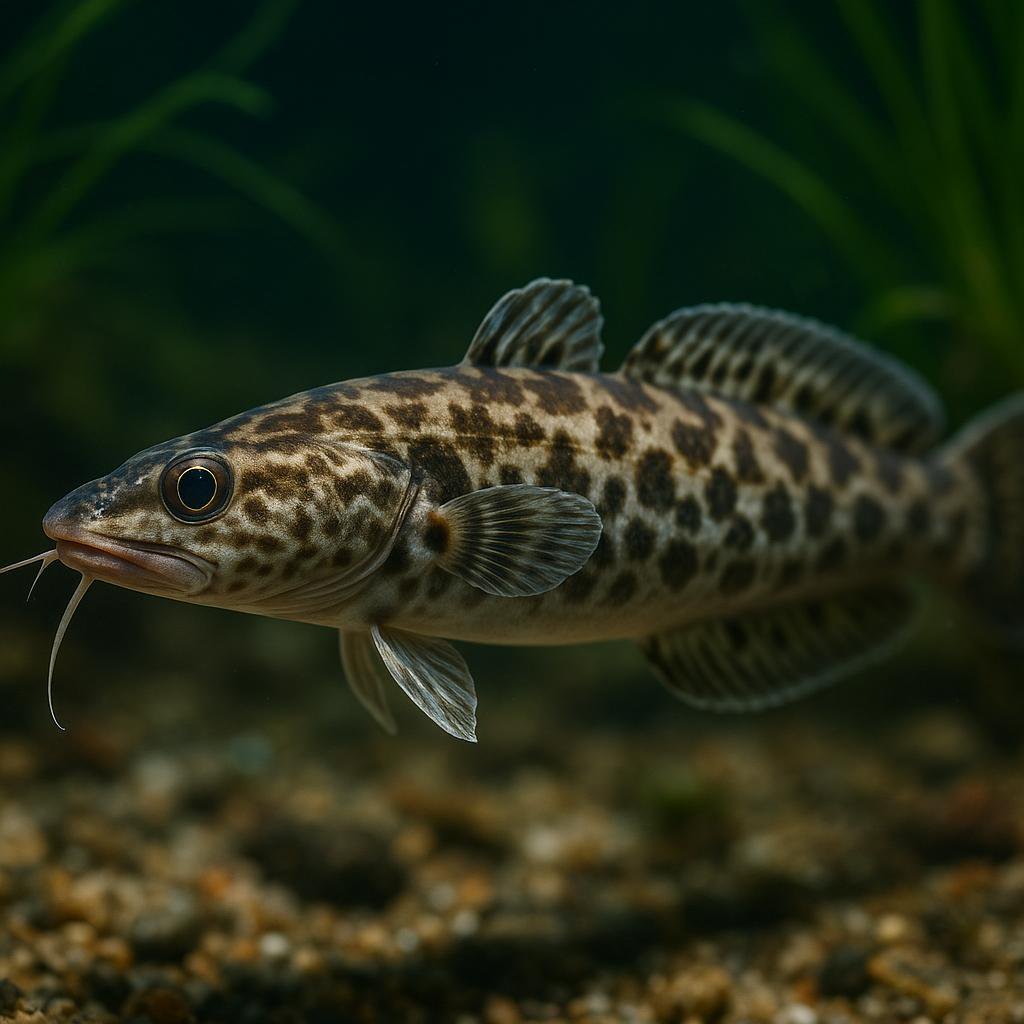
Arctic rockling
Gaidropsarus argentatus
This is a deepwater North Atlantic rockling (a cod relative) that hangs out on soft bottoms way down the slope. It is a cold-water, bottom-hugging predator that snoots around for crustaceans and will also take small fish when it gets the chance.
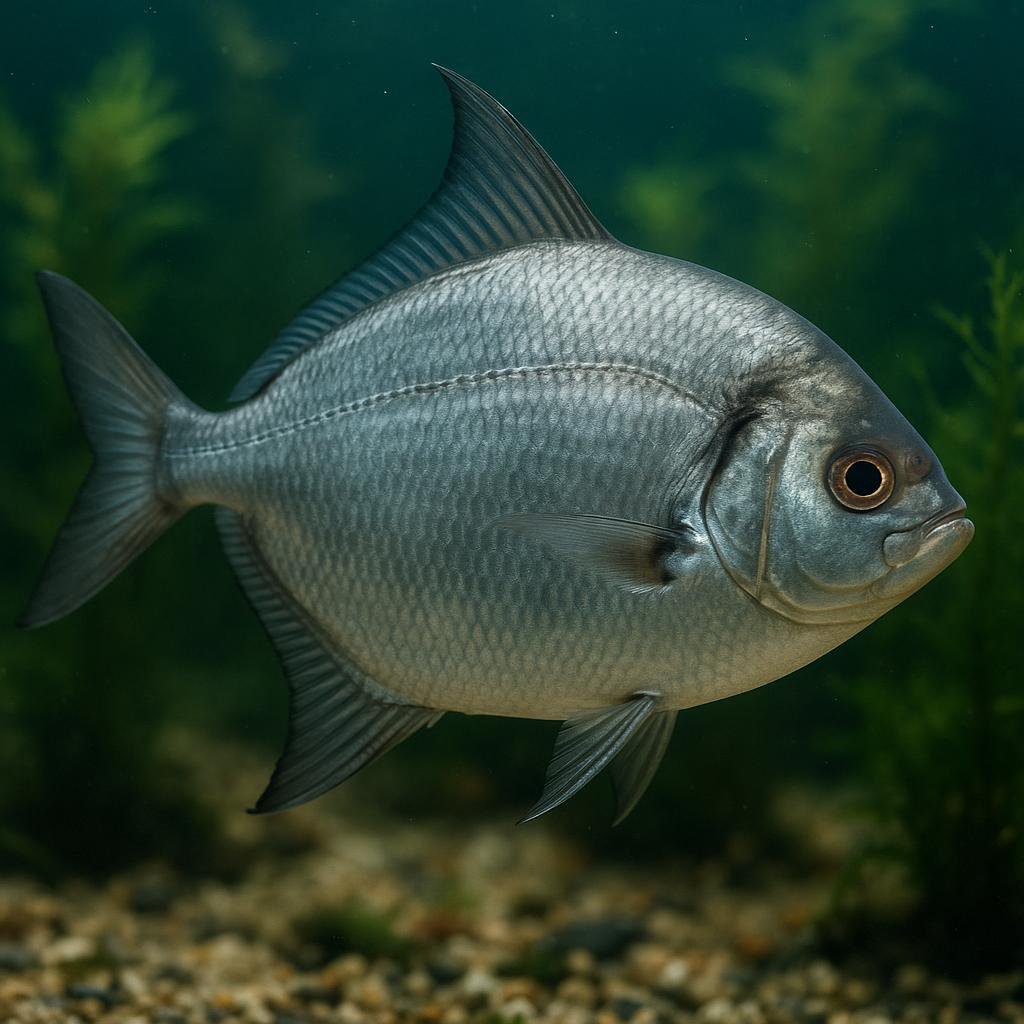
Atlantic pomfret
Brama brama
Brama brama is the Atlantic pomfret (aka Ray's bream) - a deep-bodied, open-ocean pelagic fish that cruises around in small schools and follows water temps. It is a legit big, wild marine species (not an aquarium fish) that eats other small sea critters like fish and squid, and it ranges across a huge chunk of the Atlantic plus parts of the Indian and South Pacific.
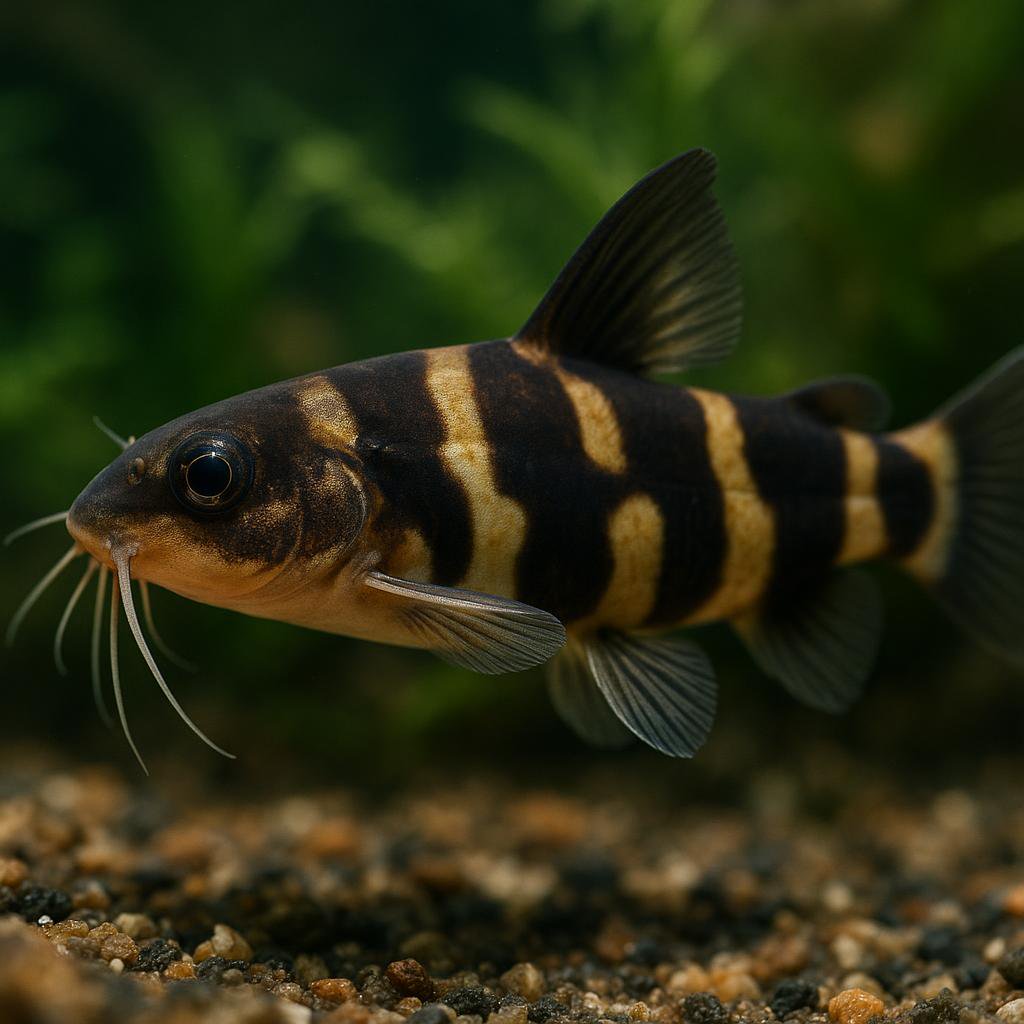
Australian sawtail catshark
Figaro boardmani
Figaro boardmani is a small, deepwater Australian catshark with these cool saw-like ridges of spiny denticles along the tail and a neat pattern of dark saddle bands. It lives way down on the outer continental shelf and slope, so its natural water is cold, dim, and stable - totally not a typical home-aquarium fish. Diet-wise its a predator that goes after fish, crustaceans, and cephalopods.
More to Explore
Discover more marine species.
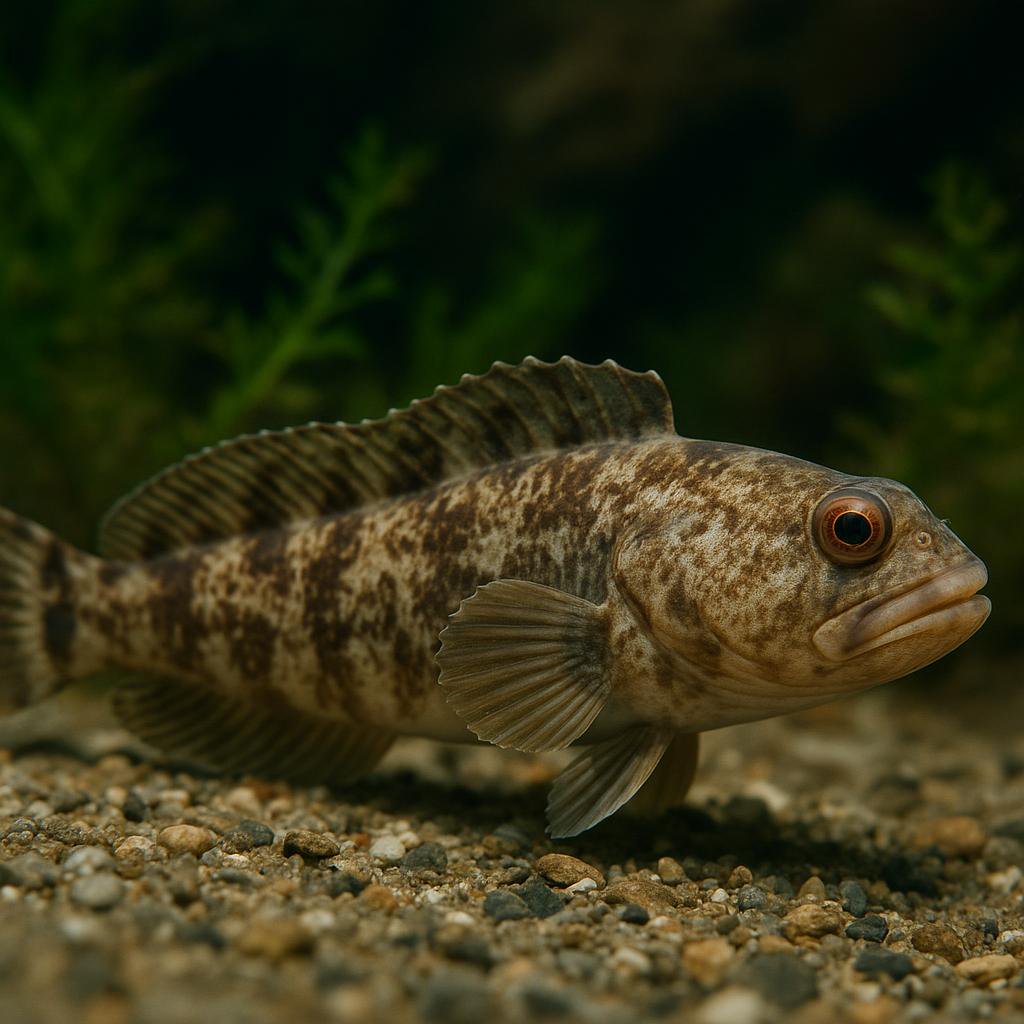
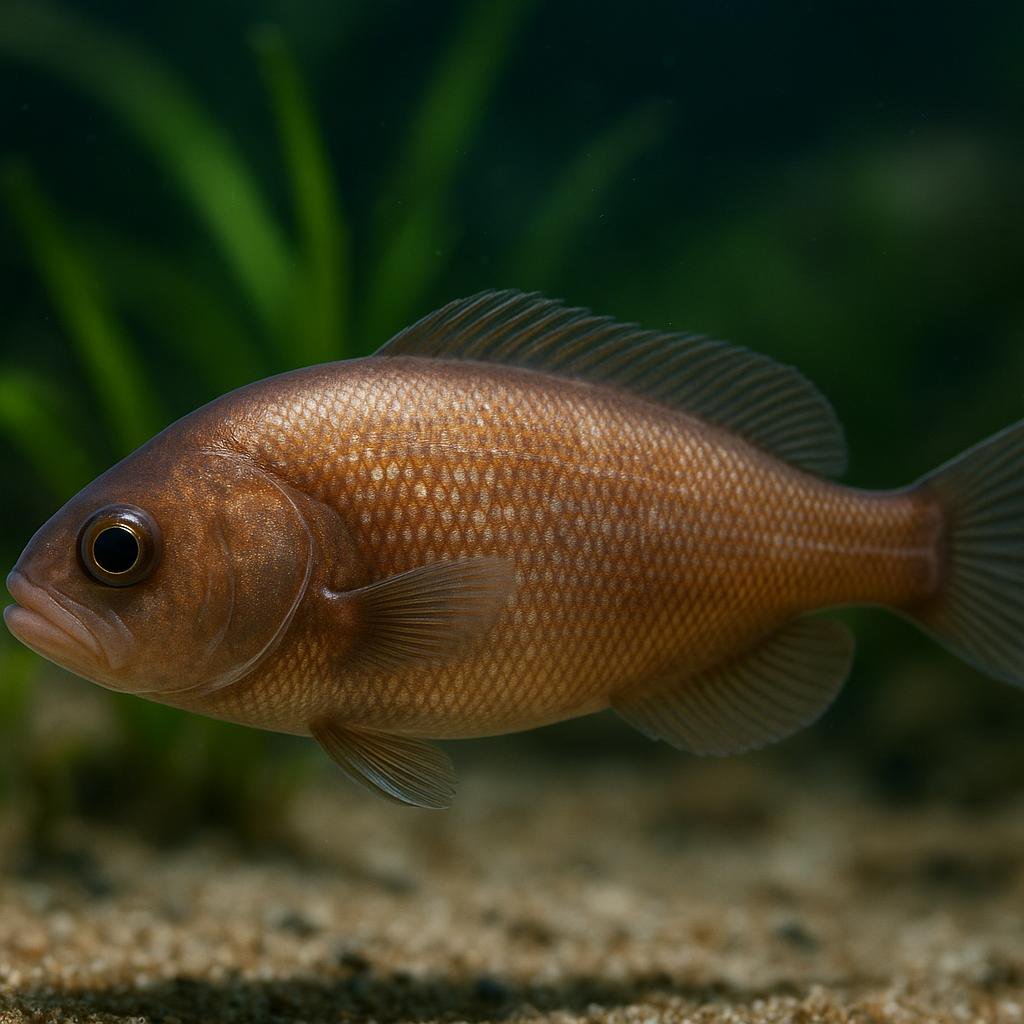
Abe's eelpout
Japonolycodes abei
Japonolycodes abei is a temperate, deepwater demersal eelpout (family Zoarcidae) endemic to Japan (Kumano-nada Sea reported; other sources also report Sagami Bay and Tosa Bay). It is the only species in the genus Japonolycodes and occurs roughly 40-300 m depth, making it an uncommon/atypical aquarium species.
Affinis blind cusk-eel
Barathronus affinis
Barathronus affinis is a tiny, super-weird deep-sea blind cusk-eel from the western-central Indian Ocean. It is one of those gelatinous, loose-skinned brotula-type fishes that live way down in the dark and are basically never seen alive, so almost everything we know comes from preserved specimens and taxonomic work.
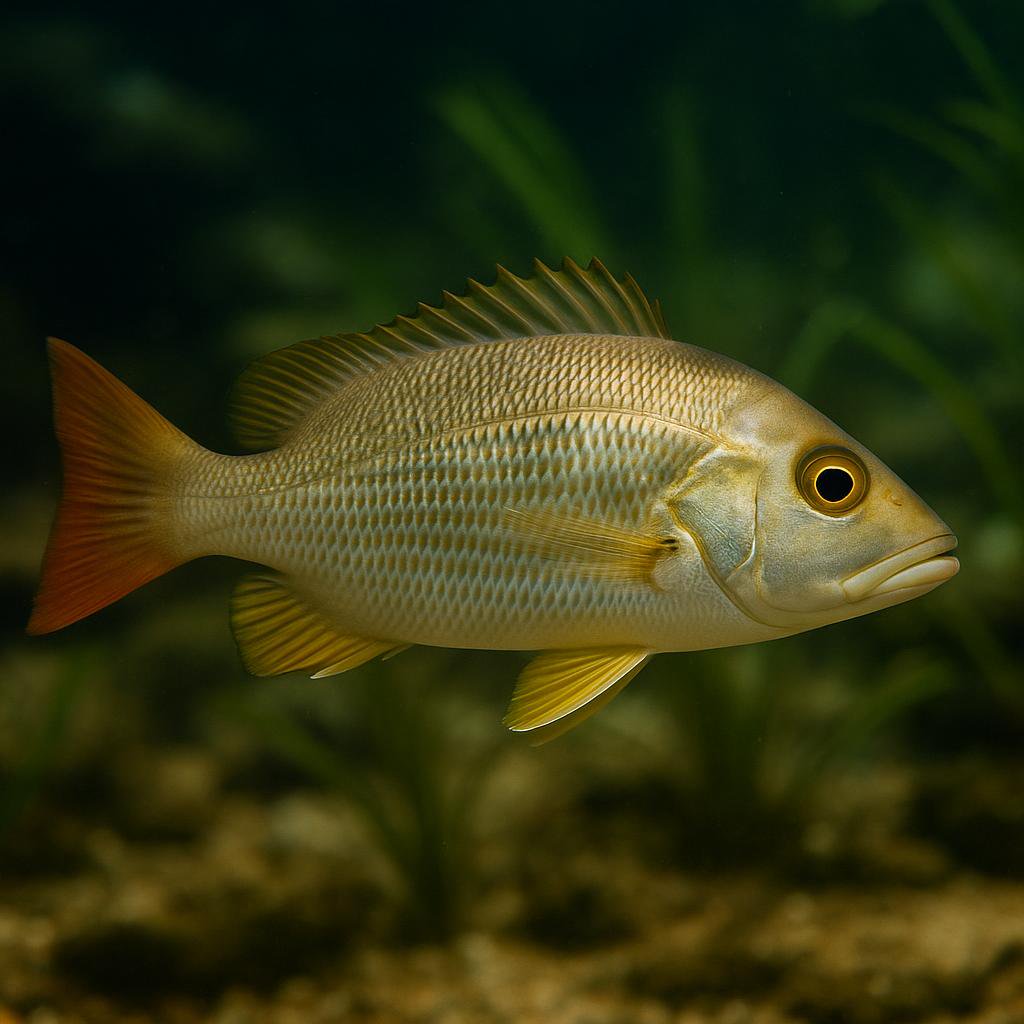
African red snapper
Lutjanus agennes
This is a true snapper from West Africa - a big, fast-growing predator that goes from coastal reefs to brackish lagoons and estuaries (especially as a juvenile). Super cool fish in the wild, but it gets absolutely huge and will eat smaller tankmates once it has the mouth for it, so its really more of a public-aquarium scale animal than a home-aquarium fish.
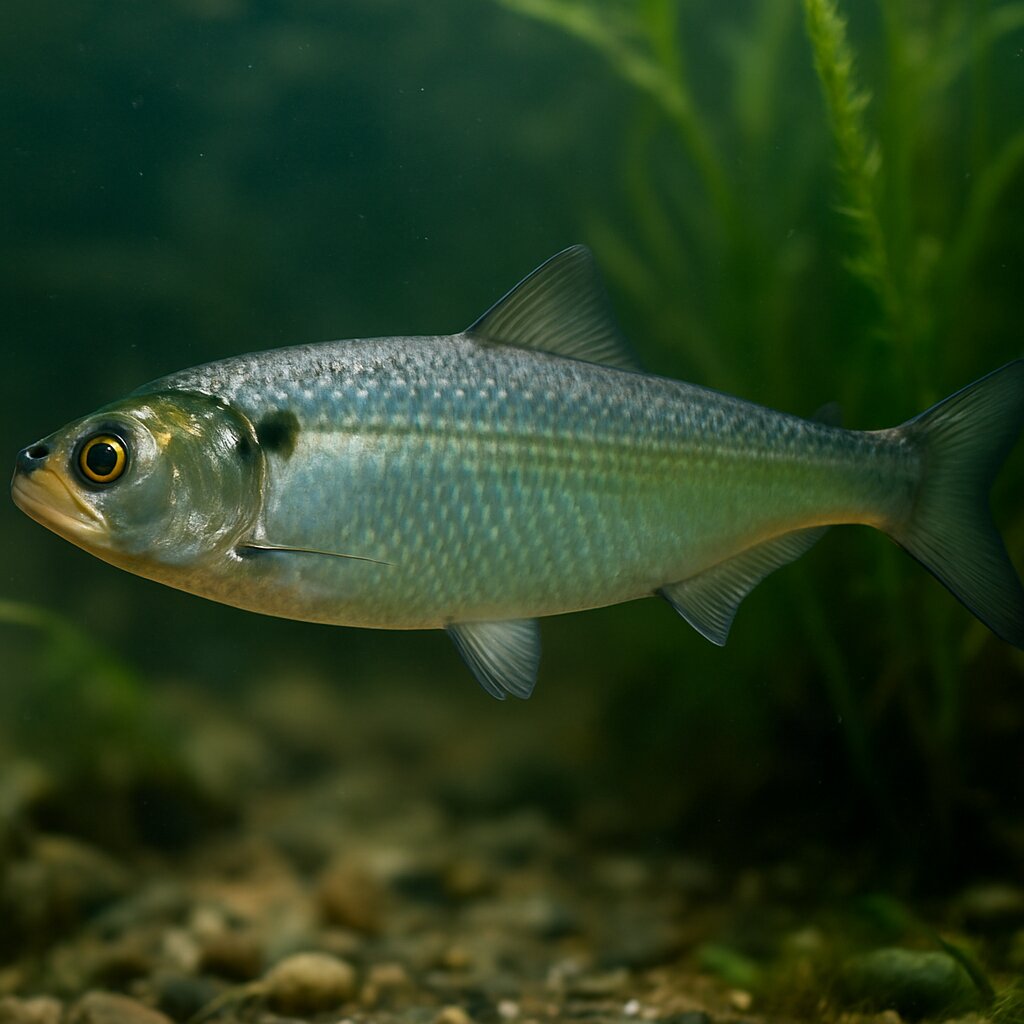
Allis shad
Alosa alosa
Gorgeous silver, fast-swimming shad that spends most of its life in the sea and then surges up big rivers in noisy, surface-spawning schools. It grows huge for a herring-type fish and needs cool, ultra-oxygenated water and tons of open space, so it is a public-aquarium species rather than a home tank fish.
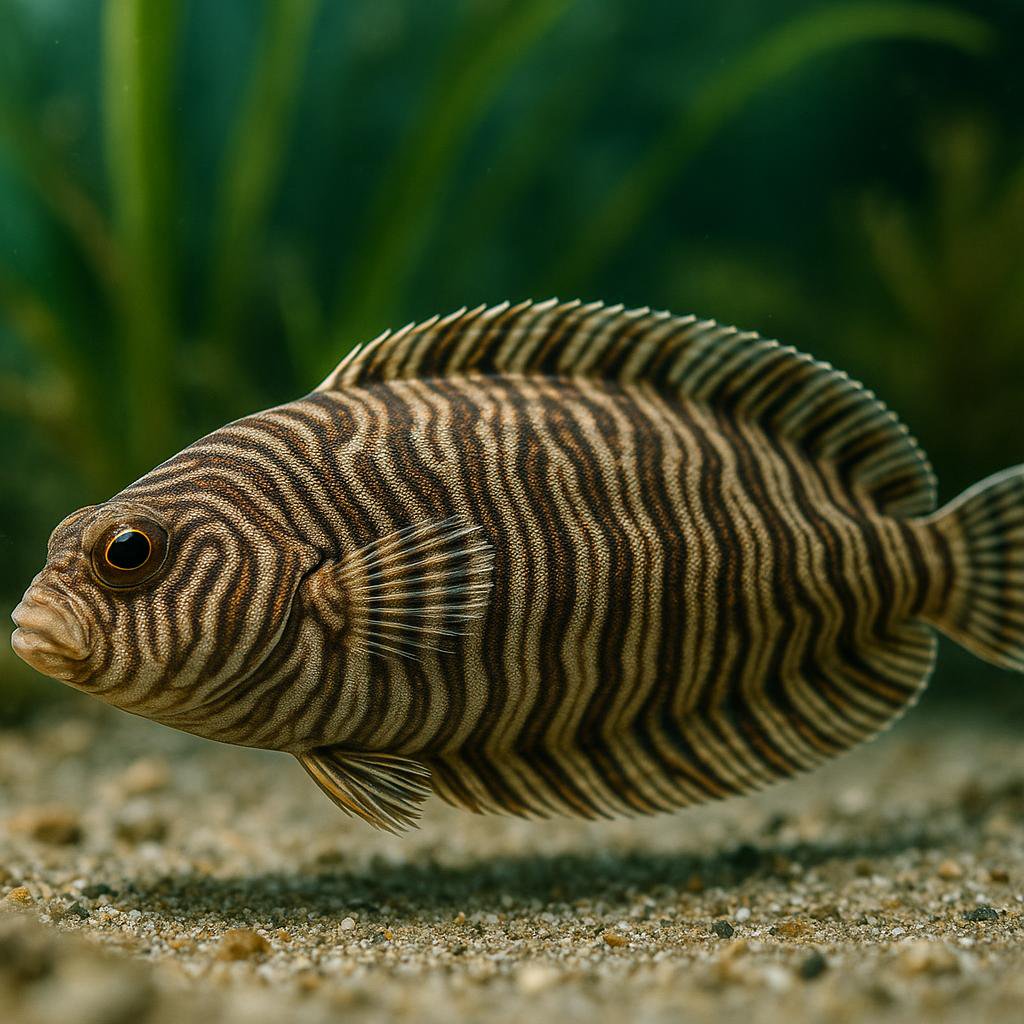
Annandale's zebra sole
Zebrias annandalei
Zebrias annandalei is a small demersal sole from coastal India that inhabits sandy or muddy bottoms and buries for camouflage. It is rarely kept in home aquaria and would require a specialized marine sand-bottom setup and appropriate feeding.
Banded stargazer
Kathetostoma binigrasella
This is a New Zealand stargazer that lives half-buried in sand or mud with its eyes pointed up, waiting to rocket upward and nail passing prey. It has those neat dark saddle-bands across the back (especially as a juvenile), and like other stargazers it is venomous with spines near the gill cover/pectoral area - definitely a look-dont-touch fish.
Looking for other species?