

Fedorov eelpout
Zoarces fedorovi
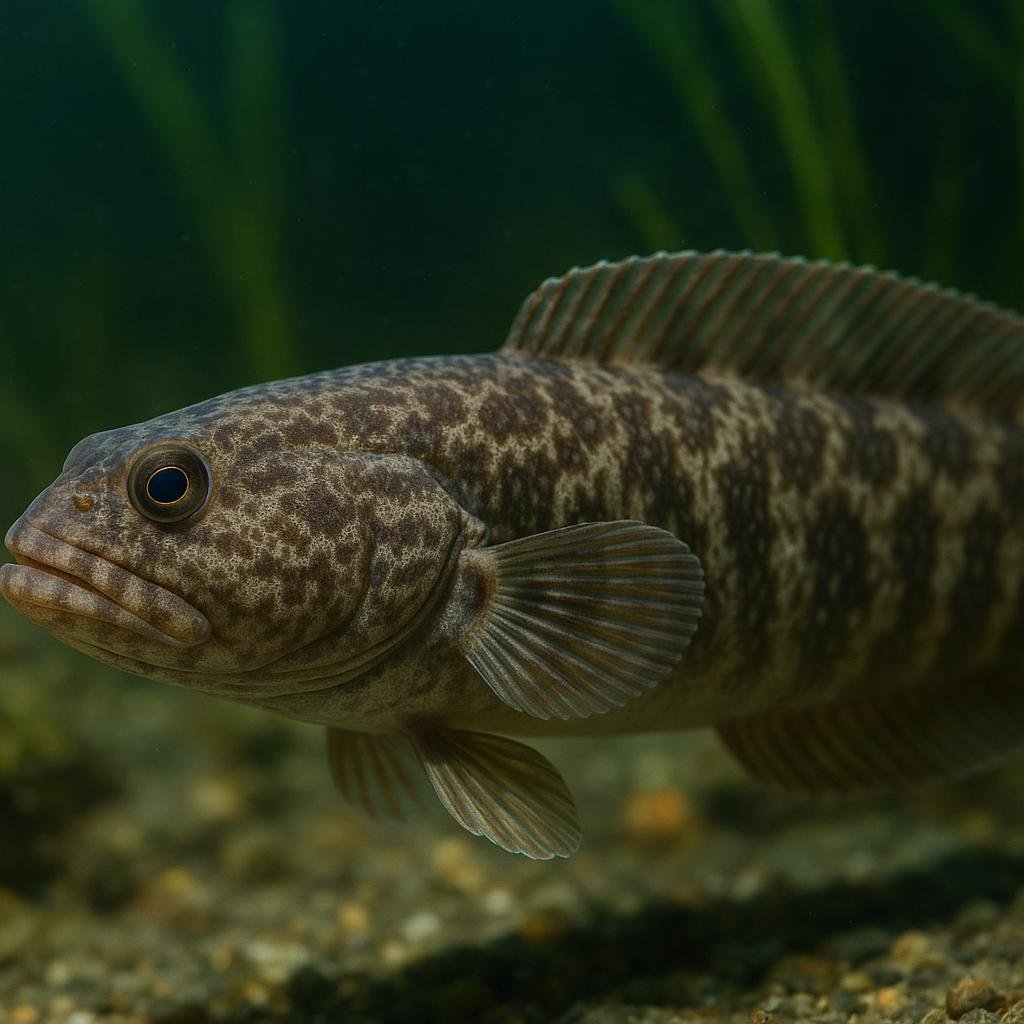
The Fedorov eelpout features a long, slender body with a distinctive dark brown to olive coloration, often marked by lighter mottling.
This page includes AI-generated images. Why am I seeing AI images?
About the Fedorov eelpout
Zoarces fedorovi is a cold-water eelpout from the northern Sea of Okhotsk - an eel-shaped, bottom-hugging fish that hides under rocks and cruises around the bottom. Its claim to fame is being livebearing (viviparous), which is pretty wild for a marine fish, but its exact day-to-day habits in the wild are still not super well documented.
Also known as
Quick Facts
Size
31.5 cm
Temperament
Semi-aggressive
Difficulty
Expert
Min Tank Size
75 gallons
Lifespan
unknown
Origin
Northwest Pacific (Sea of Okhotsk)
Diet
Carnivore - meaty foods (crustaceans/wormy-type foods), frozen marine fare
Water Parameters
2-10°C
7.8-8.4
8-12 dGH
Need a heater for this species?
This species needs 2-10°C in a 75 gallon tank. Use our heater calculator to find the right wattage.
Calculate heater sizeCare Notes
- This is a coldwater marine eelpout - think chiller, not heater. Keep it around 39-50 F (4-10 C) with stable salinity 1.024-1.026 and lots of oxygen from strong flow and surface agitation.
- Give it a bigger footprint than you think (at least a 40-75g long for a single adult) with tight-fitting lid and zero gaps - they can wedge up rockwork and disappear. Build caves with stable rocks on the glass (or on egg crate), then add sand around them so nothing shifts when it bulldozes.
- They sulk when the light is blasting, so use dimmer lighting and lots of shaded hides. If it is always pacing the glass, it usually means not enough cover or the tank is too warm.
- Feed meaty marine foods 2-3 times a week: chunks of shrimp, clam, squid, mussel, and quality frozen carnivore mixes; train it to take food from tongs so it is not swallowing sand. Skip feeder fish and go easy on oily stuff every day or you will end up with a fatty, lazy fish and nasty water.
- Tankmates need to be coldwater and not bitey - sculpins, pricklebacks, and other chill temperate fish can work if they are too big to be eaten. Avoid anything small enough to fit in its mouth (it will vanish), and avoid aggressive nippers that will shred its fins while it is resting.
- Run heavy filtration and keep nitrate low (try to stay under ~20 ppm) because these guys are messy and hate dirty water. Big, regular water changes beat chasing numbers with bottles, and carbon helps with the fishy funk from meaty feeding.
- Watch for mouth and skin damage from sharp rock or grabbing it with nets - use a soft container to move it and keep caves smooth. If you see rapid breathing or it is hanging in the flow, check temperature and dissolved oxygen first, then ammonia and nitrite.
Compatibility
Good Tankmates
- Other coldwater-ish, sturdy bottom fish like pricklebacks or gunnels - similar vibe, they keep to themselves, just give everyone their own rock pile and caves
- Tough, non-nippy sculpins (smaller species that are not outright predators) - they tend to post up and mind their business, and they can handle a bit of attitude
- Hardy midwater fish that are not bite-sized, like small greenlings or similar temperate perch-y fish - quick enough to avoid drama, not shaped like a snack
- Bigger, thick-bodied temperate gobies (not tiny sand sifters) - they can share the bottom if there are lots of bolt-holes and you do not crowd the tank
- Robust inverts with armor like larger crabs and decent-sized snails - the eelpout will poke around but usually cannot easily finish off the well-protected stuff
- Other eelpouts only if the tank is big and set up like a rock maze - they can be grumpy with their own kind, but with space and hiding spots it can work
Avoid
- Tiny fish and shrimp - anything that can fit in its mouth turns into food, especially at night when they get bold
- Slow, long-finned fish (or just mellow floaty types) - they get bullied, harassed, or flat-out grabbed when the eelpout does its ambush thing
- Hyper-aggressive rock bosses like big dottybacks or nasty scorpionfish types - they will fight over caves and you end up with shredded fins and constant stress
- Very territorial blennies that claim the same cracks and holes - constant face-offs because they want the exact same real estate
Where they come from
Fedorov eelpouts (Zoarces fedorovi) are cold-water marine fish from the North Pacific side of the world - think subarctic seas, deeper coastal zones, and a life spent hugging the bottom. They are built for cold, stable water and low light, not the typical warm reef setup most of us start with.
This is an expert fish mostly because of temperature. If you cannot run a reliable chiller 24/7, skip this species. A few hot days can undo months of progress.
Setting up their tank
Think of their tank like a cold, dim, rocky crevice zone. They want structure to wedge into, low flow blasting directly at them, and rock-solid water quality. They are not open-water swimmers, so footprint matters more than height.
- Tank size: I would not bother with less than a 40-55 gallon footprint for an adult. Bigger is easier to keep stable.
- Temperature: cold-water range. Aim for stable, not swingy. Most keepers run them around the high 30s to 40s F (roughly 3-8 C), depending on collection locale and what your chiller can hold steady.
- Salinity: normal marine strength (around 1.024-1.026). Keep it steady.
- Filtration: oversized biological filtration and a skimmer that actually pulls gunk. These fish eat meaty foods and the tank will show it.
- Flow: moderate, but give them calm pockets behind rockwork.
- Lighting: subdued. They do better with a dim schedule and lots of shade.
Build a pile of stable rocks with tight caves and long cracks they can back into. I like to use a mix of rock and chunky rubble so there are different sized hideouts. Make sure nothing can shift - eelpouts push and wedge, and a rockslide is a real risk.
Cover every opening. These guys are not classic jumpers like wrasses, but they will snake around surprisingly well. Any gap around plumbing, lids, or cords is an invitation.
If you are tempted to put this fish in a reef: most tropical corals are a no-go just because of temperature. Treat this like a cold-water species tank.
What to feed them
They are meat-and-more-meat bottom predators. Mine did best on a rotation of marine-based frozen foods. If you feed only one thing, they get picky or start looking a little rough over time.
- Staples: chopped shrimp, clam, squid, mussel, and quality marine carnivore blends
- Treats: enriched mysis (works better for smaller individuals), krill in moderation
- Occasional live (if you can do it safely): live shore shrimp or small crabs can kick-start a new/finicky fish
Target feeding makes life easier. Use feeding tongs or a turkey baster and put the food near their cave entrance. Once they learn the routine, they will pop their head out and grab it.
Skip freshwater feeders and be careful with oily fish chunks. Stick to marine-sourced foods. Also go easy on the portions - cold-water fish can look hungry all the time, and overfeeding will wreck water quality fast.
How they behave and who they get along with
Eelpouts are basically the grumpy landlord of a cave. They spend a lot of time tucked away, then slide out to feed. They are not a community fish in the usual sense, but they are not nonstop murder machines either. The big rule is: if it fits in their mouth, it is food.
- Good tankmates: other cold-water, non-bullying species that do not compete for the exact same crevices
- Risky tankmates: anything slender or small (they look like snacks), and aggressive bottom fish that want the same cave
- Inverts: expect losses. Snails and hermits might survive depending on size, but small crabs and shrimp are basically expensive food
If you keep more than one, give them space and multiple hideouts. I have seen them tolerate each other, but I have also seen one decide a particular cave is the only real estate that matters. Rearranging rockwork can reset territory fights, but it is stressful, so plan the scape well from the start.
Watch your fingers during feeding. They are not trying to bite you, but an excited lunge on tongs can catch skin, and it surprises you.
Breeding tips
Breeding Zoarces species in captivity is not common in the hobby, mostly because getting a true pair and running stable seasonal cues in cold saltwater is a lot. That said, they are livebearers (they retain the embryos and give birth to formed young), which is pretty cool if you ever pull it off.
- Start with multiple specimens if possible so you have a shot at both sexes (sexing is not always obvious to hobbyists).
- Give them long-term stability and a quiet tank. Constant disruptions seem to keep them in "survival mode".
- Seasonal cycling may matter: gradual temperature and photoperiod changes over months, not sudden swings.
If a female is gravid, do not chase her around trying to confirm it. Keep feeding steady and keep the tank calm. Stress is the easiest way to get setbacks with cold-water fish.
Common problems to watch for
Most issues with this species trace back to three things: temperature drift, oxygen/filtration falling behind, or shipping/collection damage that shows up later. Cold-water marine fish can look "fine" until they suddenly are not.
- Temperature creep: summer heat, clogged chiller intake, or a stuck heater (yes, people still accidentally run heaters on cold systems)
- Low oxygen: warm spells, dirty skimmer, weak surface agitation, or too much gunk breaking down in the tank
- Refusing food: often happens right after arrival or after big changes; try smaller meaty items, dim the lights, and feed near the hide
- Skin issues and fin damage: rough handling, aggression in tight quarters, or sharp rock edges they scrape on
- Nitrate creep: meaty feeding plus undersized export equals chronic stress over time
Quarantine is worth the effort with eelpouts. Not just for parasites, but to get them eating confidently and to watch for delayed problems from shipping. Keep the QT cold and fully cycled - "temporary" warm quarantine tends to backfire.
Do not treat them like tropical fish with a quick temperature swing for meds or acclimation. Go slow. Cold-water animals handle rapid changes poorly, even if the final numbers look perfect on paper.
Similar Species
Other marine semi-aggressive species you might be interested in.
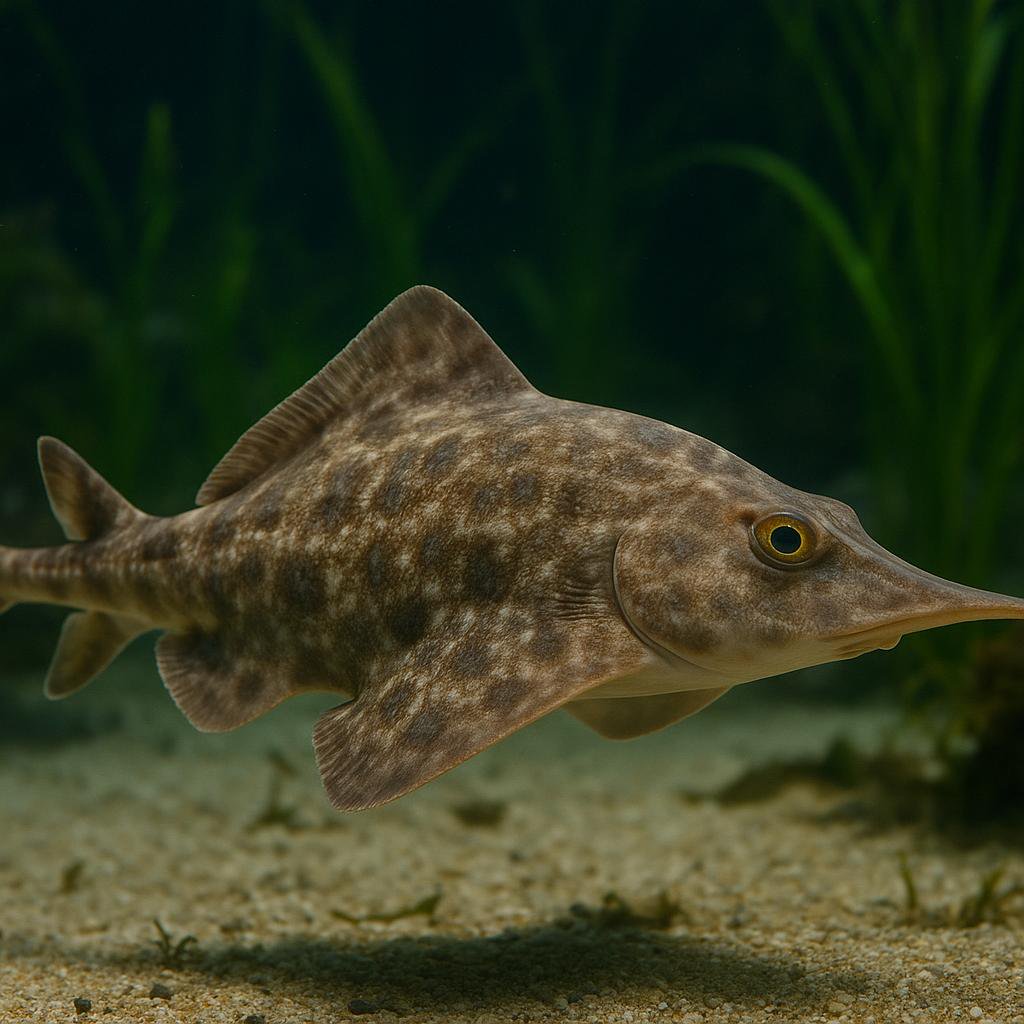
Aleutian skate
Bathyraja aleutica
This is a big, cold-water deep-slope skate from the North Pacific that cruises muddy bottoms and eats chunky benthic prey like crabs and shrimp. The really cool bit is its egg-laying skate life - it does distinct pairing (the classic skate "embrace") and drops those tough egg cases on the seafloor. Not an aquarium fish at all unless you're basically running a public-aquarium-style chilled system.
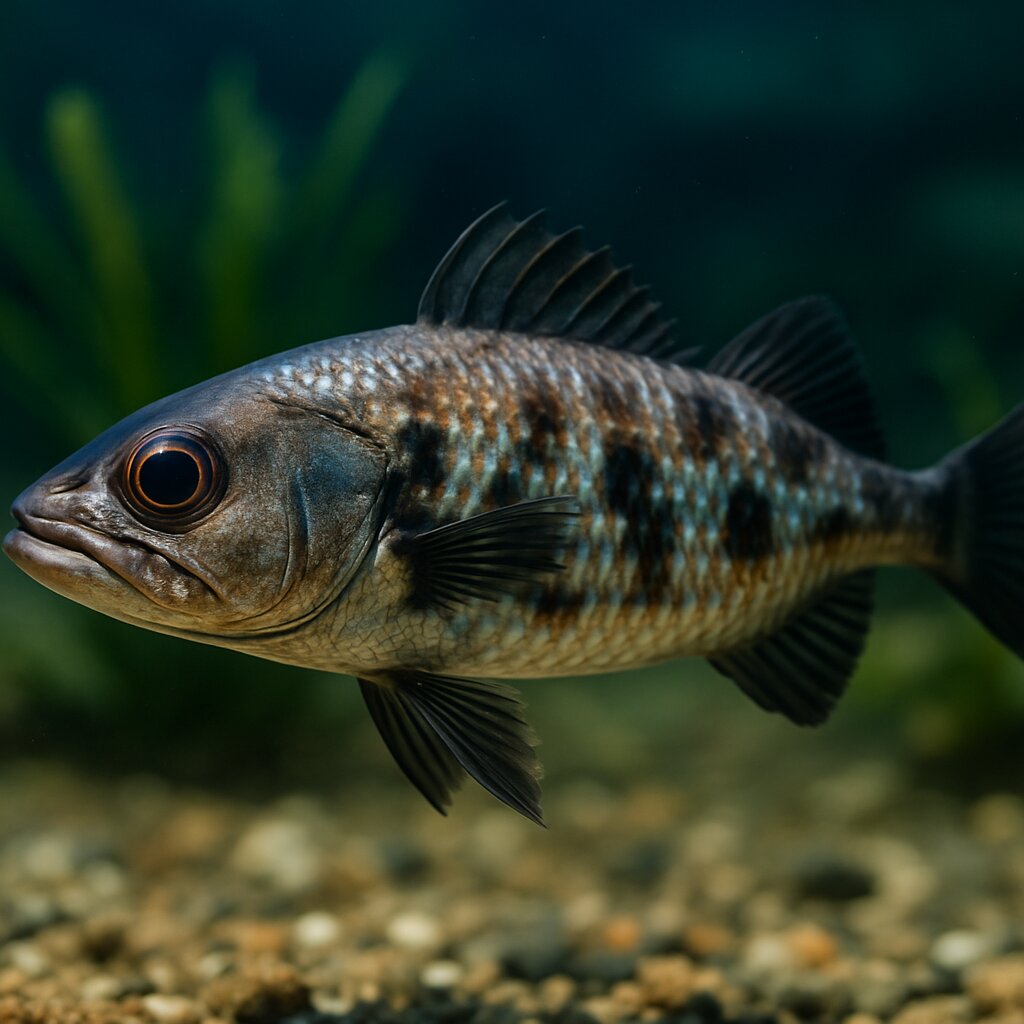
Antarctic dragonfish
Vomeridens infuscipinnis
Deep down around Antarctica, this sleek dragonfish cruises the water column like a little submarine, nearly neutrally buoyant so it can hover above the seafloor. It munches almost exclusively on Antarctic krill and lives in near-freezing water 500-800 m down, so it is a cool species to read about, not one for home tanks.
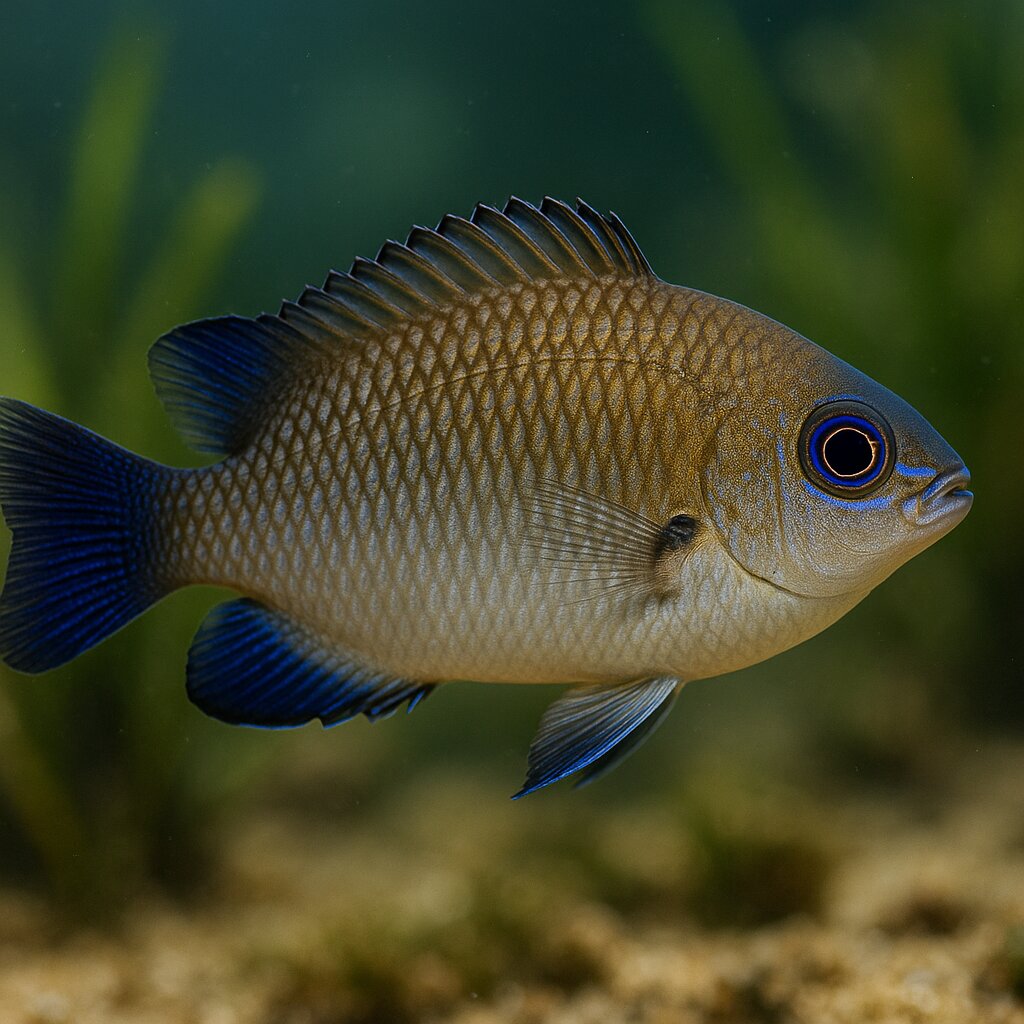
Arabian demoiselle
Neopomacentrus sindensis
A small lyretail damsel from the Persian Gulf and Arabian Sea, it hangs in loose groups around coral heads, rocks, and even pier pilings picking zooplankton from the flow. Think classic damsel toughness with a slightly milder attitude than the real bruisers, plus subtle yellow tail accents. Males clean a patch, get a mate to lay eggs there, and then stand guard fanning the clutch.
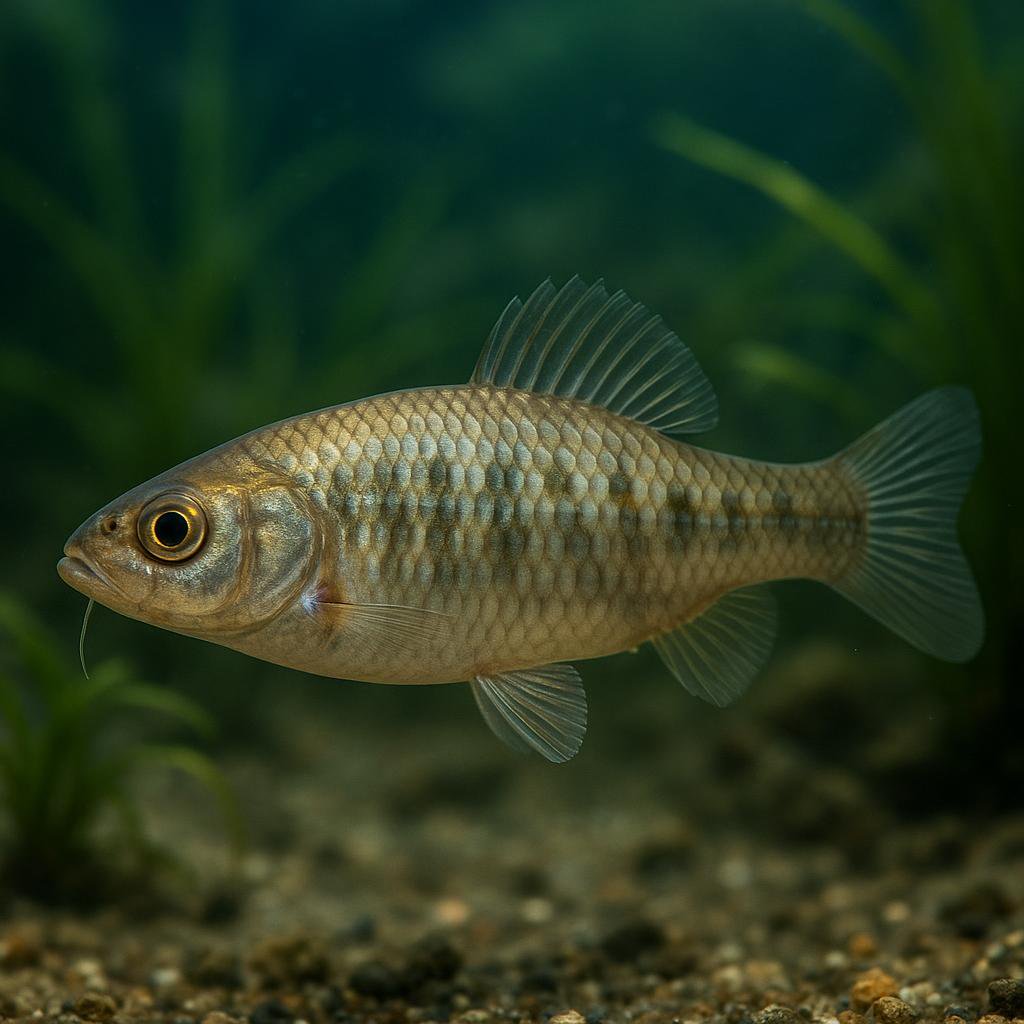
Arabian spiny eel
Notacanthus indicus
Notacanthus indicus is a deep-sea spiny eel (family Notacanthidae; not a true eel) known from the Arabian Sea on the continental slope at roughly ~960–1,046 m depth, with reported maximum length around 20 cm TL; it is a deep-water bycatch species and not established in the aquarium trade.
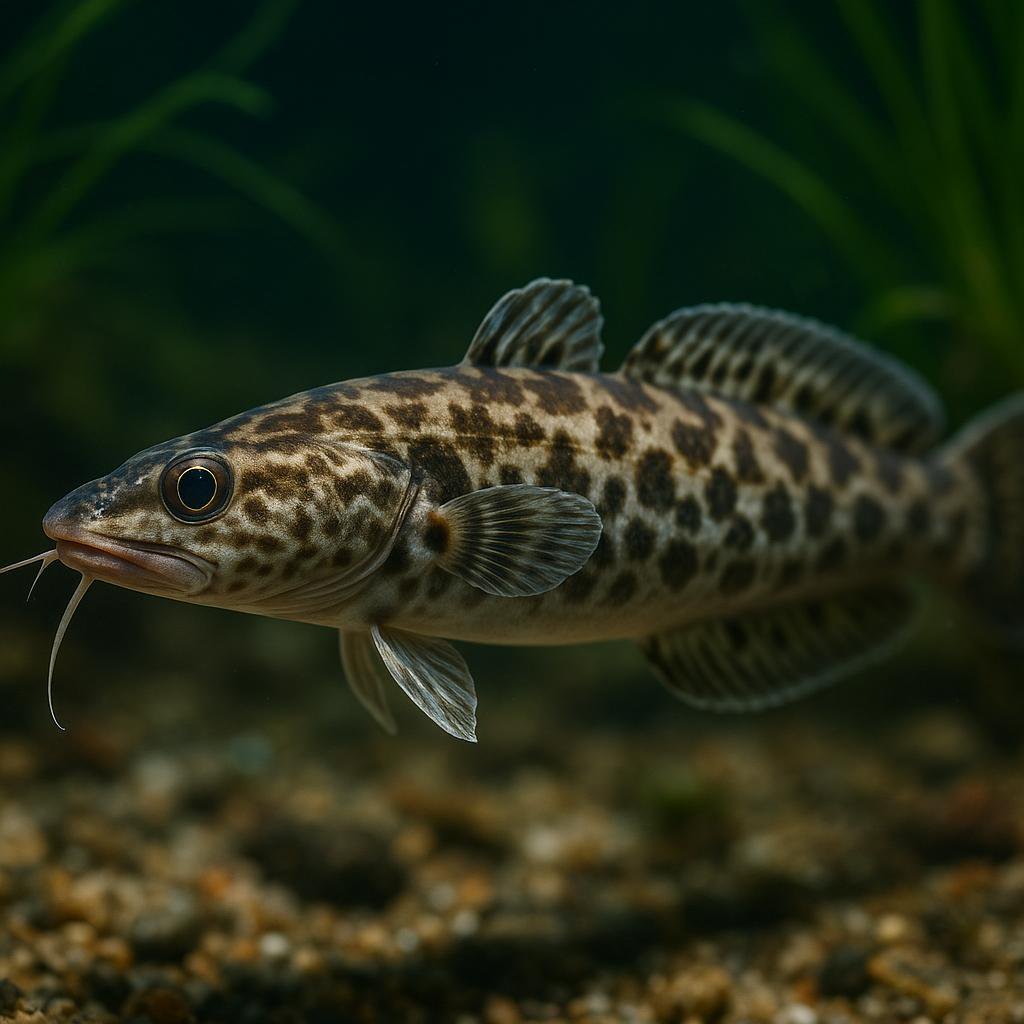
Arctic rockling
Gaidropsarus argentatus
This is a deepwater North Atlantic rockling (a cod relative) that hangs out on soft bottoms way down the slope. It is a cold-water, bottom-hugging predator that snoots around for crustaceans and will also take small fish when it gets the chance.
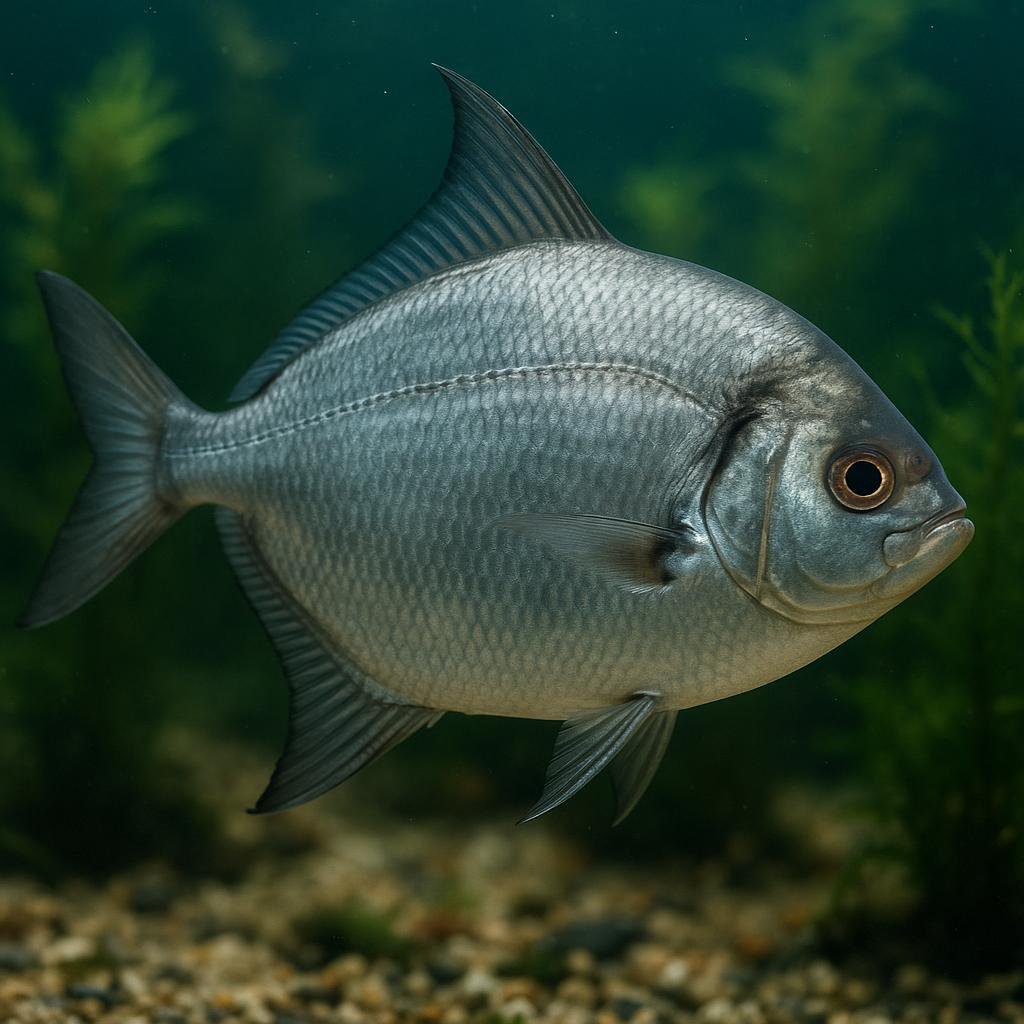
Atlantic pomfret
Brama brama
Brama brama is the Atlantic pomfret (aka Ray's bream) - a deep-bodied, open-ocean pelagic fish that cruises around in small schools and follows water temps. It is a legit big, wild marine species (not an aquarium fish) that eats other small sea critters like fish and squid, and it ranges across a huge chunk of the Atlantic plus parts of the Indian and South Pacific.
More to Explore
Discover more marine species.
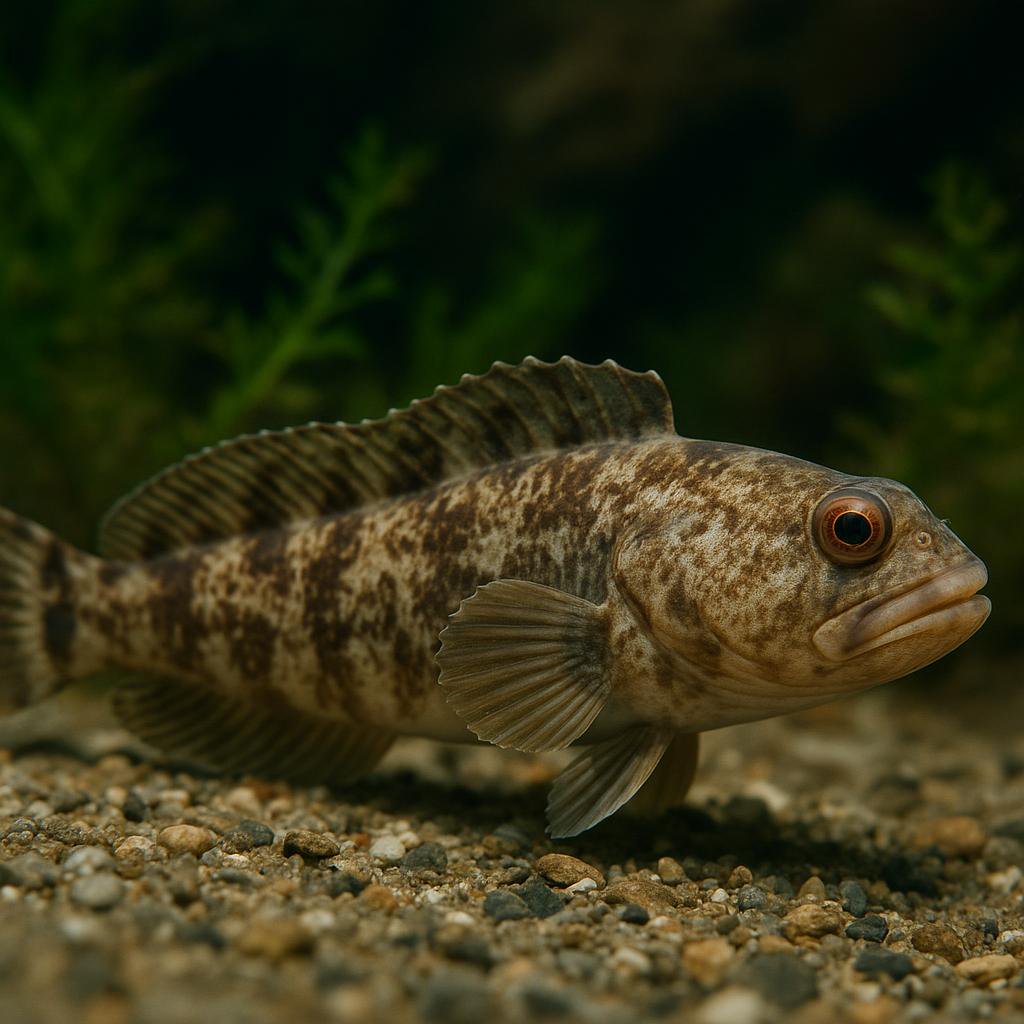
Abe's eelpout
Japonolycodes abei
Japonolycodes abei is a temperate, deepwater demersal eelpout (family Zoarcidae) endemic to Japan (Kumano-nada Sea reported; other sources also report Sagami Bay and Tosa Bay). It is the only species in the genus Japonolycodes and occurs roughly 40-300 m depth, making it an uncommon/atypical aquarium species.
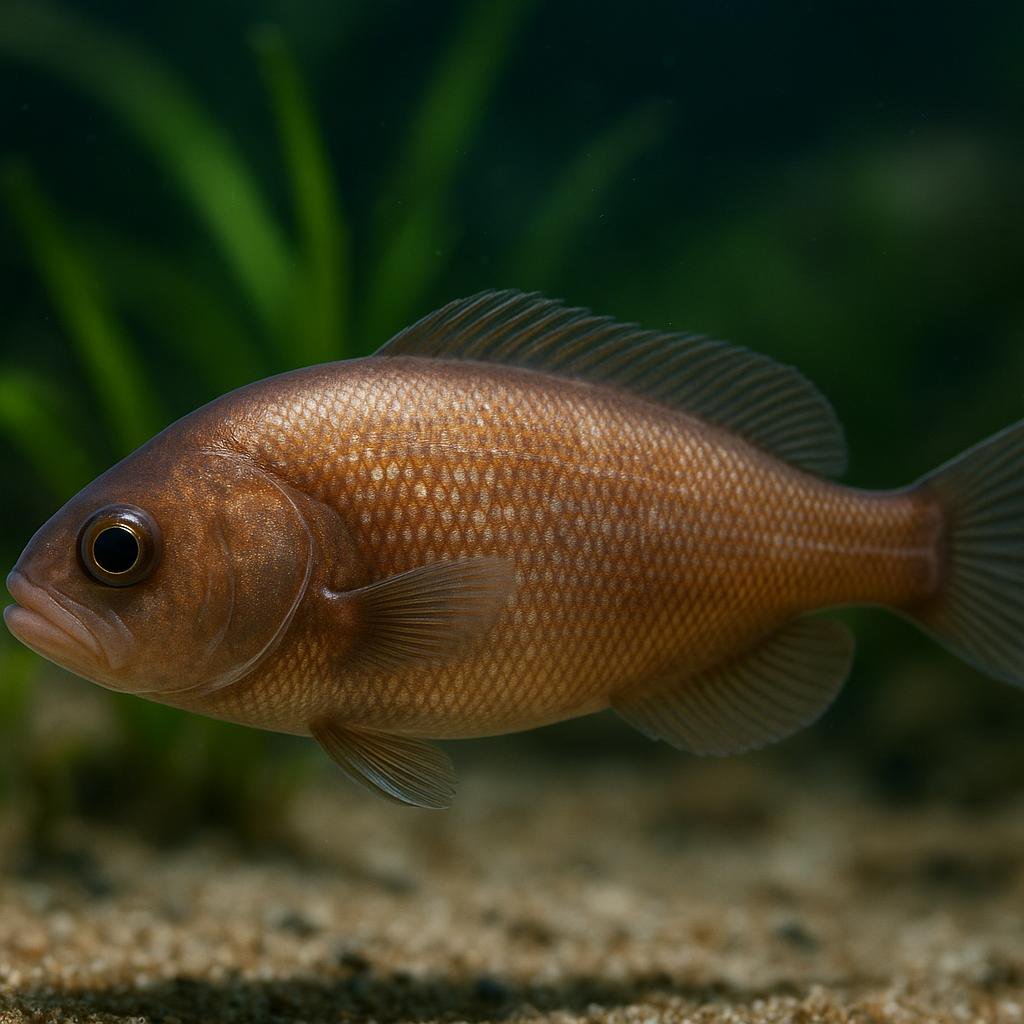
Affinis blind cusk-eel
Barathronus affinis
Barathronus affinis is a tiny, super-weird deep-sea blind cusk-eel from the western-central Indian Ocean. It is one of those gelatinous, loose-skinned brotula-type fishes that live way down in the dark and are basically never seen alive, so almost everything we know comes from preserved specimens and taxonomic work.
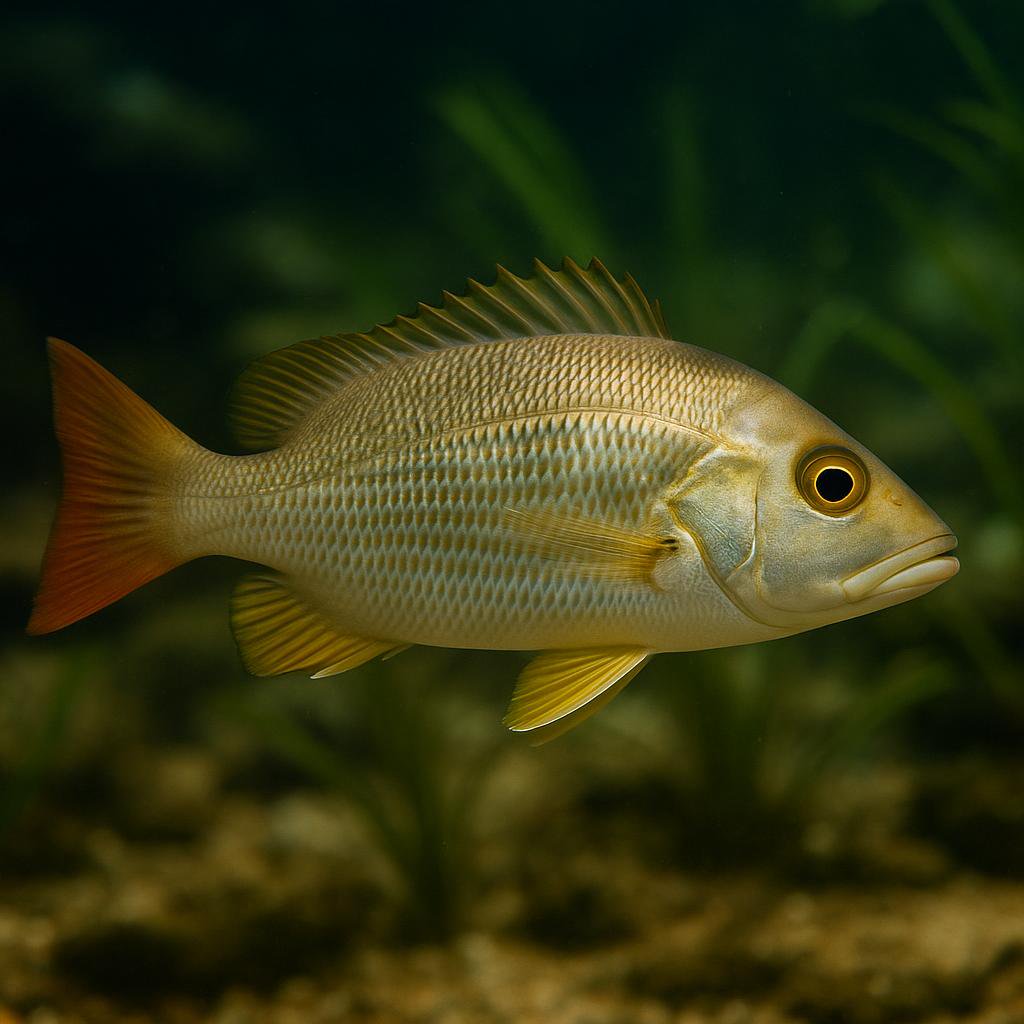
African red snapper
Lutjanus agennes
This is a true snapper from West Africa - a big, fast-growing predator that goes from coastal reefs to brackish lagoons and estuaries (especially as a juvenile). Super cool fish in the wild, but it gets absolutely huge and will eat smaller tankmates once it has the mouth for it, so its really more of a public-aquarium scale animal than a home-aquarium fish.
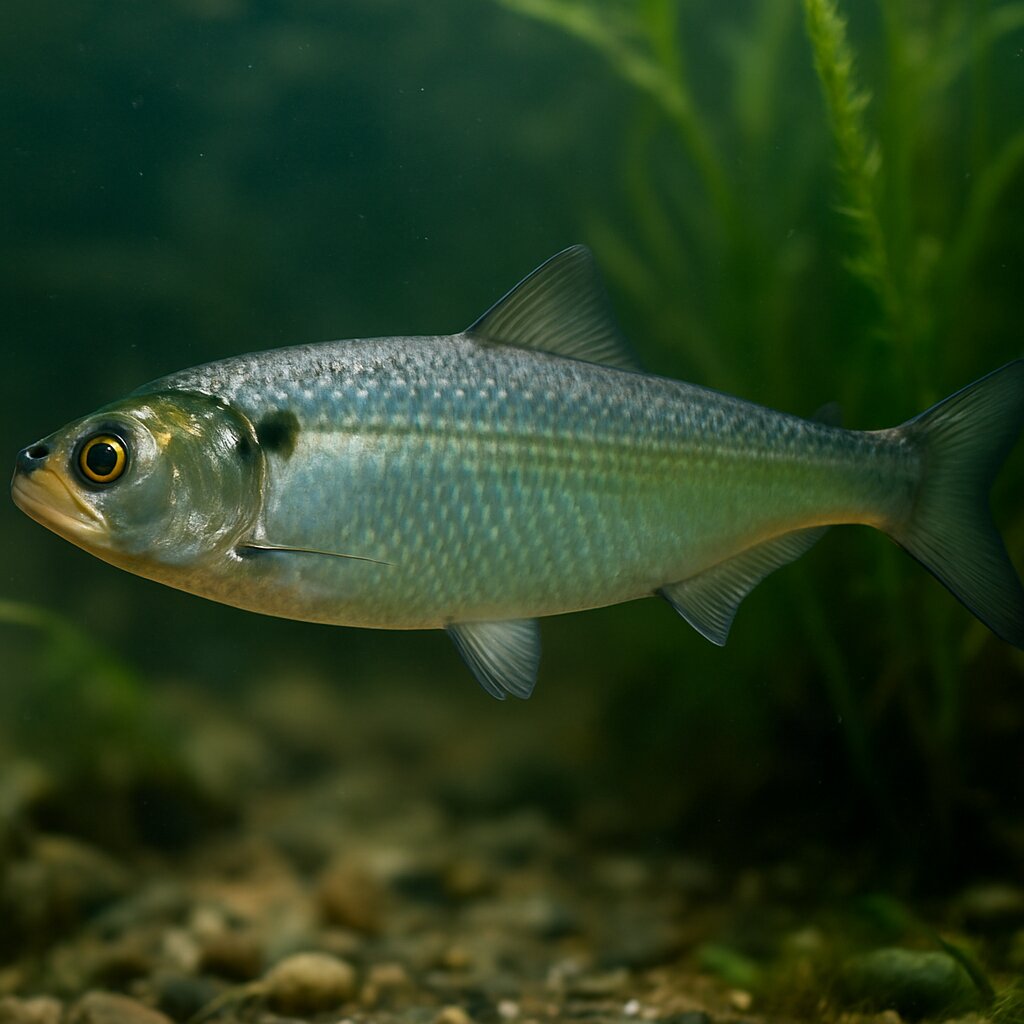
Allis shad
Alosa alosa
Gorgeous silver, fast-swimming shad that spends most of its life in the sea and then surges up big rivers in noisy, surface-spawning schools. It grows huge for a herring-type fish and needs cool, ultra-oxygenated water and tons of open space, so it is a public-aquarium species rather than a home tank fish.
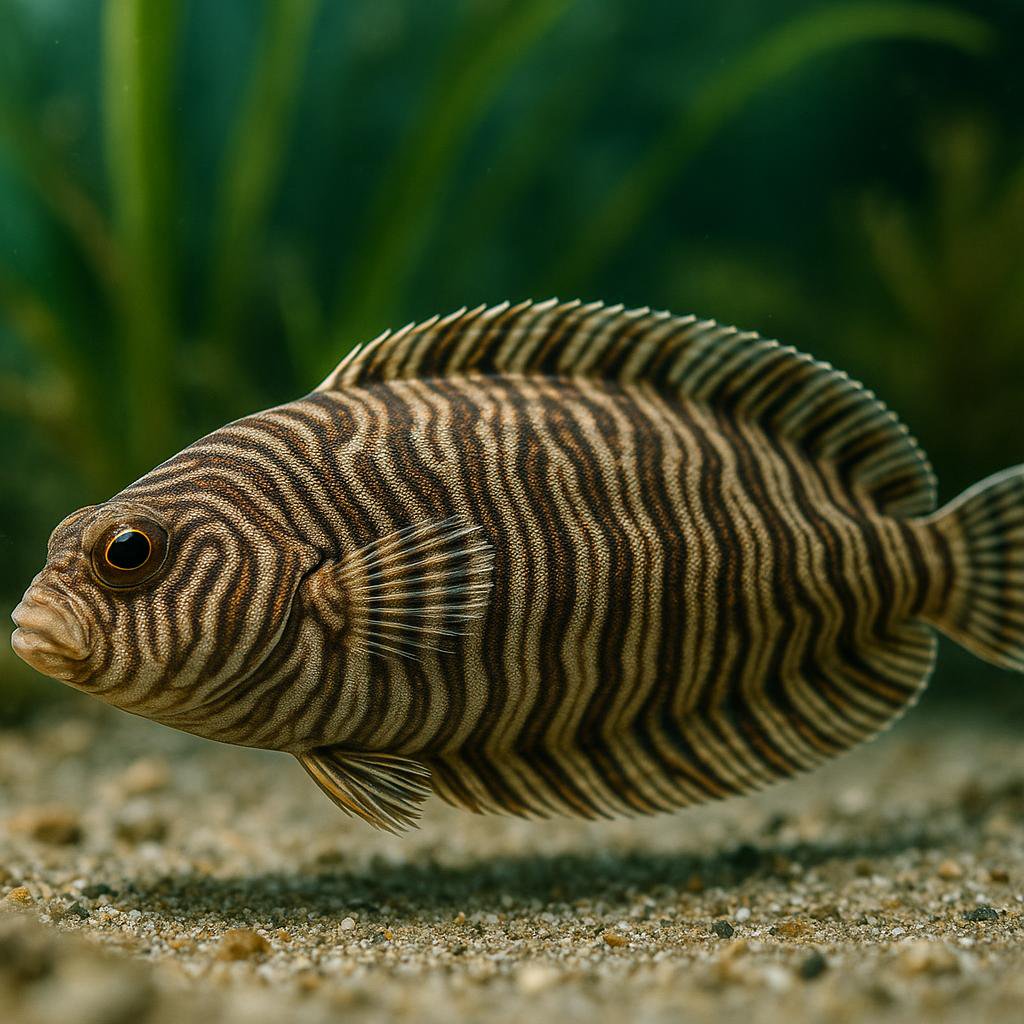
Annandale's zebra sole
Zebrias annandalei
Zebrias annandalei is a small demersal sole from coastal India that inhabits sandy or muddy bottoms and buries for camouflage. It is rarely kept in home aquaria and would require a specialized marine sand-bottom setup and appropriate feeding.
Australian sawtail catshark
Figaro boardmani
Figaro boardmani is a small, deepwater Australian catshark with these cool saw-like ridges of spiny denticles along the tail and a neat pattern of dark saddle bands. It lives way down on the outer continental shelf and slope, so its natural water is cold, dim, and stable - totally not a typical home-aquarium fish. Diet-wise its a predator that goes after fish, crustaceans, and cephalopods.
Looking for other species?