

Search Species
Search for fish species by common or scientific name, or use filters to browse by water type, size, temperament, and difficulty.
Found 528 species
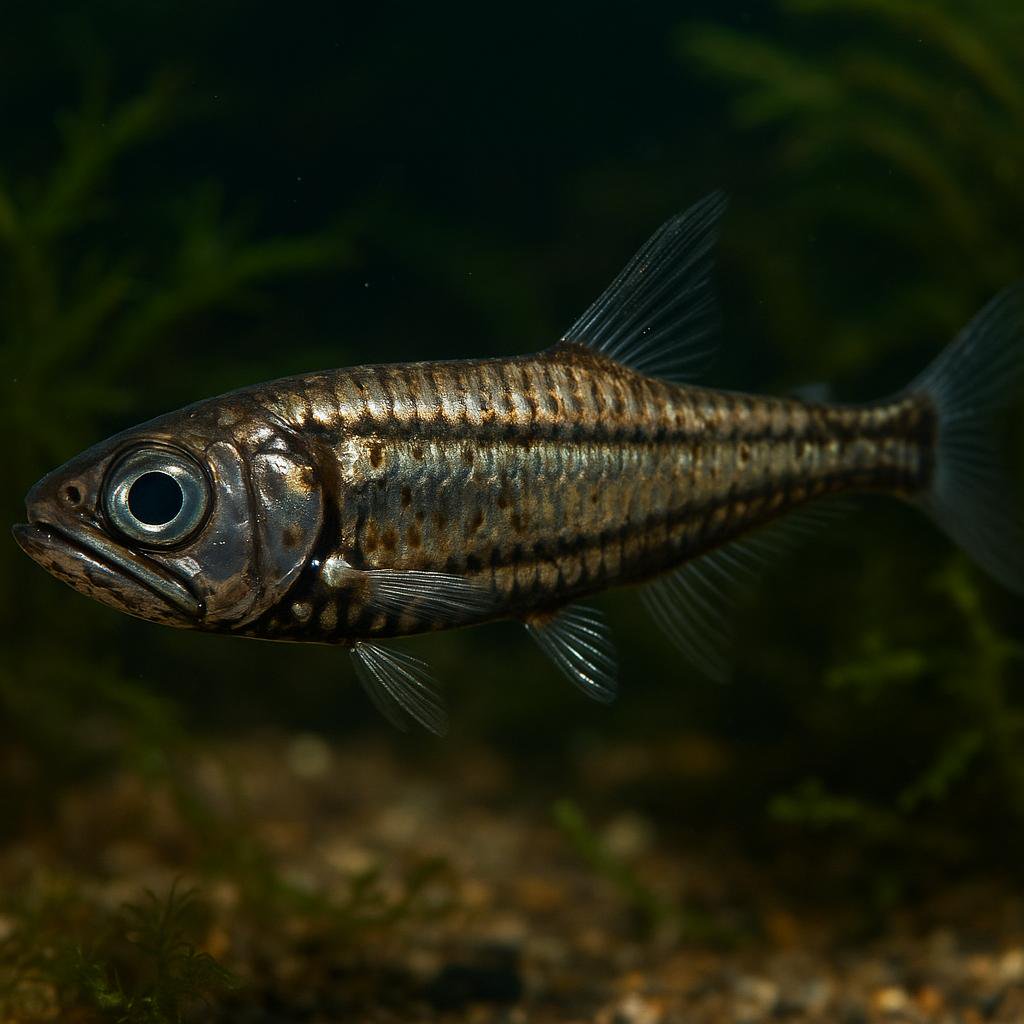
Dofleini's lanternfish
Lobianchia dofleini
This is a small mesopelagic lanternfish (Myctophidae) with photophores and diel vertical migration behavior. It occurs in the Atlantic Ocean, including the Mediterranean Sea, and is not a realistic home-aquarium species due to deep-pelagic habitat requirements.
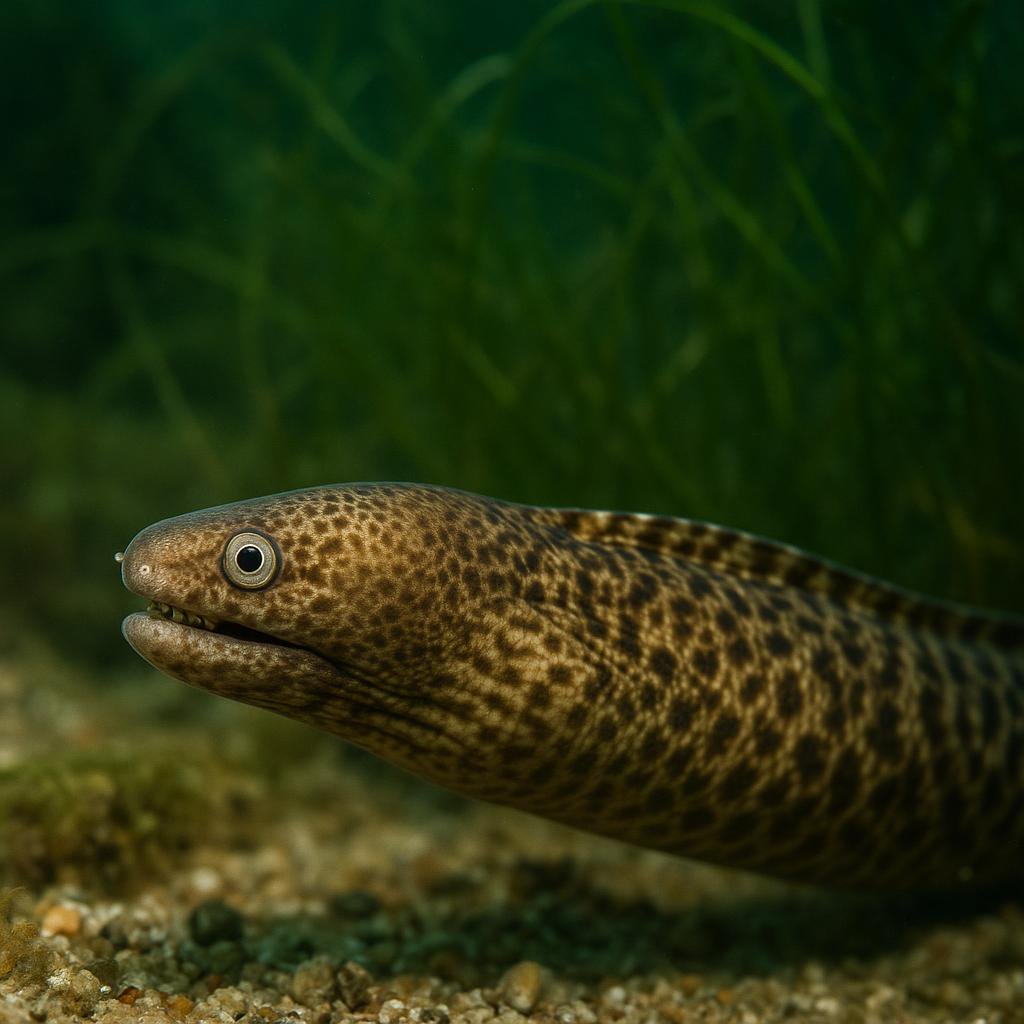
Drab snake moray
Uropterygius inornatus
This is a tiny little reef moray that spends most of its time wedged into rock cracks and caves, with just its head poking out. It stays drab tan to brown and is more of a "blink and you miss it" eel, but its whole sneaky crevice-dweller vibe is exactly what makes it fun if you like oddball marine fish.
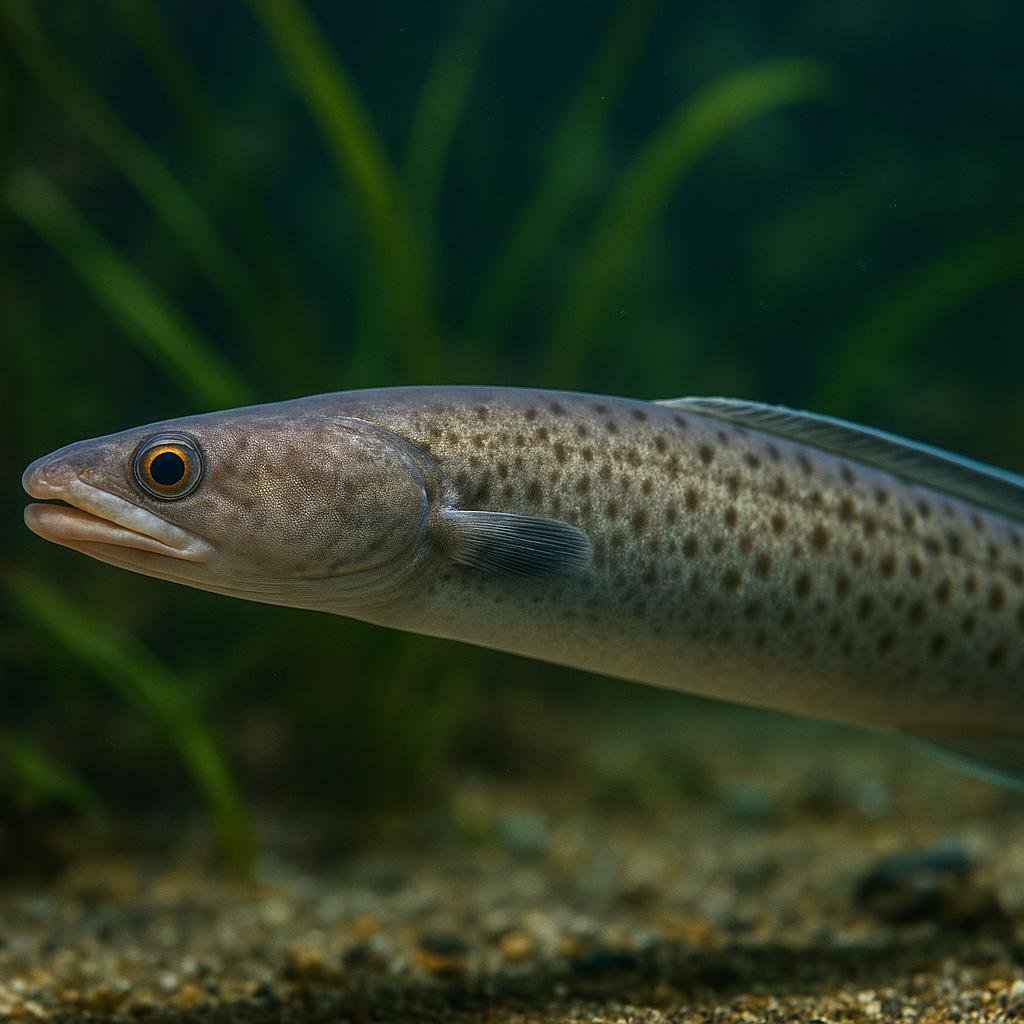
Drach's conger eel
Uroconger drachi
Uroconger drachi is one of those super-obscure conger eels that basically never shows up in the hobby - it is known from just a single collected specimen off the Republic of the Congo. FishBase lists it topping out around 41.5 cm total length, so it is not a giant conger, but its real "thing" is how little we actually know about it.
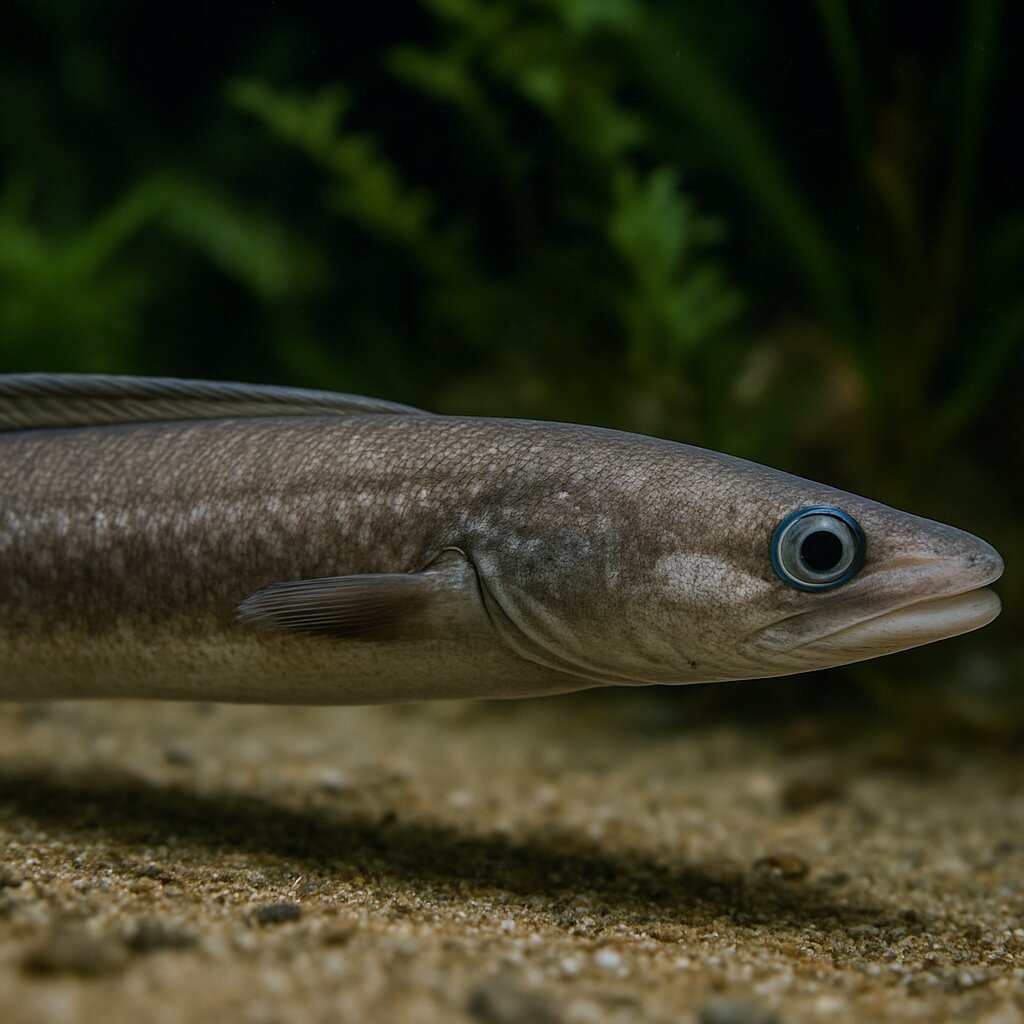
Dubious conger
Bathycongrus dubius
This is a deepwater conger eel from the western Atlantic that spends its life way down on muddy and sandy bottoms, hundreds of meters below the surface. It hunts small fishes, shrimps, and crabs, and can reach around 44 cm total length. Super cool fish, but it needs cold, high-pressure-like conditions and is not a home-aquarium candidate.
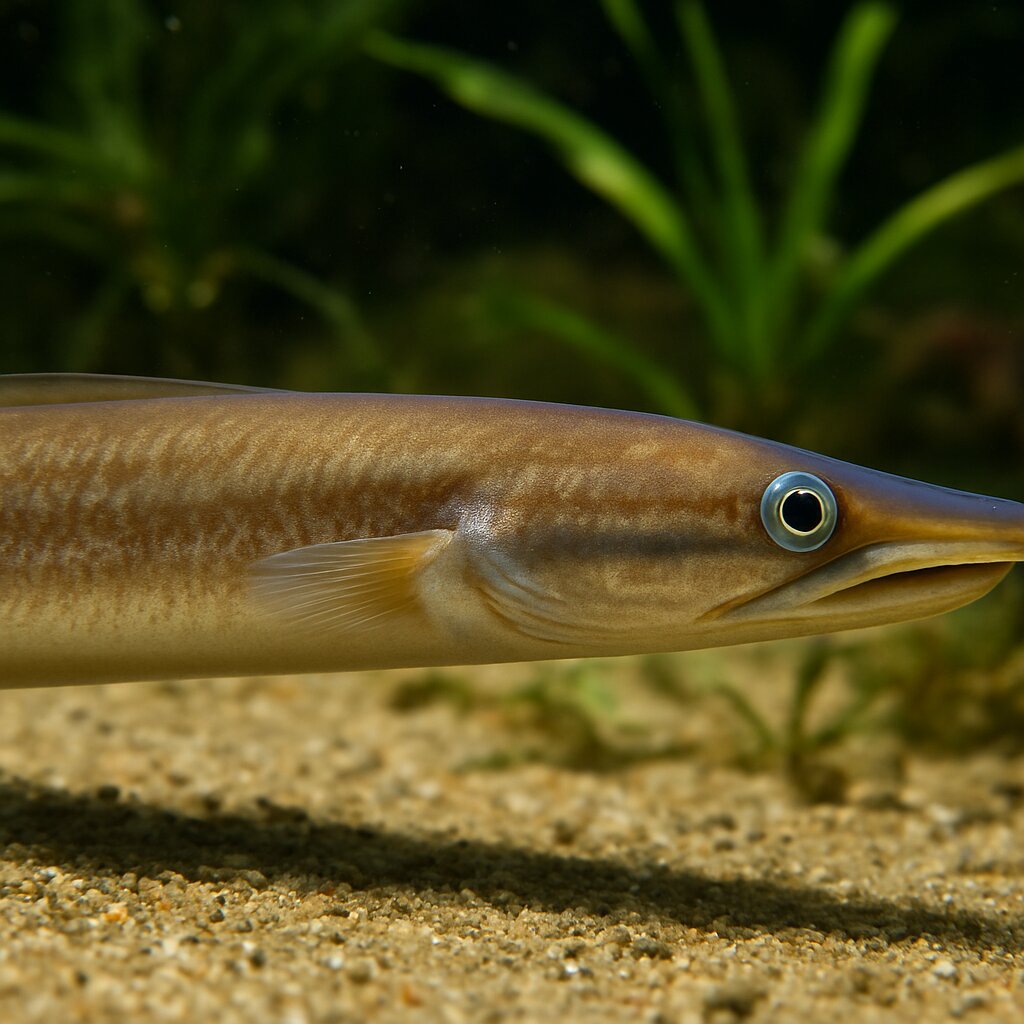
Duckbill eel
Nettenchelys erroriensis
This is a deepwater duckbill eel from around 400 m down off the Error Seamount and near Socotra. It tops out around a foot long and has that long, narrow snout that gives duckbill eels their look. Super cool fish to read about, but not a home aquarium candidate.
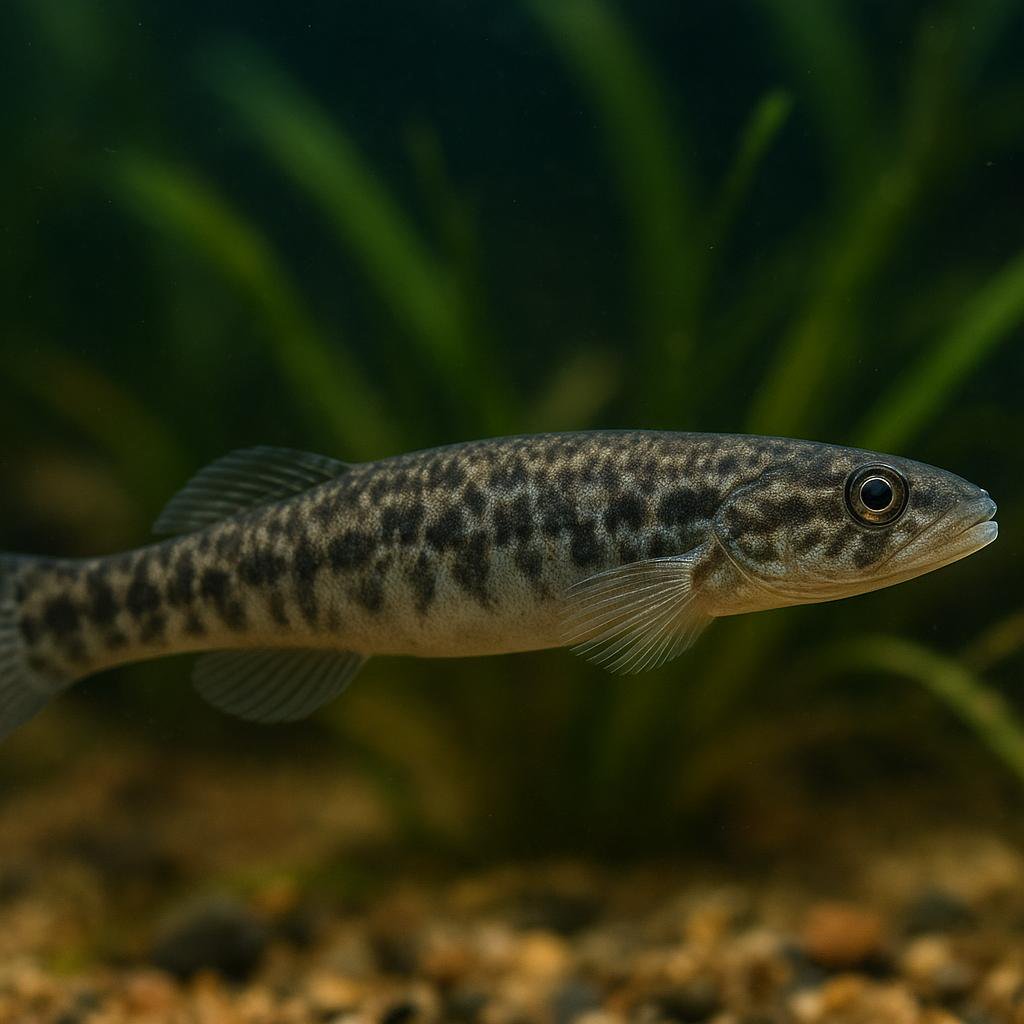
Durban sand-eel
Yirrkala ori
Yirrkala ori is a marine snake eel (Ophichthidae) described from South Africa (Western Indian Ocean) and recorded on coarse sand substrates at about 20 m depth; species-specific aquarium trade and behavior-in-captivity claims are not established in primary references.
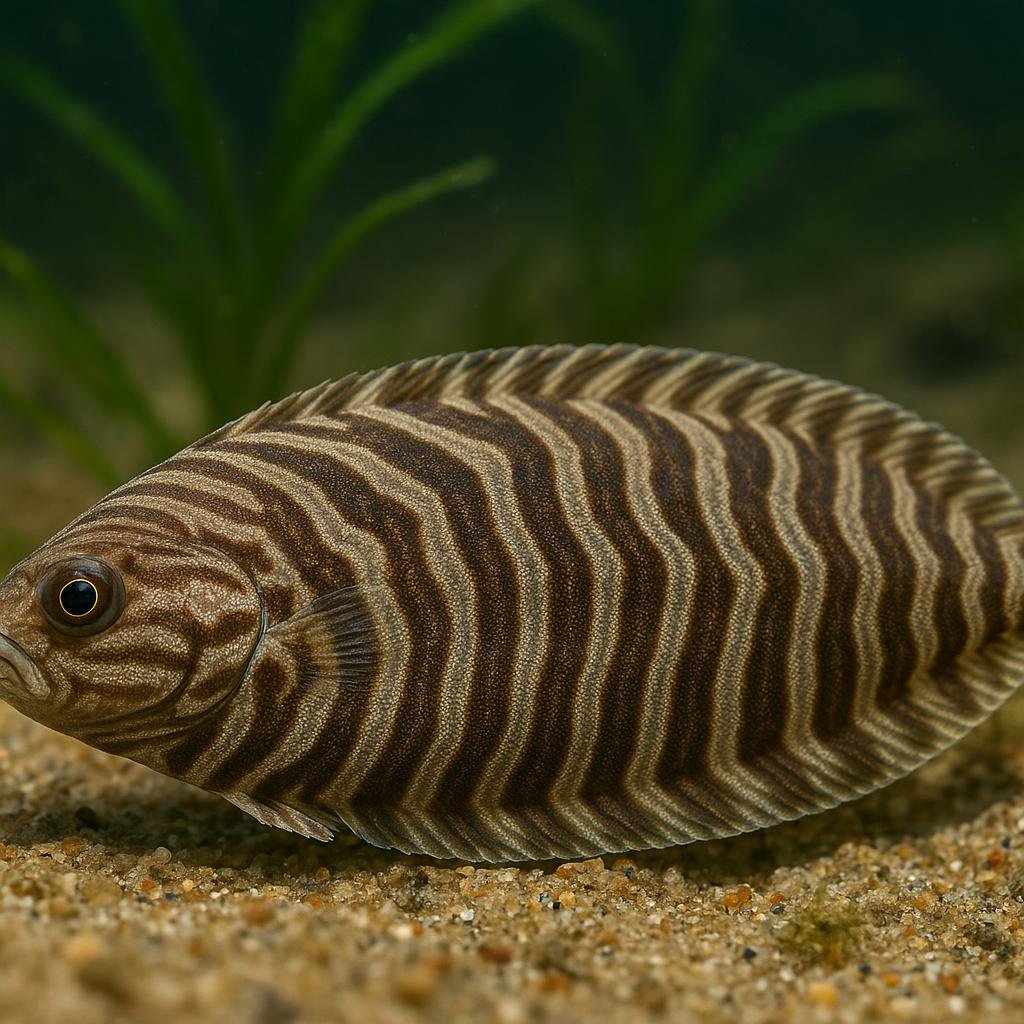
Duskybanded sole
Zebrias penescalaris
This is a small marine sole (family Soleidae) from southern Australian waters that inhabits soft-bottom (sand/mud) habitats; it is a demersal, sand-associated species with banding patterns used for camouflage.
Dusky sand eel
Yirrkala fusca
Yirrkala fusca is a little snake eel (worm eel) from the Ophichthidae family that spends its life nosing around sandy or silty bottoms and basically wants to stay hidden. It is not really an aquarium fish - it is small, cryptic, and super prone to escaping unless the tank is built like a fortress.
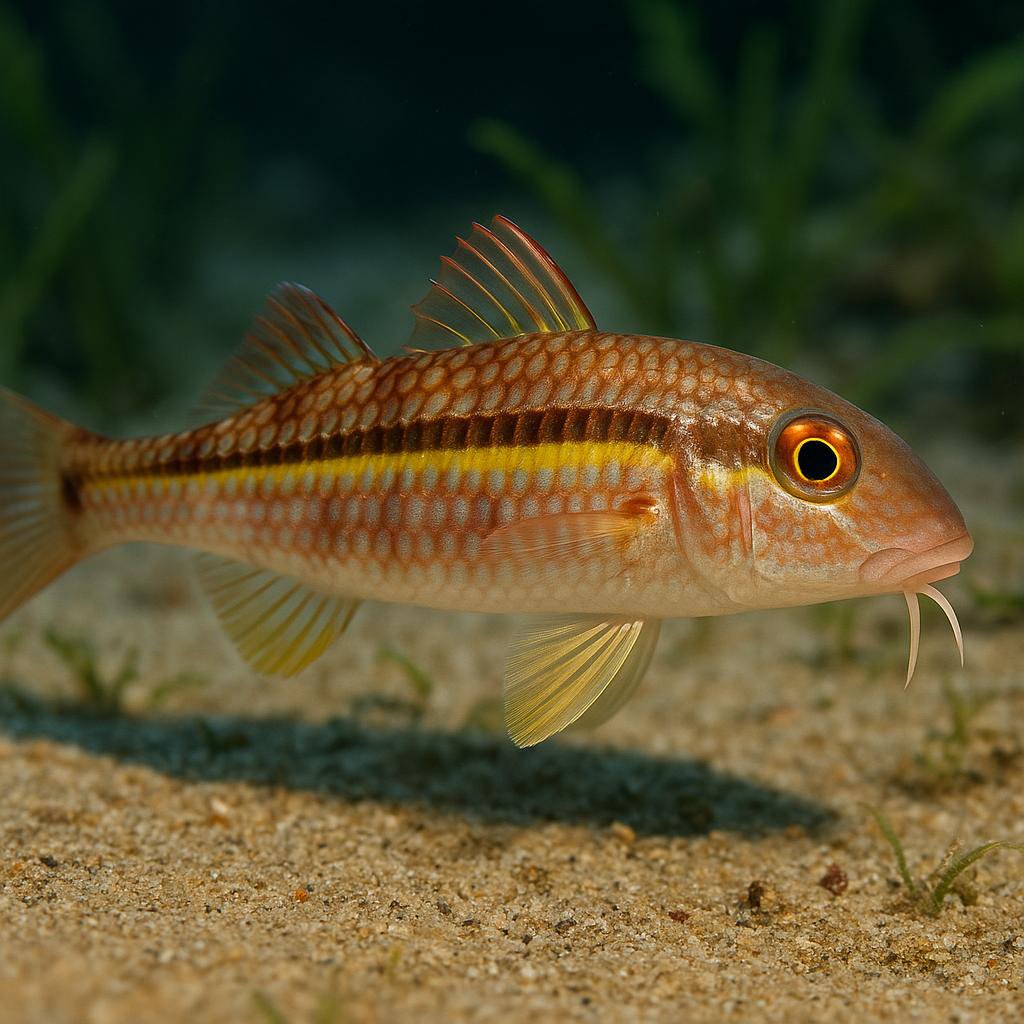
Dwarf goatfish
Upeneus parvus
Upeneus parvus is a sand-and-mud bottom goatfish that spends a lot of time prowling the substrate and picking out little critters to eat. In an aquarium it is basically a living metal detector with those chin barbels, and it can absolutely rearrange your sand while it hunts.
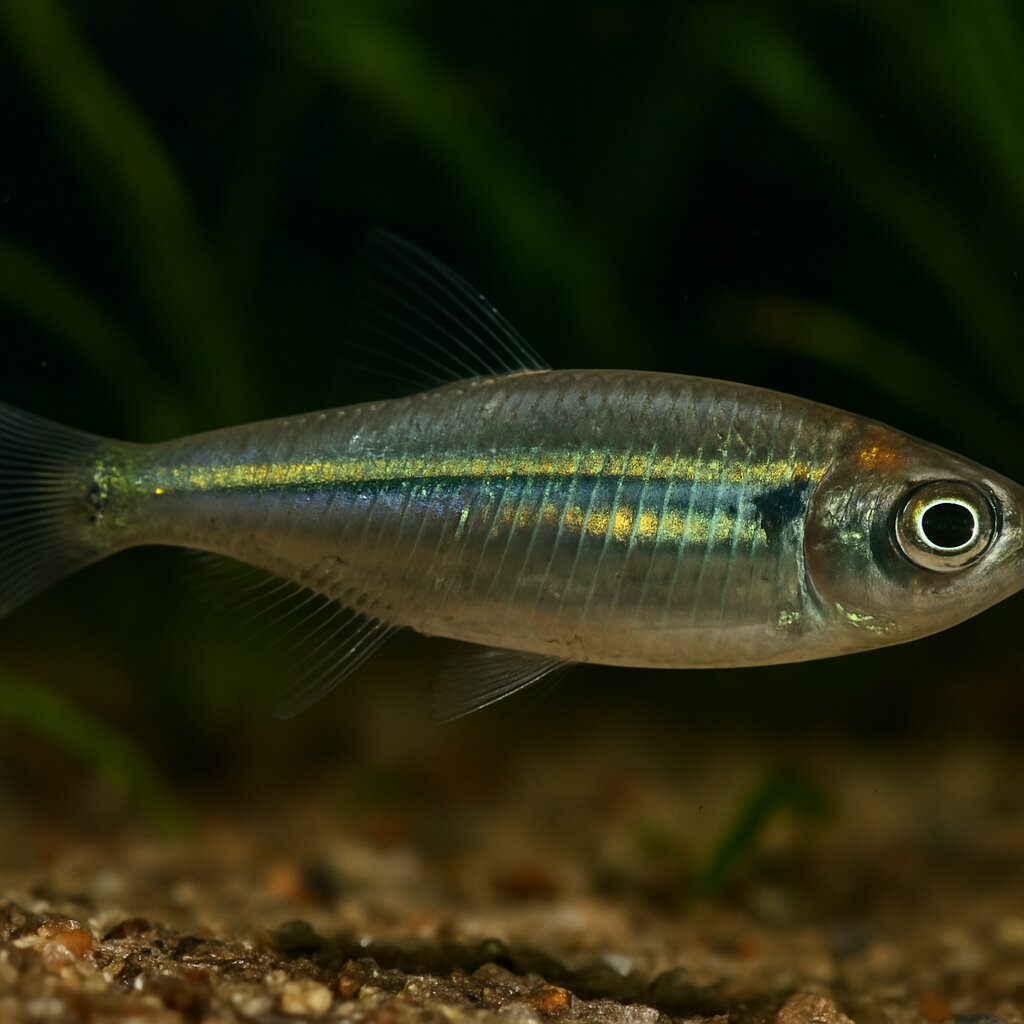
Dwarf herring
Jenkinsia lamprotaenia
Tiny Caribbean baitfish that flash a bright silver stripe as they cruise in tight schools near beaches and reef edges. They pick zooplankton from the water column and even form big lunar-timed spawning swarms, so they really come alive in a big, high-flow setup with lots of open water.
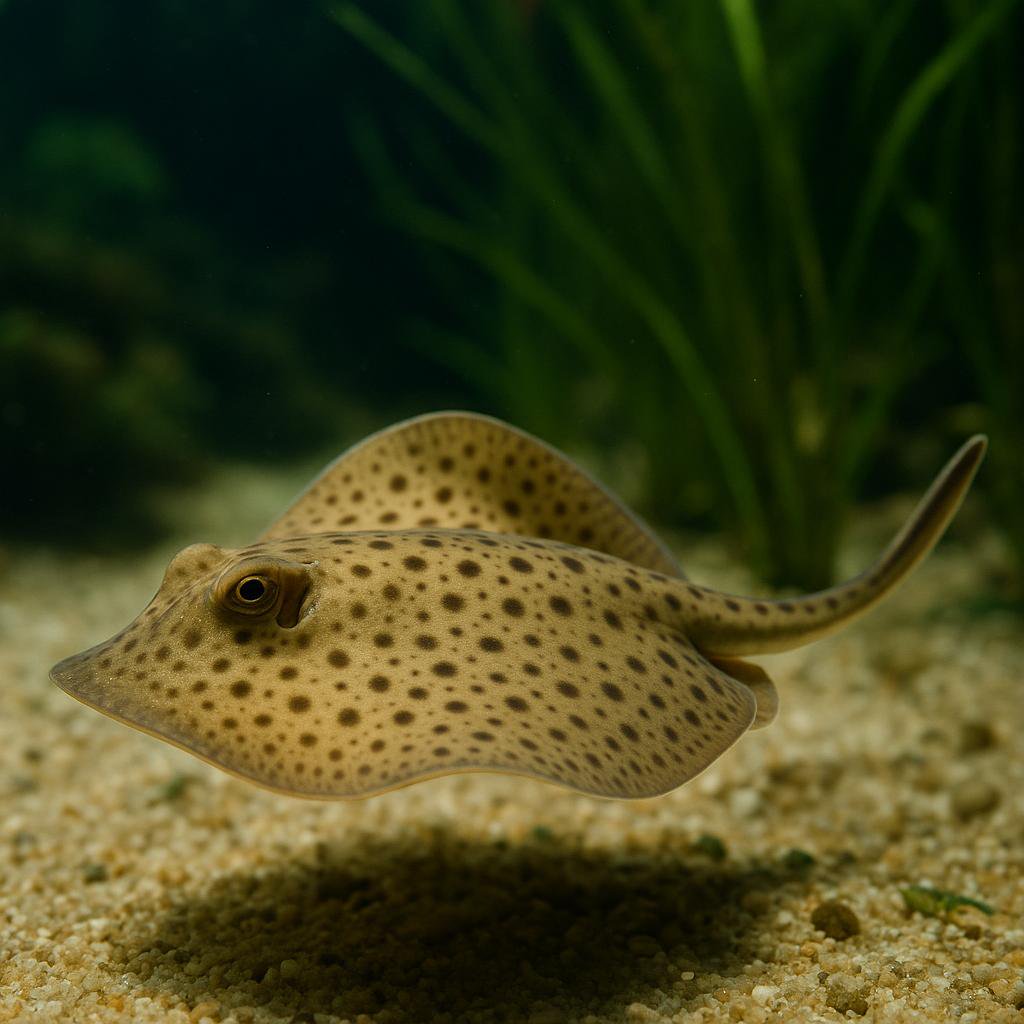
Dwarf stingray
Urotrygon nana
This is a tiny tropical round stingray from the eastern Pacific that spends its time cruising and burying in soft sand in very shallow water. It stays relatively small for a stingray (still a real ray, not a "mini" aquarium species), and it does carry a venomous tail spine, so it is absolutely a hands-off animal.
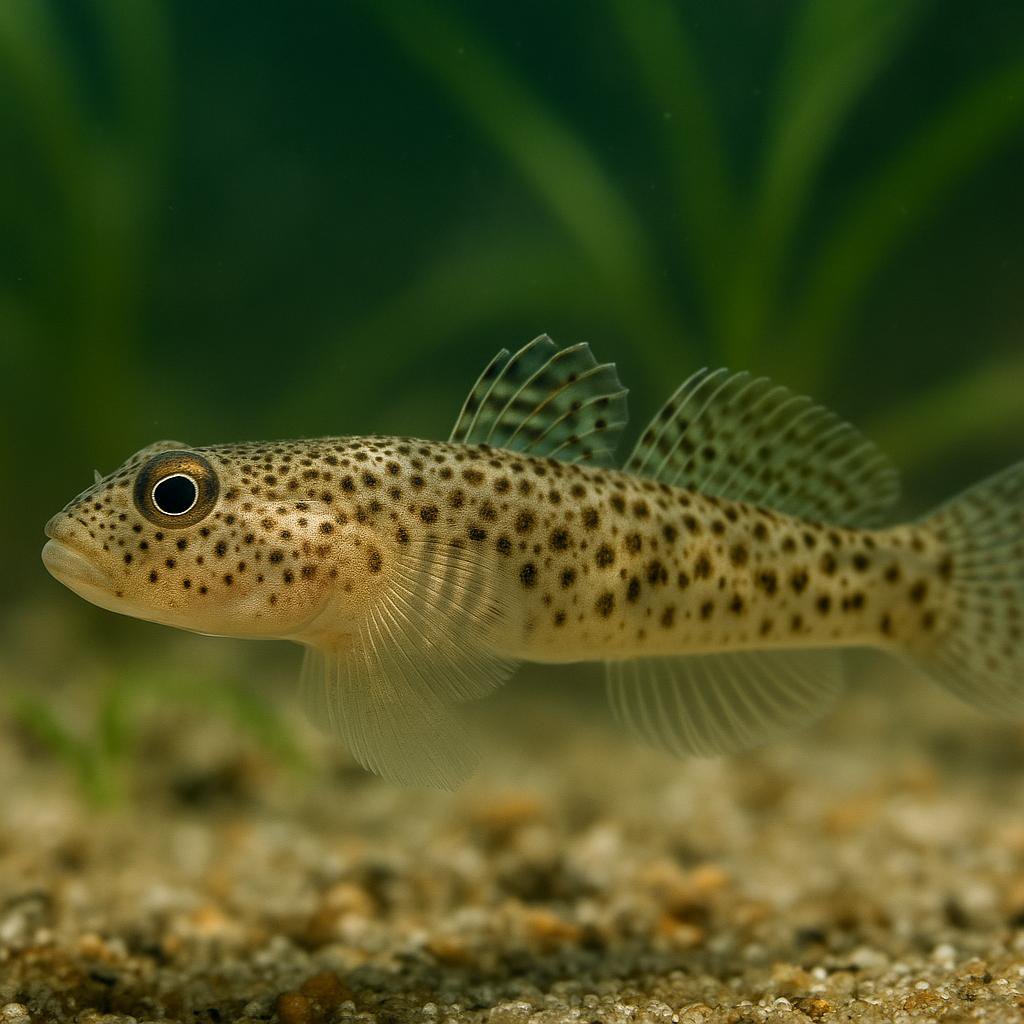
Eastern longfin goby
Favonigobius lentiginosus
This is a little sand-loving coastal goby that hangs around estuaries, mangroves, tidepools, and sandy flats, and it does that classic goby thing of perching and scooting along the bottom. Color-wise its pretty subtle but really neat up close - sandy brown with distinct bars and head striping - and it spends a lot of time hunting tiny crustaceans in the substrate.