

Flaccid catshark
Apristurus exsanguis
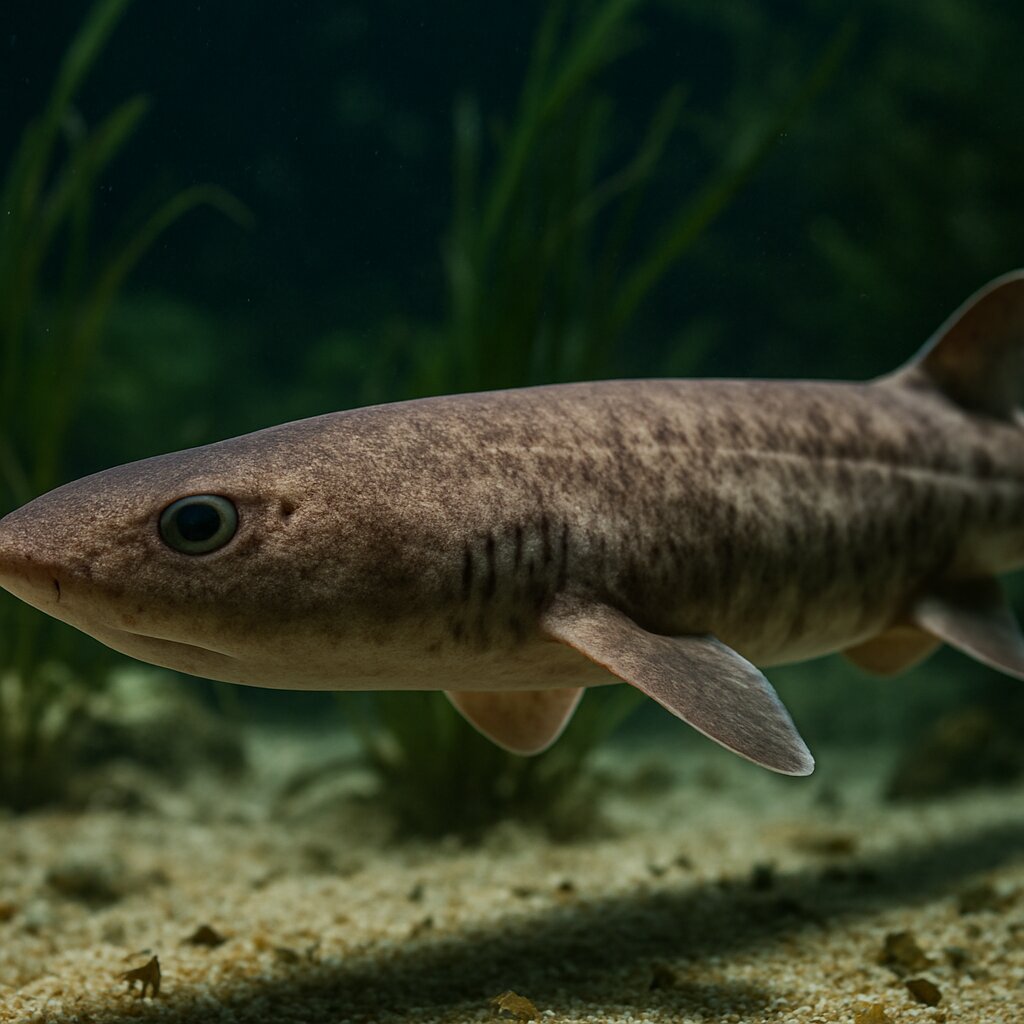
The Flaccid catshark features a slender, elongated body, smooth skin, and a greyish-brown coloration with faint, dark blotches.
This page includes AI-generated images. Why am I seeing AI images?
About the Flaccid catshark
A ghostly deep-sea catshark from New Zealand, pale and kind of floppy-looking, that cruises 600-1200 m down where it is icy cold. It lays tough egg cases on the seafloor and grows to just under a meter. Super cool animal, but it is a deep, cold-water species that is totally unsuited to home aquariums.
Quick Facts
Size
90.8 cm
Temperament
Semi-aggressive
Difficulty
Expert
Min Tank Size
0 gallons
Lifespan
Unknown
Origin
Southwest Pacific - New Zealand
Diet
Carnivore - crustaceans, cephalopods, and small fishes
Water Parameters
5-8°C
7.8-8.2
350-380 dGH
Care Notes
- Run a dedicated chiller and insulated tank at 4-8 C, with no more than 0.5 C change per day. You need 15,000+ L and a 4-6 m footprint so the shark can cruise without kinking.
- Keep O2 near saturation with heavy turnover, but use gentle laminar flow along the bottom so the rostrum does not get abraded. Aim for 35 ppt, pH 8.0-8.3, ammonia and nitrite 0, nitrate under 10 ppm.
- Give them soft fine sand and open floor with zero sharp rock or snaggy decor. Black out the sides and use dim red lighting to keep them calm.
- They take soft marine fish and cephalopod strips; offer tong-fed portions at lights-out 2-3 times per week. Soak food in HUFA and vitamin B1, and cut pieces small enough to swallow cleanly to avoid regurgitation.
- Best kept solo; they will eat smaller fishes and get harassed by anything active. Skip crustaceans, rays, and spiny or venomous species entirely.
- Cold water crushes biofilter capacity, so oversize mechanical and run a big skimmer or moving-bed bio. Test often early on, and do large cold-matched water changes at the first hint of ammonia.
- They bruise and scuff easily; move them in foam-lined tubs, support the belly, and keep handling under 60 seconds. Avoid copper and formalin; get a vet for antibiotic baths if you see white patches or ulcers.
- Oviparous - if she drops eggs, clip them to a rack with gentle flow and low light. At 4-7 C, expect 12-24 months to hatch; candle monthly and pull any cloudy or fouled cases.
Compatibility
Good Tankmates
- Other calm, similarly sized coldwater benthic sharks, with plenty of room and hides
- Large, placid coldwater rays or skates in a big footprint tank
- Big, slow, non-nippy coldwater fish that wont fit in its mouth, like lumpfish or big sculpins
- Docile deepwater ratfish or chimaeras, if you have public-aquarium scale space
- Laid-back tankmates that ignore it and let it eat at its own station during lights-low feedings
Avoid
- Nippy or bold fish like triggers, puffers, large angels, damsels, or tangs - they chew fins and harass sharks
- Anything small enough to swallow, including little fish and crustaceans - it will pick them off at night
- Fast, hyper pelagics like jacks, mackerel, or barracuda - they outcompete it and keep it stressed
- Morays and big groupers that bully or bite slow bottom sharks
Where they come from
Flaccid catsharks (Apristurus exsanguis) are deep-slope sharks from around New Zealand and nearby subantarctic waters. Think 600-1500+ meters down, in near-dark, quiet water that sits around 2-6 C. Slow life, low light, and long lifespans. That background explains why they are so tough to keep in captivity.
This is a deep-sea, coldwater shark. Keeping one is a specialist project best left to public aquaria or very advanced keepers with industrial-grade chillers and backup systems. Most specimens do poorly after capture and decompression. If you are not already running a large coldwater system, pick a different species.
Setting up their tank
I kept mine in a public coldwater system. The big takeaways: keep it cold, keep it dark, and give it floor space instead of height. They are benthic and slow, so a long oval or round-cornered tank works better than a tall display.
- Volume: 2000-8000 L for an adult, with lots of footprint; larger is always better
- Temperature: 4-7 C steady (backup chiller and generator saved me more than once)
- Salinity: 1.024-1.026
- Oxygen: very high, strong aeration and oversize protein skimmer
- Turnover: 2-3x/hour, smooth flow (avoid blasting currents)
- Lighting: very dim; red light for observation
Aquascape for safety. Bare bottom or a thin layer of fine sand, big-radius corners, and smooth PVC caves or rock arches they can glide under. Cover every intake with coarse screens. Insulate the tank and plumbing to help the chiller keep up.
Black out three sides of the tank and the lid. Red film over the viewing panel helps keep them calm while you still see what you are doing.
Filtration needs to be oversized. Heavy skimming, large bio media, and a reliable prefilter so you are not clogging lines. Keep a low-noise environment. Sudden vibration or bright light spooks them.
Quarantine is not optional. I ran a separate chilled QT for 8-12 weeks. No copper meds for sharks, and go gentle with salinity changes. Handle in a padded tub, never a net, and always support the body.
What to feed them
Wild diet is small fishes, squid, and crustaceans. In the tank, start with scent-heavy foods and feed at dusk. Mine learned tongs after a couple weeks, but the room had to be dim and quiet.
- Good staples: squid strips, cuttlefish, marine fish (smelt, herring, capelin, silversides), prawn/shrimp
- Occasional: clam, mussel, scallop (small pieces)
- Avoid: freshwater feeders (goldfish, rosy reds), oily salmon/tuna as a staple, anything seasoned or thawed in tap water
I fed 2-3 times per week, small portions, with vitamin and iodine enrichment (Selcon or similar). Too much oily fish leads to fatty liver over time. If a new shark refuses food, try squid first, switch the room to red light, and leave the food near the snout with tongs. Patience beats chasing.
How they behave and who they get along with
They are slow, mostly nocturnal, and spend a lot of time resting on the bottom or cruising low and steady. Not aggressive, but they will swallow bite-sized tankmates without much thought.
- Best kept: alone
- Possible with space: another similar-sized deepwater catshark in a very large system, lots of sight breaks
- Avoid: fast or nippy fishes, all crustaceans, cephalopods, rays, and other sharks in tight quarters
Handling hazards are real. Even a calm catshark can snap. Use a soft tub, wet hands or smooth gloves, and keep them submerged during moves.
Breeding tips
They are oviparous and will lay tough egg cases if you are extremely lucky. I saw sporadic egg laying after we synced a strong seasonal drop in temperature and daylight. Hatching success was low, even with good water.
- Provide egg-laying substrate: vertical plastic mesh, coarse cords, or kelp-mimic strips
- Cool the system on a seasonal cycle and shorten day length
- Incubation is long (many months) at 4-7 C; steady flow across the eggs helps
- Separate eggs to a protected hatching basket to prevent damage
- Feed hatchlings tiny marine fish pieces and enriched mysids; keep flow gentle
Sexing is simple (males have claspers), but finding a healthy, unrelated pair is the hard part. Most private attempts never get that far.
Common problems to watch for
- Heat spikes - The chiller trips or a room warms up, and the shark goes lethargic fast. Redundant chillers and a generator are not luxuries here.
- Decompression injuries from collection - Gas bubbles, eye issues, odd swimming. There is not much you can do after the fact; sourcing is everything.
- Refusal to feed - Try squid first, feed at night, switch to red light, and reduce traffic near the tank. Sometimes scenting with clam juice helps.
- Skin abrasions - Rough decor or nets cause scrapes that invite infection. Smooth surfaces, no nets, and pristine water help them heal.
- Nutritional gaps - Sharks can develop goiter without iodine and vitamin supplementation. Rotate foods and enrich consistently.
- Medication sensitivity - Avoid copper and most formal treatments. Work with a vet for antibiotics if you must treat.
- Waste buildup - They produce a lot of protein-rich waste. Oversize skimming and steady but moderate feeding keep ammonia at zero.
Ethics and logistics matter. Deep-sea sharks do not transport well, and mortality during or after capture is high. Check permits and local laws before acquiring one, and have a long-term plan with redundancy. Never release captive animals to the wild.
If you want a shark experience without a walk-in chiller and a giant footprint, look into species like the coral catshark (warmwater) or chain catshark (cool-temperate). They are still advanced, but far more realistic than a deep-slope Apristurus.
Similar Species
Other marine semi-aggressive species you might be interested in.
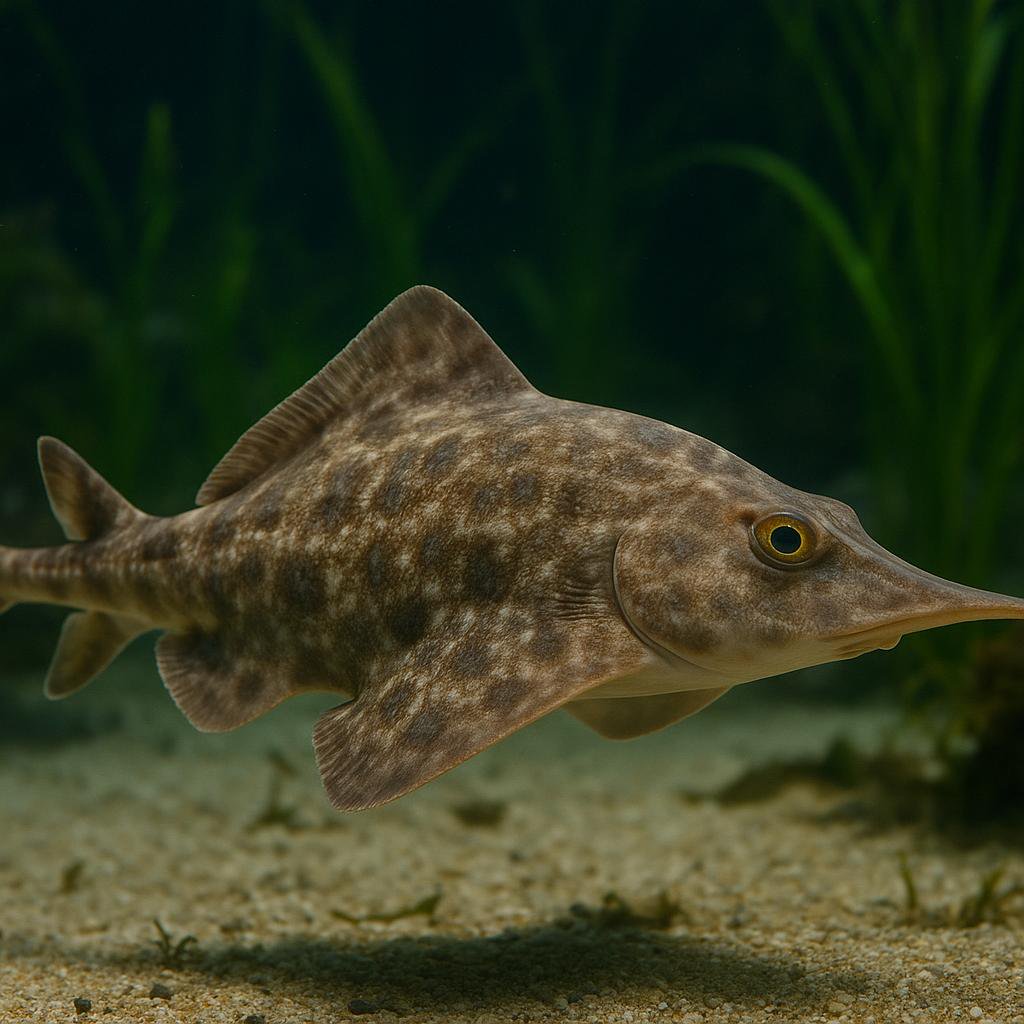
Aleutian skate
Bathyraja aleutica
This is a big, cold-water deep-slope skate from the North Pacific that cruises muddy bottoms and eats chunky benthic prey like crabs and shrimp. The really cool bit is its egg-laying skate life - it does distinct pairing (the classic skate "embrace") and drops those tough egg cases on the seafloor. Not an aquarium fish at all unless you're basically running a public-aquarium-style chilled system.
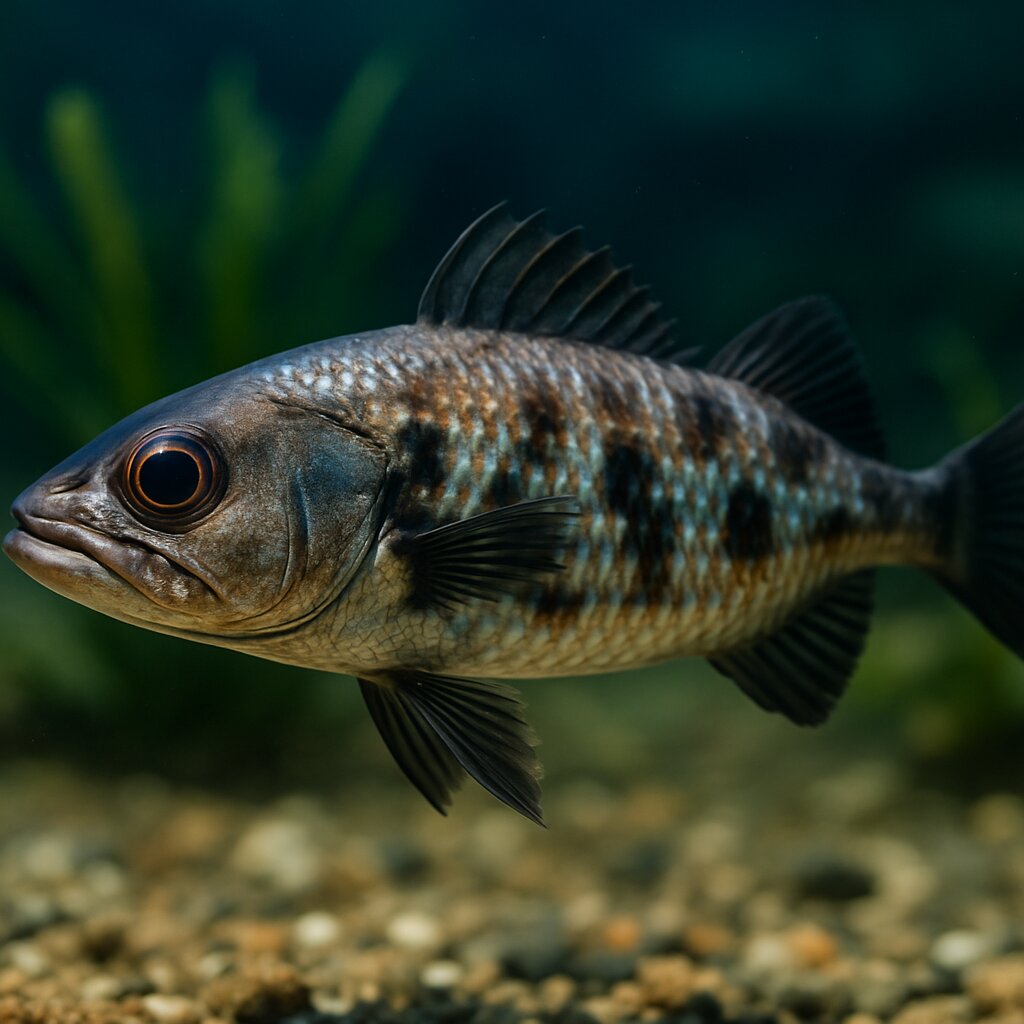
Antarctic dragonfish
Vomeridens infuscipinnis
Deep down around Antarctica, this sleek dragonfish cruises the water column like a little submarine, nearly neutrally buoyant so it can hover above the seafloor. It munches almost exclusively on Antarctic krill and lives in near-freezing water 500-800 m down, so it is a cool species to read about, not one for home tanks.
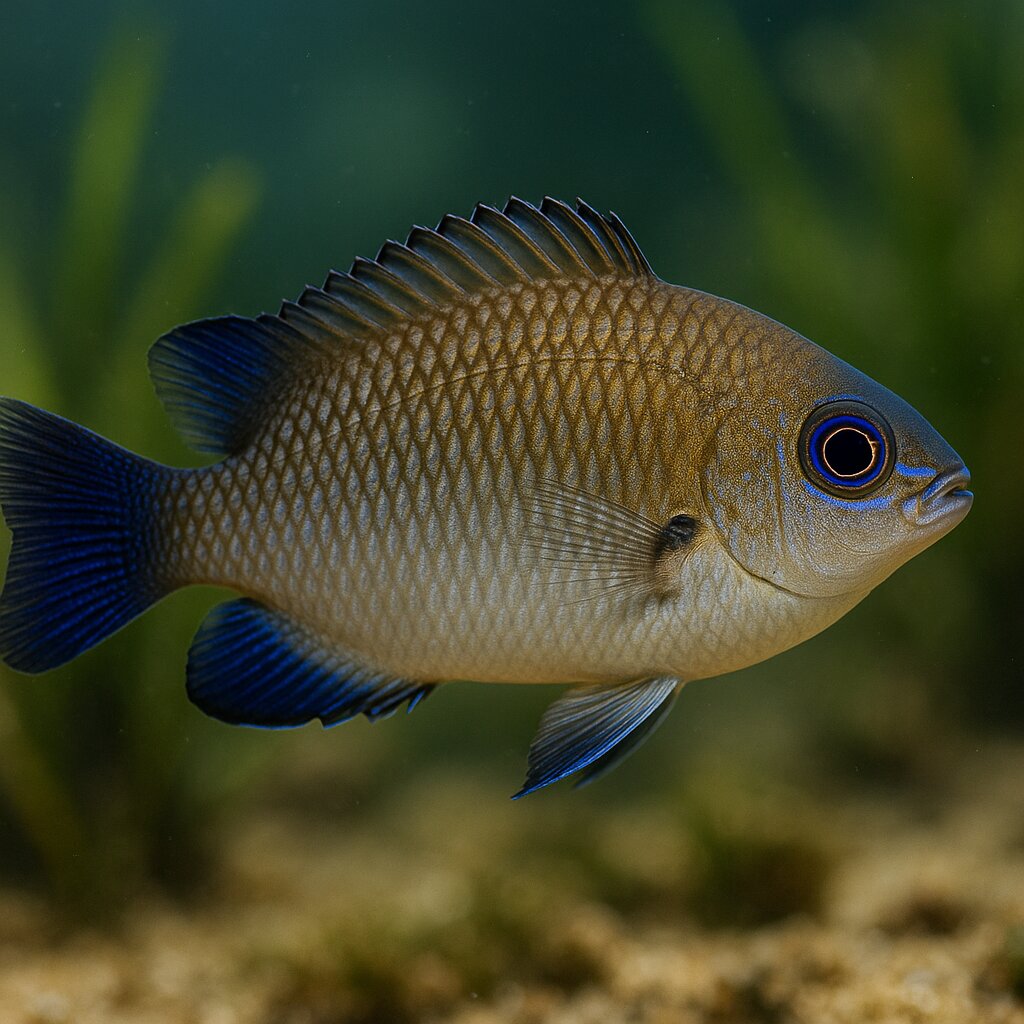
Arabian demoiselle
Neopomacentrus sindensis
A small lyretail damsel from the Persian Gulf and Arabian Sea, it hangs in loose groups around coral heads, rocks, and even pier pilings picking zooplankton from the flow. Think classic damsel toughness with a slightly milder attitude than the real bruisers, plus subtle yellow tail accents. Males clean a patch, get a mate to lay eggs there, and then stand guard fanning the clutch.
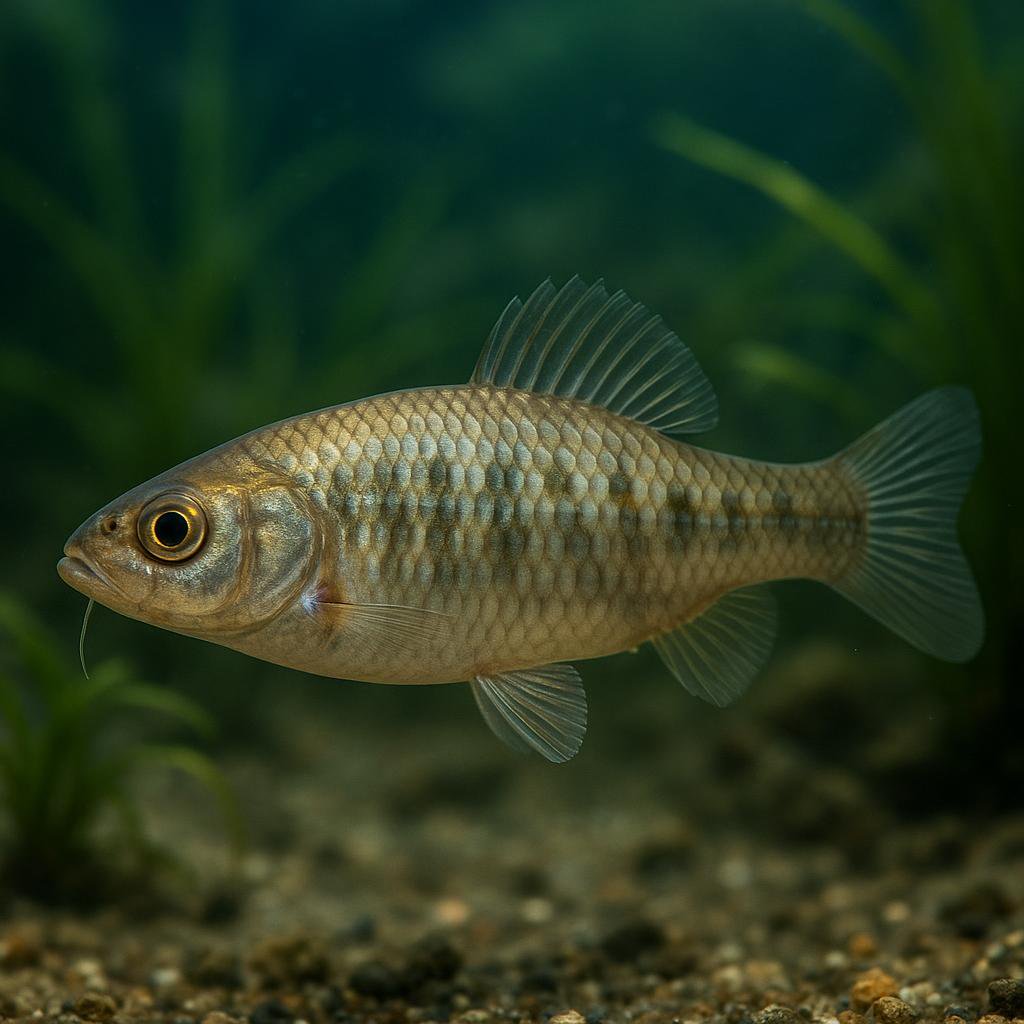
Arabian spiny eel
Notacanthus indicus
Notacanthus indicus is a deep-sea spiny eel (family Notacanthidae; not a true eel) known from the Arabian Sea on the continental slope at roughly ~960–1,046 m depth, with reported maximum length around 20 cm TL; it is a deep-water bycatch species and not established in the aquarium trade.
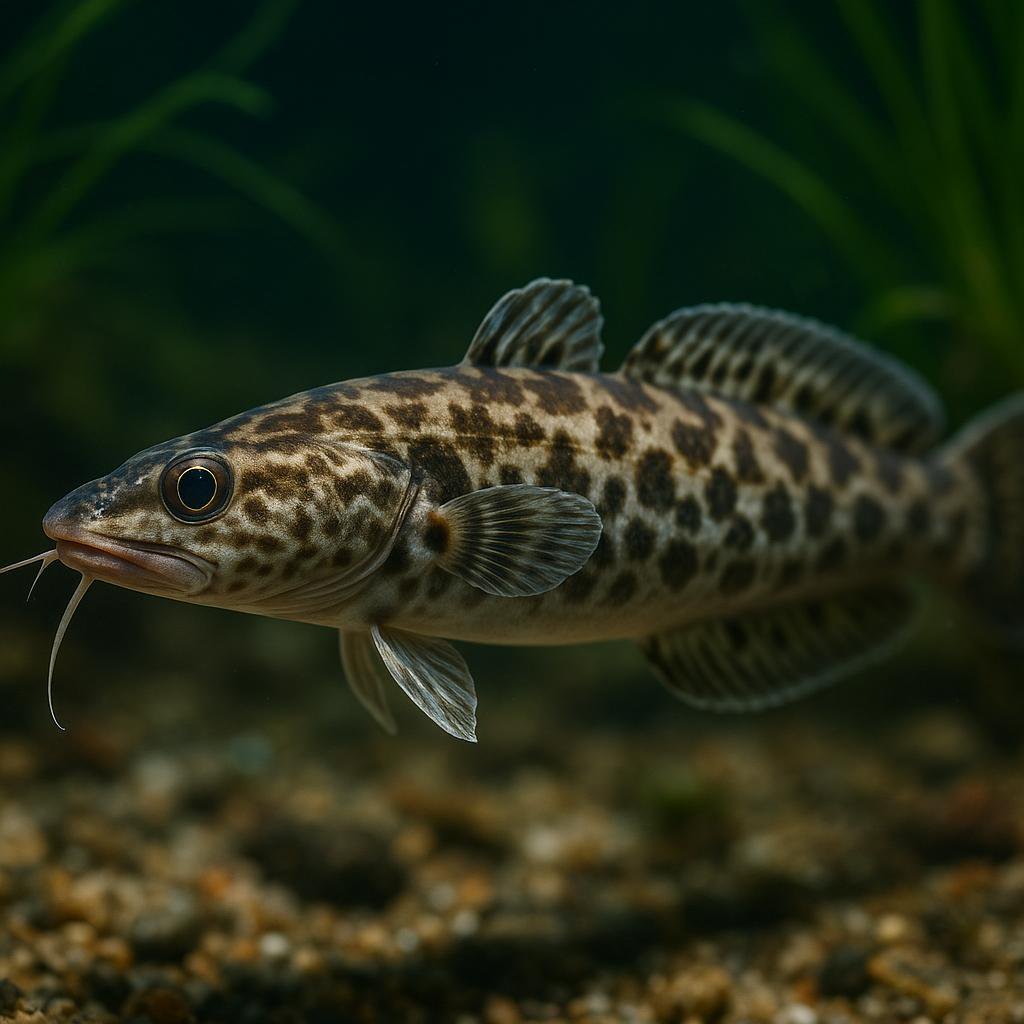
Arctic rockling
Gaidropsarus argentatus
This is a deepwater North Atlantic rockling (a cod relative) that hangs out on soft bottoms way down the slope. It is a cold-water, bottom-hugging predator that snoots around for crustaceans and will also take small fish when it gets the chance.
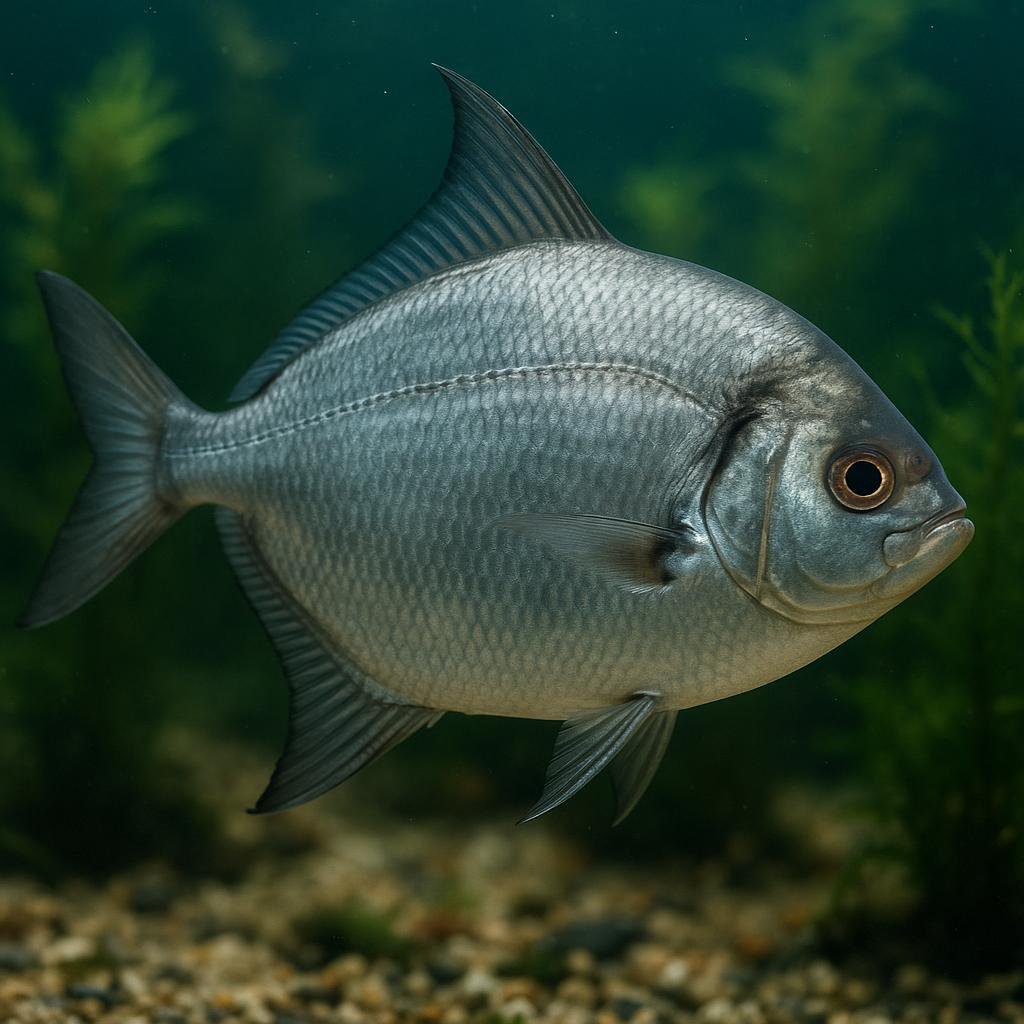
Atlantic pomfret
Brama brama
Brama brama is the Atlantic pomfret (aka Ray's bream) - a deep-bodied, open-ocean pelagic fish that cruises around in small schools and follows water temps. It is a legit big, wild marine species (not an aquarium fish) that eats other small sea critters like fish and squid, and it ranges across a huge chunk of the Atlantic plus parts of the Indian and South Pacific.
More to Explore
Discover more marine species.
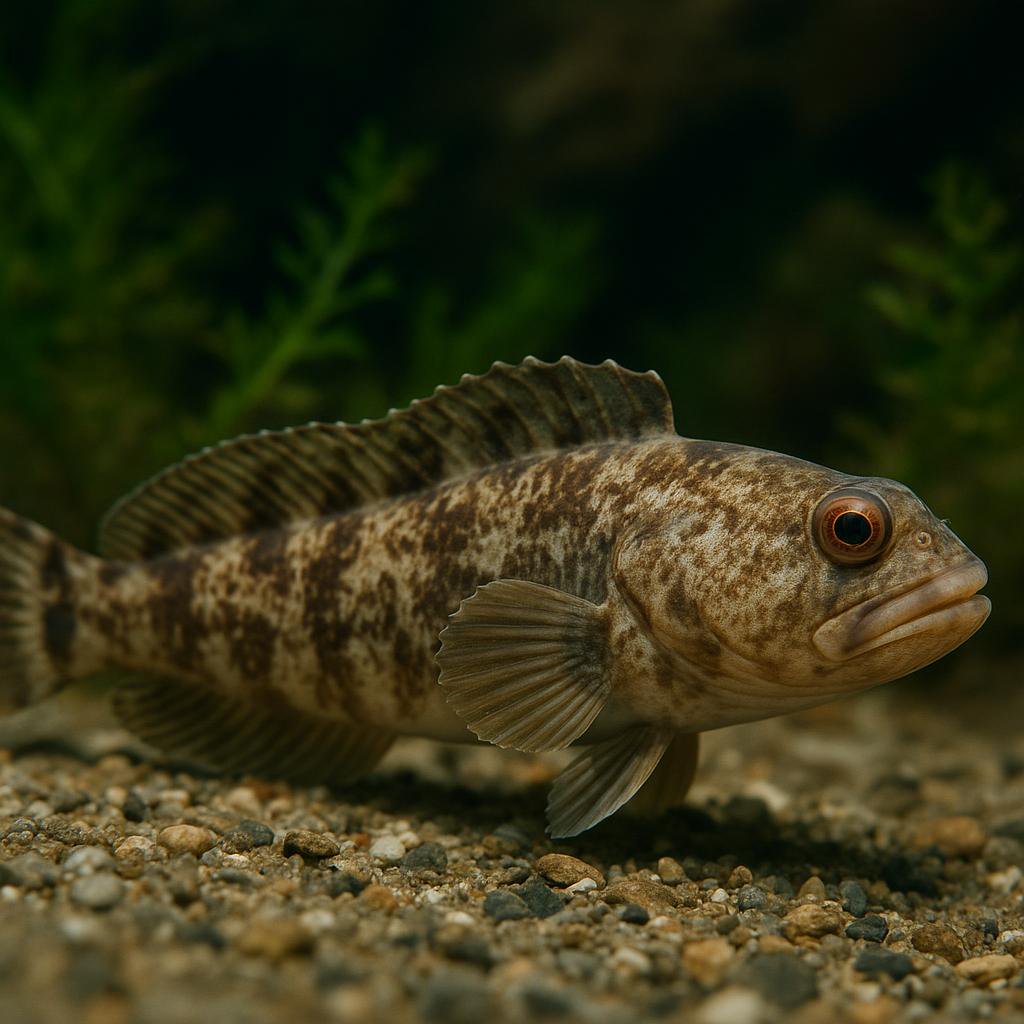
Abe's eelpout
Japonolycodes abei
Japonolycodes abei is a temperate, deepwater demersal eelpout (family Zoarcidae) endemic to Japan (Kumano-nada Sea reported; other sources also report Sagami Bay and Tosa Bay). It is the only species in the genus Japonolycodes and occurs roughly 40-300 m depth, making it an uncommon/atypical aquarium species.
Affinis blind cusk-eel
Barathronus affinis
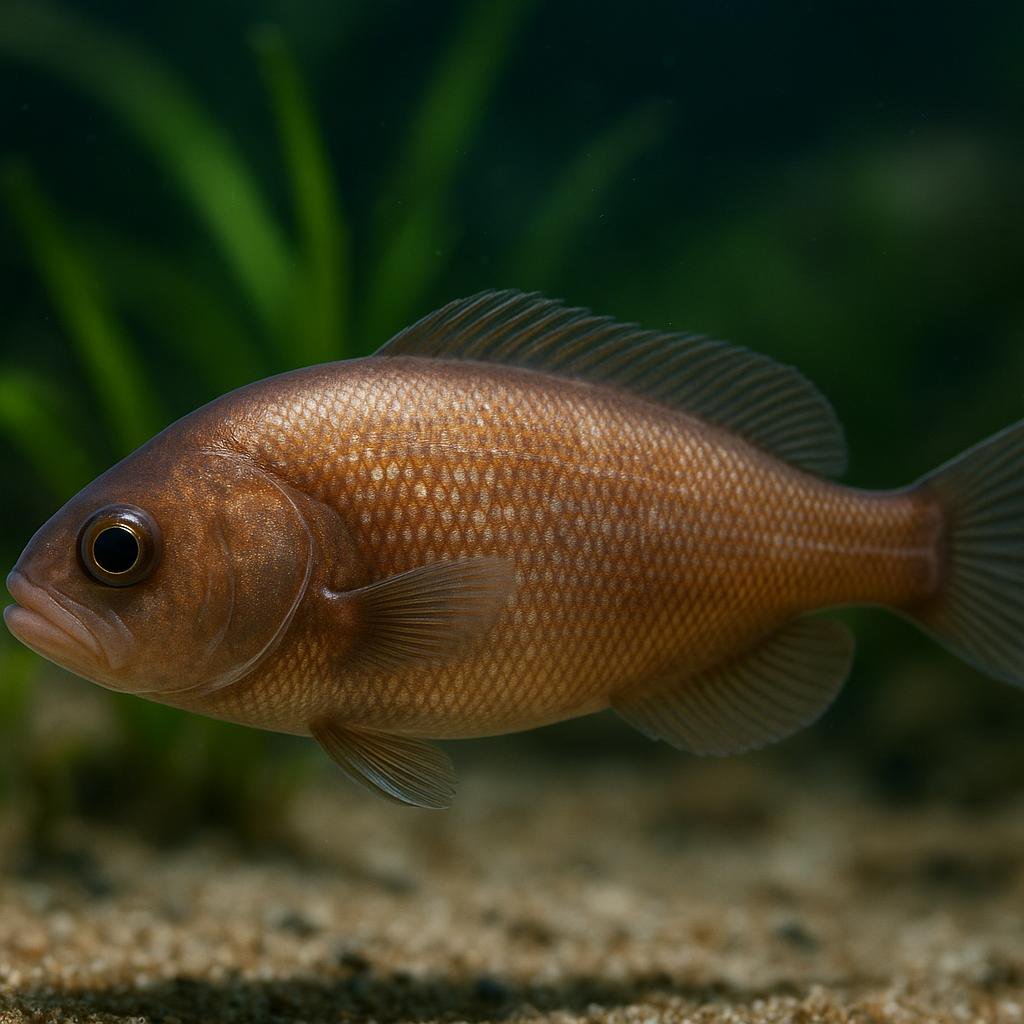
Barathronus affinis is a tiny, super-weird deep-sea blind cusk-eel from the western-central Indian Ocean. It is one of those gelatinous, loose-skinned brotula-type fishes that live way down in the dark and are basically never seen alive, so almost everything we know comes from preserved specimens and taxonomic work.
African red snapper
Lutjanus agennes
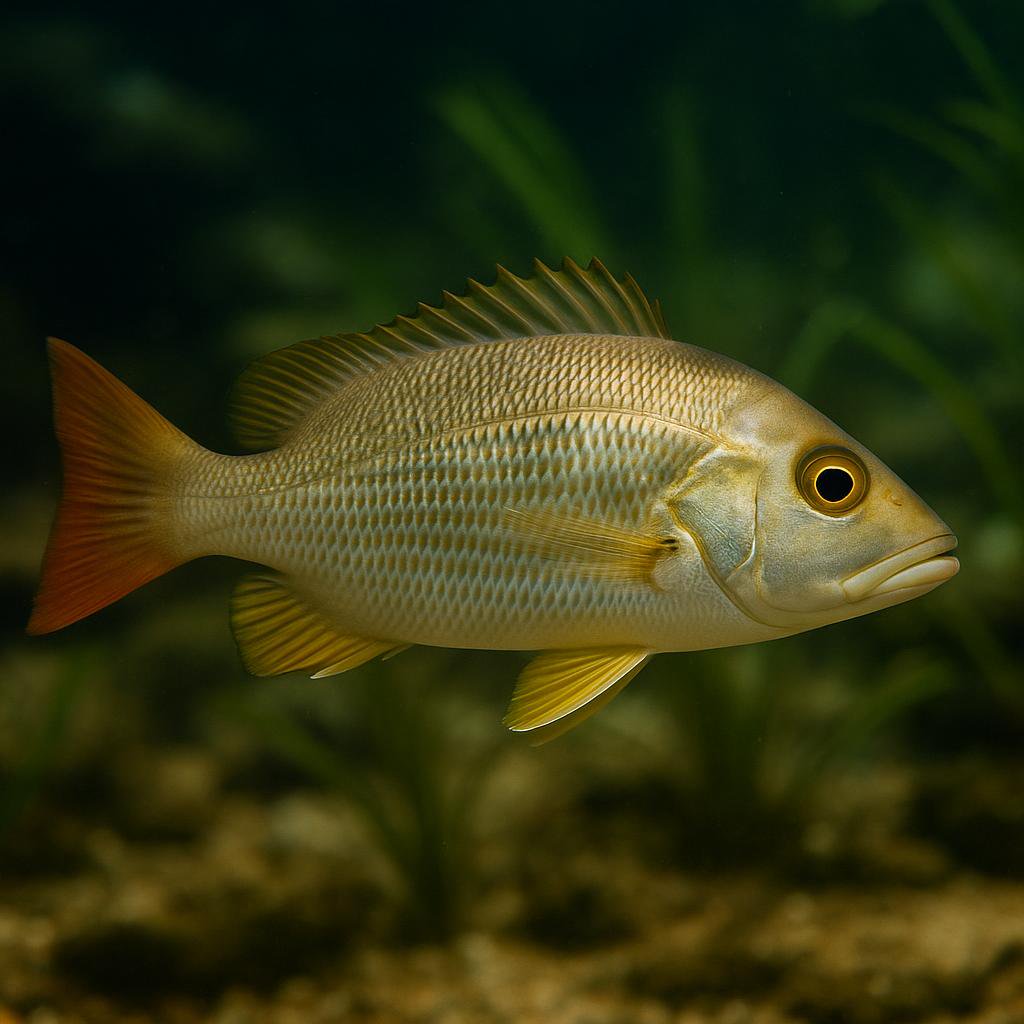
This is a true snapper from West Africa - a big, fast-growing predator that goes from coastal reefs to brackish lagoons and estuaries (especially as a juvenile). Super cool fish in the wild, but it gets absolutely huge and will eat smaller tankmates once it has the mouth for it, so its really more of a public-aquarium scale animal than a home-aquarium fish.
Allis shad
Alosa alosa
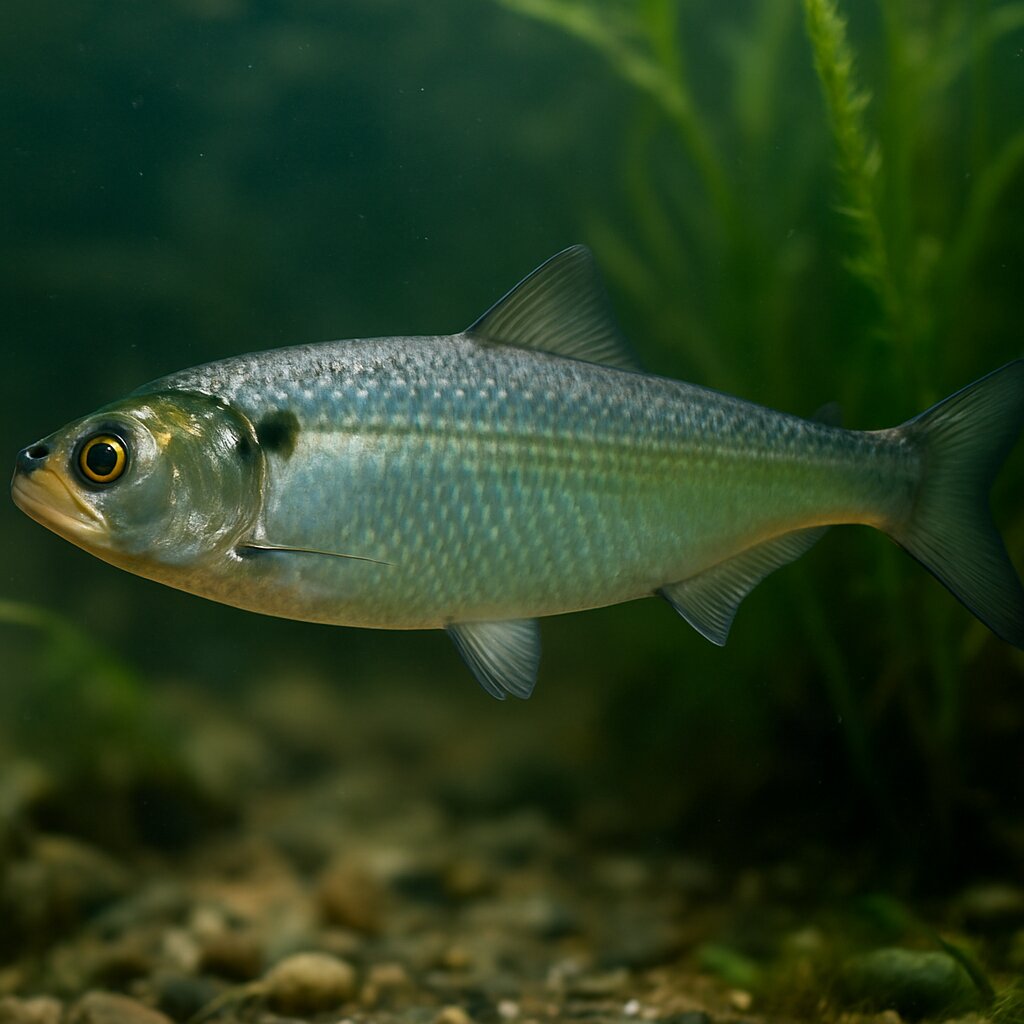
Gorgeous silver, fast-swimming shad that spends most of its life in the sea and then surges up big rivers in noisy, surface-spawning schools. It grows huge for a herring-type fish and needs cool, ultra-oxygenated water and tons of open space, so it is a public-aquarium species rather than a home tank fish.
Annandale's zebra sole
Zebrias annandalei
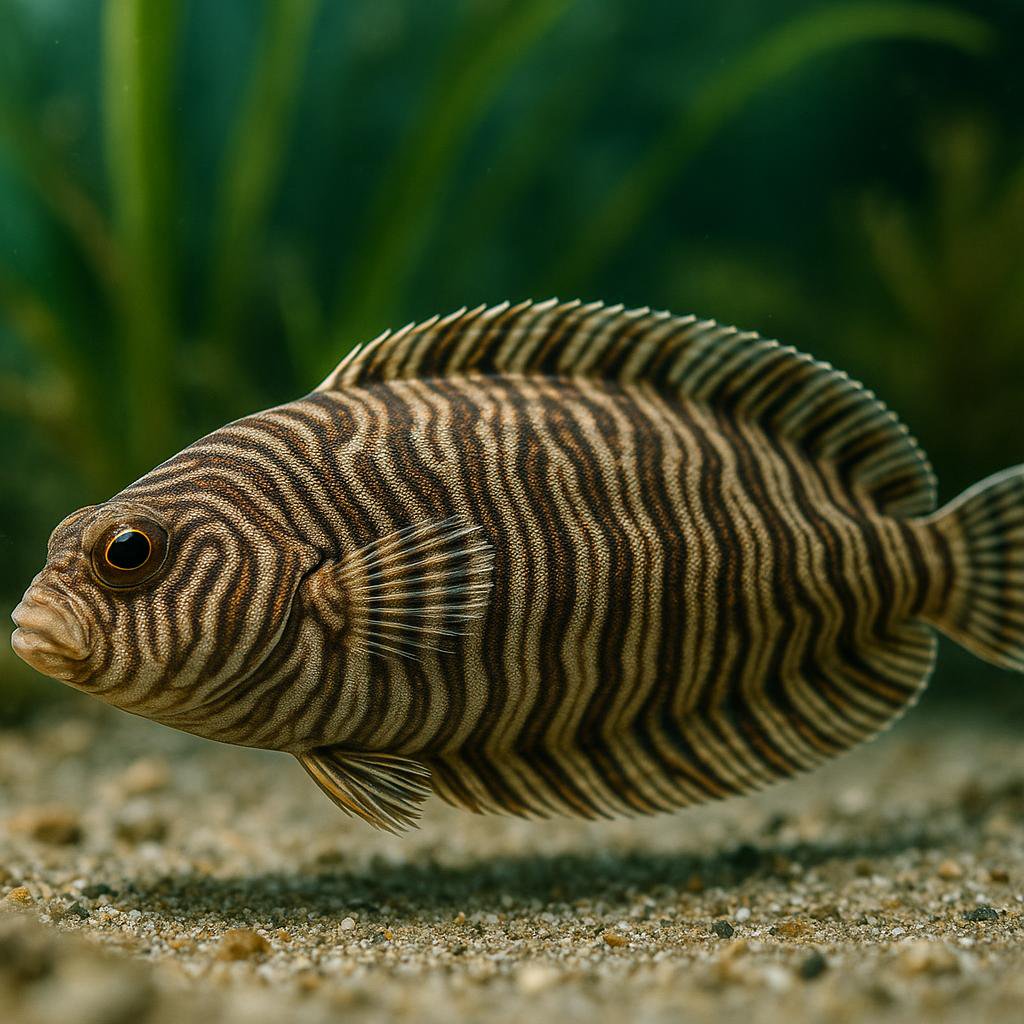
Zebrias annandalei is a small demersal sole from coastal India that inhabits sandy or muddy bottoms and buries for camouflage. It is rarely kept in home aquaria and would require a specialized marine sand-bottom setup and appropriate feeding.
Australian sawtail catshark
Figaro boardmani
Figaro boardmani is a small, deepwater Australian catshark with these cool saw-like ridges of spiny denticles along the tail and a neat pattern of dark saddle bands. It lives way down on the outer continental shelf and slope, so its natural water is cold, dim, and stable - totally not a typical home-aquarium fish. Diet-wise its a predator that goes after fish, crustaceans, and cephalopods.
Looking for other species?