

Dubious conger
Bathycongrus dubius
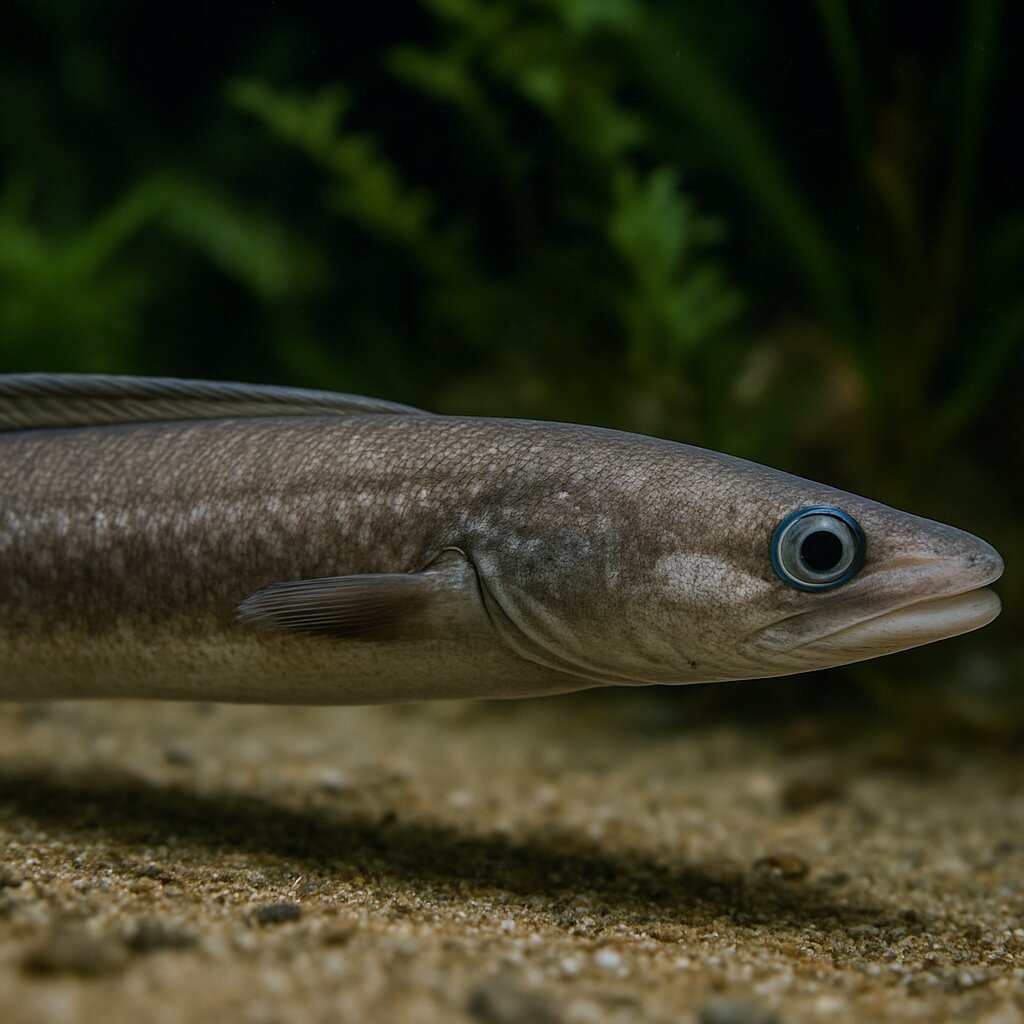
The Dubious conger features a long, slender body with a pale coloration, and distinct dark spots along its elongate dorsal fin.
This page includes AI-generated images. Why am I seeing AI images?
About the Dubious conger
This is a deepwater conger eel from the western Atlantic that spends its life way down on muddy and sandy bottoms, hundreds of meters below the surface. It hunts small fishes, shrimps, and crabs, and can reach around 44 cm total length. Super cool fish, but it needs cold, high-pressure-like conditions and is not a home-aquarium candidate.
Also known as
Quick Facts
Size
44.3 cm (17.4 inches)
Temperament
Semi-aggressive
Difficulty
Expert
Min Tank Size
300 gallons
Lifespan
10-20 years
Origin
Western Atlantic - USA to the Guianas (Gulf of Mexico, Caribbean)
Diet
Carnivore - small fishes, shrimps, crabs
Water Parameters
10-19°C
7.8-8.3
300-400 dGH
Need a heater for this species?
This species needs 10-19°C in a 300 gallon tank. Use our heater calculator to find the right wattage.
Calculate heater sizeCare Notes
- Give it a cold, dim tank with a chiller - think 10-16 C, full-strength seawater (34-35 ppt), and a big footprint (6 ft tank or larger). Lots of tight caves and PVC sections plus 3-6 inches of fine sand or silt for burrowing.
- Keep oxygen high and temps rock steady; run a strong skimmer and good surface agitation, and try to keep nitrate under 20 ppm.
- Feed after lights-out with tongs: strips of squid, prawn, and marine fish, or whole silversides. Start with smelly stuff to get it going and feed 2-3 times a week, removing leftovers.
- This eel is a predator; anything it can swallow is food. Best kept solo or only with large, chilled-water tankmates that ignore it.
- Use very low light and give multiple snug hides; they settle better and are far more likely to eat when they feel buried or wedged in.
- Lock down the lid and plug every gap - they are expert escape artists. Move it in a PVC tube instead of a net to avoid jaw and skin damage.
- Skip copper and harsh meds on this scaleless eel; treat issues in a chilled quarantine tank with high oxygen and stable temps. Watch for mouth abrasions and long hunger strikes.
- Breeding is a no-go in home tanks; they have a leptocephalus larval stage that needs the open ocean.
Compatibility
Good Tankmates
- Midwater workhorses like tangs and rabbitfish - Naso, Zebrasoma, and foxface - too quick and deep-bodied to be a snack
- Chunky wrasses that mind their business - Halichoeres, Thalassoma, and harlequin tusk - active and not nippy
- Big angels that cruise the rockwork without pestering - emperor, blueface, or similar
- Hawkfish and sturdy nocturnal types like squirrelfish and soldierfish - cave hangers that do fine with an eel nearby
- Lionfish and other scorpionfish of solid size - everyone gives each other space
Avoid
- Tiny nano fish - gobies, firefish, little anthias or chromis - they vanish once the lights go out
- Nippy bullies like triggers and big toby or porcupine puffers - they bite faces and fins
- Huge gulpers like large groupers or snappers - a slender conger can become lunch
- Other cave eels crammed into limited rock - morays or other congers will scrap over dens
Where they come from
Dubious congers are deepwater eels from the western Atlantic and Caribbean, usually well off the reef on the continental slope. Think 100-300+ meters down where it is cold, dark, and quiet. They spend a lot of time buried in soft bottom, poking out to snag passing prey.
This is a true deepwater fish. If you do not have a chiller and a stable, low-light setup, pick another species. Most losses with this eel come from trying to keep it at warm reef temps or under bright lights.
Setting up their tank
Give it room, darkness, and cold, well-oxygenated water. A 6-foot tank is a realistic minimum for an adult, and longer is better. They are burrowers, so plan the layout around that behavior.
- Chiller sized to hold 10-16 C (50-61 F) without big swings
- Deep soft sand bed (5-10 cm) with sections built up to 15 cm for burrowing
- PVC caves/tunnels (50-75 mm diameter) partially buried in sand
- Very tight lid with weighted or latched access panels
- Covered overflows and cable cutouts (mesh or foam gaskets)
- High aeration and surface agitation; oversized skimmer helps
- Moderate laminar flow along the bottom, not blasting the burrow
- Dim lighting - moonlight-level is plenty
Run full-strength seawater at 34-35 ppt, pH 7.9-8.2, with zero ammonia and nitrite, and low nitrate. Keep temperatures stable within that cold range and avoid rapid changes. These eels come from high-oxygen water, so run strong gas exchange and do not let CO2 build up in a closed room.
Escape-proof like you are keeping a snake. They push lids, find cable gaps, and can climb weirs. Most captive deaths are from carpet surfing, not disease.
Acclimate in near-darkness with high aeration. A slow drip is fine, but do not warm them up during acclimation. Keep a tight cover on the acclimation tub too.
What to feed them
They are ambush predators that eat small fishes and crustaceans. In captivity, they take meaty marine foods offered on tongs once they settle. Start with movement to trigger a strike, then switch to steadier target feeding.
- Silversides or sand lance pieces (not as a sole diet)
- Squid strips and tentacles
- Mysis and chopped prawn/shrimp
- Clam, mussel, and scallop chunks
- Lean marine fish fillet (hake, cod, pollock) in small pieces
Feed 2-3 times per week until the body fills out, then taper to prevent fatty buildup. Soak foods in a marine vitamin mix a couple times a week. Use long feeding tongs and present right at the burrow entrance with lights very low. A red flashlight helps you see without spooking the eel.
Avoid freshwater feeder fish. They are risky for parasites and do not offer the right nutrition. If using silversides or smelt, rotate with non-thiaminase foods and add vitamins.
How they behave and who they get along with
Shy, mostly nocturnal, and very keyed in to vibration. You will see a head poking from the sand with quick strikes at dusk. They are not mean for the sake of it, but anything bite-sized is food. They ignore sturdy, non-nippy tankmates that do not invade their burrow.
- Best as a species-only display or with a few large, calm fish that handle 10-16 C and dim light
- Skip small fishes, shrimps, and crabs - they will disappear
- Avoid boisterous or nippy species that harass at the burrow
- Do not mix with other burrowing eels unless you have a very large footprint and multiple separated zones
If you want to actually see it, feed after lights-out with a red headlamp and keep a consistent routine. They learn the schedule and will sit half-out waiting at the same spot.
Breeding tips
Not something you can do at home. Like other conger eels, they have a leptocephalus larval stage and spawn offshore. No documented captive breeding for this species, and even public aquariums have not cracked it. Focus on long-term holding and stable conditions instead.
Common problems to watch for
- Warm temps and low oxygen - leads to lethargy, poor feeding, and sudden deaths. Run a chiller and heavy aeration.
- Refusing food - keep lights low, offer at dusk, try moving prey on tongs, and rotate foods. Check temperature first.
- Escape attempts - seal every gap. Add weight or clips to lids. Cover overflows with rigid mesh.
- Nose and jaw abrasions - happen from rubbing on glass or netting. Use a container to move the eel, not a net, and give soft sand with rounded PVC edges.
- Barotrauma from collection - some arrive with gas issues, bloating, or trouble staying down. Many do not recover. Ask suppliers how the fish was decompressed and be ready to pass if the fish looks off.
- Infections from injuries - keep water pristine and treat in a dark, covered hospital tank if you see redness or fungus.
- Fatty liver from rich diets - do not power-feed daily. Use lean marine meats and keep a varied menu with vitamins.
Deepwater eels are often bycatch and can have poor survival from capture to home tanks. If you cannot confirm chilled transport, slow decompression, and recent feeding, skip the purchase. Quarantine in a chilled, dim, tightly covered tank for at least 4 weeks.
Similar Species
Other marine semi-aggressive species you might be interested in.
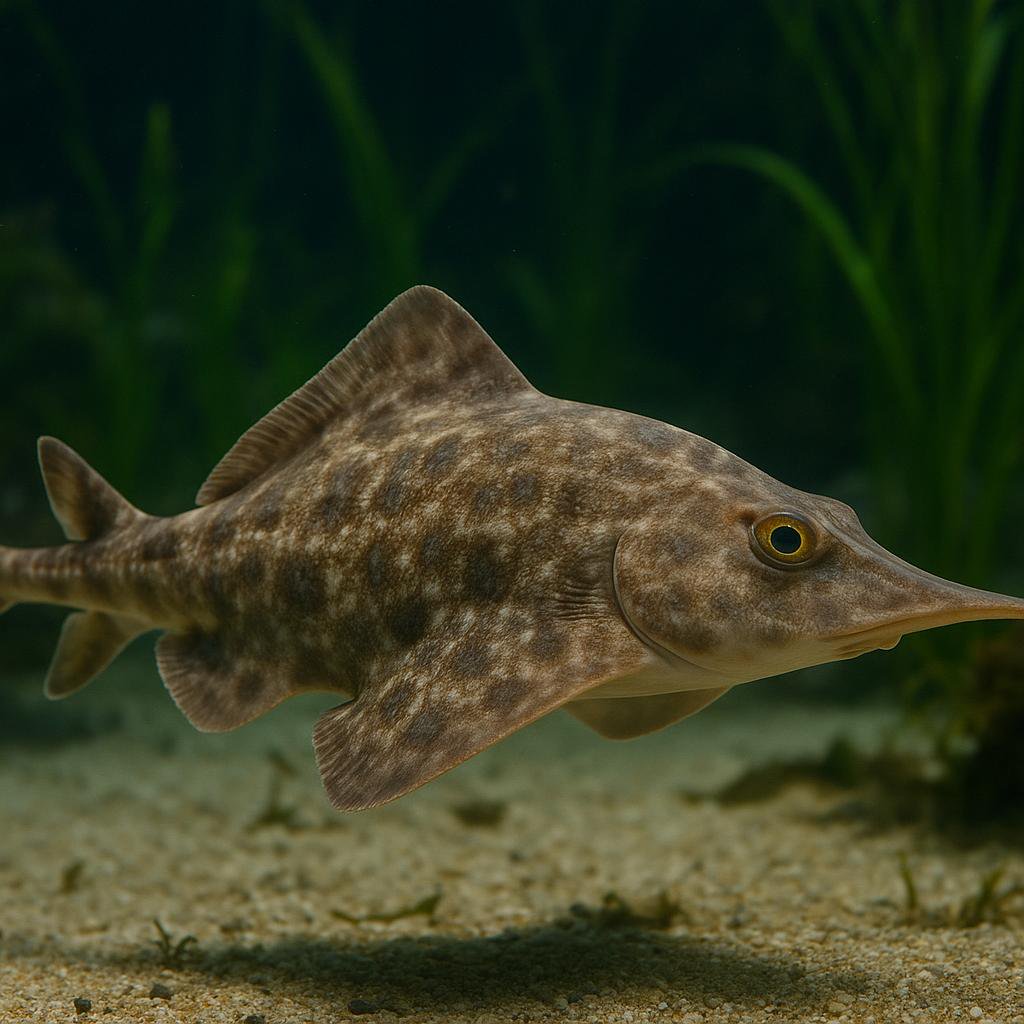
Aleutian skate
Bathyraja aleutica
This is a big, cold-water deep-slope skate from the North Pacific that cruises muddy bottoms and eats chunky benthic prey like crabs and shrimp. The really cool bit is its egg-laying skate life - it does distinct pairing (the classic skate "embrace") and drops those tough egg cases on the seafloor. Not an aquarium fish at all unless you're basically running a public-aquarium-style chilled system.
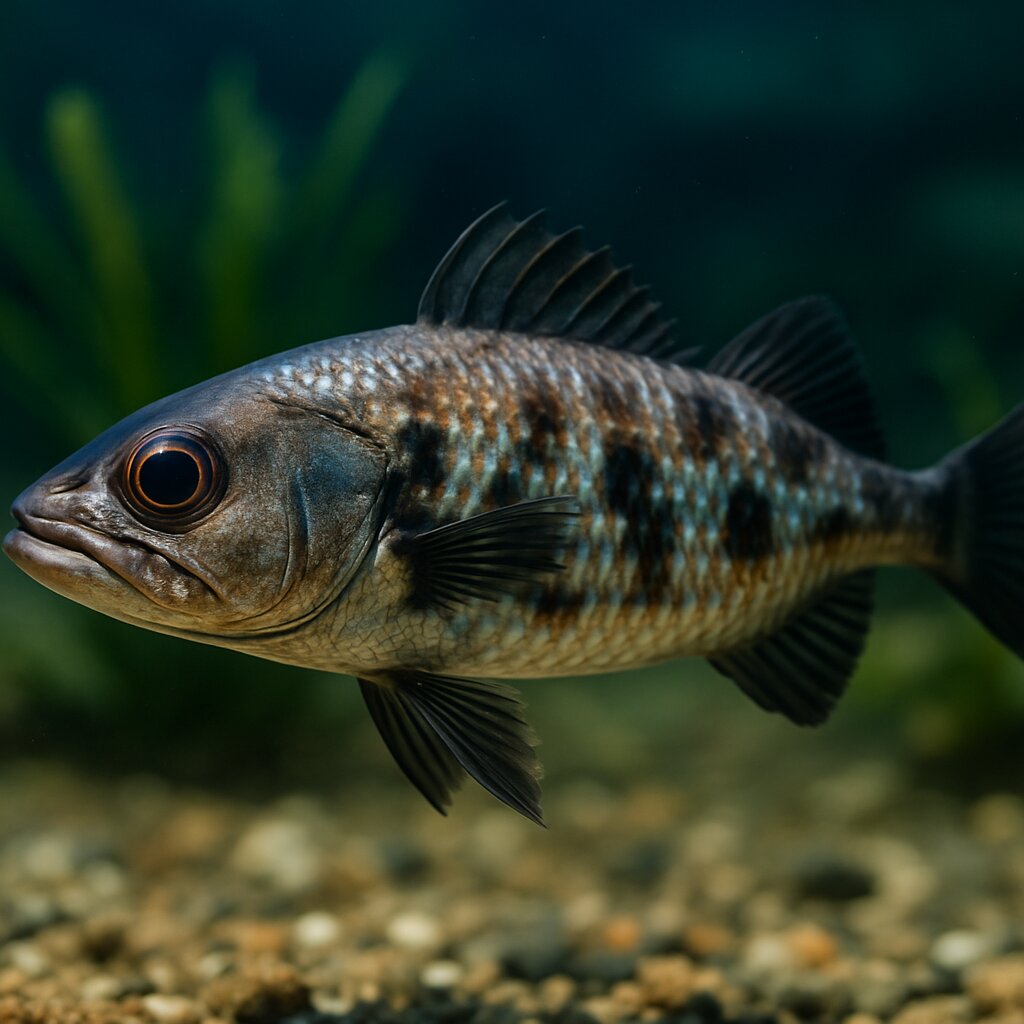
Antarctic dragonfish
Vomeridens infuscipinnis
Deep down around Antarctica, this sleek dragonfish cruises the water column like a little submarine, nearly neutrally buoyant so it can hover above the seafloor. It munches almost exclusively on Antarctic krill and lives in near-freezing water 500-800 m down, so it is a cool species to read about, not one for home tanks.
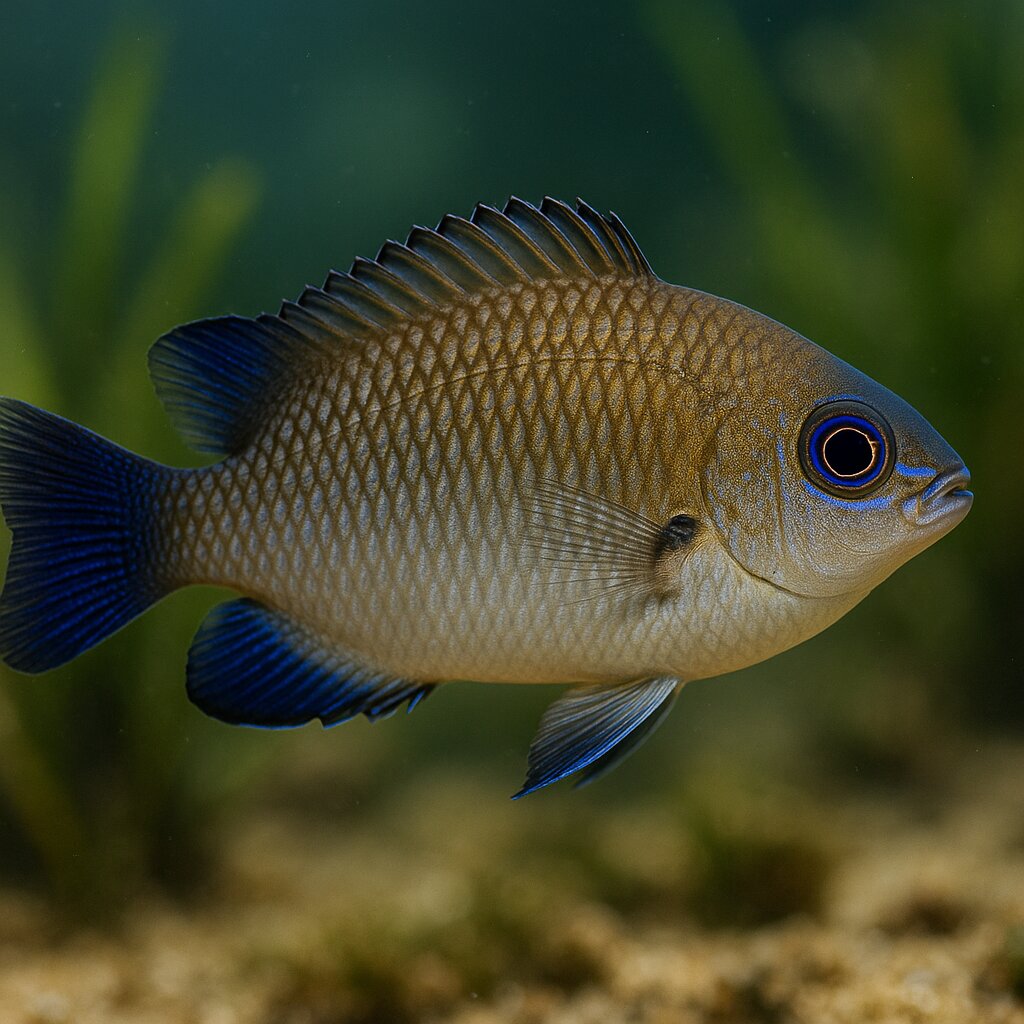
Arabian demoiselle
Neopomacentrus sindensis
A small lyretail damsel from the Persian Gulf and Arabian Sea, it hangs in loose groups around coral heads, rocks, and even pier pilings picking zooplankton from the flow. Think classic damsel toughness with a slightly milder attitude than the real bruisers, plus subtle yellow tail accents. Males clean a patch, get a mate to lay eggs there, and then stand guard fanning the clutch.
Arabian spiny eel
Notacanthus indicus
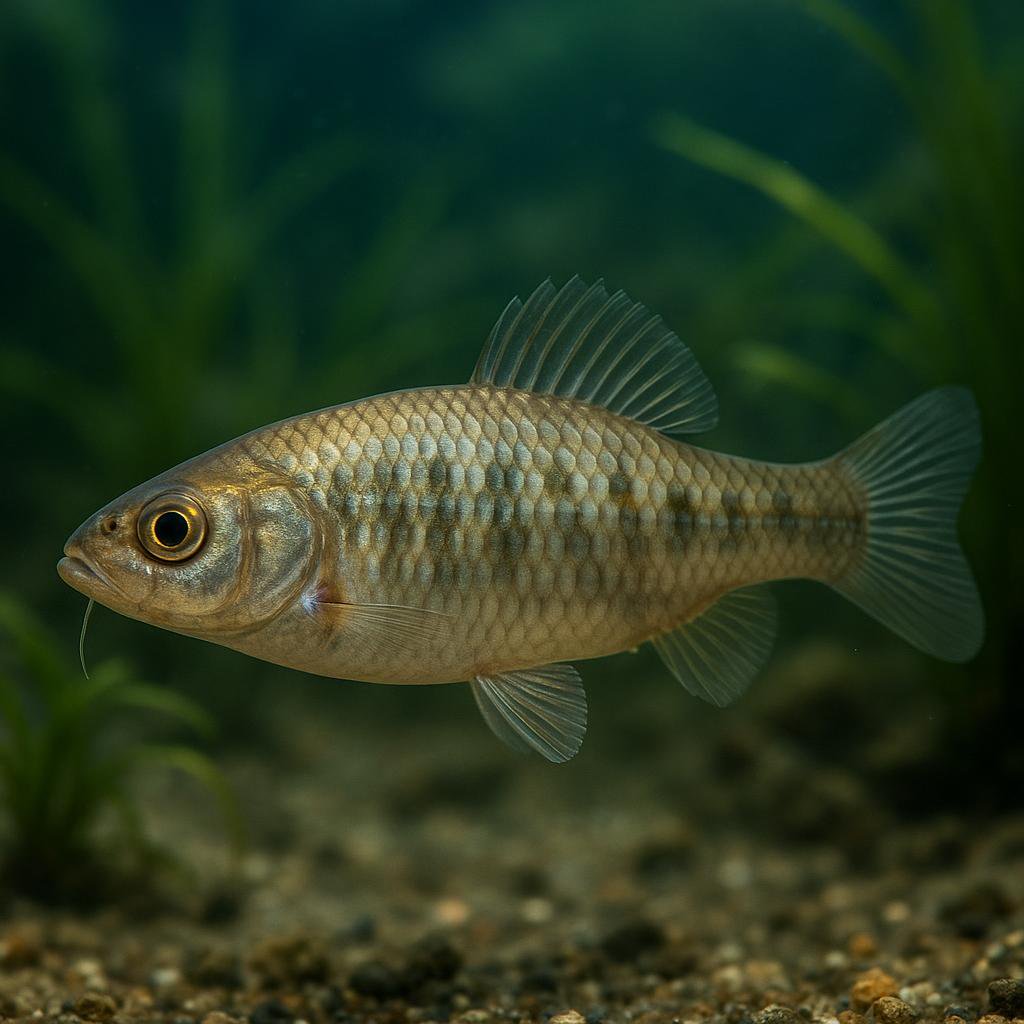
Notacanthus indicus is a deep-sea spiny eel (family Notacanthidae; not a true eel) known from the Arabian Sea on the continental slope at roughly ~960–1,046 m depth, with reported maximum length around 20 cm TL; it is a deep-water bycatch species and not established in the aquarium trade.
Arctic rockling
Gaidropsarus argentatus
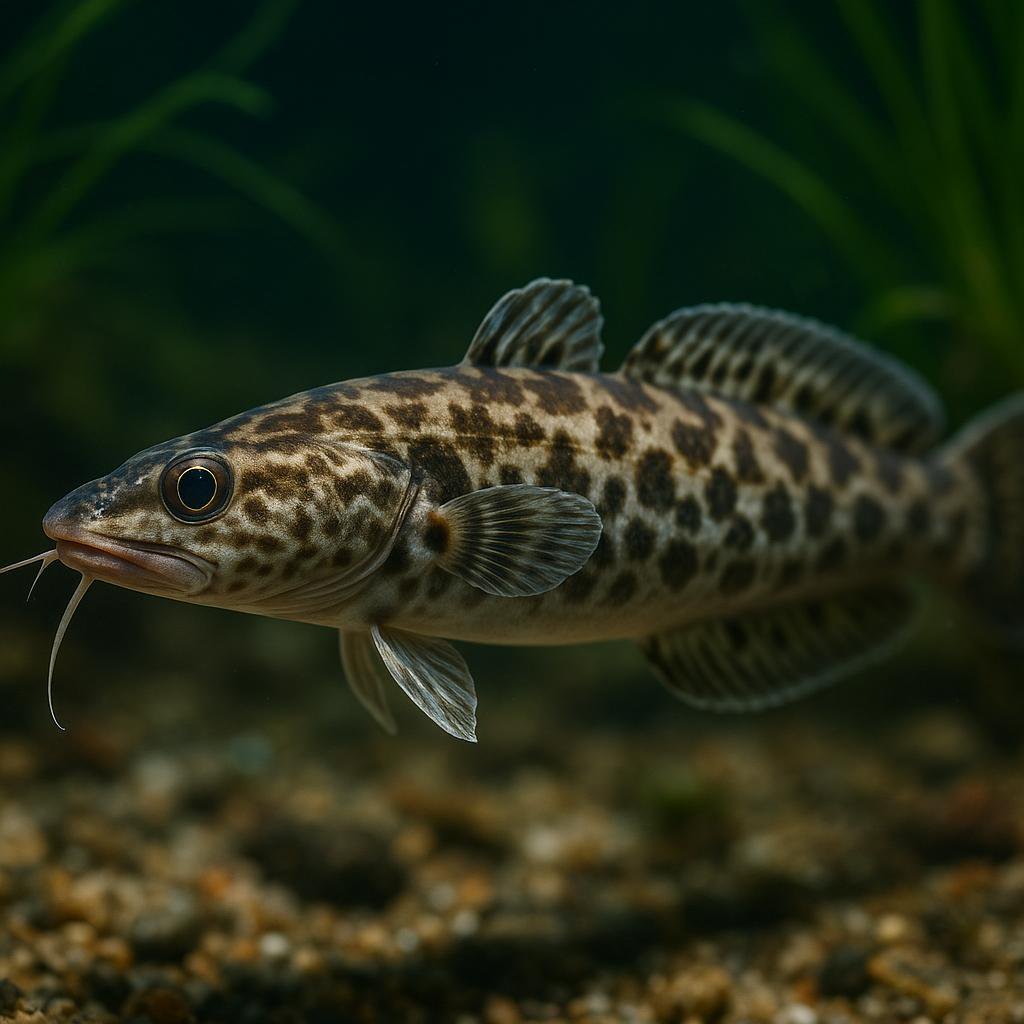
This is a deepwater North Atlantic rockling (a cod relative) that hangs out on soft bottoms way down the slope. It is a cold-water, bottom-hugging predator that snoots around for crustaceans and will also take small fish when it gets the chance.
Atlantic pomfret
Brama brama
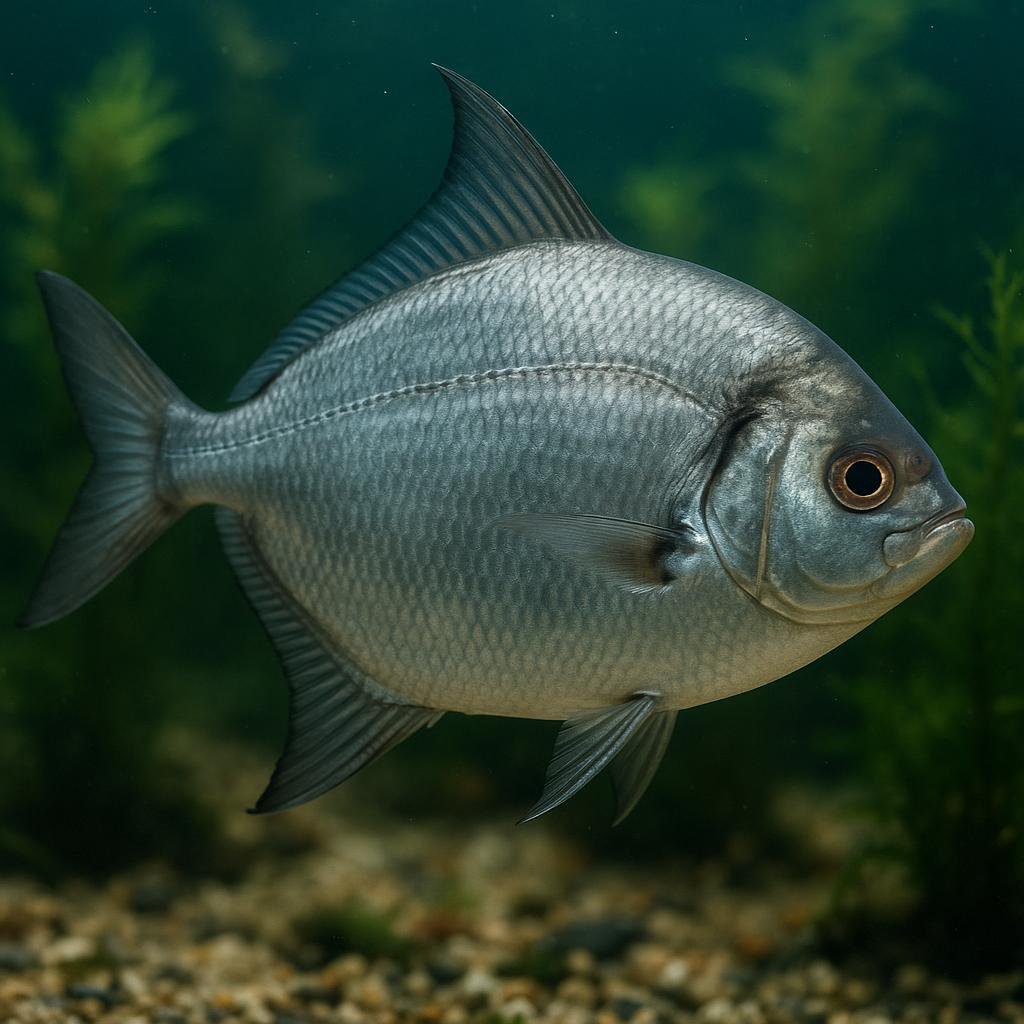
Brama brama is the Atlantic pomfret (aka Ray's bream) - a deep-bodied, open-ocean pelagic fish that cruises around in small schools and follows water temps. It is a legit big, wild marine species (not an aquarium fish) that eats other small sea critters like fish and squid, and it ranges across a huge chunk of the Atlantic plus parts of the Indian and South Pacific.
More to Explore
Discover more marine species.
Abe's eelpout
Japonolycodes abei
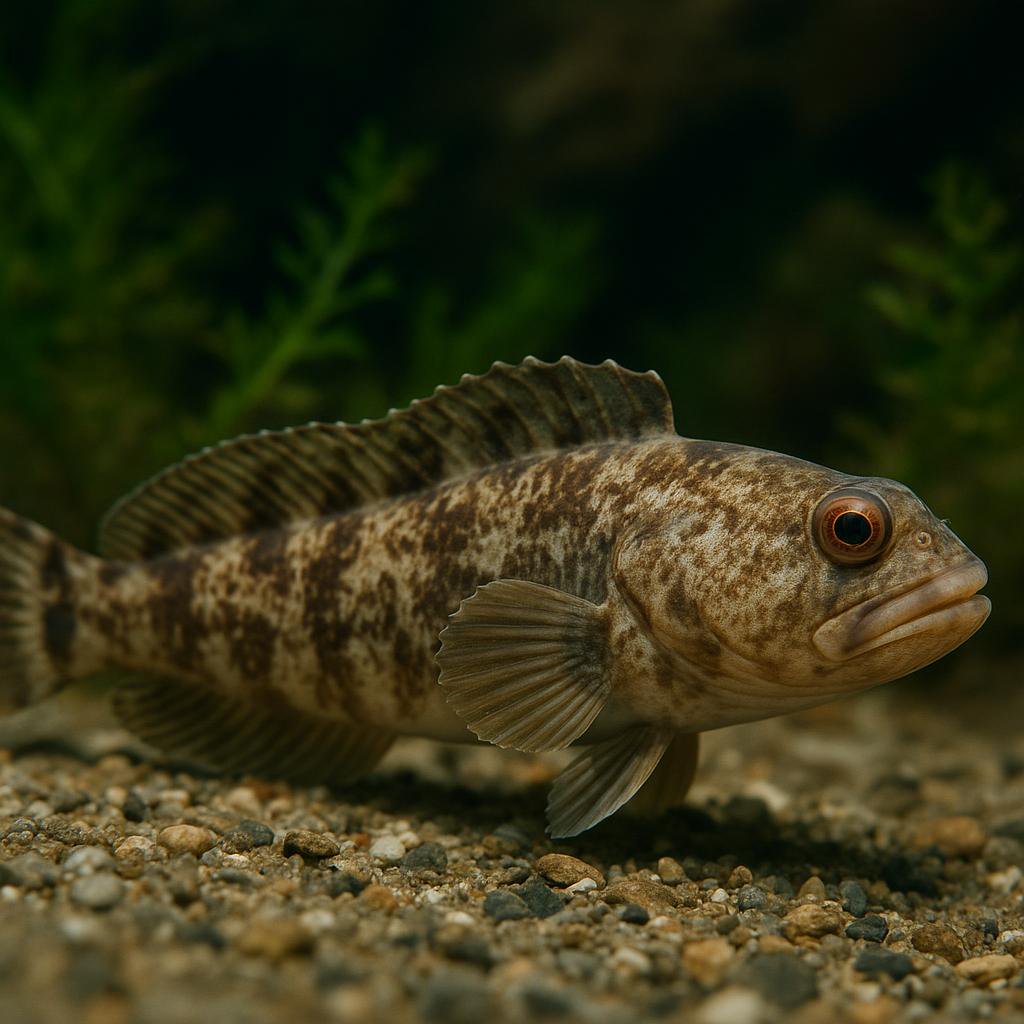
Japonolycodes abei is a temperate, deepwater demersal eelpout (family Zoarcidae) endemic to Japan (Kumano-nada Sea reported; other sources also report Sagami Bay and Tosa Bay). It is the only species in the genus Japonolycodes and occurs roughly 40-300 m depth, making it an uncommon/atypical aquarium species.
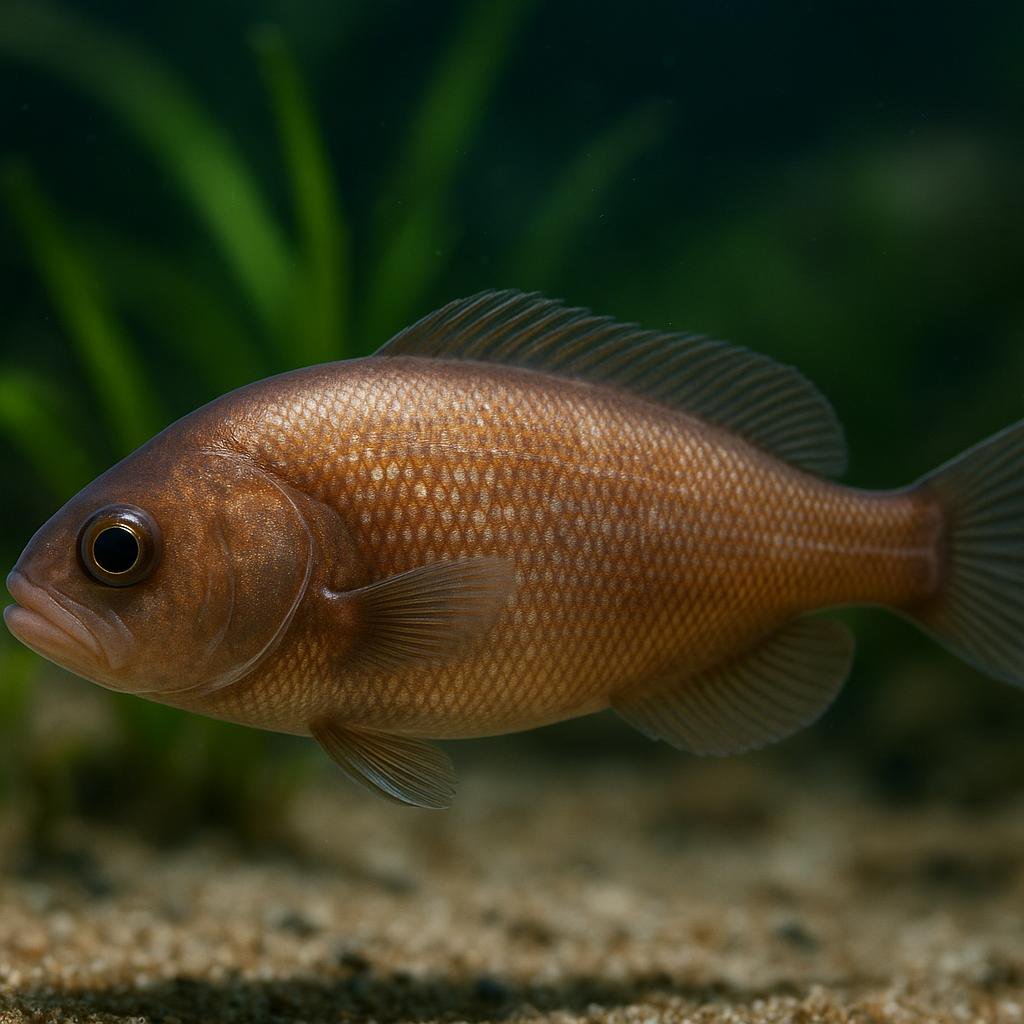
Affinis blind cusk-eel
Barathronus affinis
Barathronus affinis is a tiny, super-weird deep-sea blind cusk-eel from the western-central Indian Ocean. It is one of those gelatinous, loose-skinned brotula-type fishes that live way down in the dark and are basically never seen alive, so almost everything we know comes from preserved specimens and taxonomic work.
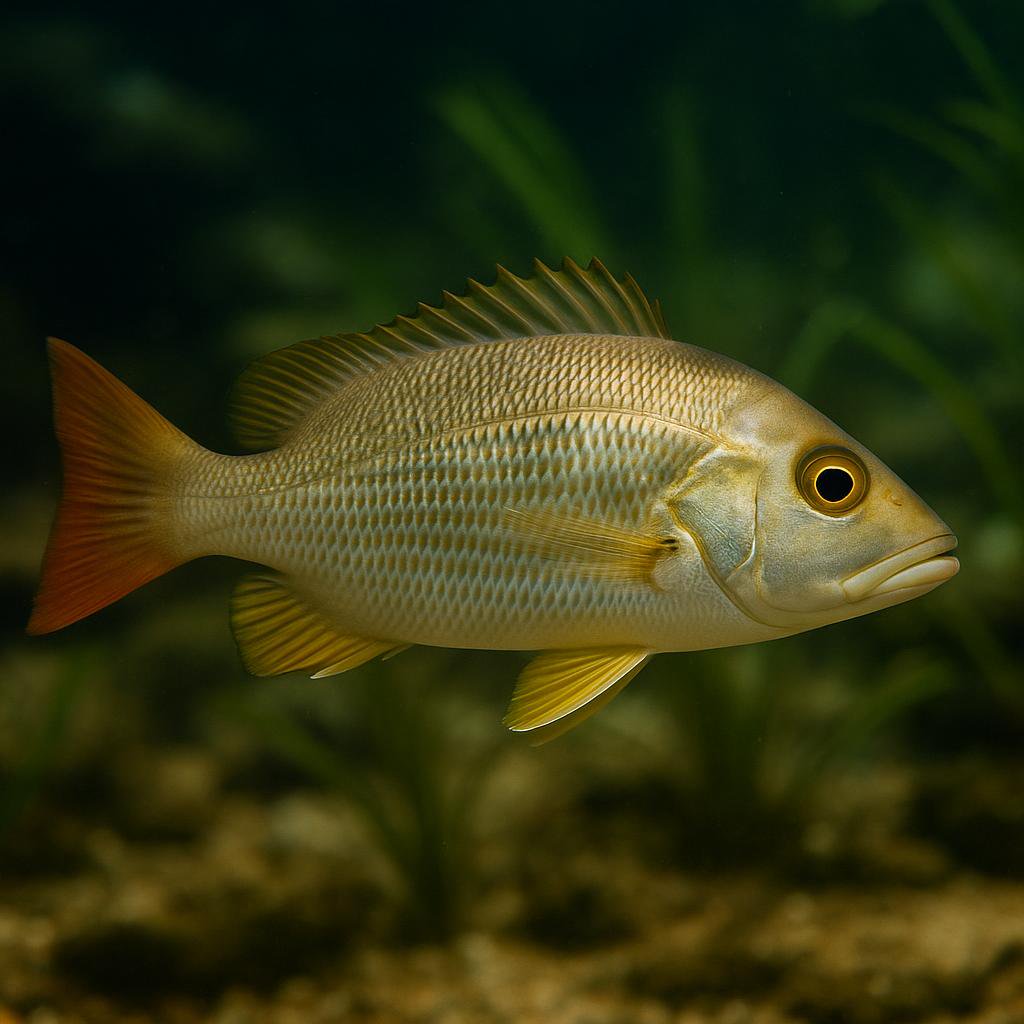
African red snapper
Lutjanus agennes
This is a true snapper from West Africa - a big, fast-growing predator that goes from coastal reefs to brackish lagoons and estuaries (especially as a juvenile). Super cool fish in the wild, but it gets absolutely huge and will eat smaller tankmates once it has the mouth for it, so its really more of a public-aquarium scale animal than a home-aquarium fish.
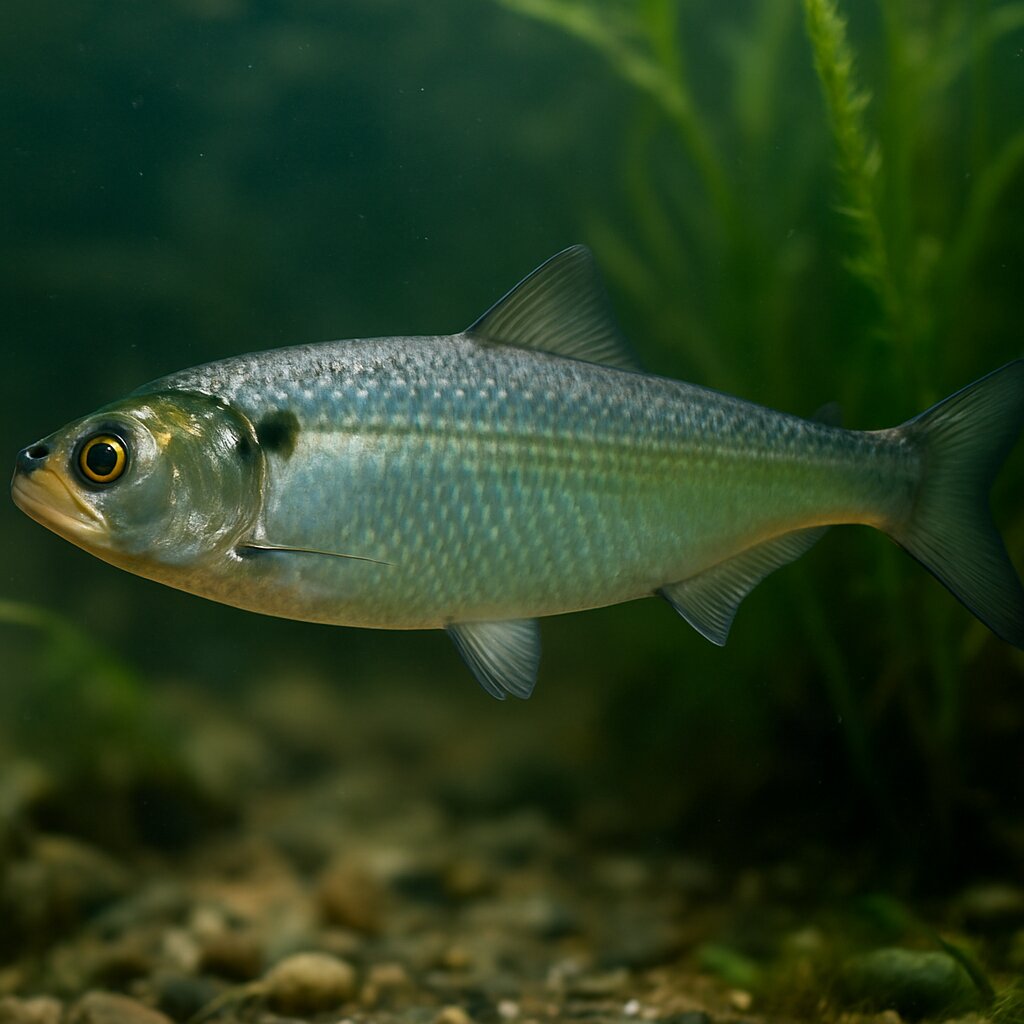
Allis shad
Alosa alosa
Gorgeous silver, fast-swimming shad that spends most of its life in the sea and then surges up big rivers in noisy, surface-spawning schools. It grows huge for a herring-type fish and needs cool, ultra-oxygenated water and tons of open space, so it is a public-aquarium species rather than a home tank fish.
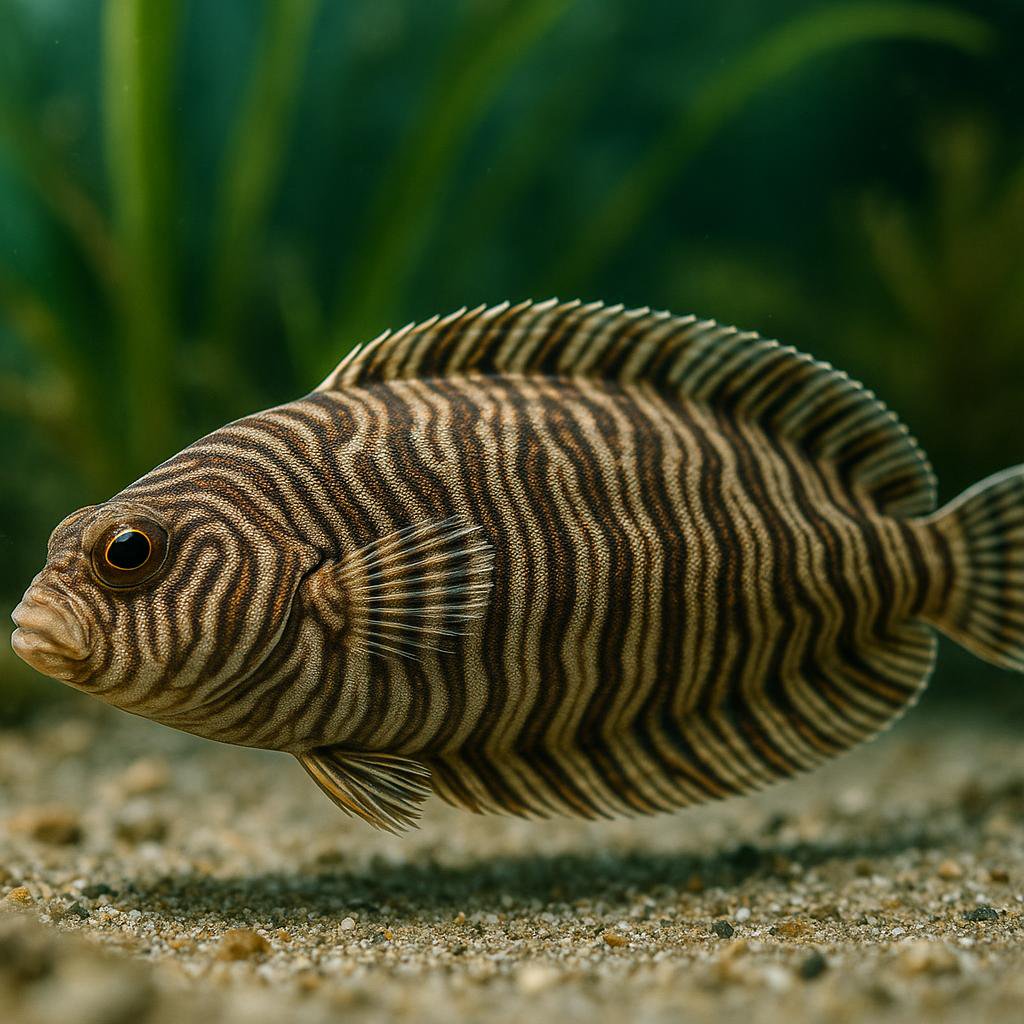
Annandale's zebra sole
Zebrias annandalei
Zebrias annandalei is a small demersal sole from coastal India that inhabits sandy or muddy bottoms and buries for camouflage. It is rarely kept in home aquaria and would require a specialized marine sand-bottom setup and appropriate feeding.
Australian sawtail catshark
Figaro boardmani
Figaro boardmani is a small, deepwater Australian catshark with these cool saw-like ridges of spiny denticles along the tail and a neat pattern of dark saddle bands. It lives way down on the outer continental shelf and slope, so its natural water is cold, dim, and stable - totally not a typical home-aquarium fish. Diet-wise its a predator that goes after fish, crustaceans, and cephalopods.
Looking for other species?