

White-patch tuskfish
Choerodon oligacanthus
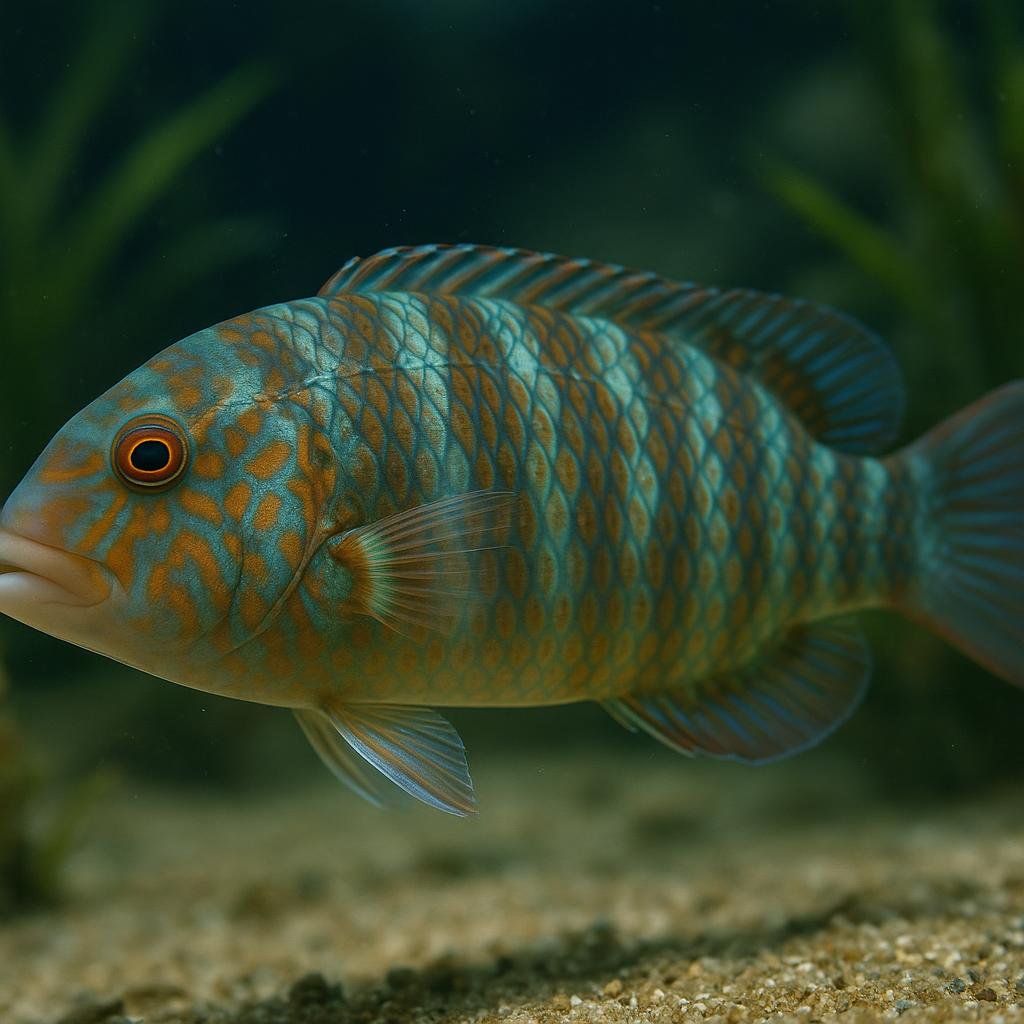
The White-patch tuskfish features a robust body, vibrant blue-green coloration, and distinctive white patches on its fins and face.
This page includes AI-generated images. Why am I seeing AI images?
About the White-patch tuskfish
This is a chunky tuskfish wrasse from the Western Central Pacific with that classic Choerodon vibe - big attitude, big teeth, and a built-for-crunching mouth. Its natural menu is benthic critters, and it tends to live fairly shallow (roughly 2-15 m), so think "reef edge hunter" more than "open-water swimmer". Also worth knowing: there is basically no solid track record of long-term aquarium husbandry specifically for this exact species, so its care is a bit of educated guesswork based on other tuskfish.
Also known as
Quick Facts
Size
28.2 cm SL
Temperament
Semi-aggressive
Difficulty
Expert
Min Tank Size
180 gallons
Lifespan
10-20 years
Origin
Western Central Pacific (Indonesia, Philippines, Singapore, New Caledonia area)
Diet
Carnivore – primarily hard-shelled benthic invertebrates (molluscs, urchins, crustaceans); accepts meaty marine foods such as shrimp, clam, squid, and krill in aquaria
Water Parameters
24-28.1°C
8.1-8.4
7-12 dGH
Need a heater for this species?
This species needs 24-28.1°C in a 180 gallon tank. Use our heater calculator to find the right wattage.
Calculate heater sizeCare Notes
- Give it a big-footprint tank (180g+), ample swimming room, and plenty of sturdy rockwork and caves; unlike many wrasses, Choerodon tuskfishes do not bury in sand at night.
- Rockwork has to be cemented/epoxied and stable - these fish are strong, they bulldoze, and a rockslide is the fastest way to ruin your week.
- Run ocean-ish numbers: 1.025–1.026 salinity, 76–80°F (24–26.7°C), pH 8.1–8.4, alkalinity 8–12 dKH; keep nitrate low (preferably ≤10 ppm; ≤20 ppm tolerable in fish-only systems).
- Feed like a predator: meaty frozen (clam, shrimp, squid, krill) and chopped shell-on seafood for teeth wear; small meals 1-2x/day beats one huge bomb.
- Skip clean-up-crew dreams - snails, hermits, and most shrimp are expensive snacks, and small fish will eventually look like snacks too.
- Best tankmates are other robust, non-timid fish (bigger tangs, large angels, triggers that are not psycho); avoid other tuskfish/wrasses unless the tank is massive and you can break lines of sight.
- Watch for scrapes from sudden dashes into rockwork; provide a tight-fitting lid, as wrasses can jump when startled.
- Breeding in home tanks is basically a lottery - they are protogynous (female can turn male) and you would need a big harem setup and long-term stability to even have a shot.
Compatibility
Good Tankmates
- Other medium-to-large semi-aggressive reef-safe-ish fish that can hold their own - think tangs (Zebrasoma/Acanthurus) and bigger rabbitfish. The tusk usually ignores them once everyone has room and a steady feeding routine.
- Larger angels (Pomacanthus and big Centropyge) - they match the attitude and dont get steamrolled. Add the angel first or at the same time if you can, and give lots of rockwork breaks in line of sight.
- Other wrasses with some size and confidence - like a Harlequin tusk (if the tank is big enough) or bigger Halichoeres. They tend to sort out a pecking order and move on, as long as nobody is tiny.
- Triggerfish that are on the more reasonable side (bluejaw, sargassum, etc.) - not the full psycho ones. In bigger tanks these pair fine because both are bold feeders and neither is easy to bully.
- Bigger hawkfish (flame/longnose) and sturdy bottom hangers that arent bite-sized - they usually coexist because hawks perch and the tusk cruises. Just dont expect your ornamental shrimp to survive the tusk either way.
Avoid
- Avoid small gobies, blennies, firefish, cardinals - basically anything small, chill, and slow. A white-patch tusk is a hunter and will absolutely test anything that looks snack-sized, especially at lights out.
- Avoid tiny or delicate wrasses (fairy/flasher types) - they get stressed and can get chased into the lid, plus the tusk can outcompete them hard at feeding time.
- Avoid super-aggressive triggers (queen, clown, undulated) and mean big damsels - they can turn it into a nonstop brawl, and tusks dont back down. Thats when you get shredded fins and constant rockwork rearranging.
Where they come from
White-patch tuskfish (Choerodon oligacanthus) are Indo-Pacific wrasses that hang around reefs and rubble zones where there are lots of crunchy snacks to hunt. Think broken coral, sand patches, and places a crab would try to hide. That lifestyle explains basically everything about them in a tank: they are bold, strong-jawed, and always looking for something to bite.
Setting up their tank
This is an expert fish mostly because of the size, attitude, and the way they test your aquascape. You want a big, stable marine system with rockwork that cannot shift. If your rocks are just stacked, a tuskfish will eventually prove it.
- Tank size: bigger is better, and long footprint beats tall. Plan for a large adult wrasse with a lot of muscle and momentum.
- Aquascape: epoxy or cable-tie rocks to a stable base. Build caves and arches, but keep open swimming lanes.
- Substrate: sand is nice, but not mandatory. If you use sand, go a bit deeper in areas so they can root around without hitting glass.
- Filtration: heavy-duty skimming and strong biological filtration. They eat meaty foods and produce meaty waste.
- Flow and oxygen: good random flow and strong surface agitation. These fish are active and appreciate high oxygen.
- Lid: tight-fitting. They can spook and launch, especially during the first few weeks.
Do not trust a loose rock stack. A tuskfish nosing under a rock to grab a snail can start a domino effect. If it can wobble with your hand, it can wobble with a tuskfish.
I also like to give them a couple of real hideouts they can claim. If they feel like they own a cave, they settle faster and spend less time patrolling the whole tank like they are on payroll.
What to feed them
They are not picky once they are eating, but they do best on a varied, chunky, meaty diet. Their teeth are built for crunching, and you will see better behavior when they get foods that let them chew instead of just slurping mush.
- Staples: shrimp, clam, mussel, squid, scallop, chunks of marine fish flesh (not freshwater feeder stuff).
- Frozen blends: good quality carnivore mixes work well, especially ones with shellfish.
- Pellets: some take large marine pellets, which is handy, but I would not make pellets the only food.
- Treats with a job: in-shell clam or mussel on a half shell, or cracked crab legs (rinsed) so they can pick and crunch.
If a new tuskfish is shy, try feeding from a feeding stick and offer small chunks of clam or shrimp right near its cave. Once it associates you with food, they flip from timid to pushy pretty fast.
Feed smaller amounts more often at first. Big, infrequent dumps of seafood can spike nutrients fast, and tuskfish are the kind of fish that will keep eating just because it is there.
How they behave and who they get along with
They are confident, curious, and sometimes a little too smart for their own good. Mine learned the feeding routine and would start rearranging rubble like, "Hello, I am ready." They are usually not a nonstop bully like some triggerfish, but they will absolutely stand their ground.
- Good tankmates: robust fish that can handle themselves - larger tangs, larger angels, rabbitfish, many triggers with the right temperament, sturdy wrasses.
- Risky tankmates: small, timid fish that get outcompeted at feeding time.
- Inverts: assume snails, crabs, shrimp, and most "cleanup crew" are snacks sooner or later.
- Corals: generally reef-safe in the sense they do not eat coral, but their hunting and rock-flipping can irritate or knock things over.
If you are trying to keep decorative shrimp or a snail army, this is not the fish I would choose. They are built to turn money into protein.
Add the tuskfish thoughtfully. If you drop it into an established tank with a very territorial big angel or trigger, it might get pinned in a corner and stop eating. On the flip side, if the tuskfish is the established boss, new additions need to be sized and introduced carefully.
Breeding tips
Realistically, breeding this species in a home aquarium is a long-shot. Tuskfish are wrasses and many are social spawners with complex cues, and you typically need a big group, a very large system, and patience measured in years.
If you want to try anyway, focus on giving them space, heavy feeding with variety, and stable long-term conditions. Watch for courtship behavior near dusk and increased color/territorial displays, but do not expect easy, repeatable spawns.
Common problems to watch for
Most problems with white-patch tuskfish come down to three things: shipping stress, nutrition, and aggression. They can be tough once settled, but the first month is where you earn it.
- Not eating at first: common after arrival. Offer fresh/frozen shellfish, feed near cover, keep tankmates from stealing every bite.
- Rockwork injuries: they wedge into caves and dart out fast. Sharp rock edges and unstable piles cause scrapes and torn fins.
- Parasites after stress: watch for scratching, rapid breathing, hiding, or fading color. Quarantine makes a huge difference with this fish.
- Nutrient creep: meaty feeding plus a big predator means nitrate and phosphate can climb. You will feel it in algae and in water clarity.
- Cleanup crew "mysteriously" disappearing: not mysterious. If you need snails for algae control, plan on restocking or using other methods.
Do not try to medicate blindly in the display, especially if you have inverts or live rock you care about. Quarantine and a clear plan beat panic-dosing every time.
The best success I have had is simple: stable water, a tank built like a brick house, and feeding that matches what they are designed to eat. Do that, and they turn into one of those fish you look forward to seeing every day because they actually interact with you.
Similar Species
Other marine semi-aggressive species you might be interested in.
Aleutian skate
Bathyraja aleutica
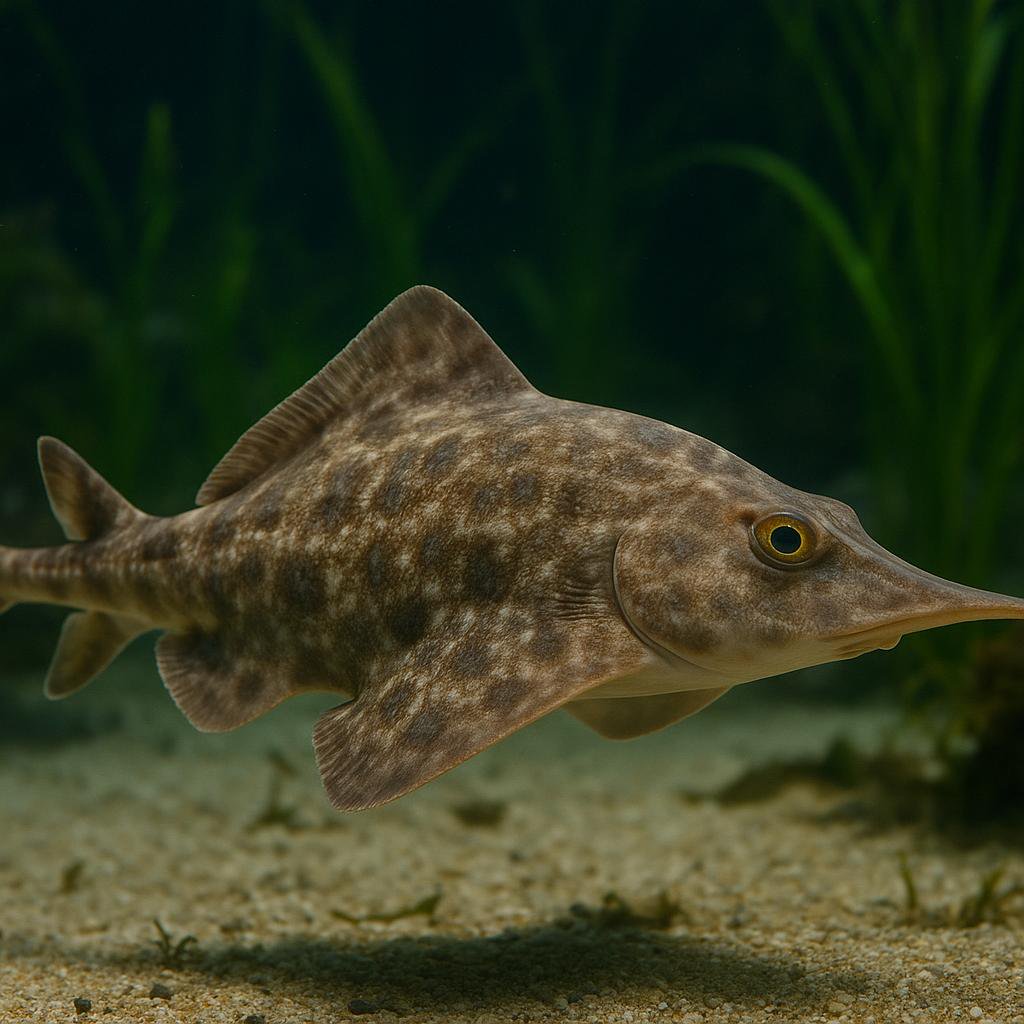
This is a big, cold-water deep-slope skate from the North Pacific that cruises muddy bottoms and eats chunky benthic prey like crabs and shrimp. The really cool bit is its egg-laying skate life - it does distinct pairing (the classic skate "embrace") and drops those tough egg cases on the seafloor. Not an aquarium fish at all unless you're basically running a public-aquarium-style chilled system.
Antarctic dragonfish
Vomeridens infuscipinnis
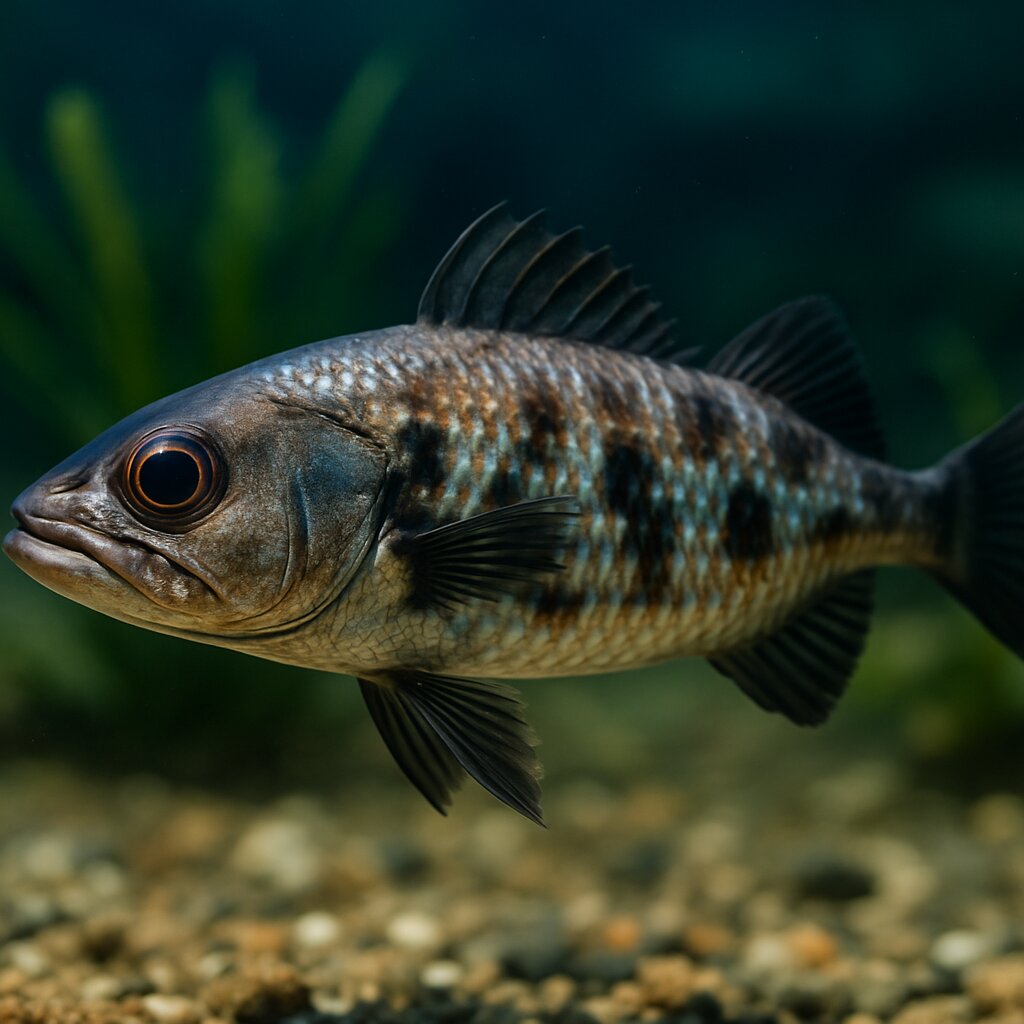
Deep down around Antarctica, this sleek dragonfish cruises the water column like a little submarine, nearly neutrally buoyant so it can hover above the seafloor. It munches almost exclusively on Antarctic krill and lives in near-freezing water 500-800 m down, so it is a cool species to read about, not one for home tanks.
Arabian demoiselle
Neopomacentrus sindensis
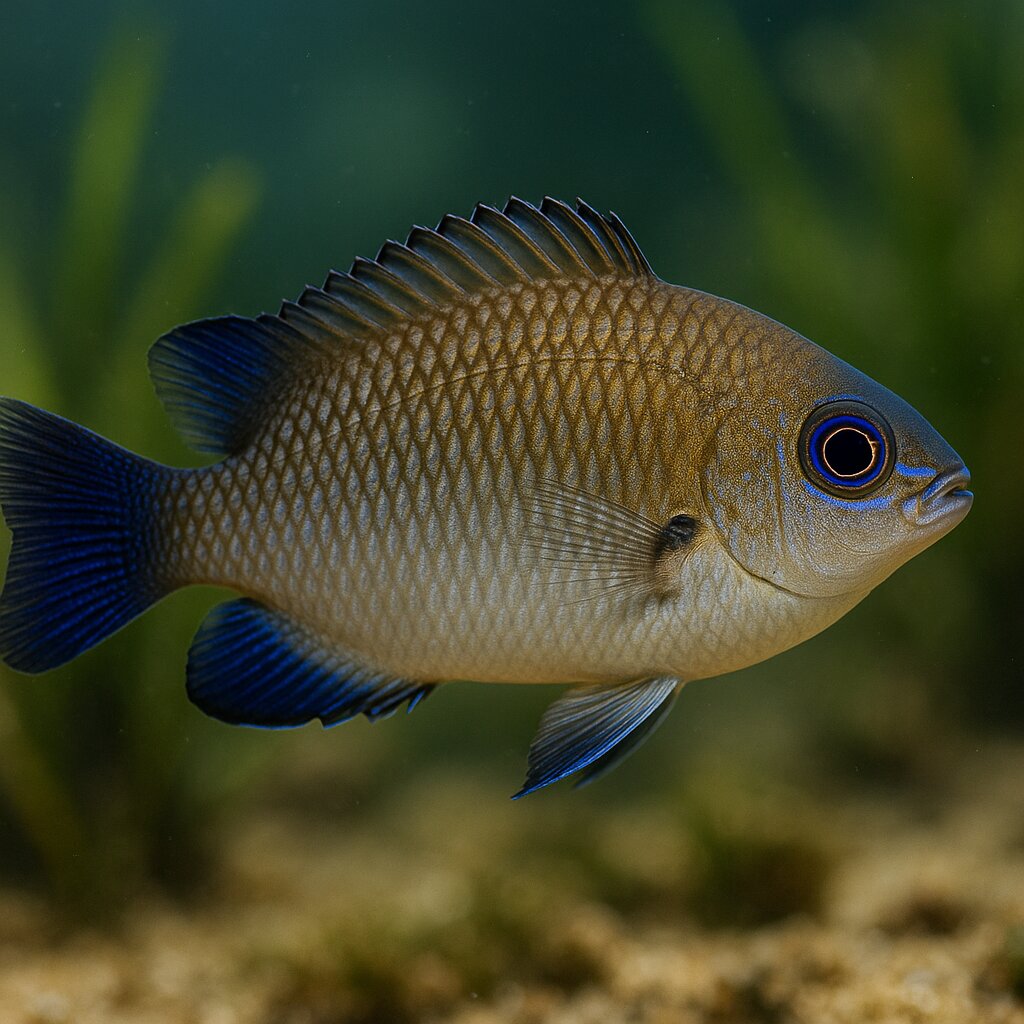
A small lyretail damsel from the Persian Gulf and Arabian Sea, it hangs in loose groups around coral heads, rocks, and even pier pilings picking zooplankton from the flow. Think classic damsel toughness with a slightly milder attitude than the real bruisers, plus subtle yellow tail accents. Males clean a patch, get a mate to lay eggs there, and then stand guard fanning the clutch.
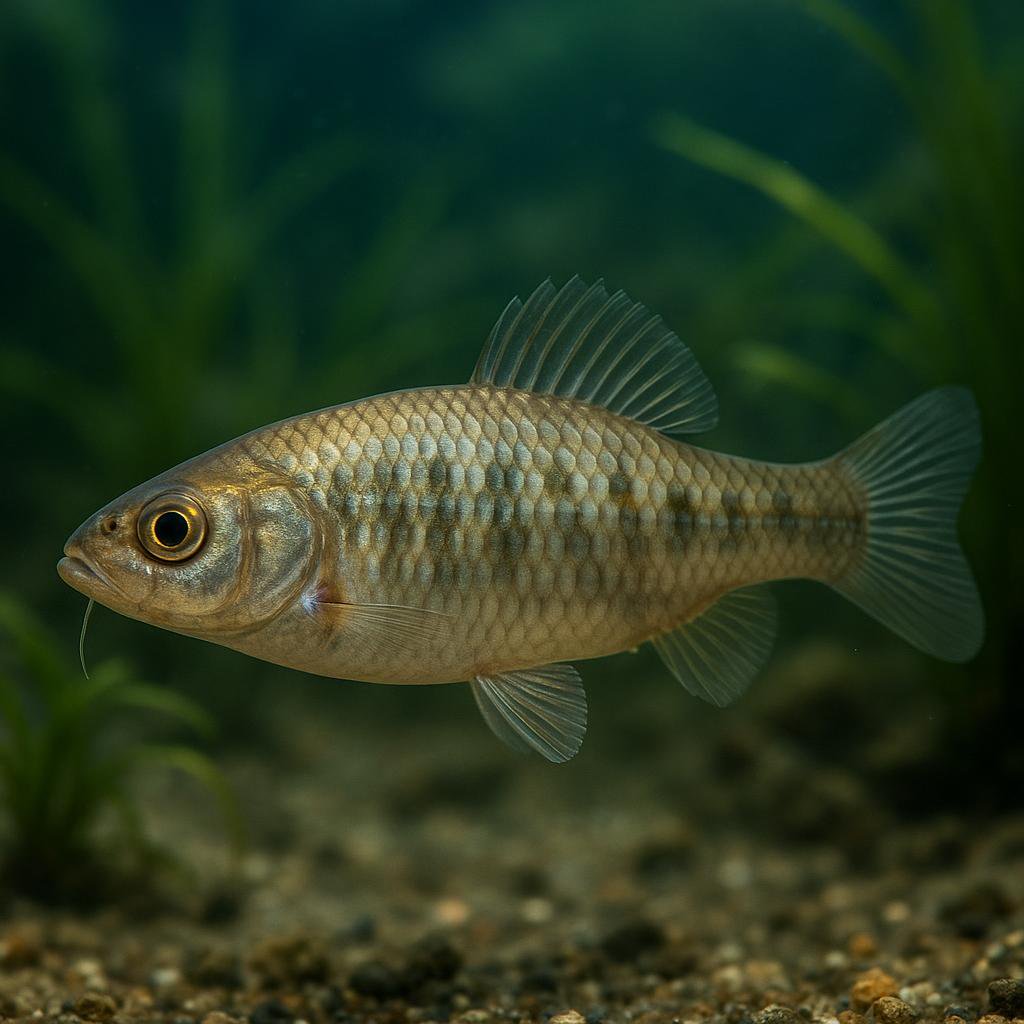
Arabian spiny eel
Notacanthus indicus
Notacanthus indicus is a deep-sea spiny eel (family Notacanthidae; not a true eel) known from the Arabian Sea on the continental slope at roughly ~960–1,046 m depth, with reported maximum length around 20 cm TL; it is a deep-water bycatch species and not established in the aquarium trade.
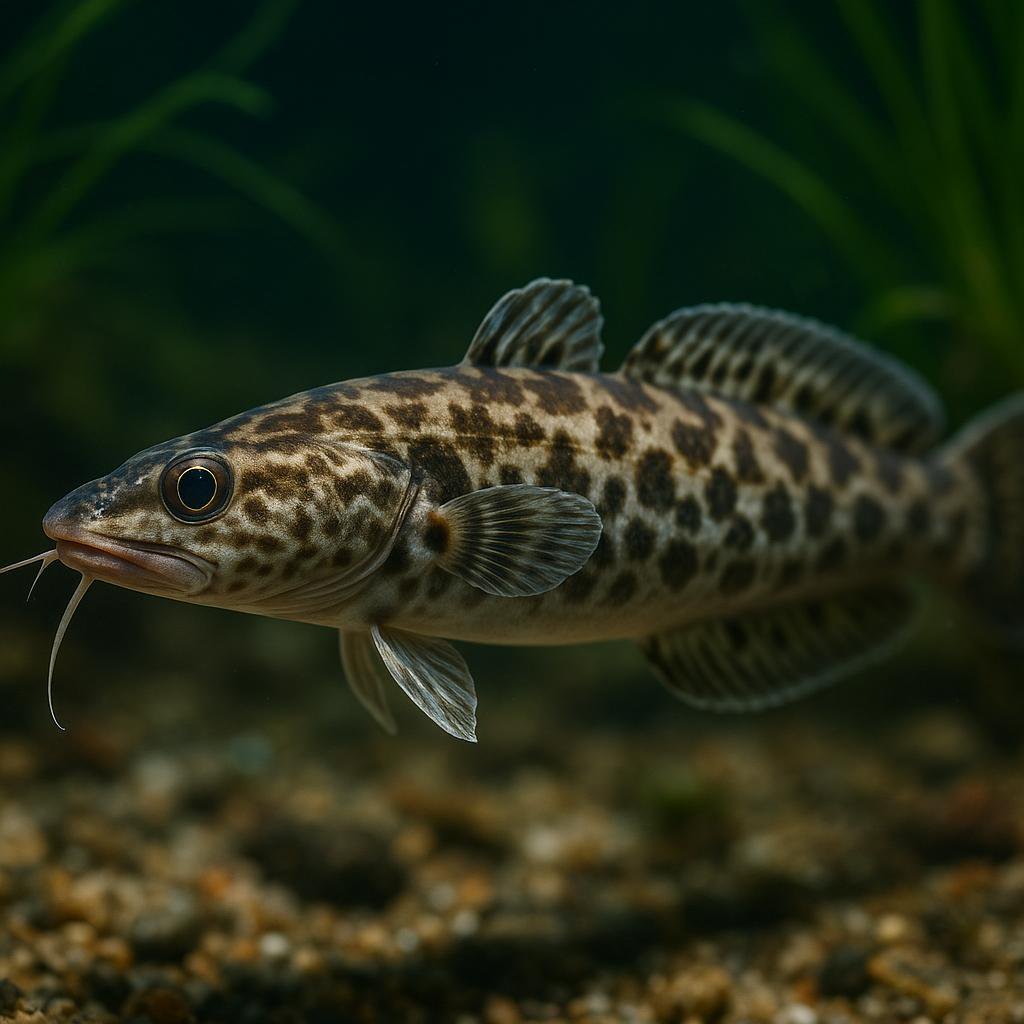
Arctic rockling
Gaidropsarus argentatus
This is a deepwater North Atlantic rockling (a cod relative) that hangs out on soft bottoms way down the slope. It is a cold-water, bottom-hugging predator that snoots around for crustaceans and will also take small fish when it gets the chance.
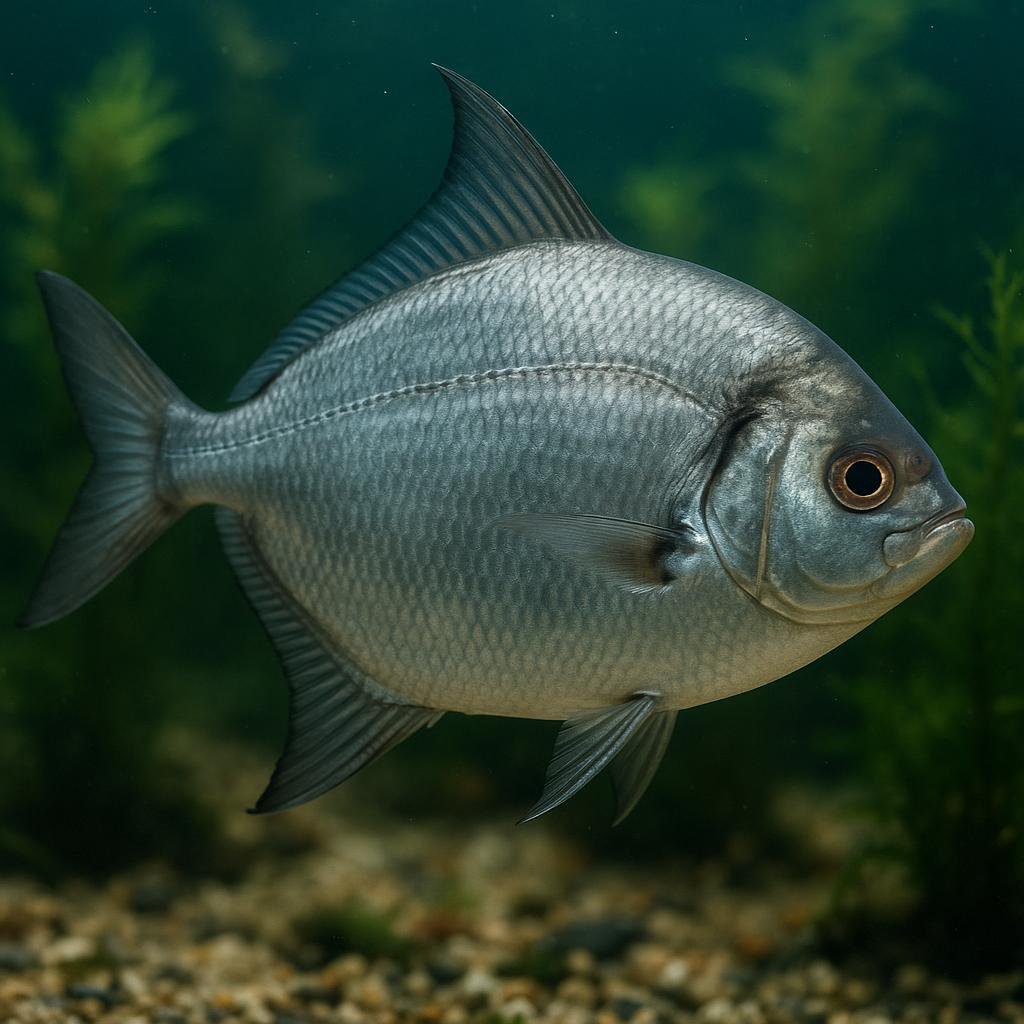
Atlantic pomfret
Brama brama
Brama brama is the Atlantic pomfret (aka Ray's bream) - a deep-bodied, open-ocean pelagic fish that cruises around in small schools and follows water temps. It is a legit big, wild marine species (not an aquarium fish) that eats other small sea critters like fish and squid, and it ranges across a huge chunk of the Atlantic plus parts of the Indian and South Pacific.
More to Explore
Discover more marine species.
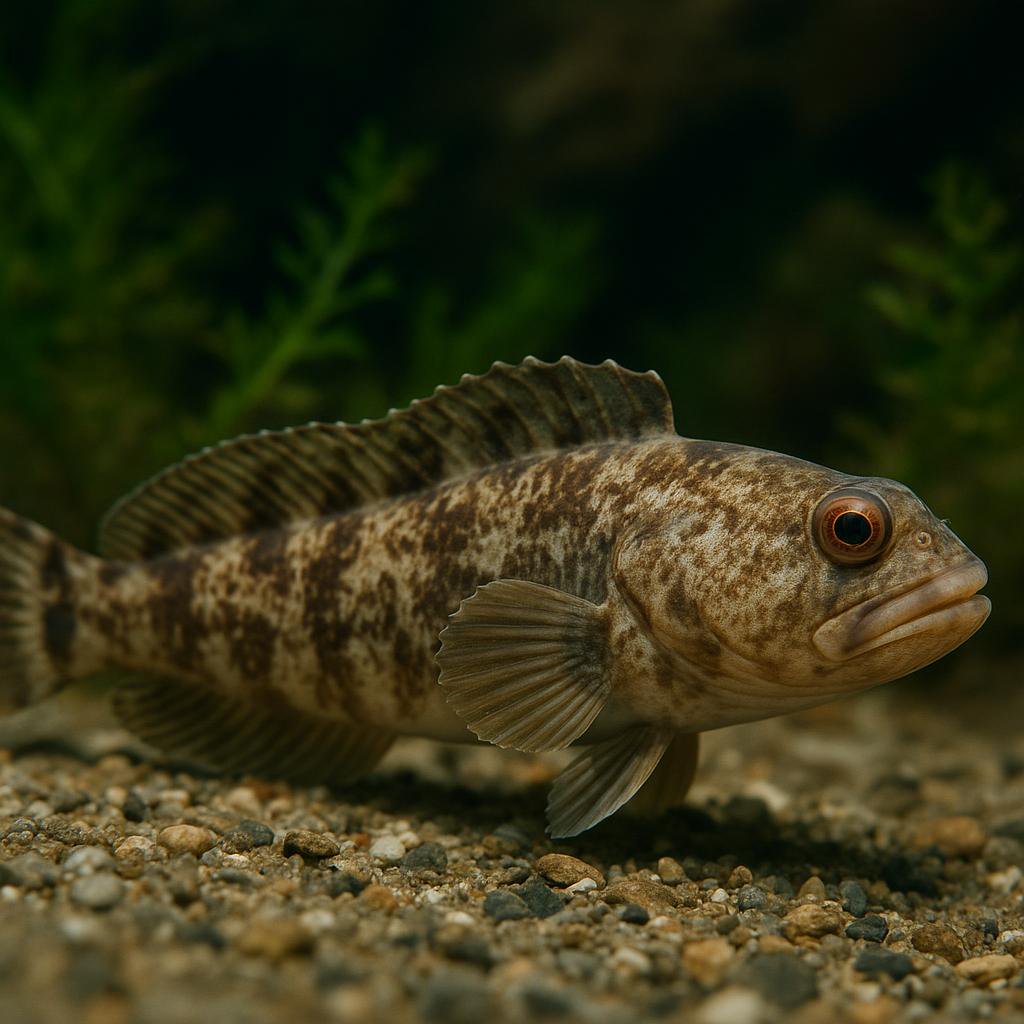
Abe's eelpout
Japonolycodes abei
Japonolycodes abei is a temperate, deepwater demersal eelpout (family Zoarcidae) endemic to Japan (Kumano-nada Sea reported; other sources also report Sagami Bay and Tosa Bay). It is the only species in the genus Japonolycodes and occurs roughly 40-300 m depth, making it an uncommon/atypical aquarium species.
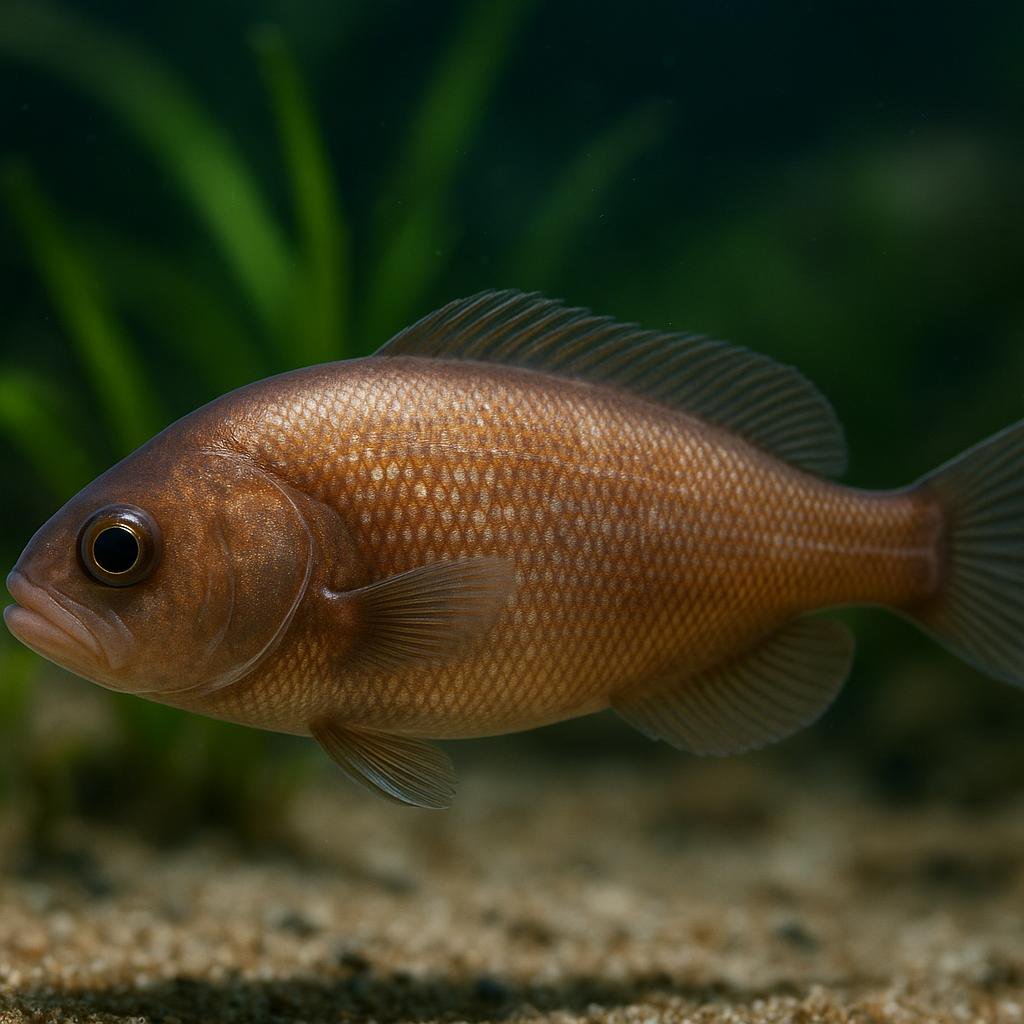
Affinis blind cusk-eel
Barathronus affinis
Barathronus affinis is a tiny, super-weird deep-sea blind cusk-eel from the western-central Indian Ocean. It is one of those gelatinous, loose-skinned brotula-type fishes that live way down in the dark and are basically never seen alive, so almost everything we know comes from preserved specimens and taxonomic work.
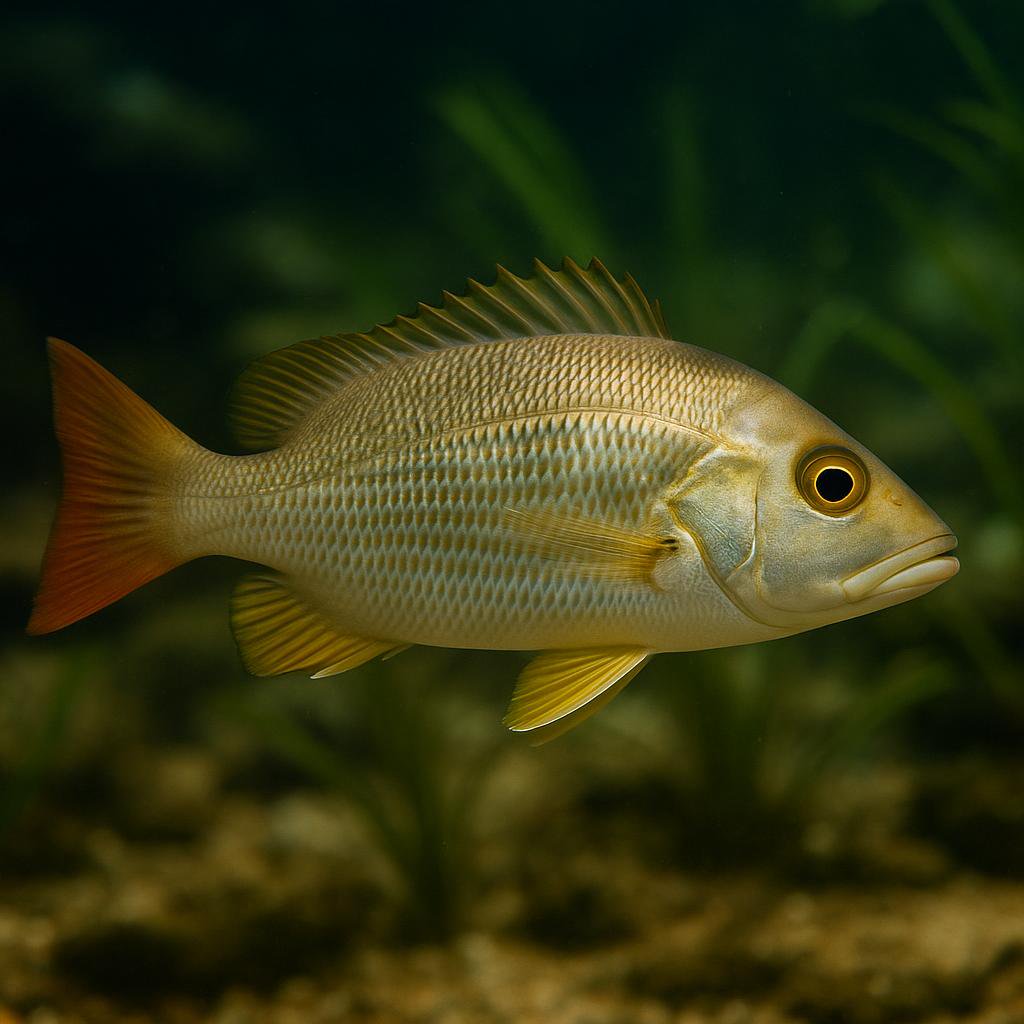
African red snapper
Lutjanus agennes
This is a true snapper from West Africa - a big, fast-growing predator that goes from coastal reefs to brackish lagoons and estuaries (especially as a juvenile). Super cool fish in the wild, but it gets absolutely huge and will eat smaller tankmates once it has the mouth for it, so its really more of a public-aquarium scale animal than a home-aquarium fish.
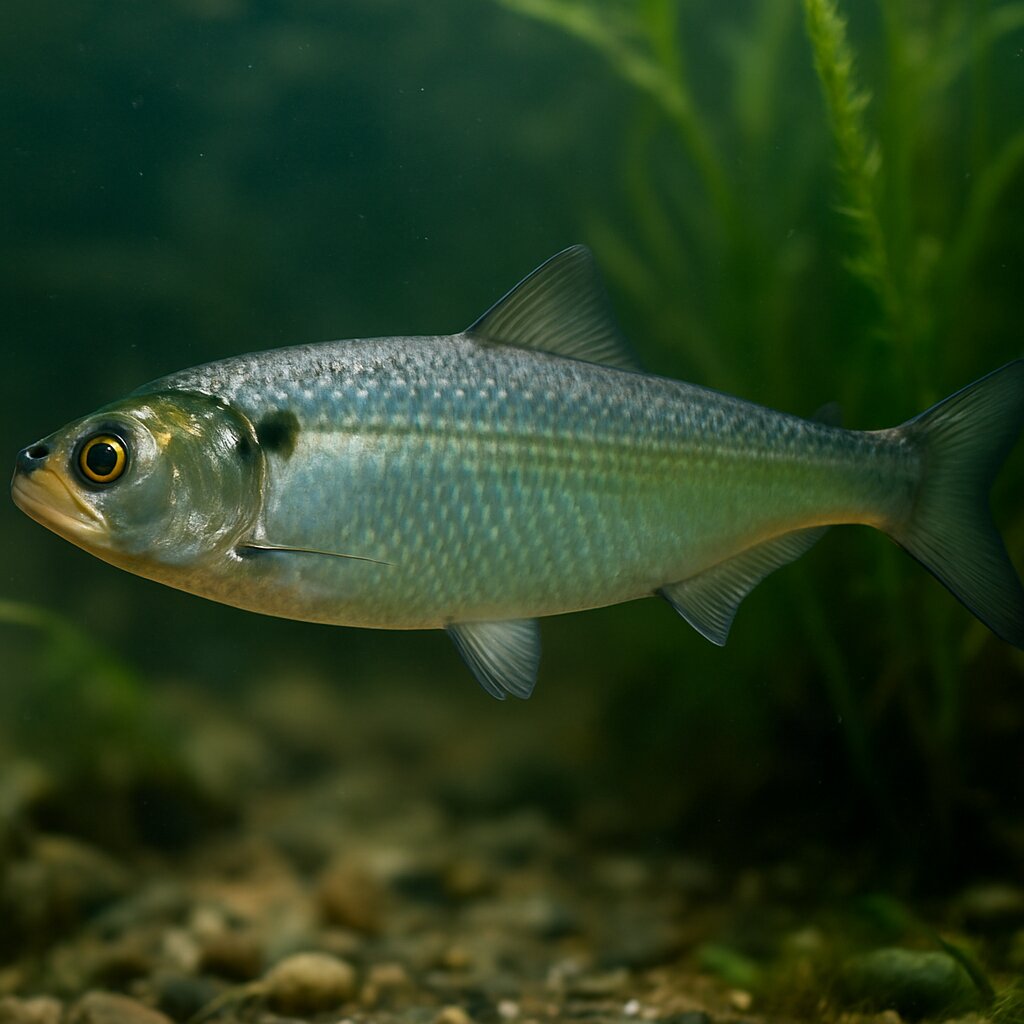
Allis shad
Alosa alosa
Gorgeous silver, fast-swimming shad that spends most of its life in the sea and then surges up big rivers in noisy, surface-spawning schools. It grows huge for a herring-type fish and needs cool, ultra-oxygenated water and tons of open space, so it is a public-aquarium species rather than a home tank fish.
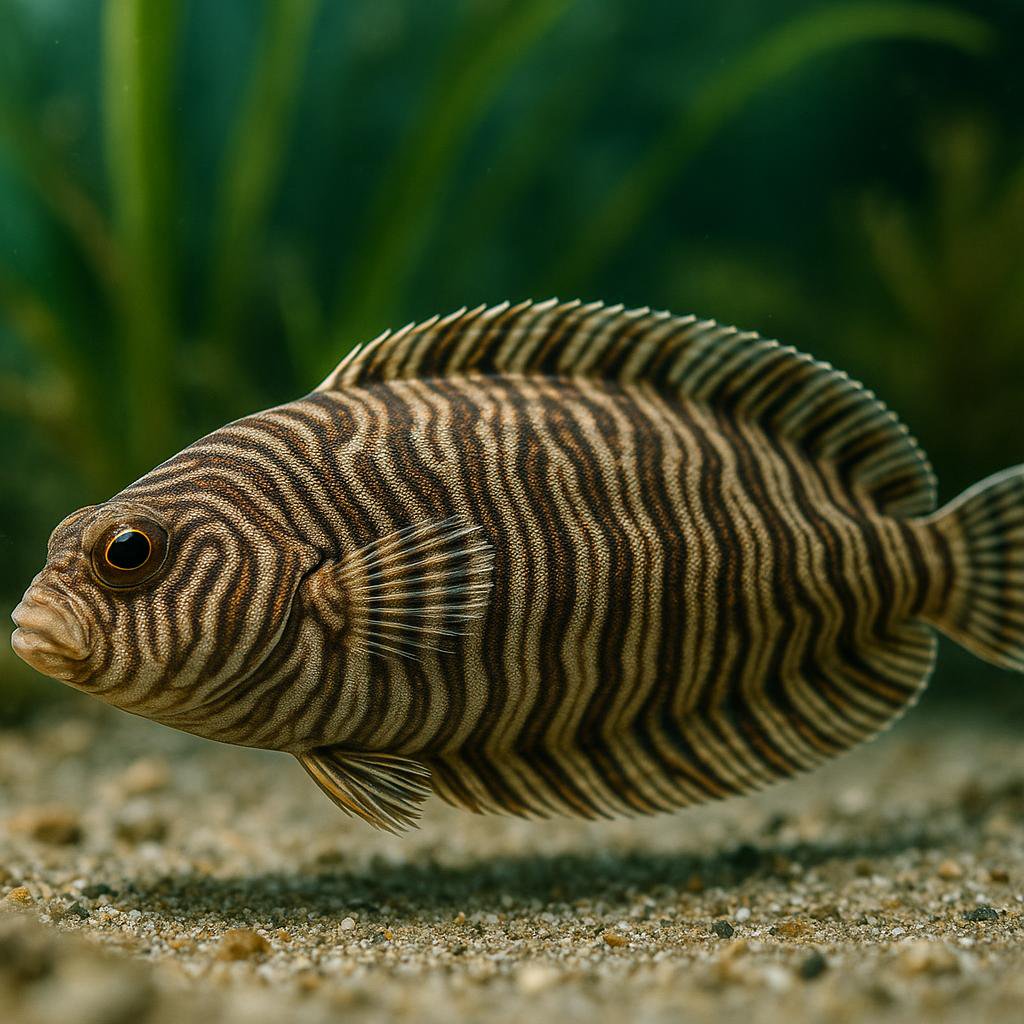
Annandale's zebra sole
Zebrias annandalei
Zebrias annandalei is a small demersal sole from coastal India that inhabits sandy or muddy bottoms and buries for camouflage. It is rarely kept in home aquaria and would require a specialized marine sand-bottom setup and appropriate feeding.
Australian sawtail catshark
Figaro boardmani
Figaro boardmani is a small, deepwater Australian catshark with these cool saw-like ridges of spiny denticles along the tail and a neat pattern of dark saddle bands. It lives way down on the outer continental shelf and slope, so its natural water is cold, dim, and stable - totally not a typical home-aquarium fish. Diet-wise its a predator that goes after fish, crustaceans, and cephalopods.
Looking for other species?