

Kobe flounder
Crossorhombus kobensis
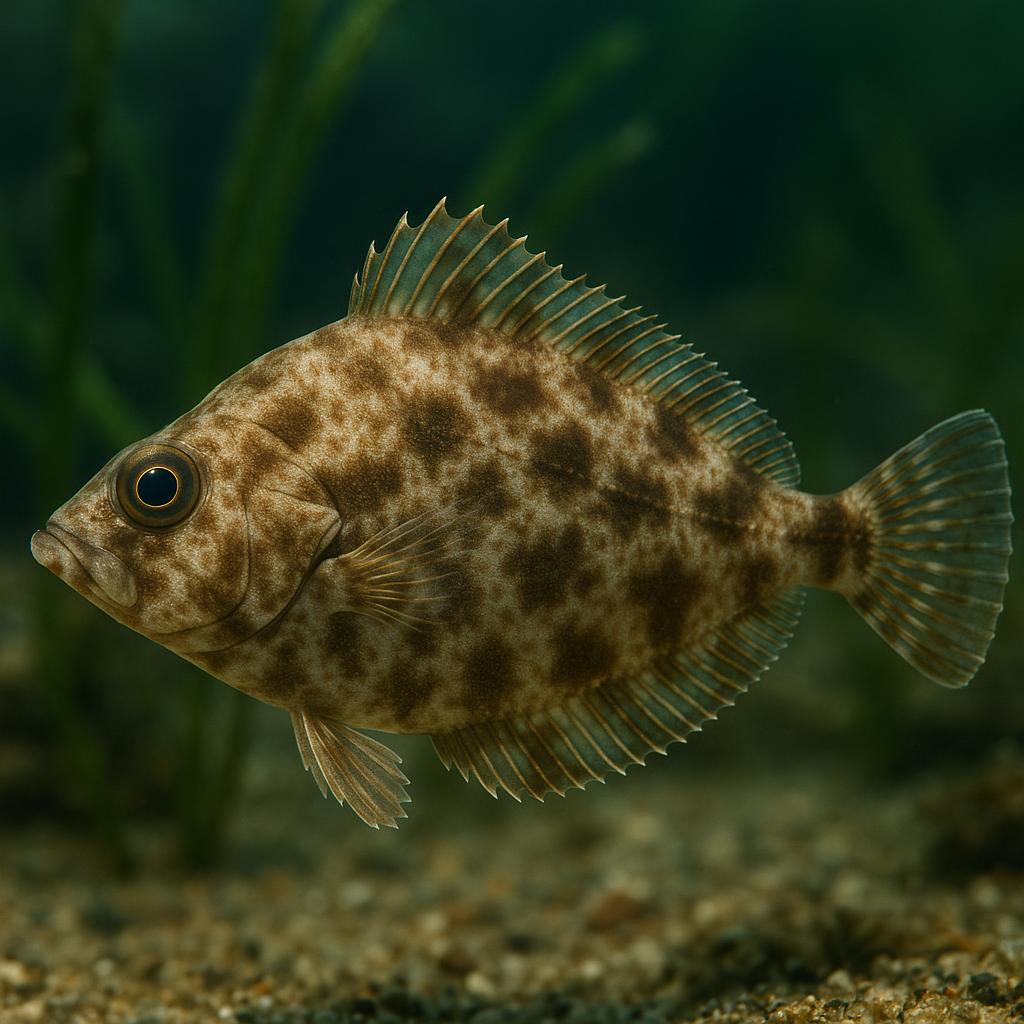
Kobe flounder exhibits a diamond-shaped body with a mottled brown and white coloration, aiding in camouflage on the seafloor.
This page includes AI-generated images. Why am I seeing AI images?
About the Kobe flounder
A small lefteye flounder (Bothidae) from the Northwest Pacific that lives on sand and shell bottoms at 50–275 m depth. Males develop a dark-blue stain on the blind side and an elongated filamentous pectoral fin. It is a marine, demersal, temperate species of no fishery interest and is not seen in the aquarium trade.
Quick Facts
Size
12 cm
Temperament
Semi-aggressive
Difficulty
Expert
Min Tank Size
30 gallons
Lifespan
unknown
Origin
Northwest Pacific
Diet
Carnivore - bottom-living invertebrates (small benthic animals)
Water Parameters
9.7-21.8°C
8-8.4
8-12 dGH
Need a heater for this species?
This species needs 9.7-21.8°C in a 30 gallon tank. Use our heater calculator to find the right wattage.
Calculate heater sizeCare Notes
- Give it a big footprint, not a tall tank - think 4 ft long minimum, lots of open sand, and rockwork pushed to the edges so it can bury and ambush without scraping itself up.
- Use a fine sand bed and keep it clean; avoid coarse substrates that can abrade a burying flatfish.
- Keep it in cool-temperate marine conditions consistent with its habitat: temperature roughly 10–22 °C (preferred range modeled at 9.7–21.8 °C), stable oceanic salinity (specific gravity ~1.023–1.026), and pH ~8.1–8.4 with stable alkalinity; avoid warm reef temperatures.
- Feeding: it wants meaty stuff on the bottom - live ghost shrimp or small mollies to start, then wean to thawed shrimp/squid/clam on feeding tongs; target feed right in front of its face after lights dim.
- Do not keep it with cleaner shrimp, tiny gobies, or anything that sleeps on the sand - if it fits in its mouth, it is food, and it will strike when you are not watching.
- Tankmates that work are calm, midwater fish that cannot be swallowed (bigger wrasses, tangs, rabbitfish); avoid aggressive pickers like triggers and big hawkfish that will harass a buried flounder.
- Watch for mouth and gill damage from rough substrate and for bacterial issues after shipping; a flounder that stops burying or breathes hard is usually telling you water quality or irritation is off.
- Breeding in home tanks is unlikely; C. kobensis is a pelagic spawner with tiny larvae, and courtship/spawning behavior has been documented in the wild.
Compatibility
Good Tankmates
- Other calm, sand-sitting fish like small sole/flounder species or a mellow sandperch - plenty of sand, low drama, and they tend to ignore each other
- Blennies with a relaxed attitude (tailspot/bicolor type vibe, not the hyper-territorial ones) - good as long as the blenny is not a fin nipper and everyone is well fed
- Small, non-aggressive wrasses that cruise the rockwork and do not pick on bottom fish (think fairy/flasher wrasses) - active in the water column, leaves the flounder alone
- Peaceful cardinals or chromis-type schooling fish - they stay midwater and are usually too quick and too big to be seen as food
- Gentle dwarf angels (only if you know the individual is mellow) - they usually ignore a buried flounder, just keep an eye out for any picking at the eyes or fins
Avoid
- Small gobies and shrimp gobies – likely to be consumed by an ambush-feeding flounder.
- Anything that can fit in its mouth - tiny gobies, juvenile clowns, small dartfish: a flounder looks peaceful, but if it can swallow it, it probably will
- Pushy or nippy fish like damsels and dottybacks - they will stress a flounder out and may peck at it when it is buried or trying to feed
- Aggressive wrasses (and bigger hawkfish) that like to pester bottom dwellers - lots of nosing around, stealing food, and straight-up bullying
- Cleaner and ornamental shrimp – high predation risk from flounders.
Where they come from
Kobe flounder (Crossorhombus kobensis) is a right-eyed flounder from the western Pacific, most associated with Japan and nearby waters. They spend their lives on sandy or mixed sand-mud bottoms, tucked in and waiting for food to come to them. If you have only kept "reef" fish, this one feels like a different hobby.
Think "sand-flat ambush predator," not "reef community fish." If the tank doesn't match that vibe, they usually go downhill.
Setting up their tank
This is an expert fish mostly because the setup is unforgiving. They need a mature marine system, steady parameters, and the right substrate. A flounder that can't bury or is constantly bothered will stop eating and waste away fast.
- Tank size: I would not bother under 75 gallons, and 120+ is where they start acting relaxed.
- Footprint matters more than height. Long and wide beats tall every time.
- Substrate: fine sand, deep enough to cover the body (2-3 inches is a good target). Avoid sharp aragonite rubble.
- Rockwork: keep it stable and leave open sand. They want a runway, not a maze.
- Flow: moderate. You want oxygen and clean water, but not a sandstorm.
- Lighting: they do not care, but bright light with no shaded areas can keep them stressed. Give them some dim zones.
Cover every pump intake. Seriously. They will plaster themselves against intakes and overflows, especially at night or if spooked, and it can go badly in minutes. I use sponge guards or a screened box over anything that pulls water.
Unprotected overflows and powerhead intakes are a top killer with flounders. If a finger can fit, a flounder can fit.
Filtration-wise, think messy carnivore. Big skimmer, aggressive mechanical filtration you actually clean, and a plan for nitrates. I like running a filter sock or roller plus a skimmer, and I vacuum the sand surface lightly during water changes (not deep stirring, just the top layer where the gunk lands).
Give them at least a couple weeks with stable sand before adding them. New sand that is still shifting and blowing around makes it harder for them to settle and bury.
What to feed them
They are ambush predators. Most new imports only recognize moving meaty foods at first, and they can be stubborn about "dead" food. The goal is to get them eating reliably and then broaden the menu.
- Best starter foods: live ghost shrimp, live blackworms (rinsed well), small live mollies acclimated to marine (use carefully, quarantine), or live shore shrimp if you can source clean.
- Transition foods: thawed mysis, chopped raw shrimp, chopped clam, pieces of silverside, squid strips.
- Long-term staples: varied marine meaty mix (mysis + clam + shrimp), plus occasional whole prey items for enrichment (small fish or shrimp).
Target feeding makes life easier. I use long feeding tongs or a feeding stick and wiggle the food right in front of their mouth. Once they learn the routine, they will often "perk up" out of the sand when you approach.
Avoid freshwater feeder fish. Besides the disease risk, the fatty acid profile is wrong long-term and you will see poor condition over time.
How often? Smaller individuals do better with small meals most days. Adults can do larger meals 3-4 times a week. Watch the belly line. A flounder that is always pinched behind the head is not getting enough, and a flounder that looks like a stuffed pillow is going to foul your water fast.
How they behave and who they get along with
Most of the time they are calm, buried, and basically pretending to be part of the sand. Then food shows up and they are lightning. They do not "play nice" with anything they can fit in their mouth, and they are surprisingly good at judging what might fit.
- Good tankmates: larger, peaceful-ish fish that ignore the bottom (bigger tangs, larger wrasses that sleep in rocks not sand, bigger rabbitfish).
- Bad tankmates: small fish, gobies, blennies, small wrasses, ornamental shrimp, small crabs - assume they are food.
- Problem tankmates: aggressive feeders (triggers, large puffers) that will outcompete them or harass them, and anything that picks at eyes or fins.
They can be stressed by constant motion over their head. If you keep busy midwater fish, give the flounder a quieter end of the tank with open sand and fewer "drive-bys."
If your flounder is always pressed into a corner or stays fully exposed instead of burying, something is off: substrate too coarse, flow too strong, or tankmates too annoying.
Breeding tips
Breeding Kobe flounder in home aquariums is basically a long shot. Flounders typically spawn pelagic eggs in the water column, and the larvae go through a metamorphosis where the eye migrates. That larval phase is specialized and not something most of us can support without serious live plankton culture and dedicated rearing systems.
If you ever see spawning behavior (rising in the water column at dusk, courtship swimming), consider it a cool observation. Successfully raising larvae is more like a hatchery project than a hobby spawn.
Common problems to watch for
- Refusing food after purchase: very common. Start with live foods, keep the tank calm, and dim the lights for a few days.
- Mouth injuries: they strike hard and can scrape themselves on coarse substrate or rocks while lunging. Fine sand and clear feeding zones help.
- Getting sucked onto intakes/overflows: cover everything that pulls water.
- Skin and fin infections: often follow shipping stress or abrasions. Keep water clean and avoid rough substrate.
- Internal parasites: wild-caught flounders can come in thin even if they eat. If they eat well but do not gain weight, suspect parasites and plan treatment in a quarantine system.
- Ammonia/nitrite sensitivity: they are not forgiving of "new tank" swings, and heavy feeding can push a system over the edge fast.
Quarantine is worth the hassle with this species. A bare-bottom QT is awkward because they want to bury, so I use a tub of fine sand in a removable tray or a shallow dish. That way you can still siphon waste and observe them, but the fish can behave normally.
If you medicate, watch oxygen. Many treatments plus a big, messy predator can drop oxygen fast. Add extra aeration and surface agitation.
The biggest success factor I have seen is simple: calm tank, fine sand, and a feeding plan you can stick to. If you can get them eating confidently in the first couple weeks, you are most of the way there.
Similar Species
Other marine semi-aggressive species you might be interested in.
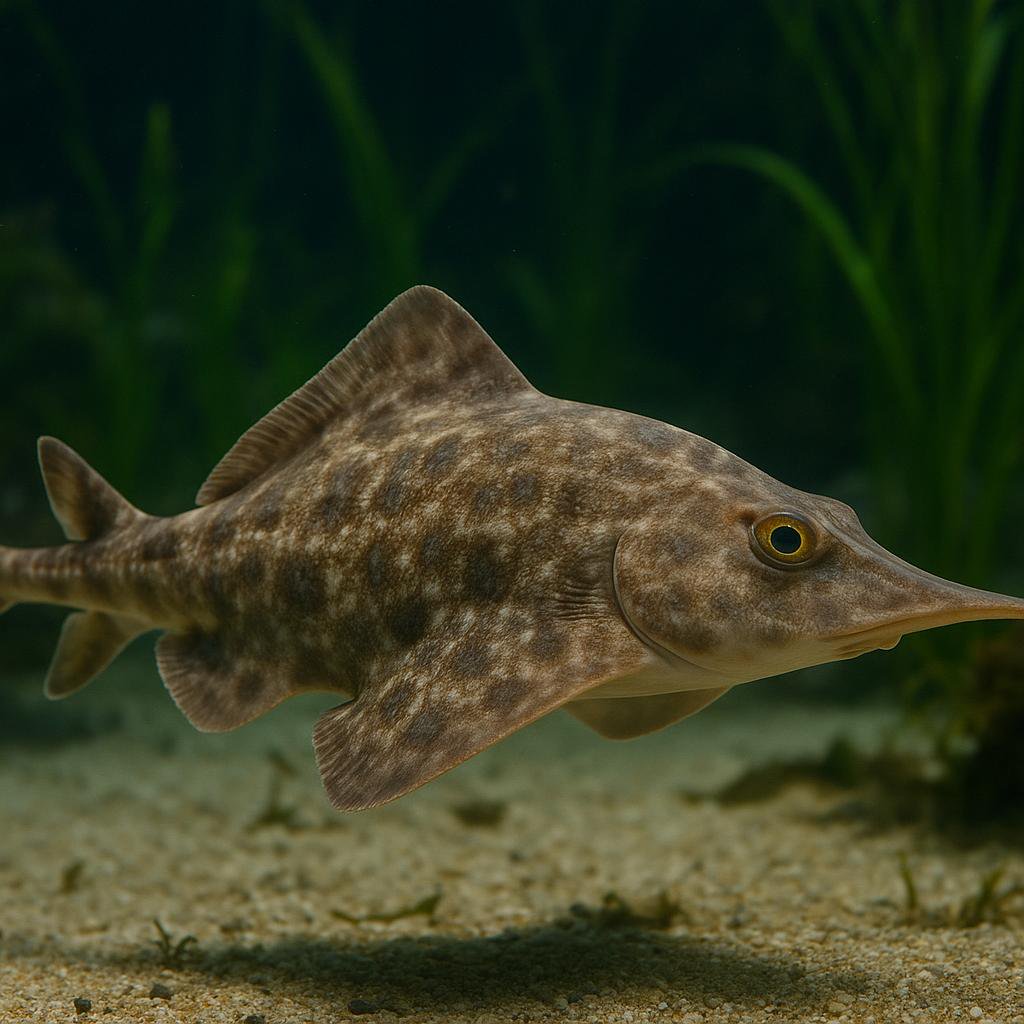
Aleutian skate
Bathyraja aleutica
This is a big, cold-water deep-slope skate from the North Pacific that cruises muddy bottoms and eats chunky benthic prey like crabs and shrimp. The really cool bit is its egg-laying skate life - it does distinct pairing (the classic skate "embrace") and drops those tough egg cases on the seafloor. Not an aquarium fish at all unless you're basically running a public-aquarium-style chilled system.
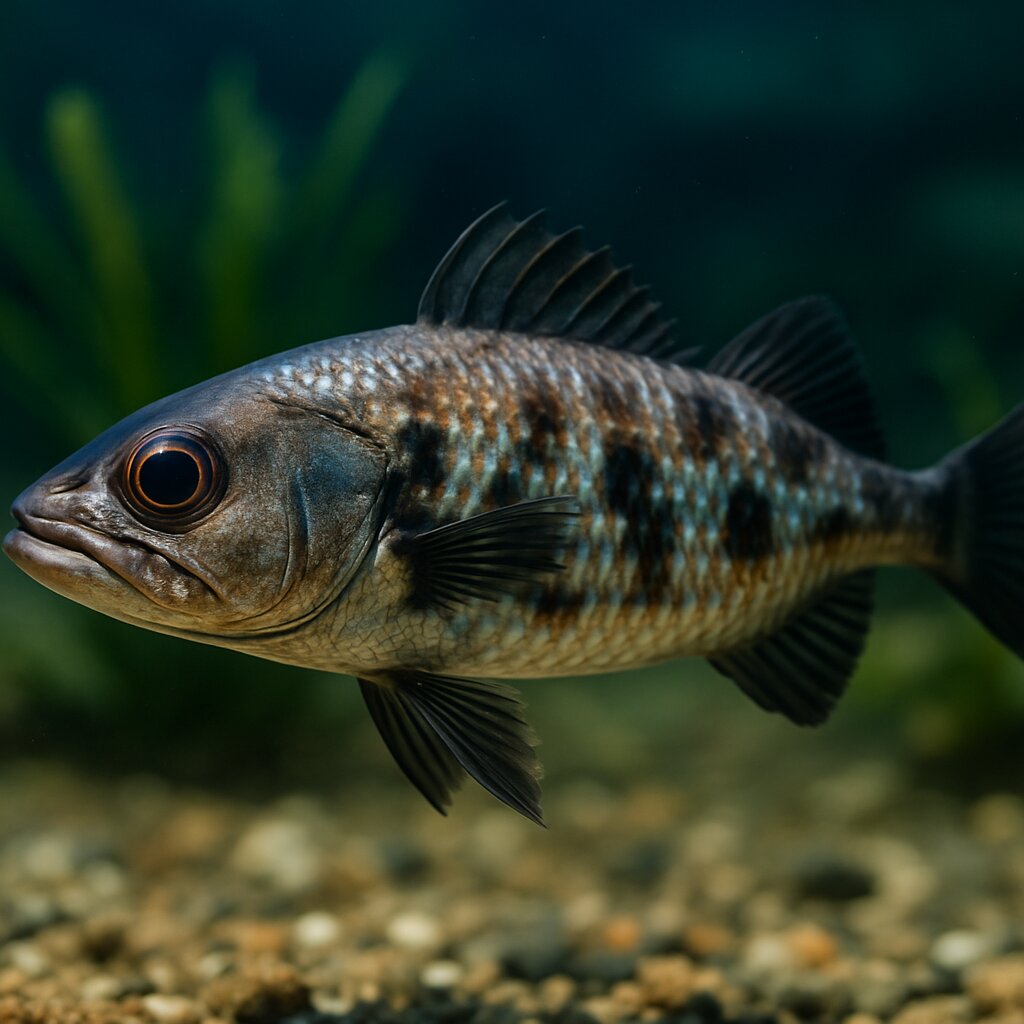
Antarctic dragonfish
Vomeridens infuscipinnis
Deep down around Antarctica, this sleek dragonfish cruises the water column like a little submarine, nearly neutrally buoyant so it can hover above the seafloor. It munches almost exclusively on Antarctic krill and lives in near-freezing water 500-800 m down, so it is a cool species to read about, not one for home tanks.
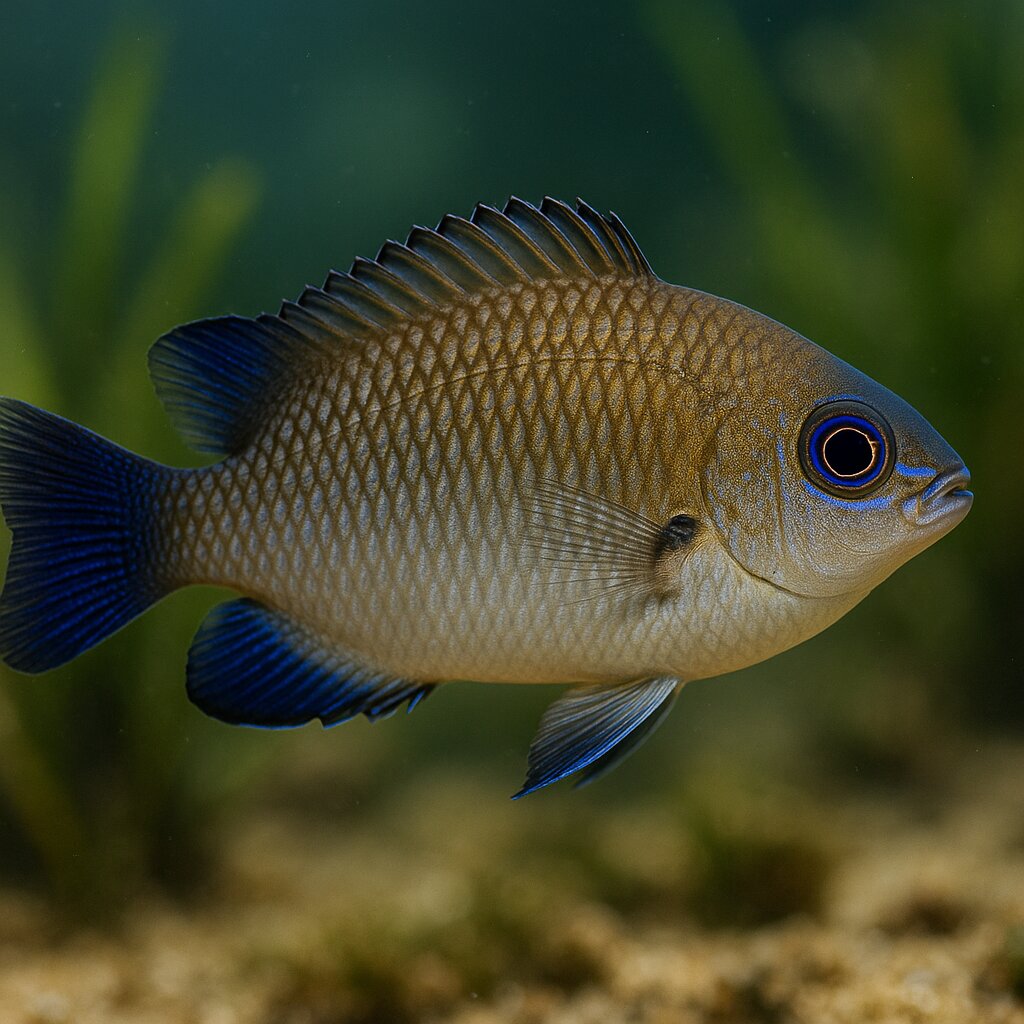
Arabian demoiselle
Neopomacentrus sindensis
A small lyretail damsel from the Persian Gulf and Arabian Sea, it hangs in loose groups around coral heads, rocks, and even pier pilings picking zooplankton from the flow. Think classic damsel toughness with a slightly milder attitude than the real bruisers, plus subtle yellow tail accents. Males clean a patch, get a mate to lay eggs there, and then stand guard fanning the clutch.
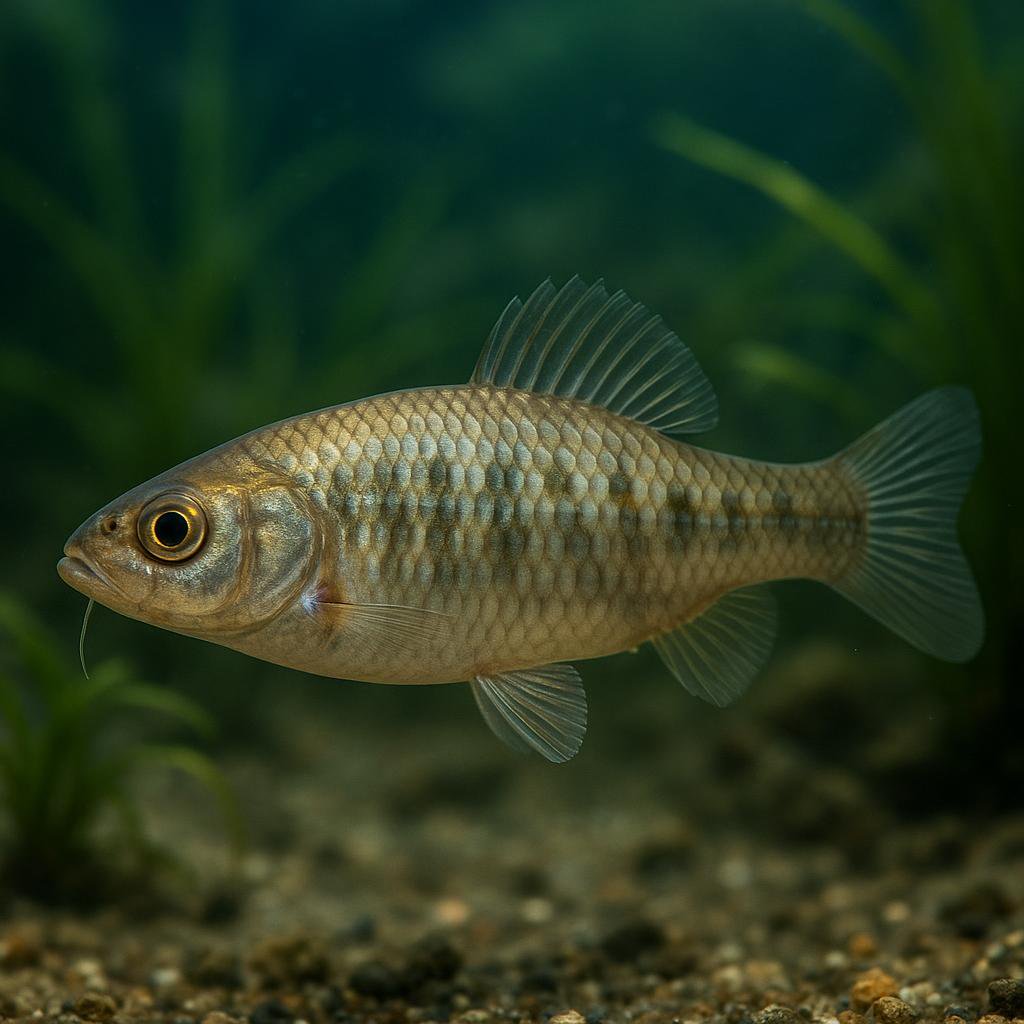
Arabian spiny eel
Notacanthus indicus
Notacanthus indicus is a deep-sea spiny eel (family Notacanthidae; not a true eel) known from the Arabian Sea on the continental slope at roughly ~960–1,046 m depth, with reported maximum length around 20 cm TL; it is a deep-water bycatch species and not established in the aquarium trade.
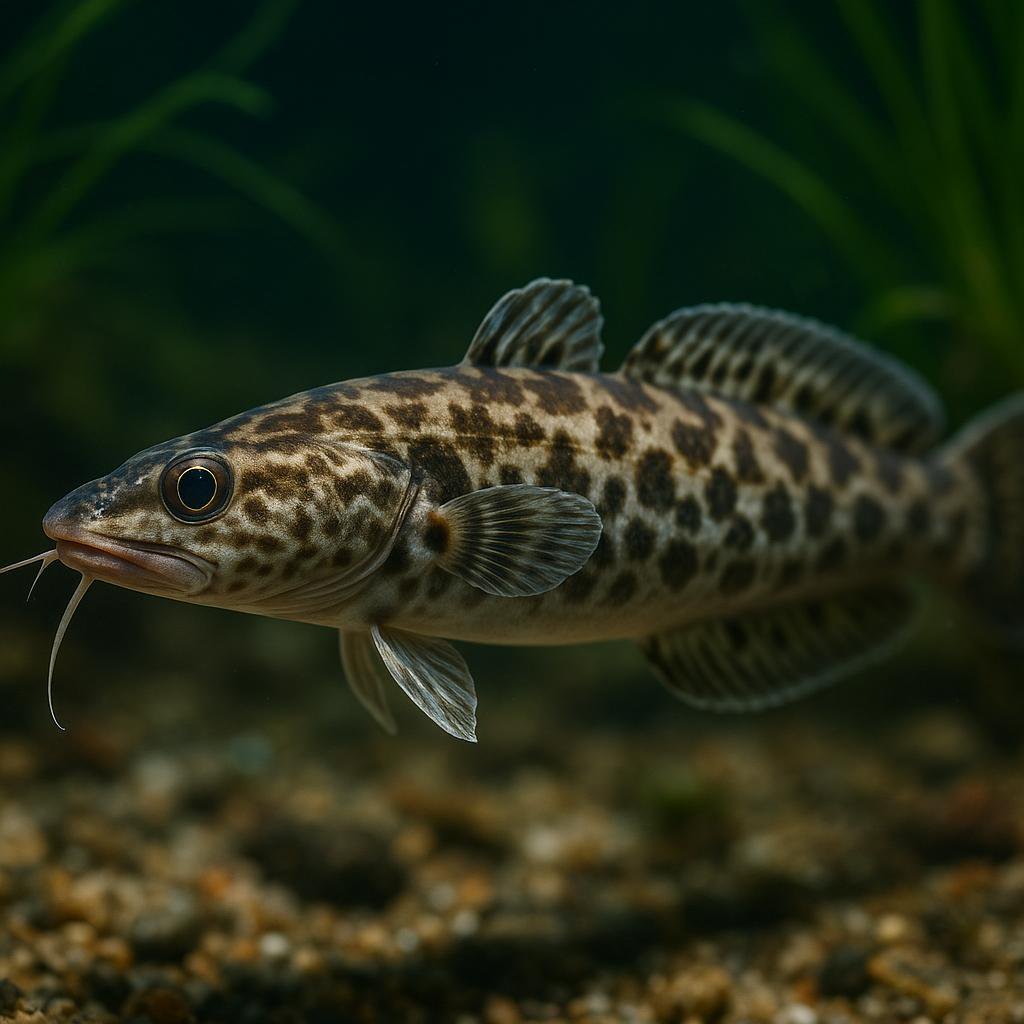
Arctic rockling
Gaidropsarus argentatus
This is a deepwater North Atlantic rockling (a cod relative) that hangs out on soft bottoms way down the slope. It is a cold-water, bottom-hugging predator that snoots around for crustaceans and will also take small fish when it gets the chance.
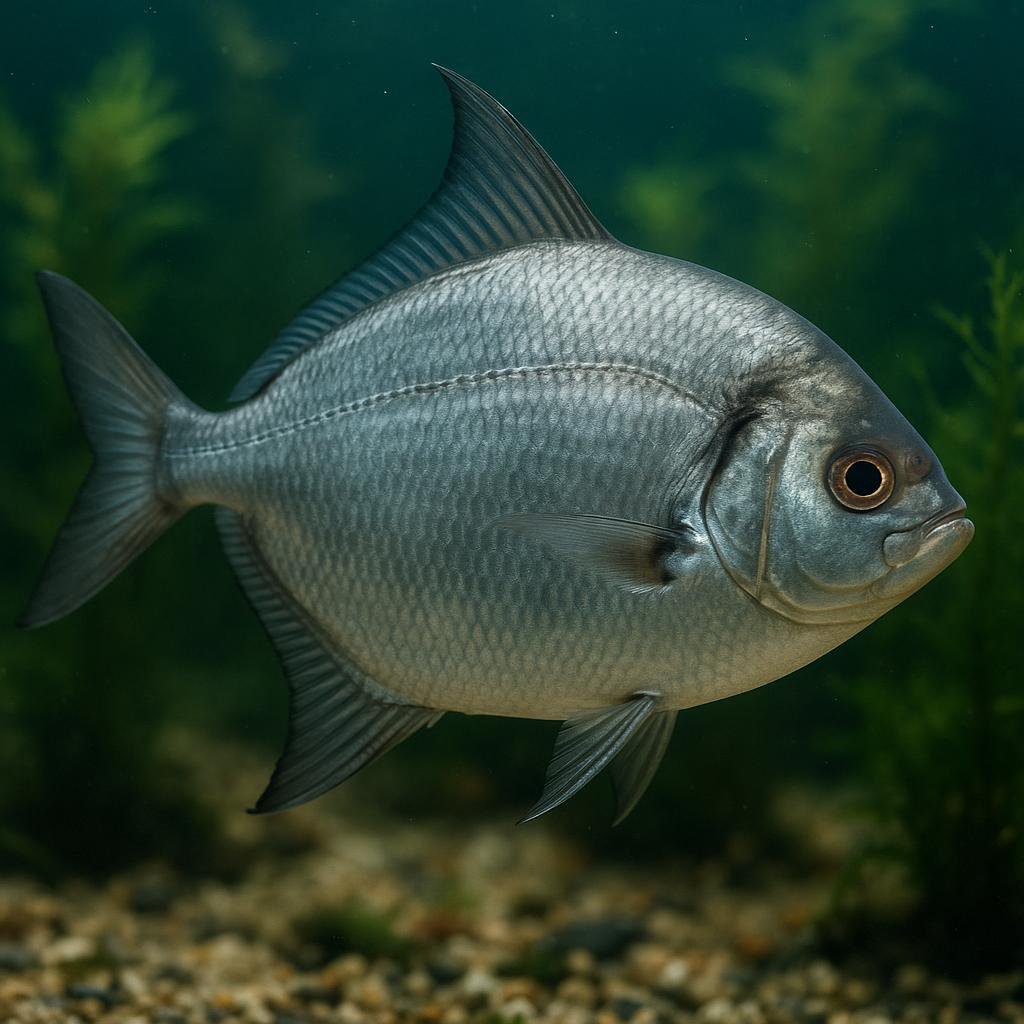
Atlantic pomfret
Brama brama
Brama brama is the Atlantic pomfret (aka Ray's bream) - a deep-bodied, open-ocean pelagic fish that cruises around in small schools and follows water temps. It is a legit big, wild marine species (not an aquarium fish) that eats other small sea critters like fish and squid, and it ranges across a huge chunk of the Atlantic plus parts of the Indian and South Pacific.
More to Explore
Discover more marine species.
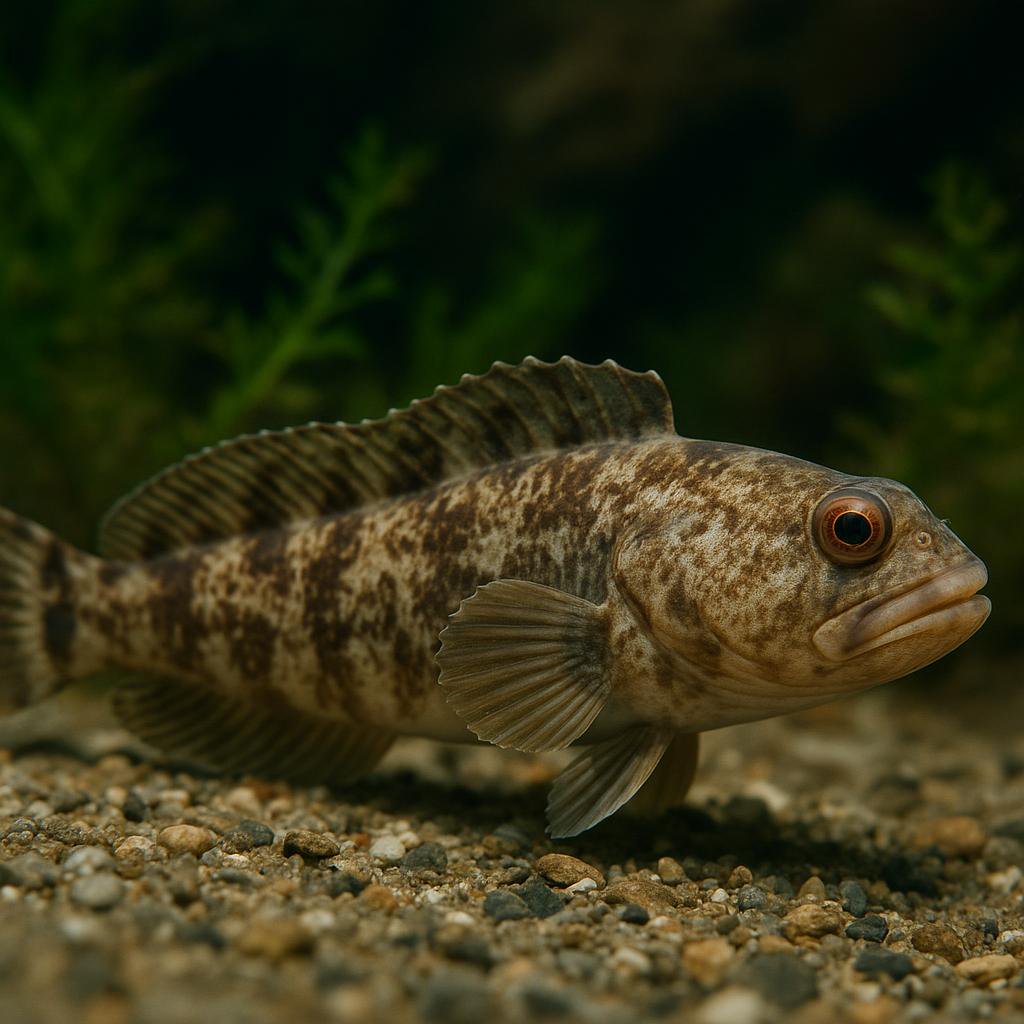
Abe's eelpout
Japonolycodes abei
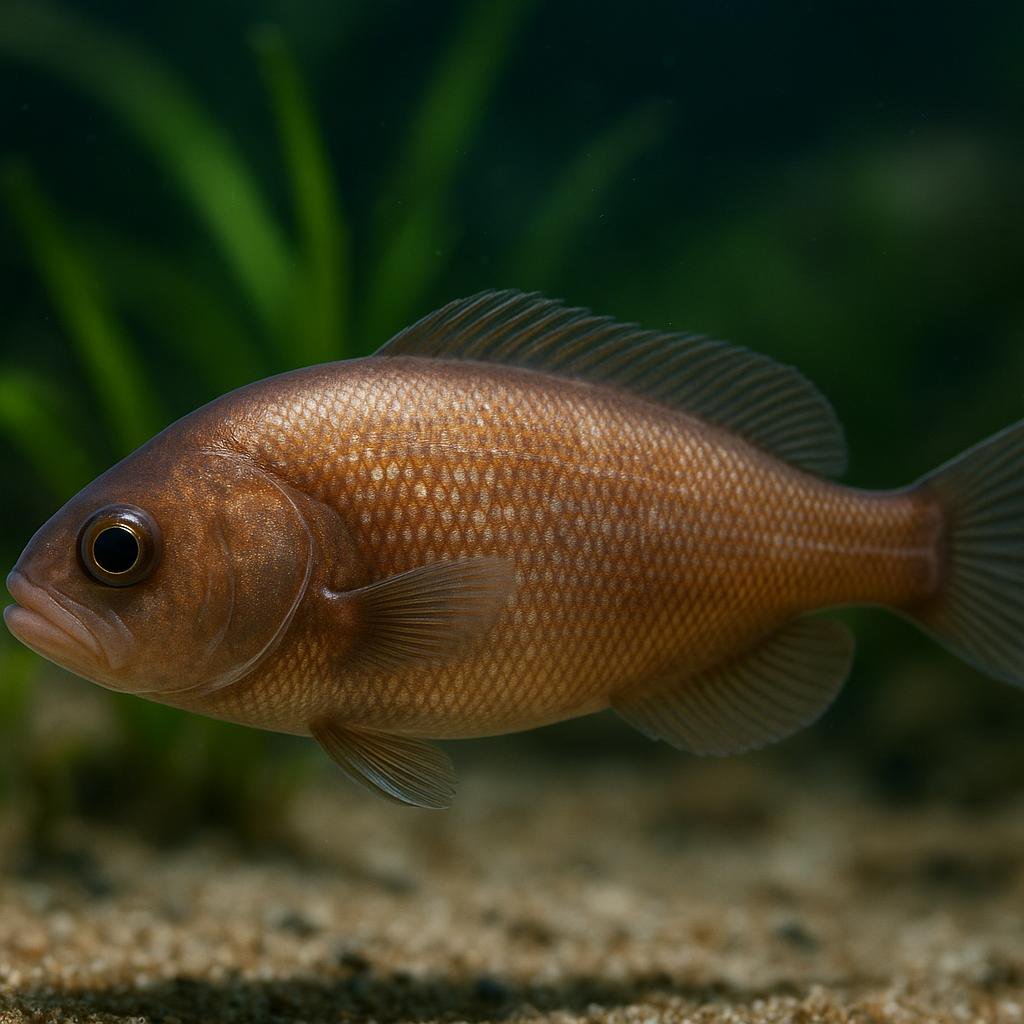
Japonolycodes abei is a temperate, deepwater demersal eelpout (family Zoarcidae) endemic to Japan (Kumano-nada Sea reported; other sources also report Sagami Bay and Tosa Bay). It is the only species in the genus Japonolycodes and occurs roughly 40-300 m depth, making it an uncommon/atypical aquarium species.
Affinis blind cusk-eel
Barathronus affinis
Barathronus affinis is a tiny, super-weird deep-sea blind cusk-eel from the western-central Indian Ocean. It is one of those gelatinous, loose-skinned brotula-type fishes that live way down in the dark and are basically never seen alive, so almost everything we know comes from preserved specimens and taxonomic work.
African red snapper
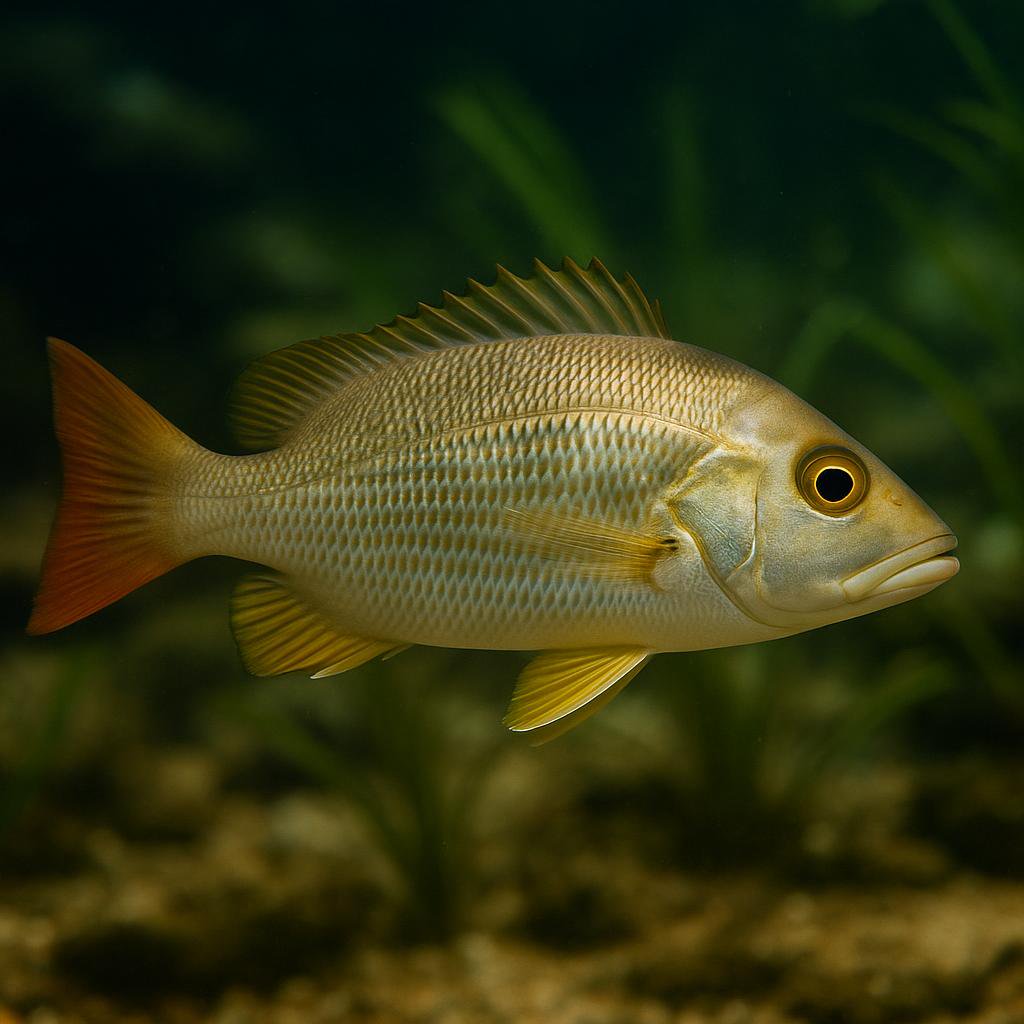
Lutjanus agennes
This is a true snapper from West Africa - a big, fast-growing predator that goes from coastal reefs to brackish lagoons and estuaries (especially as a juvenile). Super cool fish in the wild, but it gets absolutely huge and will eat smaller tankmates once it has the mouth for it, so its really more of a public-aquarium scale animal than a home-aquarium fish.
Allis shad
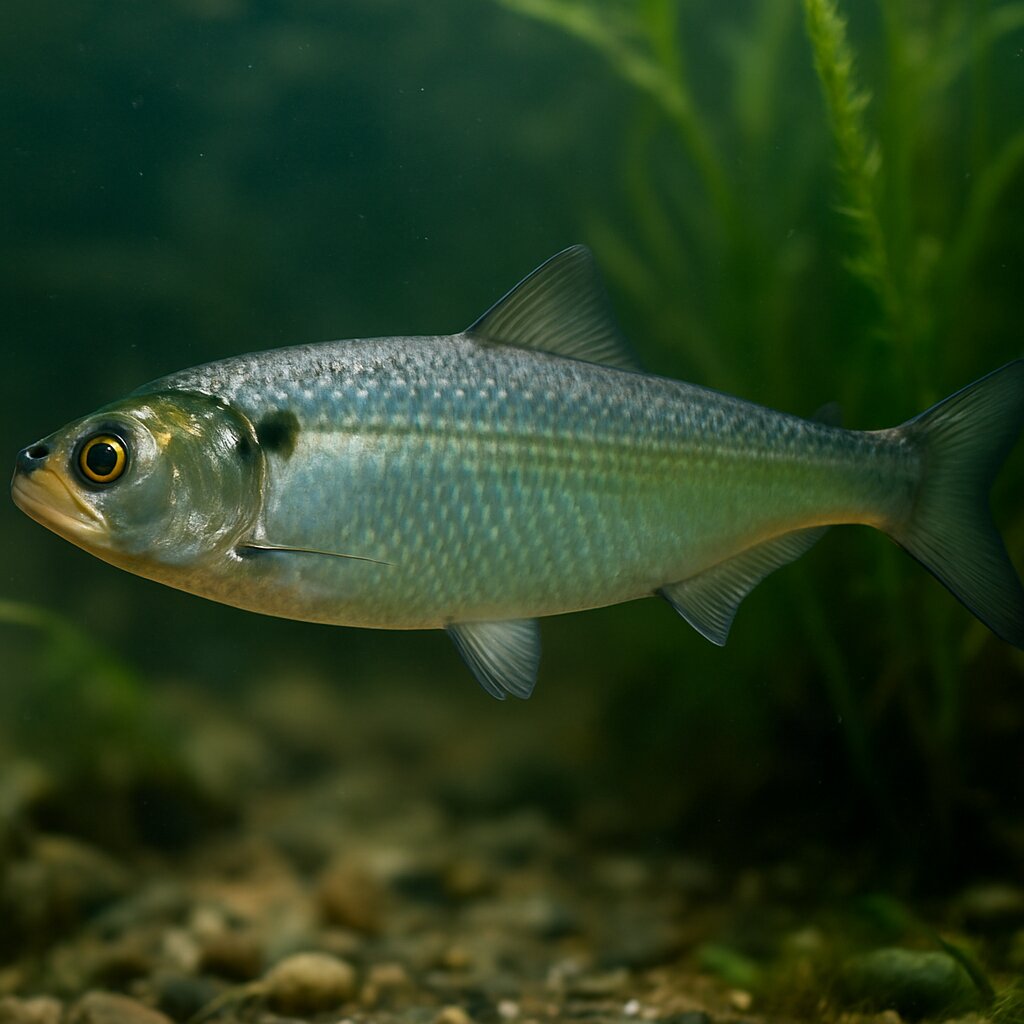
Alosa alosa
Gorgeous silver, fast-swimming shad that spends most of its life in the sea and then surges up big rivers in noisy, surface-spawning schools. It grows huge for a herring-type fish and needs cool, ultra-oxygenated water and tons of open space, so it is a public-aquarium species rather than a home tank fish.
Annandale's zebra sole
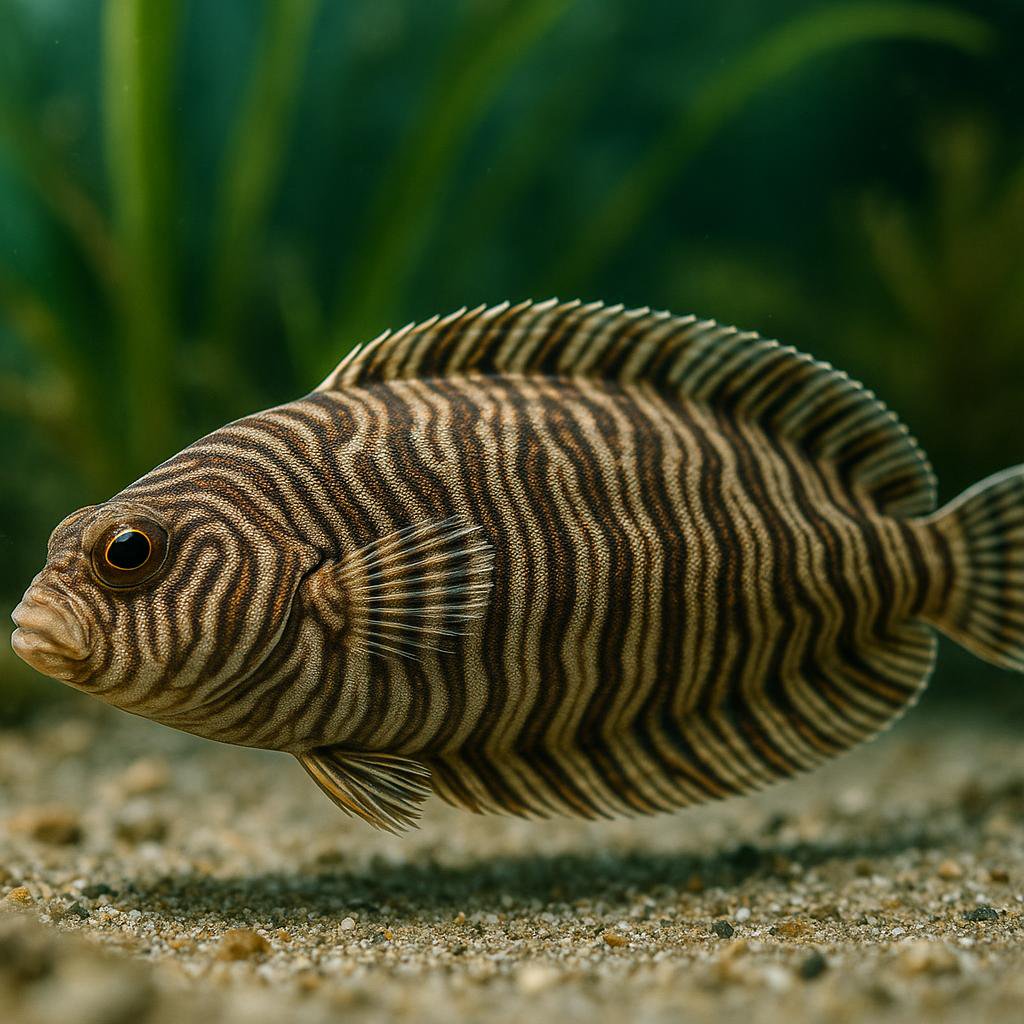
Zebrias annandalei
Zebrias annandalei is a small demersal sole from coastal India that inhabits sandy or muddy bottoms and buries for camouflage. It is rarely kept in home aquaria and would require a specialized marine sand-bottom setup and appropriate feeding.
Australian sawtail catshark
Figaro boardmani
Figaro boardmani is a small, deepwater Australian catshark with these cool saw-like ridges of spiny denticles along the tail and a neat pattern of dark saddle bands. It lives way down on the outer continental shelf and slope, so its natural water is cold, dim, and stable - totally not a typical home-aquarium fish. Diet-wise its a predator that goes after fish, crustaceans, and cephalopods.
Looking for other species?