

Spottail pinfish
Diplodus holbrookii
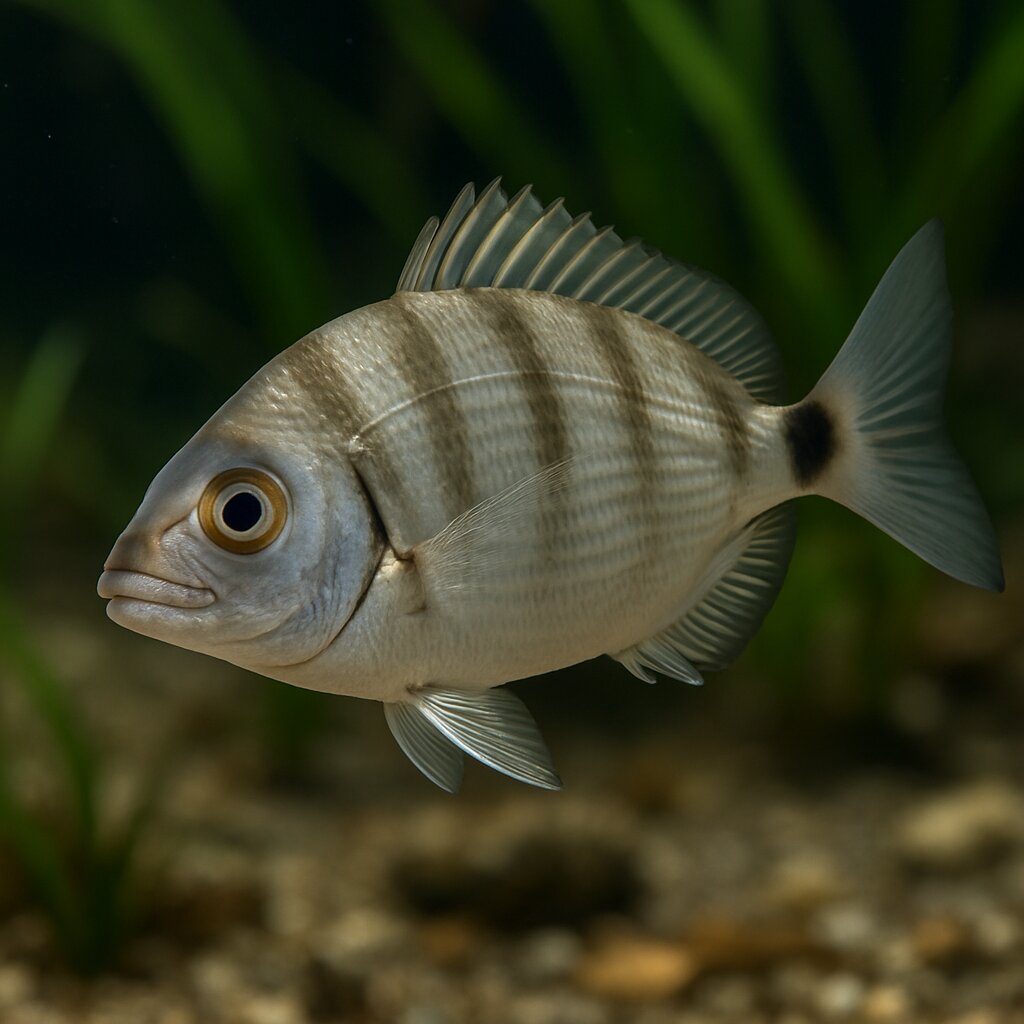
Spottail pinfish exhibit a silver body with distinctive black spots along the lateral line and a prominent dorsal fin.
This page includes AI-generated images. Why am I seeing AI images?
About the Spottail pinfish
A sturdy porgy with a big inky spot at the base of the tail and a steel-blue back, spottails cruise seagrass beds picking at little crabs and other crunchy snacks. They get a lot bigger than people expect and stay busy swimmers, so they need real room. If you want a personality fish for a big salt tank, this one is fun to watch but not a beginner choice.
Also known as
Quick Facts
Size
46 cm
Temperament
Semi-aggressive
Difficulty
Advanced
Min Tank Size
180 gallons
Lifespan
8-11 years
Origin
Western Atlantic - US East Coast to northern Gulf of Mexico
Diet
Omnivore - small inverts and algae; accepts marine pellets, mysis/krill, chopped seafood
Water Parameters
23-28°C
8.1-8.4
12-20 dGH
Need a heater for this species?
This species needs 23-28°C in a 180 gallon tank. Use our heater calculator to find the right wattage.
Calculate heater sizeCare Notes
- Think 75 gal for a single juvenile and 120+ gal for an adult, with open swim space, some rock ledges, and a sand patch. They jump - use a tight lid.
- Run full-strength seawater 1.023-1.026 at 72-76 F and pH 8.0-8.4 with strong aeration. They eat like pigs, so oversize the skimmer and swap filter socks often.
- Feed 2-3x/day a mix of chopped shrimp, clam, mussel, mysis, quality marine pellets, and some nori or macro. Toss in hard-shelled items weekly to help keep the teeth worn down.
- Not reef safe - they will nip corals and raid snails, crabs, and shrimp. House with robust, fast fish that wont fit in their mouth, not delicate or tiny species.
- Keep one per tank unless you have a huge system; they posture and spar with similar-shaped fish. Avoid slow or long-finned tankmates that get outcompeted at feeding time.
- Most are wild-caught and come with hitchhikers - quarantine 4-6 weeks and use praziquantel for flukes/worms. Watch for flashing, yawning, clamped fins, and rapid breathing.
- If collected from cooler inshore water, start them around 72-74 F and raise slowly over a few weeks; sudden jumps into the 80s right after capture can knock them down.
- Breeding is a no-go in home tanks - they spawn offshore and the larvae are planktonic. Dont expect pairing or nest behavior.
Compatibility
Good Tankmates
- Tough damsels and sergeant majors that can keep pace and wont get pushed off food
- Fast, medium wrasses like Halichoeres and Thalassoma that zip around all day
- Similar-sized tangs and rabbitfish that are quick, alert, and not easily nipped
- Squirrelfish and soldierfish that mind their own business but are too spiny and sturdy to hassle
- Medium grunts or porkfish that are robust and schooly, good match for an active tank
Avoid
- Tiny or timid fish that look like snacks, like small gobies, blennies, mandarins, or pipefish
- Slow fish with long, flowy fins that invite nipping, like lionfish, bannerfish, moorish idol, or delicate butterflies
- Big bullies or outright predators that will harass or eat them, like triggerfish, large groupers, big eels, or snappers
Where they come from
Spottail pinfish are western Atlantic sparids. You see them from the Carolinas and Florida through the Gulf of Mexico, around the Caribbean, and down toward Brazil. Juveniles hang around seagrass beds and sandy bays, and the bigger ones cruise patch reefs and rubble zones. That black spot at the base of the tail gives them away.
Setting up their tank
They get big for a home tank and they never stop moving. Plan on a 6- to 8-foot tank. I would not house an adult in anything under 180 gallons, and more is better if you want tankmates. Think fish-only with live rock. They are not reef safe and they will sample anything that looks edible.
- Temperature: 70-76 F (they handle cooler water better than tropical heat)
- Salinity: 1.023-1.026
- pH: 8.0-8.4
- Alkalinity: 8-11 dKH
- Flow: medium to strong, lots of oxygen
- Lighting: regular fish-only lighting is fine
Give them room to sprint and turn. Open water in the front, solid rockwork in the back with arches and a few tight slots they can nose into. Fine sand is great because they like to pick through it. Run a strong skimmer and oversized biofiltration. They eat like linebackers and make a mess.
They jump. Use a tight, weighted lid or a well-fitted mesh cover.
Not reef safe. They will nip at corals and will absolutely go after shrimp, crabs, snails, and clams.
If your room runs warm, budget for a chiller. Keeping them at tropical temps long term leads to stress and disease.
What to feed them
Omnivorous and opportunistic. Mine learned very quickly that anything I clipped or dropped was fair game. Offer a mix of meaty foods and greens, and feed smaller portions 2-3 times a day. They appreciate chewy, shelly items they can work on.
- Chopped shrimp, squid, scallop, and fish
- Clam or mussel on the half shell (great enrichment)
- High-quality marine pellets and sticks (mix sizes so they can grab and crush)
- Mysis and enriched brine as treats, not staples
- Marine algae sheets (nori) and bits of blanched greens
- Occasional live blackworms or small crabs for foraging behavior
Soak a couple meals per week in a vitamin mix and omega-3s. It keeps color up and helps avoid ragged fins and lateral line issues.
How they behave and who they get along with
Spottail pinfish are busy, nosey, and a little pushy. Juveniles hang together, but adults can be scrappy with similar-shaped fish. They constantly pick at rocks and substrate, so delicate tankmates get stressed fast.
- Good tankmates: robust tangs, large angels, big fairy/Thalassoma wrasses, bigger butterflies, larger squirrelfish, and similar-sized dither fish in a roomy FOWLR.
- Use caution: triggers and puffers (food competition and nipping wars), medium groupers and snappers (might see your pinfish as lunch if sizes mismatch).
- Avoid: small gobies/blennies, seahorses, tiny reef fish, ornamental shrimp and crabs, and coral setups in general.
If you want more than one, add a small group of juveniles to a very large tank at the same time. Mix of sizes helps. Expect sorting and some chasing at feeding time.
Breeding tips
They are open-water spawners that release eggs and sperm into the water column, usually seasonally. Larvae are tiny and drift. That combo makes home breeding unrealistic. Public aquariums with round tanks and plankton-rearing setups have a shot; most of us do not. If you ever see pre-spawn circling and color flashes at dusk, just enjoy the show and run extra filtration that night.
Common problems to watch for
Most issues come from heat, cramped quarters, and parasites from wild collection. Quarantine pays off with this fish.
- External parasites: Cryptocaryon (marine ich) and flukes show up as flashing, excess mucus, or labored breathing. I treat flukes with praziquantel and use copper or chloroquine for ich in a separate QT.
- Internal worms: stringy white poop and eating without gaining weight. Prazi or fenbendazole in QT helps.
- Bacterial scrapes: they hit rock at full tilt sometimes. Keep water clean and flow high; most scrapes heal fast.
- Heat stress: pacing, gulping at the surface, and sudden refusals to eat. Bring temps back down slowly and boost aeration.
- Food dominance: they outcompete shy fish. Use feeding rings, multiple stations, and spread the food out.
Quarantine new arrivals 4-6 weeks. They often come in with flukes. Treat, fatten them up, and make sure they are slamming pellets before they meet the display.
Move them with a container, not a net. Dorsal spines snag easily and they thrash. A specimen box saves fins and fingers.
Similar Species
Other marine semi-aggressive species you might be interested in.
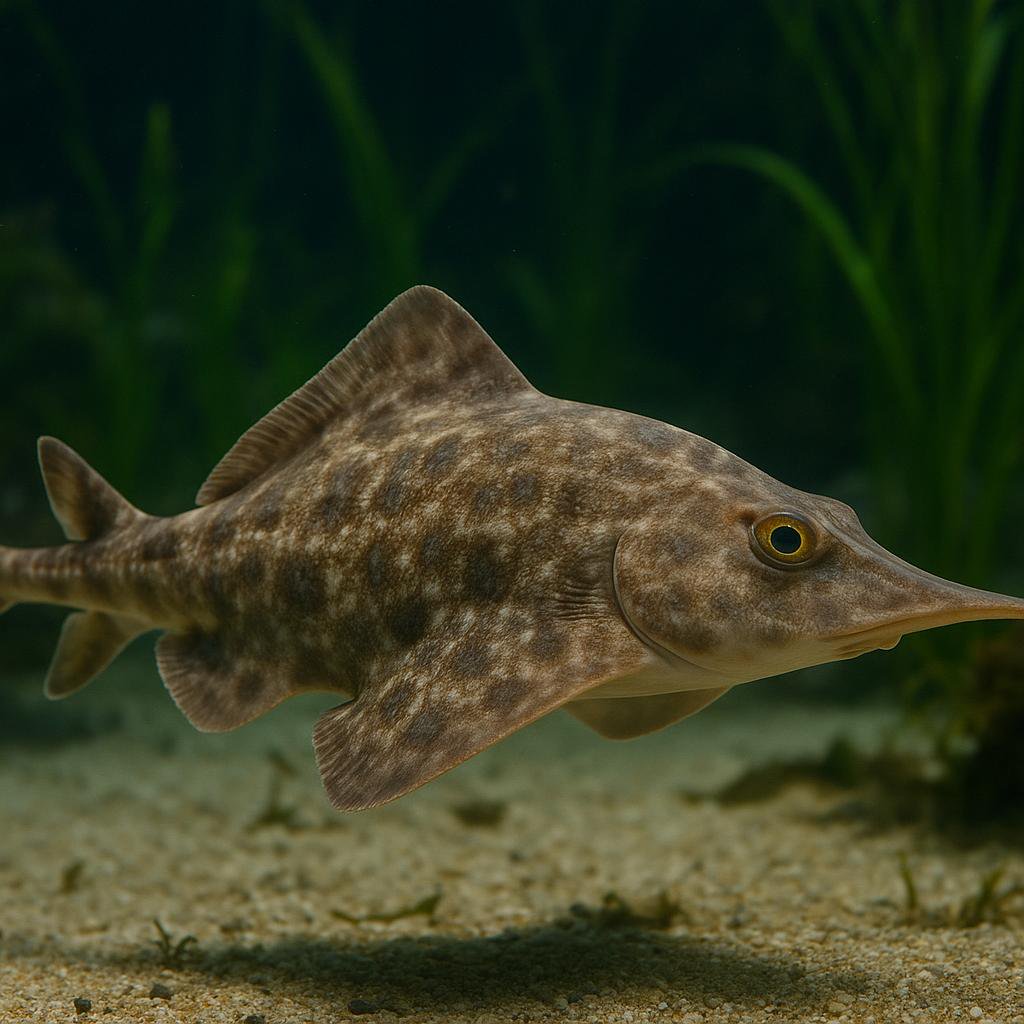
Aleutian skate
Bathyraja aleutica
This is a big, cold-water deep-slope skate from the North Pacific that cruises muddy bottoms and eats chunky benthic prey like crabs and shrimp. The really cool bit is its egg-laying skate life - it does distinct pairing (the classic skate "embrace") and drops those tough egg cases on the seafloor. Not an aquarium fish at all unless you're basically running a public-aquarium-style chilled system.
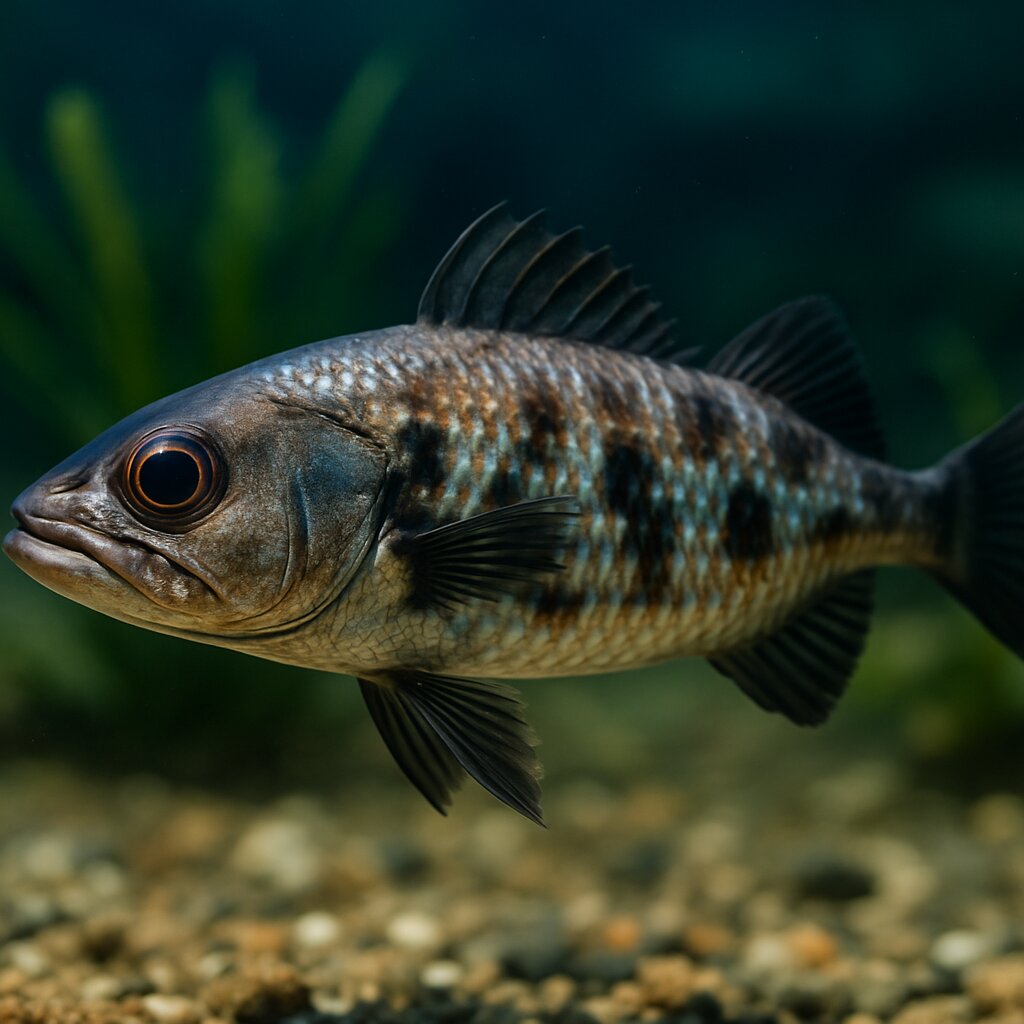
Antarctic dragonfish
Vomeridens infuscipinnis
Deep down around Antarctica, this sleek dragonfish cruises the water column like a little submarine, nearly neutrally buoyant so it can hover above the seafloor. It munches almost exclusively on Antarctic krill and lives in near-freezing water 500-800 m down, so it is a cool species to read about, not one for home tanks.
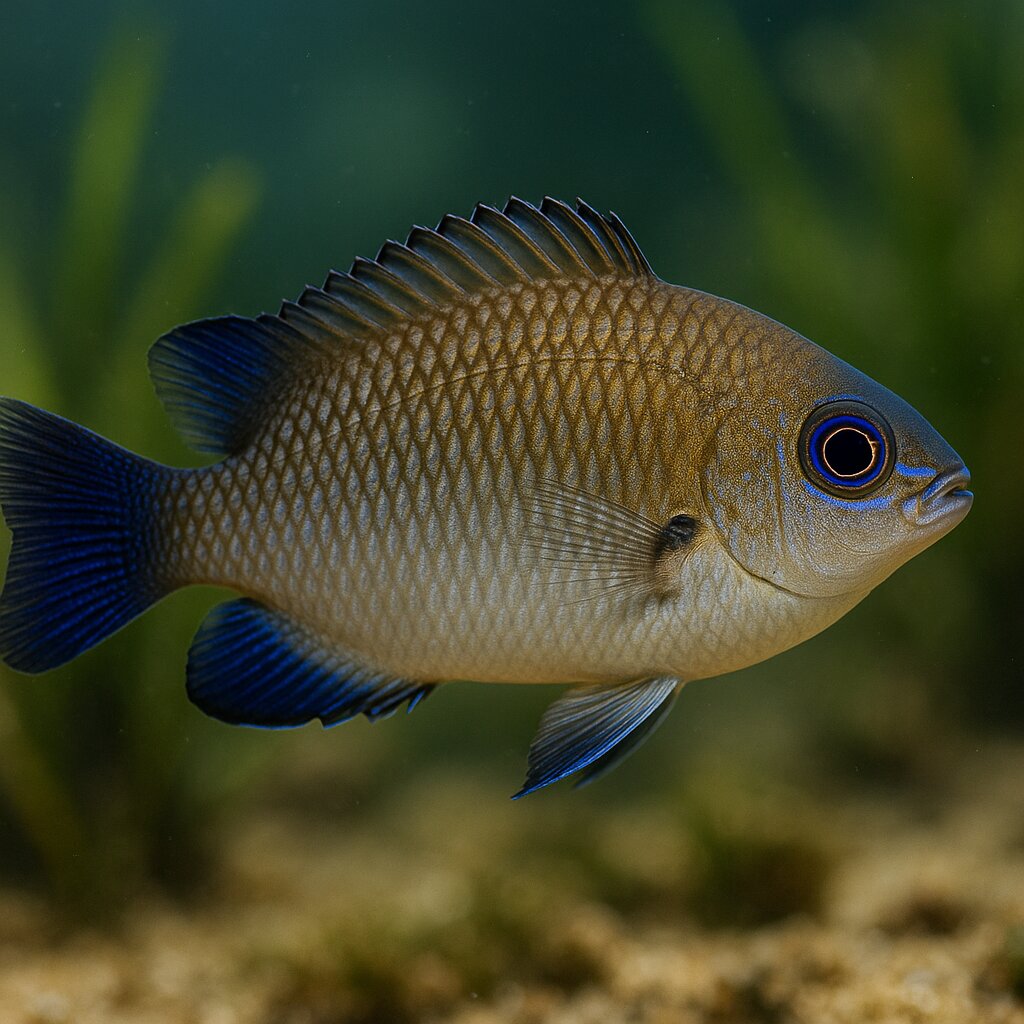
Arabian demoiselle
Neopomacentrus sindensis
A small lyretail damsel from the Persian Gulf and Arabian Sea, it hangs in loose groups around coral heads, rocks, and even pier pilings picking zooplankton from the flow. Think classic damsel toughness with a slightly milder attitude than the real bruisers, plus subtle yellow tail accents. Males clean a patch, get a mate to lay eggs there, and then stand guard fanning the clutch.
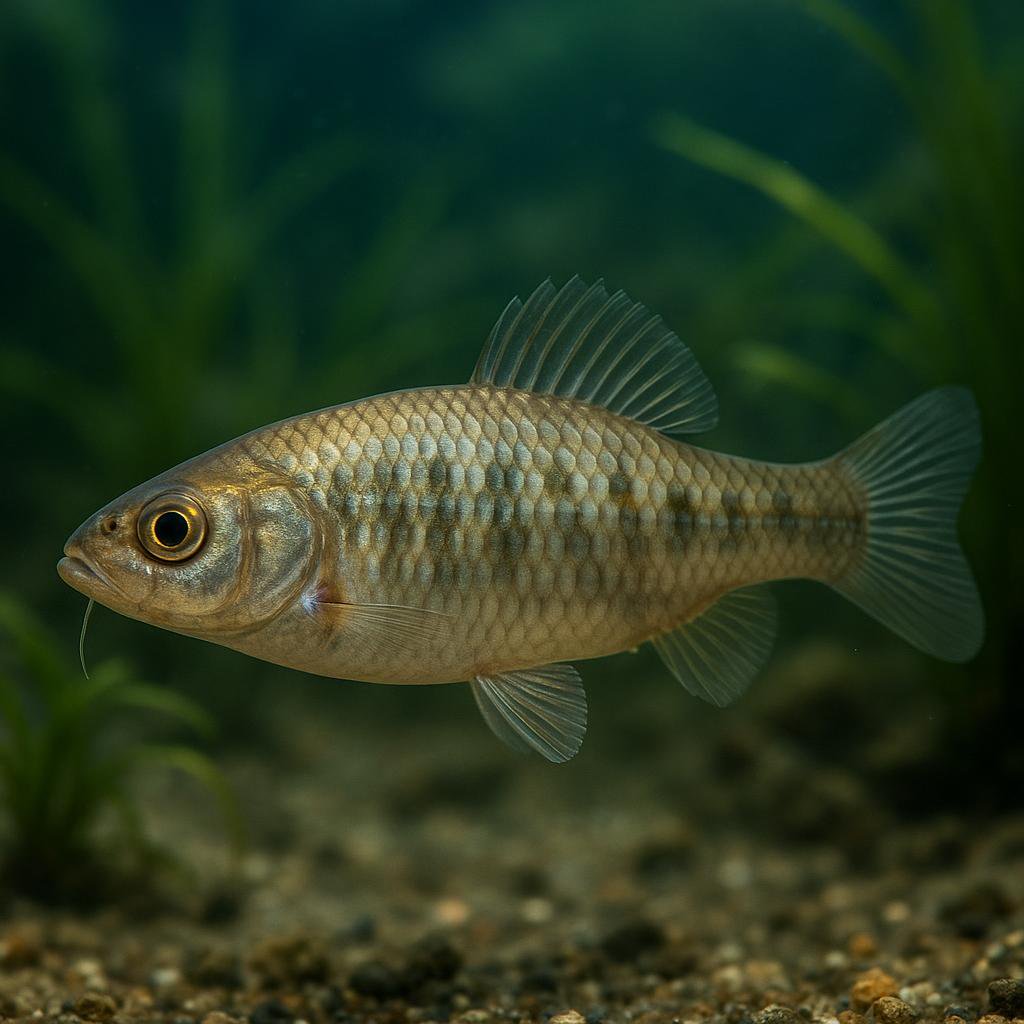
Arabian spiny eel
Notacanthus indicus
Notacanthus indicus is a deep-sea spiny eel (family Notacanthidae; not a true eel) known from the Arabian Sea on the continental slope at roughly ~960–1,046 m depth, with reported maximum length around 20 cm TL; it is a deep-water bycatch species and not established in the aquarium trade.
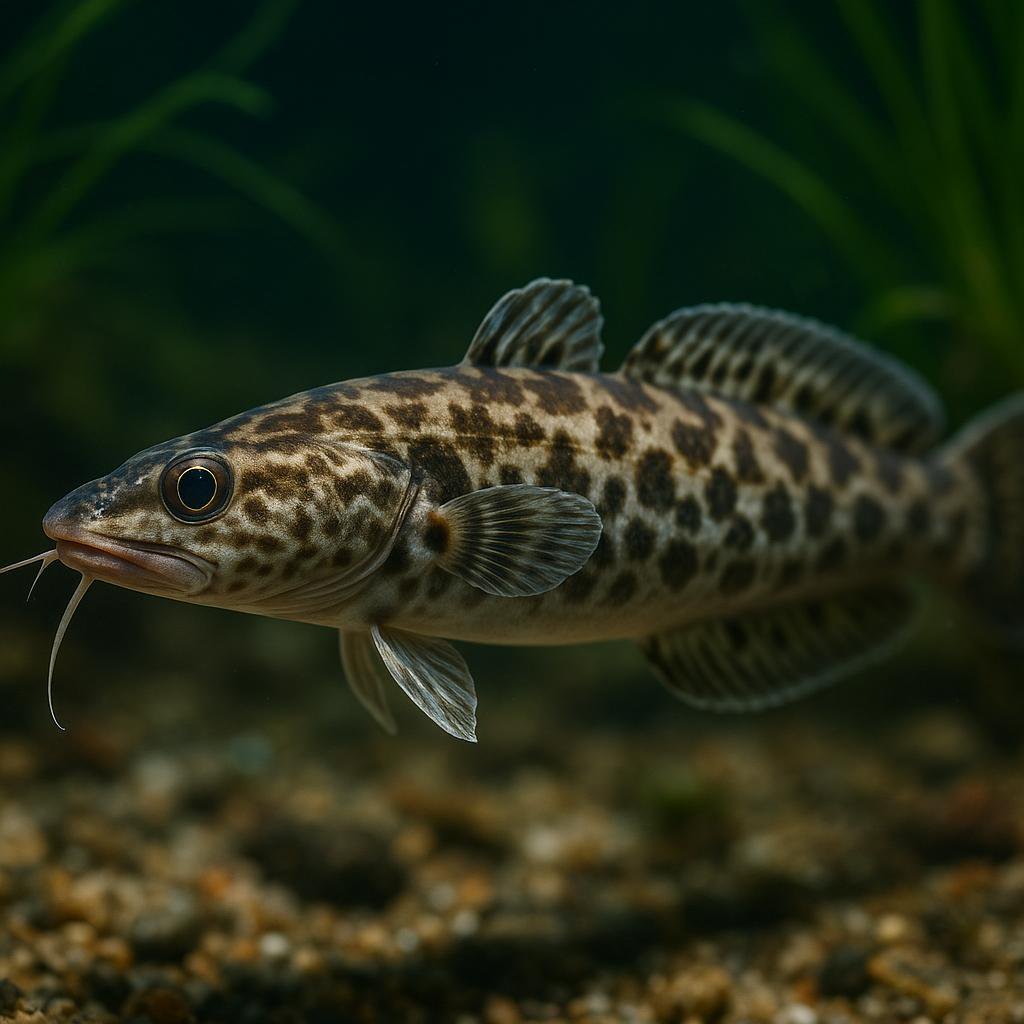
Arctic rockling
Gaidropsarus argentatus
This is a deepwater North Atlantic rockling (a cod relative) that hangs out on soft bottoms way down the slope. It is a cold-water, bottom-hugging predator that snoots around for crustaceans and will also take small fish when it gets the chance.
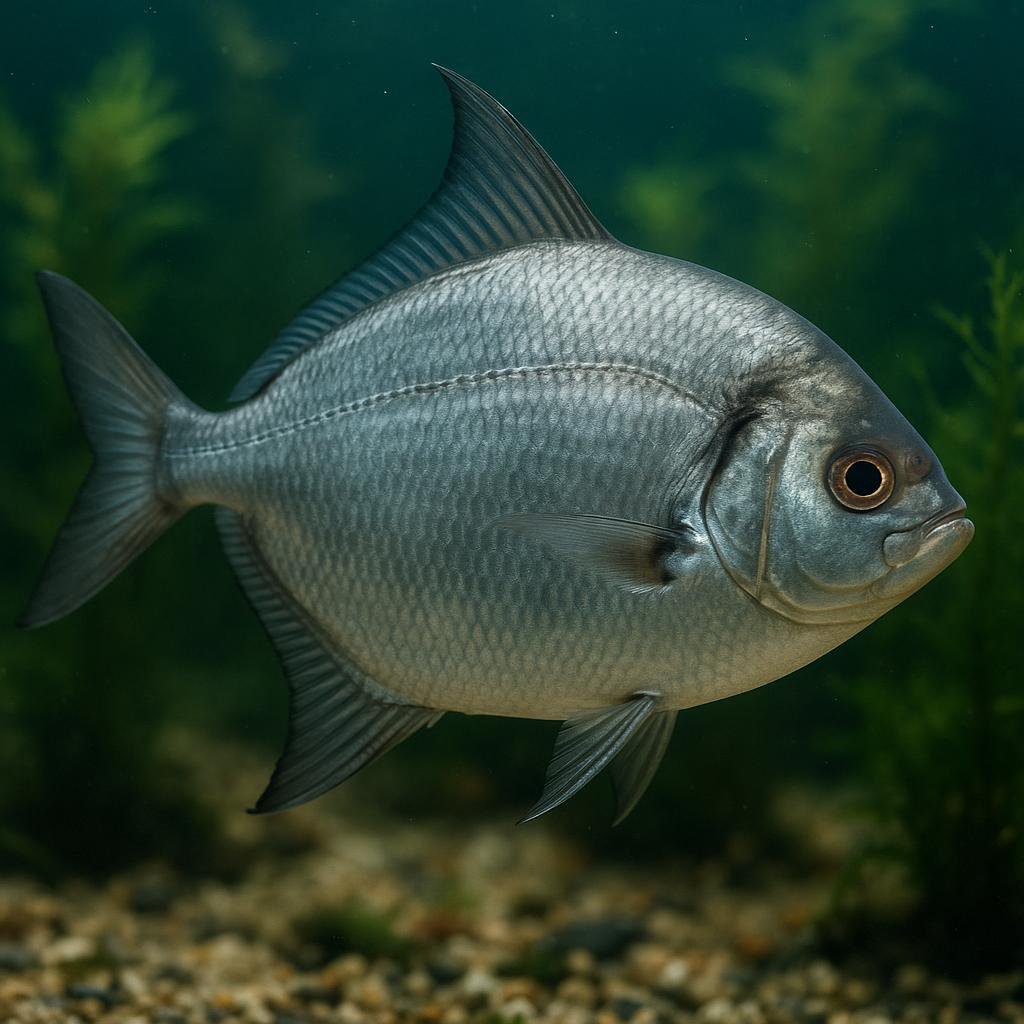
Atlantic pomfret
Brama brama
Brama brama is the Atlantic pomfret (aka Ray's bream) - a deep-bodied, open-ocean pelagic fish that cruises around in small schools and follows water temps. It is a legit big, wild marine species (not an aquarium fish) that eats other small sea critters like fish and squid, and it ranges across a huge chunk of the Atlantic plus parts of the Indian and South Pacific.
More to Explore
Discover more marine species.
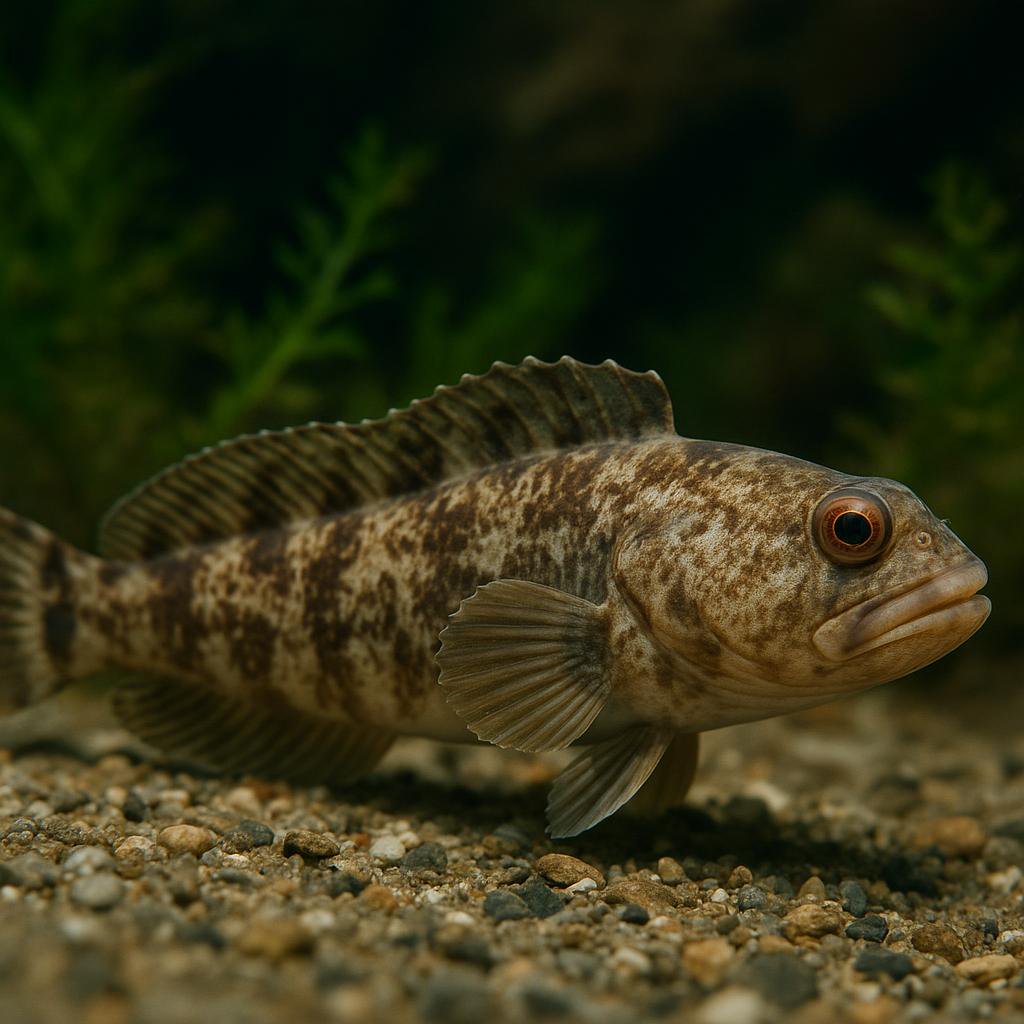
Abe's eelpout
Japonolycodes abei
Japonolycodes abei is a temperate, deepwater demersal eelpout (family Zoarcidae) endemic to Japan (Kumano-nada Sea reported; other sources also report Sagami Bay and Tosa Bay). It is the only species in the genus Japonolycodes and occurs roughly 40-300 m depth, making it an uncommon/atypical aquarium species.
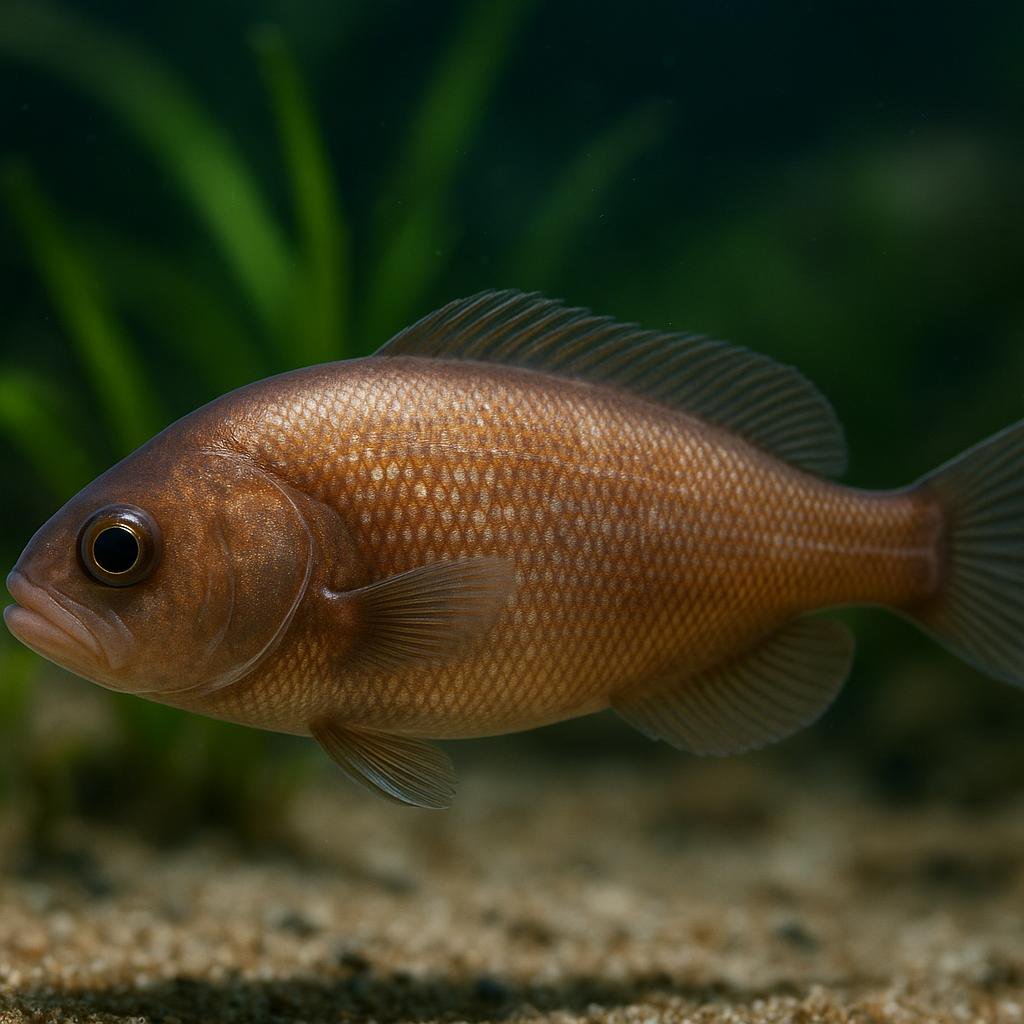
Affinis blind cusk-eel
Barathronus affinis
Barathronus affinis is a tiny, super-weird deep-sea blind cusk-eel from the western-central Indian Ocean. It is one of those gelatinous, loose-skinned brotula-type fishes that live way down in the dark and are basically never seen alive, so almost everything we know comes from preserved specimens and taxonomic work.
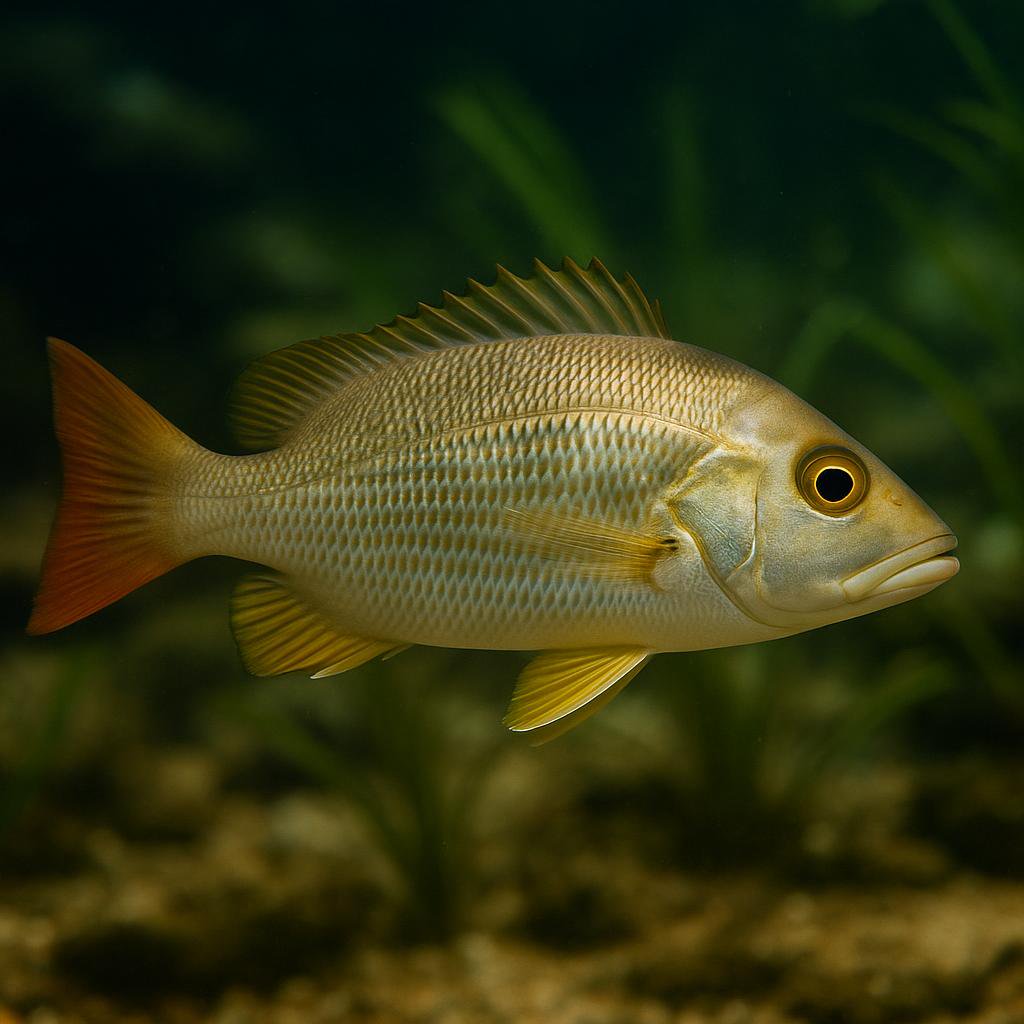
African red snapper
Lutjanus agennes
This is a true snapper from West Africa - a big, fast-growing predator that goes from coastal reefs to brackish lagoons and estuaries (especially as a juvenile). Super cool fish in the wild, but it gets absolutely huge and will eat smaller tankmates once it has the mouth for it, so its really more of a public-aquarium scale animal than a home-aquarium fish.
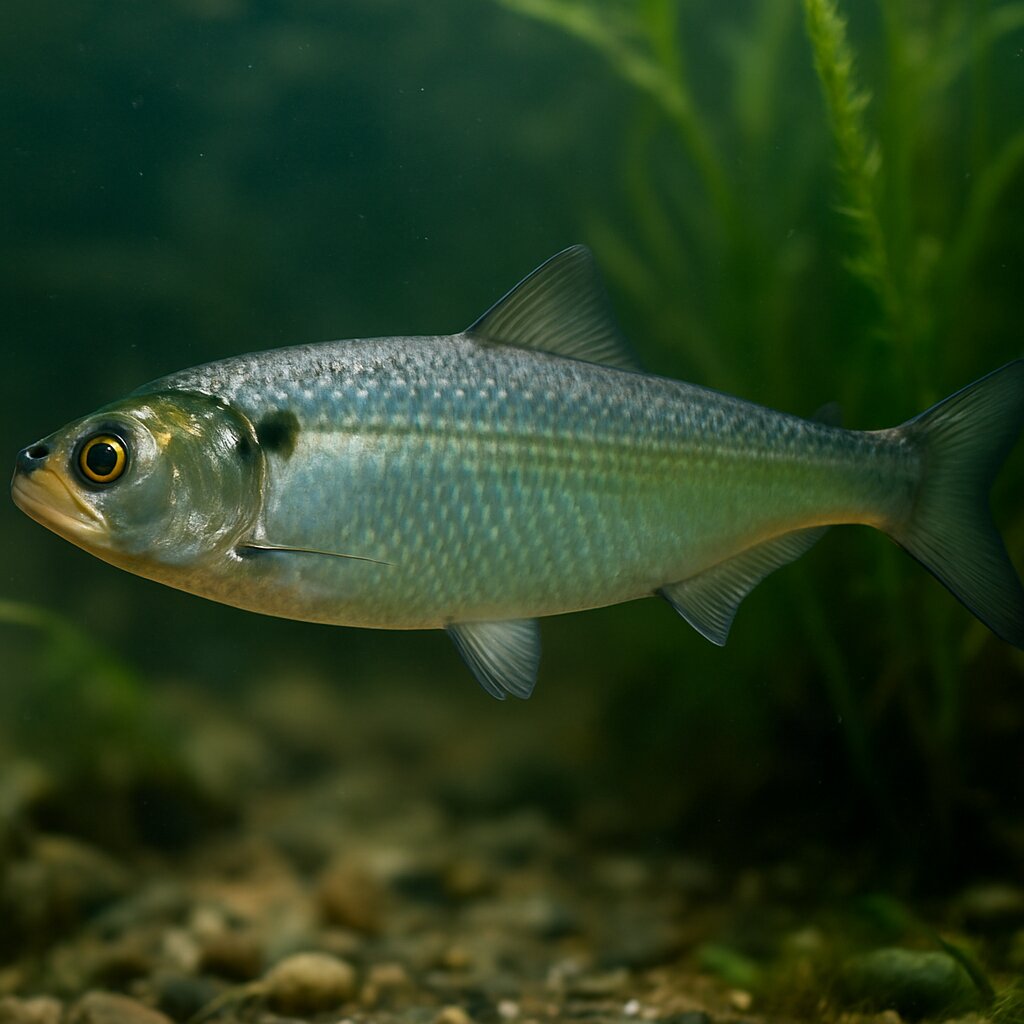
Allis shad
Alosa alosa
Gorgeous silver, fast-swimming shad that spends most of its life in the sea and then surges up big rivers in noisy, surface-spawning schools. It grows huge for a herring-type fish and needs cool, ultra-oxygenated water and tons of open space, so it is a public-aquarium species rather than a home tank fish.
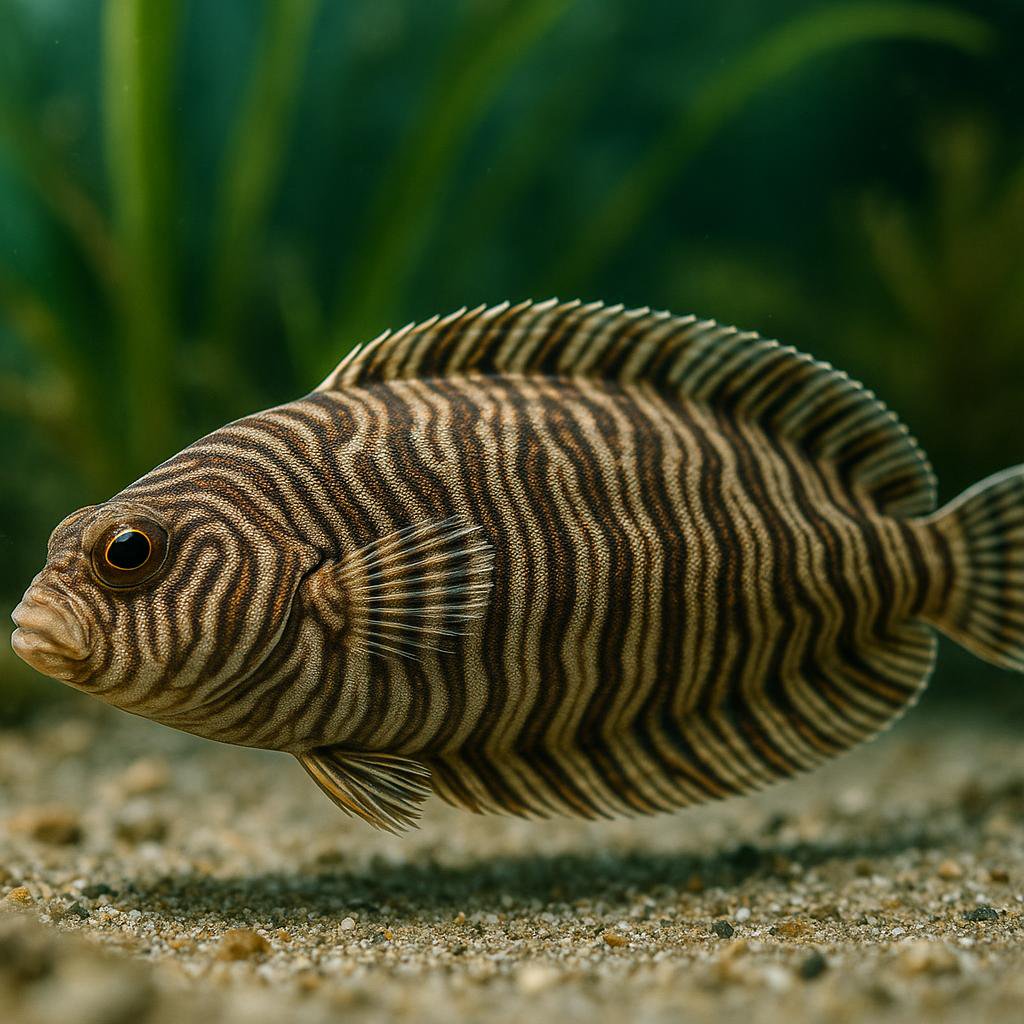
Annandale's zebra sole
Zebrias annandalei
Zebrias annandalei is a small demersal sole from coastal India that inhabits sandy or muddy bottoms and buries for camouflage. It is rarely kept in home aquaria and would require a specialized marine sand-bottom setup and appropriate feeding.
Australian sawtail catshark
Figaro boardmani
Figaro boardmani is a small, deepwater Australian catshark with these cool saw-like ridges of spiny denticles along the tail and a neat pattern of dark saddle bands. It lives way down on the outer continental shelf and slope, so its natural water is cold, dim, and stable - totally not a typical home-aquarium fish. Diet-wise its a predator that goes after fish, crustaceans, and cephalopods.
Looking for other species?