

Blackspot skate
Dipturus campbelli
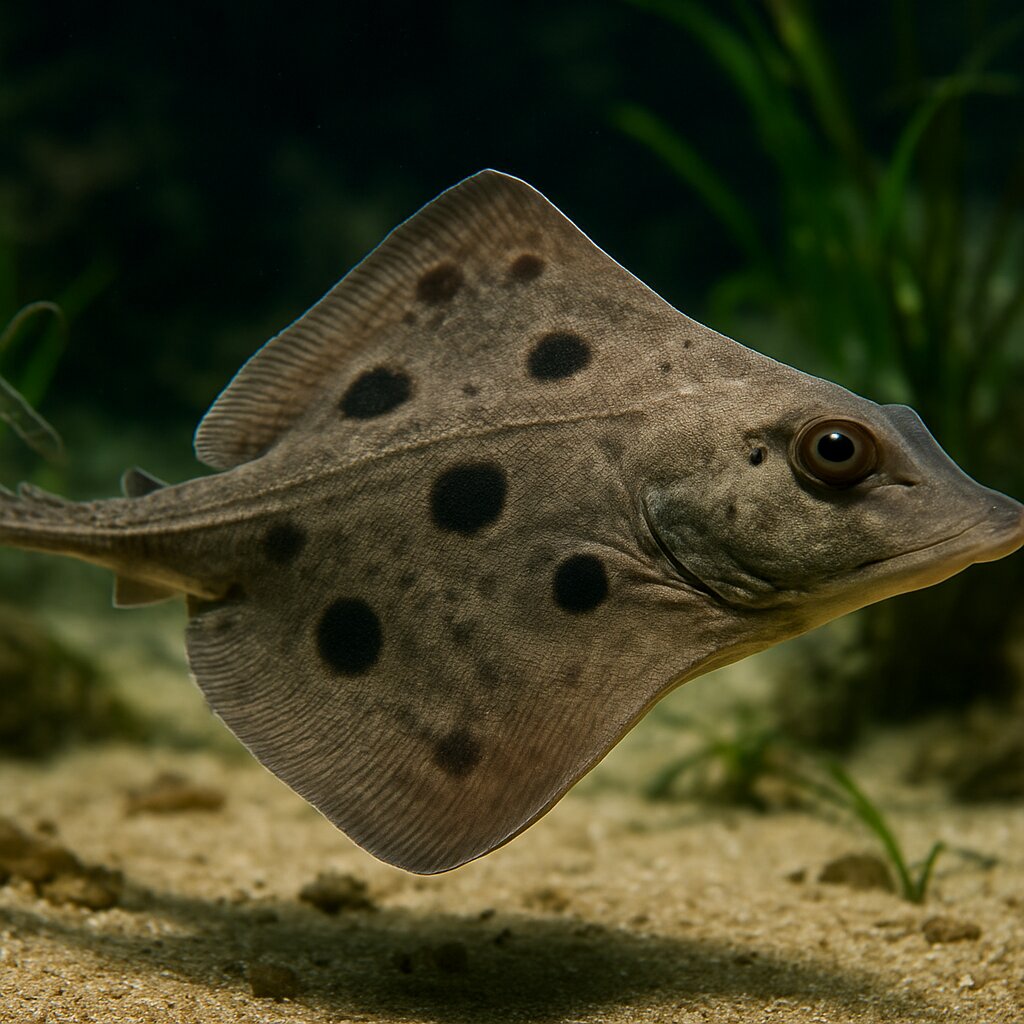
The Blackspot skate features a flattened body with a distinctive black spot on each wing and a mottled brown-grey coloration for camouflage.
This page includes AI-generated images. Why am I seeing AI images?
About the Blackspot skate
This is a long-nosed skate from South Africa to Mozambique with neat black speckles and a smooth, hovercraft kind of glide. It lives deep in cool water and can reach close to a meter, so it is a public-aquarium fish that needs chilled, ocean-parameter water and a huge footprint to cruise.
Quick Facts
Size
39 inches
Temperament
Semi-aggressive
Difficulty
Expert
Min Tank Size
1000 gallons
Lifespan
15-25 years
Origin
Western Indian Ocean - South Africa and Mozambique
Diet
Carnivore - crustaceans, mollusks, worms, and small fishes; meaty marine foods
Water Parameters
10-16°C
8-8.4
300-400 dGH
Need a heater for this species?
This species needs 10-16°C in a 1000 gallon tank. Use our heater calculator to find the right wattage.
Calculate heater sizeCare Notes
- Think public aquarium scale: minimum 8x4 ft footprint, 24 in deep, 800+ gallons, with a 2-3 in bed of fine sugar sand and very little rock.
- Keep it cold-temperate with a serious chiller: 10-15 C (50-59 F), salinity 1.024-1.026, pH 8.1-8.3, 0 ammonia/nitrite, and nitrate under 20 ppm.
- They use tons of oxygen, so run an oversized skimmer, extra air, and set gentle laminar flow across the bottom, not blasting their discs.
- Target feed with tongs 4-6x per week near the snout: squid, shrimp, clam, krill, and marine fish; rotate foods, add HUFA/vitamin soak, and limit thiaminase-heavy fish like smelt.
- Best in a species tank or with calm midwater fish; skip triggers, puffers, big wrasses, angels, and groupers that nip or outcompete, and expect it to eat small bottom dwellers.
- Guard every intake and heater with shrouds or foam, pad rock edges, and keep a tight lid; abrasions and heater burns take them out fast.
- Do not use copper or formalin; for flukes use praziquantel at elasmobranch-safe doses, and quarantine in a large, well-oxygenated bin with slow drip acclimation.
- They lay egg cases, but getting viable eggs needs seasonal temp swings and massive space; assume no home breeding unless you run a public aquarium.
Compatibility
Good Tankmates
- Big, calm midwater swimmers that ignore the sand bed (lookdown type fish)
- Non-nippy, temperate schooling fish that cruise up high and leave the skate alone
- Large, mellow show fish with small mouths that are too big to be a snack
- Peaceful, robust tankmates that will not pick at disc edges or spiracles
- Strong but easygoing fish that do not dig or perch on the sand bed
- A light crew of chill midwater buddies in a cool-water marine setup, not a packed community
Avoid
- Triggers, puffers, big angels, and nippy damsels that chew fins and stress skates
- Sharks and other rays that compete for food and can rough up the skate
- Groupers, big wrasses, and morays that outcompete at feeding or take a bite out of the disc
- Small bottom huggers like gobies and blennies that will end up as snacks
Where they come from
Blackspot skates are a cool-water species from southern Africa. Think the Agulhas Bank and nearby shelf areas off South Africa into the Mozambique Channel. They cruise sandy and muddy bottoms from roughly 50 to a few hundred meters deep, so they are built for cold, high-oxygen water and dim light.
This is an expert-only, public-aquarium-scale animal. Unless you have a very large, chilled marine system and experience with elasmobranchs, do not buy one.
Setting up their tank
Plan around the footprint, not the gallons on paper. Skates need runway space and a soft bottom. They also need cold, very stable water and lots of oxygen.
- Footprint and volume: juvenile short-term 8 x 3 ft footprint, 250-300 gal. Adult long-term 10-12 x 4-6 ft footprint, 800-1500 gal or more.
- Temperature: 10-14 C with a reliable chiller. Stability beats chasing a magic number.
- Salinity: 35 ppt (1.025-1.026). pH 8.0-8.3. Ammonia and nitrite at 0. Nitrate under 10-20 ppm.
- Substrate: 5-7 cm of fine sugar-grade sand. No crushed coral or sharp gravel. They bury and scuff easily.
- Aquascape: Keep it open. If you want structure, use a few smooth boulders or PVC caves with sanded edges. Cover every pump intake and overflow with coarse foam or mesh.
- Flow and oxygen: Gentle, even flow across the bottom. Big skimmer, strong aeration, and plenty of surface agitation. These guys are oxygen-hungry.
- Lighting: Low to moderate. They come from dim water and stress under bright reef lights.
- Lid and safety: Tight lid. Use a drip loop on every cord. Keep a spare chiller pump and a battery air pump for outages.
Acclimate slowly with a temperature-matched drip over 2-3 hours. Move in a tub, not a net. Support the disk and avoid touching the spiracles.
What to feed them
They eat benthic inverts and small fishes in the wild. New arrivals can be fussy. Start with movement and strong scent, then work toward a varied, clean diet.
- Good starters: live or very fresh ghost shrimp, grass shrimp, small crabs with claws clipped, strips of squid, smelt, or silversides wiggled with tongs.
- Staples once eating: chopped squid, prawns, scallops, clams on the half shell, lancefish, and white marine fish flesh. Rotate foods.
- Frequency: juveniles daily in small portions; adults every other day. Better slightly lean than stuffed.
- Supplements: soak foods 2-3 times per week with a quality marine vitamin and HUFA. Add iodine weekly if you are not feeding shell-on items.
- Training: use a feeding target (white spoon or stick). Tap the sand, place the food by the mouth, and let them find it. They learn fast.
Avoid a shrimp-only diet. It leads to fatty liver and vitamin issues. Include clam, squid, and fish, and leave some shell on for tooth wear.
How they behave and who they get along with
Blackspot skates are calm, mostly crepuscular, and spend a lot of time parked or lightly buried. They are not aggressive, but they will vacuum up bite-sized fish if given the chance.
- Best setup: species display. Life is simpler without competition at the bottom.
- Possible tankmates: large, peaceful, coldwater fish that ignore the bottom and do not nip. Honestly, options in the hobby are limited.
- Avoid: triggers, puffers, big wrasses, groupers, angels, filefish, lionfish, and anything that picks at fins or has spines. Do not mix with other rays or skates in tight quarters.
- Inverts: crabs and shrimp will be food. Coldwater non-photosynthetic corals are usually fine, but keep them off the sand paths.
Give them quiet time. Sudden crowds at the glass or bright lights right at feeding can shut them down.
Breeding tips
They are oviparous and will lay mermaids purses if you have a mature pair, but getting that far in a home system is rare.
- Sexing: males have claspers; females do not. You need fully mature animals, which take years and a lot of room.
- Cues: a mild winter drop in temp (about 2 C) and a shorter photoperiod can help cycle them.
- Egg laying: provide coarse plastic mesh panels or PVC rails near the bottom for the eggs to snag on. Do not let them blow into overflows.
- Incubation: roughly 4-6 months at 11-13 C. Keep moderate flow across the cases. You can candle with a flashlight to watch development.
- Hatchlings: set up a separate shallow, chilled system with very fine sand. Start with enriched mysis, tiny strips of squid, live amphipods, and small shore shrimp. Feed small amounts twice daily.
Common problems to watch for
- Not eating after arrival: usually stress and low oxygen. Dim the lights, boost aeration, try live ghost shrimp or wiggled squid on tongs.
- Skin abrasions: from rough sand or rock. Switch to finer sand, pad sharp edges, and keep water pristine to prevent infection.
- Thermal stress: chiller hiccups show up fast as rapid breathing and lethargy. Use temperature alarms and service the chiller regularly.
- Low oxygen: skates telegraph this with heavy spiracle pumping. Increase surface agitation and verify skimmer performance.
- Parasites and flukes: flashing and poor appetite. Use a separate QT. Praziquantel works for many flukes, but dose carefully and mind oxygen.
- Bacterial infections: red streaks, cloudy patches, or mouth issues. Address water quality first and consult a vet for antibiotics like enrofloxacin.
- Nutritional imbalances: soft fins, poor weight, or stringy stools. Fix the menu variety and add vitamins and HUFA.
- Stray voltage and metals: can make them skittish or off food. Check equipment, use GFCI outlets, and avoid copper plumbing or pennies in sumps.
Do not treat skates with copper or formalin-heavy reef meds. Many standard reef treatments will kill elasmobranchs. Never use hyposalinity as a cure.
These fish are wild-caught and from a limited range. Double-check local regulations and be sure you can house an adult for the long haul before committing.
Similar Species
Other marine semi-aggressive species you might be interested in.
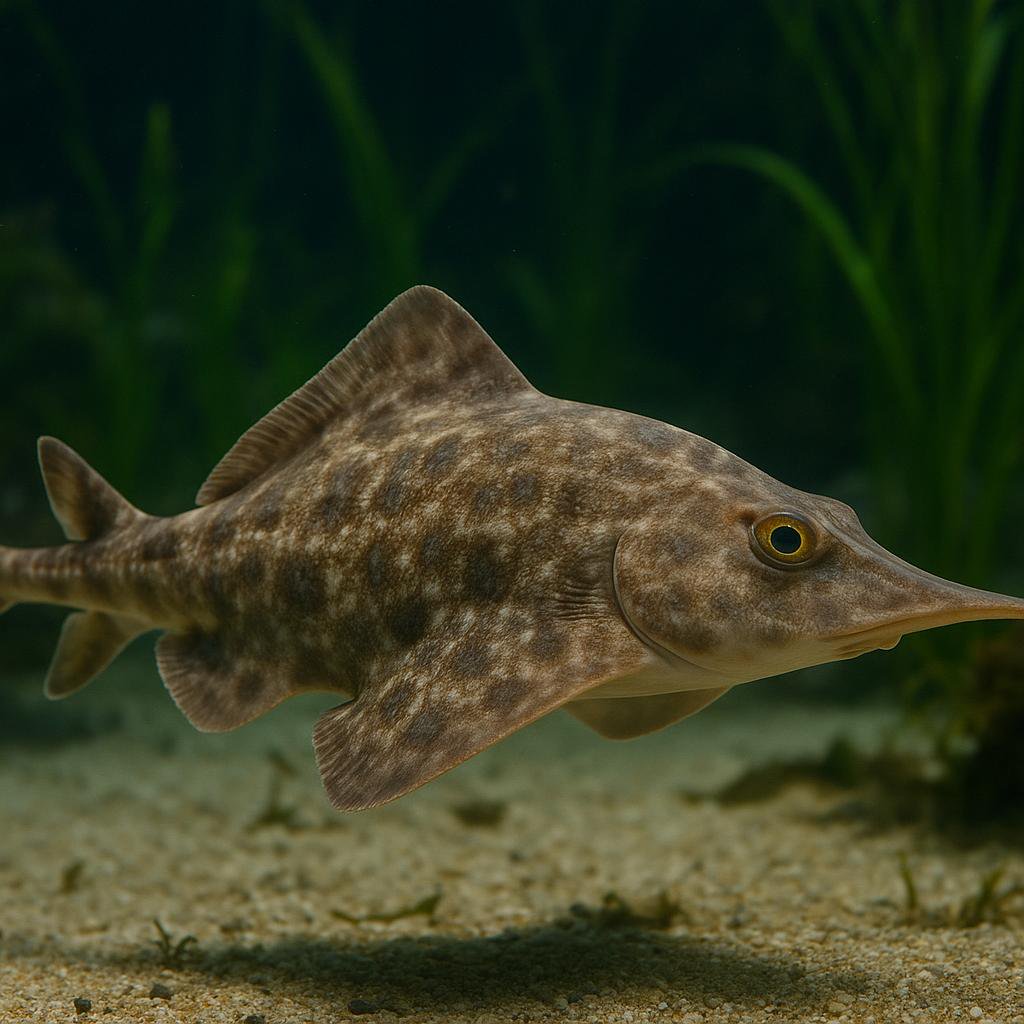
Aleutian skate
Bathyraja aleutica
This is a big, cold-water deep-slope skate from the North Pacific that cruises muddy bottoms and eats chunky benthic prey like crabs and shrimp. The really cool bit is its egg-laying skate life - it does distinct pairing (the classic skate "embrace") and drops those tough egg cases on the seafloor. Not an aquarium fish at all unless you're basically running a public-aquarium-style chilled system.
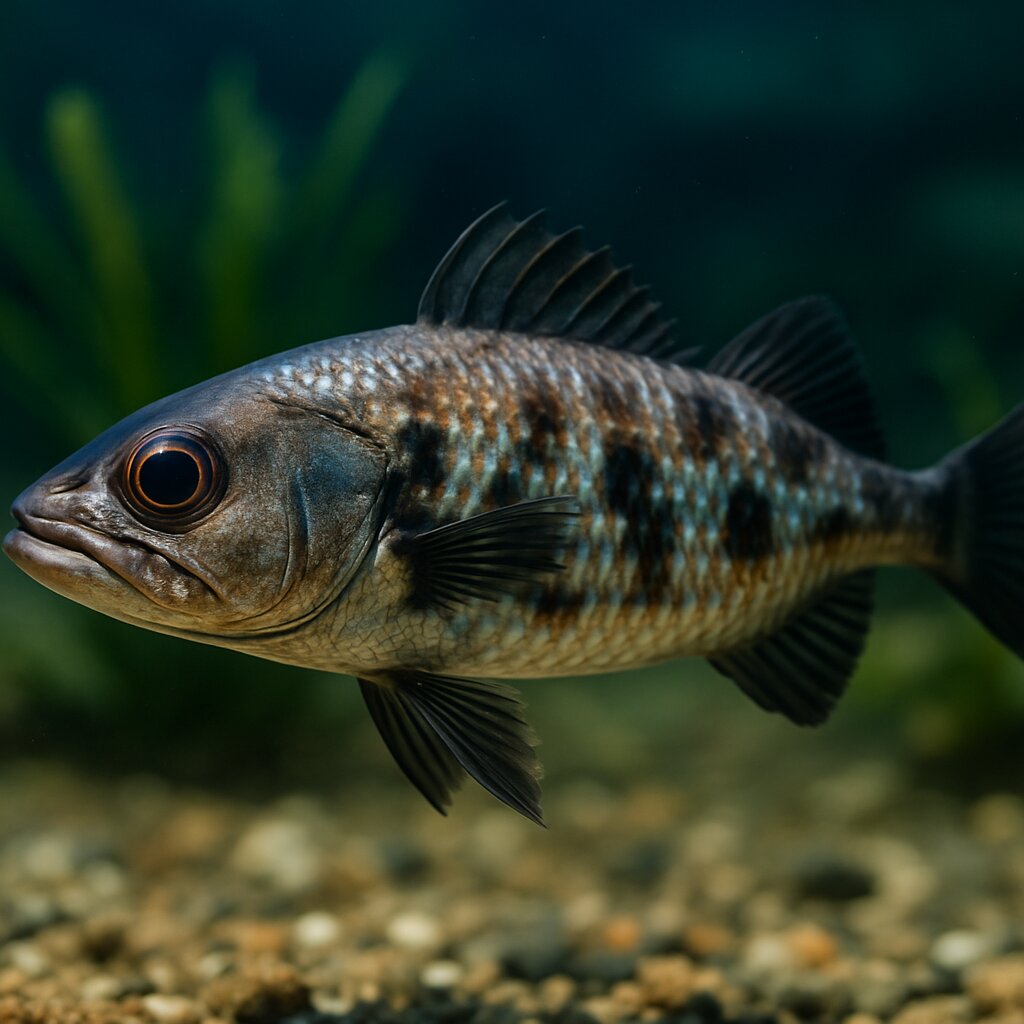
Antarctic dragonfish
Vomeridens infuscipinnis
Deep down around Antarctica, this sleek dragonfish cruises the water column like a little submarine, nearly neutrally buoyant so it can hover above the seafloor. It munches almost exclusively on Antarctic krill and lives in near-freezing water 500-800 m down, so it is a cool species to read about, not one for home tanks.
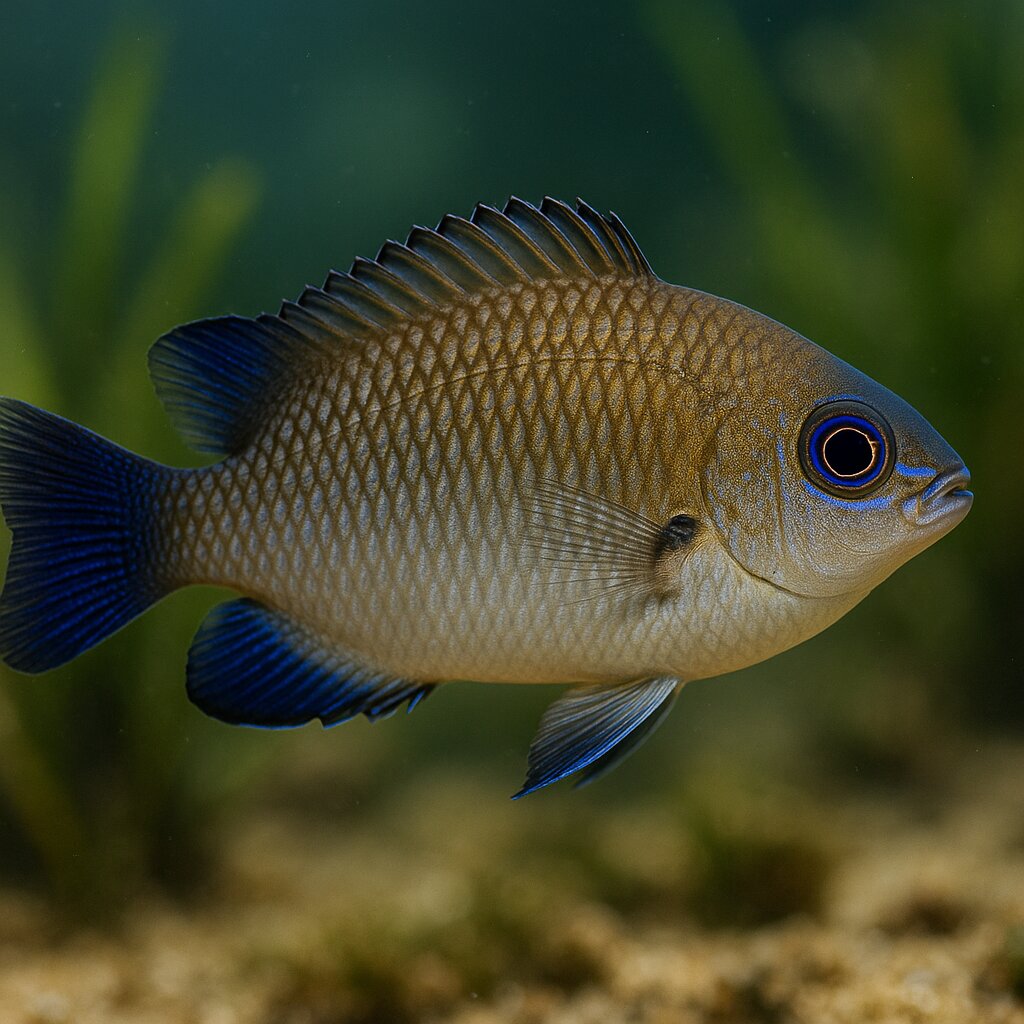
Arabian demoiselle
Neopomacentrus sindensis
A small lyretail damsel from the Persian Gulf and Arabian Sea, it hangs in loose groups around coral heads, rocks, and even pier pilings picking zooplankton from the flow. Think classic damsel toughness with a slightly milder attitude than the real bruisers, plus subtle yellow tail accents. Males clean a patch, get a mate to lay eggs there, and then stand guard fanning the clutch.
Arabian spiny eel
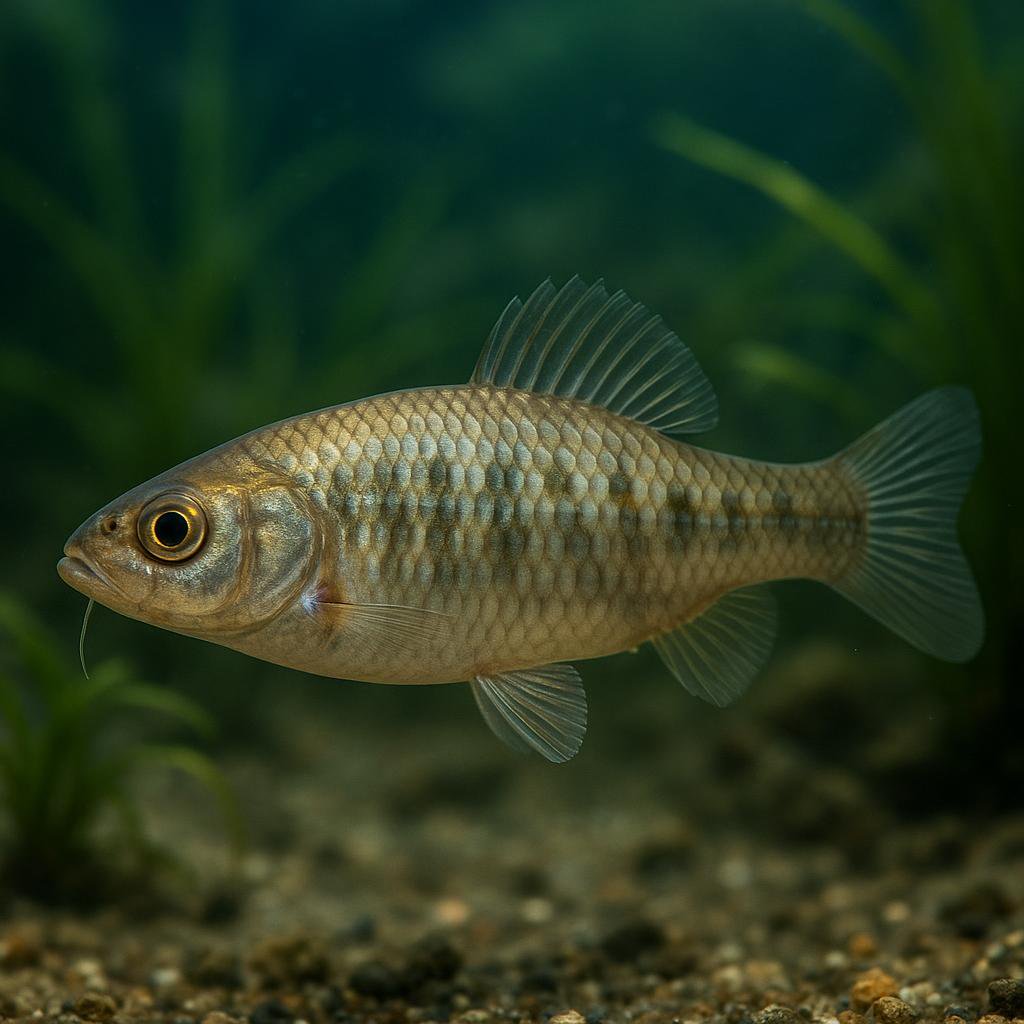
Notacanthus indicus
Notacanthus indicus is a deep-sea spiny eel (family Notacanthidae; not a true eel) known from the Arabian Sea on the continental slope at roughly ~960–1,046 m depth, with reported maximum length around 20 cm TL; it is a deep-water bycatch species and not established in the aquarium trade.
Arctic rockling
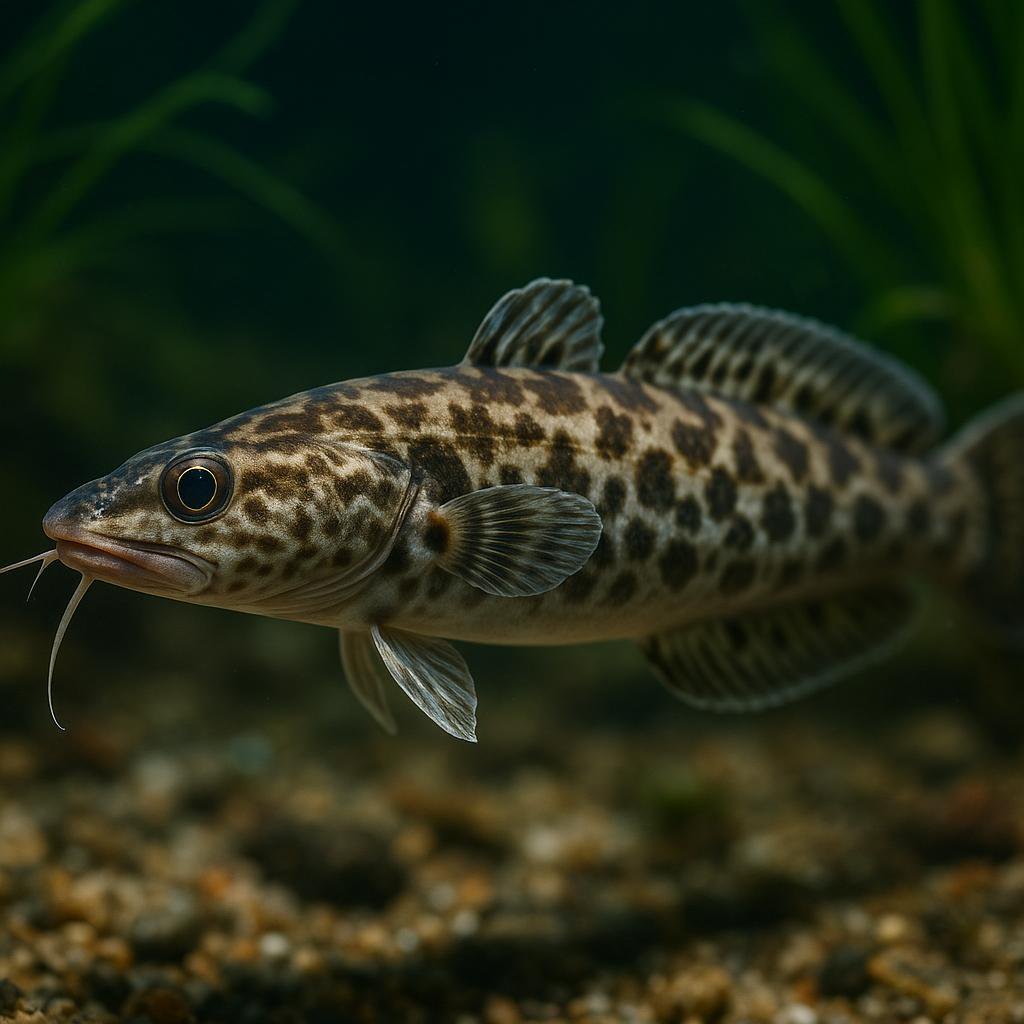
Gaidropsarus argentatus
This is a deepwater North Atlantic rockling (a cod relative) that hangs out on soft bottoms way down the slope. It is a cold-water, bottom-hugging predator that snoots around for crustaceans and will also take small fish when it gets the chance.
Atlantic pomfret
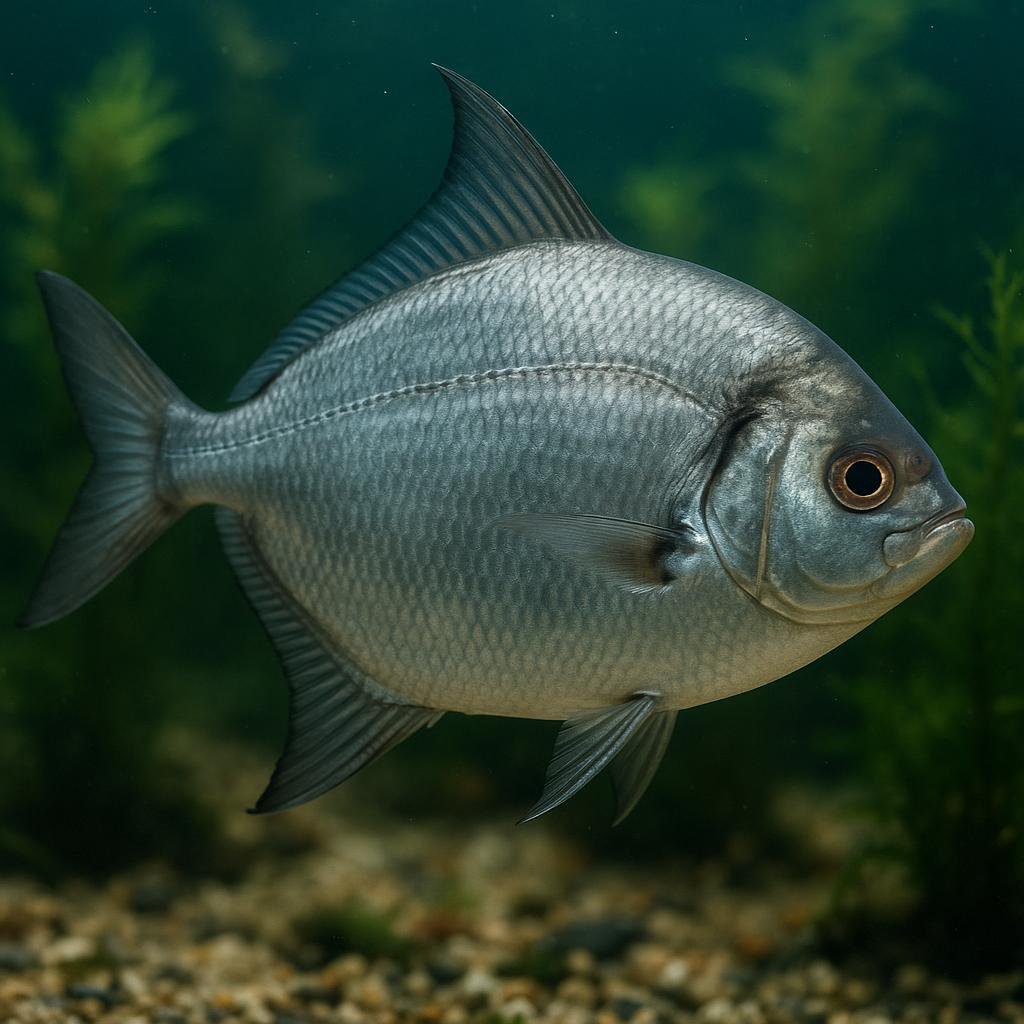
Brama brama
Brama brama is the Atlantic pomfret (aka Ray's bream) - a deep-bodied, open-ocean pelagic fish that cruises around in small schools and follows water temps. It is a legit big, wild marine species (not an aquarium fish) that eats other small sea critters like fish and squid, and it ranges across a huge chunk of the Atlantic plus parts of the Indian and South Pacific.
More to Explore
Discover more marine species.
Abe's eelpout
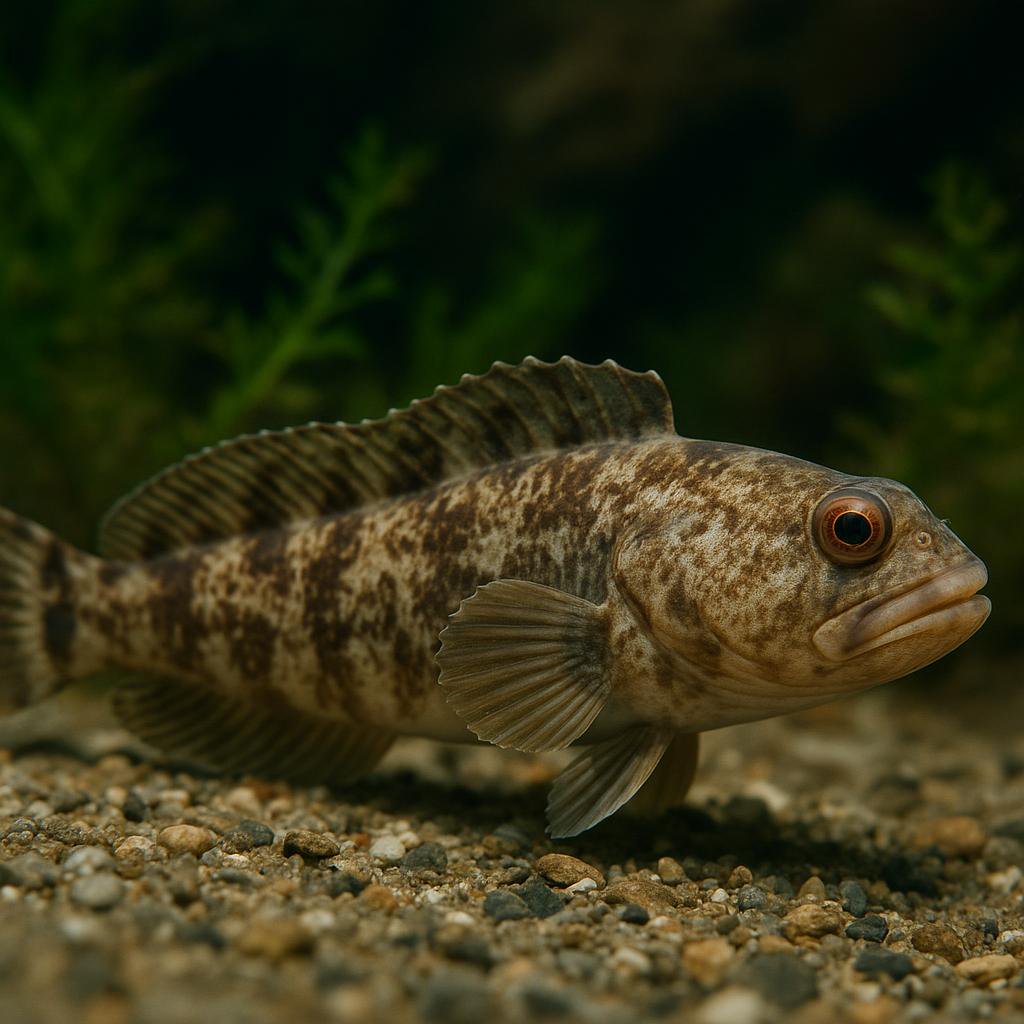
Japonolycodes abei
Japonolycodes abei is a temperate, deepwater demersal eelpout (family Zoarcidae) endemic to Japan (Kumano-nada Sea reported; other sources also report Sagami Bay and Tosa Bay). It is the only species in the genus Japonolycodes and occurs roughly 40-300 m depth, making it an uncommon/atypical aquarium species.
Affinis blind cusk-eel
Barathronus affinis
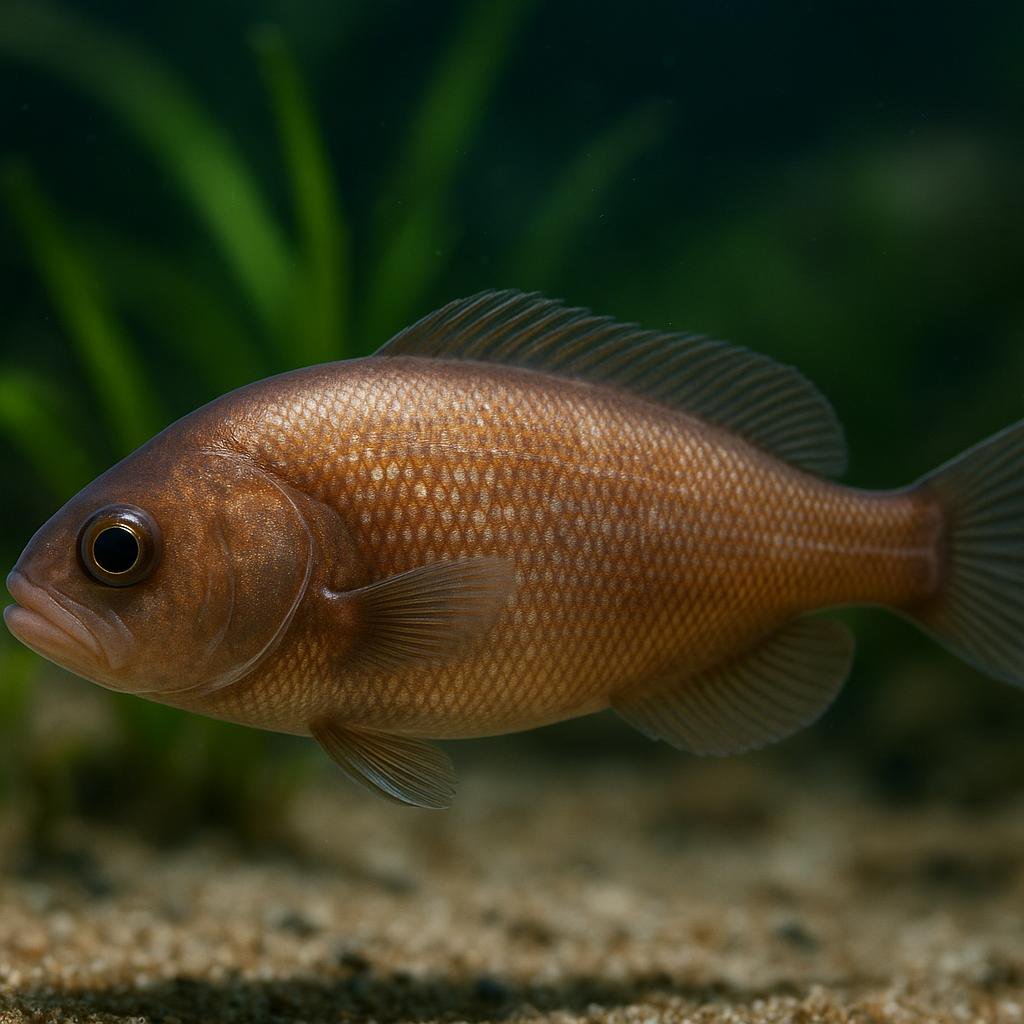
Barathronus affinis is a tiny, super-weird deep-sea blind cusk-eel from the western-central Indian Ocean. It is one of those gelatinous, loose-skinned brotula-type fishes that live way down in the dark and are basically never seen alive, so almost everything we know comes from preserved specimens and taxonomic work.
African red snapper
Lutjanus agennes
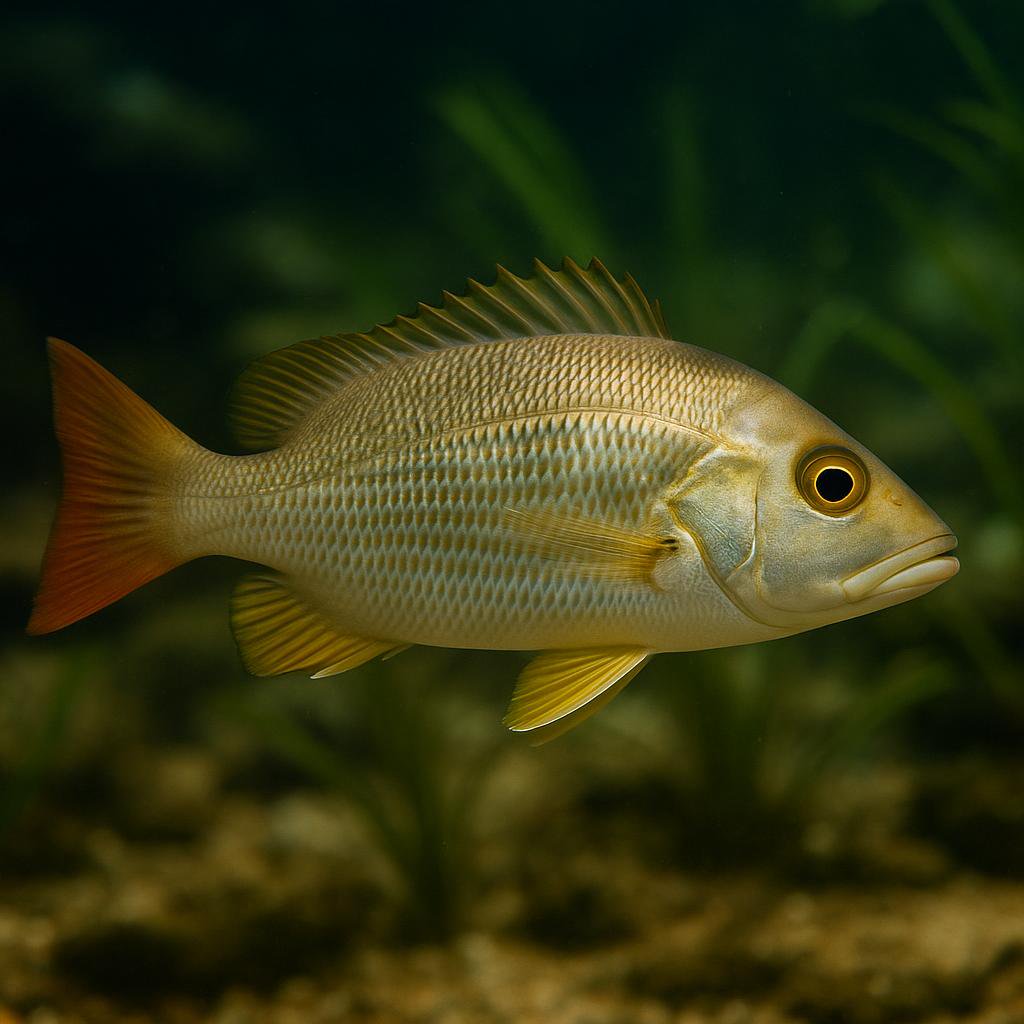
This is a true snapper from West Africa - a big, fast-growing predator that goes from coastal reefs to brackish lagoons and estuaries (especially as a juvenile). Super cool fish in the wild, but it gets absolutely huge and will eat smaller tankmates once it has the mouth for it, so its really more of a public-aquarium scale animal than a home-aquarium fish.
Allis shad
Alosa alosa
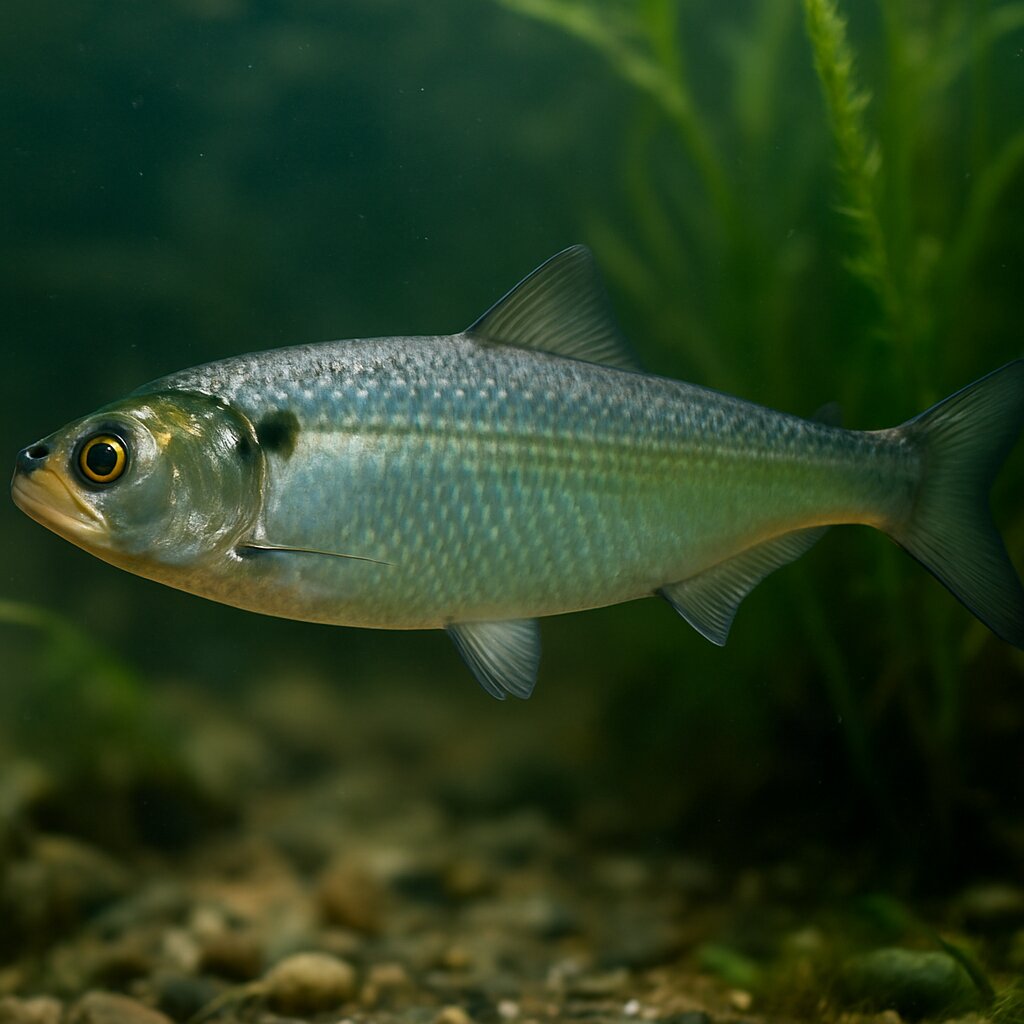
Gorgeous silver, fast-swimming shad that spends most of its life in the sea and then surges up big rivers in noisy, surface-spawning schools. It grows huge for a herring-type fish and needs cool, ultra-oxygenated water and tons of open space, so it is a public-aquarium species rather than a home tank fish.
Annandale's zebra sole
Zebrias annandalei
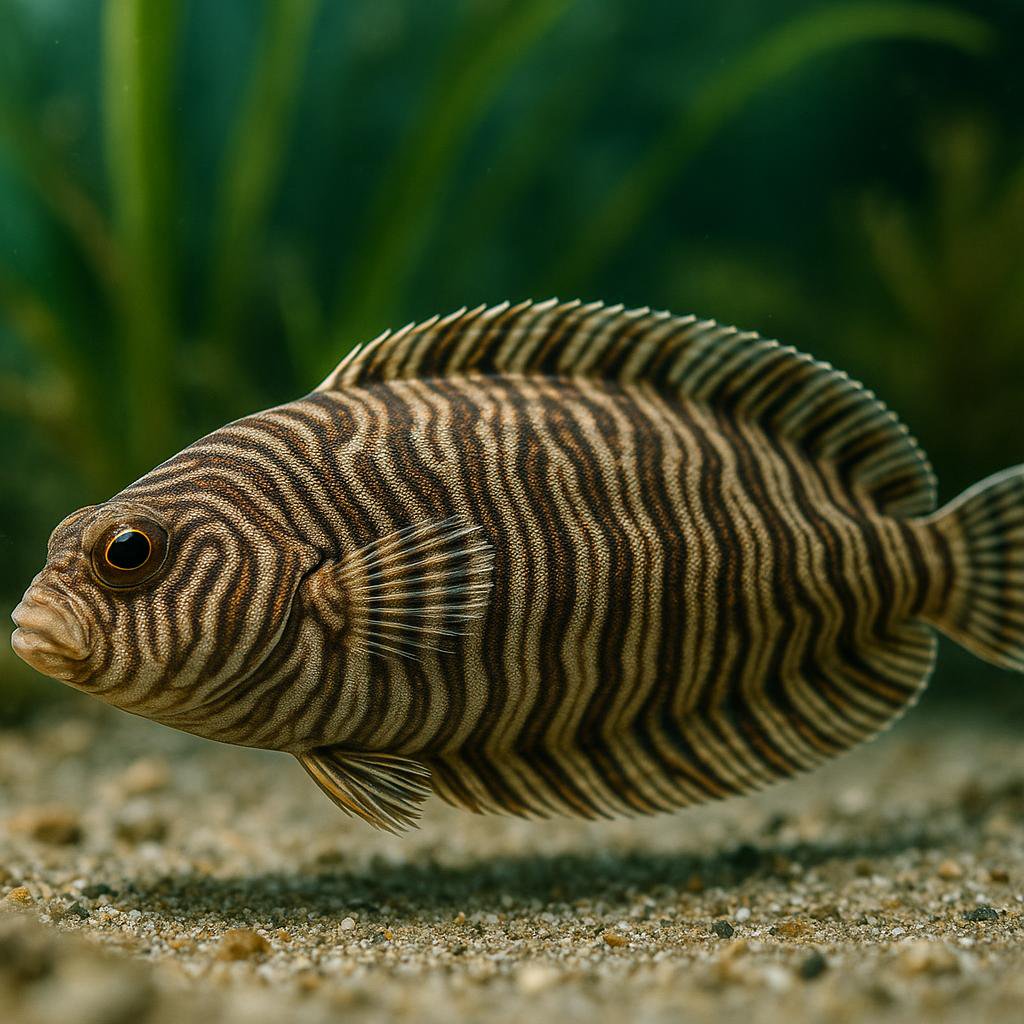
Zebrias annandalei is a small demersal sole from coastal India that inhabits sandy or muddy bottoms and buries for camouflage. It is rarely kept in home aquaria and would require a specialized marine sand-bottom setup and appropriate feeding.
Australian sawtail catshark
Figaro boardmani
Figaro boardmani is a small, deepwater Australian catshark with these cool saw-like ridges of spiny denticles along the tail and a neat pattern of dark saddle bands. It lives way down on the outer continental shelf and slope, so its natural water is cold, dim, and stable - totally not a typical home-aquarium fish. Diet-wise its a predator that goes after fish, crustaceans, and cephalopods.
Looking for other species?