

Whiskery shark
Furgaleus macki
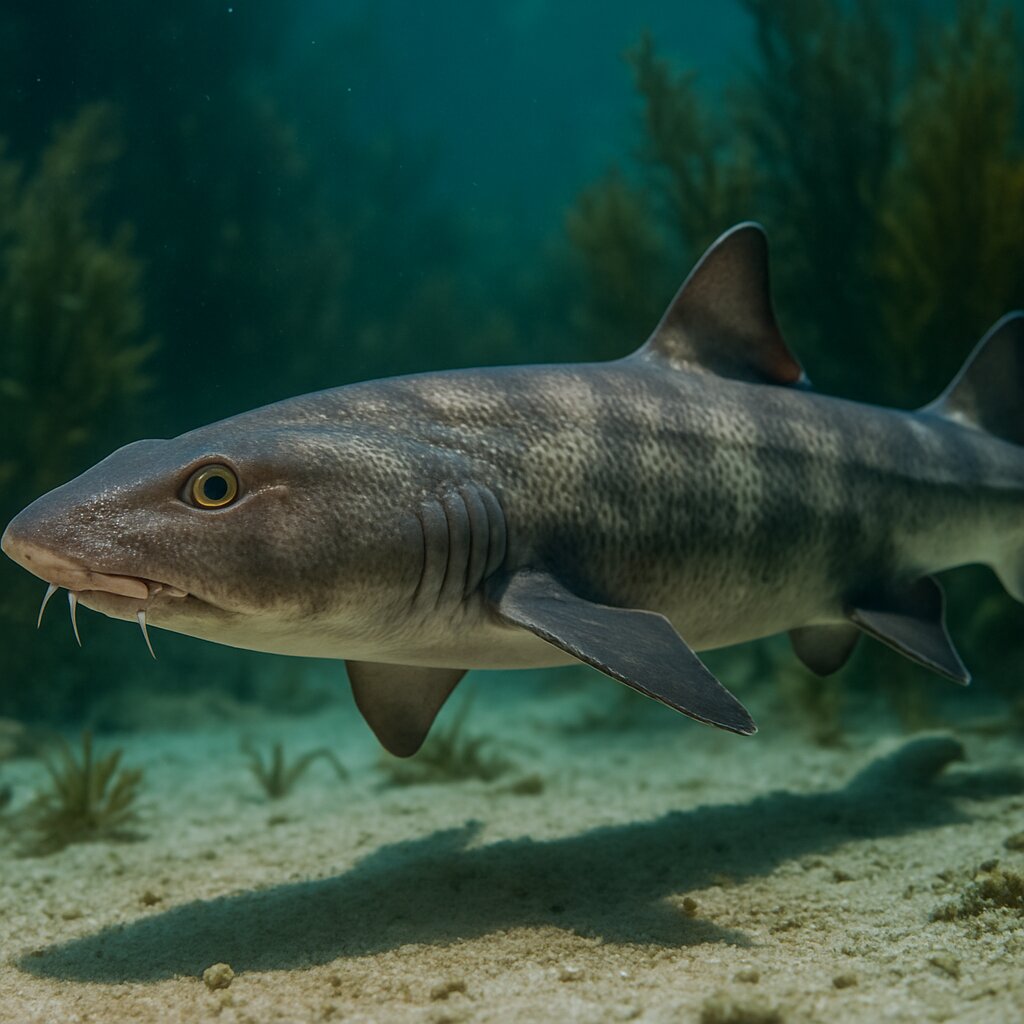
The Whiskery shark is distinguished by its slender body, long snout, and prominent whisker-like dermal lobes along the upper jaw.
This page includes AI-generated images. Why am I seeing AI images?
About the Whiskery shark
A stout houndshark from southern Australia, it has little whisker-like barbels that it uses to nose around rocks and kelp for octopus snacks. It hits about 1.6 m, so this is a public-aquarium-only fish, but it is awesome to watch cruising a cool-water display.
Also known as
Quick Facts
Size
160 cm
Temperament
Semi-aggressive
Difficulty
Expert
Min Tank Size
4000 gallons
Lifespan
8-12 years
Origin
Australia
Diet
Carnivore - mainly octopus; also squid, fish, and crustaceans
Water Parameters
14-18.2°C
8.1-8.4
300-400 dGH
Need a heater for this species?
This species needs 14-18.2°C in a 4000 gallon tank. Use our heater calculator to find the right wattage.
Calculate heater sizeCare Notes
- Think public-aquarium scale: a round or oval lagoon at least 8,000-10,000 gallons (30,000-40,000 L), 1-1.5 m deep, with smooth walls and fine sand; skip jagged rock so the snout and belly stay intact.
- Run a chiller and heavy skimming; aim for 12-18 C, 33-35 ppt, pH 8.0-8.3, dissolved oxygen above 7 mg/L, ammonia/nitrite at 0 and nitrate under 20 ppm, with 5-8x system turnover per hour.
- Acclimate in low light using a soft stretcher; never tail-lift, and cover drains and intakes because they pace and nose-rub when stressed.
- Feed tongs-only meals 2-3 times a week: squid, shrimp, and marine fish with skin/bone; rotate species and dust with vitamins (especially B1) to dodge thiaminase issues.
- Skip oily baitfish as a staple and avoid overstuffing; big sharks will regurgitate and foul the water, and fasting days are normal.
- Tankmates need to be equally large, calm, coldwater sharks in a huge footprint; small fish and inverts are food, and rays with barbs or hyper-aggressive sharks are a bad mix.
- Whiskery sharks are viviparous; real breeding needs seasonal temp/light swings and a massive footprint, and you can sex them by claspers if you are pairing.
- Copper and many meds crush elasmobranchs, so use safer options like praziquantel and short, aerated freshwater dips, and keep lids and jump guards on while you chase any stray voltage with a ground probe.
Compatibility
Good Tankmates
- Other temperate bottom sharks of similar size - Port Jacksons and bigger hound/catsharks - in a very big, chilled tank with tons of floor room
- Large, even-tempered temperate bony fish that mind their own business (morwong, drummer, big snapper) - deep-bodied and not bite-sized
- Sturdy temperate rays that are not pushy (smooth rays, eagle rays) in a seriously roomy, chilled system with soft sand
- Robust, non-nippy cool-water wrasses raised with them from young, kept well fed so curiosity stays low
- Large schooling temperate fish that are not harassers, added at good size - sweep or trevally in a public-aquarium scale tank; watch for chasing
Avoid
- Anything small enough to fit in their mouth - little schooling fish, seahorses, gobies, juvenile bream - gets hoovered up, usually after lights out
- Nippy fin-pickers like leatherjackets/filefish, triggerfish, puffers - they chew shark fins and stress them out
- Ambush predators or shark-eaters - big wobbegongs, large cod - can swallow or maul a resting whiskery
- Venomous, spiny sit-and-wait fish like scorpionfish or stonefish; one curious bite can end badly for both
Where they come from
Whiskery sharks are a temperate houndshark from southern Australia. They cruise sandy bottoms and low-relief reef on the continental shelf, nosing around at dusk for squid, crabs, and small fish. Think cool water, long open stretches, and lots of room to wander.
Reality check: this is a public-aquarium-scale shark. Plan for a circular or rounded system measured in tens of thousands of liters. If you cannot dedicate that kind of space and budget (plus a chiller), pick a smaller species.
Setting up their tank
Footprint beats volume. They need long, uninterrupted cruising lanes and rounded corners so the nose does not get scuffed. A circular tank or raceway with curved ends works best.
- Size and shape: 6-8 m diameter round tank at 1.0-1.2 m depth for an adult, 25,000-50,000 L as a practical floor. Juveniles grow quickly, so plan for the adult from day one.
- Temperature: 14-19 C. They are a temperate species, so a serious chiller is non-negotiable.
- Salinity and chemistry: 34-35 ppt, pH 8.0-8.3, alk 7-10 dKH. Keep ammonia and nitrite at 0 and nitrate as low as you can manage (<20-30 ppm).
- Oxygen and flow: High oxygen, steady laminar flow around the perimeter. Avoid blasting powerheads that make them fight the current.
- Substrate and decor: Fine, soft sand 2-3 cm. No sharp rock. Big smooth boulders are fine if they do not block the swim path.
- Edges and corners: Pad seams and any protrusions with thick silicone or rubber bumpers. Sharks test everything with their snout.
- Lid: Secure cover to stop splashing and panicked jumps during maintenance.
- Filtration: Oversized skimmer, big mechanical filtration (drum or socks you can service daily), powerful biofiltration, UV or ozone for water clarity and pathogen control, and a degassing tower. Redundant pumps and alarms.
Quarantine in a rounded, chilled tank for 6-8 weeks. Copper meds are off the table for sharks. Praziquantel and carefully dosed formalin baths are the usual tools. Always confirm compatibility before dosing.
Do not use copper with elasmobranchs. It can kill them outright or cause lasting gill damage.
What to feed them
They are hearty eaters but you want variety and moderation to avoid fatty liver and vitamin issues. Train to a target or tongs so you can portion meals and avoid accidental nips.
- Staples: squid and octopus pieces, prawn/shrimp, crab, and marine fish like mullet, mackerel, salmon, or snapper.
- Rotate items. Do not rely on one oily fish all the time.
- Supplements: add a shark-safe multivitamin, thiamine (B1), and HUFA (Selco-type) to a few pieces per feeding. Oily baitfish can be high in thiaminase, which robs B1.
- Frequency: juveniles small daily meals; subadults 3-4x weekly; adults 2-3x weekly. Aim for roughly 1-3% of body weight per week total, adjusting by body condition.
- Feeding method: use tongs or a target stick. Keep a calm routine so they queue up rather than frenzy.
- Clean-up: remove leftovers right away to protect water quality.
Whole prey (squid with head and mantle, small whole fish) once in a while is fine. Skip freshwater feeders and anything treated with preservatives.
How they behave and who they get along with
Whiskery sharks are steady, benthic cruisers. Most of their pep shows up at dusk. They are not bullies, but anything bite-sized is food, and they can bump into slow, spiny neighbors.
- Temperament: generally calm, food-motivated, and curious about hands during maintenance. Respect the mouth.
- Tankmates: other temperate, similarly sized non-spiny elasmobranchs in very large systems can work. Avoid triggerfish, puffers, porcupinefish, and anything with venomous spines or a habit of nipping fins.
- Schooling fish: large, fast temperate species that ignore sharks can be fine in huge tanks, but keep stocking light and give escape room.
- Inverts: crabs and shrimp will get eaten. Snails may be ignored but do not count on it.
- Group size: single or 1 male with 1-2 females in truly big space. Multiple males can harass a lone female.
Use a target stick per individual and feed in a set order. Sharks learn fast, and this cuts down on competitive bumping.
Breeding
This is one for institutions with room and veterinary support. Whiskery sharks give birth to live young after a seasonal cycle linked to cooler water. Litter sizes vary, and pups are already sizable at birth.
- Cues: stable cool temps and seasonal photoperiod changes help. Avoid big thermal swings.
- Pairing: 1 male with 1-2 females to reduce harassment. Provide plenty of open water and low-stress hide space.
- Gestation and birth: females become noticeably thicker; behavior slows near term. Use cameras rather than crowding the tank.
- After birth: move pups to a nursery raceway with fine sand, gentle circular flow, and spotless water.
- Pup feeding: offer small strips of squid and fish within a day or two, soaked in vitamins. Several tiny feeds are better than one big one.
- Handling: slings only, never nets; keep the skin wet and time in air to an absolute minimum.
Local rules matter. In many places, permits are required to keep or transport native sharks, and there may be reporting requirements for births.
Common problems to watch for
- Nose rubbing and abrasions: classic in rectangular tanks or with hard edges. Prevent with round footprints and padded seams. Superficial scrapes can spiral into infections.
- Water quality crashes: sharks react badly to even small ammonia spikes. Run redundancy, alarms, and keep biofiltration oversized.
- Low oxygen: warm days and pumps offline can drop O2 fast. Battery backup air and emergency aeration are worth their weight in gold.
- Nutritional issues: fatty liver from overfeeding oily fish, and thiamine deficiency from thiaminase-rich diets. Fix with variety and vitamin-soaked feed.
- Parasites: copepods, leeches, and protozoans. Use prazi and carefully dosed formalin baths; freshwater dips can help with external hitchhikers. Skip copper.
- Temperature stress: chiller hiccups push them out of their comfort zone and invite disease. Keep a service plan and spare parts.
- Tankmate injuries: spines and nips from the wrong neighbors can lead to serious wounds. Choose companions conservatively.
Plan for power outages. A generator or whole-house backup that runs the chiller, pumps, and life support is not optional at this scale.
Keep a simple body-condition score for each shark and log meals. Adjust portions before problems show up on the scale or in lab work.
Similar Species
Other marine semi-aggressive species you might be interested in.
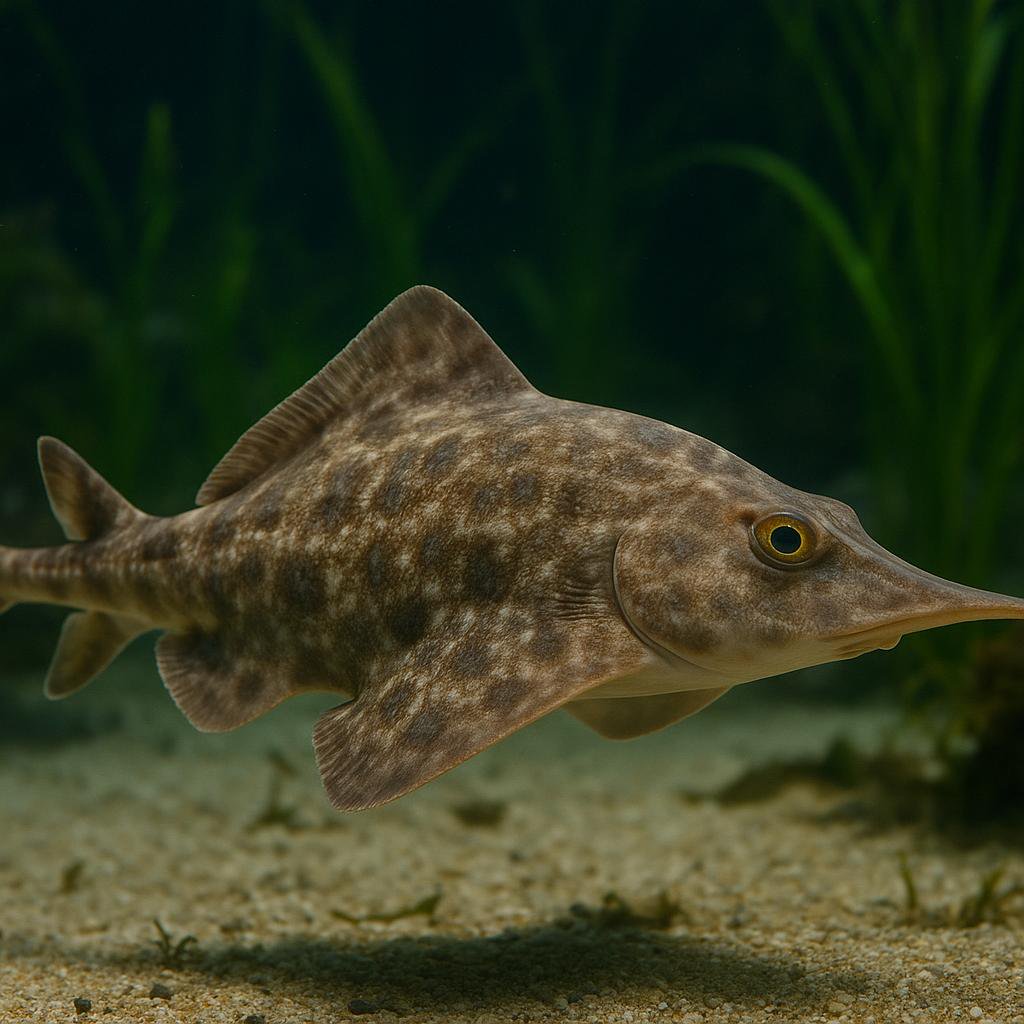
Aleutian skate
Bathyraja aleutica
This is a big, cold-water deep-slope skate from the North Pacific that cruises muddy bottoms and eats chunky benthic prey like crabs and shrimp. The really cool bit is its egg-laying skate life - it does distinct pairing (the classic skate "embrace") and drops those tough egg cases on the seafloor. Not an aquarium fish at all unless you're basically running a public-aquarium-style chilled system.
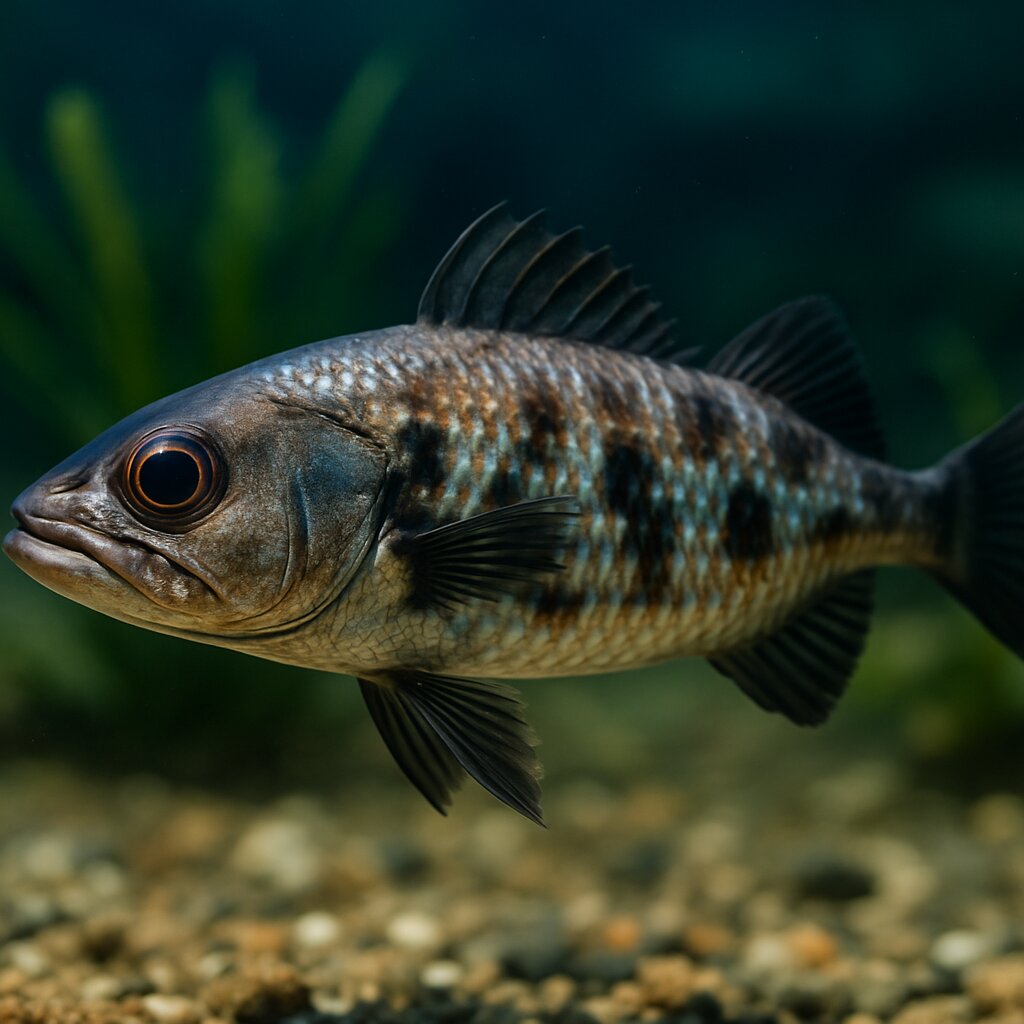
Antarctic dragonfish
Vomeridens infuscipinnis
Deep down around Antarctica, this sleek dragonfish cruises the water column like a little submarine, nearly neutrally buoyant so it can hover above the seafloor. It munches almost exclusively on Antarctic krill and lives in near-freezing water 500-800 m down, so it is a cool species to read about, not one for home tanks.
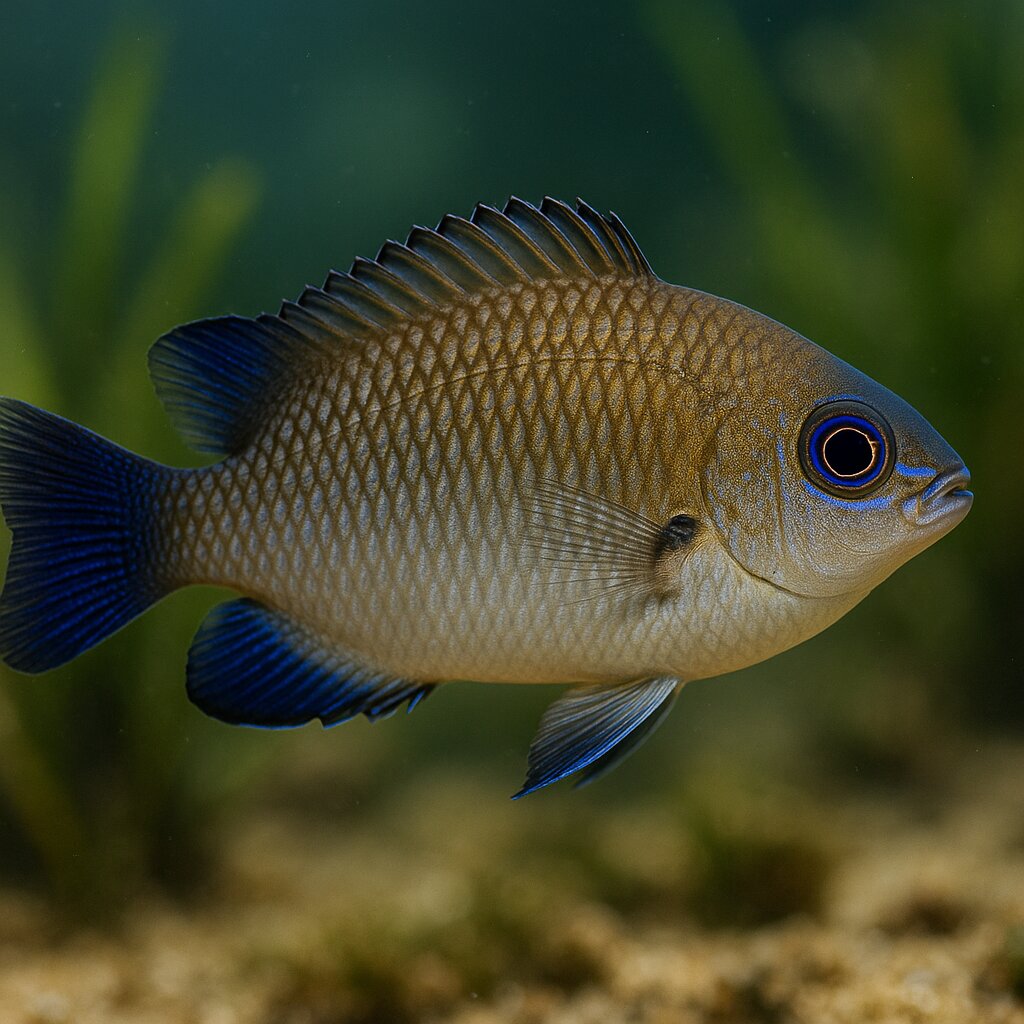
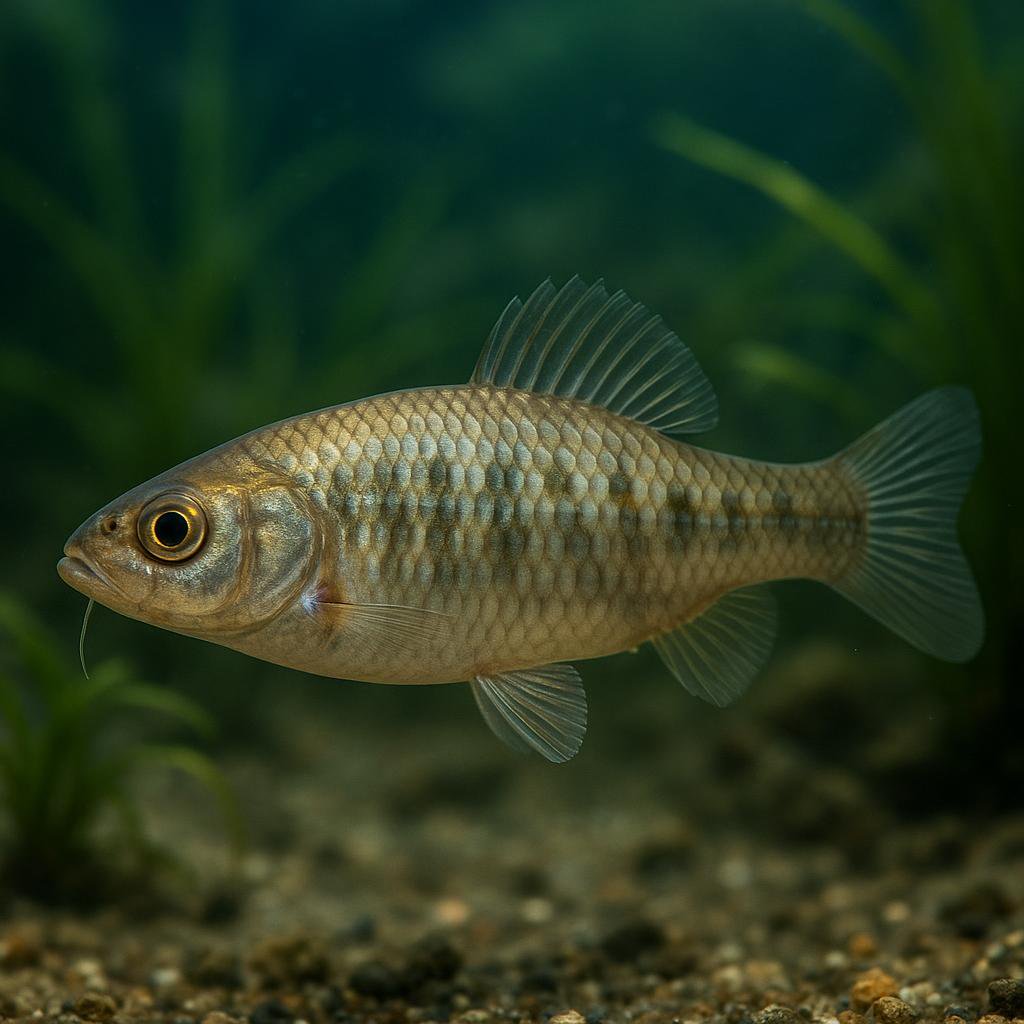
Arabian demoiselle
Neopomacentrus sindensis
A small lyretail damsel from the Persian Gulf and Arabian Sea, it hangs in loose groups around coral heads, rocks, and even pier pilings picking zooplankton from the flow. Think classic damsel toughness with a slightly milder attitude than the real bruisers, plus subtle yellow tail accents. Males clean a patch, get a mate to lay eggs there, and then stand guard fanning the clutch.
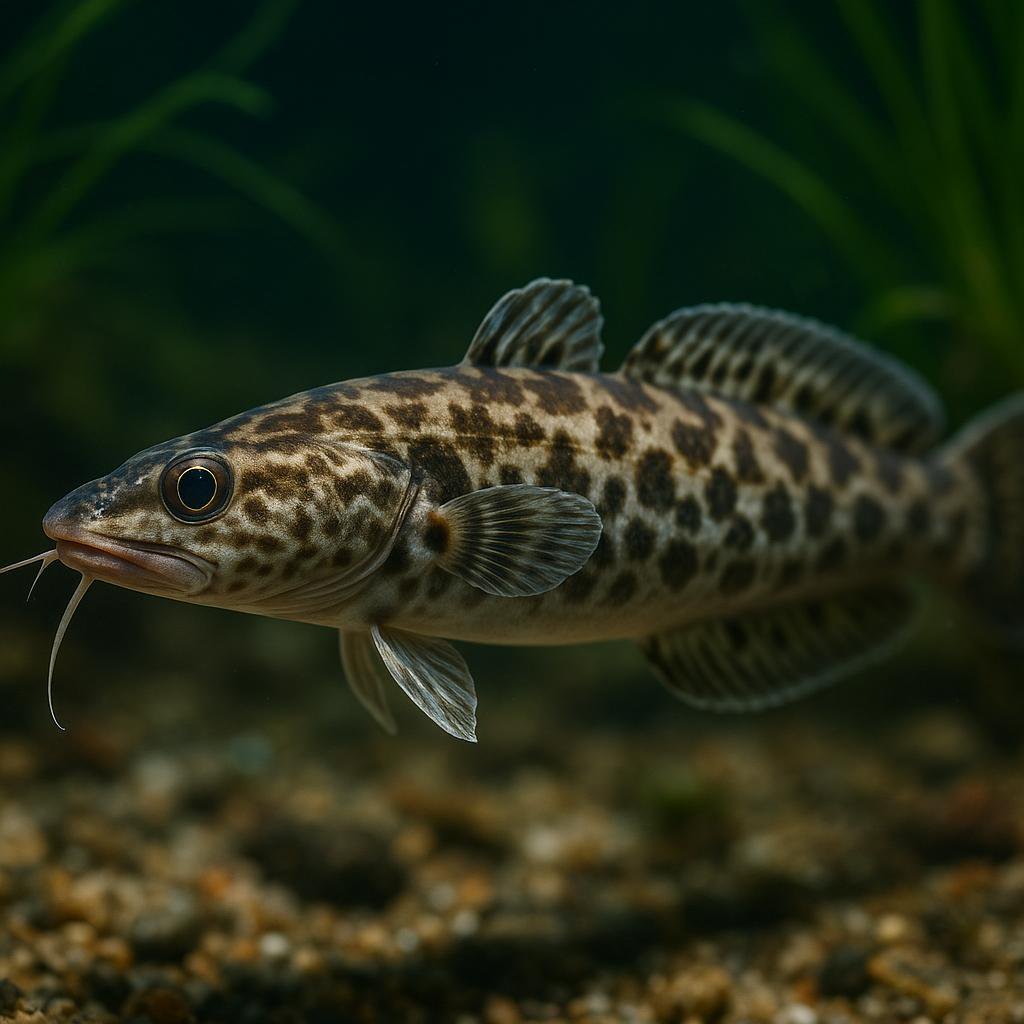
Arabian spiny eel
Notacanthus indicus
Notacanthus indicus is a deep-sea spiny eel (family Notacanthidae; not a true eel) known from the Arabian Sea on the continental slope at roughly ~960–1,046 m depth, with reported maximum length around 20 cm TL; it is a deep-water bycatch species and not established in the aquarium trade.
Arctic rockling
Gaidropsarus argentatus
This is a deepwater North Atlantic rockling (a cod relative) that hangs out on soft bottoms way down the slope. It is a cold-water, bottom-hugging predator that snoots around for crustaceans and will also take small fish when it gets the chance.
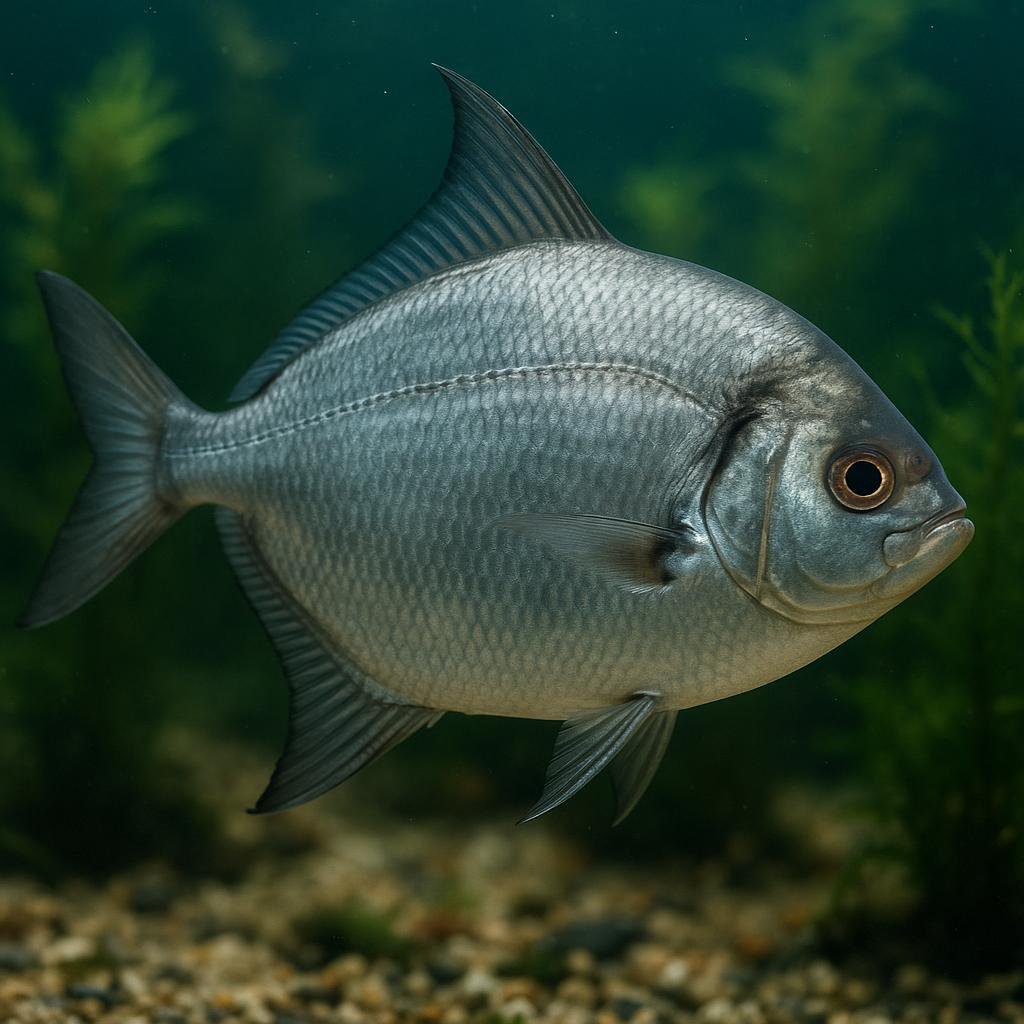
Atlantic pomfret
Brama brama
Brama brama is the Atlantic pomfret (aka Ray's bream) - a deep-bodied, open-ocean pelagic fish that cruises around in small schools and follows water temps. It is a legit big, wild marine species (not an aquarium fish) that eats other small sea critters like fish and squid, and it ranges across a huge chunk of the Atlantic plus parts of the Indian and South Pacific.
More to Explore
Discover more marine species.
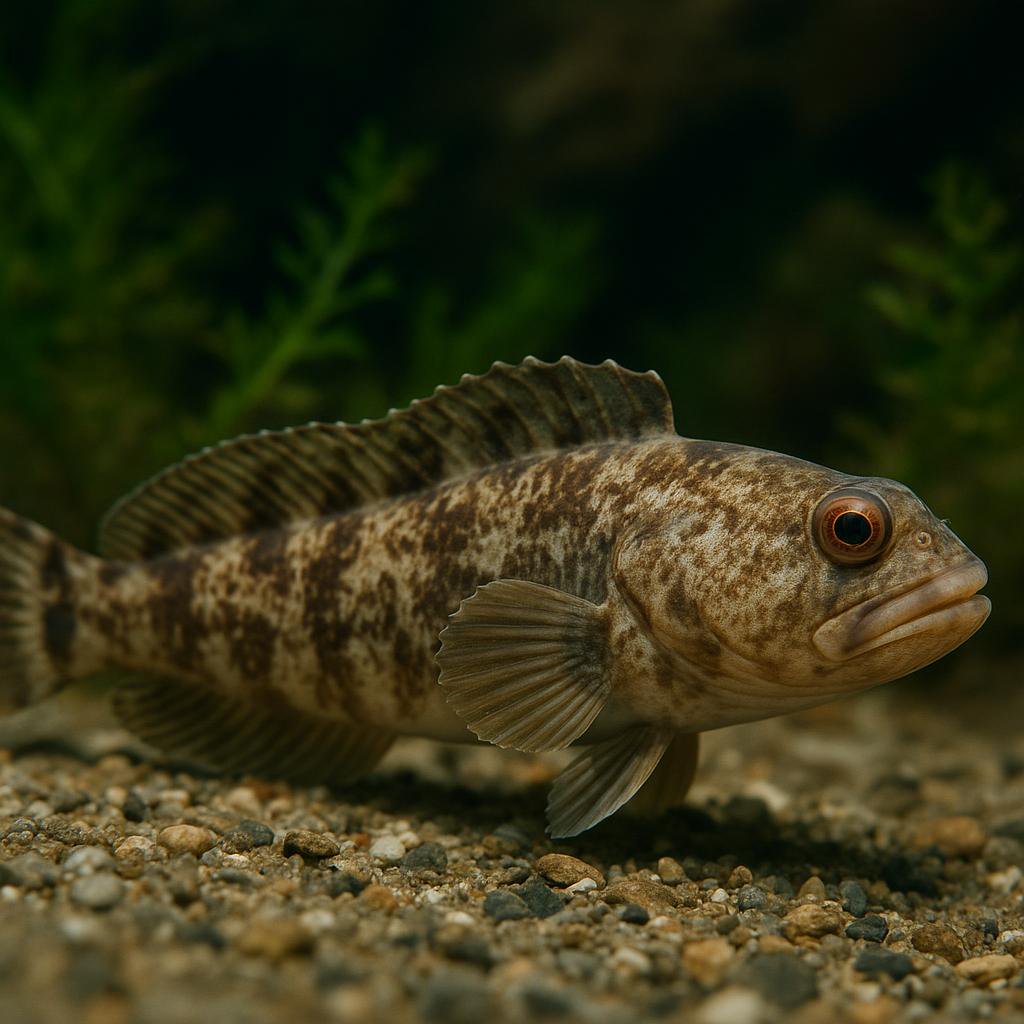
Abe's eelpout
Japonolycodes abei
Japonolycodes abei is a temperate, deepwater demersal eelpout (family Zoarcidae) endemic to Japan (Kumano-nada Sea reported; other sources also report Sagami Bay and Tosa Bay). It is the only species in the genus Japonolycodes and occurs roughly 40-300 m depth, making it an uncommon/atypical aquarium species.
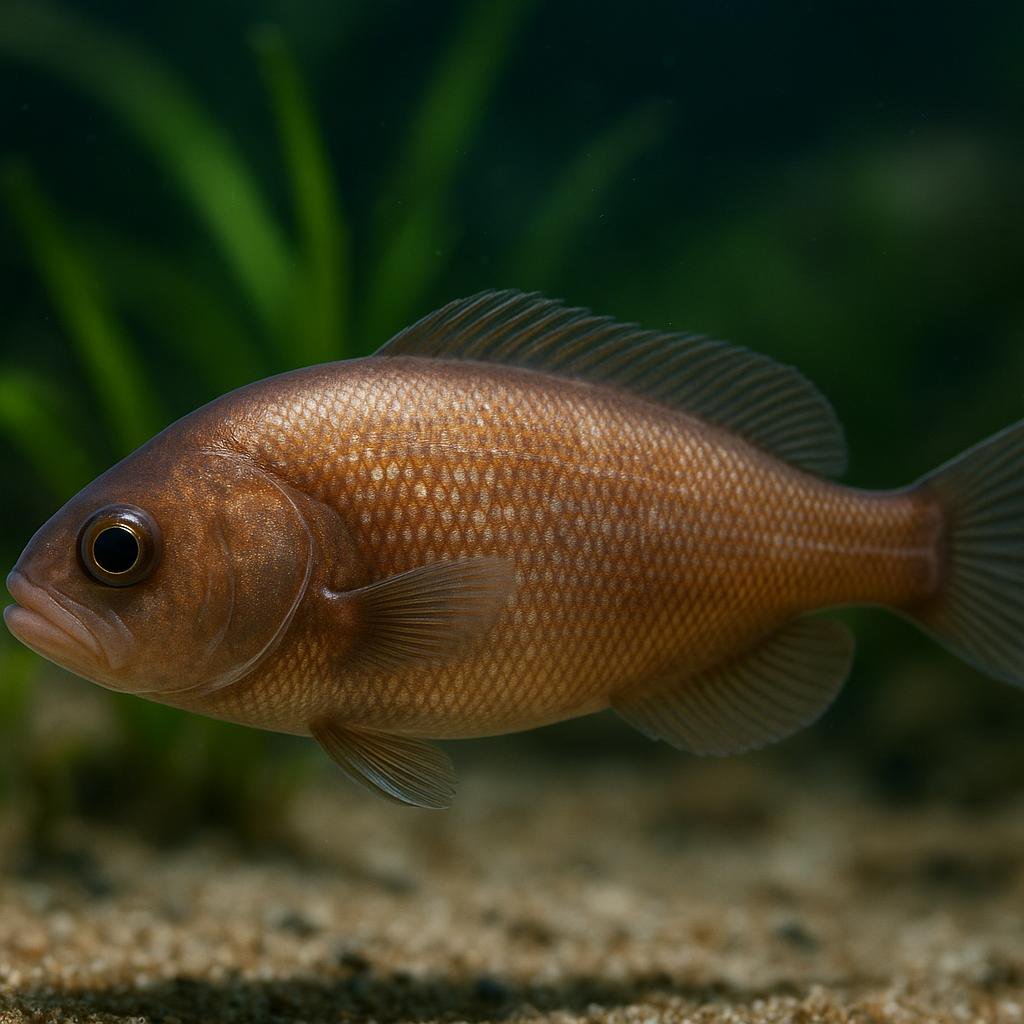
Affinis blind cusk-eel
Barathronus affinis
Barathronus affinis is a tiny, super-weird deep-sea blind cusk-eel from the western-central Indian Ocean. It is one of those gelatinous, loose-skinned brotula-type fishes that live way down in the dark and are basically never seen alive, so almost everything we know comes from preserved specimens and taxonomic work.
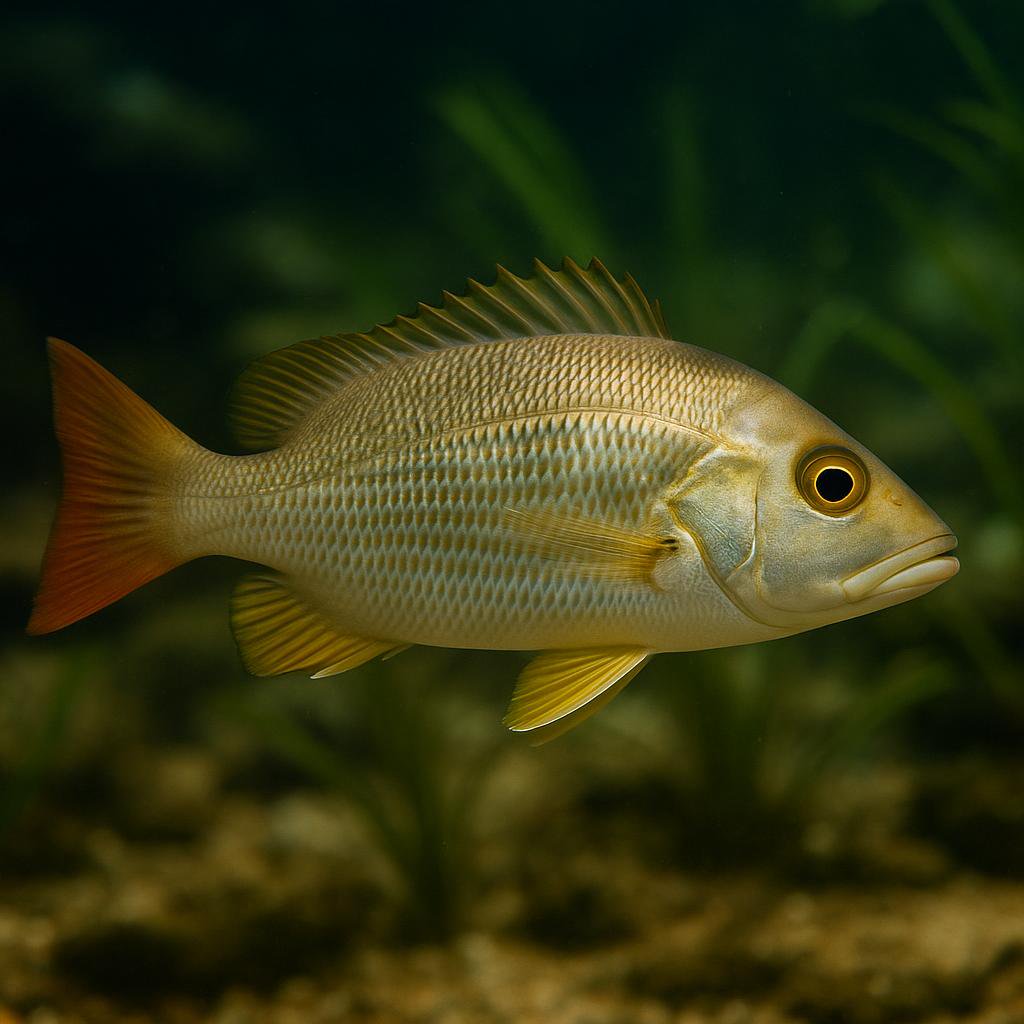
African red snapper
Lutjanus agennes
This is a true snapper from West Africa - a big, fast-growing predator that goes from coastal reefs to brackish lagoons and estuaries (especially as a juvenile). Super cool fish in the wild, but it gets absolutely huge and will eat smaller tankmates once it has the mouth for it, so its really more of a public-aquarium scale animal than a home-aquarium fish.
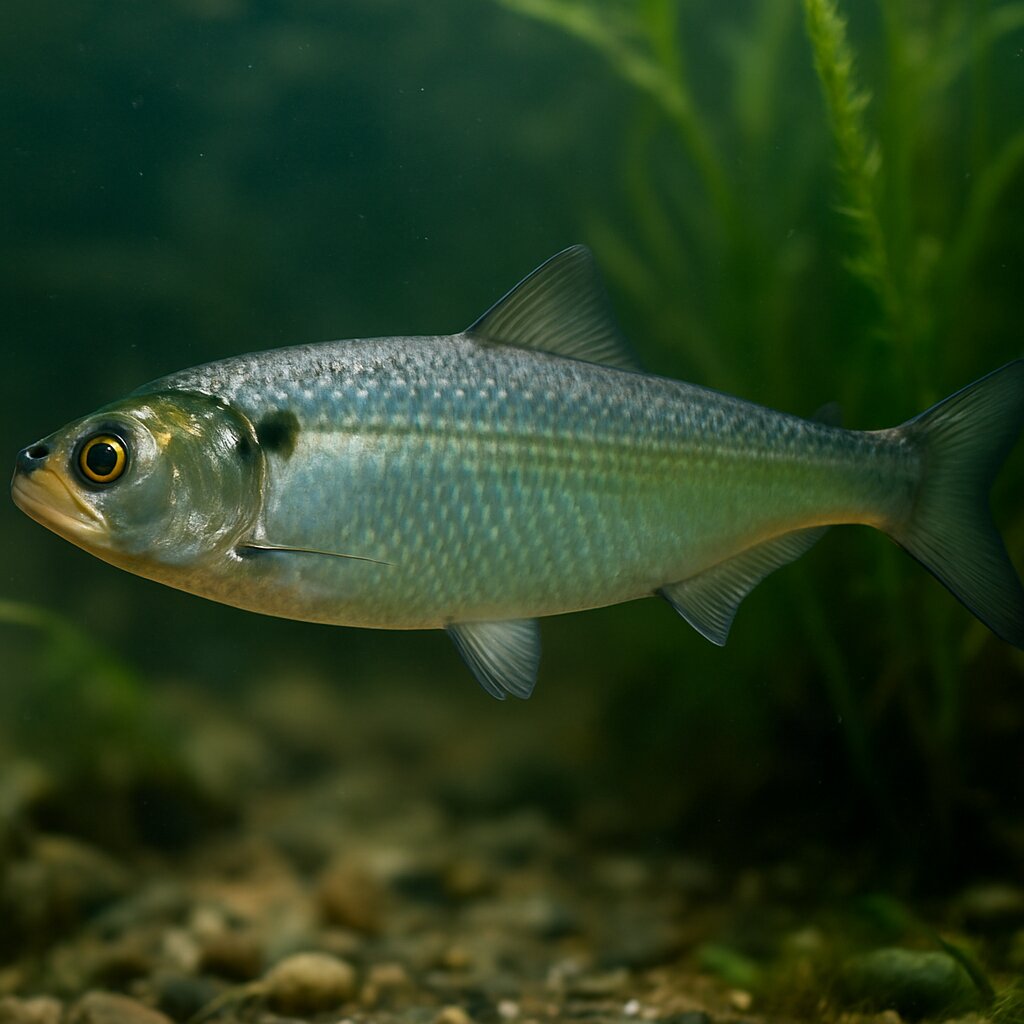
Allis shad
Alosa alosa
Gorgeous silver, fast-swimming shad that spends most of its life in the sea and then surges up big rivers in noisy, surface-spawning schools. It grows huge for a herring-type fish and needs cool, ultra-oxygenated water and tons of open space, so it is a public-aquarium species rather than a home tank fish.
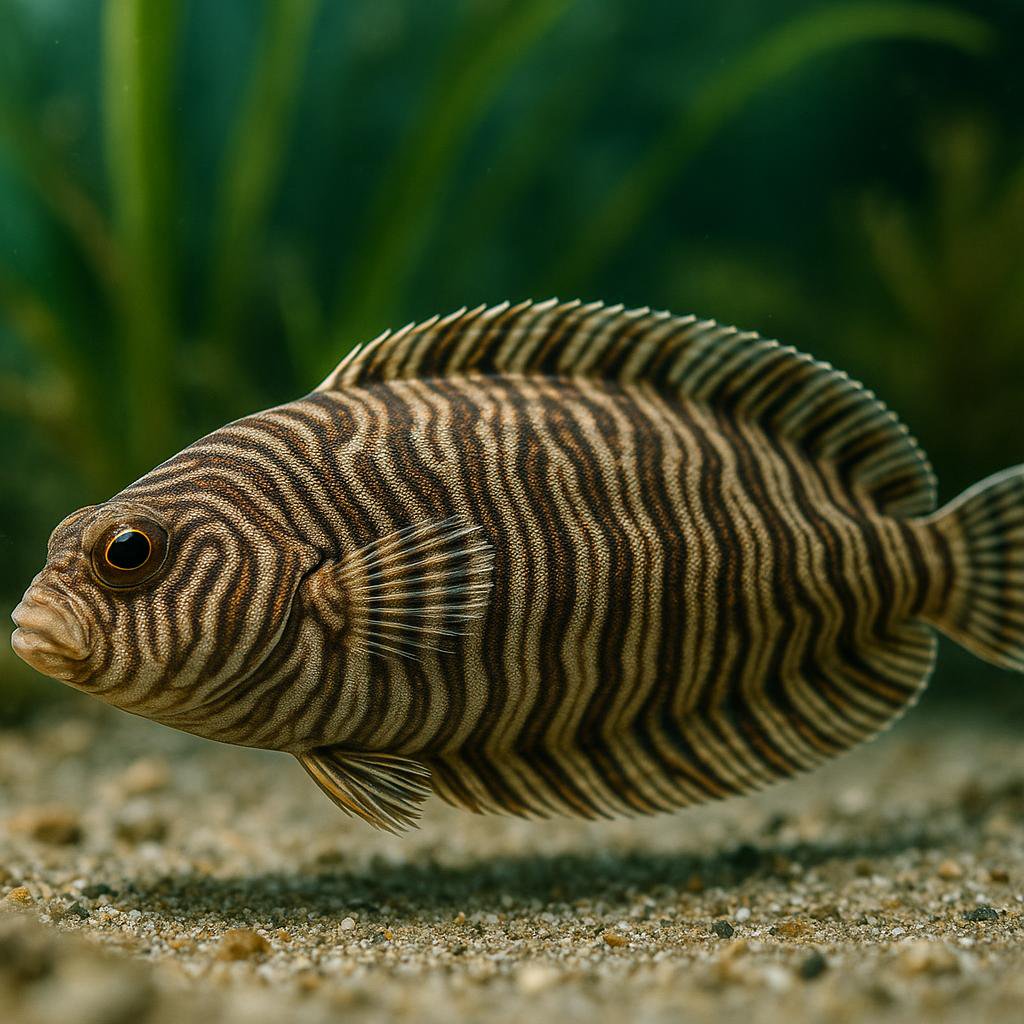
Annandale's zebra sole
Zebrias annandalei
Zebrias annandalei is a small demersal sole from coastal India that inhabits sandy or muddy bottoms and buries for camouflage. It is rarely kept in home aquaria and would require a specialized marine sand-bottom setup and appropriate feeding.
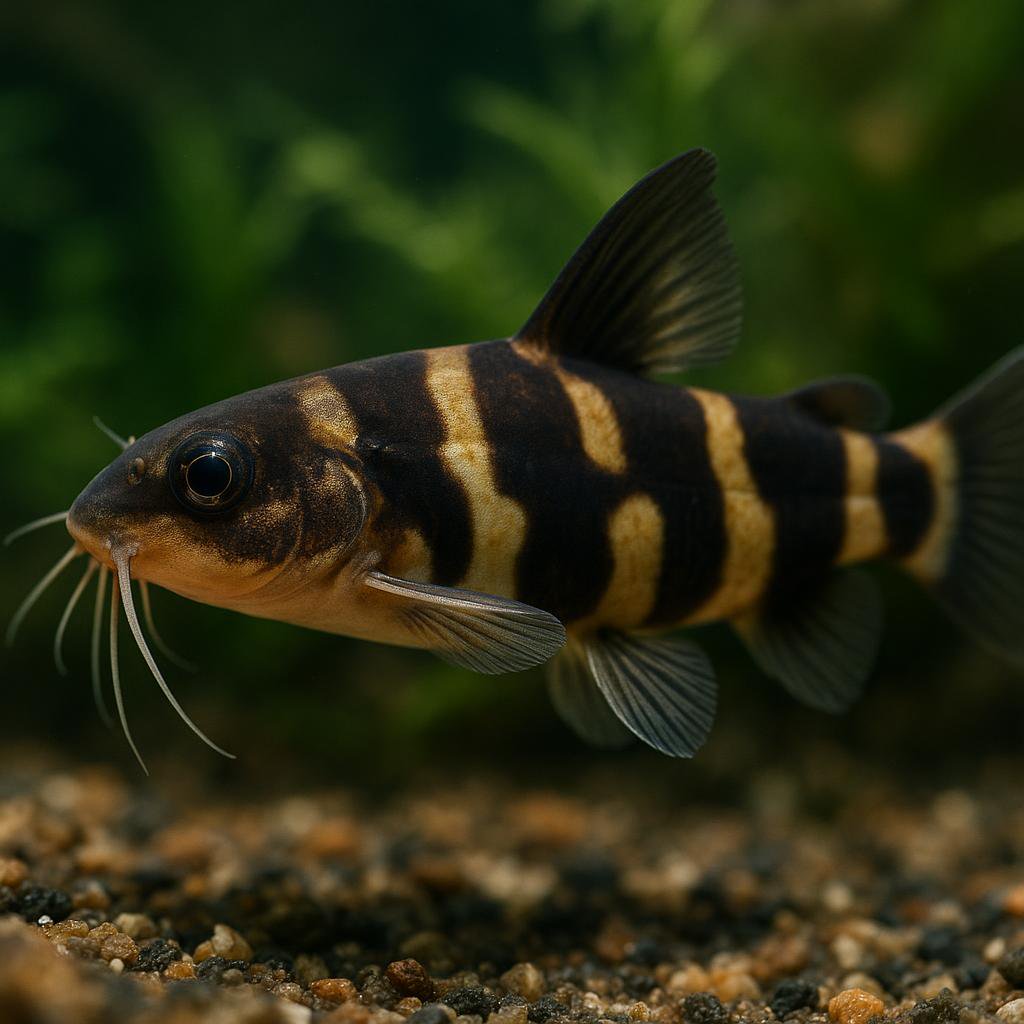
Australian sawtail catshark
Figaro boardmani
Figaro boardmani is a small, deepwater Australian catshark with these cool saw-like ridges of spiny denticles along the tail and a neat pattern of dark saddle bands. It lives way down on the outer continental shelf and slope, so its natural water is cold, dim, and stable - totally not a typical home-aquarium fish. Diet-wise its a predator that goes after fish, crustaceans, and cephalopods.
Looking for other species?