

Jordan's cod
Gadella jordani
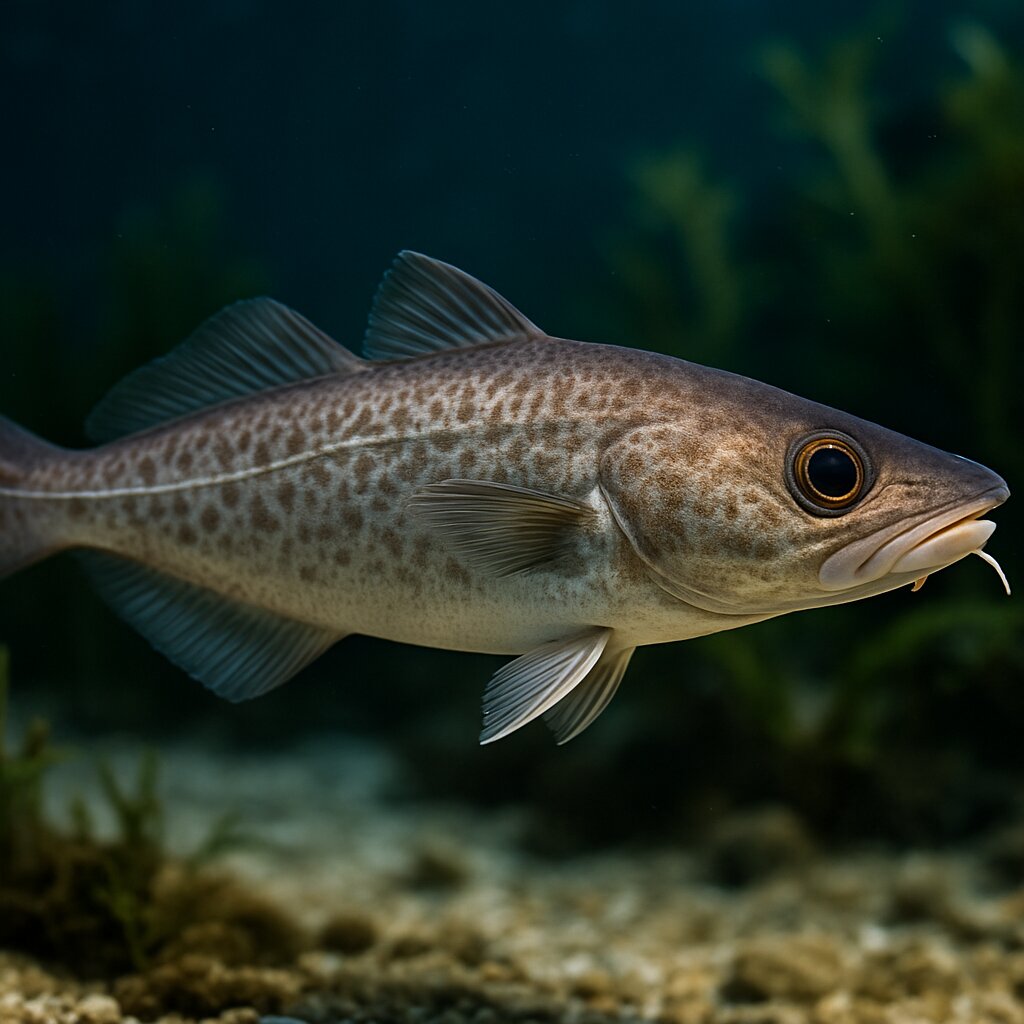
Jordan's cod exhibits a streamlined body with pale brown to grey coloration, often featuring dark spots along its flanks and a distinctive long dorsal fin.
This page includes AI-generated images. Why am I seeing AI images?
About the Jordan's cod
This is a deep-water morid cod from the western Pacific that hangs out way down on the continental slope, hundreds of meters below the surface. It reaches about 28 cm and even carries a little luminous organ on its belly. Super interesting fish to learn about, but it is not a home aquarium candidate.
Also known as
Quick Facts
Size
28 cm
Temperament
Semi-aggressive
Difficulty
Expert
Min Tank Size
0 gallons
Lifespan
unknown
Origin
Western Pacific
Diet
Carnivore - benthic invertebrates and small fishes
Water Parameters
4-8°C
7.6-8
0-0 dGH
Care Notes
- Coldwater fish - keep it 8-12 C with a reliable chiller (oversize it and put it on battery backup) and run the tank dim like deep dusk with lots of big caves/PVC; tight lid because they bolt.
- Give it room: think 6 ft, 180+ gal, soft sand and rock piles with shaded retreats; strong aeration and an oversized skimmer, nitrate under 20 ppm, 1.025-1.026 salinity, pH 8.0-8.3.
- Acclimate cold and dark, match temp and salinity, then a quick transfer; leave lights off 24-48 h and do not DIY vent a swollen fish unless you have training.
- Feed after lights out with tongs: squid strips, prawn, and white fish; 2-4 small meals a week, vitamin soak, and rotate foods so you are not relying on thiaminase-heavy stuff like smelt only.
- Tankmates need to be true coldwater, slow, and too big to swallow (think robust sculpins or rockfish); small fish, shrimp, and crabs are snacks, and hyperactive warmwater fish will stress it out.
- Heat and low oxygen kill these fast - keep temp rock steady, lots of surface agitation, and watch for buoyancy issues from barotrauma during the first weeks.
- No chance breeding at home - they are deepwater spawners; keep one per tank unless you are basically running a public-aquarium-scale system.
- Pre-chill water for changes, keep handling gentle with a soft rubber net or wet hands, and use very low light or red light when you need to work in the tank.
Compatibility
Good Tankmates
- Deepwater oddballs that dont bug anyone, size-matched (cusk eels, brotulas, bigger scorpionfish)
- Adult squirrelfish and soldierfish that mind their business and are too big to swallow
- Size-matched lionfish - both are slow, mostly nocturnal predators and usually ignore each other
- Other morid or cod-like species in the same size class with plenty of hidey holes for everyone
- Calmer temperate rockfish or small seabass, matched for size, in a chilled, dim setup
Avoid
- Anything bite-size or any shrimp and small crabs - it will vacuum them up after lights out
- Nippy problem children like triggers, puffers, and mean damsels - they harass and stress codlings
- Big bullies and ambush predators that can swallow or maul it (large groupers, morays, big snappers)
- Fast, daylight buzzers that never sit still (tangs, anthias, many wrasses) - they keep it on edge
Where they come from
Jordan's cod (Gadella jordani) is a deep-slope codling from the western and central Pacific. Think muddy and silty continental slopes a few hundred meters down, way below reef life and sunlight. They cruise the bottom edges in cold, dark water picking off small fishes and crustaceans.
Setting up their tank
This is a cold, dim, very stable system. If you cannot chill the water and keep oxygen high, do not buy one. They are deepwater fish and react badly to bright light, warm temps, and swings.
- Tank size: aim for 300+ gallons (1100+ L) with at least a 6 ft length. They get big and like to cruise.
- Temperature: 8-12 C (46-54 F), steady. A serious chiller, insulated plumbing, and a temperature controller with an alarm are your friends.
- Salinity: 35 ppt (1.025-1.026). pH 7.9-8.2. Keep it boringly stable.
- Oxygen: heavy aeration and surface agitation. Low temps help, but you still want strong gas exchange.
- Lighting: very dim. Think dusk. Short photoperiod. Black background and sides help them relax.
- Aquascape: open sand or bare bottom with big, stable caves and arches. I like a couple of large PVC culverts hidden with rock so they can retreat.
- Flow: moderate laminar flow along the front for cruising, with some dead calm pockets behind rock.
- Lid: tight-fitting. They are strong, nervous, and can bolt upward if startled.
- Filtration: oversized skimmer and lots of bio media. At cold temps, bacteria work slower, so give them surface area.
Plan the chiller properly. Size it for the full system volume, include heat from pumps, and keep the chiller in a well-ventilated spot. Condensation around cold lines is real - insulate plumbing and use drip loops on all cords.
Use a red inspection light at night. They barely register red light, so you can watch without spooking them.
What to feed them
They are carnivores that prefer moving prey. New arrivals often ignore everything unless it wiggles. Expect to start with live and then wean.
- Starter foods: live salt-tolerant shrimp, live marine baitfish if you have a clean source. Offer at lights-down.
- Transition: use a feeding stick to make thawed items move. Silversides, lancefish, squid strips, prawn pieces, and marine mysis all work.
- Routine: 3-5 small feeds per week once settled. They do better on several modest meals than big dumps.
- Supplements: soak some meals in a marine vitamin/HUFA mix. Rotate items to avoid thiaminase-heavy diets dominating.
- Avoid: freshwater feeders (goldfish, rosy reds), oily fish every day, and anything you cannot vouch for health-wise.
If they only take live, clip a small piece of thawed fish to the back of a live shrimp with a rubber band. After a few successes, they start taking dead food on a stick.
How they behave and who they get along with
Calm, crepuscular, and surprisingly quick in short bursts. They spend a lot of time hovering just off the bottom or tucked into a cave mouth. Once settled, they do a slow patrol along the front of the tank at dusk.
- Temperament: not aggressive to similar-sized fish, but anything bite-sized is food.
- Tankmates: best kept solo. If you must mix, stick to other chilled-water, non-belligerent species of comparable size that ignore food presented on a stick. Boisterous reef fish stress them out.
- Territory: give multiple retreats so they do not feel cornered. Sudden movement in bright light can trigger panicked dashes.
Breeding tips
Realistically not happening at home. They are deepwater spawners with pelagic eggs and larvae. No captive reports I trust. Focus on stable long-term holding rather than pairing.
Common problems to watch for
- Decompression injuries from collection: positive buoyancy, bulging eyes, or floating tail-up. Sometimes they arrive like this.
- Refusal to feed: very common early on, especially in bright tanks or warm water.
- Temperature drift: a few degrees up can push them off food and lower oxygen.
- Ammonia spikes: heavy meaty feeding plus slow coldwater biofiltration can catch you off guard.
- Internal parasites: wild deepwater fish often carry worms. Weight loss despite eating is a hint.
- Abrasion and snout damage: they bolt and scrape on rock if startled by lights or sudden shadows.
Barotrauma is not a DIY project. If a new fish is floating with a distended belly, contact a vet or an experienced collector for proper decompression or swim bladder venting. Needle popping without training can kill the fish.
Quarantine chilled. I run 6-8 weeks at the same low temperature, very dim light, and medicate food rather than the water. Praziquantel and metronidazole in alternating food courses have worked well for me. I avoid copper on these guys unless I have a confirmed parasite that truly needs it.
Acclimation goes slow and cold. Keep the bag and bucket shaded, match temperature first with the chiller running, and drip over 45-60 minutes. Move the fish with a soft cradle or container, not a net, and get the room quiet for the first few days.
Hard truth: Jordan's cod are expert-level. If you do not already run a chilled marine system and have a plan for live-to-frozen weaning, pass on this species. They are fantastic fish, but they do not forgive shortcuts.
Similar Species
Other marine semi-aggressive species you might be interested in.
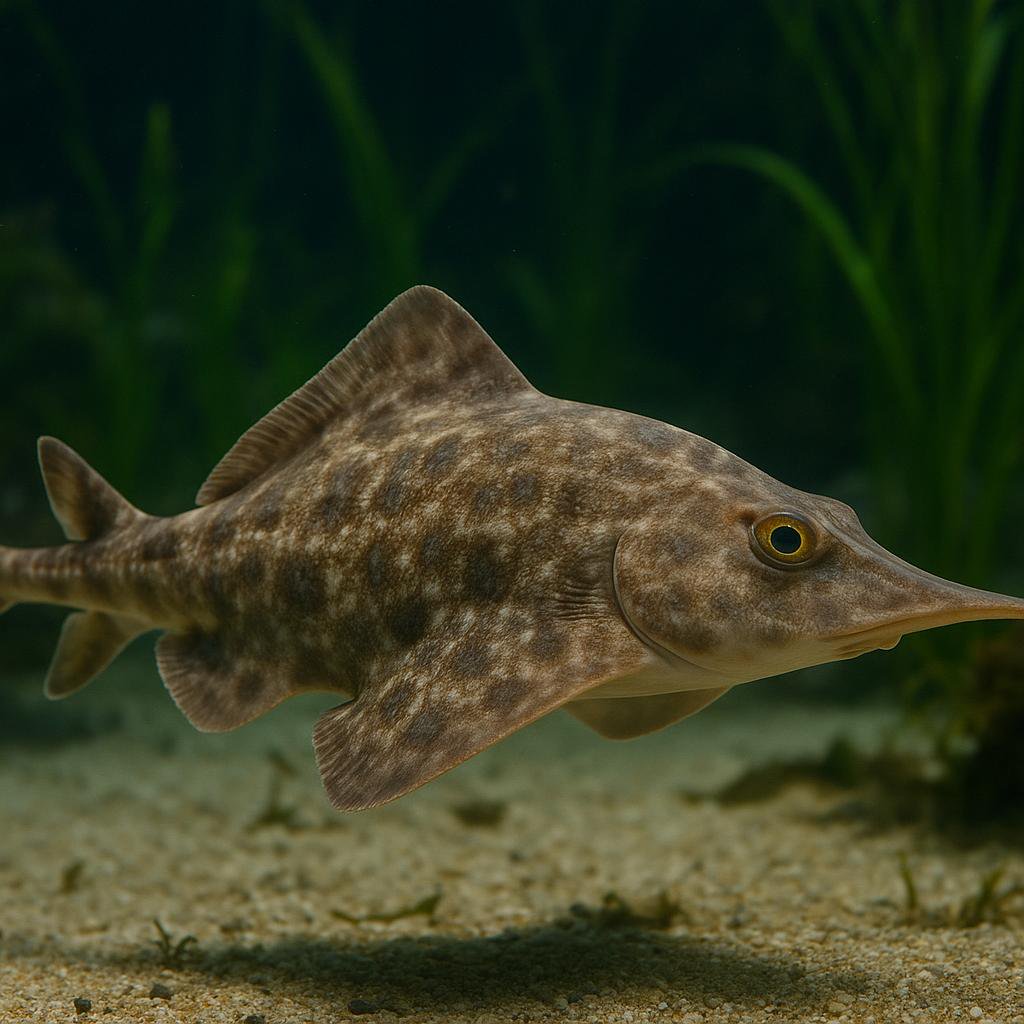
Aleutian skate
Bathyraja aleutica
This is a big, cold-water deep-slope skate from the North Pacific that cruises muddy bottoms and eats chunky benthic prey like crabs and shrimp. The really cool bit is its egg-laying skate life - it does distinct pairing (the classic skate "embrace") and drops those tough egg cases on the seafloor. Not an aquarium fish at all unless you're basically running a public-aquarium-style chilled system.
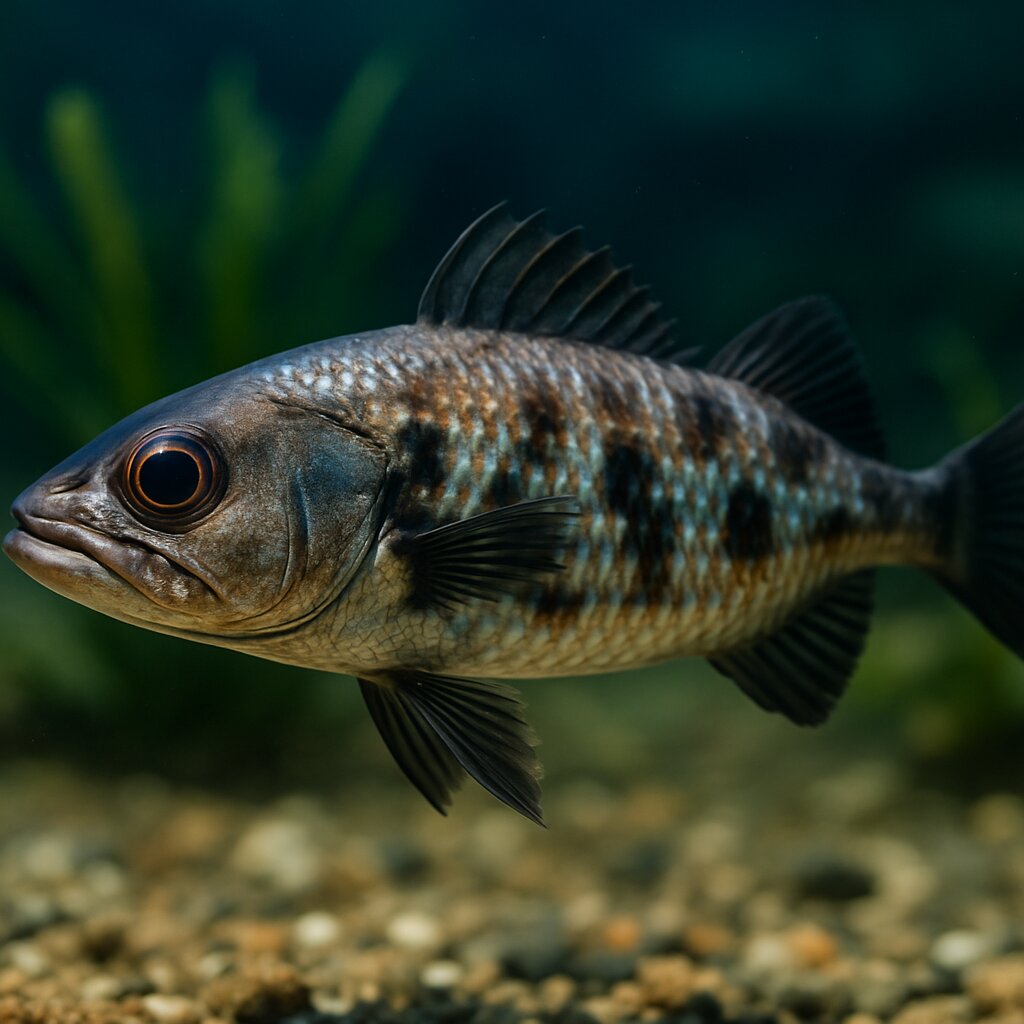
Antarctic dragonfish
Vomeridens infuscipinnis
Deep down around Antarctica, this sleek dragonfish cruises the water column like a little submarine, nearly neutrally buoyant so it can hover above the seafloor. It munches almost exclusively on Antarctic krill and lives in near-freezing water 500-800 m down, so it is a cool species to read about, not one for home tanks.
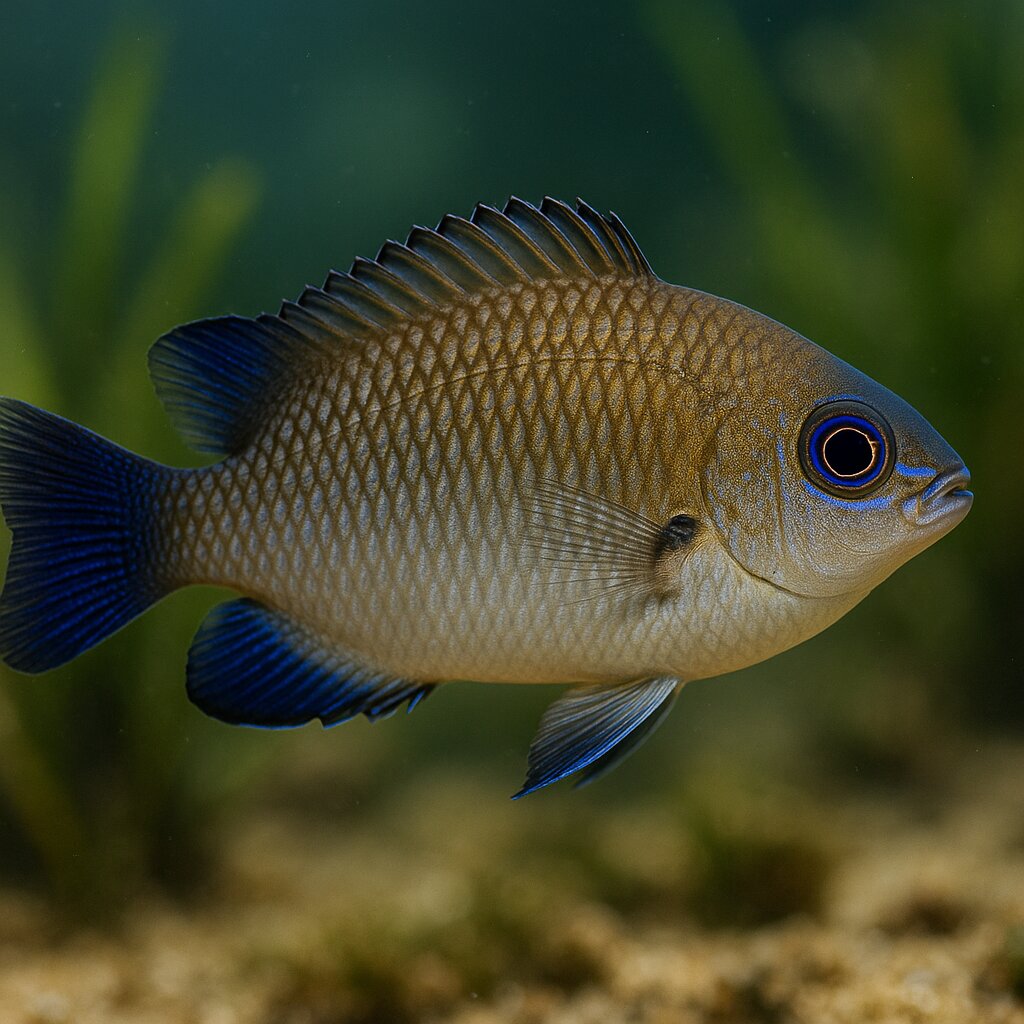
Arabian demoiselle
Neopomacentrus sindensis
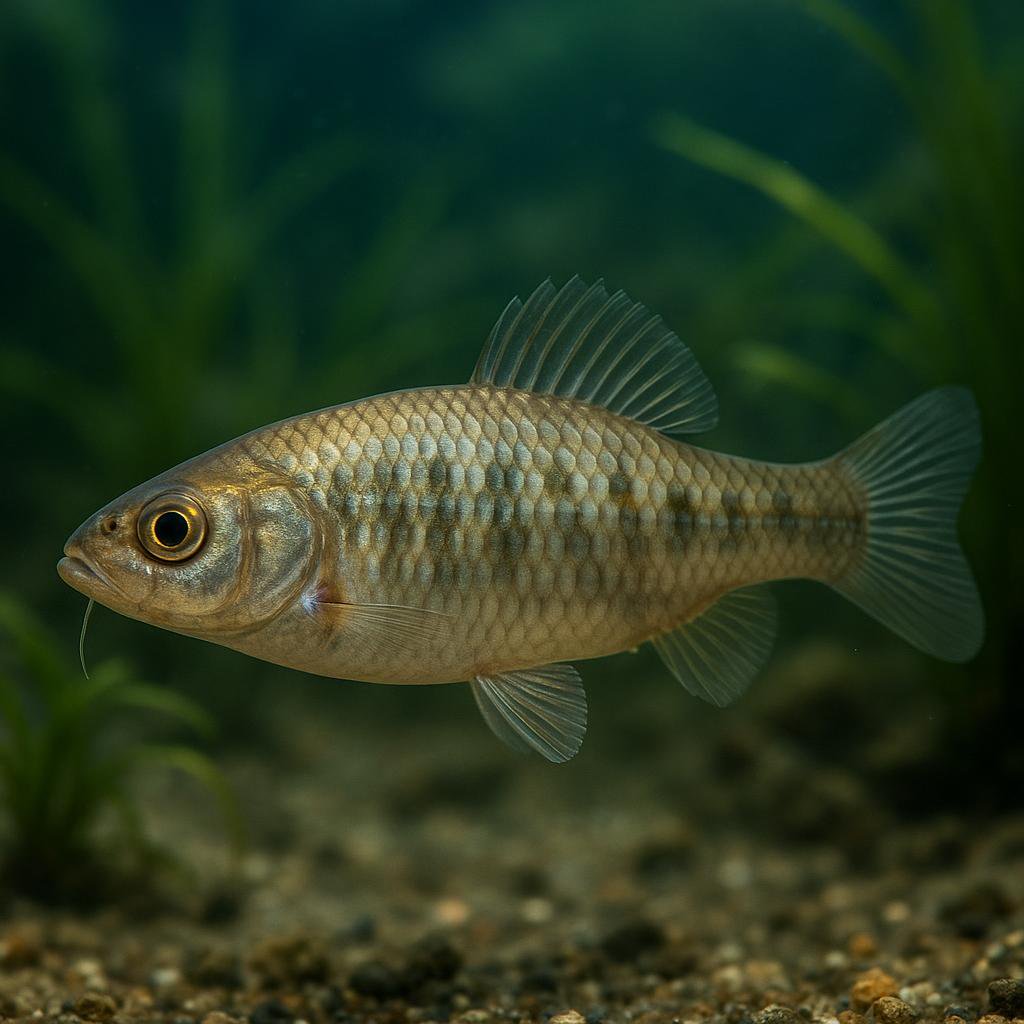
A small lyretail damsel from the Persian Gulf and Arabian Sea, it hangs in loose groups around coral heads, rocks, and even pier pilings picking zooplankton from the flow. Think classic damsel toughness with a slightly milder attitude than the real bruisers, plus subtle yellow tail accents. Males clean a patch, get a mate to lay eggs there, and then stand guard fanning the clutch.
Arabian spiny eel
Notacanthus indicus
Notacanthus indicus is a deep-sea spiny eel (family Notacanthidae; not a true eel) known from the Arabian Sea on the continental slope at roughly ~960–1,046 m depth, with reported maximum length around 20 cm TL; it is a deep-water bycatch species and not established in the aquarium trade.
Arctic rockling
Gaidropsarus argentatus
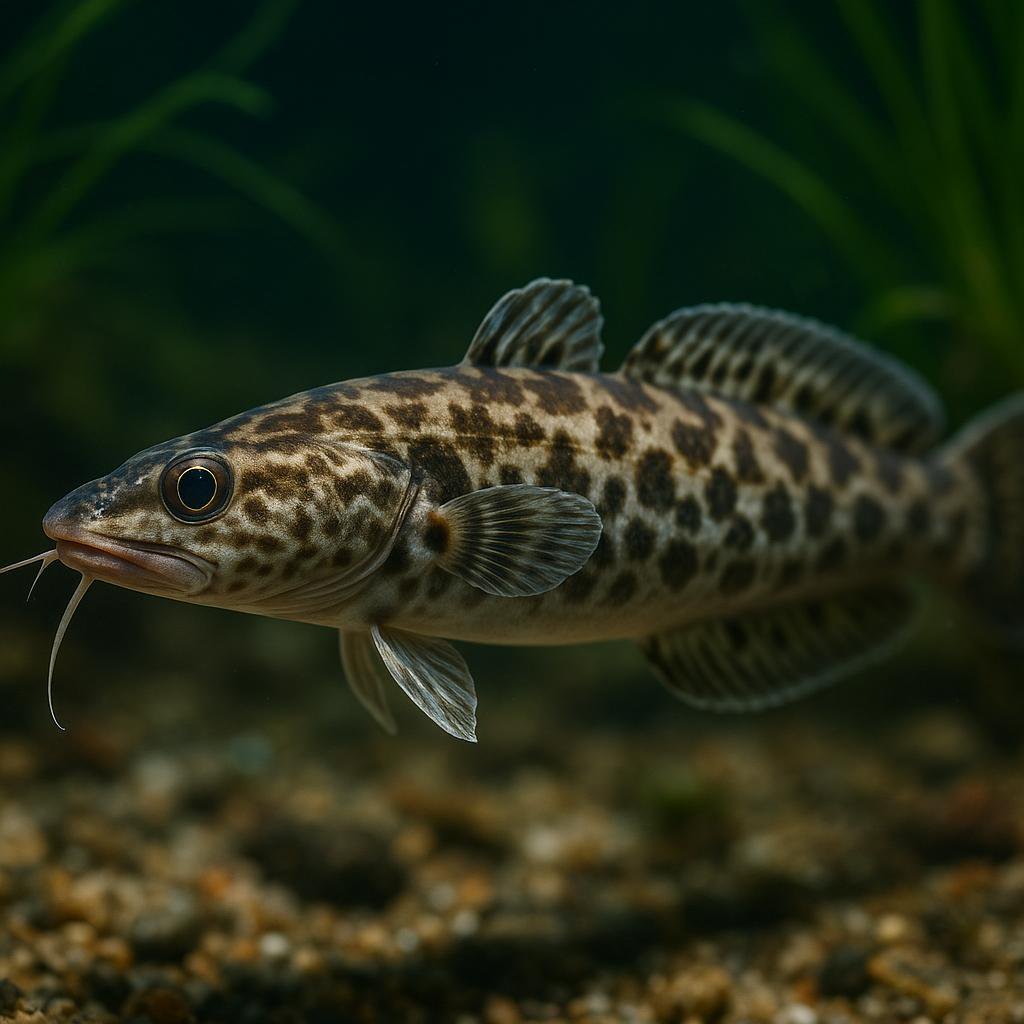
This is a deepwater North Atlantic rockling (a cod relative) that hangs out on soft bottoms way down the slope. It is a cold-water, bottom-hugging predator that snoots around for crustaceans and will also take small fish when it gets the chance.
Atlantic pomfret
Brama brama
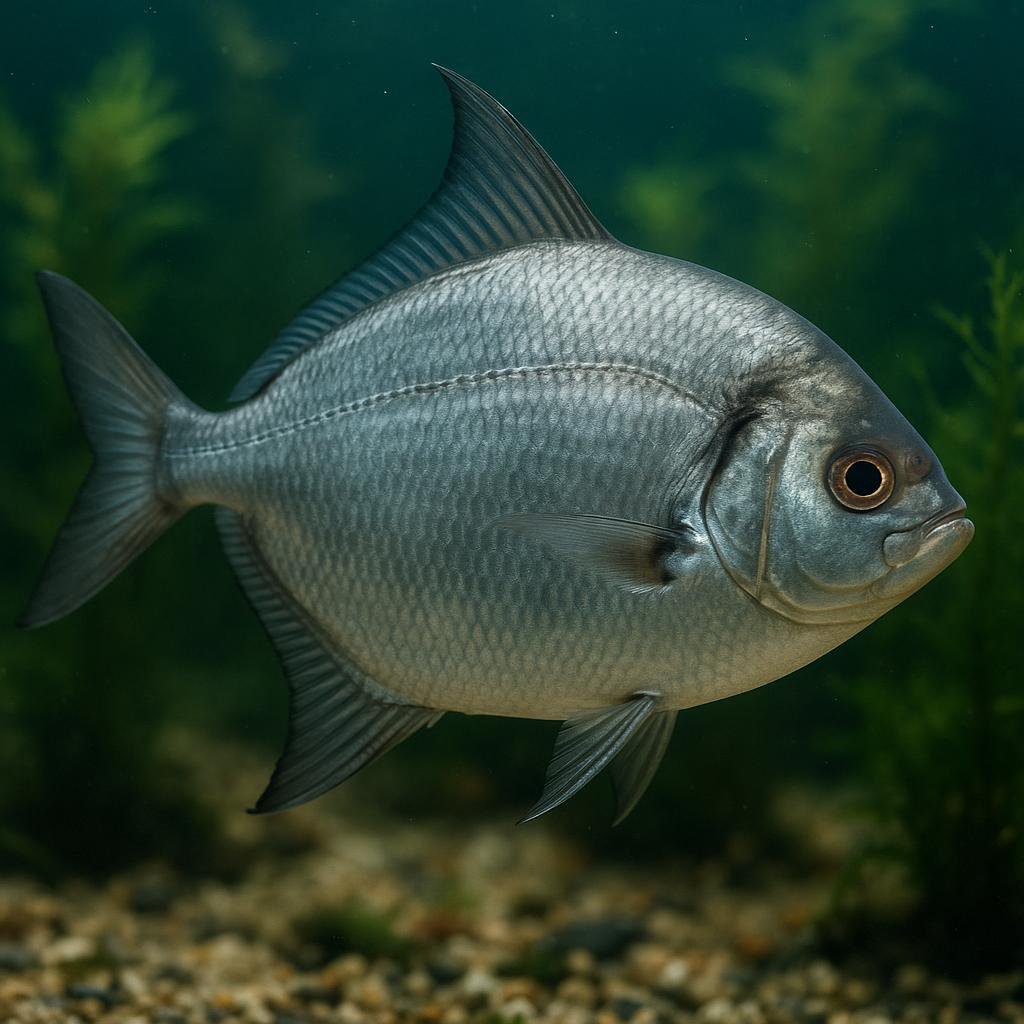
Brama brama is the Atlantic pomfret (aka Ray's bream) - a deep-bodied, open-ocean pelagic fish that cruises around in small schools and follows water temps. It is a legit big, wild marine species (not an aquarium fish) that eats other small sea critters like fish and squid, and it ranges across a huge chunk of the Atlantic plus parts of the Indian and South Pacific.
More to Explore
Discover more marine species.
Abe's eelpout
Japonolycodes abei
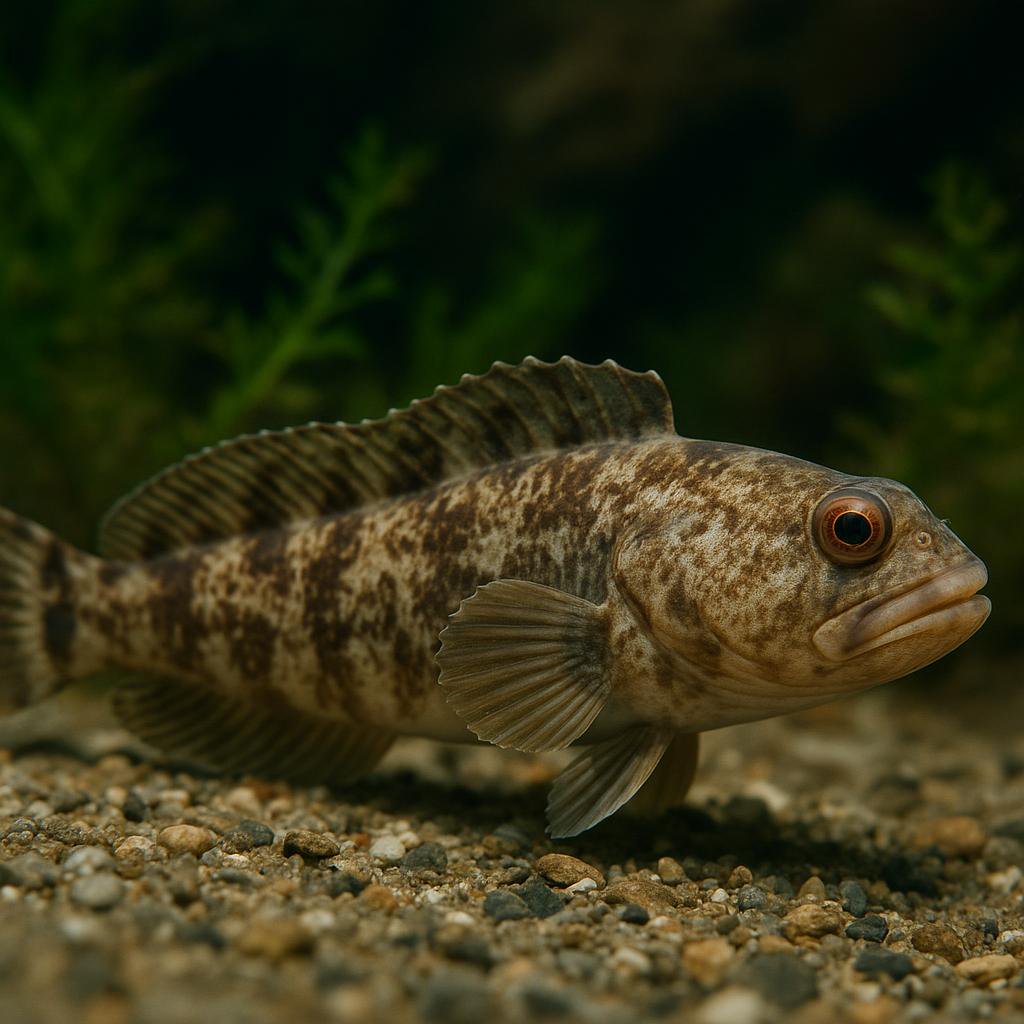
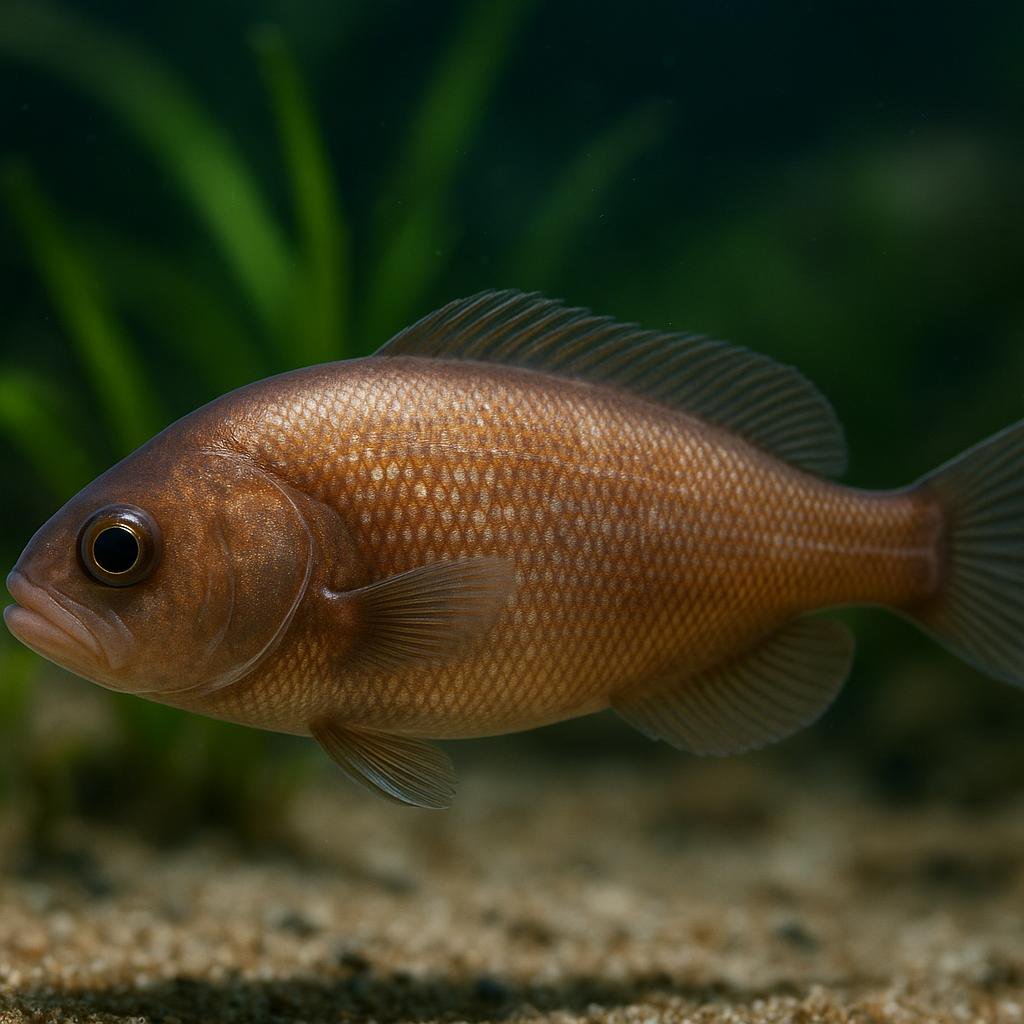
Japonolycodes abei is a temperate, deepwater demersal eelpout (family Zoarcidae) endemic to Japan (Kumano-nada Sea reported; other sources also report Sagami Bay and Tosa Bay). It is the only species in the genus Japonolycodes and occurs roughly 40-300 m depth, making it an uncommon/atypical aquarium species.
Affinis blind cusk-eel
Barathronus affinis
Barathronus affinis is a tiny, super-weird deep-sea blind cusk-eel from the western-central Indian Ocean. It is one of those gelatinous, loose-skinned brotula-type fishes that live way down in the dark and are basically never seen alive, so almost everything we know comes from preserved specimens and taxonomic work.
African red snapper
Lutjanus agennes
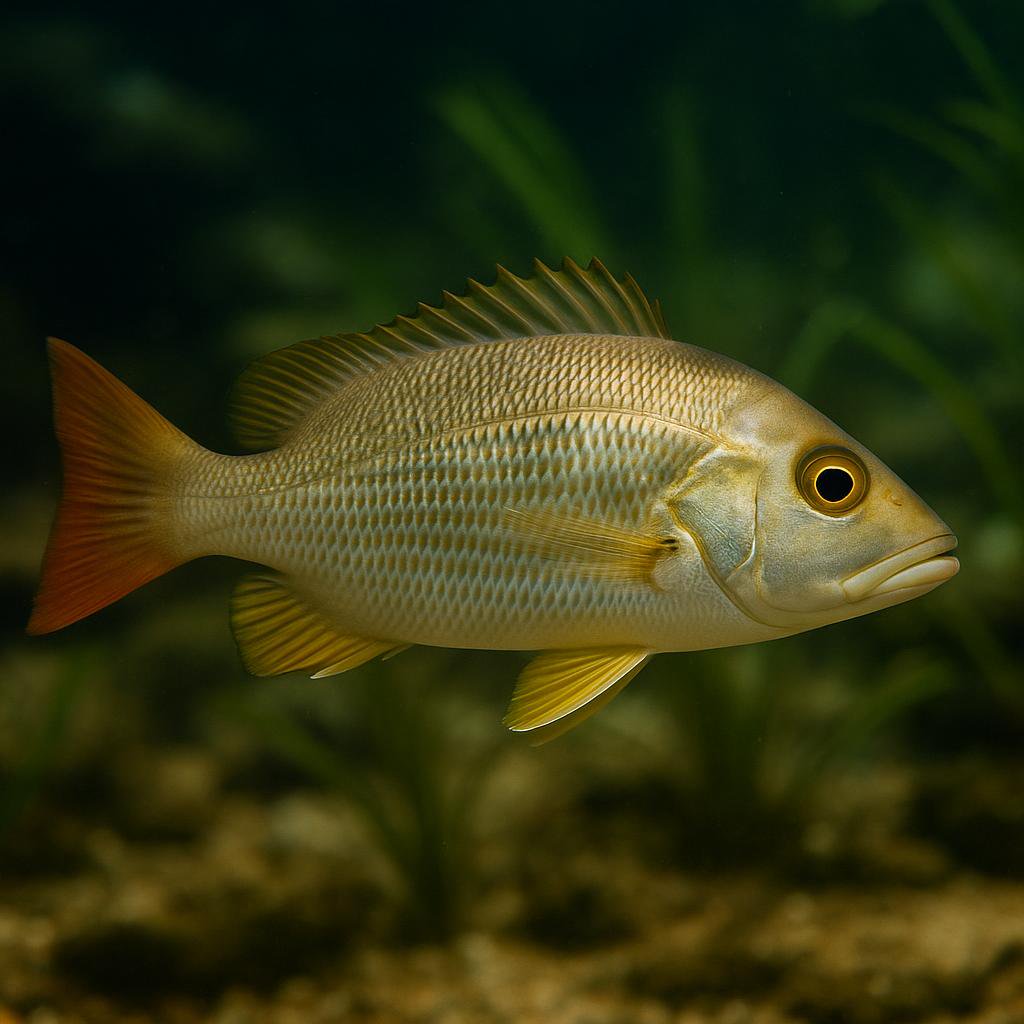
This is a true snapper from West Africa - a big, fast-growing predator that goes from coastal reefs to brackish lagoons and estuaries (especially as a juvenile). Super cool fish in the wild, but it gets absolutely huge and will eat smaller tankmates once it has the mouth for it, so its really more of a public-aquarium scale animal than a home-aquarium fish.
Allis shad
Alosa alosa
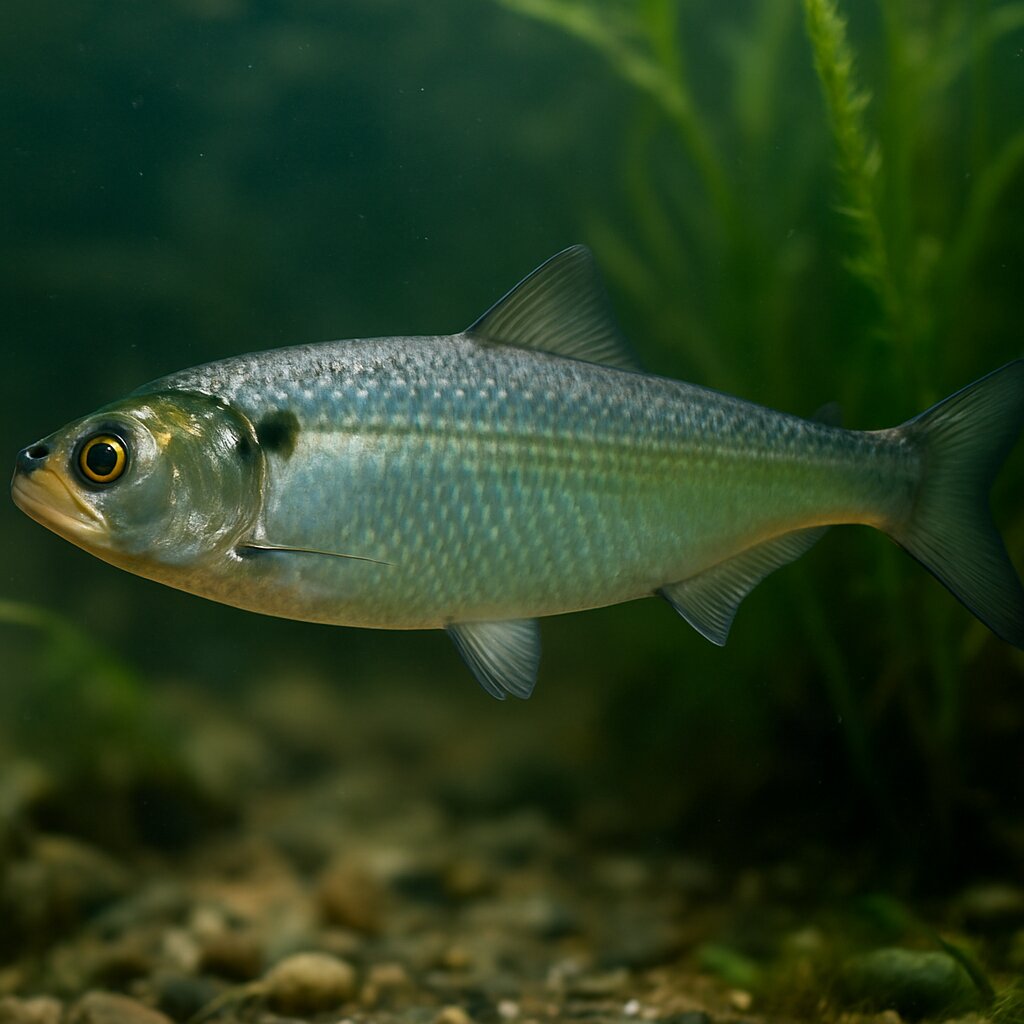
Gorgeous silver, fast-swimming shad that spends most of its life in the sea and then surges up big rivers in noisy, surface-spawning schools. It grows huge for a herring-type fish and needs cool, ultra-oxygenated water and tons of open space, so it is a public-aquarium species rather than a home tank fish.
Annandale's zebra sole
Zebrias annandalei
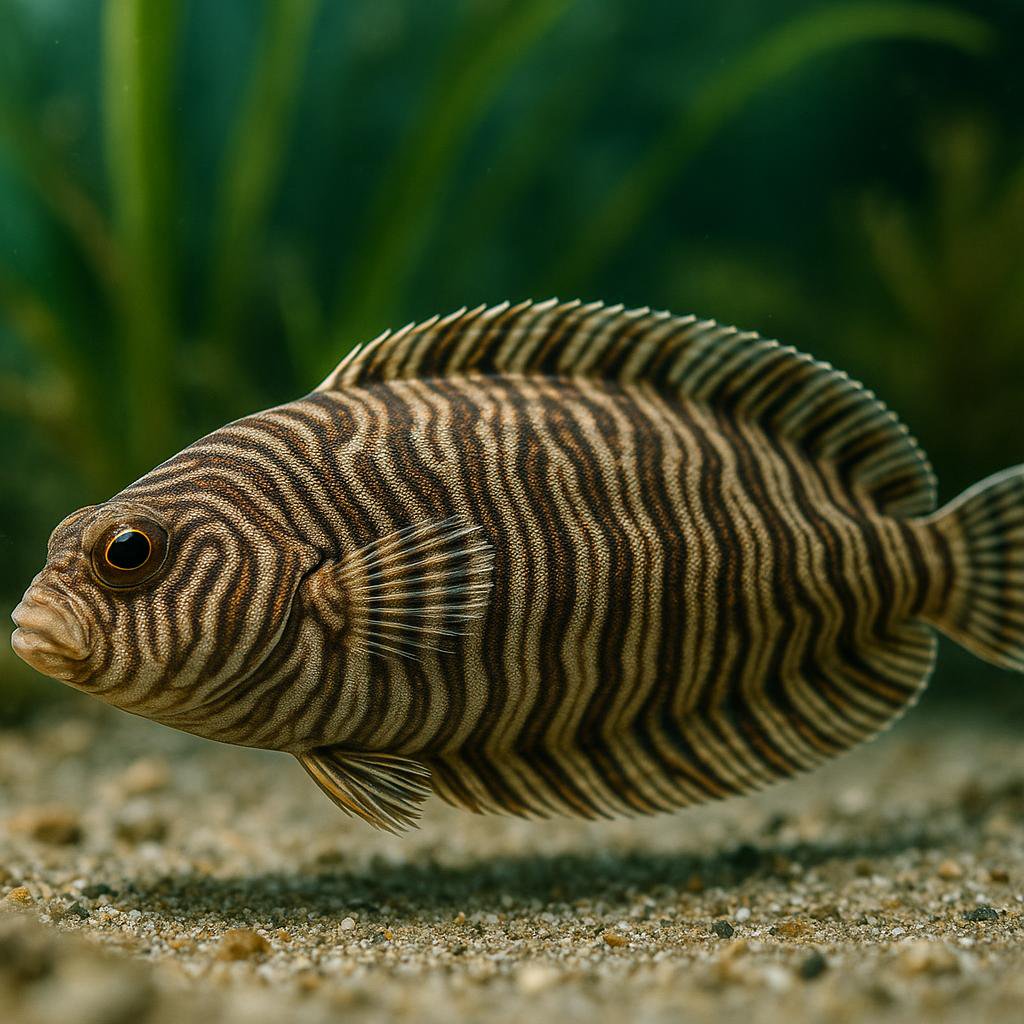
Zebrias annandalei is a small demersal sole from coastal India that inhabits sandy or muddy bottoms and buries for camouflage. It is rarely kept in home aquaria and would require a specialized marine sand-bottom setup and appropriate feeding.
Australian sawtail catshark
Figaro boardmani
Figaro boardmani is a small, deepwater Australian catshark with these cool saw-like ridges of spiny denticles along the tail and a neat pattern of dark saddle bands. It lives way down on the outer continental shelf and slope, so its natural water is cold, dim, and stable - totally not a typical home-aquarium fish. Diet-wise its a predator that goes after fish, crustaceans, and cephalopods.
Looking for other species?