

Little conger eel
Gnathophis habenatus
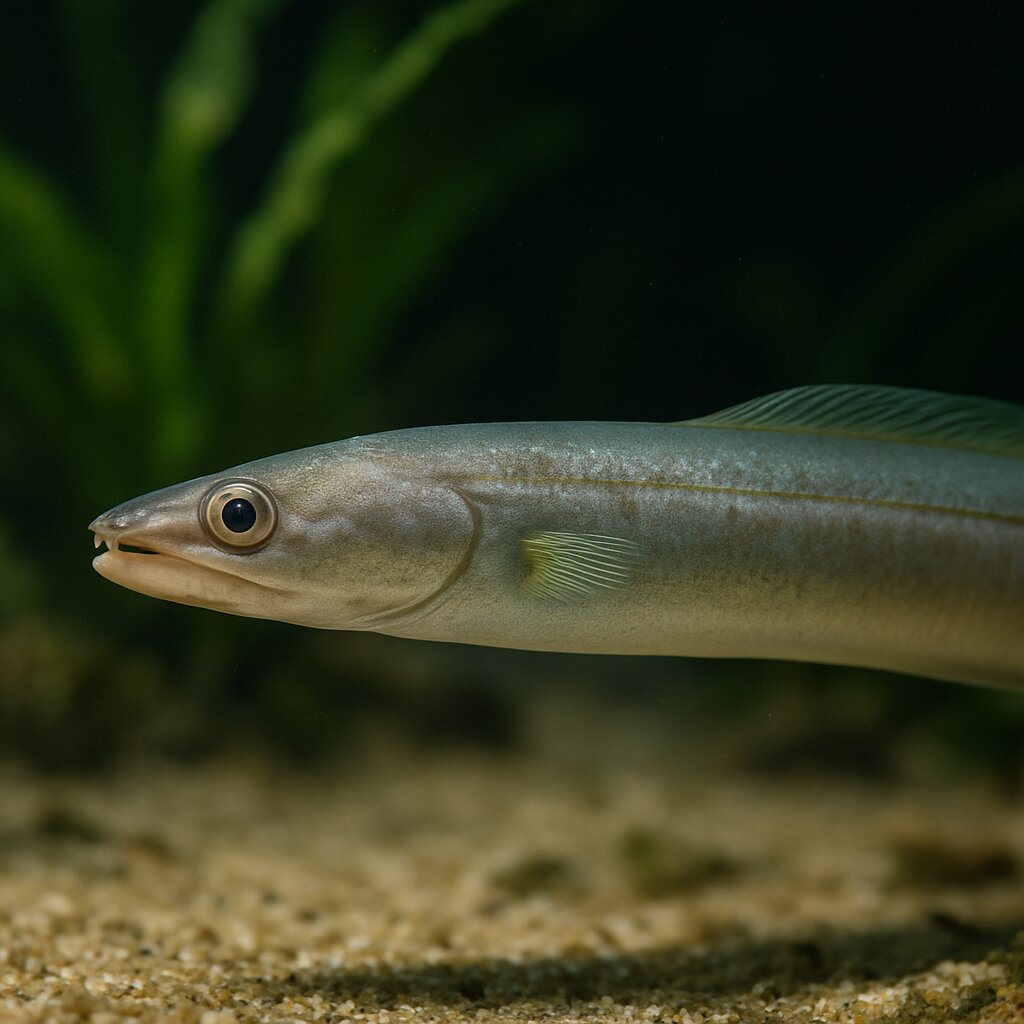
The Little conger eel features a slender, elongated body with a dark brown to gray coloration and pale, speckled markings along its length.
This page includes AI-generated images. Why am I seeing AI images?
About the Little conger eel
A sleek temperate conger from southern seas, it tops out around 17 inches and has a neat silvery head with a dusky fin edge. It spends the day tucked into sand or rubble and comes out at night to hunt little fish and crustaceans. Super interesting to keep if you are into cold-salt setups, but it really needs a chiller and lots of cover.
Also known as
Quick Facts
Size
17 inches
Temperament
Semi-aggressive
Difficulty
Advanced
Min Tank Size
120 gallons
Lifespan
10-20 years
Origin
Indo-West Pacific - Southern Africa, southern Australia, and New Zealand
Diet
Carnivore - meaty marine foods like fish pieces, shrimp, and other crustaceans
Water Parameters
10-20°C
8-8.4
300-400 dGH
Need a heater for this species?
This species needs 10-20°C in a 120 gallon tank. Use our heater calculator to find the right wattage.
Calculate heater sizeCare Notes
- Give it a long, low tank (90-120 gal) with 4-6 inches of fine sand to burrow, plus snug PVC caves; lock rocks on egg crate so digging does not topple them.
- Run a chiller and keep 14-18 C (57-64 F); SG 1.024-1.026, pH 8.0-8.3, and use strong surface agitation or a skimmer for oxygen with nitrate under 20 ppm.
- Feed at dusk with tongs at the burrow, starting with live grass shrimp or marine worms and then thawed squid, prawn, or fish. Do 2-3 modest feeds per week and pull leftovers fast so they do not rot in the sand.
- Escape-proof everything - tight lid, mesh the overflow, and guard pump intakes; they can squeeze through 1 cm gaps.
- Tankmates should be temperate fish too big to swallow and not aggressive; skip shrimp, crabs, small fish, triggers, big wrasses, and other eels.
- New arrivals often hide and refuse food for 1-2 weeks; keep lights dim and try wiggling food under a red flashlight at the den entrance.
- Do not use copper or formalin on eels; quarantine, deworm with praziquantel, and run antibiotics only in a separate hospital tank if needed.
- Breeding is a no-go in home tanks - they have pelagic larvae - so keep a single eel and forget pairing.
Compatibility
Good Tankmates
- Mid-sized tangs like yellow, kole, or tomini that stay midwater and are too tall to swallow
- Foxface rabbitfish that mind their own business and are big-bodied
- Robust Halichoeres or larger Coris wrasses 5 inches plus; active, fast, and not nippy
- Squirrelfish and soldierfish that cruise midwater and ignore the eel
- Genicanthus and larger angelfish that are not fin-nippers; give them room and they will coexist
- Longnose hawkfish or other larger hawkfish that perch up high and are too chunky to be a snack
Avoid
- Small or slow fish that fit in the eel's mouth, like gobies, firefish, tiny blennies, juvenile clowns, or mandarins
- Crustaceans of any kind - cleaner shrimp, ornamental shrimp, small crabs - become night snacks
- Nippy tough guys like triggers and big puffers that will harass and bite an eel
- Other eels or snake-like fish competing for burrows; den drama every night
Where they come from
Little conger eels show up around southern Australia and New Zealand, hanging out on sandy and muddy bottoms from shallow bays down the continental shelf. Think cool, oxygen-rich water and lots of soft substrate to vanish into. They are nocturnal ambush hunters, and you will usually see just a face poking out of the sand until feeding time.
This is a temperate-water eel. Long-term success needs cool water and a chiller. Keeping it at tropical reef temps will burn it out.
Setting up their tank
Give them footprint and depth more than height. They burrow, they roam at night, and they wedge into tight tubes. If you set up the bottom right, the rest gets easier.
- Tank size: 75-120 gallons for a single eel. Go wider than tall (48 x 18 in or larger).
- Temperature: 14-20 C (57-68 F). A reliable chiller is non-negotiable for long-term keeping.
- Salinity and chemistry: 1.024-1.026, pH 8.0-8.3, alkalinity 8-10 dKH. Zero ammonia/nitrite, keep nitrate under ~30 ppm, and push good oxygenation.
- Substrate: 4-6 in of fine sand. Sugar-fine to 1 mm works. Mix a little shell rubble for structure.
- Rockwork: Place rock on the glass or on supports, then add sand. They tunnel, and you do not want a rockslide.
- Hides: Bury a few PVC pipes (1-1.5 in/25-40 mm diameter) at different angles so they can choose a snug spot.
- Flow and gas exchange: Moderate overall flow with calmer zones near the sand. Surface agitation helps a lot.
- Lighting: Keep it dim and indirect. They are bolder at dusk. Red flashlight is your friend.
- Covers: Full lid with every gap sealed, including overflows and cable cutouts. Eels find holes you did not know existed.
- Intakes: Cover pump and overflow teeth with mesh so they do not nose into trouble.
During setup, drop a section of PVC right where you plan to release the eel. They head straight for a dark tube and settle faster.
What to feed them
They hunt by scent, not by sight, and most new arrivals only eat after lights out. Target feeding with tongs is the way to go.
- Good foods: pieces of raw shrimp, squid, scallop, clam, krill, and marine fish like salmon or mackerel in small chunks.
- Occasional: silversides or smelt, but rotate because of thiaminase. I add a vitamin soak with B1 when I use those.
- Starter live foods (if needed to get them going): salt-acclimated ghost shrimp or small bait shrimp. Wean to frozen quickly.
Feed 3-4 times a week. Portion size about the diameter of the eel's eye to start. Use a feeding stick and hover the food just outside the burrow. Once they learn the routine, they will snake out and take from the tongs.
Skip copperband-size feeder fish or random guppies. Freshwater feeders carry disease and do not offer the right nutrition.
Warm the food to tank temp in a cup of tank water and add a tiny drop of garlic or clam juice. The scent wakes them up.
How they behave and who they get along with
Shy by day, curious at night. They will rearrange sand and poke into every crevice. Mine watched the room with just his head out until the feeding stick showed up.
- With fish: Fine with robust, fast midwater fish that tolerate cool temps and are too large to be a snack. Avoid bullies that steal food.
- With eels: Best kept singly. Congrids can scrap in tight spaces unless the tank is very large with multiple burrows.
- With inverts: Shrimp and small crabs are on the menu. Snails and larger urchins are usually ignored.
- With corals: They do not nip corals, but they will kick sand. Keep delicate low-slung LPS out of the burrow zone.
Night mode helps. Feed after lights dim, and use a red light to watch without spooking them.
Breeding tips
Conger eels have a pelagic leptocephalus larval stage. Nobody is closing that life cycle at home, and I have never seen a documented spawn in hobby systems. Sexing adults is not practical, and they do not pair up in aquaria the way some morays will.
If you ever see unusual surface swimming and fasting in a mature eel, it may be a spawning drive. It will not result in viable young in a closed tank.
Common problems to watch for
- Heat stress: Kept at 24-26 C for months, they go off food and fade. A chiller fixes this. Aim 16-20 C.
- Escapes: The number one killer. Check every gap, overflow, and cable slot. Add mesh to weirs.
- Starvation in mixed tanks: They lose out to bold daytime feeders. Target feed at night and train to the stick.
- Injuries from rock shifts: Support rockwork before adding sand. They tunnel a lot.
- Medication sensitivity: Scaleless eels react badly to copper and harsh formalin dips. Use praziquantel for flukes and metronidazole for internal protozoa. For ich, run a separate hospital and use hyposalinity or copper on tankmates, not the eel.
- Internal parasites: Wild-caught individuals sometimes pass stringy white feces and stay thin. Food soaked with metronidazole and a calm QT usually turns it around.
- Low oxygen: Warm water plus low surface agitation equals gasping and restless roaming. Crank up aeration, especially during summer.
Do not treat the display with copper. Eels handle it poorly, and your rock and sand will bind copper and haunt you later.
Quarantine in a simple, dim tank with a couple of PVC bends, tight lid, and a seasoned sponge filter. Offer food at night and keep handling to a minimum.
Similar Species
Other marine semi-aggressive species you might be interested in.
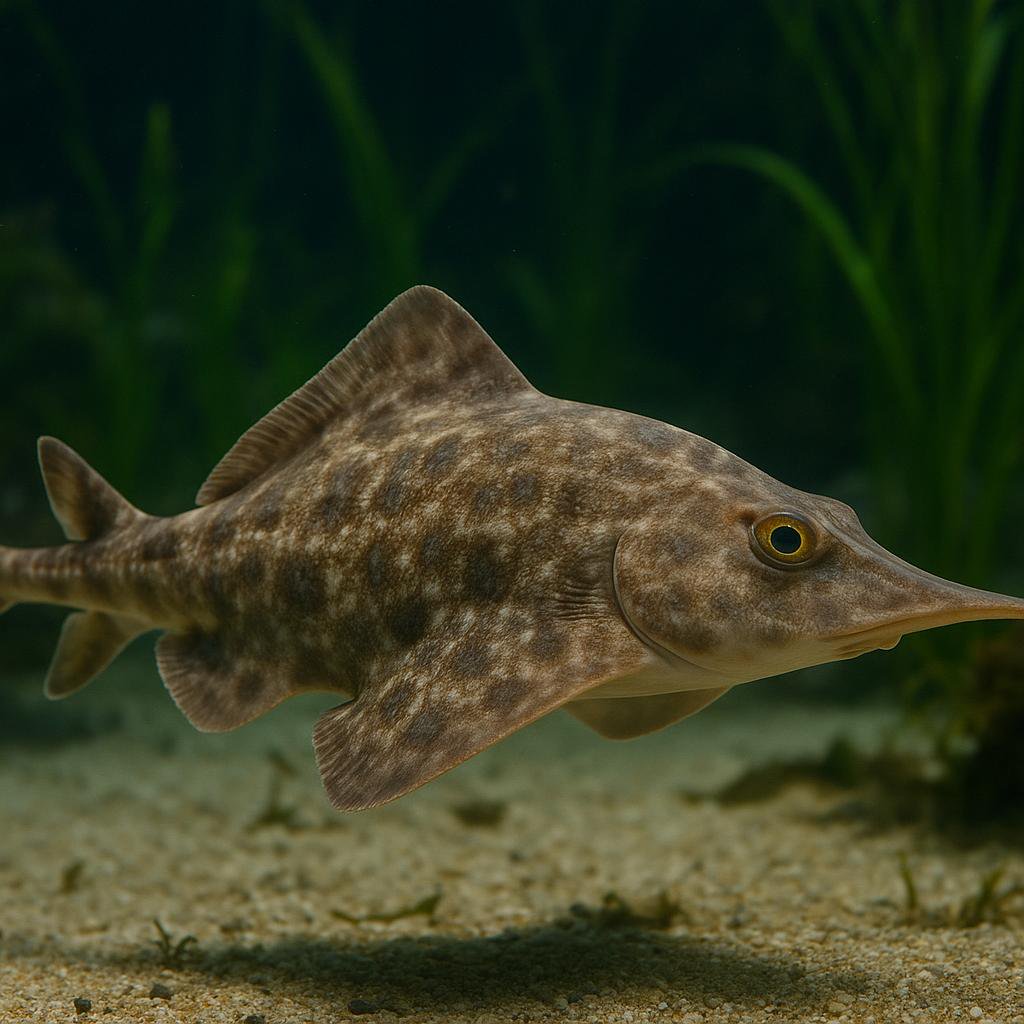
Aleutian skate
Bathyraja aleutica
This is a big, cold-water deep-slope skate from the North Pacific that cruises muddy bottoms and eats chunky benthic prey like crabs and shrimp. The really cool bit is its egg-laying skate life - it does distinct pairing (the classic skate "embrace") and drops those tough egg cases on the seafloor. Not an aquarium fish at all unless you're basically running a public-aquarium-style chilled system.
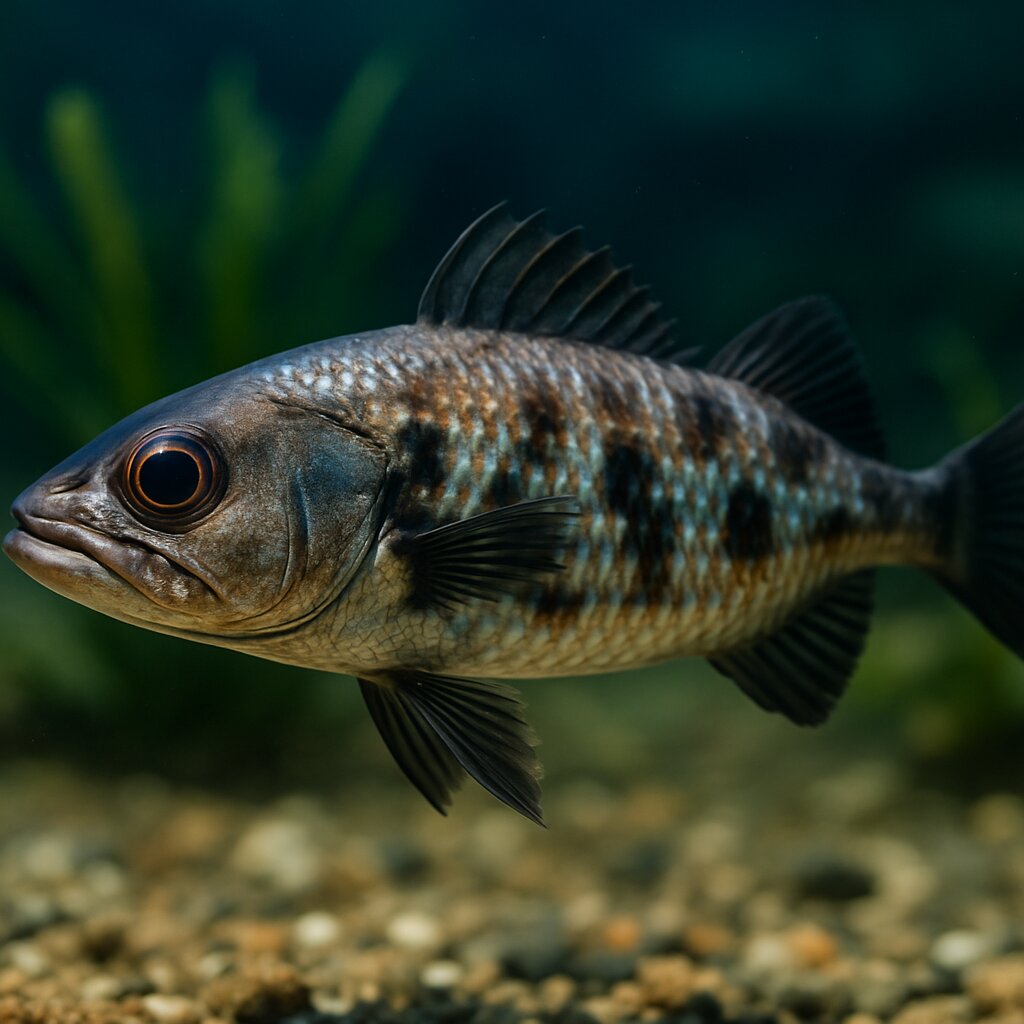
Antarctic dragonfish
Vomeridens infuscipinnis
Deep down around Antarctica, this sleek dragonfish cruises the water column like a little submarine, nearly neutrally buoyant so it can hover above the seafloor. It munches almost exclusively on Antarctic krill and lives in near-freezing water 500-800 m down, so it is a cool species to read about, not one for home tanks.
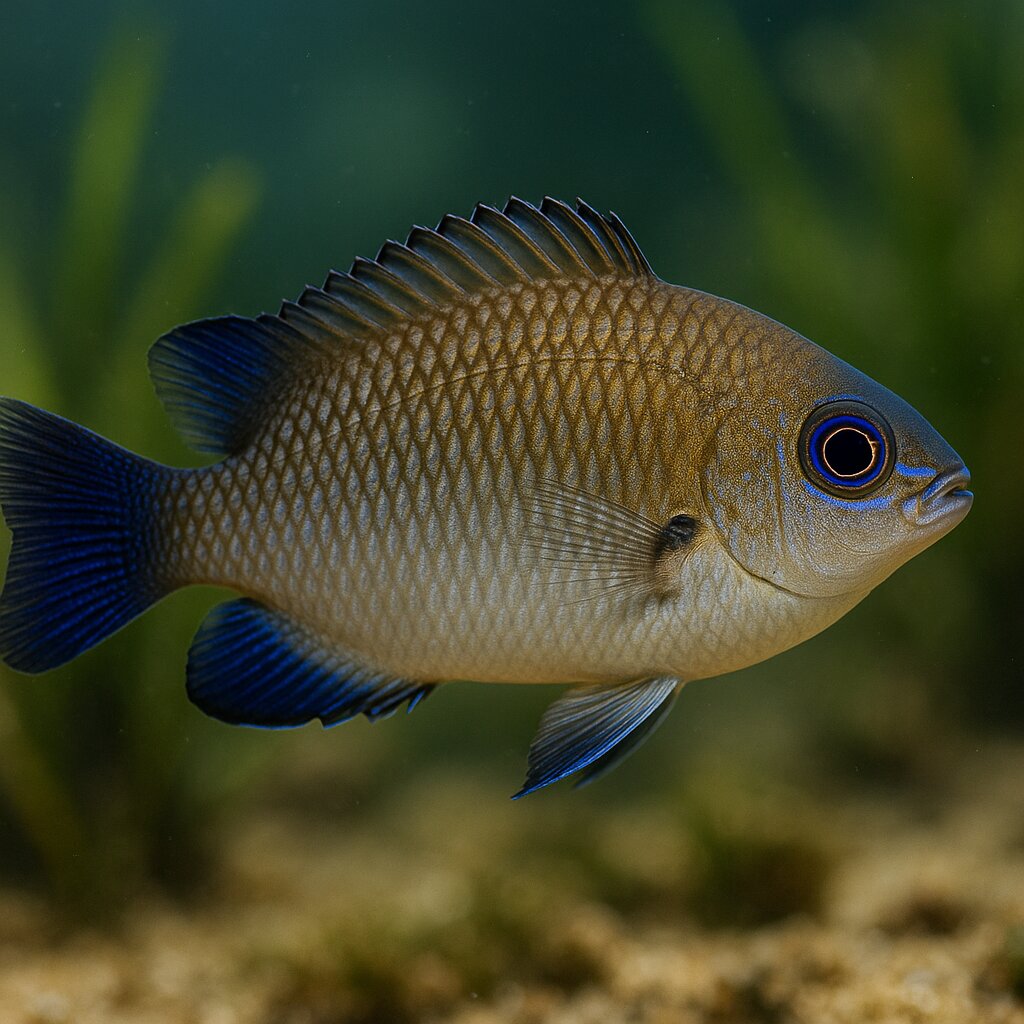
Arabian demoiselle
Neopomacentrus sindensis
A small lyretail damsel from the Persian Gulf and Arabian Sea, it hangs in loose groups around coral heads, rocks, and even pier pilings picking zooplankton from the flow. Think classic damsel toughness with a slightly milder attitude than the real bruisers, plus subtle yellow tail accents. Males clean a patch, get a mate to lay eggs there, and then stand guard fanning the clutch.
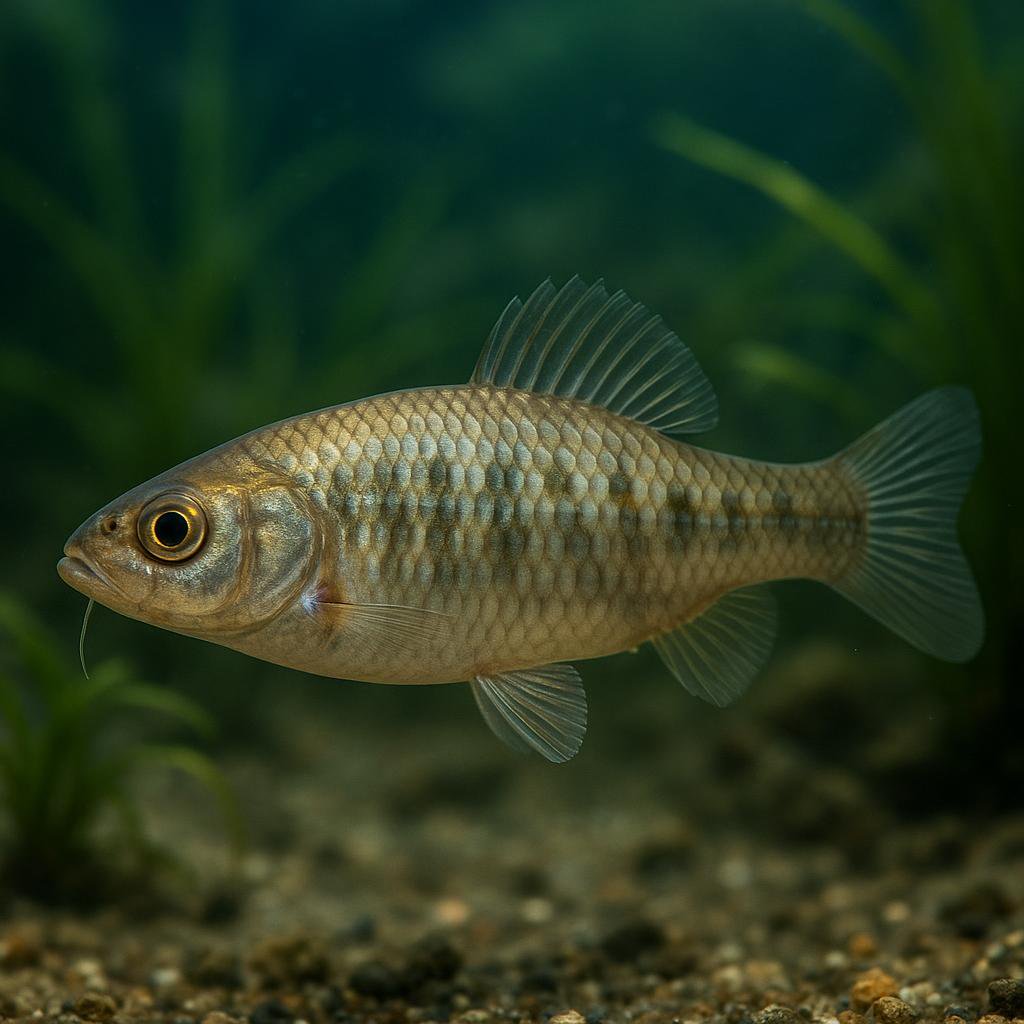
Arabian spiny eel
Notacanthus indicus
Notacanthus indicus is a deep-sea spiny eel (family Notacanthidae; not a true eel) known from the Arabian Sea on the continental slope at roughly ~960–1,046 m depth, with reported maximum length around 20 cm TL; it is a deep-water bycatch species and not established in the aquarium trade.
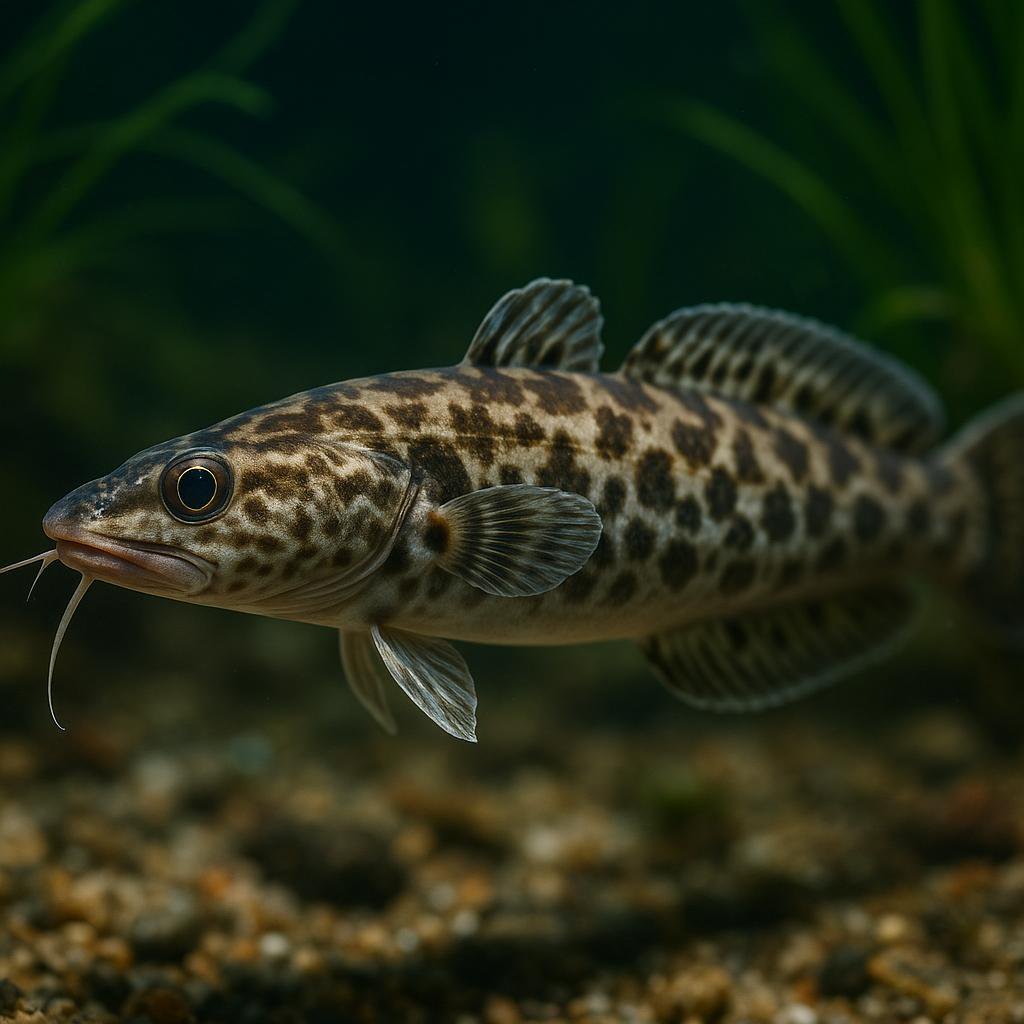
Arctic rockling
Gaidropsarus argentatus
This is a deepwater North Atlantic rockling (a cod relative) that hangs out on soft bottoms way down the slope. It is a cold-water, bottom-hugging predator that snoots around for crustaceans and will also take small fish when it gets the chance.
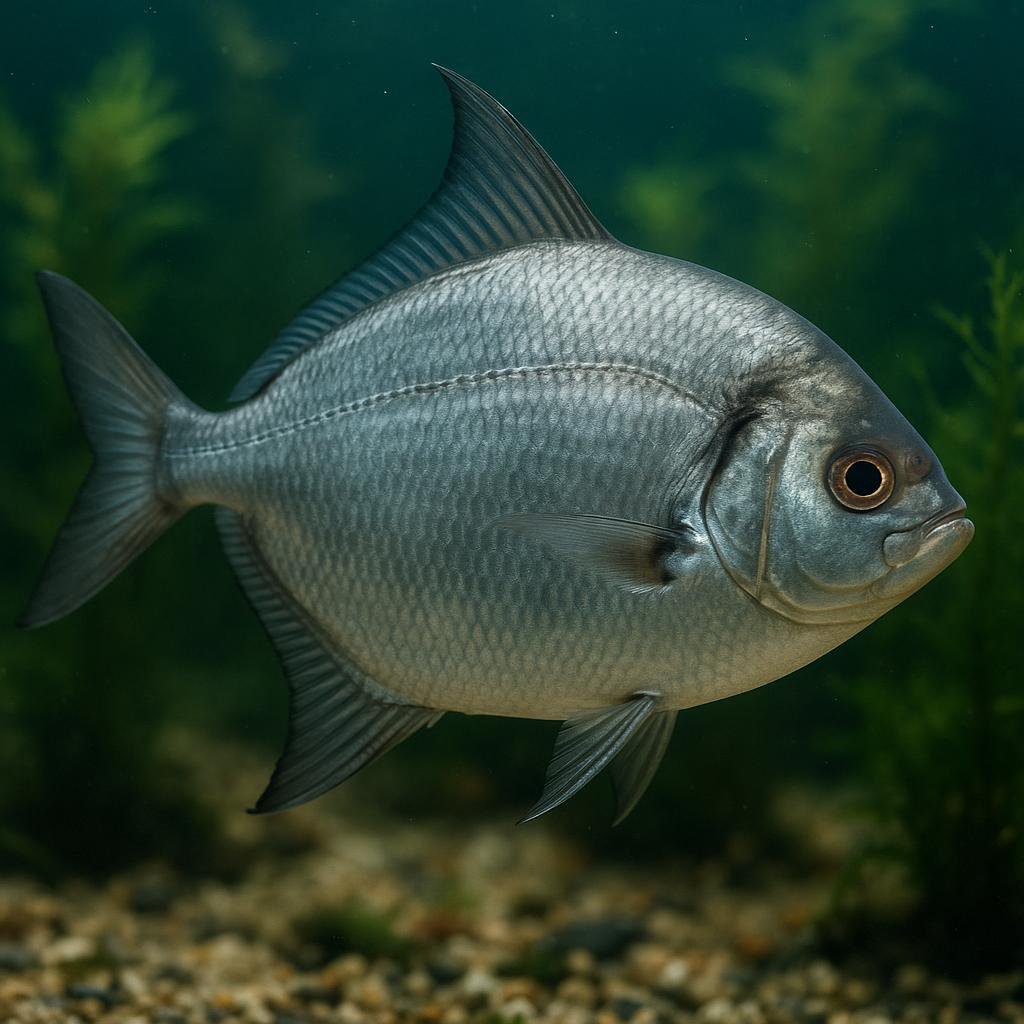
Atlantic pomfret
Brama brama
Brama brama is the Atlantic pomfret (aka Ray's bream) - a deep-bodied, open-ocean pelagic fish that cruises around in small schools and follows water temps. It is a legit big, wild marine species (not an aquarium fish) that eats other small sea critters like fish and squid, and it ranges across a huge chunk of the Atlantic plus parts of the Indian and South Pacific.
More to Explore
Discover more marine species.
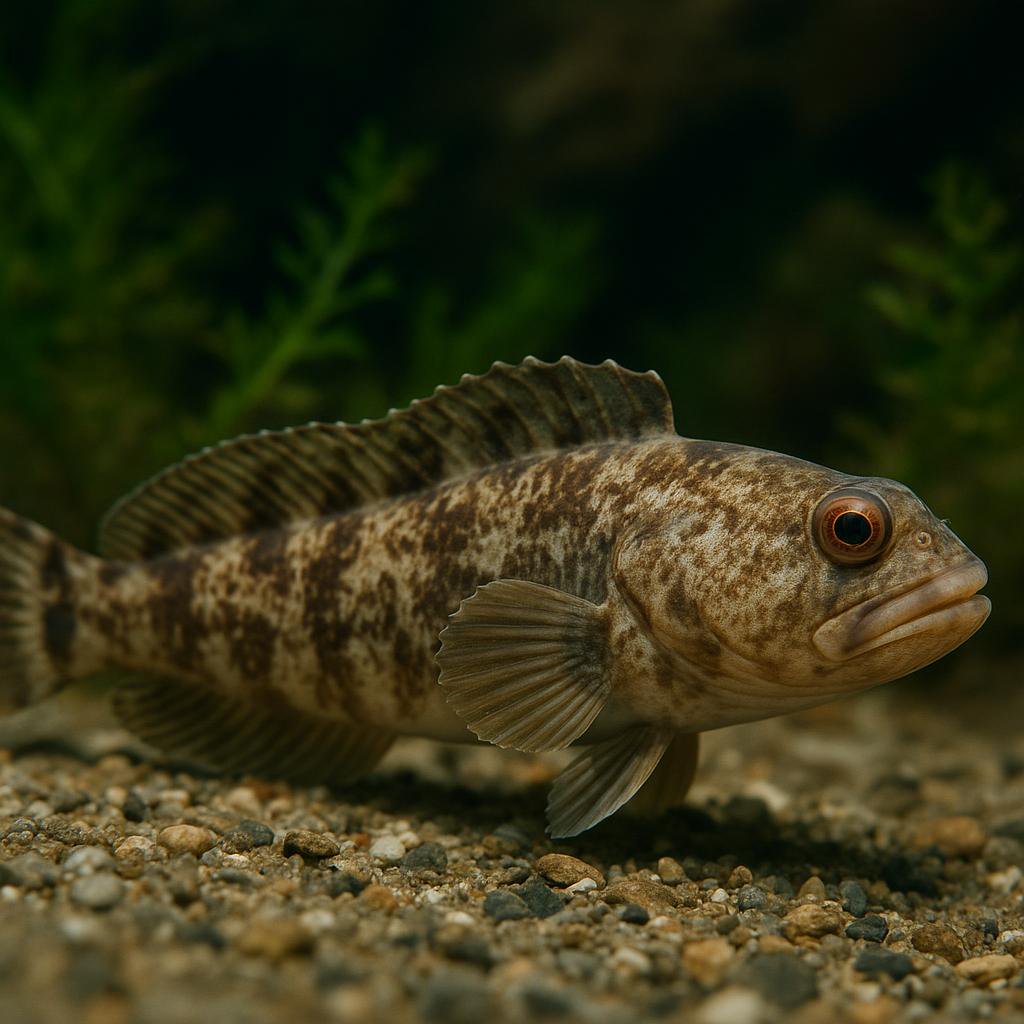
Abe's eelpout
Japonolycodes abei
Japonolycodes abei is a temperate, deepwater demersal eelpout (family Zoarcidae) endemic to Japan (Kumano-nada Sea reported; other sources also report Sagami Bay and Tosa Bay). It is the only species in the genus Japonolycodes and occurs roughly 40-300 m depth, making it an uncommon/atypical aquarium species.
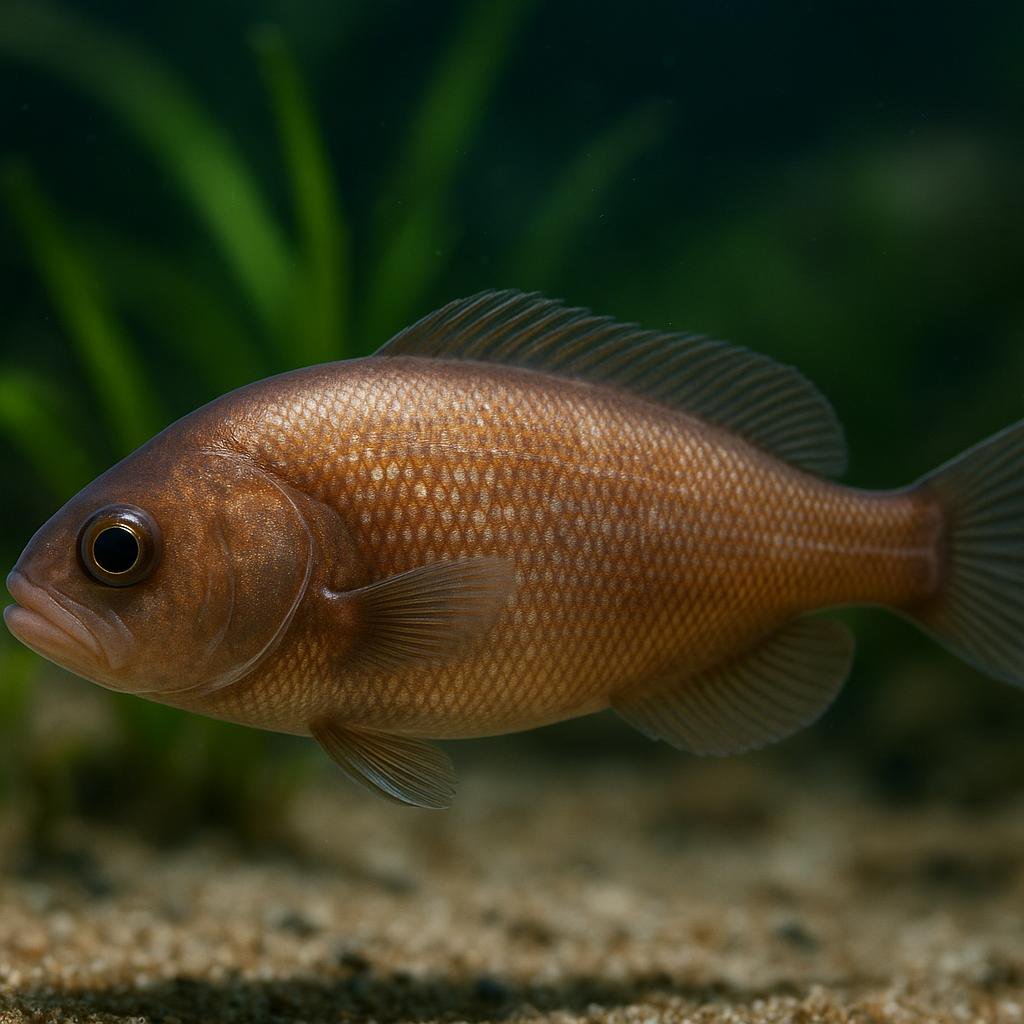
Affinis blind cusk-eel
Barathronus affinis
Barathronus affinis is a tiny, super-weird deep-sea blind cusk-eel from the western-central Indian Ocean. It is one of those gelatinous, loose-skinned brotula-type fishes that live way down in the dark and are basically never seen alive, so almost everything we know comes from preserved specimens and taxonomic work.
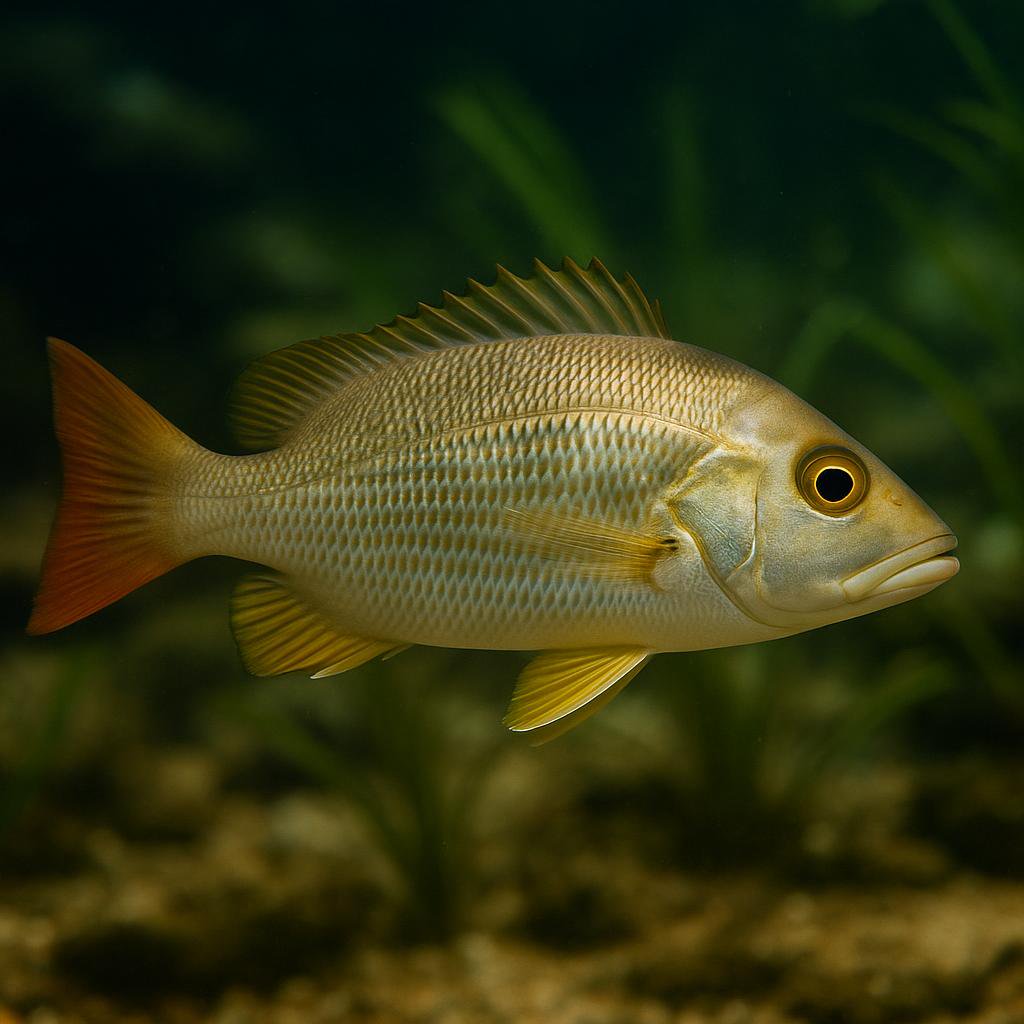
African red snapper
Lutjanus agennes
This is a true snapper from West Africa - a big, fast-growing predator that goes from coastal reefs to brackish lagoons and estuaries (especially as a juvenile). Super cool fish in the wild, but it gets absolutely huge and will eat smaller tankmates once it has the mouth for it, so its really more of a public-aquarium scale animal than a home-aquarium fish.
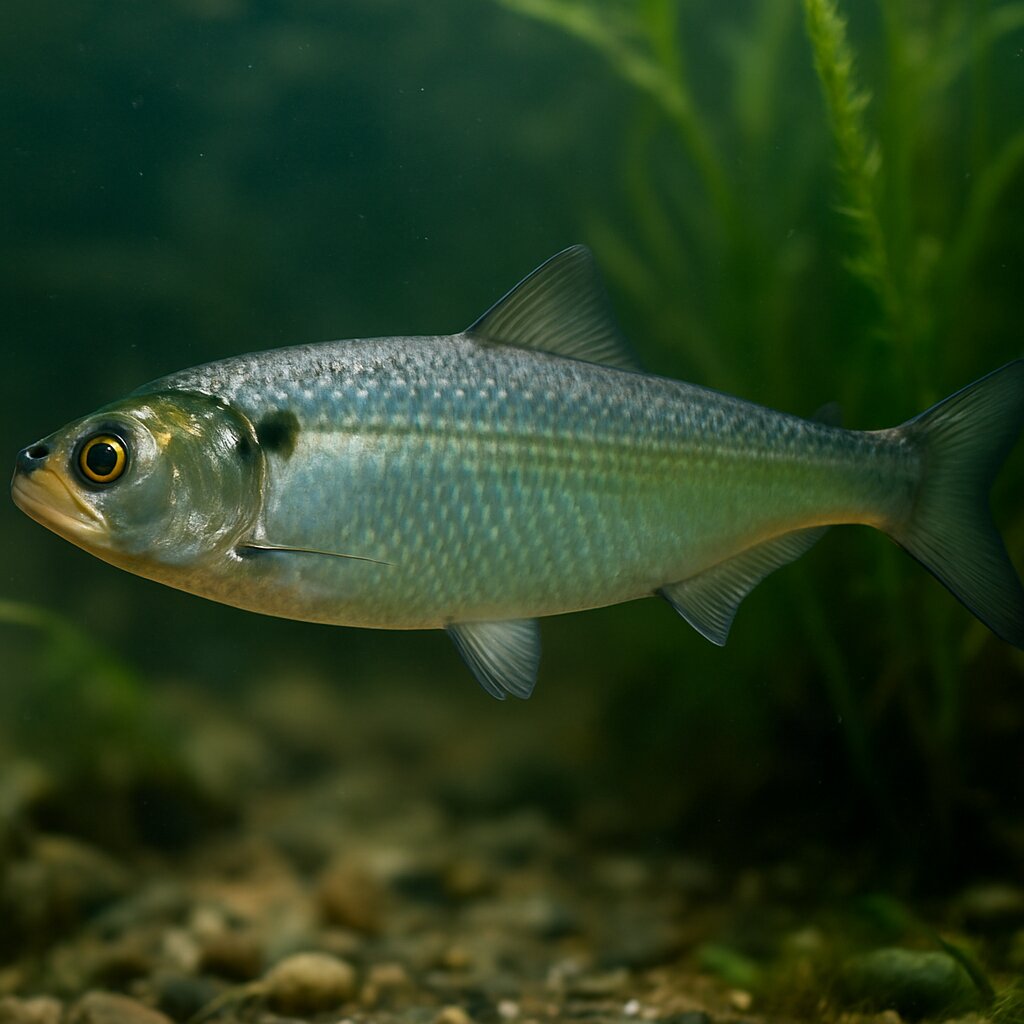
Allis shad
Alosa alosa
Gorgeous silver, fast-swimming shad that spends most of its life in the sea and then surges up big rivers in noisy, surface-spawning schools. It grows huge for a herring-type fish and needs cool, ultra-oxygenated water and tons of open space, so it is a public-aquarium species rather than a home tank fish.
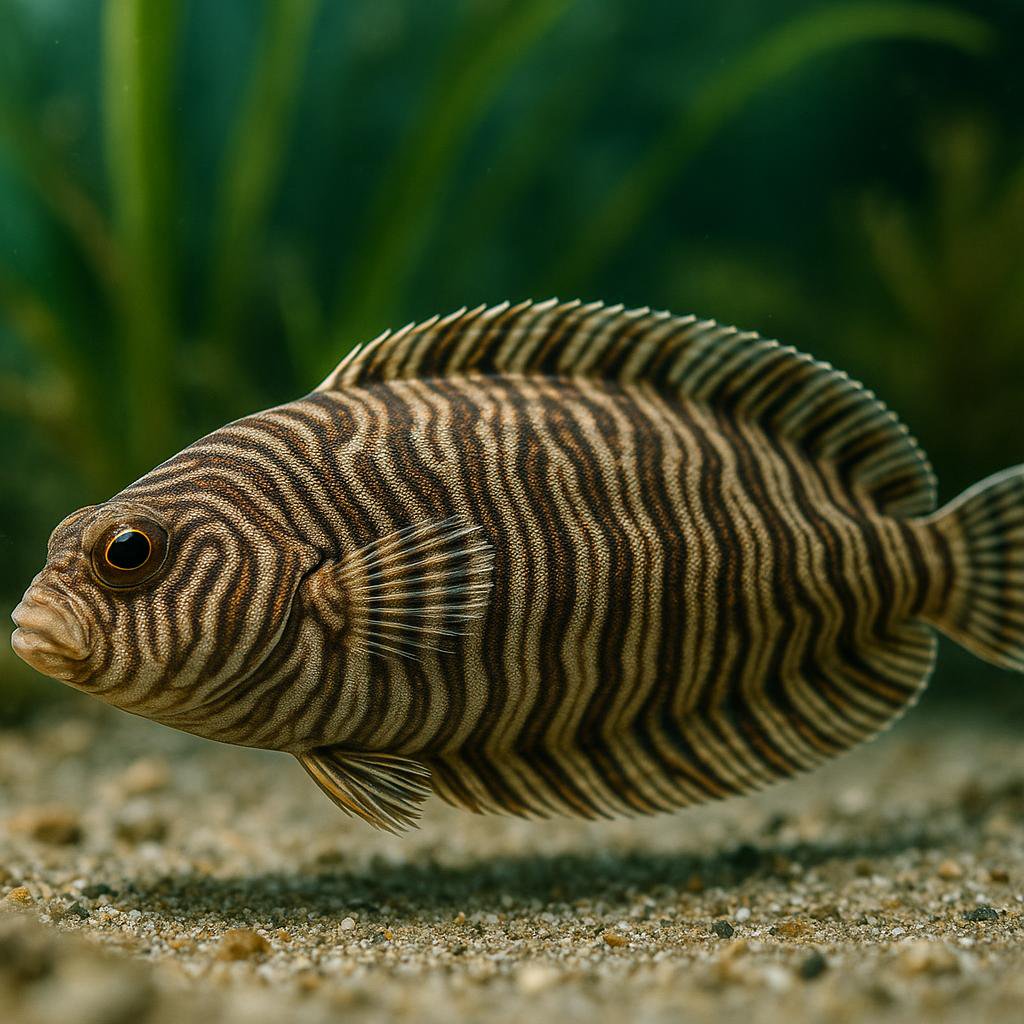
Annandale's zebra sole
Zebrias annandalei
Zebrias annandalei is a small demersal sole from coastal India that inhabits sandy or muddy bottoms and buries for camouflage. It is rarely kept in home aquaria and would require a specialized marine sand-bottom setup and appropriate feeding.
Australian sawtail catshark
Figaro boardmani
Figaro boardmani is a small, deepwater Australian catshark with these cool saw-like ridges of spiny denticles along the tail and a neat pattern of dark saddle bands. It lives way down on the outer continental shelf and slope, so its natural water is cold, dim, and stable - totally not a typical home-aquarium fish. Diet-wise its a predator that goes after fish, crustaceans, and cephalopods.
Looking for other species?