

Spikey bass
Hypopterus macropterus
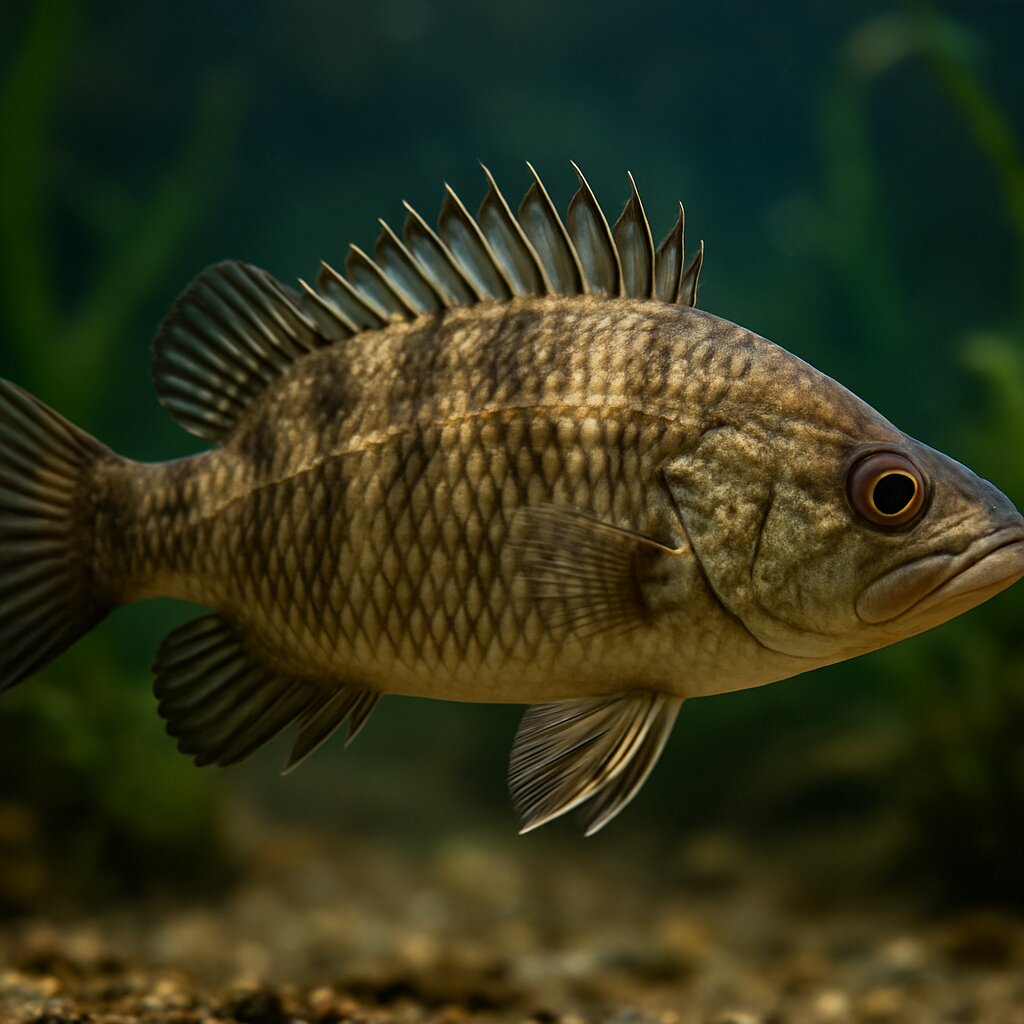
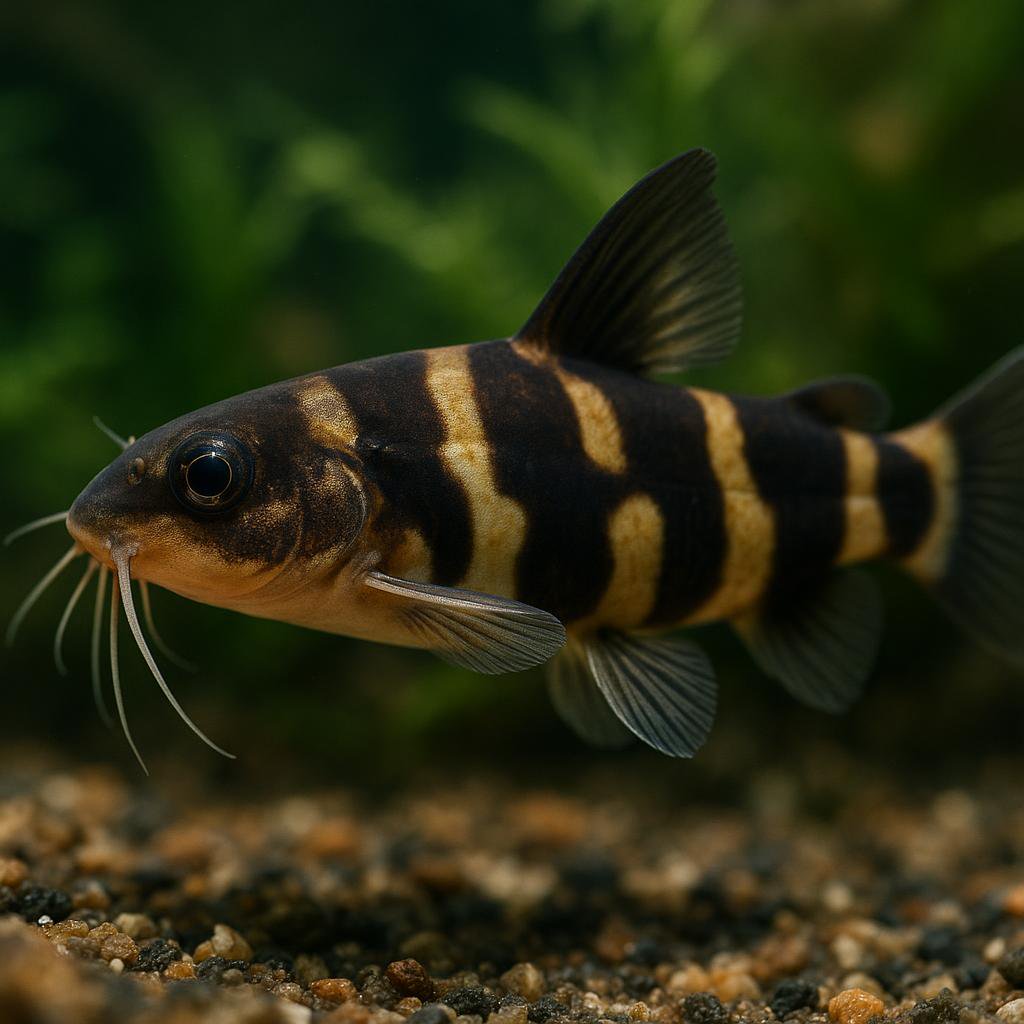
The Spikey bass features a distinctive elongated dorsal fin and is characterized by its striking dark brown body with vibrant yellow spots.
This page includes AI-generated images. Why am I seeing AI images?
About the Spikey bass
A small Aussie seabass with a chunky body and rows of tiny dark oval spots that show up as faint bands when the light hits right. You find it cruising sandy and seagrass shallows along Western Australia into the NT, snacking on little fish and crustaceans. Cool fish to see in the wild, but it is basically absent from the aquarium trade.
Also known as
Quick Facts
Size
13.8 cm SL (about 5.4 inches)
Temperament
Semi-aggressive
Difficulty
Advanced
Min Tank Size
40 gallons
Lifespan
Unknown
Origin
Australia - northwestern coast (Eastern Indian Ocean)
Diet
Carnivore - small fishes and crustaceans
Water Parameters
18-26°C
8-8.4
300-420 dGH
Need a heater for this species?
This species needs 18-26°C in a 40 gallon tank. Use our heater calculator to find the right wattage.
Calculate heater sizeCare Notes
- Plan on a 6-8 ft, 24-30 in wide marine tank with heavy, locked-in rock caves plus an open sand patch; use a tight lid and keep lighting on the dim side.
- Run full-strength seawater at 1.025-1.026 SG, pH 8.1-8.4, cool-side temps at 20-23 C, high oxygenation, and nitrate under 30 ppm.
- Feed meaty marine foods (squid, prawn, chunks of marine fish) with tongs or a feeding stick; skip goldfish and other freshwater feeders, and rotate items with a vitamin soak to dodge thiamine issues.
- Adults do fine on 2-3 big meals per week; juveniles take smaller portions daily until they fill out and start refusing extra.
- It is a predator first, so anything bite-size will disappear; mix only with large, rugged tankmates and avoid ornamental shrimp and crabs.
- Often collected from deeper water, so they dislike bright lights and sudden changes; give a dim 4-6 week QT and only buy one that is already eating.
- Big body, big waste load - run an oversized skimmer and ample biofiltration, and keep salinity steady with an ATO and regular big water changes.
Compatibility
Good Tankmates
- Robust tangs of similar size (Zebrasoma, Acanthurus) that cant be swallowed
- Bigger wrasses like harlequin tusk, bird wrasse, and adult Thalassoma/Coris
- Rabbitfish/foxface (Siganus) - calm, spiny, and not bite-size
- Chunky angels (Pomacanthus, Holacanthus) that can stand their ground
- Larger hawkfish species (arc-eye, spotted, stocky) that wont fit in its mouth
- Squirrelfish and soldierfish - deep-bodied, spiny, and mind their business
Avoid
- Small or slender snacks like gobies, firefish, chromis, and anthias
- Seahorses and pipefish - too slow and will get picked on or eaten
- Mean triggers and big nippy puffers (clown, titan, queen, pushy Arothron types)
- Another bass or grouper of similar size and shape - they will fight over caves and ambush spots
Where they come from
Spikey bass are a northern Australia specialty, with records along WA, NT, and QLD coasts and nearby waters. Think sand and rubble near reefs, often a bit deeper than your typical reef fish. They cruise at dusk, then loaf in cover during the day. You do not see them in shops often, which is part of the challenge.
Setting up their tank
Plan for a very large FOWLR system. Mine lived in a 750-gallon setup with an 8 x 3 ft footprint. They are not hyperactive, but they are bulky and appreciate room to turn and a clear runway along the sand.
- Footprint first: 8 ft length and 30-36 in width is a good starting point for an adult.
- Rockwork: heavy, stable caves and overhangs with an open sandy front. Put rock on eggcrate or PVC supports so nothing shifts.
- Lighting: moderate to dim. They are not coral showpieces and prefer calmer light.
- Flow: steady, not blasting. Gyres set low to mid are fine; keep surface rippling for oxygen.
- Filtration: big skimmer, oversized bio capacity, and lots of mechanical export. They are messy eaters.
- Lid: tight-fitting. Big fish can spook and jump.
- Temp: 24-27 C (75-81 F)
- Salinity: 1.023-1.026
- pH: 8.0-8.3
- Ammonia/Nitrite: 0
- Nitrate: under 20-30 ppm
- Oxygen: high, especially after big meals
Acclimate with lights dimmed and a dark hide ready. They settle faster if they can claim a cave right away.
Their dorsal spines are sharp and love to snag nets. Move them in a container, not a mesh net.
What to feed them
They are ambush predators that take fish and crustaceans. Getting a new one to eat is half the battle. Start with movement, then work toward prepared foods.
- First week: offer live ghost shrimp or gut-loaded mollies if it will not take frozen. Switch quickly to frozen once it recognizes tongs.
- Staples: pieces of marine-origin fish, prawn, squid, scallop, clam. Vary it.
- Training: use feeding tongs and wiggle the food near its cave. Once it locks on, it is easy.
- Add-ons: soak a couple meals per week in vitamins (including B1) and omega-3s.
- Schedule: juveniles small portions once daily; adults every 2-3 days. Big meals rot in the gut and foul water.
Avoid feeder goldfish or rosy reds. They are freshwater, often carry parasites, and can cause nutritional issues. Keep the diet marine and varied.
How they behave and who they get along with
Calm, watchful, and very good at pretending to be a rock. They will not chase much, but anything that fits in the mouth is fair game. They usually ignore large, deep-bodied fish that do not pester them.
- Keep one per tank. More than one tends to end in staring contests and body checks.
- Tankmates that have worked: large angels, bigger tangs (Naso, Acanthurus if not overly mean), rabbitfish, large squirrelfish, and robust butterflies.
- Tankmates to skip: triggers and big nippy wrasses (they pick at fins), puffers that test spines, very aggressive groupers that outcompete at feeding.
- Inverts: ornamental shrimp and crabs are snacks. Snails and urchins are usually ignored.
Feed the spikey bass first with tongs, then the fast swimmers. If you do it the other way around, the bass may miss meals.
Breeding tips
Not something you will do at home. As far as hobby records go, there are no confirmed captive pairings or spawns. They are likely pelagic spawners needing huge space and seasonal cues. Focus on long-term husbandry, not pairing.
Common problems to watch for
- Refusing food: new imports often sulk. Keep lights low, offer moving foods, and do not hover at the glass. Patience plus tongs usually wins.
- Internal parasites: stringy white feces or weight loss despite eating. Run praziquantel and metronidazole in quarantine.
- Flukes and marine ich: heavy breathing, flashing, salt-like spots. A proper 4-6 week QT saves headaches.
- Barotrauma from deep collection: positive buoyancy or a distended belly. Work with a reputable supplier; do not self-needle the swim bladder.
- Abrasion and bacterial infections: they wedge into rocks and can scuff themselves. Keep water clean; treat in QT if wounds cloud up.
- HLLE-style erosion: shows up with poor diet and carbon dust. Rinse carbon, vary foods, and keep vitamins in the rotation.
- Water quality swings: big predators spike nitrates and deplete oxygen after large meals. Keep up on export and aeration.
Handle with respect. Use thick gloves and a container for transfers. Those spines hurt, and a panicked bass can launch itself onto the floor.
Do maintenance with the lights on and the fish visible. They startle less if they can see you, and you avoid surprise headbutts while working in their cave area.
Similar Species
Other marine semi-aggressive species you might be interested in.
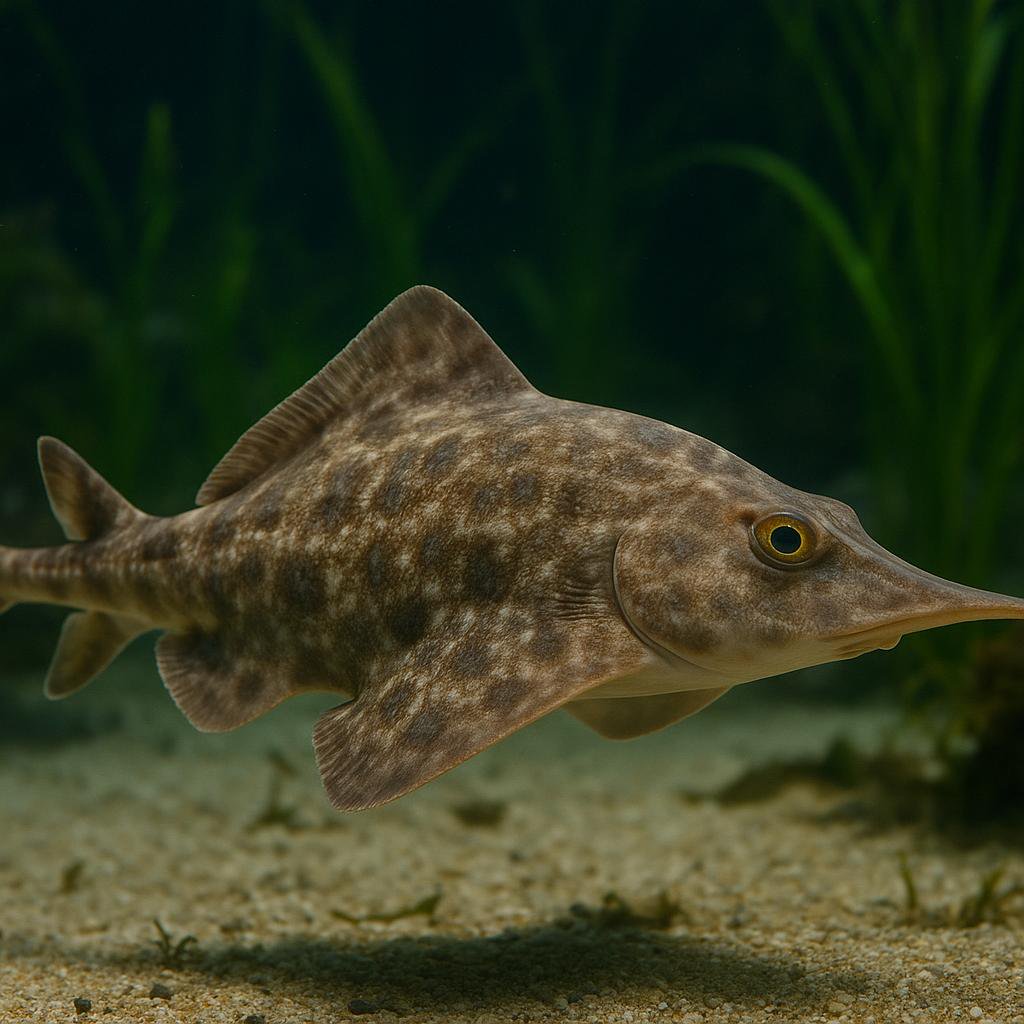
Aleutian skate
Bathyraja aleutica
This is a big, cold-water deep-slope skate from the North Pacific that cruises muddy bottoms and eats chunky benthic prey like crabs and shrimp. The really cool bit is its egg-laying skate life - it does distinct pairing (the classic skate "embrace") and drops those tough egg cases on the seafloor. Not an aquarium fish at all unless you're basically running a public-aquarium-style chilled system.
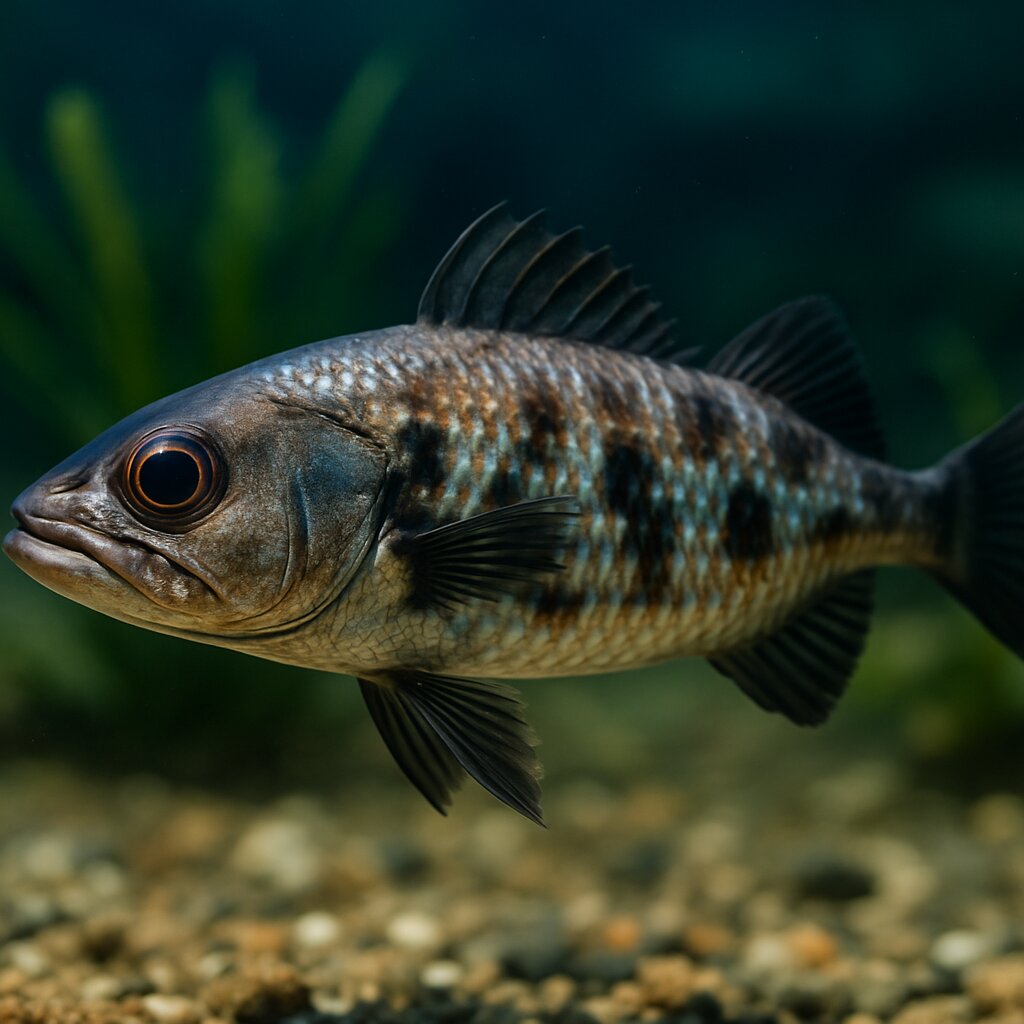
Antarctic dragonfish
Vomeridens infuscipinnis
Deep down around Antarctica, this sleek dragonfish cruises the water column like a little submarine, nearly neutrally buoyant so it can hover above the seafloor. It munches almost exclusively on Antarctic krill and lives in near-freezing water 500-800 m down, so it is a cool species to read about, not one for home tanks.
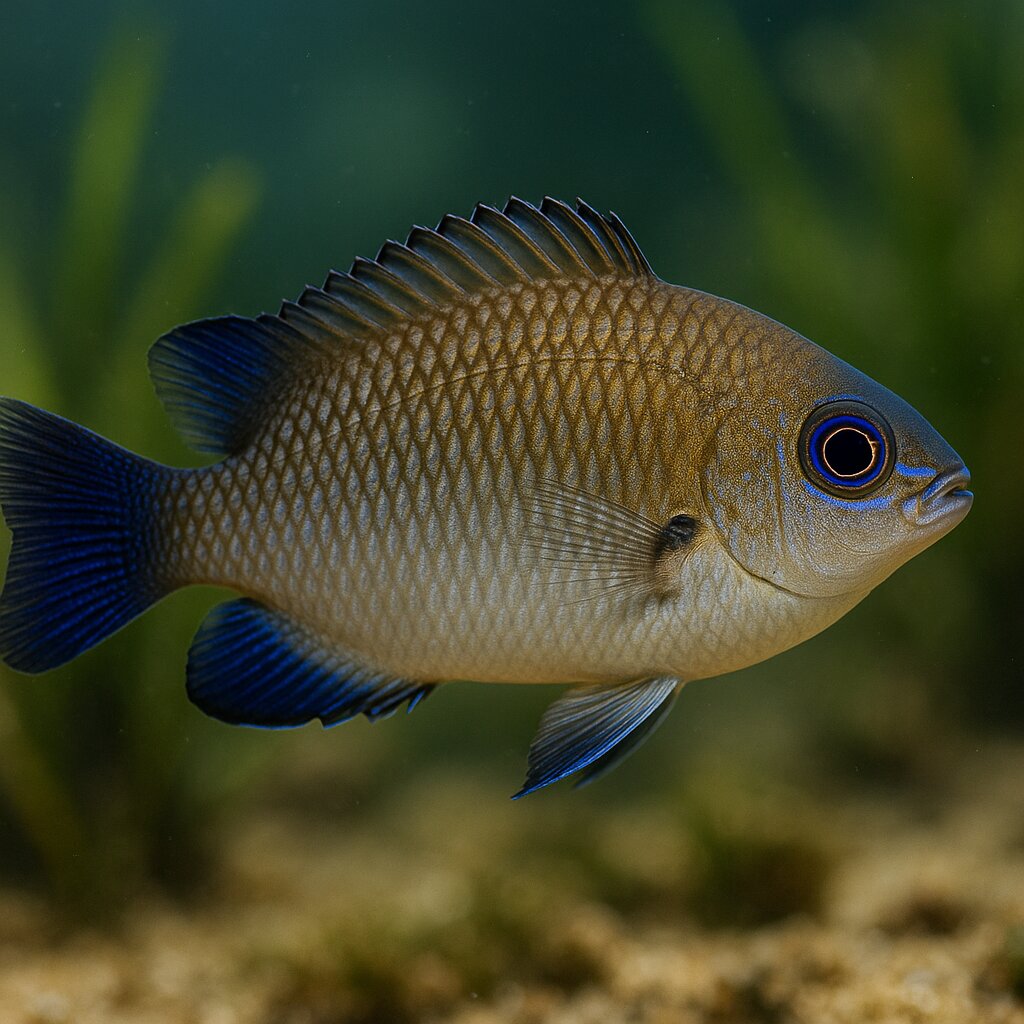
Arabian demoiselle
Neopomacentrus sindensis
A small lyretail damsel from the Persian Gulf and Arabian Sea, it hangs in loose groups around coral heads, rocks, and even pier pilings picking zooplankton from the flow. Think classic damsel toughness with a slightly milder attitude than the real bruisers, plus subtle yellow tail accents. Males clean a patch, get a mate to lay eggs there, and then stand guard fanning the clutch.
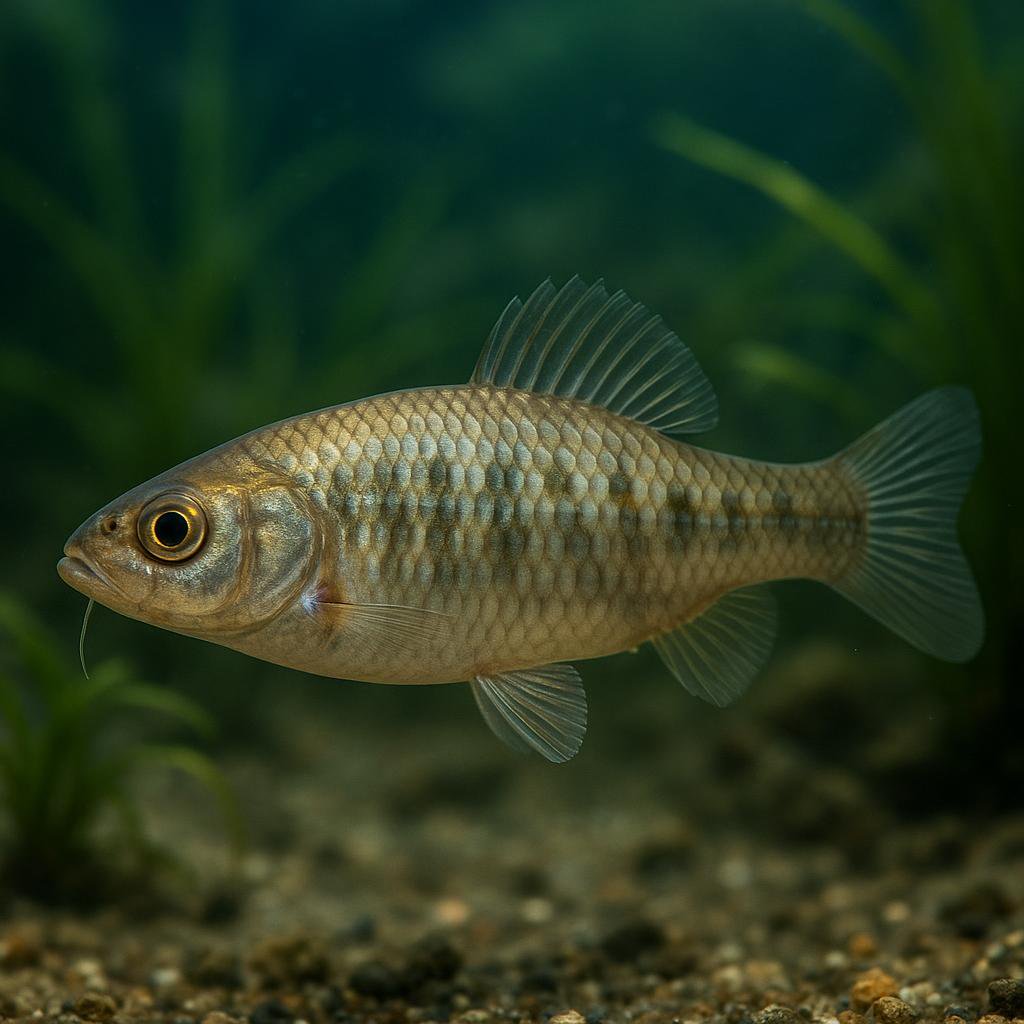
Arabian spiny eel
Notacanthus indicus
Notacanthus indicus is a deep-sea spiny eel (family Notacanthidae; not a true eel) known from the Arabian Sea on the continental slope at roughly ~960–1,046 m depth, with reported maximum length around 20 cm TL; it is a deep-water bycatch species and not established in the aquarium trade.
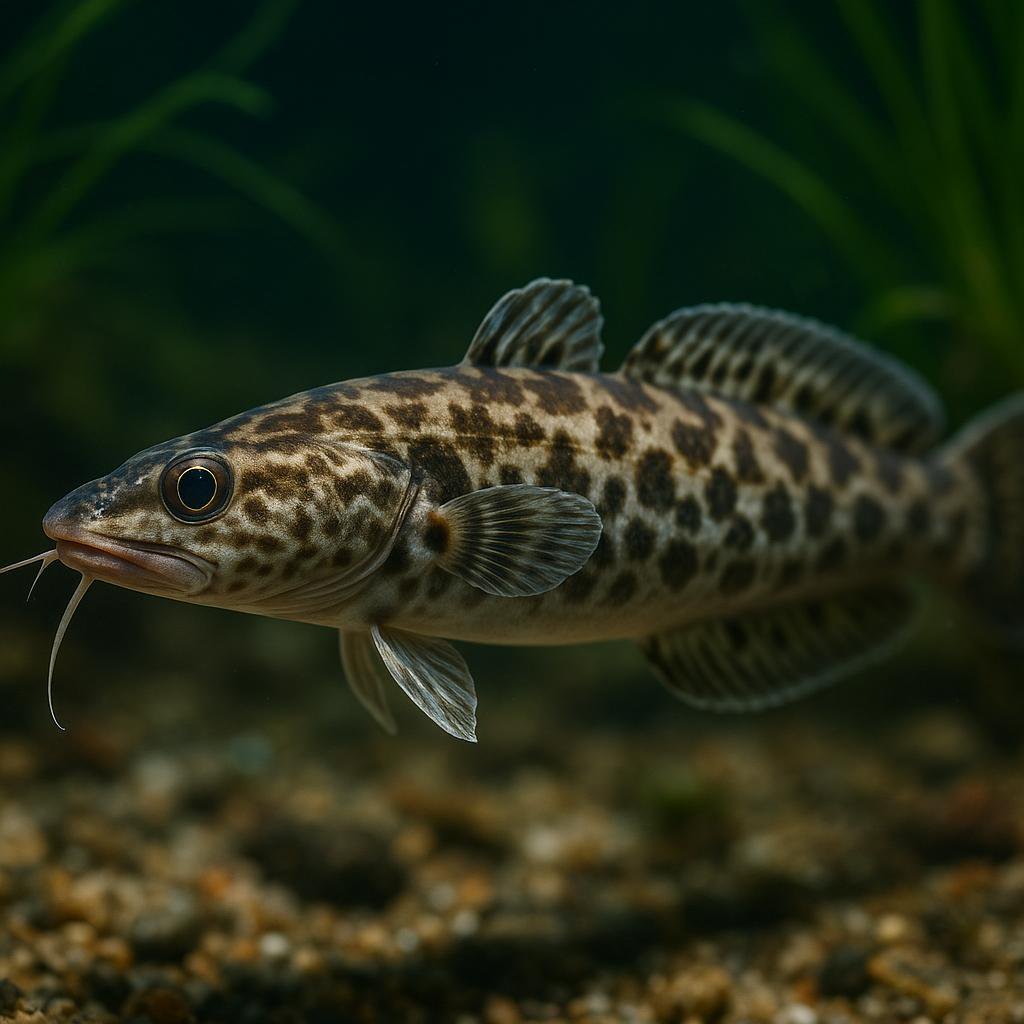
Arctic rockling
Gaidropsarus argentatus
This is a deepwater North Atlantic rockling (a cod relative) that hangs out on soft bottoms way down the slope. It is a cold-water, bottom-hugging predator that snoots around for crustaceans and will also take small fish when it gets the chance.
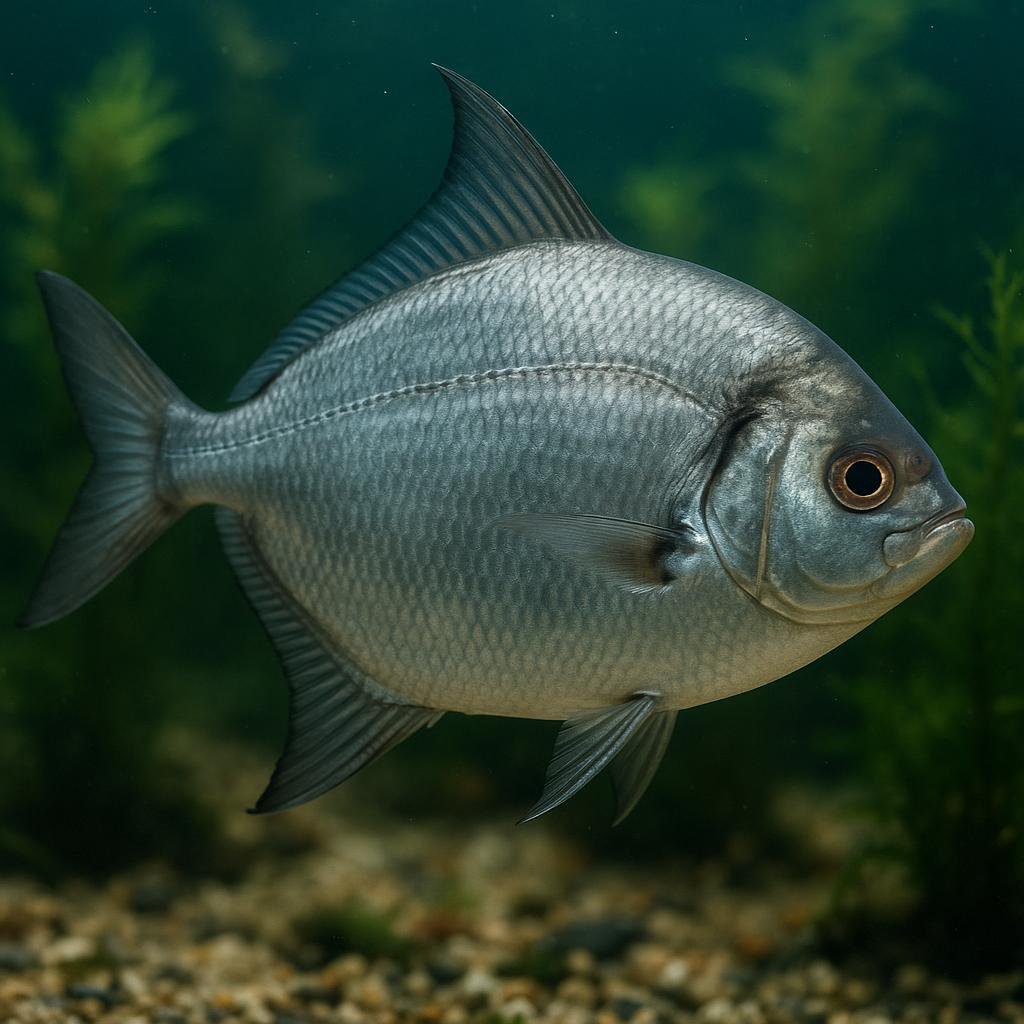
Atlantic pomfret
Brama brama
Brama brama is the Atlantic pomfret (aka Ray's bream) - a deep-bodied, open-ocean pelagic fish that cruises around in small schools and follows water temps. It is a legit big, wild marine species (not an aquarium fish) that eats other small sea critters like fish and squid, and it ranges across a huge chunk of the Atlantic plus parts of the Indian and South Pacific.
More to Explore
Discover more marine species.
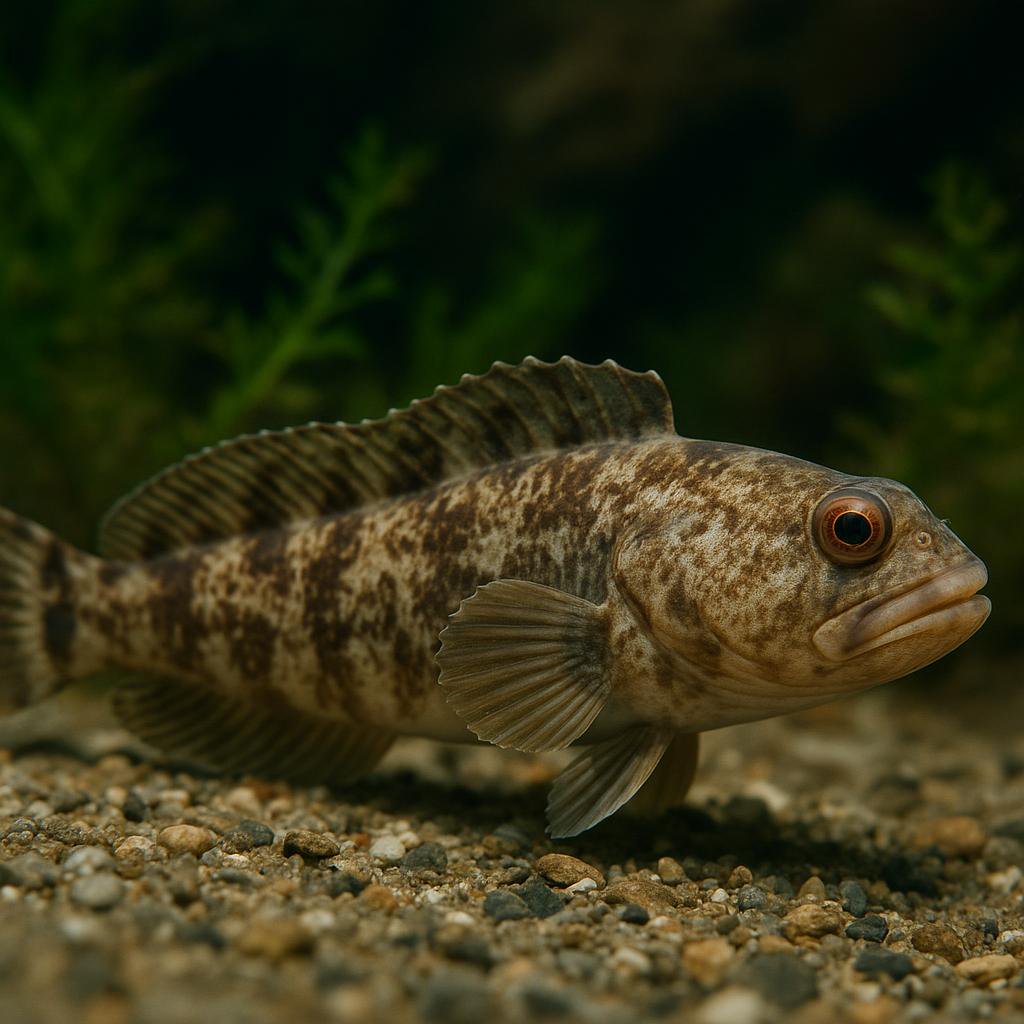
Abe's eelpout
Japonolycodes abei
Japonolycodes abei is a temperate, deepwater demersal eelpout (family Zoarcidae) endemic to Japan (Kumano-nada Sea reported; other sources also report Sagami Bay and Tosa Bay). It is the only species in the genus Japonolycodes and occurs roughly 40-300 m depth, making it an uncommon/atypical aquarium species.
Affinis blind cusk-eel
Barathronus affinis
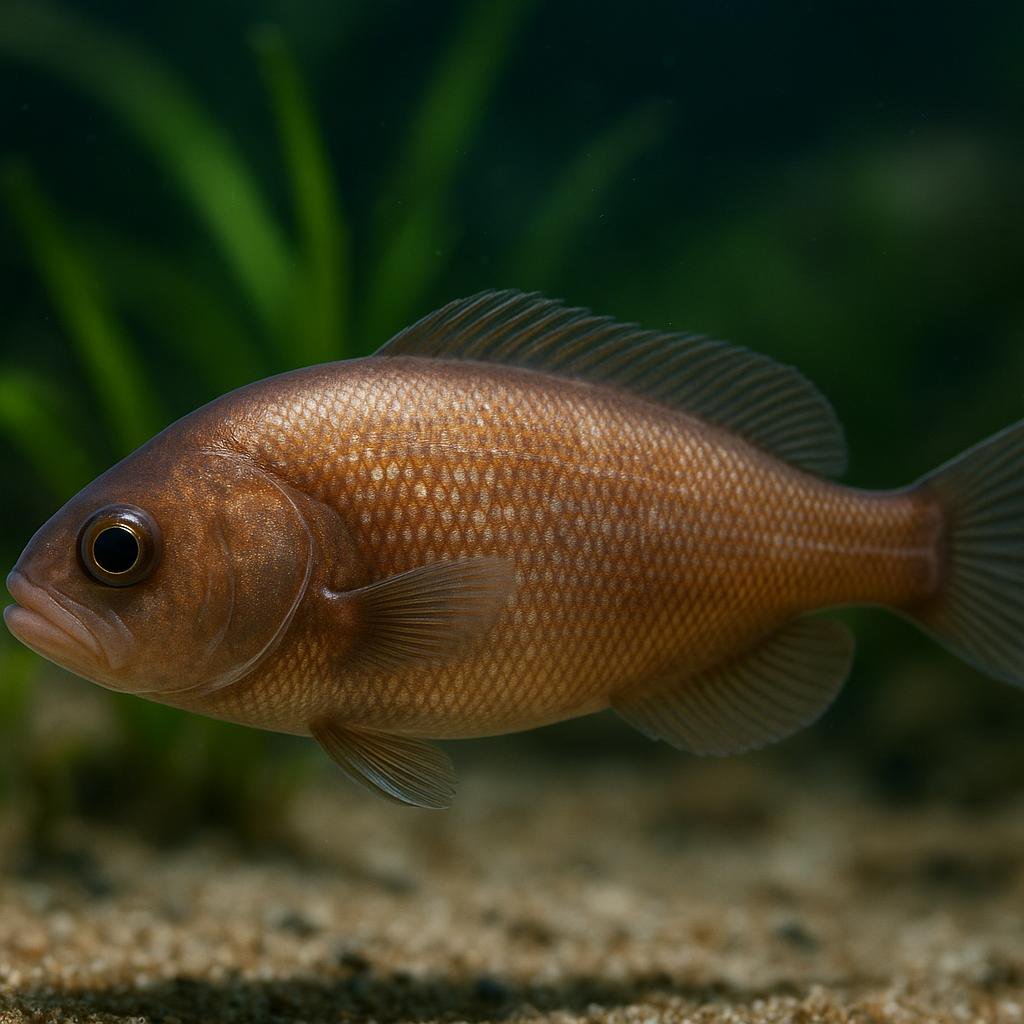
Barathronus affinis is a tiny, super-weird deep-sea blind cusk-eel from the western-central Indian Ocean. It is one of those gelatinous, loose-skinned brotula-type fishes that live way down in the dark and are basically never seen alive, so almost everything we know comes from preserved specimens and taxonomic work.
African red snapper
Lutjanus agennes
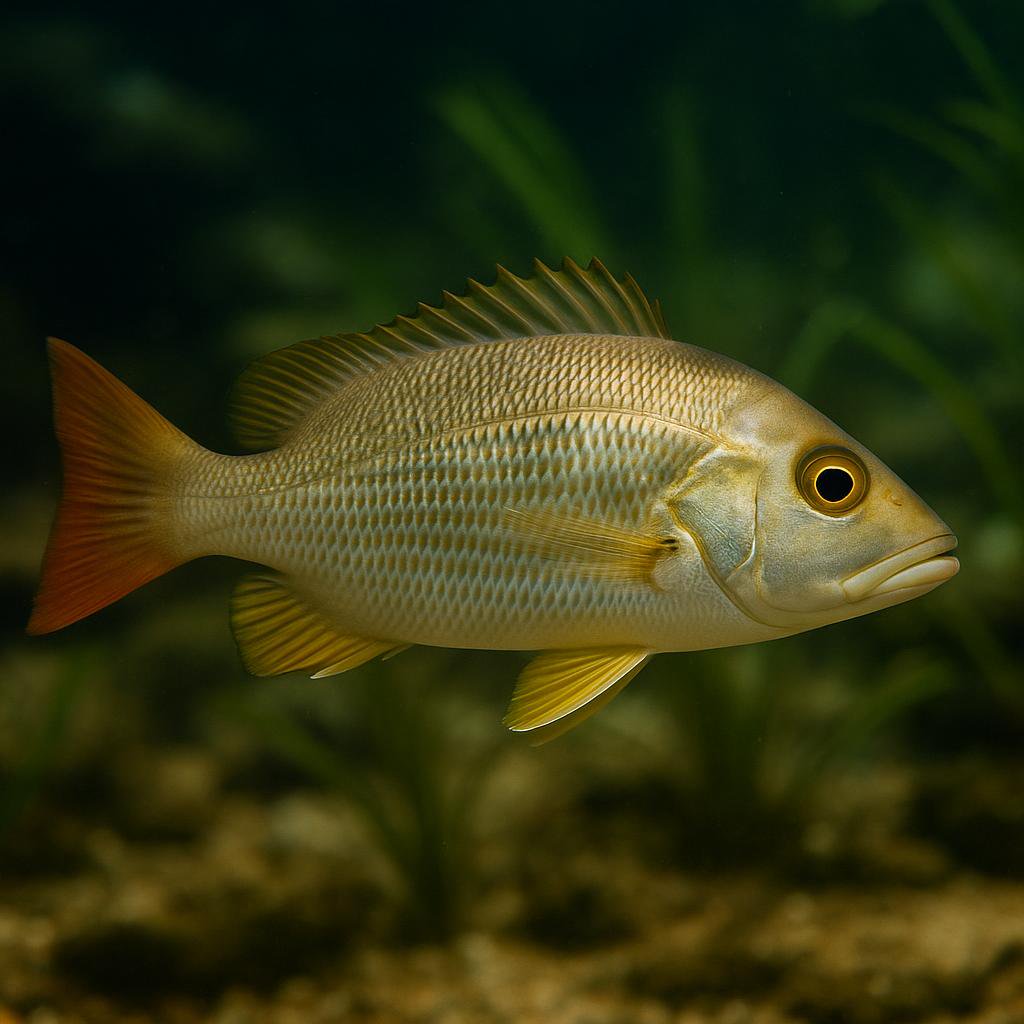
This is a true snapper from West Africa - a big, fast-growing predator that goes from coastal reefs to brackish lagoons and estuaries (especially as a juvenile). Super cool fish in the wild, but it gets absolutely huge and will eat smaller tankmates once it has the mouth for it, so its really more of a public-aquarium scale animal than a home-aquarium fish.
Allis shad
Alosa alosa
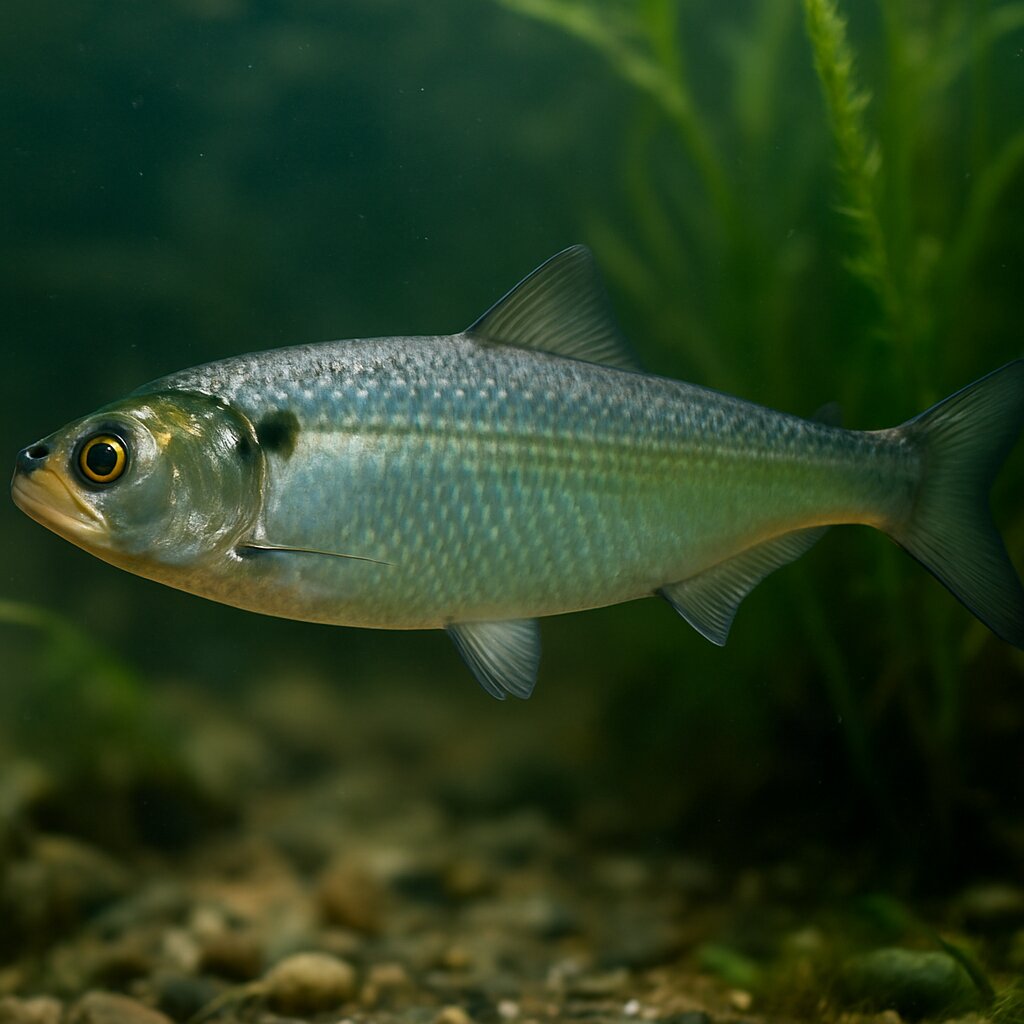
Gorgeous silver, fast-swimming shad that spends most of its life in the sea and then surges up big rivers in noisy, surface-spawning schools. It grows huge for a herring-type fish and needs cool, ultra-oxygenated water and tons of open space, so it is a public-aquarium species rather than a home tank fish.
Annandale's zebra sole
Zebrias annandalei
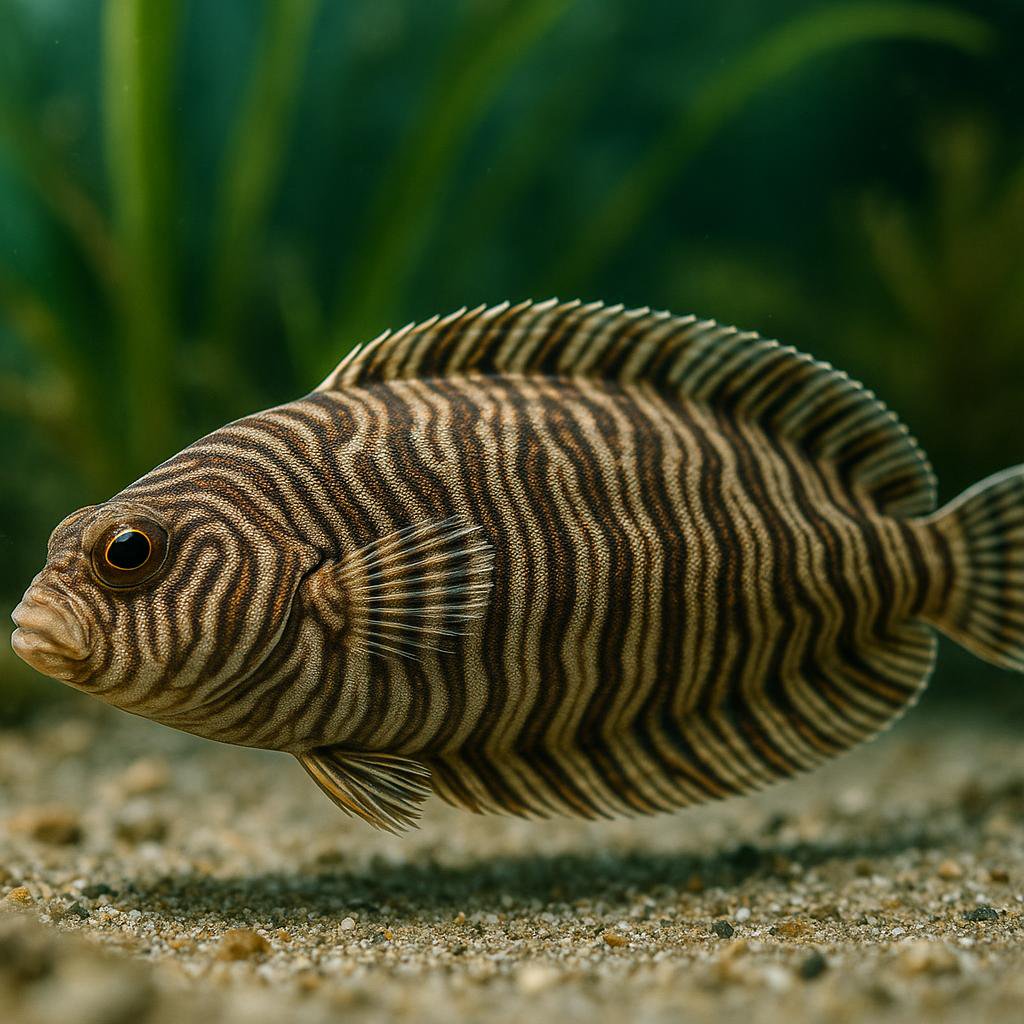
Zebrias annandalei is a small demersal sole from coastal India that inhabits sandy or muddy bottoms and buries for camouflage. It is rarely kept in home aquaria and would require a specialized marine sand-bottom setup and appropriate feeding.
Australian sawtail catshark
Figaro boardmani
Figaro boardmani is a small, deepwater Australian catshark with these cool saw-like ridges of spiny denticles along the tail and a neat pattern of dark saddle bands. It lives way down on the outer continental shelf and slope, so its natural water is cold, dim, and stable - totally not a typical home-aquarium fish. Diet-wise its a predator that goes after fish, crustaceans, and cephalopods.
Looking for other species?