

Taiwanese Razorfish
Iniistius evides
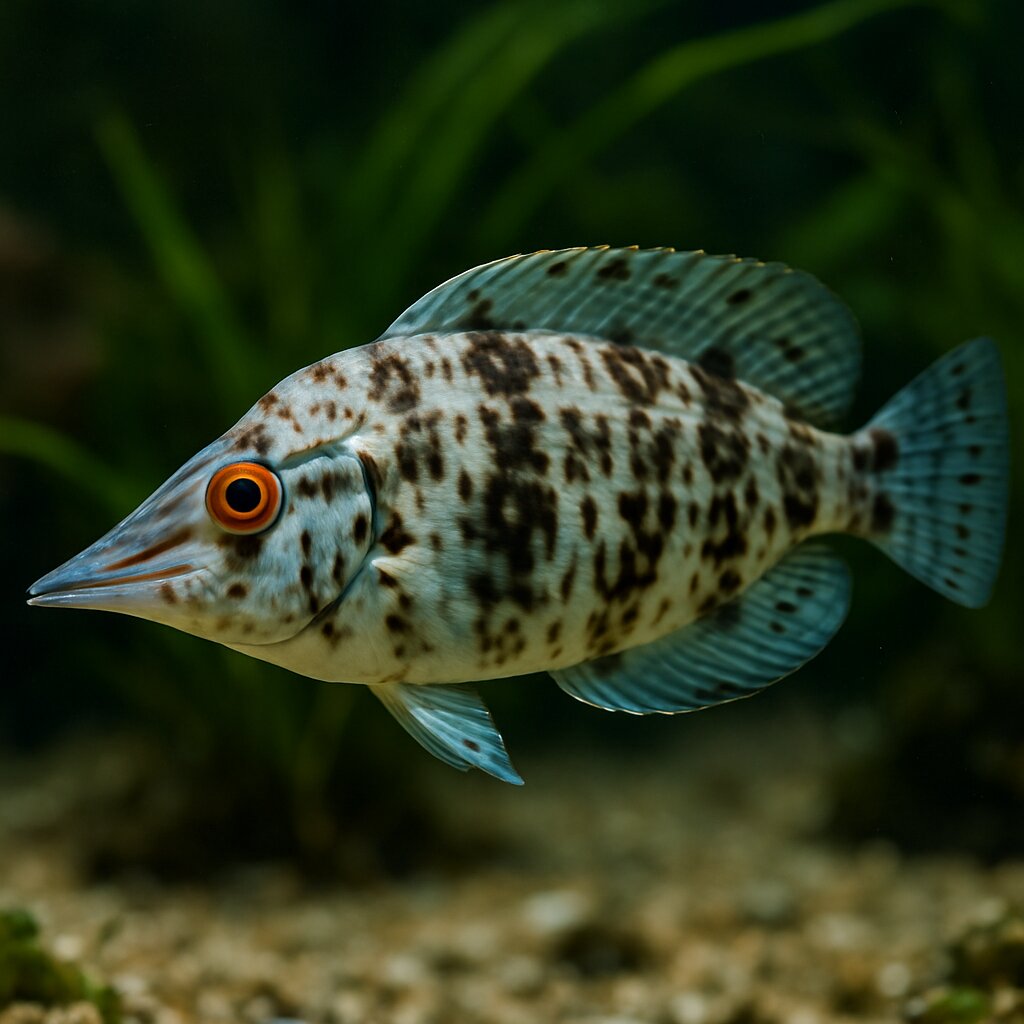
The Taiwanese Razorfish exhibits an elongated, laterally compressed body with vibrant yellow and turquoise markings along its scales.
This page includes AI-generated images. Why am I seeing AI images?
About the Taiwanese Razorfish
A sleek sand-diver with a knife-like forehead, this wrasse rockets into fine sand the instant it gets spooked and tucks in there to sleep. Give it open swimming room and a soft sand bed and it will spend the day cruising and picking small critters off the substrate. It is jumpy, so a tight lid is a must.
Also known as
Quick Facts
Size
7.5 inches
Temperament
Semi-aggressive
Difficulty
Intermediate
Min Tank Size
75 gallons
Lifespan
5-8 years
Origin
Western Pacific
Diet
Carnivore - meaty frozen foods (mysis, brine, chopped seafood) and quality pellets; picks small benthic invertebrates
Water Parameters
24-26°C
7.9-8.3
8-12 dGH
Need a heater for this species?
This species needs 24-26°C in a 75 gallon tank. Use our heater calculator to find the right wattage.
Calculate heater sizeCare Notes
- Give it a 75+ gallon tank with a big open sand zone and at least 3-4 inches of fine, sugar-grain aragonite; no crushed coral or it will shred itself when it dives.
- Use a tight lid and guard pump intakes; this fish launches when spooked, and sudden lights on/off make it bolt.
- Aim for 1.024-1.026 SG, 76-80 F, pH 8.1-8.4, alk 8-10 dKH, and keep nitrate under 20 ppm; it sulks in grubby water and perks up with good flow and oxygen.
- Feed meaty stuff 2-3 times a day at first: frozen mysis, chopped clam/shrimp, small krill, blackworms; target feed so faster fish do not steal it.
- Plays fine with peaceful to semi-agg fish, but skip bullies like triggers, big hawkfish, or mean wrasses; it will eat small shrimp and crabs.
- Reef-safe with corals, but it flips sand when hunting and burying, so keep fleshy LPS off the sand and give rocks a stable base.
- During acclimation or QT, give it a tub of fine sand and dim the room; expect it to vanish under the sand for a day or two and do not go digging for it.
- Breeding is not happening in home tanks; keep one per tank unless you have a huge system and a proven pair.
Compatibility
Good Tankmates
- Active herbivores like yellow-kole-tomini tangs that can match their pace and shrug off attitude
- Foxface and other rabbitfish - big, chill grazers that ignore the razorfish's posturing
- Sturdy clownfish pairs (ocellaris, clarkii, maroon in roomy tanks) - different zone, no drama
- Hardy dwarf and Genicanthus angels - similar spunk, different niche, usually a smooth combo
- Hawkfish like longnose or flame - perchy but tough, neither one blinks at the other's swagger
- Larger fairy wrasses (Cirrhilabrus) in 120g+ tanks with escape routes - works if there's space and food
Avoid
- Tiny, timid fish like firefish, dartfish, and nano gobies - they get chased off and miss meals
- Other sand-burying wrasses and razorfish (Halichoeres, Xyrichtys, Iniistius) - too similar, turf wars
- Slow picky feeders like mandarins and scooter blennies - the razorfish's hustle outcompetes them
- Hyper-aggressive bruisers like big triggers, sohal tangs, or groupers - they turn it into a war zone
Where they come from
Taiwanese Razorfish (Iniistius evides) are sand-diving wrasses from the western Pacific, especially around Taiwan and the Ryukyu Islands. You find them over open sand and rubble near reefs. They bolt into the sand like a javelin the second something spooks them, which is half the charm of keeping one.
Setting up their tank
Give them room and a safe runway of sand. Mine settled best in a 4-foot tank, but they really stretch out in a 5- or 6-foot footprint. Figure 75 gallons as a bare minimum for a single, with 120+ being comfortable for an adult.
- Sand bed: 2-3 inches of fine aragonite (sugar-size). Coarse sand or crushed coral will scratch them when they dive.
- Open area: Leave a clear patch of sand at the front. Keep sharp rock edges away from their landing zone.
- Rockwork: Build stable, bottomed-out structures so their digging cannot undermine anything. I set rock on the glass, then add sand.
- Lid: Tight, gap-free cover. They jump hard when startled.
- Flow and light: Moderate flow, not blasting the sand bed. Normal reef lighting is fine; dim the lights the first few days.
- Parameters: 76-79 F, 1.024-1.026 salinity, pH around 8.1-8.4. They appreciate a mature system (6+ months) with microfauna.
- Acclimation: Lights low, slow drip. Expect them to vanish into the sand right away and sometimes for a day or two after each spook.
Quarantine is worth doing, but give them a sand box. A plastic container with a few inches of fine sand makes QT much less stressful.
Keep powerhead intakes guarded. A panicked razorfish and an unguarded pump is a bad combo. Also avoid coarse sand that can skin their snout on a dive.
What to feed them
They are meat eaters that wake up hungry. New arrivals often ignore pellets, so start with movement and smell, then wean to easier foods.
- Starter foods: Live blackworms, live enriched brine, or freshly cracked clams on the half shell. PE mysis usually gets a response.
- Staples: Frozen mysis, chopped shrimp or clam, krill bits, LRS-type blends. Mine took to Nutramar ova and masstick easily.
- Dry food: Once settled, many accept small sinking pellets (TDO, NLS). Offer after a few weeks of successful frozen feeding.
- Feeding pattern: 2-3 small meals a day. They burn calories cruising and bury early in the evening, so feed earlier rather than late.
Target feed to their zone with a pipette and click off the pumps for a few minutes. I soak early meals in Selcon for a couple weeks to help new imports regain weight.
How they behave and who they get along with
Shy at first, goofy once comfy. They cruise low over the sand, pick at small inverts, and disappear into the bed at any rude noise. Mine mellowed after a month and stopped panicking at feeding time.
- Generally safe with corals. They do not nip polyps, but they may toss sand onto low frags.
- Risk to small crustaceans. Tiny shrimp and very small crabs can become snacks. Larger cleaners usually fine, but not guaranteed.
- Good tankmates: Peaceful tangs, fairy/flasher wrasses, anthias, gobies, peaceful angels, chromis, clownfish.
- Avoid: Aggressive triggers, large puffers, groupers, dottybacks with attitude, and highly territorial wrasses. Bullies will keep them buried.
- One per tank is simplest. A male-female pair might work in a large tank, but mixing with similar razorfish can lead to sparring.
Introduce the razorfish before known pushy species if you can. An acclimation box for a few days helps them figure out the neighborhood without getting chased.
Breeding tips
They are pelagic spawners and switch sex like many wrasses. In home aquaria, breeding is not happening. You would need a huge system, a group, and specialized larval rearing for tiny planktonic fry. Interesting to watch courtship in the wild, but not a project for our tanks.
Common problems to watch for
- Refusing food: Try live foods first, then strong-smelling frozen. Feed with pumps off and low light. Be patient the first week.
- Burying for days: Normal after a scare or move. If it becomes constant, look for bullies or too-bright lighting.
- Snout abrasions: Usually from diving into coarse substrate or hitting glass. Switch to finer sand and keep a clear runway.
- Jumping: Secure the lid. They launch at dusk and during tank maintenance.
- Internal parasites/flukes: Common on wild wrasses. Praziquantel works well once they are eating. If you run copper for ich/velvet, keep it at stable levels and watch appetite.
- Weight loss in a busy reef: They are not great at competing with rocket-fast feeders. Target feed and consider a slightly heavier morning meal.
Do not skip a lid. Even a small gap around cords is enough for a razorfish to find, and they jump with real force.
If you quarantine, oxygenate well and offer a sand box. Bare-bottom QT stresses sand-divers and can lead to refusal to eat.
Similar Species
Other marine semi-aggressive species you might be interested in.
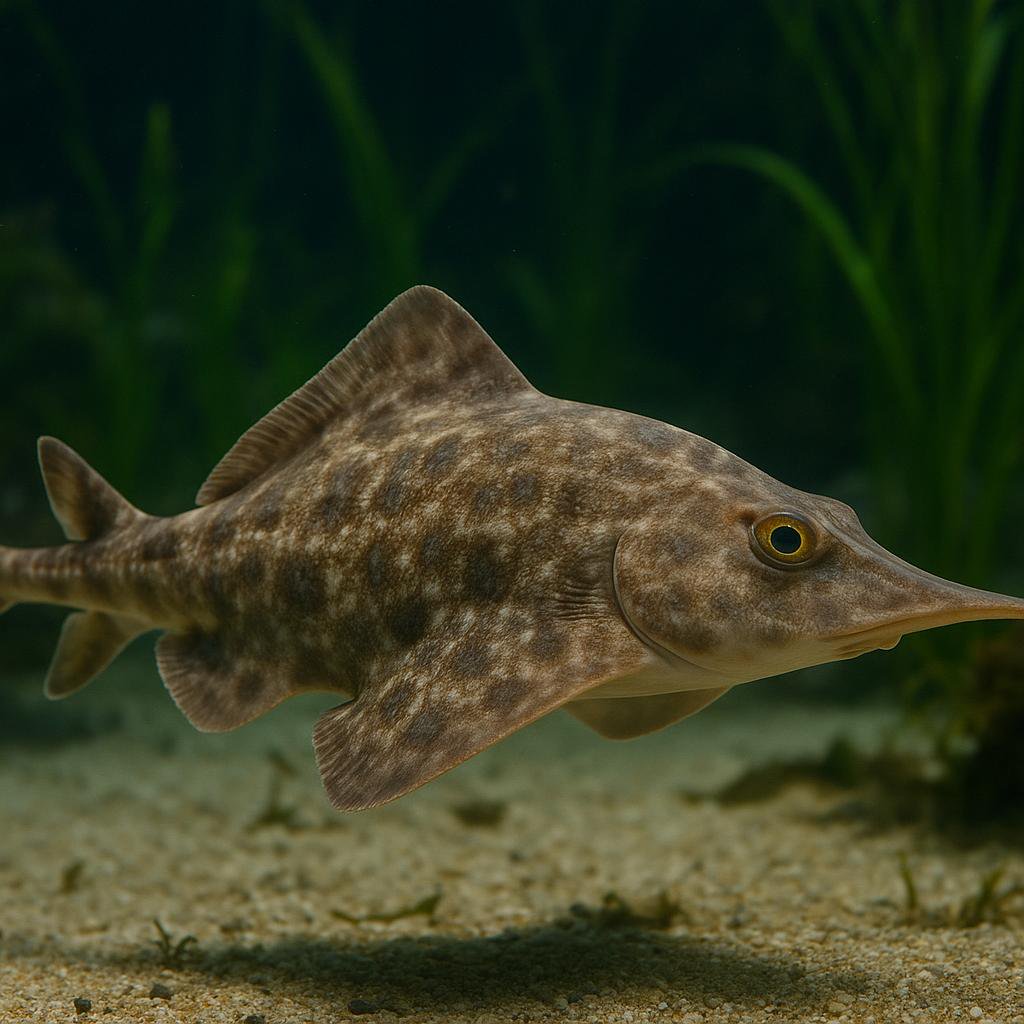
Aleutian skate
Bathyraja aleutica
This is a big, cold-water deep-slope skate from the North Pacific that cruises muddy bottoms and eats chunky benthic prey like crabs and shrimp. The really cool bit is its egg-laying skate life - it does distinct pairing (the classic skate "embrace") and drops those tough egg cases on the seafloor. Not an aquarium fish at all unless you're basically running a public-aquarium-style chilled system.
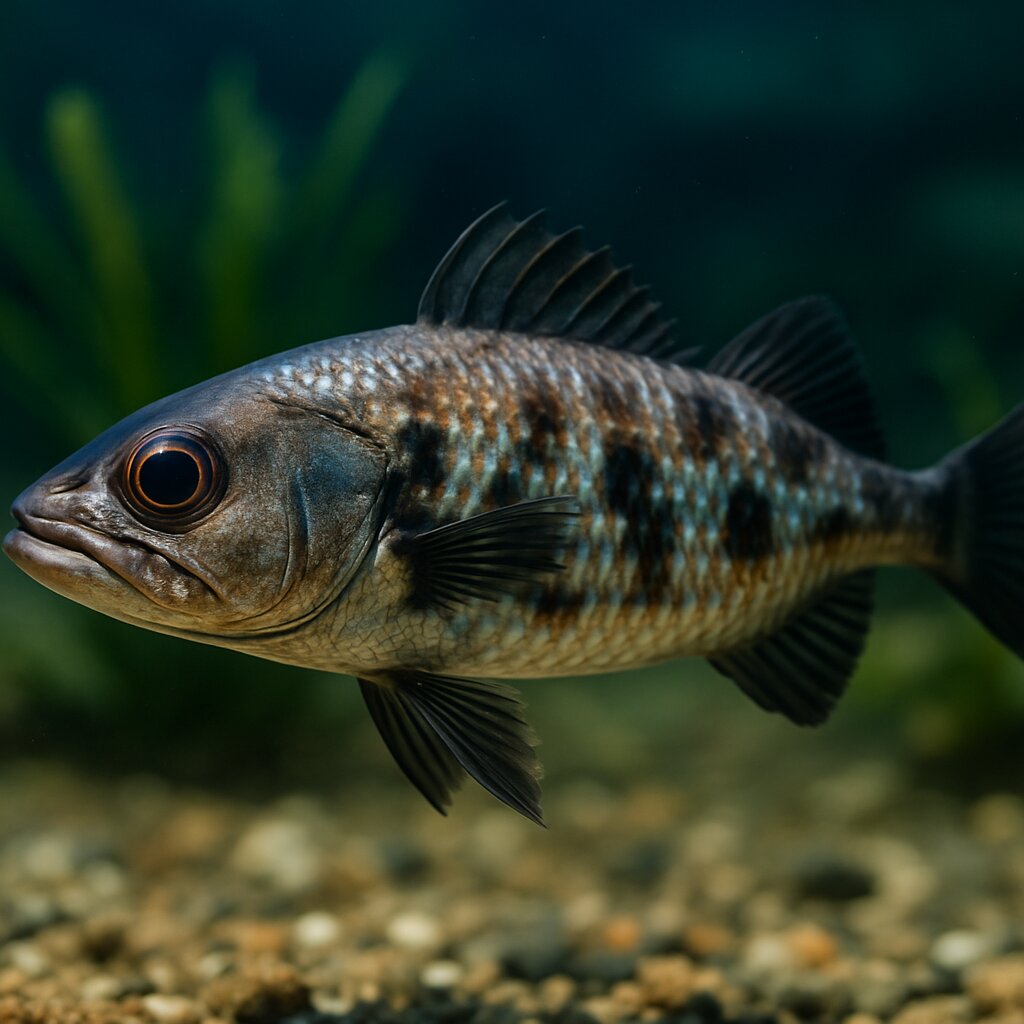
Antarctic dragonfish
Vomeridens infuscipinnis
Deep down around Antarctica, this sleek dragonfish cruises the water column like a little submarine, nearly neutrally buoyant so it can hover above the seafloor. It munches almost exclusively on Antarctic krill and lives in near-freezing water 500-800 m down, so it is a cool species to read about, not one for home tanks.
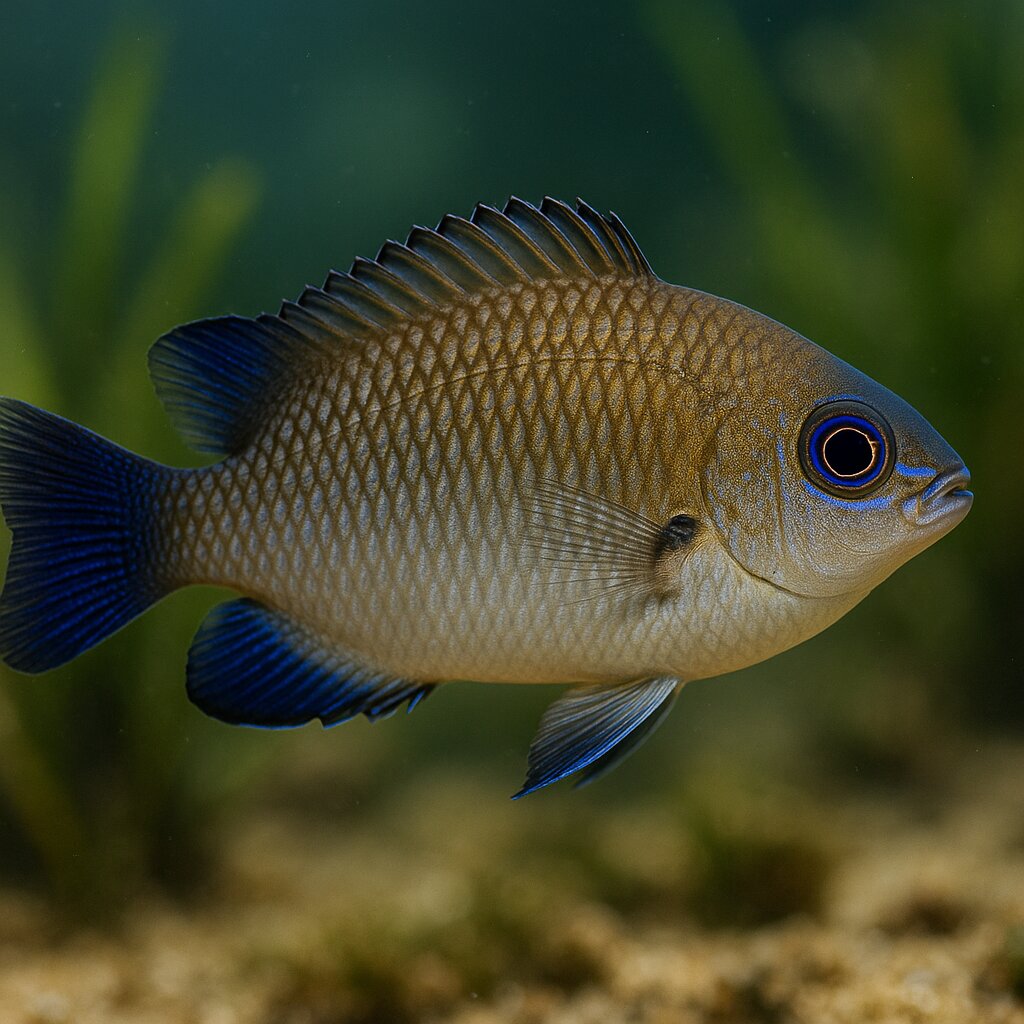
Arabian demoiselle
Neopomacentrus sindensis
A small lyretail damsel from the Persian Gulf and Arabian Sea, it hangs in loose groups around coral heads, rocks, and even pier pilings picking zooplankton from the flow. Think classic damsel toughness with a slightly milder attitude than the real bruisers, plus subtle yellow tail accents. Males clean a patch, get a mate to lay eggs there, and then stand guard fanning the clutch.
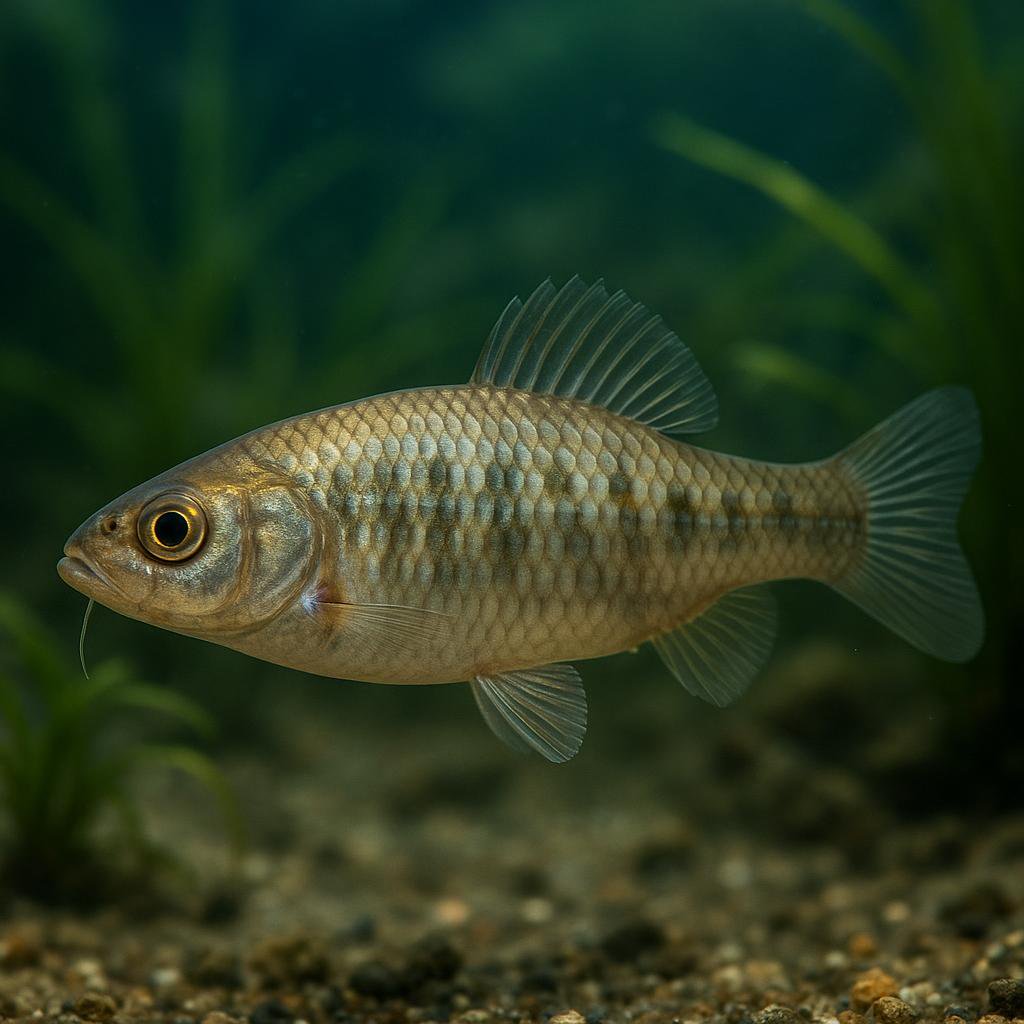
Arabian spiny eel
Notacanthus indicus
Notacanthus indicus is a deep-sea spiny eel (family Notacanthidae; not a true eel) known from the Arabian Sea on the continental slope at roughly ~960–1,046 m depth, with reported maximum length around 20 cm TL; it is a deep-water bycatch species and not established in the aquarium trade.
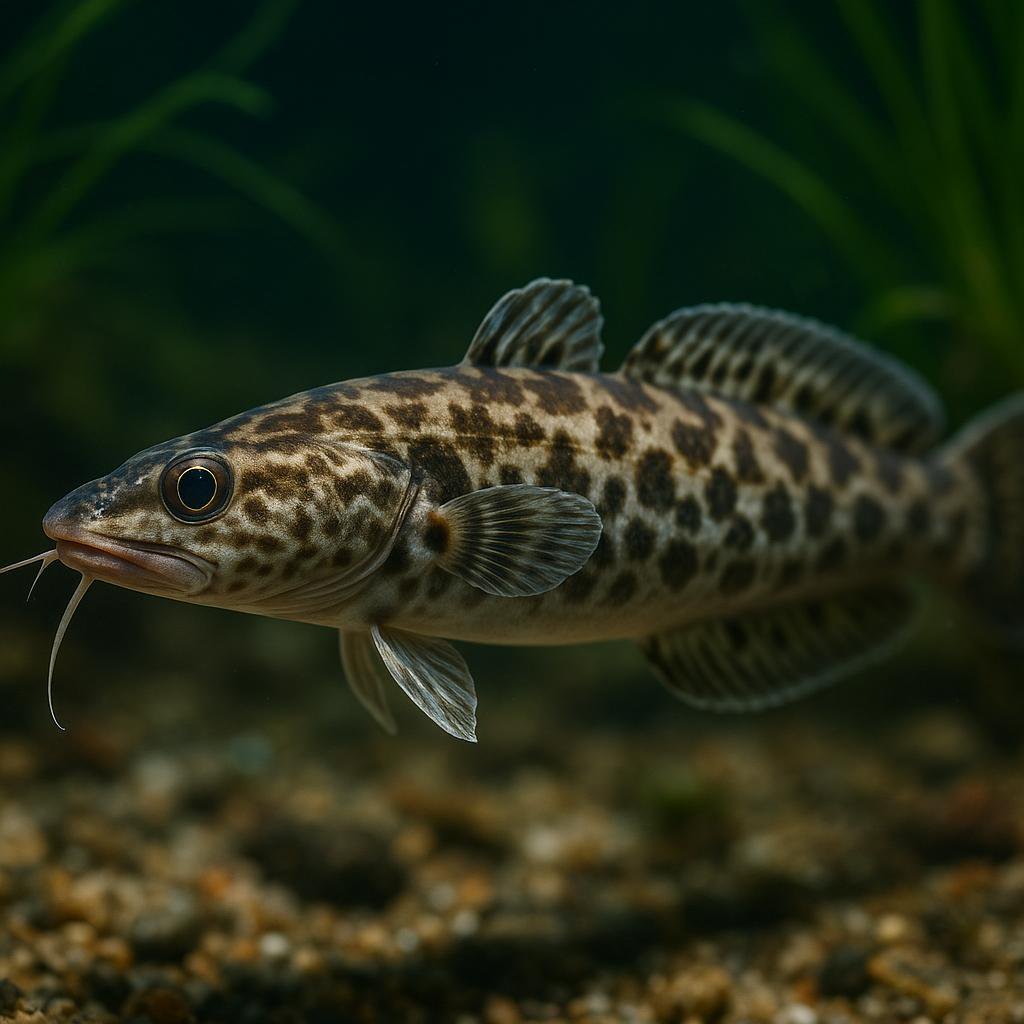
Arctic rockling
Gaidropsarus argentatus
This is a deepwater North Atlantic rockling (a cod relative) that hangs out on soft bottoms way down the slope. It is a cold-water, bottom-hugging predator that snoots around for crustaceans and will also take small fish when it gets the chance.
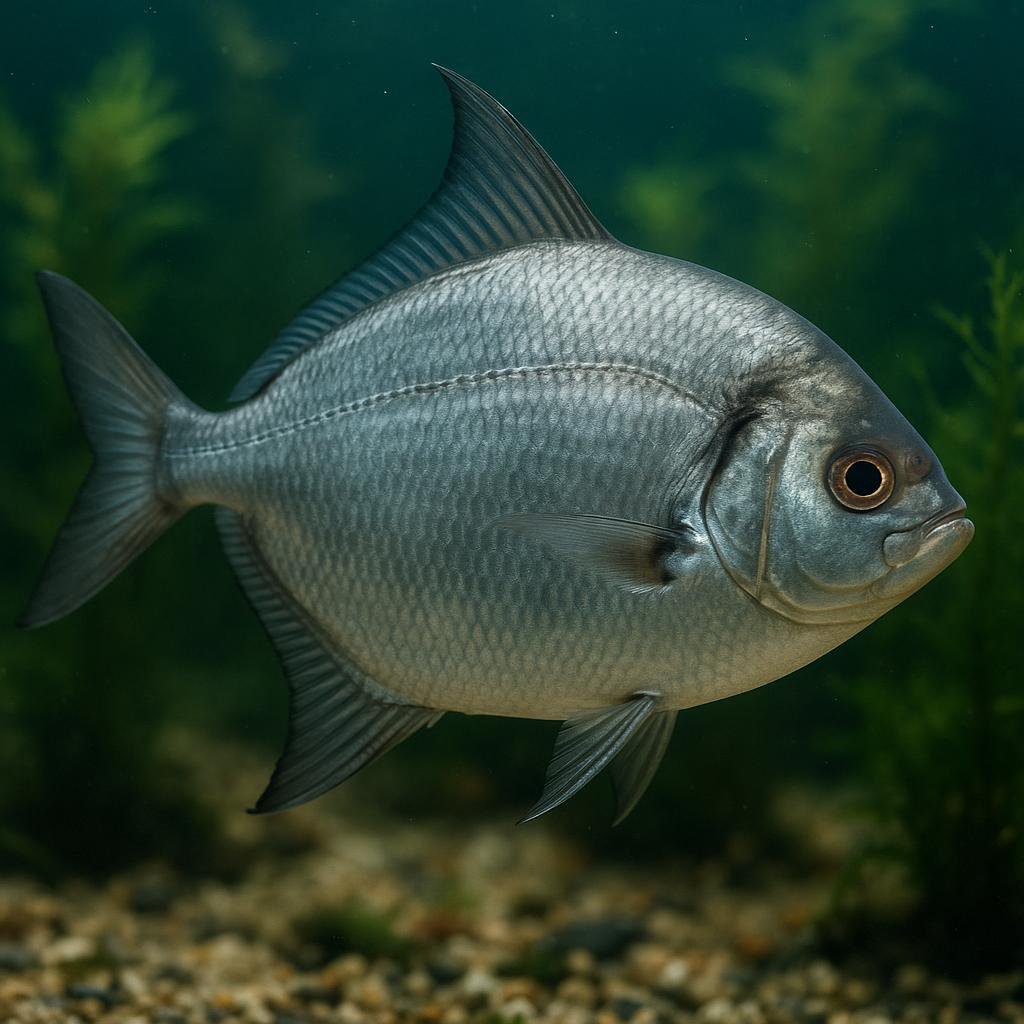
Atlantic pomfret
Brama brama
Brama brama is the Atlantic pomfret (aka Ray's bream) - a deep-bodied, open-ocean pelagic fish that cruises around in small schools and follows water temps. It is a legit big, wild marine species (not an aquarium fish) that eats other small sea critters like fish and squid, and it ranges across a huge chunk of the Atlantic plus parts of the Indian and South Pacific.
More to Explore
Discover more marine species.
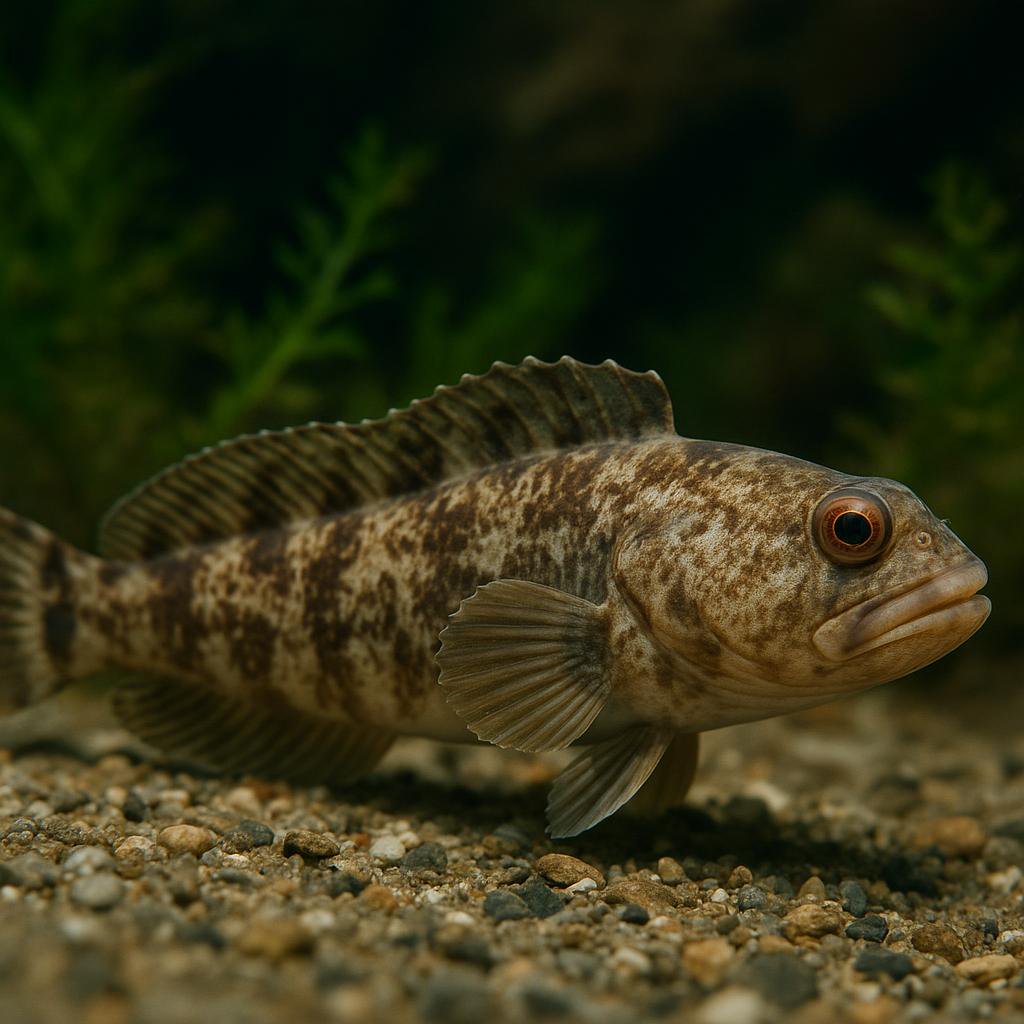
Abe's eelpout
Japonolycodes abei
Japonolycodes abei is a temperate, deepwater demersal eelpout (family Zoarcidae) endemic to Japan (Kumano-nada Sea reported; other sources also report Sagami Bay and Tosa Bay). It is the only species in the genus Japonolycodes and occurs roughly 40-300 m depth, making it an uncommon/atypical aquarium species.
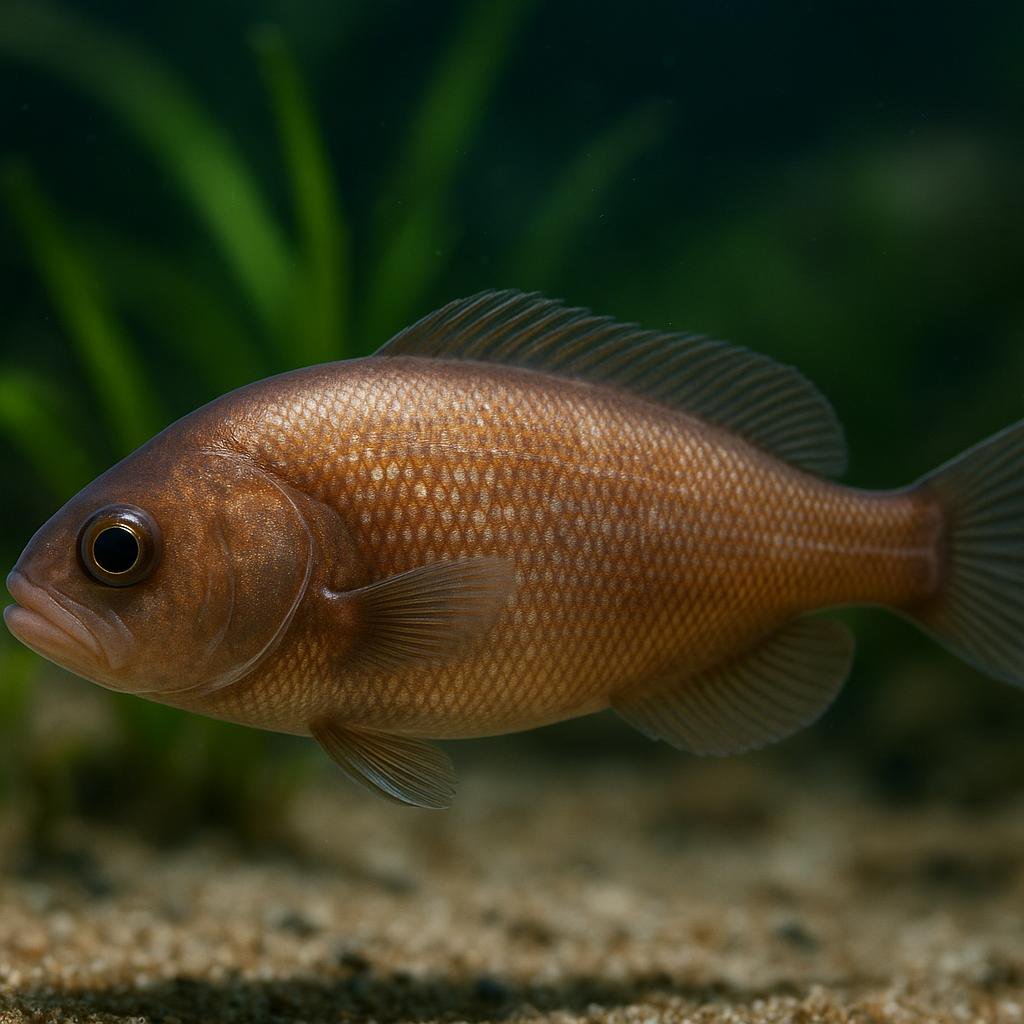
Affinis blind cusk-eel
Barathronus affinis
Barathronus affinis is a tiny, super-weird deep-sea blind cusk-eel from the western-central Indian Ocean. It is one of those gelatinous, loose-skinned brotula-type fishes that live way down in the dark and are basically never seen alive, so almost everything we know comes from preserved specimens and taxonomic work.
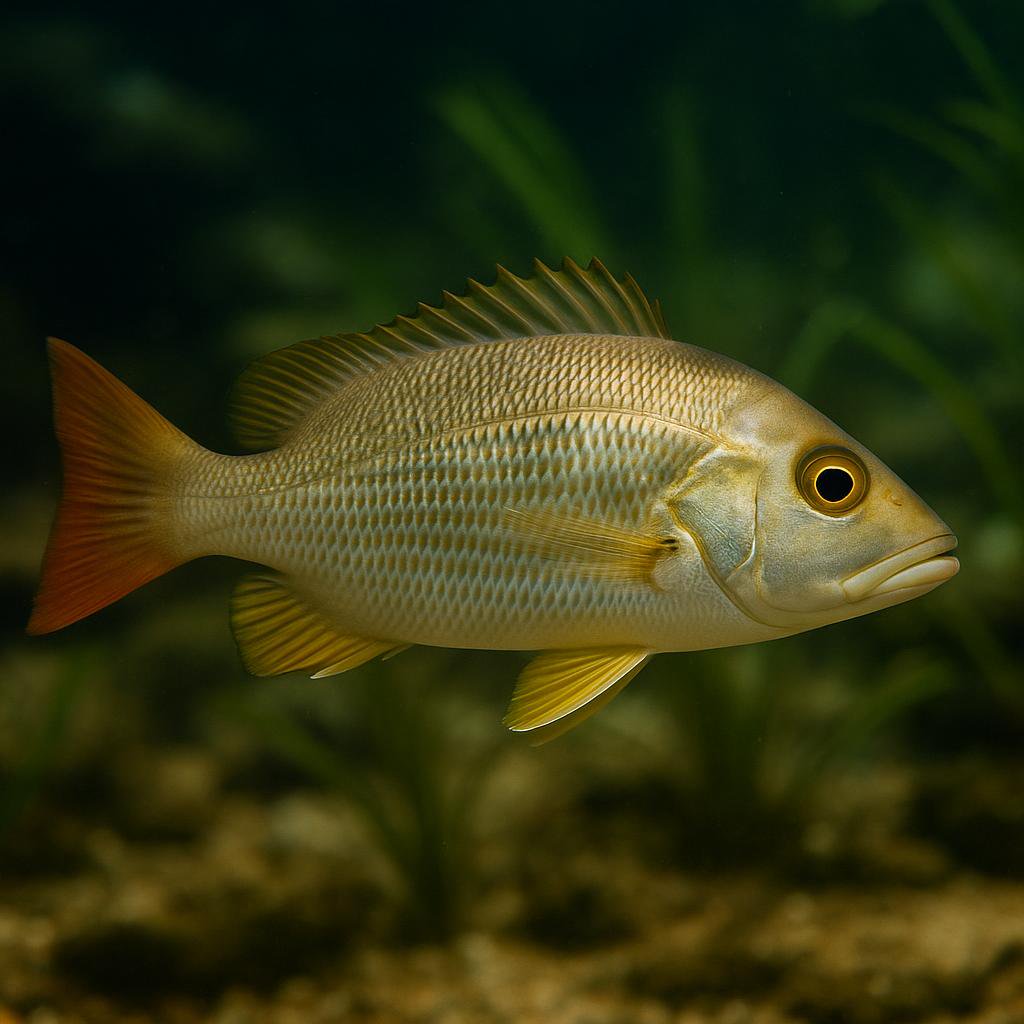
African red snapper
Lutjanus agennes
This is a true snapper from West Africa - a big, fast-growing predator that goes from coastal reefs to brackish lagoons and estuaries (especially as a juvenile). Super cool fish in the wild, but it gets absolutely huge and will eat smaller tankmates once it has the mouth for it, so its really more of a public-aquarium scale animal than a home-aquarium fish.
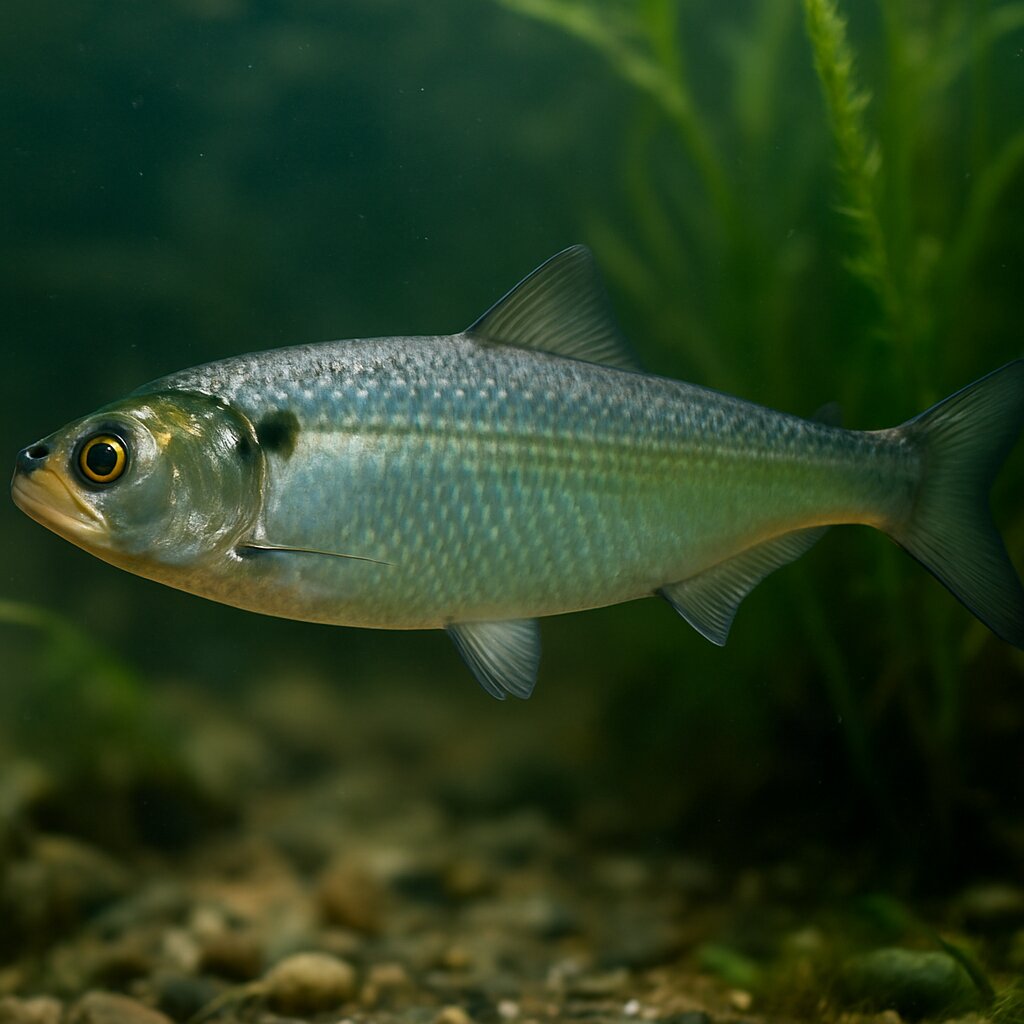
Allis shad
Alosa alosa
Gorgeous silver, fast-swimming shad that spends most of its life in the sea and then surges up big rivers in noisy, surface-spawning schools. It grows huge for a herring-type fish and needs cool, ultra-oxygenated water and tons of open space, so it is a public-aquarium species rather than a home tank fish.
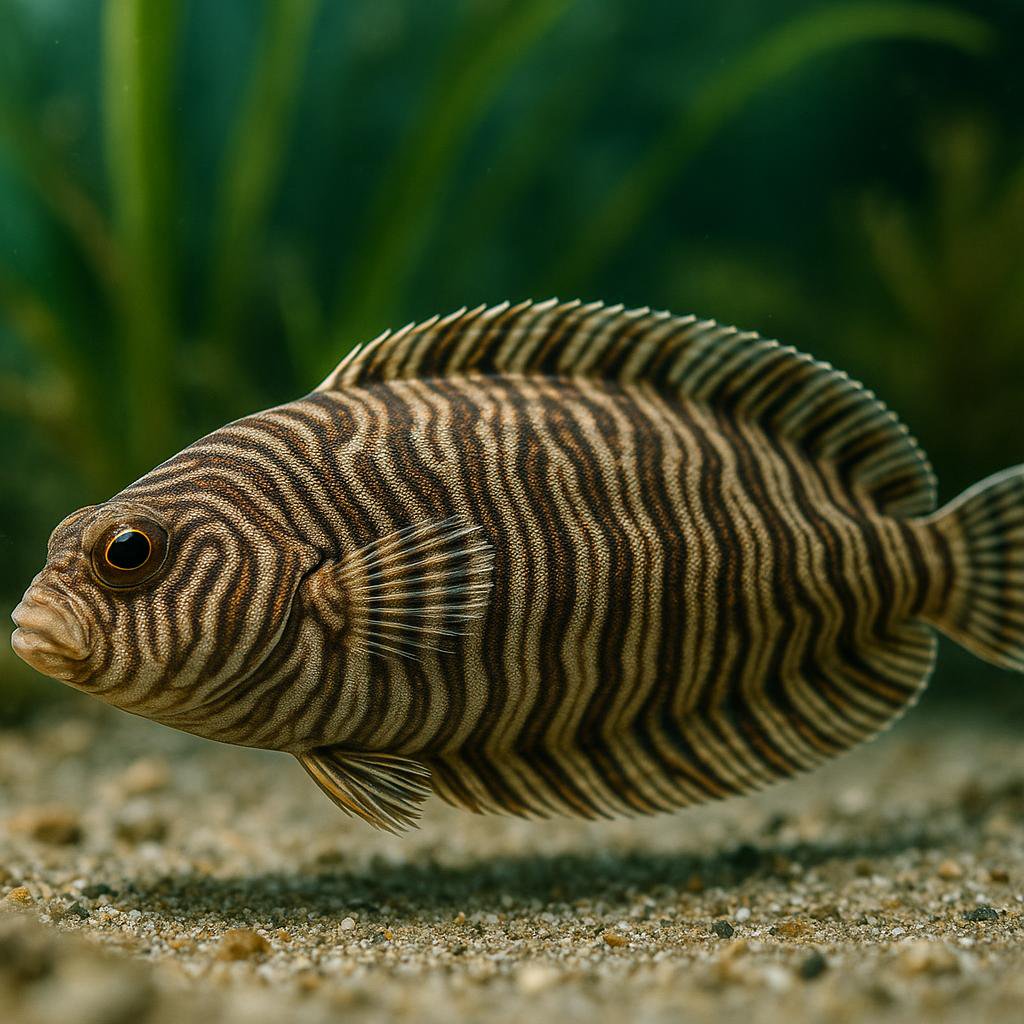
Annandale's zebra sole
Zebrias annandalei
Zebrias annandalei is a small demersal sole from coastal India that inhabits sandy or muddy bottoms and buries for camouflage. It is rarely kept in home aquaria and would require a specialized marine sand-bottom setup and appropriate feeding.
Australian sawtail catshark
Figaro boardmani
Figaro boardmani is a small, deepwater Australian catshark with these cool saw-like ridges of spiny denticles along the tail and a neat pattern of dark saddle bands. It lives way down on the outer continental shelf and slope, so its natural water is cold, dim, and stable - totally not a typical home-aquarium fish. Diet-wise its a predator that goes after fish, crustaceans, and cephalopods.
Looking for other species?