

Conger
Japonoconger sivicolus
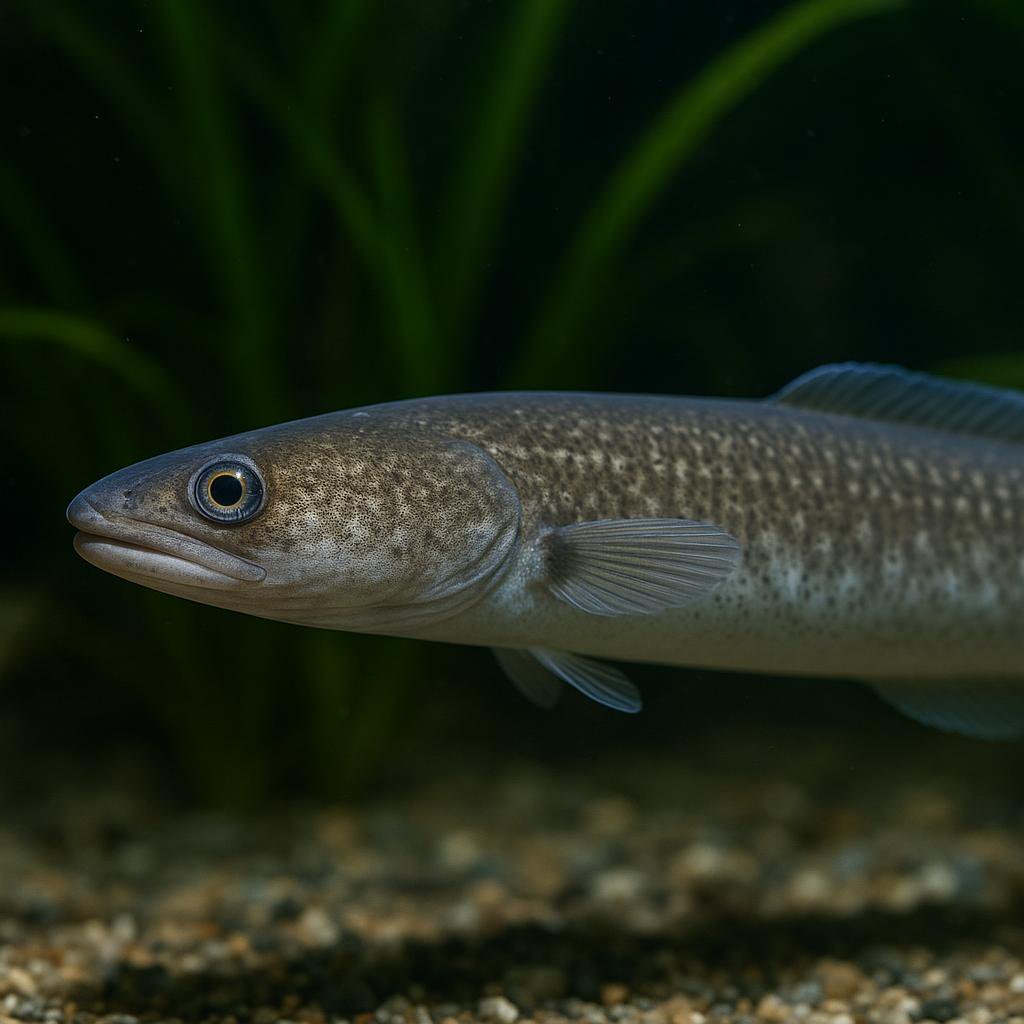
Conger (Japonoconger sivicolus) exhibits a slender, elongated body with a pale to dark brown coloration and distinctive, large, rounded pectoral fins.
This page includes AI-generated images. Why am I seeing AI images?
About the Conger
Japonoconger sivicolus is a deepwater conger eel from the Northwest Pacific (Japan and nearby waters), the kind of fish you basically never see in the aquarium hobby because it lives way down on sandy-muddy bottoms. It tops out around 57 cm and is more of a science-and-fisheries-records eel than a home tank animal.
Also known as
Quick Facts
Size
57 cm
Temperament
Semi-aggressive
Difficulty
Expert
Min Tank Size
180 gallons
Lifespan
10-20 years
Origin
Northwest Pacific (Japan, Taiwan, China)
Diet
Carnivore - meaty marine foods (fish, shrimp, squid), likely crustaceans/fishes in nature
Water Parameters
0.7-12.9°C
8-8.4
8-12 dGH
Need a heater for this species?
This species needs 0.7-12.9°C in a 180 gallon tank. Use our heater calculator to find the right wattage.
Calculate heater sizeCare Notes
- Give it a big, covered tank with zero escape gaps - congers will push lids, climb plumbing, and vanish overnight if you give them a chance.
- Build the scape around a real den: a snug PVC tube or a rock cave with one main entrance, plus sand around it so it can wedge in and feel secure.
- Keep salinity steady around 1.023-1.026 and temp in the mid-70s F (24-26 C); they hate swings, and sloppy top-off is a fast way to stress them out.
- Feed meaty marine foods 2-3 times a week (chunks of squid, shrimp, clam, marine fish flesh); use tongs and aim for the mouth so it does not blast the tank and swallow sand.
- Do not trust it with anything that can fit in its mouth - small fish and crustaceans are just expensive snacks; pick chunky tankmates that can handle a bold, nocturnal predator.
- Watch for bites and scrapes on its snout from it ramming rockwork, and keep sharp rocks out of its main route; these wounds get ugly fast in dirty water.
- Breeding is basically not happening in home tanks - like most conger eels, they are believed to spawn offshore with a larval stage, so do not plan on raising babies.
Compatibility
Good Tankmates
- Medium-to-large, confident fish that can hold their own and are not bite-sized - like tangs and larger rabbitfish (think 5-6 inches and up). They usually ignore the eel as long as they are not trying to pick at it.
- Bigger angels (Pomacanthus-type, not tiny dwarfs). They are bold, fast, and not easy to swallow, and they do not spend the night wedged in the eel's favorite cave.
- Triggerfish that are not dedicated eel-biters - like a Niger trigger in a roomy setup. They have the attitude and speed to coexist, but you still watch for fin-nipping and keep everybody well fed.
- Large wrasses (Thalassoma and similar) - active swimmers that do not hover at the eel's door. They do fine if they are too big to be considered food and you have lots of rockwork.
- Tough, larger squirrelfish/soldierfish. Same vibe as the eel - crepuscular/nocturnal - and they are usually not bullies. Just do not mix a tiny one that could become a midnight snack.
- Big, non-picky groupers in a properly sized tank, where the grouper is not small enough to get grabbed and not so huge it sees the eel as a competitor. This is one of those 'works when the tank is big and the aquarist is on top of feeding' combos.
Avoid
- Small fish you actually like - clowns, small damsels, chromis, gobies, blennies. With conger-type eels, if it can fit in the mouth, sooner or later it becomes a menu item, usually at night.
- Crustaceans and other small inverts - cleaner shrimp, peppermint shrimp, small crabs, even 'reef safe' stuff. A hungry conger will absolutely treat them like live food.
- Slow, dopey bottom perchers that sleep in the open - small hawkfish, small cardinals, or anything that parks near the eel's cave. Nighttime is when bad decisions happen.
- Known nippers that harass eels - some puffers, some triggers, and any fish that fixates on the eel's face and fins. Stress + bite wounds are how these setups go downhill fast.
Where they come from
Japonoconger sivicolus is one of those eels that reminds you the ocean is full of weird, specialized predators. They are found around Japan in marine waters and tend to live close to structure where they can tuck in and ambush food. Think "hide first, hunt second" most of the day.
If you are looking this species up and finding mixed info, you are not alone. Conger ID gets messy in the hobby. Buy only if the eel is clearly identified and you trust the source.
Setting up their tank
This is an expert eel because the tank has to be built around preventing escapes, handling a messy predator, and giving it a secure home so it does not go on a rampage. If you try to keep it like a "big fish in a big tank" setup with open rockwork and gaps, you will be hunting an eel on your floor sooner or later.
- Tank size: big. Think hundreds of gallons as the realistic starting point for an adult, not "upgrade later."
- Lid: tight, heavy, and sealed. Cover overflows, plumbing cutouts, and any gap bigger than the eel's jaw.
- Filtration: oversized skimmer, aggressive mechanical filtration, and lots of biological capacity. These eels make a lot of waste.
- Flow: moderate to strong, but give it calm pockets near its den so it can rest.
- Rockwork: stable and locked in. Use epoxy, rods, or put rocks on the glass before sand so the eel cannot undermine them.
- Hiding: at least one deep, snug den. Large PVC elbows work great and keep the eel from rearranging your reefscape.
- Substrate: sand is fine, but do not rely on it for burrowing behavior. Provide a solid hide instead.
- Lighting: not a big deal for the eel. Dusk lighting helps if you want to see natural behavior without stressing it.
Escape prevention is not optional. I have seen congers push lids, climb plumbing, and wedge through gaps you would swear are too small. If you can slide a finger in, assume the eel can work it open.
Water quality wise, keep it steady rather than chasing numbers. They handle "normal marine" ranges fine, but they do not forgive ammonia spikes. A conger in a new or lightly filtered system is a recipe for trouble.
What to feed them
They are built to eat meaty foods and they will learn your routine fast. The trick is feeding enough to keep weight on without turning the tank into a nitrate soup. Mine did best on fewer, bigger meals rather than constant snacks.
- Staples: marine fish flesh, squid, shrimp, scallop, and chunks of clam.
- Whole items (great for enrichment): shell-on shrimp, small whole fish (marine-sourced), pieces with skin on.
- Avoid: freshwater feeder fish and cheap oily foods that foul water fast.
- Vitamins: soak food occasionally, especially if you are feeding a narrow rotation.
- Schedule: juveniles can eat more often, adults usually do well 2-3 times a week depending on size and metabolism.
Use feeding tongs. Hand-feeding looks cool until a conger misses by an inch. Their strike is fast and they do not have "oops" mode.
If it refuses food after moving, do not panic on day one. Give it a secure den, keep lights low, and offer food near the entrance at the same time each day. Once settled, they usually turn into reliable eaters.
How they behave and who they get along with
Expect a mostly hidden eel that becomes active at feeding time, plus random patrols once it feels safe. They are strong, opinionated, and not shy about using that strength. The biggest behavior change I see is between "I feel exposed" (flighty, defensive) and "I own this cave" (calm, bold, predictable). Your job is to get them to the second state.
- Temperament: predatory and territorial, especially around the den.
- Tankmates: only large, robust fish that cannot fit in its mouth and will not pester it.
- Bad matches: small fish, crustaceans you care about, and slow sleepers that rest on the sand.
- Other eels: risky unless the tank is huge with multiple dens. Even then, watch closely.
If a fish can fit in the eel's mouth today, it will be food tonight. If it cannot fit today, it might after the eel grows and gets bolder. Plan tankmates like you are planning for the adult.
Also, assume it will redecorate. Not like a triggerfish picking up frags, but by pushing on rock edges and shifting sand while it wedges into places. Build everything like it has to survive a strong dog bumping the stand.
Breeding tips
Realistically, breeding Japonoconger sivicolus in home aquariums is not a thing right now. Conger eels have complex life cycles with larval stages that drift in the ocean, and getting from spawning to raising larvae is beyond what most of us can pull off in a normal fish room.
If you ever see "captive-bred conger" claims, treat them skeptically and ask for real documentation. What you will commonly see is wild-caught, sometimes mislabeled.
Common problems to watch for
Most issues with congers come down to three things: stress from not having a secure hide, injuries from rockwork or lids, and water quality sliding because of heavy feeding. Get ahead of those and you will avoid a lot of drama.
- Escapes and lid injuries: scraped noses, missing skin, or worse. Fix gaps before the eel finds them.
- Rock collapse: eels wedge and lever. If your rock is "kind of stable," it is not stable.
- Refusal to eat: usually stress, too much light/traffic, or too much competition at feeding time.
- Mouth and snout damage: often from striking glass or rubbing at tight spots. Give a roomy den and feed with tongs.
- Parasites (wild-caught): watch for flashing, heavy breathing, excess mucus. Quarantine is hard with eels, but observation in a controlled system helps.
- Ammonia/nitrite spikes: big meals and weak biofilter do not mix. Test after feed-heavy days, not just on your normal schedule.
Do not try to medicate blindly in the display. Eels can react badly to some treatments and you can crash your system fast. If you need to treat, research eel-safe options and be ready to run carbon and do water changes.
One last practical tip: keep a big tub, a tight lid, and a plan for moving the eel. Nets are usually a mess with congers. I have had the best luck guiding them into a large PVC tube or container underwater, then lifting the whole thing out. Less stress for you and the eel.
Similar Species
Other marine semi-aggressive species you might be interested in.
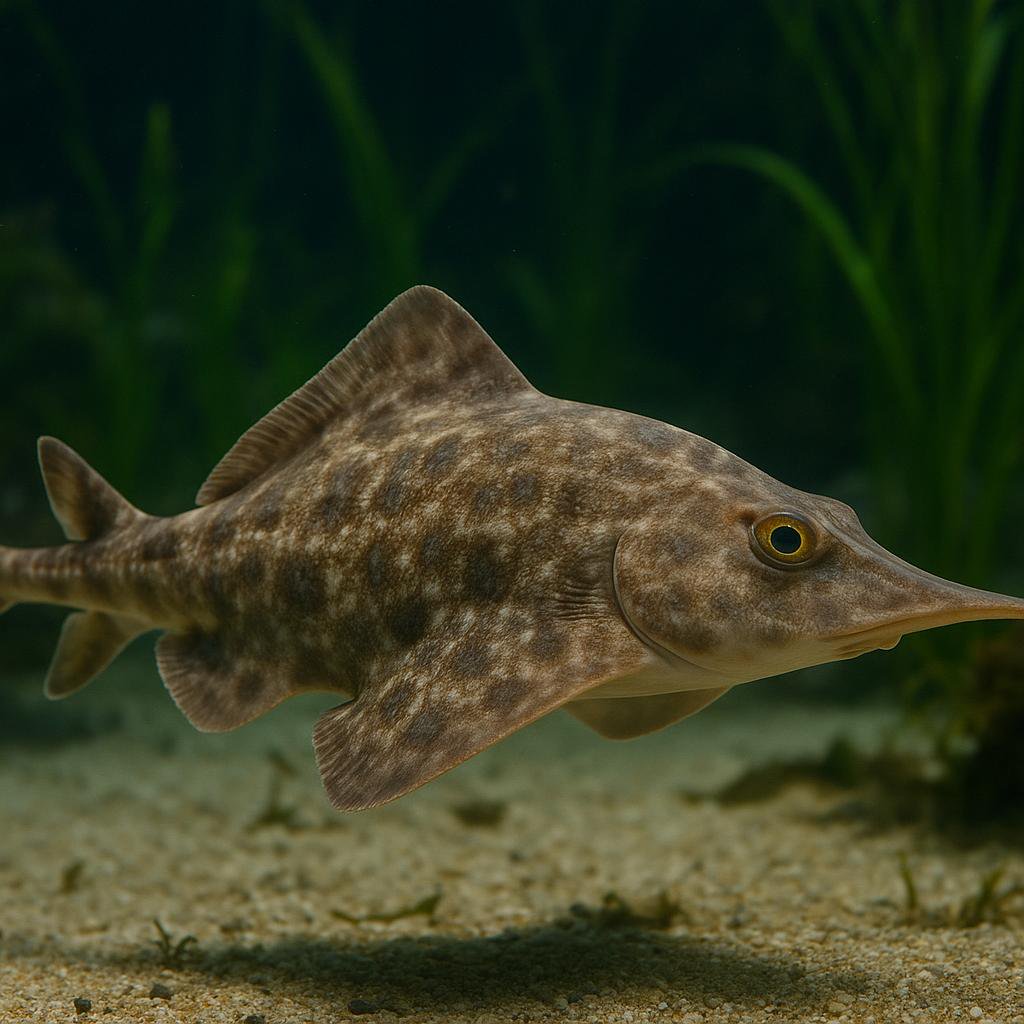
Aleutian skate
Bathyraja aleutica
This is a big, cold-water deep-slope skate from the North Pacific that cruises muddy bottoms and eats chunky benthic prey like crabs and shrimp. The really cool bit is its egg-laying skate life - it does distinct pairing (the classic skate "embrace") and drops those tough egg cases on the seafloor. Not an aquarium fish at all unless you're basically running a public-aquarium-style chilled system.
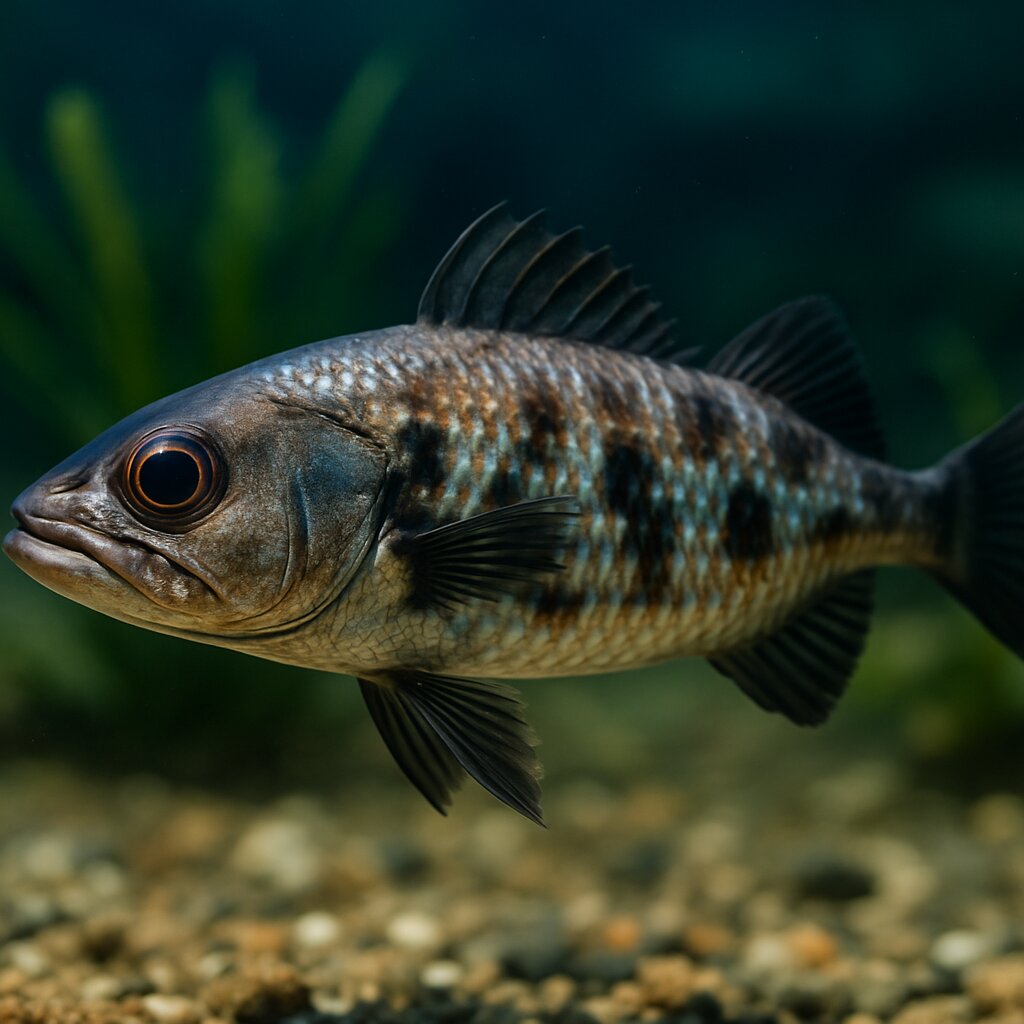
Antarctic dragonfish
Vomeridens infuscipinnis
Deep down around Antarctica, this sleek dragonfish cruises the water column like a little submarine, nearly neutrally buoyant so it can hover above the seafloor. It munches almost exclusively on Antarctic krill and lives in near-freezing water 500-800 m down, so it is a cool species to read about, not one for home tanks.
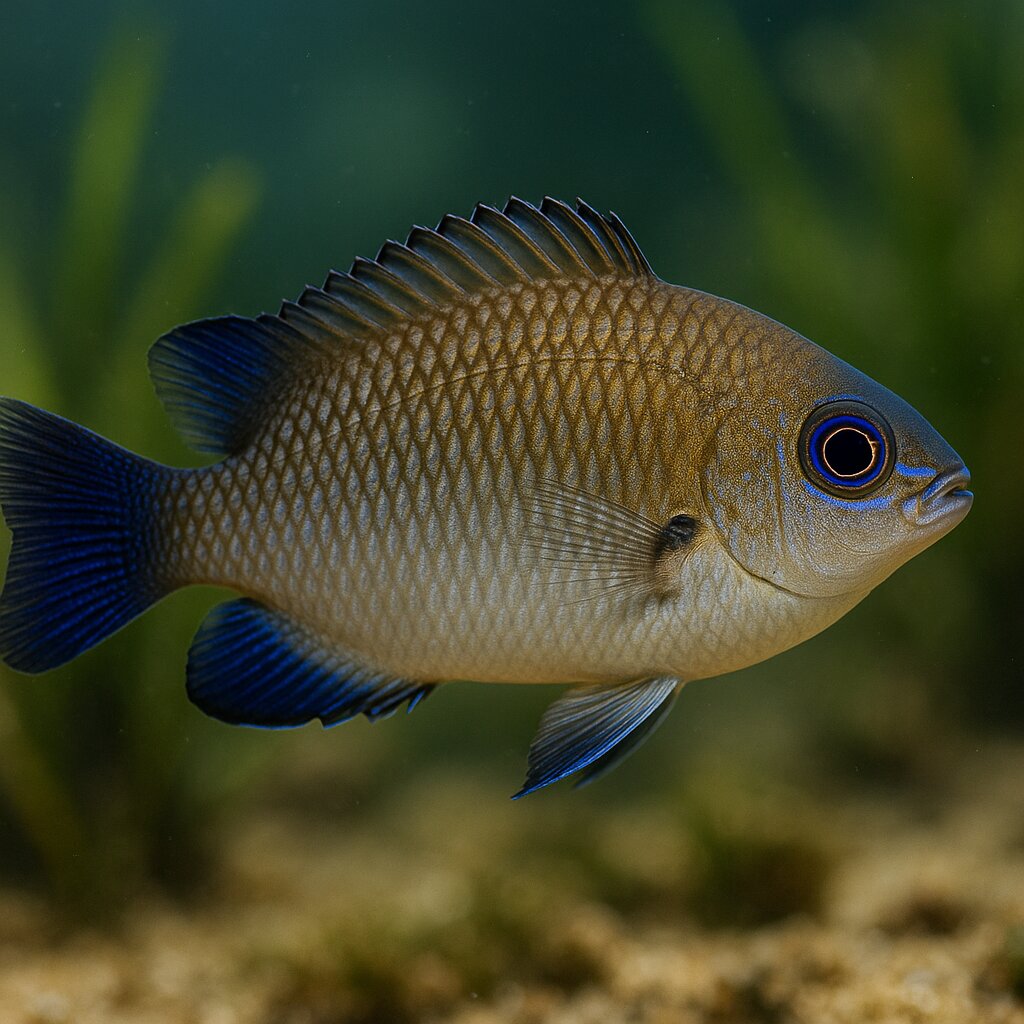
Arabian demoiselle
Neopomacentrus sindensis
A small lyretail damsel from the Persian Gulf and Arabian Sea, it hangs in loose groups around coral heads, rocks, and even pier pilings picking zooplankton from the flow. Think classic damsel toughness with a slightly milder attitude than the real bruisers, plus subtle yellow tail accents. Males clean a patch, get a mate to lay eggs there, and then stand guard fanning the clutch.
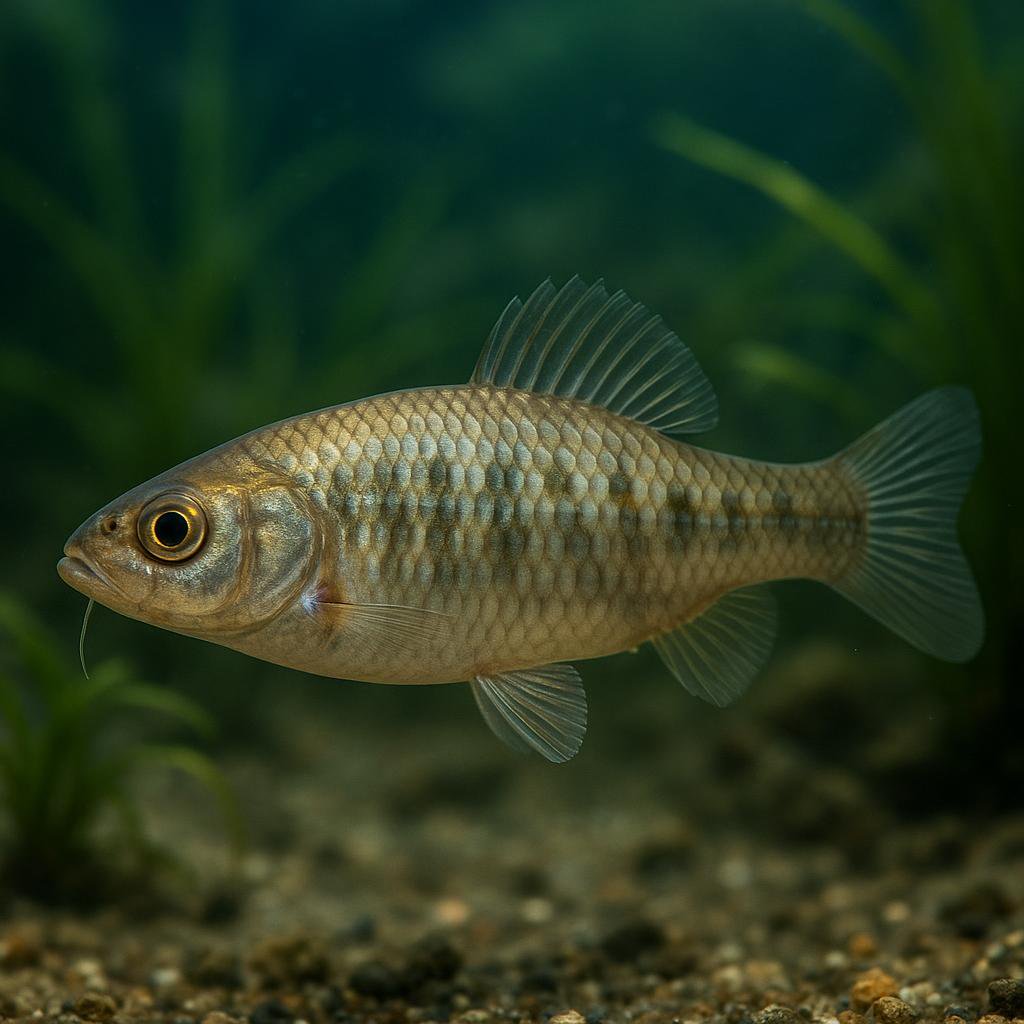
Arabian spiny eel
Notacanthus indicus
Notacanthus indicus is a deep-sea spiny eel (family Notacanthidae; not a true eel) known from the Arabian Sea on the continental slope at roughly ~960–1,046 m depth, with reported maximum length around 20 cm TL; it is a deep-water bycatch species and not established in the aquarium trade.
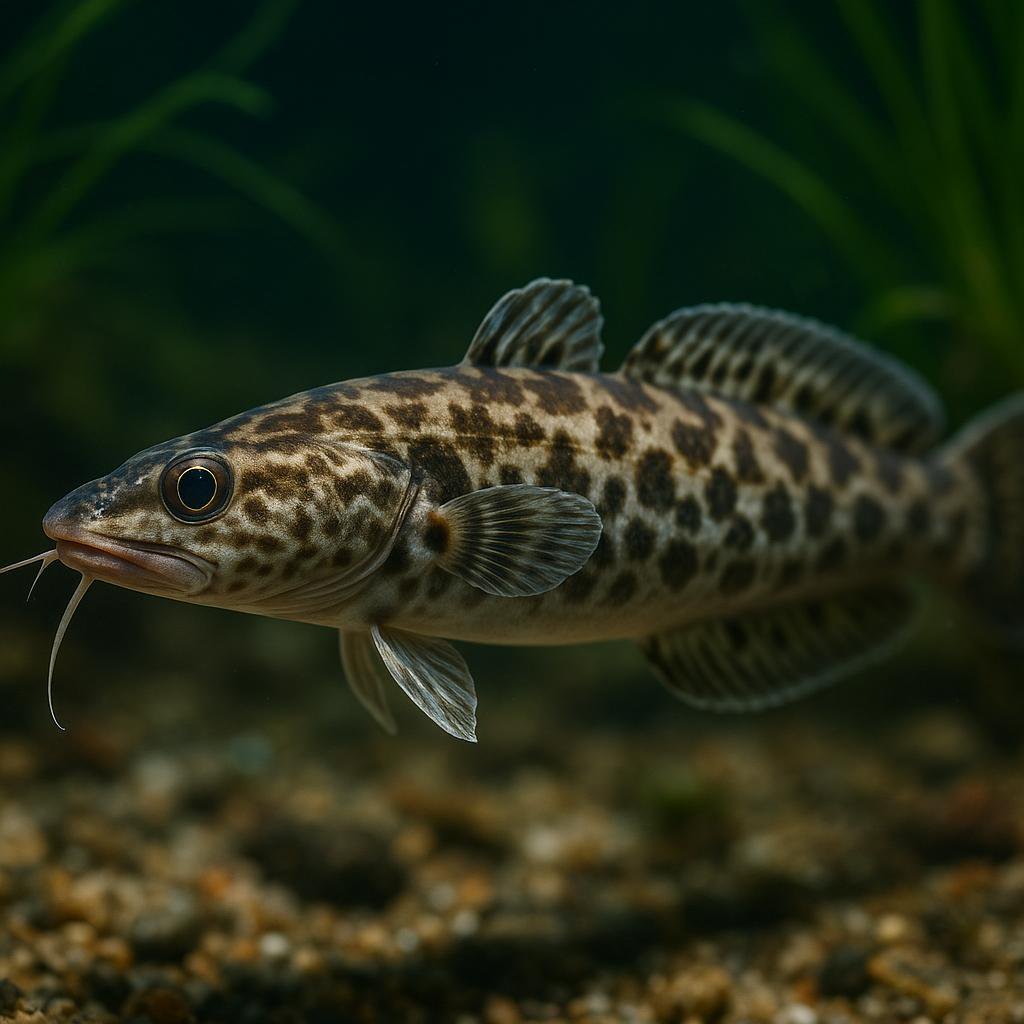
Arctic rockling
Gaidropsarus argentatus
This is a deepwater North Atlantic rockling (a cod relative) that hangs out on soft bottoms way down the slope. It is a cold-water, bottom-hugging predator that snoots around for crustaceans and will also take small fish when it gets the chance.
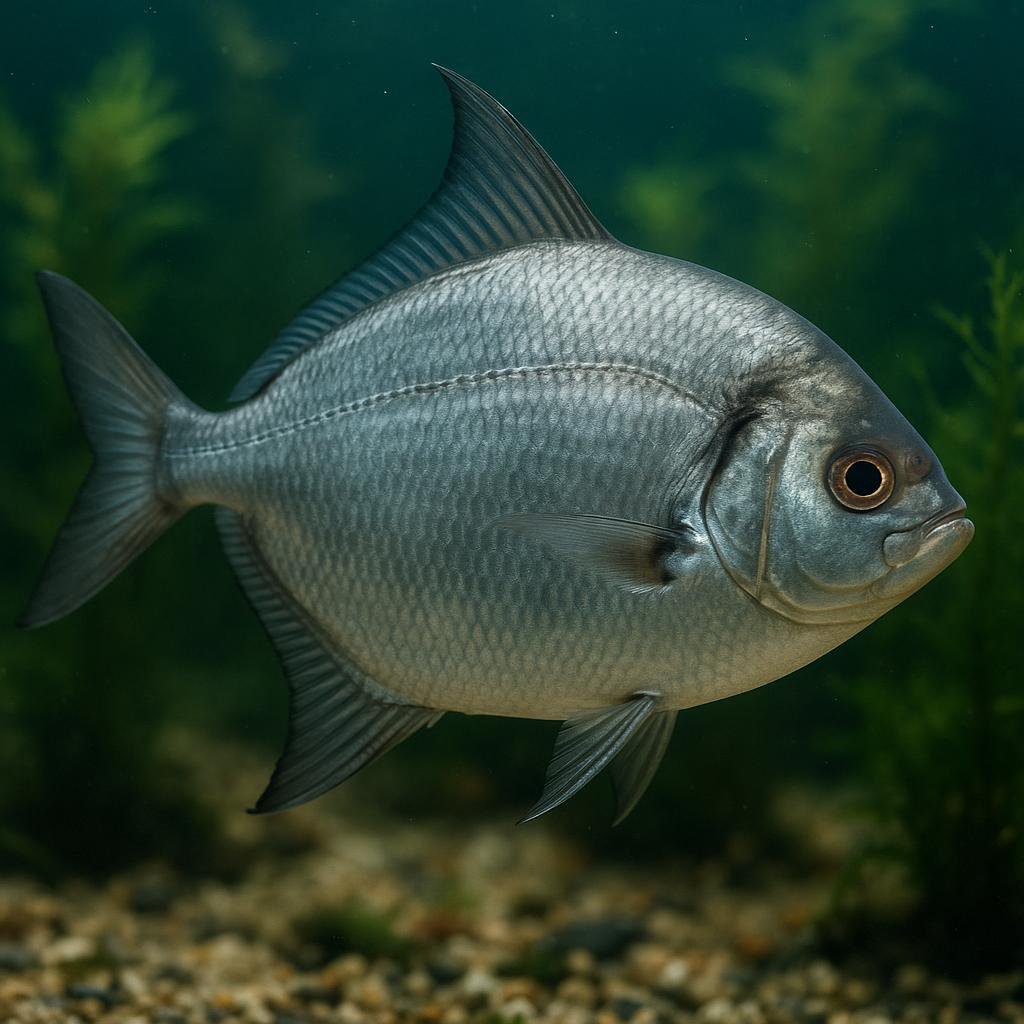
Atlantic pomfret
Brama brama
Brama brama is the Atlantic pomfret (aka Ray's bream) - a deep-bodied, open-ocean pelagic fish that cruises around in small schools and follows water temps. It is a legit big, wild marine species (not an aquarium fish) that eats other small sea critters like fish and squid, and it ranges across a huge chunk of the Atlantic plus parts of the Indian and South Pacific.
More to Explore
Discover more marine species.
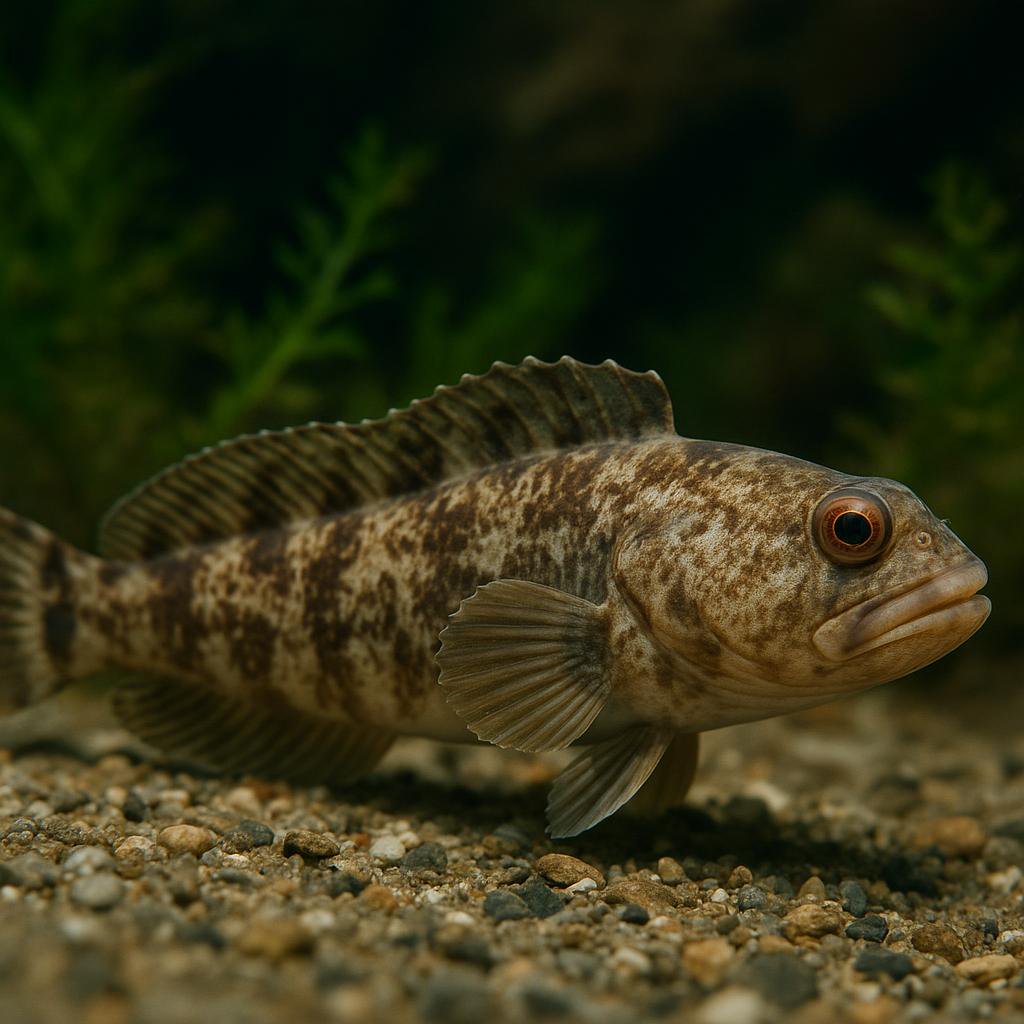
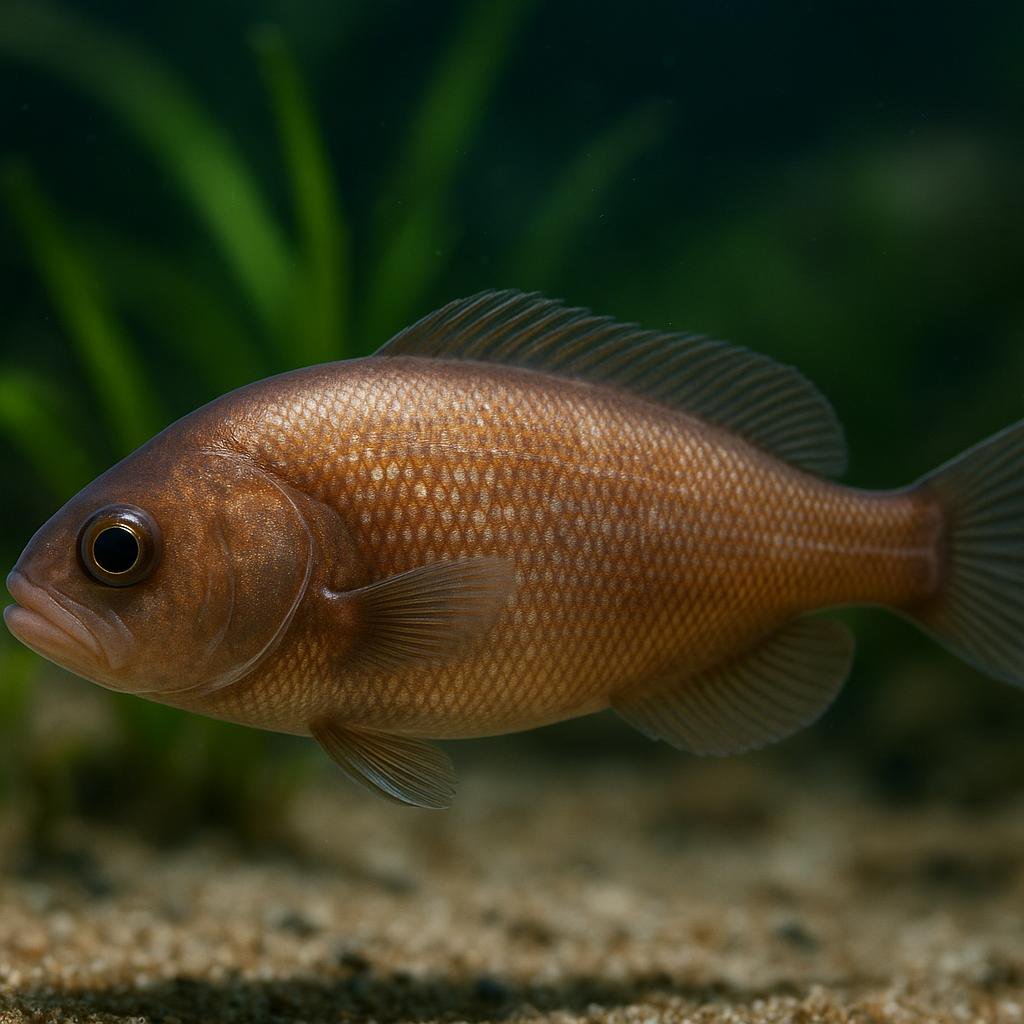
Abe's eelpout
Japonolycodes abei
Japonolycodes abei is a temperate, deepwater demersal eelpout (family Zoarcidae) endemic to Japan (Kumano-nada Sea reported; other sources also report Sagami Bay and Tosa Bay). It is the only species in the genus Japonolycodes and occurs roughly 40-300 m depth, making it an uncommon/atypical aquarium species.
Affinis blind cusk-eel
Barathronus affinis
Barathronus affinis is a tiny, super-weird deep-sea blind cusk-eel from the western-central Indian Ocean. It is one of those gelatinous, loose-skinned brotula-type fishes that live way down in the dark and are basically never seen alive, so almost everything we know comes from preserved specimens and taxonomic work.
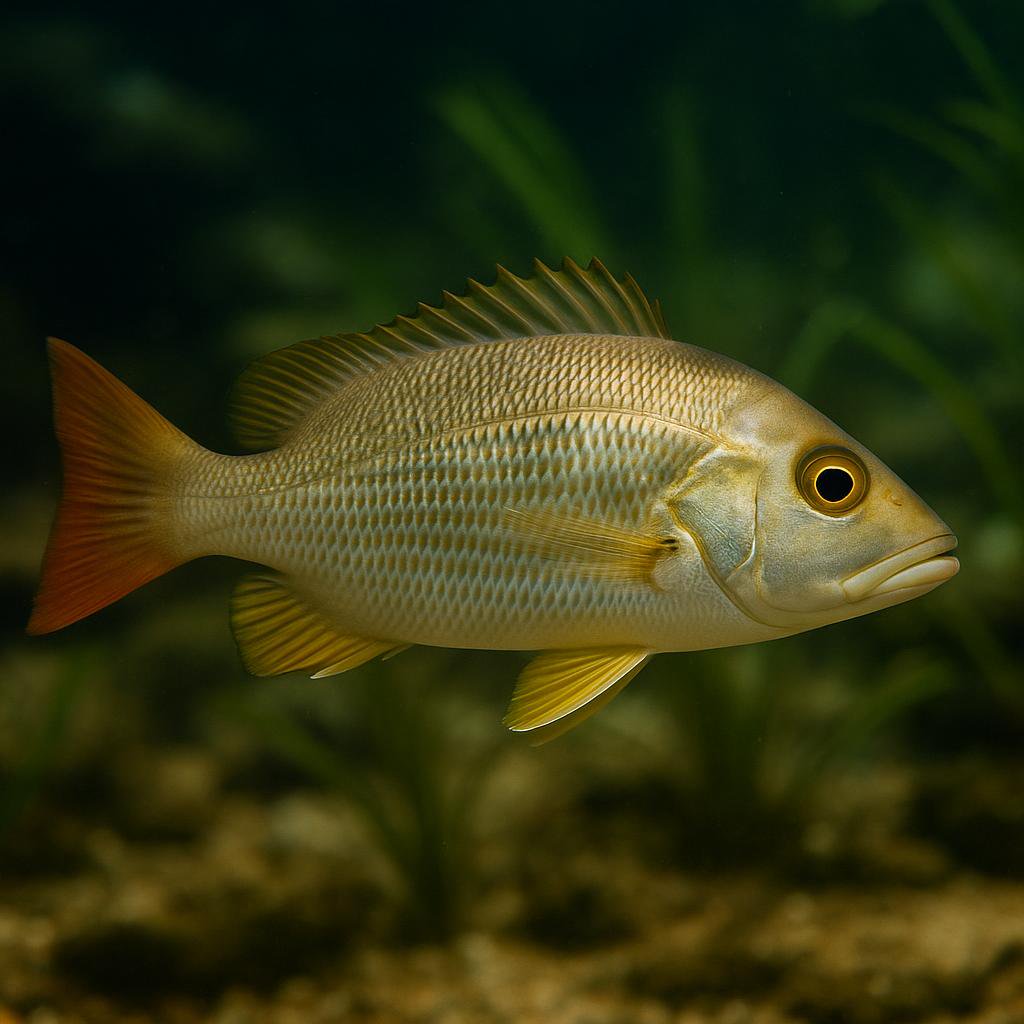
African red snapper
Lutjanus agennes
This is a true snapper from West Africa - a big, fast-growing predator that goes from coastal reefs to brackish lagoons and estuaries (especially as a juvenile). Super cool fish in the wild, but it gets absolutely huge and will eat smaller tankmates once it has the mouth for it, so its really more of a public-aquarium scale animal than a home-aquarium fish.
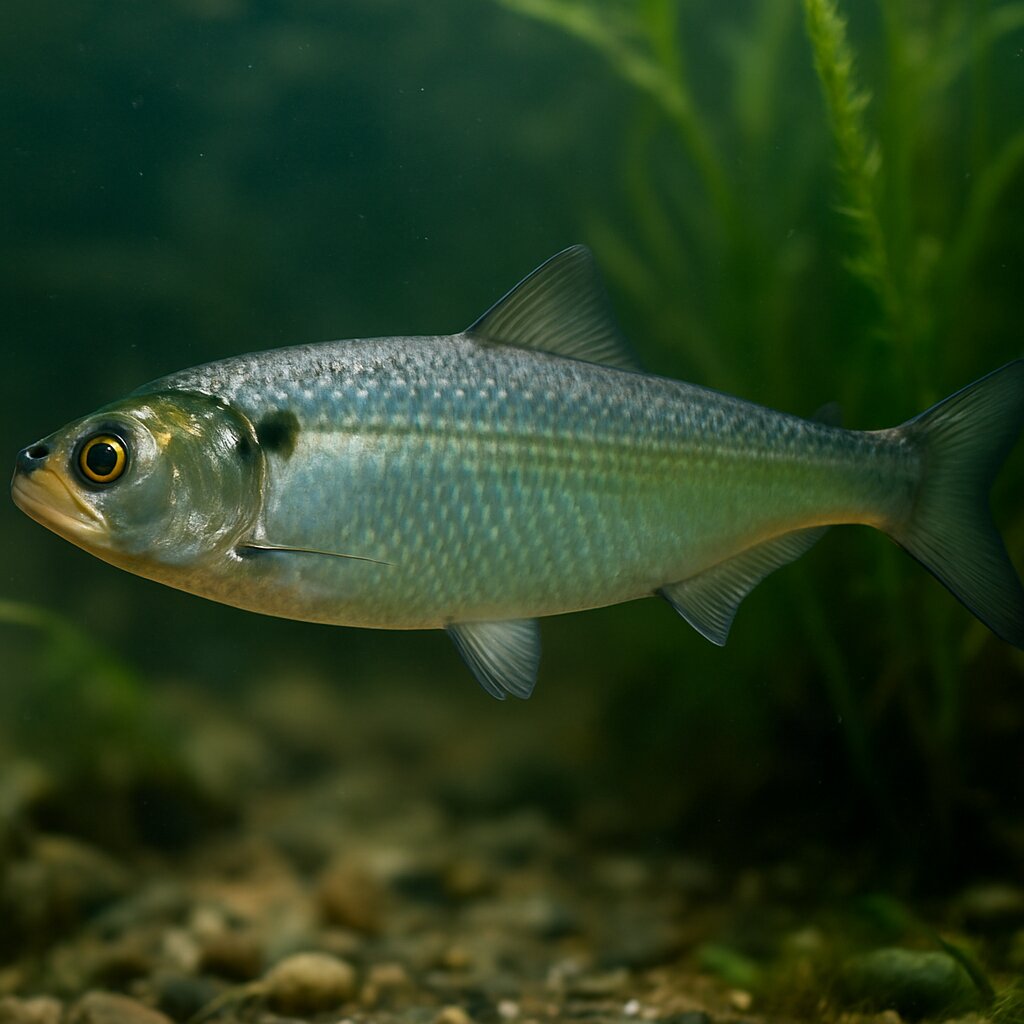
Allis shad
Alosa alosa
Gorgeous silver, fast-swimming shad that spends most of its life in the sea and then surges up big rivers in noisy, surface-spawning schools. It grows huge for a herring-type fish and needs cool, ultra-oxygenated water and tons of open space, so it is a public-aquarium species rather than a home tank fish.
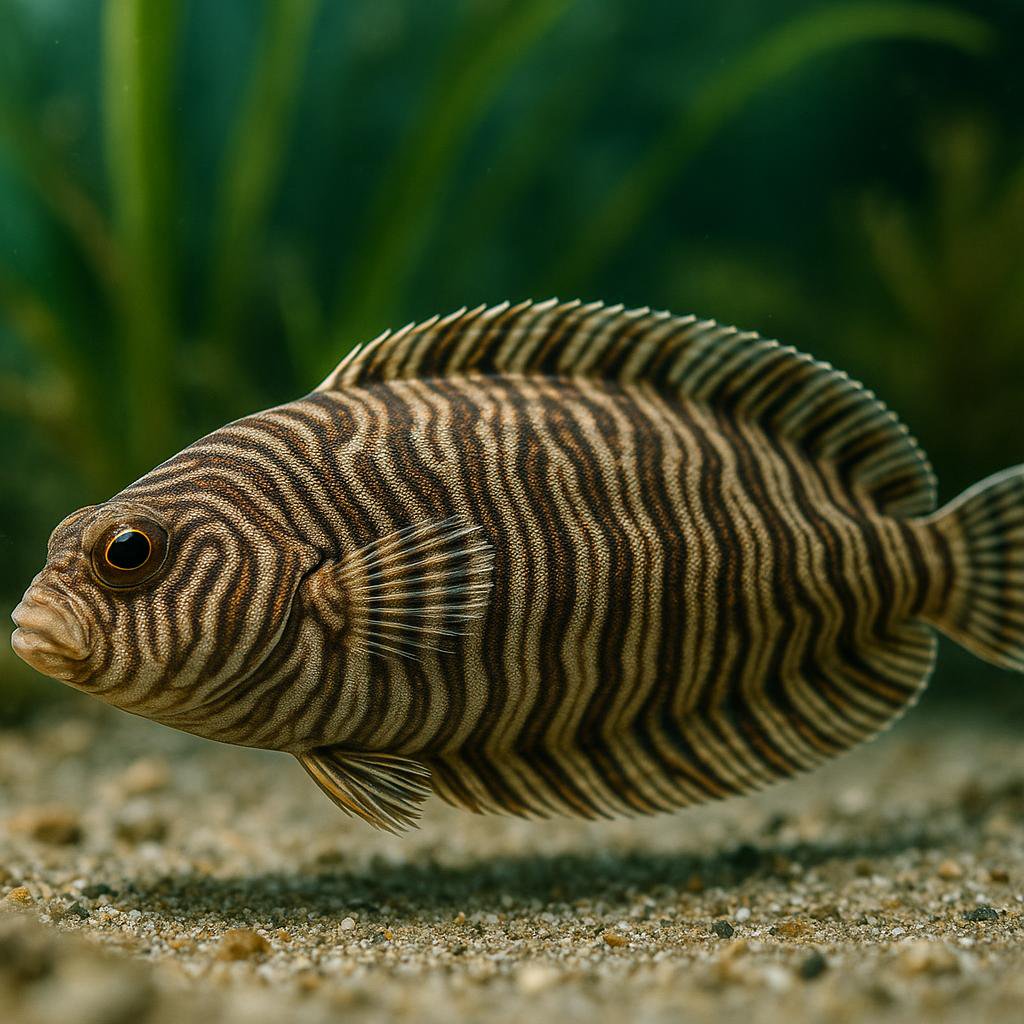
Annandale's zebra sole
Zebrias annandalei
Zebrias annandalei is a small demersal sole from coastal India that inhabits sandy or muddy bottoms and buries for camouflage. It is rarely kept in home aquaria and would require a specialized marine sand-bottom setup and appropriate feeding.
Australian sawtail catshark
Figaro boardmani
Figaro boardmani is a small, deepwater Australian catshark with these cool saw-like ridges of spiny denticles along the tail and a neat pattern of dark saddle bands. It lives way down on the outer continental shelf and slope, so its natural water is cold, dim, and stable - totally not a typical home-aquarium fish. Diet-wise its a predator that goes after fish, crustaceans, and cephalopods.
Looking for other species?