

Sharphead perch
Lepidoperca magna
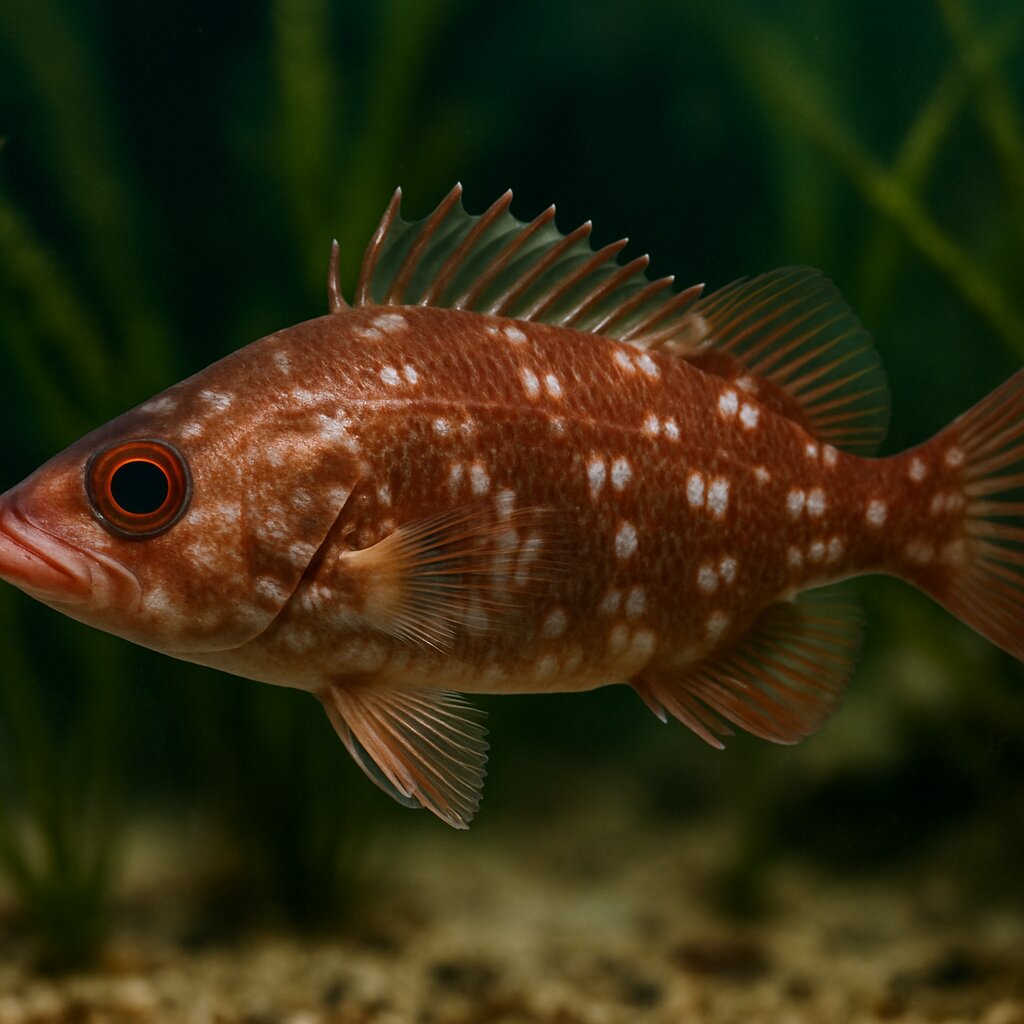
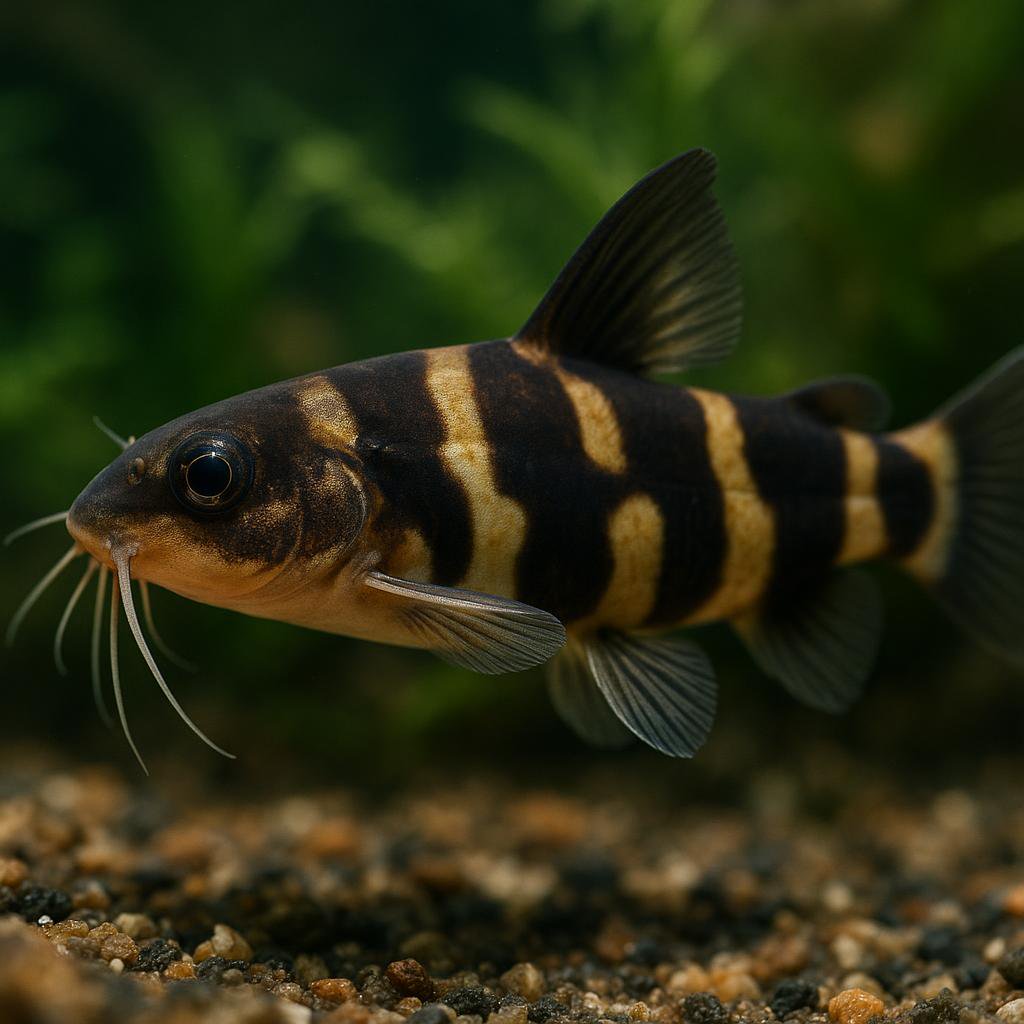
Sharphead perch exhibit a streamlined body with a silvery sheen and prominent dark stripes along the sides, distinguishing them in their habitat.
This page includes AI-generated images. Why am I seeing AI images?
About the Sharphead perch
Sharphead perch is a deepwater basslet from Australia and New Zealand that hangs out on seamount slopes hundreds of meters down. It tops out around 27 cm and would want cool, dim, rockwork-heavy seawater, so it is really a public-aquarium fish rather than a home-tank candidate.
Quick Facts
Size
27 cm SL
Temperament
Semi-aggressive
Difficulty
Expert
Min Tank Size
180 gallons
Lifespan
Unknown (likely 10+ years)
Origin
Southwest Pacific
Diet
Carnivore - likely small fishes and crustaceans; in captivity would take meaty marine foods (shrimp, fish, chopped shellfish)
Water Parameters
14-18°C
8-8.4
20-100 dGH
Need a heater for this species?
This species needs 14-18°C in a 180 gallon tank. Use our heater calculator to find the right wattage.
Calculate heater sizeCare Notes
- Run this fish in a chilled temperate setup: 150+ gallons, 72+ inches long, with a chiller holding 12-18 C (54-64 F), dim lighting, and big caves/overhangs to lurk in.
- Keep salinity at 1.025-1.026, pH 8.0-8.3, nitrate under 20 ppm, and crank oxygen with strong surface agitation and decent flow without blasting its hideouts.
- Acclimate slow and dark; deepwater-caught fish can show barotrauma (head-up, trouble staying down) after shipping, so get an experienced hand to vent if needed and do not DIY poke jobs.
- Start feeding with live or very tempting foods (live shrimp, small baitfish) to wake the hunt drive, then wean to chopped prawn, squid, mussel, and marine fish fillet; 2-4 modest meals per week, vitamin soak, and do not rely on thiaminase-heavy silversides only.
- Anything bite-size is food, so skip small fish and all crustaceans; choose sturdy, similarly sized temperate tankmates and avoid psycho bullies like big triggers or massive groupers.
- They are crepuscular ambushers that spook easily, so keep lighting low, give multiple bolt-holes, and use a tight lid because they will launch when startled.
- Quarantine 4-6 weeks and plan a praziquantel round for flukes; these guys crash fast with ammonia or low O2, so run a mature biofilter and avoid big temperature swings.
- No home breeding records I trust; assume wild-caught only and keep one per tank unless you have a truly huge system with lots of cover.
Compatibility
Good Tankmates
- Big, assertive grazers like tangs and foxfaces - fast, deep-bodied, and not bite-sized
- Hearty, fast wrasses (Halichoeres, Thalassoma types) that dont spook easily
- Rock-perching hawkfish that can stare right back and hold a perch without drama
- Squirrelfish and soldierfish - tough, spiny, and usually ignored
- Bottom-foraging goatfish - busy noses down, too stocky to be viewed as food
- Larger angelfish (Pomacanthus, Holacanthus) in a roomy tank with multiple caves
Avoid
- Anything bite-sized - little gobies, dartfish, small anthias, cardinals - they look like snacks
- Fin-nippy bruisers like triggers and big puffers that will harass and outcompete at feeding time
- Very slow or flowy-finned fish like lionfish or juvenile batfish that get bumped and stressed
- Similar-shaped predators (groupers, big hamlets) that want the same caves and will feud
Where they come from
Sharphead perch (Lepidoperca magna) are deep-reef sea perches from the temperate South Pacific, most often reported around southern Australia and New Zealand. They hang around steep rocky structure well below typical diving depths, which is why you almost never see them in shops. Cool water, dim light, and lots of oxygen is their world.
Tank setup
Plan big and cold. Mine settled in a 700 L system with a chiller and stayed rock-solid once I stopped trying to treat it like a tropical bass. Think quiet, shadowy ledges and high oxygen.
- Volume: 500 L minimum for a subadult, 700-1000 L for an adult. They are stocky, turn slowly, and appreciate footprint over height.
- Temperature: 12-16 C long term. They tolerate up to ~18 C briefly, but activity and appetite are better on the cooler side.
- Salinity: 1.024-1.026. Keep it steady. pH 8.0-8.3.
- Flow: Strong, well-oxygenated flow with some calmer pockets. Point one or two nozzles across the front to create a gentle gyre.
- Lighting: Dim. Think dawn/dusk. I ran a short photoperiod with shaded overhangs. Bright reef lights make them skittish.
- Aquascape: Big caves, vertical faces, and shaded ledges. They like to back into a cave and watch. Leave open sand or low rock in front for feeding.
- Filtration: Oversized skimmer, big bio capacity, and a chiller you trust. These fish are messy eaters. UV helps keep the water polished.
- Lid: Tight-fitting covers. They lunge at food and can hit the surface hard.
I put a dark PVC elbow as a "home cave" right where I wanted the fish to perch. It cut the pacing in half during the first week and made target feeding easy.
A chiller is not optional. Fans will not keep a big marine tank at 12-16 C consistently.
What to feed them
They are carnivores that key on movement. Expect to start with live or very tempting foods, then wean to thawed.
- Starter foods: Live gut-loaded ghost shrimp, small live marine crabs, or livebearers acclimated to salt (temporary only). Use sparingly as a bridge.
- Staples once weaned: Thawed marine-origin foods like prawns, squid strips, silversides, lancefish, and chunks of marine fish fillet.
- Technique: Use long tongs and wiggle the piece in front of the cave. Feed at dusk or under very dim light at first.
- Frequency: Juveniles every other day; adults 2-3 times per week. Better to offer a few solid bites than to stuff them.
- Supplements: Rotate items and soak a couple meals per week in a HUFA/vitamin product. Avoid relying on thiaminase-heavy fish (e.g., only silversides) long term.
If it ignores food, leave the pumps on. The flow makes strips of squid or prawn look alive and usually gets a reaction.
How they behave and who they get along with
Sharphead perch are deliberate, cave-hovering ambush predators. Mine was shy for two weeks, then turned into a very predictable dusk-time hunter. Not aggressive without reason, but they will eat anything bite-sized.
- Good tankmates: Other coolwater, similarly sized, non-nippy fishes that do not blitz all the food (larger scorpionfish, coldwater hawkfish, gentle temperate wrasses).
- Questionable: Assertive groupers, triggerfish, large puffers. They outcompete or harass.
- No-go: Small fish, shrimp, and crabs. They are food.
- Social: Best kept singly. More than one will likely posture and stress unless you have a very large system and they can ignore each other.
They get bolder under red light. A dim red feeding light helped mine relax and eat within the first few days.
Breeding tips
Realistically, there are no hobbyist breeding reports for Lepidoperca magna. Like many serranids, they likely form pairs or small groups and broadcast spawn in deep, cool water with seasonal cues. You would need a large, chilled, dimly lit system and simulated seasonal changes to even explore pairing. For now, enjoy them as a display fish and put your energy into stable conditions and a strong feeding routine.
Common problems to watch for
- Barotrauma in new arrivals: Wild-caught deep fish can arrive with bulging eyes, buoyancy problems, or a protruding stomach. If you see this at the shop, pass. Recovery is hit-or-miss.
- Refusing food: Very common the first week. Dim the lights, offer smaller moving pieces, and try at dusk. Live ghost shrimp can kick-start interest.
- Overheating: Anything above ~18 C for long stretches leads to heavy breathing and loss of appetite.
- Low oxygen: They perk up with strong aeration. Keep surface agitation high and clean the skimmer cup often.
- Parasites: Flukes and worms are not rare. A proper, chilled quarantine with praziquantel has saved me headaches.
- Injury from feeding strikes: They hit hard. Use tongs and give them room so they do not face-plant into rock.
- Nutritional issues: Monotonous diets (only silversides) can cause weight loss over time. Rotate foods and add vitamins.
Do not attempt copper or other meds at tropical doses without a chilled quarantine and close observation. Metabolism is slower in coldwater fish; go by tested concentrations and give them oxygen-rich water.
Quarantine in a dim, bare-bottom chilled tank with a few snug PVC hides. Get them eating reliably before they see any competition in the display.
Similar Species
Other marine semi-aggressive species you might be interested in.
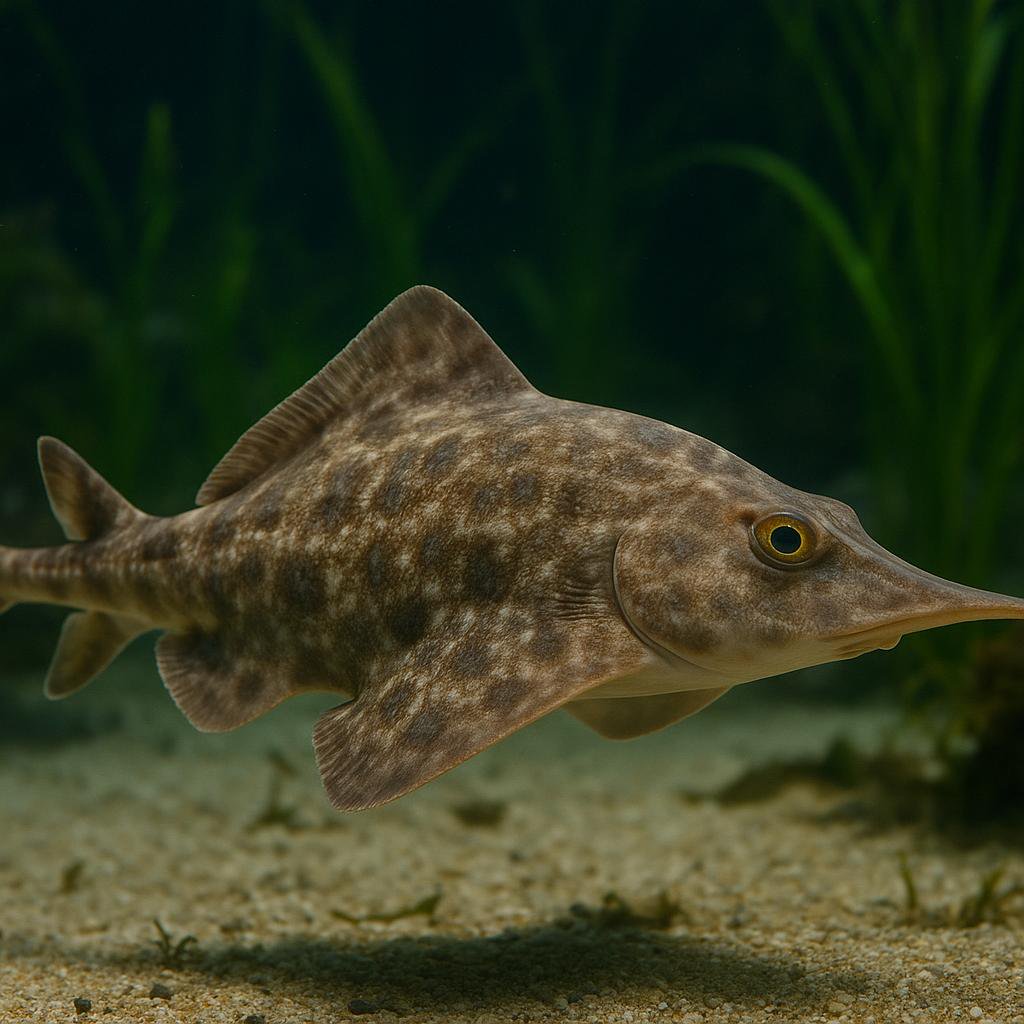
Aleutian skate
Bathyraja aleutica
This is a big, cold-water deep-slope skate from the North Pacific that cruises muddy bottoms and eats chunky benthic prey like crabs and shrimp. The really cool bit is its egg-laying skate life - it does distinct pairing (the classic skate "embrace") and drops those tough egg cases on the seafloor. Not an aquarium fish at all unless you're basically running a public-aquarium-style chilled system.
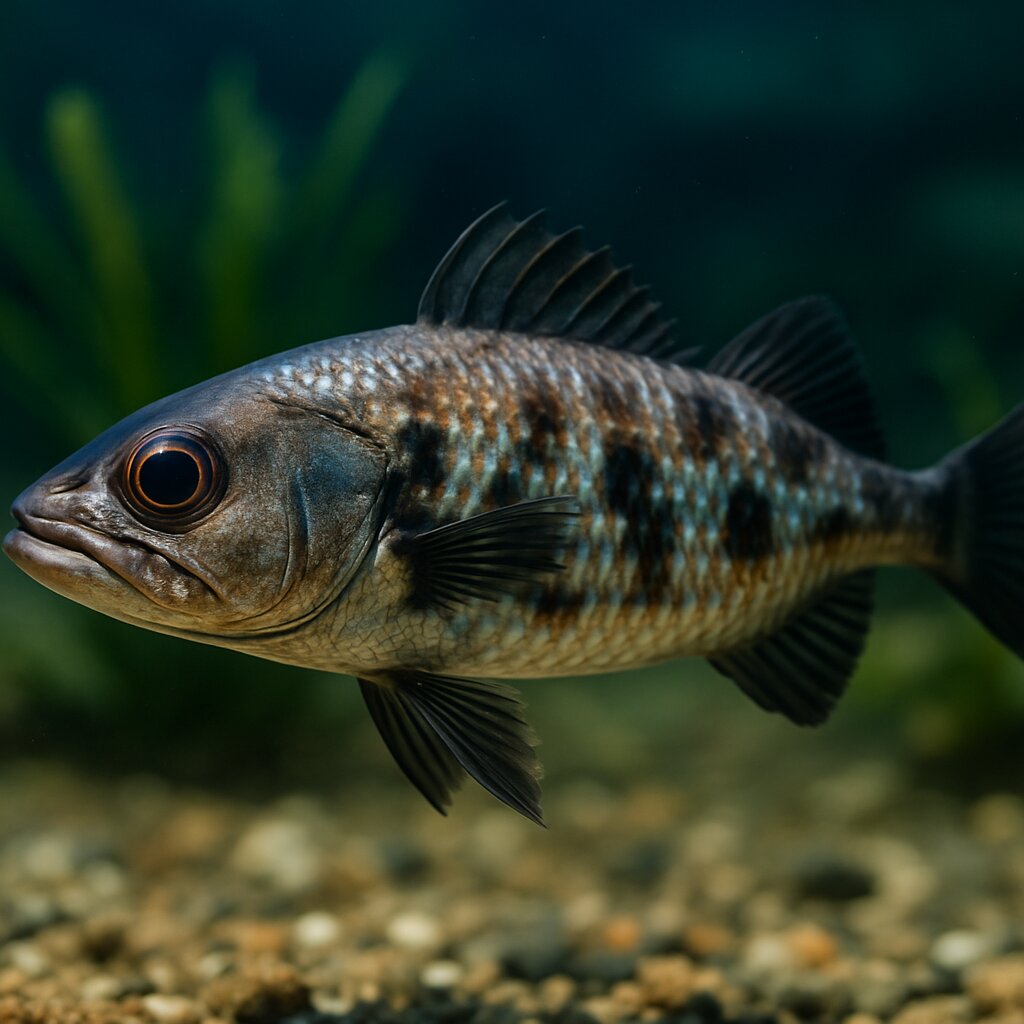
Antarctic dragonfish
Vomeridens infuscipinnis
Deep down around Antarctica, this sleek dragonfish cruises the water column like a little submarine, nearly neutrally buoyant so it can hover above the seafloor. It munches almost exclusively on Antarctic krill and lives in near-freezing water 500-800 m down, so it is a cool species to read about, not one for home tanks.
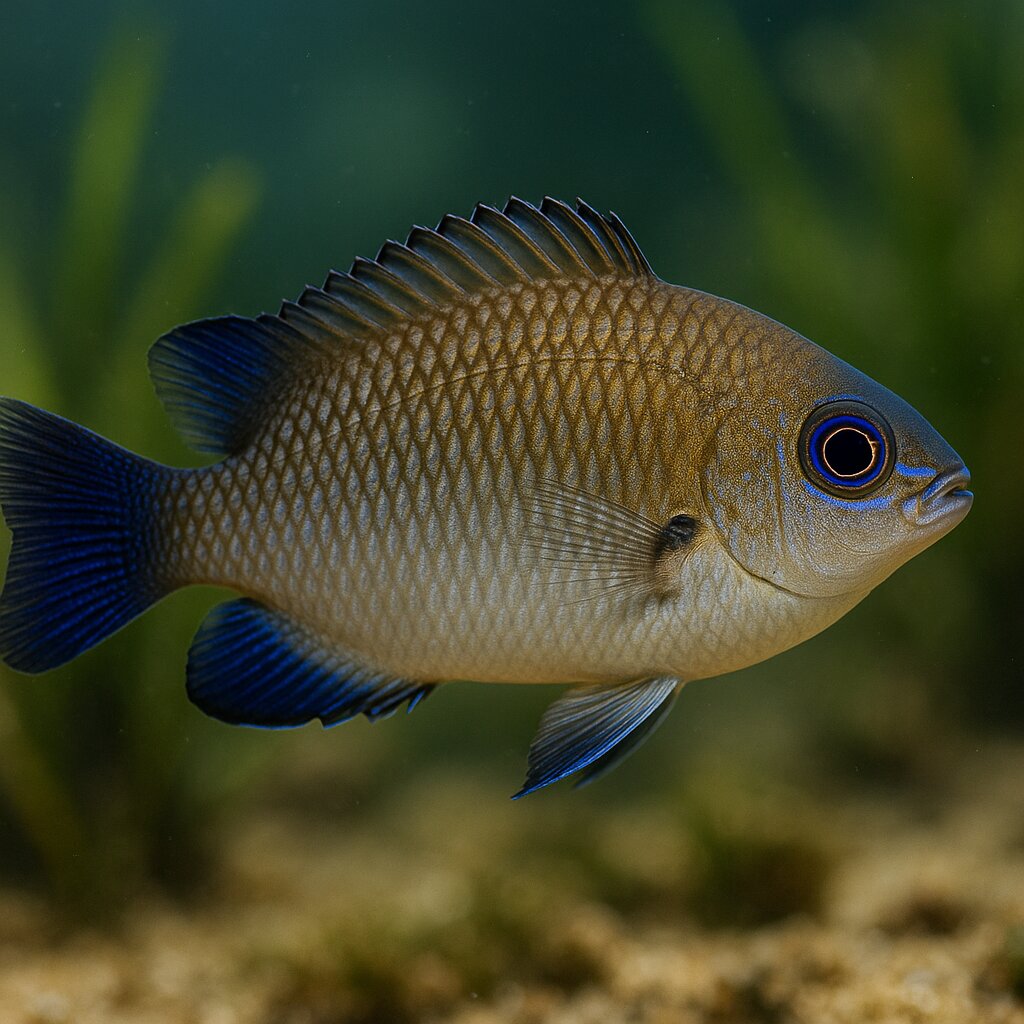
Arabian demoiselle
Neopomacentrus sindensis
A small lyretail damsel from the Persian Gulf and Arabian Sea, it hangs in loose groups around coral heads, rocks, and even pier pilings picking zooplankton from the flow. Think classic damsel toughness with a slightly milder attitude than the real bruisers, plus subtle yellow tail accents. Males clean a patch, get a mate to lay eggs there, and then stand guard fanning the clutch.
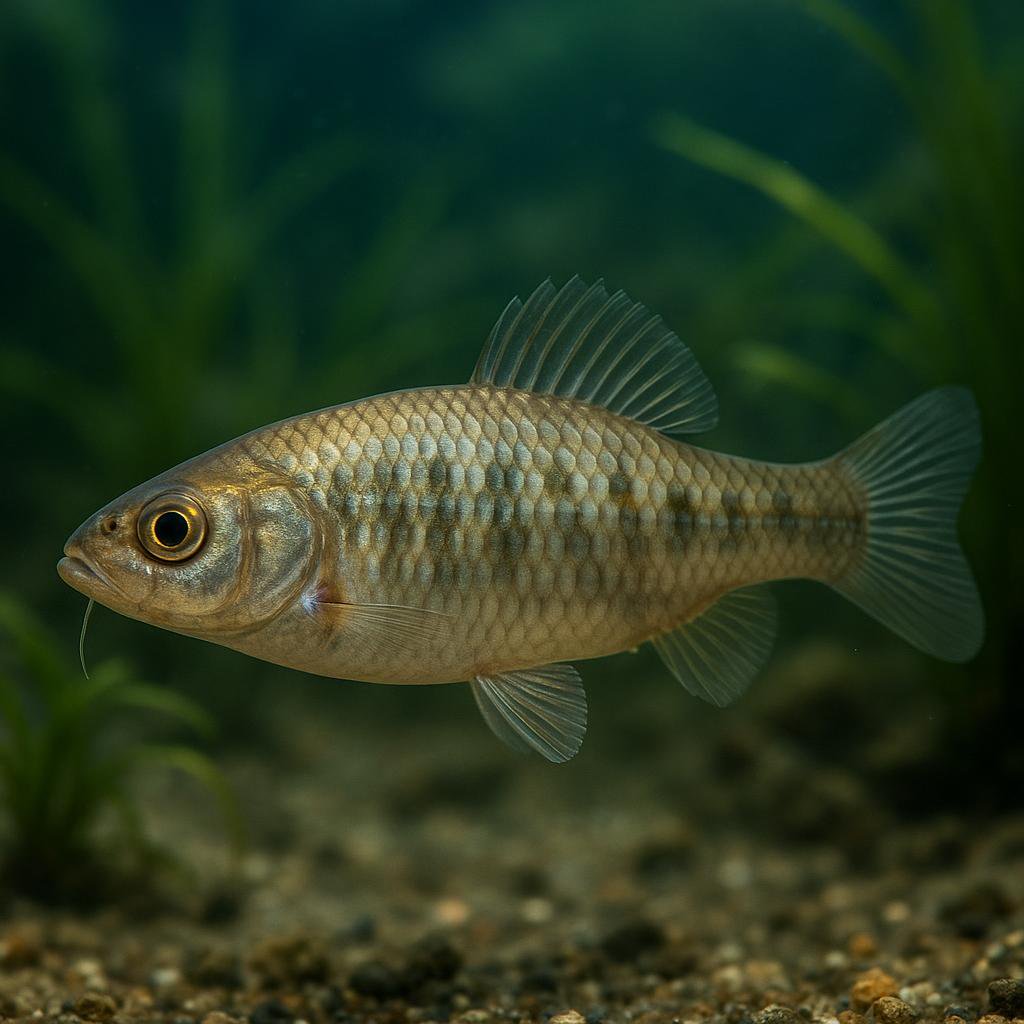
Arabian spiny eel
Notacanthus indicus
Notacanthus indicus is a deep-sea spiny eel (family Notacanthidae; not a true eel) known from the Arabian Sea on the continental slope at roughly ~960–1,046 m depth, with reported maximum length around 20 cm TL; it is a deep-water bycatch species and not established in the aquarium trade.
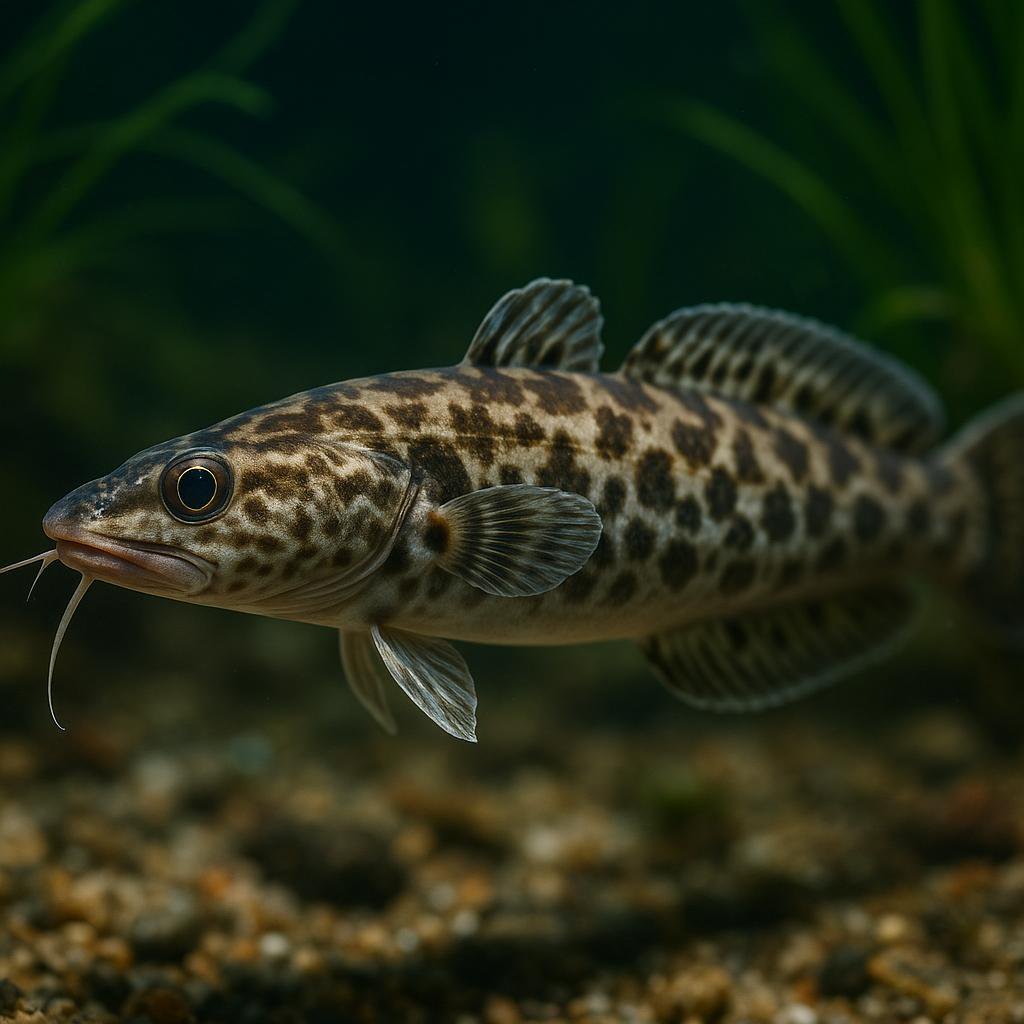
Arctic rockling
Gaidropsarus argentatus
This is a deepwater North Atlantic rockling (a cod relative) that hangs out on soft bottoms way down the slope. It is a cold-water, bottom-hugging predator that snoots around for crustaceans and will also take small fish when it gets the chance.
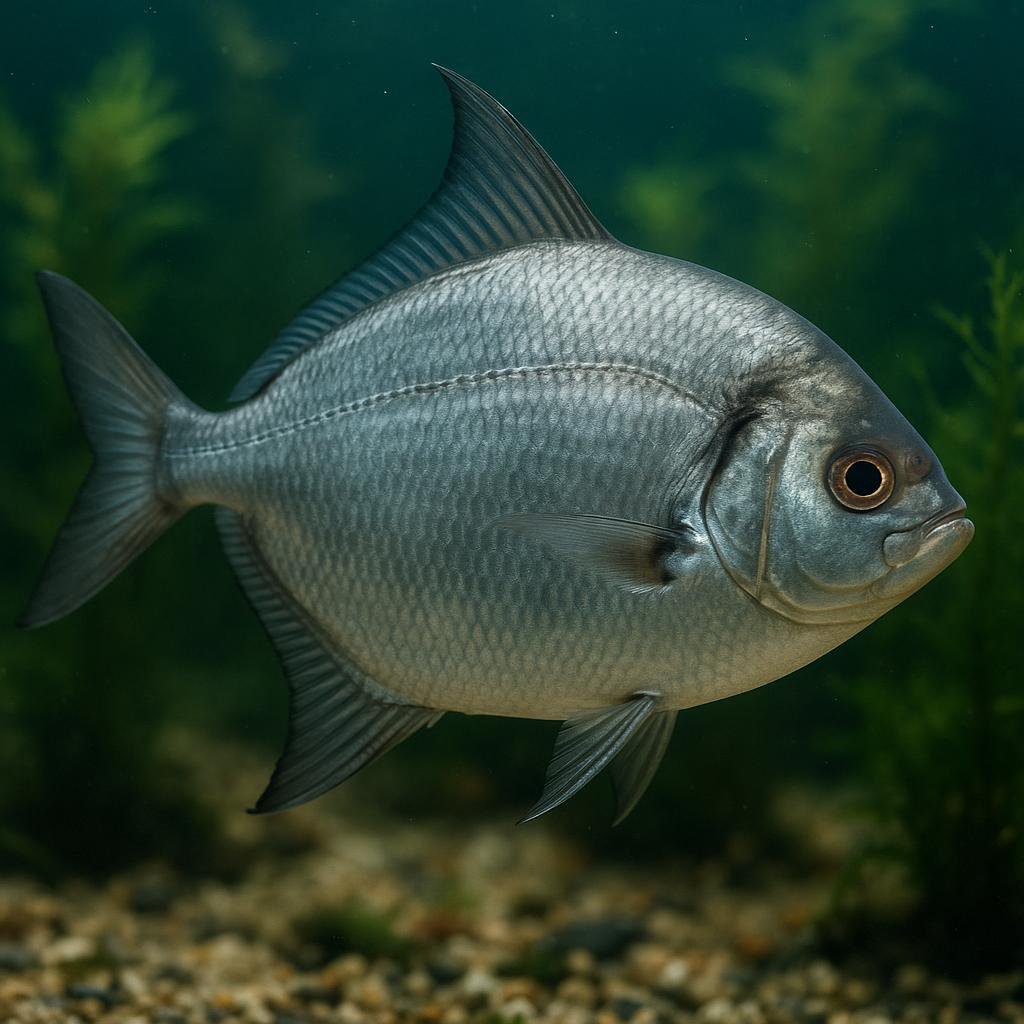
Atlantic pomfret
Brama brama
Brama brama is the Atlantic pomfret (aka Ray's bream) - a deep-bodied, open-ocean pelagic fish that cruises around in small schools and follows water temps. It is a legit big, wild marine species (not an aquarium fish) that eats other small sea critters like fish and squid, and it ranges across a huge chunk of the Atlantic plus parts of the Indian and South Pacific.
More to Explore
Discover more marine species.
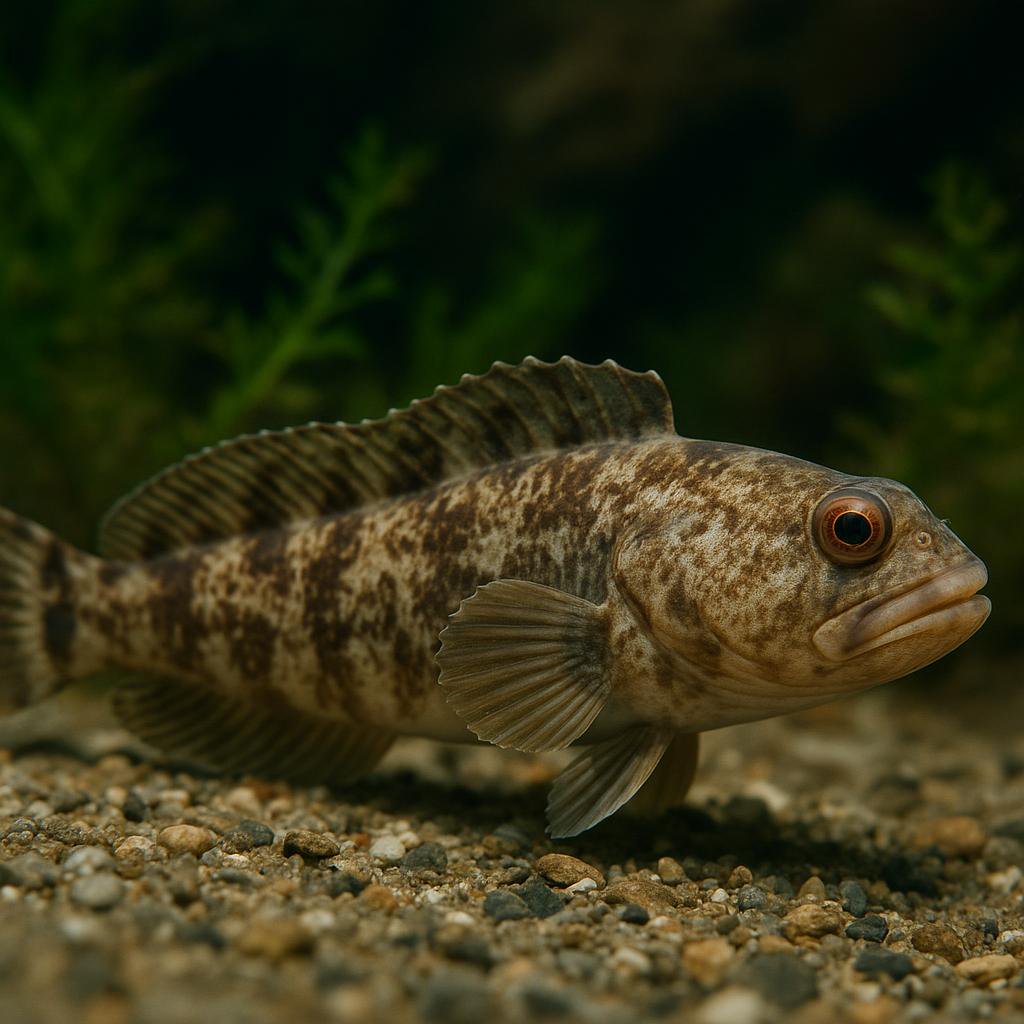
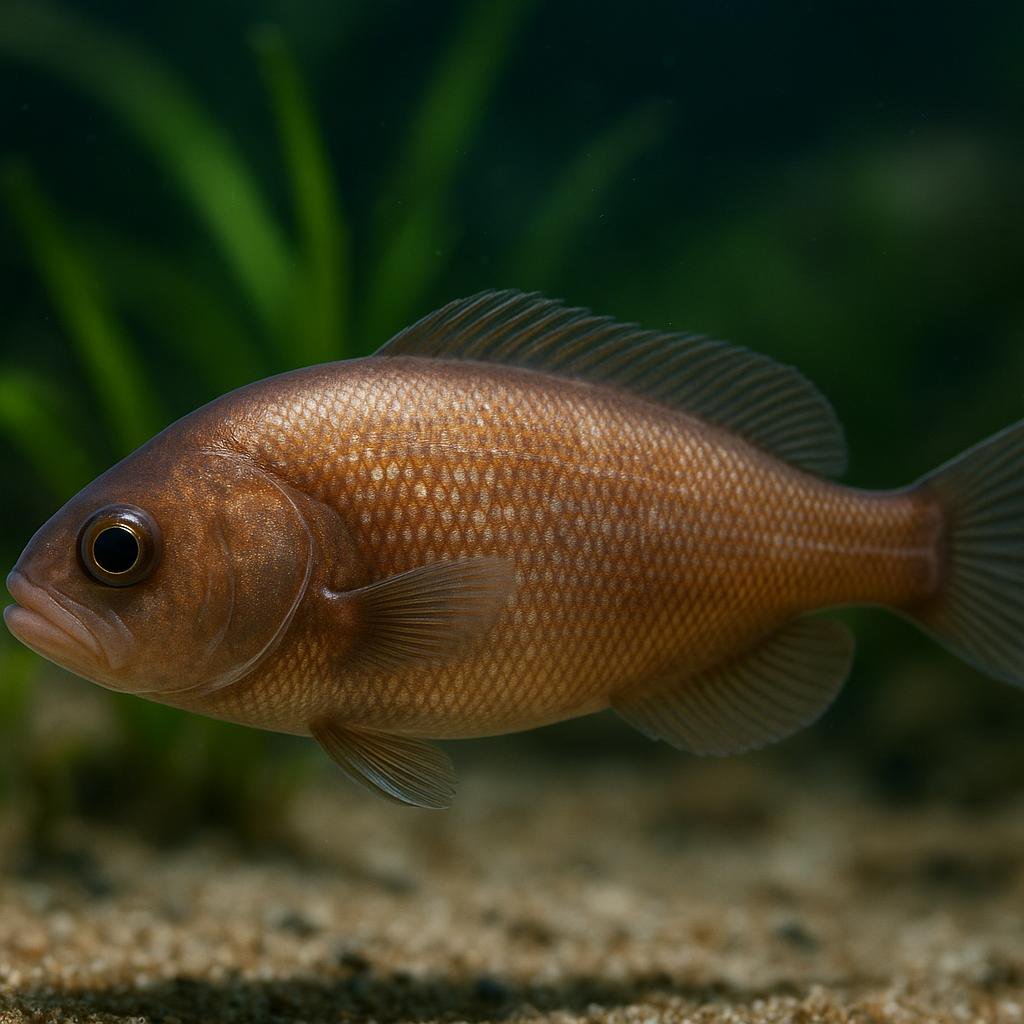
Abe's eelpout
Japonolycodes abei
Japonolycodes abei is a temperate, deepwater demersal eelpout (family Zoarcidae) endemic to Japan (Kumano-nada Sea reported; other sources also report Sagami Bay and Tosa Bay). It is the only species in the genus Japonolycodes and occurs roughly 40-300 m depth, making it an uncommon/atypical aquarium species.
Affinis blind cusk-eel
Barathronus affinis
Barathronus affinis is a tiny, super-weird deep-sea blind cusk-eel from the western-central Indian Ocean. It is one of those gelatinous, loose-skinned brotula-type fishes that live way down in the dark and are basically never seen alive, so almost everything we know comes from preserved specimens and taxonomic work.
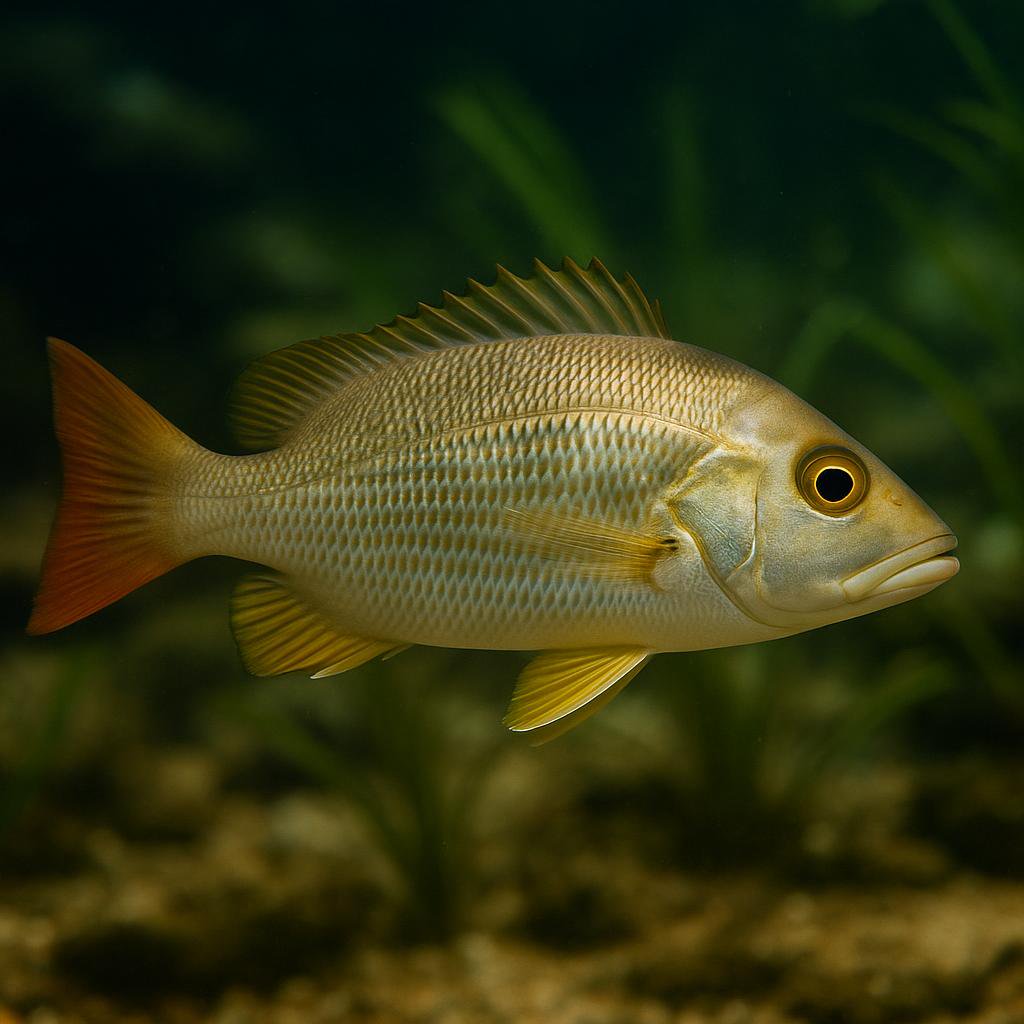
African red snapper
Lutjanus agennes
This is a true snapper from West Africa - a big, fast-growing predator that goes from coastal reefs to brackish lagoons and estuaries (especially as a juvenile). Super cool fish in the wild, but it gets absolutely huge and will eat smaller tankmates once it has the mouth for it, so its really more of a public-aquarium scale animal than a home-aquarium fish.
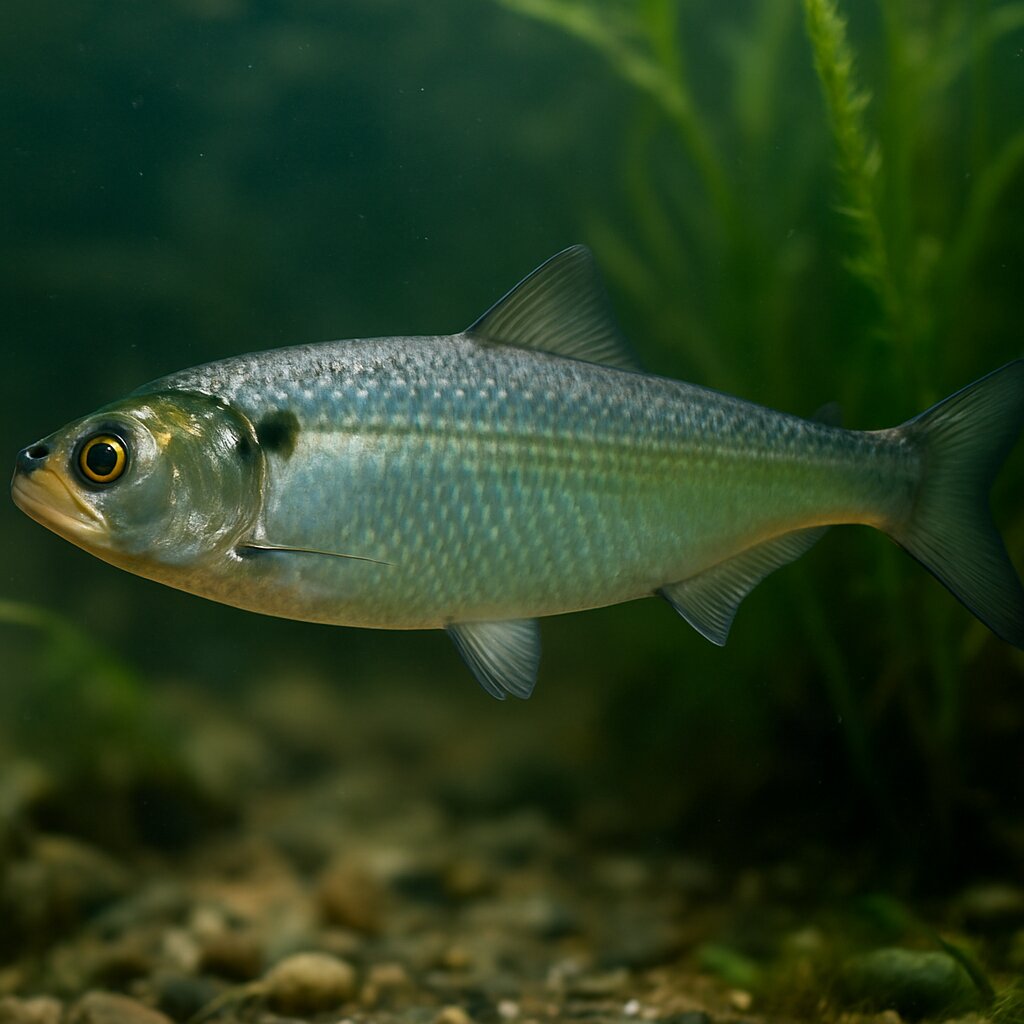
Allis shad
Alosa alosa
Gorgeous silver, fast-swimming shad that spends most of its life in the sea and then surges up big rivers in noisy, surface-spawning schools. It grows huge for a herring-type fish and needs cool, ultra-oxygenated water and tons of open space, so it is a public-aquarium species rather than a home tank fish.
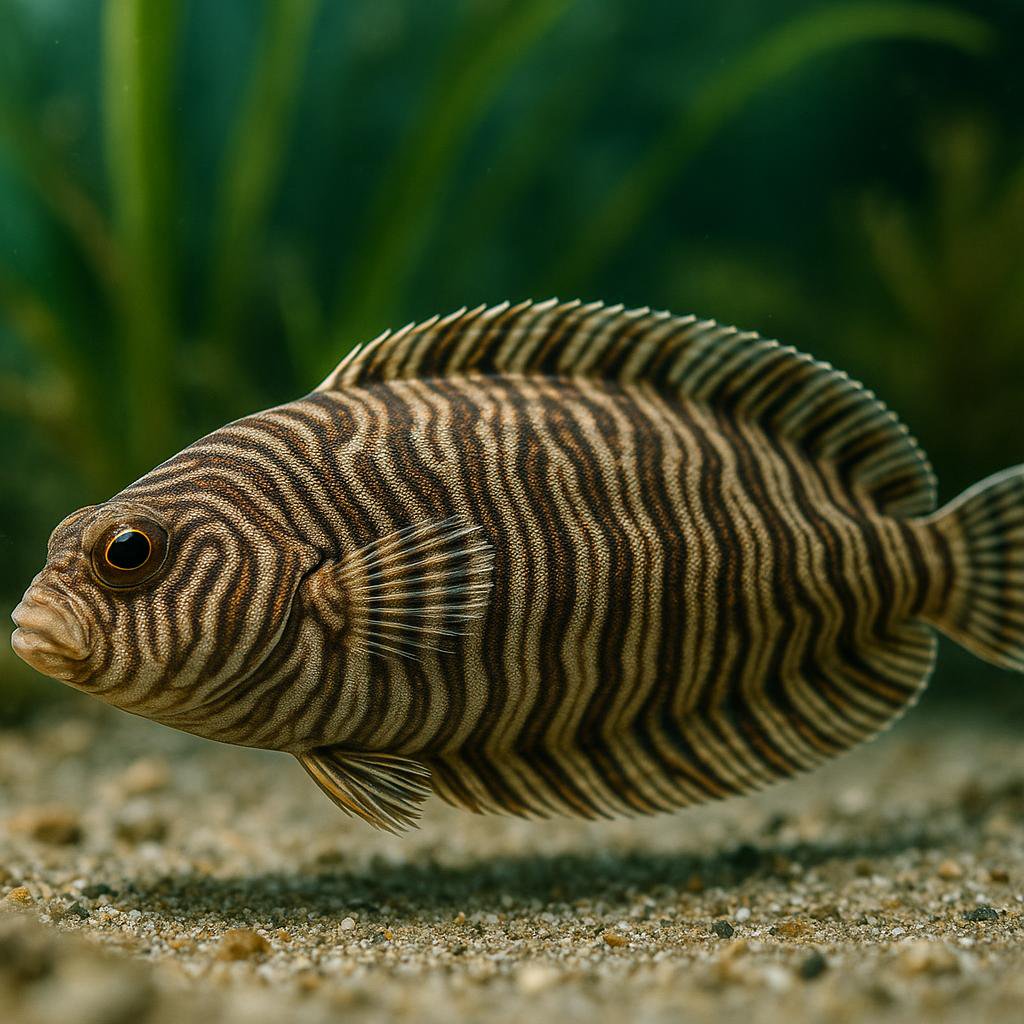
Annandale's zebra sole
Zebrias annandalei
Zebrias annandalei is a small demersal sole from coastal India that inhabits sandy or muddy bottoms and buries for camouflage. It is rarely kept in home aquaria and would require a specialized marine sand-bottom setup and appropriate feeding.
Australian sawtail catshark
Figaro boardmani
Figaro boardmani is a small, deepwater Australian catshark with these cool saw-like ridges of spiny denticles along the tail and a neat pattern of dark saddle bands. It lives way down on the outer continental shelf and slope, so its natural water is cold, dim, and stable - totally not a typical home-aquarium fish. Diet-wise its a predator that goes after fish, crustaceans, and cephalopods.
Looking for other species?