

Humpback smooth-hound
Mustelus whitneyi
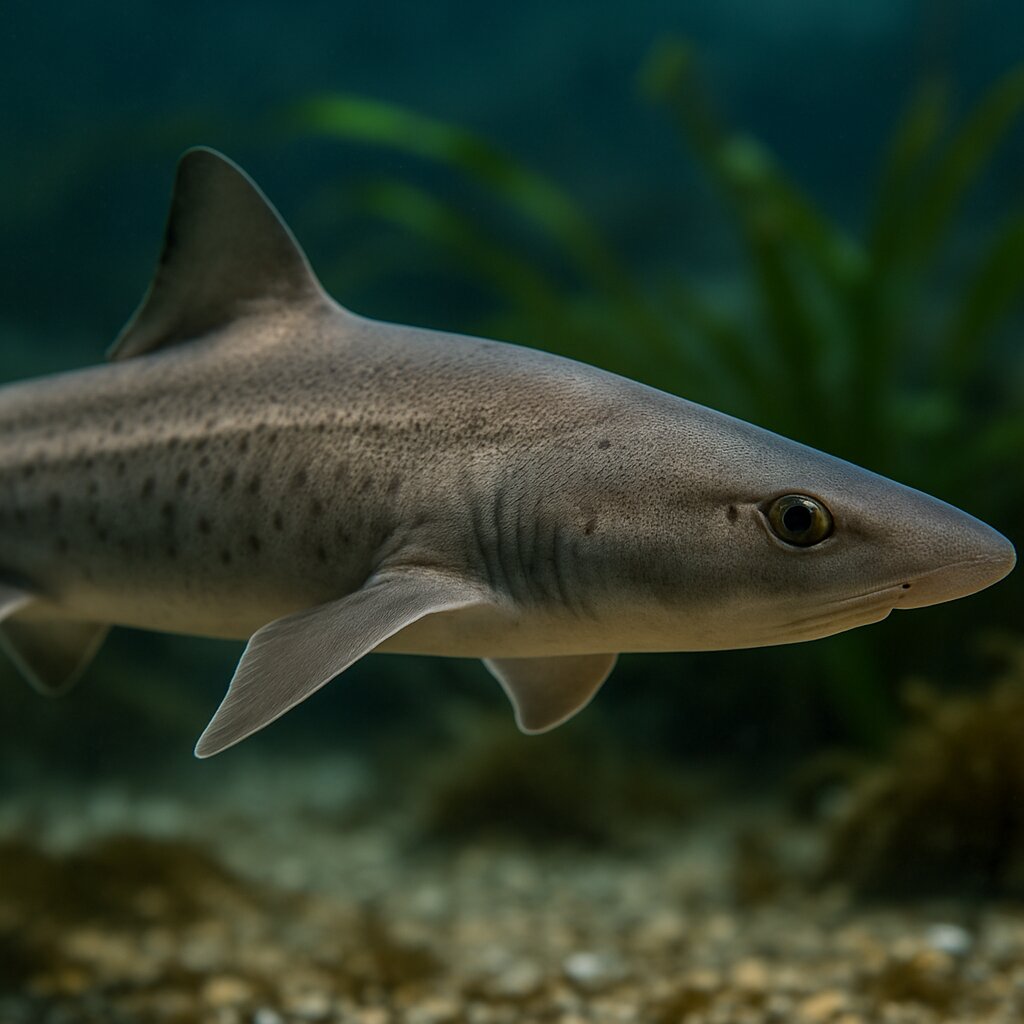
The Humpback smooth-hound features a slender, fusiform body with a prominent hump before the dorsal fin and a grayish-brown coloration.
This page includes AI-generated images. Why am I seeing AI images?
About the Humpback smooth-hound
A sleek gray houndshark from the cool Humboldt Current, this shark gets its name from the subtle hump just ahead of the first dorsal fin and those dark-fringed fin edges. It works rocky and soft bottoms for crabs, mantis shrimp, and small fish and needs chilled, wide-open swimming space if anyone tries to keep it in captivity.
Also known as
Quick Facts
Size
118 cm (46 inches)
Temperament
Semi-aggressive
Difficulty
Expert
Min Tank Size
1700 gallons
Lifespan
10-20 years
Origin
Southeast Pacific (Ecuador, Peru, Chile)
Diet
Carnivore - crustaceans (crabs, mantis shrimp) and small fishes; accepts meaty marine foods
Water Parameters
14-20°C
8-8.4
20-35 dGH
Need a heater for this species?
This species needs 14-20°C in a 1700 gallon tank. Use our heater calculator to find the right wattage.
Calculate heater sizeCare Notes
- They hit 3-4 ft as adults, so think public-aquarium scale: circular tank or lagoon with at least an 8x12 ft footprint and 1500-3000 gallons. Rounded corners and lots of open sand prevent nose rub and belly scrapes.
- Use fine aragonite sand and keep rockwork low, smooth, and bombproof. No sharp edges or exposed pump intakes where it can wedge its snout.
- Run 33-35 ppt salinity, 12-18 C (54-64 F) with a chiller, pH 8.0-8.3, and aggressive aeration. Ammonia and nitrite must be zero and nitrate under 10-20 ppm, so oversize the skimmer and do big, regular water changes.
- Feed 3-4x per week with varied marine seafood (squid, shrimp, crab, clam, white fish) using tongs. Skip thiaminase-heavy fish like smelt as a staple, add vitamin/iodine enrichment weekly, and include some shell-on items to wear down teeth.
- Tankmates should be other calm coldwater sharks or rays only in truly huge systems. Avoid triggers, puffers, big wrasses or angels, and skip stinging corals and anemones.
- Do not use copper, chloroquine, or hyposalinity on sharks. If you need to treat, move it to a separate system, use shark-safe meds like praziquantel, and crank up aeration.
- Watch for rostrum abrasions, heavy gilling, and a reddening underside after a feeding-induced ammonia spike; fix flow and water quickly before it starts spiraling. Check for stray voltage and any rusty magnets or clamps since metals nuke elasmobranchs.
- Breeding is placental and seasonal and basically not happening at home, plus males bite hard during courtship and can injure females in tight quarters. Also check local laws and sourcing since regional stocks are fishery-pressured.
Compatibility
Good Tankmates
- Other smooth-hounds about the same size in a giant cool-water tank - they cruise together and spread any attitude out
- Big temperate rays and skates that are not nippy - bat rays, round rays, guitarfish - same pace and usually ignore each other
- Leopard sharks or soupfin sharks of similar size, same temperature band, with tons of open water and steady flow
- Large, non-nippy schooling fish that match the cool-marine setup and are too big to be food - give them room and feed heavy so they do not outcompete the shark
Avoid
- Triggers and puffers - they chew fins and skin, even eyes, and will not let the shark chill
- Angels, tangs, and many wrasses - constant pickers that stress sharks and rough up their skin
- Moray eels and big groupers - ambush biters and food hogs that can injure or even swallow smaller sharks
- Anything bite sized or slow fancy fish - they will get eaten or bulldozed at feeding time
Where they come from
Humpback smooth-hounds are cold-water coastal sharks from the Humboldt Current along Peru and northern Chile. Think cool, oxygen-rich water, sandy bottoms, and long open stretches with steady swell. They cruise a lot and pick crabs, small fish, and squid off the bottom.
They are a cold-temperate species. Plan on running a chiller. Warm reef tanks are the wrong home for this shark.
Setting up their tank
I will be blunt: this is a public-aquarium-scale animal. Adults push past a meter, and they never stop cruising. You want a round or oval system with no sharp corners, a soft sand bottom, and huge, reliable life support. If you cannot dedicate a room-sized tank or indoor pond, pick a different shark.
- Footprint and shape: round pool or raceway with rounded ends. For an adult, think 15-20 ft diameter (or a long oval 20+ ft) as a working minimum. Juveniles grow fast, so plan for the final system from day one.
- Depth: 3-4 ft is fine. Surface area and turning radius matter more than depth.
- Substrate: fine, sugar-grade sand. No crushed coral or jagged rock. Keep decor minimal and smooth.
- Filtration: oversized skimmer, large biofilter (trickle tower or moving bed), UV or ozone, and strong mechanical filtration. Sharks dump nitrogen. You need headroom.
- Flow and oxygen: high aeration and even, gentle circular flow. Avoid strong jets pointed at the shark's face.
- Temperature: mid to high 50s to mid 60s F (roughly 14-18 C is a sweet spot). Use a chiller and keep it stable.
- Salinity: natural seawater strength, around 35 ppt (1.023-1.026 SG). Do not drop salinity for disease treatment.
- Chemistry targets: ammonia and nitrite at 0, nitrate kept low with big water changes. pH around 8.1-8.3, strong alkalinity.
Microbubbles and exposed intakes injure sharks. Use bubble traps, diffusers, and screened drains. Cover any sharp edges with flexible pond liner.
Lighting can be subdued. They are more relaxed in lower light with a dusk/dawn ramp. Keep foot traffic low near the tank front; sudden shadows make them bolt and scuff their snout.
Acclimate slowly in a dim room. Use a soft, wet stretcher if you ever have to move them. Never lift by the tail or gills.
What to feed them
They accept prepared seafood readily once they figure out the routine. Target feed with tongs so you control portions and keep the bottom clean.
- Good staples: squid, cuttlefish, scallops, clam, prawn, and lean marine fish like cod, pollock, or mahi.
- Occasional: pieces of crab or crayfish for crunch, whole bait-sized marine fish (scaled/degutted if needed).
- Avoid or limit: oily fish and known high-thiaminase items (smelt, herring, anchovy, capelin) unless you supplement thiamine heavily.
- Never: freshwater feeder fish or anything treated with preservatives meant for human display.
Supplement vitamins, especially iodine and thiamine. I use a shark-safe vitamin soak on meals 2-3 times a week. Iodine helps prevent goiter in elasmobranchs.
Feed 2-3 times per week for adults, smaller portions more often for juveniles. Give them a fasting day. Keep notes on how many pieces they take so you can spot changes in appetite early.
How they behave and who they get along with
They are steady cruisers and pretty chill as sharks go. Not bitey or confrontational in a big enough space, but they will investigate anything edible. They perk up at dusk and settle into predictable laps once they map the pool.
- Good bets: other coldwater, non-nippy species with similar size and pace, like large temperate rays or robust, calm fish that will not pester them.
- Avoid: triggers, puffers, large wrasses, and groupers that nip fins; small schooling fish that trigger chase; tropical species that want warmer water.
- Multiple sharks: possible in very large systems with lots of space. Keep sizes similar and watch feeding time closely to prevent bumping and food competition.
Give them a clear oval path with no choke points. If two sharks keep colliding at a tight turn, you need a bigger radius or fewer animals.
Breeding tips
They are livebearers, and breeding does happen in public aquaria, but it is rare in private systems. The females carry for a long time, and you need space, stable seasons, and hands-off management. If you are not running a very large, chilled system, consider this out of reach.
- Sexing is straightforward: males have claspers, females do not.
- Seasonal cues help: adjust photoperiod and temperature slightly across the year to match their native cool-water swings.
- Diet matters: consistent, varied marine foods with vitamin and iodine support.
- Pup care: have a separate, round nursery ready. Newborns are small but fully formed. Target feed tiny strips of seafood after they settle.
- Record keeping: track dates, behavior, and girth changes. Gravid females need extra room and zero harassment.
Check local laws before attempting any breeding project. Export and transport of sharks, even common ones, can be regulated.
Common problems to watch for
- Snout and belly abrasions from poor layout or rough substrate. Fix the environment first, then let clean, cold, high-oxygen water do the healing.
- Low oxygen or microbubbles causing frantic swimming, gill irritation, or gas bubble issues. Add aeration, fix leaks, and use degassing on returns.
- Ammonia spikes after big feeds. Test often and do large, temperature-matched water changes.
- Goiter (swollen throat area) from iodine-poor diets. Use iodine-inclusive vitamin soaks and varied marine foods.
- Thiamine deficiency from feeding lots of high-thiaminase fish. Supplement B1 or rotate those items out.
- External parasites like flukes. Work with an experienced aquatic vet; sharks do poorly with many standard fish medications.
Do not use copper, chloroquine, or formalin-based treatments on sharks. Do not hyposalinity-treat them. These are common elasmobranch killers.
Quarantine any tankmates, keep your hands out of the tank unless needed, and make small changes instead of big swings. With sharks, stability and a huge safety margin on life support are what keep you out of trouble.
Similar Species
Other marine semi-aggressive species you might be interested in.
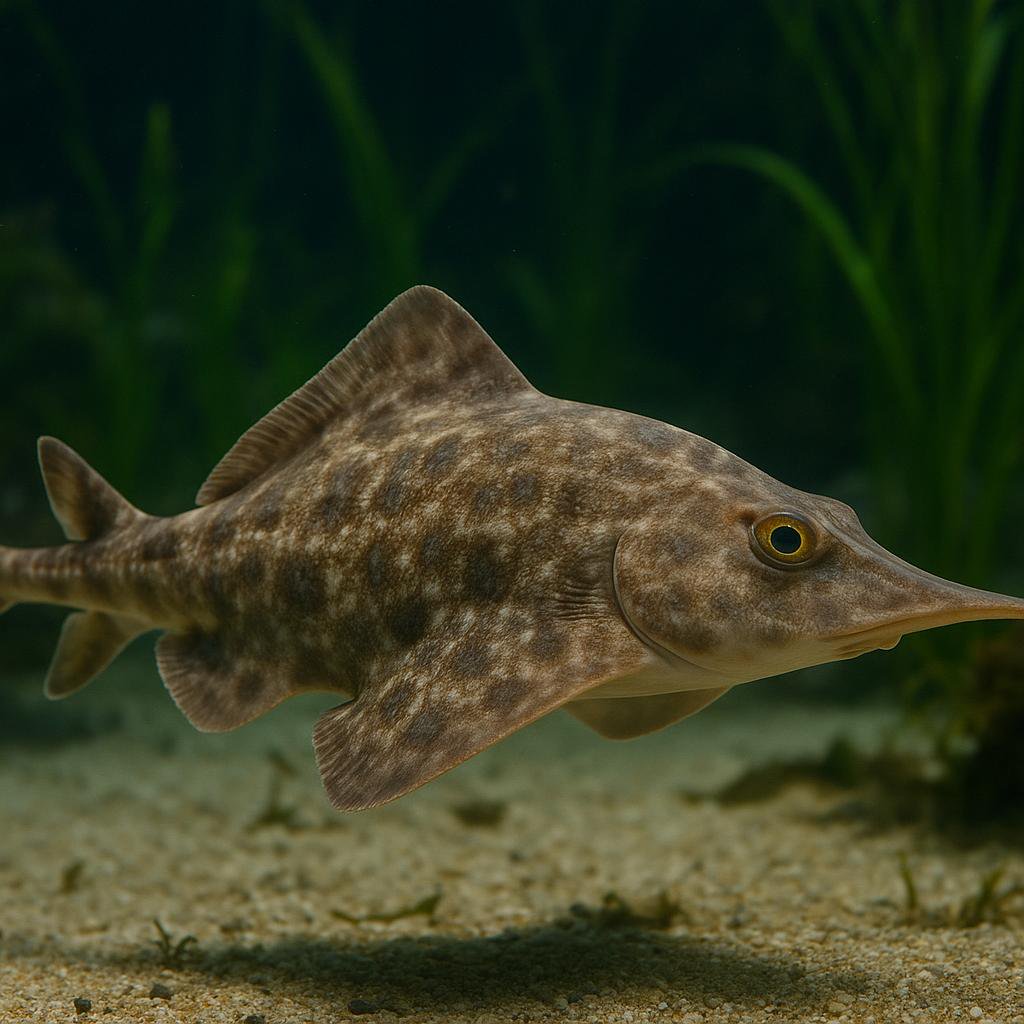
Aleutian skate
Bathyraja aleutica
This is a big, cold-water deep-slope skate from the North Pacific that cruises muddy bottoms and eats chunky benthic prey like crabs and shrimp. The really cool bit is its egg-laying skate life - it does distinct pairing (the classic skate "embrace") and drops those tough egg cases on the seafloor. Not an aquarium fish at all unless you're basically running a public-aquarium-style chilled system.
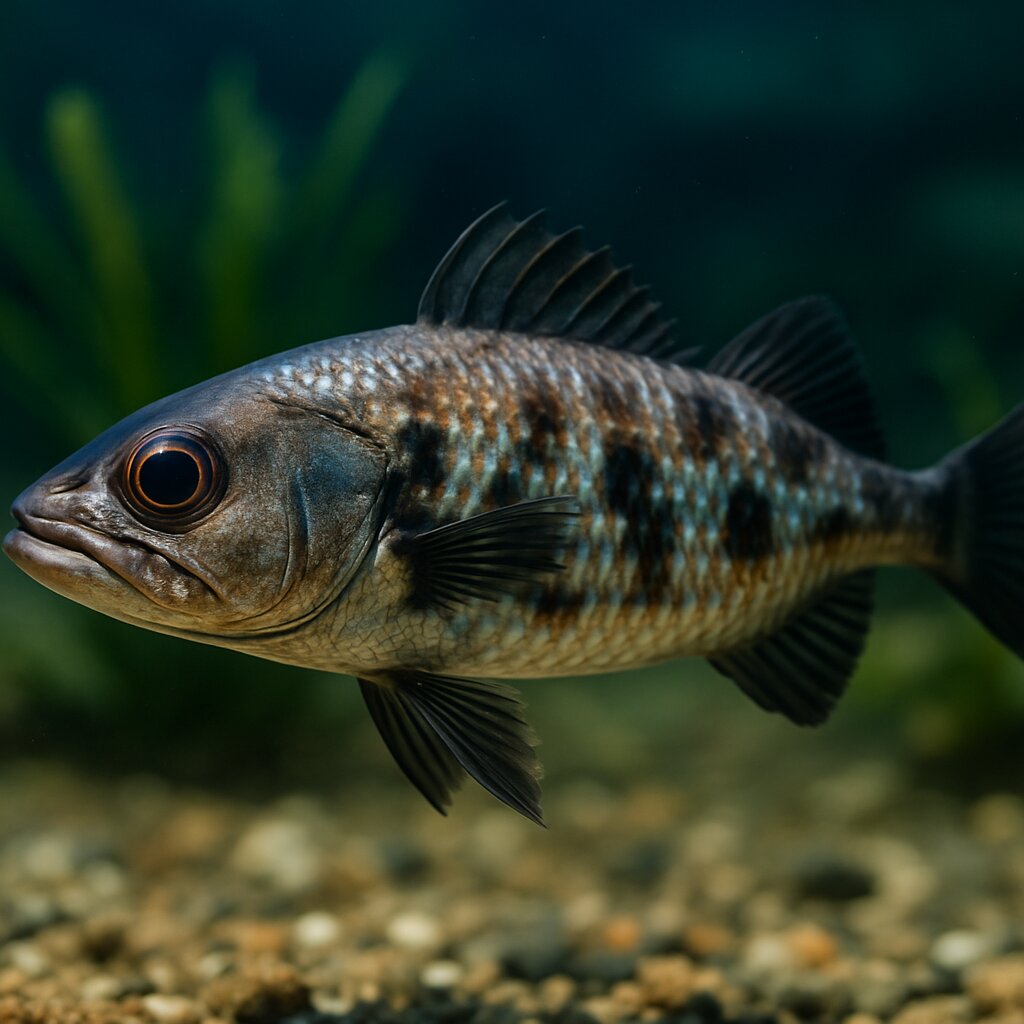
Antarctic dragonfish
Vomeridens infuscipinnis
Deep down around Antarctica, this sleek dragonfish cruises the water column like a little submarine, nearly neutrally buoyant so it can hover above the seafloor. It munches almost exclusively on Antarctic krill and lives in near-freezing water 500-800 m down, so it is a cool species to read about, not one for home tanks.
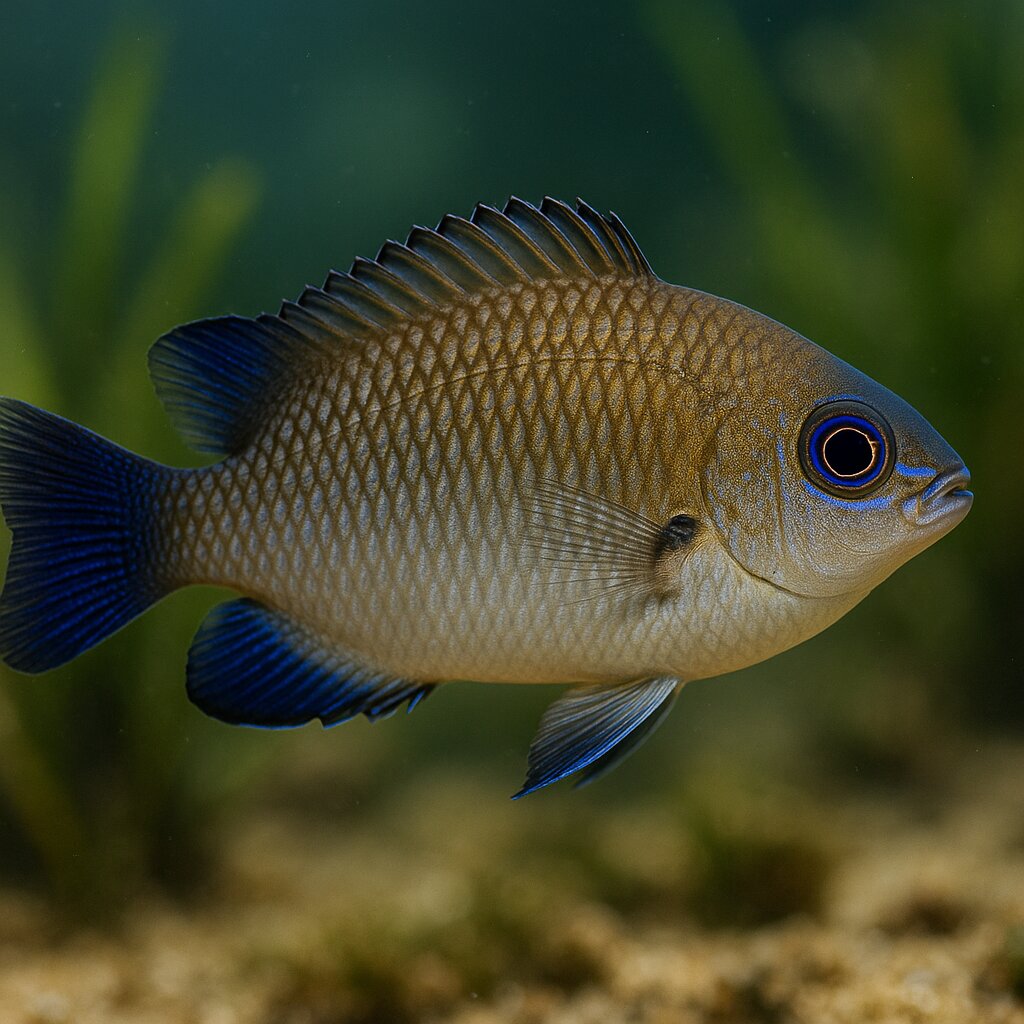
Arabian demoiselle
Neopomacentrus sindensis
A small lyretail damsel from the Persian Gulf and Arabian Sea, it hangs in loose groups around coral heads, rocks, and even pier pilings picking zooplankton from the flow. Think classic damsel toughness with a slightly milder attitude than the real bruisers, plus subtle yellow tail accents. Males clean a patch, get a mate to lay eggs there, and then stand guard fanning the clutch.
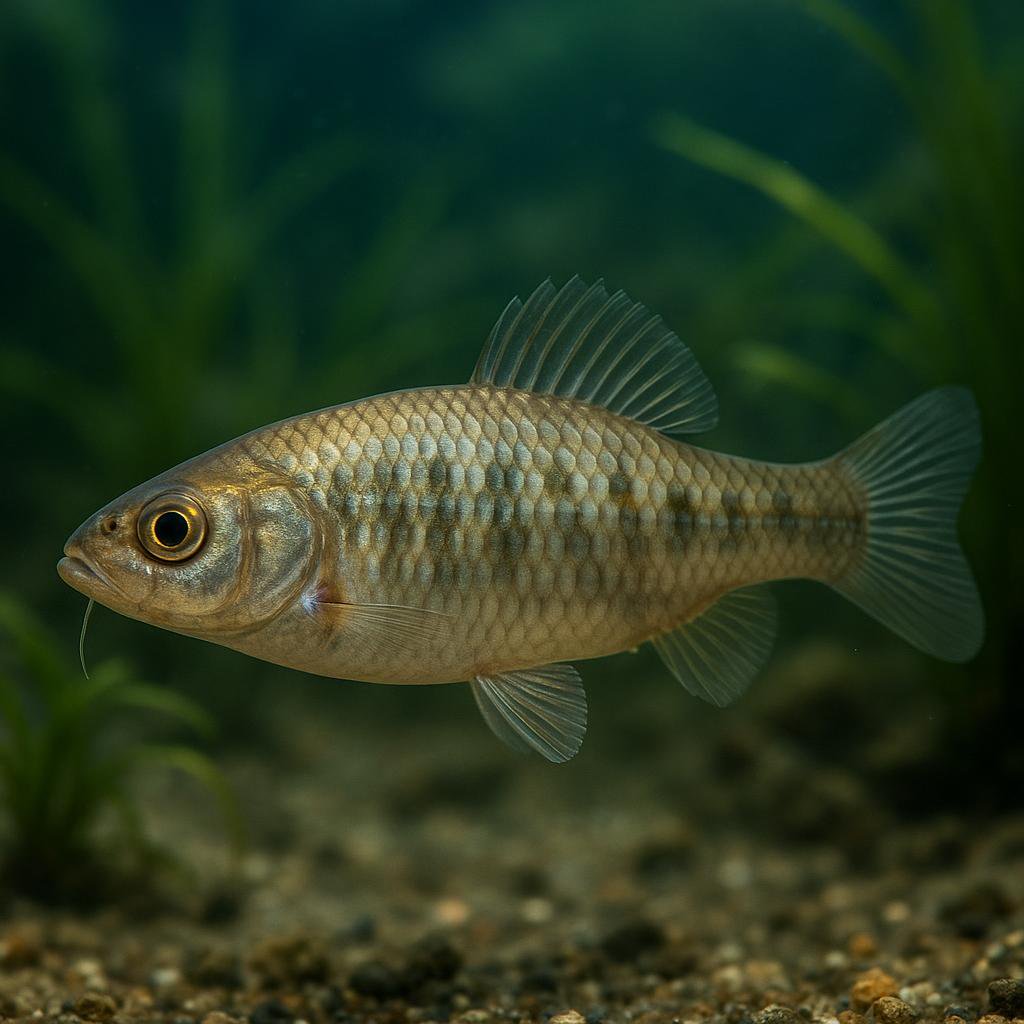
Arabian spiny eel
Notacanthus indicus
Notacanthus indicus is a deep-sea spiny eel (family Notacanthidae; not a true eel) known from the Arabian Sea on the continental slope at roughly ~960–1,046 m depth, with reported maximum length around 20 cm TL; it is a deep-water bycatch species and not established in the aquarium trade.
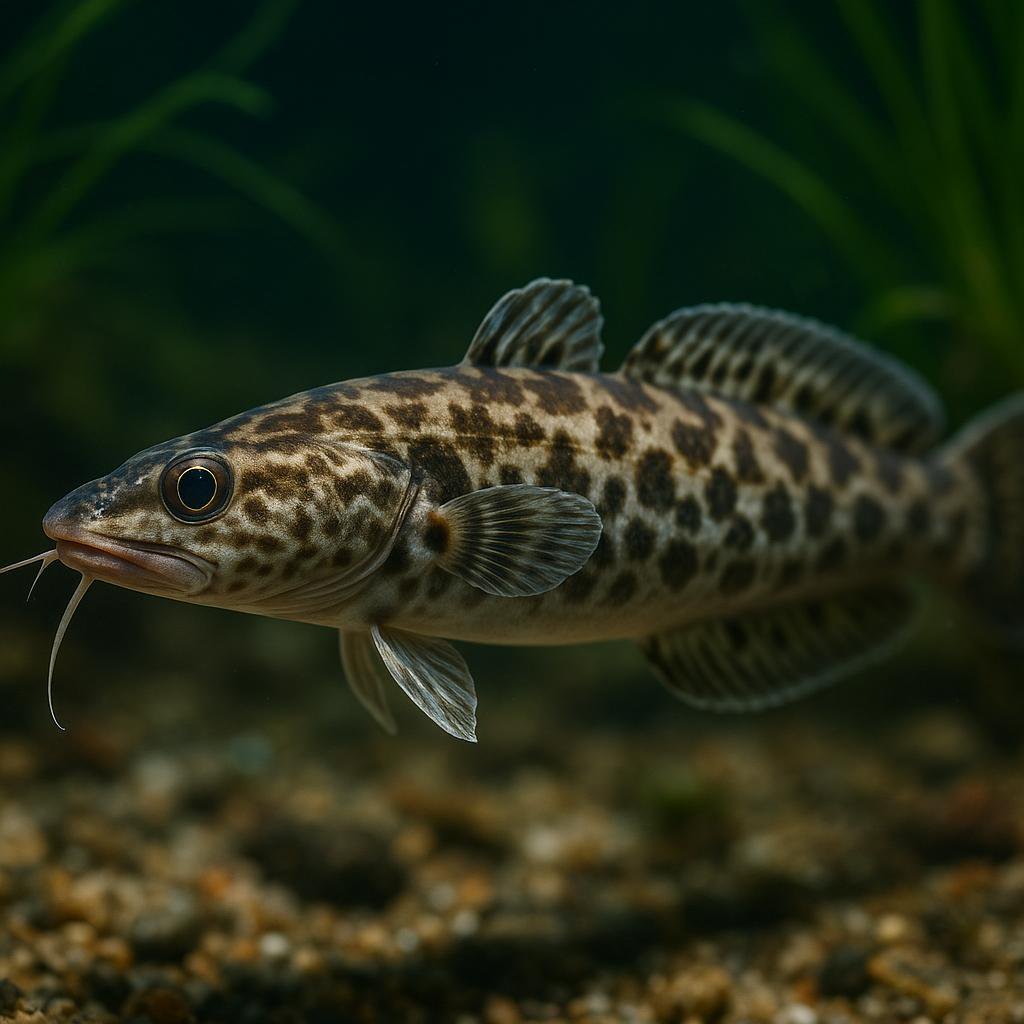
Arctic rockling
Gaidropsarus argentatus
This is a deepwater North Atlantic rockling (a cod relative) that hangs out on soft bottoms way down the slope. It is a cold-water, bottom-hugging predator that snoots around for crustaceans and will also take small fish when it gets the chance.
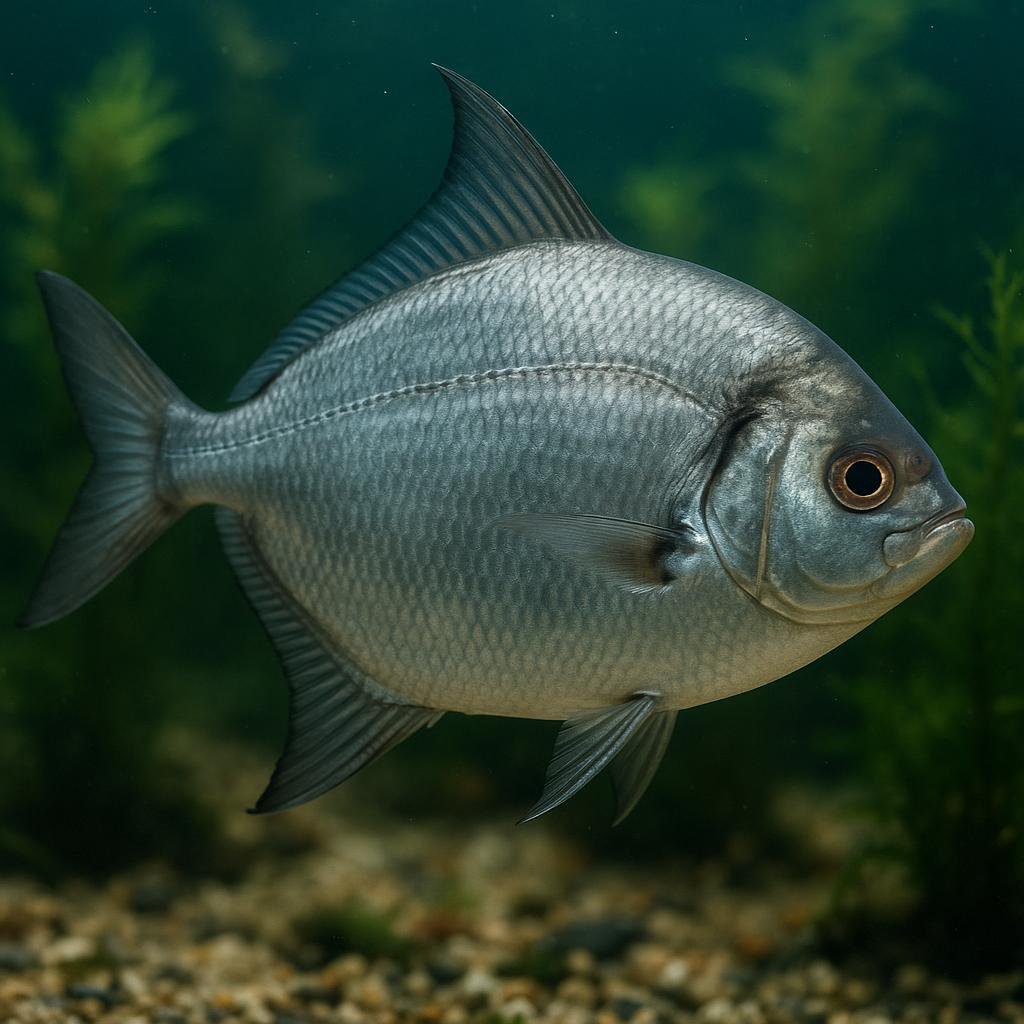
Atlantic pomfret
Brama brama
Brama brama is the Atlantic pomfret (aka Ray's bream) - a deep-bodied, open-ocean pelagic fish that cruises around in small schools and follows water temps. It is a legit big, wild marine species (not an aquarium fish) that eats other small sea critters like fish and squid, and it ranges across a huge chunk of the Atlantic plus parts of the Indian and South Pacific.
More to Explore
Discover more marine species.
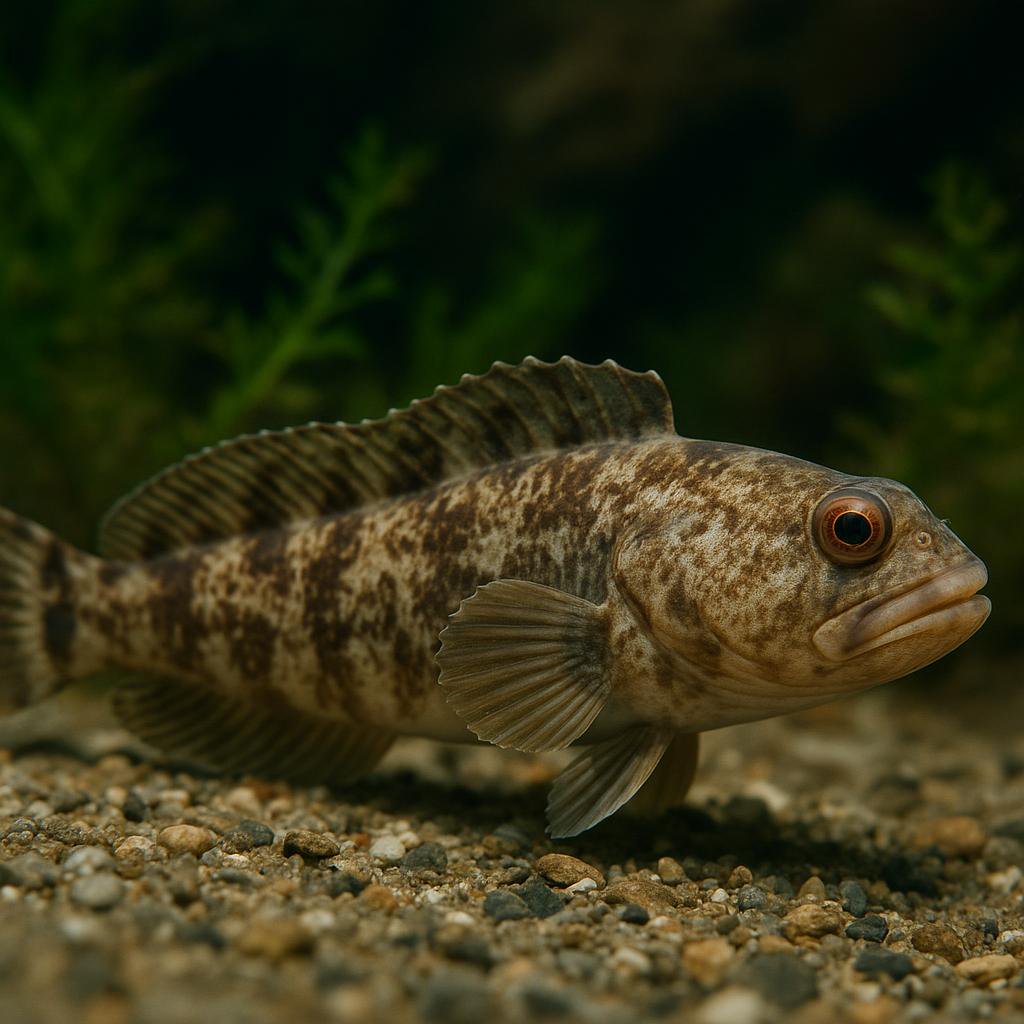
Abe's eelpout
Japonolycodes abei
Japonolycodes abei is a temperate, deepwater demersal eelpout (family Zoarcidae) endemic to Japan (Kumano-nada Sea reported; other sources also report Sagami Bay and Tosa Bay). It is the only species in the genus Japonolycodes and occurs roughly 40-300 m depth, making it an uncommon/atypical aquarium species.
Affinis blind cusk-eel
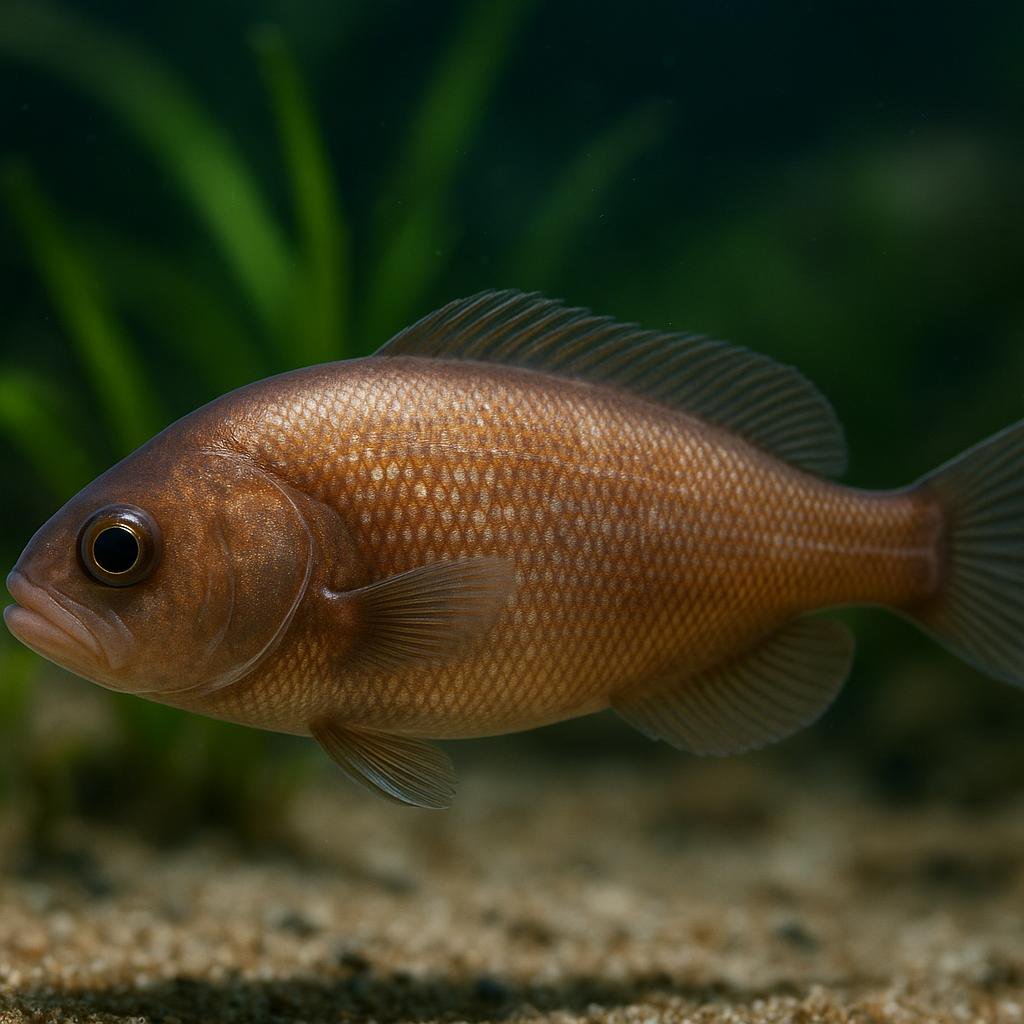
Barathronus affinis
Barathronus affinis is a tiny, super-weird deep-sea blind cusk-eel from the western-central Indian Ocean. It is one of those gelatinous, loose-skinned brotula-type fishes that live way down in the dark and are basically never seen alive, so almost everything we know comes from preserved specimens and taxonomic work.
African red snapper
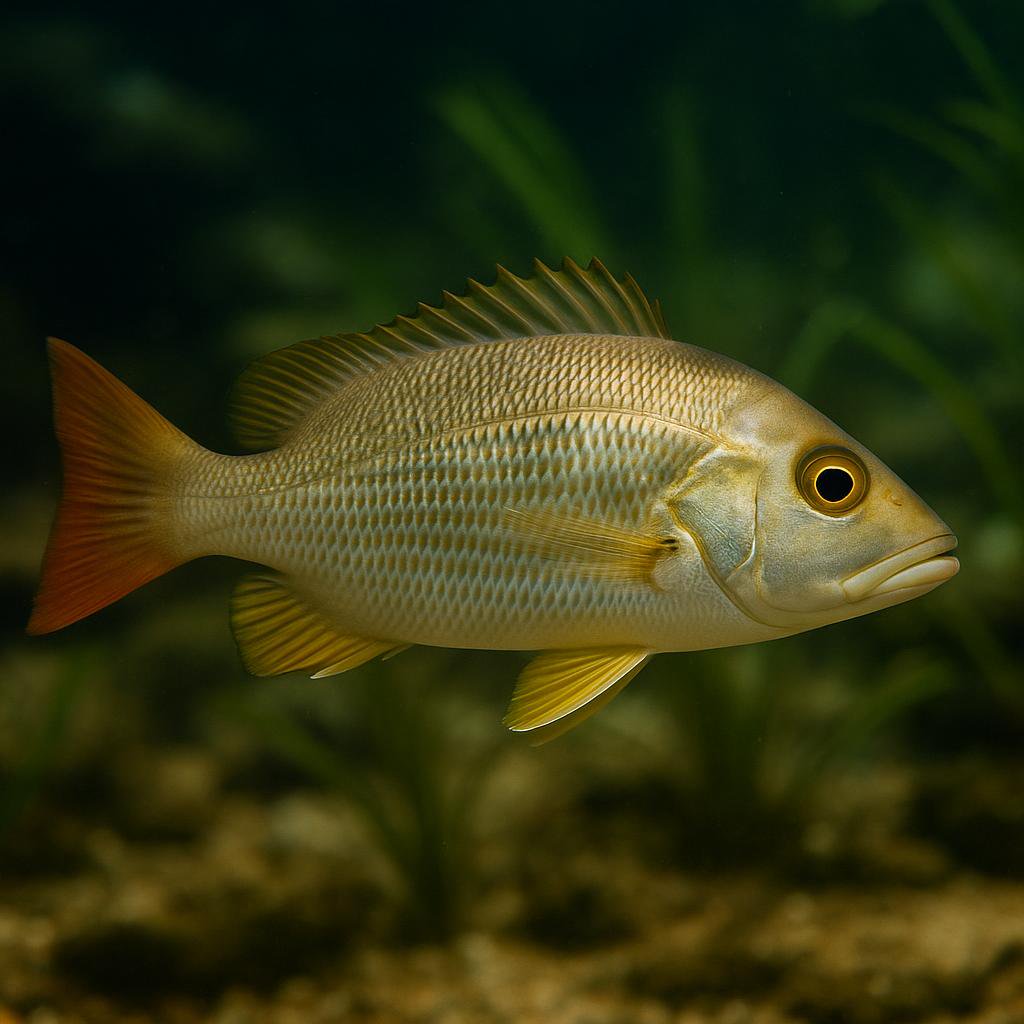
Lutjanus agennes
This is a true snapper from West Africa - a big, fast-growing predator that goes from coastal reefs to brackish lagoons and estuaries (especially as a juvenile). Super cool fish in the wild, but it gets absolutely huge and will eat smaller tankmates once it has the mouth for it, so its really more of a public-aquarium scale animal than a home-aquarium fish.
Allis shad
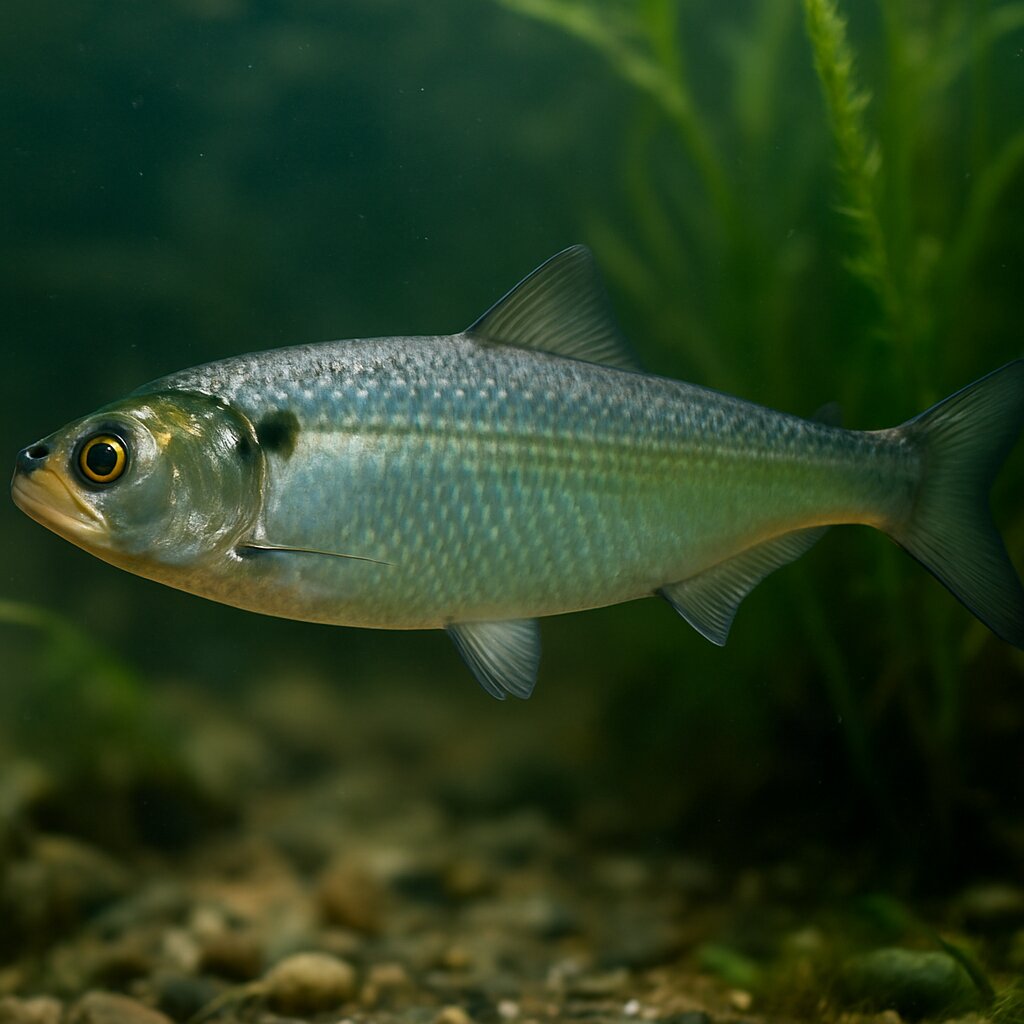
Alosa alosa
Gorgeous silver, fast-swimming shad that spends most of its life in the sea and then surges up big rivers in noisy, surface-spawning schools. It grows huge for a herring-type fish and needs cool, ultra-oxygenated water and tons of open space, so it is a public-aquarium species rather than a home tank fish.
Annandale's zebra sole
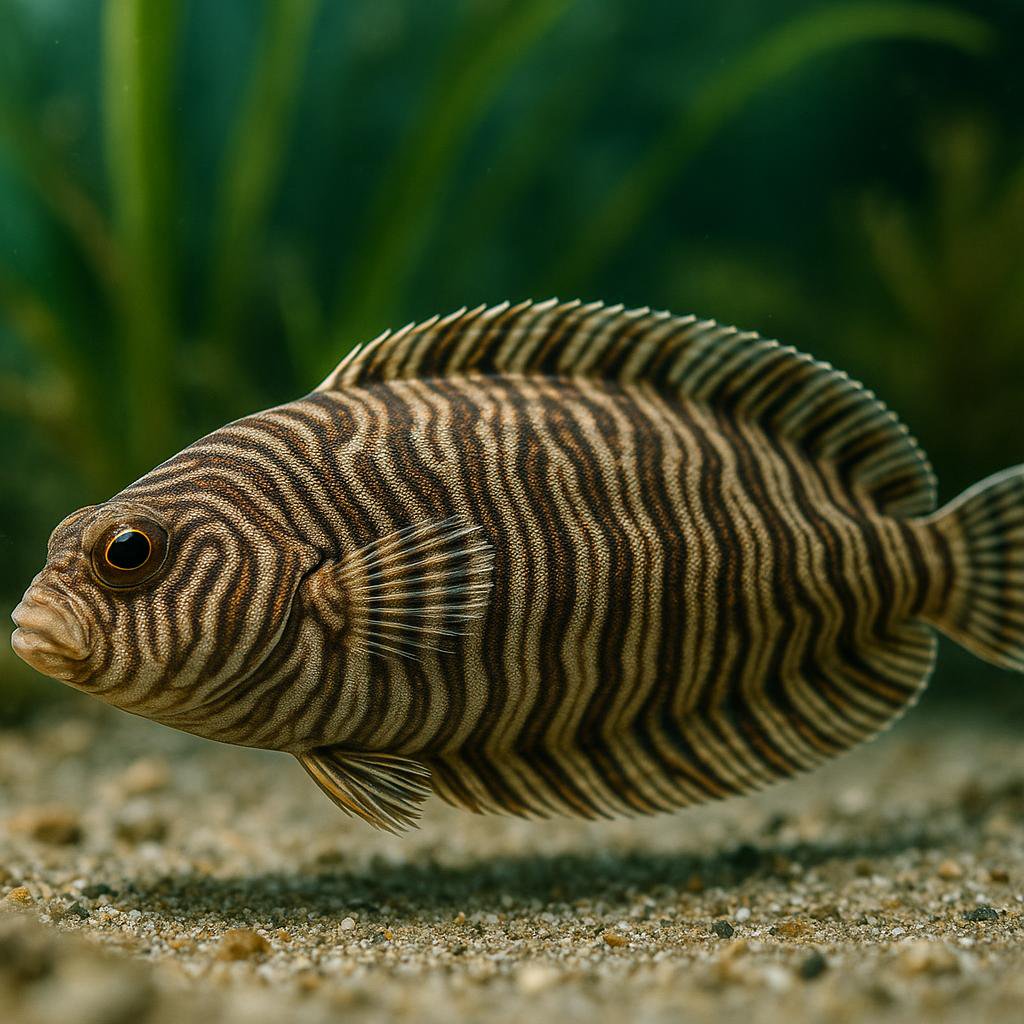
Zebrias annandalei
Zebrias annandalei is a small demersal sole from coastal India that inhabits sandy or muddy bottoms and buries for camouflage. It is rarely kept in home aquaria and would require a specialized marine sand-bottom setup and appropriate feeding.
Australian sawtail catshark
Figaro boardmani
Figaro boardmani is a small, deepwater Australian catshark with these cool saw-like ridges of spiny denticles along the tail and a neat pattern of dark saddle bands. It lives way down on the outer continental shelf and slope, so its natural water is cold, dim, and stable - totally not a typical home-aquarium fish. Diet-wise its a predator that goes after fish, crustaceans, and cephalopods.
Looking for other species?