

Jonah's icefish
Neopagetopsis ionah
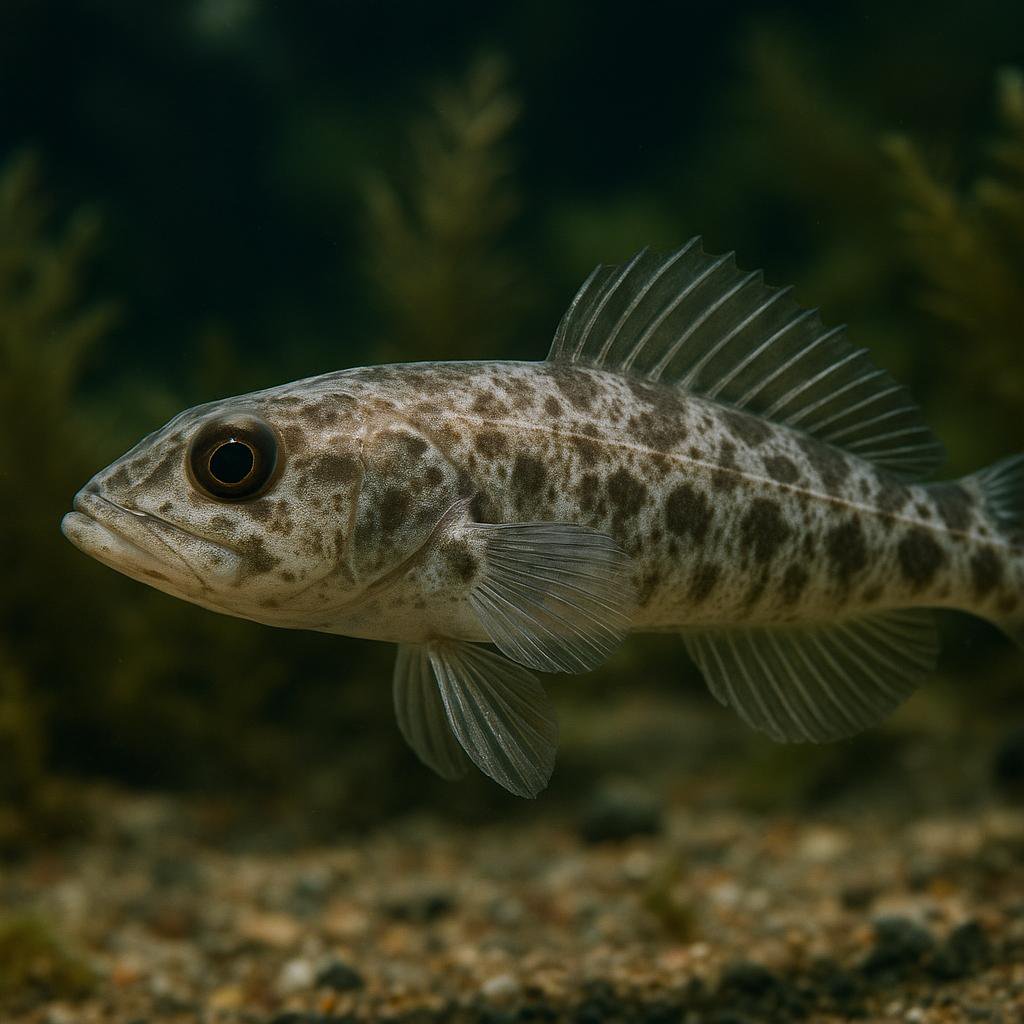
Jonah's icefish features a translucent, pale body with large, prominent eyes and a distinctive lack of hemoglobin in its blood.
This page includes AI-generated images. Why am I seeing AI images?
About the Jonah's icefish
Jonah's icefish is a weird and wonderful Antarctic icefish that lives in near-freezing seawater on the continental shelf and slope. It is a predator that eats fish and krill, and it is famous for nest-building and egg-guarding behavior, including massive nesting colonies documented in the Weddell Sea.
Also known as
Quick Facts
Size
56 cm
Temperament
Semi-aggressive
Difficulty
Expert
Min Tank Size
300 gallons
Lifespan
10-20 years
Origin
Southern Ocean (Antarctica)
Diet
Carnivore - fishes and krill (meaty marine foods)
Water Parameters
-1.8-1.1°C
7.8-8.3
8-12 dGH
Need a heater for this species?
This species needs -1.8-1.1°C in a 300 gallon tank. Use our heater calculator to find the right wattage.
Calculate heater sizeCare Notes
- This is a true Antarctic coldwater fish - plan on a real chiller setup, not a "cool room" hack. I would treat 28-36F (-2 to 2C) as the target range, and keep the temp steady because swings hit them hard.
- Run the tank like a clean, high-oxygen surge zone: heavy flow, lots of surface agitation, and oversized skimming. If you ever see them hovering and breathing fast, assume oxygen is low or the water is dirty and fix that first.
- Go big on footprint and keep the aquascape open - they cruise more than they weave through rock. Use smooth rock and sand and leave clear lanes so they do not bash their face when they spook.
- Feed meaty marine foods and keep it simple: thawed krill, mysis, chopped shrimp, small fish pieces, and quality gel diets for carnivores. Smaller portions more often works better than one huge dump that fouls the water in a cold system.
- They do not mix with tropicals or even most "coolwater" marine fish - the temp mismatch is a death sentence for someone. Stick to other true Antarctic/coldwater species that like the same near-freezing water and are not fin nippers.
- Quarantine is not optional with these - parasites and bacterial issues can smolder in cold water and you notice too late. Use a QT that is chilled to the same temp, and be careful with meds since dosing and metabolism are weird at near-freezing temps.
- Watch for gas bubble issues and swim problems if you run very high O2 and pressure changes (big water changes, blasting fresh water into the tank, microbubbles from pumps). If you see tiny bubbles on fins/eyes or odd buoyancy, back off microbubbles and slow your change routine.
Compatibility
Good Tankmates
- Other coldwater Antarctic notothenioids that are similar size and not super bitey - think mild-mannered rockcod/icefish types. Jonah's can be pushy at feeding time, but with equally sized tankmates it usually turns into posturing, not nonstop damage.
- Bigger, tough coldwater sculpin-like predators that can handle a semi-aggressive neighbor and wont get stressed by the 'mine, mine, mine' attitude around caves. As long as nobody can fit in anybody's mouth, they tend to coexist.
- Urchins and larger, hardy coldwater inverts (the kind that dont look like bite-sized shrimp). They help with cleanup and generally dont trigger the 'food response' the way small crustaceans do.
- Coldwater echinoderms like certain sea stars that are robust and not delicate. Jonah's icefish usually ignores them once it realizes they are not edible (still, dont pick tiny or flimsy species).
- Big, hardy coldwater snails and limpets - good cleanup crew, and they dont move like prey. In my experience these are the safest 'tankmates' you can add without starting a snack situation.
- A second Jonah's icefish only if the tank is large with multiple hideouts and you add them together. Mixed sizes are asking for bullying, and cramped quarters turn 'semi-aggressive' into 'constant drama.'
Avoid
- Small fish or anything slender enough to swallow (or even just fit halfway in the mouth). If it looks like food, it becomes food - especially at night or during feeding frenzies.
- Small shrimp and most crab species. Even if they survive week one, eventually one molt later they look like an easy meal and Jonah's will pick them off.
- Slow, delicate fish that hover in the open and dont stand their ground at feeding time. Jonah's tends to shoulder in, steal food, and can stress them out to the point they stop eating.
Where they come from
Jonah's icefish (Neopagetopsis ionah) is an Antarctic species from brutally cold Southern Ocean water. Think near-freezing seawater, lots of oxygen, seasonal light swings, and a food web built around krill and small fish. They are part of the icefish group that are famous for living in conditions most marine tanks cannot even get close to.
This is an expert-only fish for one big reason: temperature. If you cannot reliably hold near-freezing seawater (and deal with the condensation, power backup, and heat load), do not try this species.
Setting up their tank
Plan the system around chilling first, then build everything else around that. A normal reef setup that runs 76F is basically the opposite of what this fish wants.
- Temperature: aim roughly 28-34F (-2 to 1C), stable. Short warm spikes are what get you in trouble.
- Tank size: big, because cold-water fish need oxygen-rich, stable water. I would not consider less than 180 gallons, and 300+ is way more realistic if you want it to look relaxed.
- Chiller: commercial-grade, oversized. Put it on its own circuit if you can. Add a controller with alarms.
- Insulation: insulate sump and plumbing. Cold systems sweat like crazy, so plan drip management and protect floors.
- Filtration: heavy biological filtration plus aggressive mechanical. These fish are messy eaters on meaty foods.
- Flow and oxygen: lots of turnover and surface agitation. Cold water holds oxygen, but you still want redundancy (big skimmer, air stones in sump, backup air).
- Aquascape: open swimming lanes with a few big rock structures for breaks. Avoid sharp rock piles they can bash into during feeding.
Treat condensation like part of the build. Wrap cold lines, keep electronics up high, and use drip loops everywhere. A cold sump will fog a cabinet fast.
Lighting does not need to be fancy. In the wild they see long dark winters and bright summers, but for captivity I keep it moderate and consistent. If you want to mimic seasons, do it slowly and watch appetite and stress.
What to feed them
They are carnivores and they want real, meaty foods. You are basically running a predator feeding program, just at refrigerator temperatures.
- Staples: thawed krill, mysis, chopped shrimp, chopped squid, silversides or other marine fish flesh (sparingly).
- Variety: rotate foods so you are not leaning on one thing (krill-only diets can cause issues long term).
- Enrichment: soak occasionally with a marine vitamin and HUFA supplement if you can manage it.
- Feeding style: target feed with tongs or a feeding stick. They learn fast and it keeps food from disappearing into rockwork.
- Schedule: small meals more often beats one huge dump. I like 4-6x/week depending on body condition.
Do not feed freshwater feeder fish. Besides the usual parasite risk, the fat profile is wrong for marine predators and can cause long-term health problems.
Watch the belly line and overall thickness behind the head. In cold systems, they can look fine and still be slowly losing weight if you are underfeeding or if tankmates are stealing food.
How they behave and who they get along with
They are not a typical "community" fish. In my experience they are calm until food shows up, then they turn into clumsy missiles. They are also built for cold, oxygen-rich water, so warm-water tankmates are off the table anyway.
- Temperament: generally not hyper-aggressive, but they will eat what fits in their mouth.
- Tankmates: only other Antarctic/cold-temperate species that match the temperature and pace. Even then, keep it simple.
- Best setup: species tank or a very carefully chosen cold-water group with lots of space.
- Social behavior: individuals vary. Some tolerate a partner, some get pushy around feeding areas.
The biggest compatibility issue is not "mean vs peaceful" - it is temperature. Anything that likes 50-78F is incompatible, full stop.
Give them open water and predictable feeding spots. If they feel crowded, you will see more bumping, fin nips, and frantic dashes when the lid opens.
Breeding tips
Breeding Jonah's icefish in home aquaria is not something most hobbyists pull off. In the wild, these fish are tied to seasonal cycles (light, temperature, food pulses) and they often use specific habitats for spawning.
If you want to even attempt it, think in years, not weeks. Large mature fish, a huge chilled system, seasonal photoperiod shifts, and extremely stable water quality are the baseline.
If you ever see courtship behavior (pairing up, site interest, increased territorial hovering), back off on rearranging the tank and keep feeding consistent. Stability beats tinkering here.
Common problems to watch for
Most issues come from the system, not the fish. Cold marine setups magnify equipment mistakes.
- Temperature creep: summer room heat, stuck relays, undersized chiller. Use alarms and redundant control.
- Low oxygen events: power outages or clogged skimmer/air. Have battery backup for air or a generator plan.
- Condensation damage: rusted outlets, swollen stands, salt creep on cold plumbing. Inspect weekly.
- Poor appetite: often a sign of temperature drifting warm, stale water from low flow, or internal parasites from wild-caught stock.
- Bloat/constipation: big chunky meals can back them up. Smaller portions and more variety helps.
- Mouth/face injuries: they hit rock or the glass during feeding. Keep rockwork blunt and feeding controlled.
Have a power-failure plan before you buy the fish. A cold marine system can swing fast if the chiller stops or if oxygen drops. Backup air is not optional.
If you are seeing repeated health problems, step back and audit the basics: actual logged temperature (not just the controller display), dissolved oxygen, and how much waste is sitting in the sump. Fix the system and the fish usually follows.
Similar Species
Other marine semi-aggressive species you might be interested in.
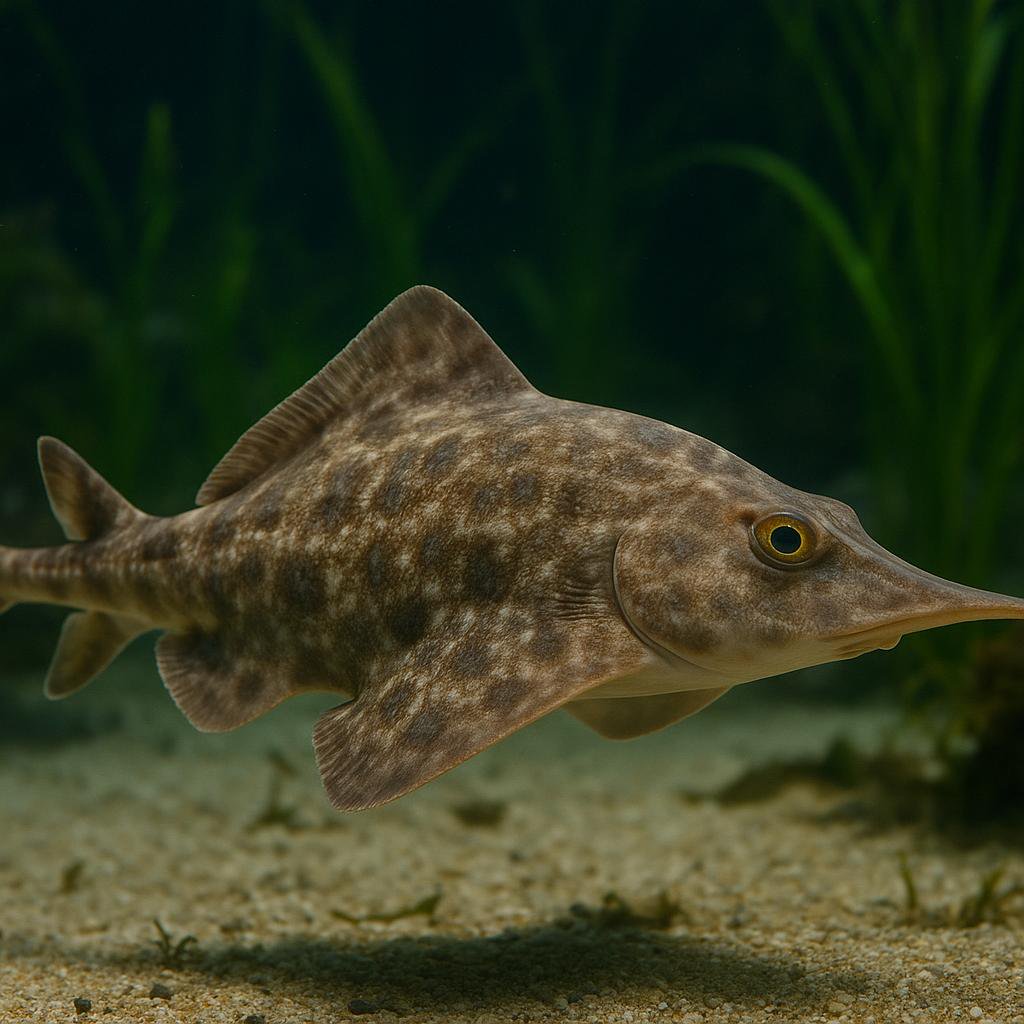
Aleutian skate
Bathyraja aleutica
This is a big, cold-water deep-slope skate from the North Pacific that cruises muddy bottoms and eats chunky benthic prey like crabs and shrimp. The really cool bit is its egg-laying skate life - it does distinct pairing (the classic skate "embrace") and drops those tough egg cases on the seafloor. Not an aquarium fish at all unless you're basically running a public-aquarium-style chilled system.
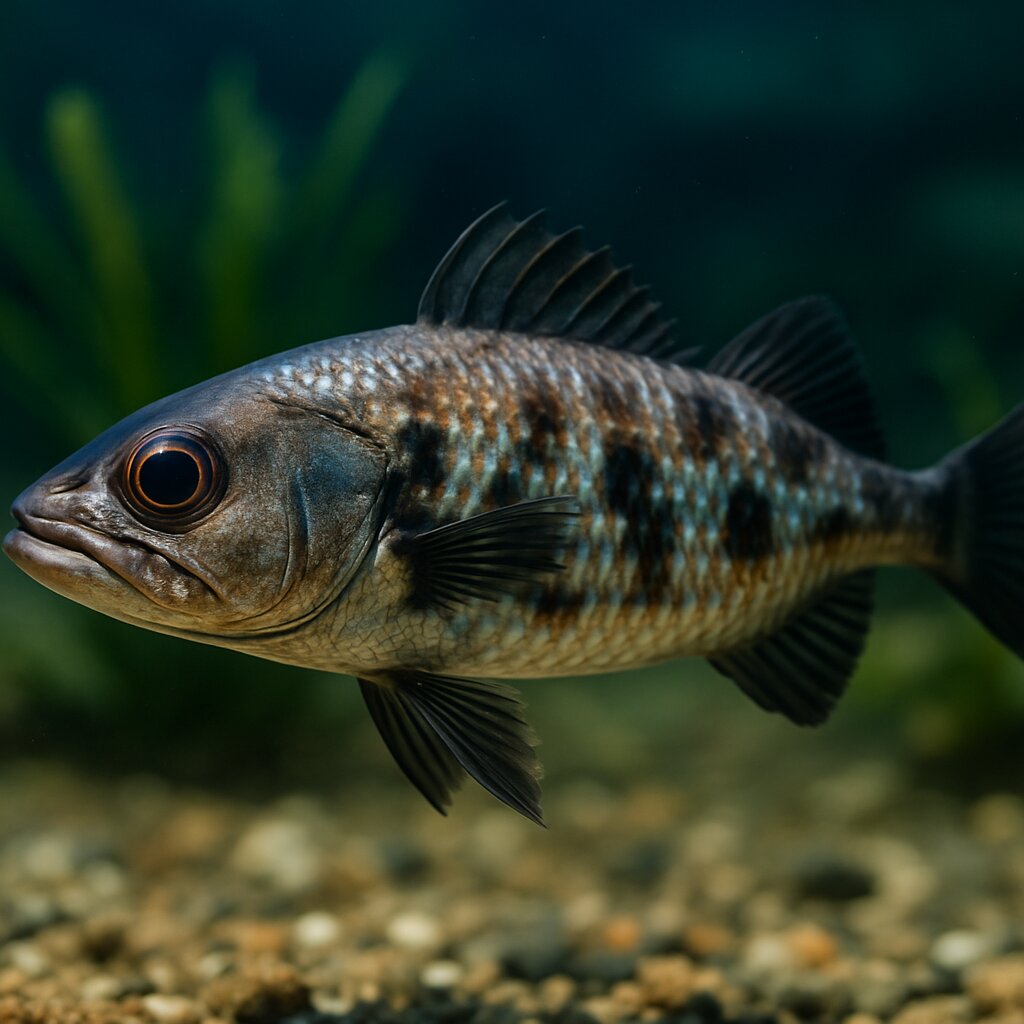
Antarctic dragonfish
Vomeridens infuscipinnis
Deep down around Antarctica, this sleek dragonfish cruises the water column like a little submarine, nearly neutrally buoyant so it can hover above the seafloor. It munches almost exclusively on Antarctic krill and lives in near-freezing water 500-800 m down, so it is a cool species to read about, not one for home tanks.
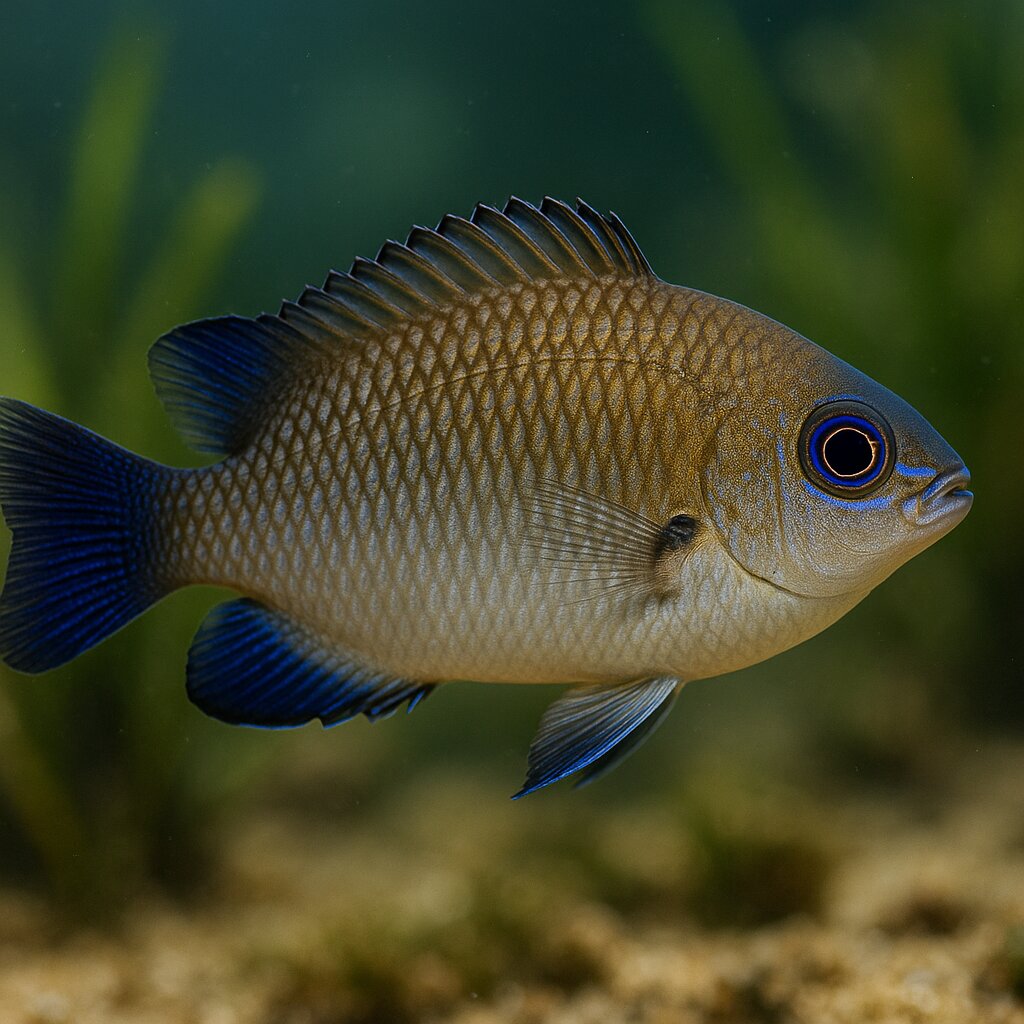
Arabian demoiselle
Neopomacentrus sindensis
A small lyretail damsel from the Persian Gulf and Arabian Sea, it hangs in loose groups around coral heads, rocks, and even pier pilings picking zooplankton from the flow. Think classic damsel toughness with a slightly milder attitude than the real bruisers, plus subtle yellow tail accents. Males clean a patch, get a mate to lay eggs there, and then stand guard fanning the clutch.
Arabian spiny eel
Notacanthus indicus
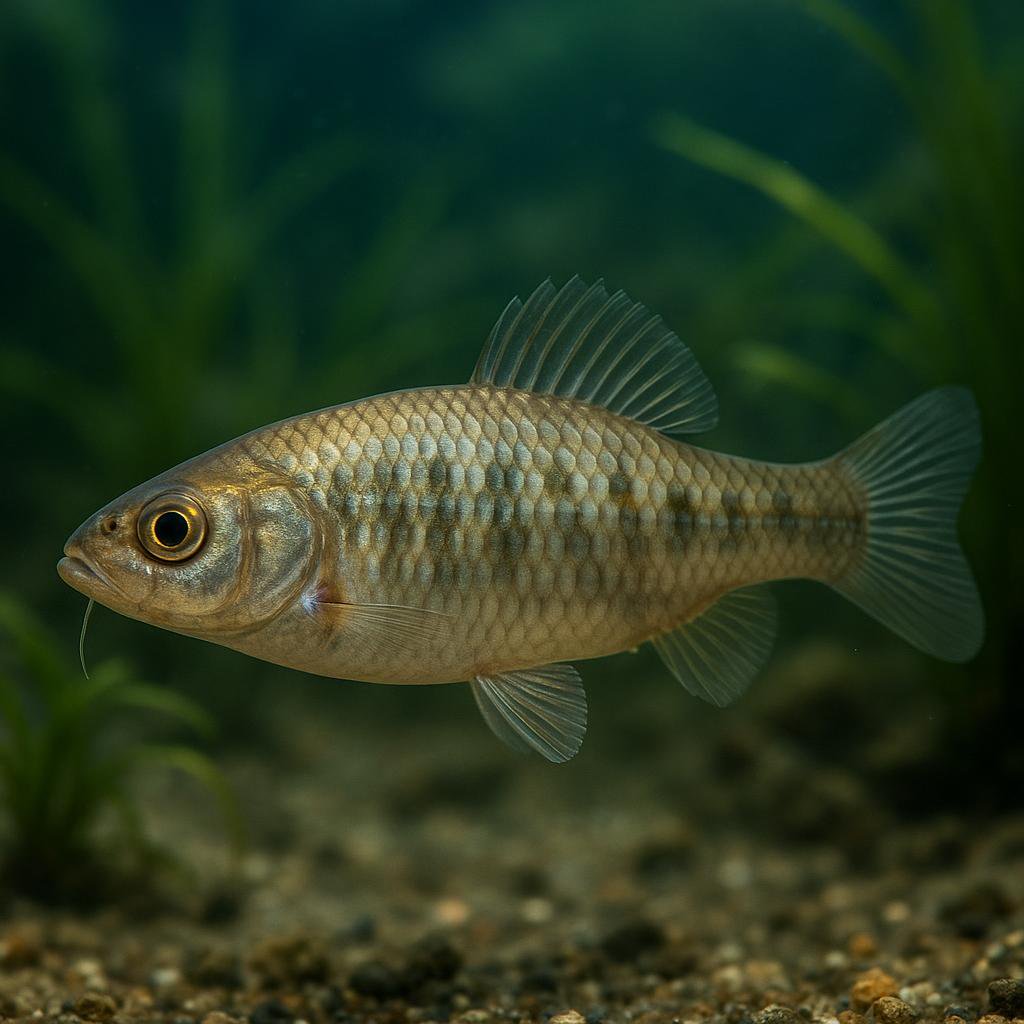
Notacanthus indicus is a deep-sea spiny eel (family Notacanthidae; not a true eel) known from the Arabian Sea on the continental slope at roughly ~960–1,046 m depth, with reported maximum length around 20 cm TL; it is a deep-water bycatch species and not established in the aquarium trade.
Arctic rockling
Gaidropsarus argentatus
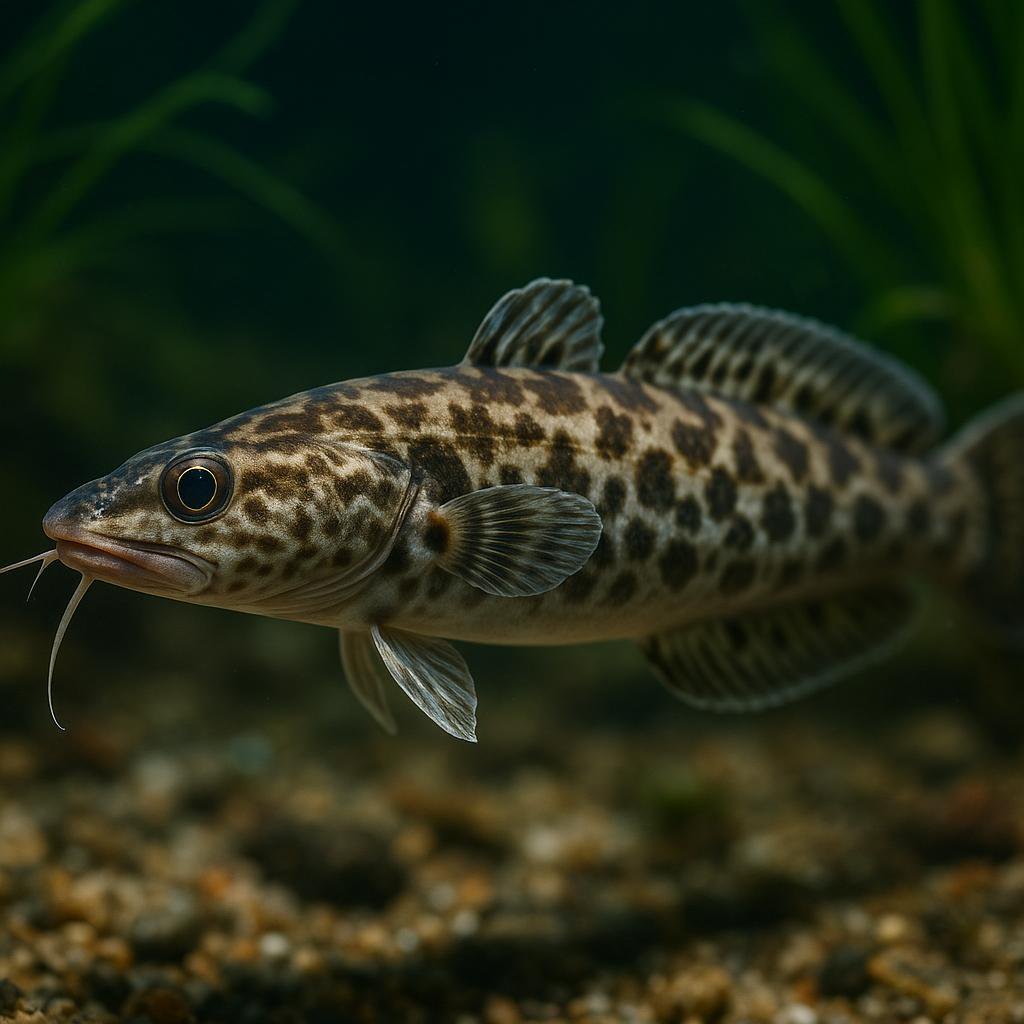
This is a deepwater North Atlantic rockling (a cod relative) that hangs out on soft bottoms way down the slope. It is a cold-water, bottom-hugging predator that snoots around for crustaceans and will also take small fish when it gets the chance.
Atlantic pomfret
Brama brama
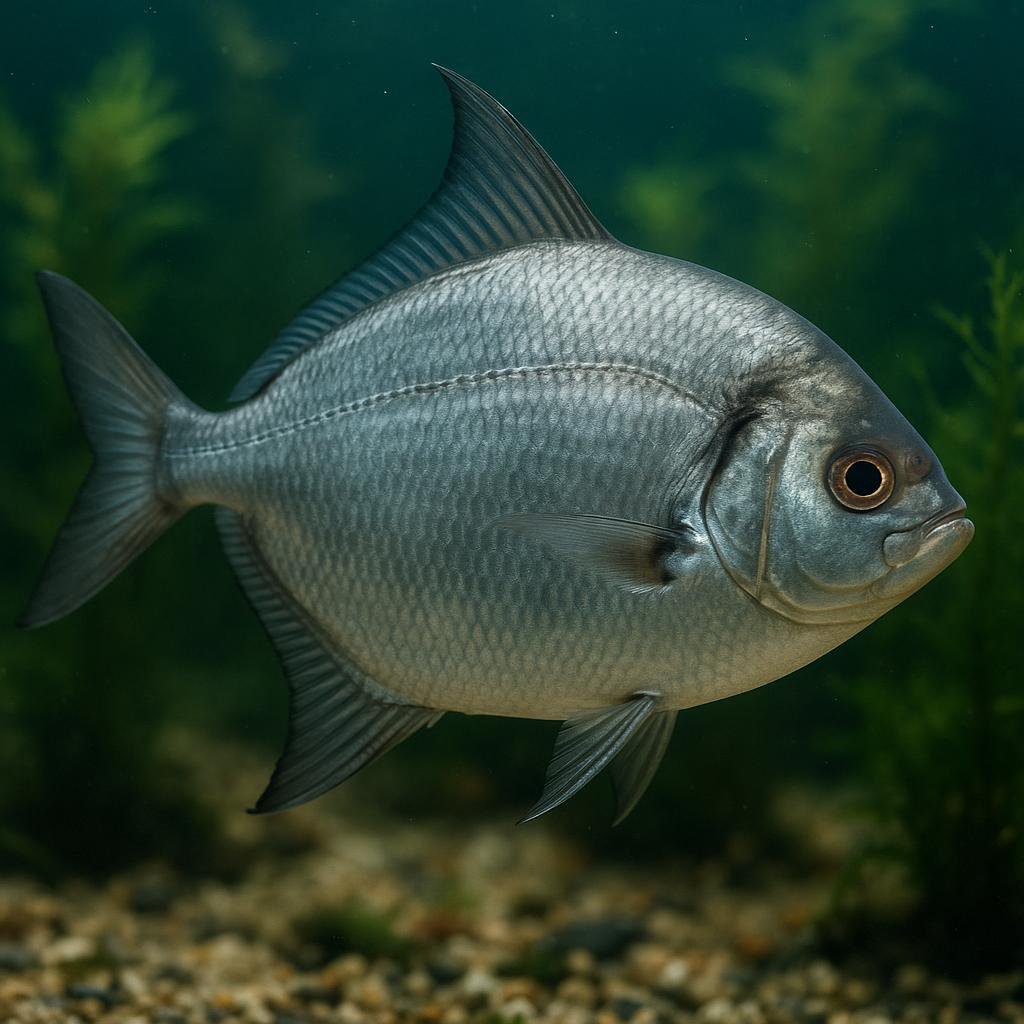
Brama brama is the Atlantic pomfret (aka Ray's bream) - a deep-bodied, open-ocean pelagic fish that cruises around in small schools and follows water temps. It is a legit big, wild marine species (not an aquarium fish) that eats other small sea critters like fish and squid, and it ranges across a huge chunk of the Atlantic plus parts of the Indian and South Pacific.
More to Explore
Discover more marine species.
Abe's eelpout
Japonolycodes abei
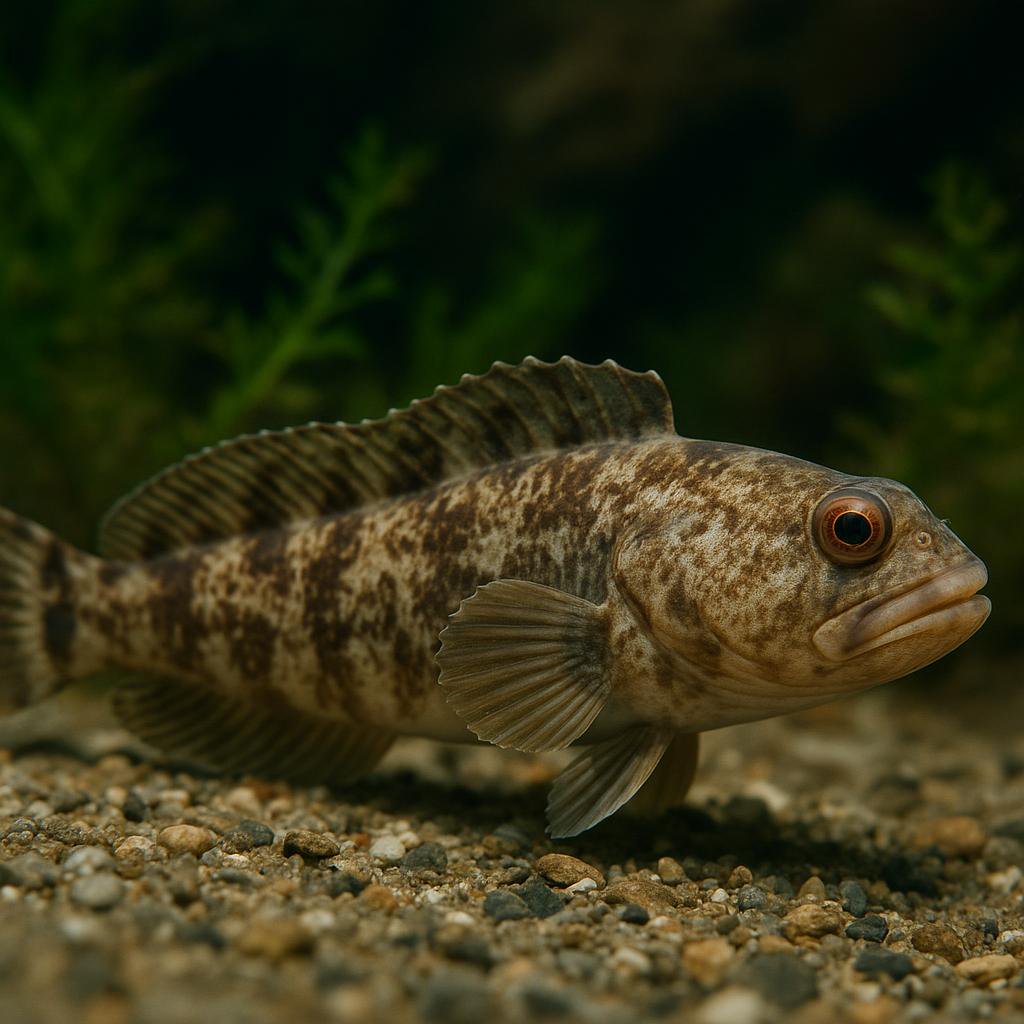
Japonolycodes abei is a temperate, deepwater demersal eelpout (family Zoarcidae) endemic to Japan (Kumano-nada Sea reported; other sources also report Sagami Bay and Tosa Bay). It is the only species in the genus Japonolycodes and occurs roughly 40-300 m depth, making it an uncommon/atypical aquarium species.
Affinis blind cusk-eel
Barathronus affinis
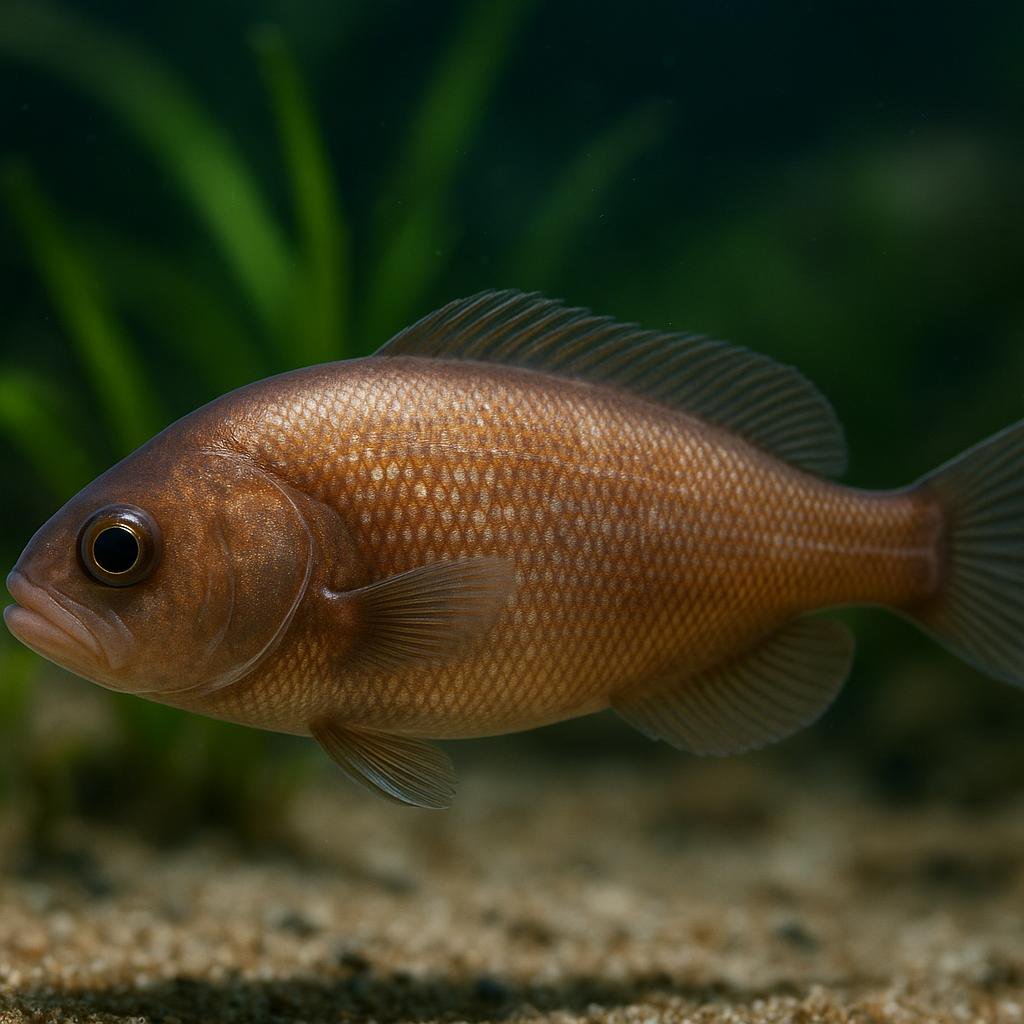
Barathronus affinis is a tiny, super-weird deep-sea blind cusk-eel from the western-central Indian Ocean. It is one of those gelatinous, loose-skinned brotula-type fishes that live way down in the dark and are basically never seen alive, so almost everything we know comes from preserved specimens and taxonomic work.
African red snapper
Lutjanus agennes
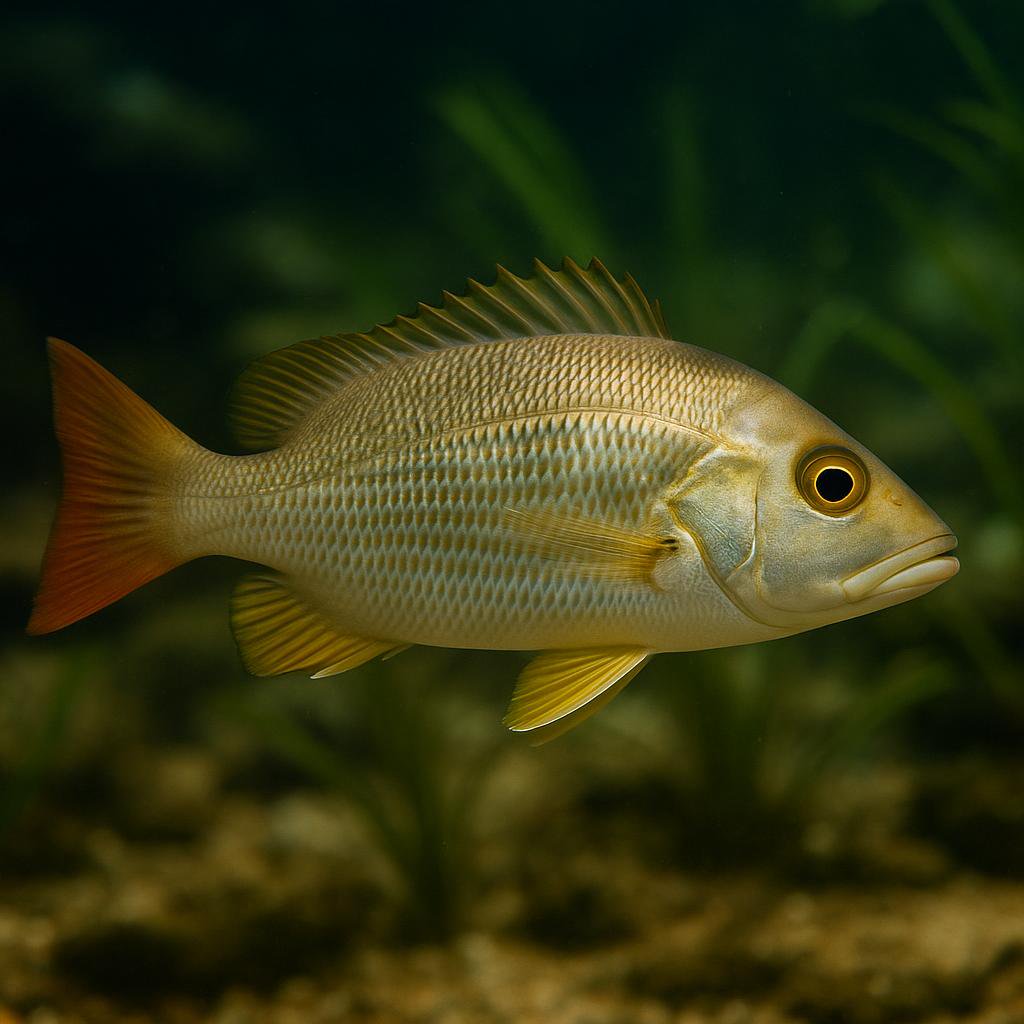
This is a true snapper from West Africa - a big, fast-growing predator that goes from coastal reefs to brackish lagoons and estuaries (especially as a juvenile). Super cool fish in the wild, but it gets absolutely huge and will eat smaller tankmates once it has the mouth for it, so its really more of a public-aquarium scale animal than a home-aquarium fish.
Allis shad
Alosa alosa
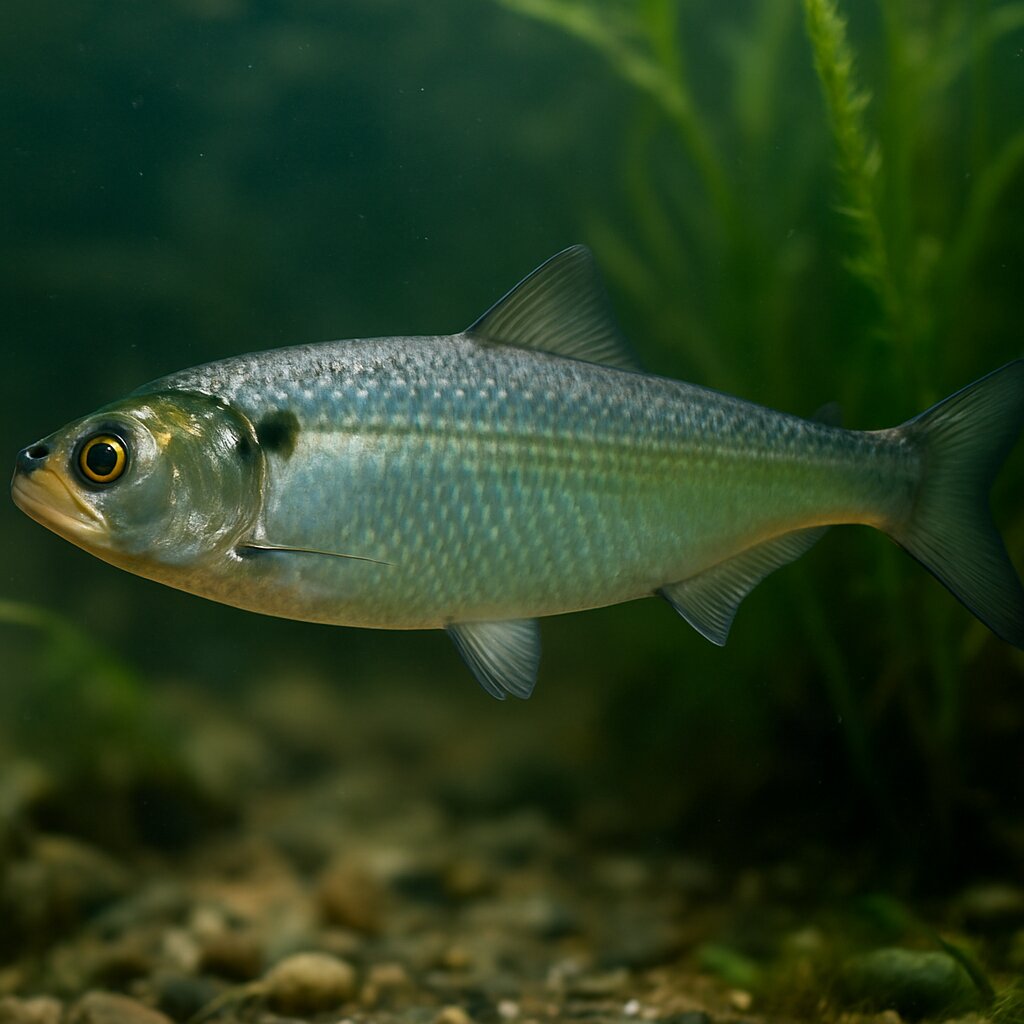
Gorgeous silver, fast-swimming shad that spends most of its life in the sea and then surges up big rivers in noisy, surface-spawning schools. It grows huge for a herring-type fish and needs cool, ultra-oxygenated water and tons of open space, so it is a public-aquarium species rather than a home tank fish.
Annandale's zebra sole
Zebrias annandalei
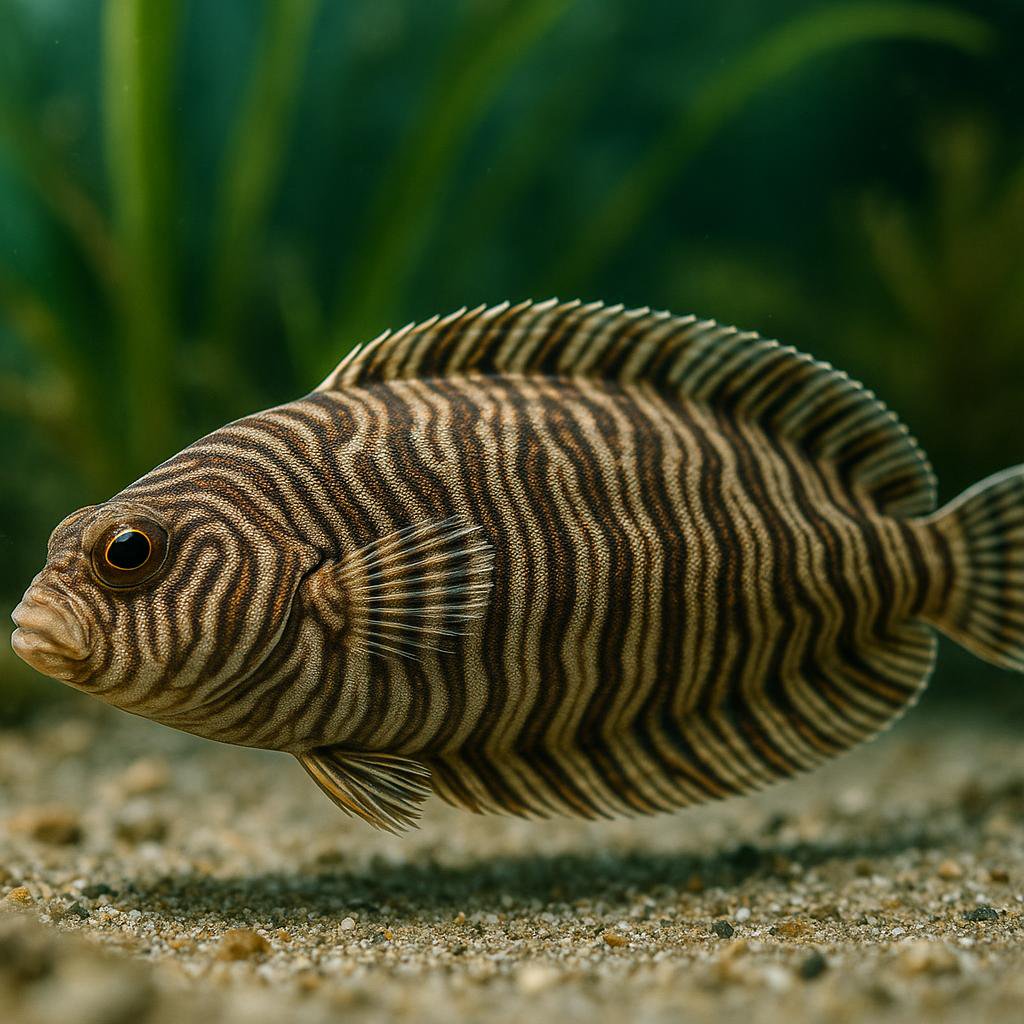
Zebrias annandalei is a small demersal sole from coastal India that inhabits sandy or muddy bottoms and buries for camouflage. It is rarely kept in home aquaria and would require a specialized marine sand-bottom setup and appropriate feeding.
Australian sawtail catshark
Figaro boardmani
Figaro boardmani is a small, deepwater Australian catshark with these cool saw-like ridges of spiny denticles along the tail and a neat pattern of dark saddle bands. It lives way down on the outer continental shelf and slope, so its natural water is cold, dim, and stable - totally not a typical home-aquarium fish. Diet-wise its a predator that goes after fish, crustaceans, and cephalopods.
Looking for other species?