

Duckbill eel
Nettenchelys erroriensis
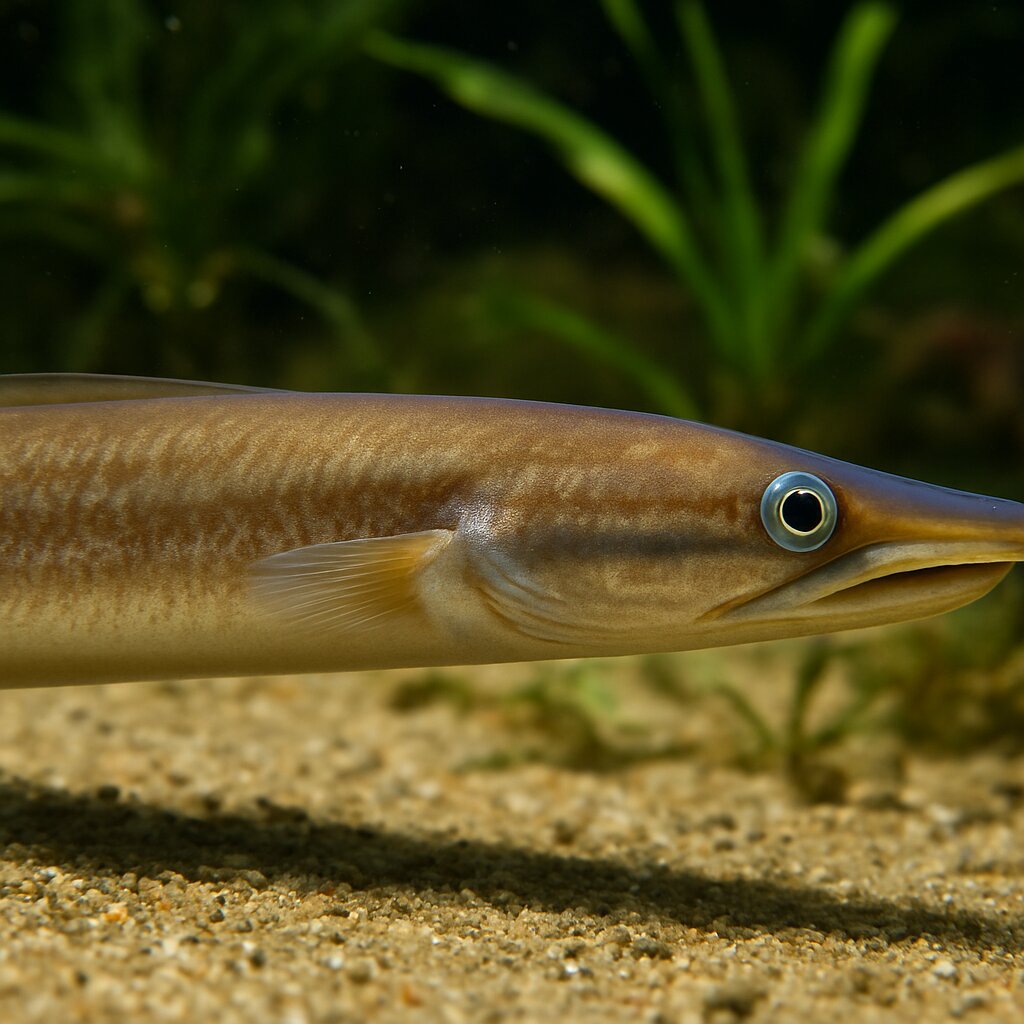
The Duckbill eel exhibits a distinctive elongated snout and a pale, olive-brown body, marked with darker mottling along its length.
This page includes AI-generated images. Why am I seeing AI images?
About the Duckbill eel
This is a deepwater duckbill eel from around 400 m down off the Error Seamount and near Socotra. It tops out around a foot long and has that long, narrow snout that gives duckbill eels their look. Super cool fish to read about, but not a home aquarium candidate.
Also known as
Quick Facts
Size
33.5 cm (13.2 inches)
Temperament
Semi-aggressive
Difficulty
Expert
Min Tank Size
0 gallons
Lifespan
Unknown
Origin
Western Indian Ocean
Diet
Carnivore - small fish and crustaceans
Water Parameters
13-19°C
7.8-8.1
300-380 dGH
Care Notes
- Run a chiller and keep it cold: 12-16 C (54-61 F), 1.025-1.026 SG, pH 8.0-8.3, and strong aeration/skimming for high oxygen.
- Big footprint tank (6 ft+), very tight lid, and mostly dim lighting; this eel is jumpy and will find any gap.
- Provide 6-8 inches of fine sand or silt to burrow; place rock on the bottom glass or racks so burrowing does not topple it, and guard all pump intakes.
- Feed at dusk with tongs: thin strips of squid, fish, or prawn; if it refuses, offer live ghost shrimp or small silversides, then wean to frozen; 2-3 modest meals per week.
- Plan on species-only; anything bite-sized or any crustacean becomes food, and boisterous fish like triggers, big wrasses, and puffers will stress or injure it.
- Quarantine every new eel; skip copper and harsh formalin on eels, use praziquantel for worms and metro-soaked food if parasites are suspected.
- Watch for refusal to burrow, frantic cruising, or rapid breathing; drop light levels and check temp and oxygen right away, as warm water crashes them fast.
- Breeding is a no-go in home tanks; they have a long leptocephalus larval stage, so do not expect pairing or eggs.
Compatibility
Good Tankmates
- Midwater grazers like tangs and surgeonfish (yellow, kole, sailfin) - fast, too big to be a snack, and they ignore a burrowing duckbill eel
- Big angelfish (Pomacanthus, Holacanthus, Genicanthus) - sturdy, open-water cruisers that do not pester eels
- Rabbitfish/foxface (Siganus) - chilled herbivores with spines, not interested in the eel and big enough not to be prey
- Chunky wrasses and hogfish (adult Halichoeres, Bodianus, harlequin tusk) - quick, robust, and fine if you give everyone sand and rock space
- Squirrelfish and soldierfish (Holocentridae) - cave hangers like the eel; add extra caves so nobody argues
- Larger butterflyfish and bannerfish (Chaetodon, Heniochus) - roam the open water and are too big to be targeted
Avoid
- Triggers and big puffers - notorious nippers that will go after the eel's face and fins
- Small or sleepy rock-huggers that fit in the eel's mouth: gobies, blennies, firefish, chromis, small clowns, anthias
- Other burrowing eels and diggers: snake eels, garden eels, jawfish - territory clashes and someone ends up as dinner
- Big-mouth predators like groupers, snappers, or frogfish - they may try to swallow the eel, or the size mismatch goes the other way
Where they come from
Duckbill eels are deep-slope sand burrowers from the Indo-West Pacific. Think soft, silty bottoms well offshore. They spend most of the day buried with just that long snout poking out, then go hunting after dark. That lifestyle explains a lot of their quirks in a home tank.
Tank setup
Plan for a big footprint and a deep, soft bed. A 6-foot tank (180 gallons or more) gives them room to choose a burrow spot and not feel boxed in.
- Substrate: 6-8 inches of fine, sugar-sized aragonite. No crushed coral. They rub their skin and mouth a lot while burrowing, and sharp stuff leads to sores.
- Burrows: Bury 2-3 inch PVC elbows or a U-shaped length with both ends exposed. Sink them fully under the sand so the eel can dive in and feel secure.
- Rockwork: Build on the bare bottom first, then add sand. That way nothing collapses when the eel tunnels.
- Lid: Tight cover with every gap taped or mesh-screened. Overflow teeth, cable cutouts, even return nozzles get blocked. They are world-class escape artists.
- Lighting: Keep it dim or at least provide heavy shaded areas. They relax a lot more with subdued light.
- Flow and gas exchange: Moderate flow, high oxygen. Run a strong skimmer and point some surface agitation at the top for good gas exchange.
- Temperature and chemistry: Slightly cooler than a typical reef. Mine settled in at 70-73 F with a chiller. Salinity 1.023-1.025, pH around 8.0-8.3, ammonia and nitrite 0, keep nitrate low.
- Quarantine: A dim QT with a buried PVC hide. Drip acclimate slowly and give them peace and quiet for the first few days.
If you cannot run a deep sand bed in the display, sink a long, sand-filled PVC trough under a thin veneer of sand. Same security for the eel, easier maintenance for you.
What to feed them
They are ambush predators. Getting a new one to eat is 90% about timing and presentation.
- Starter foods: Live saltwater ghost shrimp or small shore crabs get them going. Once they strike reliably, switch to frozen.
- Staples: Silversides, squid strips, raw prawn, lancefish, and marine fish fillet. Soak in vitamins now and then.
- Feeding trick: Use long tongs. Wiggle the food at the burrow entrance after lights out. Keep still for 30-60 seconds between wiggles. They watch and wait.
- Schedule: 2-3 modest meals per week. Big meals sit heavy and foul water.
- Avoid: Freshwater feeder fish and goldfish. They are risky disease-wise and packed with thiaminase.
If they only grab and spit, try thinner strips of squid or prawn. Narrow, wiggly pieces trigger a better strike than chunky cubes.
How they behave and who they get along with
Shy by day, curious at night. They cruise like a ribbon, then reverse back into the burrow if spooked. Not aggressive, but very predatory.
- Safe tankmates: Medium to large fish that are calm and not nippy. Tangs, rabbitfish, larger cardinals, and some peaceful wrasses tend to ignore them.
- Risky tankmates: Triggers, puffers, and big wrasses. They nip at fins and faces and will harass the eel.
- Food, not friends: Small fish and all ornamental shrimp or crabs are on the menu once the eel settles in.
- Other eels: Best kept single. Burrow squabbles happen in anything but huge systems.
They will test every opening at night. If the lid has a gap, you will find a dried eel in the morning. Double-check after every maintenance session.
Breeding tips
These are oceanic spawners with a leptocephalus larval stage. No documented home-aquarium breeding that I know of, and pairing is guesswork. Treat every specimen as a long-term single fish project.
Common problems to watch for
- Refusing food: Very common early on. Keep the room dark, reduce traffic, and try live ghost shrimp at night. Once they eat 2-3 times, they usually switch to tongs.
- Mouth abrasions: From sharp substrate or rough PVC edges. Use fine sand and sand the PVC lips smooth.
- Escape attempts: Especially the first month. Tape and mesh every gap. Weight the lid.
- Import stress and barotrauma: Deepwater fish can arrive wobbly or with buoyancy issues. Low light, high oxygen, and minimal handling help. Some never recover; pick a robust, alert specimen if you have a choice.
- Medication sensitivity: Like other eels, they do poorly with copper and strong formalin doses.
- Internal parasites: Stringy poop or weight loss despite eating. Food-soaked praziquantel or metronidazole in a separate tank has worked for me.
Avoid copper treatments with eels. If you must treat, use eel-safe options and watch oxygen levels closely. Always test-dose and observe.
Stability beats chasing numbers. Keep it cool, quiet, and dim, feed modestly, and protect that burrow. Do that and a duckbill eel settles in and becomes a confident night-time cruiser.
Similar Species
Other marine semi-aggressive species you might be interested in.
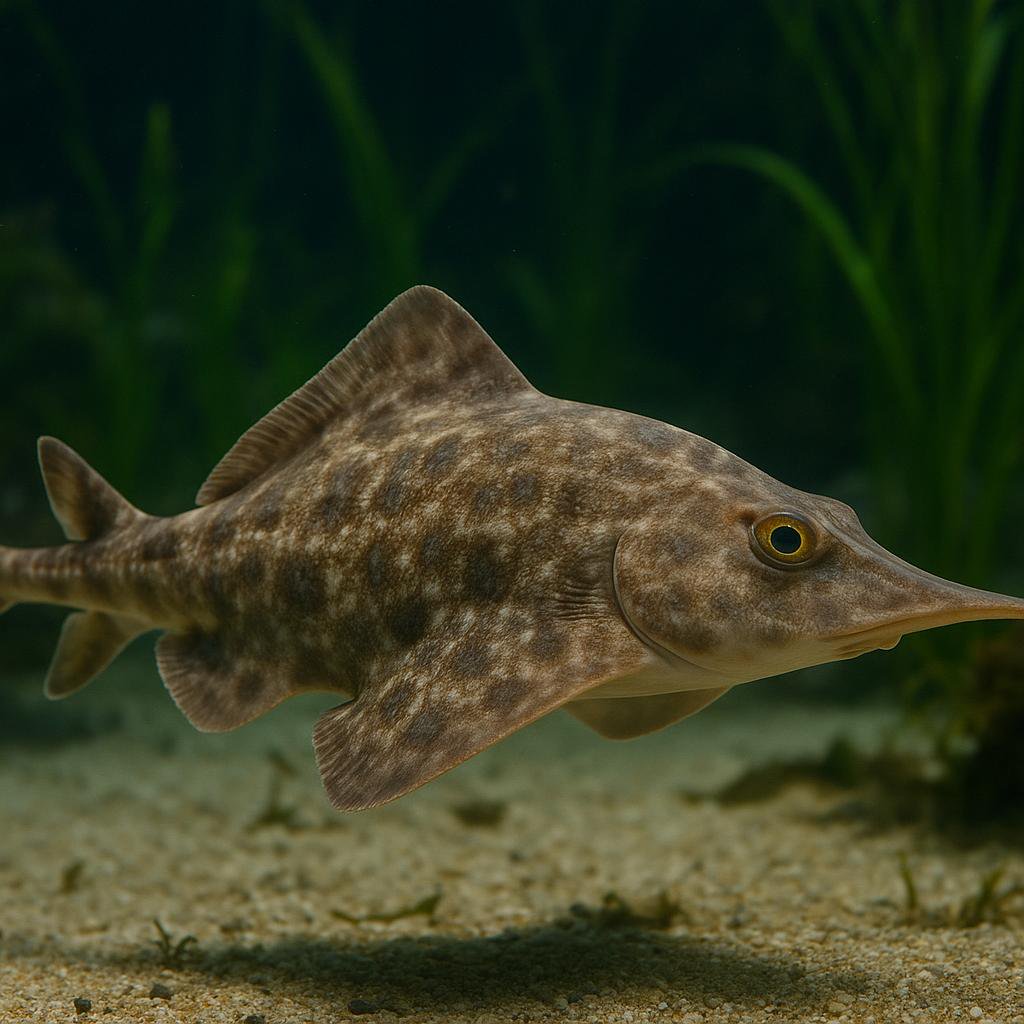
Aleutian skate
Bathyraja aleutica
This is a big, cold-water deep-slope skate from the North Pacific that cruises muddy bottoms and eats chunky benthic prey like crabs and shrimp. The really cool bit is its egg-laying skate life - it does distinct pairing (the classic skate "embrace") and drops those tough egg cases on the seafloor. Not an aquarium fish at all unless you're basically running a public-aquarium-style chilled system.
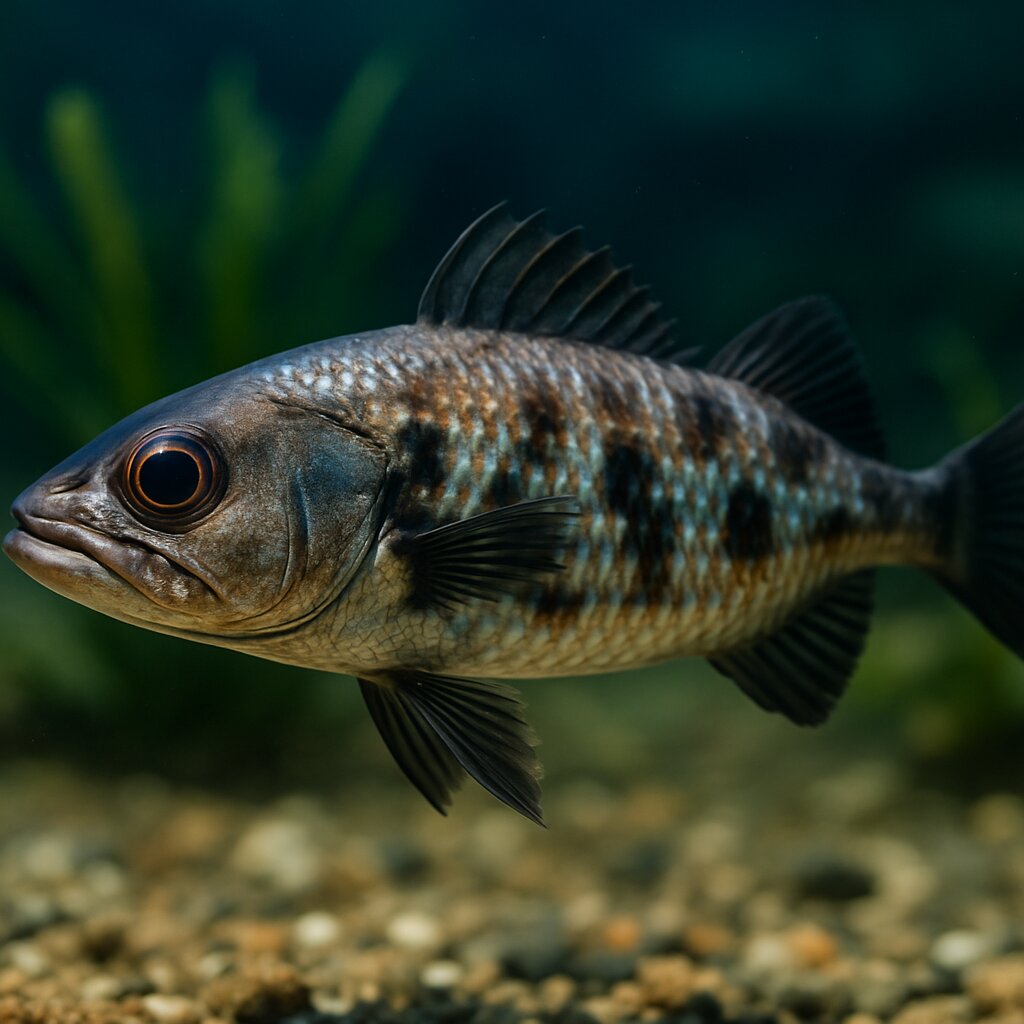
Antarctic dragonfish
Vomeridens infuscipinnis
Deep down around Antarctica, this sleek dragonfish cruises the water column like a little submarine, nearly neutrally buoyant so it can hover above the seafloor. It munches almost exclusively on Antarctic krill and lives in near-freezing water 500-800 m down, so it is a cool species to read about, not one for home tanks.
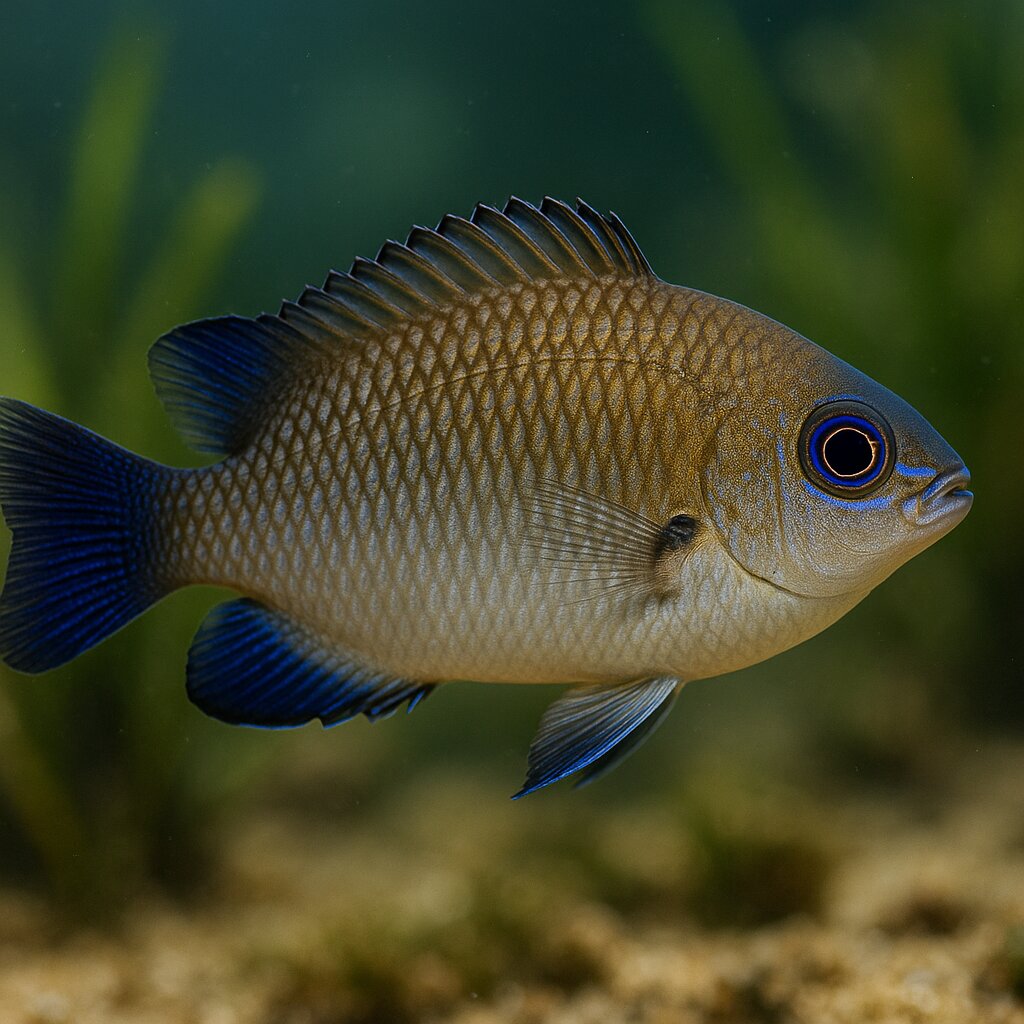
Arabian demoiselle
Neopomacentrus sindensis
A small lyretail damsel from the Persian Gulf and Arabian Sea, it hangs in loose groups around coral heads, rocks, and even pier pilings picking zooplankton from the flow. Think classic damsel toughness with a slightly milder attitude than the real bruisers, plus subtle yellow tail accents. Males clean a patch, get a mate to lay eggs there, and then stand guard fanning the clutch.
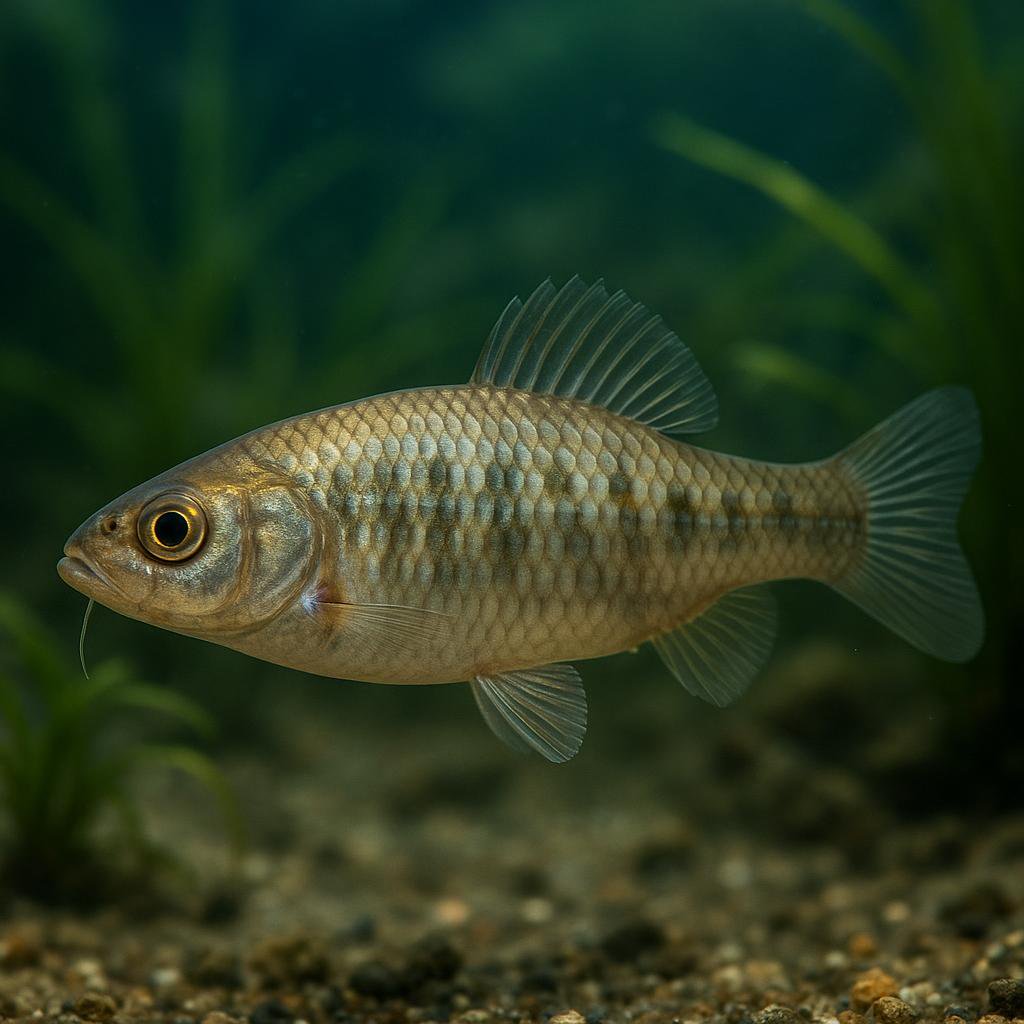
Arabian spiny eel
Notacanthus indicus
Notacanthus indicus is a deep-sea spiny eel (family Notacanthidae; not a true eel) known from the Arabian Sea on the continental slope at roughly ~960–1,046 m depth, with reported maximum length around 20 cm TL; it is a deep-water bycatch species and not established in the aquarium trade.
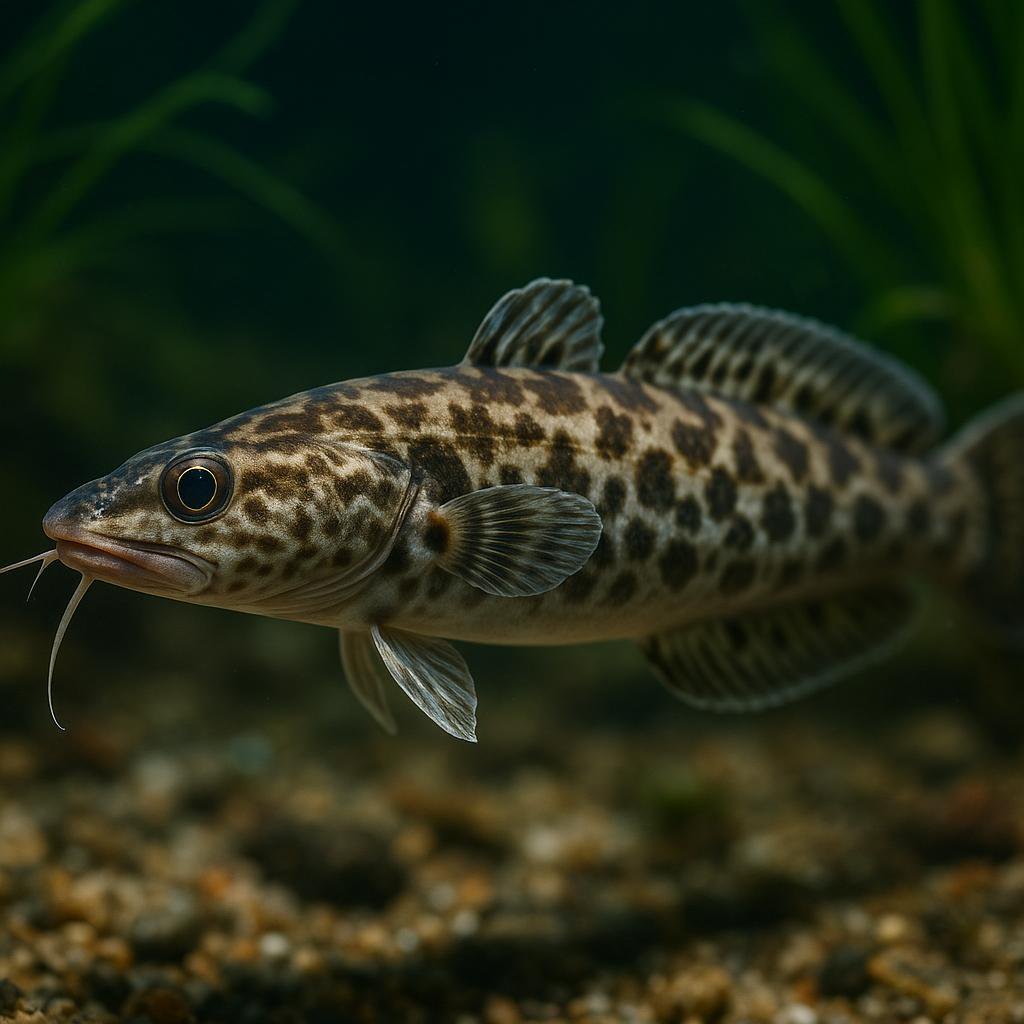
Arctic rockling
Gaidropsarus argentatus
This is a deepwater North Atlantic rockling (a cod relative) that hangs out on soft bottoms way down the slope. It is a cold-water, bottom-hugging predator that snoots around for crustaceans and will also take small fish when it gets the chance.
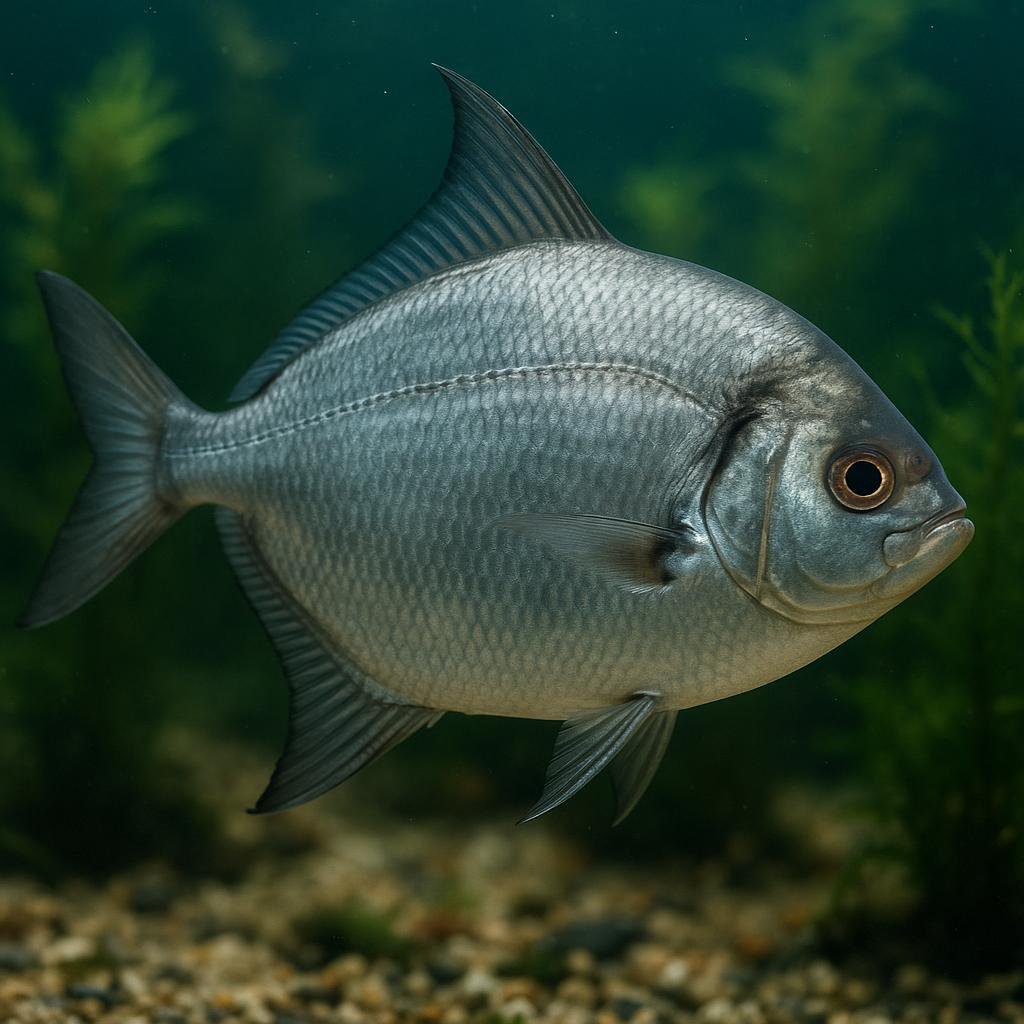
Atlantic pomfret
Brama brama
Brama brama is the Atlantic pomfret (aka Ray's bream) - a deep-bodied, open-ocean pelagic fish that cruises around in small schools and follows water temps. It is a legit big, wild marine species (not an aquarium fish) that eats other small sea critters like fish and squid, and it ranges across a huge chunk of the Atlantic plus parts of the Indian and South Pacific.
More to Explore
Discover more marine species.
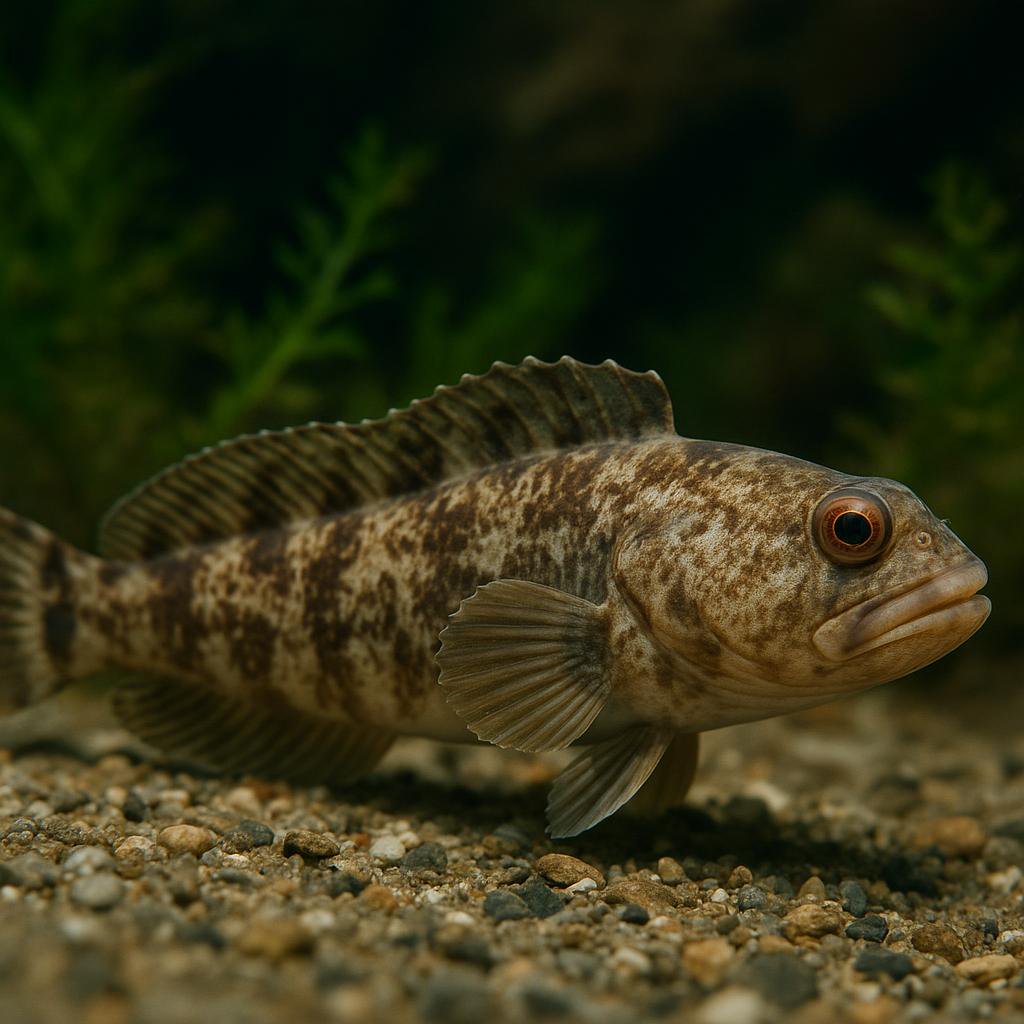
Abe's eelpout
Japonolycodes abei
Japonolycodes abei is a temperate, deepwater demersal eelpout (family Zoarcidae) endemic to Japan (Kumano-nada Sea reported; other sources also report Sagami Bay and Tosa Bay). It is the only species in the genus Japonolycodes and occurs roughly 40-300 m depth, making it an uncommon/atypical aquarium species.
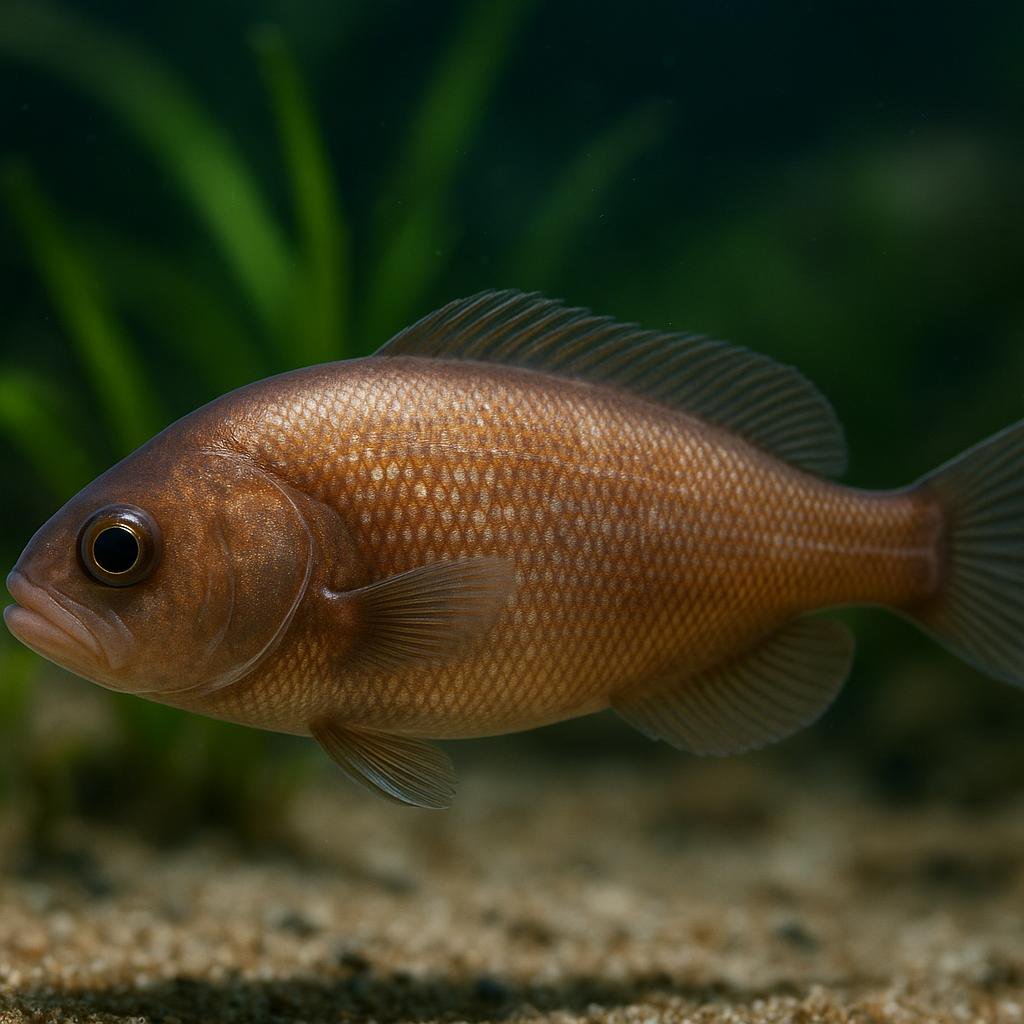
Affinis blind cusk-eel
Barathronus affinis
Barathronus affinis is a tiny, super-weird deep-sea blind cusk-eel from the western-central Indian Ocean. It is one of those gelatinous, loose-skinned brotula-type fishes that live way down in the dark and are basically never seen alive, so almost everything we know comes from preserved specimens and taxonomic work.
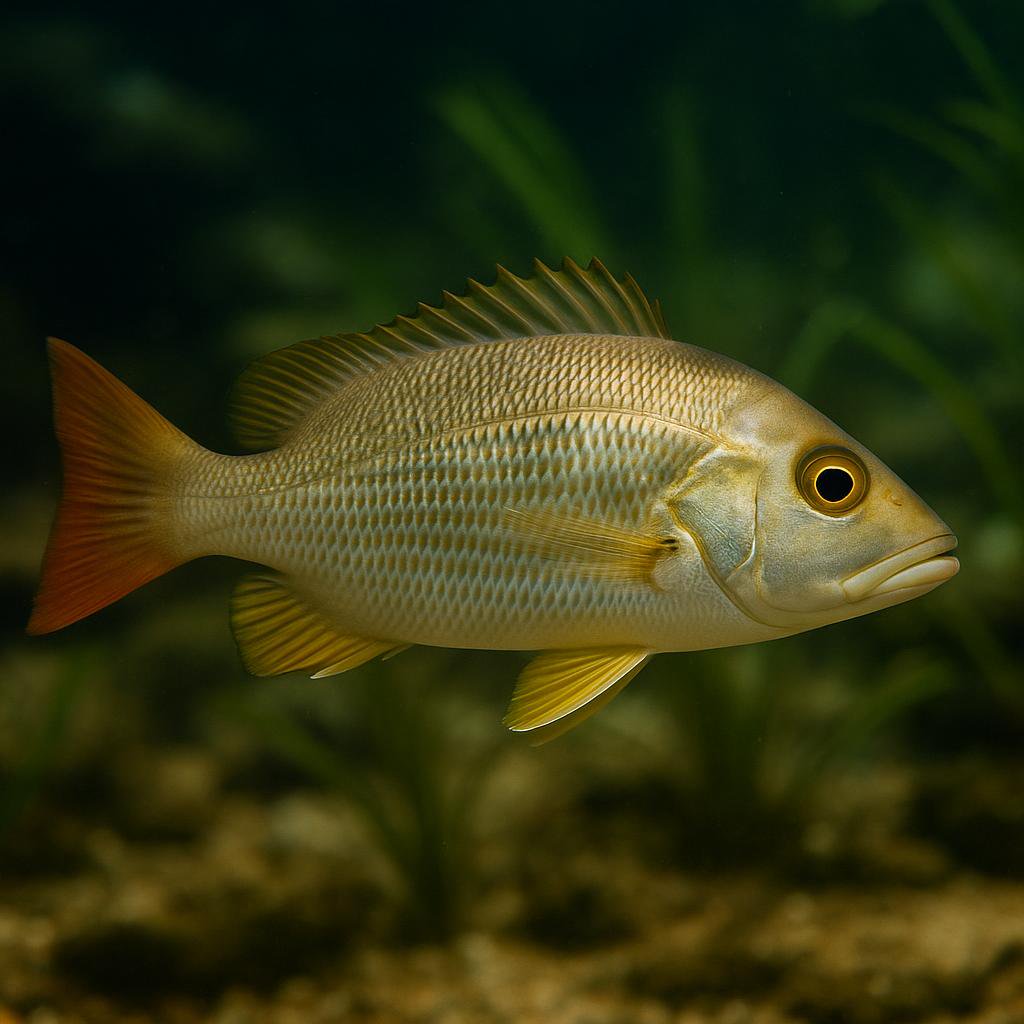
African red snapper
Lutjanus agennes
This is a true snapper from West Africa - a big, fast-growing predator that goes from coastal reefs to brackish lagoons and estuaries (especially as a juvenile). Super cool fish in the wild, but it gets absolutely huge and will eat smaller tankmates once it has the mouth for it, so its really more of a public-aquarium scale animal than a home-aquarium fish.
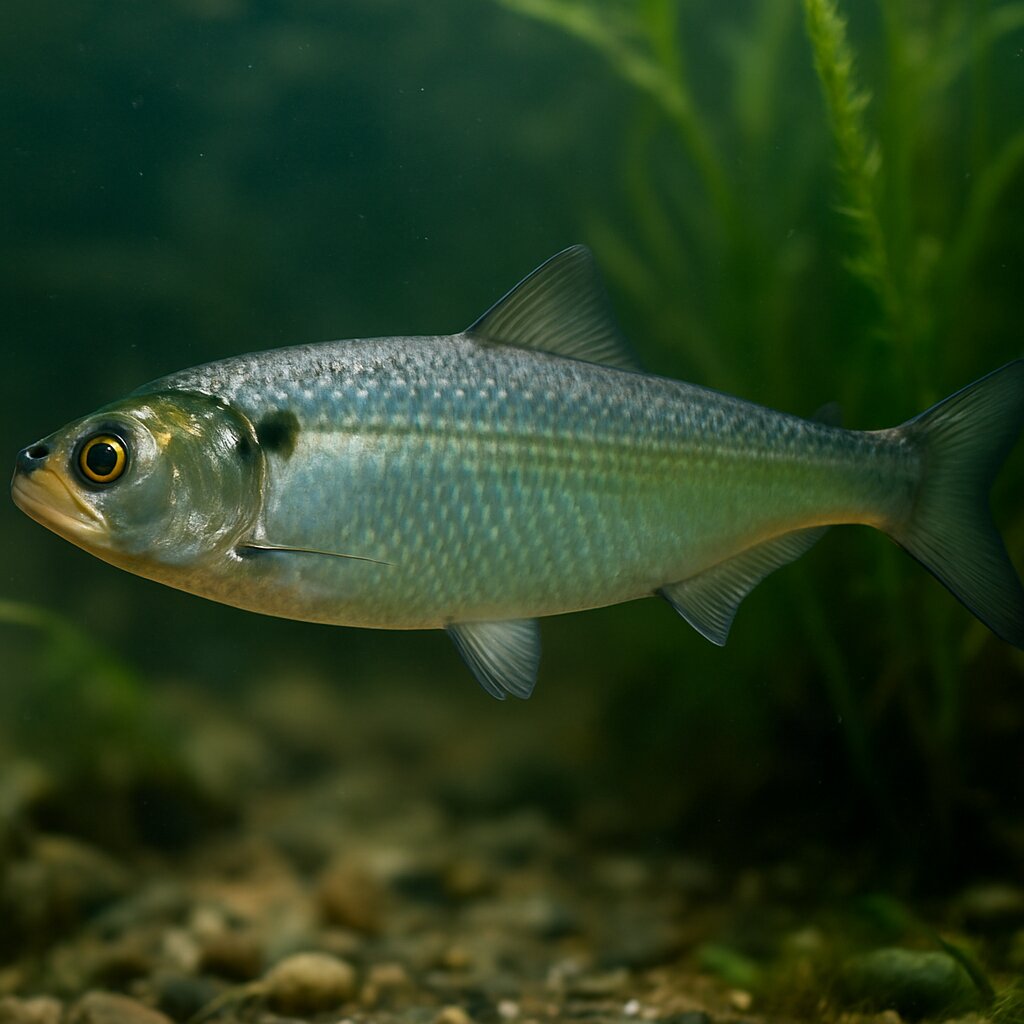
Allis shad
Alosa alosa
Gorgeous silver, fast-swimming shad that spends most of its life in the sea and then surges up big rivers in noisy, surface-spawning schools. It grows huge for a herring-type fish and needs cool, ultra-oxygenated water and tons of open space, so it is a public-aquarium species rather than a home tank fish.
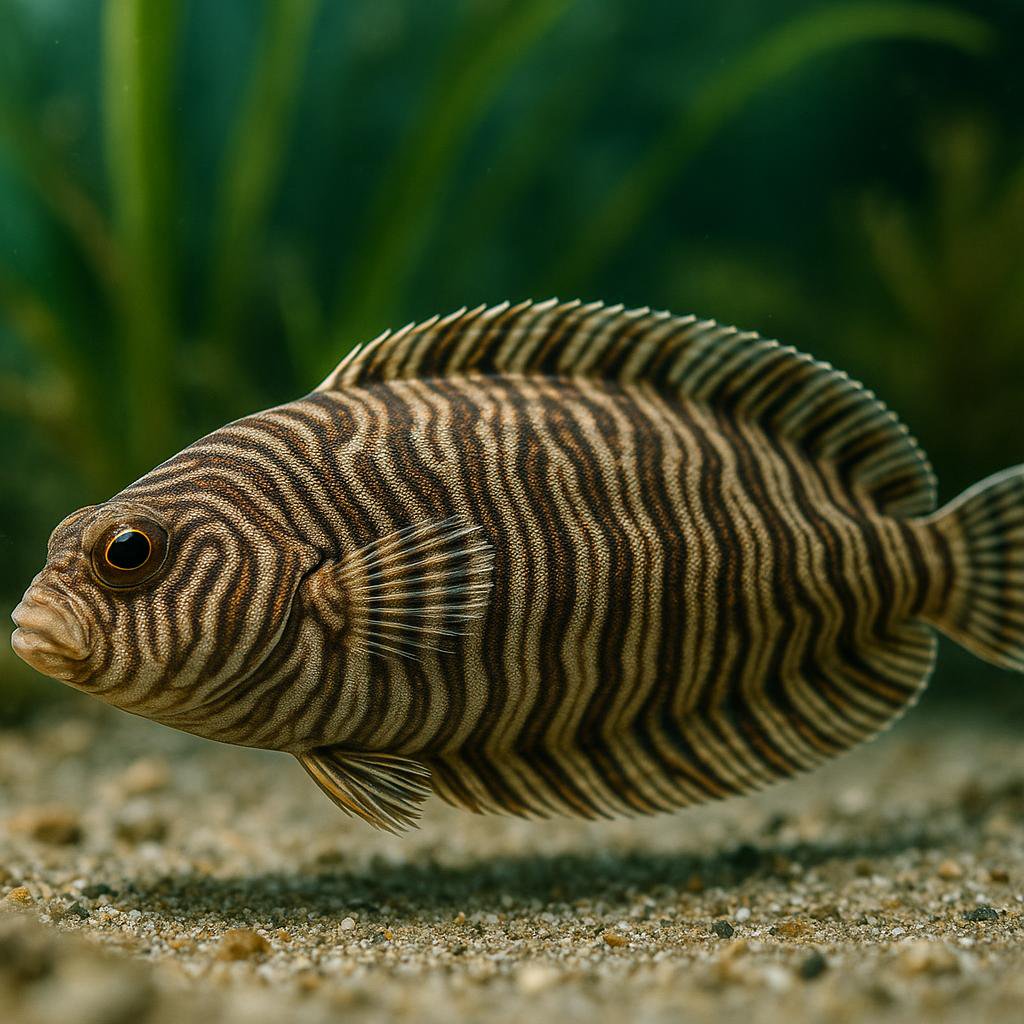
Annandale's zebra sole
Zebrias annandalei
Zebrias annandalei is a small demersal sole from coastal India that inhabits sandy or muddy bottoms and buries for camouflage. It is rarely kept in home aquaria and would require a specialized marine sand-bottom setup and appropriate feeding.
Australian sawtail catshark
Figaro boardmani
Figaro boardmani is a small, deepwater Australian catshark with these cool saw-like ridges of spiny denticles along the tail and a neat pattern of dark saddle bands. It lives way down on the outer continental shelf and slope, so its natural water is cold, dim, and stable - totally not a typical home-aquarium fish. Diet-wise its a predator that goes after fish, crustaceans, and cephalopods.
Looking for other species?