

Eelpout
Oidiphorus brevis
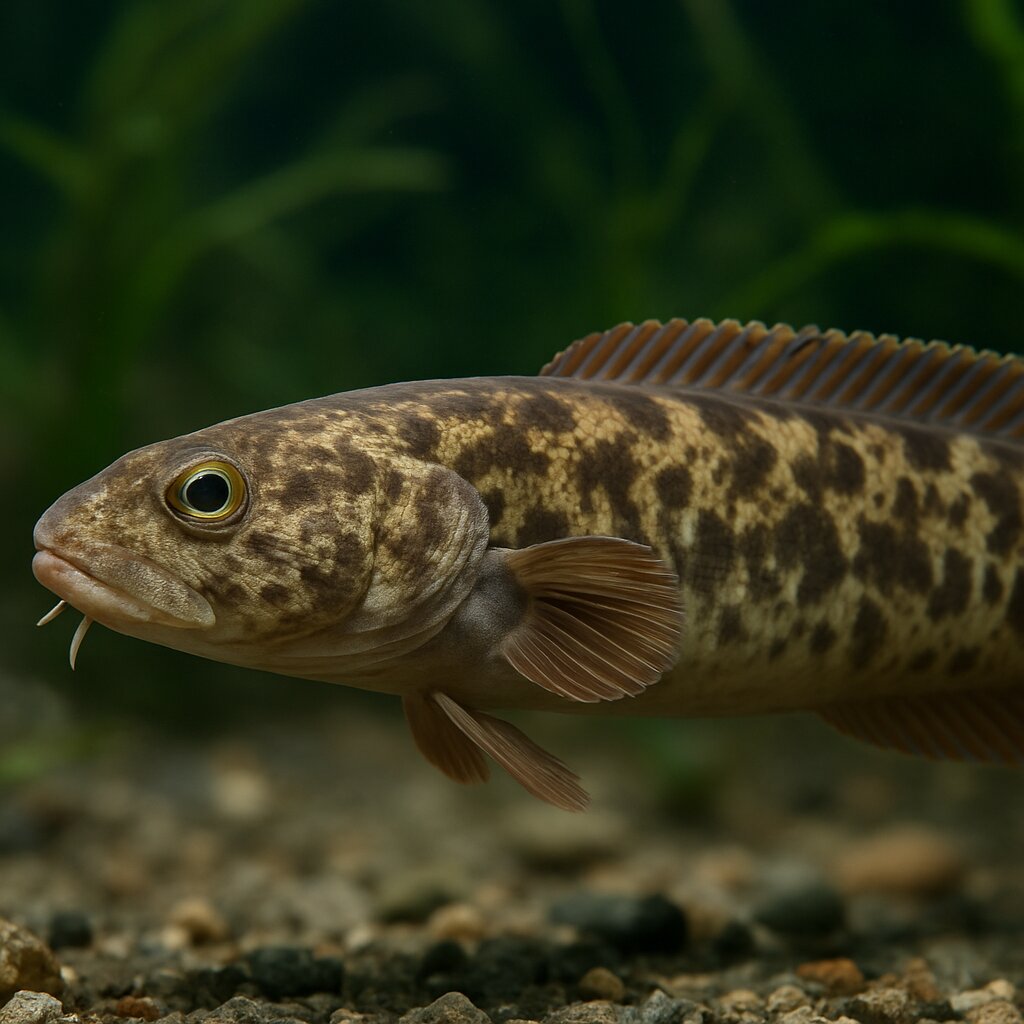
Eelpouts possess elongated bodies with smooth, slimy skin, typically exhibiting a mottled brown or green pattern for effective camouflage.
This page includes AI-generated images. Why am I seeing AI images?
About the Eelpout
This little eelpout hangs out way down in frigid water off Patagonia and the Falklands, so you are never going to see it in a home tank. It tops out around 11.5 cm and lives on the seafloor between about 135 and 900 m, picking at benthic critters. Cool fish, just more of a deep-sea curiosity than an aquarium candidate.
Quick Facts
Size
11.5 cm SL
Temperament
Semi-aggressive
Difficulty
Expert
Min Tank Size
0 gallons
Lifespan
unknown
Origin
Southwest Atlantic
Diet
Carnivore - benthic invertebrates and small bottom fauna
Water Parameters
3.3-6°C
7.9-8.3
300-400 dGH
Care Notes
- Run a chilled marine setup for it - 120 gallons or more with 6-12 C water, a big footprint, lots of rock caves, fine sand, and a tight-fitting lid.
- Push plenty of oxygen with strong surface agitation and a decent bottom current, but leave low-flow hideouts; keep a battery-backed air pump for outages.
- Hold salinity at 1.025-1.027, pH 8.0-8.3, zero ammonia and nitrite, and nitrates under 20 ppm; keep it cold and stable, since heat spikes and low O2 make them pant and crash fast.
- Feed with tongs 3-4 times a week on marine meaty foods like shrimp, squid, and fish strips. Avoid thiaminase-heavy feeders like smelt or goldfish and vitamin-soak until it eats confidently, using live shore shrimp or small crabs at first if needed.
- Tankmates are tricky - assume it will eat any small fish or crustacean; stick to species-only or mix with similar-sized, calm coldwater fish that will not harass it.
- Keep lighting low and provide shaded bolt-holes; bright reef lights make it hide and skip meals.
- Handle gently and skip copper-based meds on this scaleless fish; if treatment is needed, move it to a hospital tank and catch it in a container, not a net.
- Breeding is not a home-aquarium thing here; most eelpouts are livebearers, but this species has no captive-breeding track record.
Compatibility
Good Tankmates
- Robust midwater grazers like tangs and foxface - quick, broad-bodied, and not competing for the eelpout's cave
- Hawkfish that perch and mind their business (flame, longnose) - similar attitude, different lanes
- Sturdier, non-nippy wrasses such as Halichoeres types - active in the water column and sleep in the sand
- Bigger, established clownfish pairs - they stick to their corner and ignore cave lurkers
- Squirrelfish or soldierfish - spiny, nocturnal, and big enough not to end up as a midnight snack
- Medium angels or butterflies that cruise open water - bold but not cave-obsessed
Avoid
- Tiny, slow, or slender fish that sleep in the rocks - firefish, small gobies, mandarins - prime targets after lights out
- Nippy bullies like triggers, big damsels, and mean dottybacks - they will harass an eel-shaped fish nonstop
- Moray eels and other cave-claimers - turf wars and opportunistic predation either way
- Overly aggressive wrasses like Thalassoma or a dominant sixline - constant buzzing and pecking stresses the eelpout
Where they come from
Oidiphorus brevis is a cold-water eelpout that hugs the seafloor in temperate to subantarctic zones. Think continental shelf and slope, around rubble, shell beds, and soft sediment. They spend a lot of time wedged into tight crevices, poking just their face out to watch the world go by. It is a cool, dim, high-oxygen world down there, and that vibe translates straight into how you keep them at home.
Setting up their tank
If you do not have a chiller, this fish is not for you. Mine settled in best at 8-10 C (46-50 F), and I would keep them in the 6-12 C (43-54 F) range. Stability beats chasing a single magic number.
- Tank size: 75+ gallons with a 4 ft footprint for one fish. They are not fast swimmers, but they need floor space and multiple hides.
- Filtration: oversized skimmer and strong biofiltration. Meaty foods mean heavier waste.
- Flow: moderate overall, but keep a gentle run along the bottom. They do not like to be blasted in their caves.
- Aquascape: stacks of rock and rubble forming long, snug tunnels. Add a few lengths of 1-1.5 inch PVC as guaranteed hides.
- Substrate: 2-5 cm of fine sand with some shell hash mixed in. They like to settle into it.
- Lighting: dim. Actinic or low-intensity white is fine. Bright reef lights will keep them hiding.
- Lid: tight-fitting, with mesh over any gap or overflow. They can eel their way out of shockingly small openings.
Pre-chill your water change water. Pouring room-temp saltwater into an 8 C tank can shock them fast.
Salinity 1.025-1.026, pH 8.0-8.3, alkalinity around 7-9 dKH, and keep nitrate low (ideally under 10-20 ppm). Good surface agitation is your friend, even though cold water holds more oxygen.
Guard every pump intake. A stressed eelpout can wedge into a powerhead grill and come out scraped up.
What to feed them
In the wild they pick off worms, crustaceans, small mollusks, and the odd fish. New arrivals usually will not touch pellets. Plan on target feeding meaty stuff and be patient.
- To start: live saltwater ghost shrimp, small shore crabs, amphipods, marine worms (ragworm, bloodworm), or chunks of freshly opened mussel or clam. Movement or scent gets them going.
- Transition foods: thawed mysis, krill, chopped prawn, squid strips, clam, and small pieces of silverside. Wiggle with feeding tongs right at the cave mouth.
- Supplements: soak a couple meals a week in a vitamin mix; a touch of iodine helps with shellfish-heavy diets.
- Schedule: 3-4 modest feeds per week. They will gorge and then spit if you overdo it, especially if the tank runs warm.
Feed at dusk with the room lights low. A dim red flashlight helps you see without spooking them. If they refuse, try scenting food with a bit of clam juice.
How they behave and who they get along with
They are cave sitters by day and slow cruisers by night. Not mean for the sake of it, but they are predators. If it fits in that mouth, it is probably food.
- Good picks: other chilled-water, non-nippy fishes that are too big to be eaten and do not fight for caves. Think peaceful sculpins or a single lumpsucker of similar size if the tank is roomy.
- Risky: decorative shrimp and crabs, small gobies, or anything slender. They will vanish.
- Avoid: aggressive triggers, puffers, large wrasses, or anything that will harass a cave dweller.
- With their own kind: only in a very large tank with more hides than fish. Otherwise keep one.
They mostly ignore sessile inverts in coldwater setups, but this is not a reef-safe fish in the tropical sense. Expect rearranged rubble and missing mobile inverts.
Breeding tips
I have not seen Oidiphorus brevis bred in home aquaria. Some eelpouts are livebearers and others lay eggs; this one is not well documented in the hobby. If you are determined, you would need a big, quiet system with seasonal temperature swings (winter down to 4-6 C, summer 8-10 C), dim lighting, deep caves, and a heavy diet of varied meaty foods. Realistically, this is one for public aquariums and research labs.
Common problems to watch for
- Heat creep: above 12-14 C they go off food and get prone to infections. Keep the chiller clean and sized generously.
- Low oxygen: rapid gilling even at low temp means you need more surface agitation or cleaner filters.
- Hunger strikes: common after import. Start with live foods and very low light. Do not force-feed; steady attempts usually win in 1-3 weeks.
- Injuries: they are prone to skin scrapes. Quarantine and use gentle antibiotics if needed. Avoid sharp rockwork.
- Medication sensitivity: scaleless fishes do poorly with copper and harsh dyes. Use praziquantel for flukes and dewormers; if you must medicate, go mild and watch closely.
- Parasites from wild-caught stock: plan a long quarantine (4-6 weeks).
- Shipping from depth: occasional gas bubbles in fins or mild popeye from decompression. Time, spotless water, and dim light help.
- Escape artistry: they will find gaps around lids and plumbing. Seal everything.
Do not treat them with copper at reef-level doses. They burn easily. Keep a dedicated quarantine tank and stick to gentler meds and clean water first.
If the fish keeps pacing at the glass, add another snug hide that only it can fit into. Tight spaces calm eelpouts more than big open caves.
Similar Species
Other marine semi-aggressive species you might be interested in.
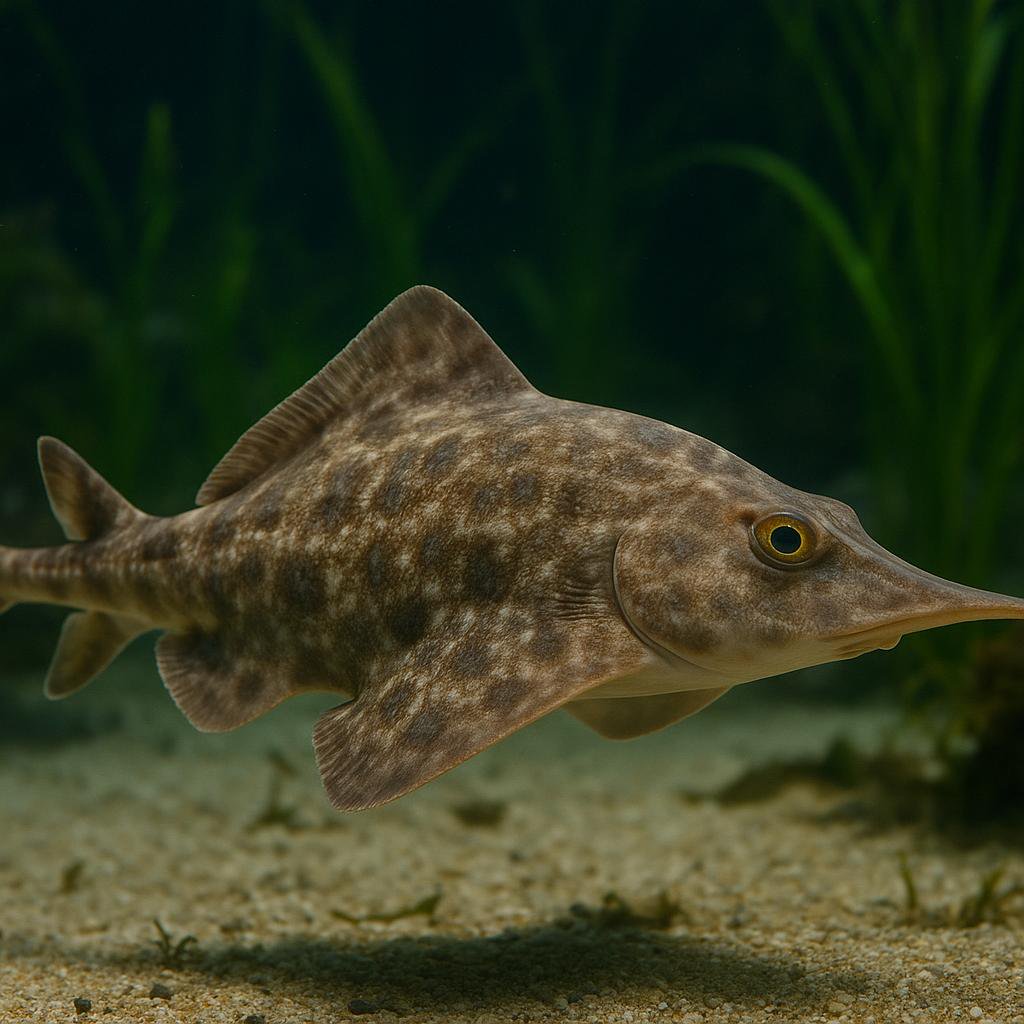
Aleutian skate
Bathyraja aleutica
This is a big, cold-water deep-slope skate from the North Pacific that cruises muddy bottoms and eats chunky benthic prey like crabs and shrimp. The really cool bit is its egg-laying skate life - it does distinct pairing (the classic skate "embrace") and drops those tough egg cases on the seafloor. Not an aquarium fish at all unless you're basically running a public-aquarium-style chilled system.
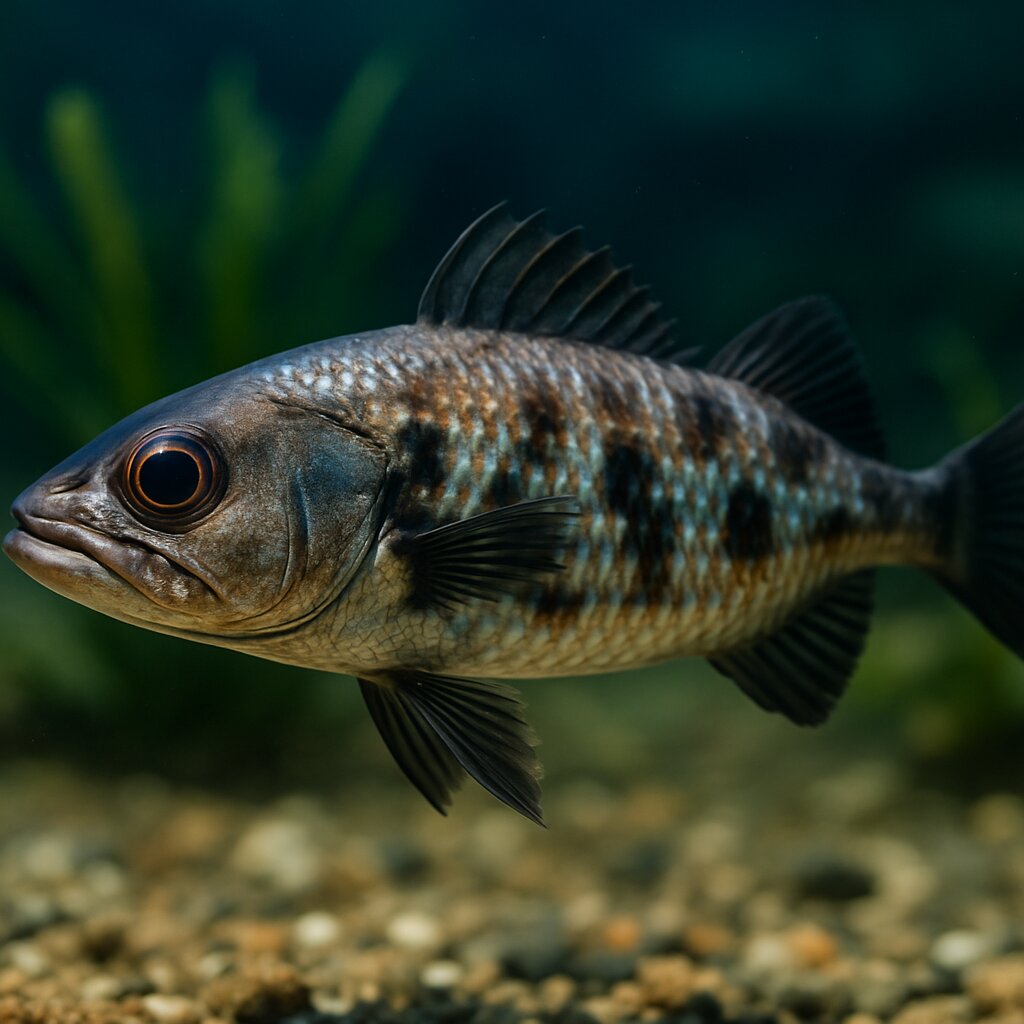
Antarctic dragonfish
Vomeridens infuscipinnis
Deep down around Antarctica, this sleek dragonfish cruises the water column like a little submarine, nearly neutrally buoyant so it can hover above the seafloor. It munches almost exclusively on Antarctic krill and lives in near-freezing water 500-800 m down, so it is a cool species to read about, not one for home tanks.
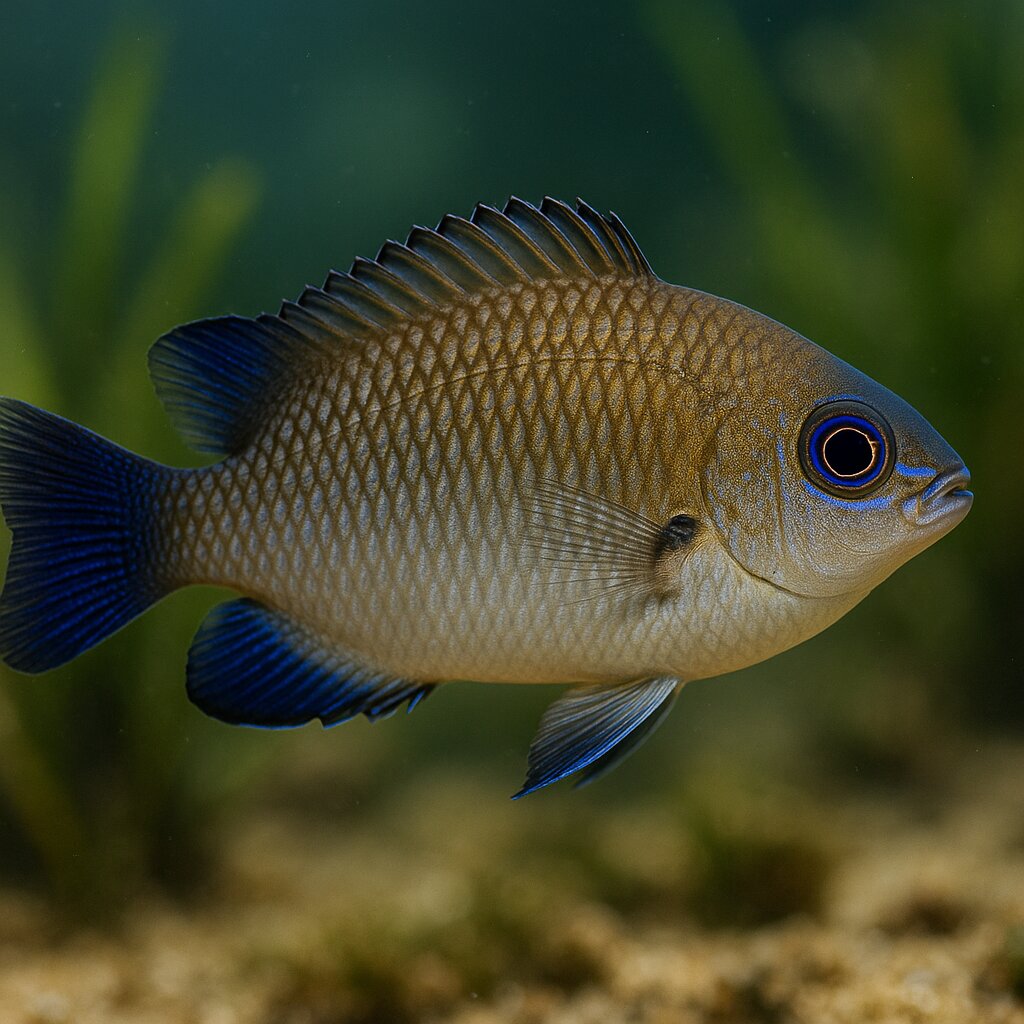
Arabian demoiselle
Neopomacentrus sindensis
A small lyretail damsel from the Persian Gulf and Arabian Sea, it hangs in loose groups around coral heads, rocks, and even pier pilings picking zooplankton from the flow. Think classic damsel toughness with a slightly milder attitude than the real bruisers, plus subtle yellow tail accents. Males clean a patch, get a mate to lay eggs there, and then stand guard fanning the clutch.
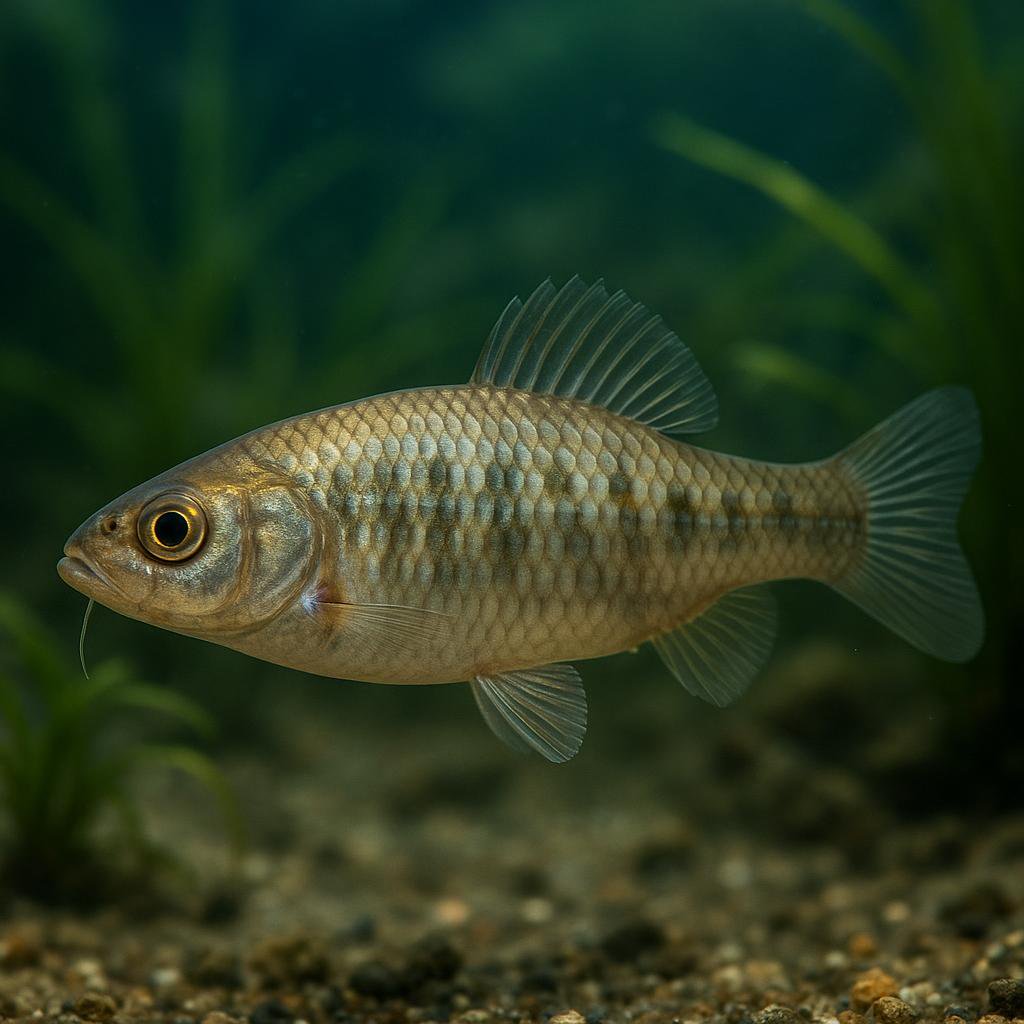
Arabian spiny eel
Notacanthus indicus
Notacanthus indicus is a deep-sea spiny eel (family Notacanthidae; not a true eel) known from the Arabian Sea on the continental slope at roughly ~960–1,046 m depth, with reported maximum length around 20 cm TL; it is a deep-water bycatch species and not established in the aquarium trade.
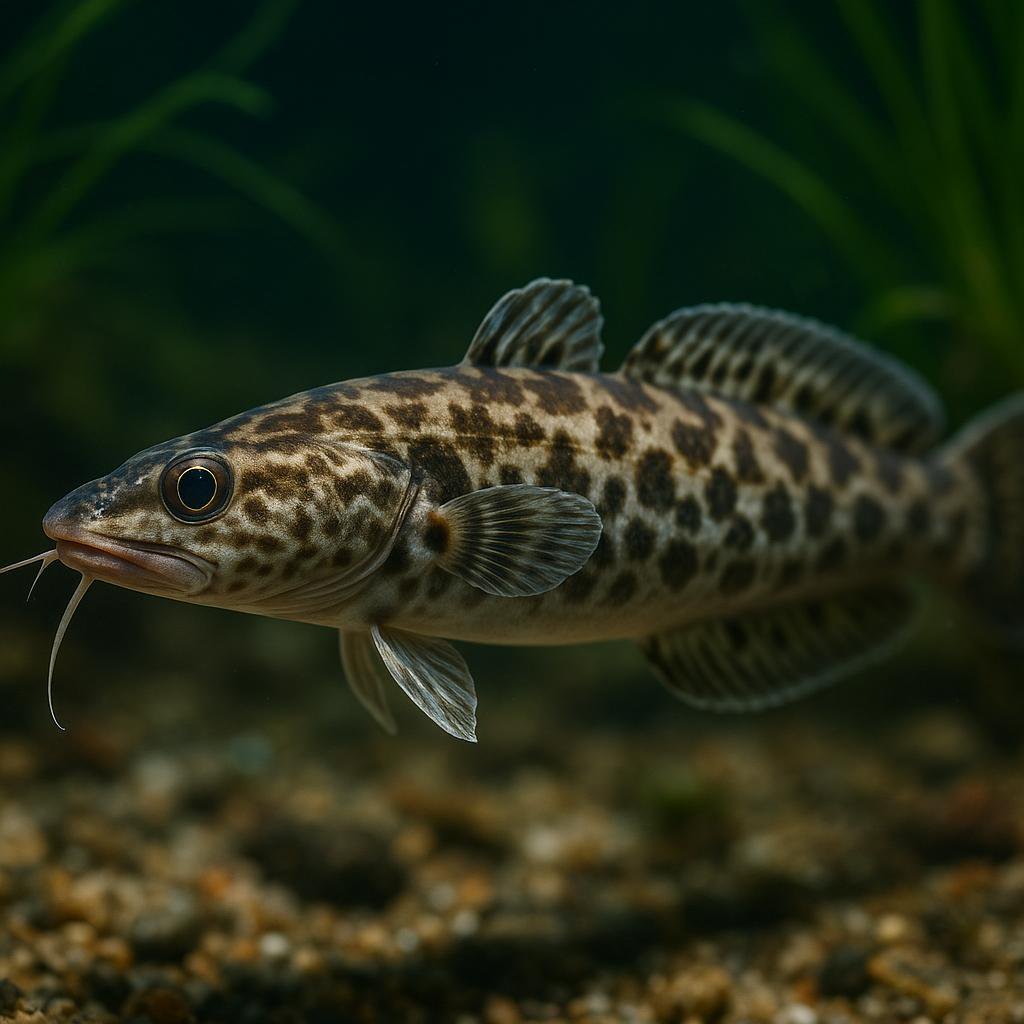
Arctic rockling
Gaidropsarus argentatus
This is a deepwater North Atlantic rockling (a cod relative) that hangs out on soft bottoms way down the slope. It is a cold-water, bottom-hugging predator that snoots around for crustaceans and will also take small fish when it gets the chance.
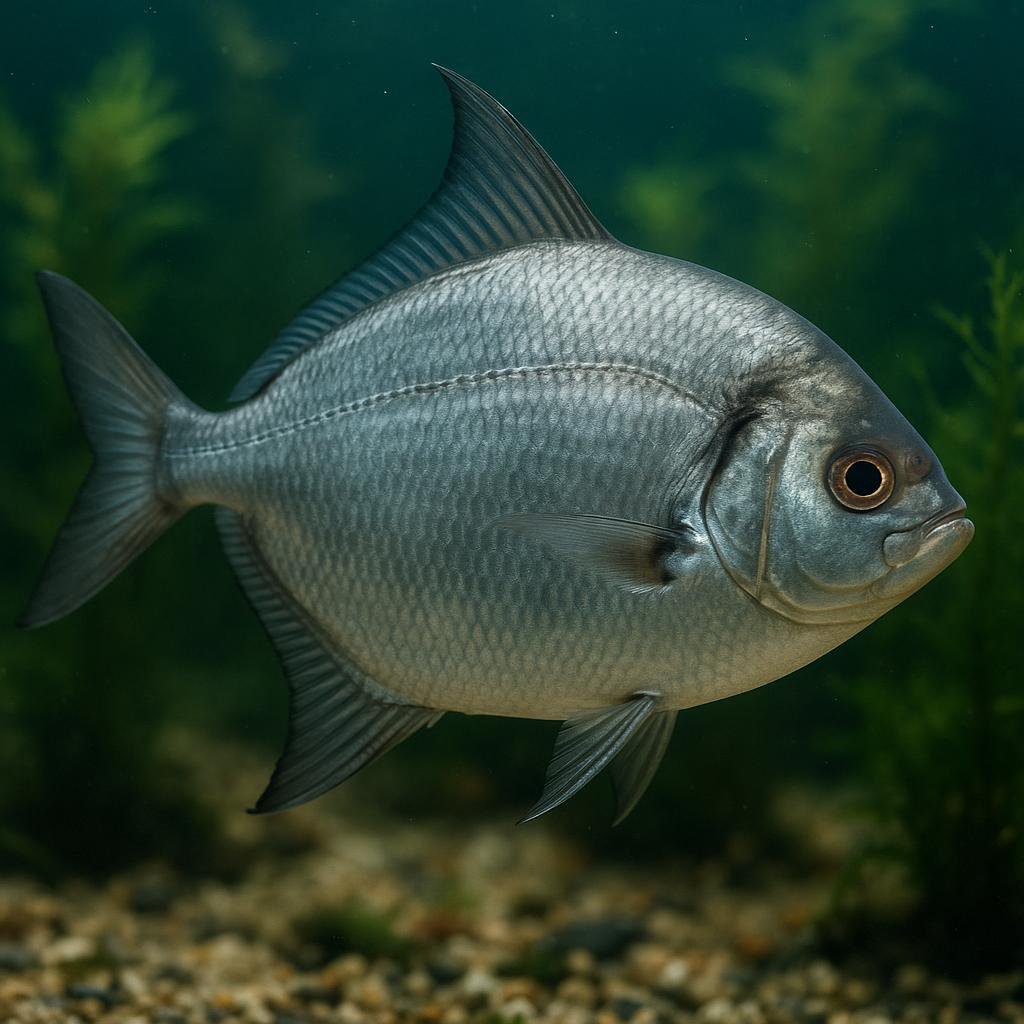
Atlantic pomfret
Brama brama
Brama brama is the Atlantic pomfret (aka Ray's bream) - a deep-bodied, open-ocean pelagic fish that cruises around in small schools and follows water temps. It is a legit big, wild marine species (not an aquarium fish) that eats other small sea critters like fish and squid, and it ranges across a huge chunk of the Atlantic plus parts of the Indian and South Pacific.
More to Explore
Discover more marine species.
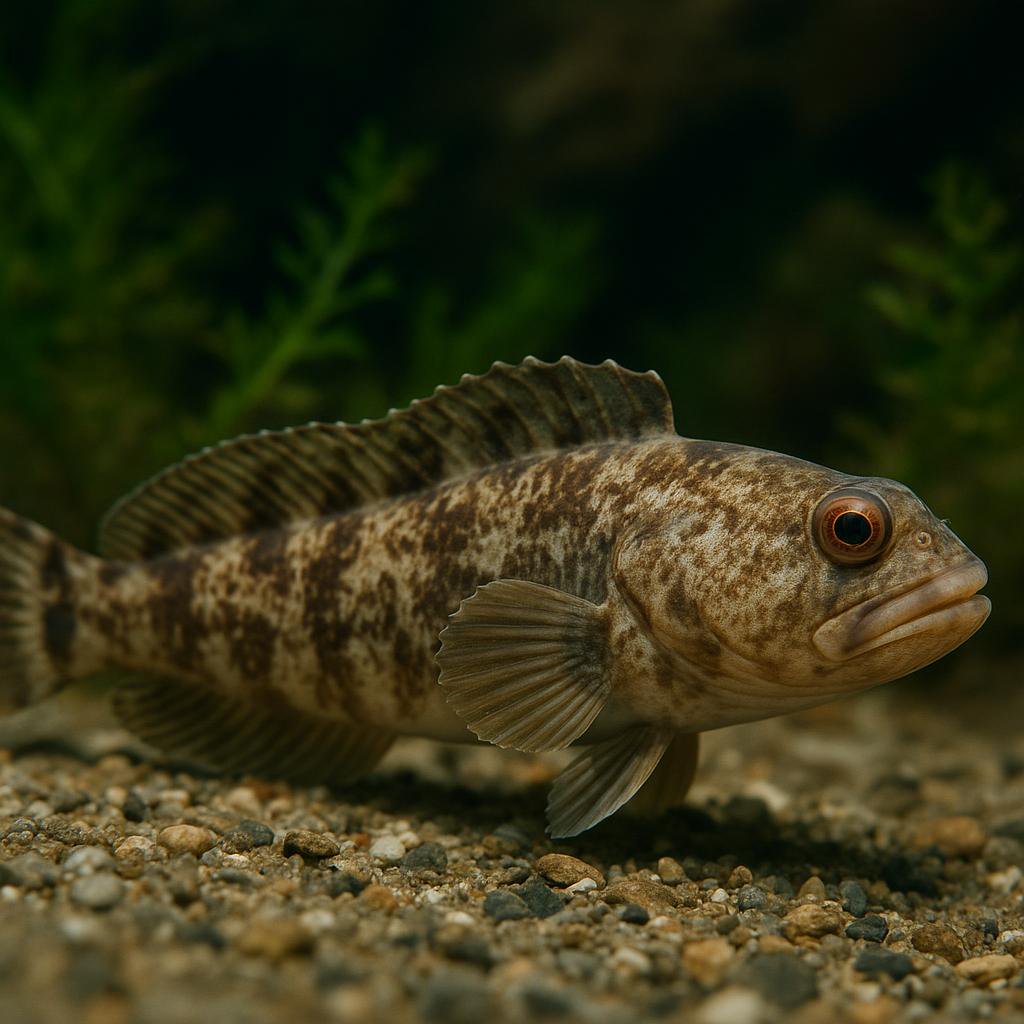
Abe's eelpout
Japonolycodes abei
Japonolycodes abei is a temperate, deepwater demersal eelpout (family Zoarcidae) endemic to Japan (Kumano-nada Sea reported; other sources also report Sagami Bay and Tosa Bay). It is the only species in the genus Japonolycodes and occurs roughly 40-300 m depth, making it an uncommon/atypical aquarium species.
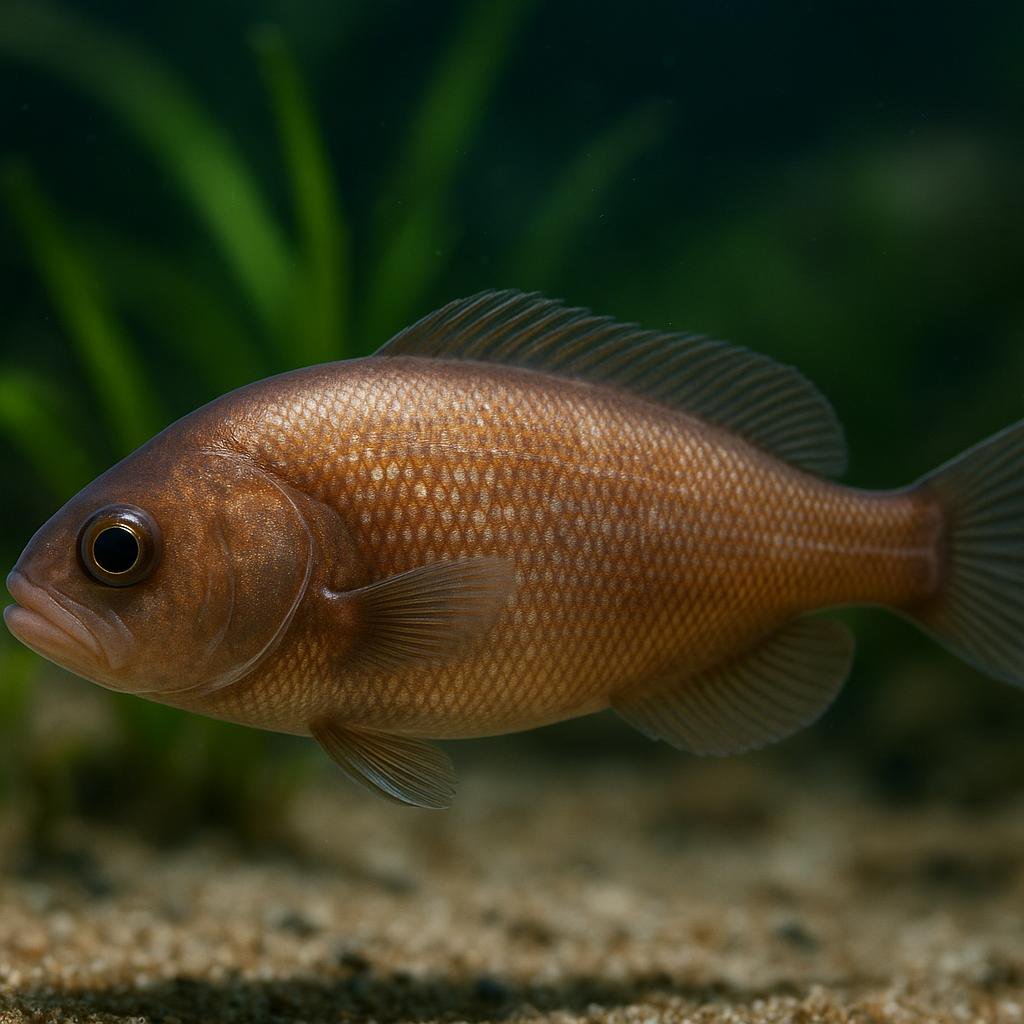
Affinis blind cusk-eel
Barathronus affinis
Barathronus affinis is a tiny, super-weird deep-sea blind cusk-eel from the western-central Indian Ocean. It is one of those gelatinous, loose-skinned brotula-type fishes that live way down in the dark and are basically never seen alive, so almost everything we know comes from preserved specimens and taxonomic work.
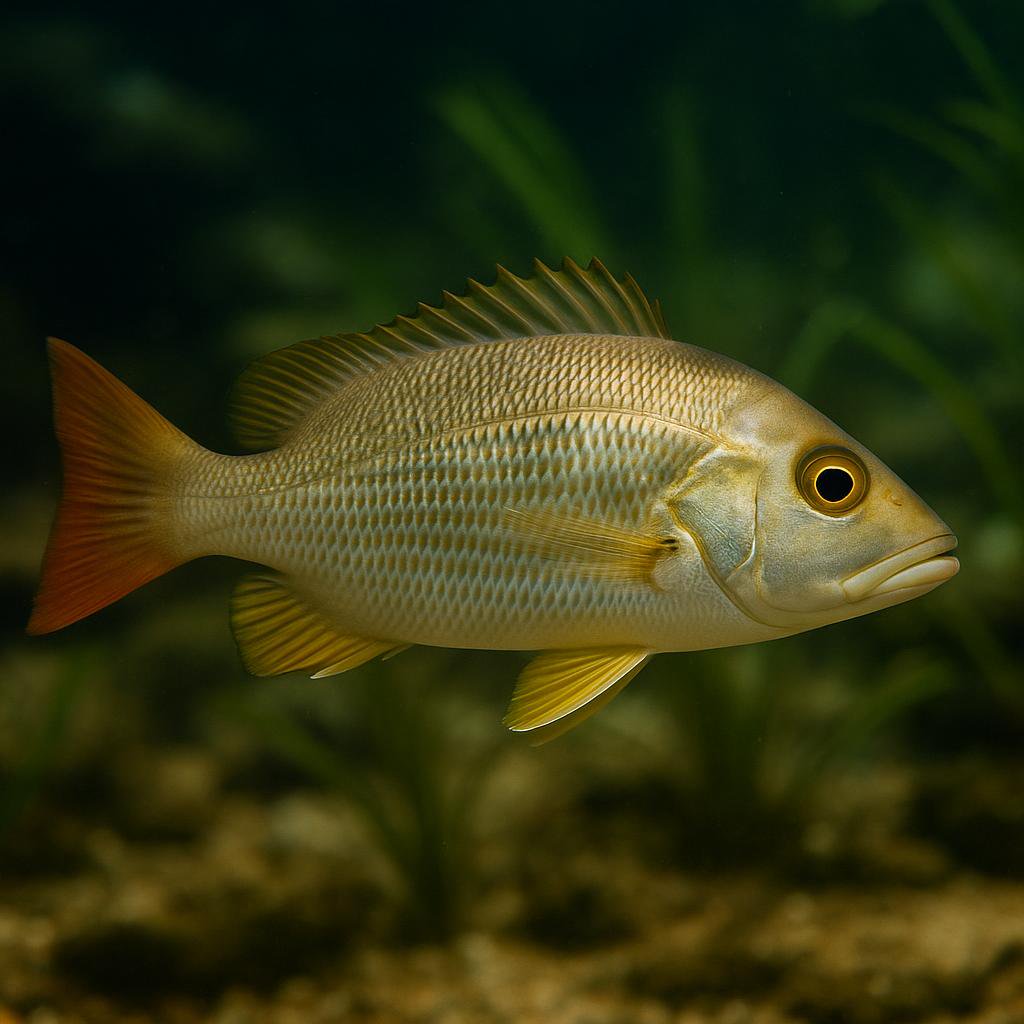
African red snapper
Lutjanus agennes
This is a true snapper from West Africa - a big, fast-growing predator that goes from coastal reefs to brackish lagoons and estuaries (especially as a juvenile). Super cool fish in the wild, but it gets absolutely huge and will eat smaller tankmates once it has the mouth for it, so its really more of a public-aquarium scale animal than a home-aquarium fish.
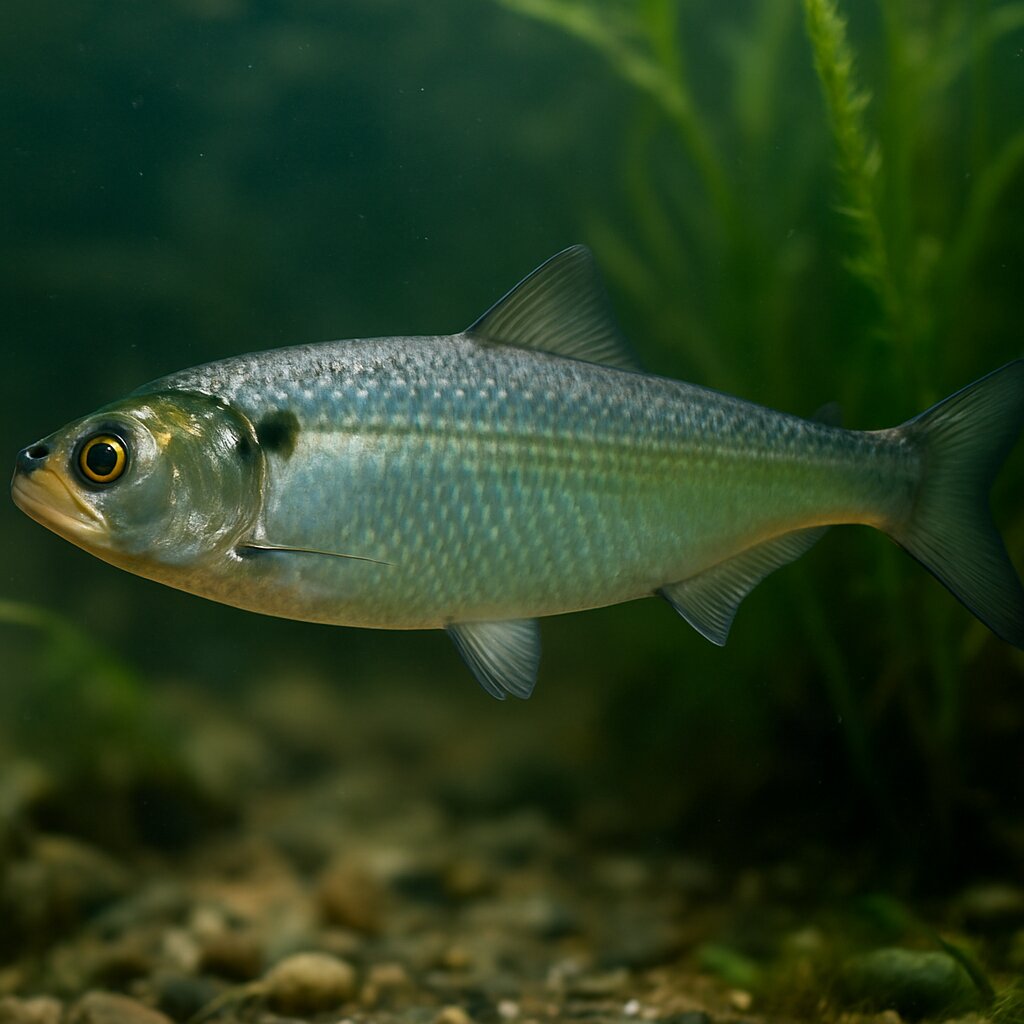
Allis shad
Alosa alosa
Gorgeous silver, fast-swimming shad that spends most of its life in the sea and then surges up big rivers in noisy, surface-spawning schools. It grows huge for a herring-type fish and needs cool, ultra-oxygenated water and tons of open space, so it is a public-aquarium species rather than a home tank fish.
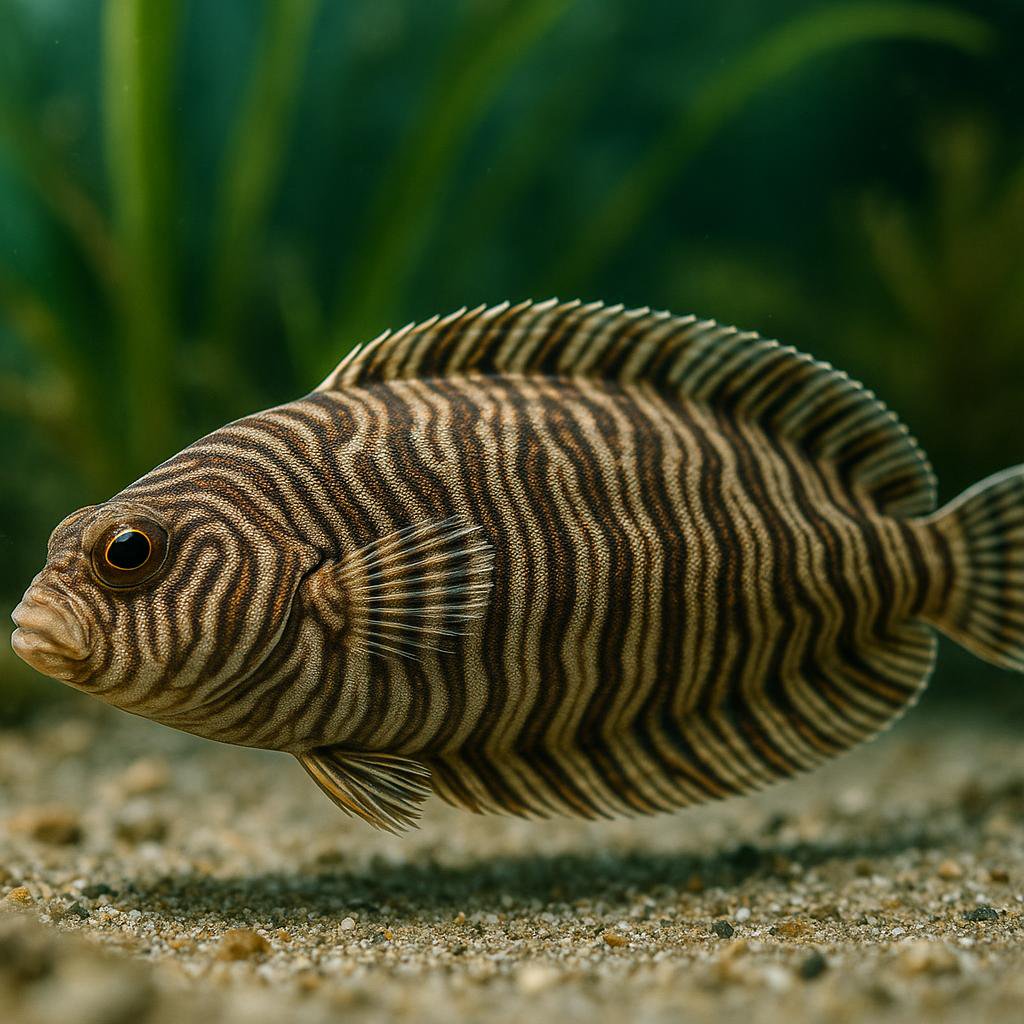
Annandale's zebra sole
Zebrias annandalei
Zebrias annandalei is a small demersal sole from coastal India that inhabits sandy or muddy bottoms and buries for camouflage. It is rarely kept in home aquaria and would require a specialized marine sand-bottom setup and appropriate feeding.
Australian sawtail catshark
Figaro boardmani
Figaro boardmani is a small, deepwater Australian catshark with these cool saw-like ridges of spiny denticles along the tail and a neat pattern of dark saddle bands. It lives way down on the outer continental shelf and slope, so its natural water is cold, dim, and stable - totally not a typical home-aquarium fish. Diet-wise its a predator that goes after fish, crustaceans, and cephalopods.
Looking for other species?