

Harelip cusk
Ophidion lagochila
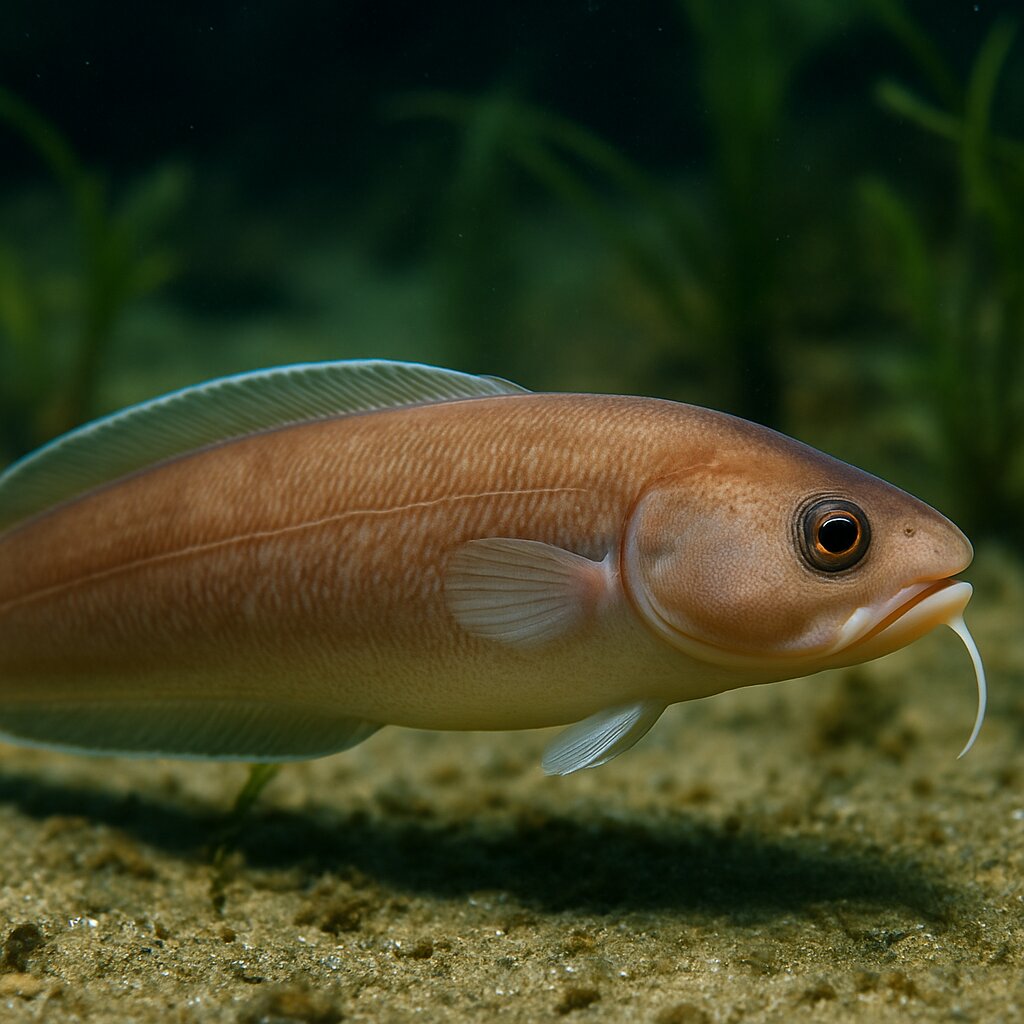
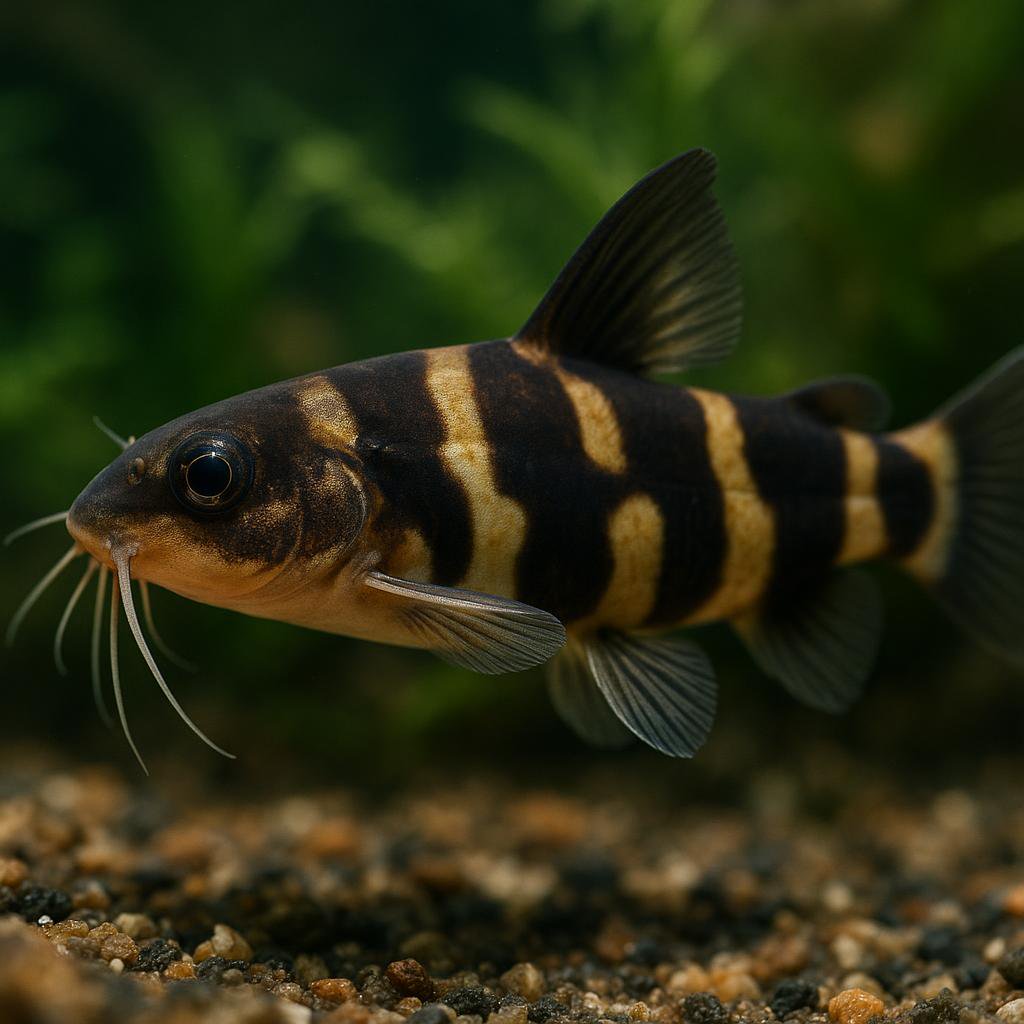
The Harelip cusk has a slender body with a distinctive, pronounced ridged jaw and a dark brown to olive coloration speckled with lighter spots.
This page includes AI-generated images. Why am I seeing AI images?
About the Harelip cusk
This is a tiny Caribbean cusk-eel that sticks to sandy bottoms around reefs from Bermuda and the Bahamas down to Venezuela. It tops out under 3 inches and spends a lot of time tucked into the sand, darting out for tiny crustaceans and worms. Super cool little oddball, but you almost never see it for sale and it really needs a mature, stable marine setup with a decent sand bed.
Also known as
Quick Facts
Size
7 cm
Temperament
Semi-aggressive
Difficulty
Advanced
Min Tank Size
30 gallons
Lifespan
unknown
Origin
Western Central Atlantic
Diet
Carnivore - small crustaceans and worms; accepts frozen mysis and finely chopped seafood
Water Parameters
22-28°C
8-8.4
10-30 dGH
Need a heater for this species?
This species needs 22-28°C in a 30 gallon tank. Use our heater calculator to find the right wattage.
Calculate heater sizeCare Notes
- Give it a 55+ gallon tank with a big footprint, dim lighting, and 3-6 inches of fine sand to burrow; set rocks on the glass, not on sand, so tunnels do not collapse.
- Keep salinity around 1.025, temp 72-78 F, pH 8.1-8.4, and nitrate under 20 ppm; aim for good oxygenation without blasting flow at the bottom.
- Tight lid is non-negotiable - they snake through tiny gaps; cover overflows and powerhead intakes with foam or mesh.
- Feed at dusk with tongs near the burrow: start live blackworms or ghost shrimp, then wean to frozen mysis, chopped prawn, and clam strips; 4-5 small meals a week beats huge dumps.
- Peaceful but predatory - tankmates need to be calm and too big to swallow; skip shrimp, small crabs, nano gobies, and any bruisers like triggers, big wrasses, and dottybacks.
- Quarantine 4-6 weeks and deworm with praziquantel; many come in half-starved, so give sand to hide in or they shut down on food.
- Expect nocturnal behavior and clicking sounds; add a few PVC caves (1-1.5 inch ID) partly buried so it feels safe during the day.
- Breeding is a no-go in home tanks - they are broadcast spawners with pelagic larvae - so focus on long-term single-specimen care.
Compatibility
Good Tankmates
- Mid-size tangs and rabbitfish that cruise midwater and ignore sand burrowers
- Nocturnal rock-huggers like squirrelfish and soldierfish
- Bigger fairy and flasher wrasses (4 in+), the easygoing midwater types
- Peaceful butterflies and Genicanthus angels that are not nippy
- Heftier anthias groups that stay in the water column
- Chill hawkfish that do not harass bottom dwellers (add after the cusk has settled)
Avoid
- Tiny, slow fish or bottom sleepers like firefish, small gobies, and cardinals - easy snack after lights out
- Cave-claiming jerks like dottybacks, aggressive damsels, and pushy wrasses (sixlines, Thalassoma)
- Nippy biters like triggers and puffers that chew on long skinny fish
- Big predators like lionfish, groupers, and morays
Where they come from
Harelip cusk (Ophidion lagochila) is a sand-hugging cusk-eel from the western Atlantic. Think quiet coastal shelves, bays, and sandy patches near grass beds. They spend daylight buried or tucked into the sand and get active at dusk. Mine came in as a Gulf/Caribbean bycatch fish and acted exactly like a shy, nocturnal ambush hunter from a flat, sandy world.
Setting up their tank
Plan the tank around sand and security. These guys are built to slip into fine substrate and disappear. If they do not feel like they can hide, they just won't settle or eat well.
- Tank size: 55 gal minimum for a single, 75+ gal for a pair. They need floor space more than height.
- Substrate: 3-5 inches of fine aragonite sand. No crushed coral or sharp gravel - it scuffs their skin.
- Hides: Add PVC elbows, smooth rock caves, and sand trays they can burrow into. Keep layouts low and open so they can snake around without scraping.
- Flow and light: Moderate flow, dim lighting. They relax a ton under subdued lights.
- Lid: Tight, gap-free cover. They are expert jumpers when startled.
- Water: 1.024-1.026 SG, 72-76 F, pH 8.0-8.3, low nitrate. Good oxygenation helps them stay active at night.
If you do not want a full deep sand bed in your display, use two large plastic containers filled with fine sand and set them flush on the bottom. They will adopt them as burrow zones and you can clean around them.
Cover powerhead intakes and overflow teeth with mesh. A panicked cusk-eel can wedge itself into any opening it can find.
What to feed them
They are meaty-food hunters. Most new arrivals ignore pellets and flakes. Start with movement and smell, then work toward tongs and eventually still food.
- Starter foods: live blackworms, live ghost shrimp, or freshly thawed mysis moved with tongs.
- Staples: frozen mysis, chopped krill, finely diced shrimp, clam, squid, and fish flesh. Mine went nuts for soaked LRS-style blends once he settled.
- Training: Wiggle food with long tongs at dusk. Once they strike, keep the routine at the same time each night.
- Supplements: Soak a couple feeds per week in vitamins and HUFA (Selcon-style) to keep weight and color.
- Frequency: Small meals 4-6 times per week. Skip a day now and then to keep water clean.
They hunt by scent. If yours is reluctant, thaw food in tank water and add a bit of clam juice from the frozen pack to spike the smell.
How they behave and who they get along with
Shy by day, cruisers by night. They are sand weavers, not open-water swimmers. Usually peaceful with fish they cannot swallow, but they will absolutely snack on tiny fish and shrimp that fit in their mouth.
- Good tankmates: peaceful to moderately assertive fish like larger gobies, blennies, fairy wrasses, tangs, and docile basslets. Avoid hyper-aggressive bullies.
- Not good: small ornamental shrimp, tiny gobies, sexy shrimp, and nano fish. Also avoid dottybacks and big hawkfish that harass cave dwellers.
- Social: Best kept singly unless you can source a known pair and have a big footprint. Two random individuals may bicker in tight quarters.
- Activity window: Most feeding and exploring happens at dusk. Give them a calm evening routine.
Blue moonlight helps you watch their natural behavior without spooking them. Keep daytime lights on the dimmer side for the first couple weeks while they settle.
Breeding tips
This is still a long shot in home tanks. Wild cues likely involve season, temperature shifts, and night activity in sandy areas. Sexing is not obvious, and pairing strangers can end in silent standoffs.
- If you want to try: run a large system with multiple sand beds, several cave clusters, and very low evening light.
- Mild seasonal changes: a small temp swing across the year (2-3 F), and slightly heavier feeding ahead of your simulated spring.
- Group only if your tank is big enough to let them avoid each other. Add all candidates at once to reduce territory claims.
There are scattered reports of courtship-like following at lights-out, but confirmed home spawnings for this species are not something you should bank on. Enjoy them for their behavior first.
Common problems to watch for
- Refusing food: Very common early on. Dim the lights, feed at dusk, and use moving, smelly foods. Give them sand to hide in first, then worry about training.
- Scuffed snouts and abrasions: Caused by coarse substrate or frantic glass-bumping. Use fine sand and add visual barriers along the bottom.
- Jumping: They launch during netting or loud noises. Keep a tight lid and be gentle during maintenance.
- Internal parasites: Look for stringy white feces and weight loss. Treat in quarantine with a food-soaked dewormer protocol.
- Medication sensitivity: They have delicate skin. Go easy with copper and formalin. If you must medicate, use test kits and the lower end of recommended ranges.
- Deep-caught stress: Some arrive with barotrauma or swim bladder issues. Choose specimens that are steady on the bottom and breathing normally.
Quarantine with a sand pan, a chunk of PVC, and very low light. Get them eating reliably in QT before moving to the display. The difference in long-term success is huge.
Similar Species
Other marine semi-aggressive species you might be interested in.
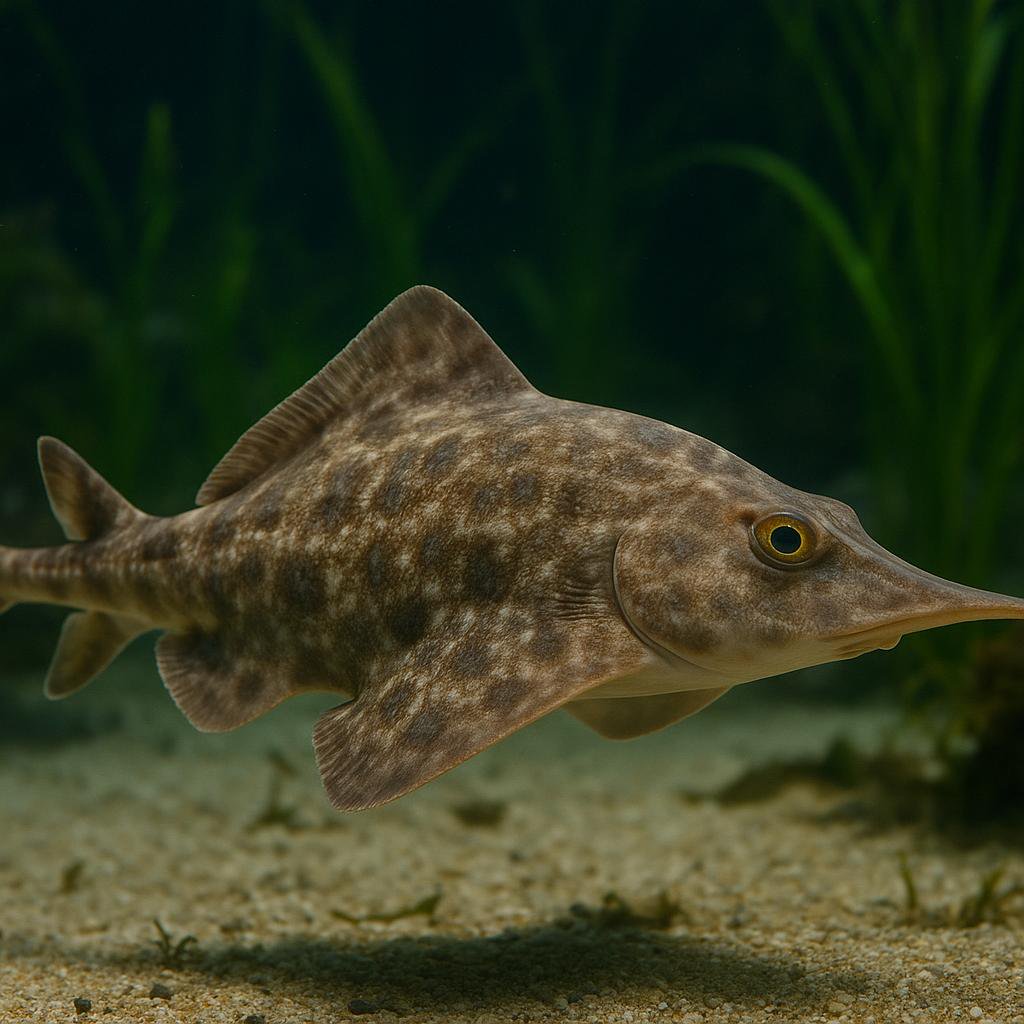
Aleutian skate
Bathyraja aleutica
This is a big, cold-water deep-slope skate from the North Pacific that cruises muddy bottoms and eats chunky benthic prey like crabs and shrimp. The really cool bit is its egg-laying skate life - it does distinct pairing (the classic skate "embrace") and drops those tough egg cases on the seafloor. Not an aquarium fish at all unless you're basically running a public-aquarium-style chilled system.
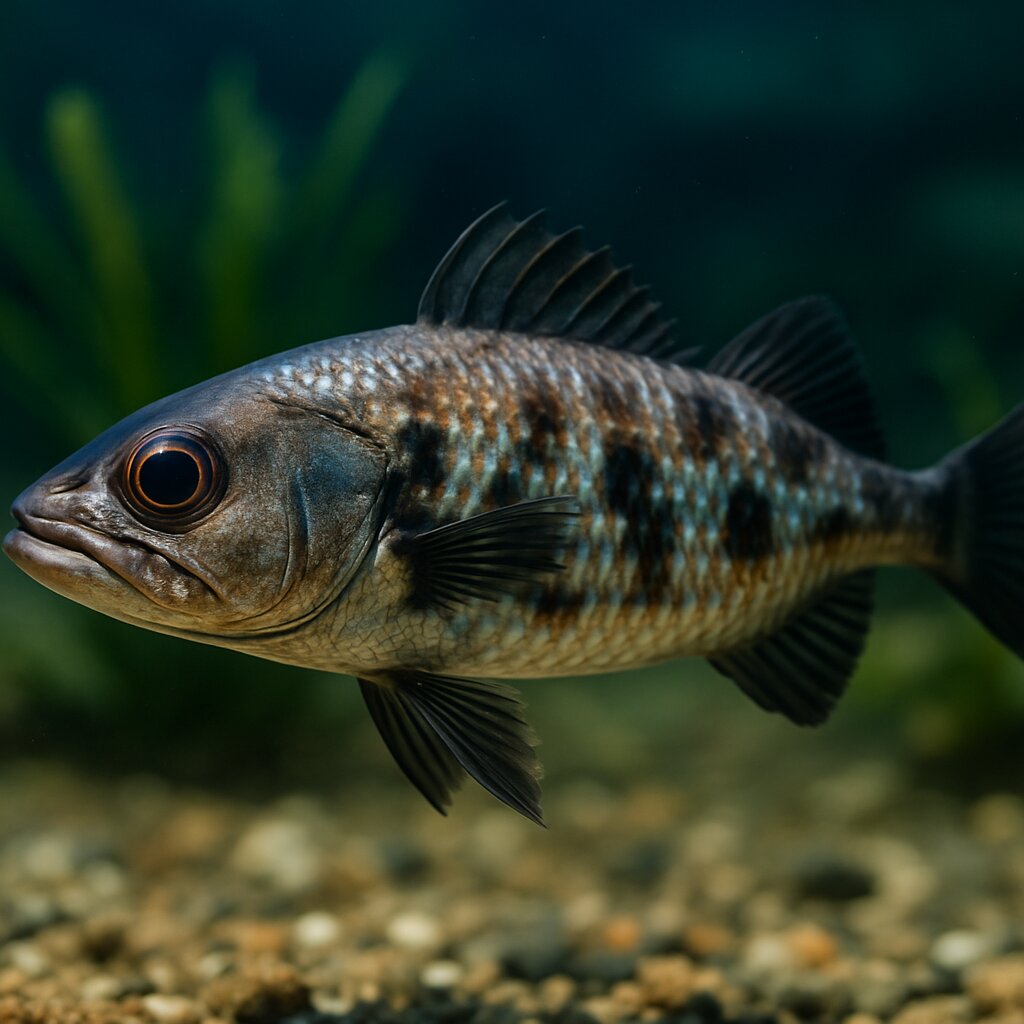
Antarctic dragonfish
Vomeridens infuscipinnis
Deep down around Antarctica, this sleek dragonfish cruises the water column like a little submarine, nearly neutrally buoyant so it can hover above the seafloor. It munches almost exclusively on Antarctic krill and lives in near-freezing water 500-800 m down, so it is a cool species to read about, not one for home tanks.
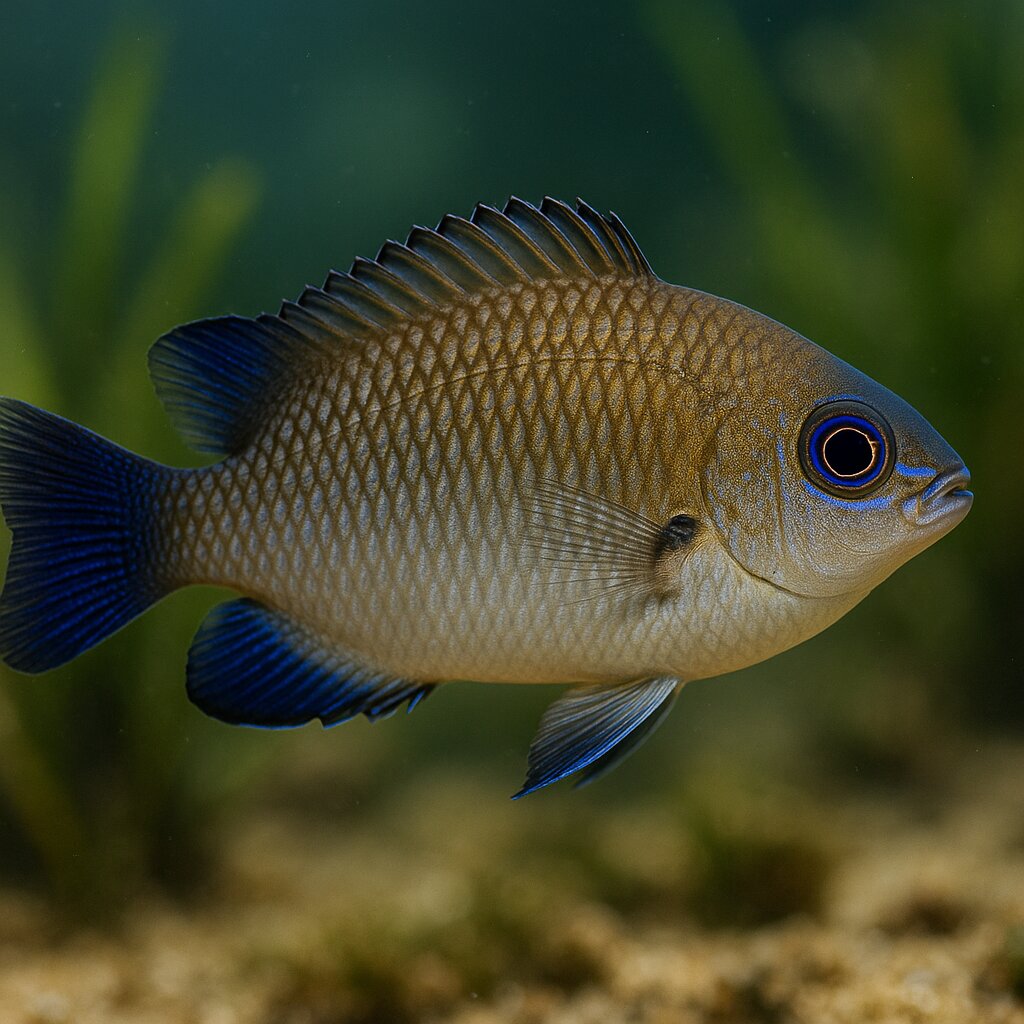
Arabian demoiselle
Neopomacentrus sindensis
A small lyretail damsel from the Persian Gulf and Arabian Sea, it hangs in loose groups around coral heads, rocks, and even pier pilings picking zooplankton from the flow. Think classic damsel toughness with a slightly milder attitude than the real bruisers, plus subtle yellow tail accents. Males clean a patch, get a mate to lay eggs there, and then stand guard fanning the clutch.
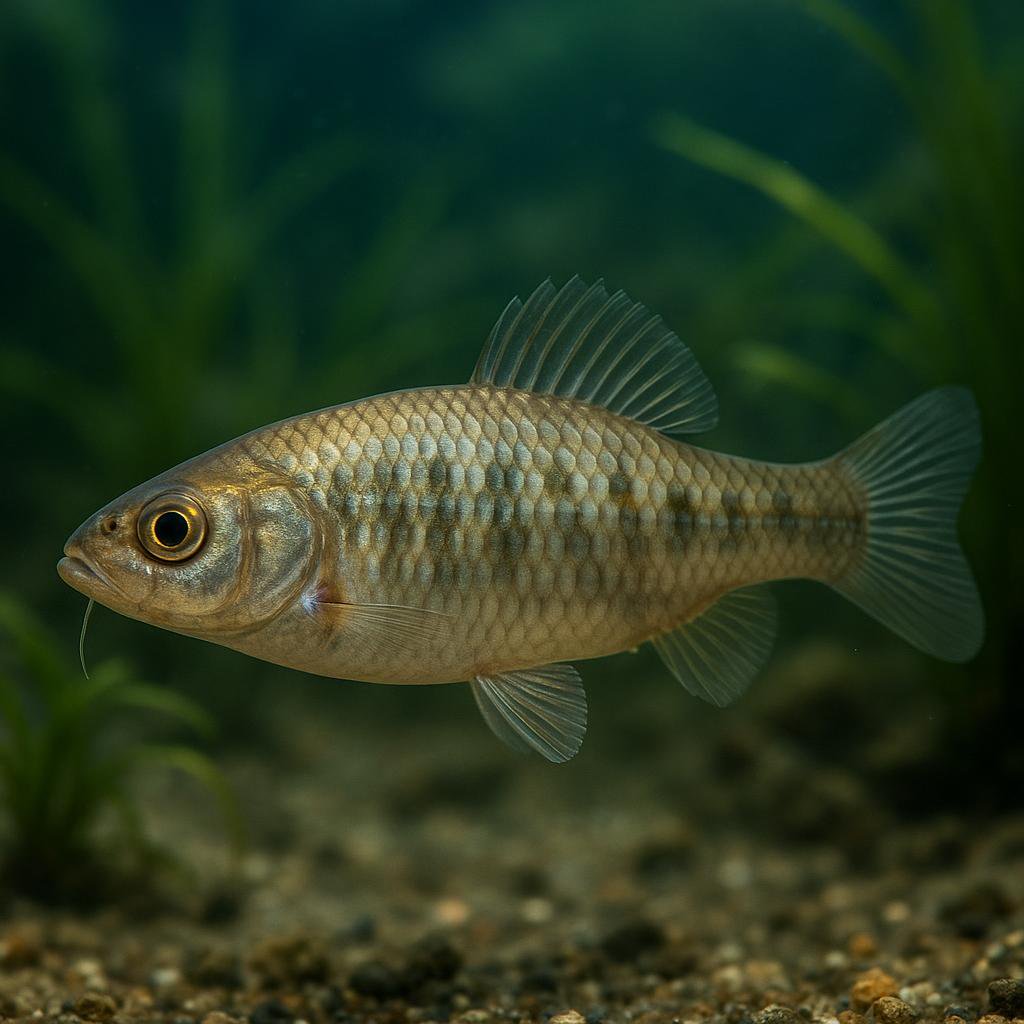
Arabian spiny eel
Notacanthus indicus
Notacanthus indicus is a deep-sea spiny eel (family Notacanthidae; not a true eel) known from the Arabian Sea on the continental slope at roughly ~960–1,046 m depth, with reported maximum length around 20 cm TL; it is a deep-water bycatch species and not established in the aquarium trade.
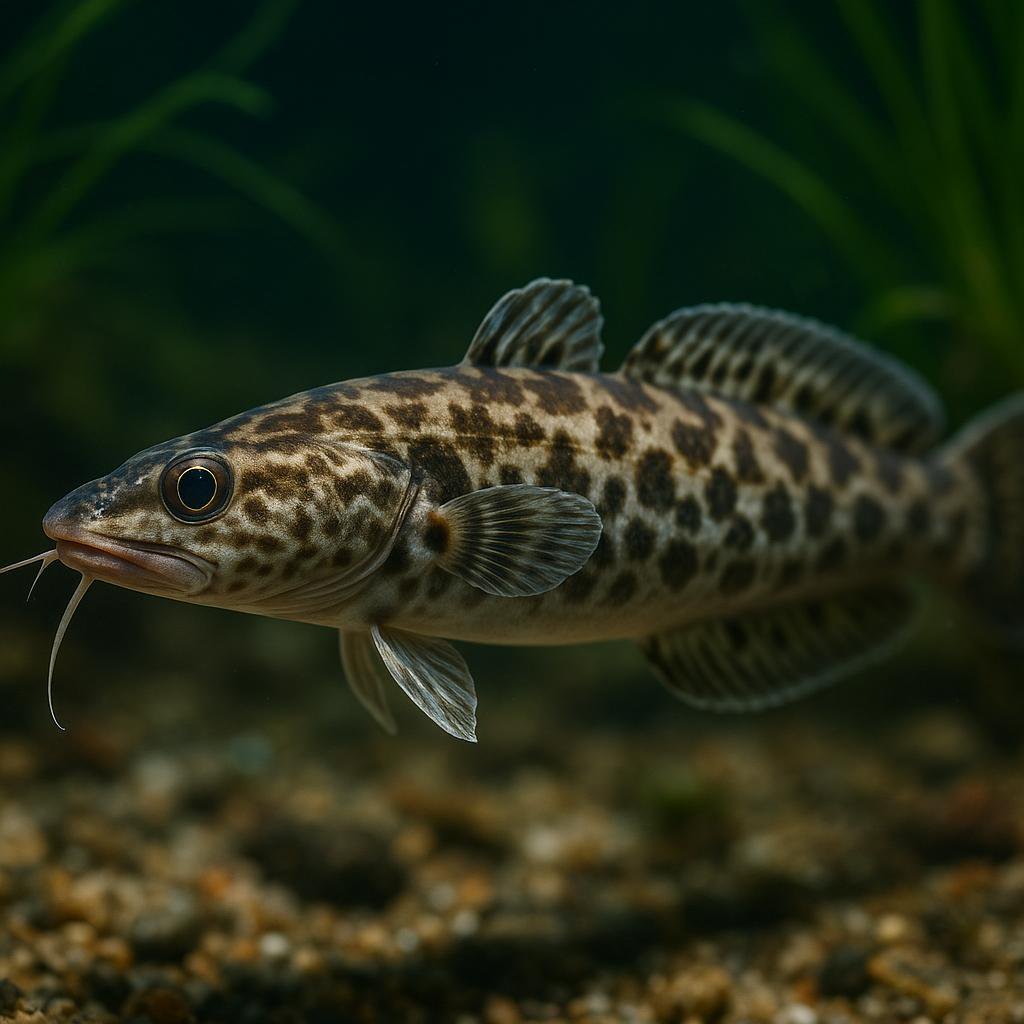
Arctic rockling
Gaidropsarus argentatus
This is a deepwater North Atlantic rockling (a cod relative) that hangs out on soft bottoms way down the slope. It is a cold-water, bottom-hugging predator that snoots around for crustaceans and will also take small fish when it gets the chance.
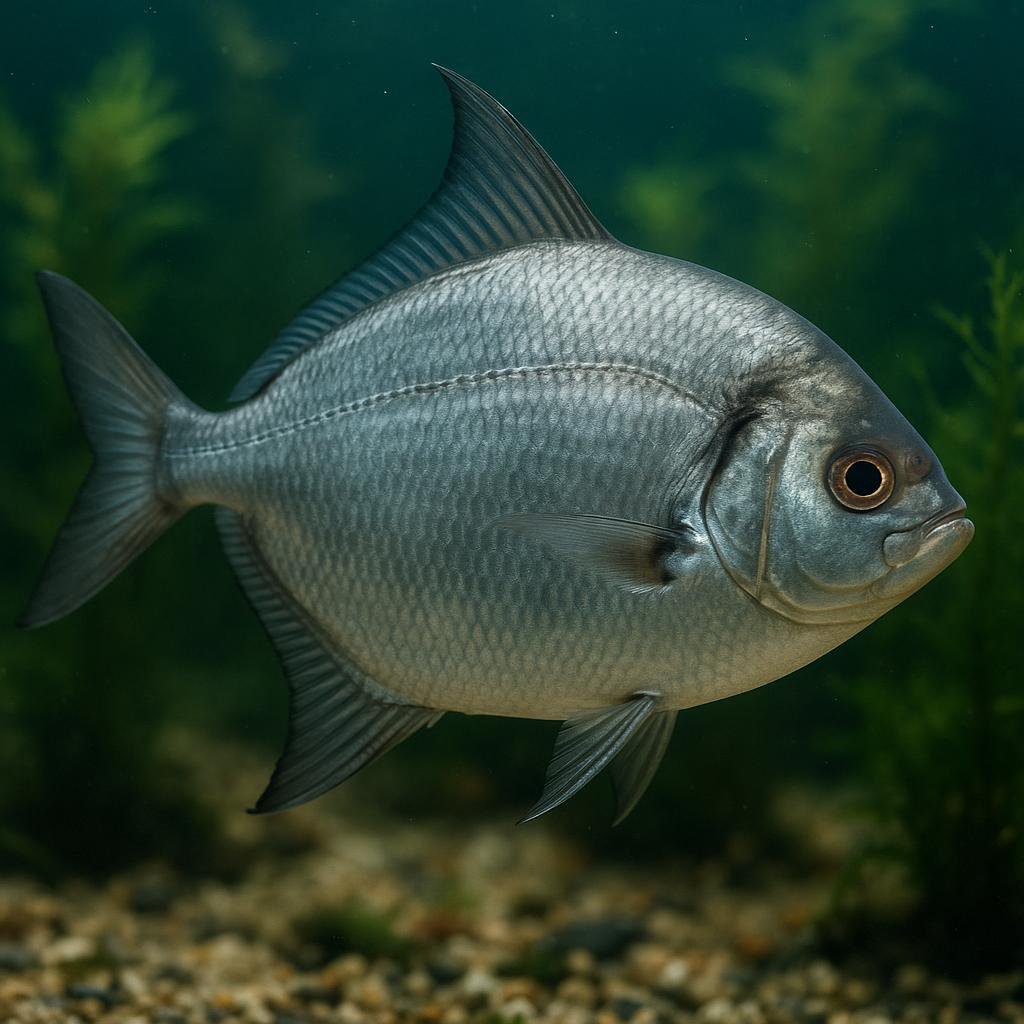
Atlantic pomfret
Brama brama
Brama brama is the Atlantic pomfret (aka Ray's bream) - a deep-bodied, open-ocean pelagic fish that cruises around in small schools and follows water temps. It is a legit big, wild marine species (not an aquarium fish) that eats other small sea critters like fish and squid, and it ranges across a huge chunk of the Atlantic plus parts of the Indian and South Pacific.
More to Explore
Discover more marine species.
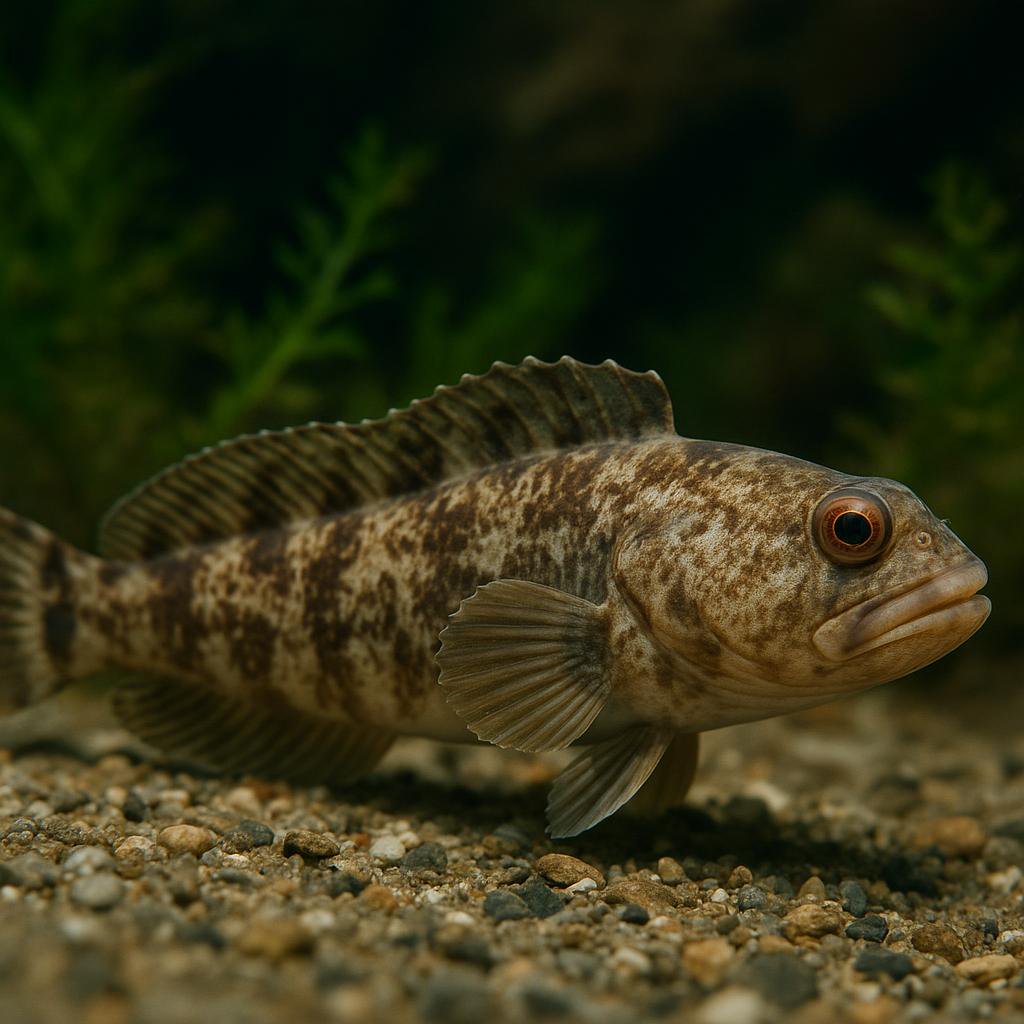
Abe's eelpout
Japonolycodes abei
Japonolycodes abei is a temperate, deepwater demersal eelpout (family Zoarcidae) endemic to Japan (Kumano-nada Sea reported; other sources also report Sagami Bay and Tosa Bay). It is the only species in the genus Japonolycodes and occurs roughly 40-300 m depth, making it an uncommon/atypical aquarium species.
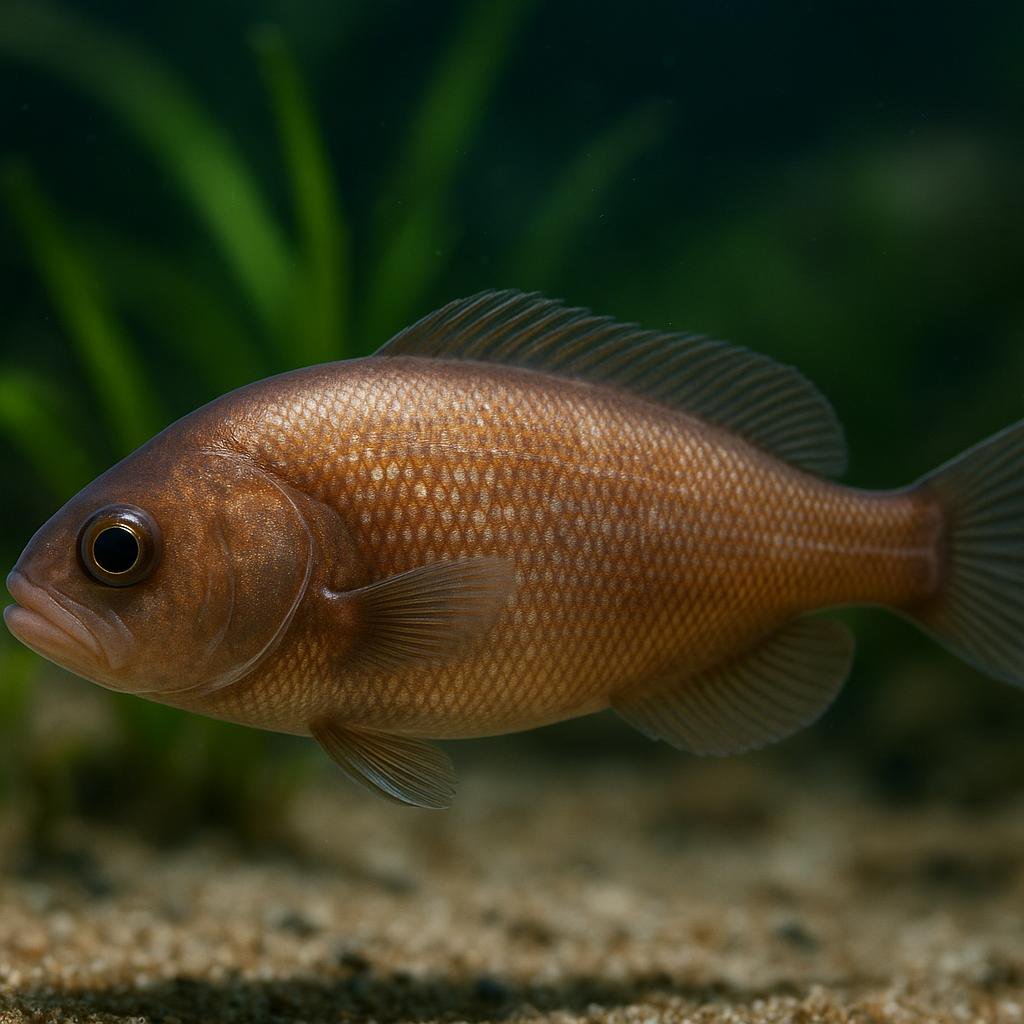
Affinis blind cusk-eel
Barathronus affinis
Barathronus affinis is a tiny, super-weird deep-sea blind cusk-eel from the western-central Indian Ocean. It is one of those gelatinous, loose-skinned brotula-type fishes that live way down in the dark and are basically never seen alive, so almost everything we know comes from preserved specimens and taxonomic work.
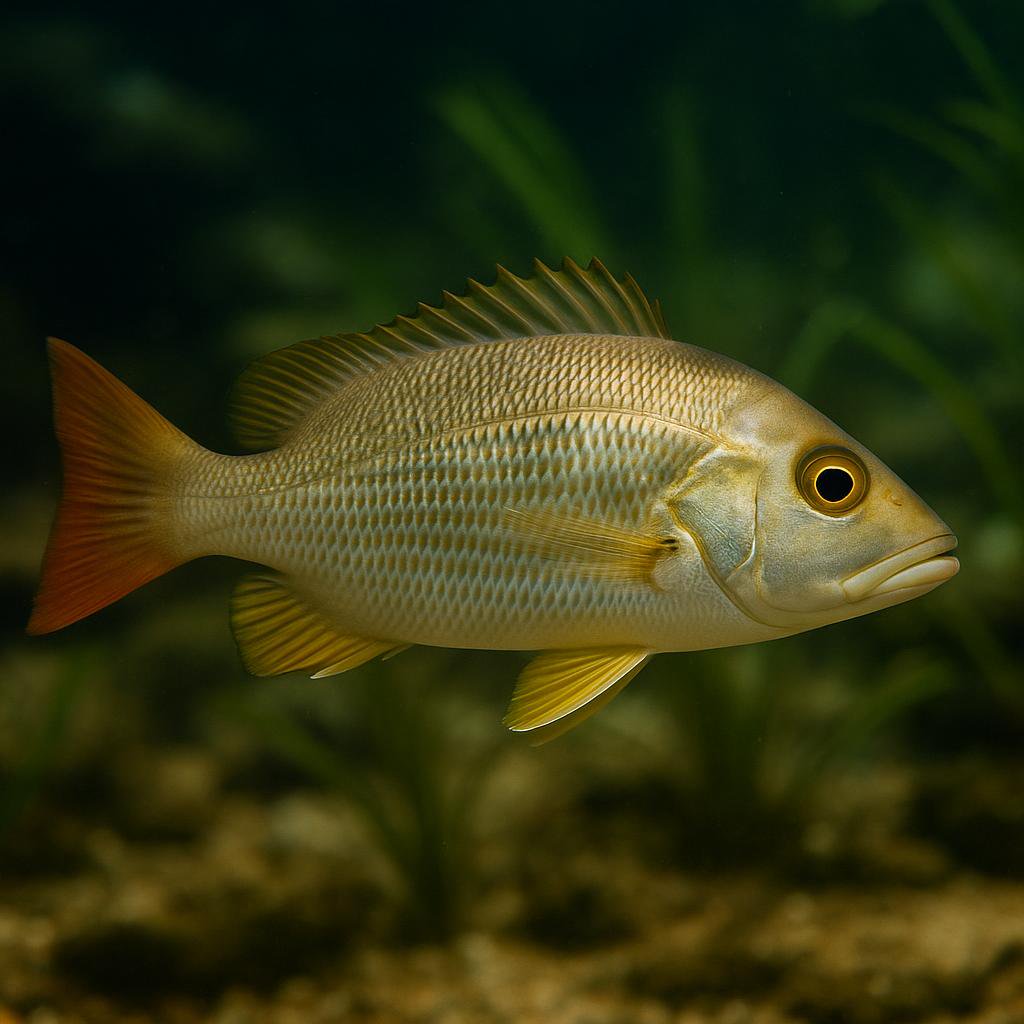
African red snapper
Lutjanus agennes
This is a true snapper from West Africa - a big, fast-growing predator that goes from coastal reefs to brackish lagoons and estuaries (especially as a juvenile). Super cool fish in the wild, but it gets absolutely huge and will eat smaller tankmates once it has the mouth for it, so its really more of a public-aquarium scale animal than a home-aquarium fish.
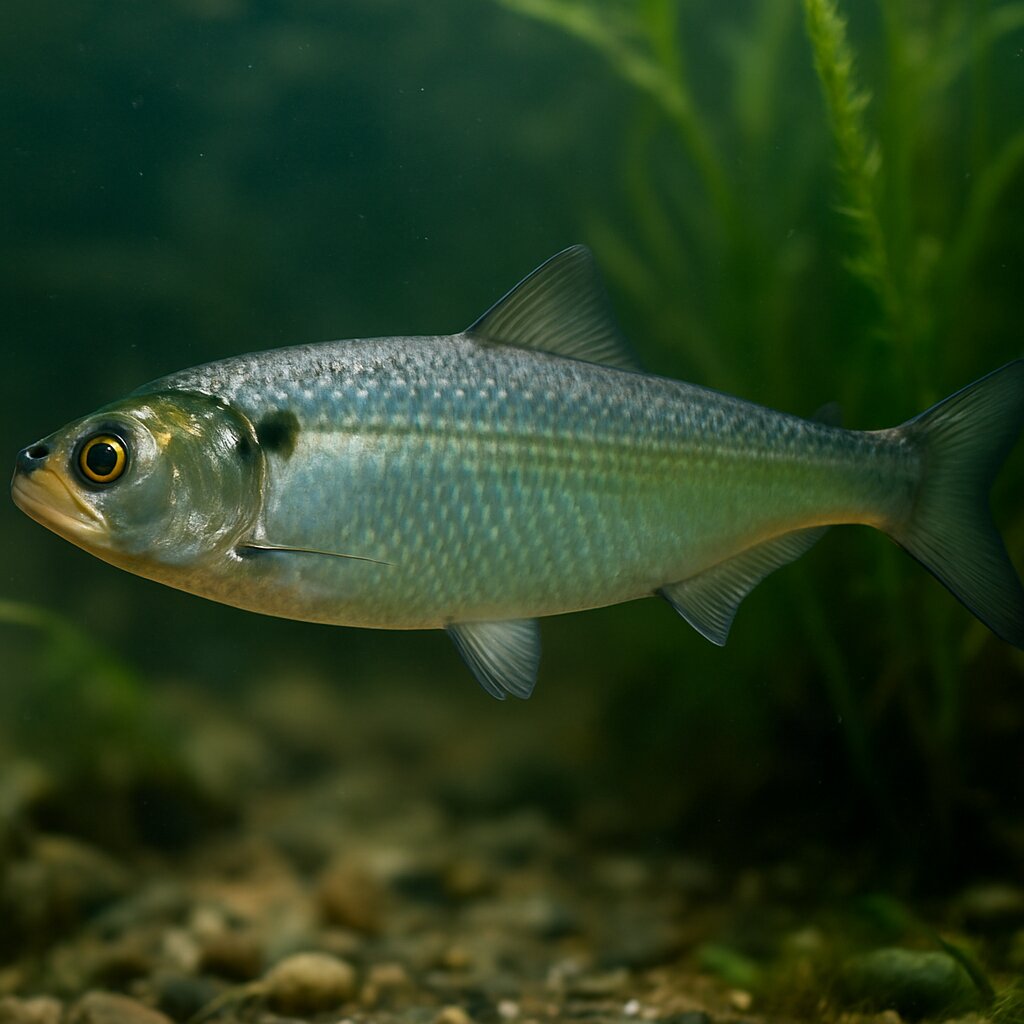
Allis shad
Alosa alosa
Gorgeous silver, fast-swimming shad that spends most of its life in the sea and then surges up big rivers in noisy, surface-spawning schools. It grows huge for a herring-type fish and needs cool, ultra-oxygenated water and tons of open space, so it is a public-aquarium species rather than a home tank fish.
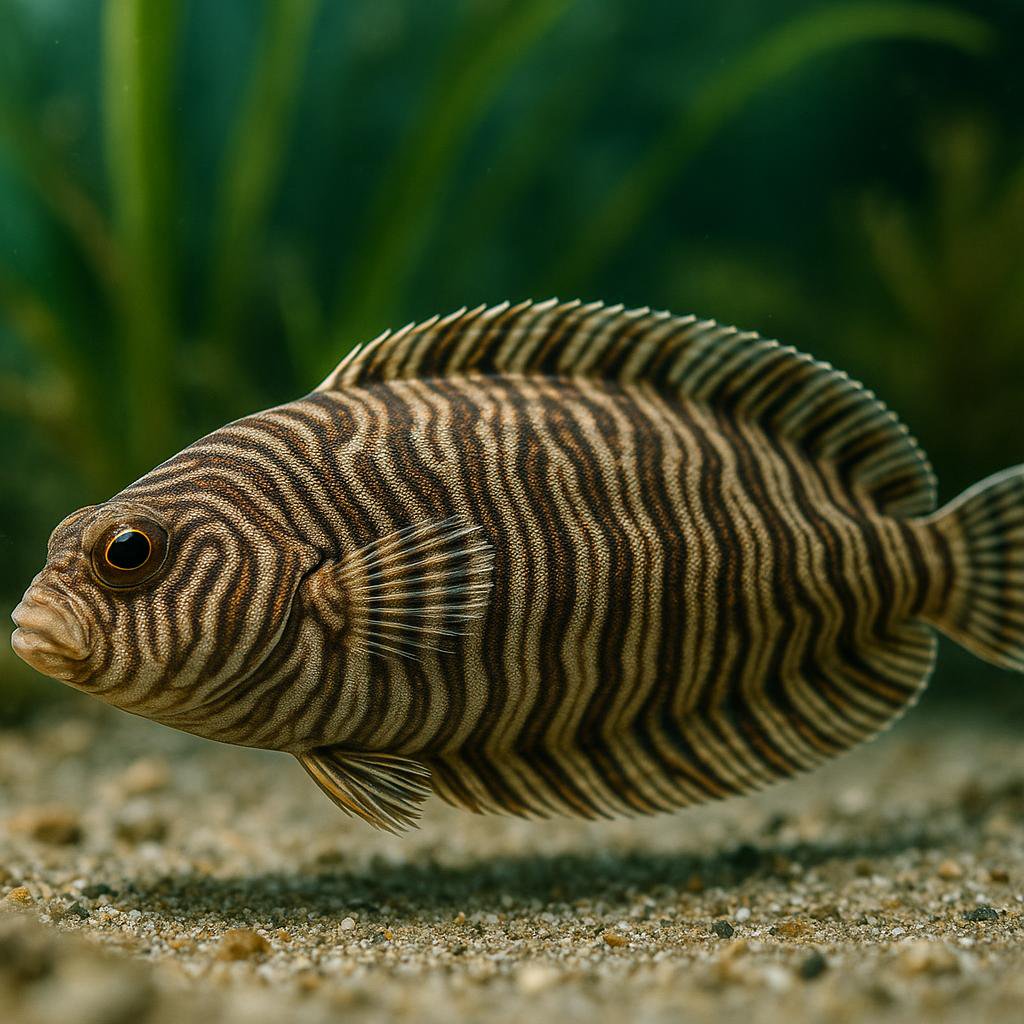
Annandale's zebra sole
Zebrias annandalei
Zebrias annandalei is a small demersal sole from coastal India that inhabits sandy or muddy bottoms and buries for camouflage. It is rarely kept in home aquaria and would require a specialized marine sand-bottom setup and appropriate feeding.
Australian sawtail catshark
Figaro boardmani
Figaro boardmani is a small, deepwater Australian catshark with these cool saw-like ridges of spiny denticles along the tail and a neat pattern of dark saddle bands. It lives way down on the outer continental shelf and slope, so its natural water is cold, dim, and stable - totally not a typical home-aquarium fish. Diet-wise its a predator that goes after fish, crustaceans, and cephalopods.
Looking for other species?