

Fish That Start With P - Page 2 of 3
Browse all aquarium fish species with common names beginning with "P". Each profile includes care requirements, water parameters, tank size recommendations, and compatibility information for freshwater, marine, and brackish species.
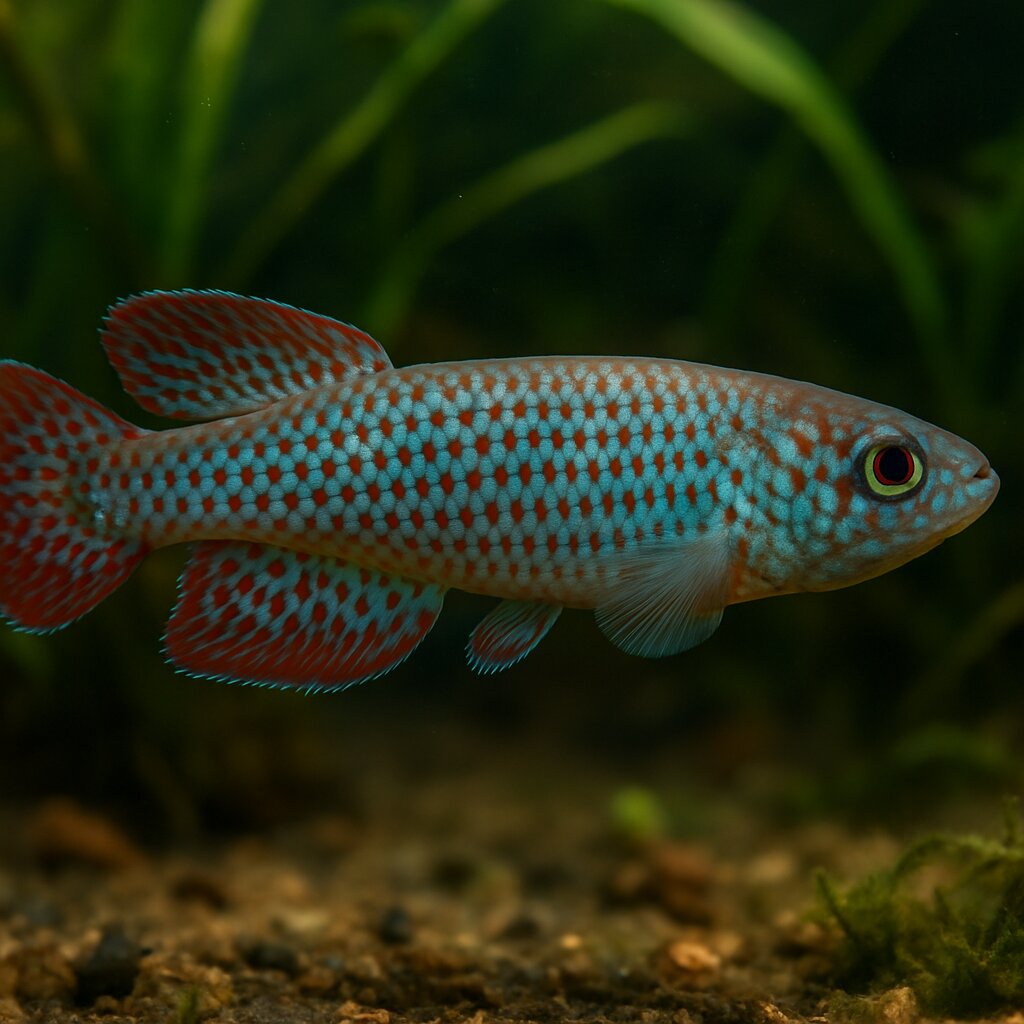
Pataxo killifish
Xenurolebias pataxo
A tiny annual killie from tea-colored puddles in Brazil, this fish stays small but males show sharp bars and a lance-like tail that looks wild in person. It lives fast and breeds in the substrate, with eggs that wait out the dry season, so the real joy is setting it up to complete that cycle at home.
Paxton's slickhead
Conocara paxtoni
Conocara paxtoni is a deep-sea slickhead from the Tasman Sea, and its whole vibe is pure "mystery fish" - its known record is from a single specimen taken around 2450 m deep. It's a fairly big, streamlined bathypelagic/benthopelagic fish (for a slickhead), but it is absolutely not an aquarium species (deepwater pressure/temperature requirements make that a no-go).
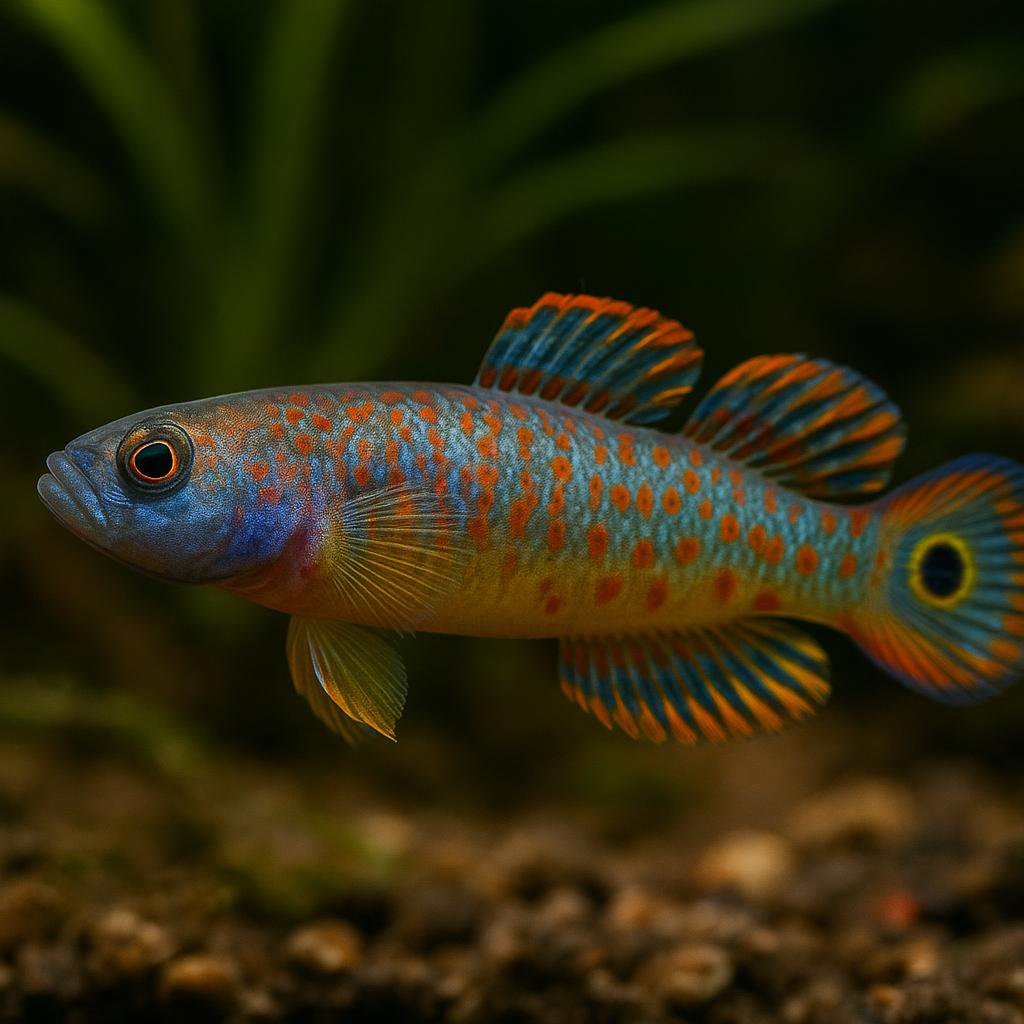
Peacock gudgeon
Tateurndina ocellicauda
Peacock gudgeons are little jewel-fish from eastern Papua New Guinea with that awesome "eye spot" on the tail and a ton of blue/yellow/red speckling. They're gentle most of the time, but the males get pretty into cave/crevice territory when they're thinking about spawning-and watching the male guard and fan eggs is seriously cool.
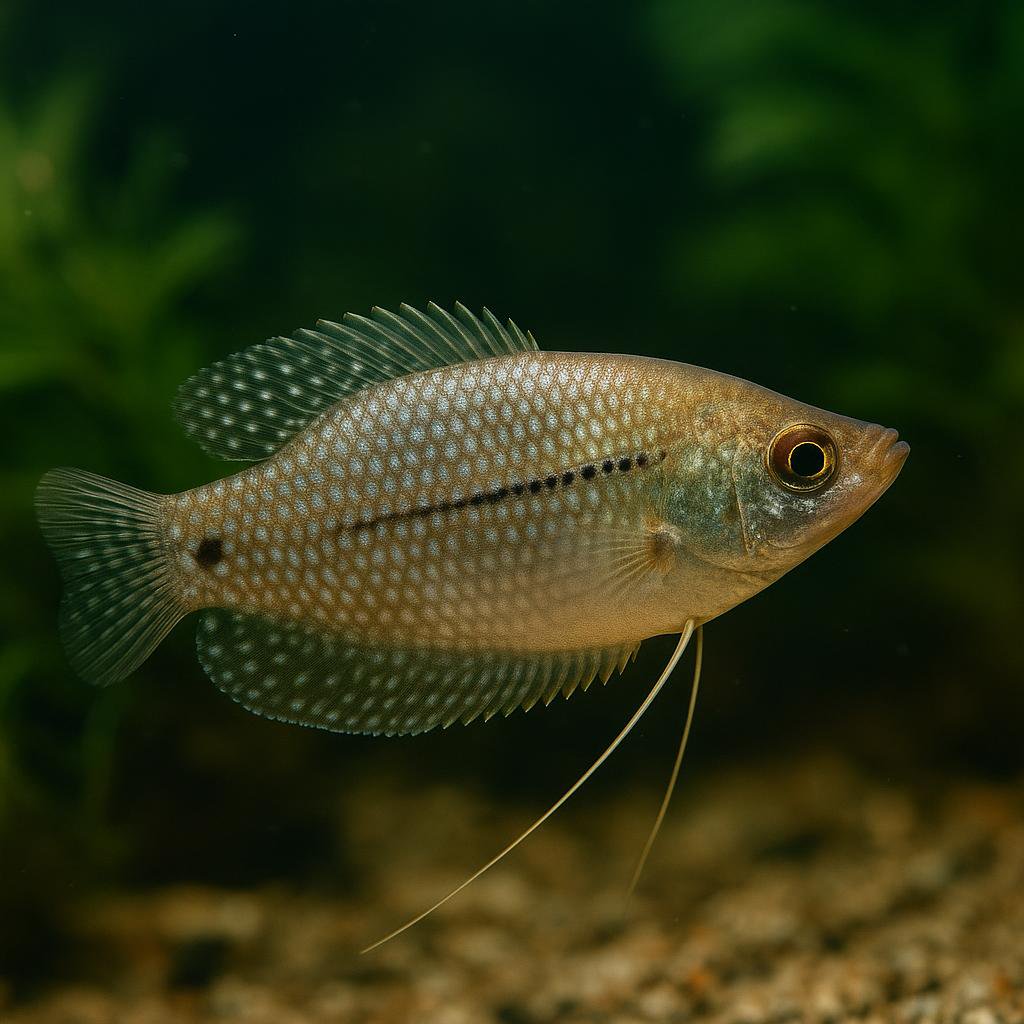
Pearly hairtail
Trichiurus auriga
This is a real-deal marine cutlassfish - long, silver, and built like a ribbon with a mouth full of grabby teeth. Its care is basically "public-aquarium predator" territory: it wants big open swimming room, strong filtration, and meaty foods, and it will happily eat tankmates that look snack-sized.
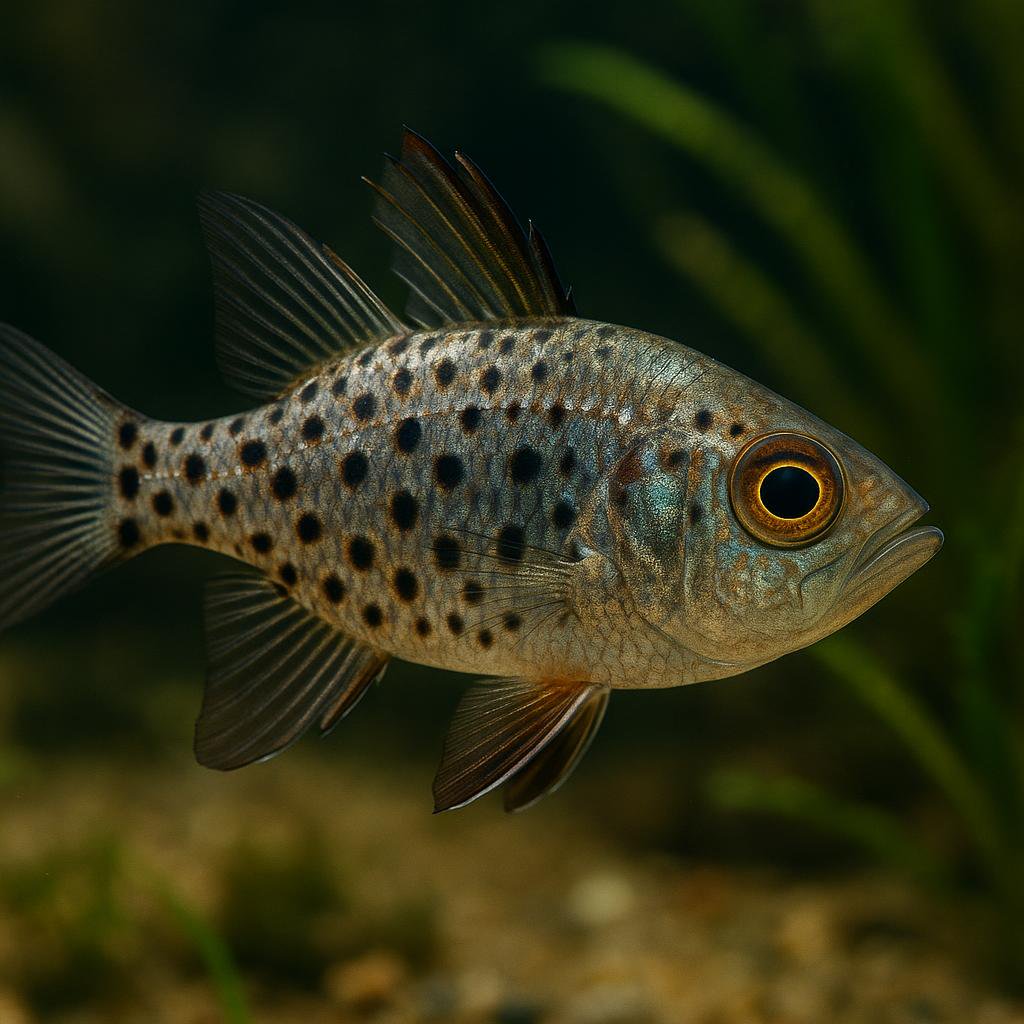
Pearly-finned cardinalfish
Jaydia poeciloptera
This is a nocturnal Indo-West Pacific cardinalfish that spends the day tucked away (even hiding in holes in soft mud) and comes out at night to feed. The really cool part is the breeding style - they pair up, and the male mouthbroods the eggs like a little floating nursery.
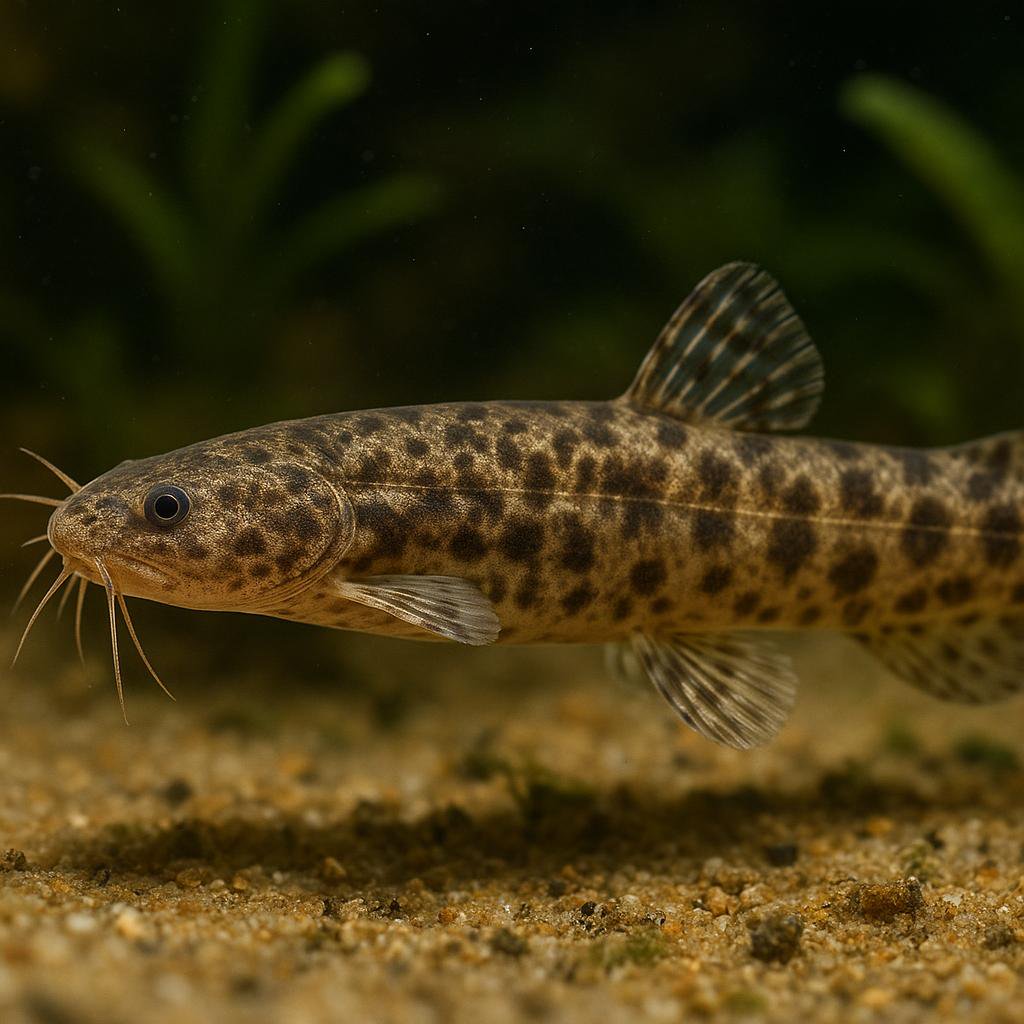
Pencil catfish
Ituglanis amphipotamus
This is a small, secretive trichomycterid catfish from southeastern Brazil that hugs the bottom and likes to wedge itself into tight spots. It comes from fast-flowing water over rock and sand, so it does best in a well-oxygenated setup with current and lots of little caves or crevices to vanish into.
Peppered catshark
Galeus piperatus
This is a little deepwater catshark from the northern Gulf of California with a cool "peppered" look - fine black dots all over a gray body. It lives way down on the slope (hundreds to over a thousand meters deep), so its real-world conditions are cold, dark, and high pressure, which is why its not an aquarium fish in any normal sense.
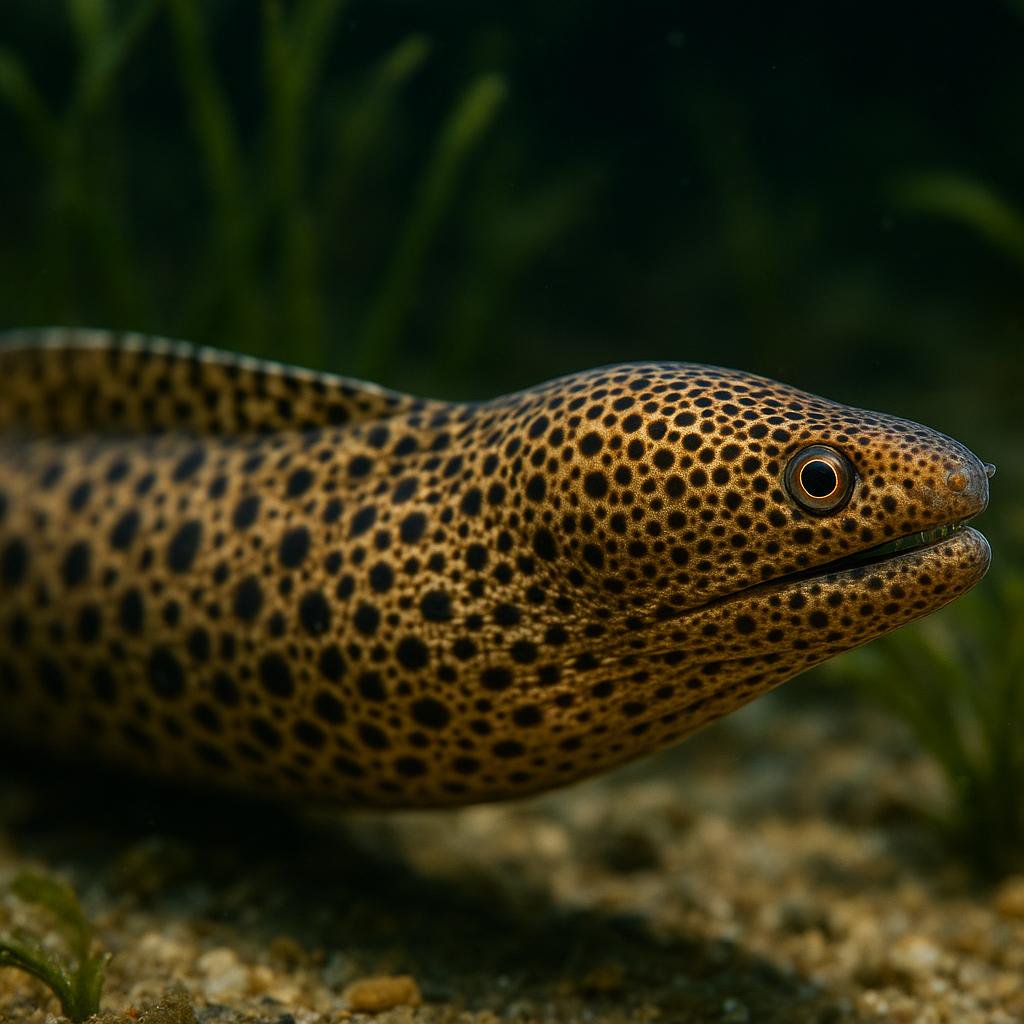
Peppered moray
Uropterygius polystictus
Uropterygius polystictus (the peppered moray, aka many-spotted moray) is a reef-associated moray from the Eastern Pacific that spends most of its time wedged into rockwork and popping its head out to watch the room. It tops out around 72 cm/28 in, so its "hiding in the rocks" vibe can fool people into under-tanking it - give it serious caves and a truly escape-proof lid.
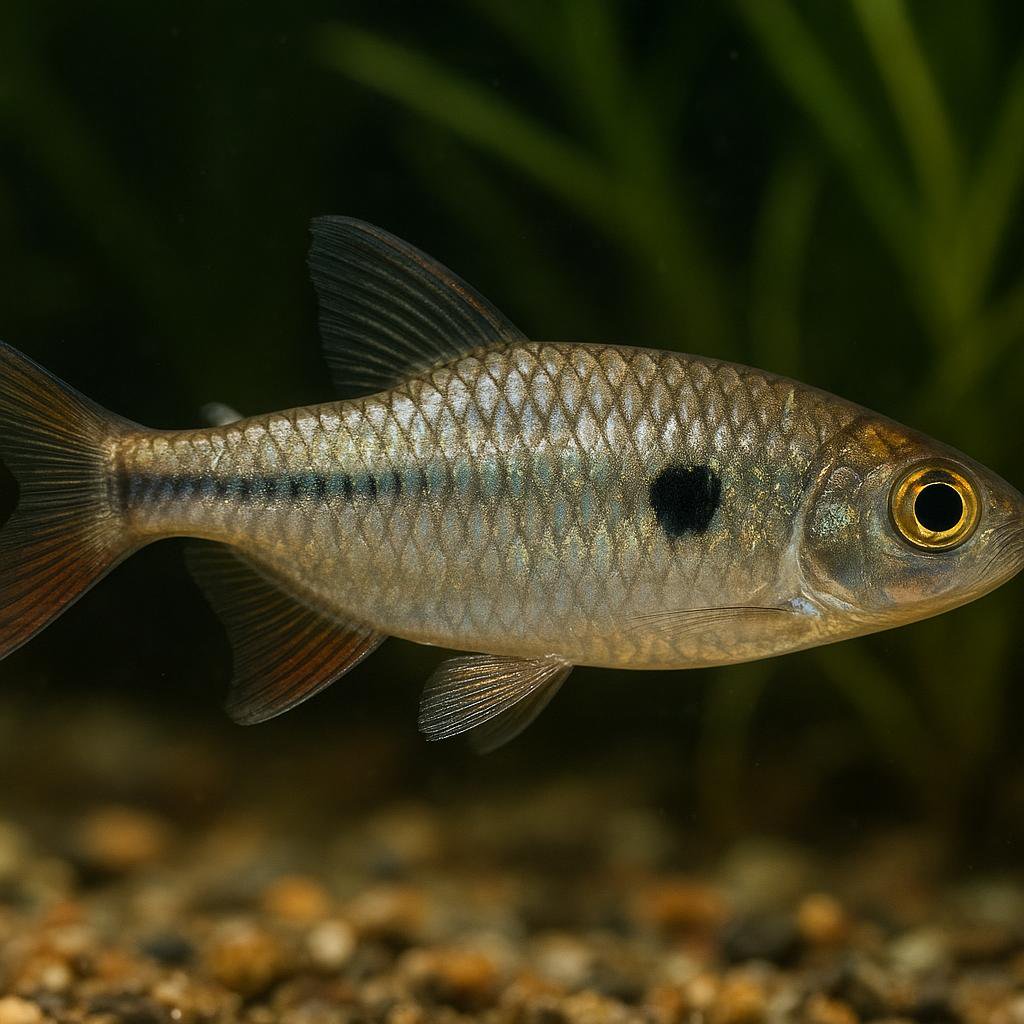
Peridot tetra
Jupiaba acanthogaster
This is a small South American characin that does its best work in a real group - once you have a bunch of them together they stay active and hang in the midwater like classic dither fish. The neat little twist with this species is the spine-like pelvic bones that can stick forward along the belly, which is where the name comes from.
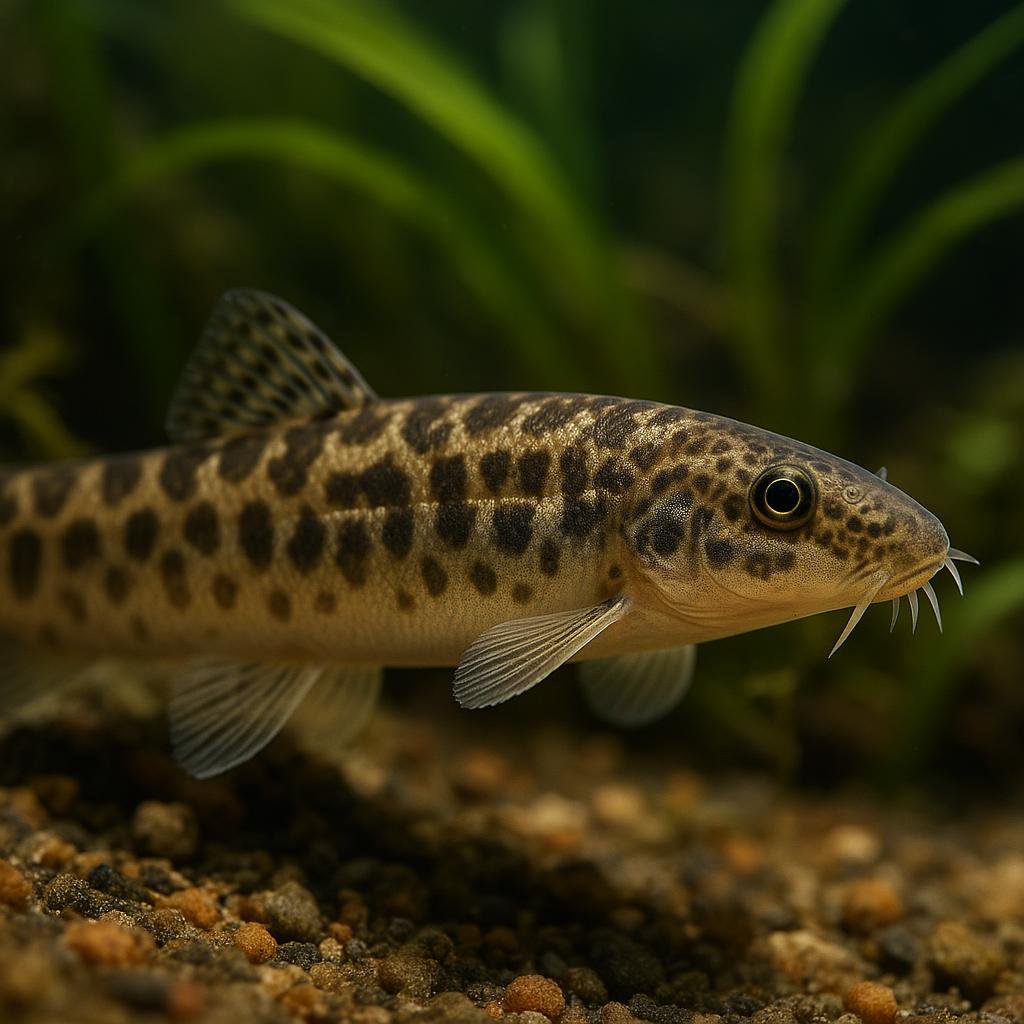
Persian loach
Oxynoemacheilus persa
This is a little bottom-hugging stone loach from Iran that spends its time cruising the substrate and poking around for food. It does best when you set the tank up like a cool, clean stream - lots of oxygen, flow, smooth rocks, and hiding spots - and you will see way more natural behavior.
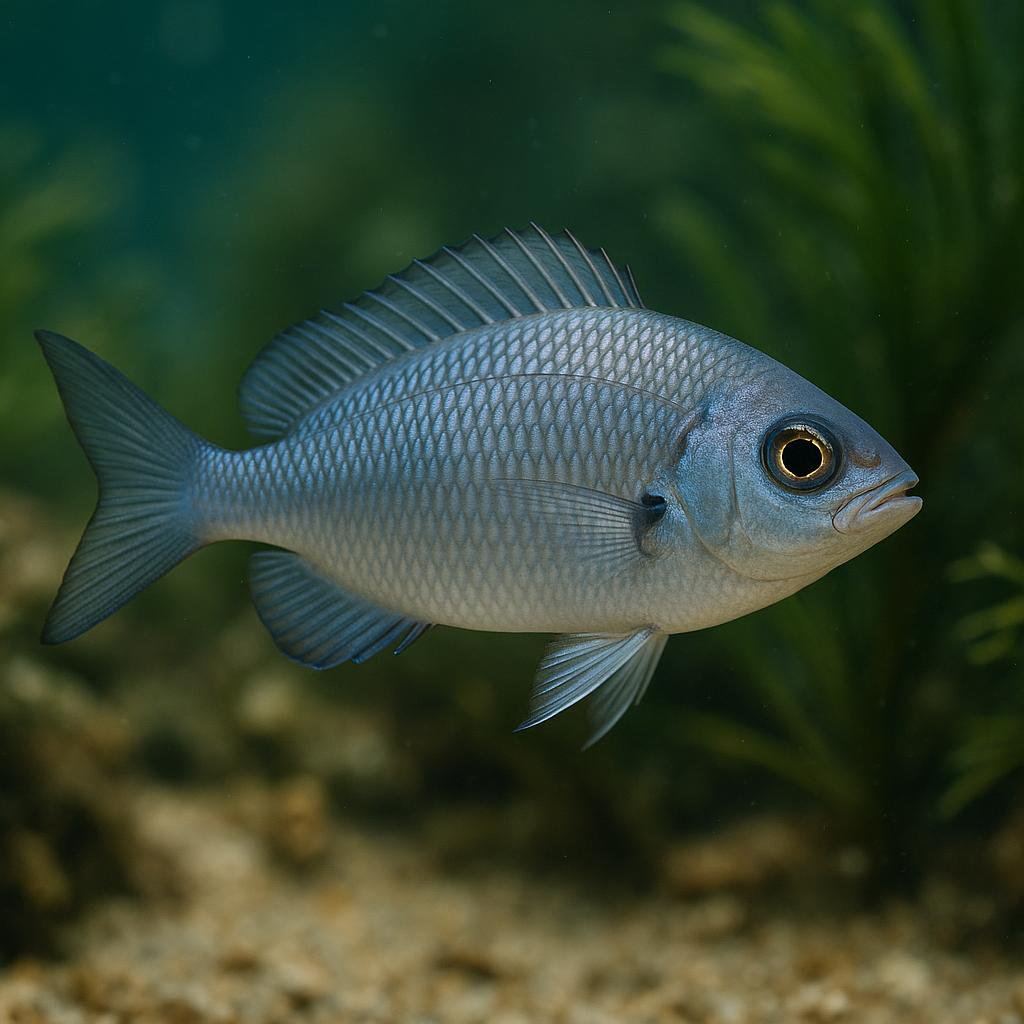
Peruvian chromis
Azurina intercrusma
Azurina intercrusma is a bigger, cool-water chromis from the rocky reefs off Peru down into Chile. It spends a lot of time out in the water column grabbing zooplankton, and in the wild the male will guard and fan the eggs after spawning. Not really a typical home-aquarium fish unless you're set up for a temperate marine system (most reef tanks run too warm).
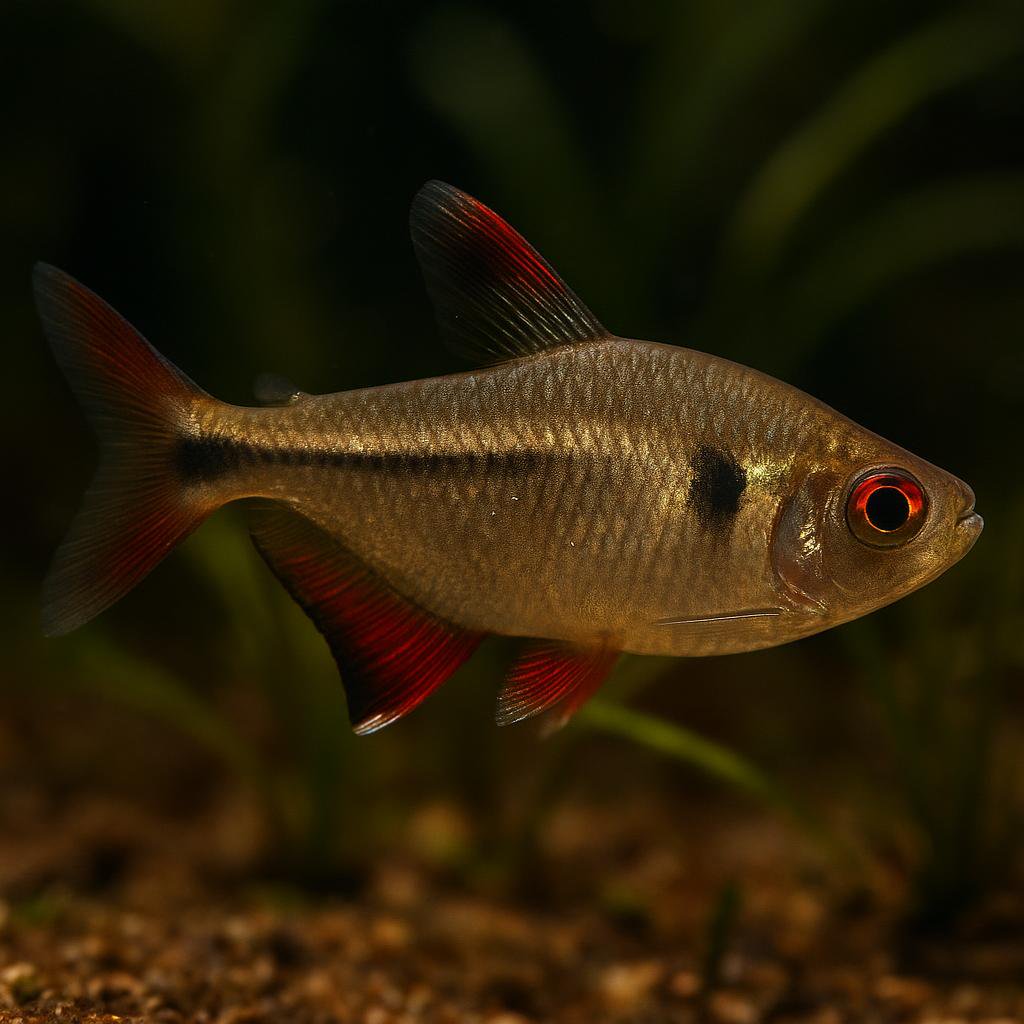
Peruvian tetra
Hyphessobrycon peruvianus
Hyphessobrycon peruvianus is a small Upper Amazon tetra from Peru that really comes alive in a proper group - the shoaling is the whole point with this one. Keep it in soft-ish, slightly acidic water and it will stay active and calm, with that classic Hyphessobrycon vibe of always being in motion without being a jerk.
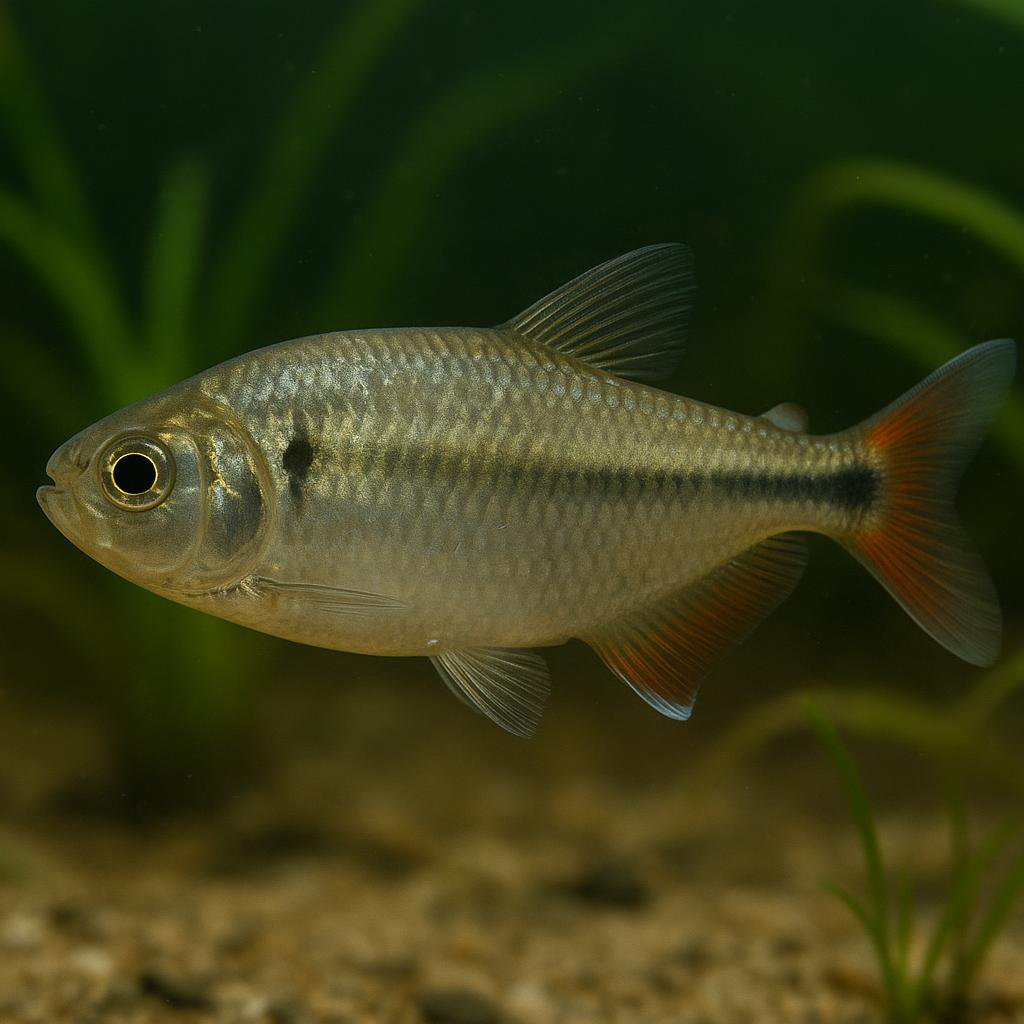
Peten tetra
Astyanax petenensis
This is a chunky little Central American Astyanax that tops out around 11 cm and spends most of its time cruising midwater in open areas. Think of it like a tougher, more "river fish" tetra vibe - active, always moving, and it eats like it means it. It is not super common in the hobby, but if you ever run into them, give them room and keep them in a proper group so the attitude stays spread out.
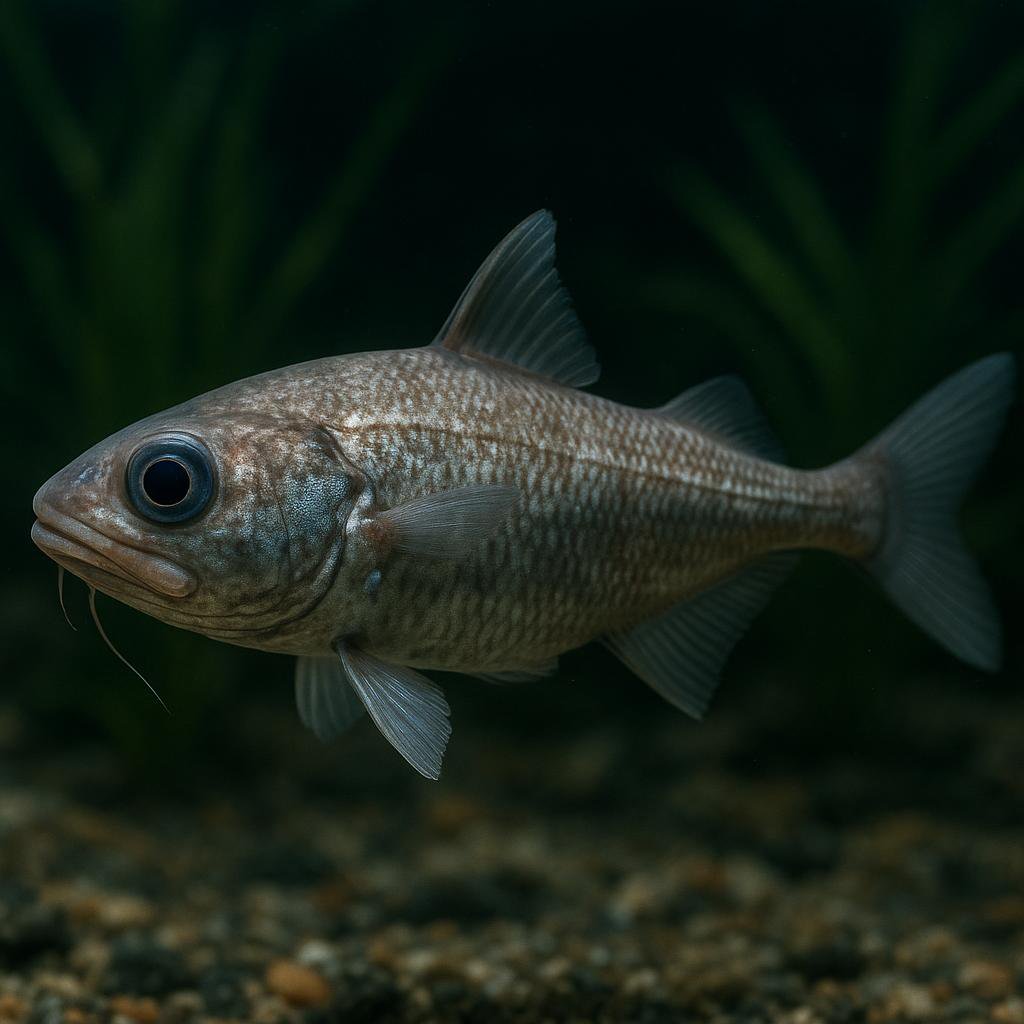
Peterson's grenadier
Ventrifossa petersonii
Deepwater marine bathydemersal grenadier (family Macrouridae) from the Indian Ocean region; reported depth range about 296–1019 m (often ~350–700 m). Not a practical aquarium species due to deepwater capture/handling constraints and cold, dim habitat requirements.
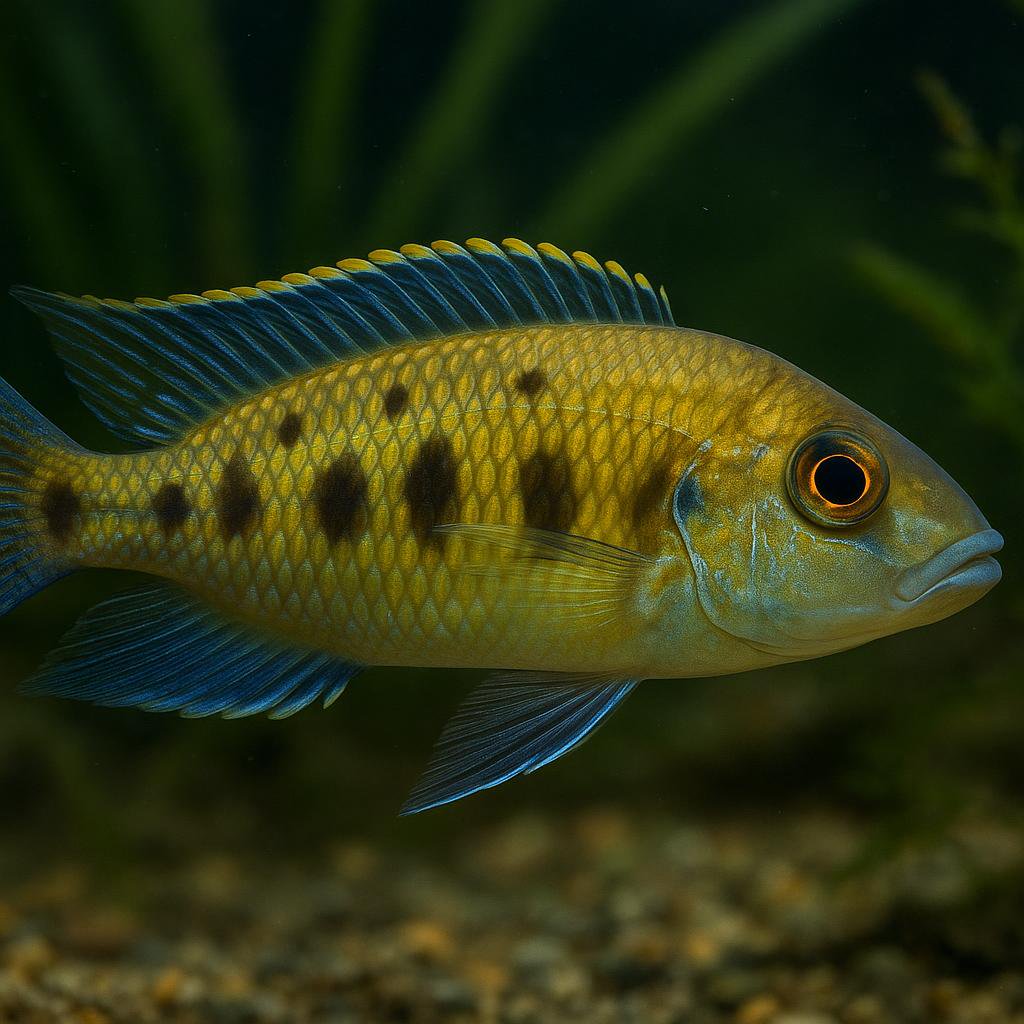
Pfeffer's cichlid
Jabarichromis pfefferi
This is a Lake Tanganyika predator that cruises the sand-rock transition zones and picks off shrimp and other little inverts. It is not a neon show-fish - more of a subtle, tough, hunting-style cichlid with a cool mouthbrooding setup. Give it space, hard alkaline water, and a sandy bottom and it will act like it owns a big chunk of the tank.
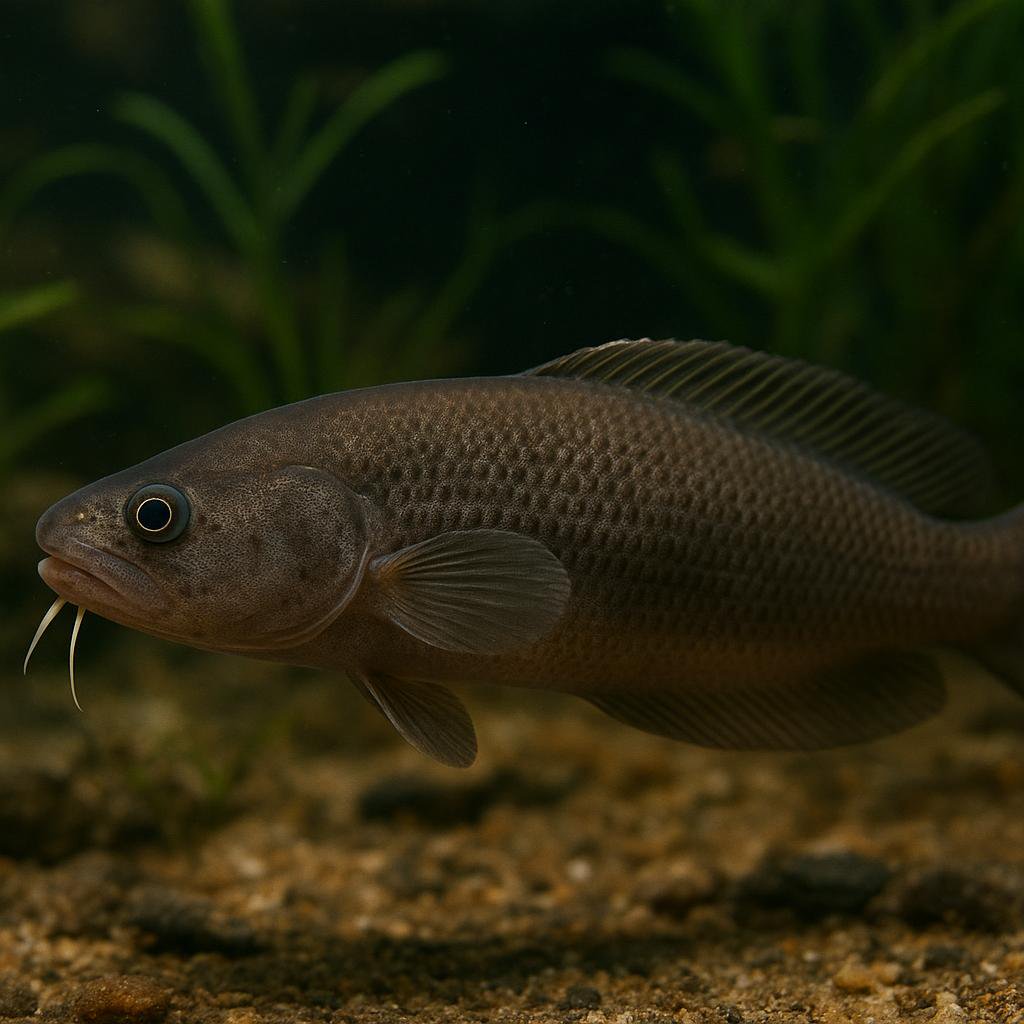
Phenax brotula
Brotula phenax
Brotula phenax is a marine cusk-eel (brotula) from Vietnam waters in the western-central Pacific. Its species name basically means "imposter" because it looks super close to the better-known Brotula multibarbata, and honestly thats a good hint that this one is still pretty poorly documented in the hobby.
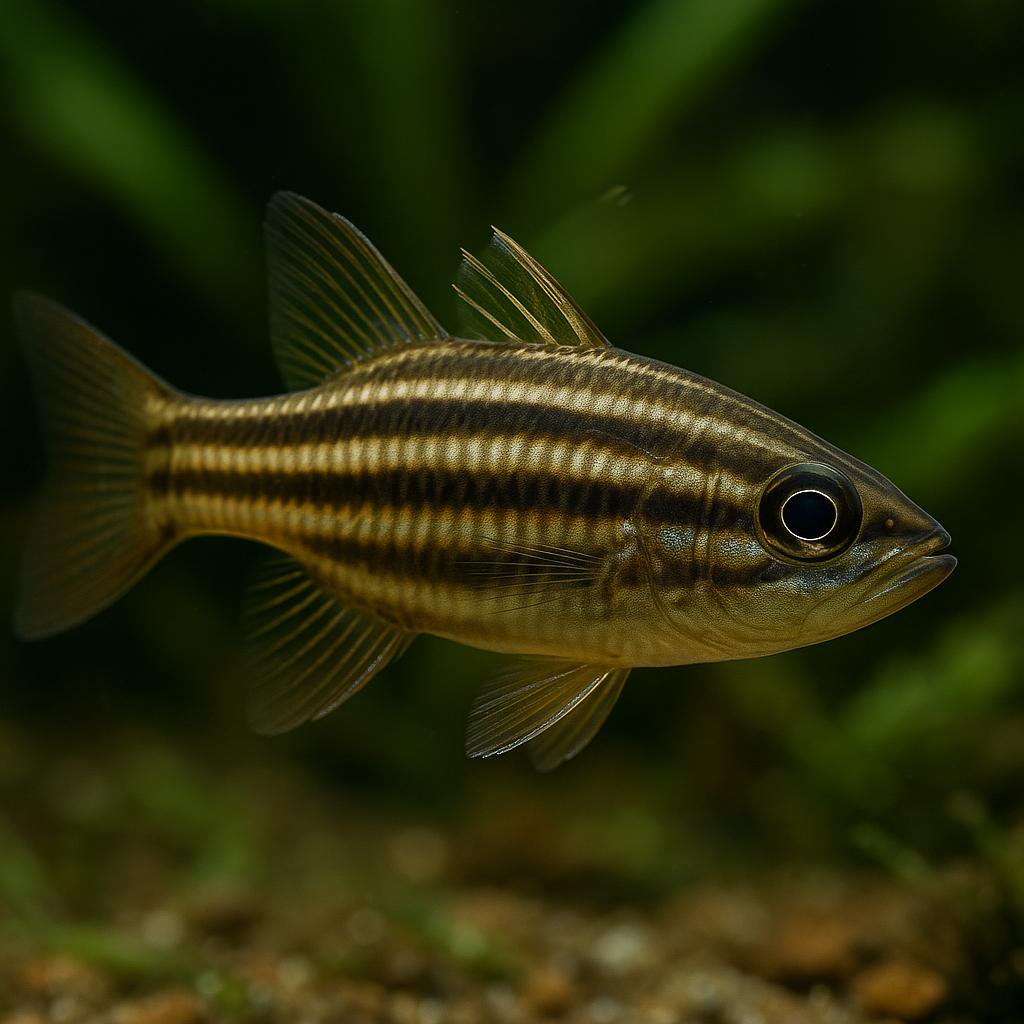
Philippine cardinalfish
Ostorhinchus mydrus
Ostorhinchus mydrus is a little marine cardinalfish from the Philippines that hangs around coral reefs and comes alive at night. Like a lot of cardinals, its claim to fame is the male carrying the eggs in his mouth - super cool behavior if you ever get to see a pair settle in and spawn.
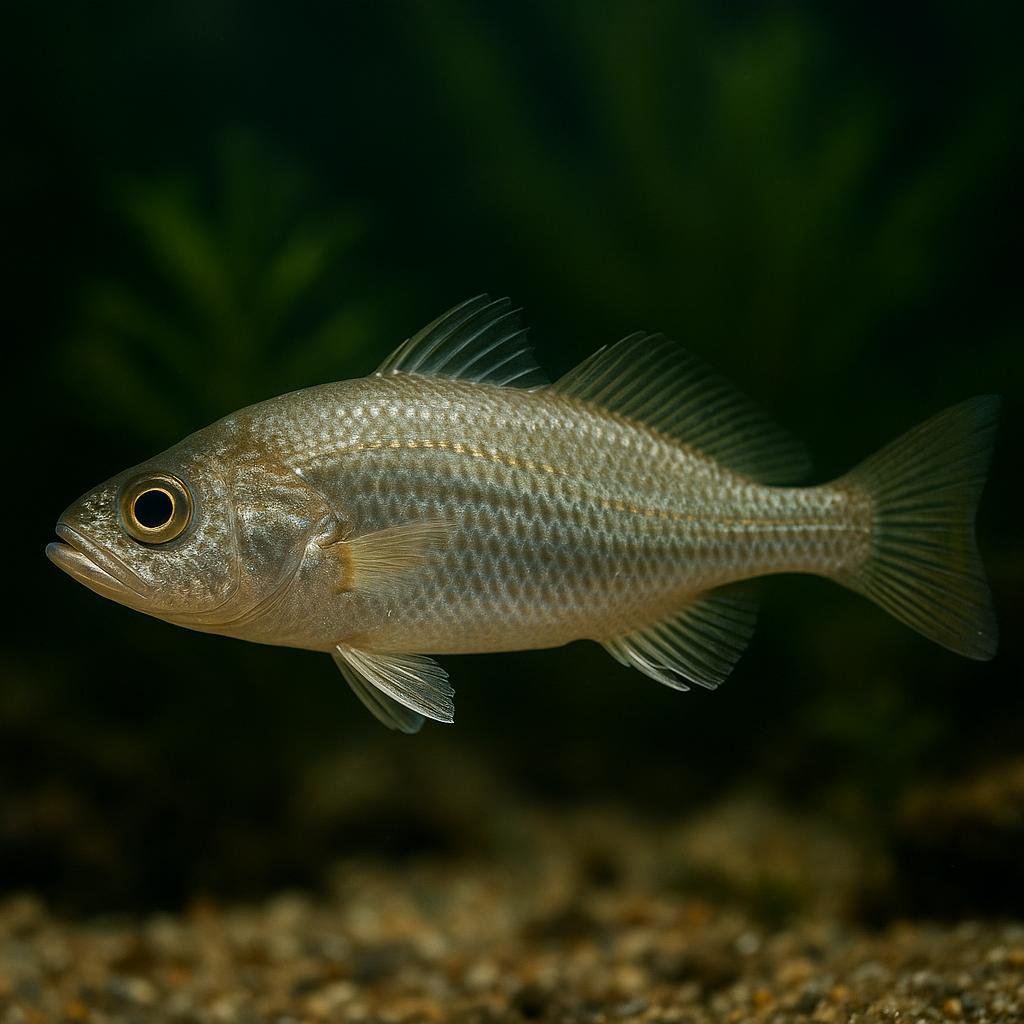
Philippine croaker
Johnius philippinus
Johnius philippinus is a tiny little croaker from the Philippines (family Sciaenidae) that lives down near the bottom in marine water. Its known records are super limited (FishBase lists it only from the Davao Gulf area), so its real-life habits in the aquarium trade are basically a mystery - this is more of a scientific/market-fish kind of species than a home-aquarium fish.
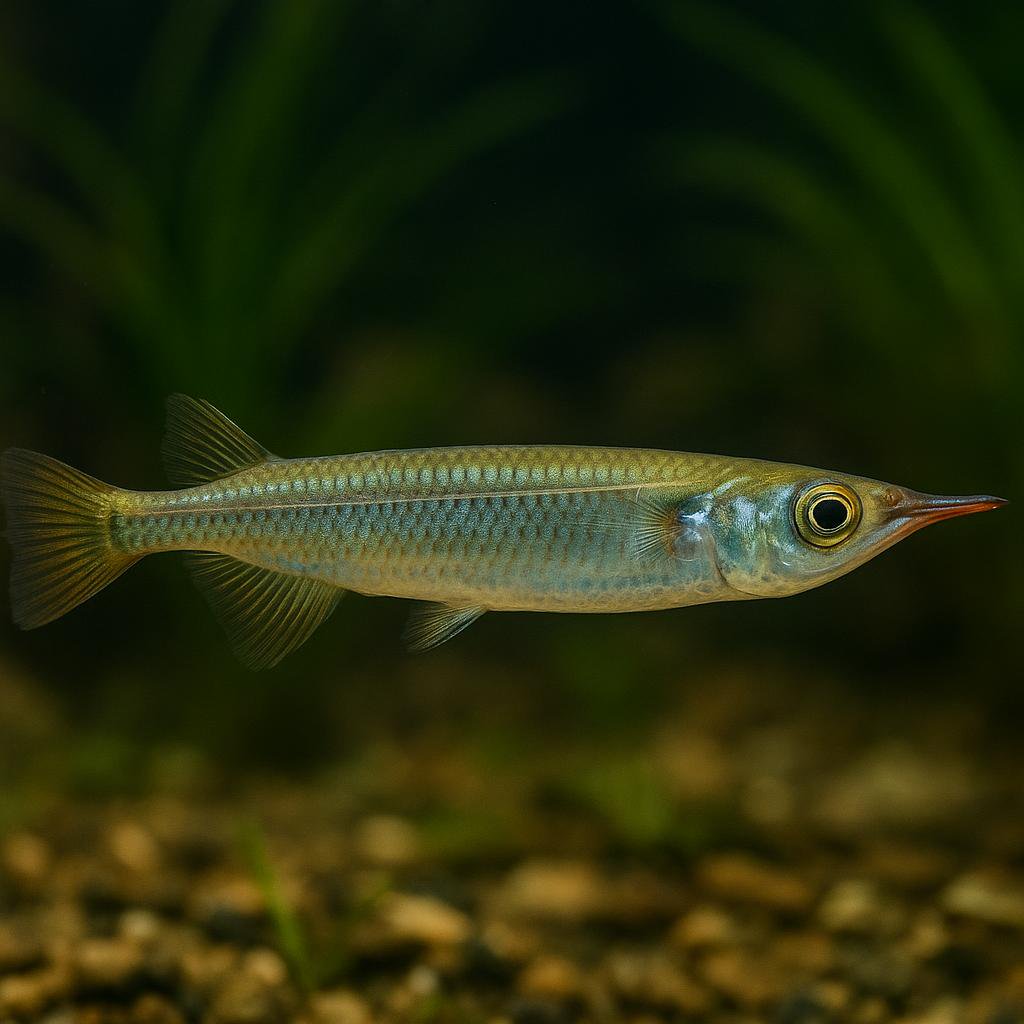
Philippine halfbeak
Zenarchopterus philippinus
This is a tiny little surface-dwelling halfbeak from the Philippines that spends its time cruising the top like a mini garfish. The really cool part is its halfbeak vibe and livebearer-style family traits (Zenarchopteridae), so you get that constant "topwater hunter" behavior in the tank. Give it calm water up top, a tight lid (they jump), and lots of open swimming room.
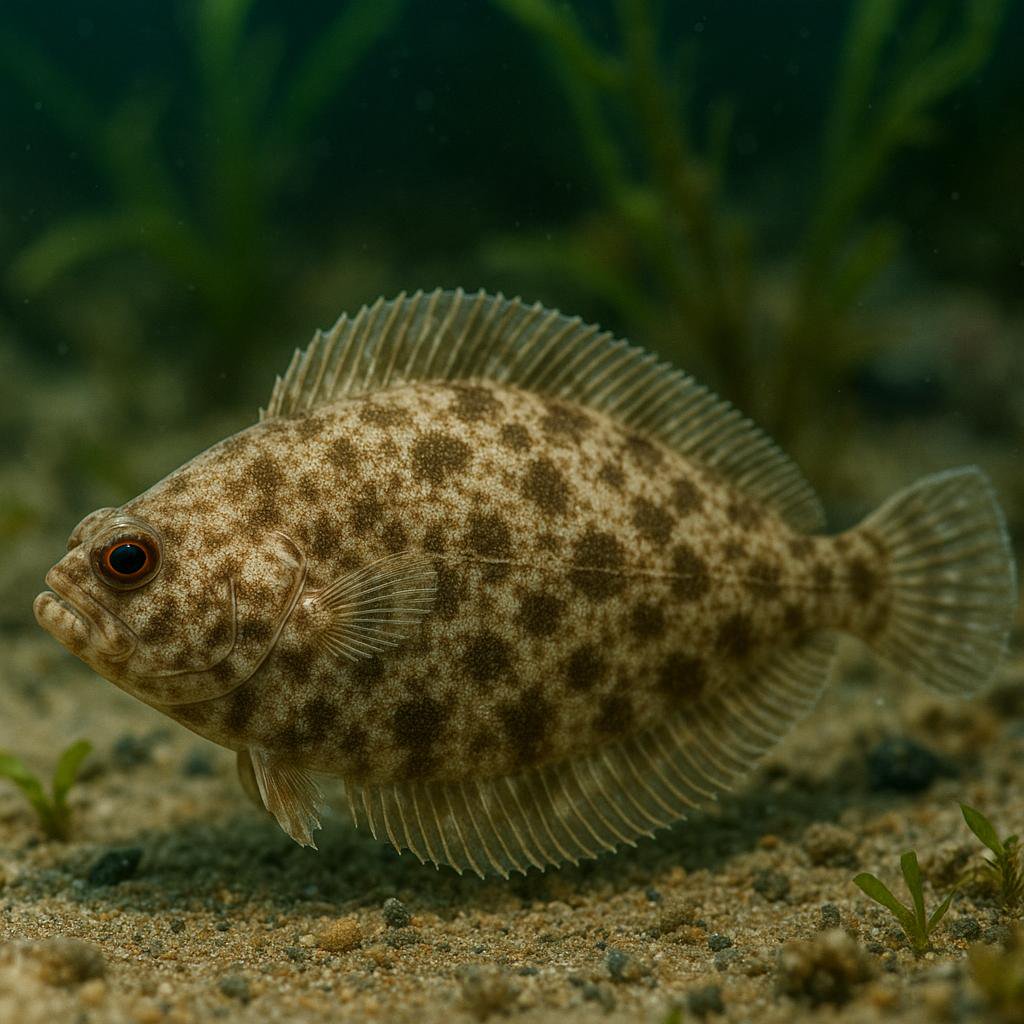
Philippine slender flounder
Japonolaeops gracilis
Japonolaeops gracilis (syn. Laeops gracilis) is a marine bathydemersal lefteye flounder (Bothidae) recorded from sandy/muddy bottoms in deep water (reported roughly ~180-500 m; FishBase records ~197-216 m). Maximum size reported up to about 20 cm SL (also reported ~16-16.5 cm TL). It is a deepwater species and is not an established aquarium fish.
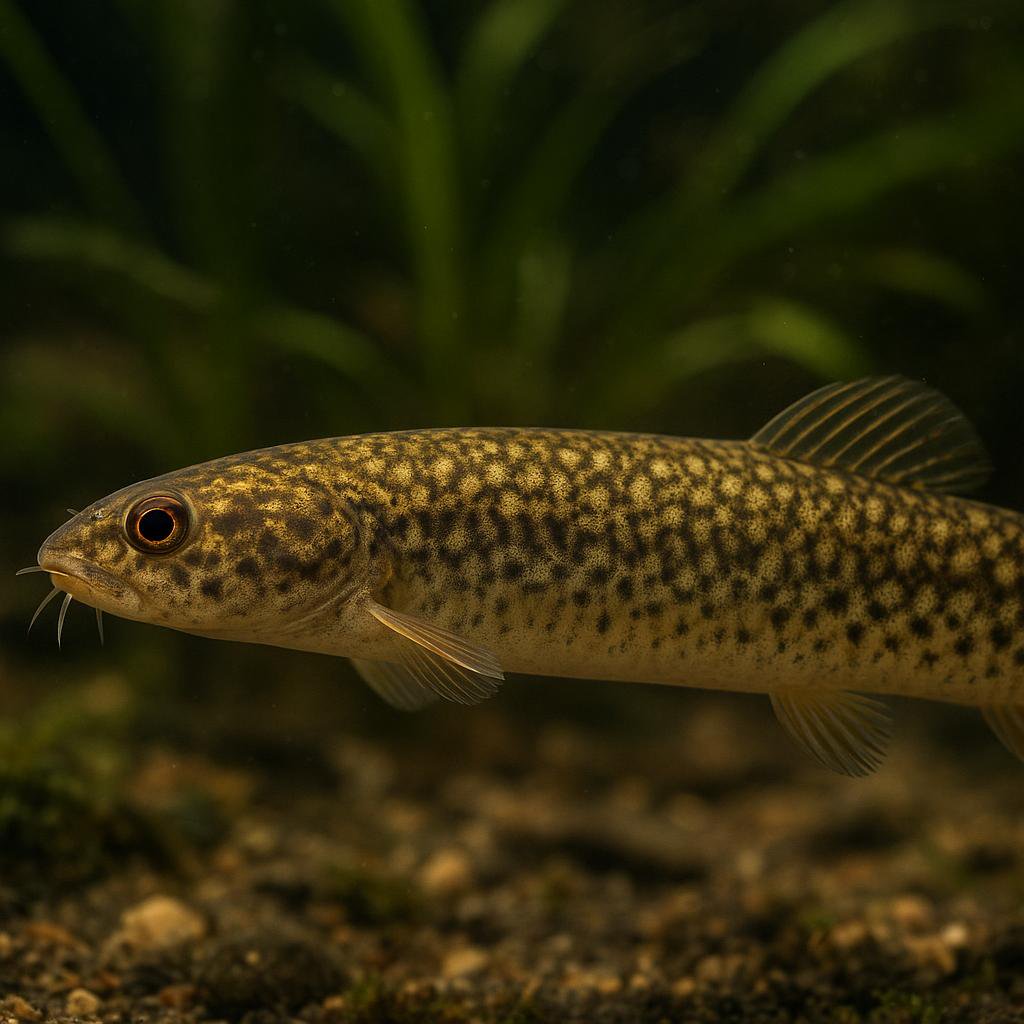
Philippine snake eel
Yirrkala philippinensis
Yirrkala philippinensis is a little tropical snake eel from the Philippines that lives on the bottom and does that classic eel thing of vanishing into sand. It is not really an aquarium-trade fish, so most of what we know is scientific-record stuff rather than hobby care notes.
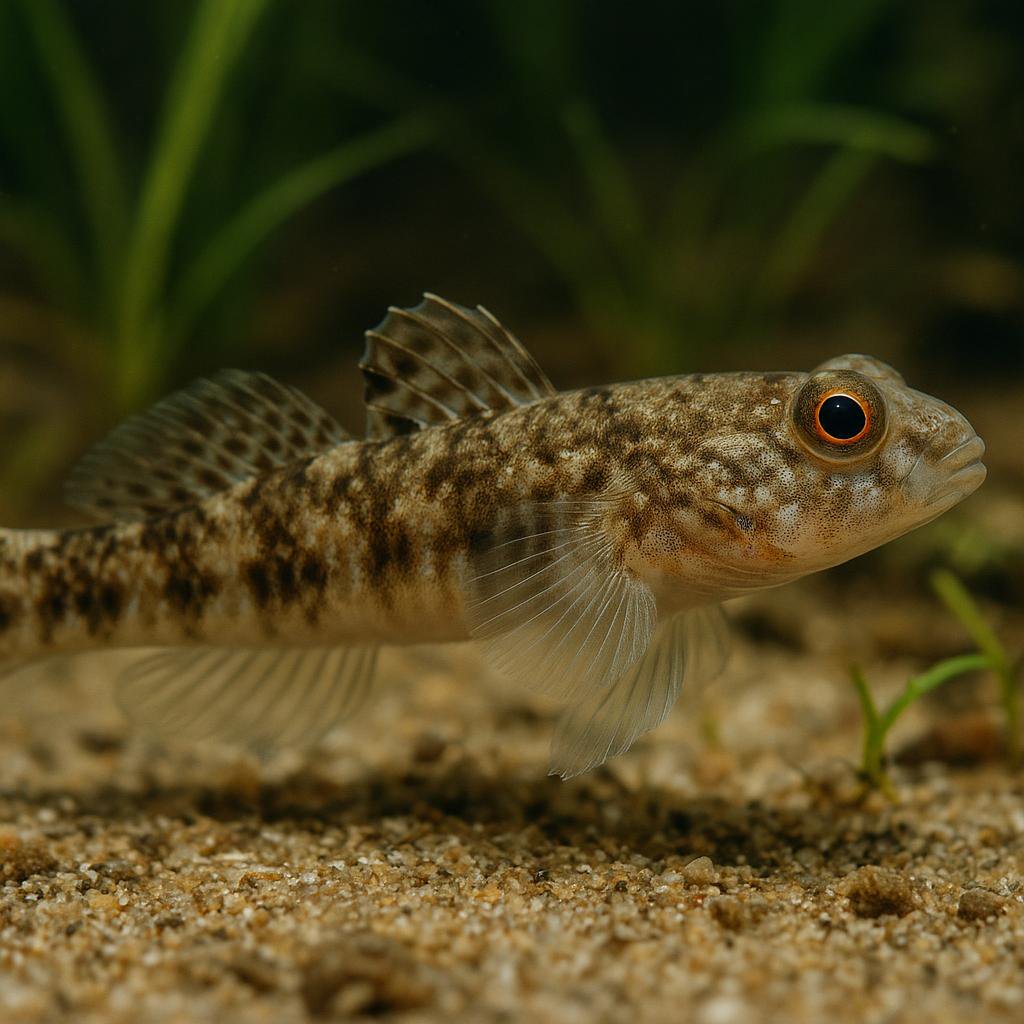
Pinafore goby
Drombus simulus
This is a tiny little drombus goby that hangs out on the bottom in tropical saltwater. It is one of those small, sandy-area gobies that tends to get overlooked because it is subtle rather than flashy, but it is a neat micro-predator for a calm marine setup. The big thing to know is there is basically no solid aquarium-focused care info published for it, so you treat it like a small wild goby and plan around its needs (sand, peaceful tankmates, and meaty foods).
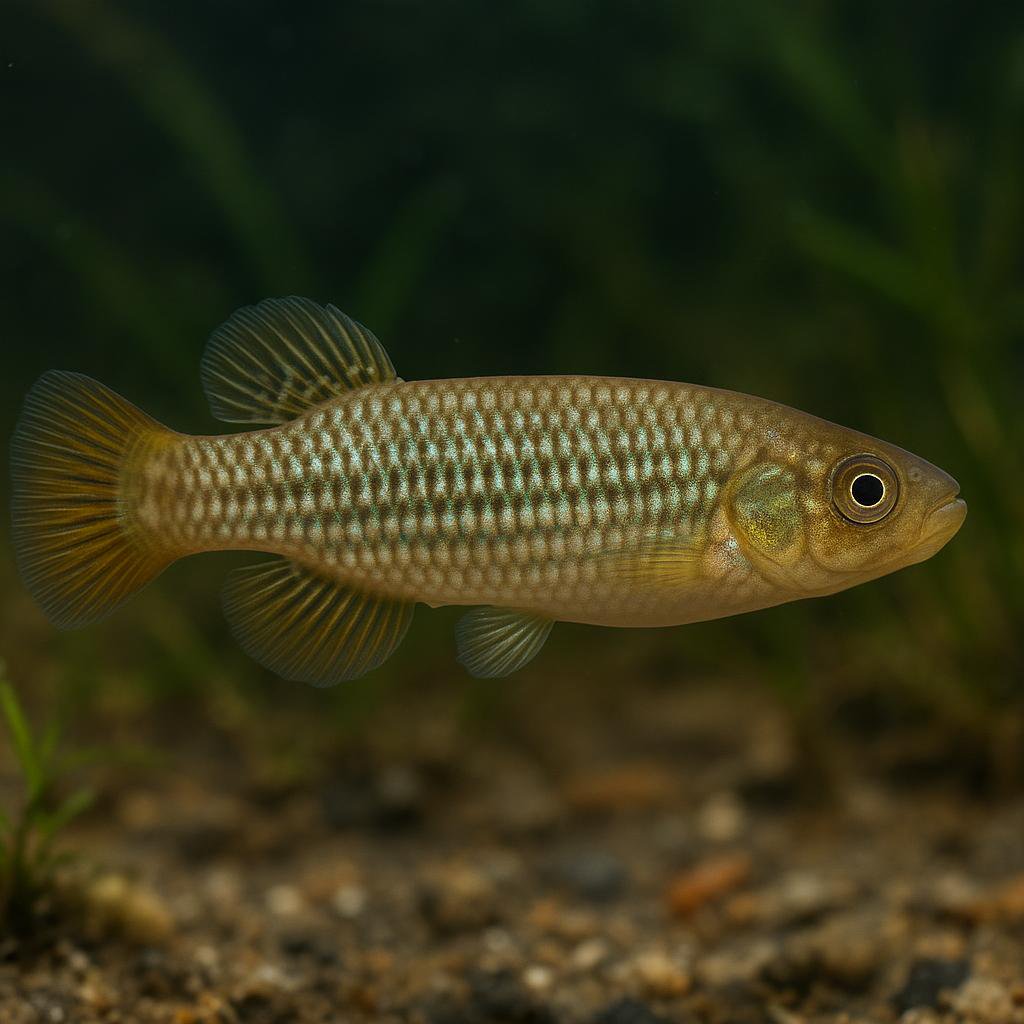
Plains topminnow
Fundulus sciadicus
This is a little North American topminnow that hangs out near the surface and loves weedy edges, spring runs, and calm backwaters. When males are in breeding mode they get some really pretty iridescent fin color, but otherwise they are kind of subtle and "wild" looking in a cool way. Its not a seasonal killifish, so you are not dealing with the whole dry-season egg thing.
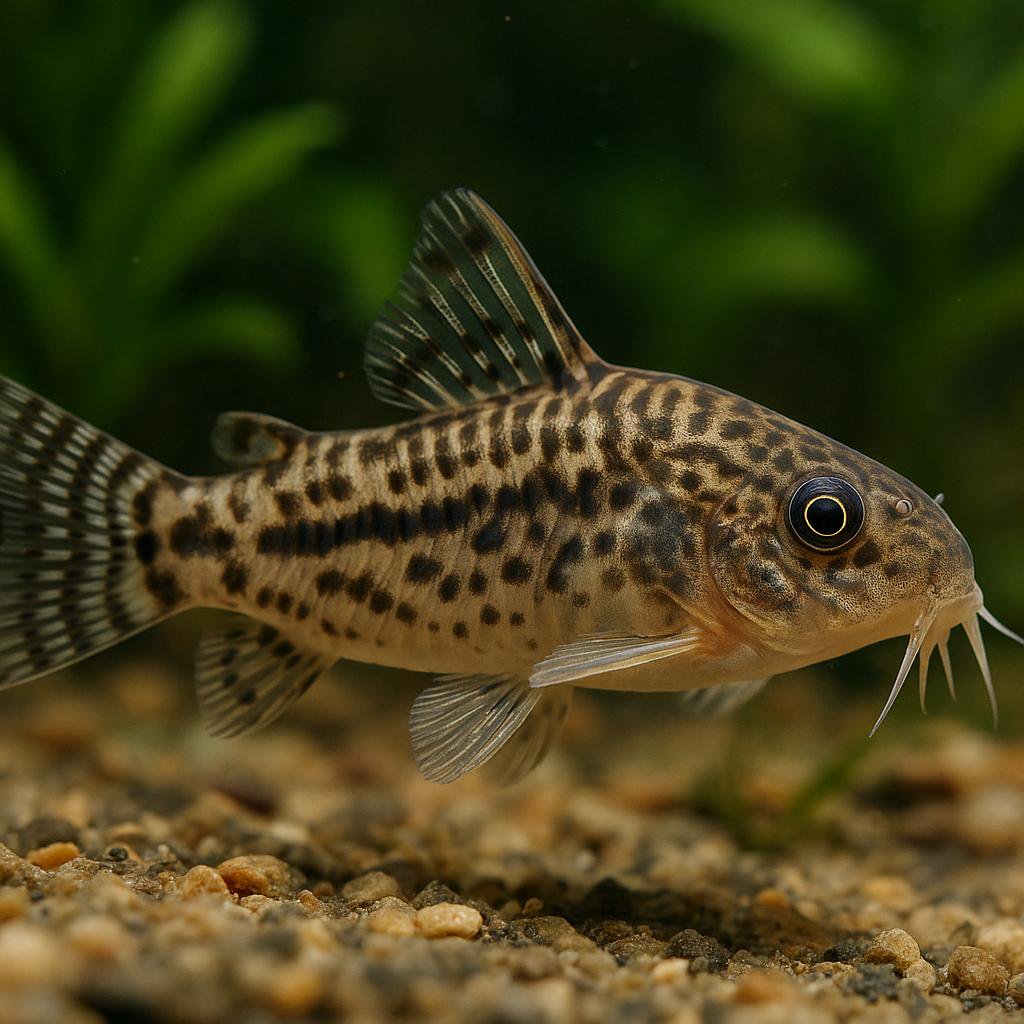
Point catfish
Aspidoras poecilus
Aspidoras microgalaeus is now treated as a junior synonym of Aspidoras poecilus, so care-wise you can think of it as that same tiny Aspidoras species. They are little bottom-scooters that do best in a group, and once they settle in you get that classic cory-style foraging and quick little dashy behavior over sand.