

Specklefin midshipman
Porichthys myriaster
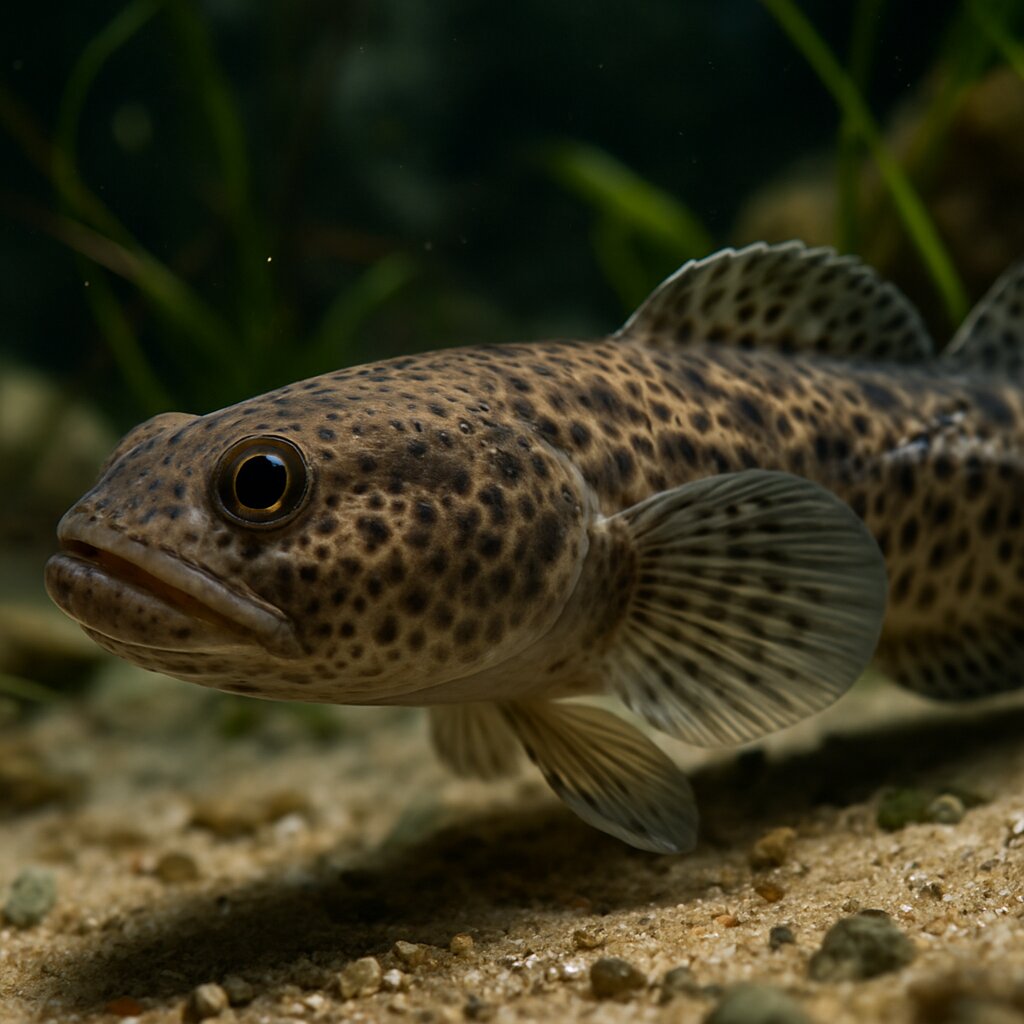
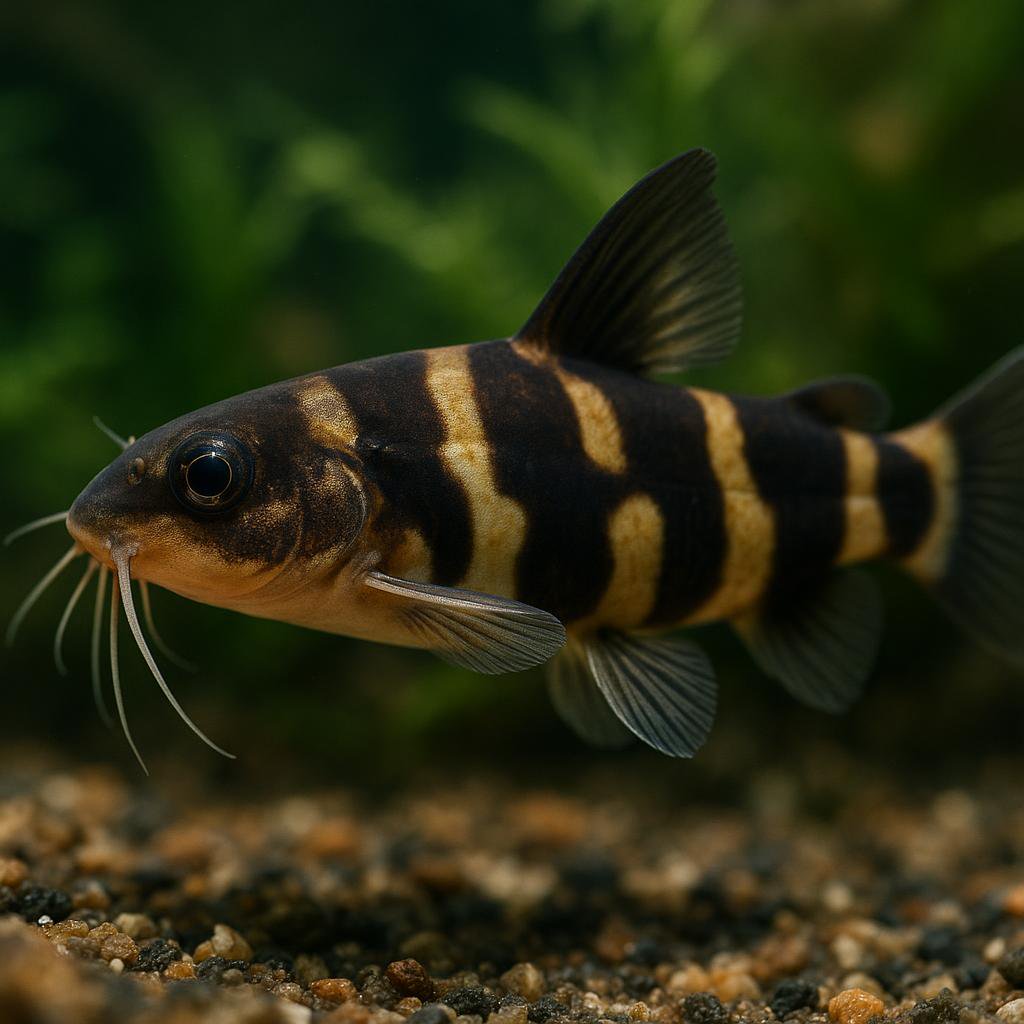
The Specklefin midshipman exhibits a slender body with mottled brown and tan coloration and prominent, iridescent blue spots along its fins.
This page includes AI-generated images. Why am I seeing AI images?
About the Specklefin midshipman
This quirky toadfish has rows of glow spots that look like brass buttons, and it hums at night like a tiny boat engine. It buries itself and ambushes prey, so if it can fit something in its mouth, it is on the menu. Super cool fish, but it wants cool saltwater and plenty of meaty food.
Also known as
Quick Facts
Size
20 inches
Temperament
Semi-aggressive
Difficulty
Advanced
Min Tank Size
150 gallons
Lifespan
8-15 years
Origin
Eastern Pacific
Diet
Carnivore - meaty marine foods like fish, shrimp, and crabs; will eat smaller tankmates
Water Parameters
15-23°C
8-8.4
300-400 dGH
Need a heater for this species?
This species needs 15-23°C in a 150 gallon tank. Use our heater calculator to find the right wattage.
Calculate heater sizeCare Notes
- Go big and low - 75+ gal with a wide footprint, 2-4 in of sand or fine gravel, snug rock or PVC caves, and a tight lid; they bury and wedge themselves when spooked.
- Run 1.024-1.026 SG, pH 8.0-8.3, and cool temps 12-16 C unless you know yours came from warmer water; keep oxygen high and use a chiller, not a heater.
- Feed meaty marine foods on tongs after lights out - shrimp, squid strips, silversides, and sandeels work great.
- 2-3 solid feeds per week is plenty; skip freshwater feeders and oily fish, and add a vitamin soak now and then.
- Tank mates are tricky - keep it solo or with similarly sized, non-nippy coldwater fish; anything bite-sized or any crustacean is food, and fin nippers will stress it.
- They hum and grunt at night during breeding season and it is loud, so do not set this tank up in a bedroom.
- Handle with a container, not a net; dorsal and gill-cover spines snag and the bite is real. Avoid copper or formalin meds on this scaleless fish and quarantine newcomers instead.
- They are cave-potatoes and messy - run big filtration and a skimmer, vacuum the den weekly, and keep ammonia and nitrite at 0 with low nitrate. Keep light dim so they actually come out.
Compatibility
Good Tankmates
- Coolwater midwater grazers like opaleye and halfmoons that ignore the bottom
- Larger surfperch (5-8 inches) that are too big to be gulped and not cave-obsessed
- Temperate wrasses like senorita that keep moving and do not nip
- Non-nippy, similarly sized fish that stay in the upper half and leave caves alone
- Hardy temperate tankmates that handle 55-65 F and are as big or bigger than the midshipmans mouth
Avoid
- Anything small and bite-sized: gobies, juvenile perch, blennies, and all shrimp or crabs
- Nippy or beaky fish like triggers and big puffers that will harass or chew fins
- Eels and scorpionfish or lionfish - too much mutual predation and sting risk
- Typical tropical reef fish like tangs and clowns - wrong temperature for a chilled midshipman tank
Where they come from
Specklefin midshipman are temperate Pacific toadfish that haunt sandy and muddy bottoms, from quiet bays out onto the continental shelf. They bury in the substrate with just the eyes showing and light up at night with tiny photophores along the body. Males are famous for humming underwater to call in females.
Setting up their tank
Think cold, quiet, and sandy. This is not a tropical fish. They like a roomy footprint, dim light, and a place to dig in. They spend a lot of time half-buried, waiting to ambush food.
- Tank size: 75+ gallons for a single adult, with at least a 4 ft x 18 in footprint.
- Temperature: 52-64 F (11-18 C). A chiller is not optional in most homes.
- Salinity: 1.023-1.026 SG; pH 8.0-8.3; low nitrate is best.
- Substrate: 2-4 inches of fine sand so they can bury without skin damage.
- Hides: PVC elbows, large smooth caves, or a flat rock forming a low-ceilinged den.
- Flow: Moderate and well-oxygenated, but leave calmer zones near the bottom.
- Lighting: Low. They are crepuscular/nocturnal and appreciate a dusk/dawn schedule.
- Lid: Tight-fitting. They can and will jump if startled.
Do not try to keep this fish warm. Mid-to-high 70s F will stress them, invite infections, and shorten their life. Plan your chiller before you buy the fish.
Build a nest cave with two ceramic tiles or slate forming a low tunnel. They like to squeeze under things, not swim into big open caverns.
Filtration-wise, treat them like a messy predator. A skimmer plus a decent-sized sump or canister works well. Aim a powerhead toward the surface for gas exchange, but keep the bottom calm enough that the sand does not blow around.
What to feed them
They are ambush predators that take meaty foods. Most will learn to eat from tongs. I start with something that wiggles a bit (raw shrimp tail cut into strips) and then rotate through a few items to keep nutrition balanced.
- Good staples: raw marine shrimp, squid, scallop, clam, sand lance, pieces of marine fish.
- Occasional: krill, mussel, crab legs.
- Training trick: lightly wiggle food on a feeding stick just above their burrow at dusk.
Feed 2-3 times per week. They fill up fast. Thaw frozen foods, rinse them, and offer bite-sized pieces so they do not gulp air or choke.
Many baitfish like silversides contain thiaminase, which can cause vitamin B1 deficiency over time. Mix the diet and use a vitamin soak once or twice a week.
Skip feeder goldfish or rosy reds. Wrong water type, often disease-ridden, and nutritionally poor for marine predators.
How they behave and who they get along with
Calm, mostly stationary, and nocturnal. They will sit buried for hours and then explode out for a meal. You might hear a faint hum at night from a content male. They are not reef safe and will eat small fish, crabs, and shrimp.
- Best setup: species-only or with other robust, temperate marine fish that are too large to swallow.
- Avoid: ornamental shrimp, crabs, snails, small gobies/blennies, and warmwater tropicals.
- Intraspecies: males can be territorial in close quarters. One per tank unless the system is very large with multiple hides.
If you try tankmates, introduce the midshipman first so it settles into a den. Then add similarly sized, peaceful coldwater fish and keep everyone well fed.
Breeding tips
They are nest spawners. In the wild, a male claims a low-roofed space under a rock, hums to attract females, and guards the eggs stuck to the ceiling. This has been documented and managed in labs with related midshipman, but it is rarely pulled off in home tanks.
- Seasonal cues help: cool the tank through winter, then slowly raise a few degrees in spring.
- Provide a flat-roofed nest site (tile cave) and keep lighting dim and disturbances minimal.
- If they spawn, eggs will be adhesive and guarded by the male. Hatching leads to pelagic larvae that need live plankton (rotifers, copepods) and a separate rearing setup.
- Have multiple caves so the female has options and the male can choose a nest he likes.
Check your local regulations if you collected your fish. Taking nest-guarding males during breeding season can be illegal and definitely empty nests in the wild.
Common problems to watch for
- Overheating: above mid-60s F, they get lethargic, breathe hard, and become infection-prone.
- Low oxygen: they are fine with moderate flow but need high O2. Aim a powerhead at the surface.
- Ammonia spikes: meaty foods rot fast. Keep up on filter maintenance and siphon leftovers.
- Refusing dead food: use tongs at dusk and add movement. Try shrimp strips or squid first.
- External scrapes: coarse gravel or sharp rocks will abrade their skin. Stick to fine sand and smooth hides.
- Wild-caught hitchhikers: deworm and quarantine 3-4 weeks before adding to your display.
Handle with care. They have stout spines and a strong bite. Use a container, not a net, and keep them submerged during moves so they do not thrash and injure themselves.
Set your lights on a gradual ramp. A sudden blast of light can startle a buried fish into bolting, which is how tanks get scratched and fish get hurt.
Similar Species
Other marine semi-aggressive species you might be interested in.
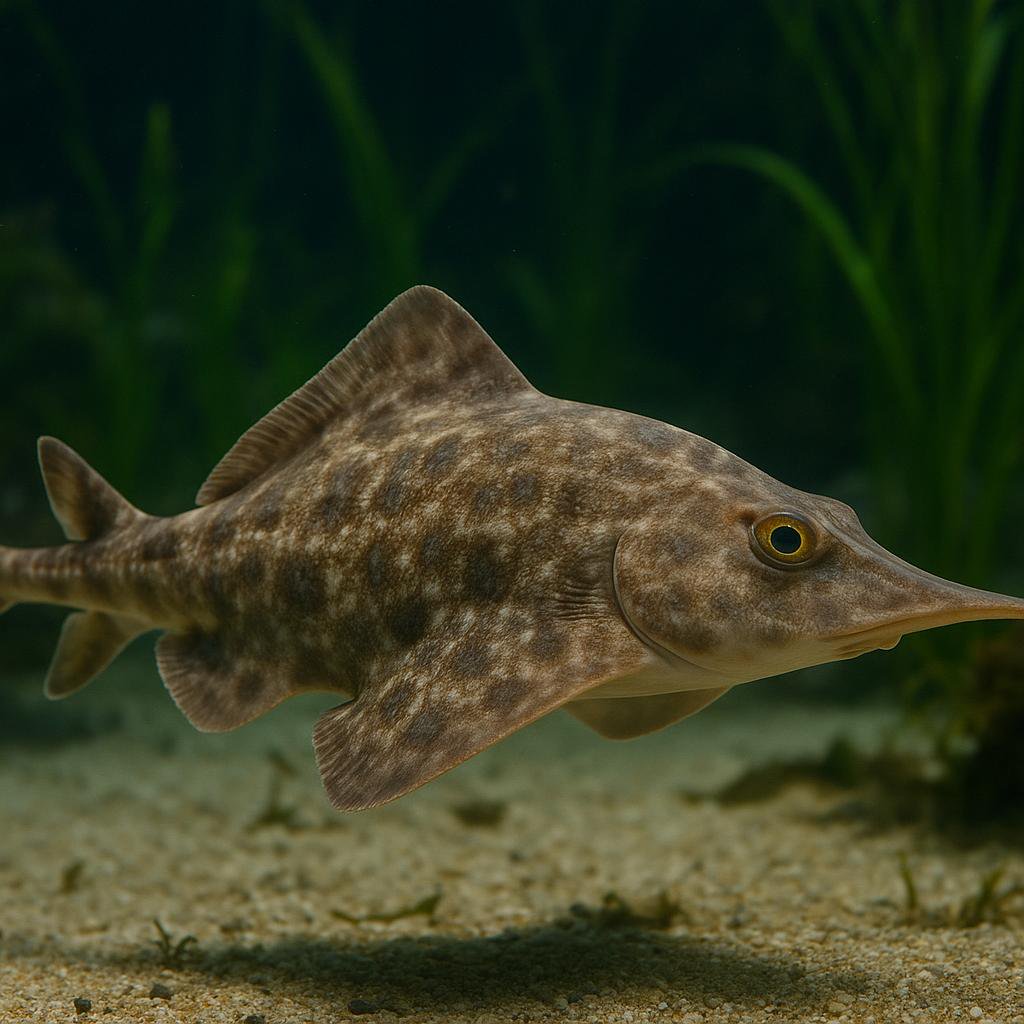
Aleutian skate
Bathyraja aleutica
This is a big, cold-water deep-slope skate from the North Pacific that cruises muddy bottoms and eats chunky benthic prey like crabs and shrimp. The really cool bit is its egg-laying skate life - it does distinct pairing (the classic skate "embrace") and drops those tough egg cases on the seafloor. Not an aquarium fish at all unless you're basically running a public-aquarium-style chilled system.
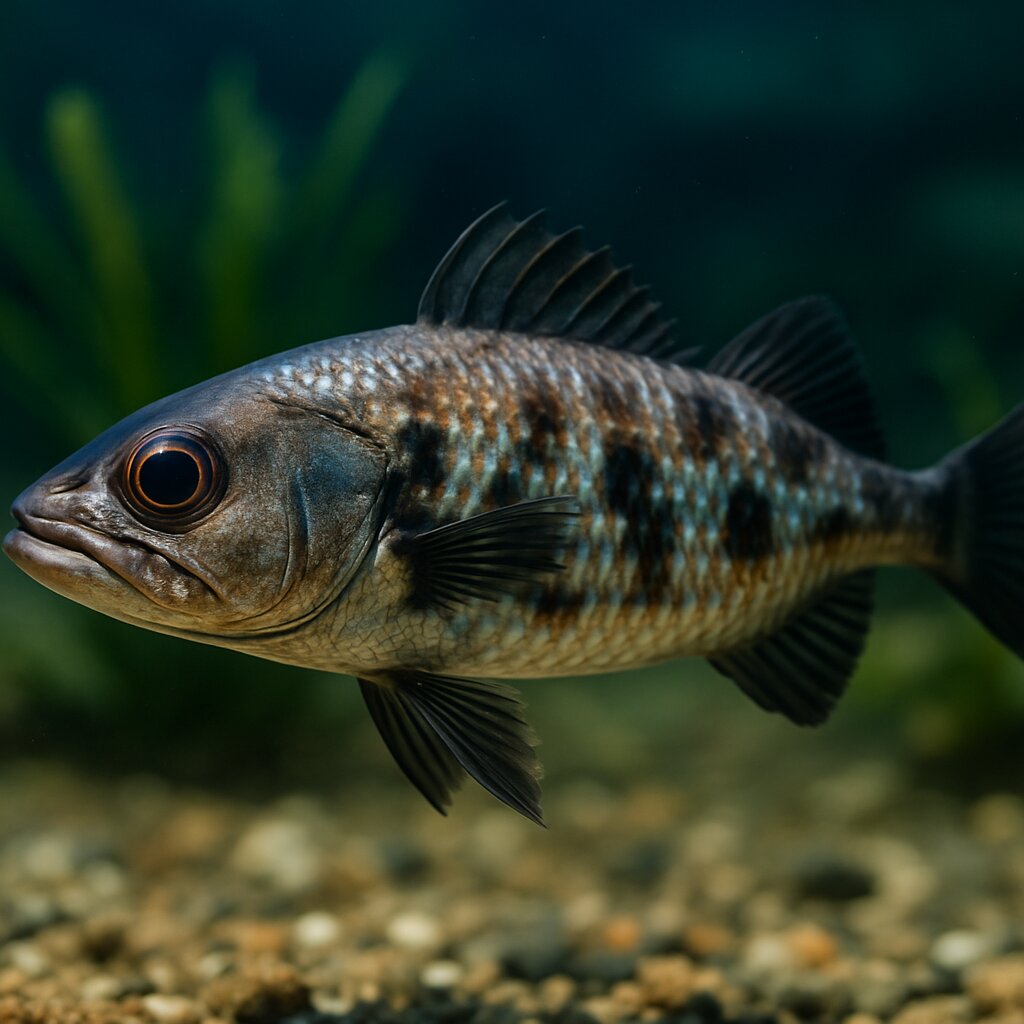
Antarctic dragonfish
Vomeridens infuscipinnis
Deep down around Antarctica, this sleek dragonfish cruises the water column like a little submarine, nearly neutrally buoyant so it can hover above the seafloor. It munches almost exclusively on Antarctic krill and lives in near-freezing water 500-800 m down, so it is a cool species to read about, not one for home tanks.
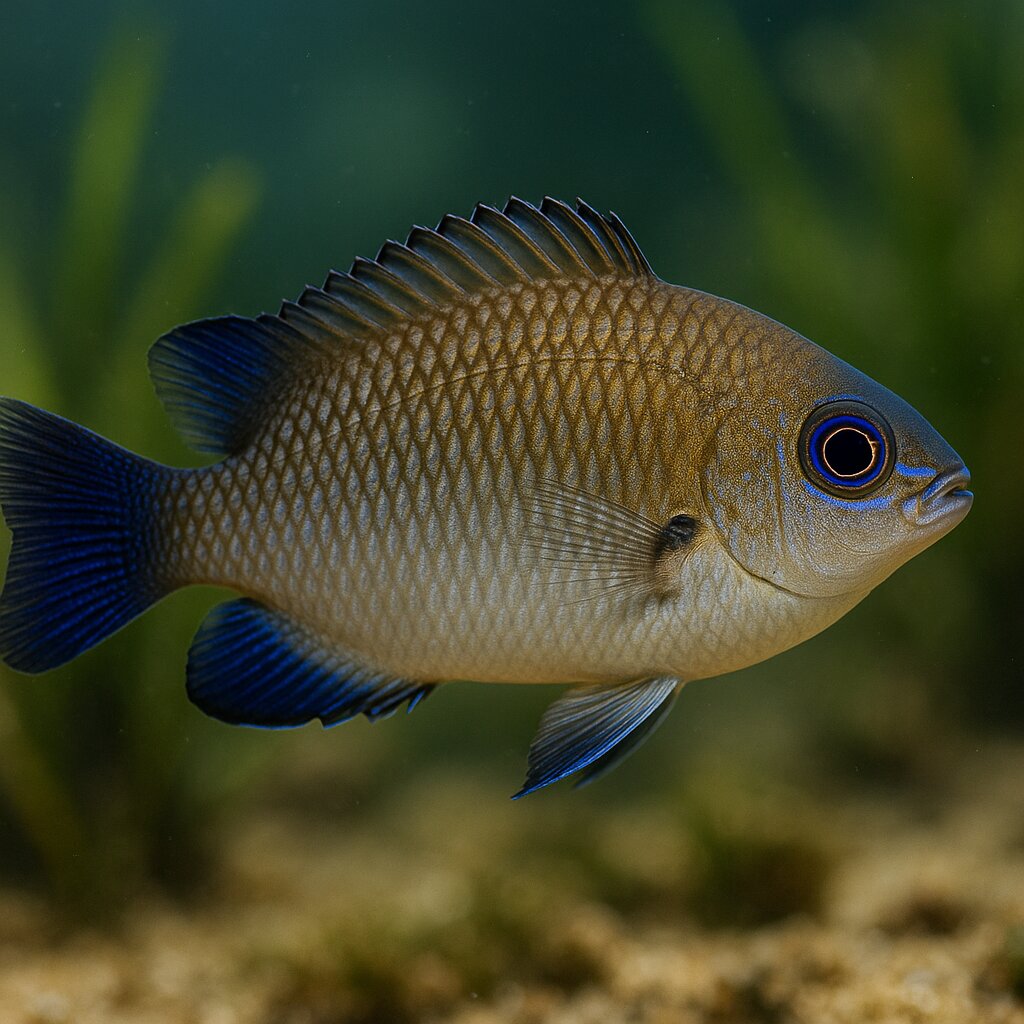
Arabian demoiselle
Neopomacentrus sindensis
A small lyretail damsel from the Persian Gulf and Arabian Sea, it hangs in loose groups around coral heads, rocks, and even pier pilings picking zooplankton from the flow. Think classic damsel toughness with a slightly milder attitude than the real bruisers, plus subtle yellow tail accents. Males clean a patch, get a mate to lay eggs there, and then stand guard fanning the clutch.
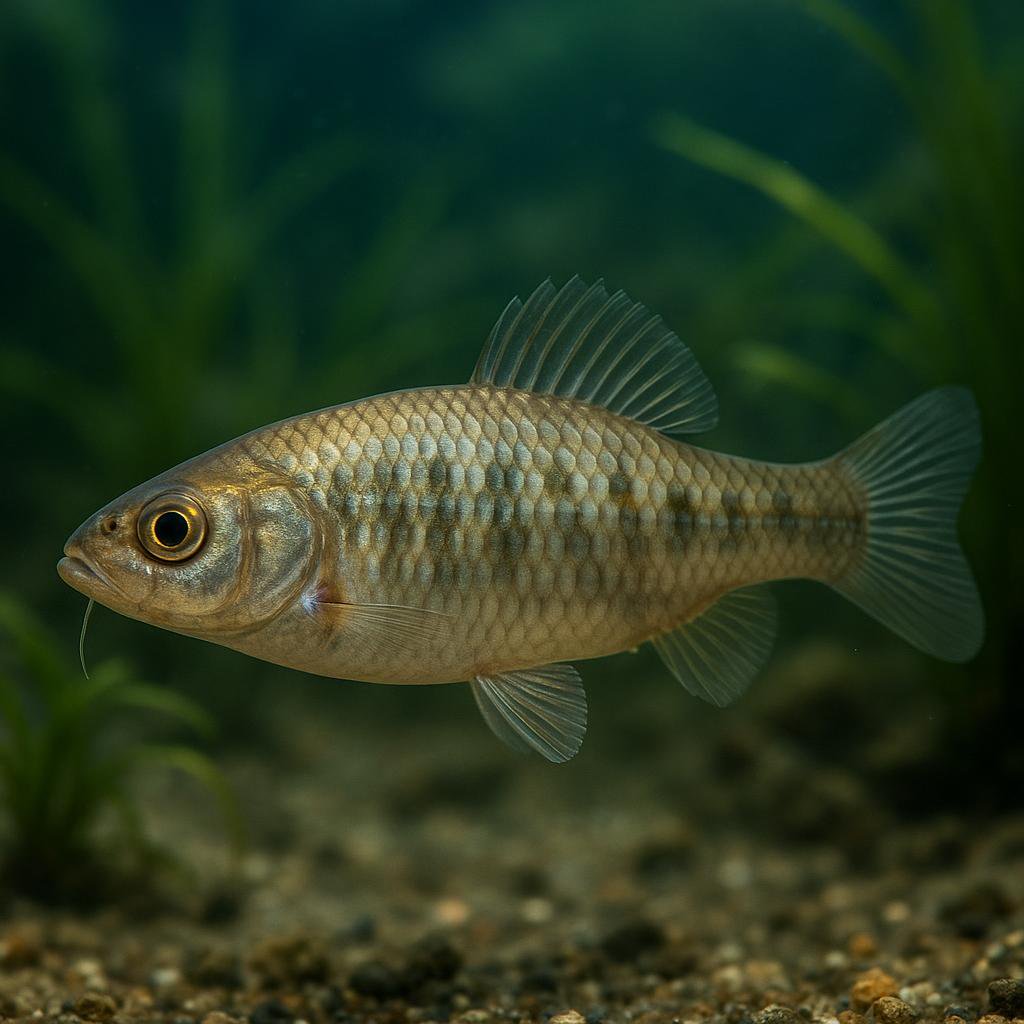
Arabian spiny eel
Notacanthus indicus
Notacanthus indicus is a deep-sea spiny eel (family Notacanthidae; not a true eel) known from the Arabian Sea on the continental slope at roughly ~960–1,046 m depth, with reported maximum length around 20 cm TL; it is a deep-water bycatch species and not established in the aquarium trade.
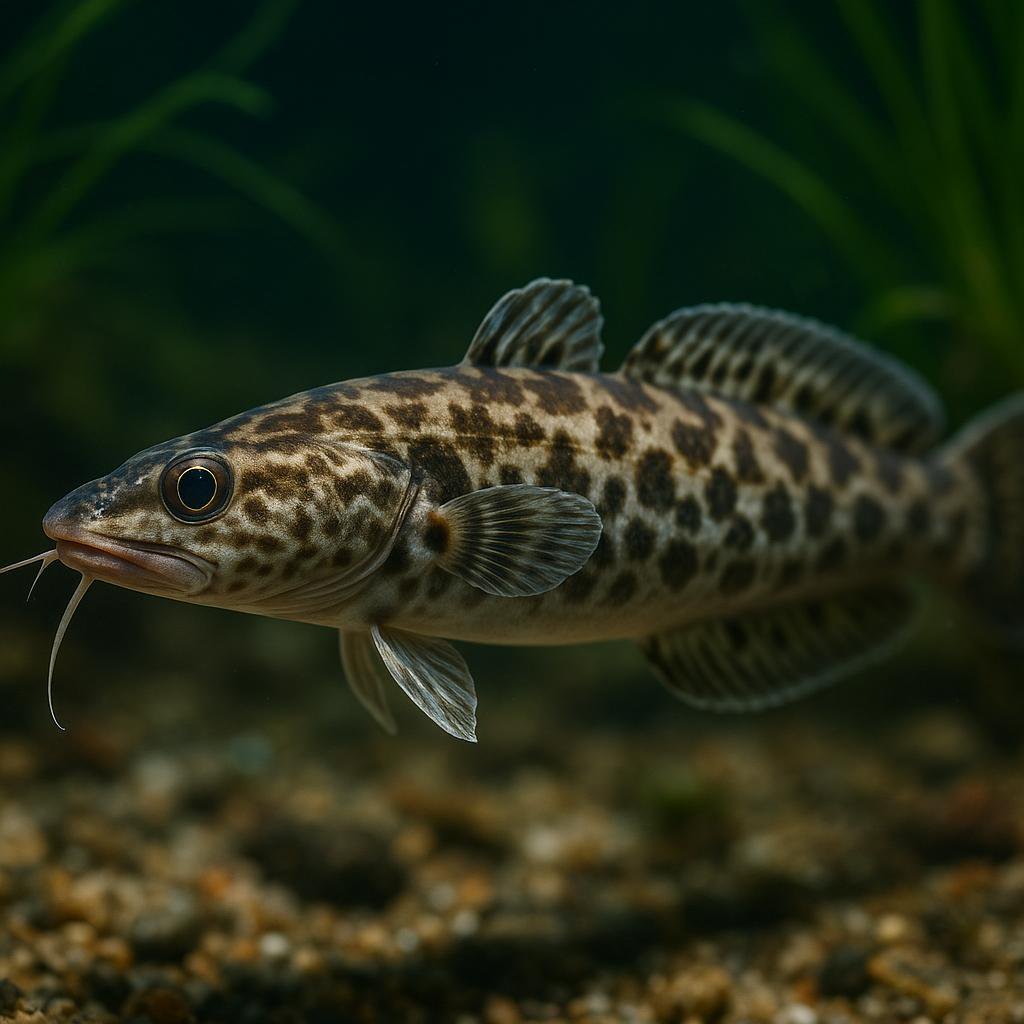
Arctic rockling
Gaidropsarus argentatus
This is a deepwater North Atlantic rockling (a cod relative) that hangs out on soft bottoms way down the slope. It is a cold-water, bottom-hugging predator that snoots around for crustaceans and will also take small fish when it gets the chance.
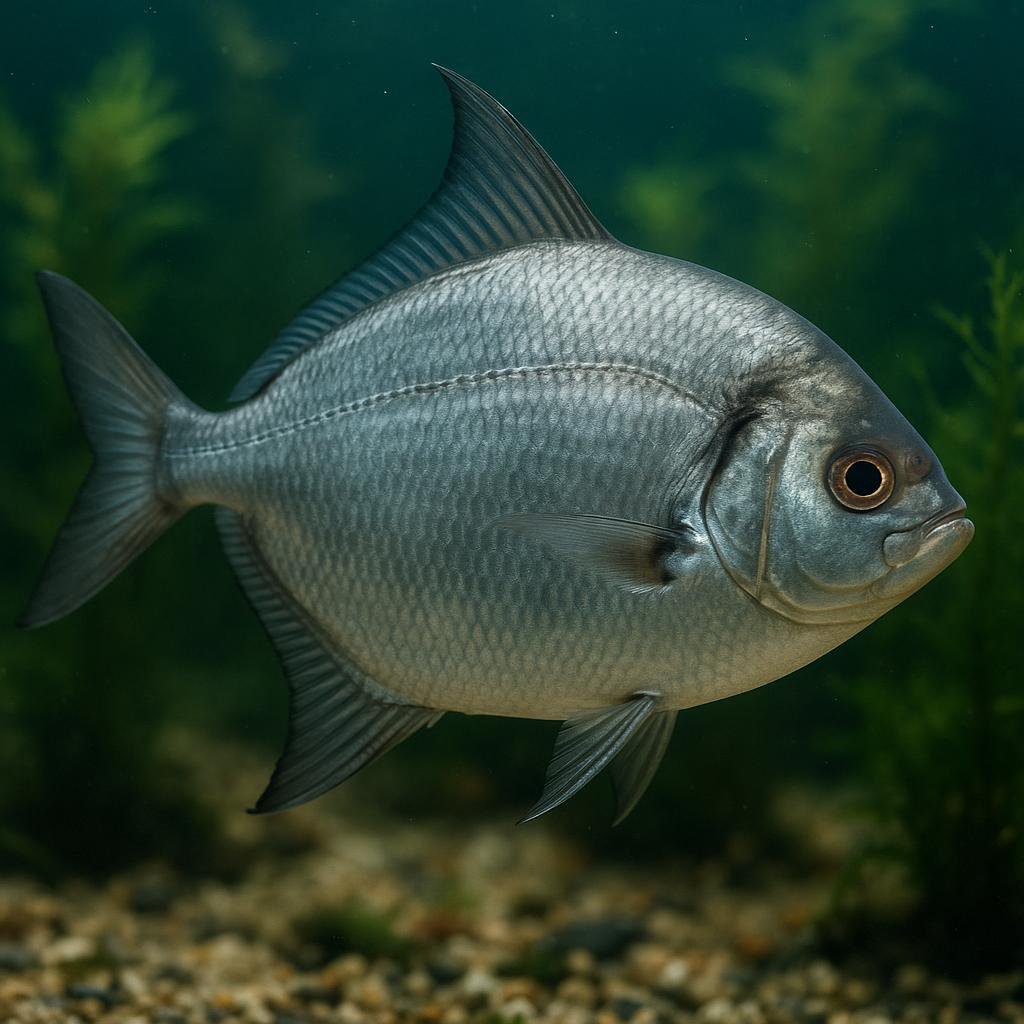
Atlantic pomfret
Brama brama
Brama brama is the Atlantic pomfret (aka Ray's bream) - a deep-bodied, open-ocean pelagic fish that cruises around in small schools and follows water temps. It is a legit big, wild marine species (not an aquarium fish) that eats other small sea critters like fish and squid, and it ranges across a huge chunk of the Atlantic plus parts of the Indian and South Pacific.
More to Explore
Discover more marine species.
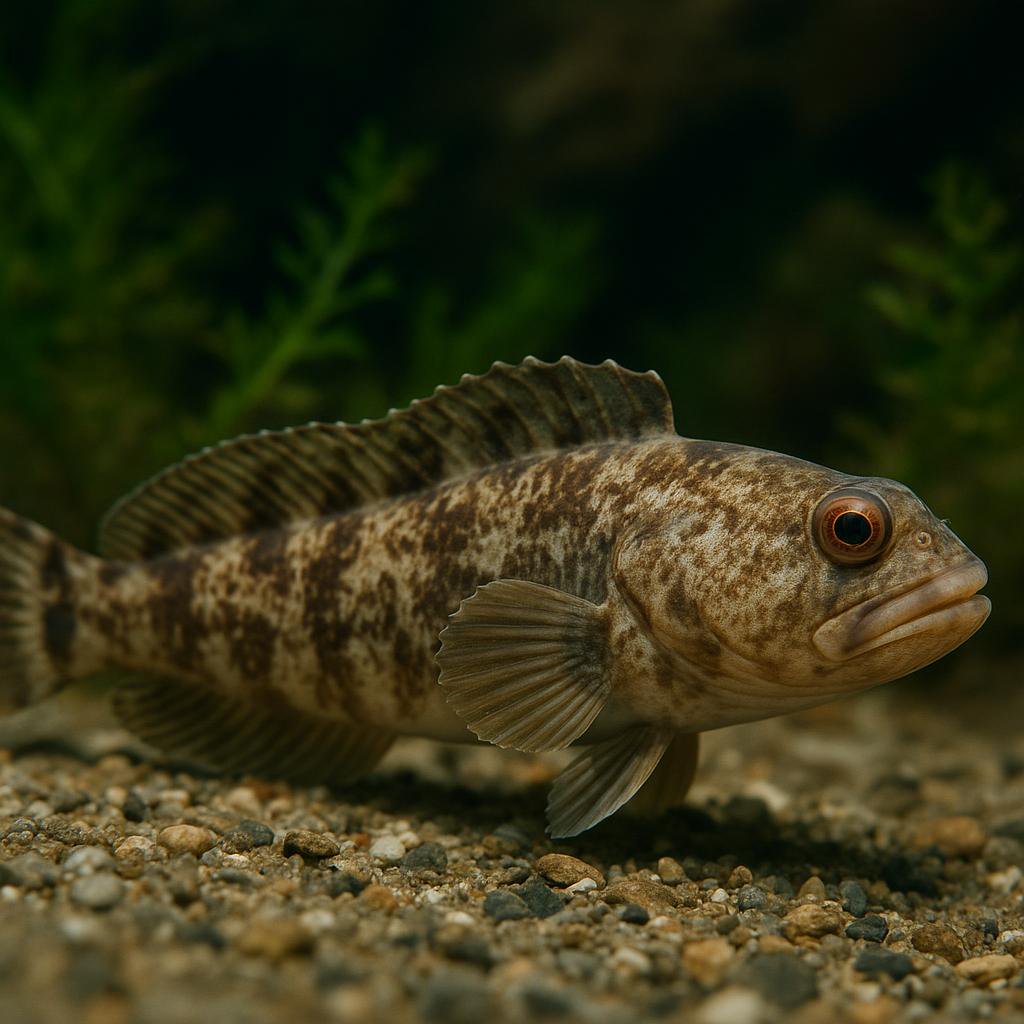
Abe's eelpout
Japonolycodes abei
Japonolycodes abei is a temperate, deepwater demersal eelpout (family Zoarcidae) endemic to Japan (Kumano-nada Sea reported; other sources also report Sagami Bay and Tosa Bay). It is the only species in the genus Japonolycodes and occurs roughly 40-300 m depth, making it an uncommon/atypical aquarium species.
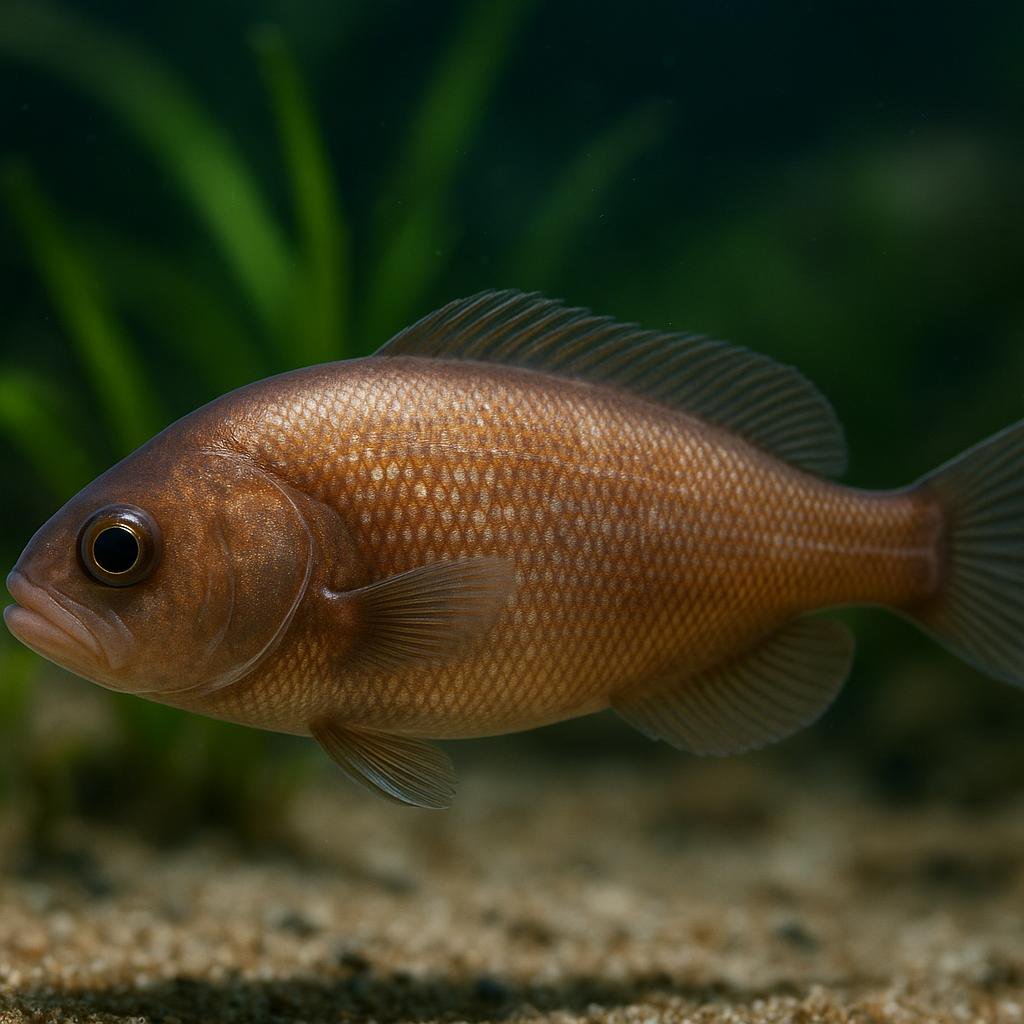
Affinis blind cusk-eel
Barathronus affinis
Barathronus affinis is a tiny, super-weird deep-sea blind cusk-eel from the western-central Indian Ocean. It is one of those gelatinous, loose-skinned brotula-type fishes that live way down in the dark and are basically never seen alive, so almost everything we know comes from preserved specimens and taxonomic work.
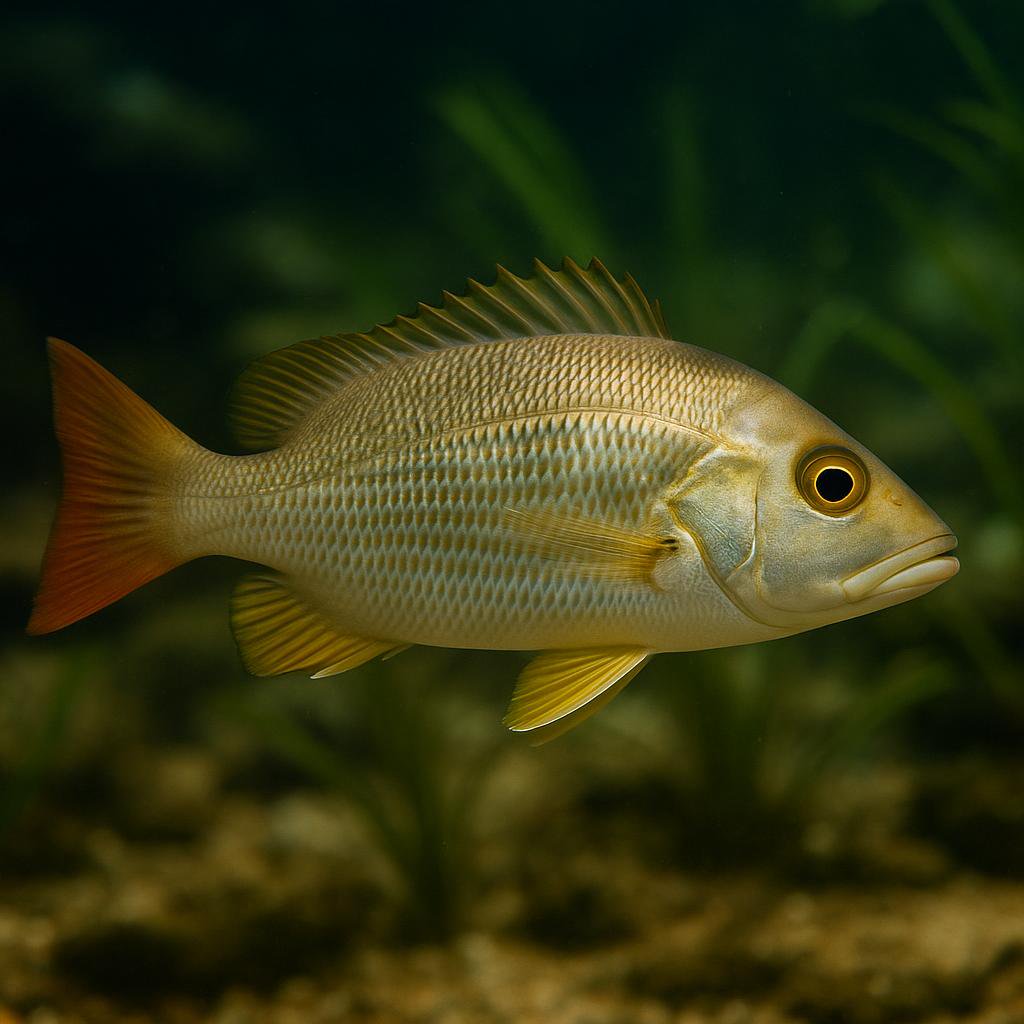
African red snapper
Lutjanus agennes
This is a true snapper from West Africa - a big, fast-growing predator that goes from coastal reefs to brackish lagoons and estuaries (especially as a juvenile). Super cool fish in the wild, but it gets absolutely huge and will eat smaller tankmates once it has the mouth for it, so its really more of a public-aquarium scale animal than a home-aquarium fish.
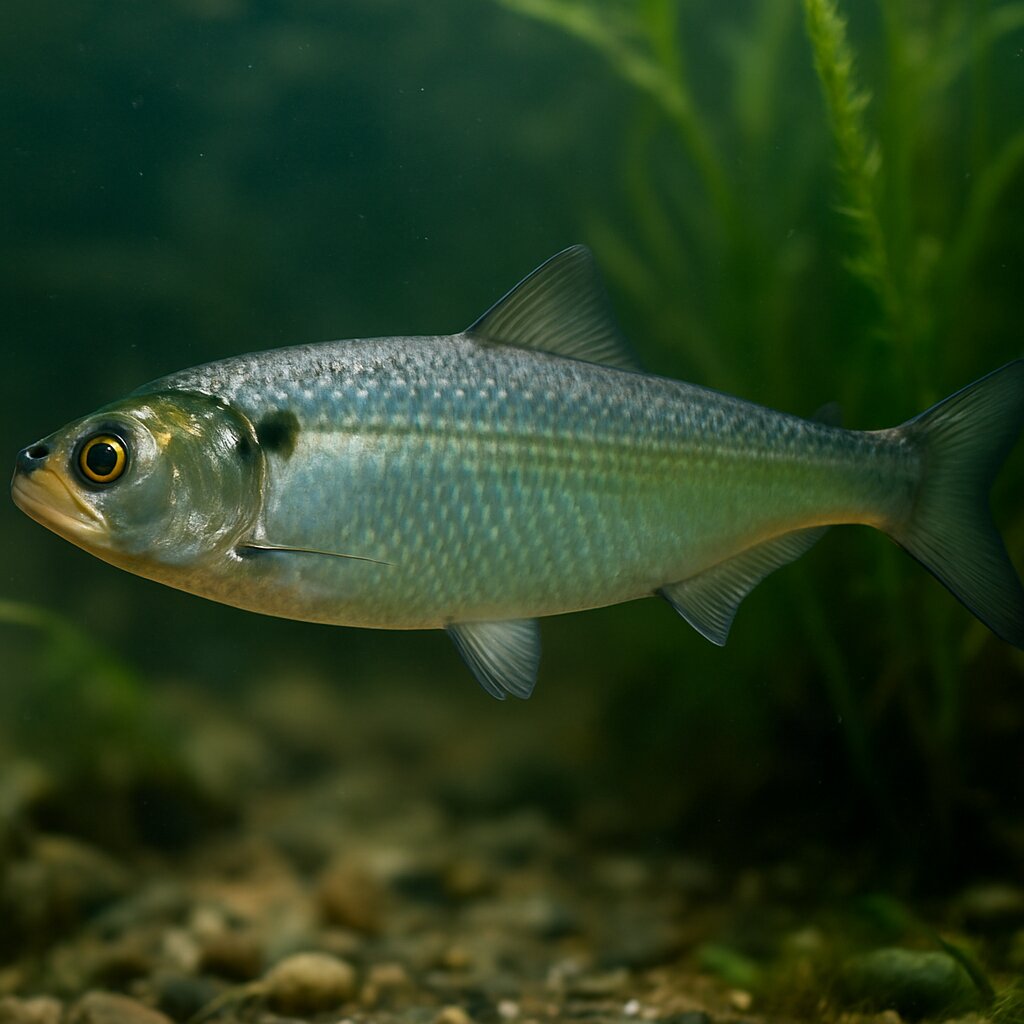
Allis shad
Alosa alosa
Gorgeous silver, fast-swimming shad that spends most of its life in the sea and then surges up big rivers in noisy, surface-spawning schools. It grows huge for a herring-type fish and needs cool, ultra-oxygenated water and tons of open space, so it is a public-aquarium species rather than a home tank fish.
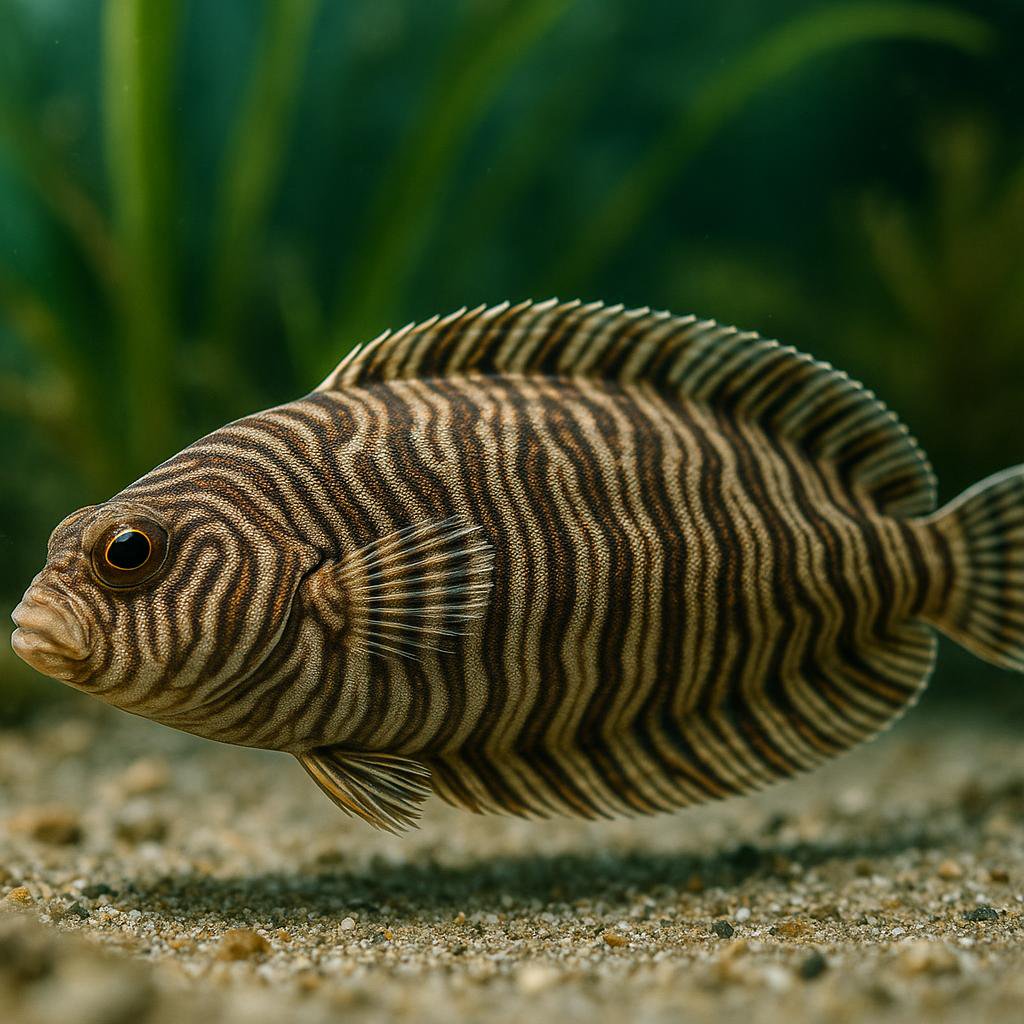
Annandale's zebra sole
Zebrias annandalei
Zebrias annandalei is a small demersal sole from coastal India that inhabits sandy or muddy bottoms and buries for camouflage. It is rarely kept in home aquaria and would require a specialized marine sand-bottom setup and appropriate feeding.
Australian sawtail catshark
Figaro boardmani
Figaro boardmani is a small, deepwater Australian catshark with these cool saw-like ridges of spiny denticles along the tail and a neat pattern of dark saddle bands. It lives way down on the outer continental shelf and slope, so its natural water is cold, dim, and stable - totally not a typical home-aquarium fish. Diet-wise its a predator that goes after fish, crustaceans, and cephalopods.
Looking for other species?