

Yellow mystery wrasse
Pseudocheilinus citrinus
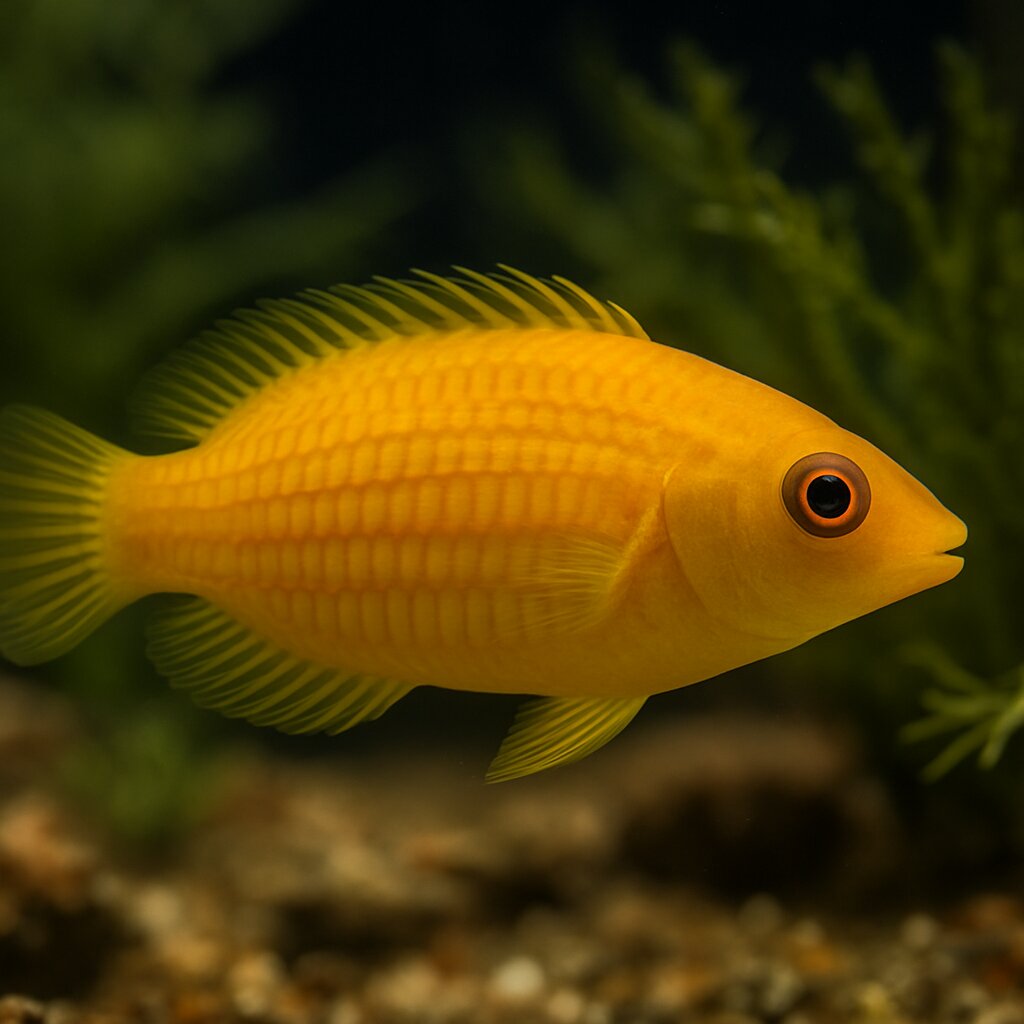
The Yellow mystery wrasse features a bright yellow body with a distinctive elongated snout and a dorsal fin that extends into a filamentous extension.
This page includes AI-generated images. Why am I seeing AI images?
About the Yellow mystery wrasse
Think of this as the mystery wrasse’s lemony cousin from the far South Pacific. It stays small, flashes pink accents and cute little dorsal filaments, and spends its day weaving through rockwork picking off tiny critters. Super rare in the trade, but behavior and care are like other Pseudocheilinus wrasses.
Also known as
Quick Facts
Size
6.6 cm
Temperament
Semi-aggressive
Difficulty
Intermediate
Min Tank Size
50 gallons
Lifespan
5-8 years
Origin
South Pacific (Pitcairn Islands to Cook Islands and French Polynesia, incl. Tuamotu)
Diet
Carnivore - pods, worms, small crustaceans; accepts frozen mysis/brine and quality pellets
Water Parameters
23-27°C
8-8.4
8-12 dGH
Need a heater for this species?
This species needs 23-27°C in a 50 gallon tank. Use our heater calculator to find the right wattage.
Calculate heater sizeCare Notes
- Give it 40+ gallons with a tight mesh lid and a maze of live rock. They sleep wedged in rock, not buried in sand, so build caves and overhangs.
- Run salinity 1.024-1.026, temp 76-79 F, pH 8.1-8.4, and keep nitrate under 20 ppm. They sulk when parameters swing, so keep things steady and well-aerated.
- Feed small meaty foods 2-3 times a day: mysis, chopped clam, calanus, and quality small pellets. They will graze pods and pick at flatworms, but that is just a snack.
- One per tank is best. They often bully other Pseudocheilinus and shy nano fish, and they will compete hard with mandarins for pods.
- Reef-safe with corals, but be cautious with tiny ornamental shrimp and feather dusters. Snails and larger hermits are usually ignored.
- Use an acclimation box for a few days when adding it. They launch at lights-out, so cover every gap around lids and cables.
- Quarantine with some PVC elbows or a small rock so it can hide. If you run copper, ramp it slowly and watch appetite.
- Breeding at home is basically not happening; they are protogynous and spawn pelagically at dusk. Enjoy the color and pest-hunting instead.
Compatibility
Good Tankmates
- Sturdy clownfish pairs (ocellaris, percula, clarkii) - they hold their space and shrug off wrasse attitude
- Active herbivores like tangs and rabbitfish - always cruising and not easy targets
- Cavey basslets and assessors (royal gramma, chalk bass) - similar vibe, plenty of rockwork helps everyone get along
- Bigger blennies and watchman-type gobies - confident bottom dwellers that do not get pushed around
- Pygmy angelfish (Centropyge) - quick and semi-bold, usually a smooth mix
- Hawkfish (flame, longnose) - perchy and tough, the wrasse generally minds its own business around them
Avoid
- Other wrasses with a similar body plan, especially six-line and four-line types - territory wars waiting to happen
- Shy, skinny fish like firefish and dartfish - they get harassed and go hide or jump
- Pod-dependent dragonets (mandarins, scooters) - the wrasse outcompetes them for food in most tanks
- Big predators or thugs like lionfish, groupers, or nasty dottybacks - risky for the wrasse
Where they come from
Yellow mystery wrasse show up around central Pacific reefs, think places like the Marshalls, Tahiti, and the Cook Islands. You usually see them weaving through coral heads and rock cracks in rubble zones. They are nosy little hunters that spend the day working the rock for tiny snacks.
Setting up their tank
Give them a rock maze. They are crevice specialists, not sand sleepers, so focus on a stacked, stable reefscape with lots of hidey-holes and overhangs. They wedge into the rock at night and feel safer if they can duck out of sight quickly.
- Tank size: 55 gallons or larger. You can do 40 if the rockwork is generous and tankmates are mellow, but bigger is easier.
- Cover: tight lid or 1/4 inch mesh. They will jump. Not maybe. They will.
- Flow: moderate with calmer pockets around the rockwork.
- Lighting: anything reef standard. They do not care about PAR, your corals do.
- Substrate: sand is fine, but they do not bury. Bare-bottom works too if the rock is secure.
- Mature rock: a seasoned tank with pods makes the first few weeks smoother.
If your aquascape is a single wall of rock, add some small caves and side channels. They like to loop around structures, not just stare at them.
Check every cable hole, feeding port, and gap around your lid. These fish aim for corners and cords when spooked.
Basic parameters they handle well: 75-79 F, 1.024-1.026 salinity, pH 8.1-8.4, steady alkalinity. They are not drama queens, but they sulk with big swings.
What to feed them
They are micro-crustacean hunters by nature, so think small, meaty foods. Start with movement to get their attention, then mix in prepared stuff once they are settled.
- Frozen: mysis, enriched brine, finely chopped PE mysis, copepods, baby krill.
- Prepared: 0.5-1 mm marine pellets, quality reef blends, calanus.
- Live treats: live blackworms or live pods help new arrivals start eating.
Feed small portions 2-3 times a day at first. Once they are confident and picking at the rock, you can drop to 1-2. They will graze between meals.
Target feed in the same corner for a week. They learn the routine fast and it reduces frantic dashes that end with carpet surfing.
How they behave and who they get along with
Think semi-bold ninja. They start shy, then one day they are front and center at feeding time. They are peaceful with most fish that ignore them, but they do not like lookalike wrasses. One Pseudocheilinus per tank is the safe play.
- Good tankmates: clowns, gobies, blennies, basslets, anthias, tangs, larger cardinals.
- Use caution: other wrasses, especially six-lines and four-lines. Someone will get chased.
- Inverts: generally fine with snails and hermits, but small ornamental shrimp (sexy, anemone, tiny peppermints) may become snacks. Full-size cleaner shrimp are a maybe, not a promise.
- Corals: safe. They do not nip corals. They might pick at feather dusters or small fan worms.
If your tank has a resident wrasse, add the yellow mystery last and use an acclimation box for a few days. Let the neighborhood meet without swinging elbows.
Breeding tips
They are protogynous wrasses that pair up and release pelagic eggs at dusk in the wild. In home aquariums, you are unlikely to see it, and raising the larvae is a whole project with specialized foods and separate systems. If you are curious, you can try a very large, peaceful tank and a well-matched pair, but most hobbyists keep them singly.
Common problems to watch for
- Jumping: number one cause of loss. Lock down the lid before the fish goes in.
- Wrasse wars: similar-shaped wrasses or a cranky six-line can turn this fish reclusive. Add last, and reshuffle rock if needed to break line-of-sight.
- Hunger strike on arrival: offer live or moving foods first, reduce flow at feeding, and keep people away from the glass for a few days.
- Parasites: like most wrasses, they can carry flukes. A proper quarantine and a round of praziquantel works well.
- Medication sensitivity: they handle treatments better than some delicate wrasses, but go slow with copper and watch appetite.
- Picking at shrimp: if you love tiny shrimp, skip this species or accept the risk.
A calm, mature tank turns this fish from skittish to showpiece. Give it time, keep the feedings steady, and it will be out and about all day.
Similar Species
Other marine semi-aggressive species you might be interested in.
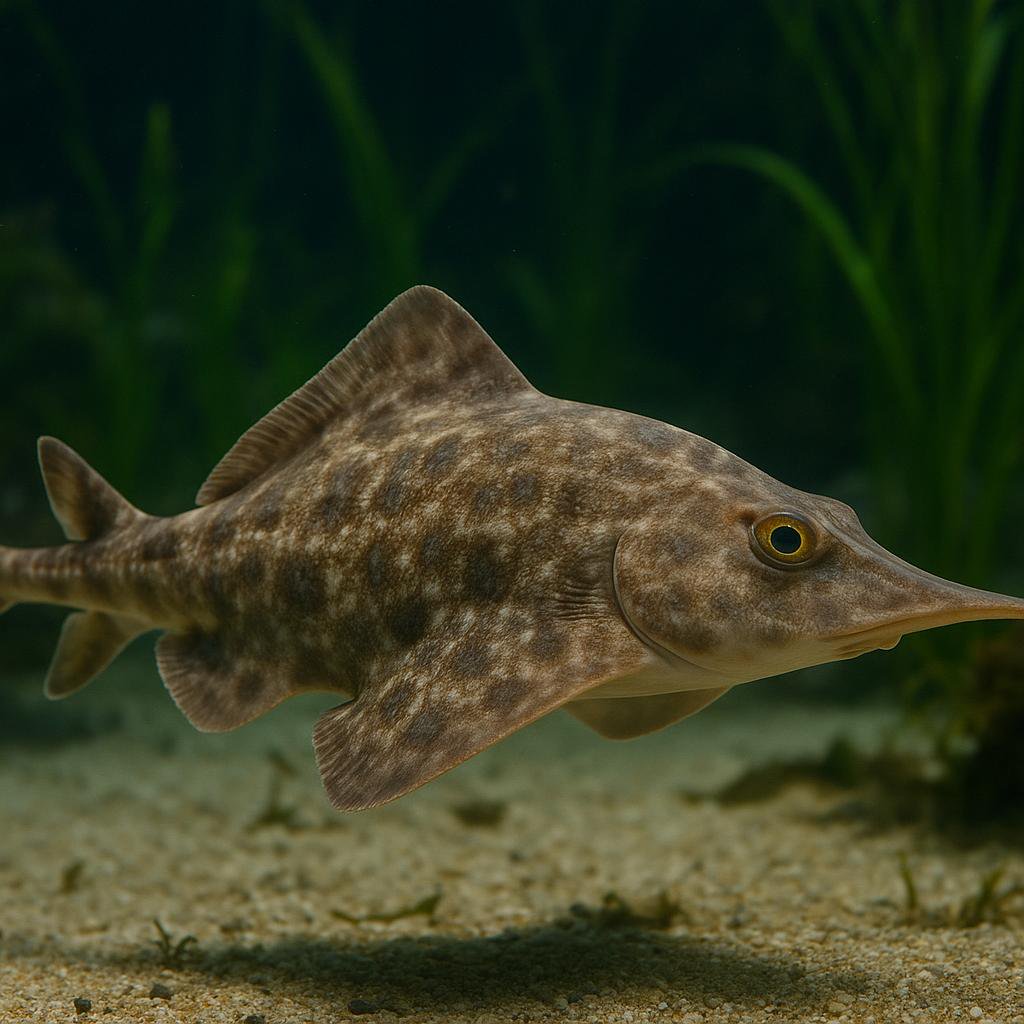
Aleutian skate
Bathyraja aleutica
This is a big, cold-water deep-slope skate from the North Pacific that cruises muddy bottoms and eats chunky benthic prey like crabs and shrimp. The really cool bit is its egg-laying skate life - it does distinct pairing (the classic skate "embrace") and drops those tough egg cases on the seafloor. Not an aquarium fish at all unless you're basically running a public-aquarium-style chilled system.
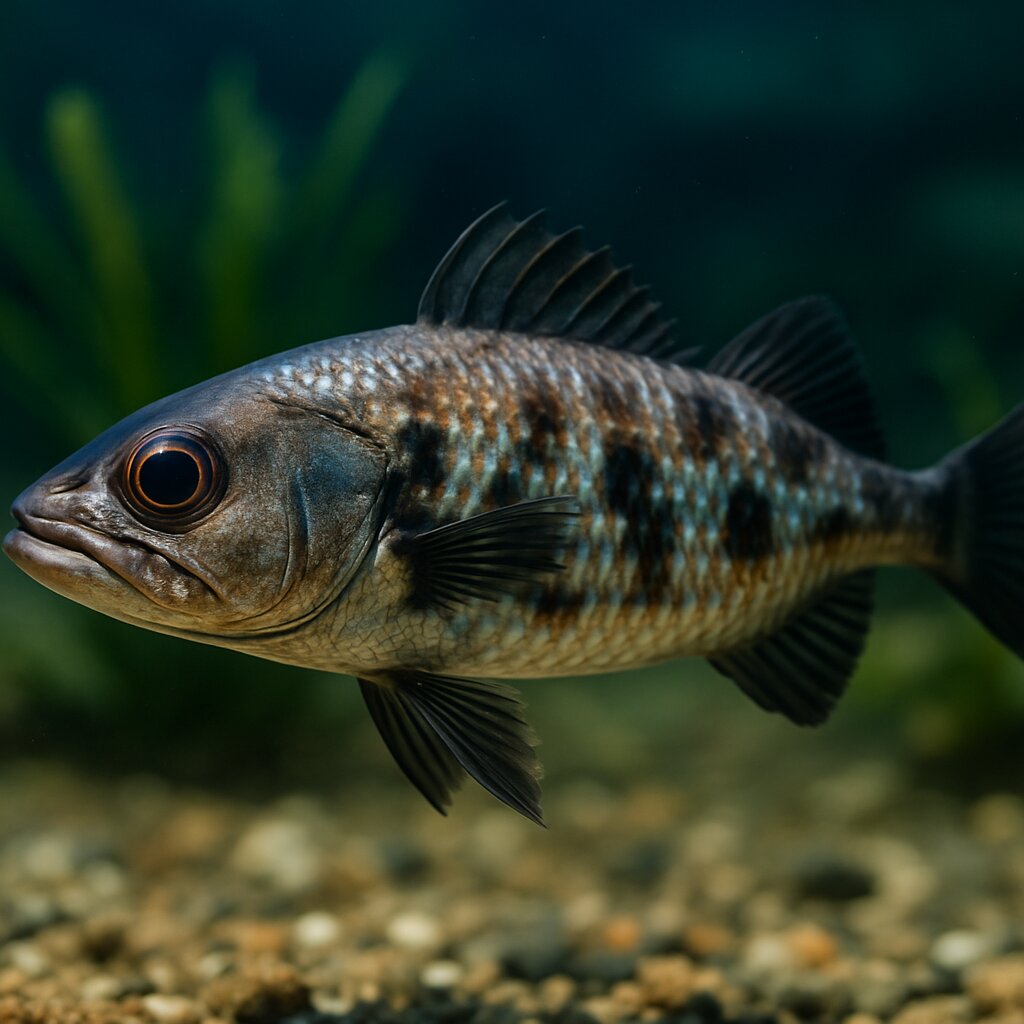
Antarctic dragonfish
Vomeridens infuscipinnis
Deep down around Antarctica, this sleek dragonfish cruises the water column like a little submarine, nearly neutrally buoyant so it can hover above the seafloor. It munches almost exclusively on Antarctic krill and lives in near-freezing water 500-800 m down, so it is a cool species to read about, not one for home tanks.
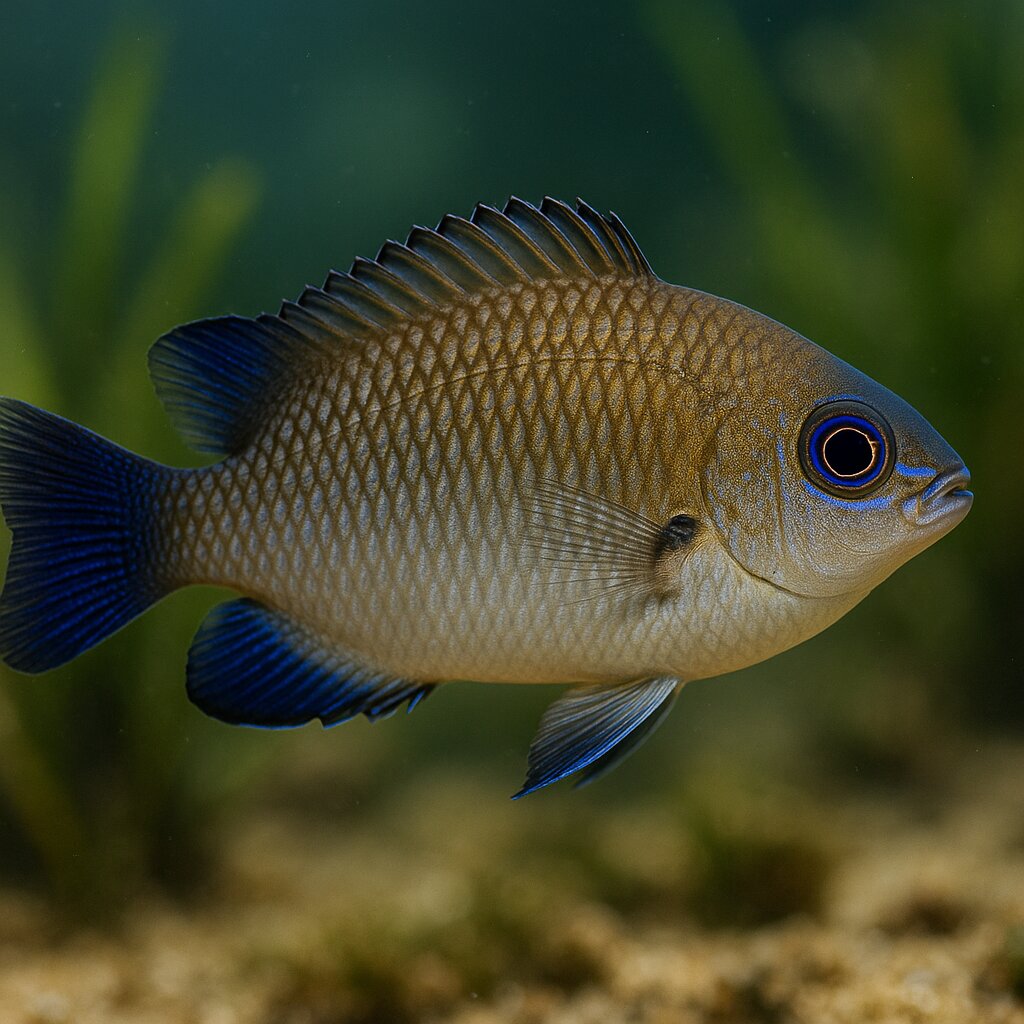
Arabian demoiselle
Neopomacentrus sindensis
A small lyretail damsel from the Persian Gulf and Arabian Sea, it hangs in loose groups around coral heads, rocks, and even pier pilings picking zooplankton from the flow. Think classic damsel toughness with a slightly milder attitude than the real bruisers, plus subtle yellow tail accents. Males clean a patch, get a mate to lay eggs there, and then stand guard fanning the clutch.
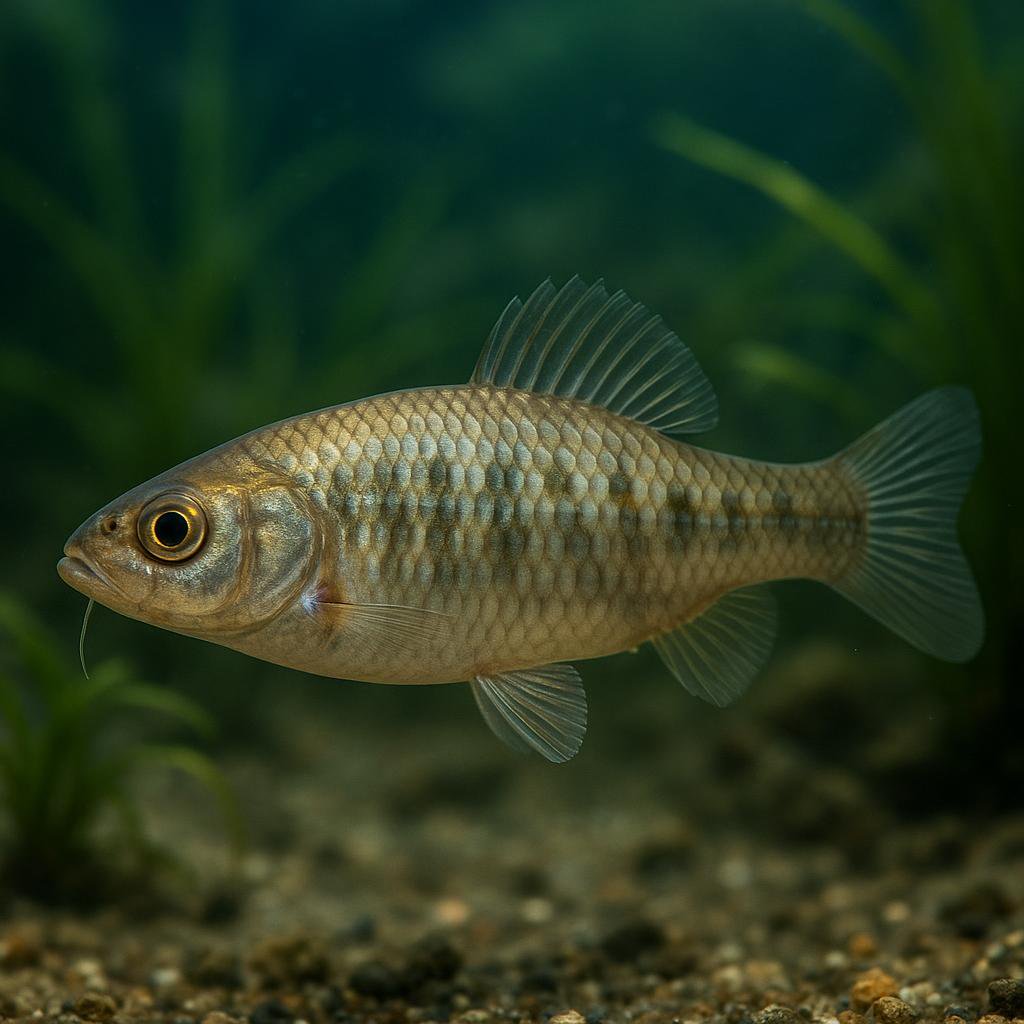
Arabian spiny eel
Notacanthus indicus
Notacanthus indicus is a deep-sea spiny eel (family Notacanthidae; not a true eel) known from the Arabian Sea on the continental slope at roughly ~960–1,046 m depth, with reported maximum length around 20 cm TL; it is a deep-water bycatch species and not established in the aquarium trade.
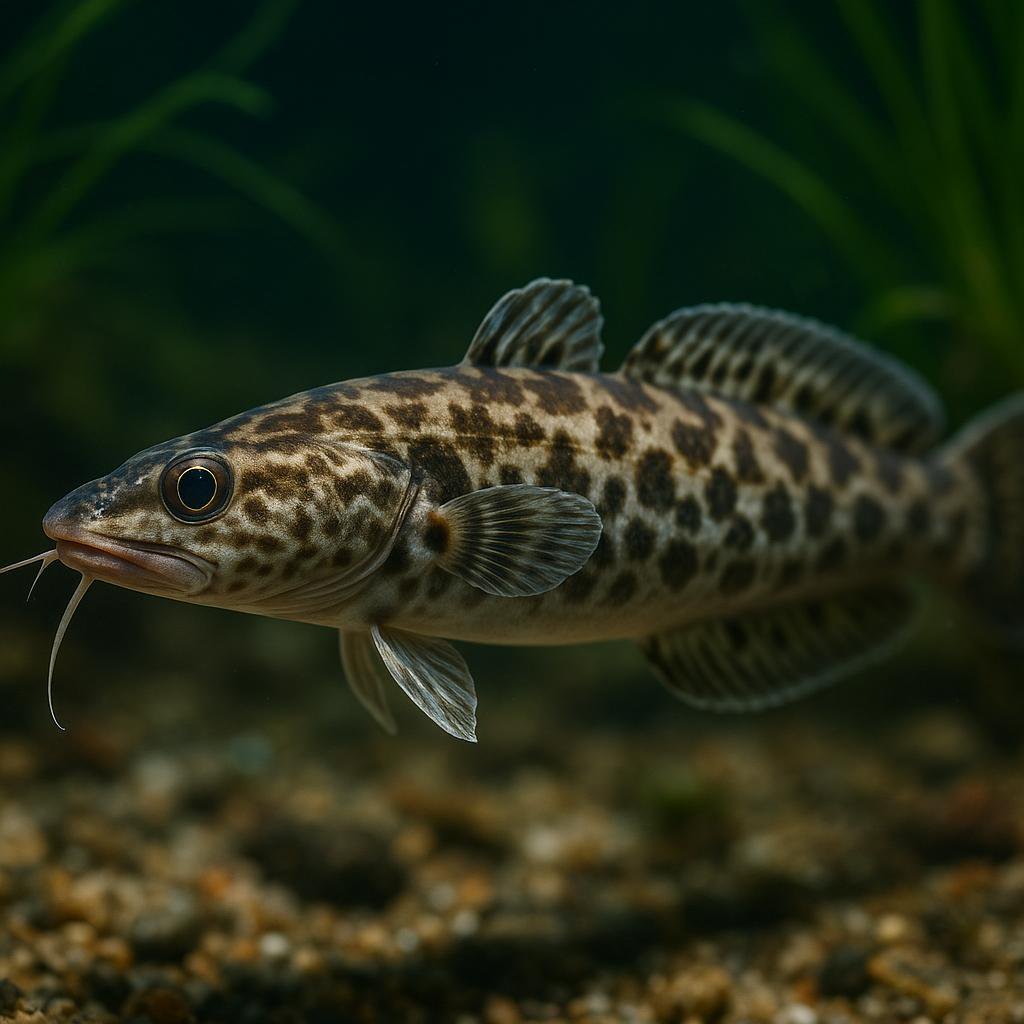
Arctic rockling
Gaidropsarus argentatus
This is a deepwater North Atlantic rockling (a cod relative) that hangs out on soft bottoms way down the slope. It is a cold-water, bottom-hugging predator that snoots around for crustaceans and will also take small fish when it gets the chance.
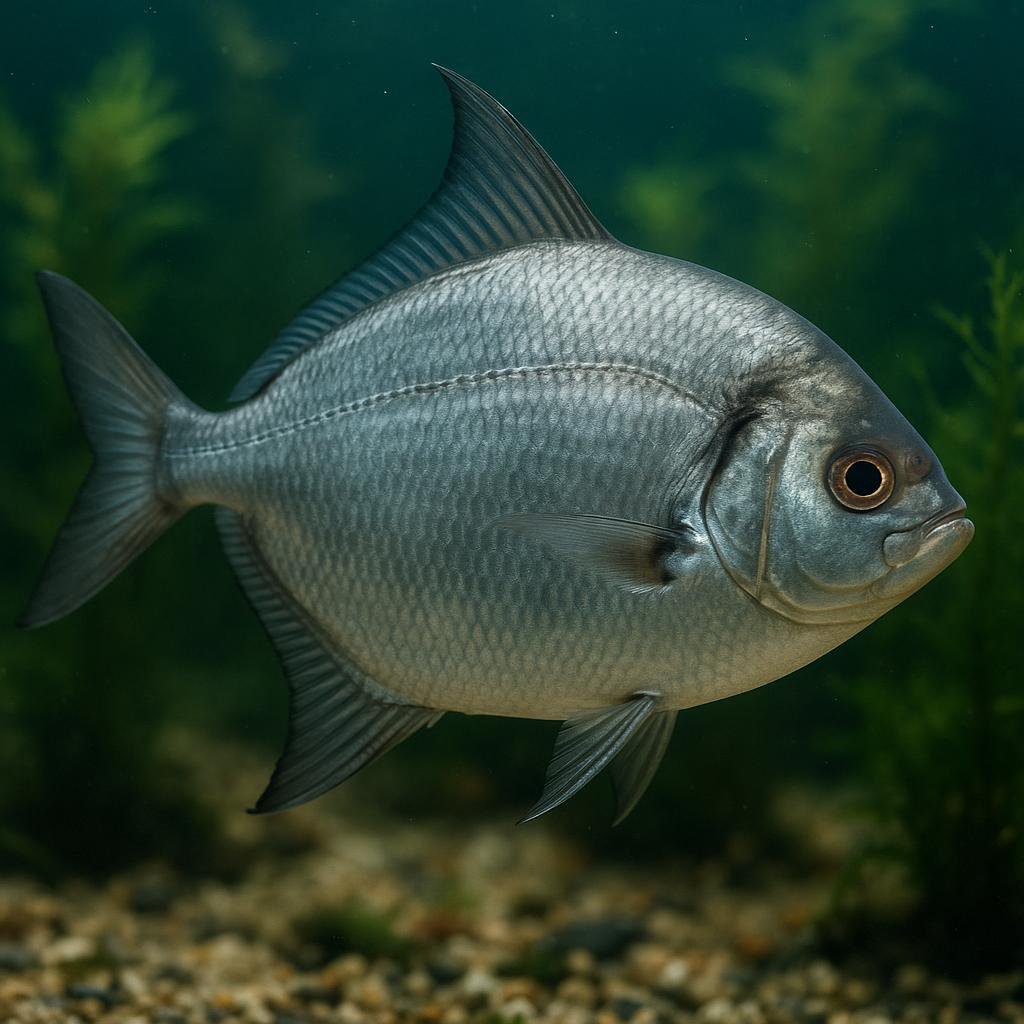
Atlantic pomfret
Brama brama
Brama brama is the Atlantic pomfret (aka Ray's bream) - a deep-bodied, open-ocean pelagic fish that cruises around in small schools and follows water temps. It is a legit big, wild marine species (not an aquarium fish) that eats other small sea critters like fish and squid, and it ranges across a huge chunk of the Atlantic plus parts of the Indian and South Pacific.
More to Explore
Discover more marine species.
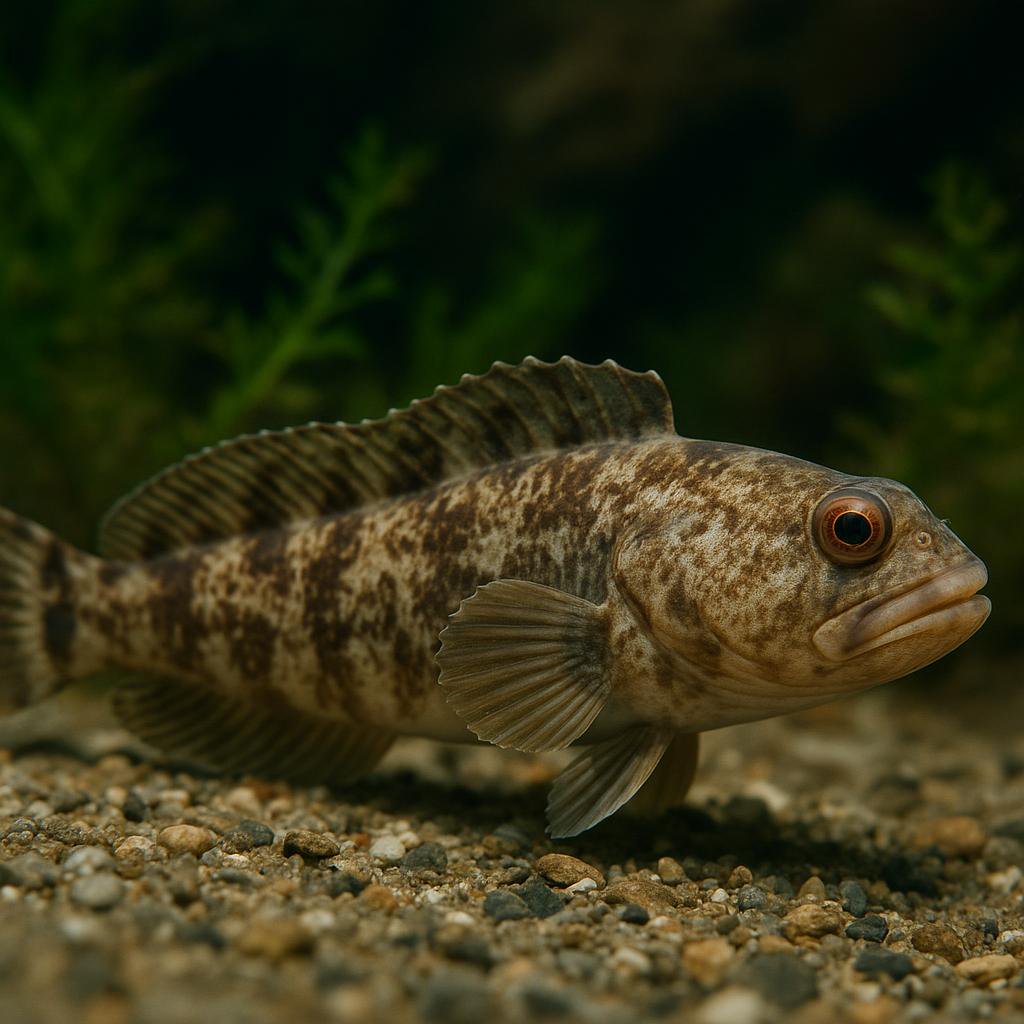
Abe's eelpout
Japonolycodes abei
Japonolycodes abei is a temperate, deepwater demersal eelpout (family Zoarcidae) endemic to Japan (Kumano-nada Sea reported; other sources also report Sagami Bay and Tosa Bay). It is the only species in the genus Japonolycodes and occurs roughly 40-300 m depth, making it an uncommon/atypical aquarium species.
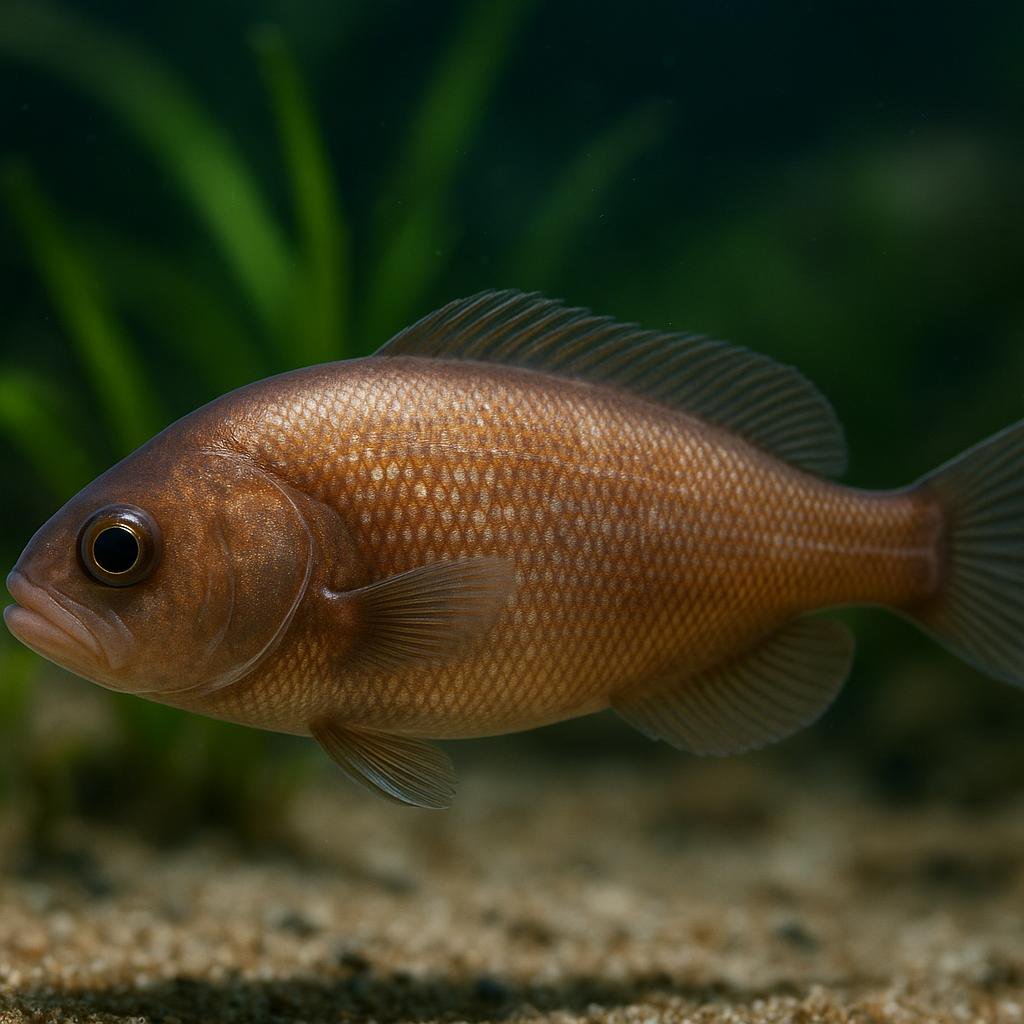
Affinis blind cusk-eel
Barathronus affinis
Barathronus affinis is a tiny, super-weird deep-sea blind cusk-eel from the western-central Indian Ocean. It is one of those gelatinous, loose-skinned brotula-type fishes that live way down in the dark and are basically never seen alive, so almost everything we know comes from preserved specimens and taxonomic work.
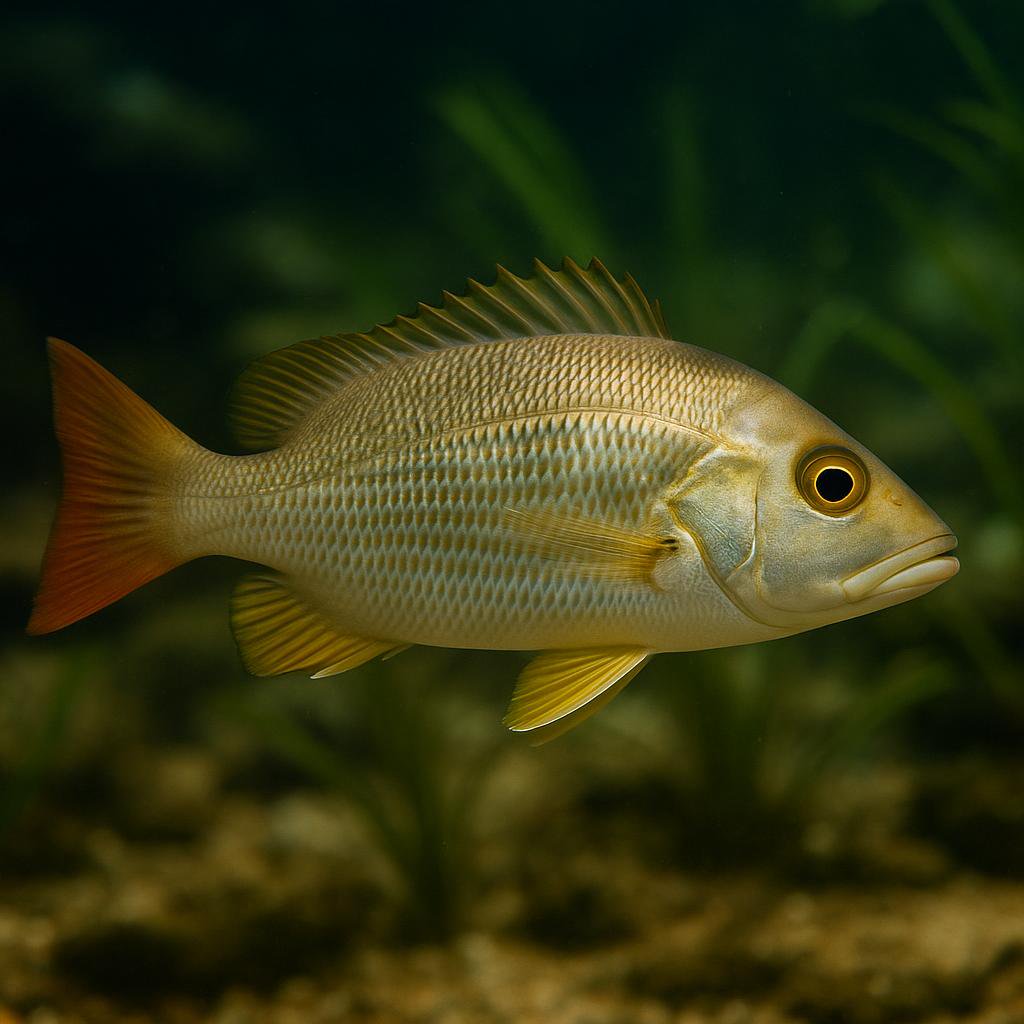
African red snapper
Lutjanus agennes
This is a true snapper from West Africa - a big, fast-growing predator that goes from coastal reefs to brackish lagoons and estuaries (especially as a juvenile). Super cool fish in the wild, but it gets absolutely huge and will eat smaller tankmates once it has the mouth for it, so its really more of a public-aquarium scale animal than a home-aquarium fish.
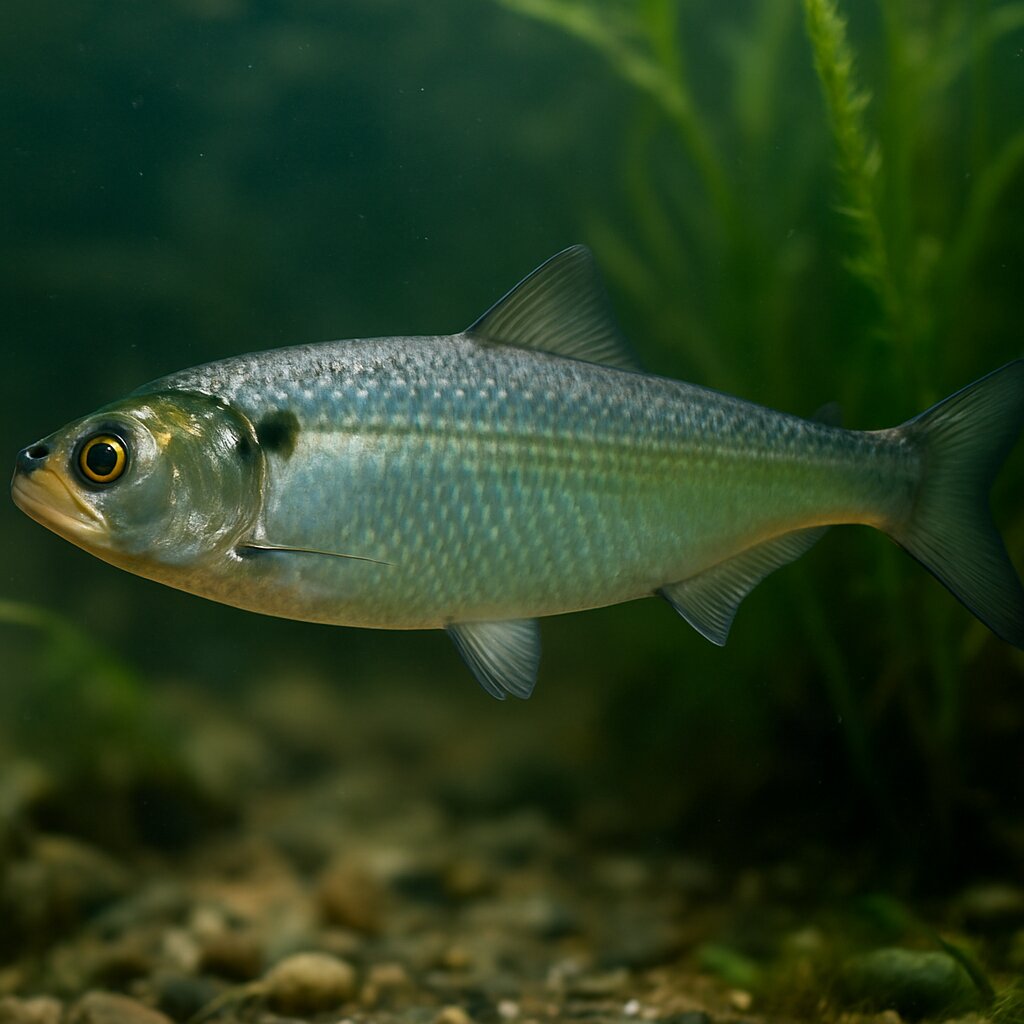
Allis shad
Alosa alosa
Gorgeous silver, fast-swimming shad that spends most of its life in the sea and then surges up big rivers in noisy, surface-spawning schools. It grows huge for a herring-type fish and needs cool, ultra-oxygenated water and tons of open space, so it is a public-aquarium species rather than a home tank fish.
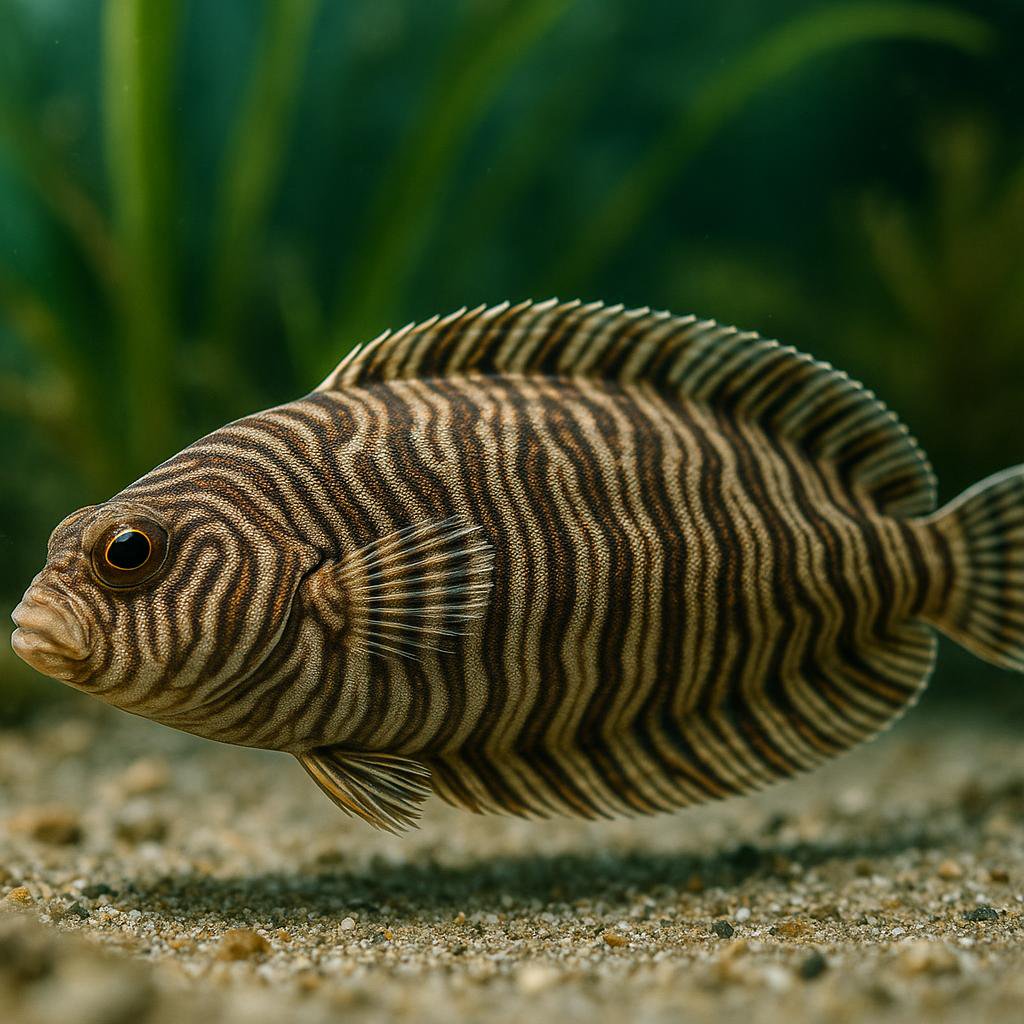
Annandale's zebra sole
Zebrias annandalei
Zebrias annandalei is a small demersal sole from coastal India that inhabits sandy or muddy bottoms and buries for camouflage. It is rarely kept in home aquaria and would require a specialized marine sand-bottom setup and appropriate feeding.
Australian sawtail catshark
Figaro boardmani
Figaro boardmani is a small, deepwater Australian catshark with these cool saw-like ridges of spiny denticles along the tail and a neat pattern of dark saddle bands. It lives way down on the outer continental shelf and slope, so its natural water is cold, dim, and stable - totally not a typical home-aquarium fish. Diet-wise its a predator that goes after fish, crustaceans, and cephalopods.
Looking for other species?