

Chilean round stingray
Urobatis marmoratus
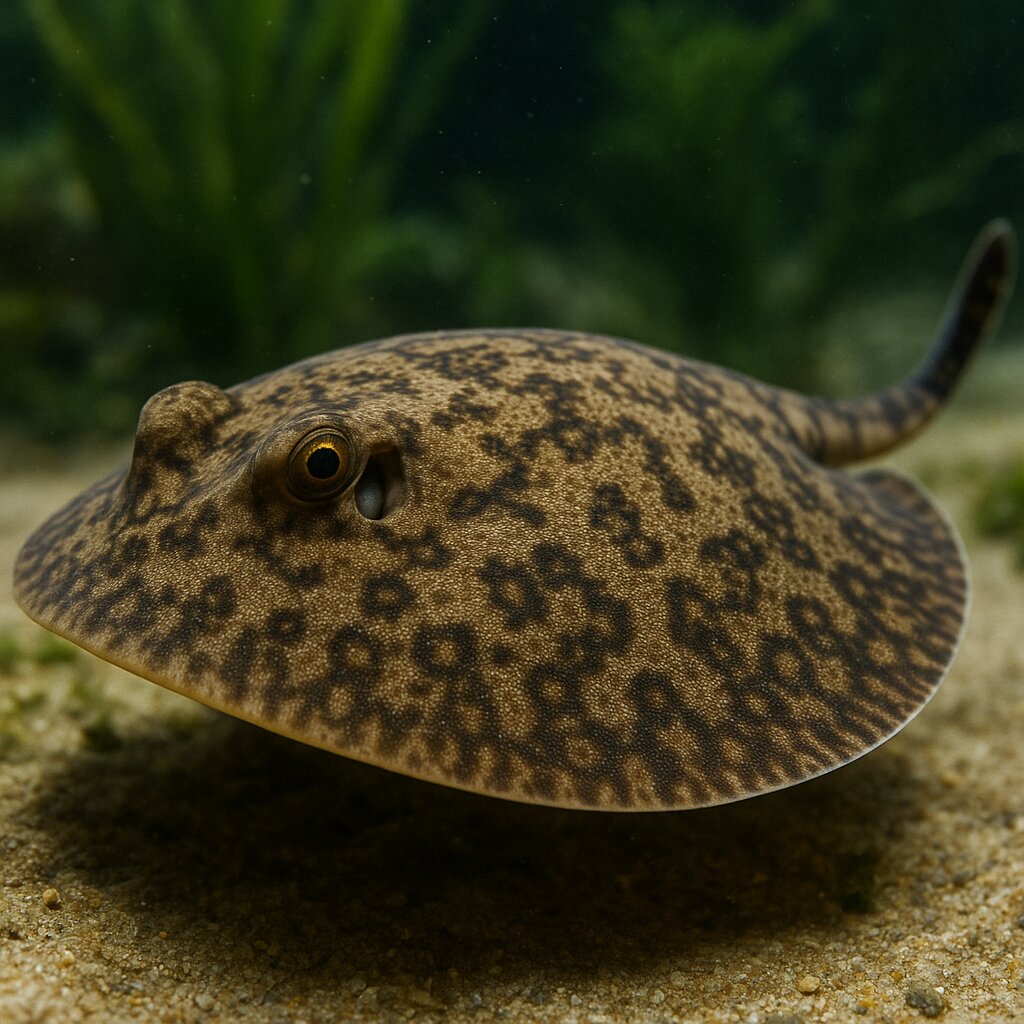
The Chilean round stingray exhibits a distinctive rounded body, with a mottled pattern of brown and gray, enhancing its camouflaging ability on sandy substrates.
This page includes AI-generated images. Why am I seeing AI images?
About the Chilean round stingray
A seldom-seen coldwater round ray from Chile, this marbled beauty hugs the sand and will bury itself in a blink. It is actually known from just one confirmed specimen, so if you ever see one, you are looking at a real rarity. Think public-aquarium fish, not a living room pet.
Quick Facts
Size
38.5 cm (total length)
Temperament
Semi-aggressive
Difficulty
Expert
Min Tank Size
1000 gallons
Lifespan
10-15 years
Origin
Southeast Pacific - Chile
Diet
Carnivore - benthic invertebrates and small fish; takes shrimp, squid, marine gels
Water Parameters
12-18°C
8-8.4
12-20 dGH
Need a heater for this species?
This species needs 12-18°C in a 1000 gallon tank. Use our heater calculator to find the right wattage.
Calculate heater sizeCare Notes
- Give it a huge footprint tank, not just gallons - think 8x3 ft or bigger with 3-5 in of soft oolite sand and minimal, well-secured rock.
- Run it cold: 57-64 F with a chiller, SG 1.024-1.026, pH 8.0-8.3, zero ammonia/nitrite, and low nitrate; high oxygen and a strong skimmer keep them happy.
- Guard every intake and hide heaters in a sump; rays get sucked in or burned fast, and they will bulldoze loose rocks.
- Feed with tongs right on the sand: squid, shrimp, scallop, silversides, and clams on the half shell; juveniles daily, adults 3-4x per week, and add a vitamin soak.
- Mix in shell-on foods to wear down the crushing plates, and do not lean on thiaminase-heavy fish like smelt as a staple.
- Tankmates need to be calm, non-nippy, and temperate; skip triggers, puffers, big wrasses, and stinging anemones, and expect it to eat crabs and shrimp.
- Watch for death curl, red belly sores, or rapid breathing - that screams water quality or substrate issues; avoid copper and most meds, but praziquantel is usually safe for flukes.
- They are livebearers; males have claspers, and pups are born fully formed, so if you get a pair, plan for space and be ready with tiny chopped seafood for newborns.
Compatibility
Good Tankmates
- Midwater grazers like tangs (yellow, kole, scopas) and rabbitfish that ignore the sandbed - steady swimmers that will not pester a ray
- Squirrelfish and soldierfish that cruise the rockwork and leave the bottom alone
- Snowflake or zebra moray eels - cave dwellers that usually ignore the ray if everyone is well fed
- Lookdowns or other calm schooling jacks in a big, high-oxygen tank - they stick to open water
- Large lionfish (volitans, russells) - they mind their own business and the ray will not bother them
- Another round ray of similar size in a huge footprint with deep, fine sand and lots of elbow room
Avoid
- Triggers and big puffers - classic fin and disc nippers that will chew the ray's edges and tail
- Large angels and chronic pickers (queen, emperor, some butterflies) - they peck at the ray's skin and spiracles
- Tiny bottom fish and sand sitters that look like snacks - gobies, small wrasses, blennies will disappear
- Boxfish and cowfish - if the ray spooks them, they can nuke the tank with toxin
Where they come from
Chilean round stingrays are a temperate-water coastal species from the eastern Pacific, mostly along Chile and into Peru. Think open sandy flats, eelgrass patches, and quiet bays with cool, highly oxygenated water. They spend a lot of time half-buried in fine sand, waiting on small crustaceans and fish.
This is a cold-to-cool water marine ray. Plan on running a reliable chiller. Warm tropical reef temps will wear them down.
Setting up their tank
Give them footprint, not just gallons. A single adult needs something in the 8 ft by 3-4 ft range with open sand. Depth matters less than floor space. I would not house one long-term in anything under 300-400 gallons, and bigger is kinder.
Use a soft, rounded-grain aragonite sand bed, about 2-3 inches. No crushed coral, no sharp rockwork. If you want rock, build stable islands on egg crate and keep plenty of open runway. Cover every pump intake and overflow with guards so the disc cannot get sucked or scraped.
Water parameters that have worked for me: 58-66 F (14-19 C), 1.023-1.025 specific gravity, pH 8.0-8.3, undetectable ammonia and nitrite, and low nitrate (under 20 ppm, lower is better). Big skimmer, oversized biofiltration, and lots of gas exchange. Rays are oxygen-hungry, so high surface agitation helps.
Let the system mature before adding the ray. Six months of stable operation is a good target. They are sensitive to swings and to trace contaminants.
- Large footprint tank with tight-fitting lid (they can surge up walls)
- Chiller sized for your room and heat load
- 2-3 inch fine sand bed; no sharp decor
- Guards on all intakes and overflows
- Oversized skimmer and sump; high dissolved oxygen
- Reliable grounding probe and GFCI outlets (they dislike stray voltage)
- Test kits for ammonia, nitrite, nitrate, pH, salinity; keep logs
Never net a ray. Use a large tub or bin to move it, keeping the tail controlled and the animal submerged. They are venomous. Plan maintenance so your hands stay well clear of the tail.
What to feed them
Start with meaty marine foods. Mine took to fresh seafood mixes quickly once it recognized the tongs. Offer small portions and watch that it actually eats and swallows instead of just mouthing and spitting. Two to four small feedings per week works for adults; juveniles need more frequent, smaller meals.
- Good staples: pieces of shrimp, squid, scallop, clam, mussel, lancefish/sand eels, marine smelt (not as the only fish item)
- Great for new arrivals: live or freshly cracked clams and mussels on the half shell, live saltwater grass shrimp, small shore crabs
- Supplements: soak foods in a quality marine vitamin (I use Selcon or similar) a few times per week
Rotate foods to avoid nutrient gaps. Rays can get finicky and some fish like smelt and krill are high in thiaminase, so mix things up and use vitamin soaks. Target-feed with long tongs or set a shallow feeding dish on the sand so you can remove leftovers easily.
Body condition check: look at the front edge of the disc. If it starts to look pinched or the ray feels lighter when it glides up glass, increase feeding frequency or try more enticing items like fresh clam.
How they behave and who they get along with
Most of the day they loaf under sand and make short patrols. They are calm but very aware of movement. Quick dashes can happen during maintenance or feeding.
Tankmates are tricky because of the temperature and the ray’s delicate skin. Skip nippy fish (triggers, puffers), spiny urchins, and anything that will pick at the disc or eyes. Coldwater setups do not give you a huge list anyway, so I usually run them in a species-only tank. If you try companions, look at peaceful temperate fish that ignore the ray and tolerate 58-66 F, and keep stocking light.
- Better bets: temperate gobies or sculpins that ignore the ray (research your exact species and temperature needs)
- Avoid: triggers, puffers, large wrasses, angels, aggressive damsels, sharks, urchins, crabs big enough to pinch the disc
More than one ray in a home-sized tank often leads to harassment. If you try a pair, you need huge floor space and visual breaks.
Breeding tips
They are livebearers. Courtship can be rough, with the male biting to hold the female. I have seen successful matings only in very large, low-stress setups. Gestation runs several months, and pups are born fully formed and ready to eat small meaty foods.
- Sexing: males have claspers; females do not
- If pairing, provide a vast footprint and hiding zones so the female can get space
- Have a nursery plan: separate, sand-bottom pen with guarded intakes
- Pups take tiny strips of shrimp, squid, and chopped clam; feed small meals daily at first
Think hard before breeding. Rehoming pups is not easy, and each one eventually needs a very large, chilled marine system.
Common problems to watch for
- Heat stress: rapid breathing, lethargy. Solution: reliable chiller, monitor temp daily.
- Low oxygen: surface gulping or frantic gill movement. Add aeration and surface agitation.
- Disc abrasions: from rough substrate or rock. Switch to fine sand, smooth any edges, keep water ultra-clean while healing.
- Medication sensitivity: rays are very sensitive to copper and many reef meds. Use a ray-safe plan and consult experienced keepers before dosing anything.
- Bristleworm stings: swollen patches on the disc after night feeding. Manage worms, avoid feeding on rock, consider a feeding dish.
- Internal parasites or hunger strikes: weight loss along the disc edge. Try live clams/grass shrimp, vitamin-soaked foods, and evaluate for deworming with ray-safe options.
- Water quality swings: pH drops and ammonia spikes hit them fast. Keep biofilter mature, do steady water changes, and avoid overfeeding.
Venomous tail spine. Do not handle unless absolutely necessary. Use a large container to move the ray underwater, keep the tail pointed away from you, and never pin or trim the barb.
Routine that has kept mine steady: small, varied meals 3x weekly, 15-20% water change weekly, skimmer cup cleaned every 2-3 days, temp checked morning and night, and a quick visual of the disc and gill rate at lights-on.
Similar Species
Other marine semi-aggressive species you might be interested in.
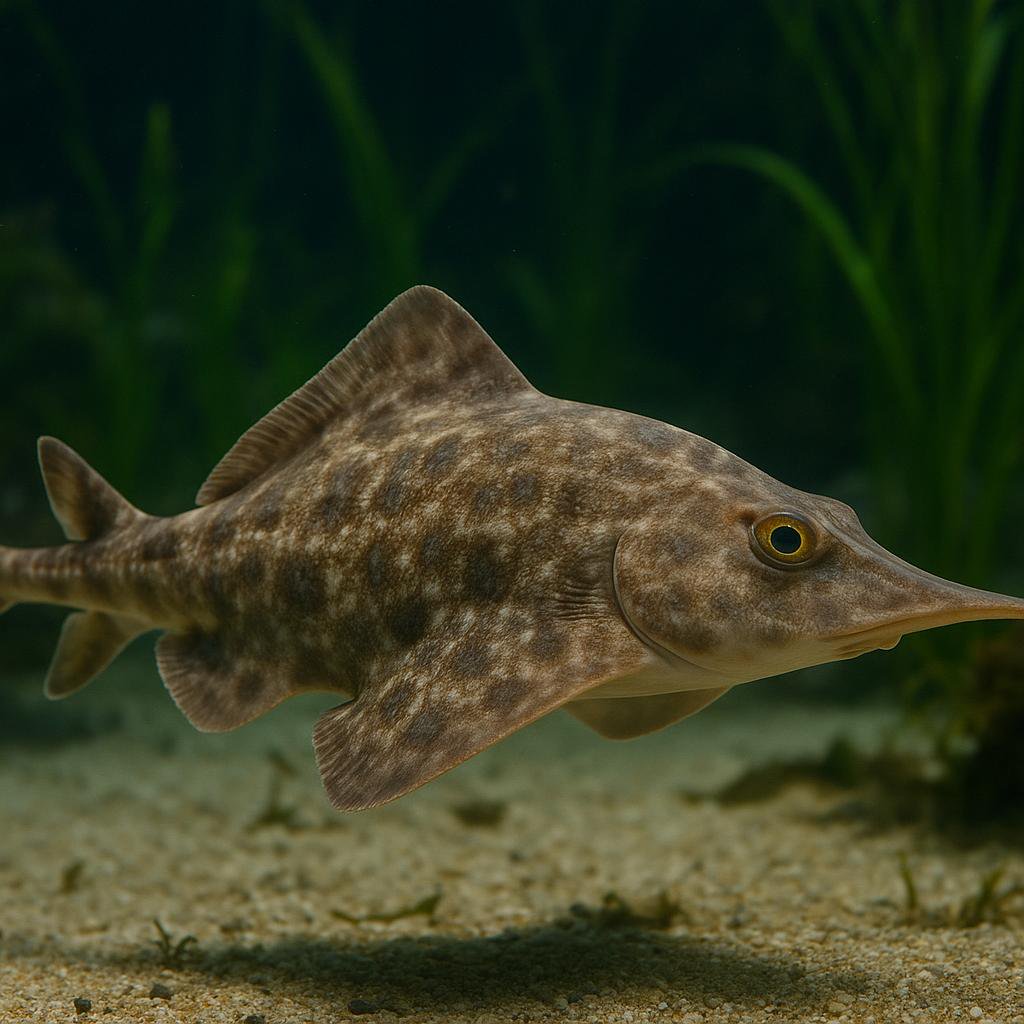
Aleutian skate
Bathyraja aleutica
This is a big, cold-water deep-slope skate from the North Pacific that cruises muddy bottoms and eats chunky benthic prey like crabs and shrimp. The really cool bit is its egg-laying skate life - it does distinct pairing (the classic skate "embrace") and drops those tough egg cases on the seafloor. Not an aquarium fish at all unless you're basically running a public-aquarium-style chilled system.
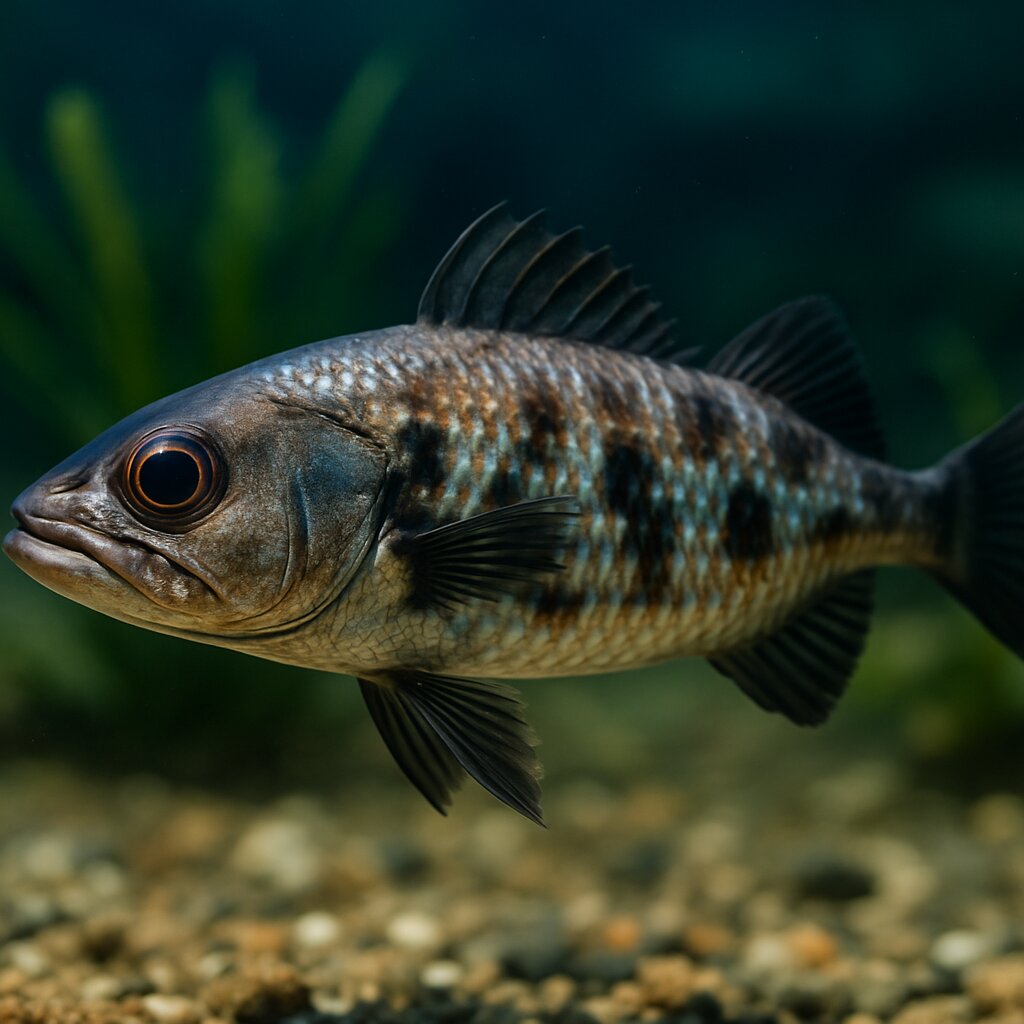
Antarctic dragonfish
Vomeridens infuscipinnis
Deep down around Antarctica, this sleek dragonfish cruises the water column like a little submarine, nearly neutrally buoyant so it can hover above the seafloor. It munches almost exclusively on Antarctic krill and lives in near-freezing water 500-800 m down, so it is a cool species to read about, not one for home tanks.
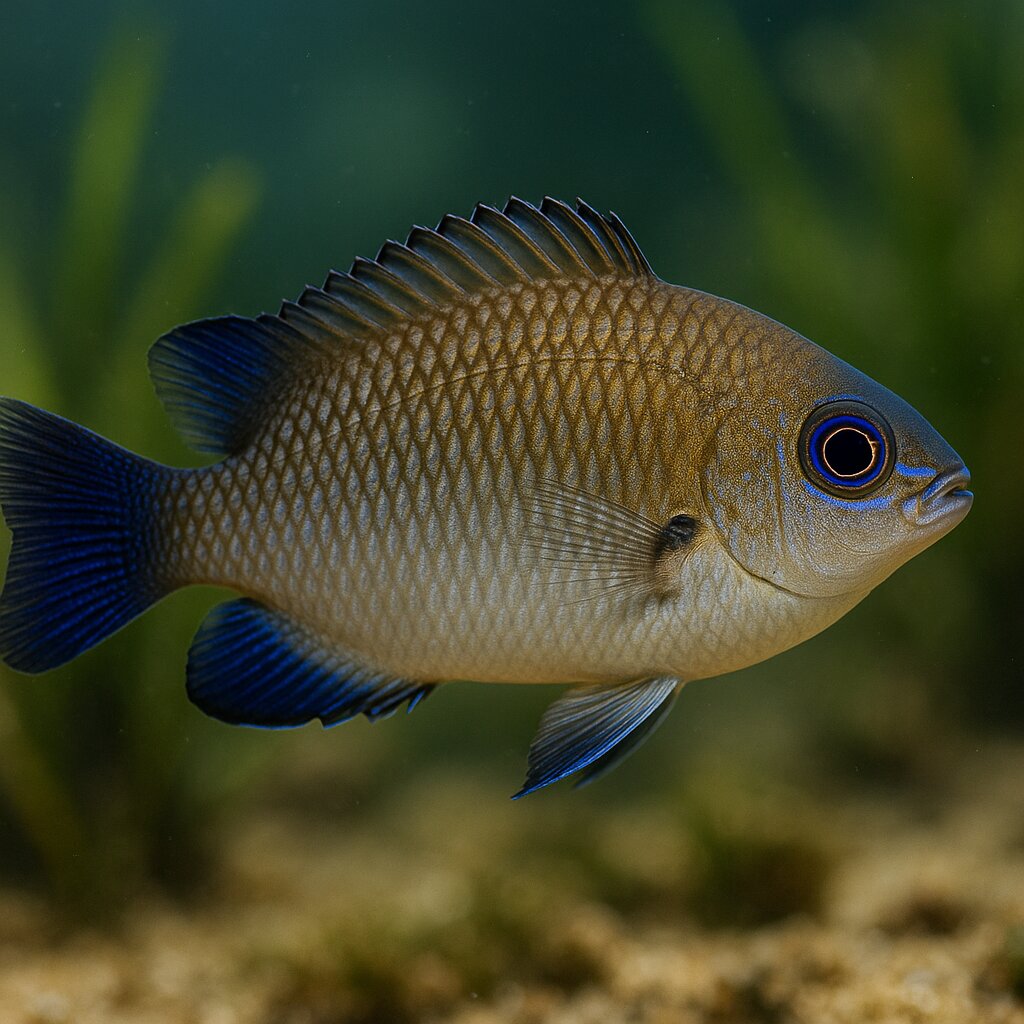
Arabian demoiselle
Neopomacentrus sindensis
A small lyretail damsel from the Persian Gulf and Arabian Sea, it hangs in loose groups around coral heads, rocks, and even pier pilings picking zooplankton from the flow. Think classic damsel toughness with a slightly milder attitude than the real bruisers, plus subtle yellow tail accents. Males clean a patch, get a mate to lay eggs there, and then stand guard fanning the clutch.
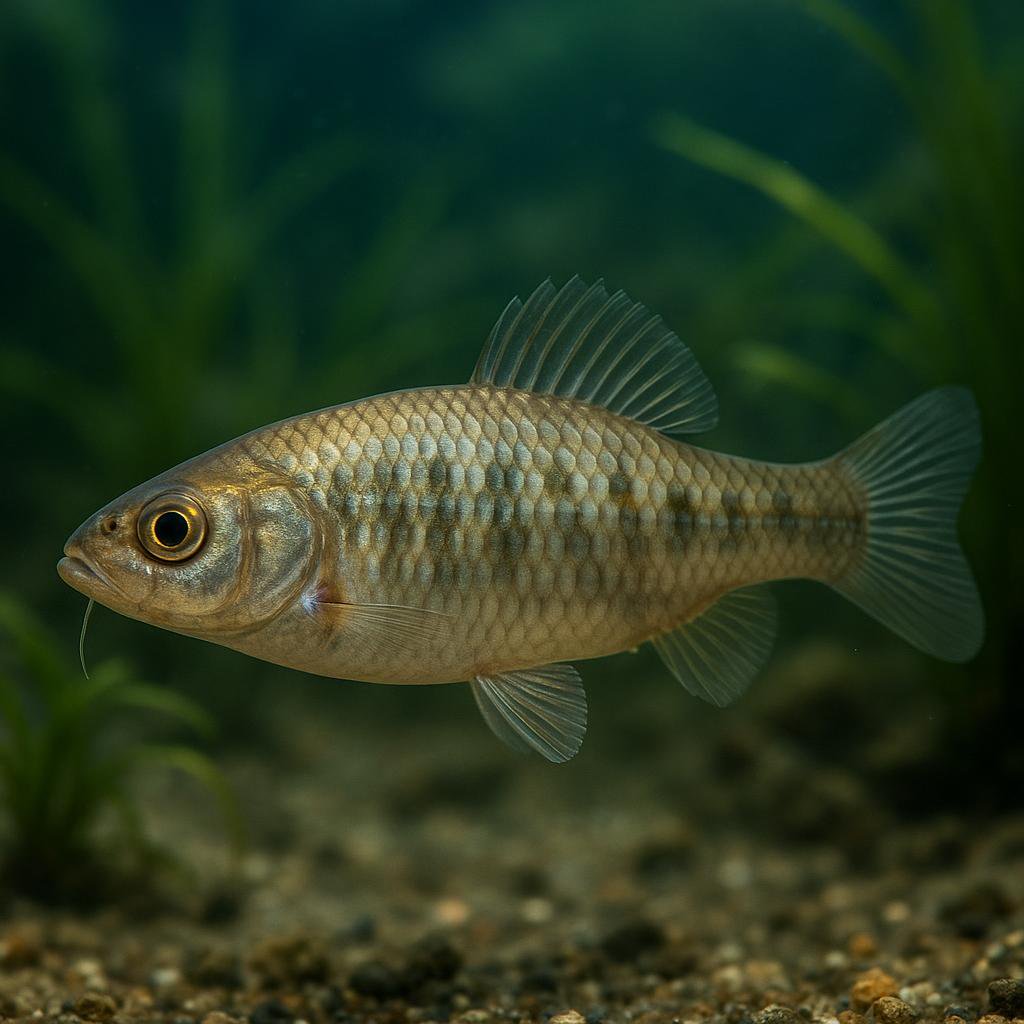
Arabian spiny eel
Notacanthus indicus
Notacanthus indicus is a deep-sea spiny eel (family Notacanthidae; not a true eel) known from the Arabian Sea on the continental slope at roughly ~960–1,046 m depth, with reported maximum length around 20 cm TL; it is a deep-water bycatch species and not established in the aquarium trade.
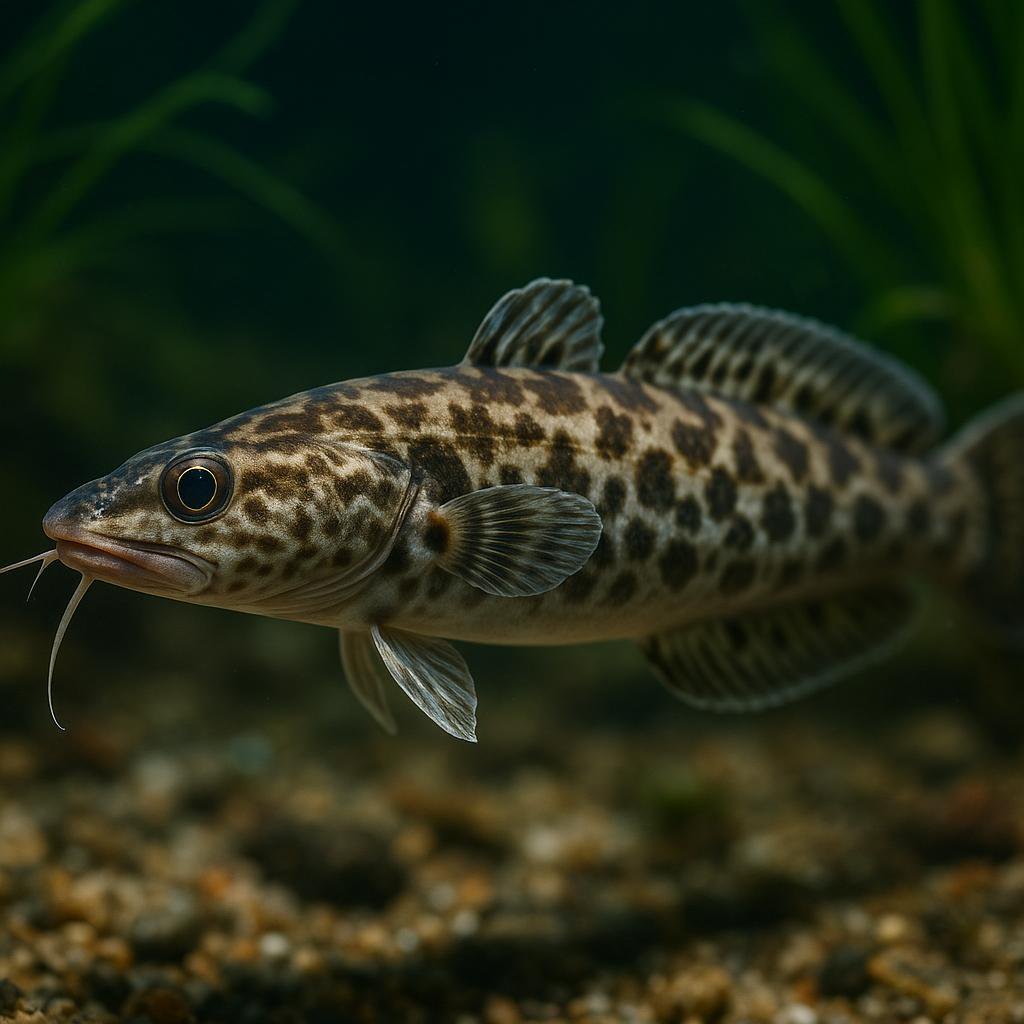
Arctic rockling
Gaidropsarus argentatus
This is a deepwater North Atlantic rockling (a cod relative) that hangs out on soft bottoms way down the slope. It is a cold-water, bottom-hugging predator that snoots around for crustaceans and will also take small fish when it gets the chance.
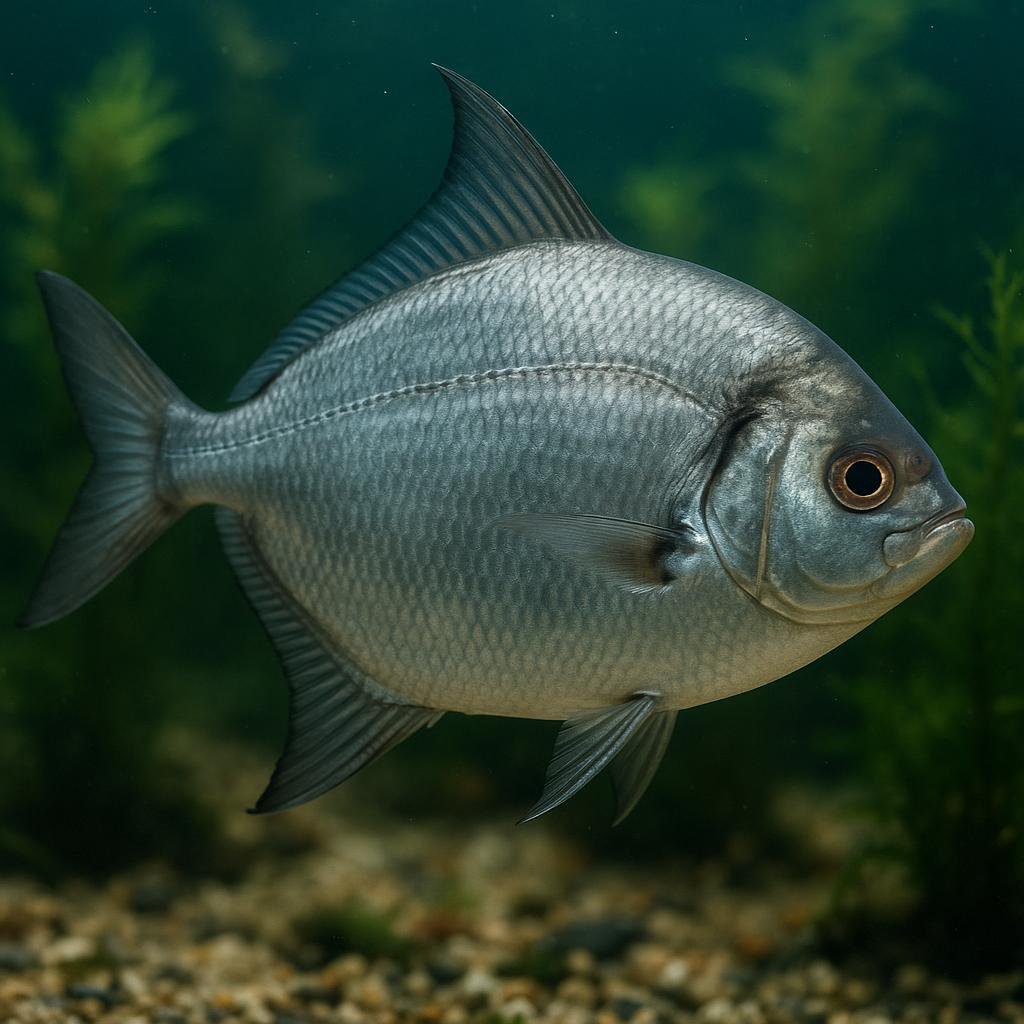
Atlantic pomfret
Brama brama
Brama brama is the Atlantic pomfret (aka Ray's bream) - a deep-bodied, open-ocean pelagic fish that cruises around in small schools and follows water temps. It is a legit big, wild marine species (not an aquarium fish) that eats other small sea critters like fish and squid, and it ranges across a huge chunk of the Atlantic plus parts of the Indian and South Pacific.
More to Explore
Discover more marine species.
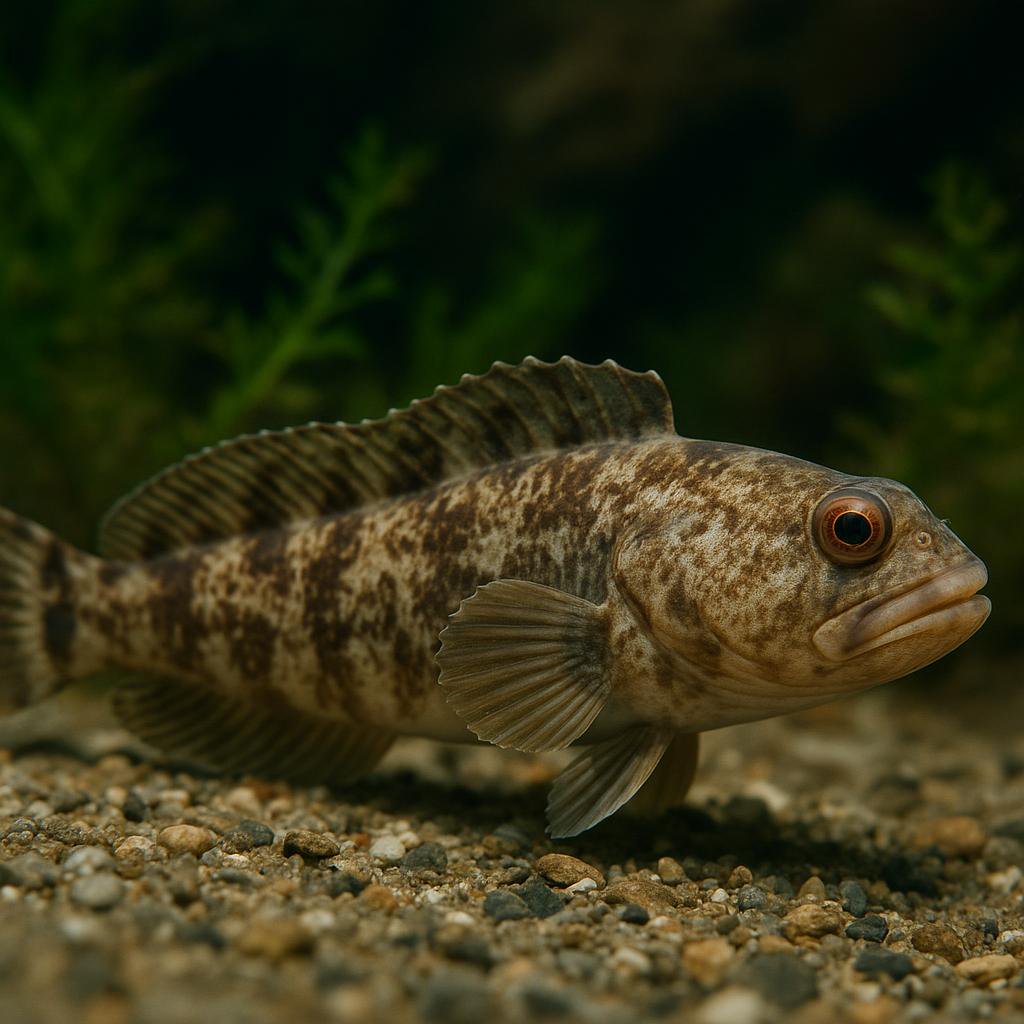
Abe's eelpout
Japonolycodes abei
Japonolycodes abei is a temperate, deepwater demersal eelpout (family Zoarcidae) endemic to Japan (Kumano-nada Sea reported; other sources also report Sagami Bay and Tosa Bay). It is the only species in the genus Japonolycodes and occurs roughly 40-300 m depth, making it an uncommon/atypical aquarium species.
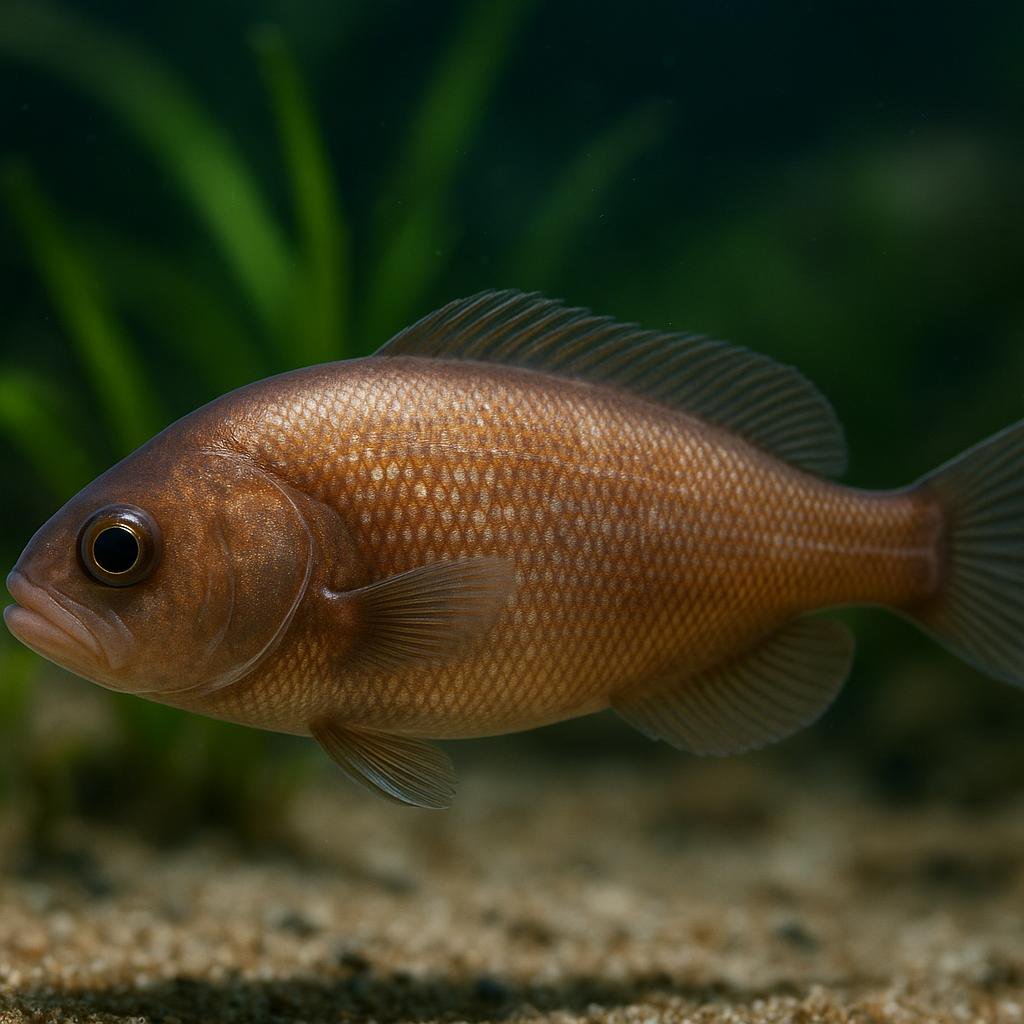
Affinis blind cusk-eel
Barathronus affinis
Barathronus affinis is a tiny, super-weird deep-sea blind cusk-eel from the western-central Indian Ocean. It is one of those gelatinous, loose-skinned brotula-type fishes that live way down in the dark and are basically never seen alive, so almost everything we know comes from preserved specimens and taxonomic work.
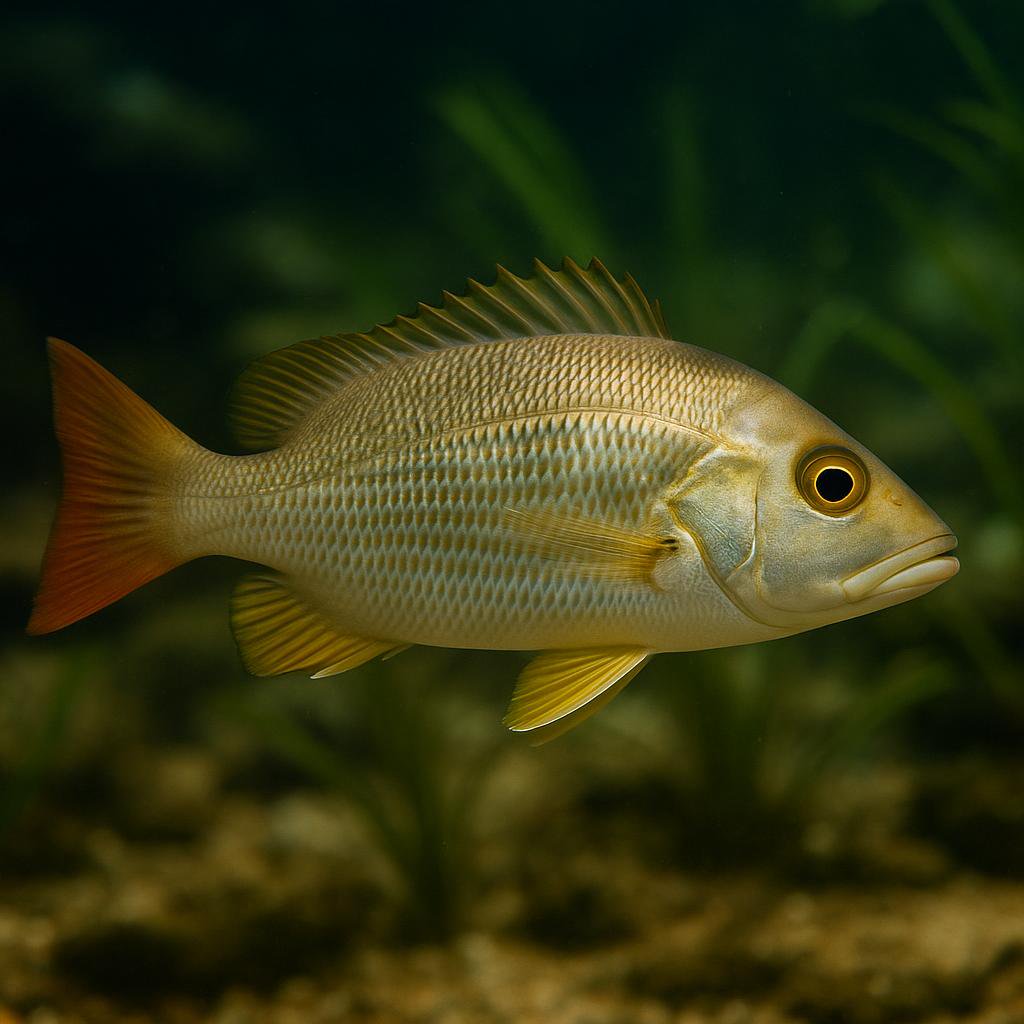
African red snapper
Lutjanus agennes
This is a true snapper from West Africa - a big, fast-growing predator that goes from coastal reefs to brackish lagoons and estuaries (especially as a juvenile). Super cool fish in the wild, but it gets absolutely huge and will eat smaller tankmates once it has the mouth for it, so its really more of a public-aquarium scale animal than a home-aquarium fish.
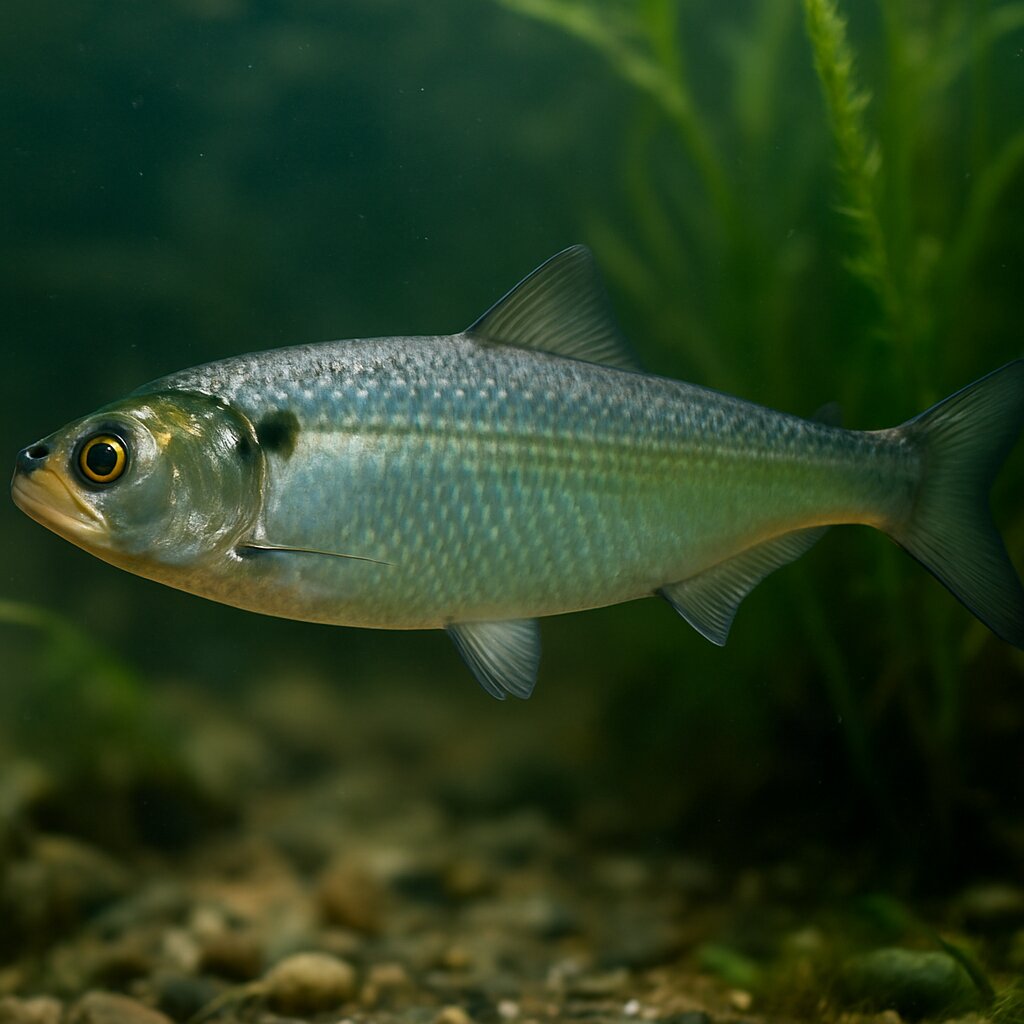
Allis shad
Alosa alosa
Gorgeous silver, fast-swimming shad that spends most of its life in the sea and then surges up big rivers in noisy, surface-spawning schools. It grows huge for a herring-type fish and needs cool, ultra-oxygenated water and tons of open space, so it is a public-aquarium species rather than a home tank fish.
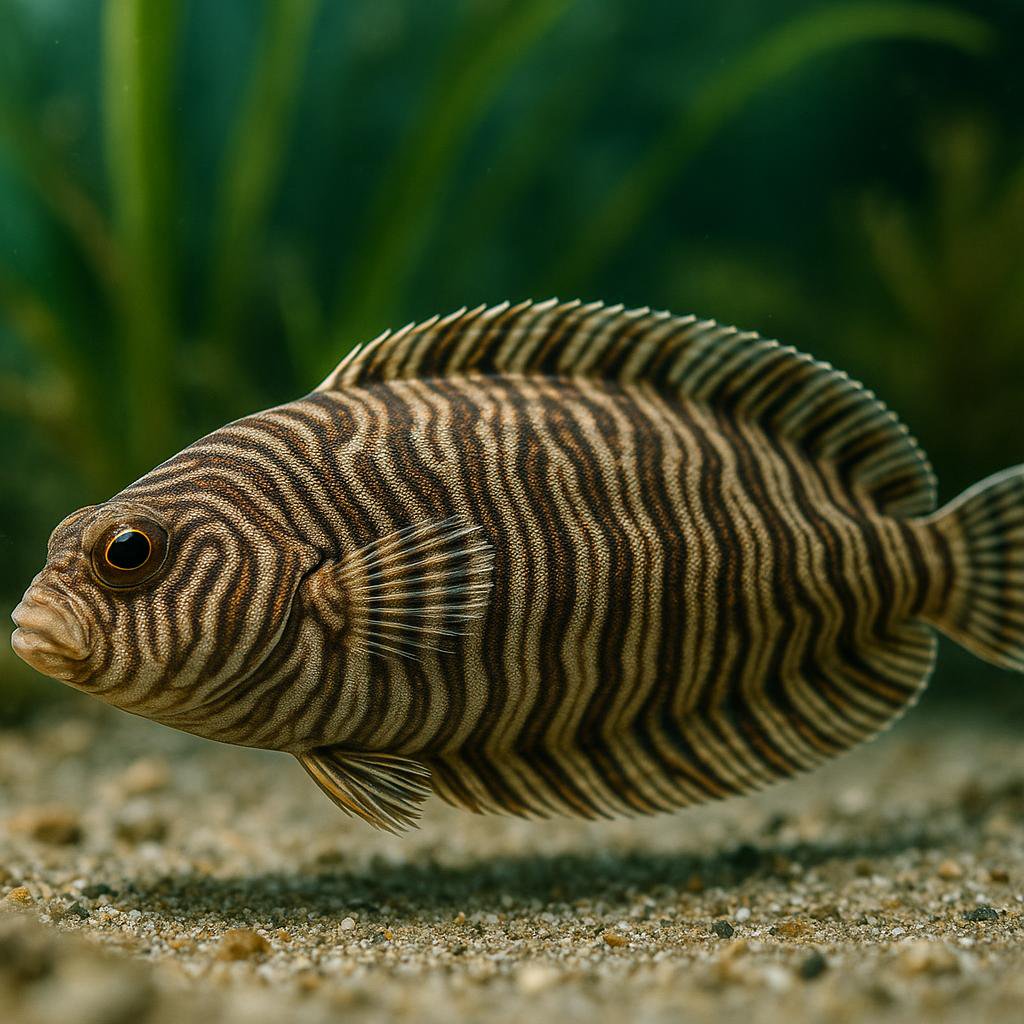
Annandale's zebra sole
Zebrias annandalei
Zebrias annandalei is a small demersal sole from coastal India that inhabits sandy or muddy bottoms and buries for camouflage. It is rarely kept in home aquaria and would require a specialized marine sand-bottom setup and appropriate feeding.
Australian sawtail catshark
Figaro boardmani
Figaro boardmani is a small, deepwater Australian catshark with these cool saw-like ridges of spiny denticles along the tail and a neat pattern of dark saddle bands. It lives way down on the outer continental shelf and slope, so its natural water is cold, dim, and stable - totally not a typical home-aquarium fish. Diet-wise its a predator that goes after fish, crustaceans, and cephalopods.
Looking for other species?