

Patchwork stingaree
Urolophus flavomosaicus
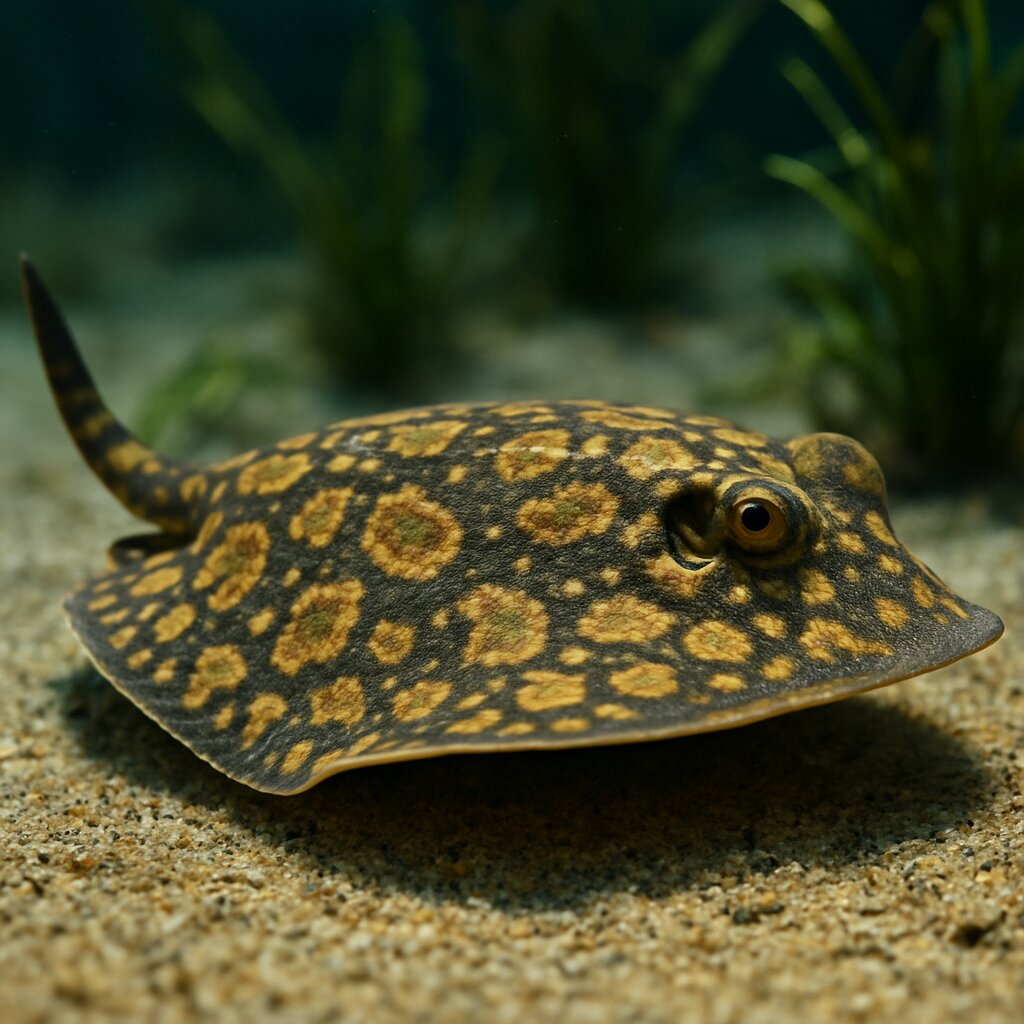
The Patchwork stingaree features a mosaic pattern of yellow, brown, and gray, with broad, rounded pectoral fins and a distinct tail whip.
This page includes AI-generated images. Why am I seeing AI images?
About the Patchwork stingaree
A gorgeous round ray from northern Australia with a yellow-mosaic pattern that really pops. It is a deep-water sand-sitter that spends a lot of time buried with just the eyes showing, so when it moves you get those fun, floaty glides across the bottom.
Also known as
Quick Facts
Size
60 cm TL
Temperament
Semi-aggressive
Difficulty
Expert
Min Tank Size
1000 gallons
Lifespan
10-18 years
Origin
Northern Australia
Diet
Carnivore - benthic invertebrates (crustaceans, polychaete worms); may take small fishes
Water Parameters
14-22°C
8-8.4
8-20 dGH
Need a heater for this species?
This species needs 14-22°C in a 1000 gallon tank. Use our heater calculator to find the right wattage.
Calculate heater sizeCare Notes
- Give it a huge footprint - think 8x4 ft and 500+ gallons for an adult - with 3-4 inches of soft sugar-fine sand and very few smooth rocks. This ray runs cooler than reef fish, so plan on a chiller.
- Run SG 1.024-1.026, temp 18-22 C (64-72 F), pH 8.0-8.3, and keep ammonia/nitrite at 0 with nitrate under 15 ppm. Lots of oxygen, but keep bottom flow gentle so you do not blast the sand.
- Start it on live or fresh foods (ghost shrimp, small crabs, mussel on the half shell), then switch to tong-fed strips of shrimp, squid, and marine fish. Feed small amounts daily at first; a hollow look behind the head means it needs more.
- Soak foods in vitamins with extra thiamine and HUFA, and rotate items. Do not rely on silversides or krill alone - thiaminase will run it down fast.
- Best kept alone; if you must add tankmates, pick big mellow swimmers that ignore the bottom and will not nip. Skip triggers, puffers, big wrasses, groupers, and crabs or hermits that pick at the disc.
- Their tail spine is no joke - move the ray in a tub, not a net, and never grab the tail. Use heater guards and cover pump intakes so the disc does not get chewed up.
- Rays hate copper and harsh meds; do not treat the display. For parasites, use praziquantel or vet-guided chloroquine in a separate system, and quarantine anything new before it ever meets the ray.
- Watch for abrasion sores, reddened disc edges, or rapid breathing after a water change. Keep the sand clean, avoid microbubbles near the bottom, and keep lids tight because they can push up and climb out.
Compatibility
Good Tankmates
- Mellow midwater grazers like rabbitfish (foxfaces) and Heniochus bannerfish - they mind their own business and stay off the sand
- Big, calm tangs that are not nippy, like Naso tangs, in a roomy tank
- Squirrelfish and soldierfish that cruise the rockwork and ignore bottom dwellers
- Lookdowns or other open-water, non-nippy schooling fish that will not pester a ray
- Other mellow rays of similar size, if you have a huge footprint and tons of open sand
- Spadefish that school in midwater and leave the ray alone
Avoid
- Triggers and big puffers - they love to nip fins and can chew on the disc or tail spine
- Large angels and nippy wrasses that pick at slime coats, spiracles, and disc edges
- Eels and groupers - pushy feeders that may harass or take shots at the ray
- Lionfish and scorpionfish - bad matchup since a curious ray can mouth those venom spines
Where they come from
Patchwork stingarees are Australian rays found on the continental shelf and slope off Western Australia. They sport that wild jigsaw pattern for a reason: they spend a lot of time half-buried on patchy sand and rubble in dim, cooler water.
They are rarely available and may be subject to collection/export rules. If one shows up, ask where and how it was collected, and be ready with a chilled, cycled system before you even say yes.
Setting up their tank
Think floor space first. Rays don't care how tall the tank is. Aim for a footprint that lets it cruise without bumping rock or glass. A dedicated system is best.
- Substrate: fine, rounded sand (sugar-grain size). No crushed coral. Give them a few inches to bury.
- Aquascape: keep rock to the edges, lift it on supports so it can't topple. Leave a big open runway.
- Filtration: heavy-duty skimmer, big sump, and lots of biological media. Rays are messy eaters.
- Flow and gas exchange: moderate, broad flow with strong surface agitation. They like high oxygen but not sand-blasting currents.
- Lighting: dim to moderate. They are crepuscular and appreciate low glare.
- Lid: tight-fitting tops with blocked cord holes. Rays can surge up walls when startled.
Venomous tail spine. Do not handle. Use containers, not nets. Keep your hands out of the tank while the ray is active and always know where the tail is.
Temperature: many patchwork stingarees come from deeper, cooler water. Mine lived in chilled saltwater at 19-20 C (66-68 F). Ask your supplier about collection depth. Warm reef temps are a common reason they fail.
Water quality has to be rock solid. Ammonia and nitrite at zero, nitrate kept low with regular water changes, pH in the normal marine range, and salinity stable. Rays react badly to swings.
What to feed them
They are ambush feeders that vacuum up benthic invertebrates. Getting a new stingaree to eat often means target feeding. I use long tweezers or a small feeding dish sunk into the sand so food doesn't drift.
- Primary: chopped raw shrimp/prawn, squid strips, scallop, clam, and mussel.
- Occasional: pieces of marine fish without bones or skin. Avoid oily fish.
- Training foods: fresh squid strip waved gently by the snout usually gets the first strike.
Juveniles: offer small portions daily. Adults: every other day is fine. Remove leftovers within a few minutes so they do not foul the sand.
Soak food in a quality vitamin supplement a couple of times a week. Rotate items to avoid thiaminase-heavy diets (skip smelt/silversides as a staple). Iodine and HUFA enrichments help long-term condition.
How they behave and who they get along with
Patchwork stingarees are calm, methodical, and spend a lot of time buried with just eyes and spiracles showing. They are not social. Mine ignored midwater fish but was quick to defend its space if pestered.
- Usually OK: larger, peaceful midwater fish that do not dive-bomb the sand (e.g., anthias in cooler systems, some tangs if temperature-compatible).
- Risky: triggerfish, puffers, large wrasses, hogfish, and anything that nips or flips inverts. They harass rays and may damage the disk.
- Bottom competitors to avoid: goatfish, tilefish, other rays, or large burrowing eels. Too much stress and food competition.
- Inverts: most crabs and shrimp will be eaten. Urchins and stinging anemones can injure the disk.
Never cohabitate with aggressive predators or anything likely to take a sting if it corners the ray. A startled stingaree can lash out fast.
Breeding tips
These rays are livebearers. Males have claspers; females do not. In home aquaria, breeding is extremely rare due to space, temperature, and availability. If you ever attempt a pair, you will need a very large footprint, stable chilled water, low stress, and a way to separate them if the male gets rough. Newborns are miniature copies and would need very small, frequent meals like finely cut mollusk and shrimp. Realistically, plan on keeping a single animal.
Common problems to watch for
- Refusing food: new arrivals often need quiet, low light, and motion-cued offerings. Try squid first, then rotate items. Check temperature.
- Skin abrasions: sharp substrate or rock does this. Keep sand ultra-fine and edges rounded. Treat secondaries with immaculate water, not harsh meds.
- Gill flukes: fast breathing, flashing, or lingering at the surface. Praziquantel baths are the safer route for rays.
- Metabolic issues: floppy disk edges or poor muscle tone from vitamin-poor diets. Use varied seafood and vitamin enrichment.
- Death curl: curling of the disk tips upward is a late stress sign. Check oxygen, temperature, nitrogen waste, and stop any aggressive tankmates immediately.
- Nitrate sensitivity: elevated nitrate can burn the disk over time. Keep it low with big, regular water changes and a hefty refugium or denitration plan.
Avoid copper and formalin. Rays absorb medications through their skin and spiracles. If treatment is unavoidable, use ray-safe options and isolate in a separate, fully aerated treatment tub.
Quarantine quietly for at least a few weeks in a bare-bottom tub with a sand tray. Drip acclimate slowly while controlling ammonia with a binder, and keep lights low. Getting them to eat in QT makes the display move-in much easier.
Similar Species
Other marine semi-aggressive species you might be interested in.
Aleutian skate
Bathyraja aleutica
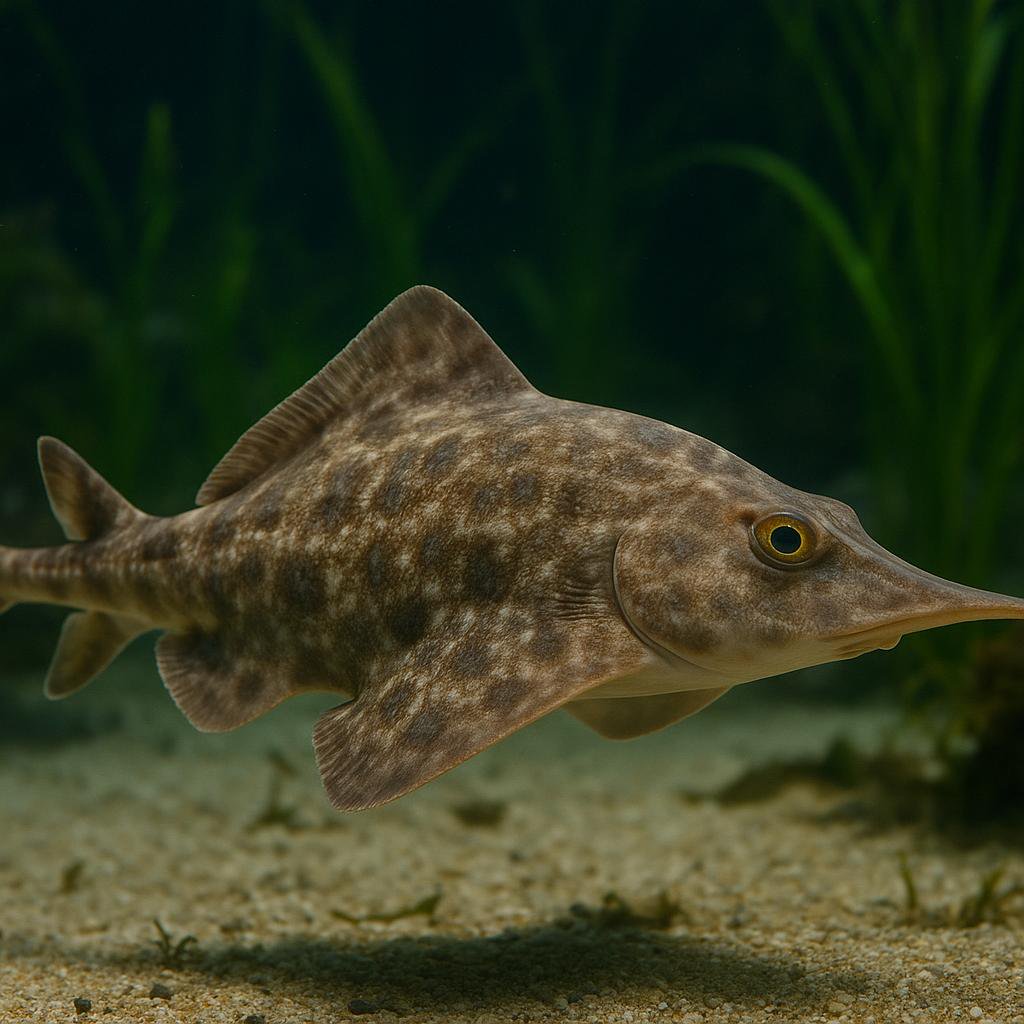
This is a big, cold-water deep-slope skate from the North Pacific that cruises muddy bottoms and eats chunky benthic prey like crabs and shrimp. The really cool bit is its egg-laying skate life - it does distinct pairing (the classic skate "embrace") and drops those tough egg cases on the seafloor. Not an aquarium fish at all unless you're basically running a public-aquarium-style chilled system.
Antarctic dragonfish
Vomeridens infuscipinnis
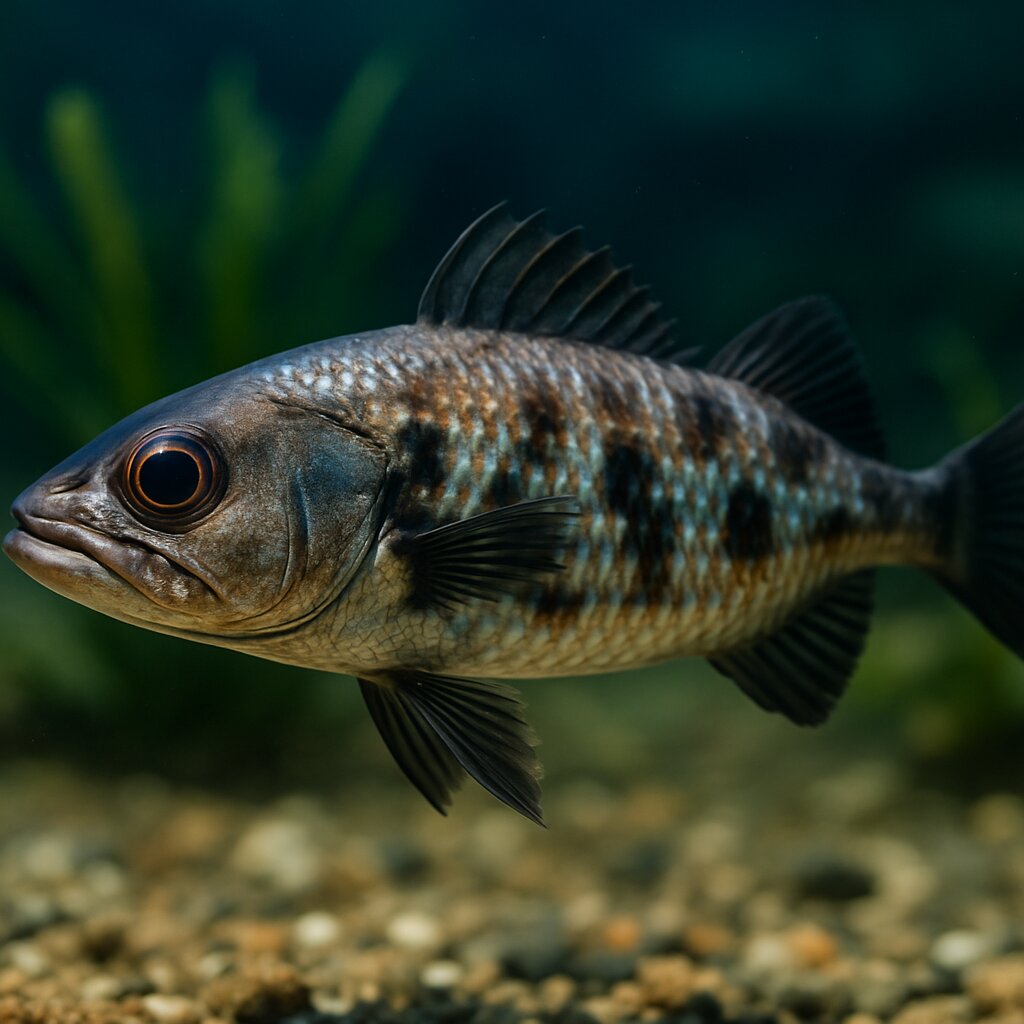
Deep down around Antarctica, this sleek dragonfish cruises the water column like a little submarine, nearly neutrally buoyant so it can hover above the seafloor. It munches almost exclusively on Antarctic krill and lives in near-freezing water 500-800 m down, so it is a cool species to read about, not one for home tanks.
Arabian demoiselle
Neopomacentrus sindensis
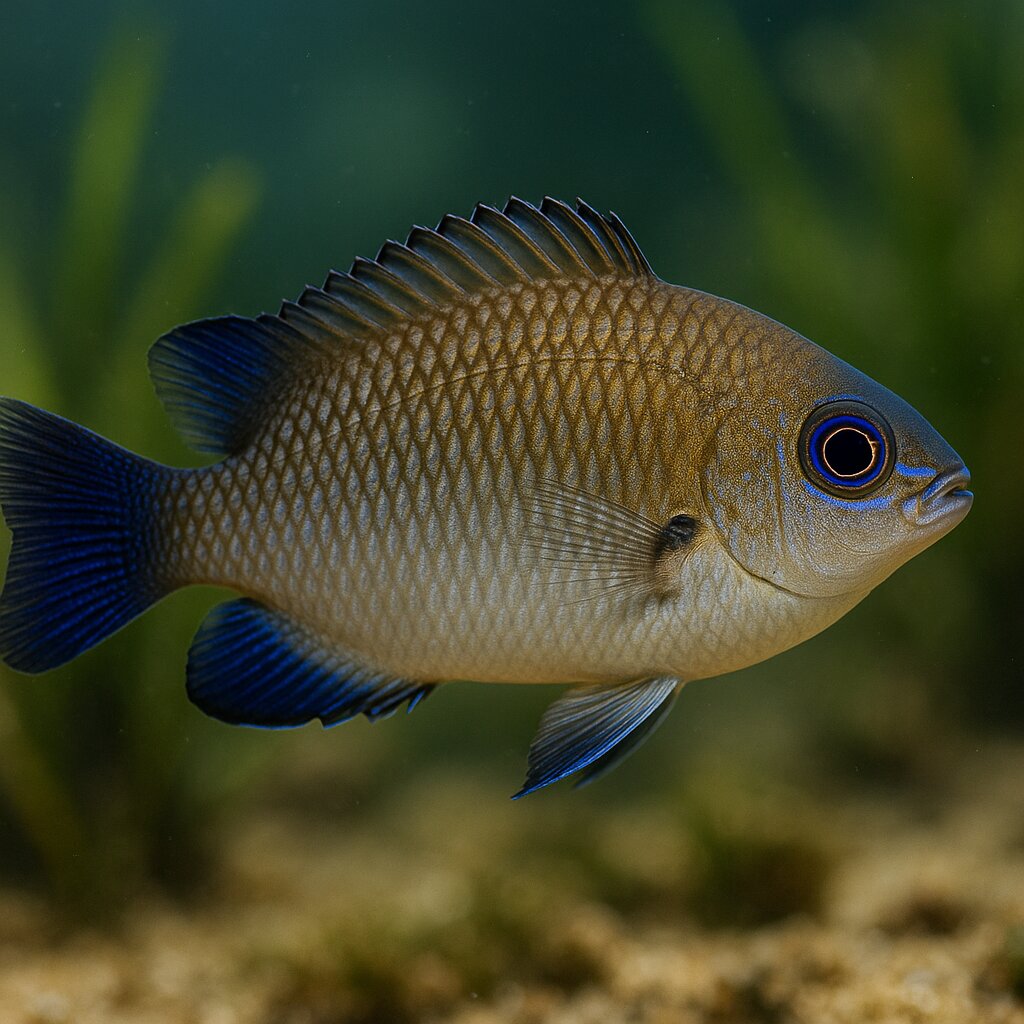
A small lyretail damsel from the Persian Gulf and Arabian Sea, it hangs in loose groups around coral heads, rocks, and even pier pilings picking zooplankton from the flow. Think classic damsel toughness with a slightly milder attitude than the real bruisers, plus subtle yellow tail accents. Males clean a patch, get a mate to lay eggs there, and then stand guard fanning the clutch.
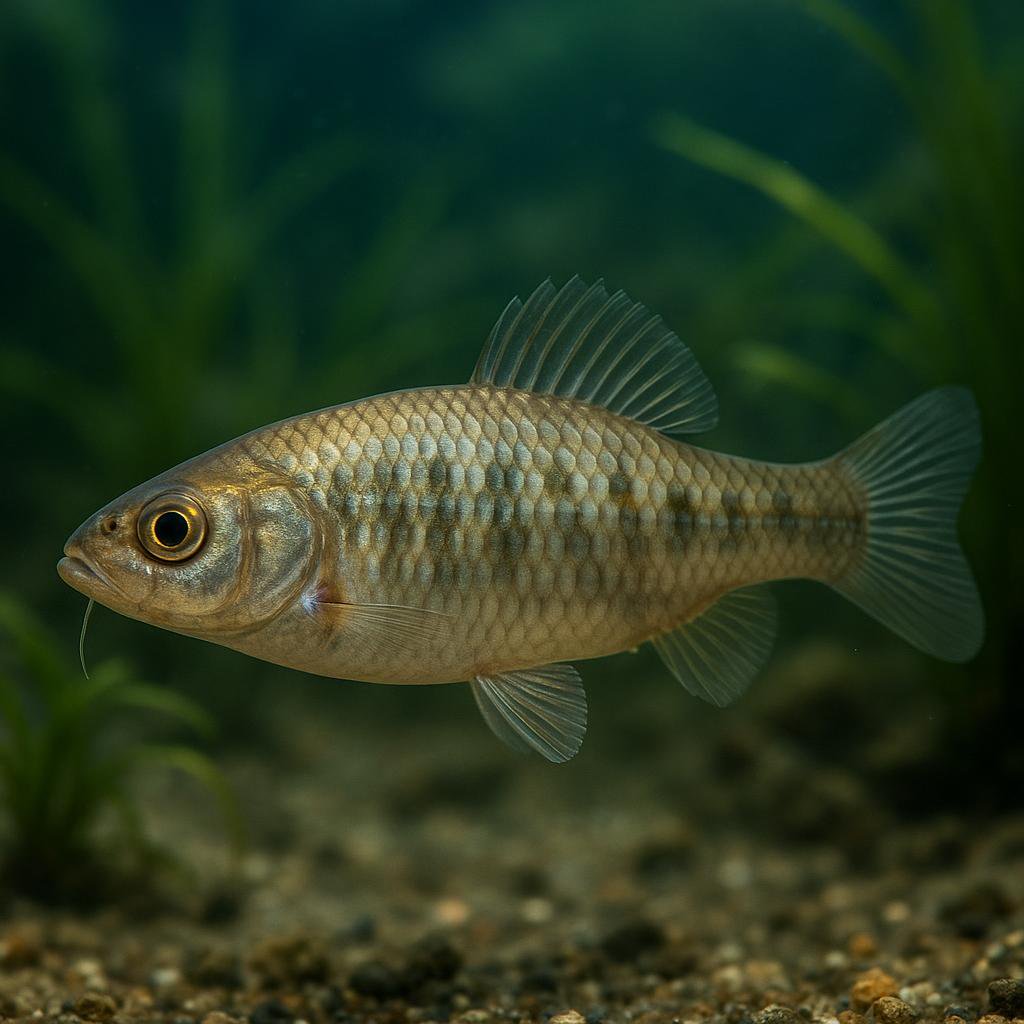
Arabian spiny eel
Notacanthus indicus
Notacanthus indicus is a deep-sea spiny eel (family Notacanthidae; not a true eel) known from the Arabian Sea on the continental slope at roughly ~960–1,046 m depth, with reported maximum length around 20 cm TL; it is a deep-water bycatch species and not established in the aquarium trade.
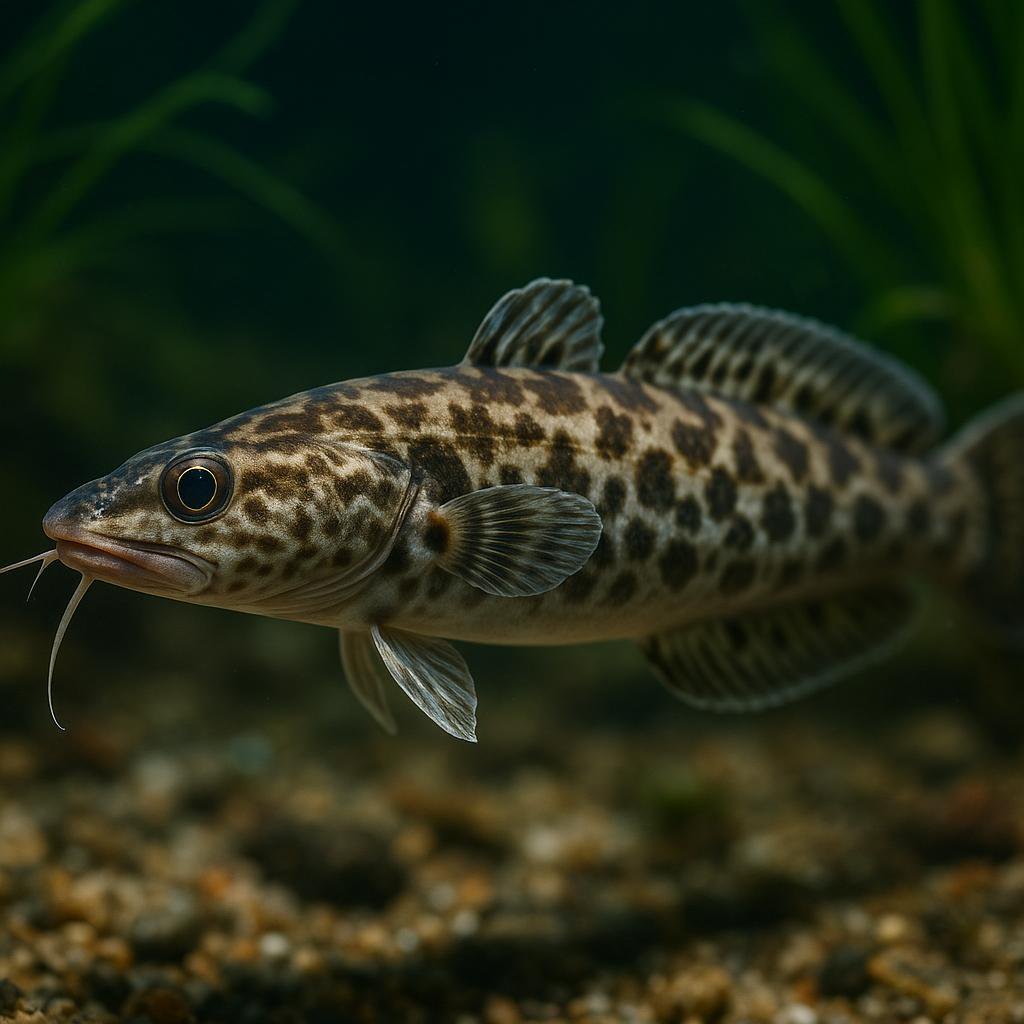
Arctic rockling
Gaidropsarus argentatus
This is a deepwater North Atlantic rockling (a cod relative) that hangs out on soft bottoms way down the slope. It is a cold-water, bottom-hugging predator that snoots around for crustaceans and will also take small fish when it gets the chance.
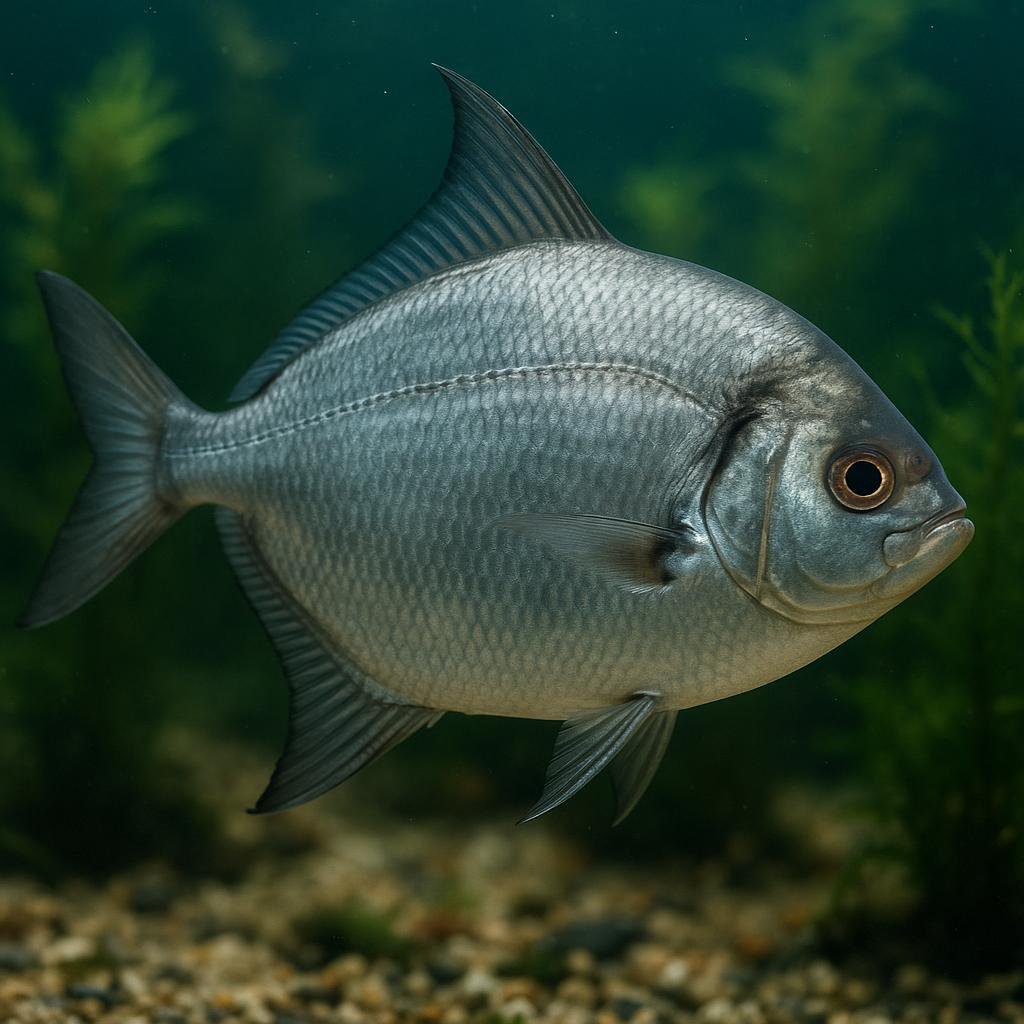
Atlantic pomfret
Brama brama
Brama brama is the Atlantic pomfret (aka Ray's bream) - a deep-bodied, open-ocean pelagic fish that cruises around in small schools and follows water temps. It is a legit big, wild marine species (not an aquarium fish) that eats other small sea critters like fish and squid, and it ranges across a huge chunk of the Atlantic plus parts of the Indian and South Pacific.
More to Explore
Discover more marine species.
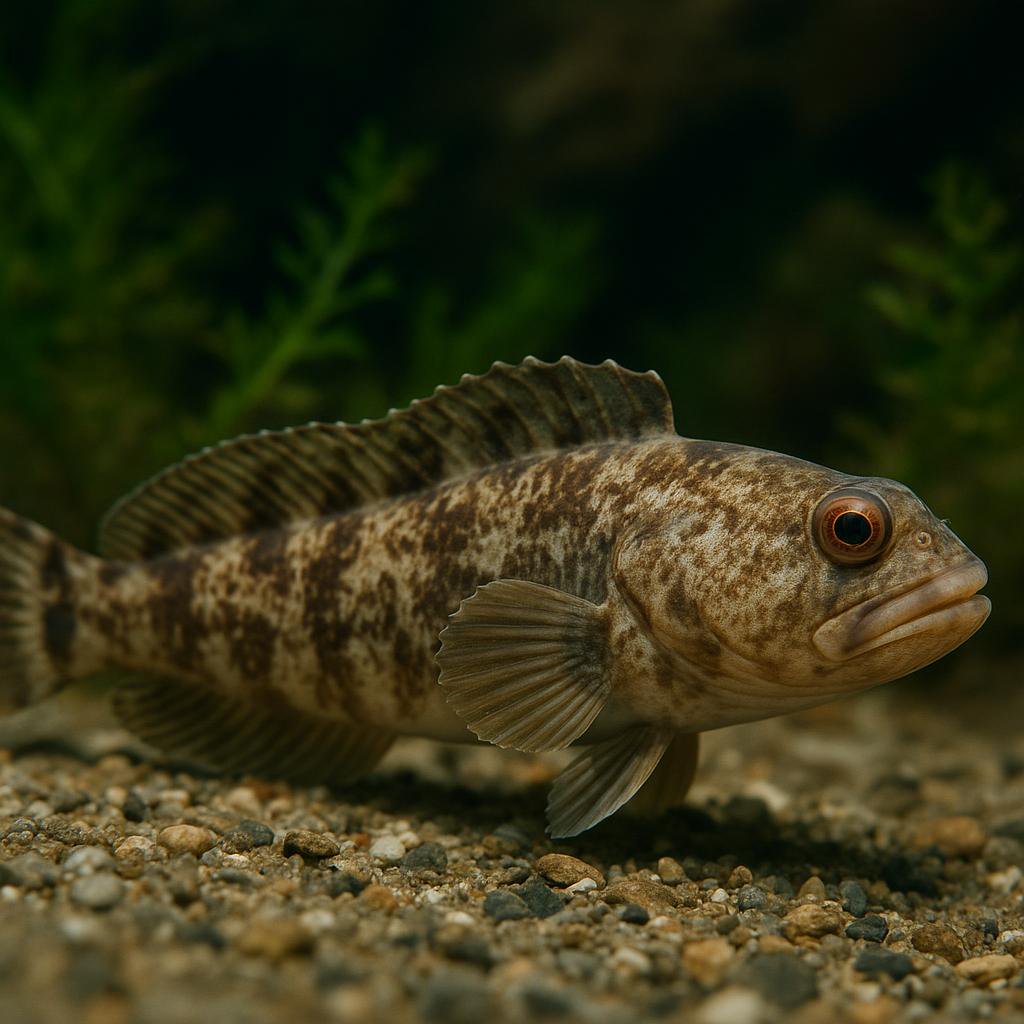
Abe's eelpout
Japonolycodes abei
Japonolycodes abei is a temperate, deepwater demersal eelpout (family Zoarcidae) endemic to Japan (Kumano-nada Sea reported; other sources also report Sagami Bay and Tosa Bay). It is the only species in the genus Japonolycodes and occurs roughly 40-300 m depth, making it an uncommon/atypical aquarium species.
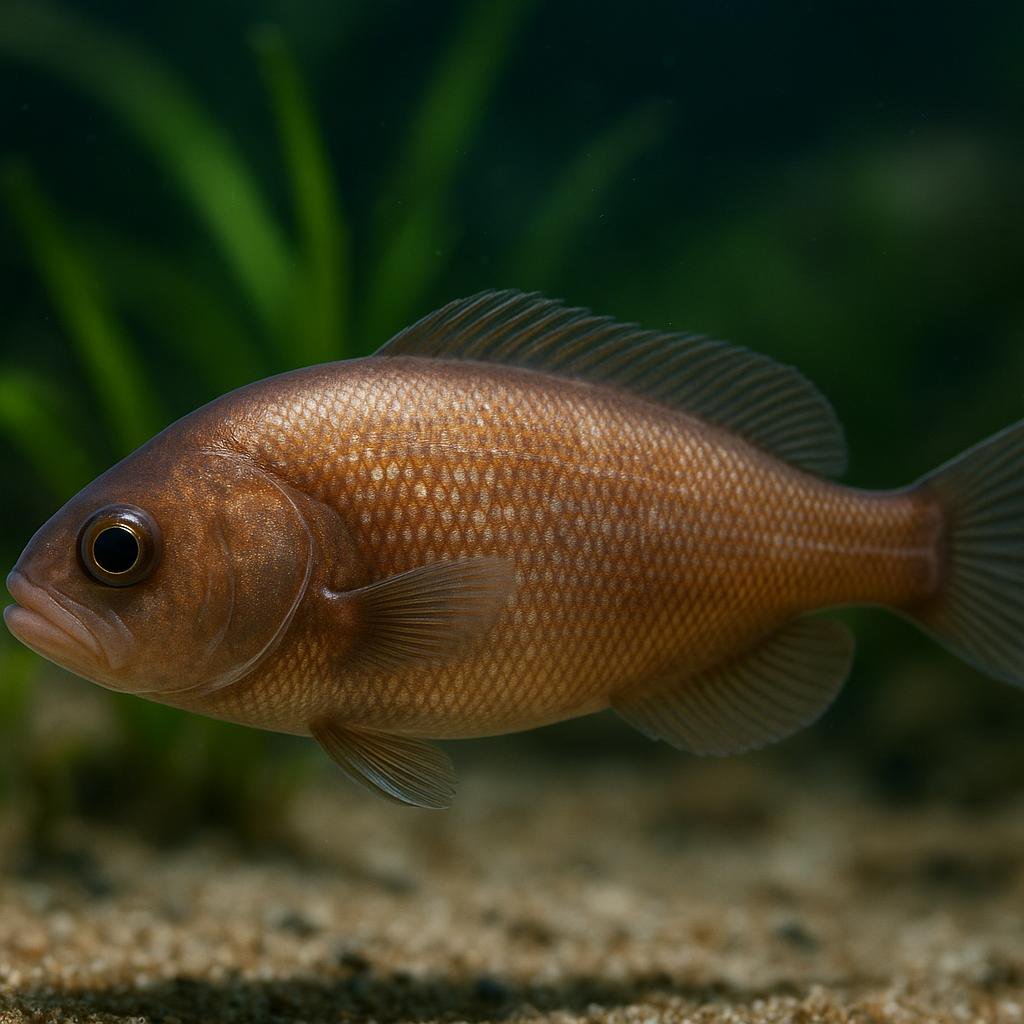
Affinis blind cusk-eel
Barathronus affinis
Barathronus affinis is a tiny, super-weird deep-sea blind cusk-eel from the western-central Indian Ocean. It is one of those gelatinous, loose-skinned brotula-type fishes that live way down in the dark and are basically never seen alive, so almost everything we know comes from preserved specimens and taxonomic work.
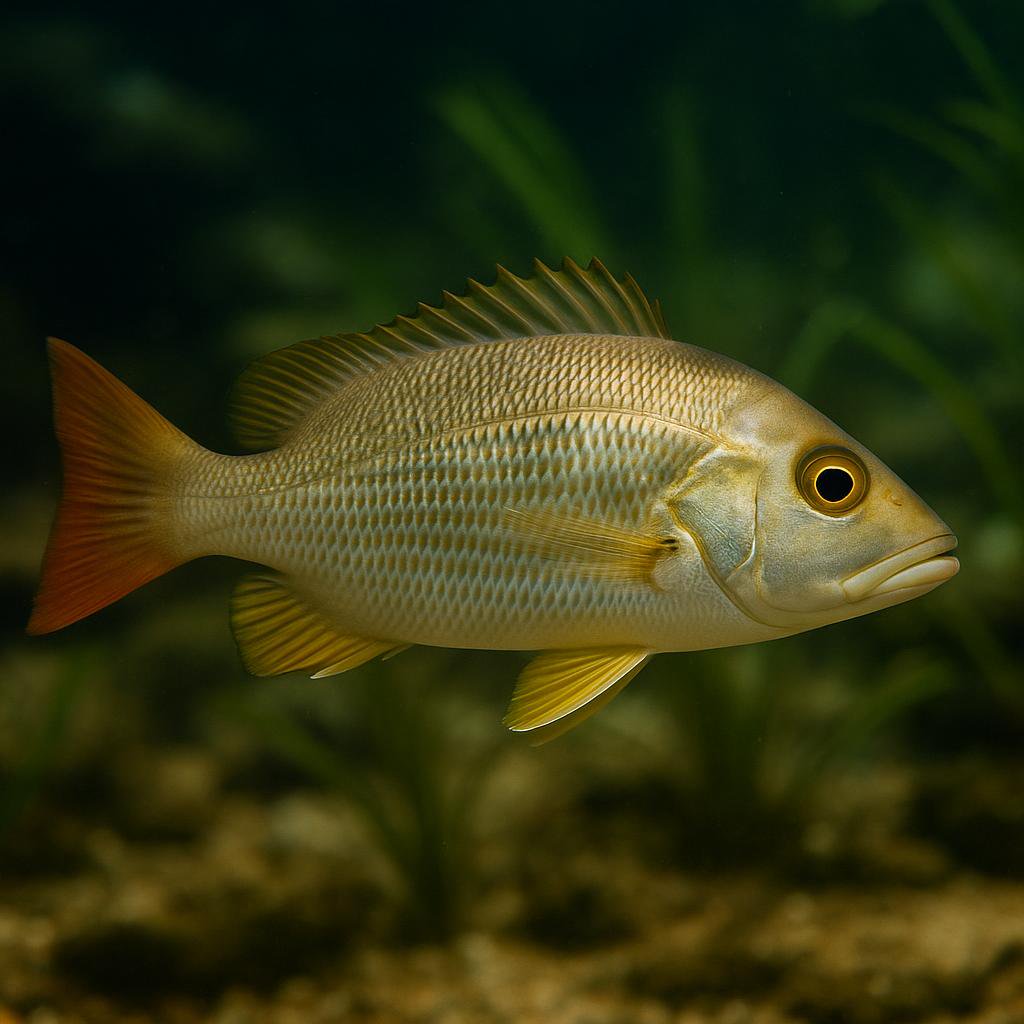
African red snapper
Lutjanus agennes
This is a true snapper from West Africa - a big, fast-growing predator that goes from coastal reefs to brackish lagoons and estuaries (especially as a juvenile). Super cool fish in the wild, but it gets absolutely huge and will eat smaller tankmates once it has the mouth for it, so its really more of a public-aquarium scale animal than a home-aquarium fish.
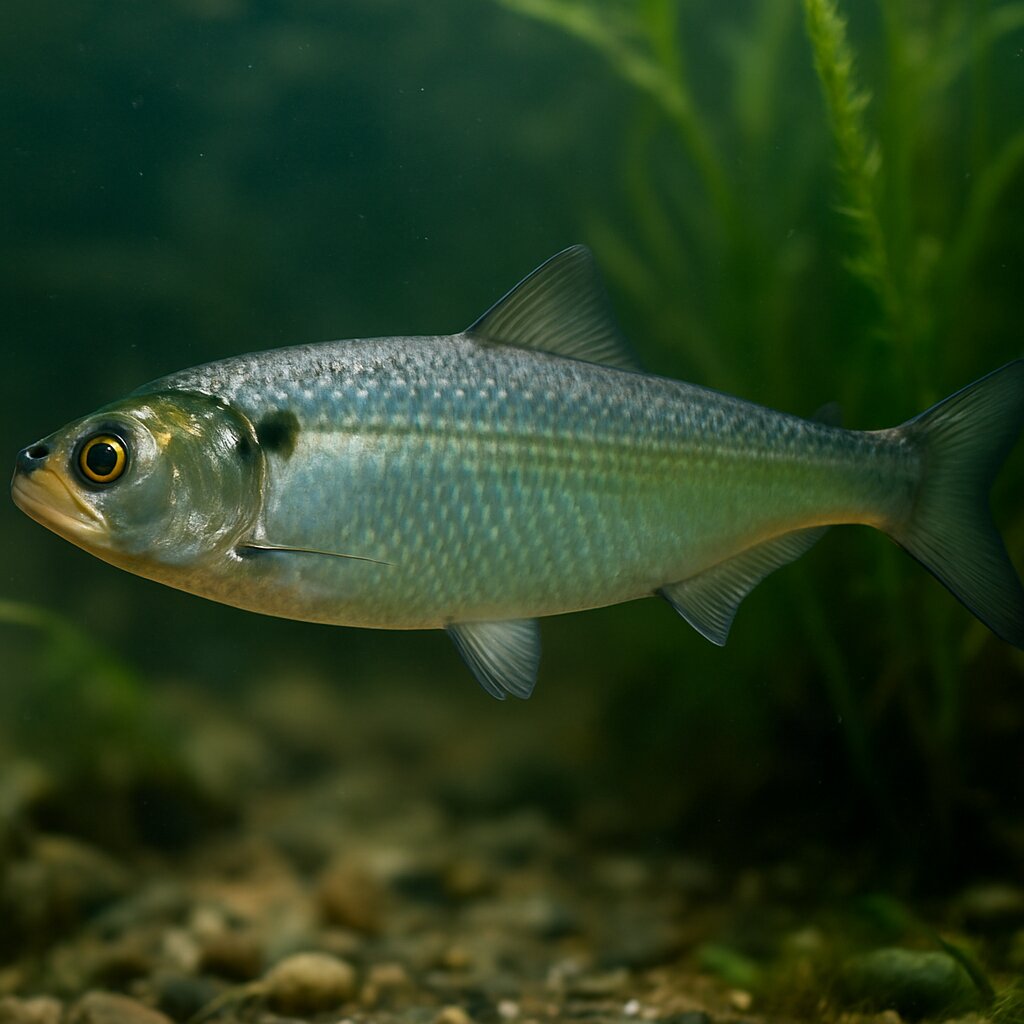
Allis shad
Alosa alosa
Gorgeous silver, fast-swimming shad that spends most of its life in the sea and then surges up big rivers in noisy, surface-spawning schools. It grows huge for a herring-type fish and needs cool, ultra-oxygenated water and tons of open space, so it is a public-aquarium species rather than a home tank fish.
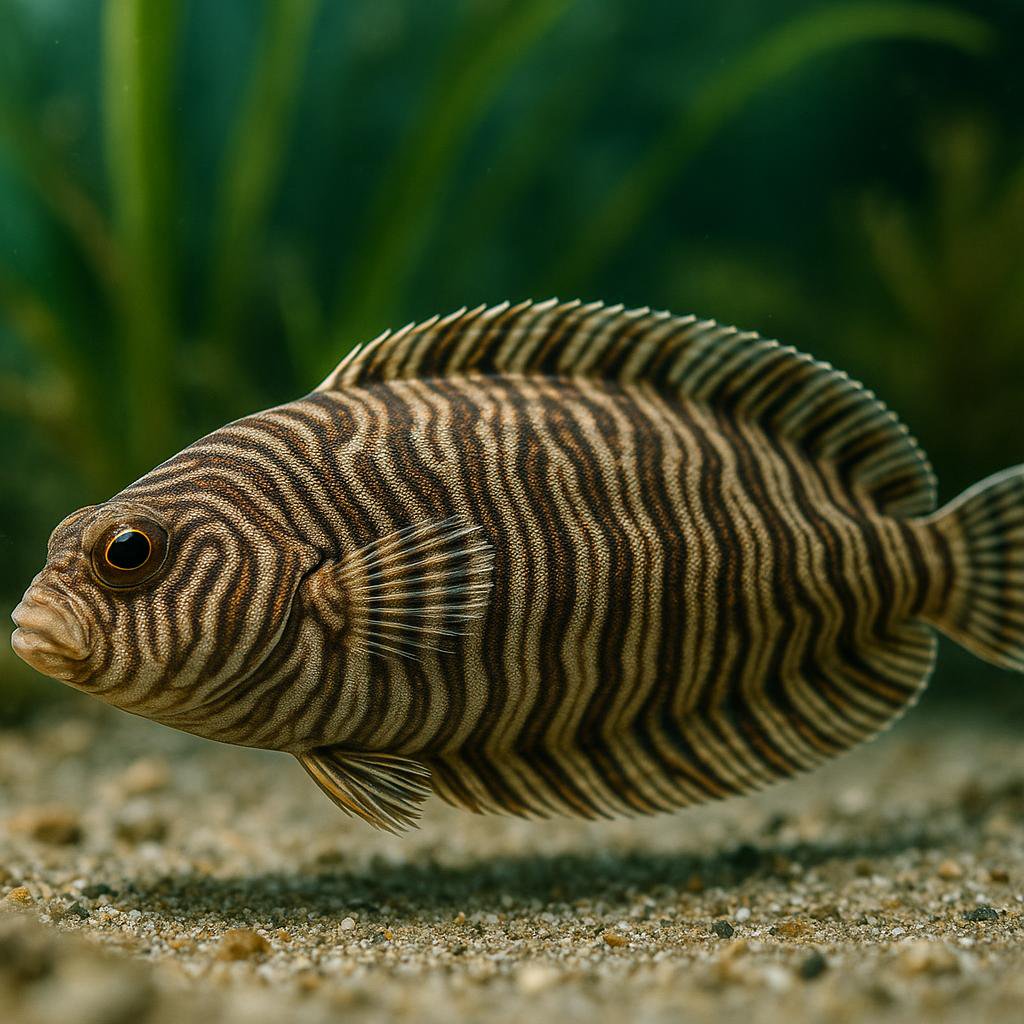
Annandale's zebra sole
Zebrias annandalei
Zebrias annandalei is a small demersal sole from coastal India that inhabits sandy or muddy bottoms and buries for camouflage. It is rarely kept in home aquaria and would require a specialized marine sand-bottom setup and appropriate feeding.
Australian sawtail catshark
Figaro boardmani
Figaro boardmani is a small, deepwater Australian catshark with these cool saw-like ridges of spiny denticles along the tail and a neat pattern of dark saddle bands. It lives way down on the outer continental shelf and slope, so its natural water is cold, dim, and stable - totally not a typical home-aquarium fish. Diet-wise its a predator that goes after fish, crustaceans, and cephalopods.
Looking for other species?