

Chilean round ray
Urotrygon chilensis
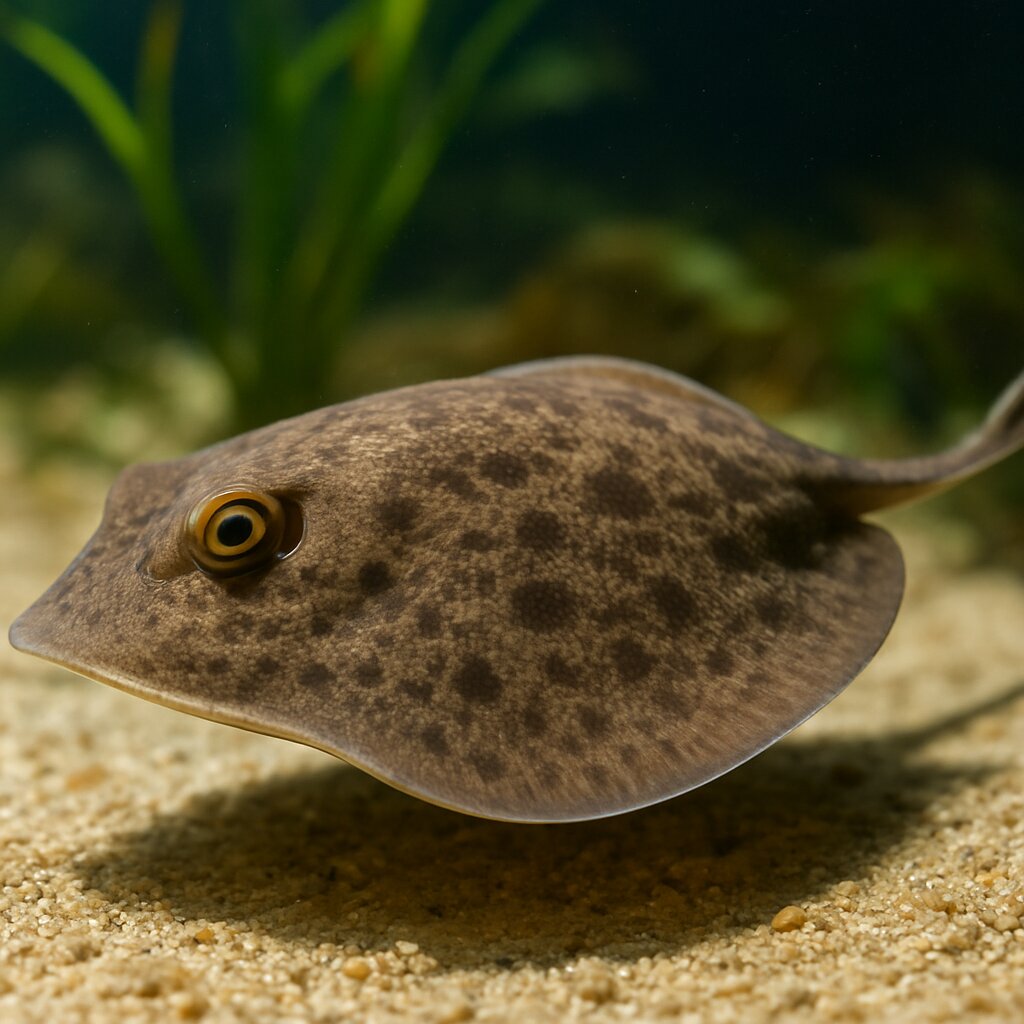
The Chilean round stingray has a circular, flattened body with a brownish top marked by dark spots and a pale underside.
This page includes AI-generated images. Why am I seeing AI images?
About the Chilean round ray
A tan-brown round ray dusted with small spots that often buries in fine sand with only the eyes and spiracles exposed. Native to the Eastern Pacific (Mexico to Chile), it has a venomous tail spine and belongs in very large, high-oxygen marine systems with a fine sand bed and ample open floor space. Maintain 20–24 °C (68–75 °F) and feed meaty marine foods (shrimp, squid, scallop, fish).
Also known as
Quick Facts
Size
42 cm
Temperament
Semi-aggressive
Difficulty
Expert
Min Tank Size
180 gallons
Lifespan
8-14 years
Origin
Eastern Pacific - Mexico to Chile
Diet
Carnivore - crustaceans, mollusks, polychaete worms, small fish; accepts shrimp, squid, scallops, and other meaty frozen foods
Water Parameters
20-24°C
8.1-8.4
8-12 dGH
Need a heater for this species?
This species needs 20-24°C in a 180 gallon tank. Use our heater calculator to find the right wattage.
Calculate heater sizeCare Notes
- Give it a huge, shallow footprint tank, not a tall one - think at least 6x3 ft with 2-3 inches of sugar-fine sand, no sharp rock piles, and mesh covers on overflows and powerheads.
- This species prefers the cool end of tropical to warm-temperate water; maintain 20-24 °C (68-75 °F), specific gravity 1.020-1.025, pH 8.1-8.4, and low nitrate; strong aeration and skimming are important. Use a chiller only if ambient conditions push temperatures above the target range.
- Feed small portions of marine seafood with tongs or a feeding dish: squid, scallop, shrimp, mussel, and the occasional silverside; soak in vitamins/HUFA and do not rely on thiaminase-heavy fish as the staple.
- New arrivals often only take live marine shrimp or small crabs at first; once it eats, switch to fresh/frozen and aim for daily feeds at first, then every other day for adults.
- Tank mates need to be peaceful, cool-water, and non-nippy; skip triggers, puffers, big wrasses, aggressive damsels, and stinging anemones or corals; most crabs and shrimp will become food.
- They jump and climb glass, so use a tight lid; keep decor smooth (PVC caves, rounded rock on the bottom), and watch for abrasions or red sores if the sand is too coarse.
- Treatment is tricky: avoid copper with rays; for monogenean flukes, praziquantel is widely used in elasmobranchs. Formalin may be used only under veterinary guidance due to variable tolerance; prioritize water quality correction first if stress signs appear.
- They are livebearers; males can harass females, so separate if biting gets rough, and if you ever get pups, raise them in a shallow, spotless system and start them on small live shrimp before weaning to chopped seafood.
Compatibility
Good Tankmates
- Peaceful midwater shoalers like green chromis; anthias only if the tank is maintained ≥22–26 °C and you can meet their frequent feeding needs.
- Laid-back tangs in big tanks (Naso, Kole, Tomini) that do not pick at fins
- Rabbitfish like foxfaces - algae grazers that mind their business
- Banggai or pajama cardinals that hover and will not pester the ray
- Fairy or flasher wrasses that stay midwater and are not nippy
- Calm goatfish sharing the sandbed if you target-feed the ray at lights-out
Avoid
- Triggers or puffers - they bite discs and tails
- Thalassoma-type wrasses and big hogfish that harass bottom dwellers
- Lionfish or scorpionfish - venom spines and the ray may try to eat them
- Large groupers or snappers that can take a bite out of a resting ray
Where they come from
The Chilean round stingray is a temperate-water coastal ray from the Humboldt Current zone along Peru and Chile. Think cool, nutrient-rich water, sandy bays, river mouths, and quiet surf flats. They spend a lot of time half-buried, waiting to pounce on crustaceans and small fishes.
Setting up their tank
This is a temperate marine ray. If your fish room runs at reef temps, this is not the species for that system.
- Footprint first: aim for at least 8 x 3 ft (2.4 x 0.9 m). Bigger is better. I would call 400-600 gallons the realistic starting range for an adult.
- Chiller: plan for 14-18 C (57-64 F) as the target band. They tolerate up to ~20 C (68 F) short term, but living warm shortens their lifespan.
- Salinity 1.024-1.026, pH 8.0-8.3, undetectable ammonia and nitrite, nitrate ideally under 10-20 ppm.
- Substrate: 2-3 inches of fine, rounded sand (sugar-size aragonite or smooth silica/pool filter sand). No crushed coral or sharp gravel.
- Aquascape: keep it open. A few low, smooth rock piles for line of sight breaks. No jagged rock. Rays need uninterrupted floor space.
- Flow and oxygen: strong gas exchange and high dissolved oxygen. Broad, gentle flow. Guard every intake and overflow with foam or mesh.
- Filtration: oversized skimmer, big refugium or algae reactor, and a canister or sump section for mechanical media you can rinse often. Rays are messy.
- Lids: tight-fitting cover. They can surge up walls during startled bursts.
- Lighting: subdued is fine. They do not care about reef-level lighting.
Acclimate slowly. I drip-acclimate in a lidded tub for 60-90 minutes with a chiller coil or ice bottles to keep temperature steady, then move the ray by container, not a net.
They have a venomous tail spine. Move with a specimen container, not hands or a net. Keep fingers away from the tail. If you are not fully confident handling a stingray, get experienced help.
Copper-based medications and many metals are harmful to elasmobranchs. Treat in a separate system with ray-safe meds (prazipro for flukes, metronidazole for some internal issues). Do not dose copper in their display.
What to feed them
New arrivals often ignore food for a few days. Start with movement and smell, then switch to clean, marine-based items.
- Good starters: live blackworms (rinsed well), live ghost shrimp, or gut-loaded shore shrimp to trigger feeding.
- Staples: fresh or high-quality frozen pieces of shrimp, squid, clam, scallop, sand eels, smelt, and marine fish flesh. I avoid oily fish like salmon as a staple.
- Prep: cut to bite-size strips and offer on feeding tongs right at the sand so they can pin it.
- Supplements: soak foods in a marine vitamin mix (I use Selcon or similar) a few times a week. Rotate items to avoid thiaminase-heavy exclusives like smelt/silversides.
- Schedule: juveniles daily in small portions; adults every other day. Aim for a rounded belly that flattens by the next feeding.
Tong-train early. Gently tap the sand near their disc with the tongs, then slide the strip under the edge of the disc. Once they associate the tap with food, life gets much easier.
Skip feeder goldfish or rosy reds. Wrong nutrition and high thiaminase. You will end up with deficiencies and fatty liver.
How they behave and who they get along with
They are calm, bottom-oriented, and spend a lot of time buried with just eyes and spiracles showing. Mine was most active at dawn and dusk, cruising the glass edge for snacks once he learned the routine.
- Best setup: species-only or with other peaceful, temperate fish that ignore the bottom. Think cool-water gobies, small wrasse-like temperate species, or nothing at all.
- Avoid: triggers, puffers, large angels, and pickers that nip at fins or spiracles. Also avoid hyperactive predators that will outcompete them.
- Inverts: crabs, shrimp, and small snails are likely snacks. Urchins and large starfish are hit-or-miss.
- Multiple rays: only in very large tanks. Add at the same time and watch for disc-nipping or food competition.
They read your body language. Move slowly around the tank. Sudden shadows make them bolt, which is how discs get scraped on rock and overflows.
Breeding tips
They are livebearers. Sexing is easy: males have claspers. Breeding in home aquaria is rare but not impossible with this genus if you give them room, stable cool temps, and a calm social setup.
- Seasonal cues: a gentle winter-summer temperature swing (for example, 14-15 C in winter to 17-18 C in summer) and a matching photoperiod shift can help. Change slowly over weeks.
- Conditioning: heavy feeding with shell-on marine foods for calcium and varied proteins. Keep water pristinely clean.
- Courtship: males follow and nudge the female, sometimes nipping. Separate if you see persistent damage.
- Gestation: months, not weeks. Provide deep, clean sand and minimal stress.
- Pups: they are miniature copies. Offer tiny strips of shrimp, mysis, or live blackworms right away. Protect them from intakes and from adults in smaller systems.
Have a nursery plan before you ever pair rays. You will need another cooled system with guarded intakes and lots of floor space. Do not try to raise pups in a warm reef sump.
Common problems to watch for
- Heat creep: room warms up, chiller cannot keep up. Use a properly sized chiller and insulate lines. A temperature controller with alarms is worth it.
- Abrasions on the disc: usually from coarse substrate or rock. Switch to finer sand, smooth sharp edges, and keep water ultra-clean while healing.
- Not eating: check temperature, nitrate, and dissolved oxygen. Try live offerings, then transition to prepared. Parasites are common on wild imports.
- Flukes and external parasites: flashing, excess mucus, cloudy eyes. Treat in quarantine with praziquantel. Freshwater dips are stressful and risky for rays.
- Internal worms: weight loss despite eating. Use metronidazole or fenbendazole in food in a hospital setup.
- Nutritional gaps: exclusive silversides lead to thiamine deficiency. Rotate foods and use vitamin soaks.
- Stray voltage: rays are sensitive. Use a GFCI and a grounding probe.
- Medication mishaps: copper and formalin can be lethal. Research ray-safe doses before any treatment.
- Poor oxygenation: rapid breathing or surface gulping. Increase aeration, reduce temperature, and clear clogged mechanical media.
Quarantine new arrivals for 30-45 days in a cooled, bare-bottom tub with a sand pan. Observe, deworm, and get them eating from tongs before they ever see the display.
Source responsibly. These are not common, and wild fish come in stressed. A healthy specimen that eats within the first week is your best starting point.
Similar Species
Other marine semi-aggressive species you might be interested in.
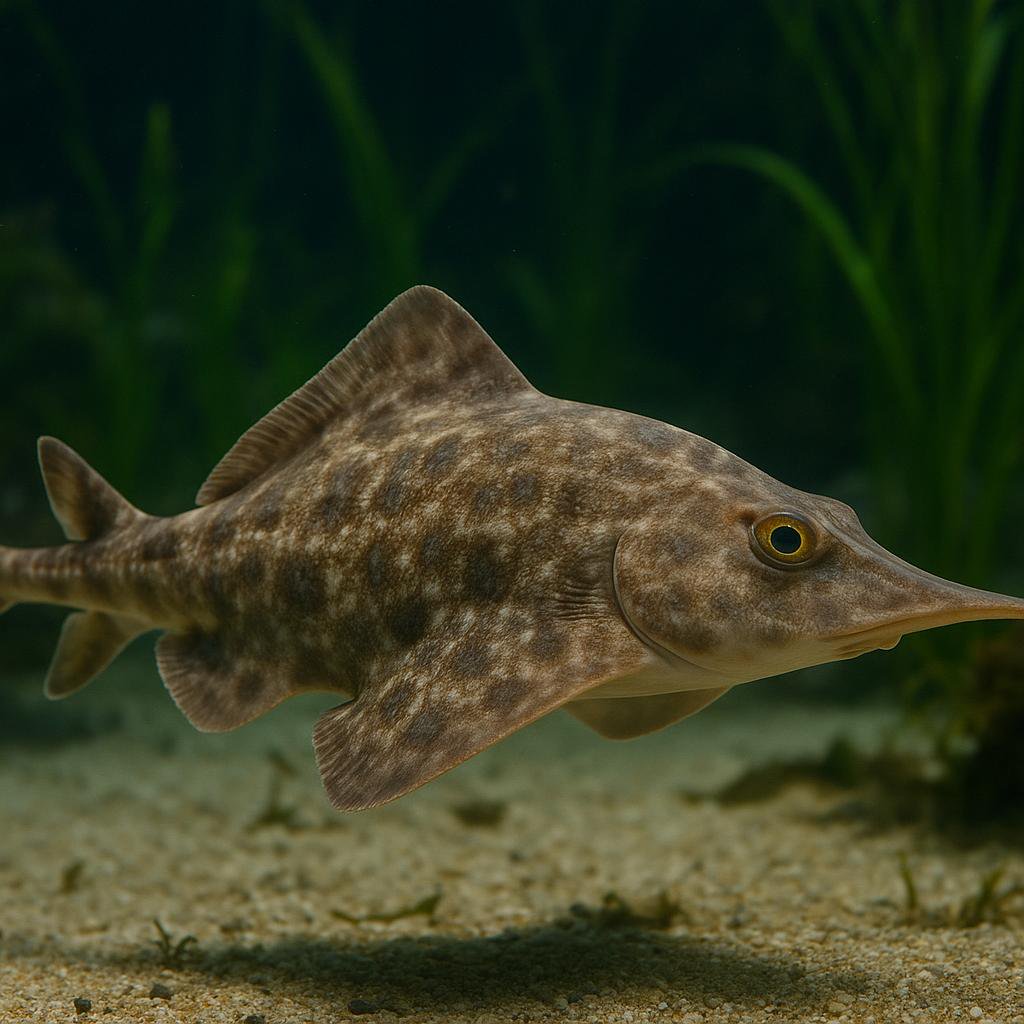
Aleutian skate
Bathyraja aleutica
This is a big, cold-water deep-slope skate from the North Pacific that cruises muddy bottoms and eats chunky benthic prey like crabs and shrimp. The really cool bit is its egg-laying skate life - it does distinct pairing (the classic skate "embrace") and drops those tough egg cases on the seafloor. Not an aquarium fish at all unless you're basically running a public-aquarium-style chilled system.
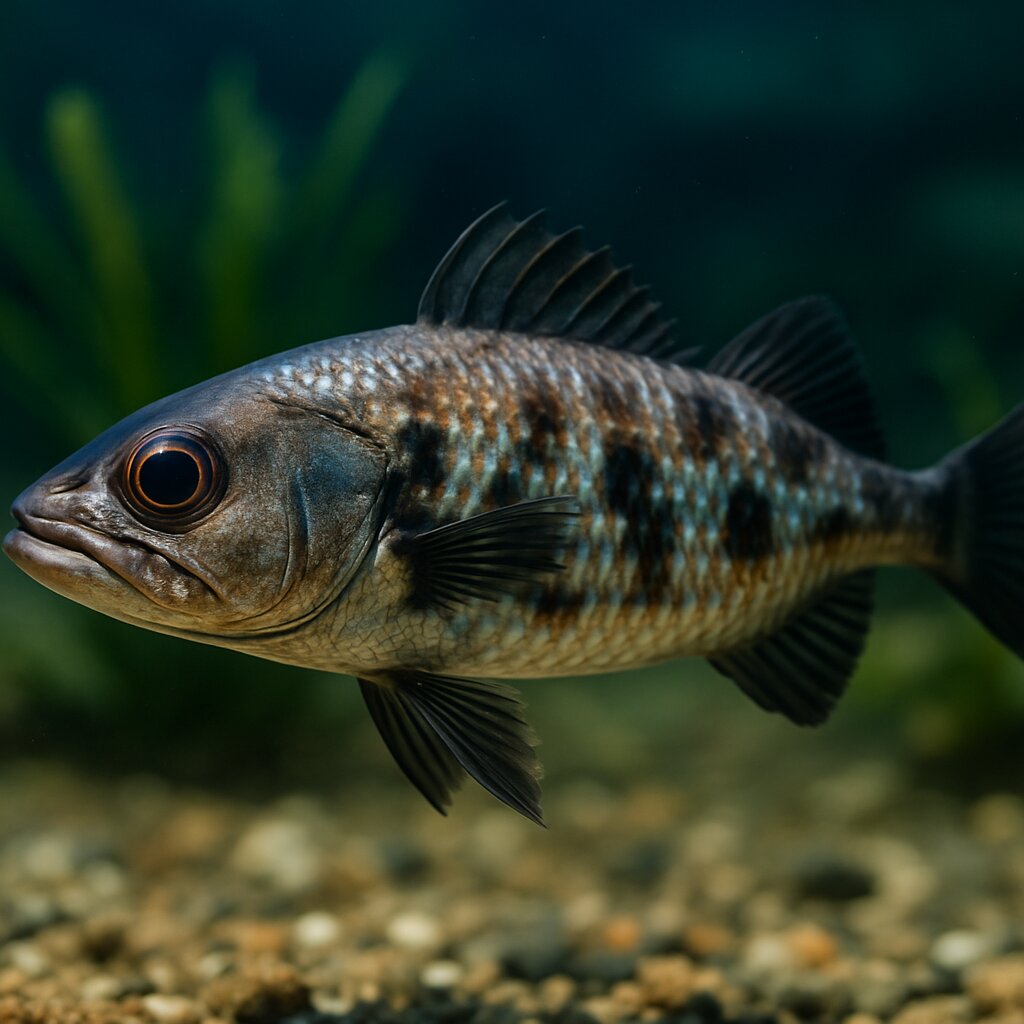
Antarctic dragonfish
Vomeridens infuscipinnis
Deep down around Antarctica, this sleek dragonfish cruises the water column like a little submarine, nearly neutrally buoyant so it can hover above the seafloor. It munches almost exclusively on Antarctic krill and lives in near-freezing water 500-800 m down, so it is a cool species to read about, not one for home tanks.
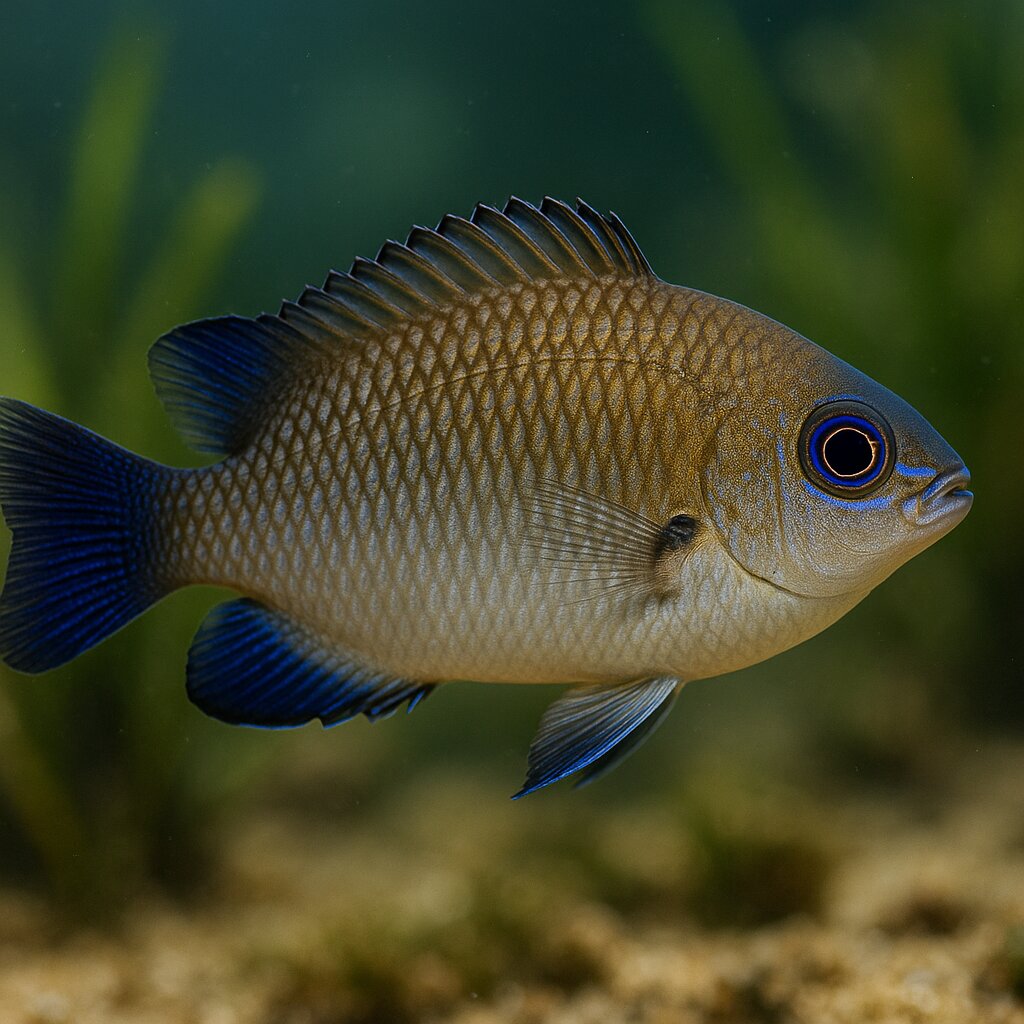
Arabian demoiselle
Neopomacentrus sindensis
A small lyretail damsel from the Persian Gulf and Arabian Sea, it hangs in loose groups around coral heads, rocks, and even pier pilings picking zooplankton from the flow. Think classic damsel toughness with a slightly milder attitude than the real bruisers, plus subtle yellow tail accents. Males clean a patch, get a mate to lay eggs there, and then stand guard fanning the clutch.
Arabian spiny eel
Notacanthus indicus
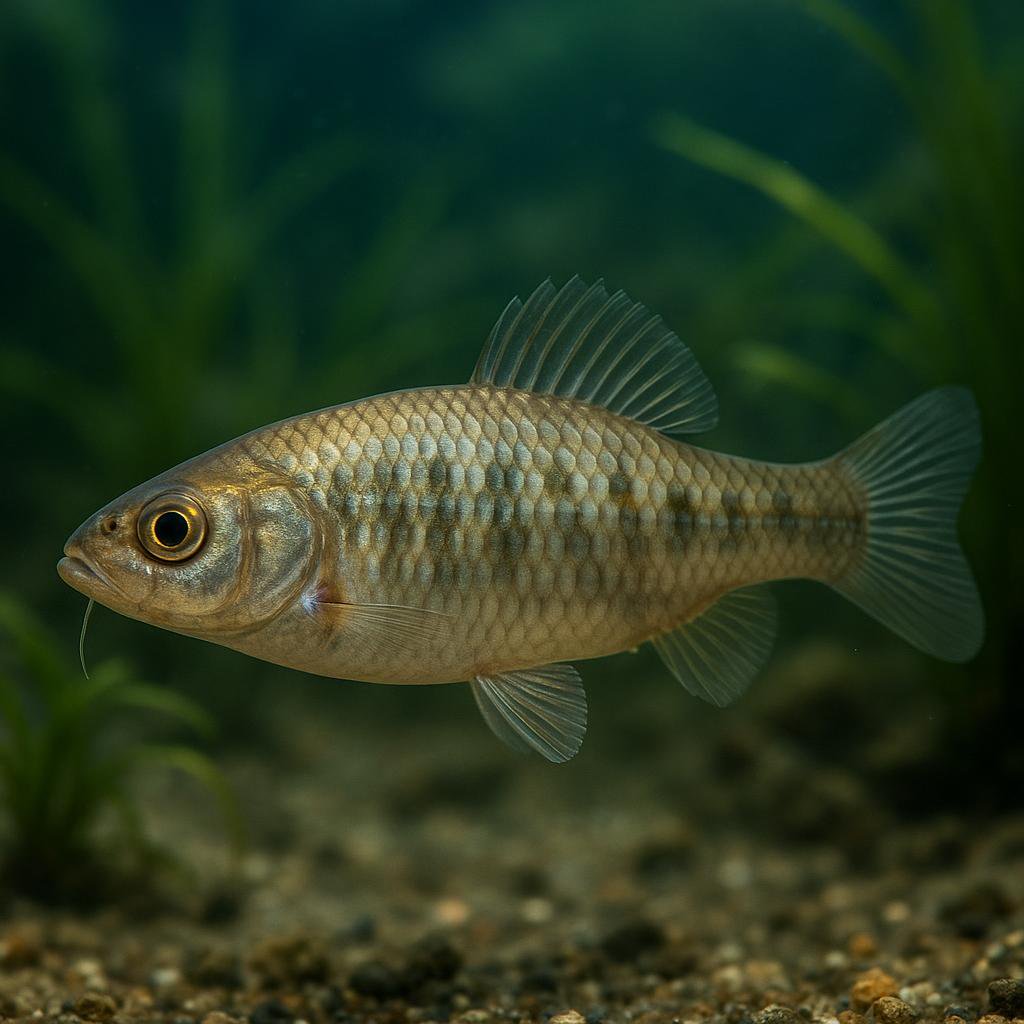
Notacanthus indicus is a deep-sea spiny eel (family Notacanthidae; not a true eel) known from the Arabian Sea on the continental slope at roughly ~960–1,046 m depth, with reported maximum length around 20 cm TL; it is a deep-water bycatch species and not established in the aquarium trade.
Arctic rockling
Gaidropsarus argentatus
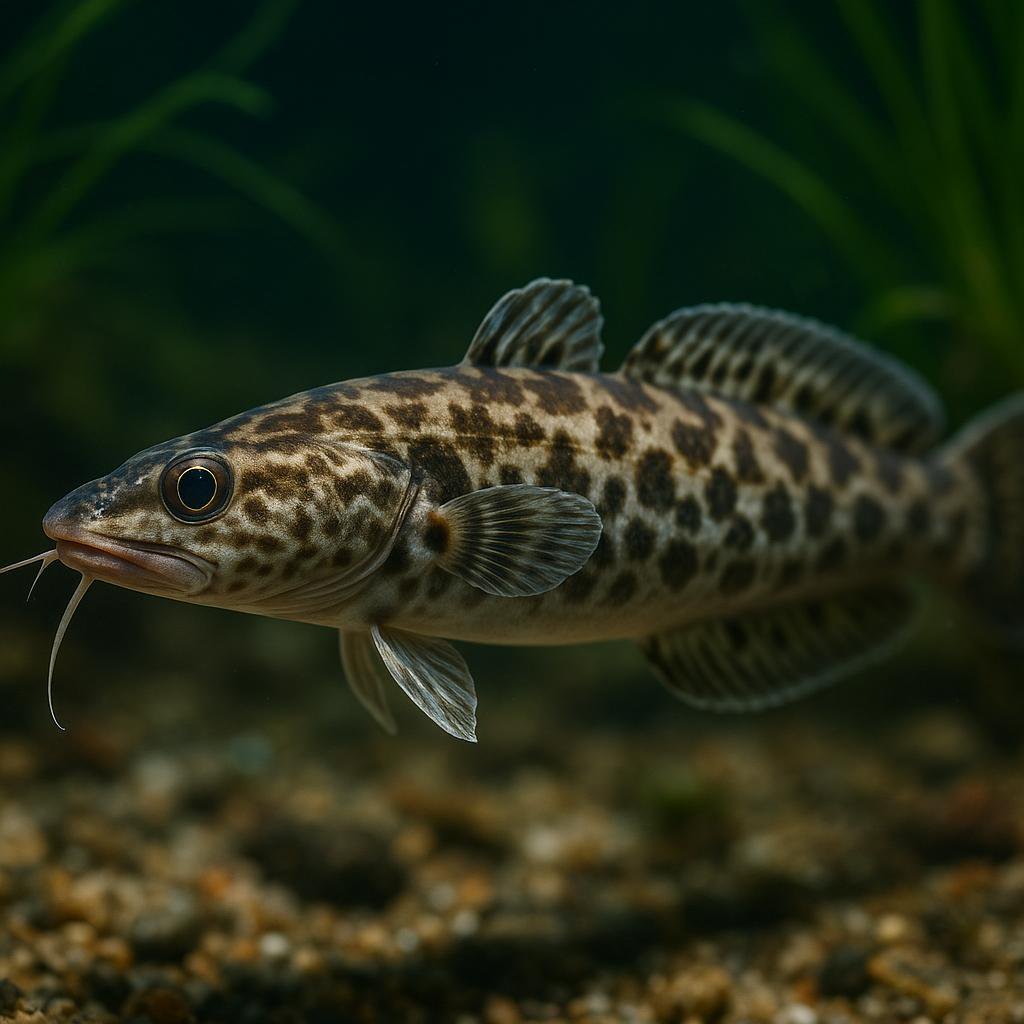
This is a deepwater North Atlantic rockling (a cod relative) that hangs out on soft bottoms way down the slope. It is a cold-water, bottom-hugging predator that snoots around for crustaceans and will also take small fish when it gets the chance.
Atlantic pomfret
Brama brama
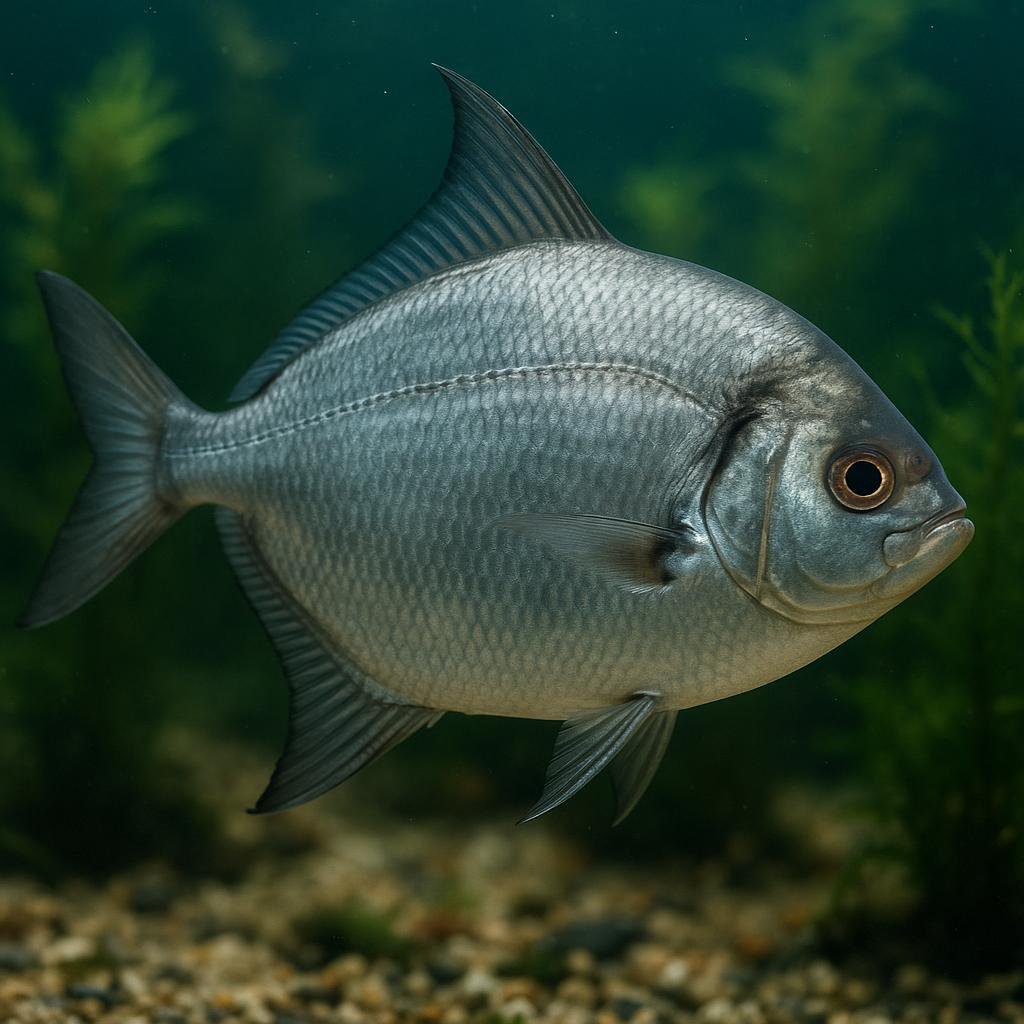
Brama brama is the Atlantic pomfret (aka Ray's bream) - a deep-bodied, open-ocean pelagic fish that cruises around in small schools and follows water temps. It is a legit big, wild marine species (not an aquarium fish) that eats other small sea critters like fish and squid, and it ranges across a huge chunk of the Atlantic plus parts of the Indian and South Pacific.
More to Explore
Discover more marine species.
Abe's eelpout
Japonolycodes abei
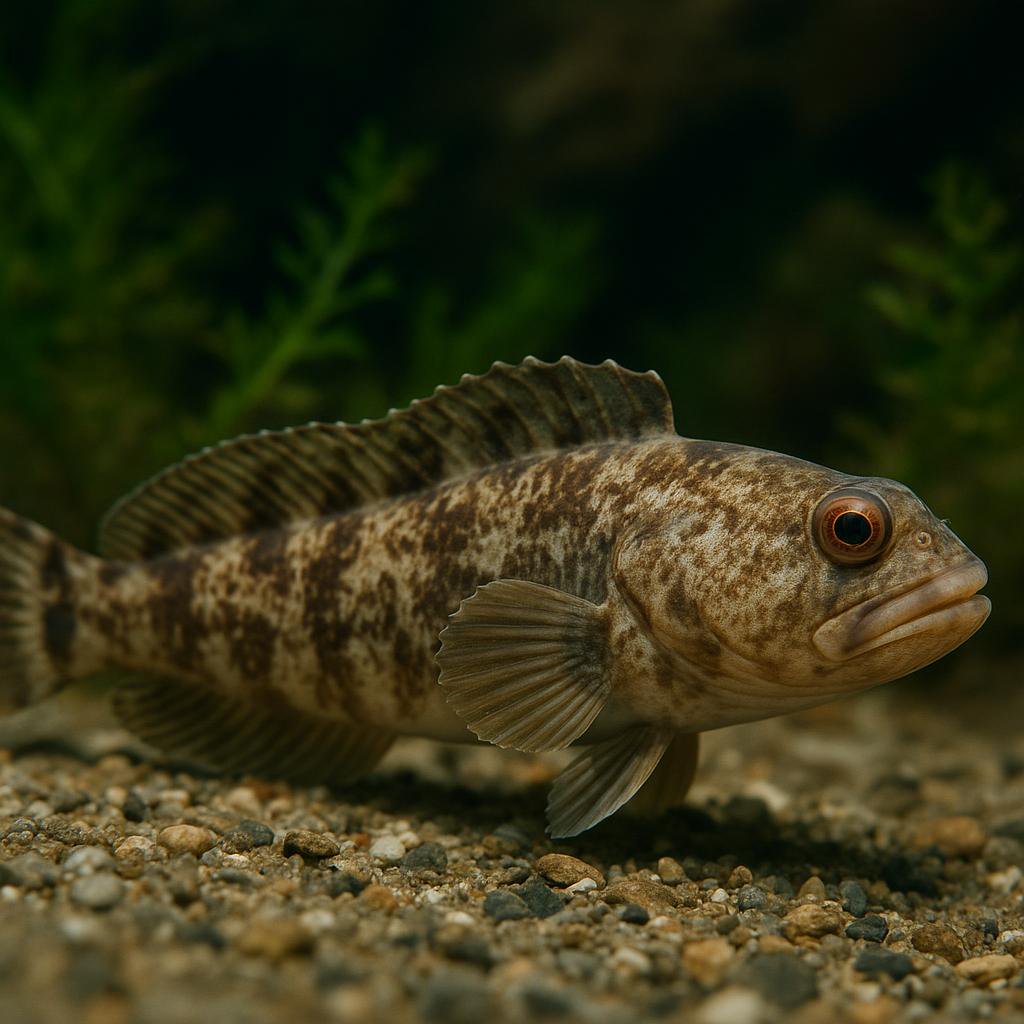
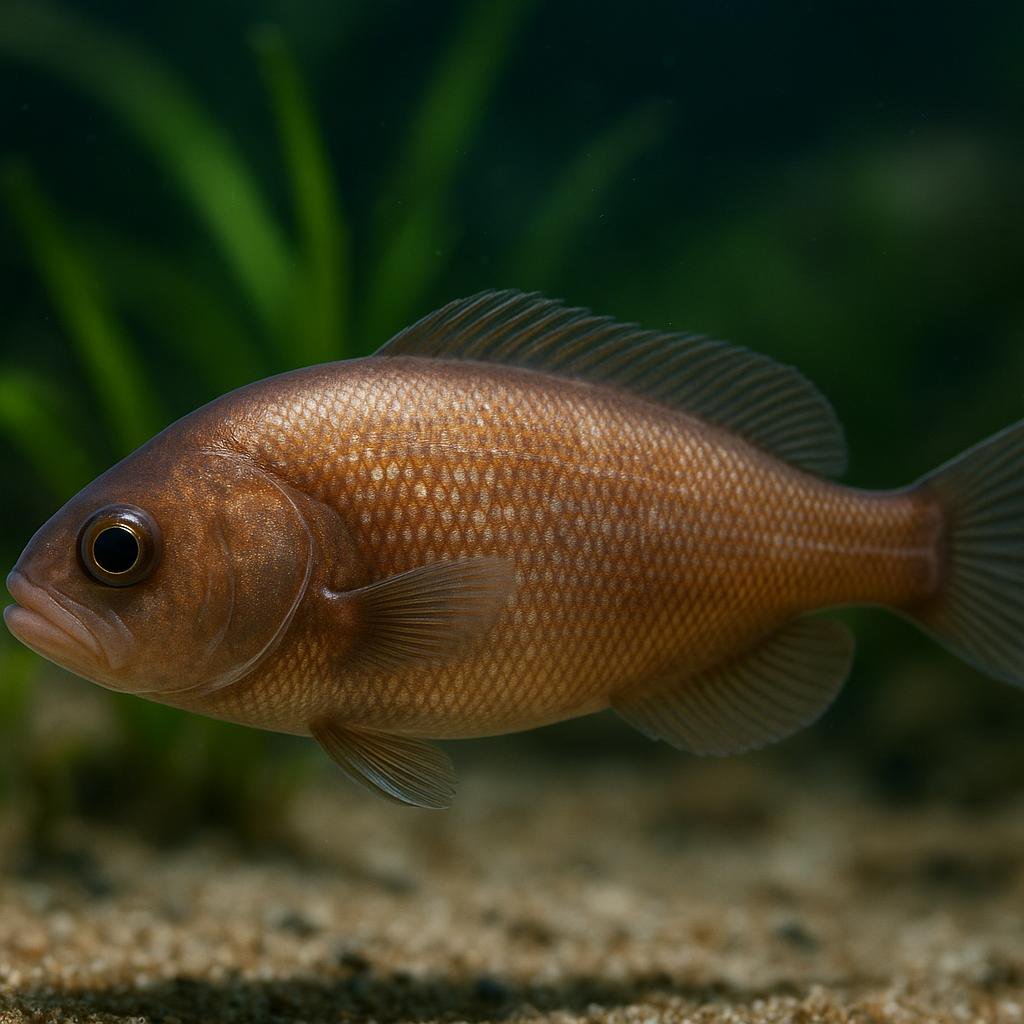
Japonolycodes abei is a temperate, deepwater demersal eelpout (family Zoarcidae) endemic to Japan (Kumano-nada Sea reported; other sources also report Sagami Bay and Tosa Bay). It is the only species in the genus Japonolycodes and occurs roughly 40-300 m depth, making it an uncommon/atypical aquarium species.
Affinis blind cusk-eel
Barathronus affinis
Barathronus affinis is a tiny, super-weird deep-sea blind cusk-eel from the western-central Indian Ocean. It is one of those gelatinous, loose-skinned brotula-type fishes that live way down in the dark and are basically never seen alive, so almost everything we know comes from preserved specimens and taxonomic work.
African red snapper
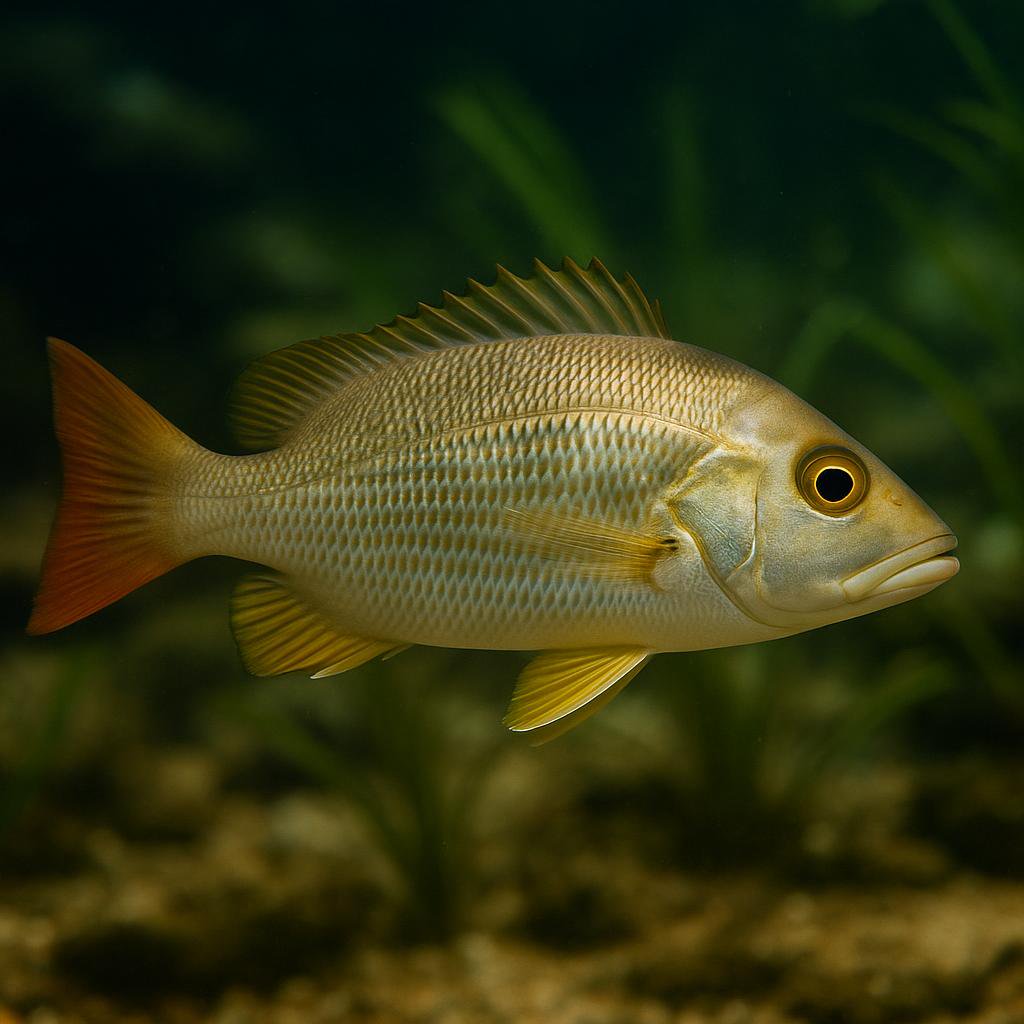
Lutjanus agennes
This is a true snapper from West Africa - a big, fast-growing predator that goes from coastal reefs to brackish lagoons and estuaries (especially as a juvenile). Super cool fish in the wild, but it gets absolutely huge and will eat smaller tankmates once it has the mouth for it, so its really more of a public-aquarium scale animal than a home-aquarium fish.
Allis shad
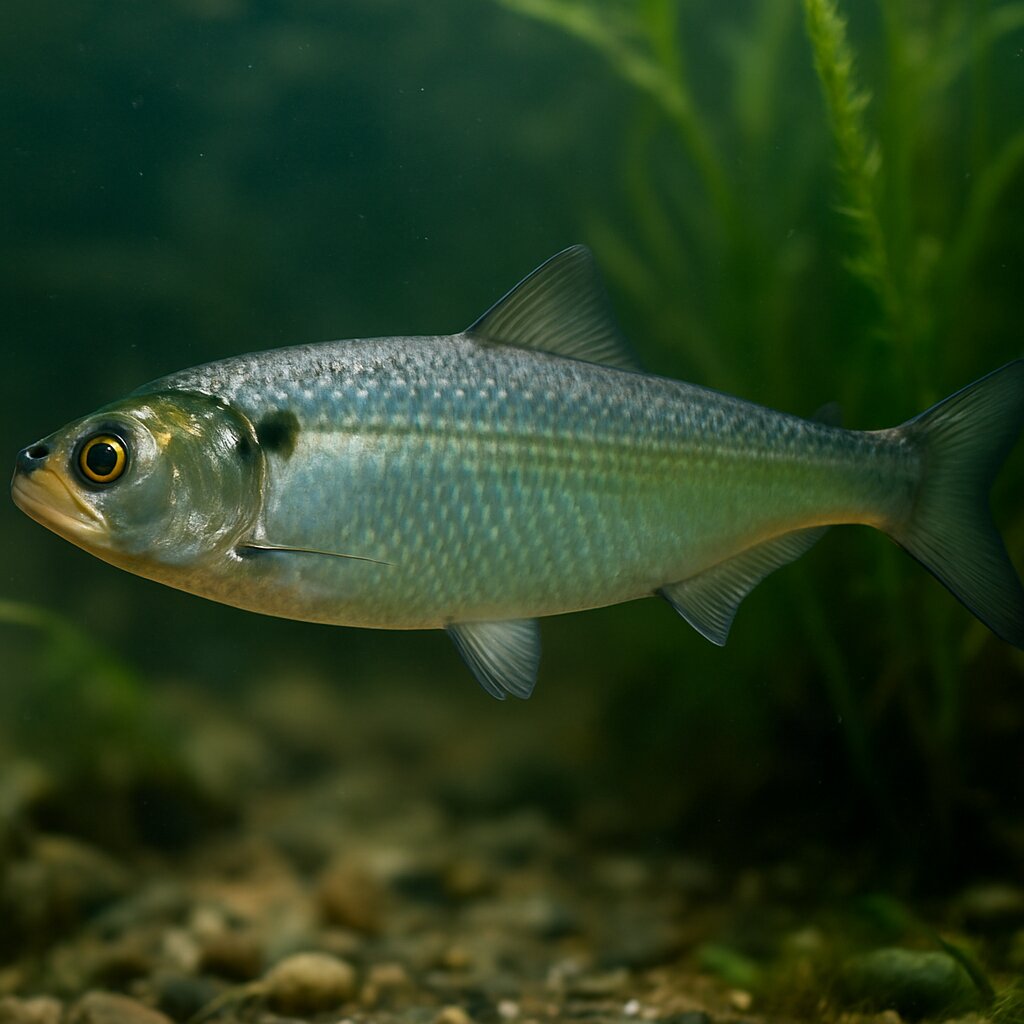
Alosa alosa
Gorgeous silver, fast-swimming shad that spends most of its life in the sea and then surges up big rivers in noisy, surface-spawning schools. It grows huge for a herring-type fish and needs cool, ultra-oxygenated water and tons of open space, so it is a public-aquarium species rather than a home tank fish.
Annandale's zebra sole
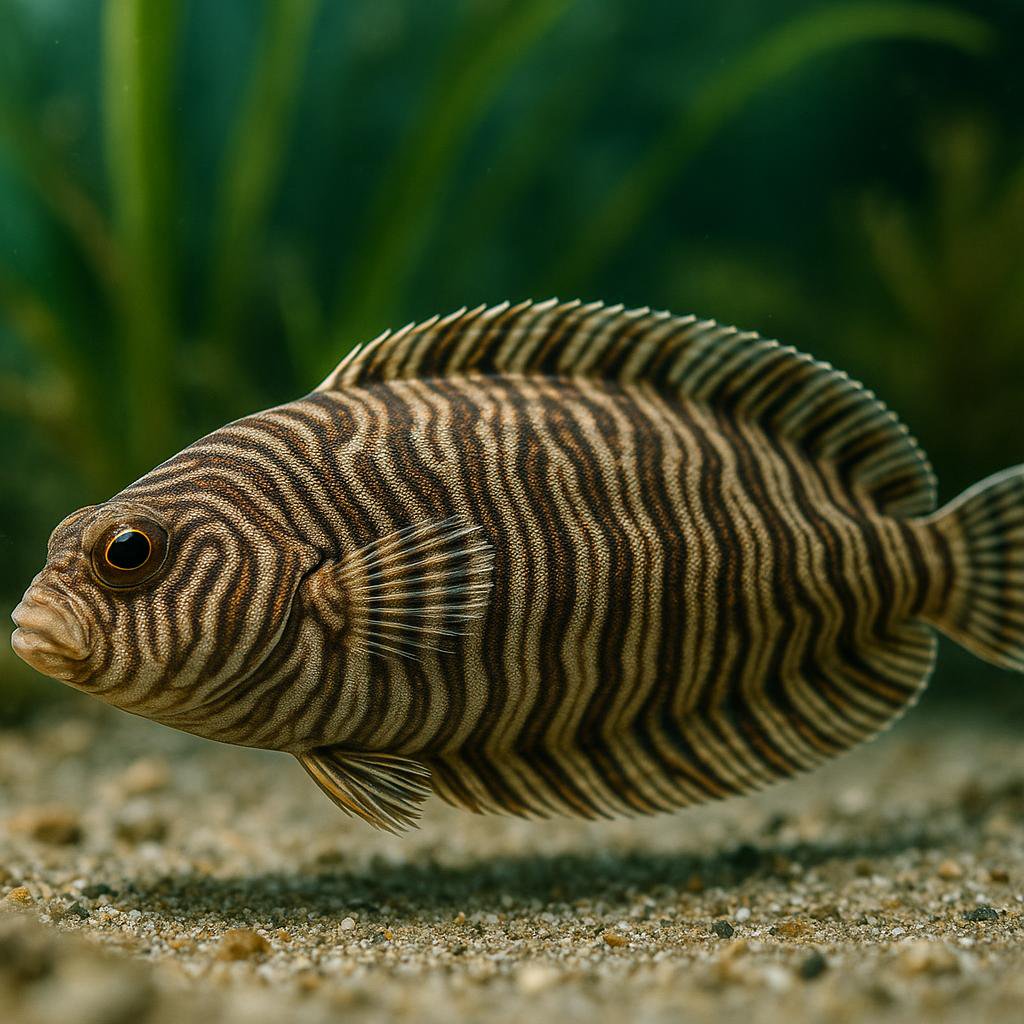
Zebrias annandalei
Zebrias annandalei is a small demersal sole from coastal India that inhabits sandy or muddy bottoms and buries for camouflage. It is rarely kept in home aquaria and would require a specialized marine sand-bottom setup and appropriate feeding.
Australian sawtail catshark
Figaro boardmani
Figaro boardmani is a small, deepwater Australian catshark with these cool saw-like ridges of spiny denticles along the tail and a neat pattern of dark saddle bands. It lives way down on the outer continental shelf and slope, so its natural water is cold, dim, and stable - totally not a typical home-aquarium fish. Diet-wise its a predator that goes after fish, crustaceans, and cephalopods.
Looking for other species?