

Snoutscale Whiptail
Ventrifossa johnboborum
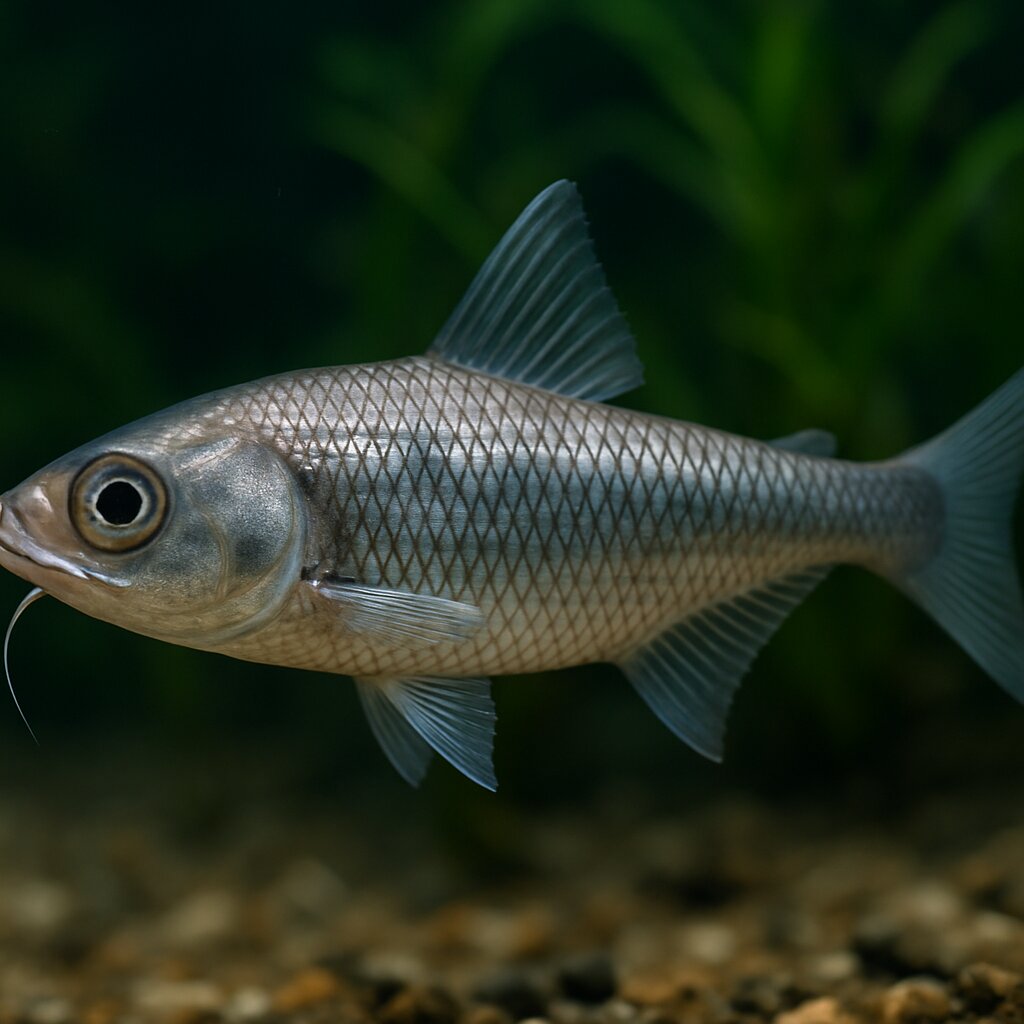
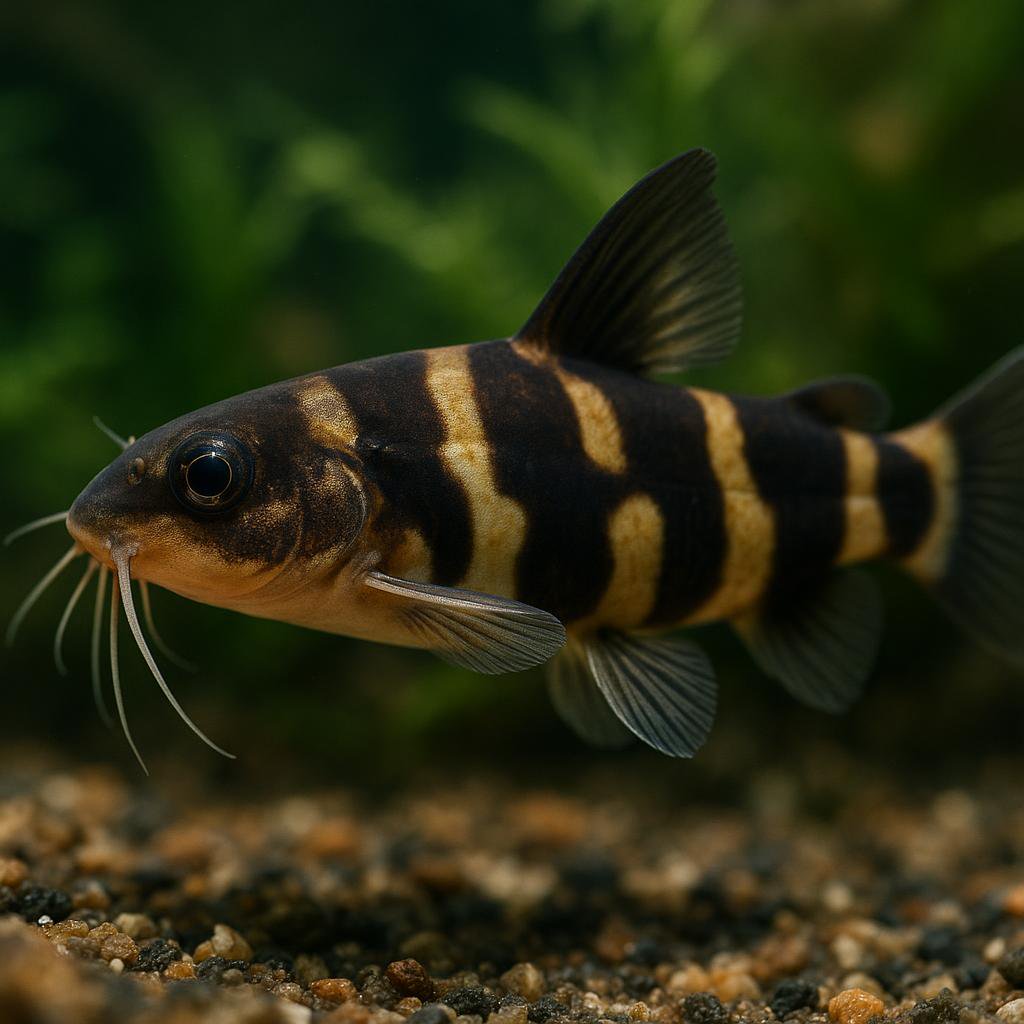
The Snoutscale Whiptail features a slender body, distinctive elongated snout, and a pattern of dark brown and cream stripes along its flanks.
This page includes AI-generated images. Why am I seeing AI images?
About the Snoutscale Whiptail
A deep-sea rattail from the Indo-Pacific, this guy lives way down on the continental slope and has a long whippy tail and big eyes built for the dark. It hits around 47 cm and hangs out 540-810 m deep in 2-10 C water, picking at small fish and invertebrates. Super cool to read about, but it is not a home aquarium candidate unless you have a research-lab setup.
Quick Facts
Size
47.5 cm
Temperament
Semi-aggressive
Difficulty
Expert
Min Tank Size
1000 gallons
Lifespan
Unknown
Origin
Indo-Pacific
Diet
Carnivore - benthic invertebrates and small fishes
Water Parameters
2.3-9.7°C
7.5-8.1
323-419 dGH
Need a heater for this species?
This species needs 2.3-9.7°C in a 1000 gallon tank. Use our heater calculator to find the right wattage.
Calculate heater sizeCare Notes
- Think cold, dim, and big: 300+ gallons, long footprint, 2-5 cm fine sand or mud, some big PVC for cover, blacked-out sides, and a tight lid.
- Run a serious chiller at 4-8 C, salinity 34-35 ppt, pH 8.0-8.2, and keep O2 near max with an oversized skimmer and extra aeration; use strong but diffuse flow along the bottom.
- Cold tanks mature slow, so cycle for months and cram in biomedia; use carbon and keep nitrate under 10 ppm with steady water changes.
- Only buy if it was decompressed properly; drip acclimate in the dark at final temp and never 'vent' the fish or chase it.
- Feed at night under red light: live or very fresh-frozen mysids, chopped clam, squid, prawn, and marine worms; target-feed on the bottom with tongs.
- Small meals 1-2x daily and pull leftovers fast; they foul the water quick and then stop eating.
- Keep it solo; anything aggressive stresses it, and anything snack-sized disappears; do not mix with warmwater species.
- Watch for surface gulping, bloat, or parking in high flow; kill the lights, boost O2, and test ammonia immediately.
- Breeding is a no-go in home tanks; there are no captive reports.
Compatibility
Good Tankmates
- Best kept solo in a chilled, dim deepwater setup - shy benthic scavenger that settles in way better without neighbors
- Another similar-sized whiptail only in a huge footprint with line-of-sight breaks and multiple feeding spots - some posturing, but usually fine if nobody can be cornered
- Big, mellow coldwater flatfish that mind their own business and are too large to fit in its mouth
- Very calm, non-predatory coldwater bottom fish that ignore tankmates and do not nip long fins
- Large deepwater inverts it ignores, like sea cucumbers and big brittle stars, for movement without conflict
Avoid
- Triggers, puffers, and big wrasses - fin nippers that will shred its long tail and stress it nonstop
- Groupers, sharks, big cods, or rays - heavy predators that will harass or swallow a whiptail
- Small fish, crabs, or shrimp that fit in its mouth - it hunts by smell at night and will hoover them
- Bright, hyper tropical reef fish or anything needing warm temps and strong light - wrong environment and constant agitation
Where they come from
Snoutscale whiptails are deep-slope grenadiers from the Indo-Pacific, living over soft mud and silt on the continental slope. Think cold, dark water a few hundred meters down, slow currents, and very little light. Most that show up in captivity are accidental bycatch.
This is an expert-only, public-aquarium-scale fish. Survival is hit-or-miss even with the right gear. If you do not already run a chilled, coldwater system, skip this species.
Setting up their tank
You are trying to mimic a cold, dim, low-energy slope. Size and stability matter more than anything.
- Tank size: 400+ gallons with a long footprint (6 ft or more). They cruise, not dart.
- Temperature: 4-8 C (39-46 F), stable. Use a serious chiller with redundancy and a controller. Insulate lines.
- Lighting: very dim. Blue or red night lighting only for viewing. Black out three sides.
- Flow: gentle, steady current along the bottom. Avoid blasting powerheads. Think slow laminar flow.
- Oxygen: high and stable. Big skimmer, strong aeration, and surface agitation. Add battery backup for pumps.
- Filtration: oversized skimmer, large sump, and UV. Cold systems are slower to process waste, so go big.
- Substrate: 5-8 cm of fine sand mixed with silt. No sharp grains. They probe and rest on it.
- Aquascape: mostly open with low mounds and trenches. They prefer open mud flats over rock piles.
- Lids and noise: tight lid (they can spook), and a quiet room. Vibration stresses deepwater fish.
- Quarantine: chilled QT only. Room-temp QT will kill them. Match temp, salinity, and very low light.
Collecting deepwater fish requires careful decompression. If yours arrived bloated or with bulging eyes, odds are poor. Do not attempt to needle the swim bladder.
What to feed them
They are slow, bottom-feeding scavengers that pick at small invertebrates. Forget flakes and pellets. Offer small, soft, sinking foods and keep portions modest so you do not foul the tank.
- Chopped marine shrimp, clam, mussel, scallop, and squid mantle
- Mysis, krill, Calanus, and other small crustaceans (frozen, well-rinsed)
- Live or fresh options if available: marine amphipods, small worms
- Soak foods in a vitamin HUFA supplement once or twice a week
Target-feed with a feeding tube or long tongs right onto the substrate. Bury tiny pieces slightly in the sand to trigger that foraging response. Feed after lights out or under dim red light.
Start with tiny portions twice a day for a new arrival, then taper to small meals 3-4 times per week once it starts taking food. Pull uneaten food within 10-15 minutes.
How they behave and who they get along with
Expect a calm, deliberate cruiser that hovers just off the bottom or rests on the sand. They spook with sudden light or noise, but settle in quiet, dim setups. Not aggressive, but they will swallow bite-sized crustaceans.
- Good tankmates: other chilled, deepwater, slow species that ignore food on the bottom (eelpouts, snailfish, some deepwater sculpins).
- Questionable: anything fast or boisterous that will outcompete them for food.
- Avoid: groupers, large wrasses, and active pelagic predators. Also avoid warmwater species entirely.
- Not reef safe: they will eat small shrimp and worms, and typical corals will not tolerate the cold anyway.
Singly is simplest. A very large, low-stress system can house more than one, but do not expect schooling.
Breeding tips
Nothing credible from home aquaria. These are deepwater broadcast spawners with pelagic eggs and larvae drifting in cold, dark water. Without pressure changes, seasonal cues, and room for larval rearing at low temperatures, this is out of reach for hobby setups. Public aquariums have not reported success either.
Common problems to watch for
- Collection damage and barotrauma: inflated abdomen, bulging eyes, inability to stay upright. Survival is often poor. Gentle, near-dark conditions are your best shot.
- Heat stress: anything over 10 C (50 F) for long and they go off food, breathe fast, and fade. Check chiller capacity and probe placement.
- Low oxygen: even in cold water, a pump failure can crash O2 fast. Run redundant air and keep a battery backup.
- Refusing food: switch to smaller, smellier items (clam, scallop), try feeding after midnight, and reduce light to near-dark. Deliver food right to the snout.
- Skin and fin abrasion: rough substrates and rock ledges scrape easily. Use soft sand and rounded rock at most.
- Gas bubble issues from supersaturation: chilled water can hold excess gas if your setup is plumbed poorly. Degas in the sump and avoid microbubble storms.
- Bacterial/fungal lesions: stress plus cold slows healing. Keep water pristine, minimize handling, and be cautious with meds at low temps.
- Noise and vibration stress: skittish behavior, darting, refusal to feed. Put the tank in a quiet room and pad pump mounts.
If the fish stops feeding for 48 hours, treat it like an emergency: verify temperature with a second thermometer, check dissolved oxygen, reduce light further, and try a small piece of fresh clam placed right at the mouth with tongs.
Availability often comes from bycatch. Check local regulations and permitting, and think hard about the ethics before buying. If you are not already set up for coldwater, pass on this species.
Similar Species
Other marine semi-aggressive species you might be interested in.
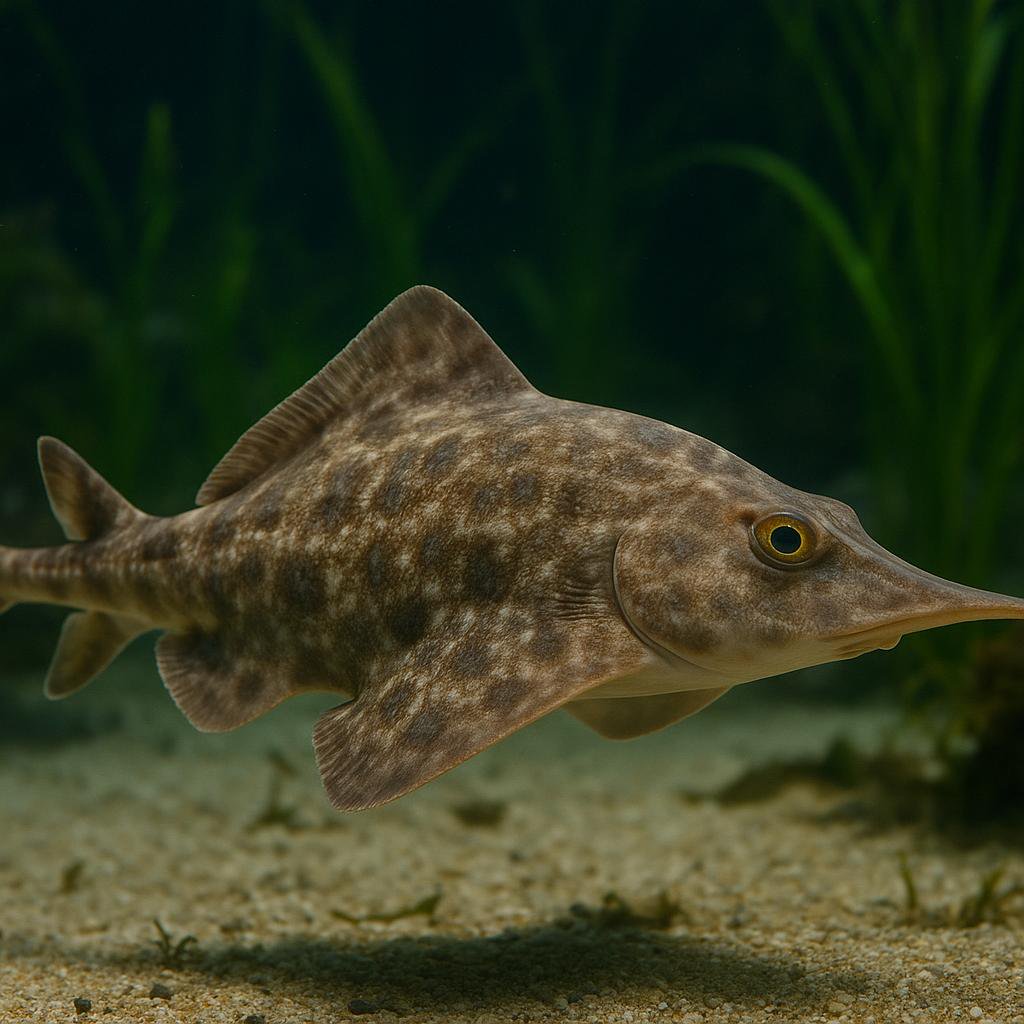
Aleutian skate
Bathyraja aleutica
This is a big, cold-water deep-slope skate from the North Pacific that cruises muddy bottoms and eats chunky benthic prey like crabs and shrimp. The really cool bit is its egg-laying skate life - it does distinct pairing (the classic skate "embrace") and drops those tough egg cases on the seafloor. Not an aquarium fish at all unless you're basically running a public-aquarium-style chilled system.
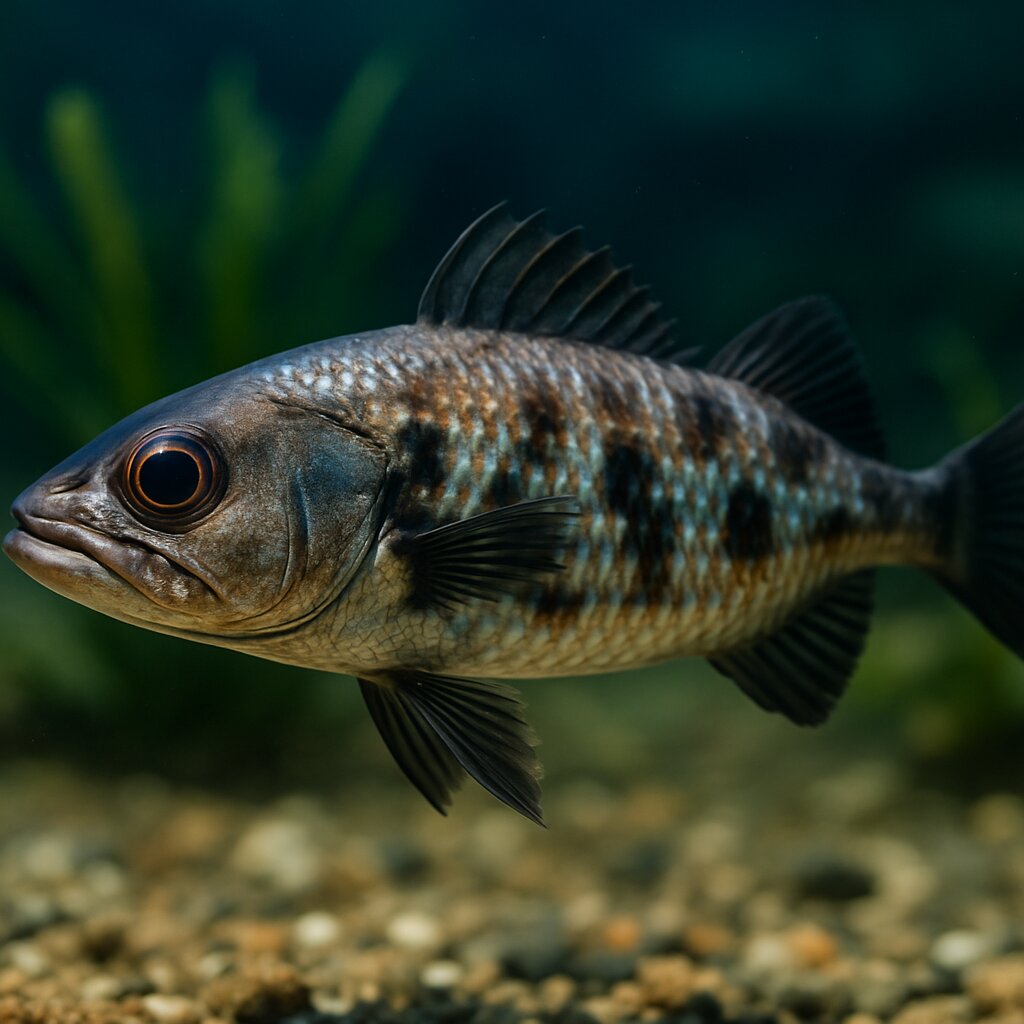
Antarctic dragonfish
Vomeridens infuscipinnis
Deep down around Antarctica, this sleek dragonfish cruises the water column like a little submarine, nearly neutrally buoyant so it can hover above the seafloor. It munches almost exclusively on Antarctic krill and lives in near-freezing water 500-800 m down, so it is a cool species to read about, not one for home tanks.
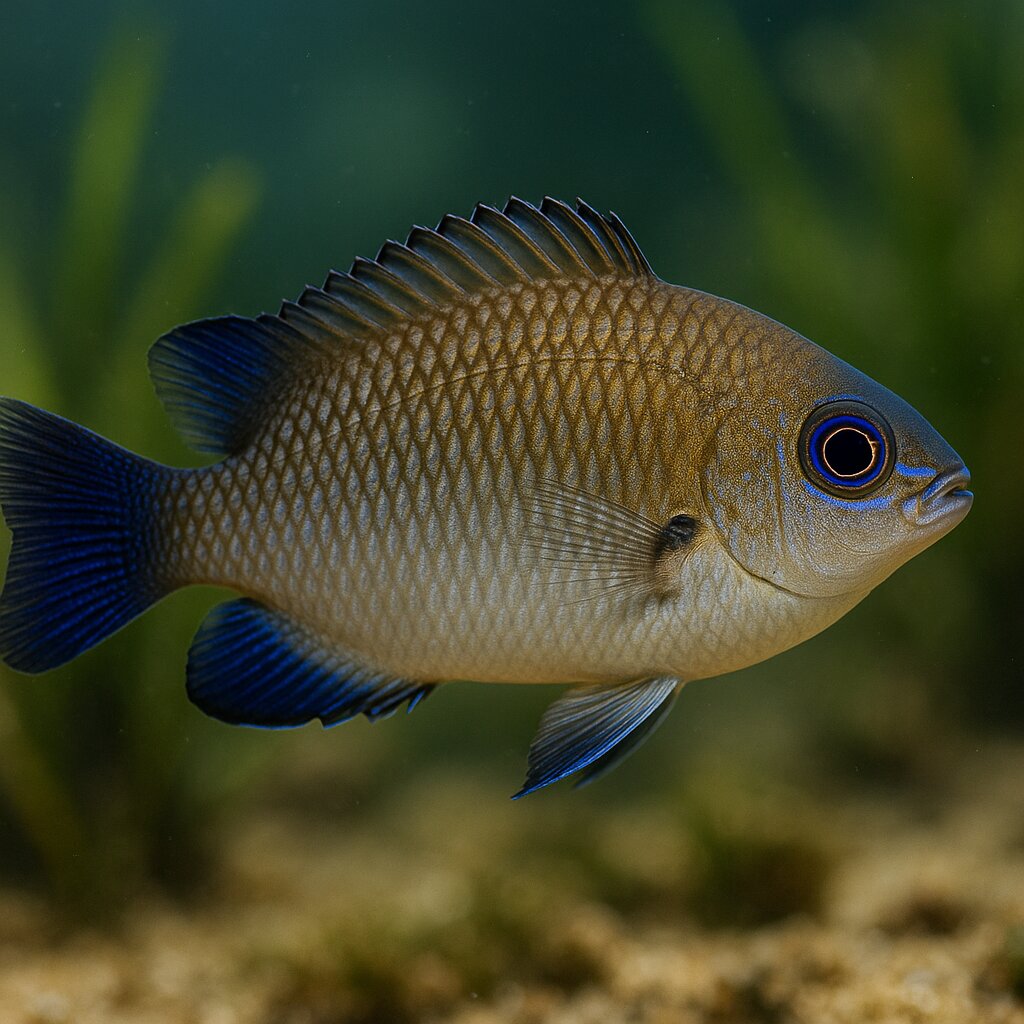
Arabian demoiselle
Neopomacentrus sindensis
A small lyretail damsel from the Persian Gulf and Arabian Sea, it hangs in loose groups around coral heads, rocks, and even pier pilings picking zooplankton from the flow. Think classic damsel toughness with a slightly milder attitude than the real bruisers, plus subtle yellow tail accents. Males clean a patch, get a mate to lay eggs there, and then stand guard fanning the clutch.
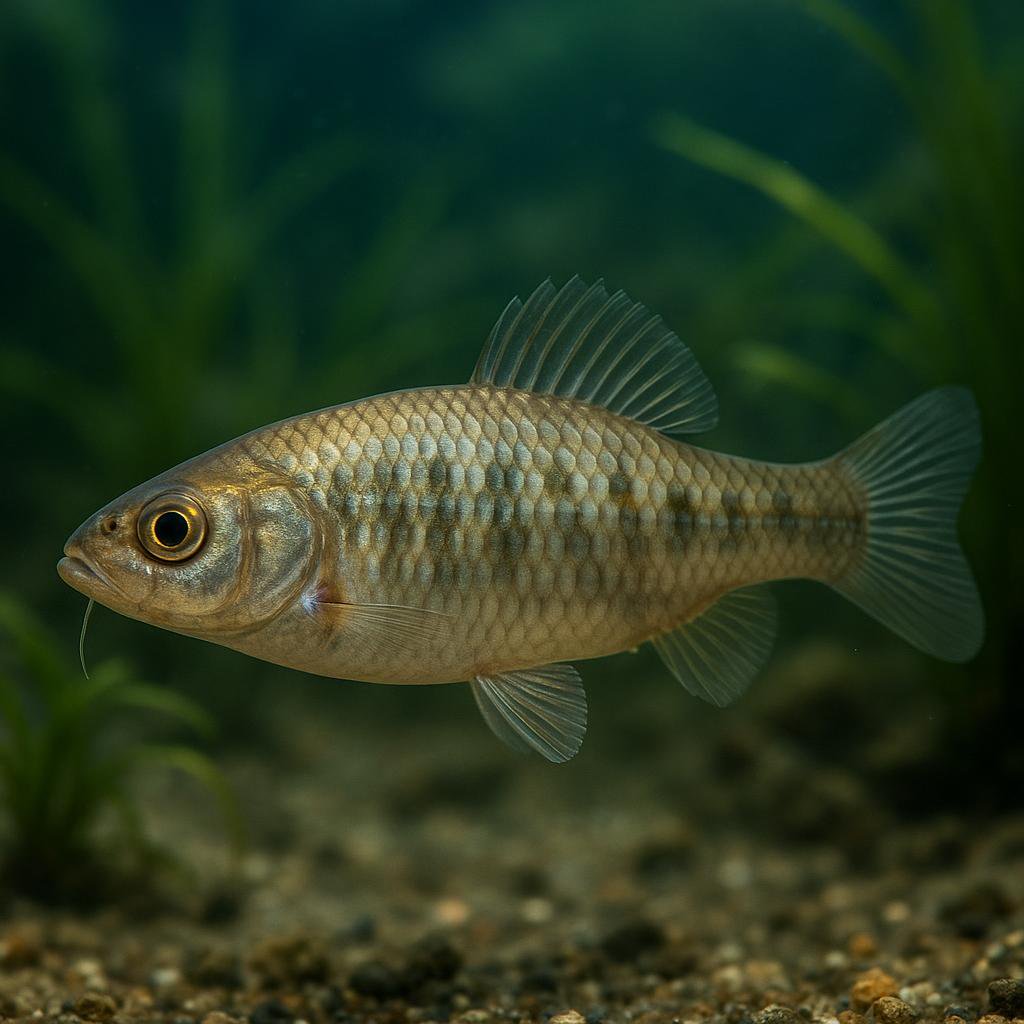
Arabian spiny eel
Notacanthus indicus
Notacanthus indicus is a deep-sea spiny eel (family Notacanthidae; not a true eel) known from the Arabian Sea on the continental slope at roughly ~960–1,046 m depth, with reported maximum length around 20 cm TL; it is a deep-water bycatch species and not established in the aquarium trade.
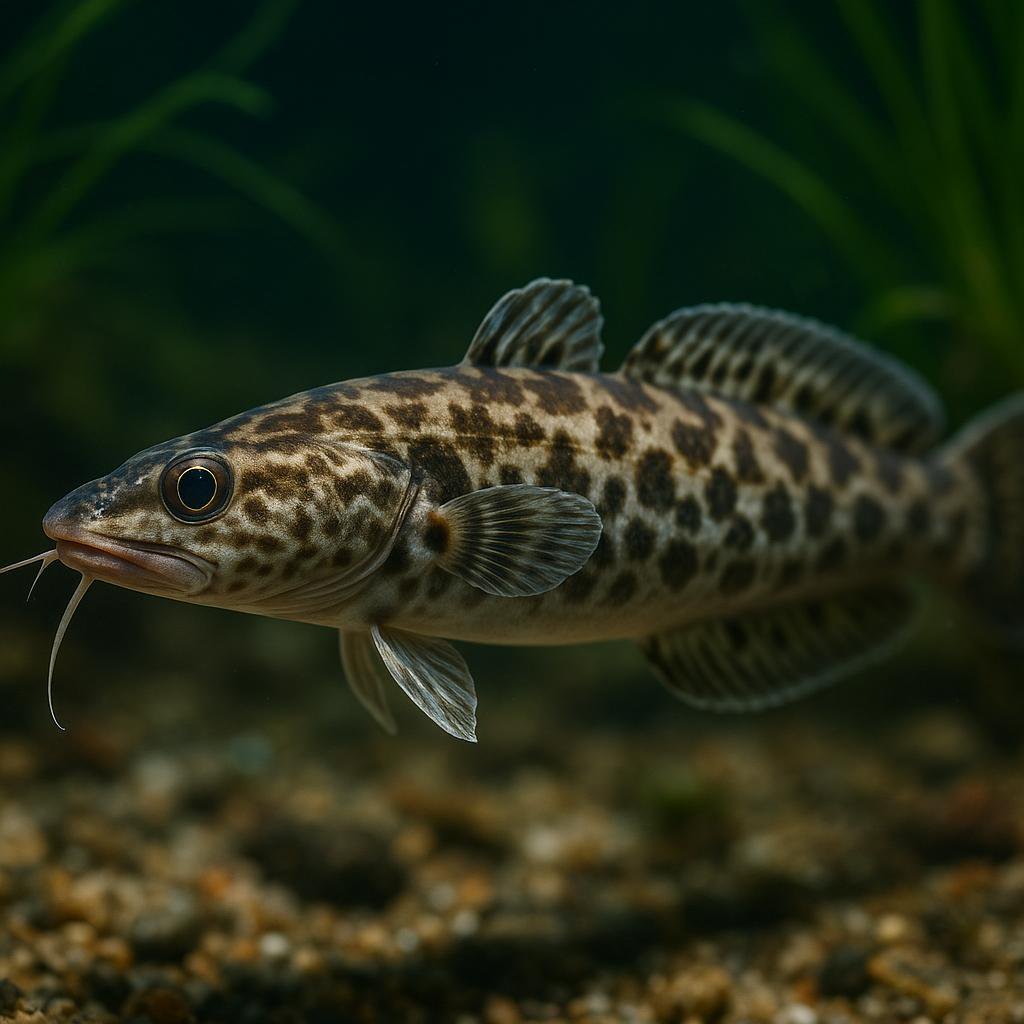
Arctic rockling
Gaidropsarus argentatus
This is a deepwater North Atlantic rockling (a cod relative) that hangs out on soft bottoms way down the slope. It is a cold-water, bottom-hugging predator that snoots around for crustaceans and will also take small fish when it gets the chance.
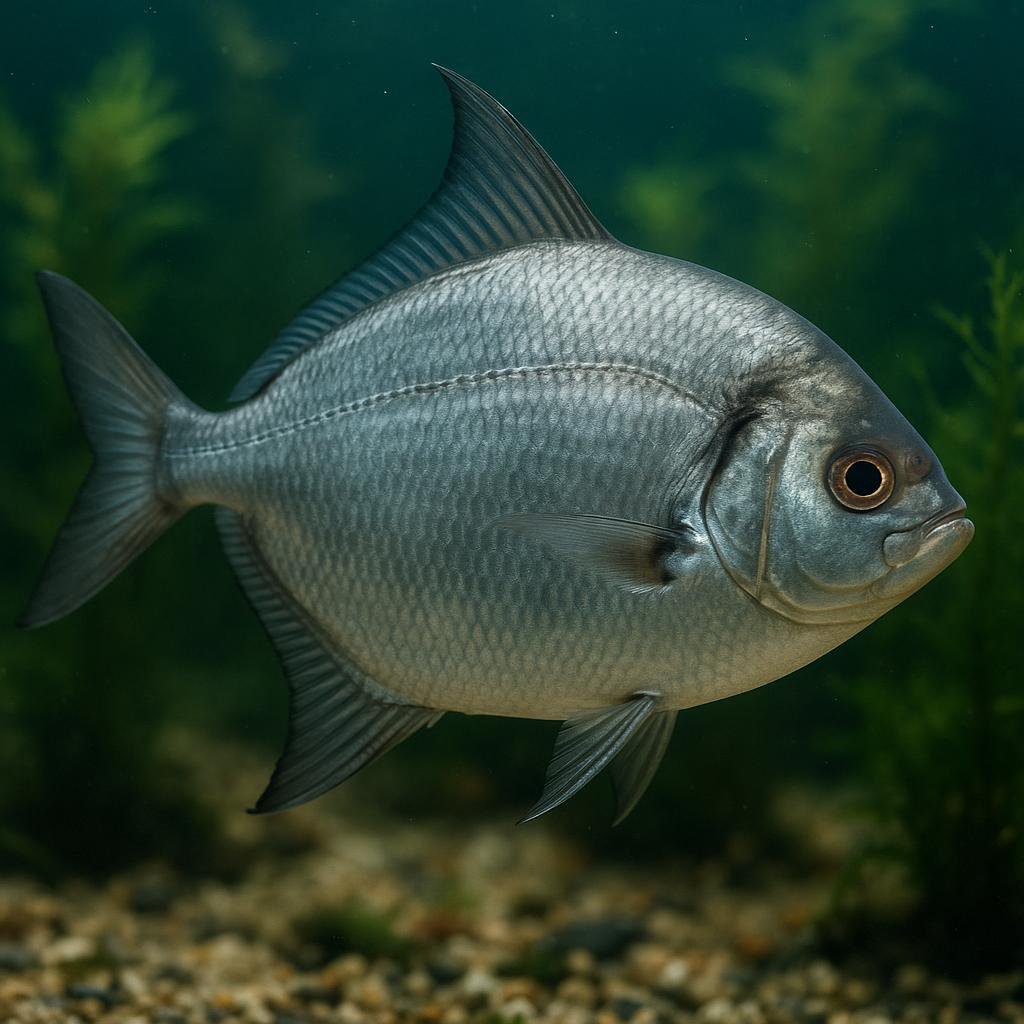
Atlantic pomfret
Brama brama
Brama brama is the Atlantic pomfret (aka Ray's bream) - a deep-bodied, open-ocean pelagic fish that cruises around in small schools and follows water temps. It is a legit big, wild marine species (not an aquarium fish) that eats other small sea critters like fish and squid, and it ranges across a huge chunk of the Atlantic plus parts of the Indian and South Pacific.
More to Explore
Discover more marine species.
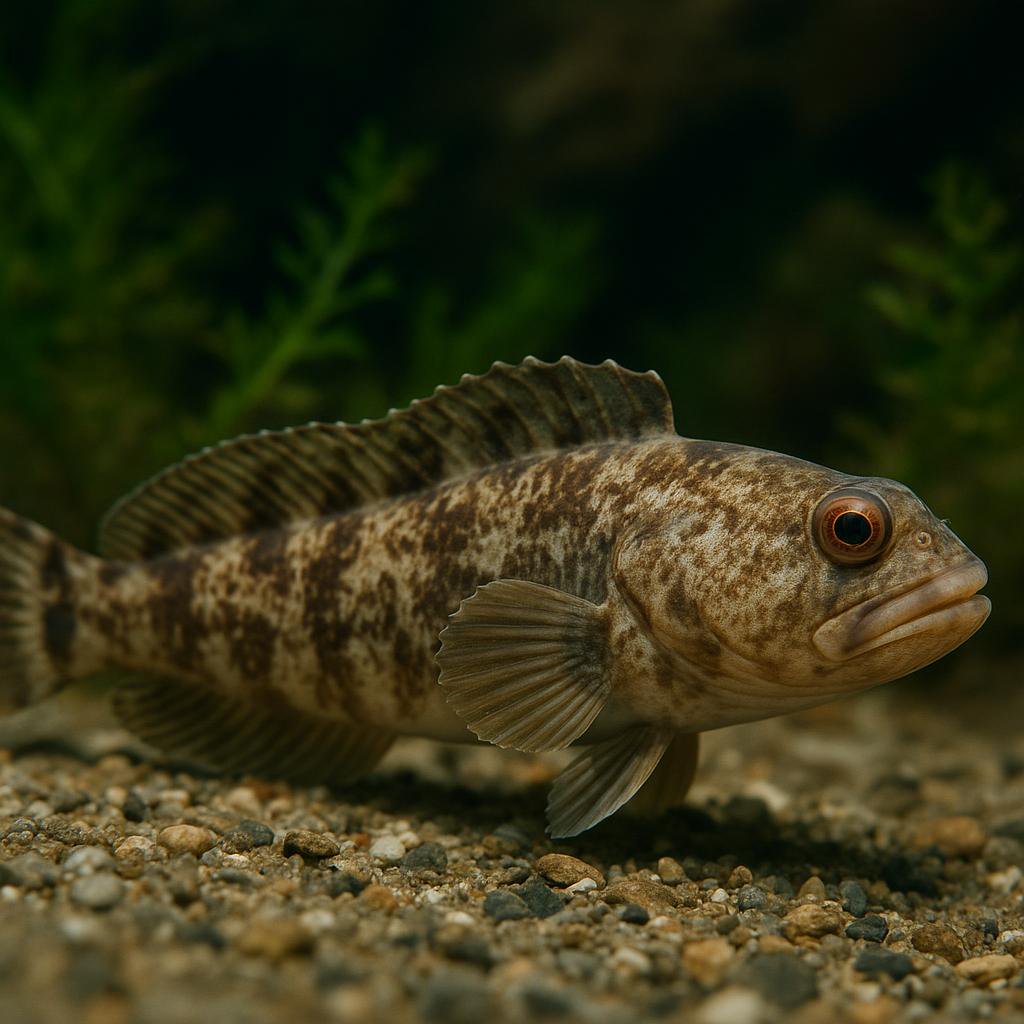
Abe's eelpout
Japonolycodes abei
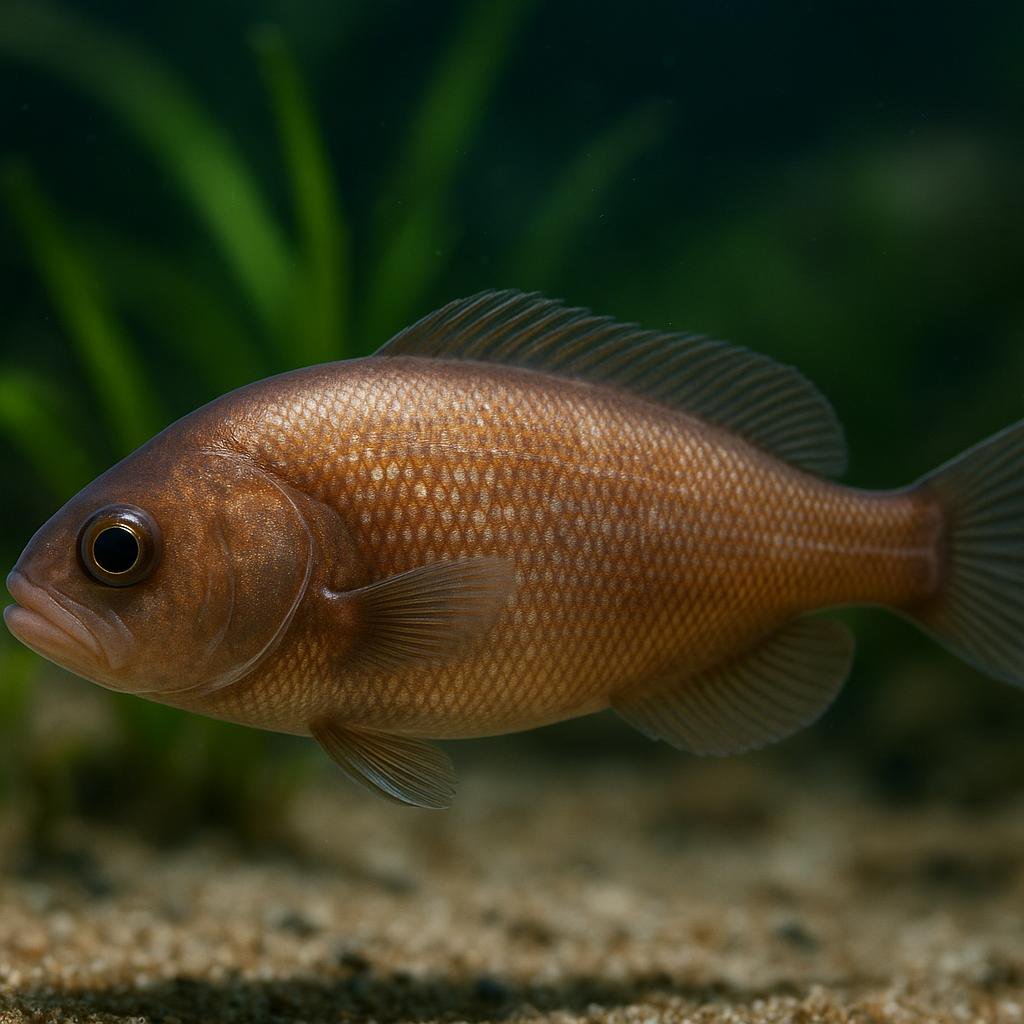
Japonolycodes abei is a temperate, deepwater demersal eelpout (family Zoarcidae) endemic to Japan (Kumano-nada Sea reported; other sources also report Sagami Bay and Tosa Bay). It is the only species in the genus Japonolycodes and occurs roughly 40-300 m depth, making it an uncommon/atypical aquarium species.
Affinis blind cusk-eel
Barathronus affinis
Barathronus affinis is a tiny, super-weird deep-sea blind cusk-eel from the western-central Indian Ocean. It is one of those gelatinous, loose-skinned brotula-type fishes that live way down in the dark and are basically never seen alive, so almost everything we know comes from preserved specimens and taxonomic work.
African red snapper
Lutjanus agennes
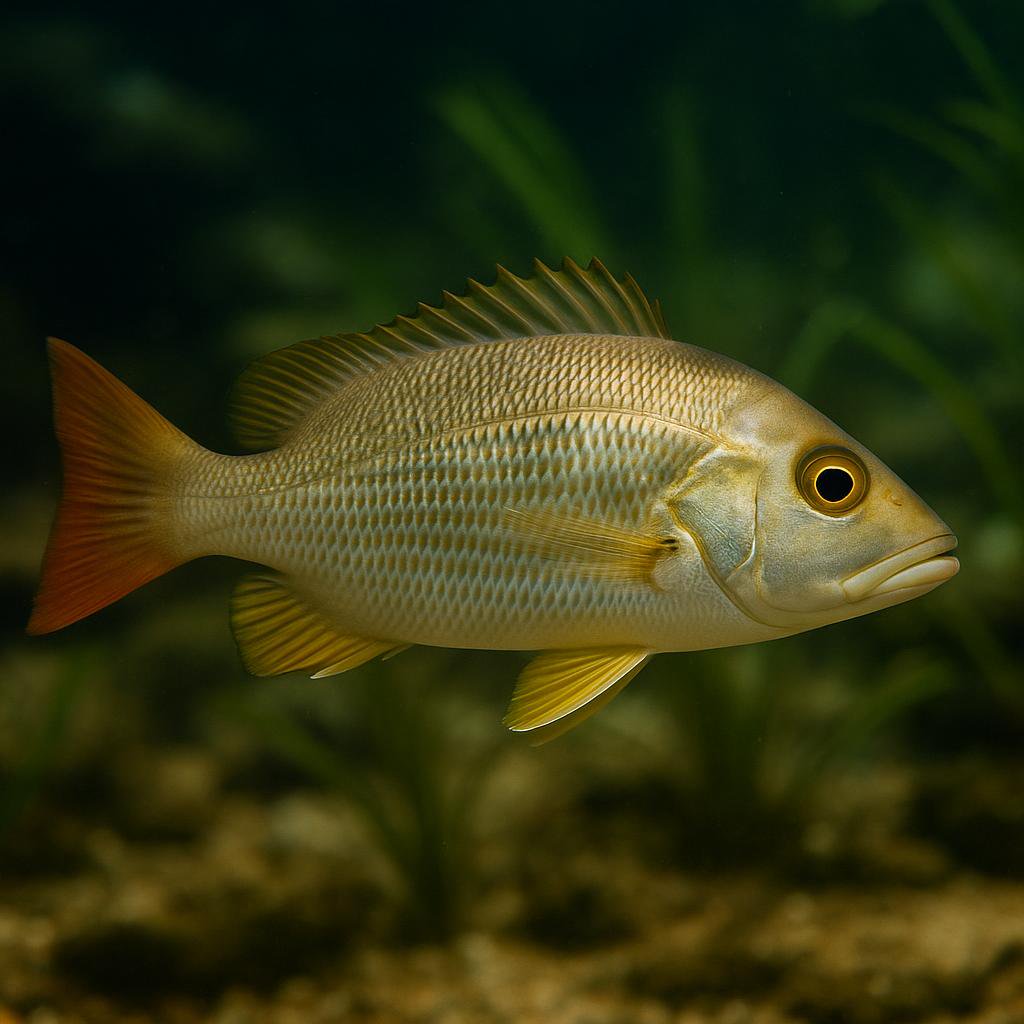
This is a true snapper from West Africa - a big, fast-growing predator that goes from coastal reefs to brackish lagoons and estuaries (especially as a juvenile). Super cool fish in the wild, but it gets absolutely huge and will eat smaller tankmates once it has the mouth for it, so its really more of a public-aquarium scale animal than a home-aquarium fish.
Allis shad
Alosa alosa
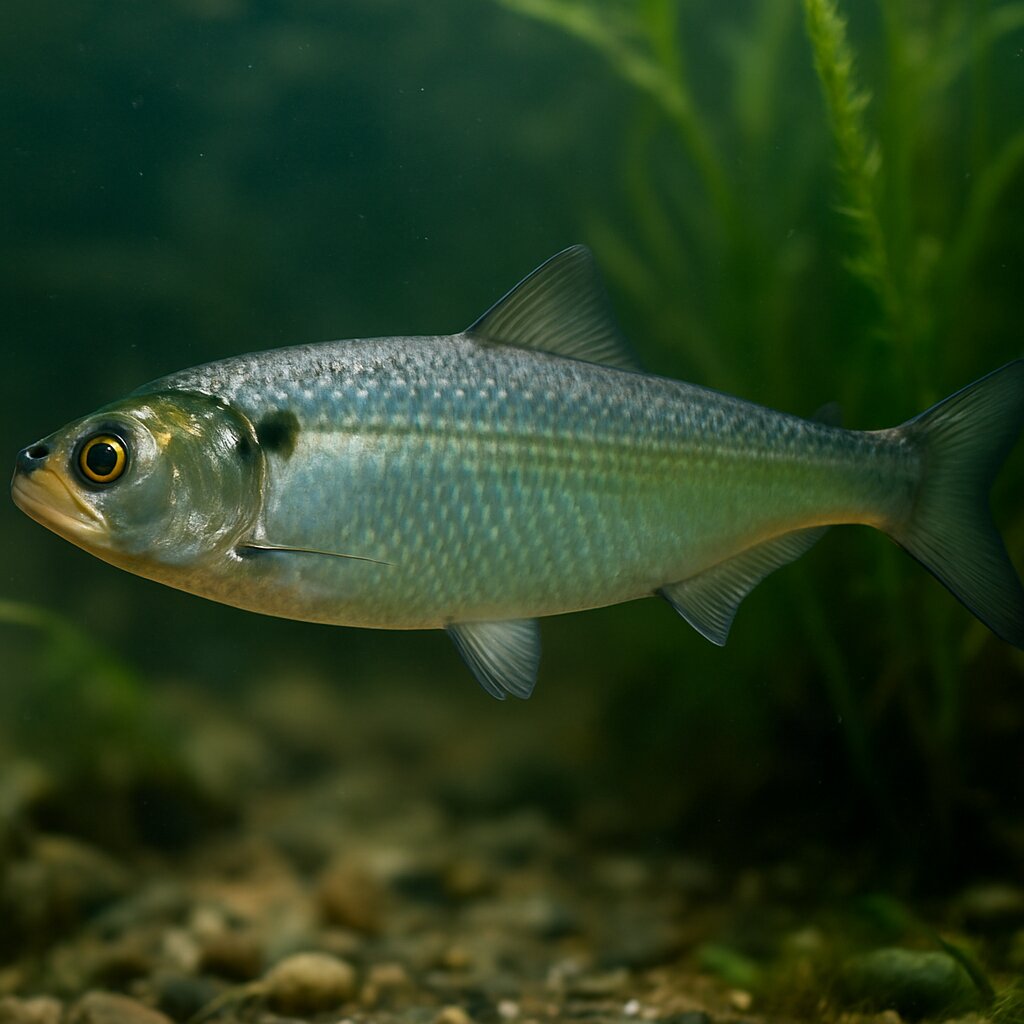
Gorgeous silver, fast-swimming shad that spends most of its life in the sea and then surges up big rivers in noisy, surface-spawning schools. It grows huge for a herring-type fish and needs cool, ultra-oxygenated water and tons of open space, so it is a public-aquarium species rather than a home tank fish.
Annandale's zebra sole
Zebrias annandalei
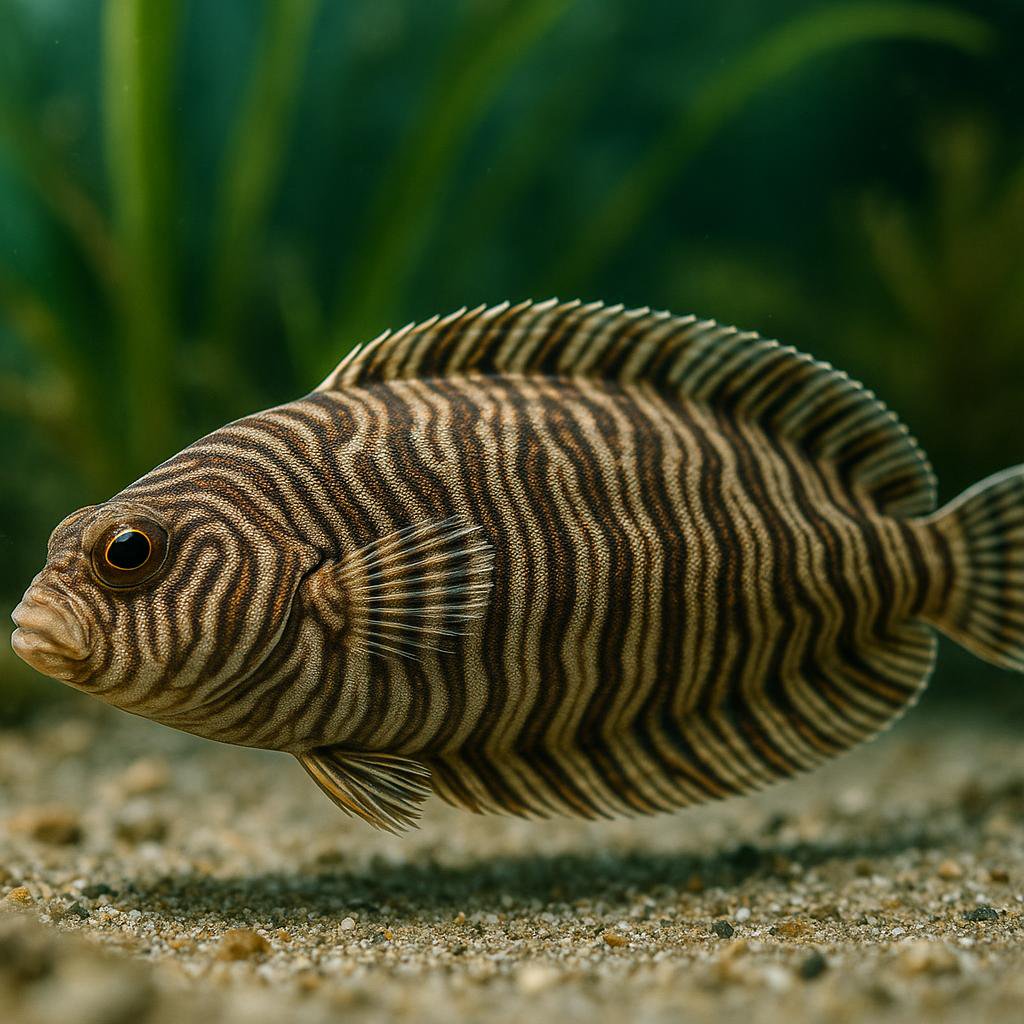
Zebrias annandalei is a small demersal sole from coastal India that inhabits sandy or muddy bottoms and buries for camouflage. It is rarely kept in home aquaria and would require a specialized marine sand-bottom setup and appropriate feeding.
Australian sawtail catshark
Figaro boardmani
Figaro boardmani is a small, deepwater Australian catshark with these cool saw-like ridges of spiny denticles along the tail and a neat pattern of dark saddle bands. It lives way down on the outer continental shelf and slope, so its natural water is cold, dim, and stable - totally not a typical home-aquarium fish. Diet-wise its a predator that goes after fish, crustaceans, and cephalopods.
Looking for other species?