

Bakemutsu
Verilus pacificus
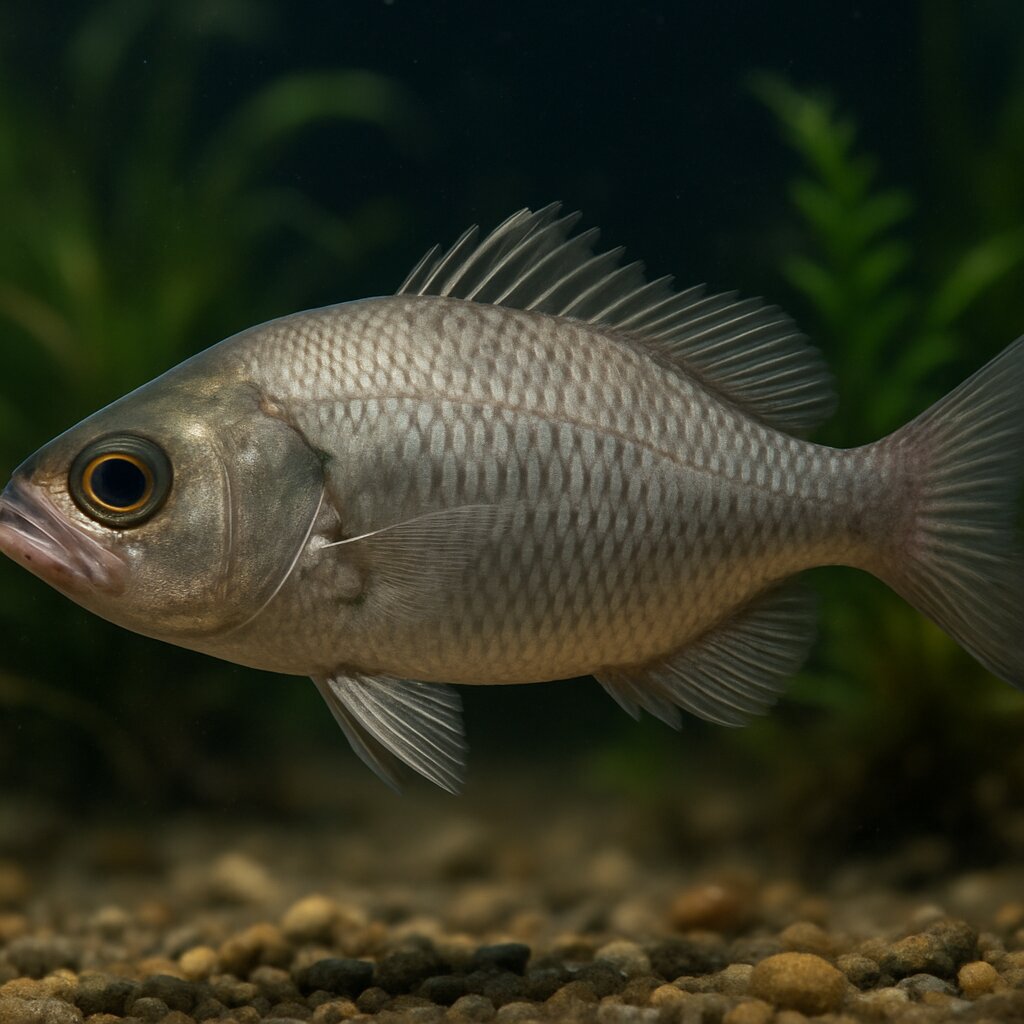
The Bakemutsu exhibits a streamlined body with striking blue-green scales and a distinct, elongated dorsal fin.
This page includes AI-generated images. Why am I seeing AI images?
About the Bakemutsu
Bakemutsu is a deepwater ocean-bass from the western-central Pacific that cruises rocky island slopes and seamounts, topping out around 40 cm. It likes cool saltwater for a marine fish - roughly 13-23 C - and lives 60-500 m down, so it is more of a specialist oddball than a home-aquarium candidate. Taxonomically it was long placed in Neoscombrops and is now treated as Verilus, which adds a fun bit of fish-nerd trivia. ([fishbase.se](https://fishbase.se/summary/SpeciesSummary.php?id=23391))
Also known as
Quick Facts
Size
40 cm
Temperament
Semi-aggressive
Difficulty
Expert
Min Tank Size
300 gallons
Lifespan
Unknown
Origin
Western and Central Pacific
Diet
Carnivore - small fishes and crustaceans
Water Parameters
12.9-22.9°C
8-8.4
300-400 dGH
Need a heater for this species?
This species needs 12.9-22.9°C in a 300 gallon tank. Use our heater calculator to find the right wattage.
Calculate heater sizeCare Notes
- This is a deepwater fish, so run a chiller and keep 12-16 C (54-61 F); it goes downhill fast if the tank creeps past 20 C (68 F).
- Keep the tank very dim; use low blue light, cover the sides if needed, and use a tight lid because it startles and jumps.
- Give it a 4-foot-plus tank with open swimming space and a couple of caves; run strong aeration and surface agitation to keep oxygen high.
- Hold salinity at 1.025-1.026 and pH around 7.9-8.2; zero ammonia/nitrite and nitrate under 20 ppm or it will go off food.
- Feed at dusk or lights-out; start with live mysis or enriched brine to get it going, then wean to frozen mysis, krill, and chopped fish in 3-4 small meals daily.
- Tankmates should be other chilled, slow, non-nippy fish; avoid warmwater reef species, triggers, puffers, and anything bite-size that it can swallow.
- Choose a specimen that holds position in the water column and is not bulging-eyed or floating/sinking; barotrauma from bad decompression is common and often does not fix itself.
- Quarantine in very dim light with heavy aeration and minimal handling; go easy on meds like copper and ramp slowly only if you must. Breeding has not happened in home tanks, so do not expect it.
Compatibility
Good Tankmates
- Sturdy tangs and surgeonfish (yellow, kole, purple) - fast grazers that ignore them and are too large to be seen as food.
- Foxfaces and rabbitfish - peaceful but substantial, and their size plus attitude keeps the bakemutsu respectful.
- Larger angels and butterflies (Genicanthus, bigger Chaetodon) - confident daytime cruisers; size-match so nothing looks bite-size.
- Squirrelfish and soldierfish - similar deepwater-night rhythm and midwater habits, everyone keeps their lane.
- Medium to large wrasses (Halichoeres, Thalassoma) - quick, alert, and not snack-sized, so they coexist fine.
- Hogfish and larger hawkfish - semi-assertive but fine with a midwater predator as long as the tank is roomy and sizes are similar.
Avoid
- Bite-size community fish like chromis, cardinals, firefish, small gobies/blennies, or tiny anthias - they turn into snacks, especially after lights out.
- Seahorses, pipefish, and mandarins - too slow and delicate; they get outcompeted and may be swallowed.
- Lionfish and scorpionfish - both are nocturnal predators; size games end badly when one decides the other fits in its mouth.
- Big bruisers like triggers, large groupers, big puffers, or moray eels - they will bully, shred, or outright eat a bakemutsu.
Where they come from
Bakemutsu (Verilus pacificus) is a deepwater lanternbelly from the Pacific, showing up along continental slopes and seamounts in the twilight zone. Big eyes, silvery body, and a habit of hanging midwater tell you they live where the sun barely reaches. They are uncommon in the hobby and usually arrive as bycatch from deeper fisheries, which is why they can be tricky right from day one.
Most specimens have been through rapid depth changes. Expect some to arrive with swim bladder issues or general shipping shock. Picking a stable, upright fish that is already taking food is half the battle.
Setting up their tank
Think cool, dim, and roomy. These guys are midwater cruisers that retreat to shade during the day. You want a tank that lets them hang in the water column without bumping into rockwork, plus a few tall overhangs and caves for confidence.
- Volume: 180+ gallons for a single or pair; bigger if you plan a small group
- Temperature: 60s F to low 70s F (about 16-22 C). A chiller makes life much easier.
- Lighting: low and diffuse. Start very dim. Avoid sudden flashes.
- Flow: strong, broad flow (gyre-style) so they can hover. Aim for oxygenation, not sandstorms.
- Aquascape: open midwater lanes with a couple of tall ledges/overhangs for daytime shelter.
- Lid: tight-fitting. They startle and can launch.
Acclimate them to light slowly. First week or two, keep ambient room light and a dim blue channel. A small red flashlight lets you check on them without spooking.
Heat is rough on deepwater fish. If your tank sits above 23 C for long stretches, expect rapid breathing and refusals to feed. Plan for a chiller before you buy the fish.
Filtration needs to be stout. You will feed a lot, so run an oversized skimmer, solid mechanical filtration, and consider UV. Keep dissolved oxygen high with surface agitation or an airstone in the sump.
What to feed them
They are zooplanktivores and small-prey pickers. New arrivals are often fussy, so start with movement and scent, then work them onto frozen and finally dry foods.
- First-week starters: live mysis, live ghost shrimp (saltwater acclimated), pods from a refugium, enriched adult brine to spark interest.
- Frozen staples: PE mysis, small krill, finely chopped prawn, squid ribbons, fish slivers (avoid an all-smelt/diet due to thiaminase).
- Training foods: soaked mini pellets or soft granules mixed into a mysis slurry once they are eating well.
- Vitamins/HUFA: rotate Selcon/Focus-style enrichments a few times a week to keep weight and color.
Feed small portions 3-5 times a day at first. I aim a feeding tube into the gyre so food drifts past their nose. Once they associate the current with food, they settle in fast.
How they behave and who they get along with
They cruise midwater, especially at dusk, and hang under ledges during bright hours. In groups they form a loose school, but they will squabble if cramped or hungry. Keep line-of-sight breaks and keep them well fed.
- Good company: soldierfish and squirrelfish, deepwater anthias, larger cardinalfish, peaceful groupers/basslets that ignore tankmates, big tangs that are not bullies.
- Use caution: larger wrasses and assertive angels that patrol constantly can stress them.
- Avoid: triggers, large predatory groupers, nippy damsels, and anything small enough to fit in their mouth (tiny gobies, neon cleaners, ornamental shrimp).
They will eat small fish and shrimp if given the chance. Reef safe with caution is generous here.
Breeding tips
I have not seen any confirmed home-aquarium spawns of Verilus pacificus. Like many midwater fishes, they are broadcast spawners with tiny pelagic larvae that need planktonic food and specialized rearing gear. If you see courtship at dusk (chasing in open water, quick dashes upward), enjoy the show, but do not expect eggs or fry to make it in a display.
Common problems to watch for
- Barotrauma carryover: fish listing, belly-up resting, or an overinflated look. Some recover with time and gentle conditions; severe cases seldom do well.
- Feeding strikes: bright lights, too-warm water, or pushy tankmates can shut them down. Dim the tank, drop a degree or two, and offer live foods to restart appetite.
- Jumping: startled launches at lights-on or room movement. Keep a lid and bring lights up slowly.
- Bacterial issues after shipping: cloudy eyes or frayed fins. A low-light quarantine with strong aeration and clean water helps a lot.
- Heat stress: rapid breathing and hanging in high flow. Check the chiller, increase aeration, and back off feeding until they settle.
If a new fish cannot stay upright after resting, or floats uncontrollably at the surface, odds are poor. Do not try DIY venting unless you are trained. It often does more harm than good.
Quarantine in a dim, quiet tank with high oxygen. I keep copper and other meds in reserve rather than dosing preemptively on deepwater species. Observe first, treat specifically, and keep feeding frequent and gentle.
Similar Species
Other marine semi-aggressive species you might be interested in.
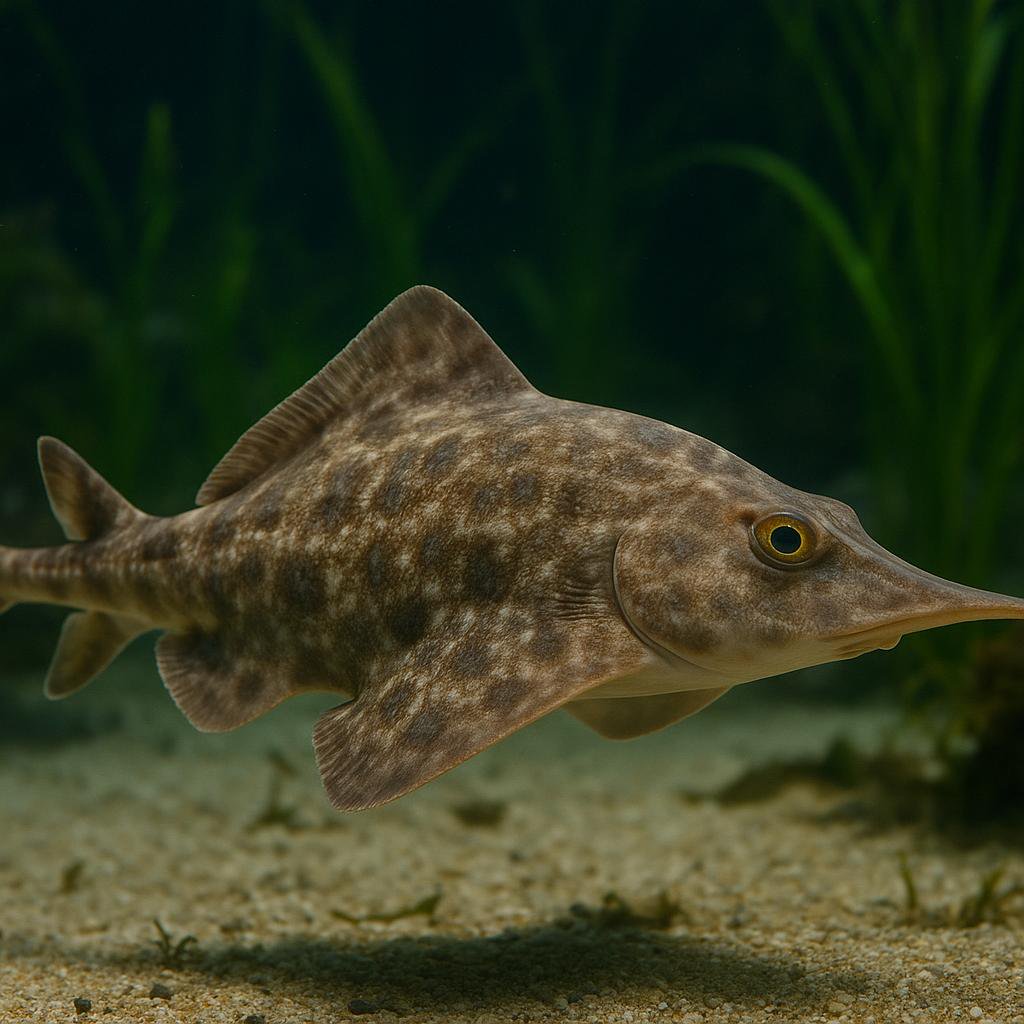
Aleutian skate
Bathyraja aleutica
This is a big, cold-water deep-slope skate from the North Pacific that cruises muddy bottoms and eats chunky benthic prey like crabs and shrimp. The really cool bit is its egg-laying skate life - it does distinct pairing (the classic skate "embrace") and drops those tough egg cases on the seafloor. Not an aquarium fish at all unless you're basically running a public-aquarium-style chilled system.
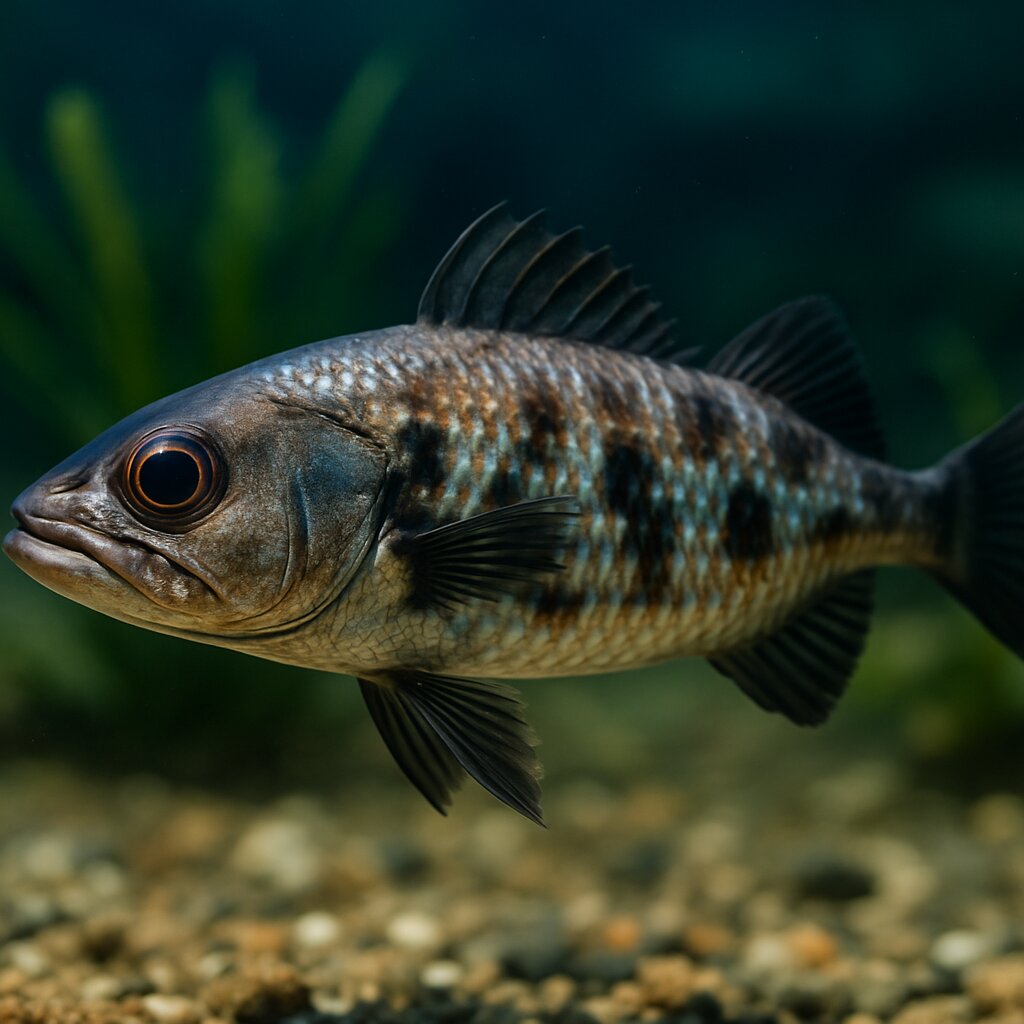
Antarctic dragonfish
Vomeridens infuscipinnis
Deep down around Antarctica, this sleek dragonfish cruises the water column like a little submarine, nearly neutrally buoyant so it can hover above the seafloor. It munches almost exclusively on Antarctic krill and lives in near-freezing water 500-800 m down, so it is a cool species to read about, not one for home tanks.
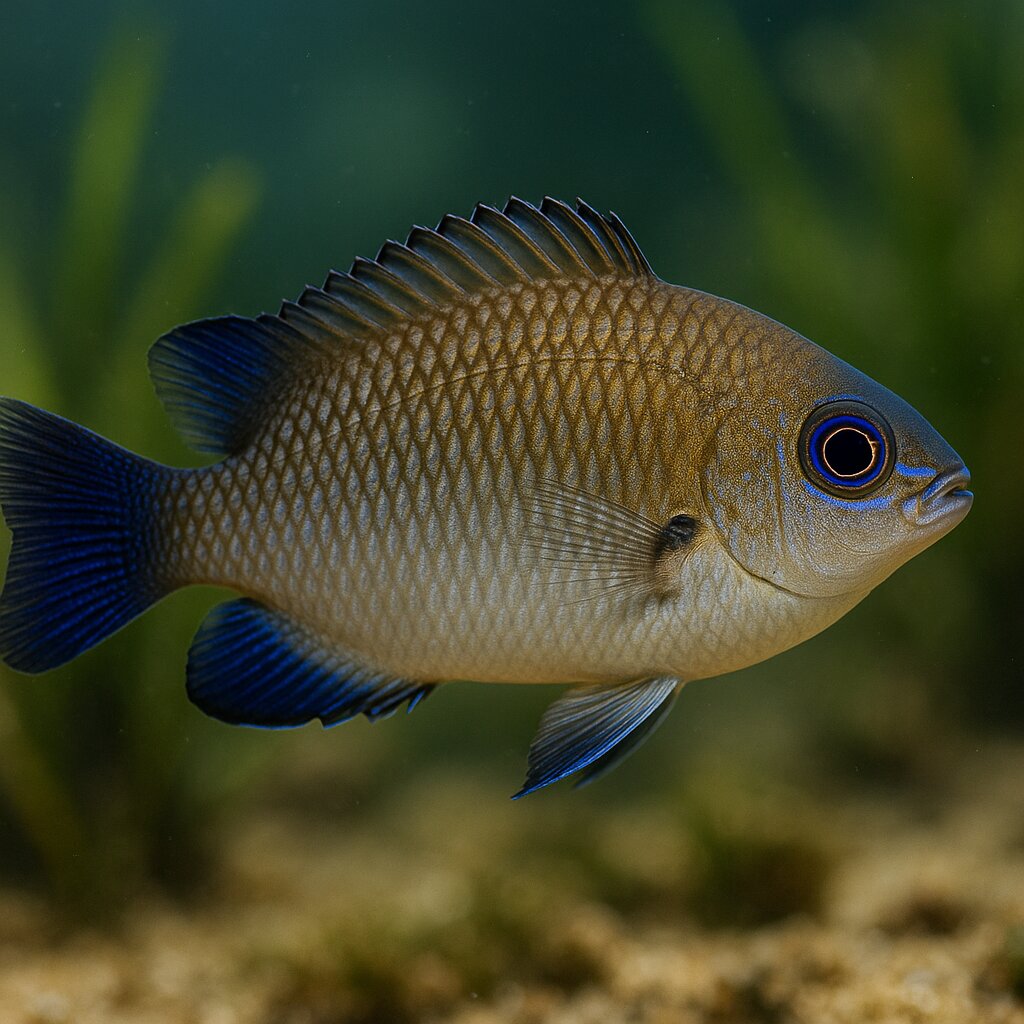
Arabian demoiselle
Neopomacentrus sindensis
A small lyretail damsel from the Persian Gulf and Arabian Sea, it hangs in loose groups around coral heads, rocks, and even pier pilings picking zooplankton from the flow. Think classic damsel toughness with a slightly milder attitude than the real bruisers, plus subtle yellow tail accents. Males clean a patch, get a mate to lay eggs there, and then stand guard fanning the clutch.
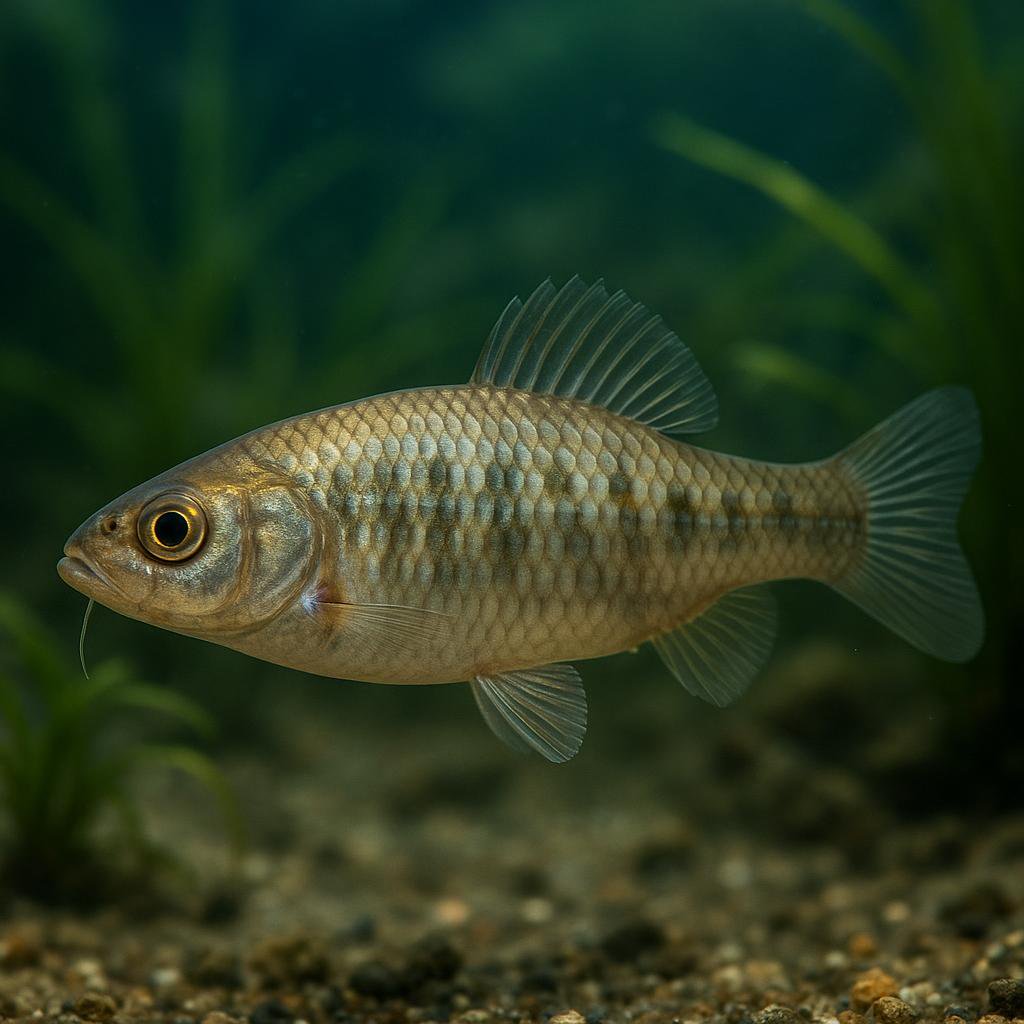
Arabian spiny eel
Notacanthus indicus
Notacanthus indicus is a deep-sea spiny eel (family Notacanthidae; not a true eel) known from the Arabian Sea on the continental slope at roughly ~960–1,046 m depth, with reported maximum length around 20 cm TL; it is a deep-water bycatch species and not established in the aquarium trade.
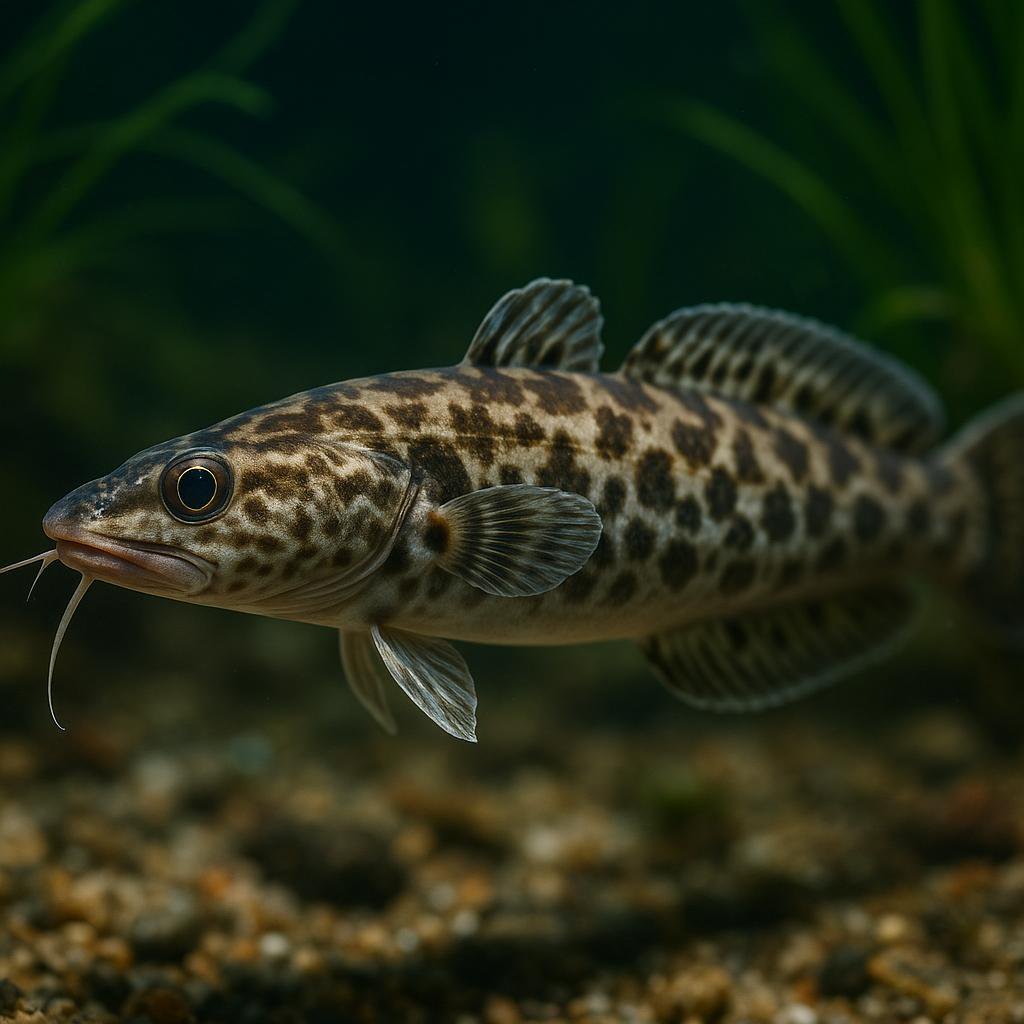
Arctic rockling
Gaidropsarus argentatus
This is a deepwater North Atlantic rockling (a cod relative) that hangs out on soft bottoms way down the slope. It is a cold-water, bottom-hugging predator that snoots around for crustaceans and will also take small fish when it gets the chance.
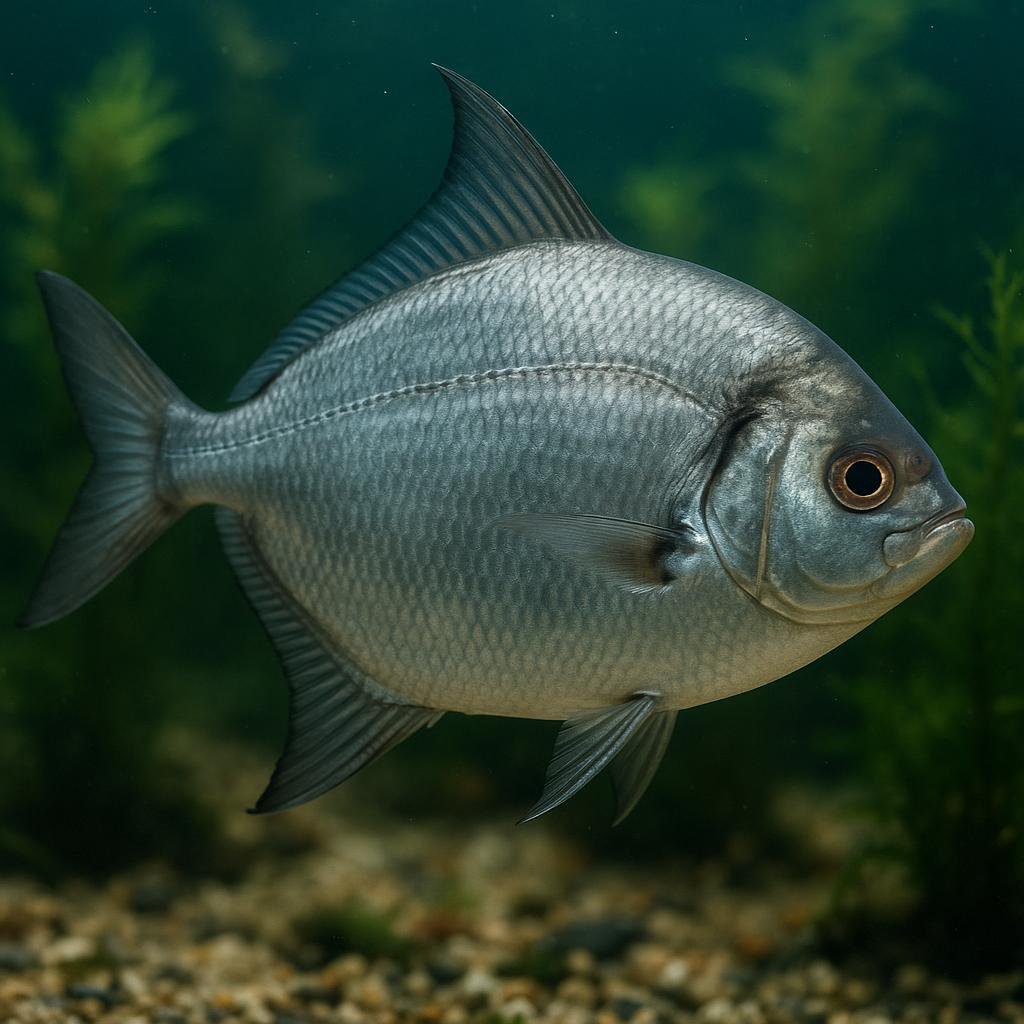
Atlantic pomfret
Brama brama
Brama brama is the Atlantic pomfret (aka Ray's bream) - a deep-bodied, open-ocean pelagic fish that cruises around in small schools and follows water temps. It is a legit big, wild marine species (not an aquarium fish) that eats other small sea critters like fish and squid, and it ranges across a huge chunk of the Atlantic plus parts of the Indian and South Pacific.
More to Explore
Discover more marine species.
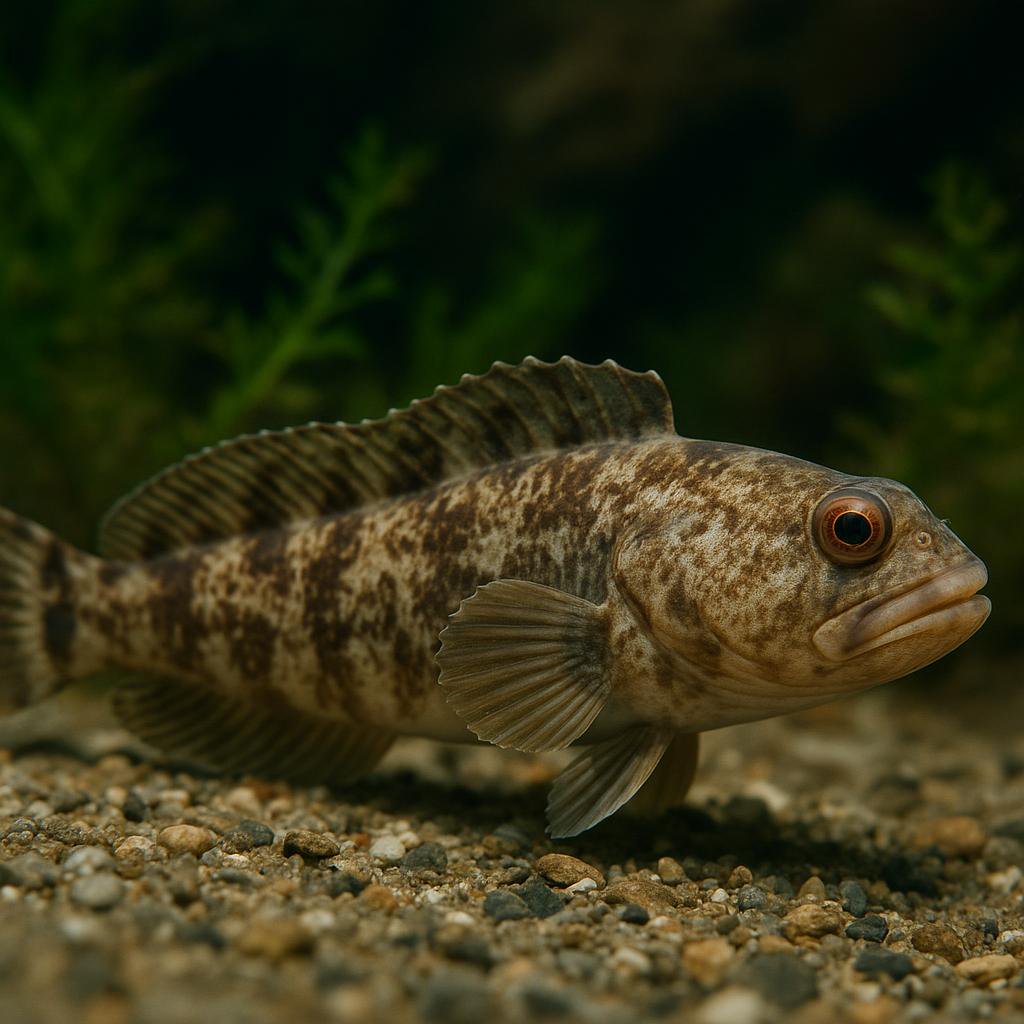
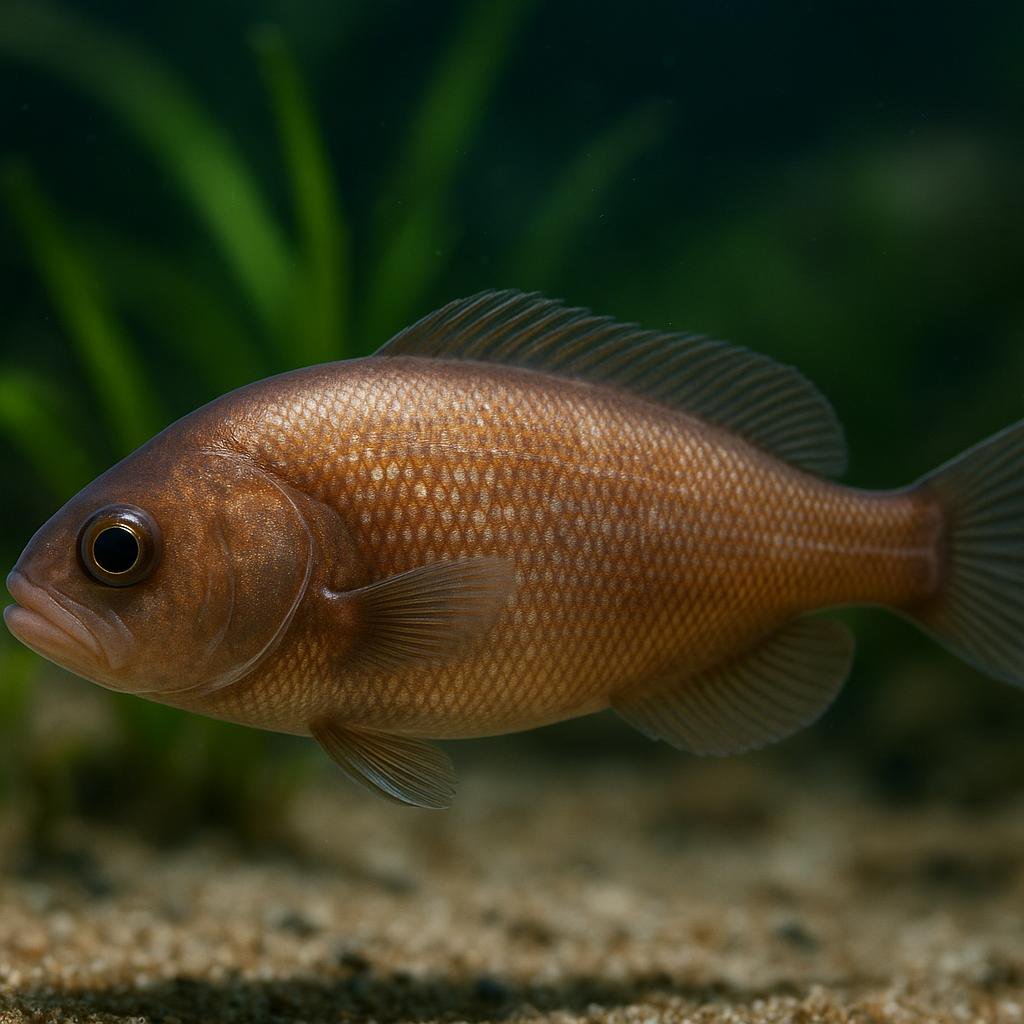
Abe's eelpout
Japonolycodes abei
Japonolycodes abei is a temperate, deepwater demersal eelpout (family Zoarcidae) endemic to Japan (Kumano-nada Sea reported; other sources also report Sagami Bay and Tosa Bay). It is the only species in the genus Japonolycodes and occurs roughly 40-300 m depth, making it an uncommon/atypical aquarium species.
Affinis blind cusk-eel
Barathronus affinis
Barathronus affinis is a tiny, super-weird deep-sea blind cusk-eel from the western-central Indian Ocean. It is one of those gelatinous, loose-skinned brotula-type fishes that live way down in the dark and are basically never seen alive, so almost everything we know comes from preserved specimens and taxonomic work.
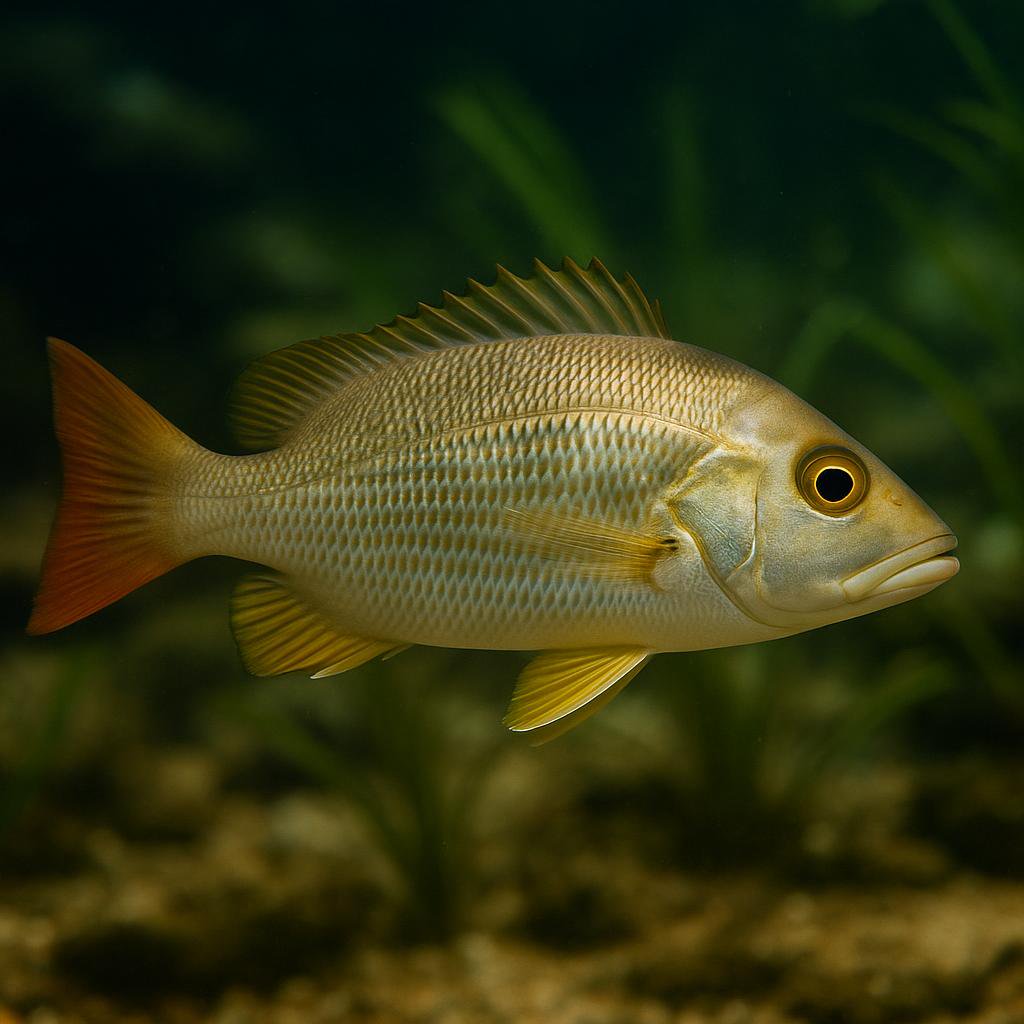
African red snapper
Lutjanus agennes
This is a true snapper from West Africa - a big, fast-growing predator that goes from coastal reefs to brackish lagoons and estuaries (especially as a juvenile). Super cool fish in the wild, but it gets absolutely huge and will eat smaller tankmates once it has the mouth for it, so its really more of a public-aquarium scale animal than a home-aquarium fish.
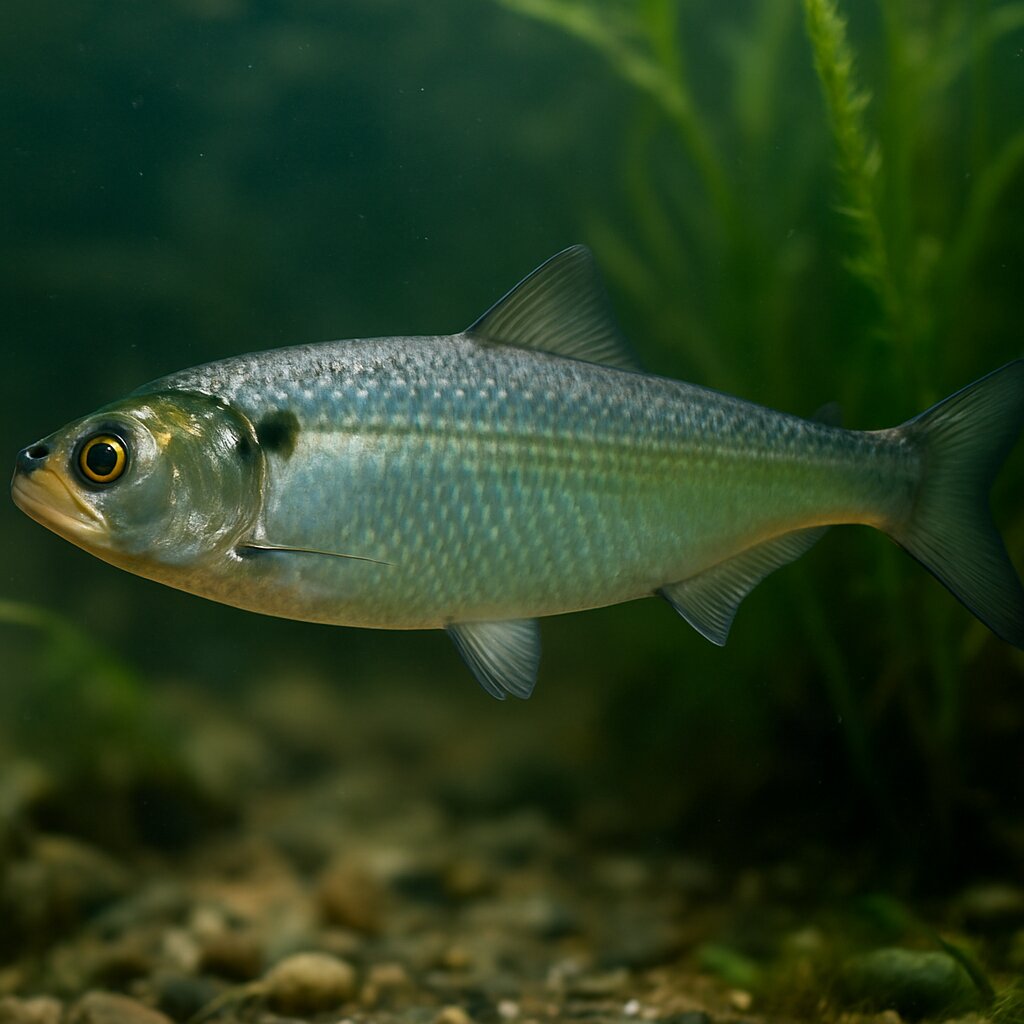
Allis shad
Alosa alosa
Gorgeous silver, fast-swimming shad that spends most of its life in the sea and then surges up big rivers in noisy, surface-spawning schools. It grows huge for a herring-type fish and needs cool, ultra-oxygenated water and tons of open space, so it is a public-aquarium species rather than a home tank fish.
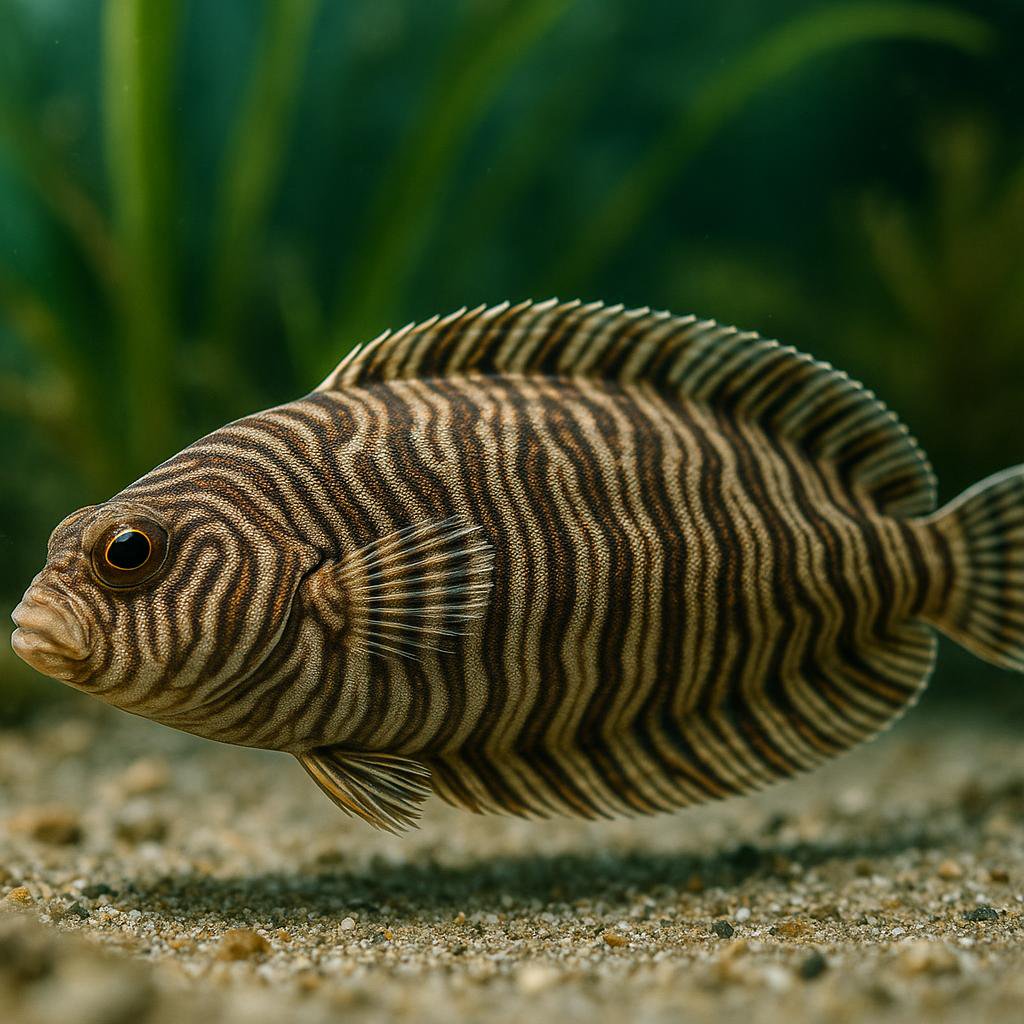
Annandale's zebra sole
Zebrias annandalei
Zebrias annandalei is a small demersal sole from coastal India that inhabits sandy or muddy bottoms and buries for camouflage. It is rarely kept in home aquaria and would require a specialized marine sand-bottom setup and appropriate feeding.
Australian sawtail catshark
Figaro boardmani
Figaro boardmani is a small, deepwater Australian catshark with these cool saw-like ridges of spiny denticles along the tail and a neat pattern of dark saddle bands. It lives way down on the outer continental shelf and slope, so its natural water is cold, dim, and stable - totally not a typical home-aquarium fish. Diet-wise its a predator that goes after fish, crustaceans, and cephalopods.
Looking for other species?