

No established common name
Zebrias maculosus
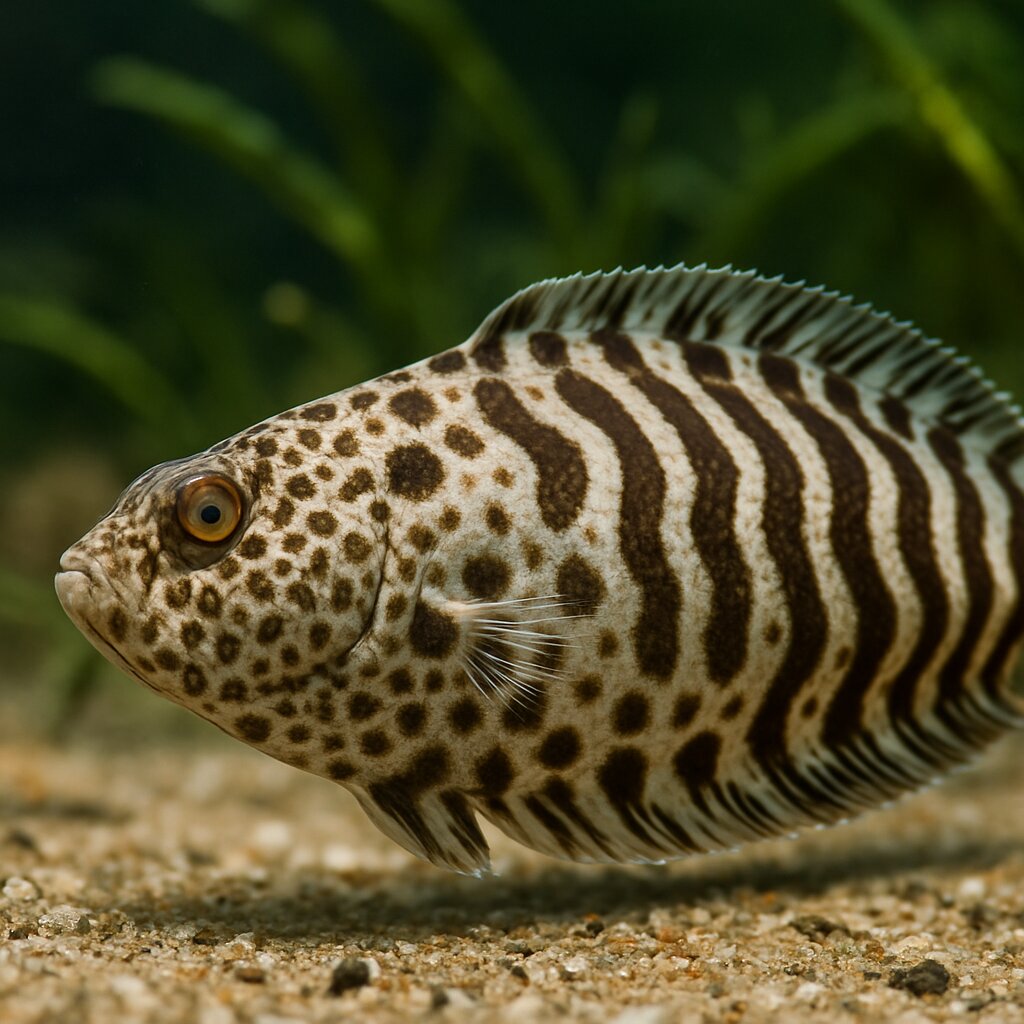
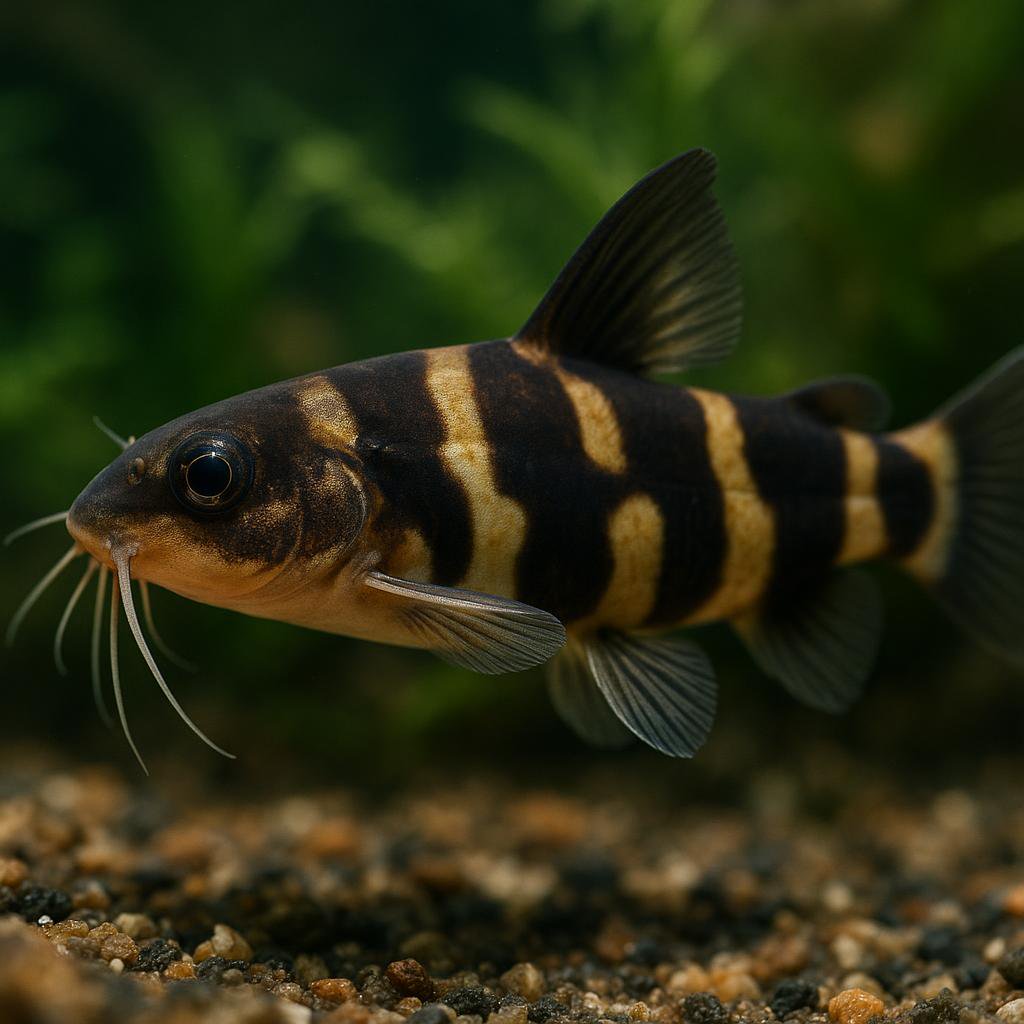
Zebrias maculosus exhibits a streamlined body with distinct dark spots on a pale background, enhancing its camouflage in the aquatic environment.
This page includes AI-generated images. Why am I seeing AI images?
About the No established common name
Zebrias maculosus is a deepwater sole from the Arabian Sea off southwest India, and it is hardly ever seen even by scientists. It reaches about 12-13 cm standard length and lives down around 225-275 m where the water sits roughly 13-16 C, so it is not an aquarium fish unless you have a chilled marine setup.
Quick Facts
Size
12.8 cm SL (about 5 inches)
Temperament
Semi-aggressive
Difficulty
Expert
Min Tank Size
75 gallons
Lifespan
Unknown
Origin
South Asia - Arabian Sea (off southwest India)
Diet
Carnivore - benthic invertebrates (polychaetes, crustaceans), small fishes
Water Parameters
13-16°C
7.9-8.3
300-400 dGH
Need a heater for this species?
This species needs 13-16°C in a 75 gallon tank. Use our heater calculator to find the right wattage.
Calculate heater sizeCare Notes
- Give it a footprint tank, not a tall one - 40 breeder is the bare minimum, 75g is nicer, with 2-3 inches of fine sugar-grain aragonite sand and very little rock on the sand bed.
- Keep water at 75-80 F, SG 1.024-1.026, pH 8.1-8.4, ammonia/nitrite 0, nitrate under 15 ppm, and run decent aeration because they like oxygen but not blasting flow.
- Use intake guards or foam on powerheads and skimmer intakes so it does not get pinned while buried.
- Feed at dusk with a baster or tongs right to its nose - start with live mysids or enriched live brine, then wean to frozen mysis and finely chopped clam, shrimp, or fish over 2-3 weeks.
- It will inhale small shrimp and nano fish, so tankmates should be midwater species too big to fit in its mouth; skip triggers, puffers, big wrasses, goatfish, and nippy crabs.
- Only use fine sand; crushed coral and sharp substrates scrape their skin and lead to infections - lightly vacuum the top layer so old food does not rot.
- Quarantine new specimens and plan on deworming (prazi works well); avoid copper meds on this scaleless fish unless you really know your dosing.
- Breeding is not a thing in home tanks (pelagic larvae), so focus on fattening it up and low-stress housing; if it stops burying or pants on the surface, check oxygen and water quality right away.
Compatibility
Good Tankmates
- Clownfish that mind their own anemone business - ocellaris and percs are great, they ignore the sandbed
- Midwater grazers like tangs and rabbitfish that cruise all day and do not bother buried fish
- Peaceful basslets and assessors (royal gramma, yellow assessor) that hang in the rockwork
- Fairy and flasher wrasses that are plankton pickers, not sand pickers - just make sure you spot feed the sole
- Butterflyfish and smaller angels that are not fixated on picking at other fish
- Sturdier schooling fish like larger chromis or adult cardinals that are too big to be a midnight snack
Avoid
- Triggers and big puffers - they nip, flip, and chew on flatfish
- Picking wrasses like bird wrasse, Thalassoma types, and tuskfish that will harass a sand dweller
- Moray eels and big scorpionfish or lionfish that can swallow slow bottom fish
- Tiny gobies, blennies, or other petite sleepers that fit in the mouth - the sole will eat them after lights out
Where they come from
Zebrias maculosus is a right-eyed sole from the Indo-West Pacific. Think sandy flats next to reefs, seagrass beds, and quiet lagoons. They spend most of the day buried with just their eyes showing, then creep around at dusk looking for small crustaceans and fish.
Setting up their tank
Give them floor space before you give them height. A 75 gallon with a 48 x 18 inch footprint is my minimum for a single adult; bigger makes life easier. They are all about sand, quiet zones, and stable water.
- Substrate: 2-3 inches of sugar-fine aragonite. Coarse sand or crushed coral will chew up their underside.
- Aquascape: Build rock on the glass or on PVC supports, then add sand. Leave big open sand patches. A couple half-buried PVC elbows or low caves help them feel secure.
- Flow and light: Gentle to moderate flow that does not blast the sand. Normal reef lighting is fine, but provide shaded areas.
- Lid: Tight-fitting. Flatfish can and do launch themselves.
- Parameters: 1.023-1.026 SG, 75-79 F, pH 8.1-8.4, low nutrients. They do best in mature, stable systems.
- Filtration: Oversized skimmer and good mechanical filtration. Fine sand gets everywhere, so prefilter your pump intakes.
Quarantine 4-6 weeks with a container of fine sand in the QT. Get the fish reliably eating before it meets competition in the display.
Acclimate slowly, lights off. I like to dim the room and introduce them right onto the sand so they can bury immediately.
What to feed them
They hunt by smell and movement. New arrivals often ignore pellets and flakes, so plan on a weaning process.
- Starter foods: Live blackworms, live grass/ghost shrimp, amphipods from a refugium. These kickstart the feeding response.
- Next step: Frozen mysis, finely chopped prawn, clam, squid strips, and small pieces of marine fish. Soak in vitamins if you can.
- How to offer: Feed at dusk with pumps off. Partially bury the food near the snout or wiggle it with tongs; they will pounce once they smell it.
- Schedule: Juveniles most days in small portions. Adults 3-4 times per week. Aim for a slightly rounded belly after a meal, not a bulge.
Do not count on a new tank's pod population to feed this fish. Many starve that way. Have live or frozen meaty foods ready from day one.
How they behave and who they get along with
By day, they nap under the sand. By night, they cruise low and slow. They are peaceful toward fish that are too large to swallow, but anything bite-sized that sleeps on the sand is at risk.
- Good tankmates: Midwater fish that ignore the sand-bed, like tangs, rabbitfish, larger clownfish, peaceful angels, and bigger anthias.
- Use caution: Large wrasses may pester or flip them. Goatfish will compete and annoy them. Hawkfish are fine with the sole but will go after your shrimp too.
- Avoid: Triggers and puffers, small gobies and blennies, firefish, tiny cardinals, pipefish, seahorses, and all ornamental shrimp or small crabs.
They are crepuscular. A small red flashlight lets you check on feeding without spooking them.
Breeding tips
Not a home-aquarium project. They spawn pelagic eggs and the larvae go through a flatfish metamorphosis with eye migration. There are no hobbyist reports of closing the lifecycle for this species. If you see courtship in a big system, consider yourself lucky and just enjoy the behavior.
Common problems to watch for
- Refusing food: Use live offerings first, then transition to frozen. Feed at dusk with pumps off and try partially burying the food.
- Abrasions on the underside: Usually from rough substrate. Switch to finer sand and keep it clean.
- Getting outcompeted: They are slow, methodical eaters. Spot-feed with tongs and consider feeding after the lights dim.
- Parasites and skin issues: Look for flashing, excess slime, or cloudy eyes. Handle in quarantine. Flatfish can be sensitive to certain meds, so dose carefully and use reliable test kits or consult a fish-savvy vet.
- Sand in pumps and intakes: Cover powerhead intakes with foam guards so the fish cannot get sucked in while buried nearby.
- Jumping: They can bolt if startled at night. Keep every gap covered.
Avoid coarse sand and crushed coral. Repeated micro-abrasions lead to infections fast with bottom dwellers like this.
If you need to target-feed, train them to a feeding stick. Start with a live shrimp on the end, then swap to a thawed mysis bundle once they make the connection.
Similar Species
Other marine semi-aggressive species you might be interested in.
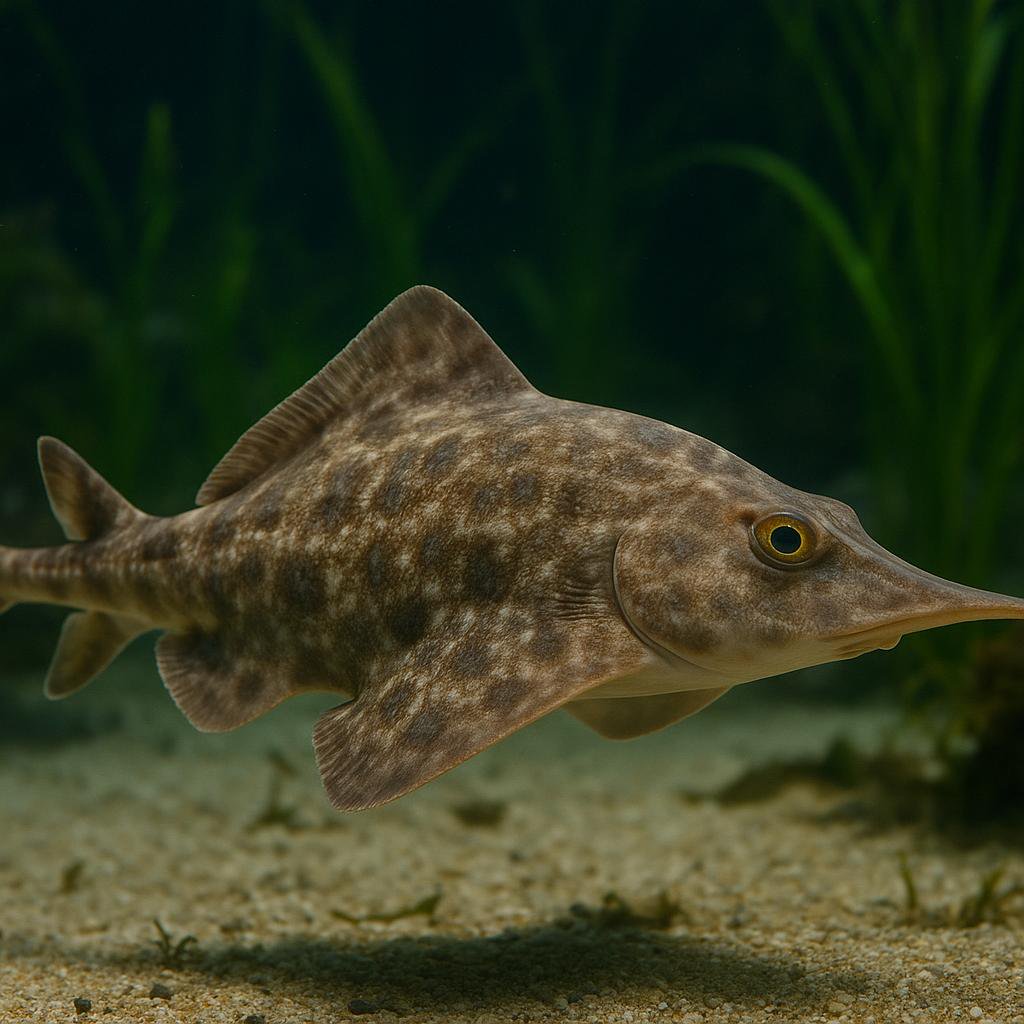
Aleutian skate
Bathyraja aleutica
This is a big, cold-water deep-slope skate from the North Pacific that cruises muddy bottoms and eats chunky benthic prey like crabs and shrimp. The really cool bit is its egg-laying skate life - it does distinct pairing (the classic skate "embrace") and drops those tough egg cases on the seafloor. Not an aquarium fish at all unless you're basically running a public-aquarium-style chilled system.
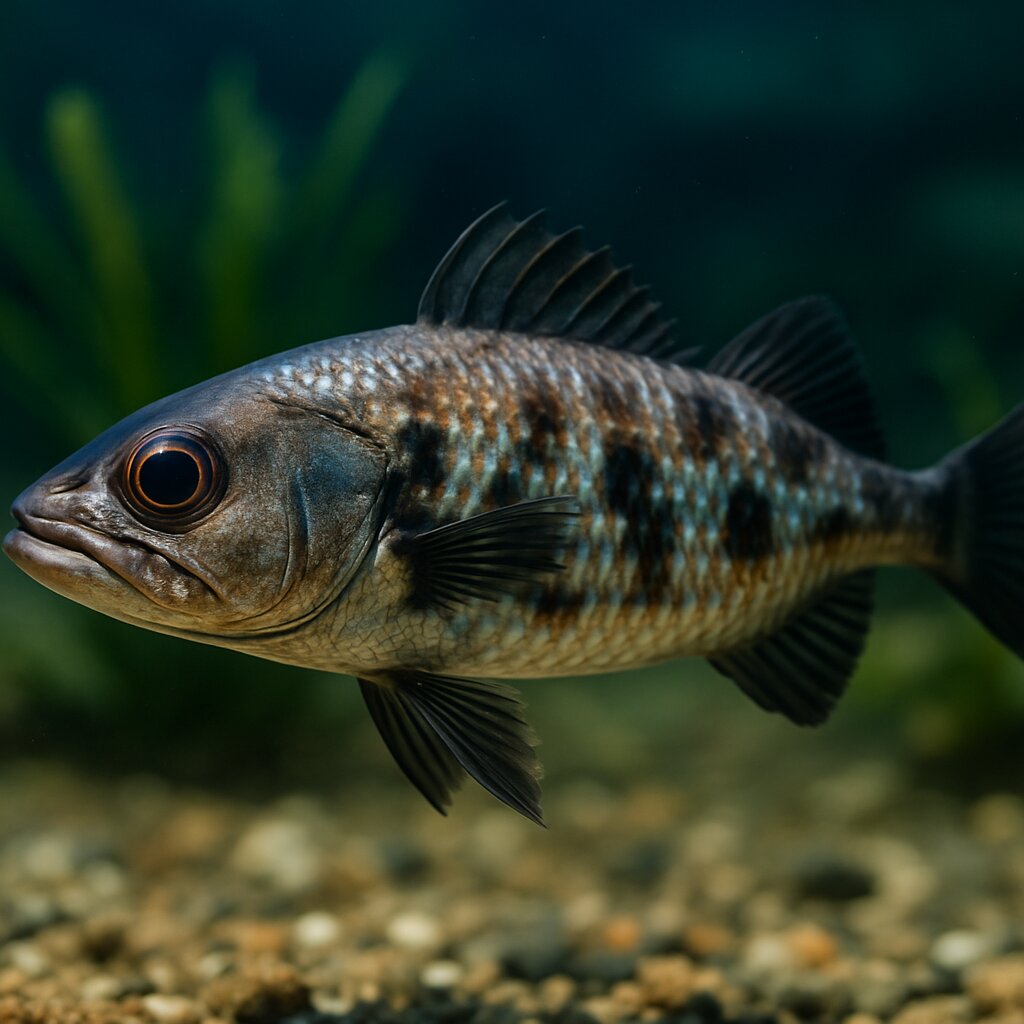
Antarctic dragonfish
Vomeridens infuscipinnis
Deep down around Antarctica, this sleek dragonfish cruises the water column like a little submarine, nearly neutrally buoyant so it can hover above the seafloor. It munches almost exclusively on Antarctic krill and lives in near-freezing water 500-800 m down, so it is a cool species to read about, not one for home tanks.
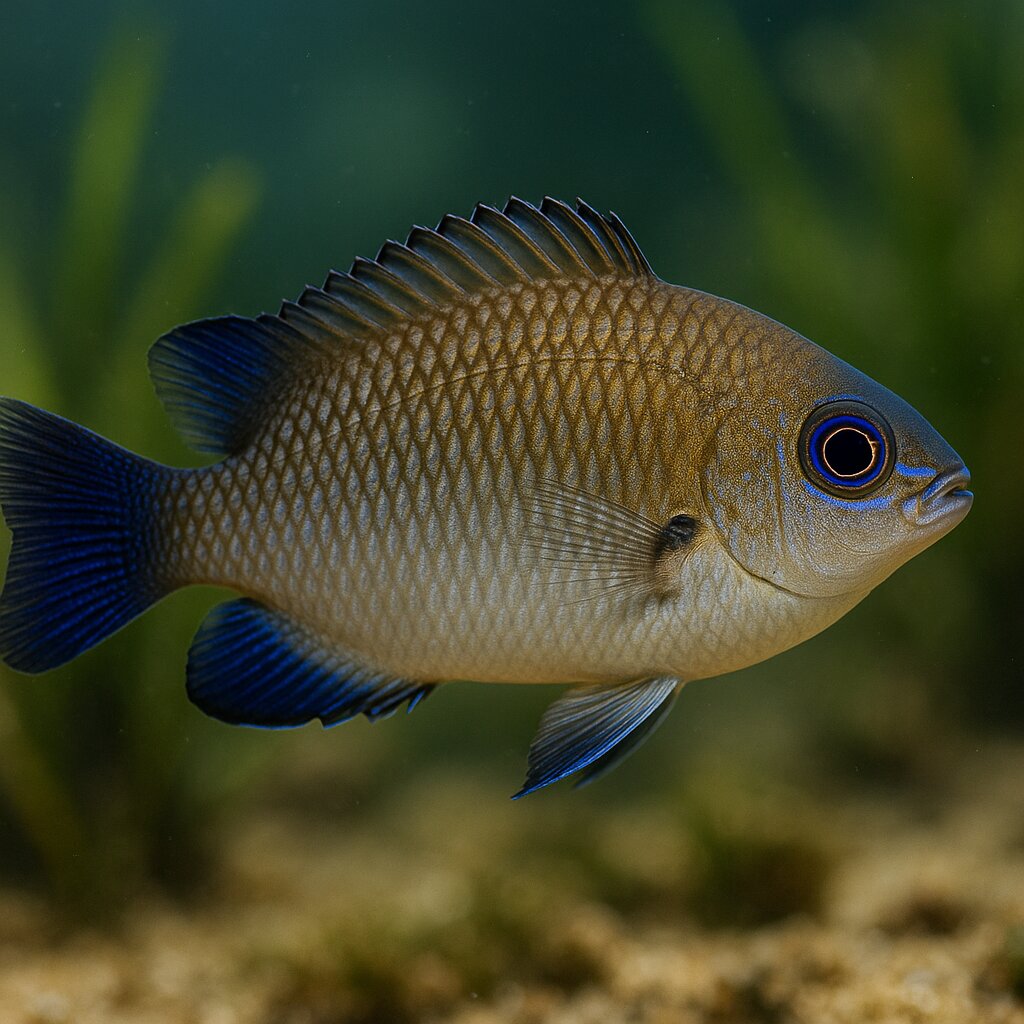
Arabian demoiselle
Neopomacentrus sindensis
A small lyretail damsel from the Persian Gulf and Arabian Sea, it hangs in loose groups around coral heads, rocks, and even pier pilings picking zooplankton from the flow. Think classic damsel toughness with a slightly milder attitude than the real bruisers, plus subtle yellow tail accents. Males clean a patch, get a mate to lay eggs there, and then stand guard fanning the clutch.
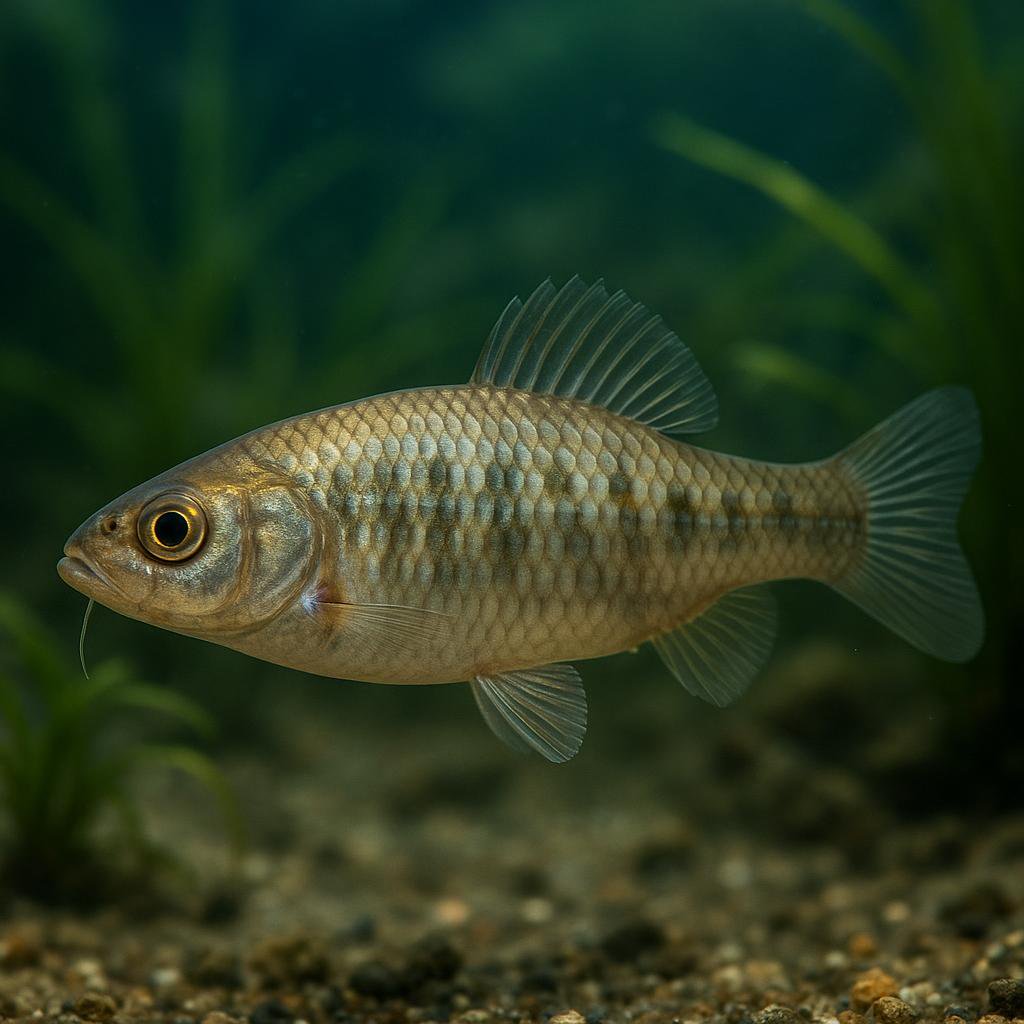
Arabian spiny eel
Notacanthus indicus
Notacanthus indicus is a deep-sea spiny eel (family Notacanthidae; not a true eel) known from the Arabian Sea on the continental slope at roughly ~960–1,046 m depth, with reported maximum length around 20 cm TL; it is a deep-water bycatch species and not established in the aquarium trade.
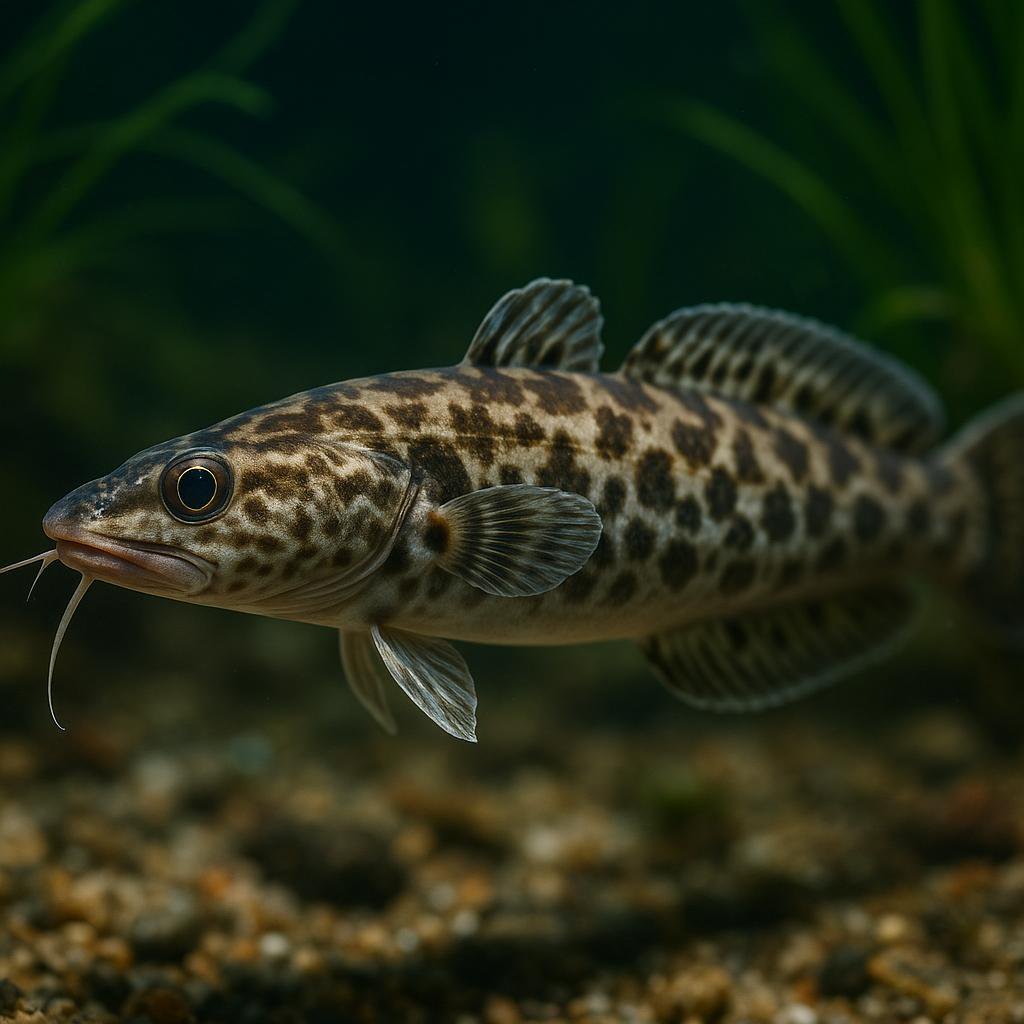
Arctic rockling
Gaidropsarus argentatus
This is a deepwater North Atlantic rockling (a cod relative) that hangs out on soft bottoms way down the slope. It is a cold-water, bottom-hugging predator that snoots around for crustaceans and will also take small fish when it gets the chance.
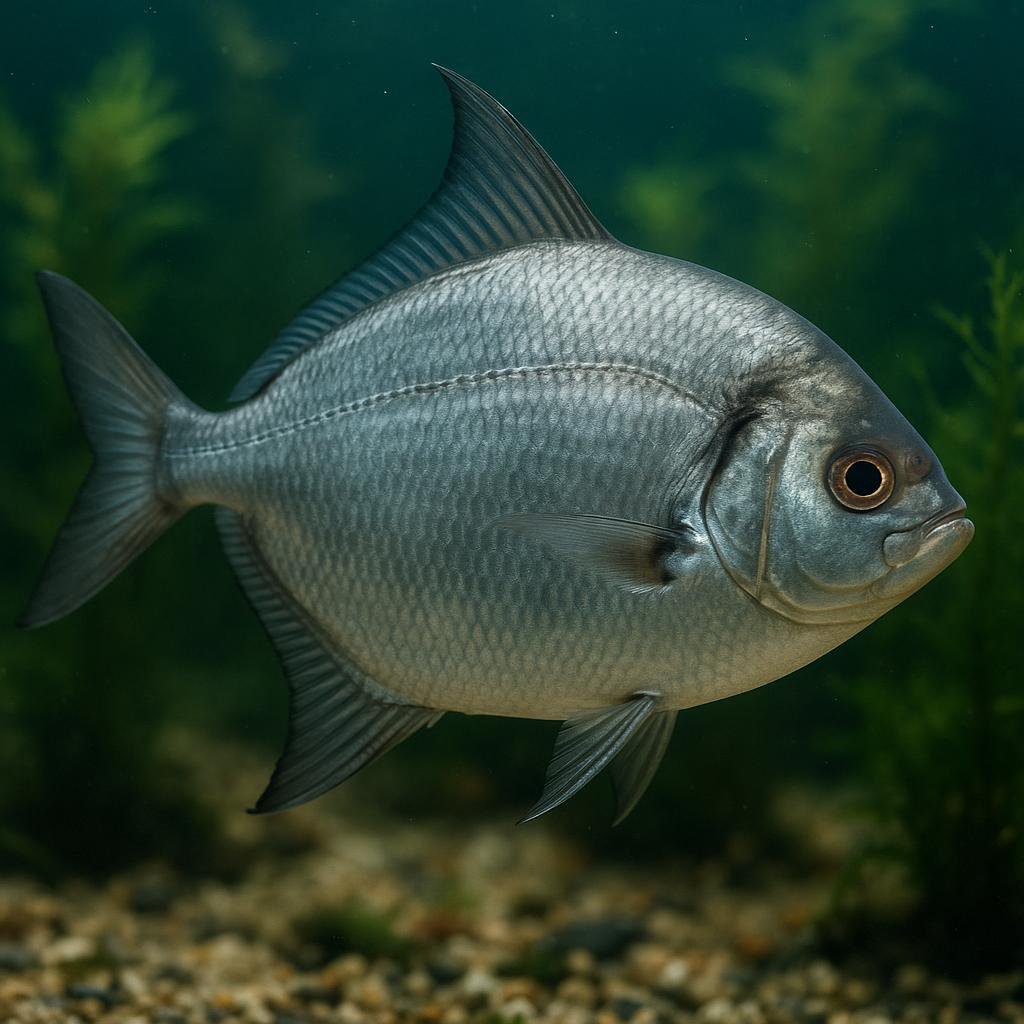
Atlantic pomfret
Brama brama
Brama brama is the Atlantic pomfret (aka Ray's bream) - a deep-bodied, open-ocean pelagic fish that cruises around in small schools and follows water temps. It is a legit big, wild marine species (not an aquarium fish) that eats other small sea critters like fish and squid, and it ranges across a huge chunk of the Atlantic plus parts of the Indian and South Pacific.
More to Explore
Discover more marine species.
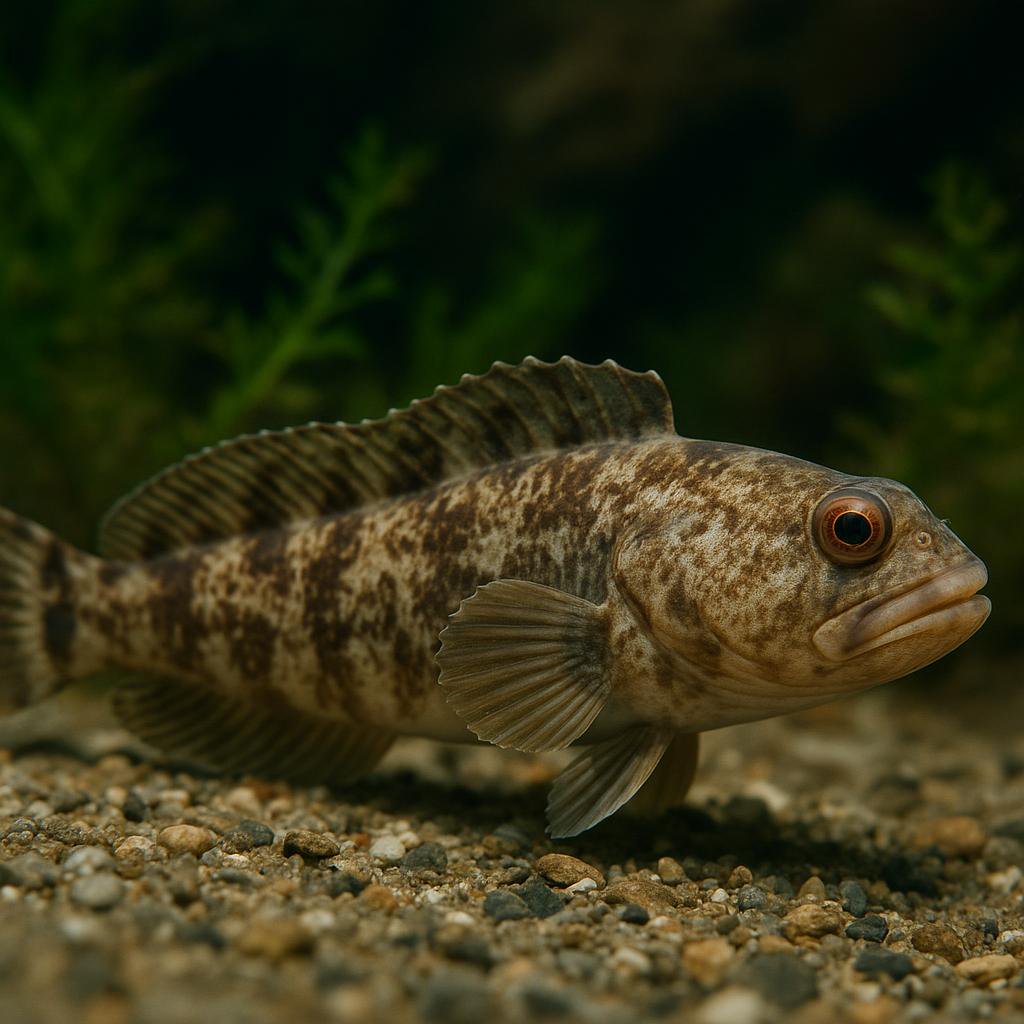
Abe's eelpout
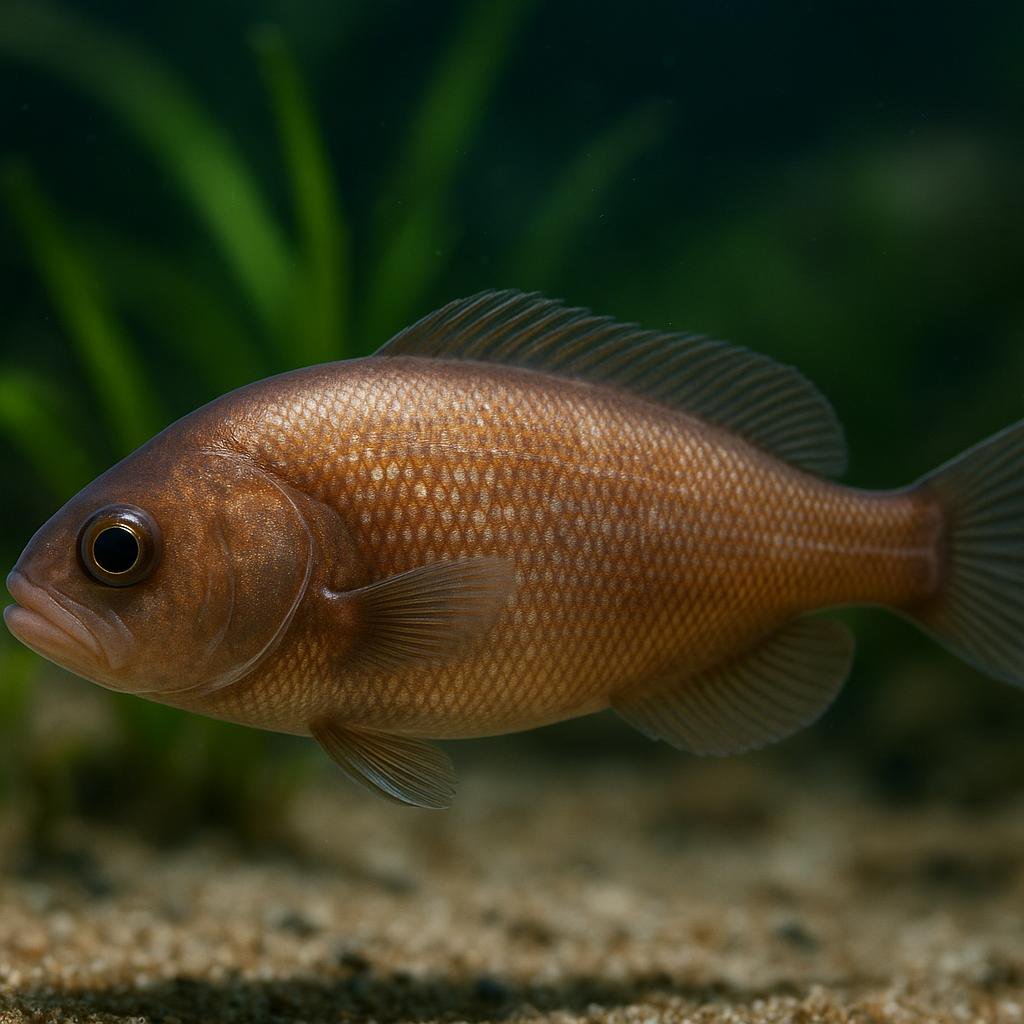
Japonolycodes abei
Japonolycodes abei is a temperate, deepwater demersal eelpout (family Zoarcidae) endemic to Japan (Kumano-nada Sea reported; other sources also report Sagami Bay and Tosa Bay). It is the only species in the genus Japonolycodes and occurs roughly 40-300 m depth, making it an uncommon/atypical aquarium species.
Affinis blind cusk-eel
Barathronus affinis
Barathronus affinis is a tiny, super-weird deep-sea blind cusk-eel from the western-central Indian Ocean. It is one of those gelatinous, loose-skinned brotula-type fishes that live way down in the dark and are basically never seen alive, so almost everything we know comes from preserved specimens and taxonomic work.
African red snapper
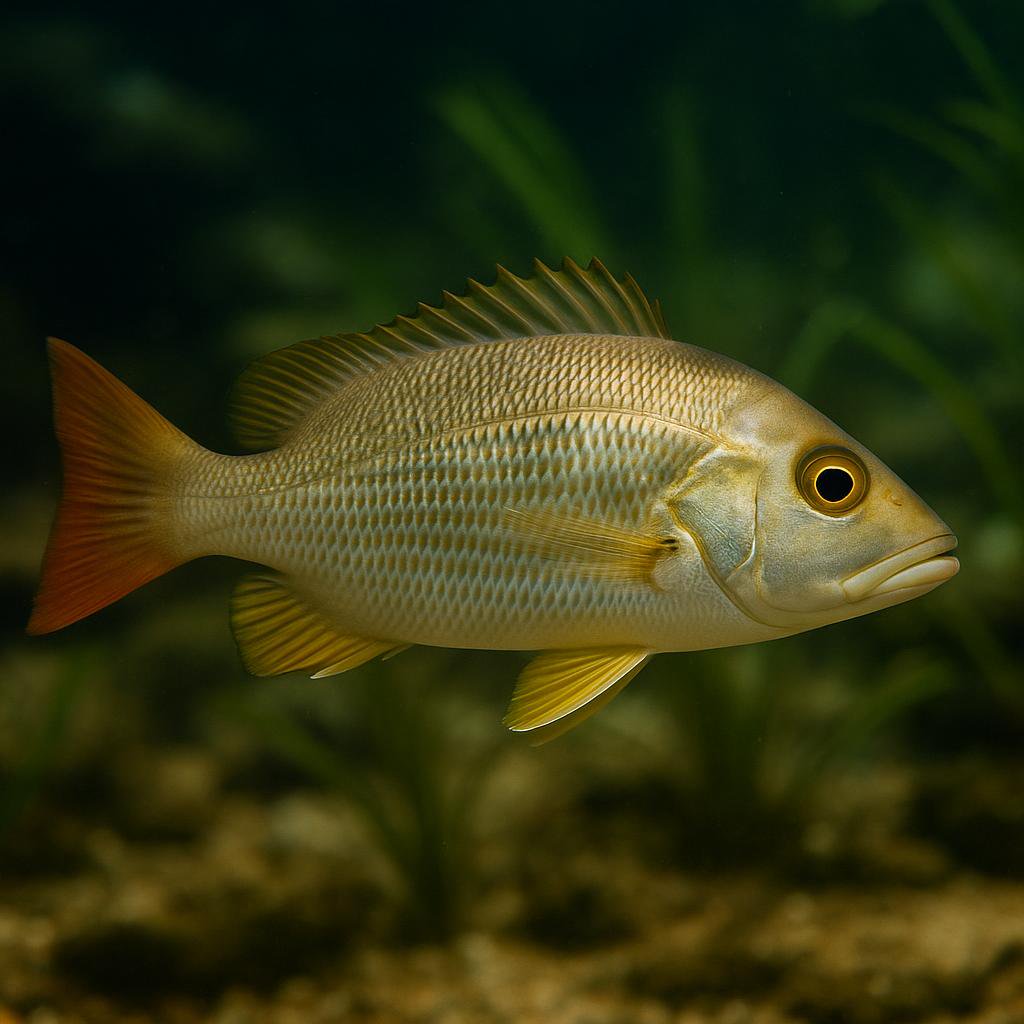
Lutjanus agennes
This is a true snapper from West Africa - a big, fast-growing predator that goes from coastal reefs to brackish lagoons and estuaries (especially as a juvenile). Super cool fish in the wild, but it gets absolutely huge and will eat smaller tankmates once it has the mouth for it, so its really more of a public-aquarium scale animal than a home-aquarium fish.
Allis shad
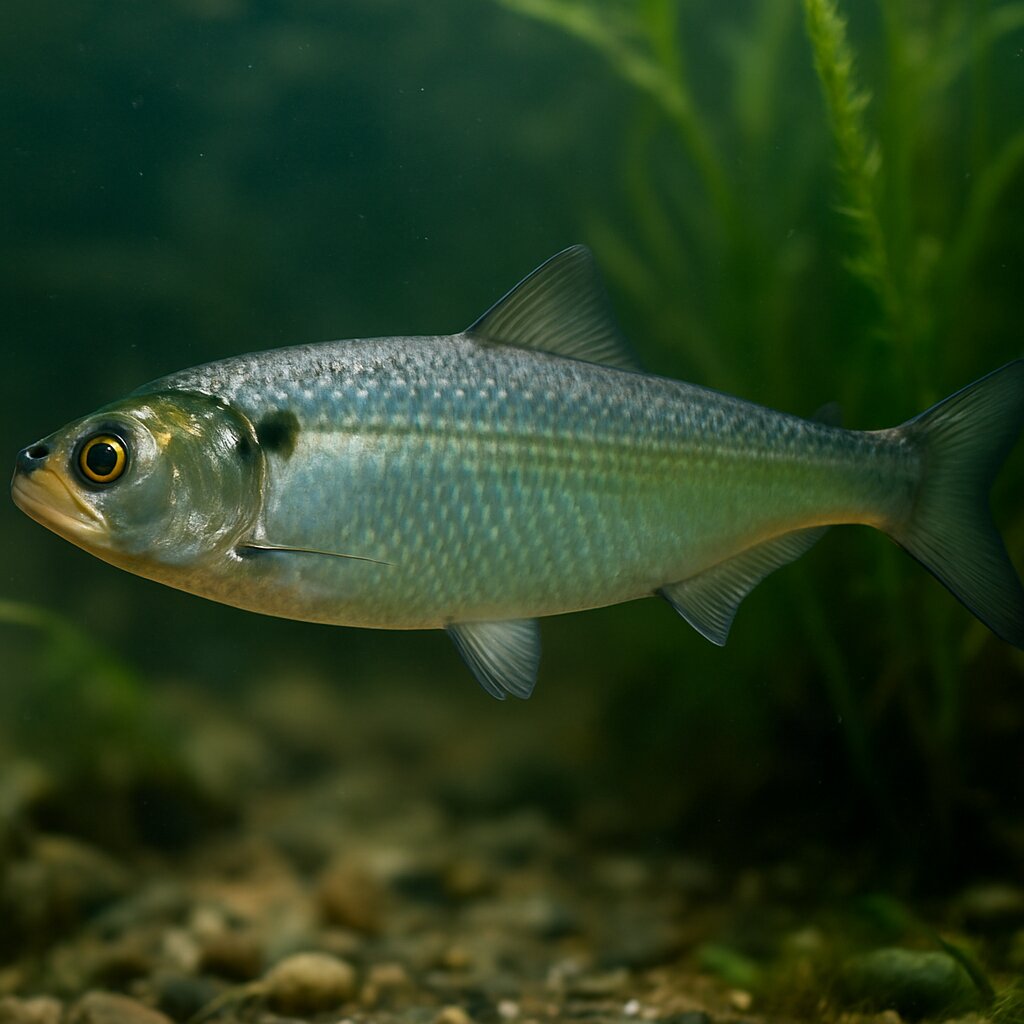
Alosa alosa
Gorgeous silver, fast-swimming shad that spends most of its life in the sea and then surges up big rivers in noisy, surface-spawning schools. It grows huge for a herring-type fish and needs cool, ultra-oxygenated water and tons of open space, so it is a public-aquarium species rather than a home tank fish.
Annandale's zebra sole
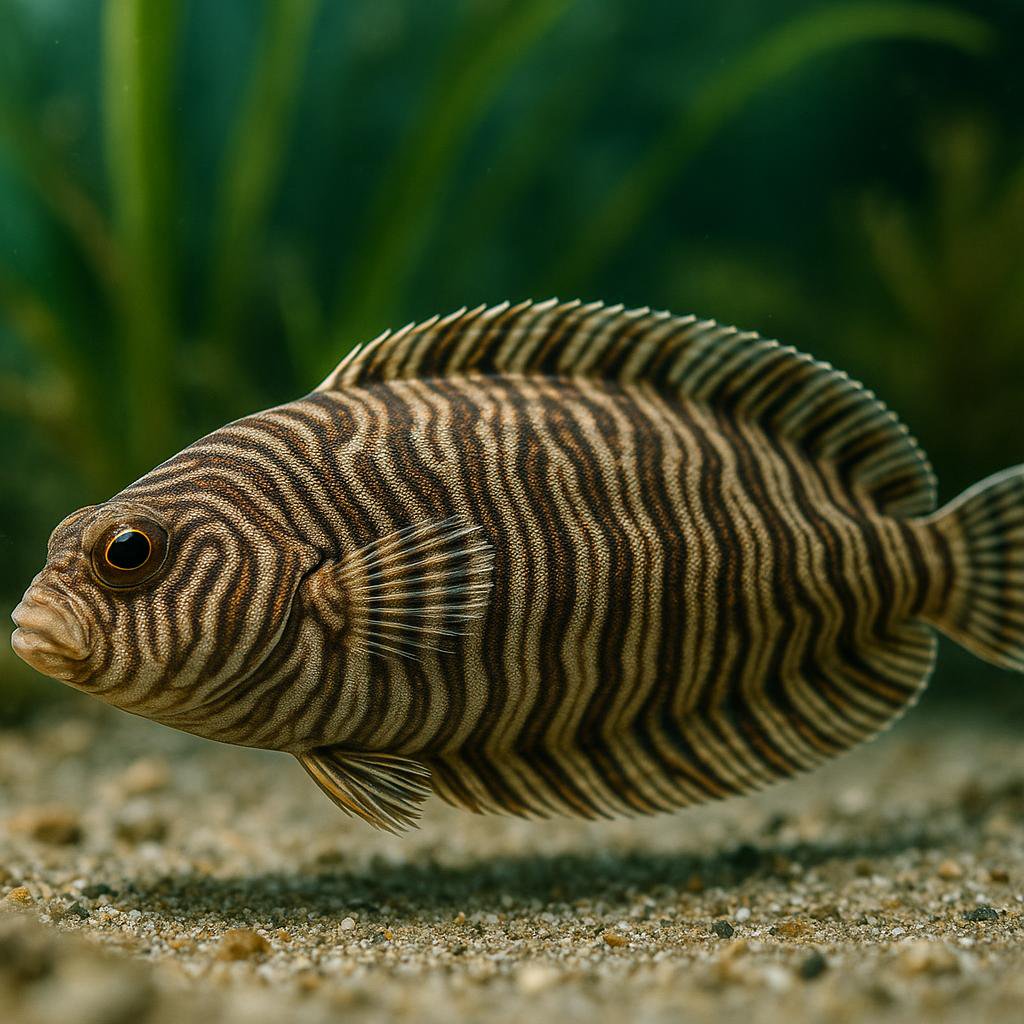
Zebrias annandalei
Zebrias annandalei is a small demersal sole from coastal India that inhabits sandy or muddy bottoms and buries for camouflage. It is rarely kept in home aquaria and would require a specialized marine sand-bottom setup and appropriate feeding.
Australian sawtail catshark
Figaro boardmani
Figaro boardmani is a small, deepwater Australian catshark with these cool saw-like ridges of spiny denticles along the tail and a neat pattern of dark saddle bands. It lives way down on the outer continental shelf and slope, so its natural water is cold, dim, and stable - totally not a typical home-aquarium fish. Diet-wise its a predator that goes after fish, crustaceans, and cephalopods.
Looking for other species?