

Taper-tail ribbonfish
Zu elongatus
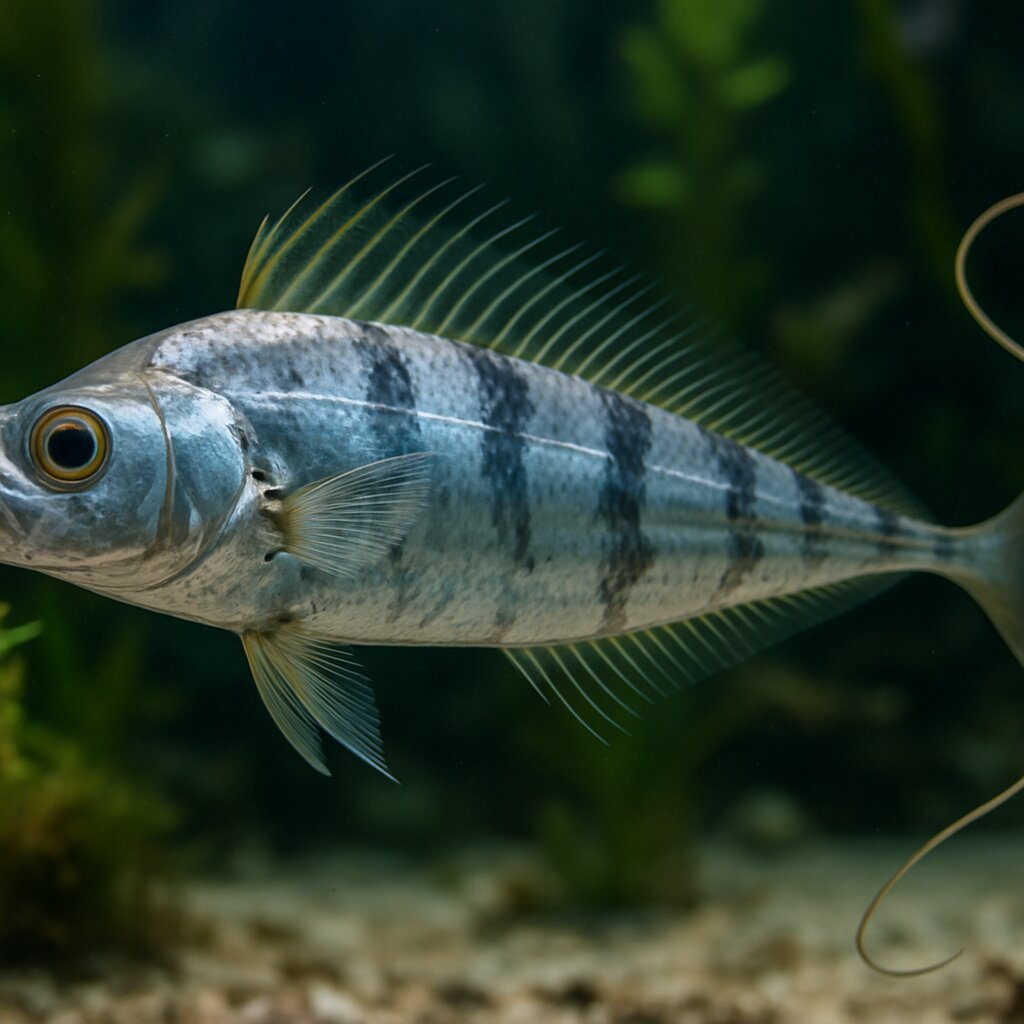
The Taper-tail ribbonfish features a slender, elongated body with metallic blue-green scales and a distinctive tapering tail.
This page includes AI-generated images. Why am I seeing AI images?
About the Taper-tail ribbonfish
Picture a flat, silvery ribbon of a fish with bright red pelvic fins - that is Zu elongatus. Adults roam the deep open ocean, while the youngsters hang near the surface with crazy long fins that mimic jellyfish and siphonophores. It is awesome to read about and spot in bycatch photos, but it is not a home aquarium candidate.
Also known as
Quick Facts
Size
120 cm
Temperament
Semi-aggressive
Difficulty
Expert
Min Tank Size
1000 gallons
Lifespan
unknown
Origin
Southeast Atlantic and Indo-West Pacific
Diet
Carnivore - crustaceans, small fish, squid
Water Parameters
2-6°C
7.9-8.3
300-400 dGH
Need a heater for this species?
This species needs 2-6°C in a 1000 gallon tank. Use our heater calculator to find the right wattage.
Calculate heater sizeCare Notes
- This is a public-aquarium fish - think 8+ ft long, tall, oval or round tank with rounded corners and a tight lid. Bare bottom and dim lighting so it does not face-plant into rock or glass.
- Run a chiller and keep it cool with very high oxygen and strong skimming. Warm reef temps and low O2 burn them out fast.
- Full-strength seawater (SG 1.025-1.026), pH 8.1-8.3, zero ammonia and nitrite, and nitrate under about 10 ppm; big, regular water changes beat chasing numbers.
- Start with live small fish or shrimp to trigger feeding, then shift to thin strips of squid, fish, and krill. Target-feed midwater with long tongs 2-3 times a day and skip thiaminase-only diets.
- Keep it solo or with very calm, open-water cruisers that ignore it. Anything nippy or fast will shred those fins, and anything bite-sized becomes food.
- Give gentle, laminar flow and guard every pump and overflow with foam or mesh. Move it with a tub, not a net - they curl and tear easily, and snout rubs get infected fast.
- Quarantine in a dim, round tub with mellow circular current. Go easy on copper with this kind of fish and use praziquantel for flukes; UV helps keep parasite pressure down.
- Breeding is a no-go in tanks - they are pelagic spawners and there are no hobby-level successes.
Compatibility
Good Tankmates
- Species-only in a huge, low-light oval tank - honestly they do best solo; fewer collisions, easier feeding
- Big, calm midwater cruisers like lookdowns (Selene) that ignore them and are not nippy
- Large, mellow batfish (Platax) that are too big to be a snack and not prone to fin nipping
- Peaceful bottom rays in truly massive systems, like cownose or big smooth stingrays, since they stick to the floor and do not harass
- Rock-huggers that mind their business like soldierfish and squirrelfish, provided they are big enough not to be bite-sized
- Big rabbitfish like foxface Lo or magnificent rabbitfish; they graze, keep to themselves, and are rarely nippy
Avoid
- Triggers, puffers, and big wrasses - anything nippy or beaky that will chew the ribbony fin
- Groupers, jacks, big snappers, or reef sharks - bruiser predators that will treat a slender ribbonfish like spaghetti
- Small schooling fish, gobies, and ornamental shrimp - they are just food items
- Hyperactive tangs and damsels that tail-slap and harass slower fish
Where they come from
Taper-tail ribbonfish (Zu elongatus) are open-water oddballs from the Indo-Pacific. You usually hear about them as bycatch or after storms push them toward shore. They cruise the midwater over deep slopes, coming higher in the water column at night. Think dim, cool, and roomy - not reefs and rock piles.
Setting up their tank
This species is not a glass-box community fish. If you want a real chance, think public-aquarium style. They need room to glide without whacking that delicate snout on corners.
- Tank shape: Round or oval is best. Big rectangular tanks can work if all corners are rounded and rockwork is minimal.
- Footprint and volume: I would not attempt under 2,000 liters, and more is better. Mine did best in a 3,500 liter oval tank with soft-lined walls.
- Temperature: Subtropical suits them. Aim 18-22 C. They tolerate 23-24 C short term, but warm water ramps up stress and oxygen demand.
- Salinity: 1.024-1.026. Keep it steady.
- Flow: Gentle, laminar, circular current. No jets blasting the face or flipping them like a ribbon in a fan.
- Lighting: Dim. They are calmer in low light. I use a red observation light at night.
- Aquascape: Bare bottom or soft sand. No sharp rock, no tight gaps. Keep heaters, intakes, and overflows covered with foam guards.
- Cover: Tight lid. They will jump. Pad cross-braces and any hard edges with closed-cell foam.
- Filtration: Strong skimming and oversized biofiltration. They are messy once feeding well, and oxygenation matters. Keep dissolved oxygen high.
- Chiller: Plan on one. Heat spikes and this fish do not mix.
Do not use fine-mesh nets. Their skin and fins tear easily and the snout bends. Guide them with a large, soft tub or bag instead.
Acclimation is half the battle. Keep the room quiet, lights low, and current gentle. I float-bag to match temp, then drip for 45-60 minutes. Move the fish in a submerged container so air contact is minimal and there is no frantic thrashing.
What to feed them
Getting them to eat is usually the make-or-break point. They are sight feeders that key on movement. Expect to start with live foods, then wean.
- Starter live foods: Live river/ghost shrimp, small marine shrimp, or gut-loaded mollies acclimated to salt. Small silversides if you can source truly marine and disease-free.
- Transition foods: Thin strips of squid, lancefish, and prawn moved in front of them with long tongs. Wiggle the food with the current so it looks alive.
- Staples once settled: Mixed marine seafood cut into matchsticks. Rotate squid, fish, shrimp, and krill to avoid thiaminase issues from an all-fish diet.
- Supplements: Soak in vitamins and HUFA (Selcon or similar) a few times a week.
- Schedule: Small meals 2-4 times daily at first. They do poorly with one big dump of food. Night or low-light feedings usually get better responses.
Use a dim red light and feed into the gentle circular flow. Let the current deliver the food past their face. I get more strikes this way than hand-wiggling alone.
Watch for spit-backs. If they grab and then cough it out, your pieces are too large or too tough. Thinner strips solve this.
How they behave and who they get along with
They are calm, almost ghostly swimmers that hover midwater and make quick dashes at food. They spook easily and will bolt into walls if startled. Keep the room traffic and sudden noises down.
- Best kept alone. Seriously. You are trying to get one delicate fish to eat without stress.
- If you must try tankmates: only ultra-peaceful, non-nippy midwater fish that will not compete at feeding time. Think along the lines of larger cardinals or chromis raised with them, but even that is a gamble.
- Avoid: Triggers, wrasses, tangs, puffers, damsels, angels, anything that nips fins or hogs food. Also avoid small fish and shrimp you are not willing to become food.
They can and will swallow surprisingly large, narrow fish. Do not trust them with petite tankmates just because they look gentle.
Breeding tips
There are no credible reports of Zu elongatus breeding in home aquaria. They are open-ocean spawners with pelagic eggs and larvae. If breeding is your goal, this is the wrong species. Focus on long-term maintenance and feeding response instead.
Common problems to watch for
- Not eating: The big one. Try live foods at dusk, dim the lights, and use thin moving strips. Check ammonia and temperature stability.
- Snout abrasions and eye damage: Caused by panic dashes. Round the environment, pad hard edges, and keep the room calm.
- Starvation despite eating: They sometimes burn more calories than they take in. Bump frequency, not portion size.
- Overheating and low oxygen: They wilt fast in warm, stuffy water. Keep a chiller and strong aeration.
- Secondary infections on scrapes: Have a plan for antibiotic baths in a separate vessel. They do not tolerate harsh copper treatments well.
- Parasites from live feeders: Quarantine and gut-load live foods. Rinse them before adding to the tank.
If the fish starts pin-balling, kill the room lights immediately and cover the viewing panel with a towel. Give it a few minutes to settle before turning low light back on.
My honest take: this species is best left to very large, dedicated systems. The individuals that do well are the ones that start eating early, stay calm, and are kept cool with soft surroundings. If any of those pieces are missing, the runway gets short.
Keep a log. Note time of day, food type, cut size, and response. Patterns show up, and once you find the combo that gets consistent strikes, stick with it and shift only one variable at a time.
Similar Species
Other marine semi-aggressive species you might be interested in.
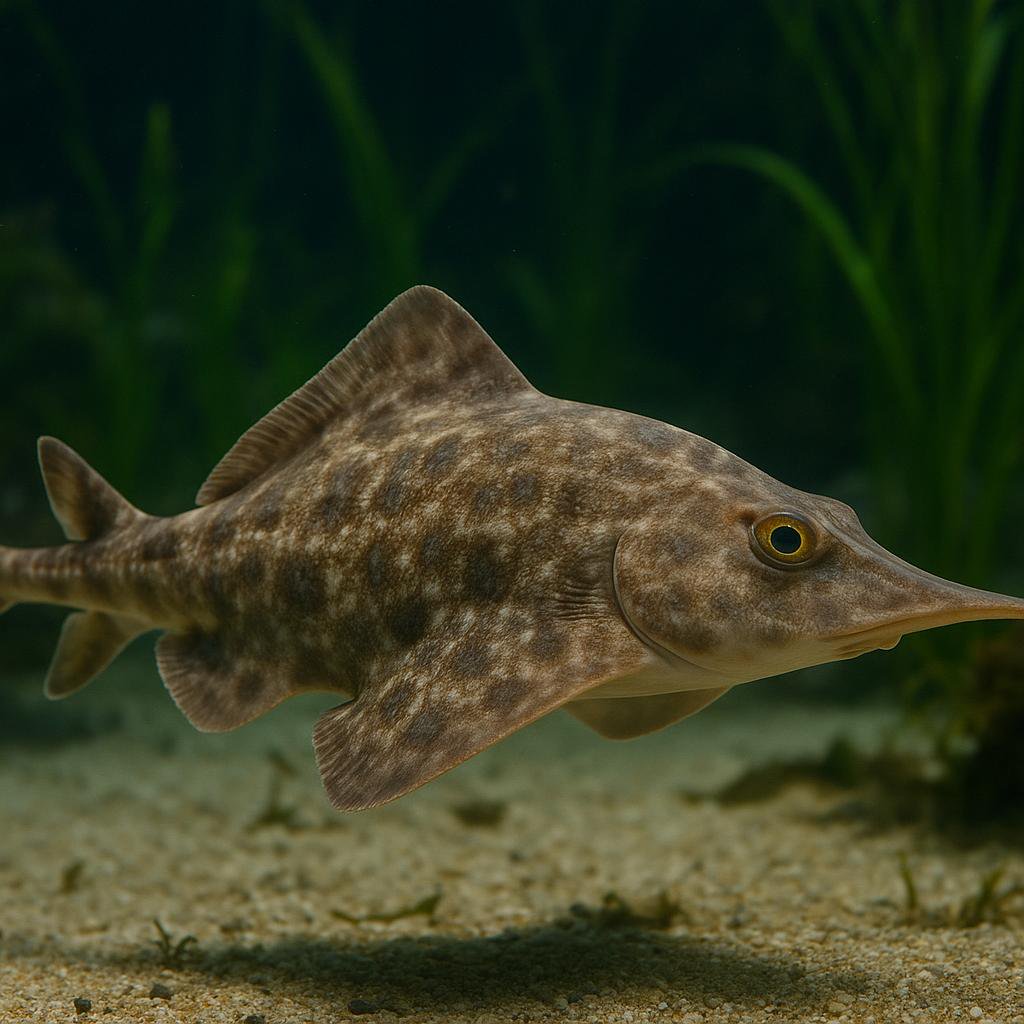
Aleutian skate
Bathyraja aleutica
This is a big, cold-water deep-slope skate from the North Pacific that cruises muddy bottoms and eats chunky benthic prey like crabs and shrimp. The really cool bit is its egg-laying skate life - it does distinct pairing (the classic skate "embrace") and drops those tough egg cases on the seafloor. Not an aquarium fish at all unless you're basically running a public-aquarium-style chilled system.
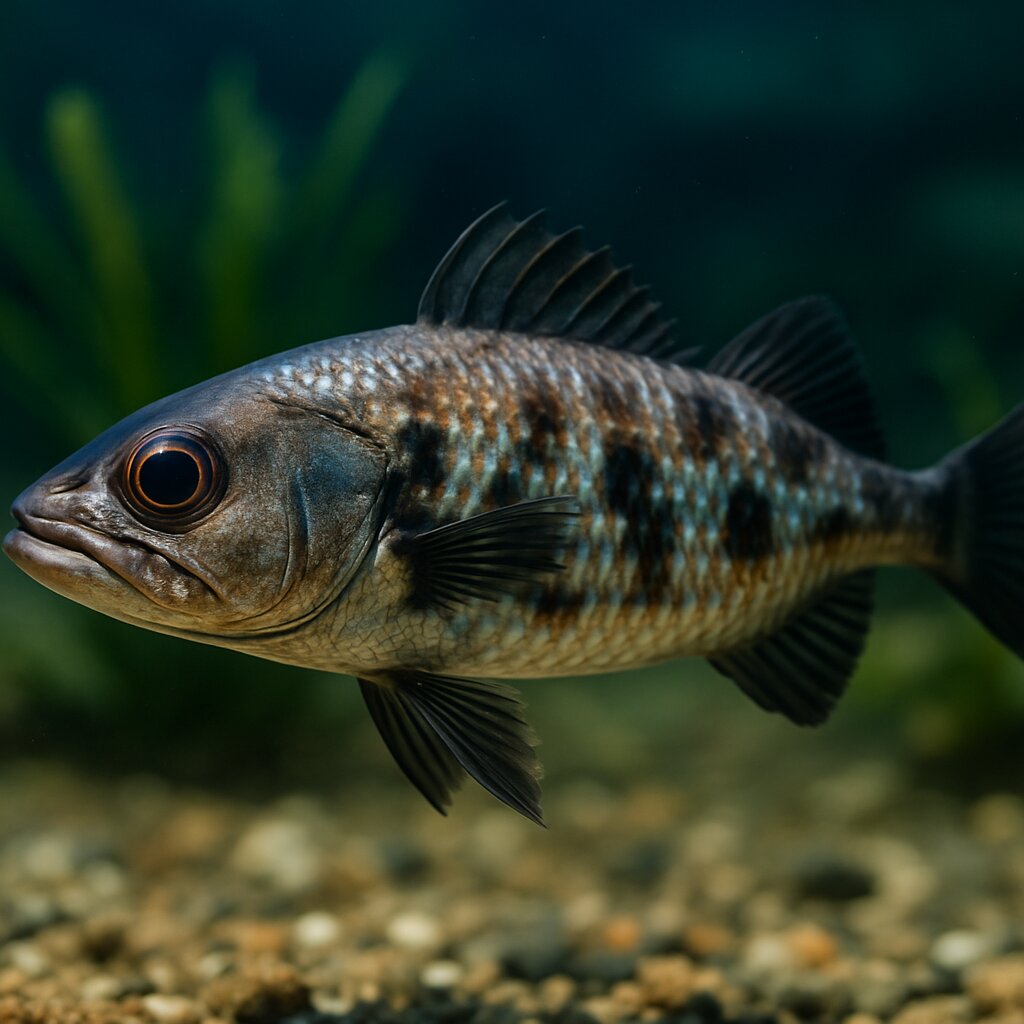
Antarctic dragonfish
Vomeridens infuscipinnis
Deep down around Antarctica, this sleek dragonfish cruises the water column like a little submarine, nearly neutrally buoyant so it can hover above the seafloor. It munches almost exclusively on Antarctic krill and lives in near-freezing water 500-800 m down, so it is a cool species to read about, not one for home tanks.
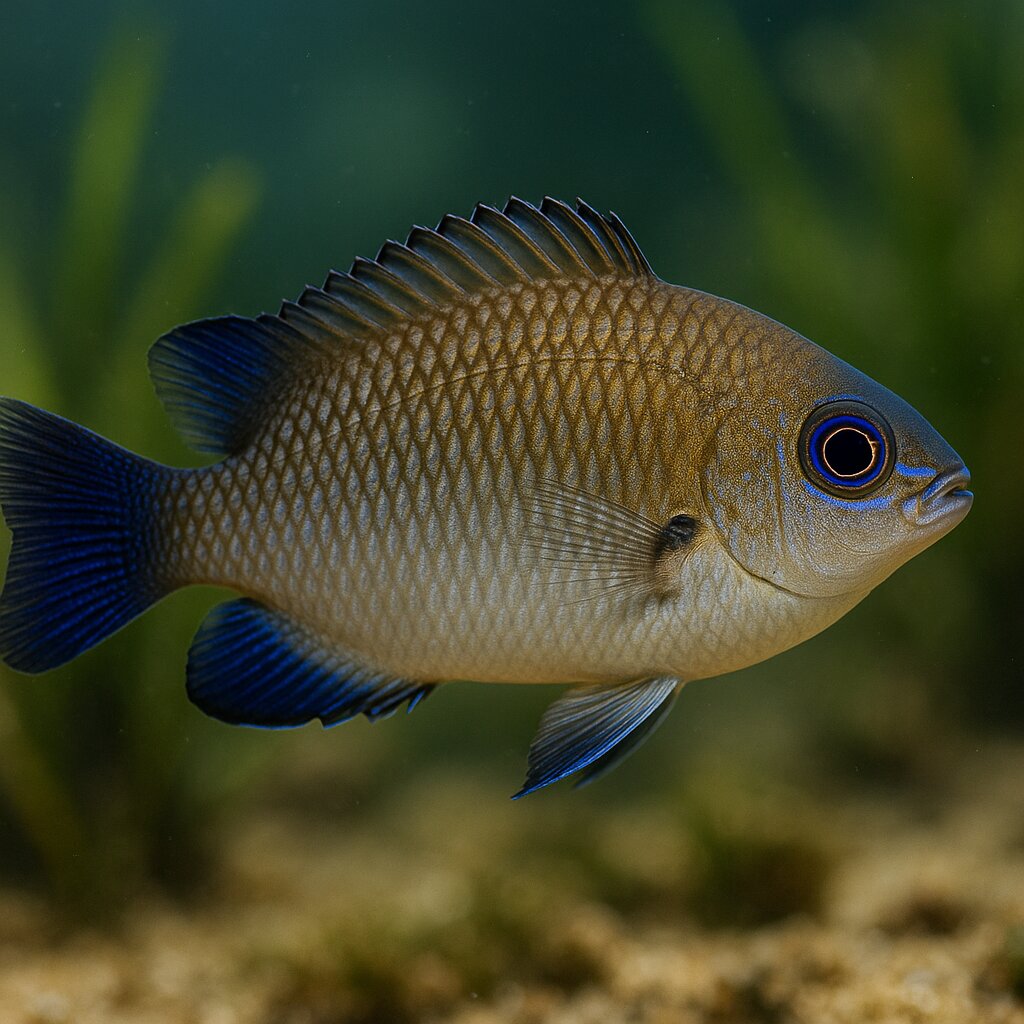
Arabian demoiselle
Neopomacentrus sindensis
A small lyretail damsel from the Persian Gulf and Arabian Sea, it hangs in loose groups around coral heads, rocks, and even pier pilings picking zooplankton from the flow. Think classic damsel toughness with a slightly milder attitude than the real bruisers, plus subtle yellow tail accents. Males clean a patch, get a mate to lay eggs there, and then stand guard fanning the clutch.
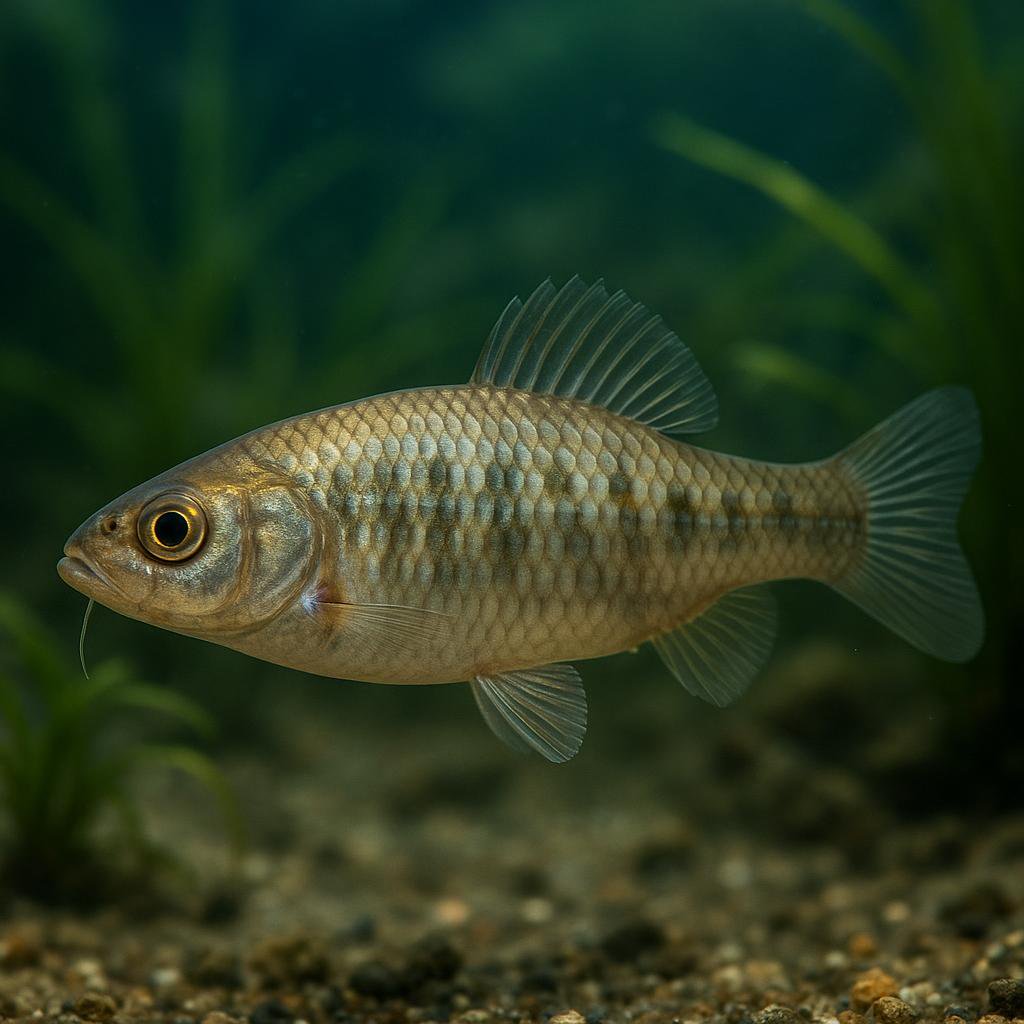
Arabian spiny eel
Notacanthus indicus
Notacanthus indicus is a deep-sea spiny eel (family Notacanthidae; not a true eel) known from the Arabian Sea on the continental slope at roughly ~960–1,046 m depth, with reported maximum length around 20 cm TL; it is a deep-water bycatch species and not established in the aquarium trade.
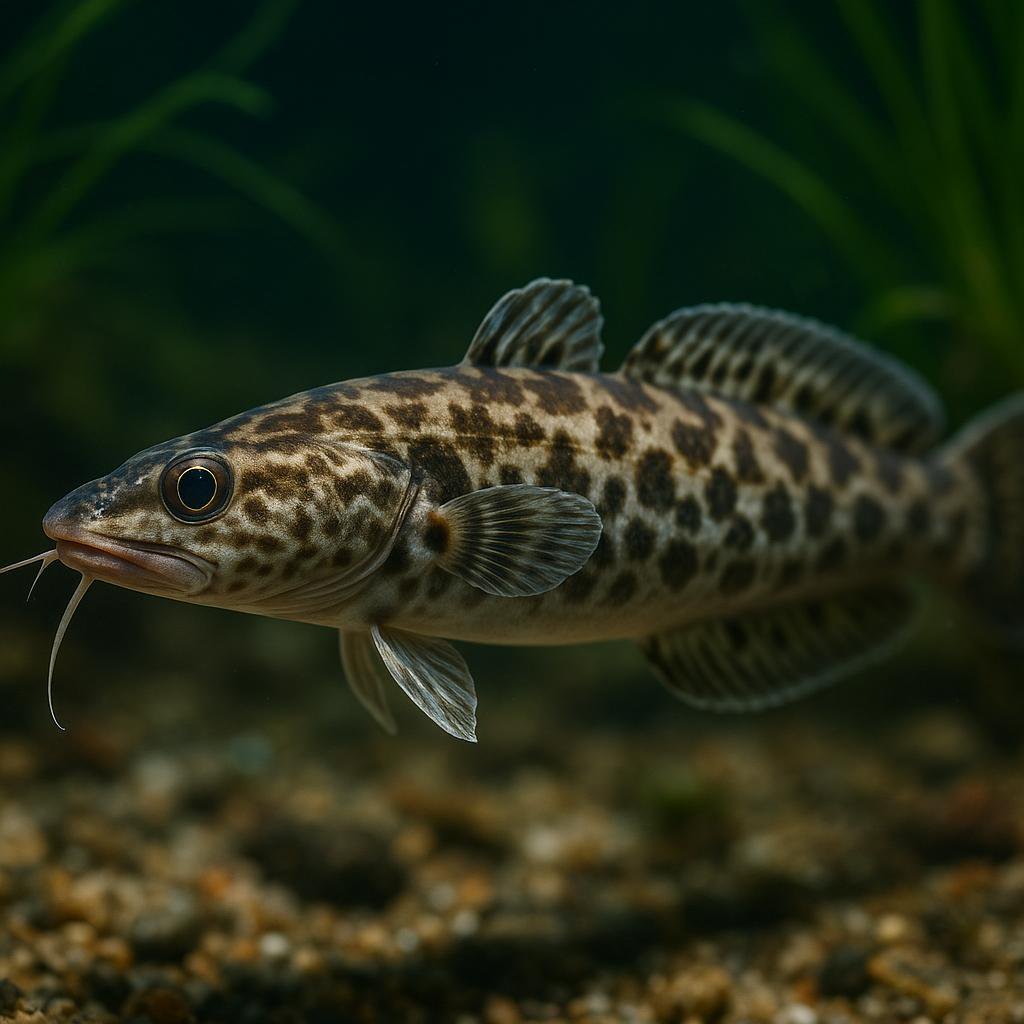
Arctic rockling
Gaidropsarus argentatus
This is a deepwater North Atlantic rockling (a cod relative) that hangs out on soft bottoms way down the slope. It is a cold-water, bottom-hugging predator that snoots around for crustaceans and will also take small fish when it gets the chance.
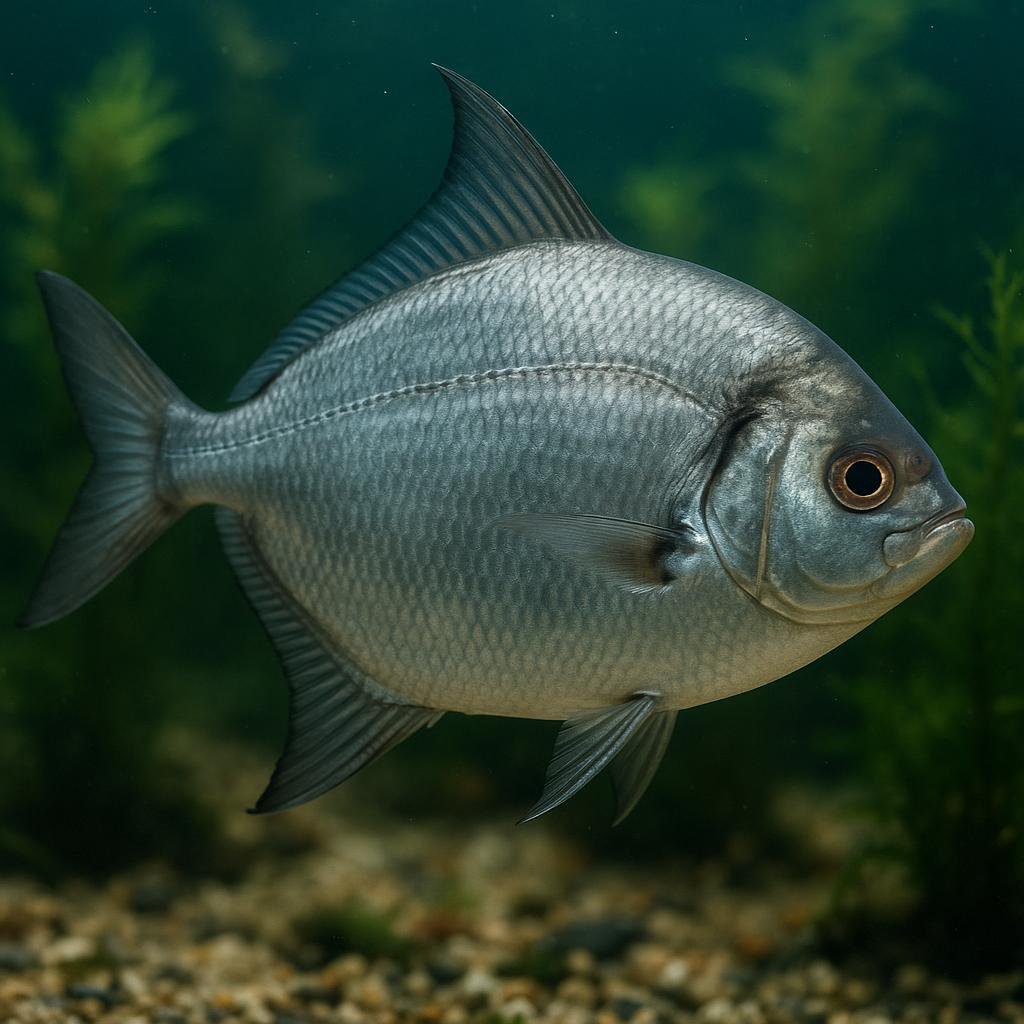
Atlantic pomfret
Brama brama
Brama brama is the Atlantic pomfret (aka Ray's bream) - a deep-bodied, open-ocean pelagic fish that cruises around in small schools and follows water temps. It is a legit big, wild marine species (not an aquarium fish) that eats other small sea critters like fish and squid, and it ranges across a huge chunk of the Atlantic plus parts of the Indian and South Pacific.
More to Explore
Discover more marine species.
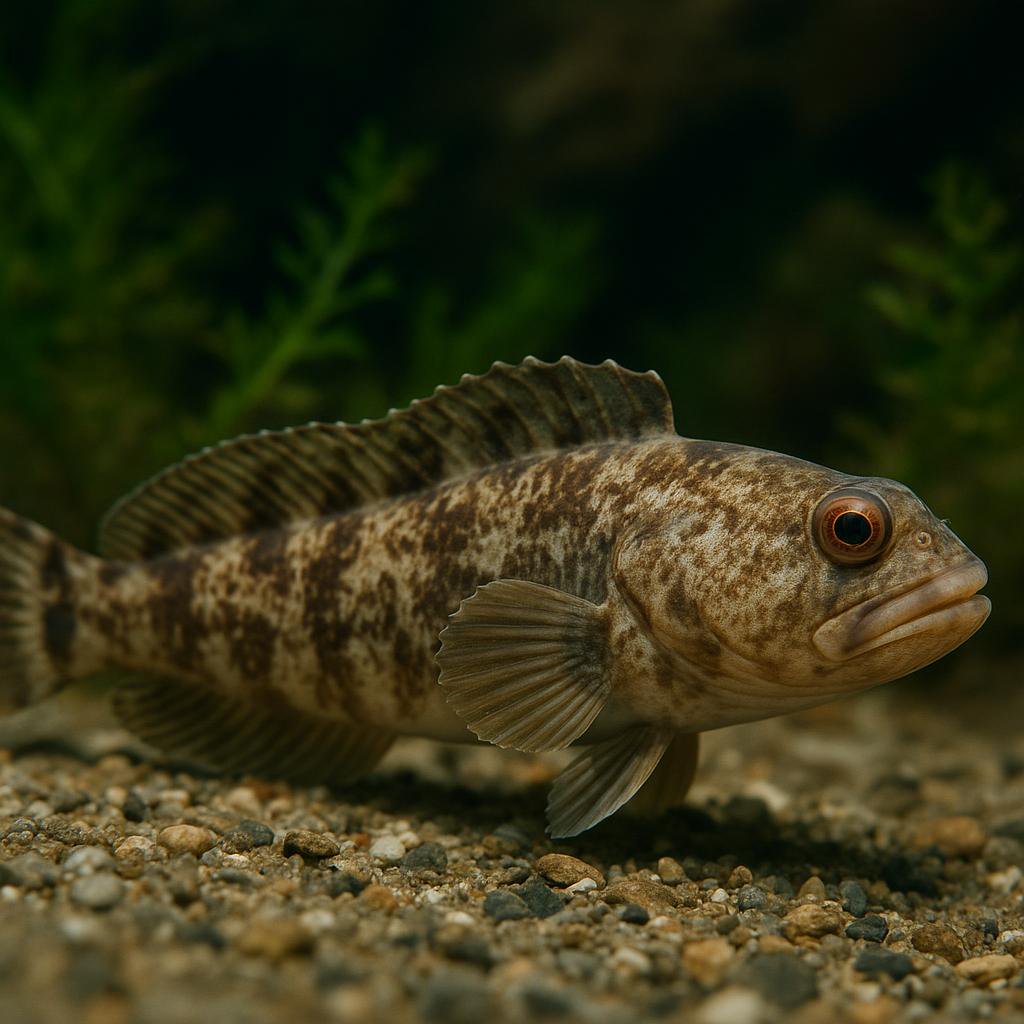
Abe's eelpout
Japonolycodes abei
Japonolycodes abei is a temperate, deepwater demersal eelpout (family Zoarcidae) endemic to Japan (Kumano-nada Sea reported; other sources also report Sagami Bay and Tosa Bay). It is the only species in the genus Japonolycodes and occurs roughly 40-300 m depth, making it an uncommon/atypical aquarium species.
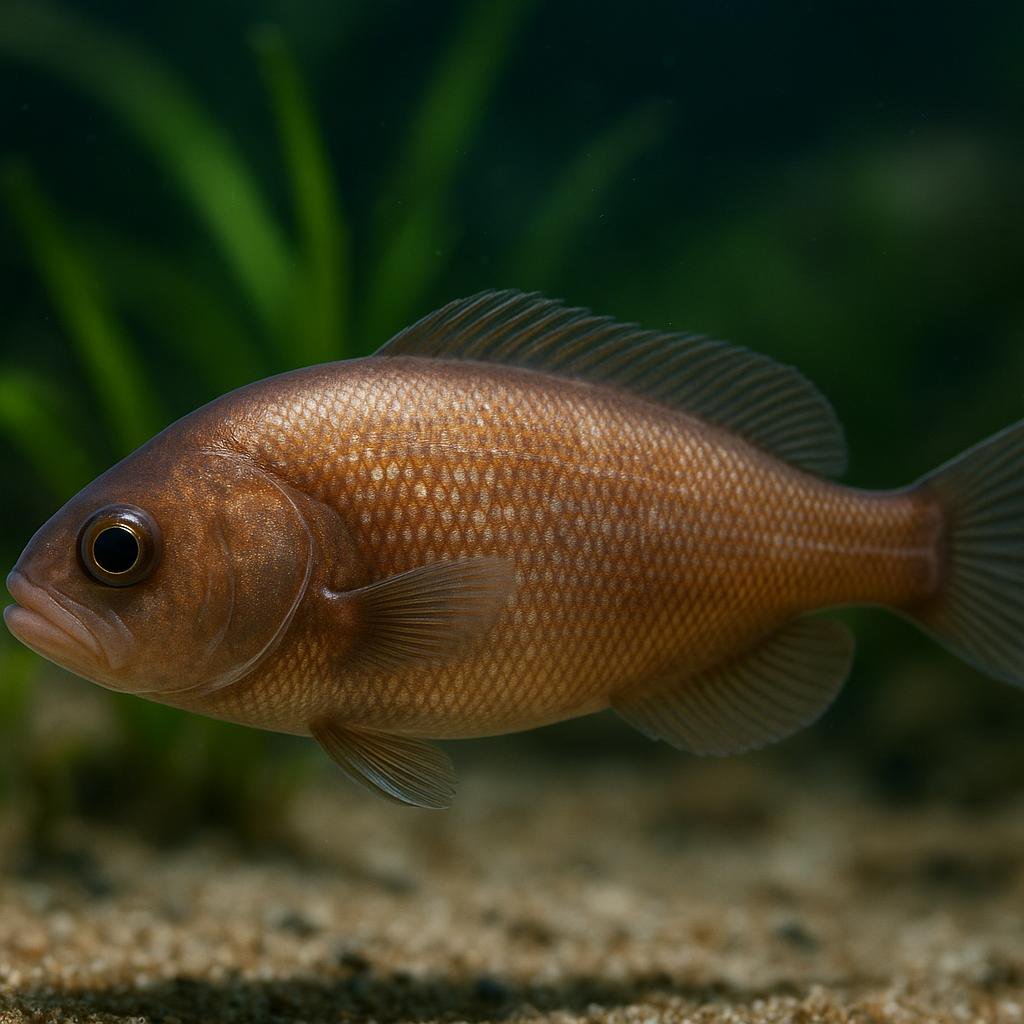
Affinis blind cusk-eel
Barathronus affinis
Barathronus affinis is a tiny, super-weird deep-sea blind cusk-eel from the western-central Indian Ocean. It is one of those gelatinous, loose-skinned brotula-type fishes that live way down in the dark and are basically never seen alive, so almost everything we know comes from preserved specimens and taxonomic work.
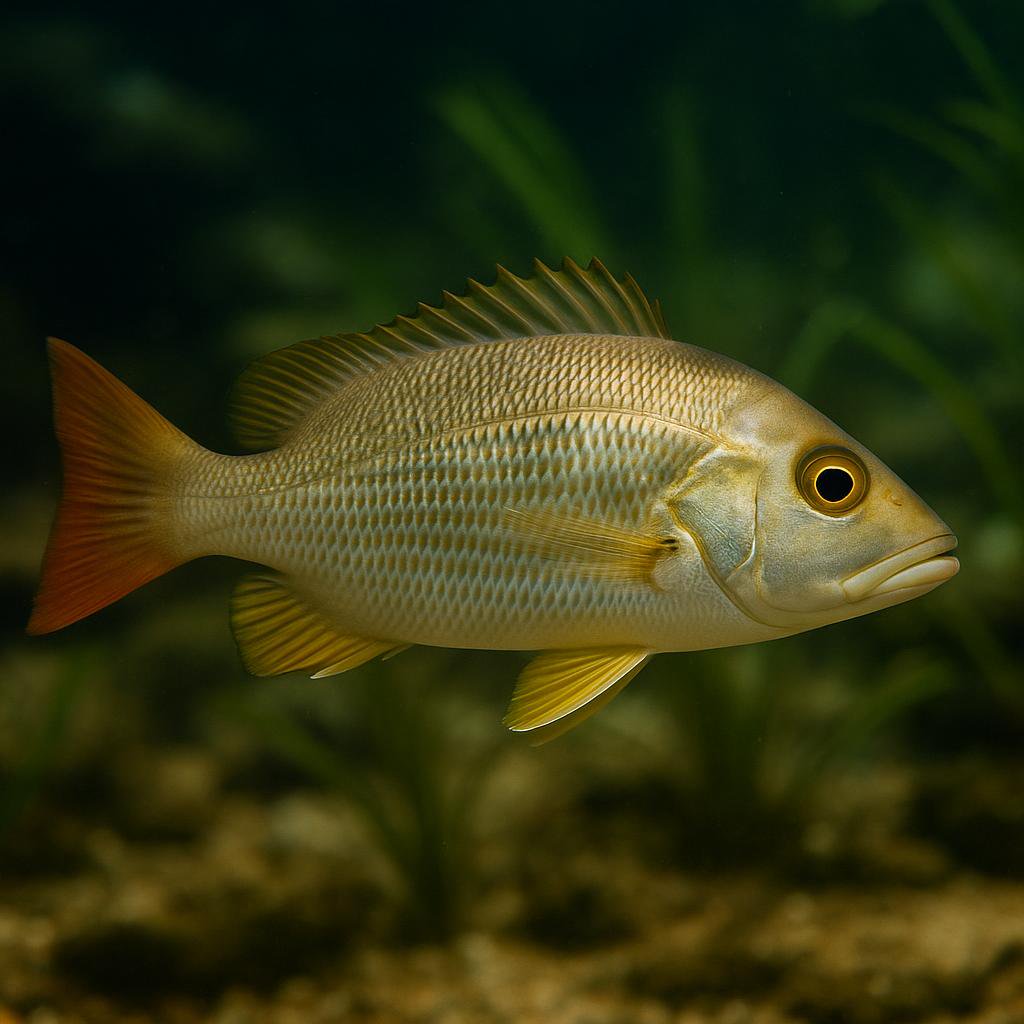
African red snapper
Lutjanus agennes
This is a true snapper from West Africa - a big, fast-growing predator that goes from coastal reefs to brackish lagoons and estuaries (especially as a juvenile). Super cool fish in the wild, but it gets absolutely huge and will eat smaller tankmates once it has the mouth for it, so its really more of a public-aquarium scale animal than a home-aquarium fish.
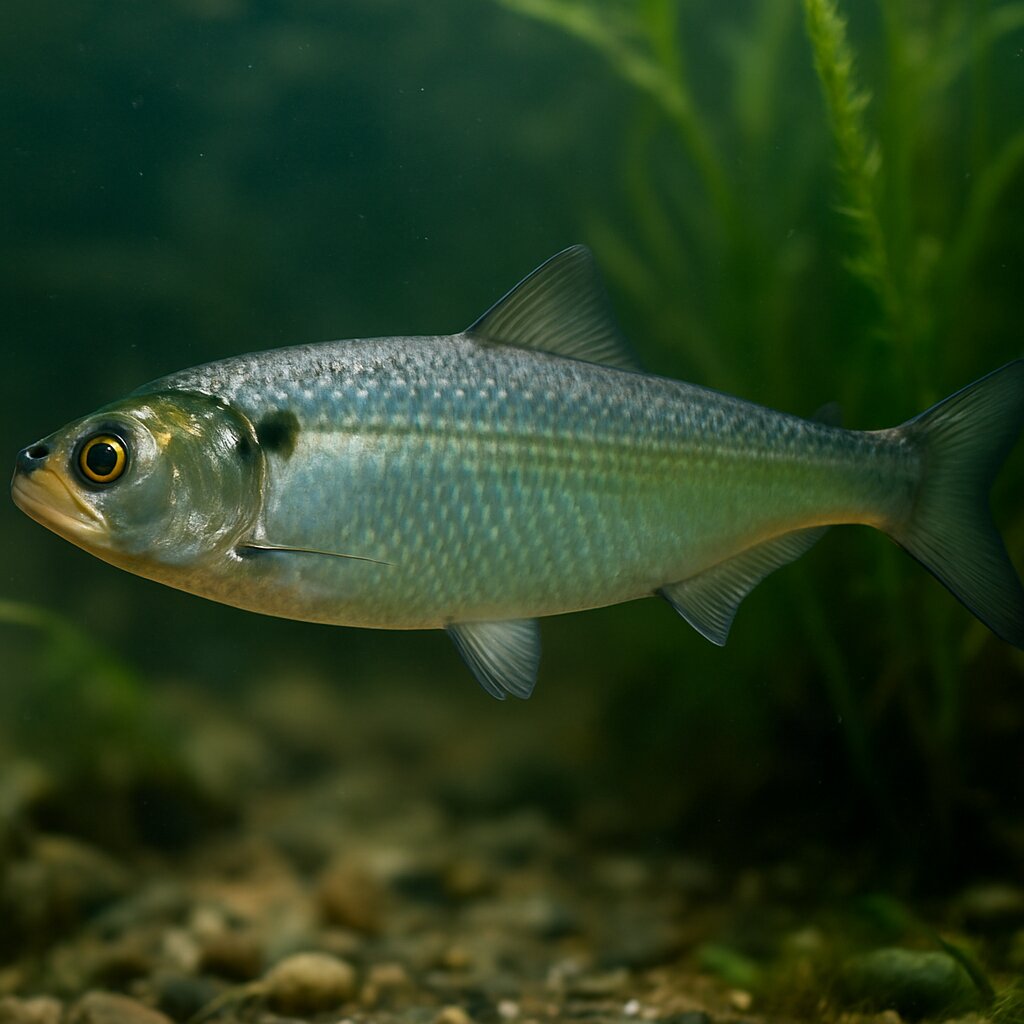
Allis shad
Alosa alosa
Gorgeous silver, fast-swimming shad that spends most of its life in the sea and then surges up big rivers in noisy, surface-spawning schools. It grows huge for a herring-type fish and needs cool, ultra-oxygenated water and tons of open space, so it is a public-aquarium species rather than a home tank fish.
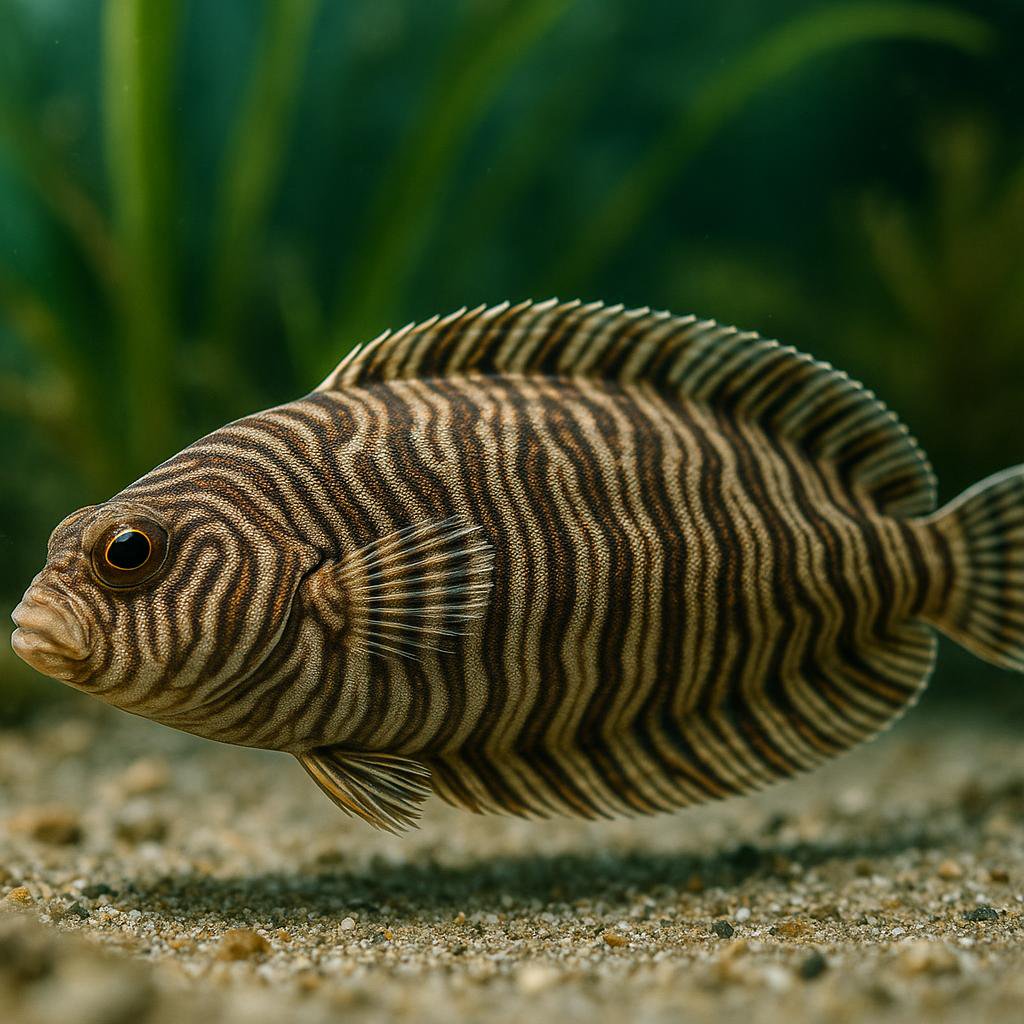
Annandale's zebra sole
Zebrias annandalei
Zebrias annandalei is a small demersal sole from coastal India that inhabits sandy or muddy bottoms and buries for camouflage. It is rarely kept in home aquaria and would require a specialized marine sand-bottom setup and appropriate feeding.
Australian sawtail catshark
Figaro boardmani
Figaro boardmani is a small, deepwater Australian catshark with these cool saw-like ridges of spiny denticles along the tail and a neat pattern of dark saddle bands. It lives way down on the outer continental shelf and slope, so its natural water is cold, dim, and stable - totally not a typical home-aquarium fish. Diet-wise its a predator that goes after fish, crustaceans, and cephalopods.
Looking for other species?