

Fish That Start With L - Page 2 of 3
Browse all aquarium fish species with common names beginning with "L". Each profile includes care requirements, water parameters, tank size recommendations, and compatibility information for freshwater, marine, and brackish species.
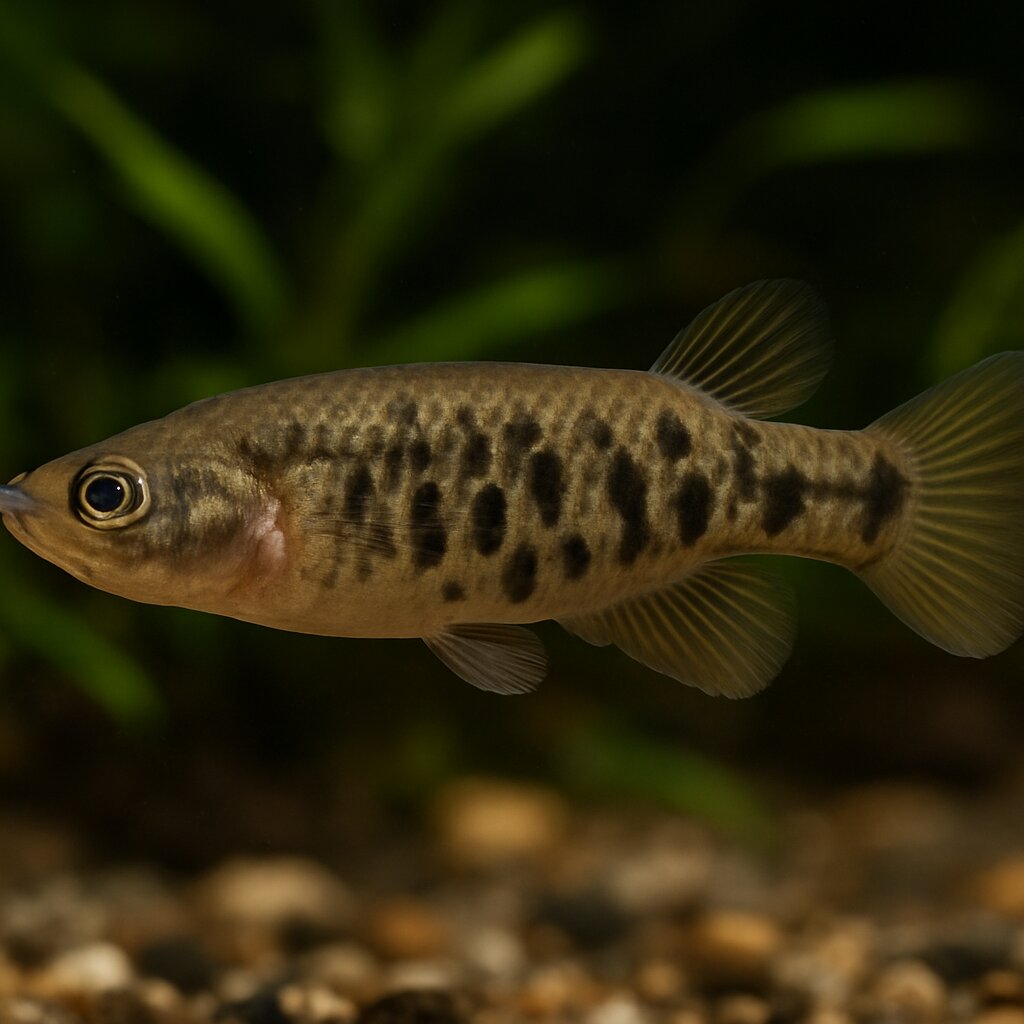
Lipeo livebearer
Jenynsia alternimaculata
A neat little Argentine-Bolivian livebearer from clear, cool hill streams, the Lipeo livebearer stays small and does great in a planted, nicely oxygenated setup. The quirky part is their one-sided mating thing, where males are left- or right-handed, which makes breeding pairs fun to watch. Keep a group and you will see lots of surface cruising and busy foraging.
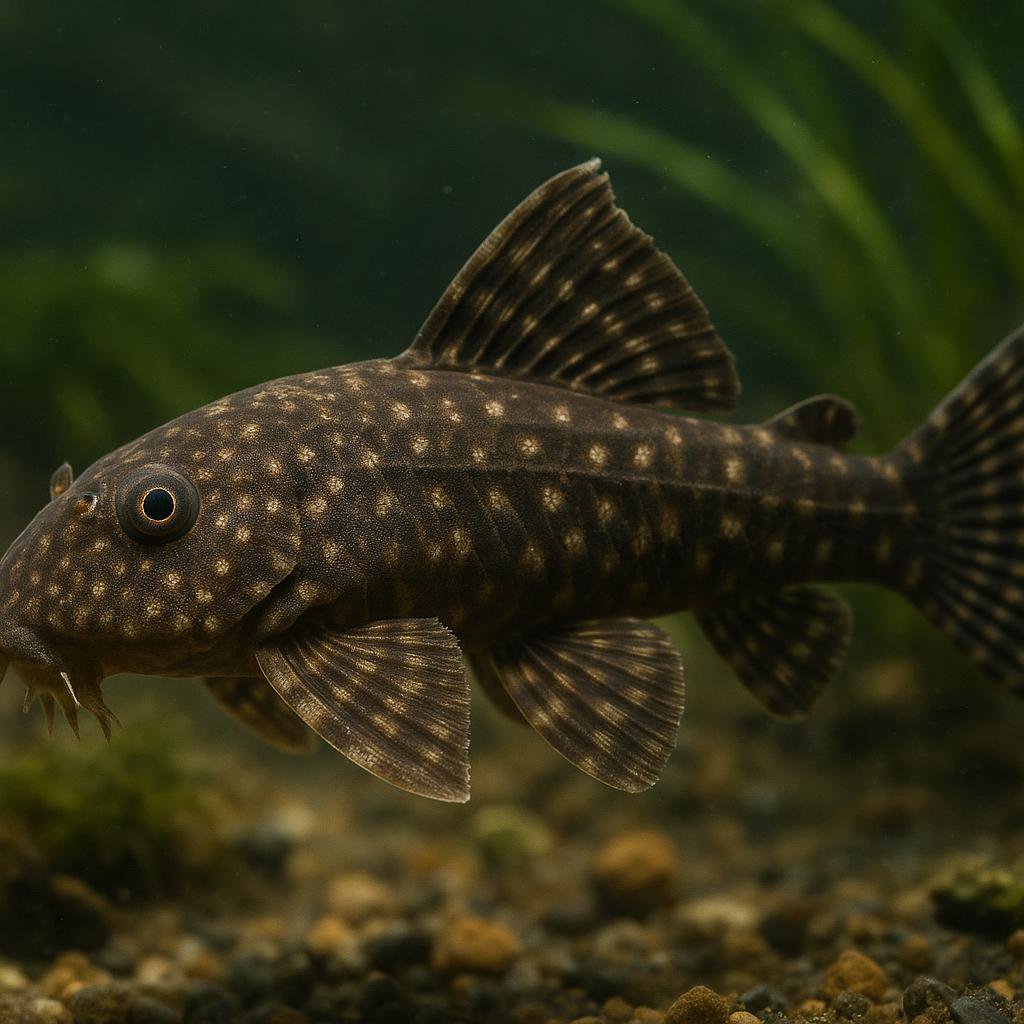
Lombok viviparous brotula
Paradiancistrus lombokensis
This is a tiny, super-cryptic marine brotula from around Lombok, Indonesia - the kind of fish that lives tucked deep in reef cracks where you basically never see it. The really neat part is its group (viviparous brotulas) gives live birth, so its biology is way cooler than its shy little "hide in the rocks" lifestyle suggests.
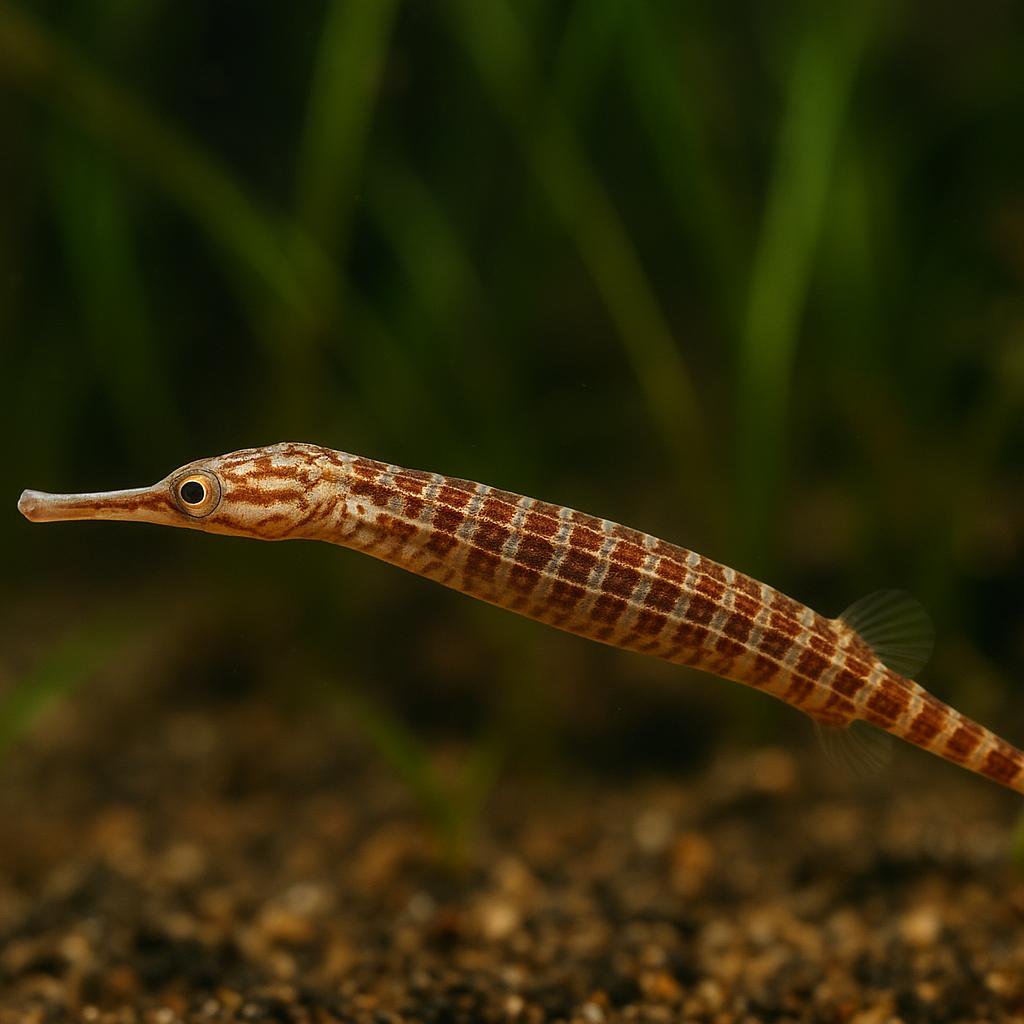
Long tail pipefish
Festucalex prolixus
This is a tiny little marine pipefish from the Western Central Pacific, and it tops out around 3.6 cm standard length. What's wild is that most of what we know comes from planktonic specimens collected in the upper water column, with adults expected deeper than about 40 m - so it is not really an aquarium species you will run into.
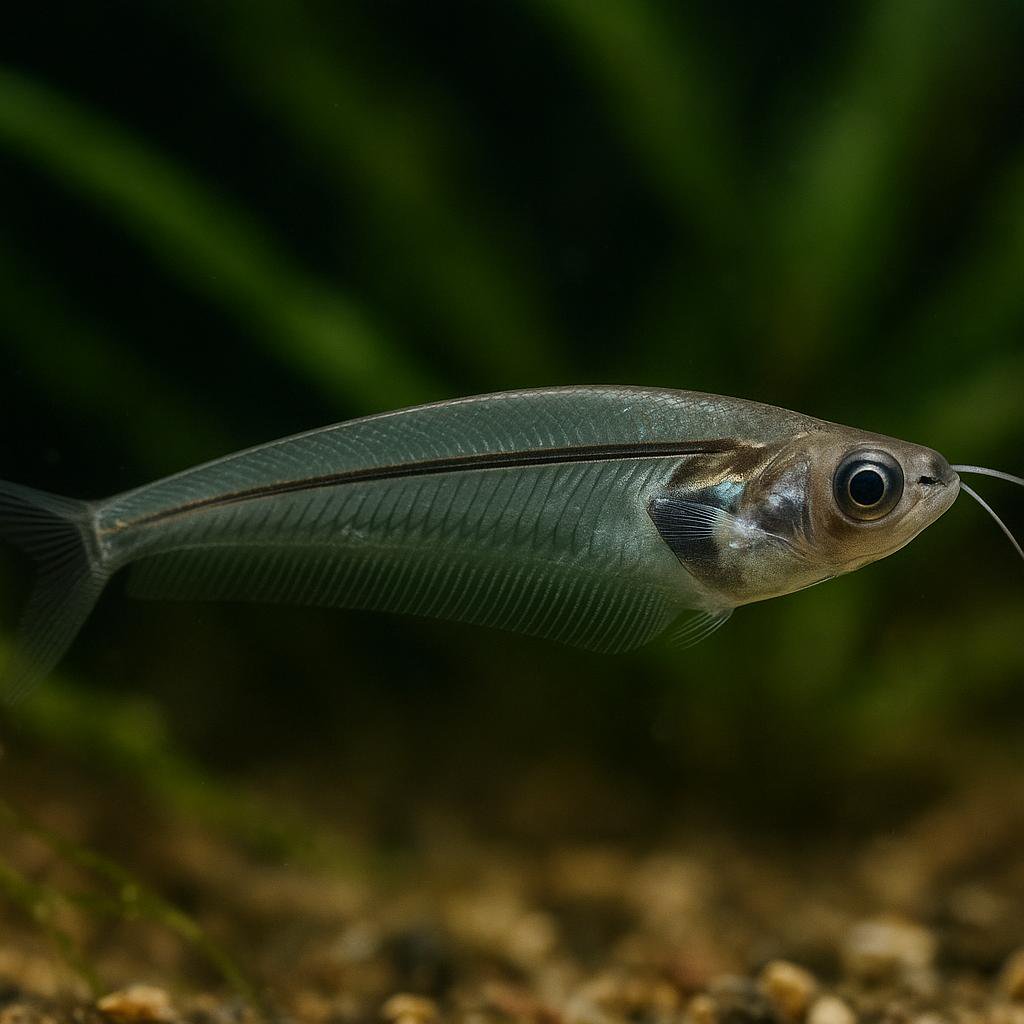
Long-barbel sheatfish
Kryptopterus limpok
Kryptopterus limpok is a Southeast Asian sheatfish with really long maxillary barbels - FishBase notes they reach past the last quarter of the anal fin, so it has that "extra-whiskery" look. In the wild its a river/stream predator that eats small fish and also takes prawns and insect larvae, so think of it as a sleek, hunting-style catfish rather than a chill algae-picker.
Longbarbel stone loach
Micronemacheilus longibarbatus
This is a little southern China stone loach with extra-long mouth barbels - built for feeling around the bottom in dark, rocky habitats. Its a super niche fish (not something you will randomly see at most stores), and it does best when you treat it like a small river/karst loach: clean water, lots of oxygen, and a soft substrate so those barbels stay perfect.
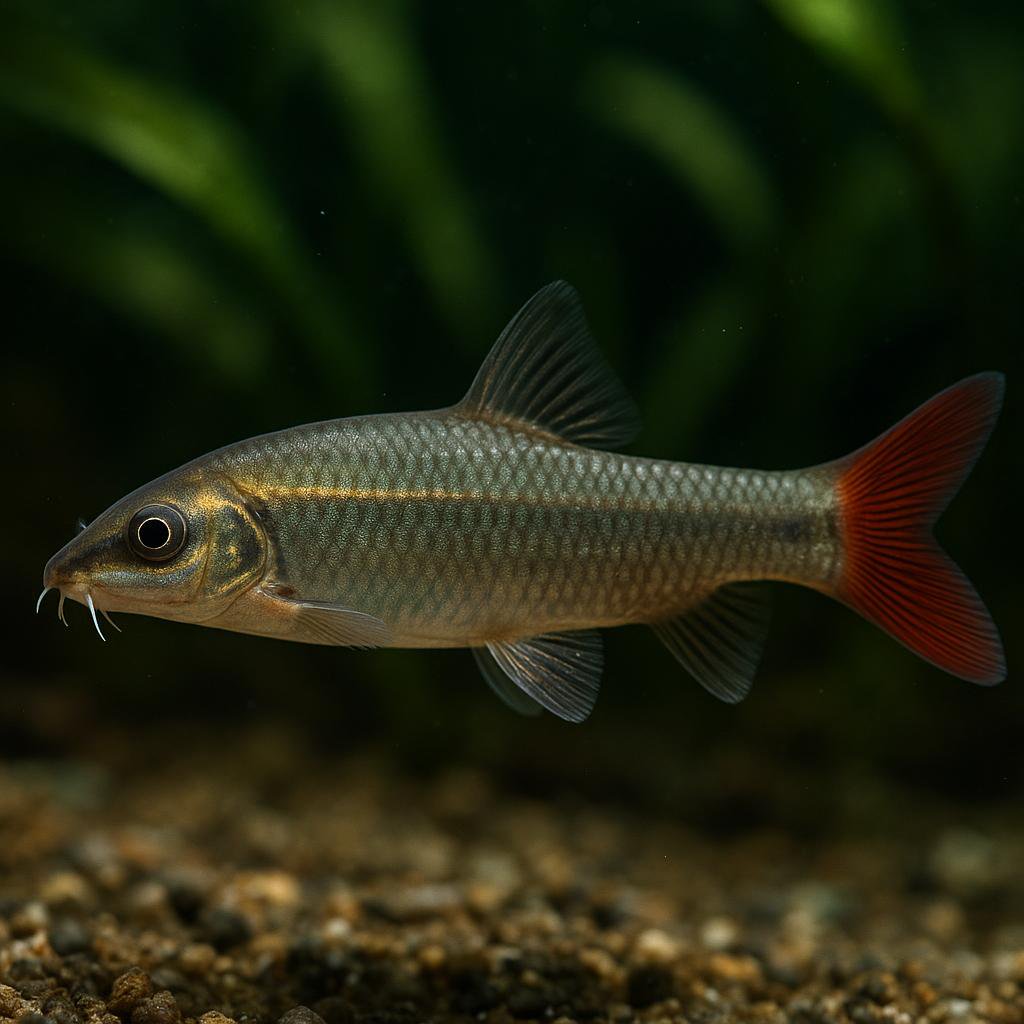
Long-dorsal Yasuhikotakia (no established common name)
Yasuhikotakia longidorsalis
This is one of those super-under-the-radar Mekong botia/loach species that you almost never see for sale. It stays fairly small (around 8 cm/3 inches max reported), but it still acts like a proper botiid - busy, social, and very into wedging itself under wood and rocks when it wants to chill.
Longfin dragonfish
Tactostoma macropus
This is a true deep-sea dragonfish - jet-black, eel-like, and built for hunting in the dark midwater. It comes up shallower at night and has that classic stomiid vibe: big mouth, nasty teeth, and a whole lot of "made for the abyss" energy. Not an aquarium fish in any practical sense, but a super cool species to read about.
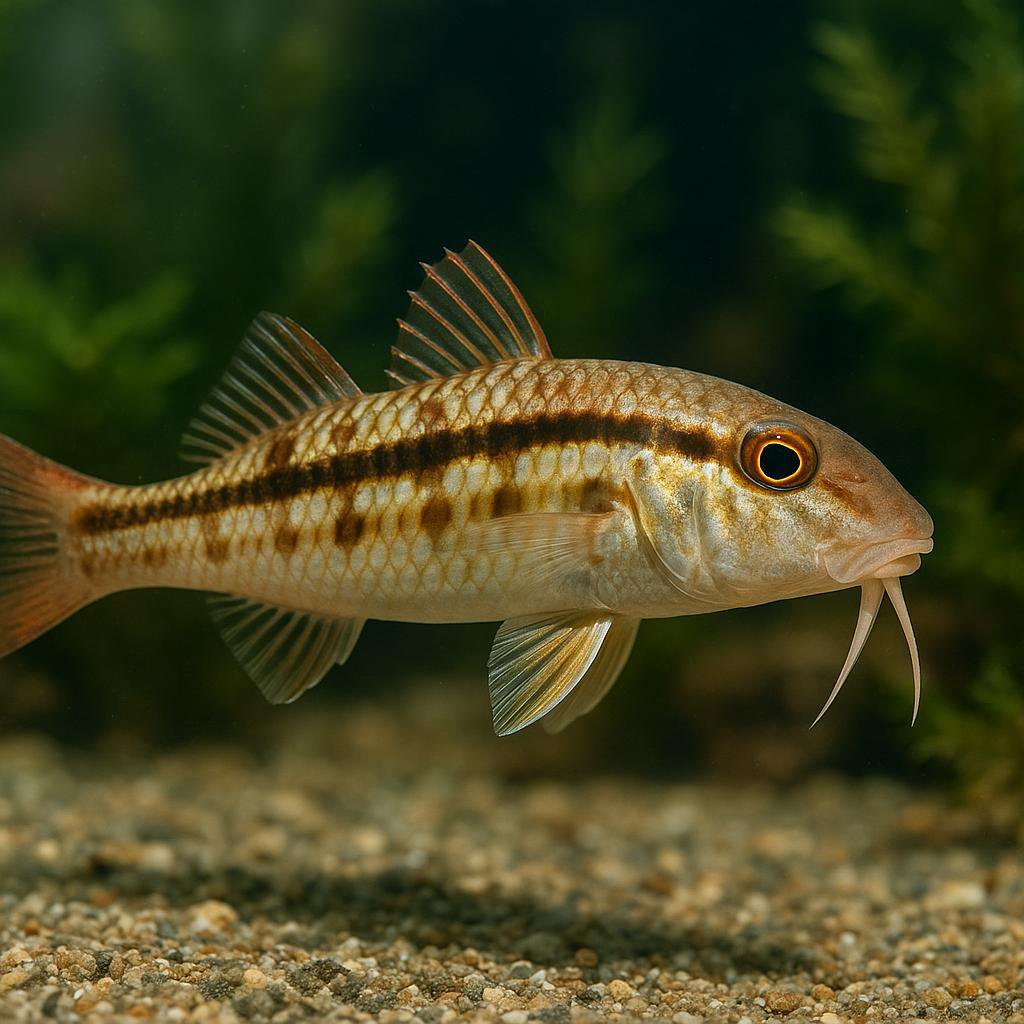
Longfin goatfish
Upeneus supravittatus
This is a small goatfish from the eastern Indian Ocean (Sri Lanka and southern India) that spends its time cruising near the bottom and rummaging through sand with its chin barbels. The cool part is watching it "hunt" - it will probe and sift like a little metal detector, then pounce on tiny buried critters. Not really a typical home-aquarium fish, but if you did keep one, you'd treat it like a sand-sifting predator that needs space and a mature, food-rich system.
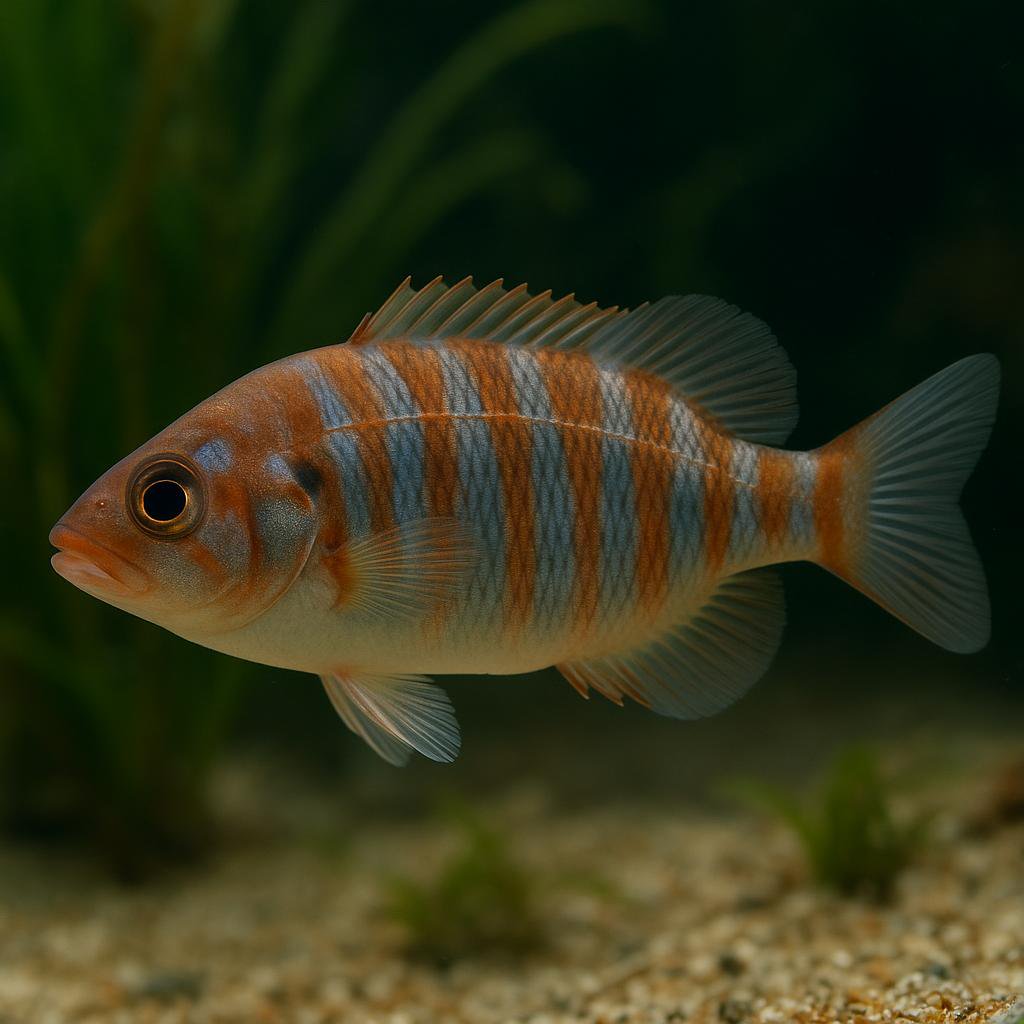
Longfin sculpin
Jordania zonope
Jordania zonope is a super cool coldwater marine sculpin from the NE Pacific that clings to rocks and kelp and will even hang vertically on rock faces. Males get very territorial in breeding season, and some individuals are reported to act like little cleaner fish on bigger predators like lingcod - wild stuff for a fish this small.
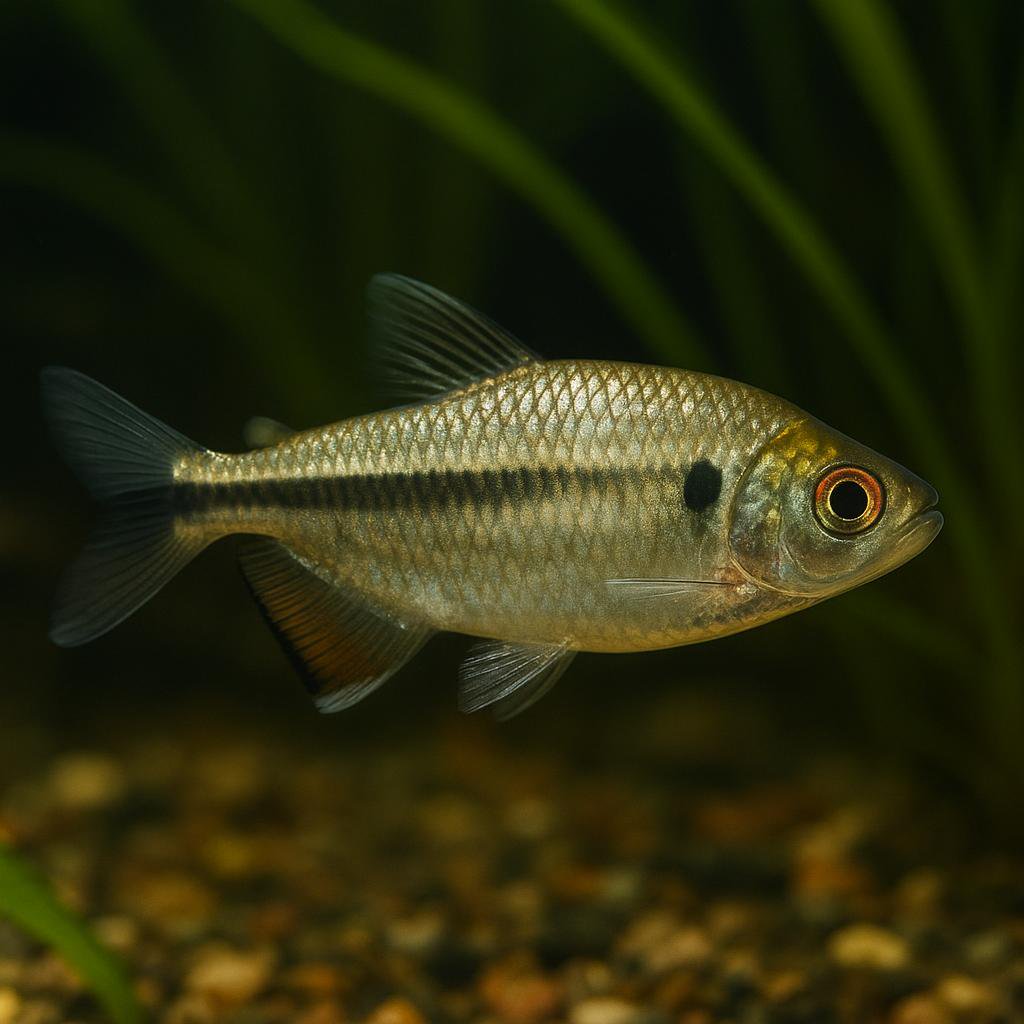
Long-finned glass tetra
Xenagoniates bondi
Xenagoniates bondi is a small South American characin from the Orinoco basin and nearby coastal drainages of Venezuela and Colombia. It has been reported as an aggressive fin-nipper, so it may not be suitable for slow or long-finned community fish.
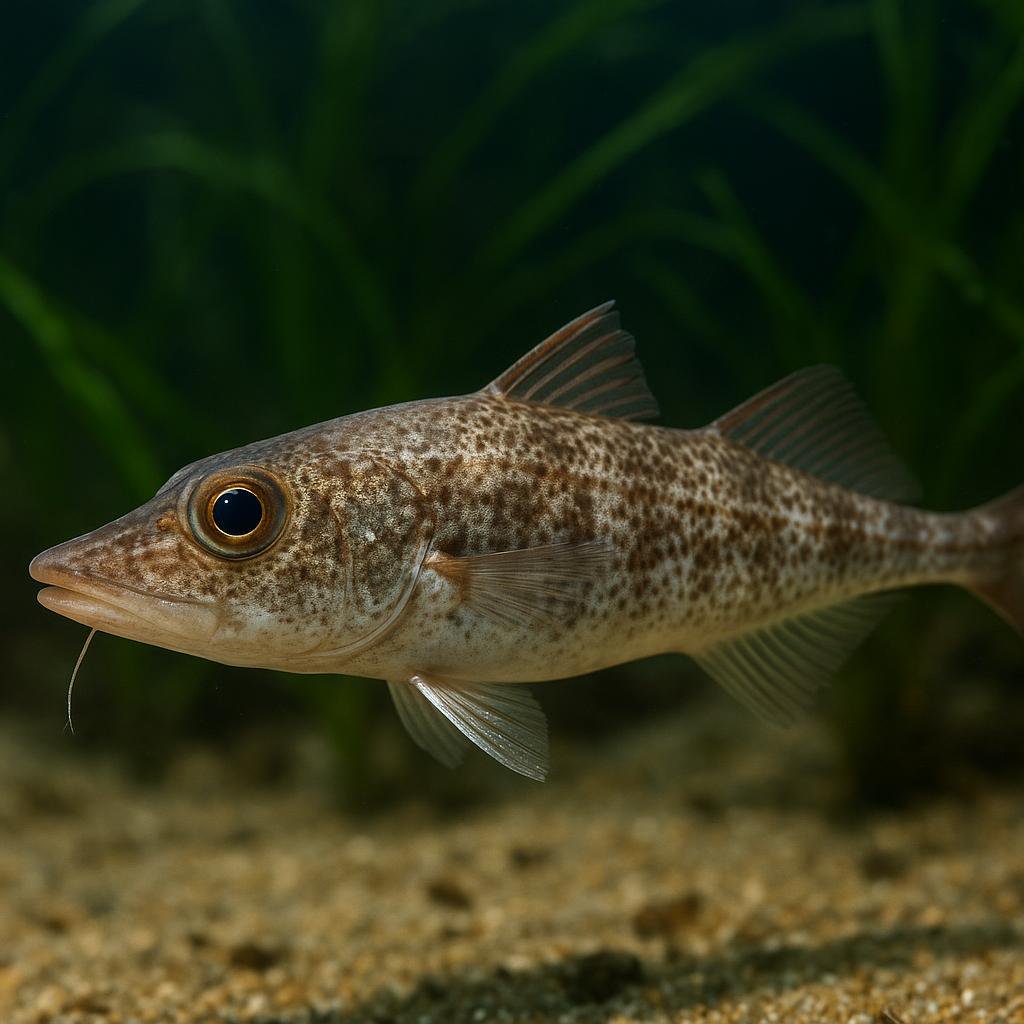
Longhead grenadier
Coelorinchus longicephalus
This is a deep-sea rattail (grenadier) from the Northwest Pacific that lives way down on the slope, not something that can be kept in a normal aquarium. It gets a long, tapering body with that classic whiptail look, and it is built for cold, high-pressure water and cruising just off the bottom hunting small prey.
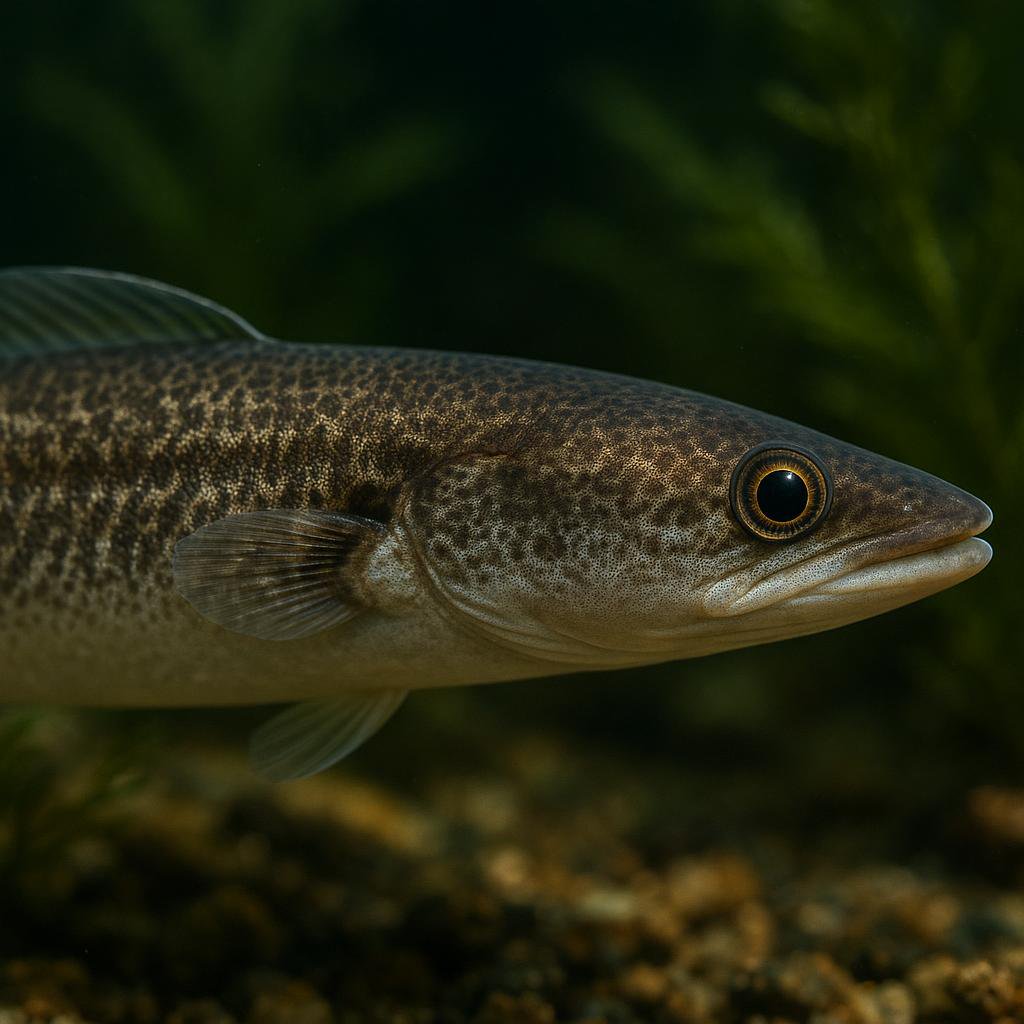
Longnose conger
Bathycongrus wallacei
This is a marine, deepwater (bathydemersal) conger eel reported from roughly 250-500 m depth in the Indo-West Pacific (including the southwestern Indian Ocean and Japan/Taiwan). It is a pale greyish eel shading paler below, with dorsal/anal fins that become increasingly blackish posteriorly and a black caudal fin; maximum reported total length is about 55 cm.
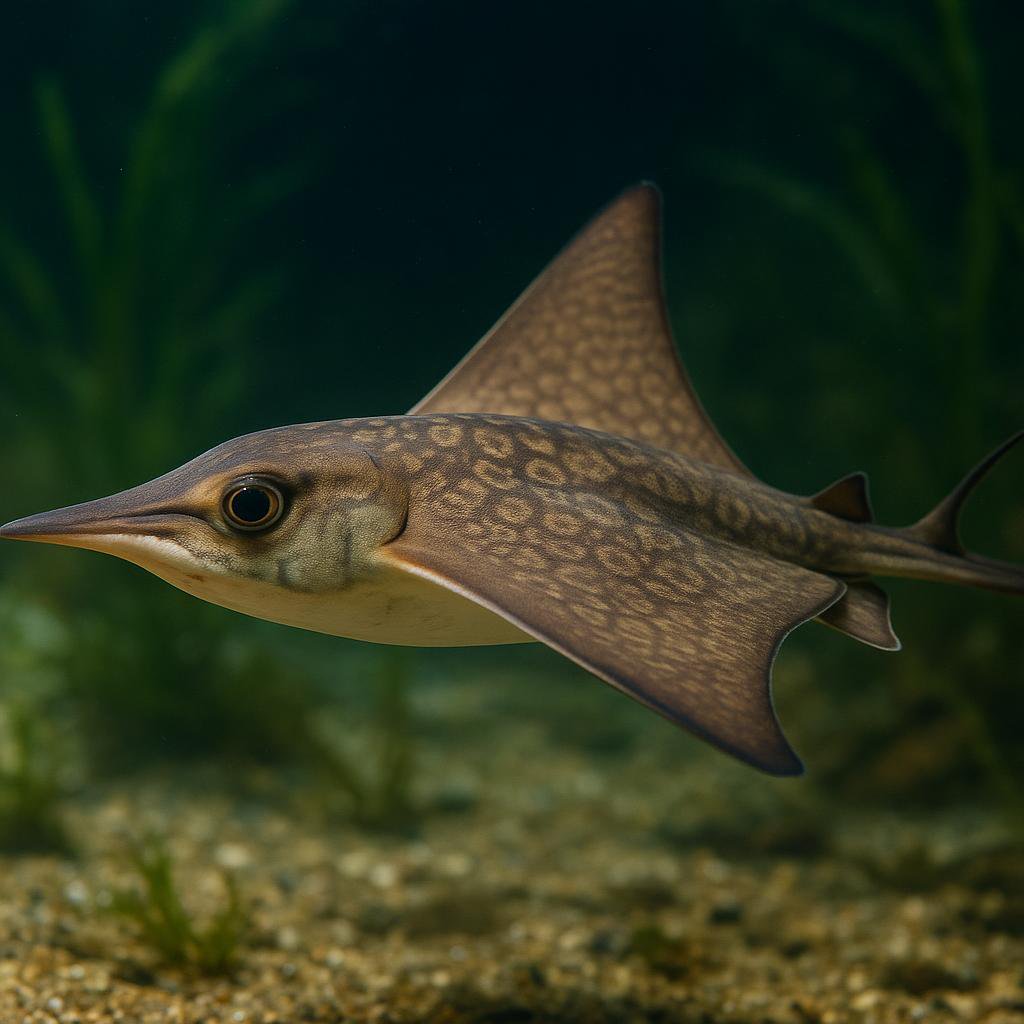
Longnose eagle ray
Myliobatis longirostris
This is a snouted eagle ray from the eastern Pacific (Gulf of California down to northern Peru) that cruises sandy coastal areas and digs out crunchy stuff like clams and crabs. Cool fish, but in real life its a big, roaming ray - not something that belongs in normal home aquariums unless youre talking a true public-aquarium-scale setup.
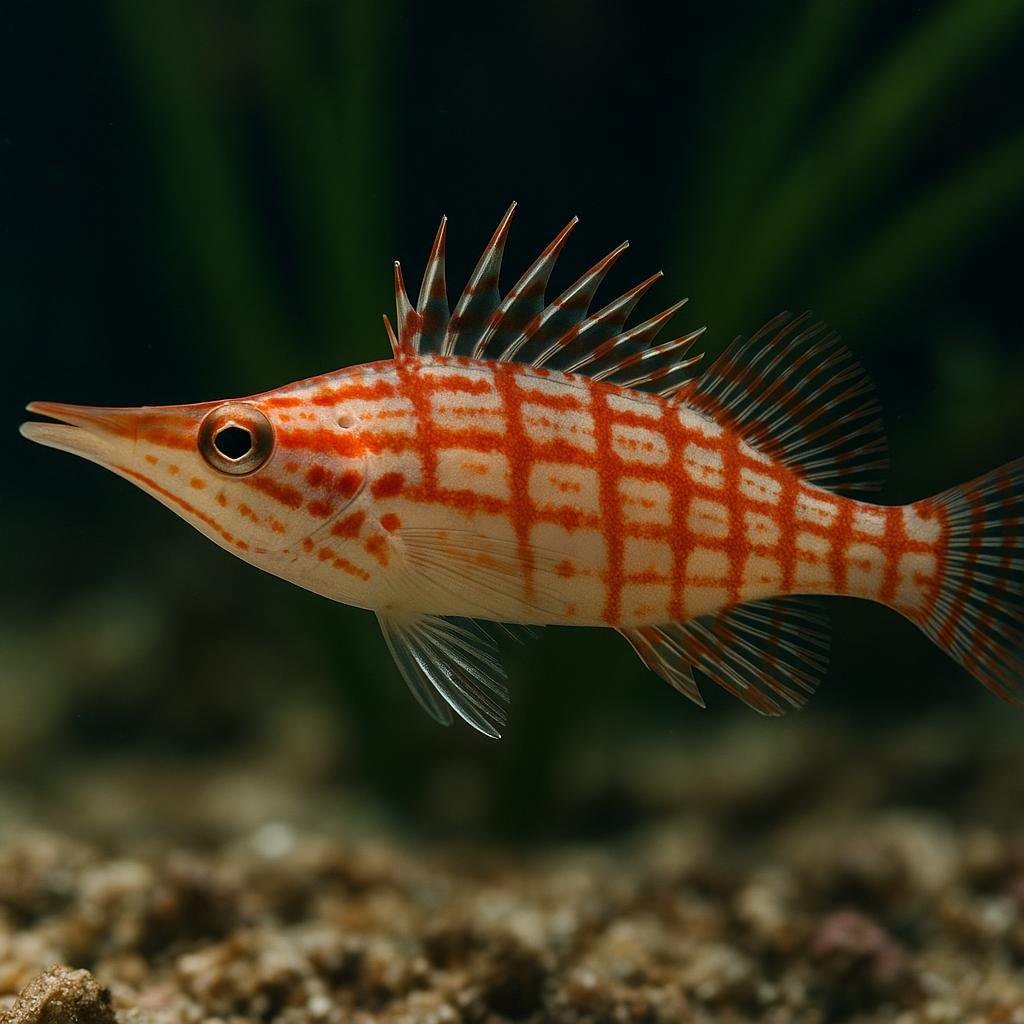
Longnose hawkfish
Oxycirrhites typus
This is that red-and-white, candy-cane striped hawkfish with the absurdly long snout that just sits up on rock or gorgonians like it owns the place. It is a perch-and-pounce micropredator, so it will nail small crustaceans (and anything shrimp-sized you were hoping to keep). Give it lots of ledges and hidey holes and you will basically get a tiny reef "watchdog" that posts up and stares at you all day.
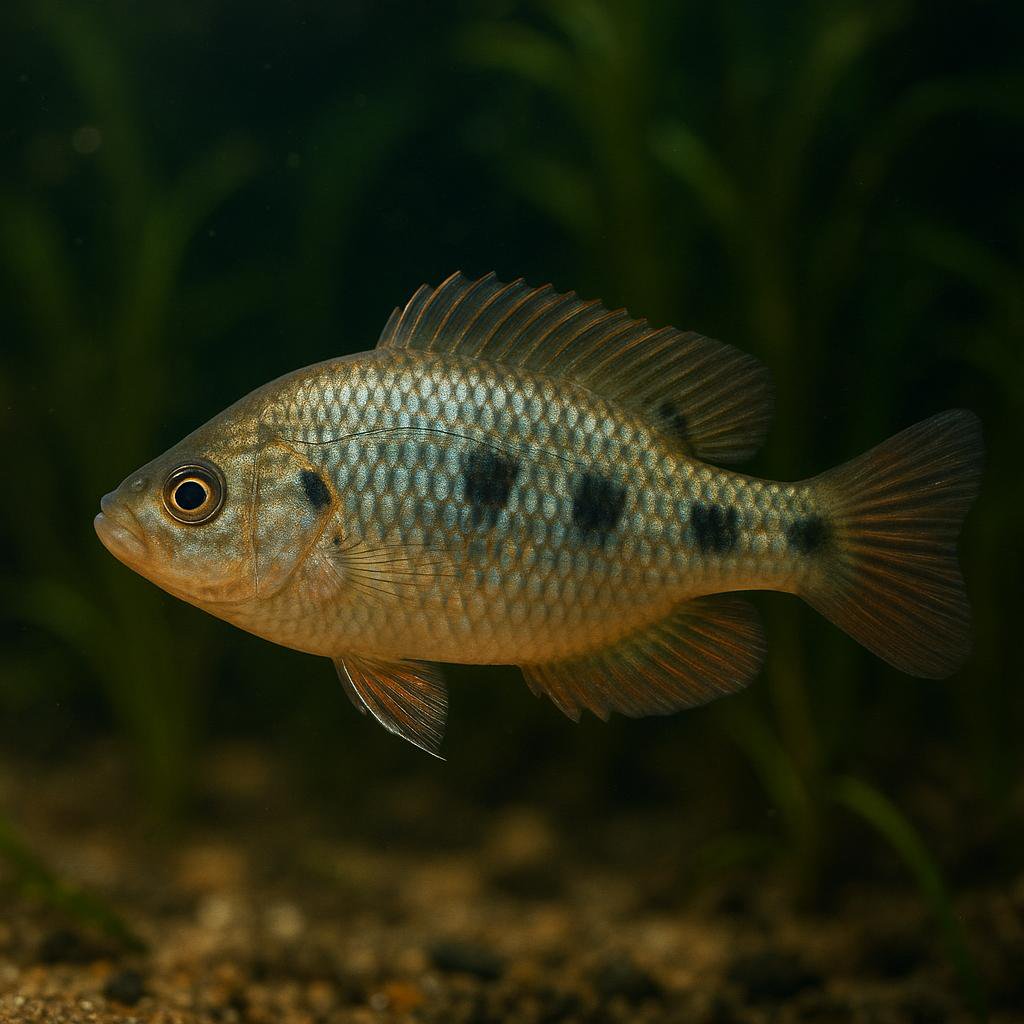
Longray fangjaw
Zaphotias pedaliotus
This is a tiny deep-sea bristlemouth that lives way down in the midwater-dark and comes up and down the water column on a day-night cycle. Its little light organs (photophores) and even a slight nightly color shift are part of the whole "life in the deep" vibe - super cool, but absolutely not a home-aquarium fish.
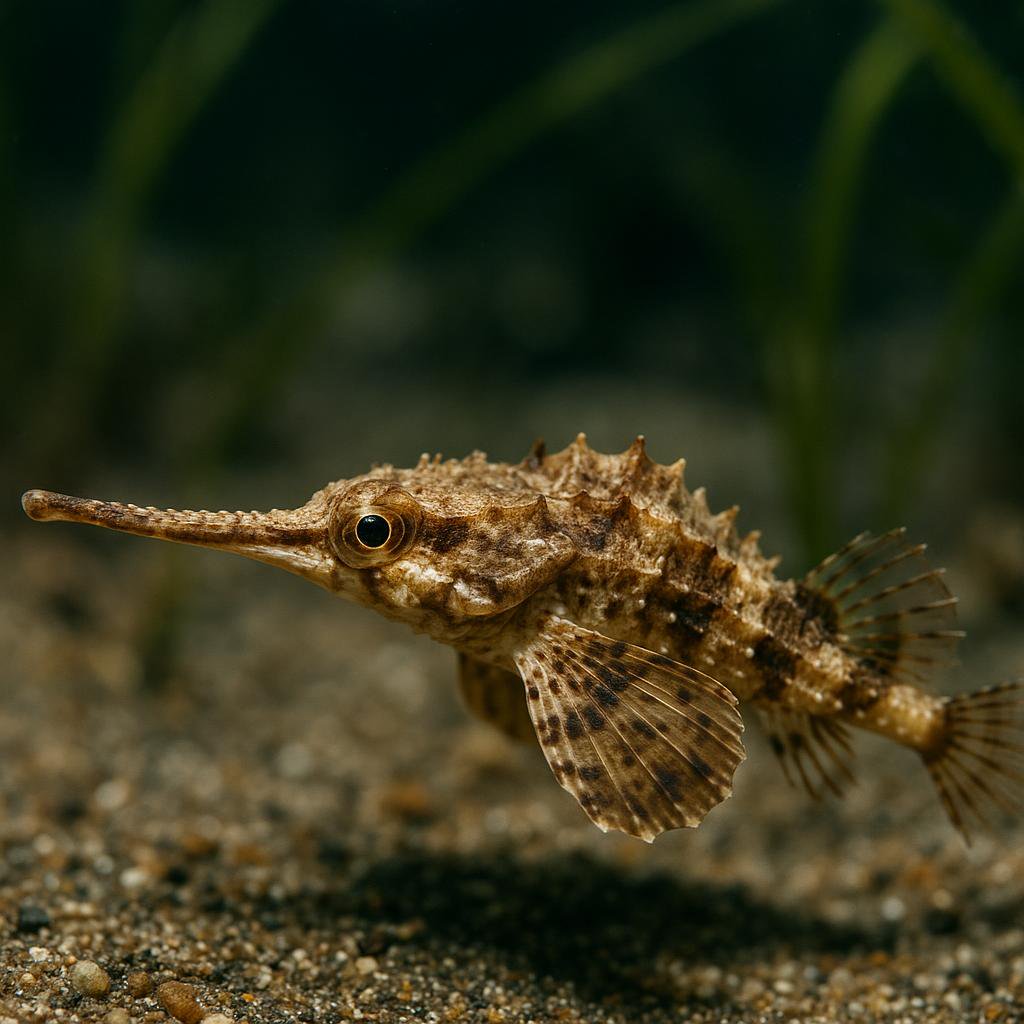
Longsnout armored searobin
Paraheminodus longirostralis
This is a deepwater armored searobin - basically a little walking tank of a fish with bony plates and feeler-like rays it uses to hunt along the bottom. Its claim to fame is the extra-long snout projections, and it lives way down on the slope, not in the usual home-aquarium zone. Realistically, this is a research-trawl kind of species rather than something you keep at home.
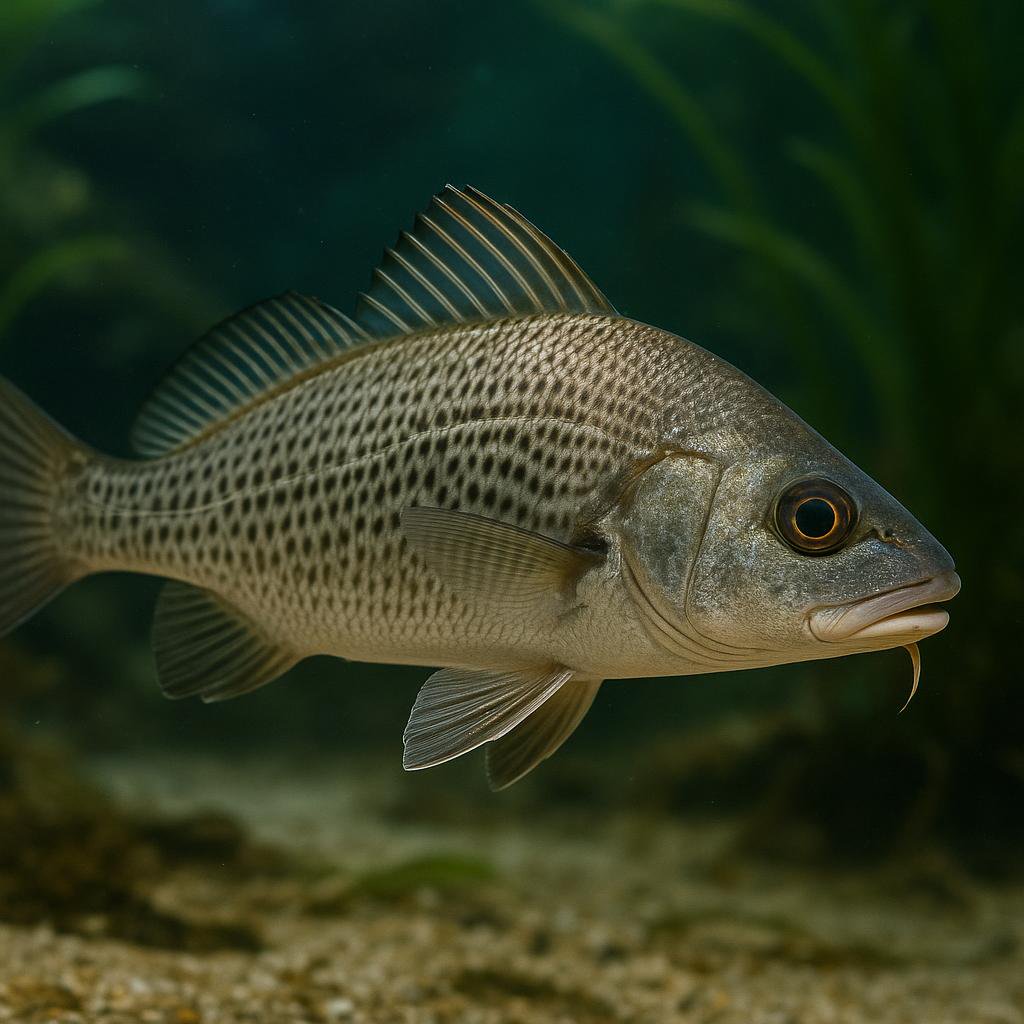
Longspine drum
Umbrina analis
Umbrina analis is an Eastern Pacific sciaenid (drum/croaker) that inhabits inshore soft bottoms (sand/mud) from the tip of Baja and the SW Gulf of California to Colombia, typically near the bottom in surf zones, bays, and shallow coastal waters (about 1–50 m). It is a carnivore feeding mainly on mobile benthic invertebrates (crustaceans, worms, and mollusks).
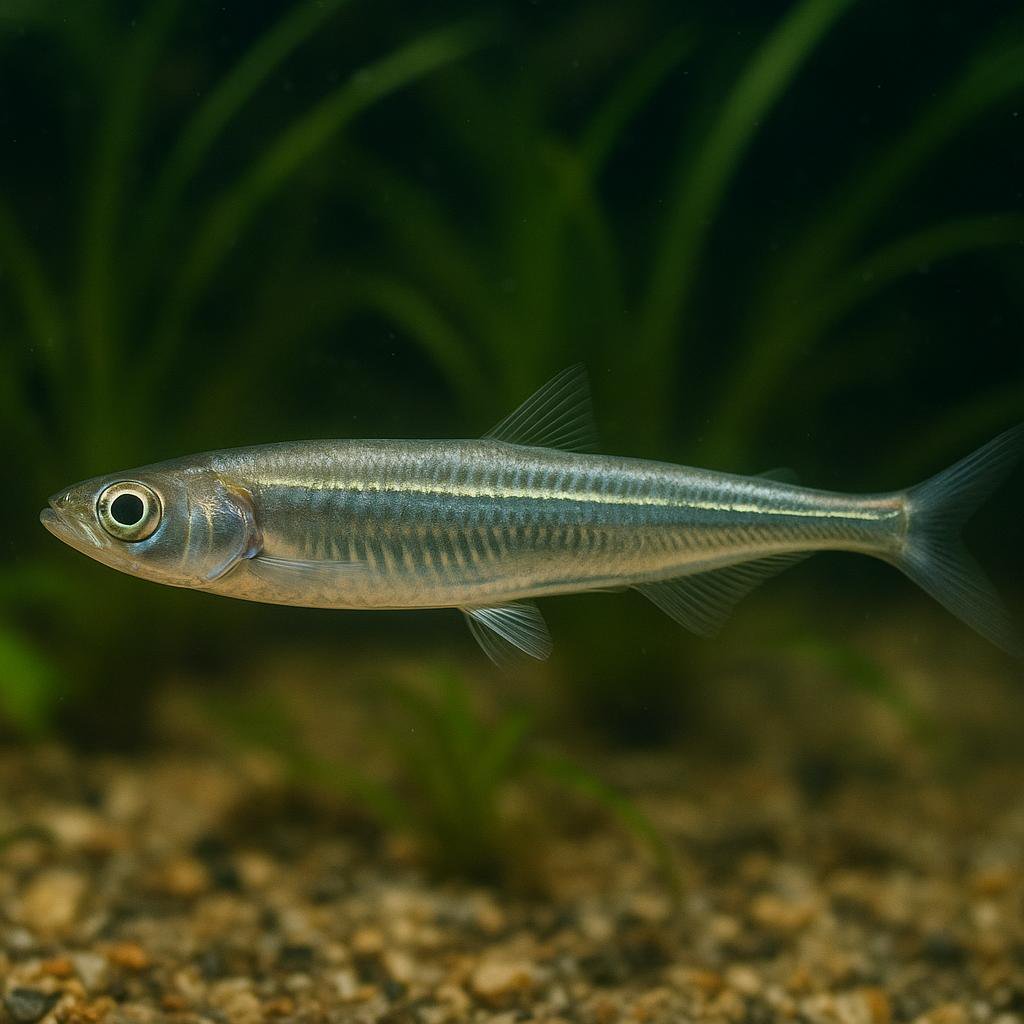
Longtail pencilsmelt
Nansenia longicauda
This one is a deepwater pencilsmelt that lives way down in the mesopelagic zone, so its more of a research-species than an aquarium fish. It tops out around 13 cm and seems to show up in patchy spots in the subtropical Atlantic and North Pacific, typically hundreds of meters down.
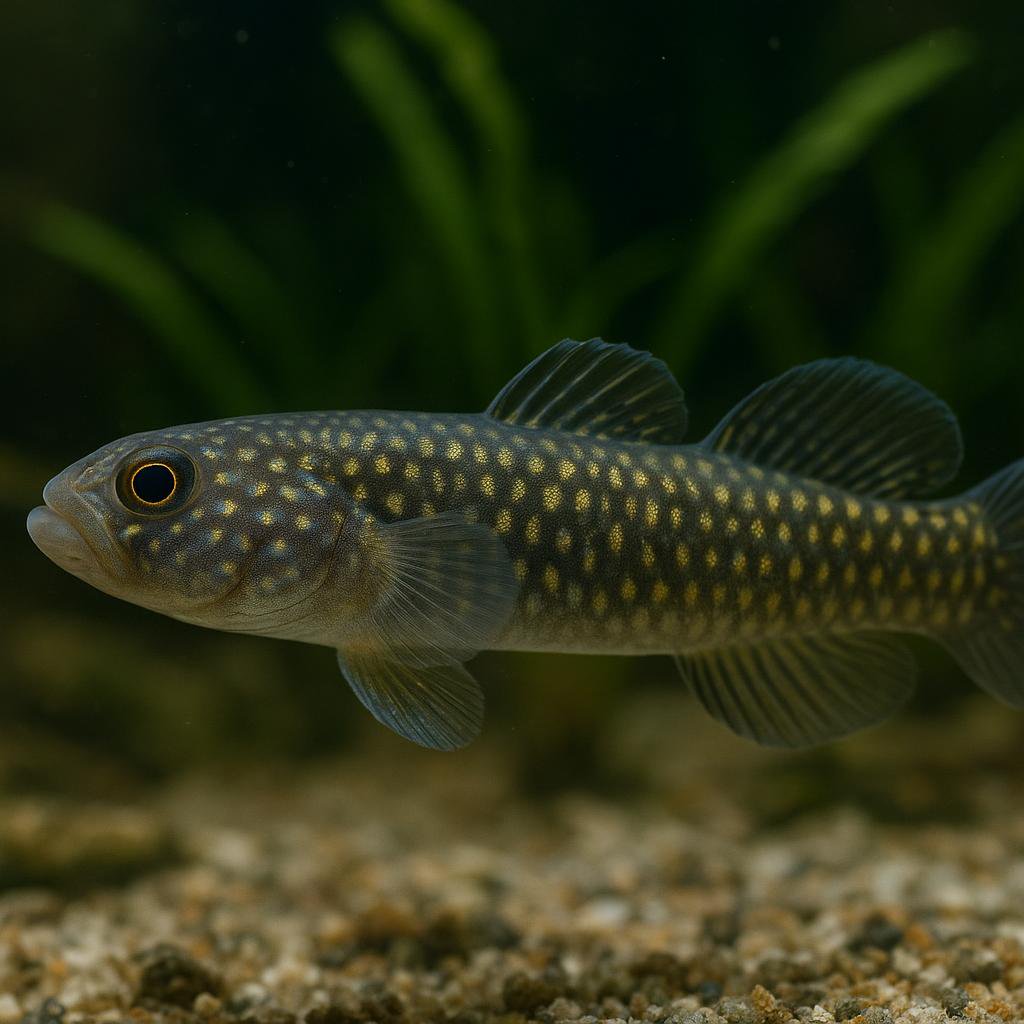
Longtooth snake eel
Yirrkala macrodon
Yirrkala macrodon is a tropical marine snake eel (worm eel family) from the western Pacific around Borneo, and it lives that classic burrower lifestyle in sand or rubble. Its whole vibe is "hide most of the day, then cruise and ambush" - and like most snake eels, it is an escape artist if your lid has gaps.
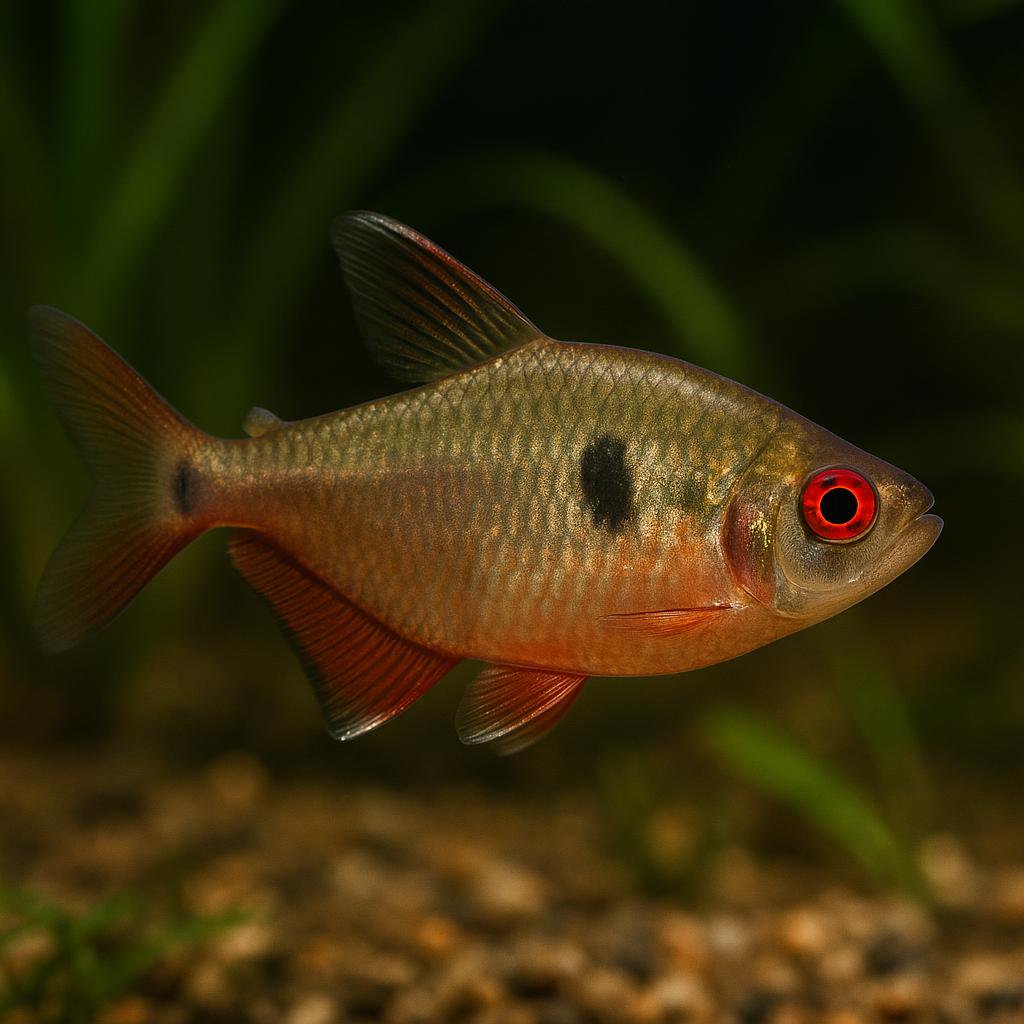
Lowe's tetra
Hyphessobrycon loweae
This is a tiny Upper Xingu tetra that can glow gold in the right light, with males showing that cool elongated dorsal fin. It does best when you keep a real group and give it a calm, planted setup so it feels bold enough to come out and color up.
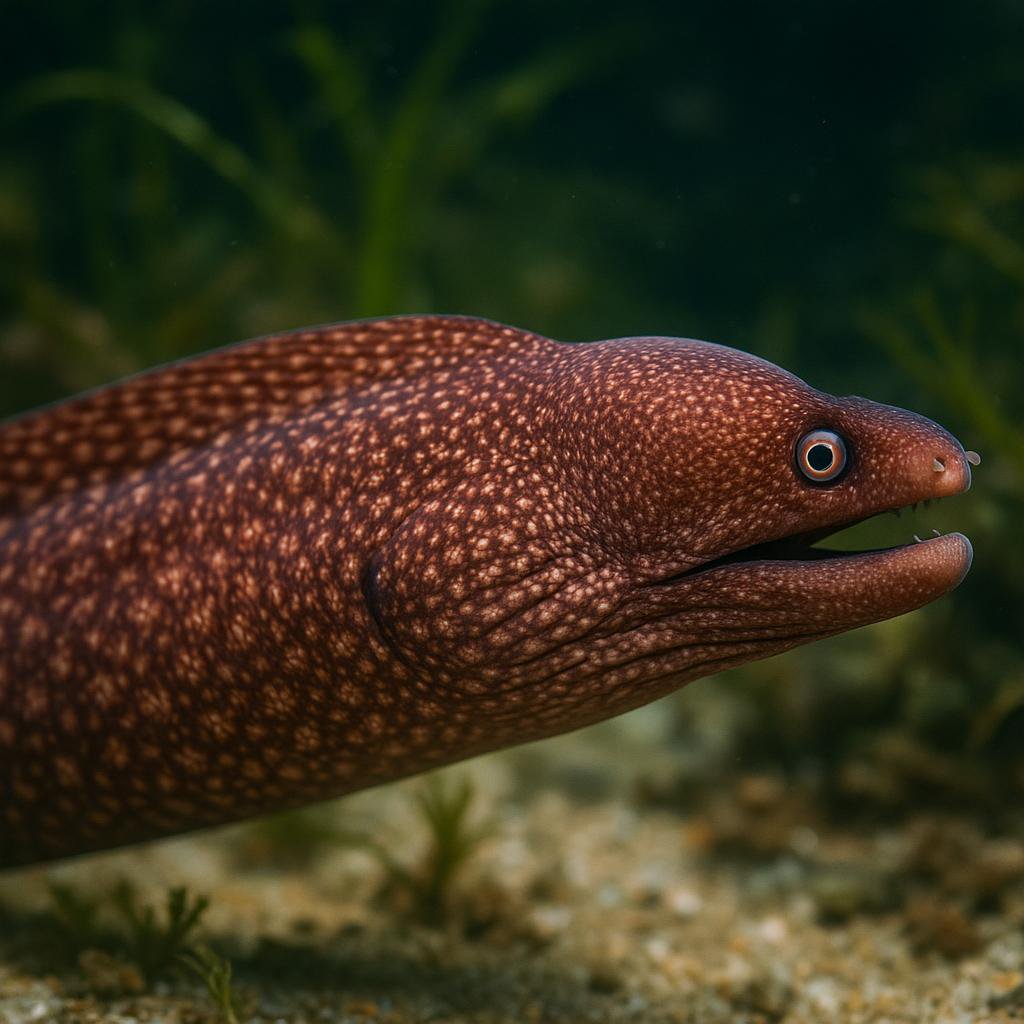
Lowfin moray
Gymnothorax porphyreus
Gymnothorax porphyreus is a chunky, cold-to-cool water moray from the South Pacific that hangs out on rocky reefs and wedges itself into caves with just the head out. It tops out around a meter long, so it is absolutely a big, powerful predator even though it is not one of the giant 2-meter morays. If you ever see one offered for home aquariums, the big gotcha is temperature - this is not a tropical reef eel.
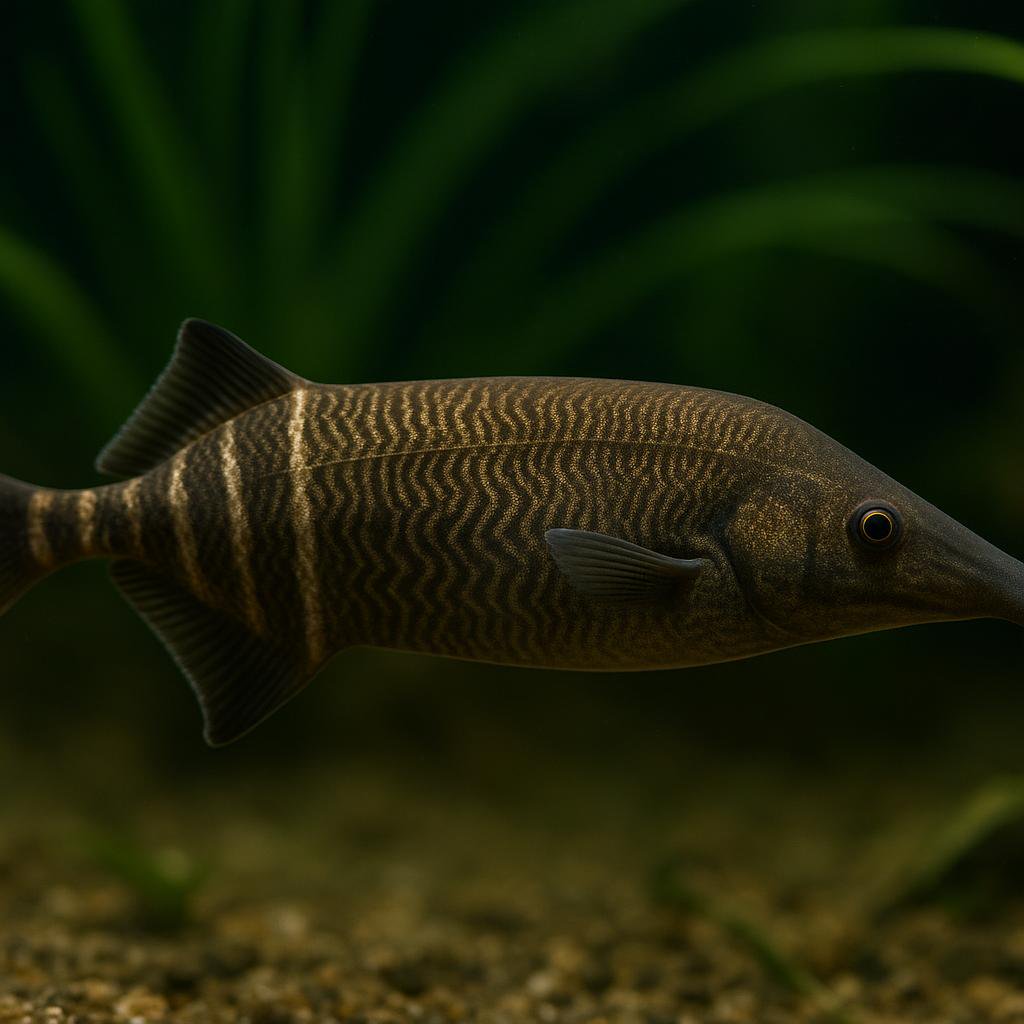
Luapula elephantfish
Campylomormyrus luapulaensis
This is one of those super-weird, super-cool African elephantfish (a weakly electric mormyrid) from the Luapula River system. It cruises around using electricity to "see" in the dark and probe the bottom with that long snout, so it really shines in a dim, sandy, hiding-spot-heavy tank where it can act natural.
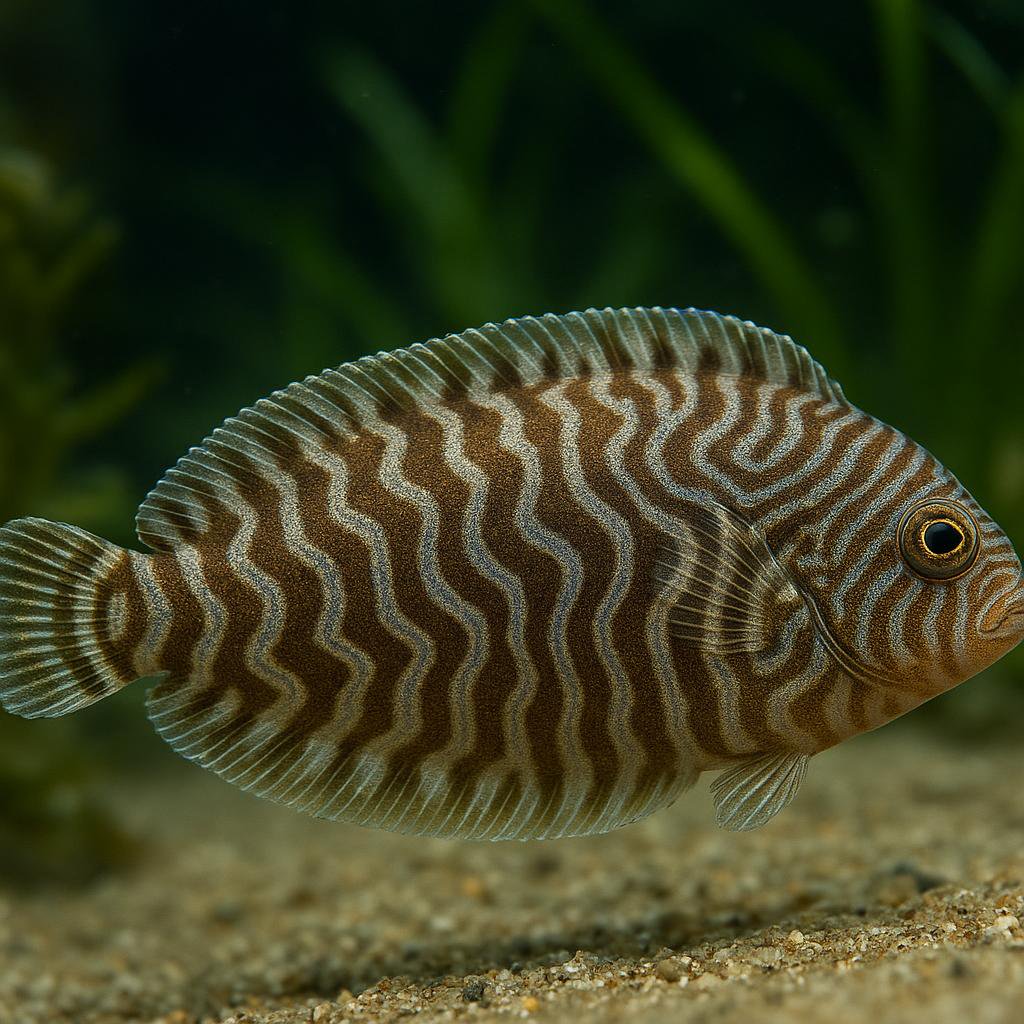
Lucap sole
Zebrias lucapensis
A small marine demersal sole (family Soleidae) described from Lucap Bay / Hundred Islands area of Lingayen Gulf, Philippines; known from very limited records. Aquarium care information is not species-specific in the literature; if kept, husbandry would likely follow general small marine sole/flatfish needs (fine sand, peaceful tankmates, benthic meaty foods).
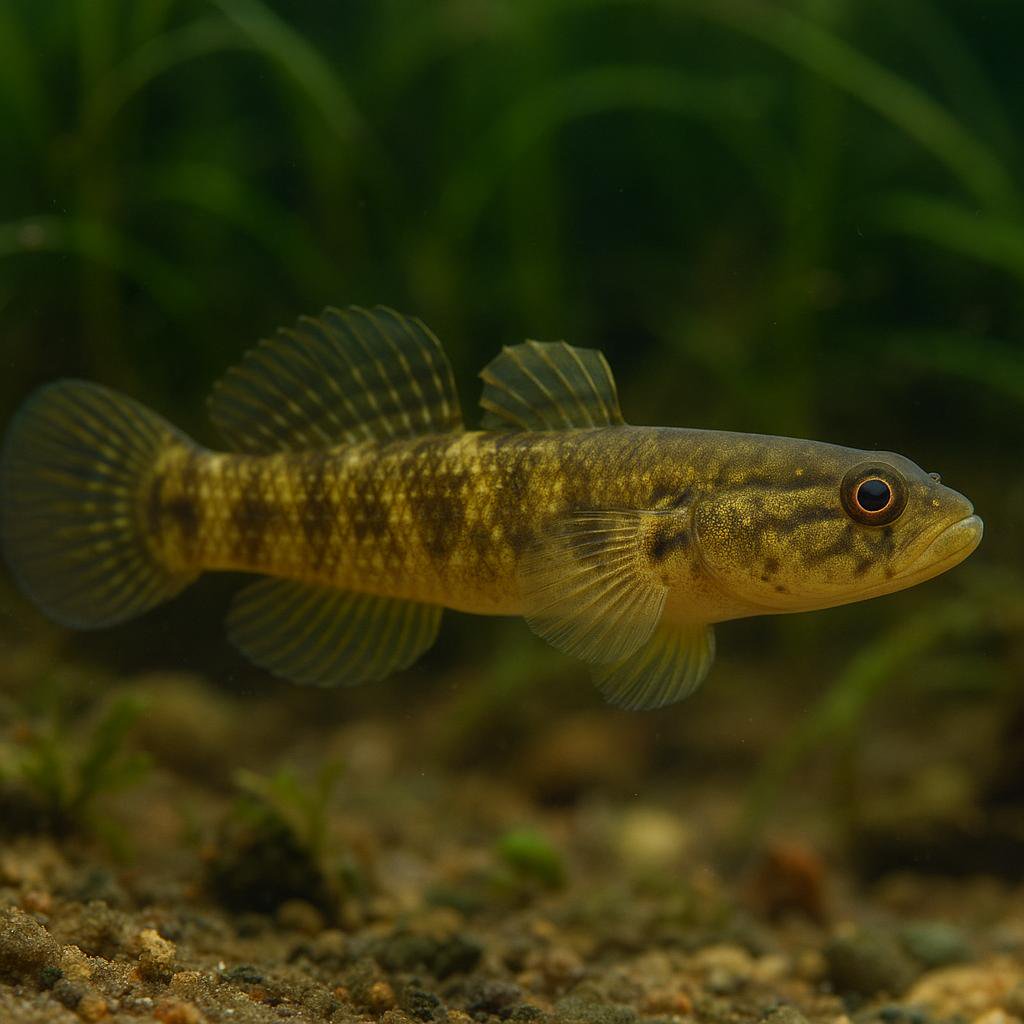
Lutea sleeper
Eleotris lutea
Eleotris lutea is a tiny little sleeper (eleotrid) that hangs out on the bottom in coastal/estuary type habitats and tends to just park itself and watch the world go by. Its wild environment is listed as marine and brackish (and it is amphidromous), so it is one of those fish people often mis-label as "freshwater goby" even though it usually does best with some salt and stable conditions.