

Fish That Start With S - Page 4 of 6
Browse all aquarium fish species with common names beginning with "S". Each profile includes care requirements, water parameters, tank size recommendations, and compatibility information for freshwater, marine, and brackish species.
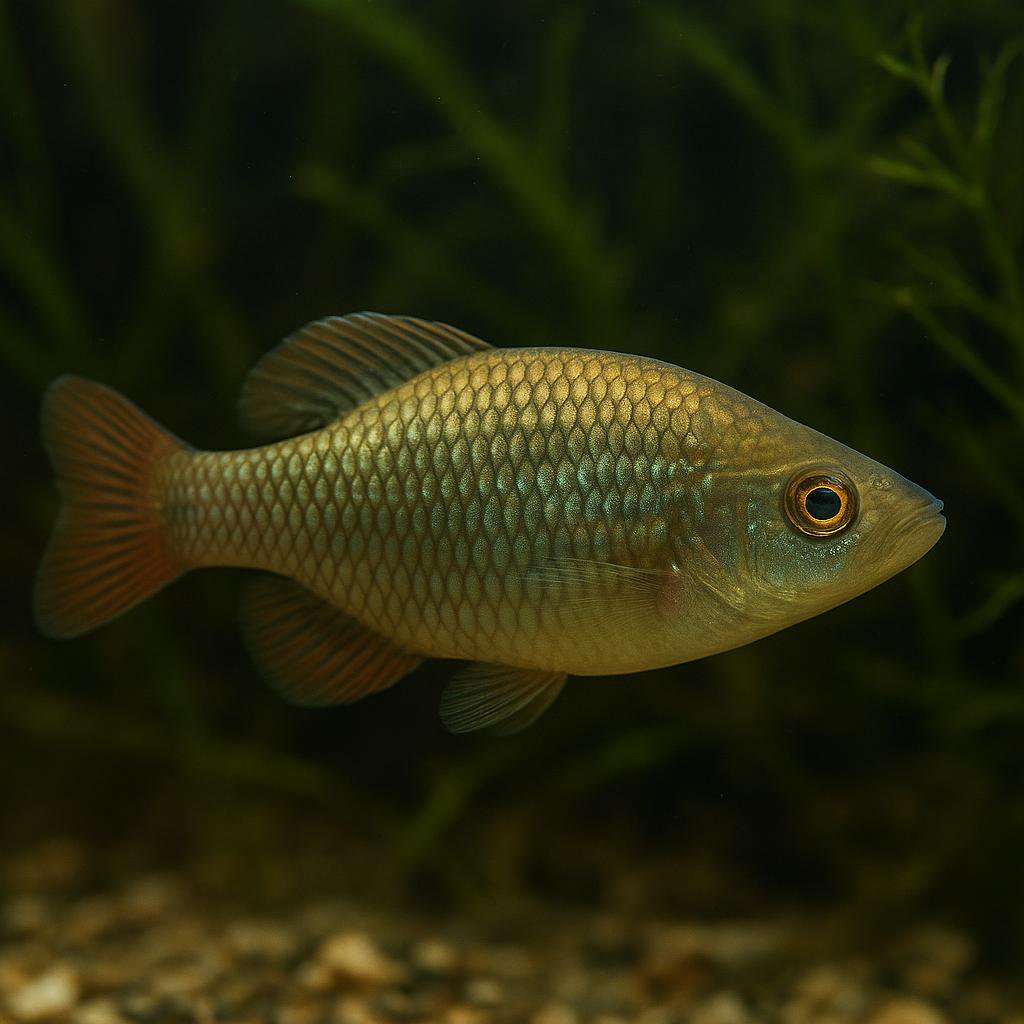
Slender mudskipper
Zappa confluentus
This is a tiny New Guinea mudskipper that lives around tidal mudflats by murky, brackish river water, and it can do the classic mudskipper trick of air-breathing when it is out of the water. In aquarium terms, think of it less like a regular "fish" and more like a little amphibious goby that wants a land area, lots of damp mud/sand to perch on, and calm brackish conditions.
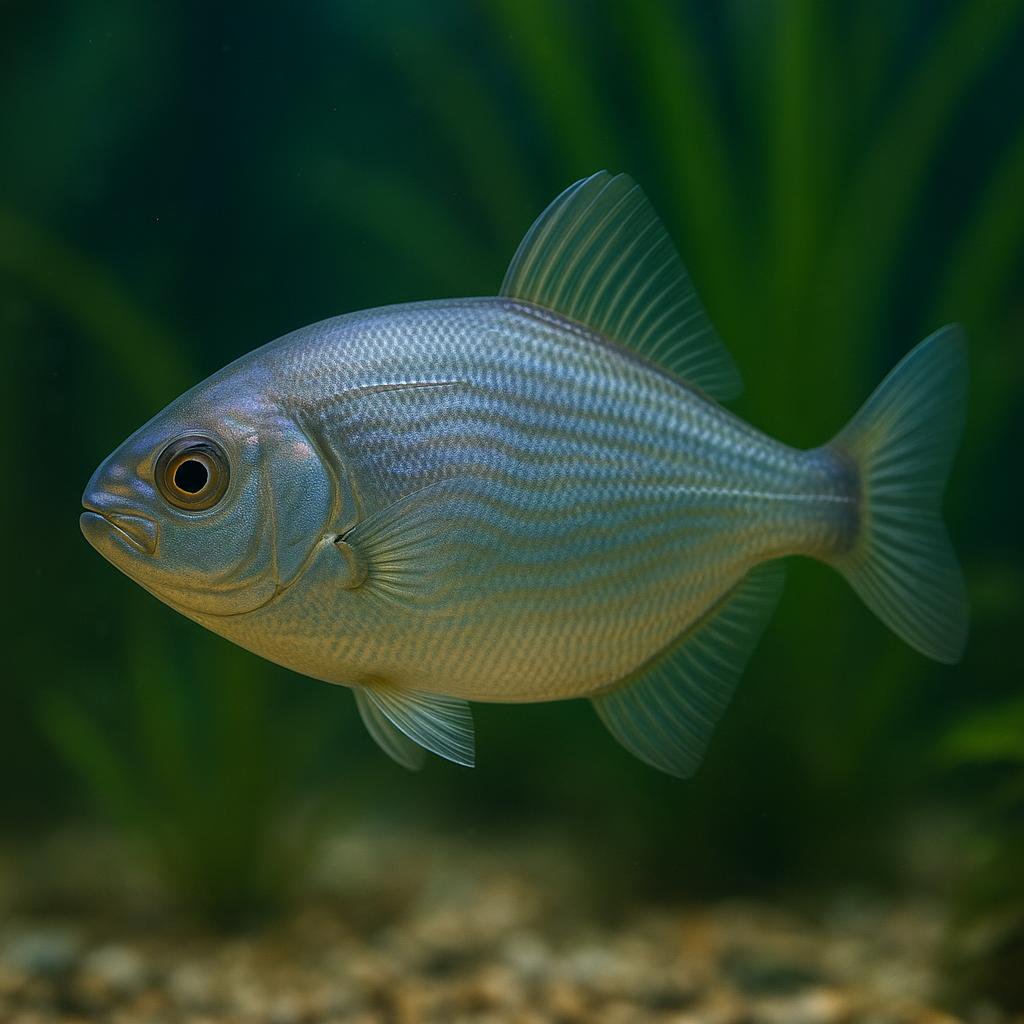
Slender sunfish
Ranzania laevis
This is the little, weird cousin of the big ocean sunfishes - kind of an oval, squished-looking pelagic fish that literally loses the normal tail fin as it grows and ends up with a clavus instead. It cruises open water in warm-temperate to tropical seas, usually solo, picking off zooplankton and other small drifting prey.
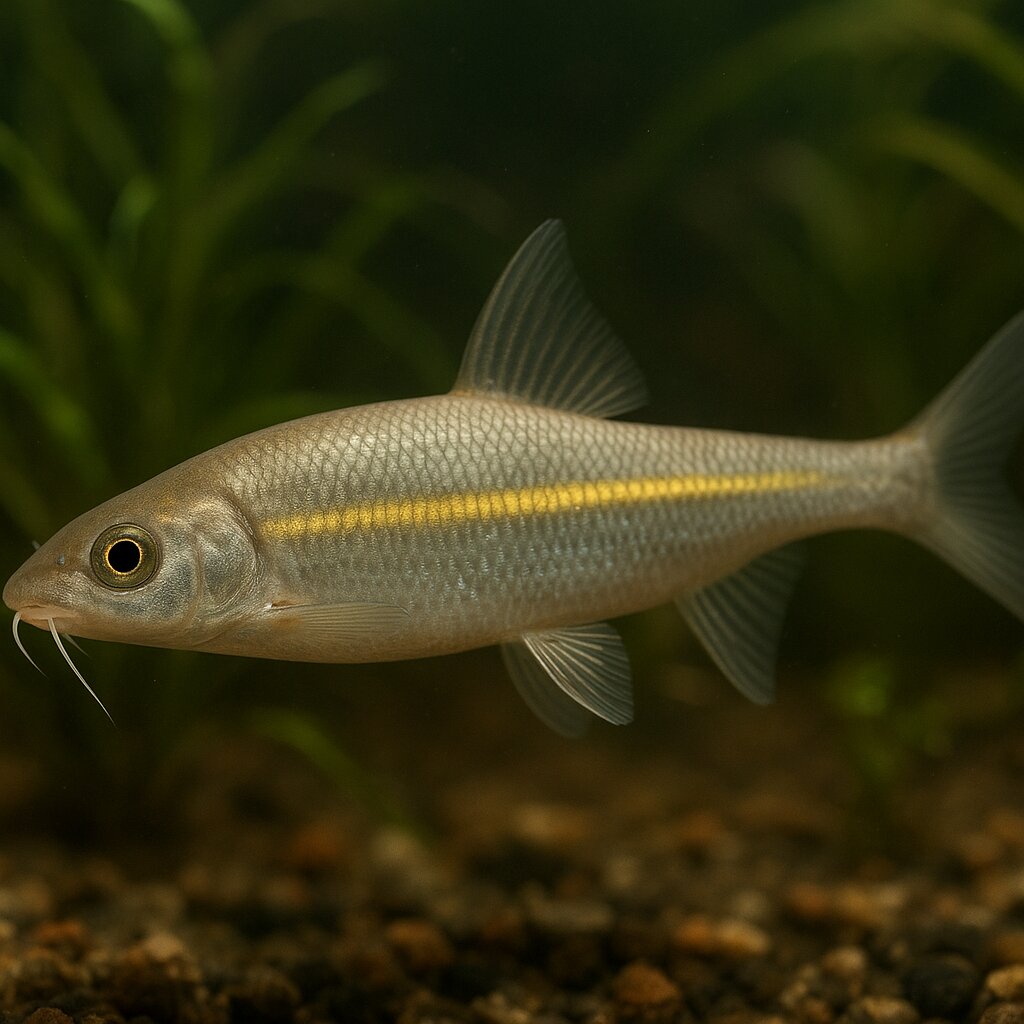
Slender-tail golden-line barbel
Sinocyclocheilus gracilicaudatus
A small cave fish from the Pearl River karst in Guangxi, this one actually has normal eyes and a skinny tail, so it does not look as alien as its horned cousins. It likes cool, dark, very steady water and will cruise along the walls with that classic cavefish wall-following behavior once it settles in.
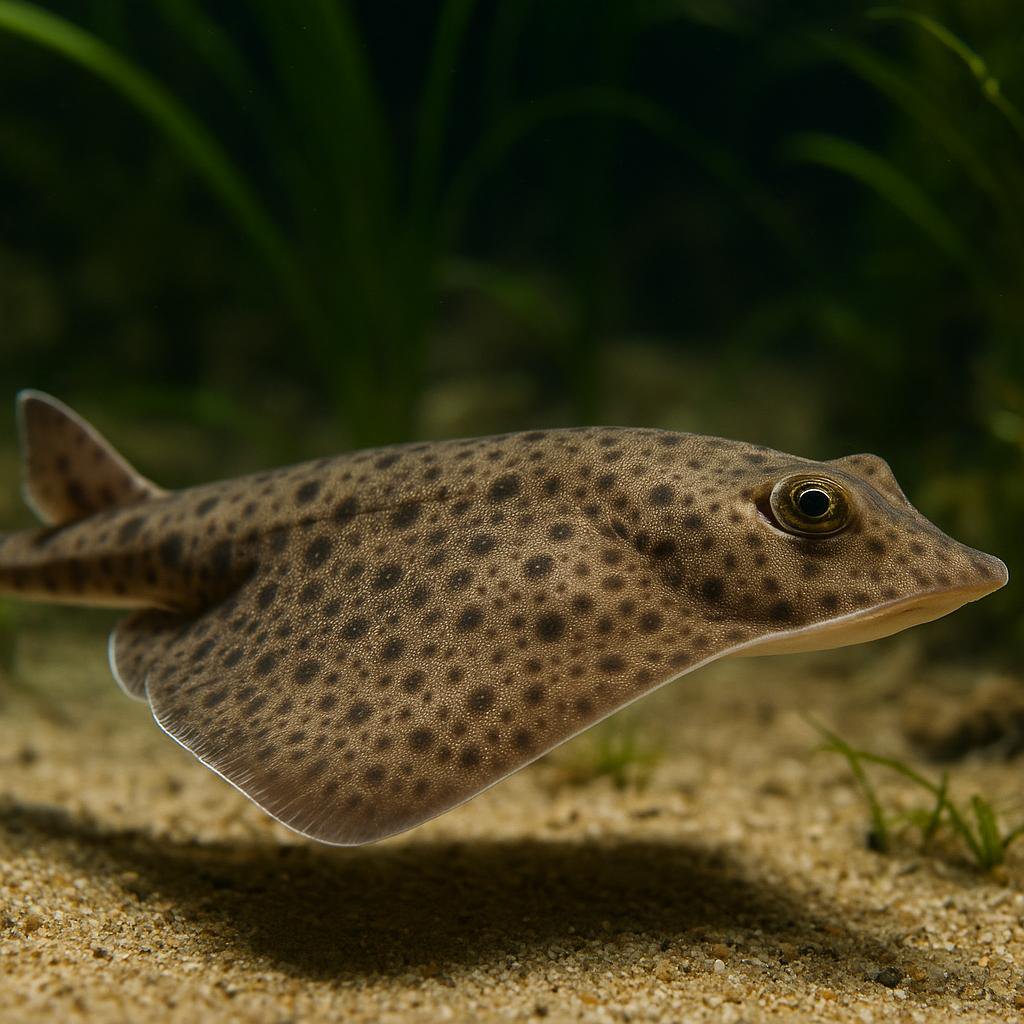
Slime skate
Dipturus pullopunctatus
This is a South African deep-water skate that lives way out on the shelf/upper slope, not something that belongs anywhere near a home aquarium. It gets big (around 1.3 m max reported) and is a bottom-dwelling predator, so it needs cold, high-oxygen marine conditions and huge space to swim and rest properly.
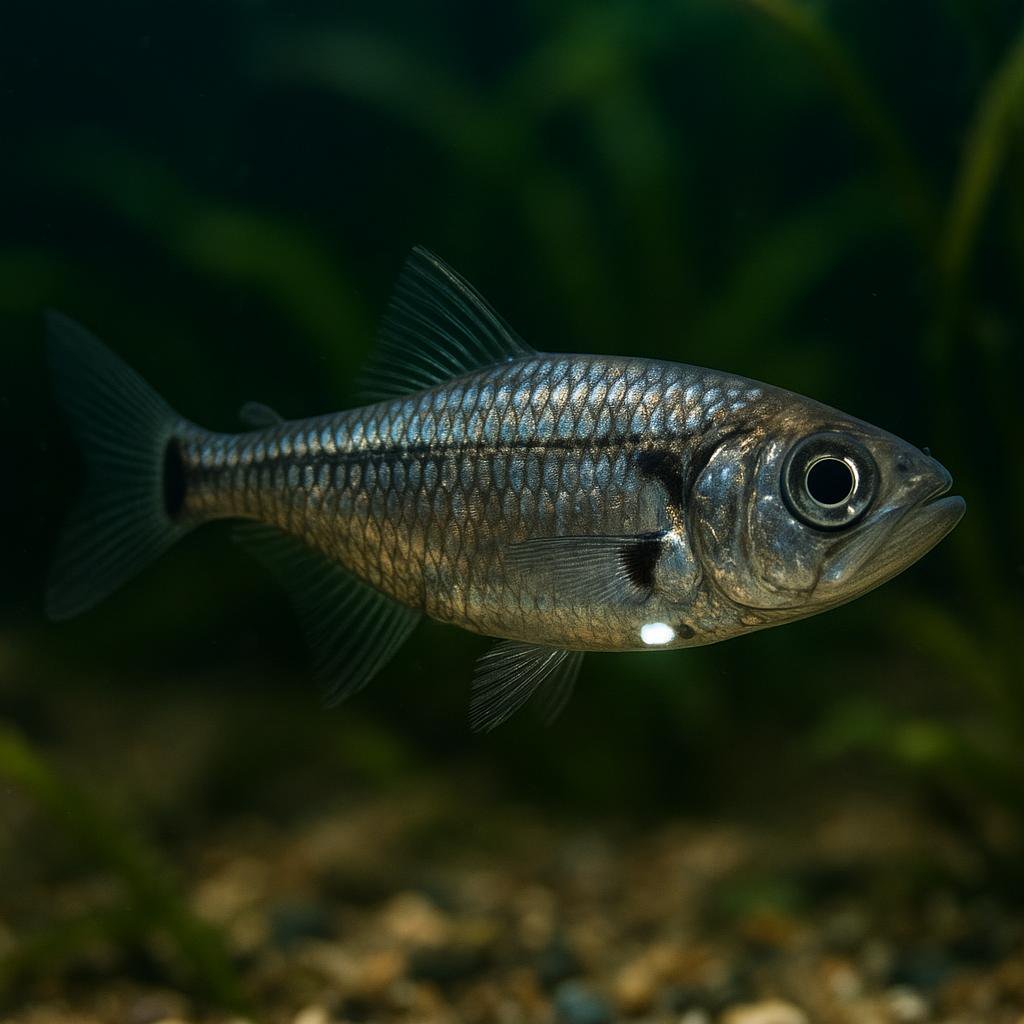
Small lanternfish
Diaphus roei
Diaphus roei is a tiny deep-sea lanternfish (a myctophid) that lives out in open ocean water and uses rows of photophores (light organs) for camouflage and communication. It is not really an aquarium species - it is a mesopelagic fish adapted to cold, high-pressure life and many individuals migrate upward at night.
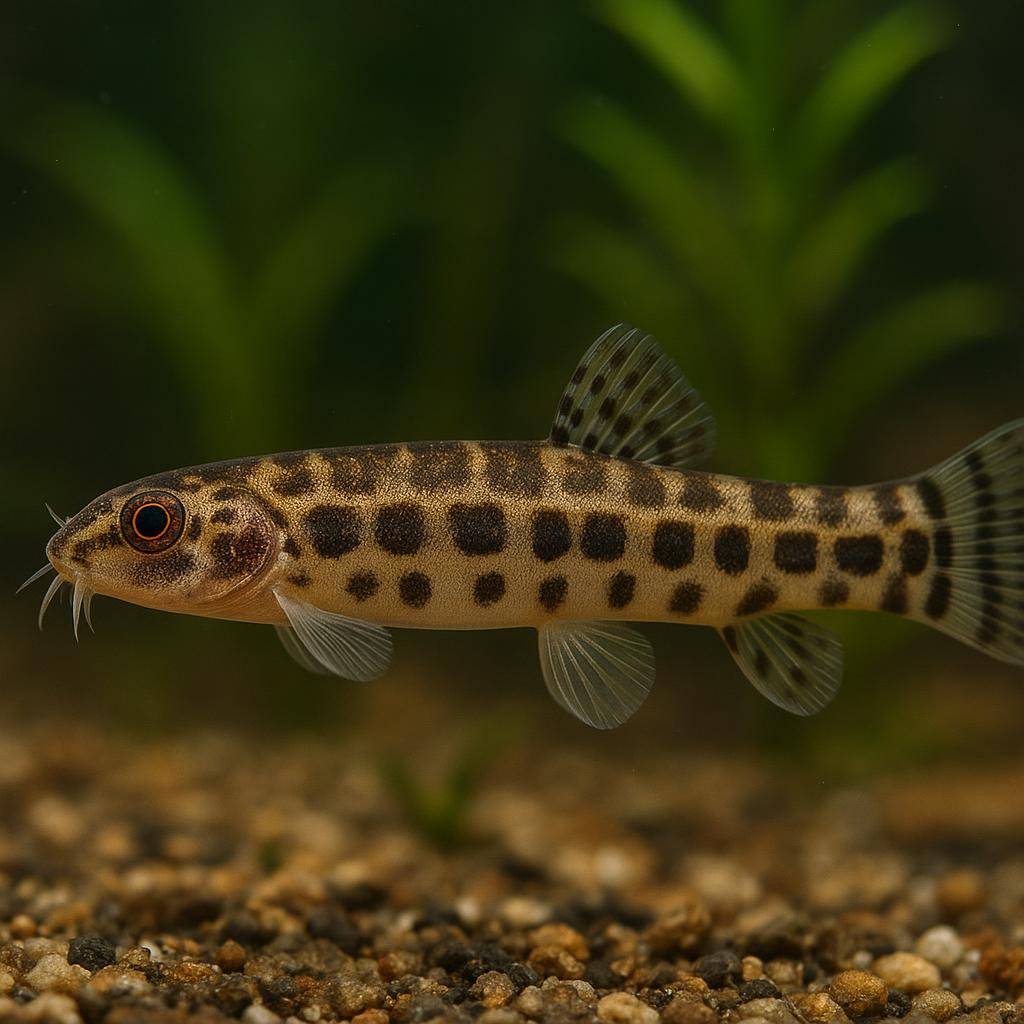
Small Yunnan loach
Yunnanilus parvus
This is a tiny little stone loach from Yunnan, China that was originally described from a cave outlet - so think shady, cooler, clean water vibes. Its a bottom-hugging micro-loach that will spend a lot of time picking at the substrate for tiny bits of food, and its one of those species thats way more interesting to watch than its size suggests.
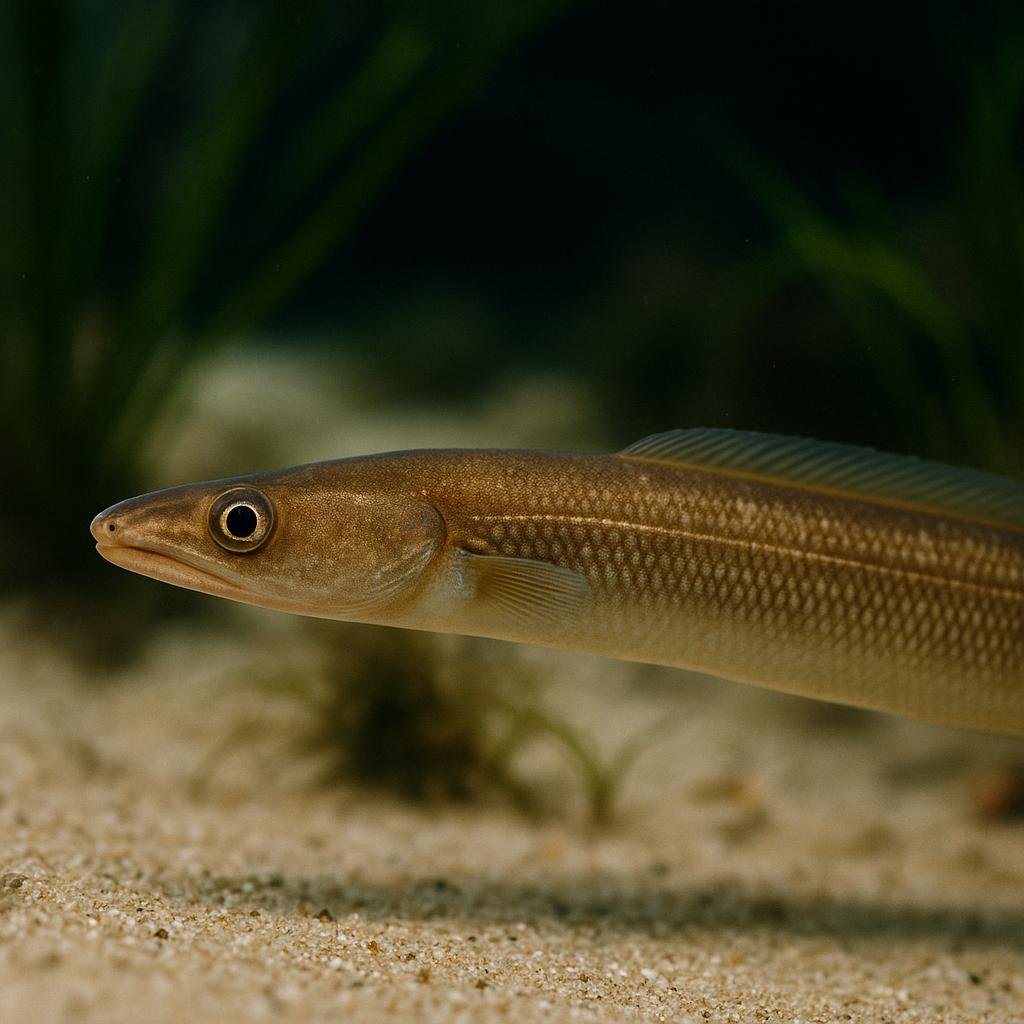
Smalleye conger
Gnathophis microps
Gnathophis microps is a deepwater marine conger eel from off Western Australia, and its little eyes make a lot of sense once you realize it lives way down around 200-320 m. Cool fish on paper, but its deep, cold-ish habitat means it is basically not a realistic home-aquarium species (think public-aquarium level life support).
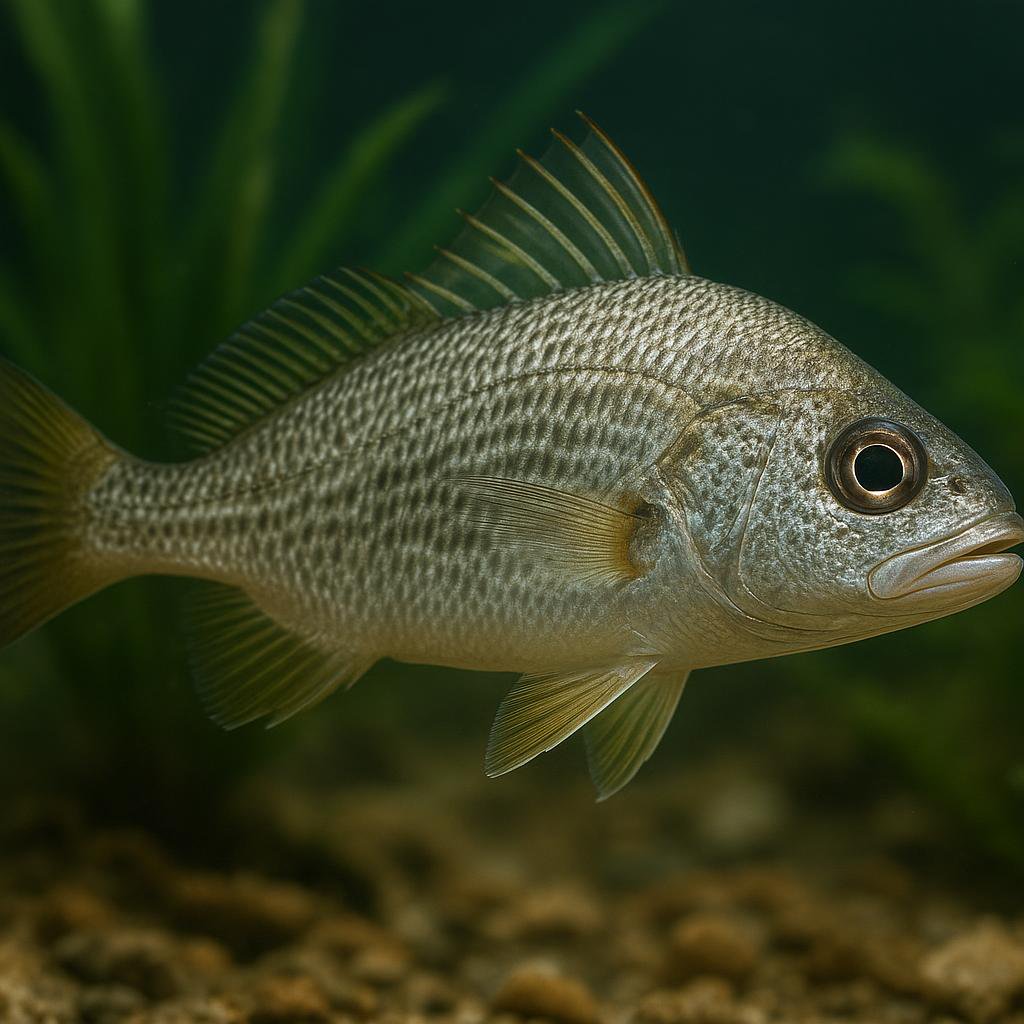
Small-mouth croaker
Johnius hypostoma
Johnius hypostoma is a small marine croaker (family Sciaenidae) reported from the eastern Indian Ocean (Sumatra, Indonesia) and listed by FishBase as Indo-Pacific in distribution; it is primarily a fisheries species rather than an aquarium-trade fish.
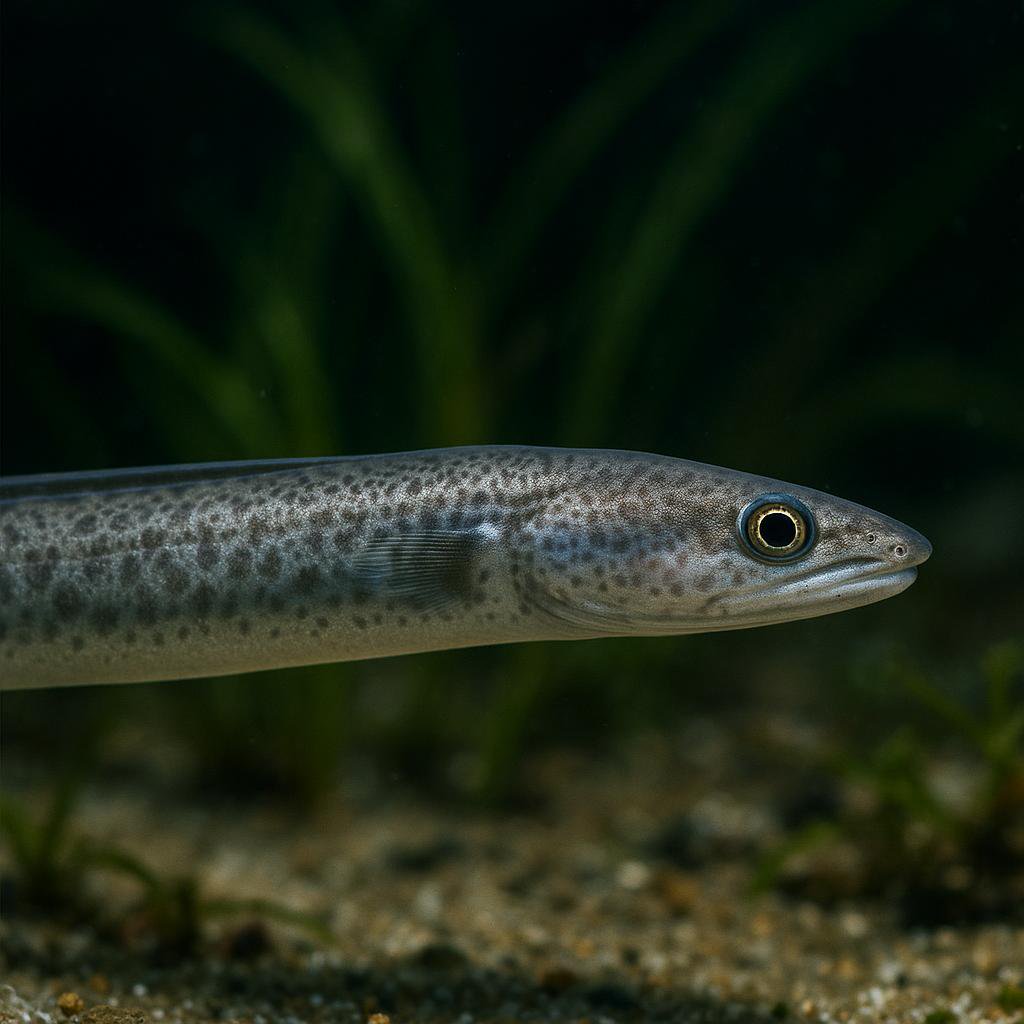
Smith's witch eel
Facciolella smithi
This is a deep-water witch eel (duckbill eel) that was only described recently, from off the Kerala coast in the Arabian Sea. It's a long, ribbon-bodied, soft-sediment bottom-dweller with that weird duckbill snout and small deep-sea eyes - super cool, but not something you can realistically keep in a normal home aquarium.
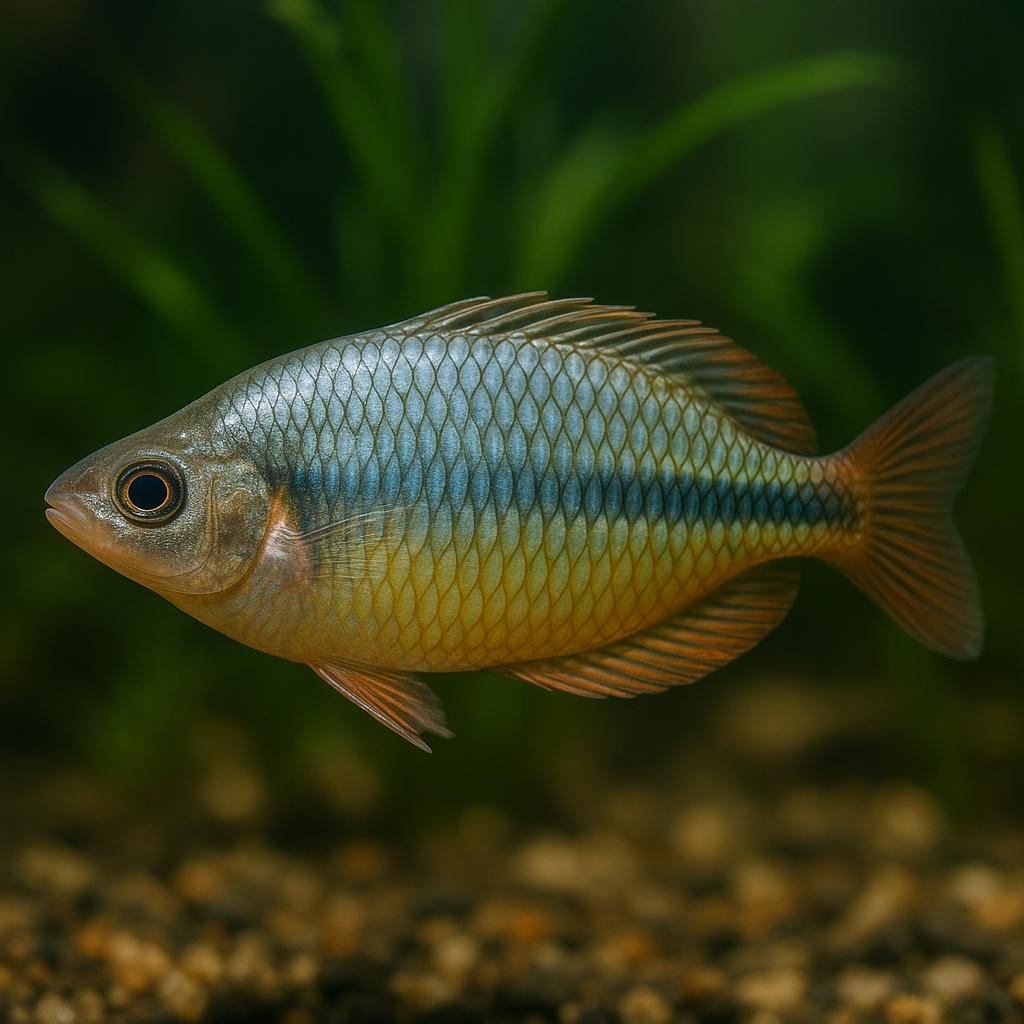
Smooth bandfish
Owstonia psilos
Owstonia psilos is a deepwater bandfish from off northwestern Australia - long, ribbon-bodied, reddish, and it has that neat black blotch up front on the dorsal fin. Its home turf is way down around 360-446 m, so its "cool factor" is real, but its natural lifestyle is totally a deep-reef, low-light thing rather than a normal home-aquarium fish.
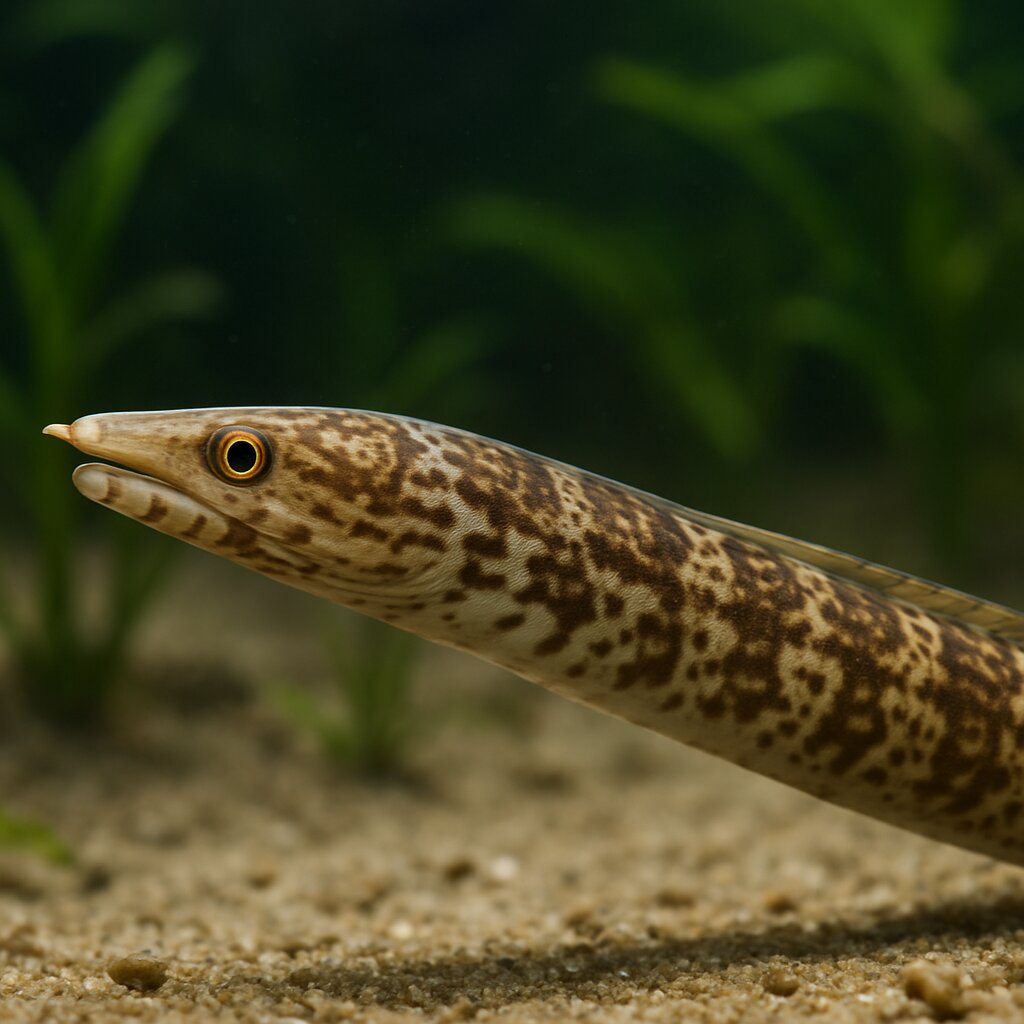
Snake eel
Cirrhimuraena cheilopogon
A shy sand-burrower from Papua New Guinea, this snake eel spends most of the day hidden with just its head poking out like a little periscope. It is a specialist predator and a serious escape artist, so it needs deep sand and a rock-solid lid if anyone ever attempts it in a tank.
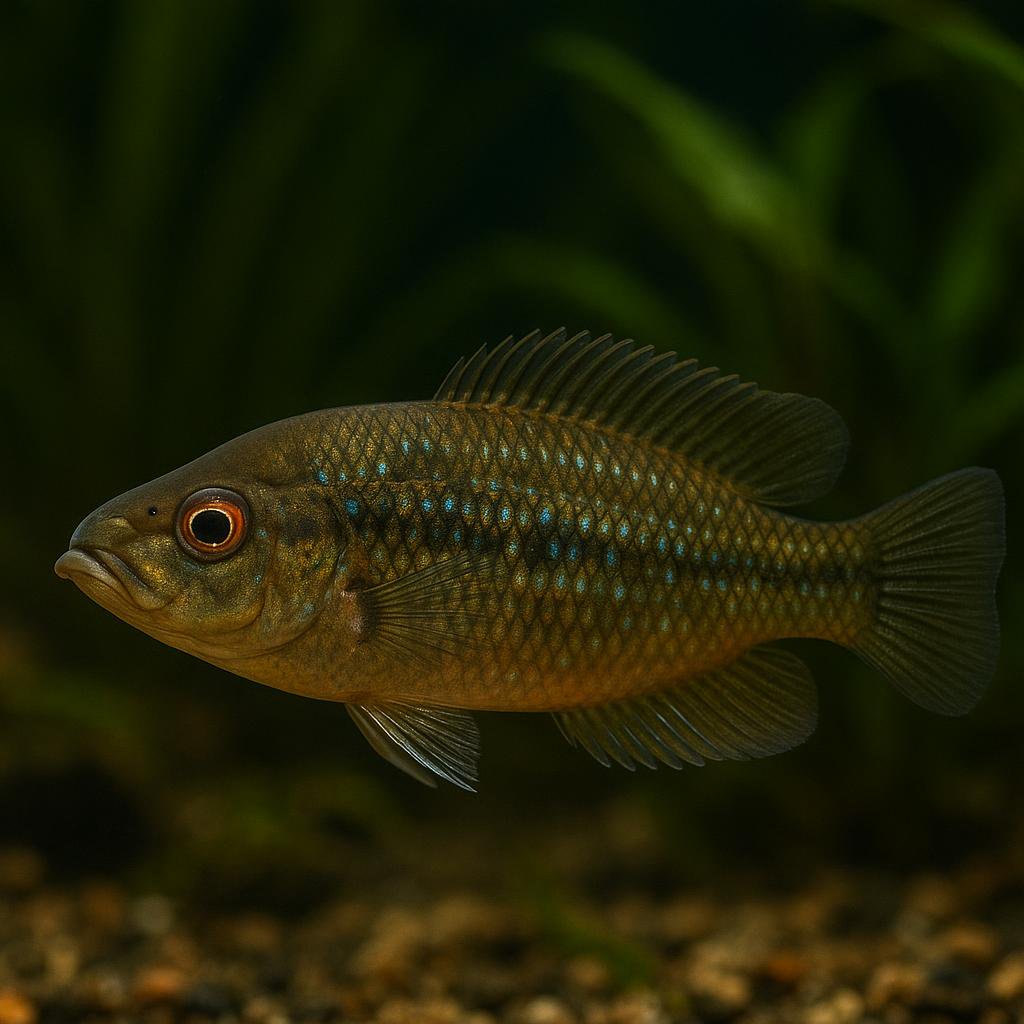
Snub-nose snake eel
Kertomichthys blastorhinos
This is a weird little deepwater snake eel with a short, club-shaped snout and a burrowing, bottom-hugging lifestyle. It is basically a science-only fish - it's known from a single specimen collected off French Guiana, so there is no real aquarium trade care info to lean on.
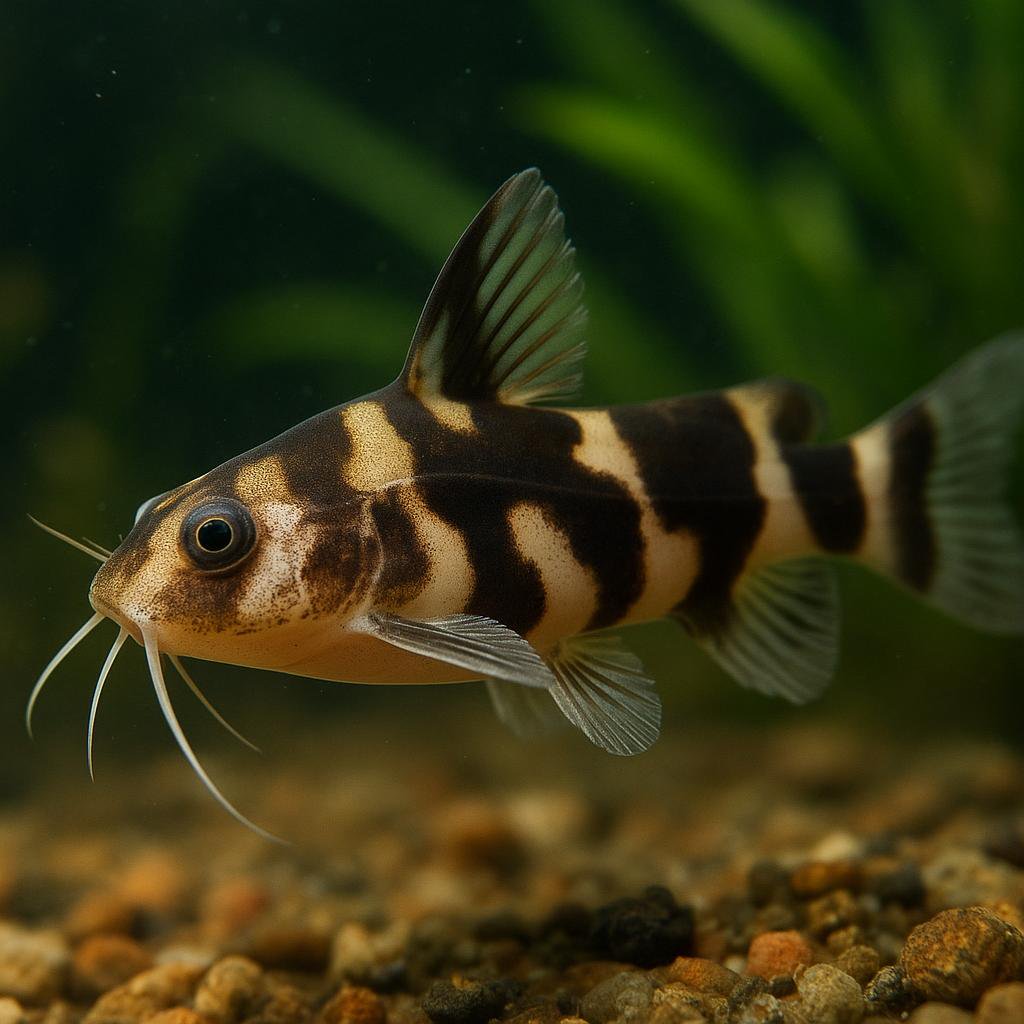
South American Bumblebee Catfish
Microglanis parahybae
Microglanis parahybae is one of the little South American bumblebee catfish - a small, nocturnal bottom-dweller that spends the day wedged under wood, rocks, or leaf litter and comes alive at feeding time. They are peaceful with most community fish, but anything tiny enough to fit in that catfish mouth can disappear after lights-out.
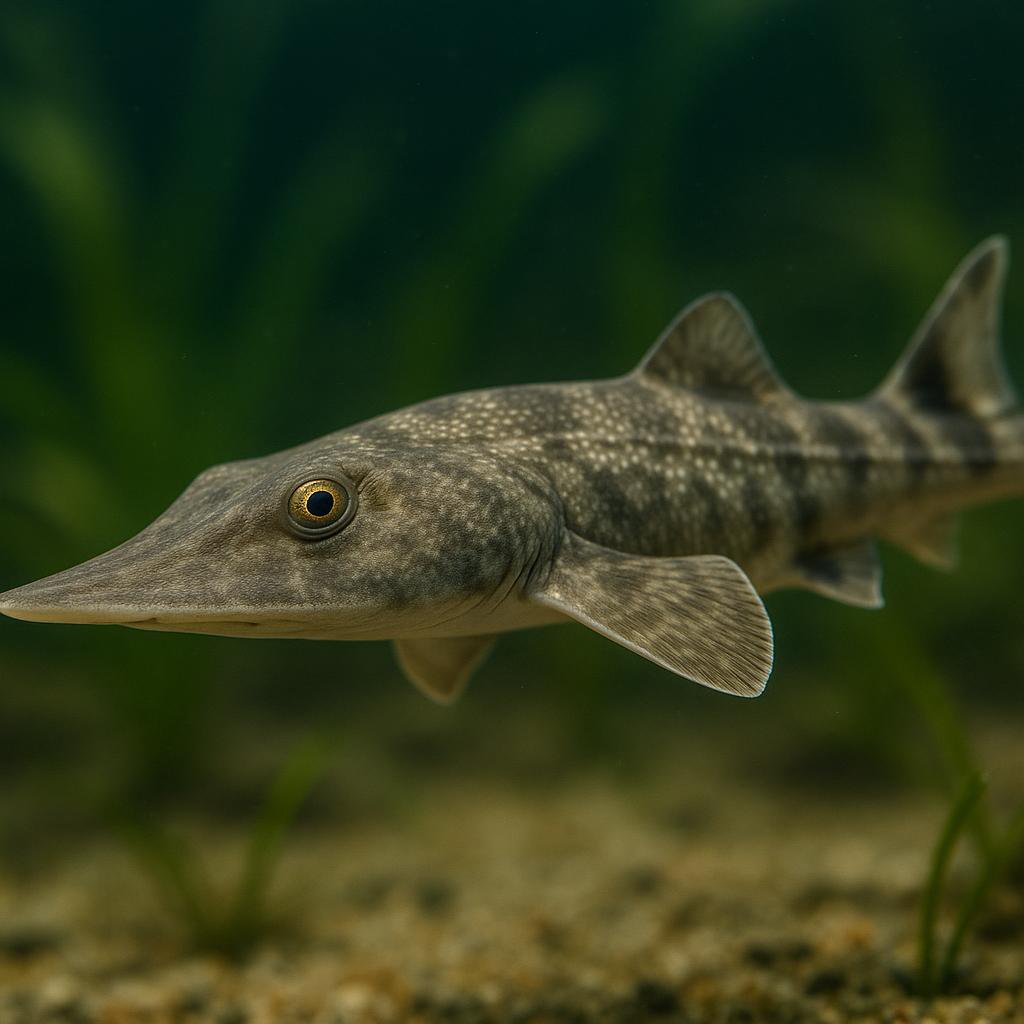
Southern banded guitarfish
Zapteryx xyster
This is a little guitarfish from the tropical eastern Pacific that cruises sandy and rocky bottoms and comes out more at night to hunt. The coolest thing on adults is the yellow ocelli (eyespots) sitting in the dark bands across the back - it looks like someone dotted it with paint. It is a true saltwater ray-like elasmobranch, so think big footprint, lots of sand, and a heavy meaty diet.
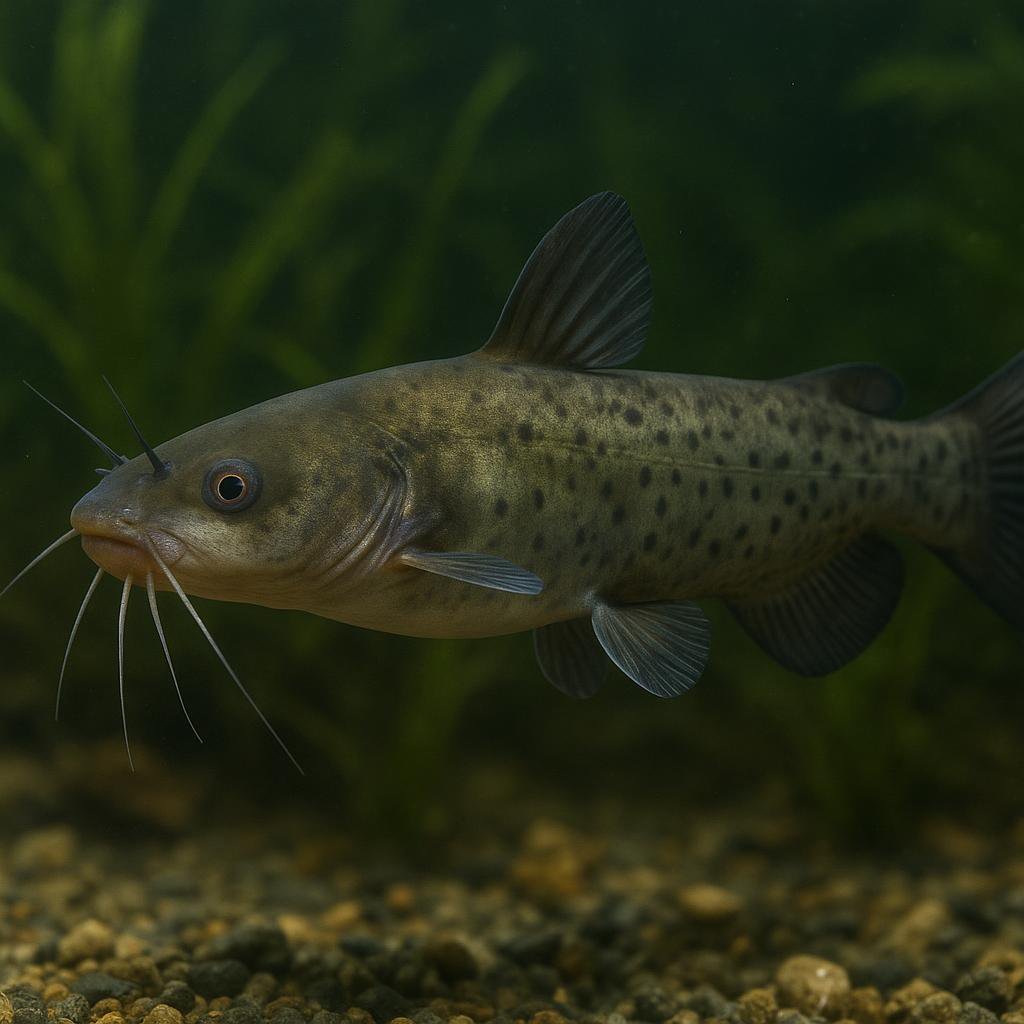
Southern blue catfish
Ictalurus meridionalis
This is basically the tropical cousin in the blue catfish group - a big, bottom-hugging (demersal) river catfish from the Usumacinta region. It gets way too large for normal aquariums, but if you ever see one in person the wide head, whiskers, and bulldozer vibe make it pretty unforgettable.
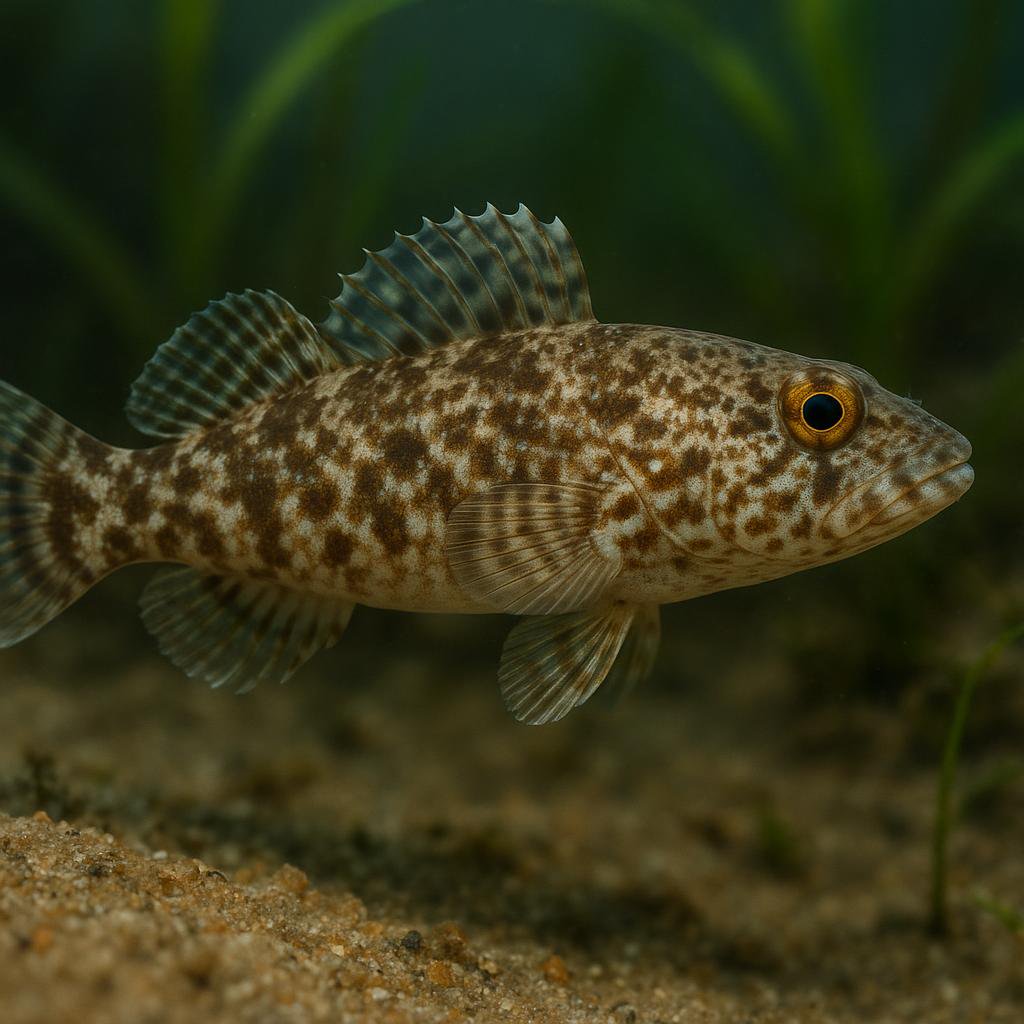
Southern cardinalfish
Vincentia conspersa
This is a cool little temperate Aussie cardinalfish that spends the day tucked into caves and reef cracks, then comes out at night to hunt tiny crustaceans. The really neat part is breeding behavior - the male mouthbroods the eggs, so if you ever get a pair to spawn you will see him holding a big egg mass in his mouth for a while. Its a marine fish from southern Australia, so think "cooler reef tank" rather than a tropical reef setup.
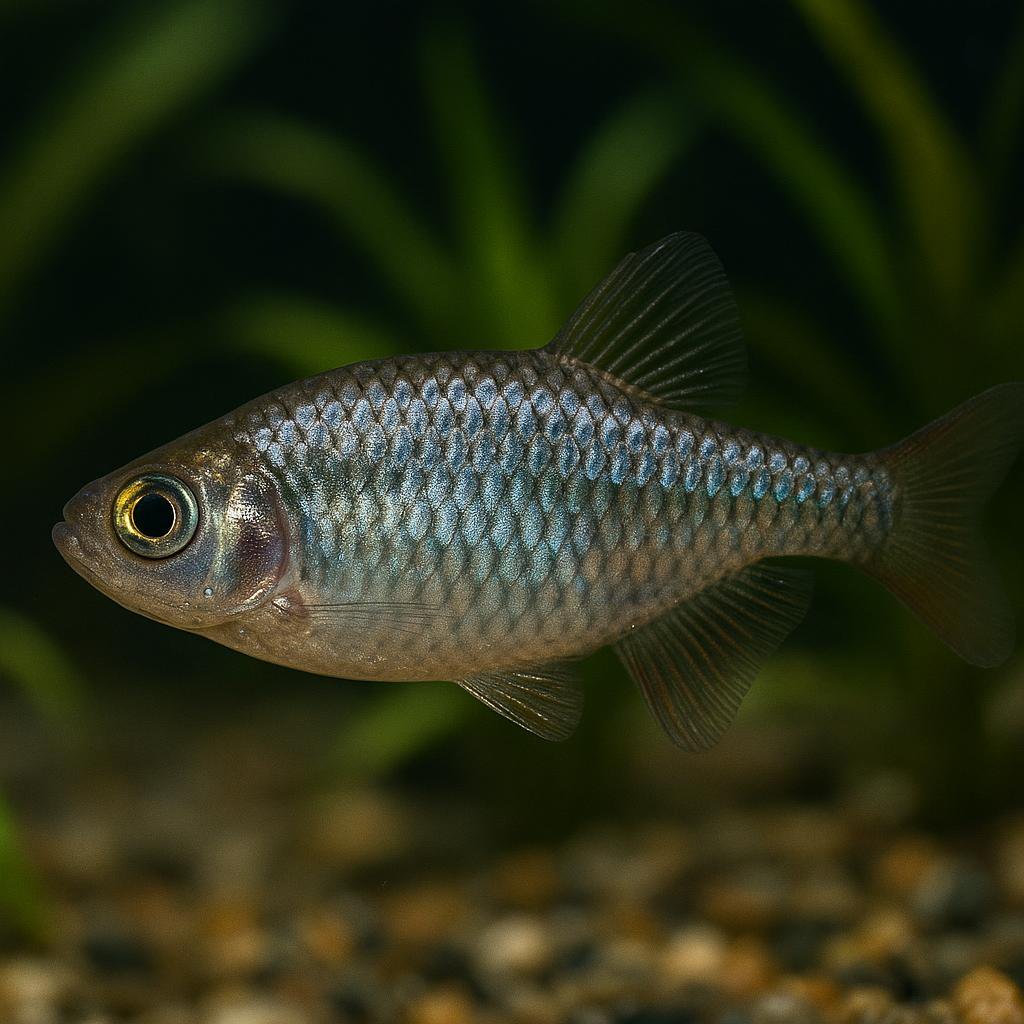
Southern lightfish
Ichthyococcus australis
This is a deep-ocean little lightfish that lives way down in the dark and uses photophores (tiny light organs) for camouflage and signaling. It is a pelagic marine species from the southern hemisphere, and its whole vibe is "midwater stealth" rather than anything you would ever keep like a normal aquarium fish.
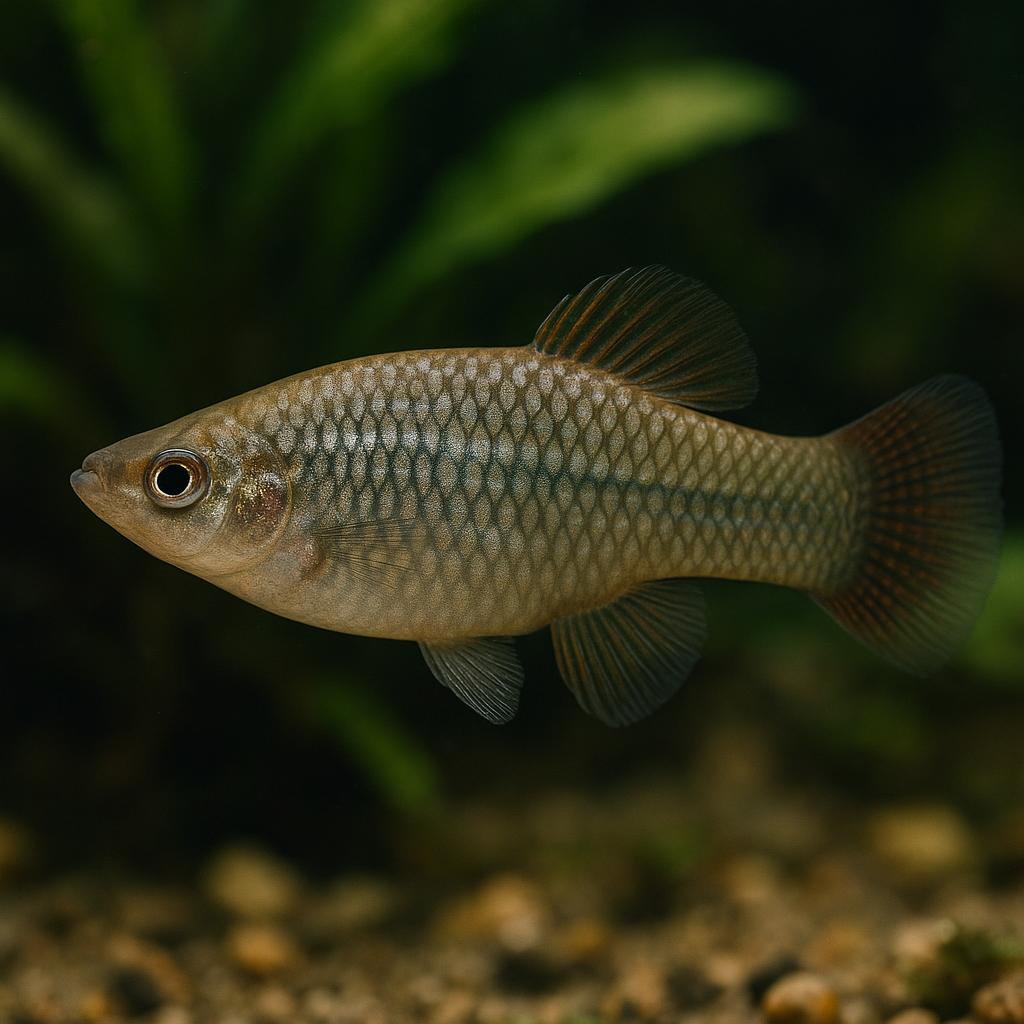
Southern mountain swordtail
Xiphophorus monticolus
Xiphophorus monticolus is a small, wild-type swordtail from Mexico that tends to hang in deeper pools in fast headwater streams with rocks and riffles. Males show a slender sword with darker edging and faint orange striping that can fade as they age, so its charm is more subtle than the gaudy domestic swordtail strains. Its big "gotcha" is that it is not a generic warm, hard-water livebearer - it comes from cooler, cleaner, flowing habitats, so it appreciates lots of oxygen and good maintenance.
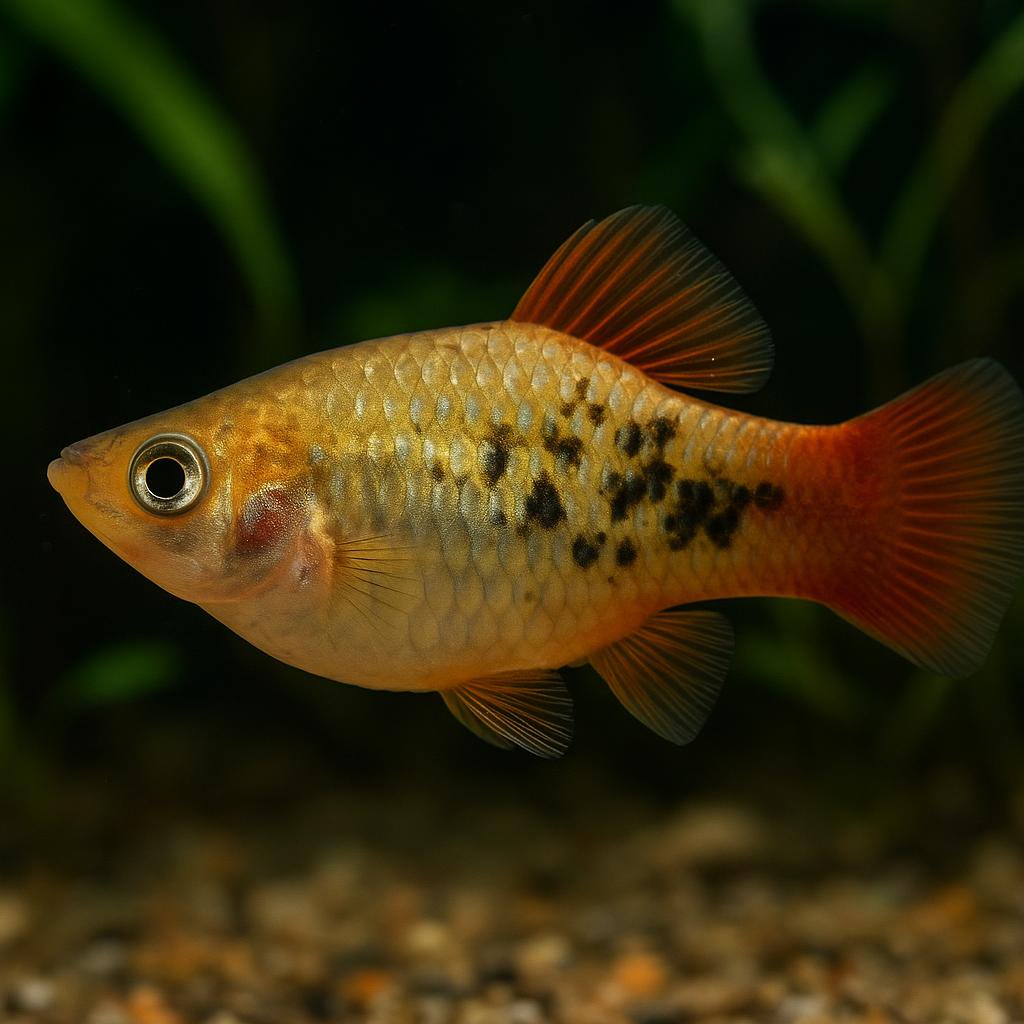
Southern platyfish
Xiphophorus maculatus
This is the classic platy-the little livebearer that's been bred into a ridiculous number of colors, but the wild-type is more of an olive-brown fish with dark blotches. They're super active, always cruising for snacks, and you'll see fun social behavior when you keep them in a small group. Also: if you mix males and females, you'll almost certainly end up with fry-these guys don't waste any time.
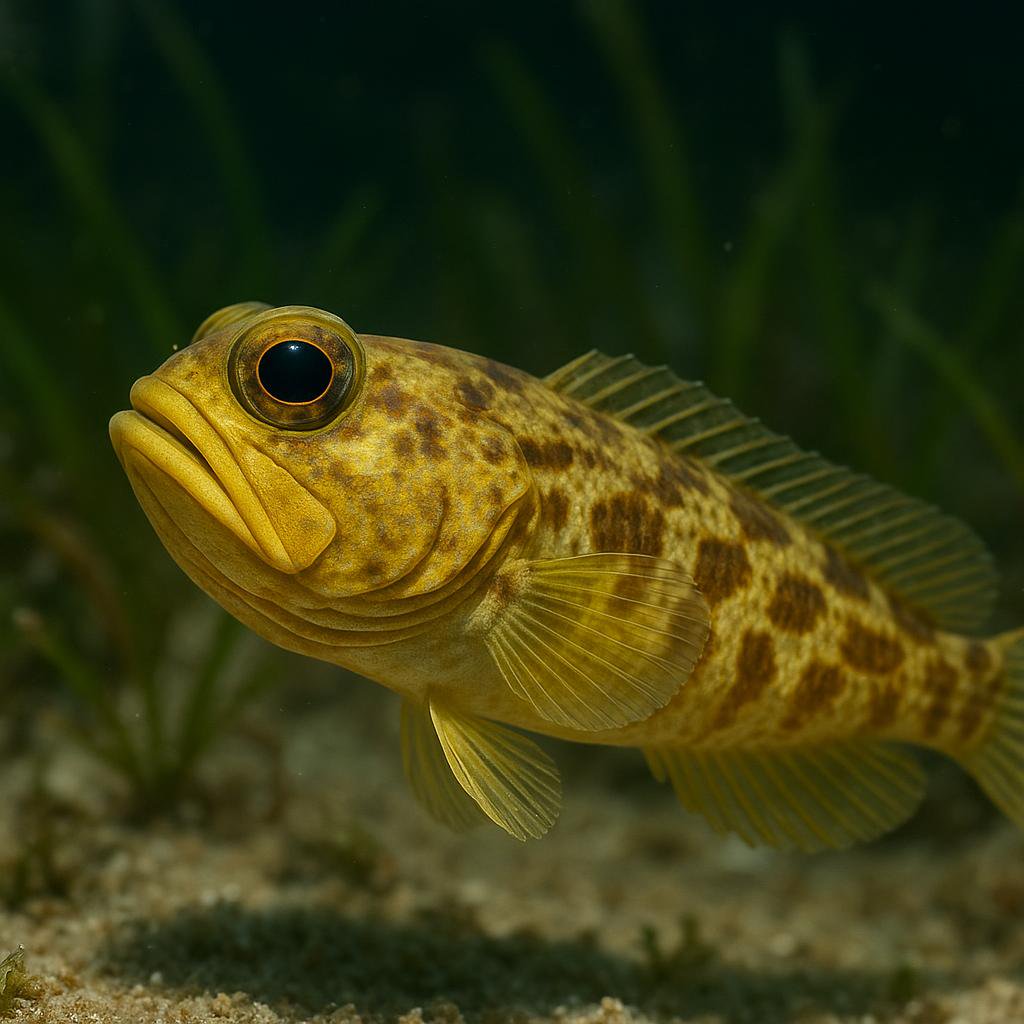
Southern Smiler
Opistognathus jacksoniensis
Australian jawfish found over sand/rubble near reefs where it constructs a burrow. Field references report it from ~20–30 m and often 30–50 m depths, suggesting it may be a deeper/temperate-affiliated species; aquarium care information appears limited compared to commonly kept tropical jawfishes. If attempted, provide deep mixed substrate with rubble/shell for burrow building and a tightly covered aquarium due to jumping risk.
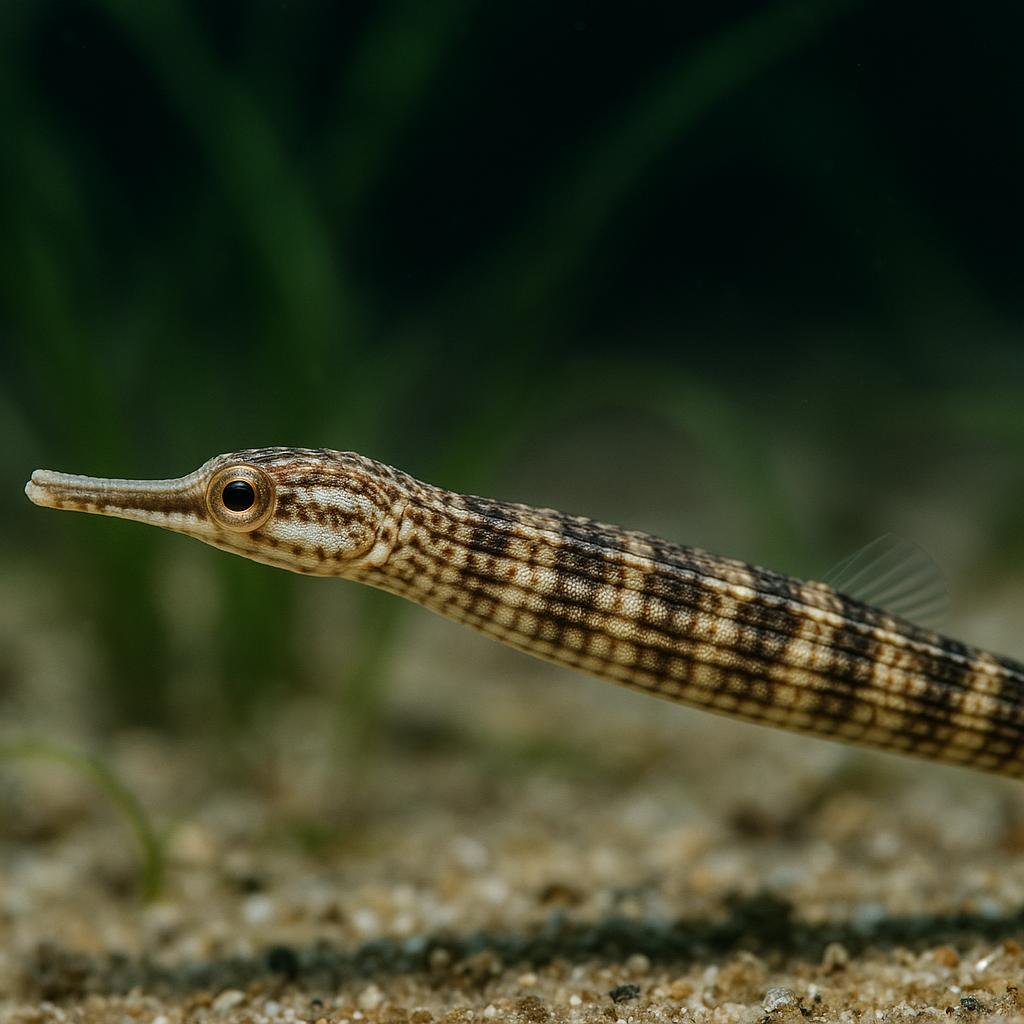
Southwell's pipefish
Siokunichthys southwelli
A tiny tropical marine pipefish from Sri Lanka and the Philippines. Like many syngnathids, it is a slow, deliberate feeder that may require abundant small live foods and low-competition tankmates in captivity.
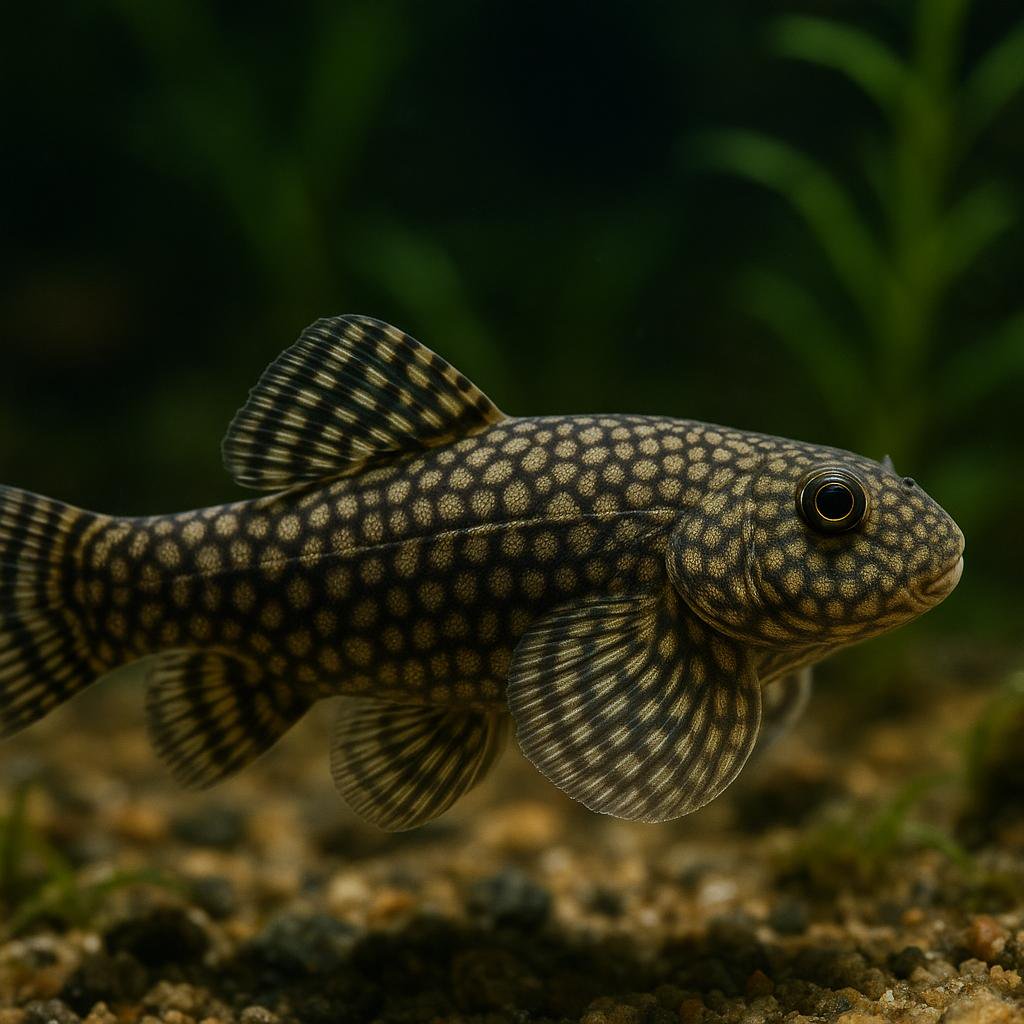
Speckled butterfly loach
Beaufortia polylepis
Beaufortia polylepis is one of those little hillstream loaches that looks like a tiny freshwater stingray with a speckled pattern, and it spends its day suctioned onto rocks grazing biofilm. The big trick with them is not "special water" so much as lots of oxygen and brisk flow - think cool, clean stream vibes, not a warm, still community tank.
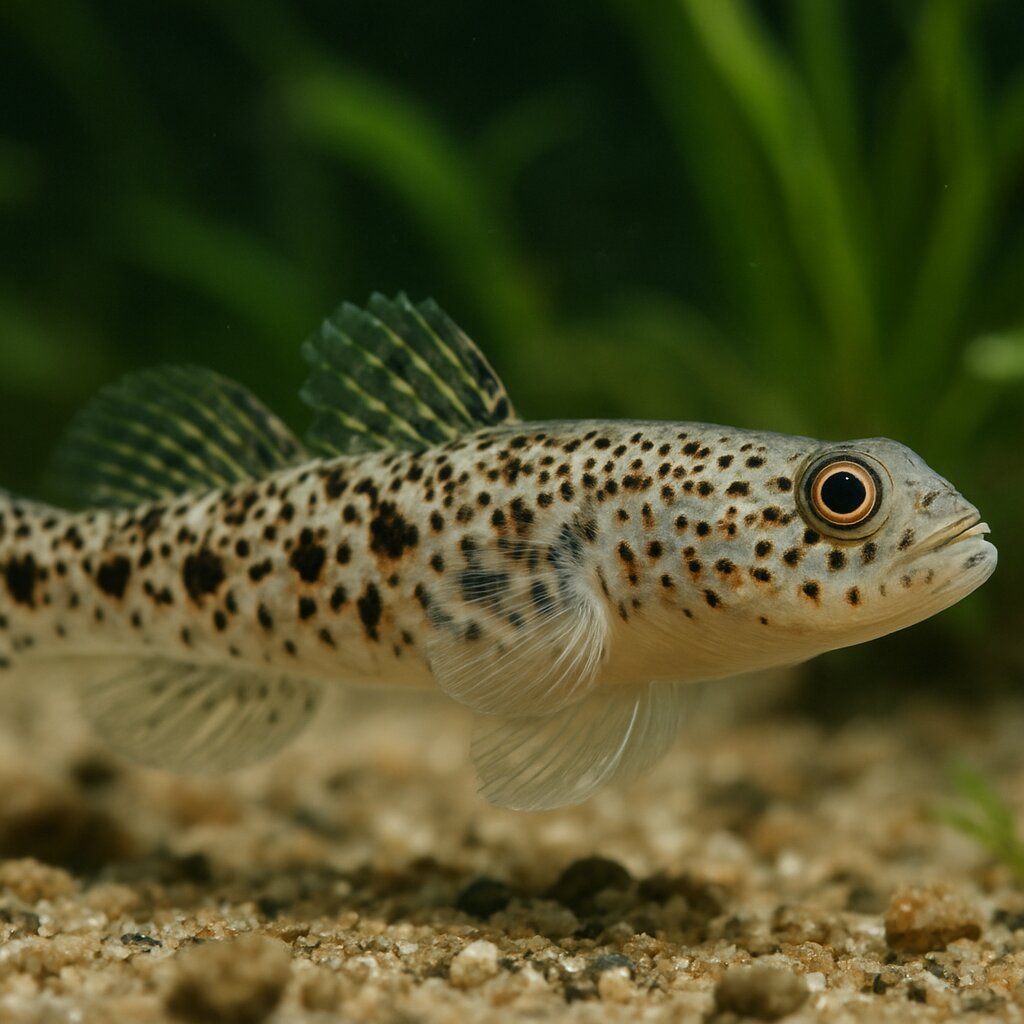
Speckled goby
Redigobius isognathus
A tiny estuary goby with a neat checkered body pattern and a surprisingly big mouth for such a small fish. It hangs out on the bottom, scooting between shells and rocks, and will happily pick at tiny crustaceans and other bite-size foods. Folks sometimes confuse it with the similar R. bikolanus, and it does great in lightly brackish setups with hard, alkaline water.
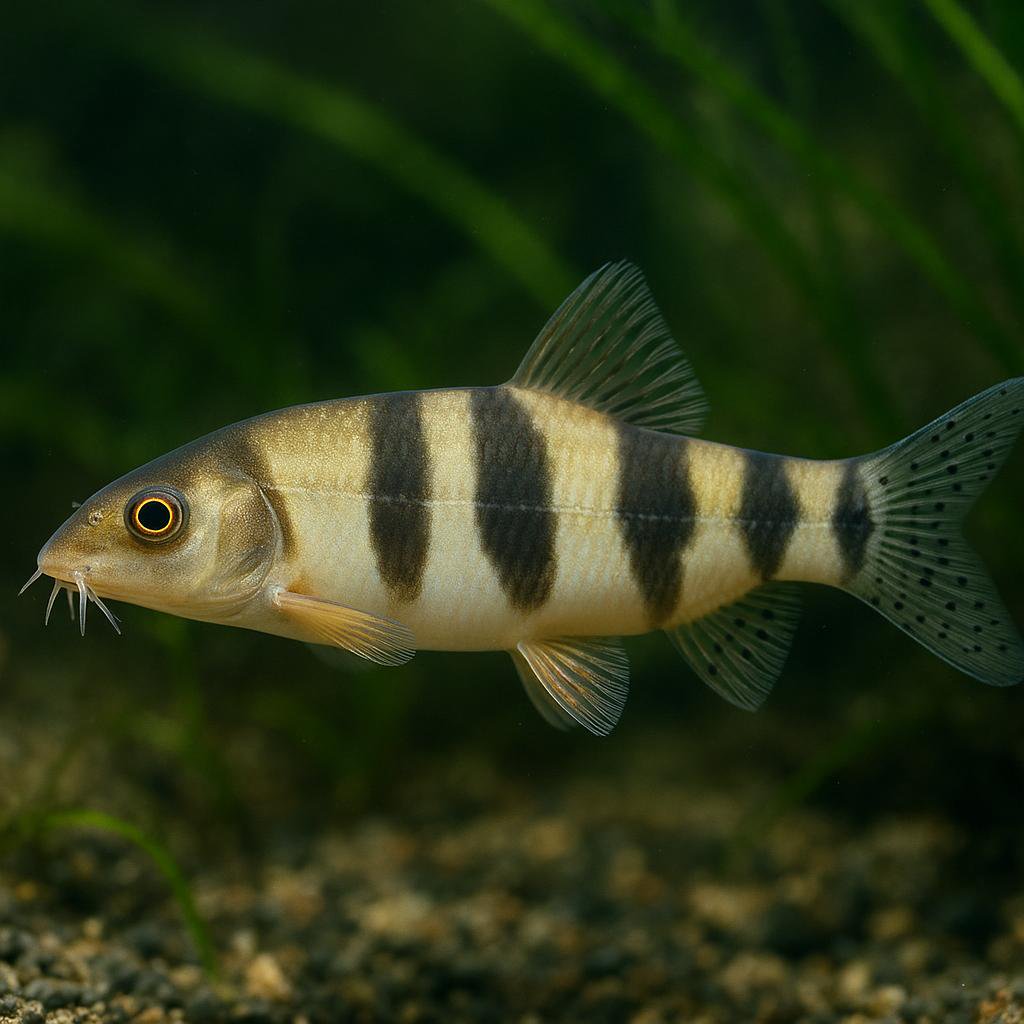
Speckle-tailed loach
Yasuhikotakia caudipunctata
This is one of those super-cool Mekong botiid loaches with a bold dark mark on the caudal peduncle and a tail sprinkled with tiny dots. In a group they get busy sorting out a pecking order, so you will see lots of posturing and chasing, but they are also fun, active fish when they are settled in with plenty of cover and current.