

Fish That Start With S - Page 3 of 6
Browse all aquarium fish species with common names beginning with "S". Each profile includes care requirements, water parameters, tank size recommendations, and compatibility information for freshwater, marine, and brackish species.
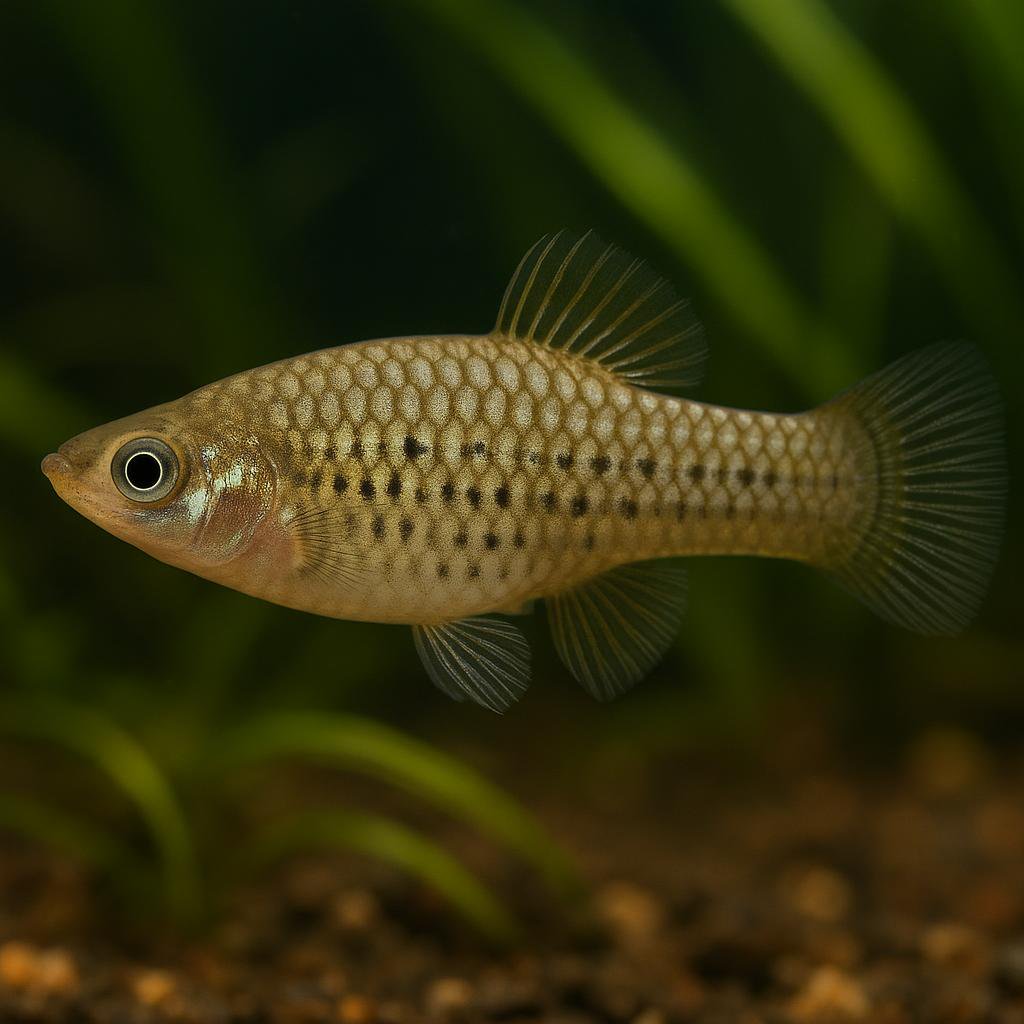
Short-sword platyfish
Xiphophorus continens
Xiphophorus continens is a tiny little wild-type livebearer from the Rio Panuco drainage in Mexico, and the males have just a short "stub" sword instead of the big flowing one you see on common swordtails. They really shine in a planted, oxygen-rich tank with some current, where you can watch the males do their low-key "sneaker" style mating behavior and the females quietly cruise the plants.
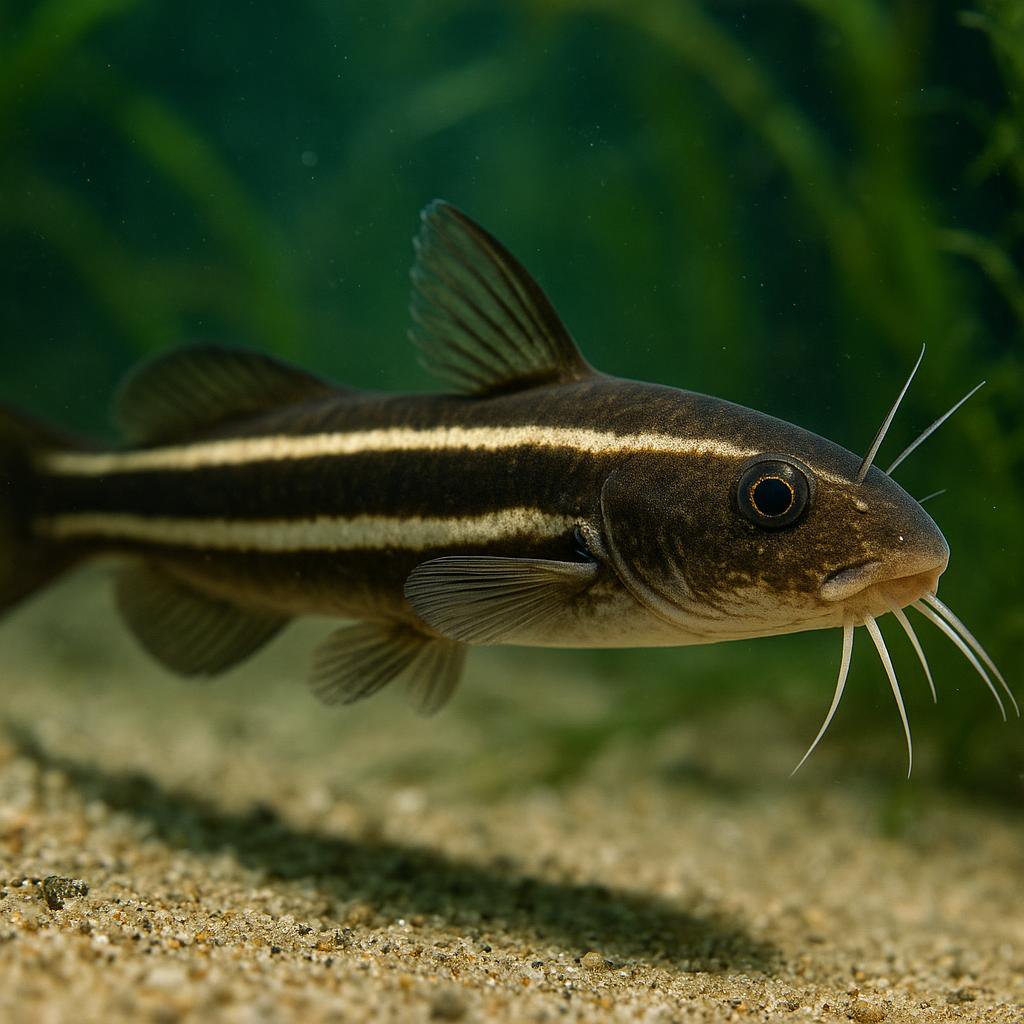
Short-tail eel catfish
Plotosus abbreviatus
Plotosus abbreviatus is a tropical eeltail catfish from the Western Pacific that lives on/near the bottom in marine and sometimes brackish water. It is basically a saltwater catfish with the classic plotosid look (eel-like tail, barbels, and a knack for cruising the substrate), and its care is more like a fish-only marine bottom dweller than anything "community tank" related.
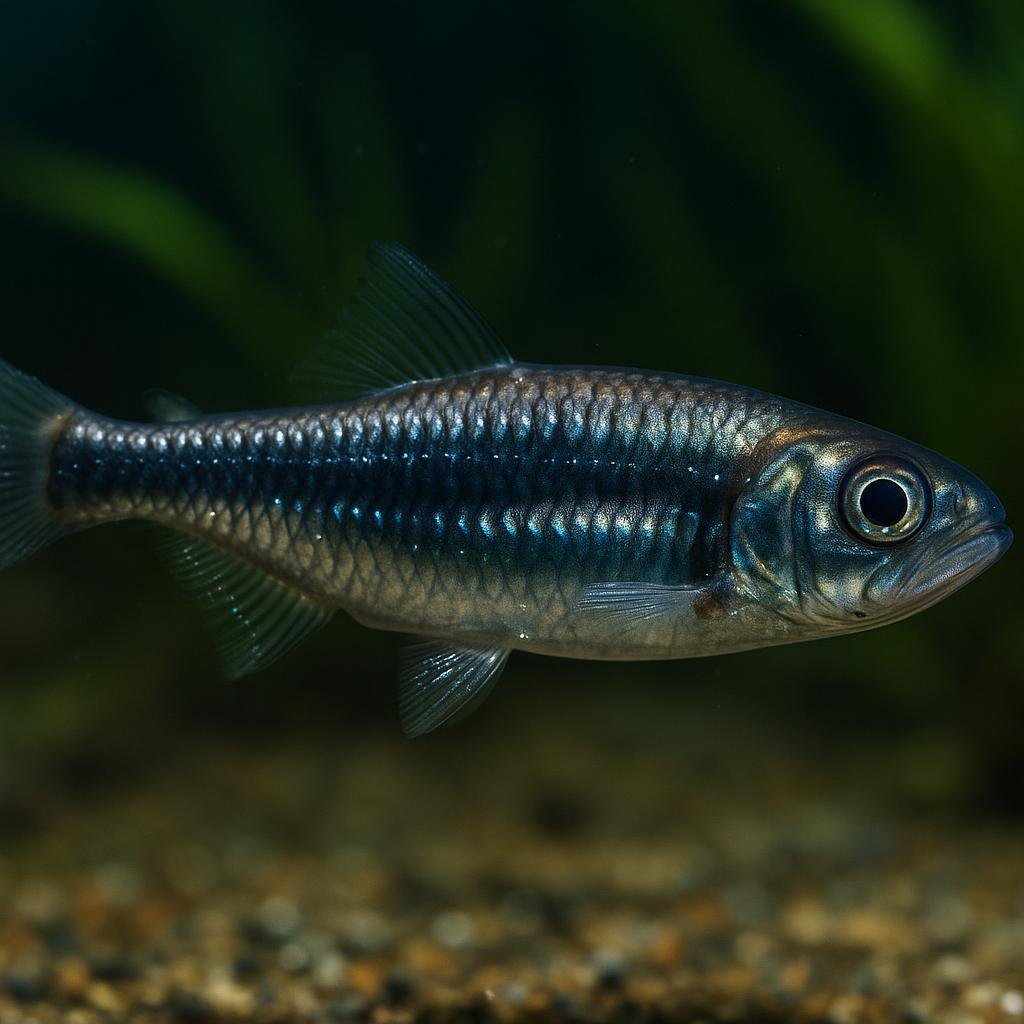
Short-tail lanternfish
Gymnoscopelus opisthopterus
This is a coldwater deep-sea lanternfish from the Southern Ocean that spends its life way down in the dark and uses photophores (light organs) like a little living constellation. Its habitat is near-freezing and very deep, so it is really a research-specimen kind of fish rather than something that can be kept in a normal aquarium.
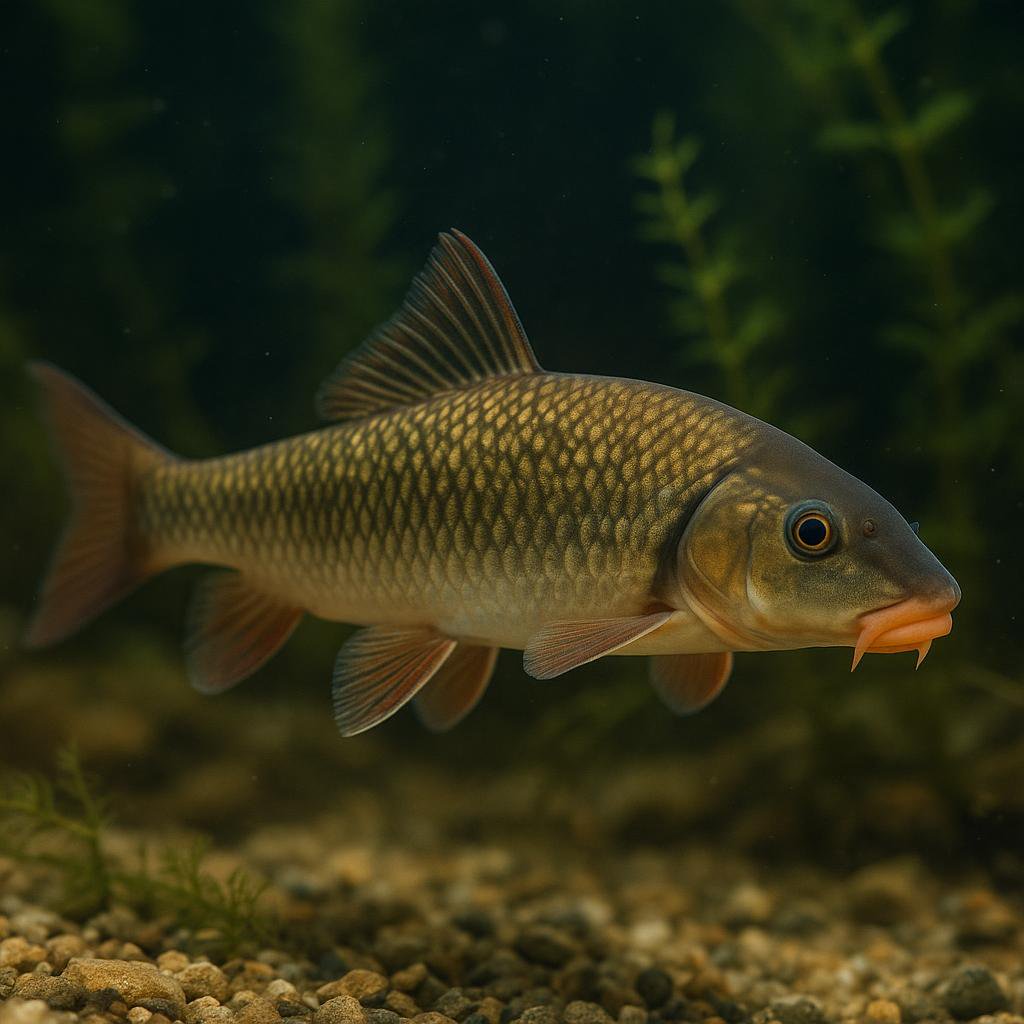
Sicklefin redhorse
Moxostoma ugidatli
This is a big, river-dwelling redhorse sucker from the southern Appalachians, and that crazy tall, sickle-shaped dorsal fin is what gives it away. Its Cherokee name (ugidatli, "it wears a feather") is straight-up perfect when you see the profile, and its whole vibe is clean, cool, fast water with lots of oxygen.
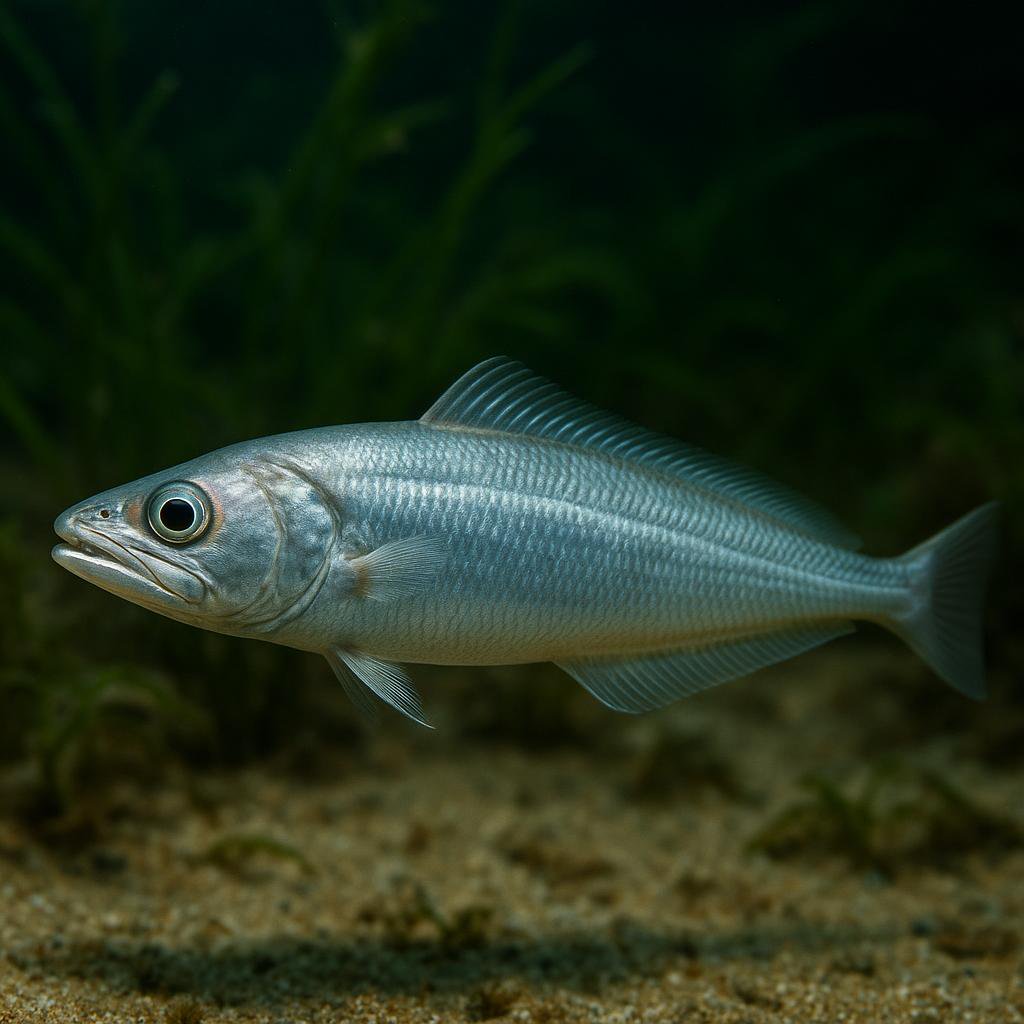
Silver cusk
Glyptophidium argenteum
Glyptophidium argenteum is a deepwater/bathydemersal cusk-eel (Ophidiidae) from the Indo-West Pacific (e.g., Bay of Bengal to the Philippines) recorded hundreds of meters deep. It is primarily known from scientific/monitoring collections and deepwater fisheries bycatch rather than the aquarium trade.
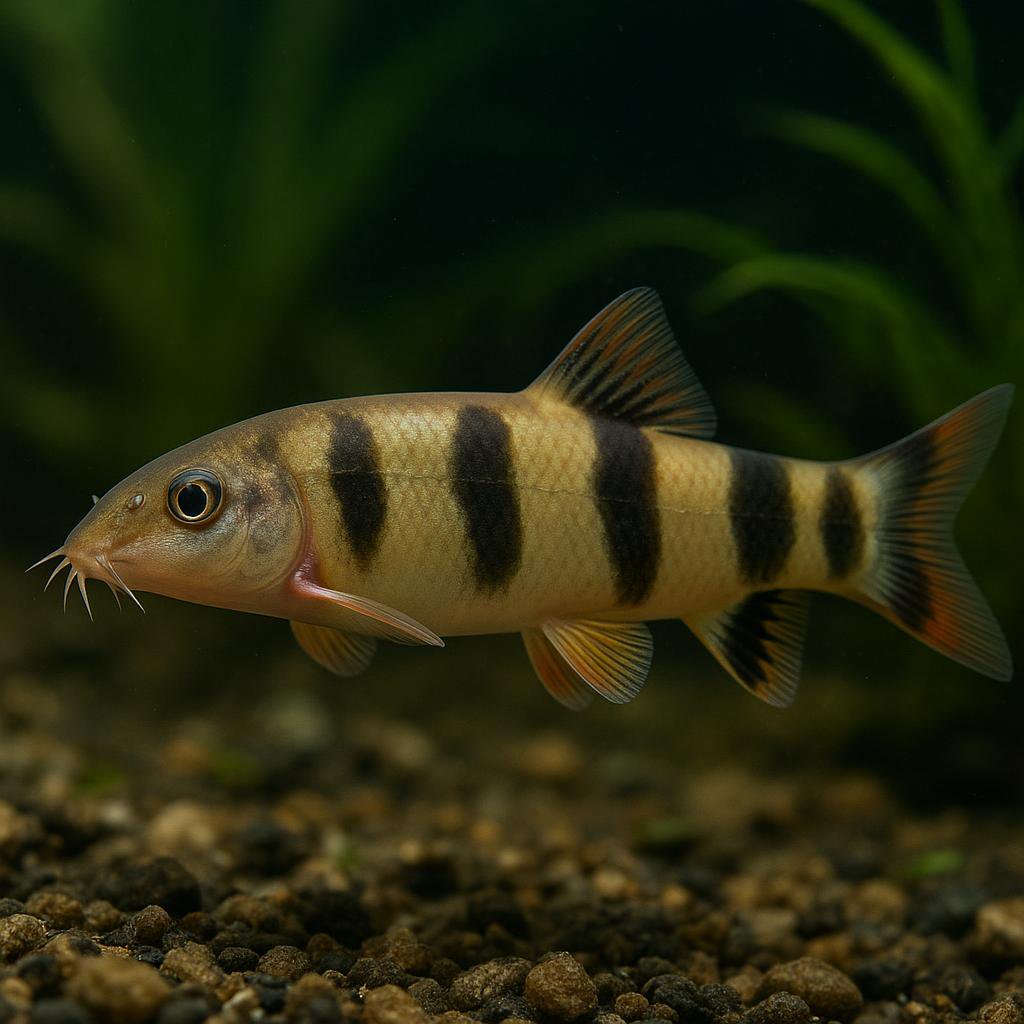
Silver loach
Yasuhikotakia lecontei
Yasuhikotakia lecontei is a chunky, fast-water botia from the Mekong area that loves to wedge itself into rock gaps by day and come out to cruise and forage at dusk. It is a real little bulldozer with snails and other bottom critters, and it gets way more confident (and entertaining) when you keep it in a proper group.
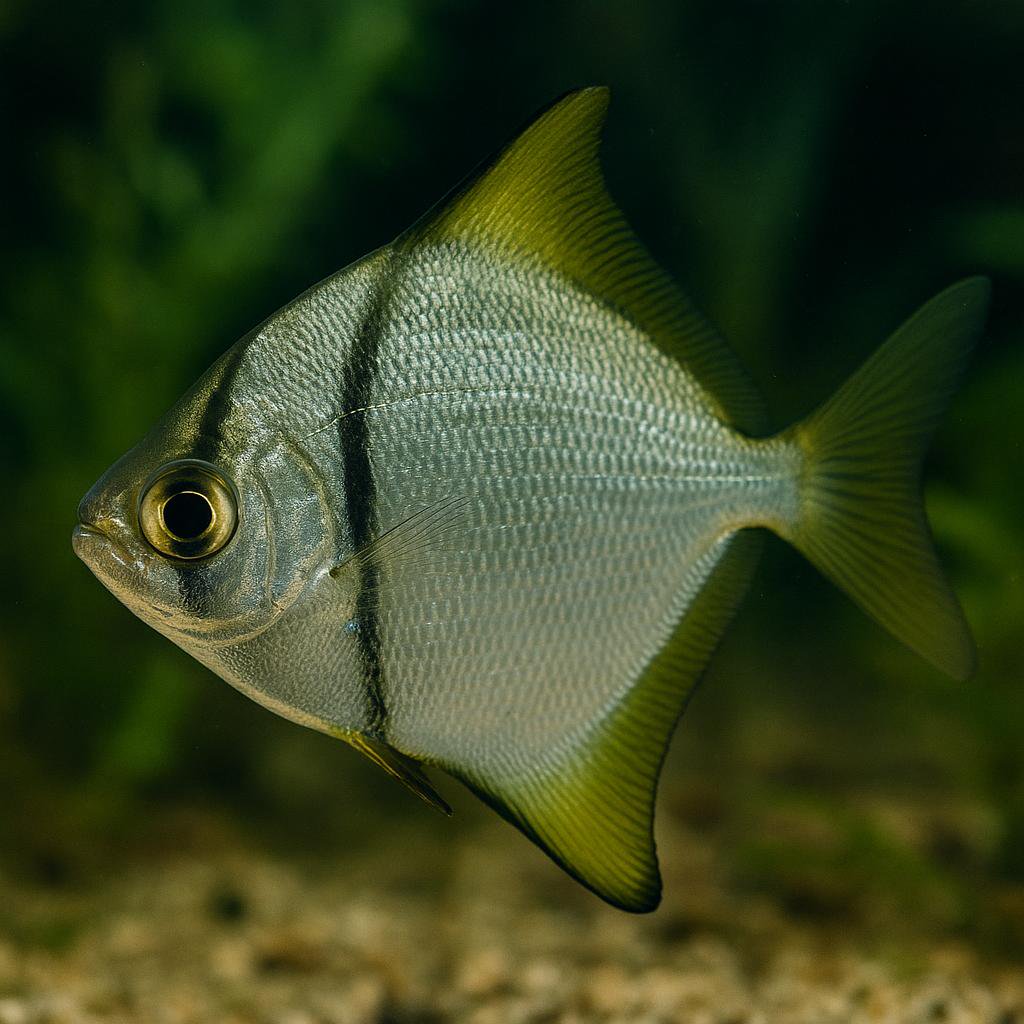
Silver moony (Mono)
Monodactylus argenteus
Silver moonies are those shiny, diamond-shaped "mono" fish you see cruising nonstop in brackish tanks-super active and way more fun to watch when they're in a proper group. They start out in estuaries (often sold too small and too fresh), and the big "gotcha" is they really want you to ramp them up to stronger brackish/near-marine as they grow. Feed them like a hungry, messy omnivore and give them swimming room, and they're absolute show-stealers.
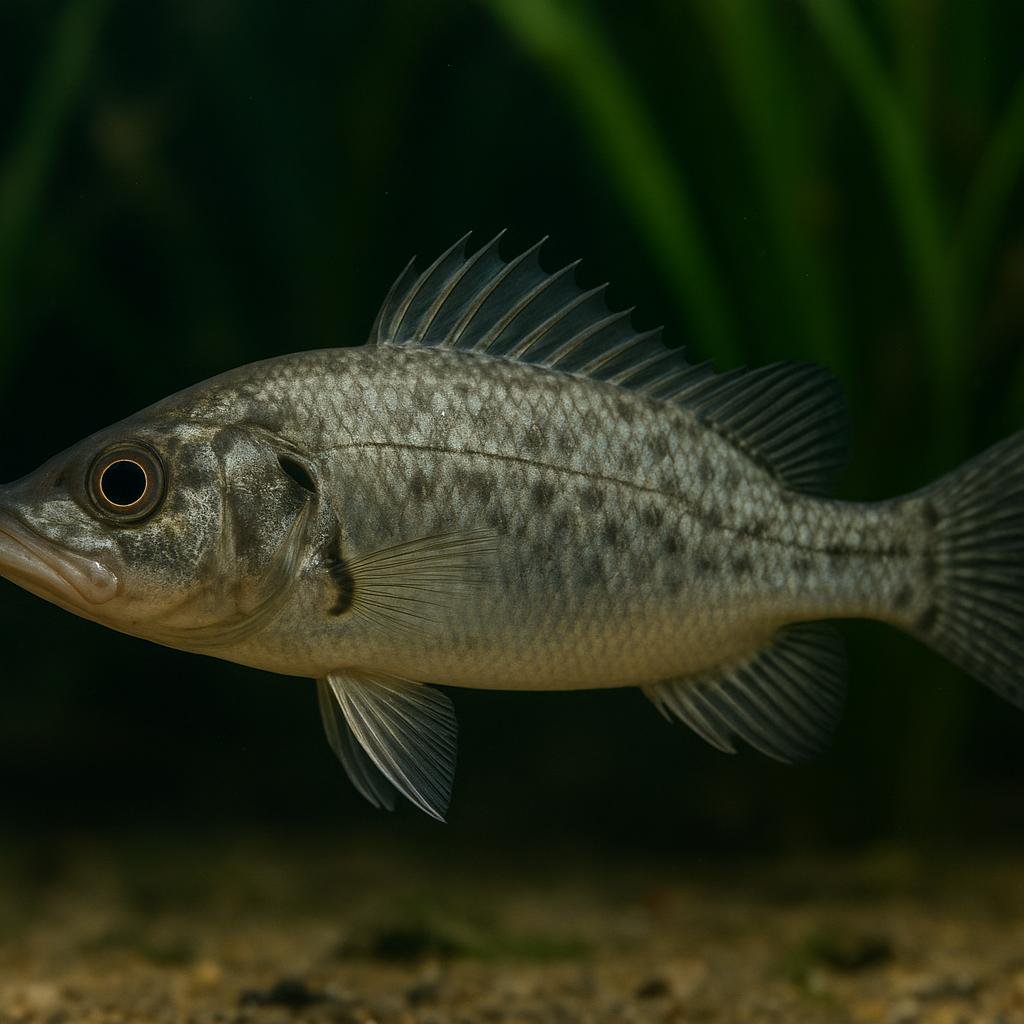
Silver splitfin
Verilus cynodon
Verilus cynodon (silver splitfin) is a deepwater marine "ocean bass" kind of fish from the western Indian Ocean, usually caught way down the slope rather than anywhere near reefs. Its whole deal is being a small, silvery, toothy little predator that lives in the dark zone (roughly 100-570 m), so its care is basically not practical for normal home aquariums.
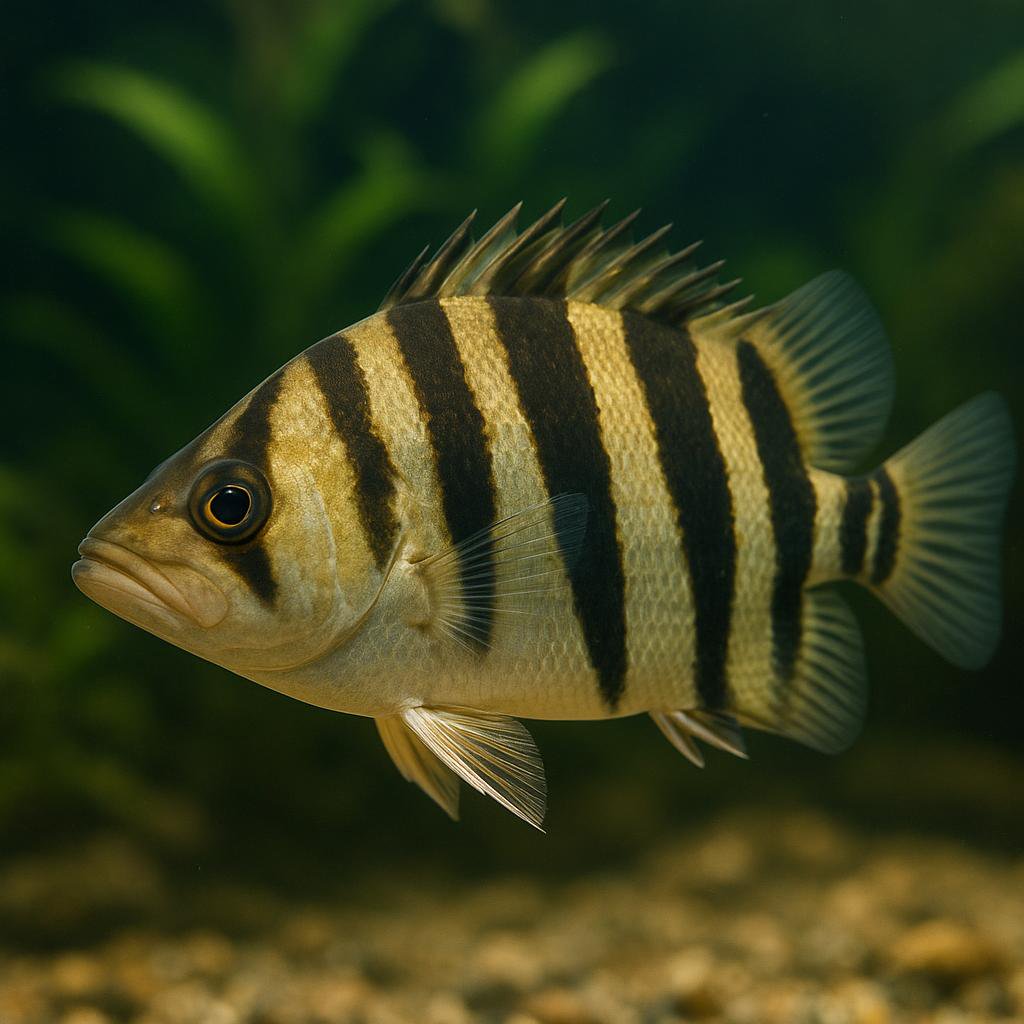
Silver Tiger Perch
Datnioides polota
Datnioides polota is that big, bold tiger-striped fish that just owns the whole tank-thick-bodied, shiny silver, and those dark bands look like someone painted them on. The fun part is watching it stalk around like a little underwater predator, especially at feeding time, but it's also one of those fish that'll make you plan the whole setup around it.
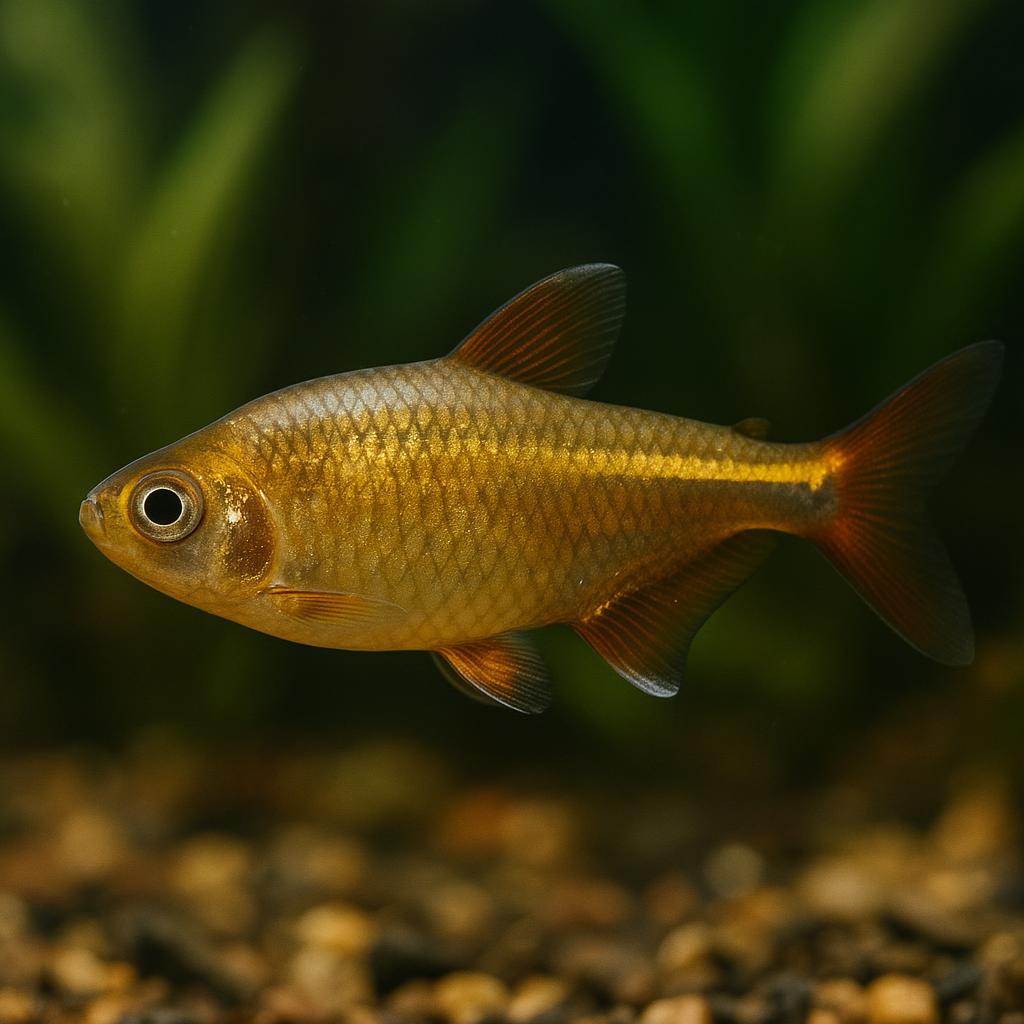
Silver Tip Tetra
Hasemania nana
These little guys are like tiny sparks in the tank-silvery bodies with those warm orange "copper" fins that really pop when they're happy and colored up. Keep them in a proper group and you'll see them cruise around together, doing that classic tetra "we're all going this way now" thing, and the males will sometimes flash at each other without it turning into real drama.
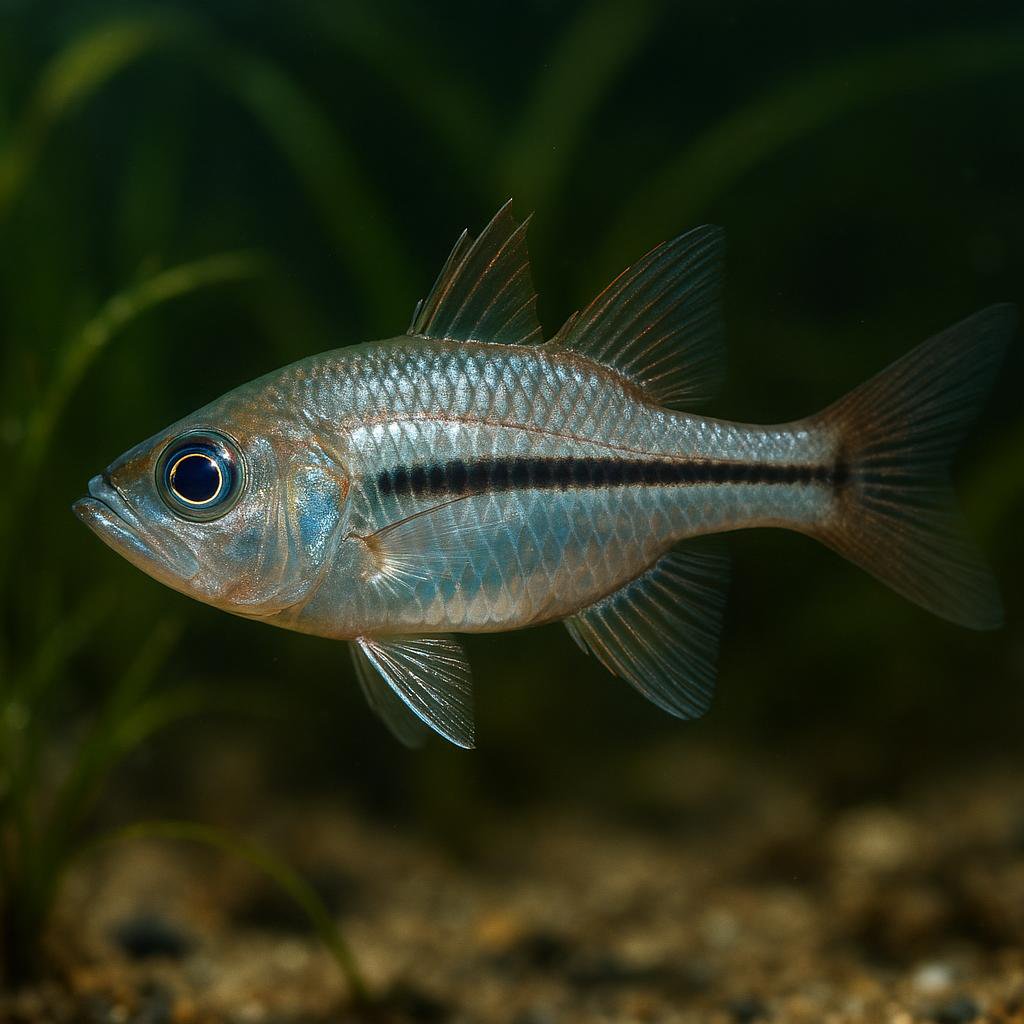
Silverbelly cardinalfish
Jaydia photogaster
Jaydia photogaster is a small, nocturnal cardinalfish from the western Pacific that hangs around deeper lagoon patch reefs and tends to be seen solo or in little loose groups. The really neat bit is the silvery belly light-organ system (hence the name) and the subtle dusky bars down the sides - it is one of those understated fish that looks way cooler the longer you stare at it.
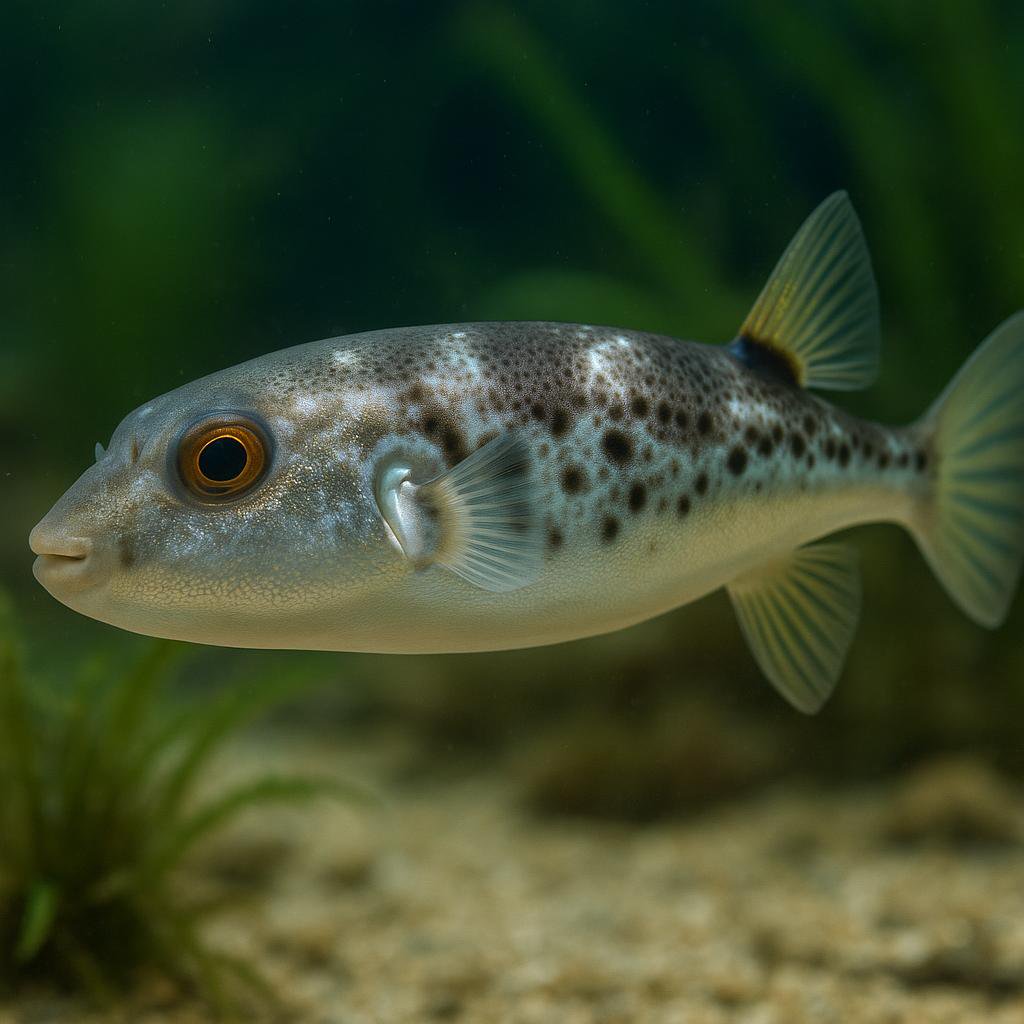
Silver-cheeked toadfish
Lagocephalus sceleratus
This is a big, open-water puffer from the Indo-West Pacific that has also invaded parts of the Mediterranean. It gets huge for a puffer and is seriously toxic (tetrodotoxin), so it is not something you want in a home aquarium unless you are set up like a full-on public-aquarium predator system.
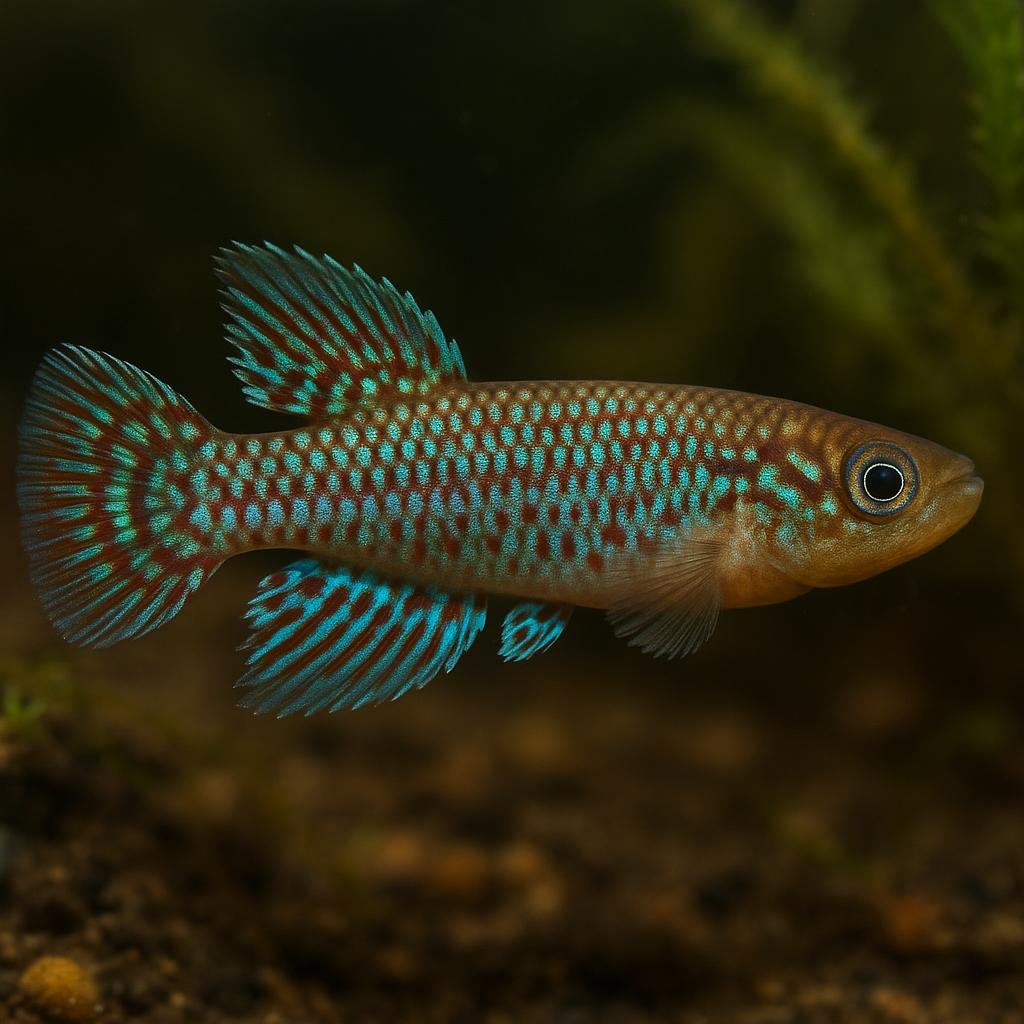
Similis annual killifish
Simpsonichthys similis
Simpsonichthys similis is a small Brazilian annual killifish from temporary pools in the São Francisco River basin. Like other annual rivulids, it spawns in the substrate; the eggs develop in a dry medium (diapause) and hatch on re-wetting. Adults are small (roughly 3–6 cm), and the species is best handled as a short-lived, breeding-focused project.
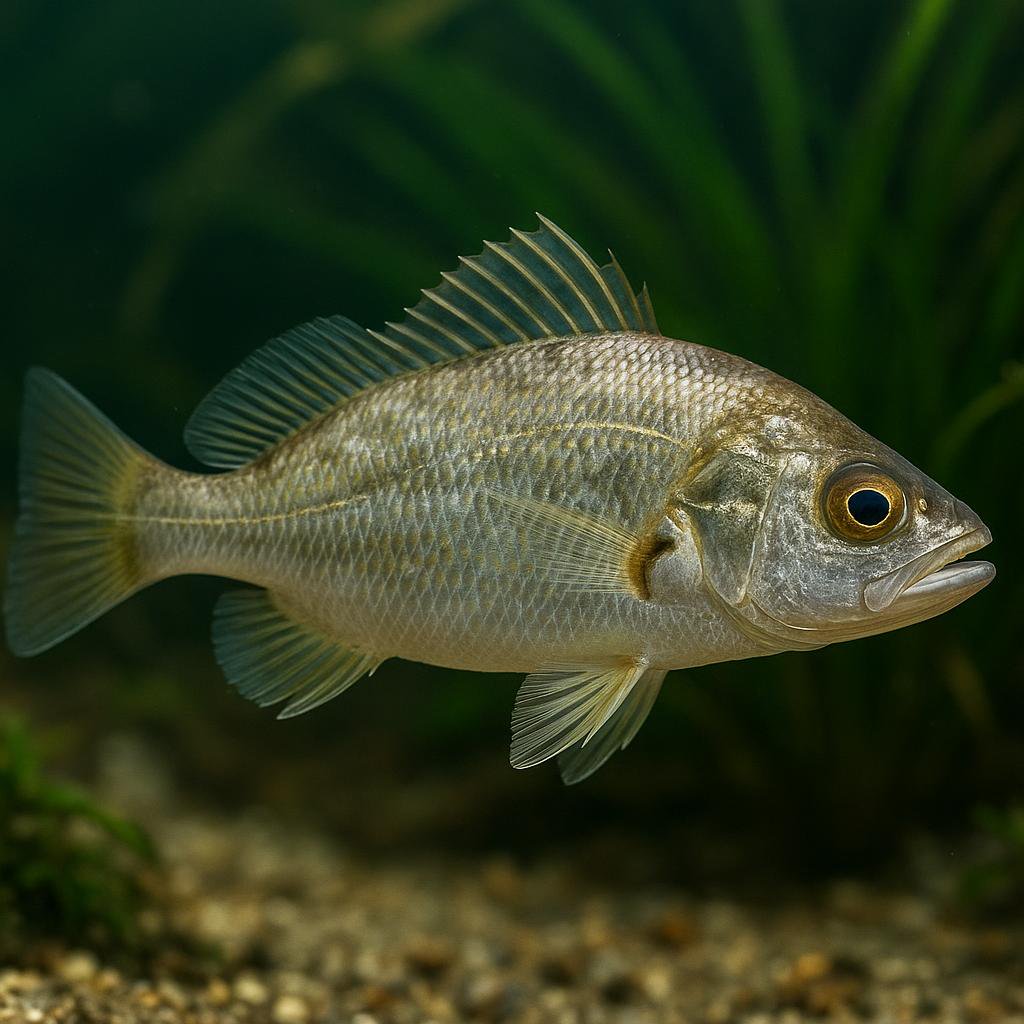
Sin croaker
Johnius dussumieri
Johnius dussumieri (sin croaker) is a coastal marine sciaenid of the Indian Ocean region (e.g., Pakistan to NW Peninsular Malaysia) associated with nearshore/benthic habitats and also recorded from estuarine systems. It is a commercially utilized food fish and is not commonly maintained in aquaria.
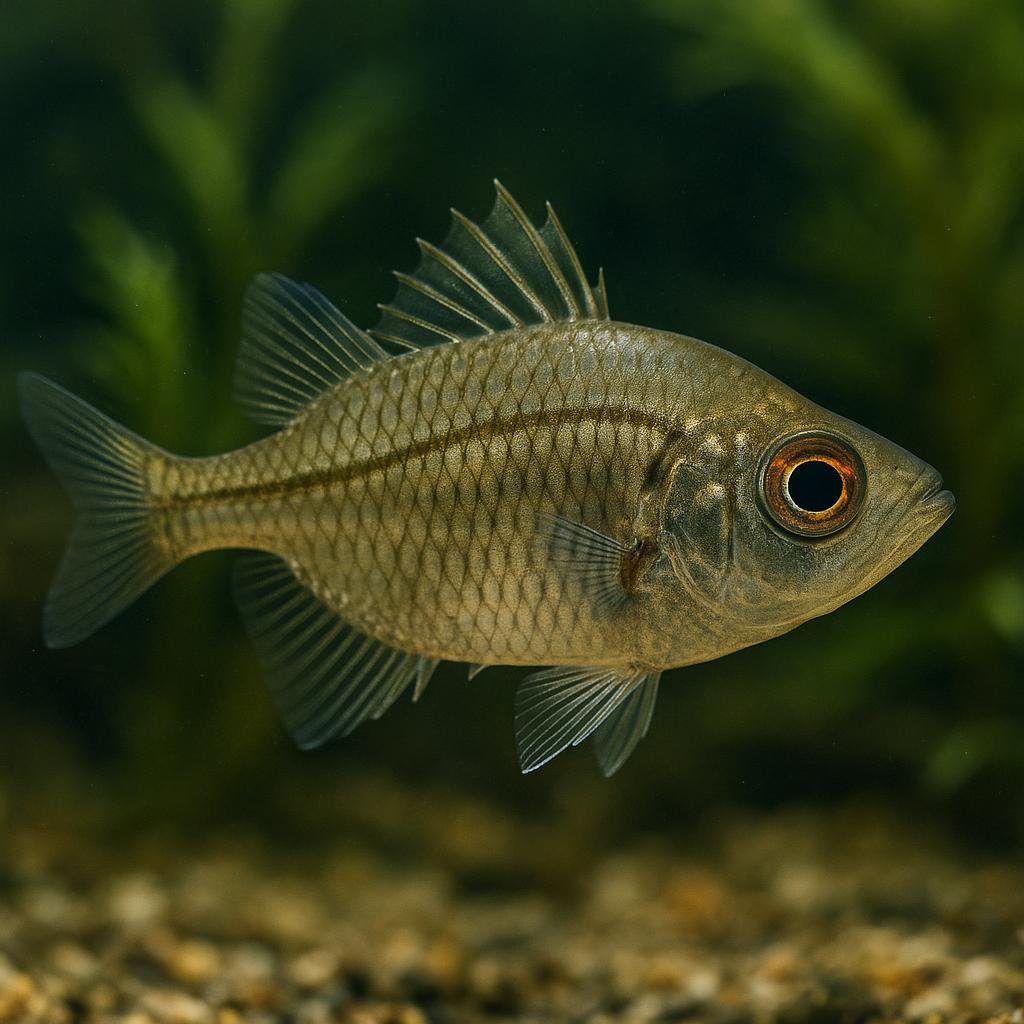
Singapore glassy perchlet
Ambassis kopsii
Ambassis kopsii is one of those cool little see-through mangrove/estuary fish that likes to hang out in a tight group, flashing silver in the light. It naturally lives where fresh and saltwater mix, so it does best when you treat it like a calm, slightly brackish schooling fish and give it lots of friends.
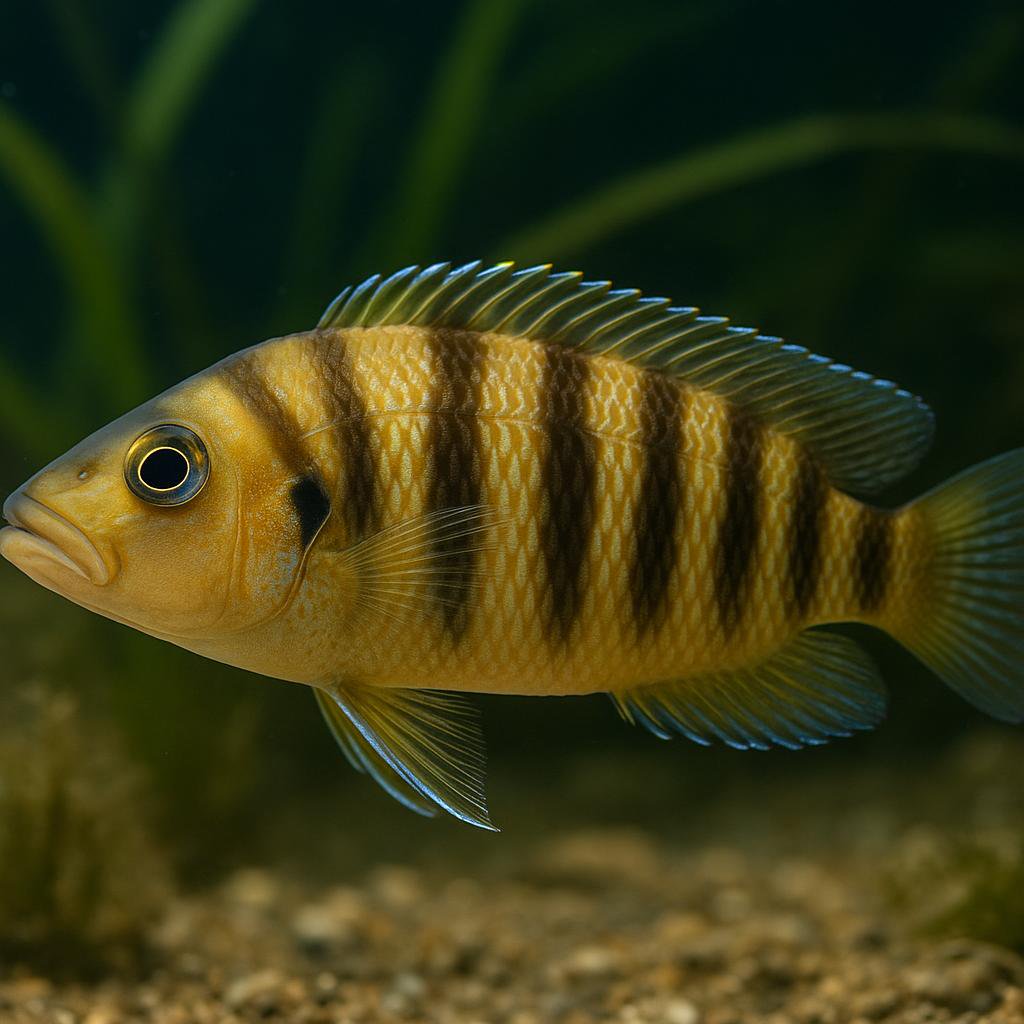
Six-bar lamprologus
Neolamprologus sexfasciatus
This is a punchy Lake Tanganyika rock-cave cichlid with bold vertical bars (and some really nice local color forms like the gold variant). Once a pair settles in, they get serious about their little chunk of rockwork, so the fun is watching territory defense and cave-spawning behavior up close.
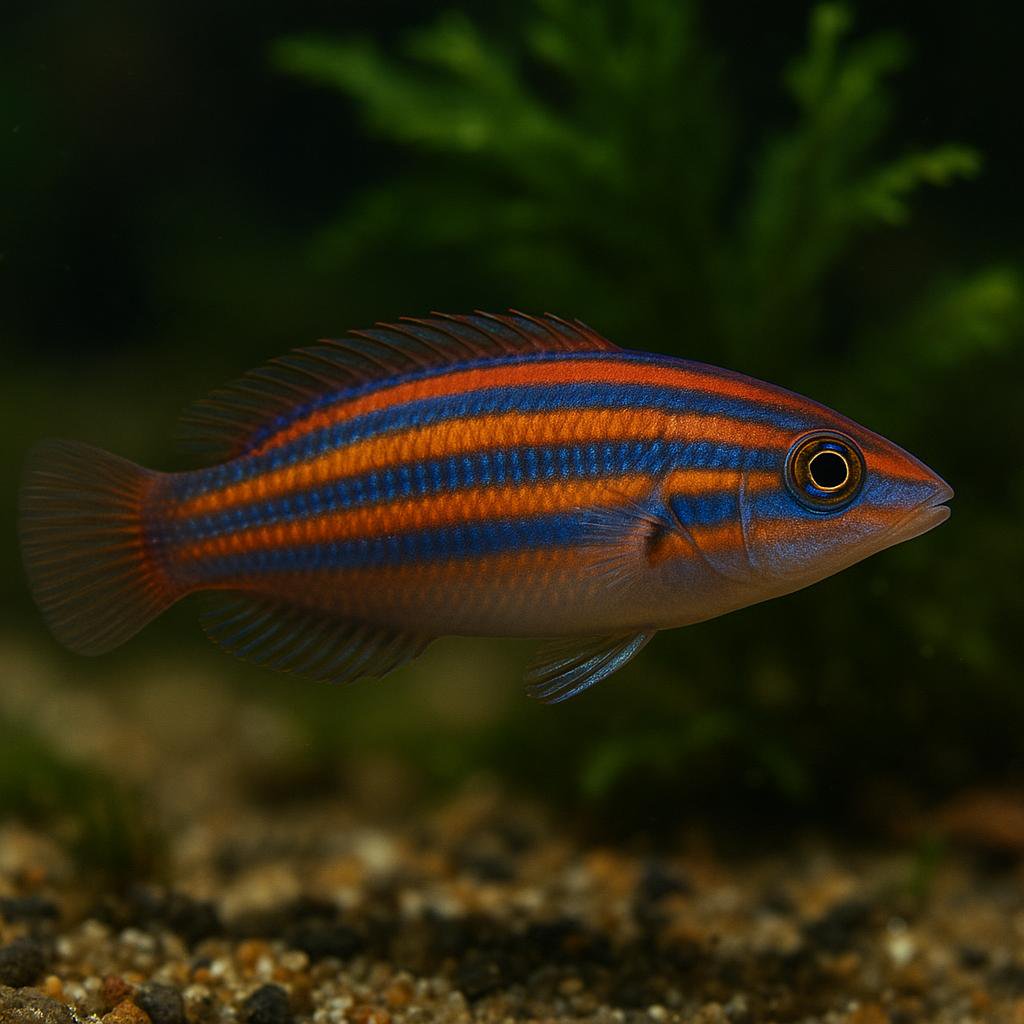
Sixline Wrasse
Pseudocheilinus hexataenia
The Sixline Wrasse is that nonstop little reef torpedo that weaves through rockwork all day hunting tiny critters. It's awesome for picking at pests like small worms/flatworms, but once it settles in it can get pretty territorial-especially in smaller tanks or with similar-shaped fish.
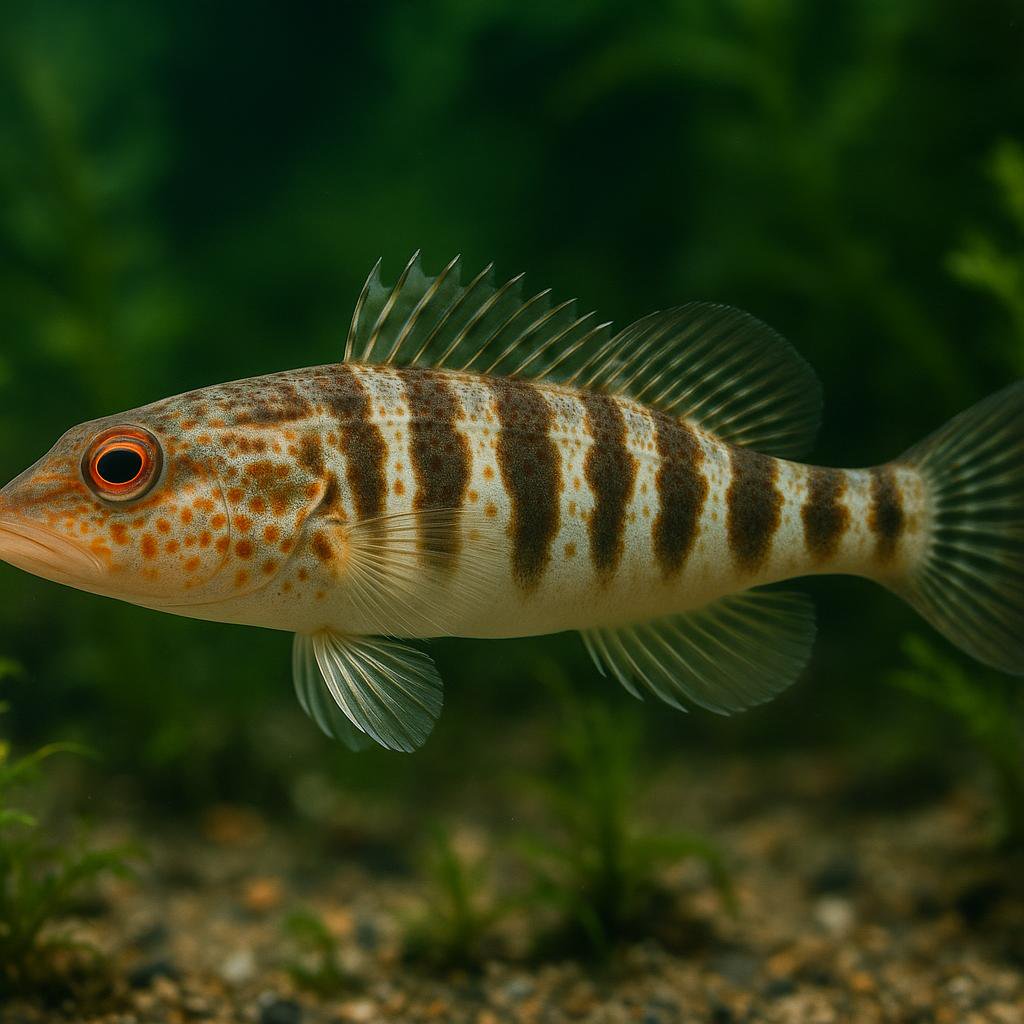
Sixstrap grubfish
Parapercis sexlorata
This is a little sandperch (grubfish) from eastern Australia that hangs around the bottom and blends in with sand and rubble. It is one of those fish that mostly sits and watches, then darts in for meaty food, and it can be a bit of a character in a marine setup. Also worth knowing: it is a deeper-water trawl species (about 86-137 m), so it is not really a typical warm-shallow reef fish.
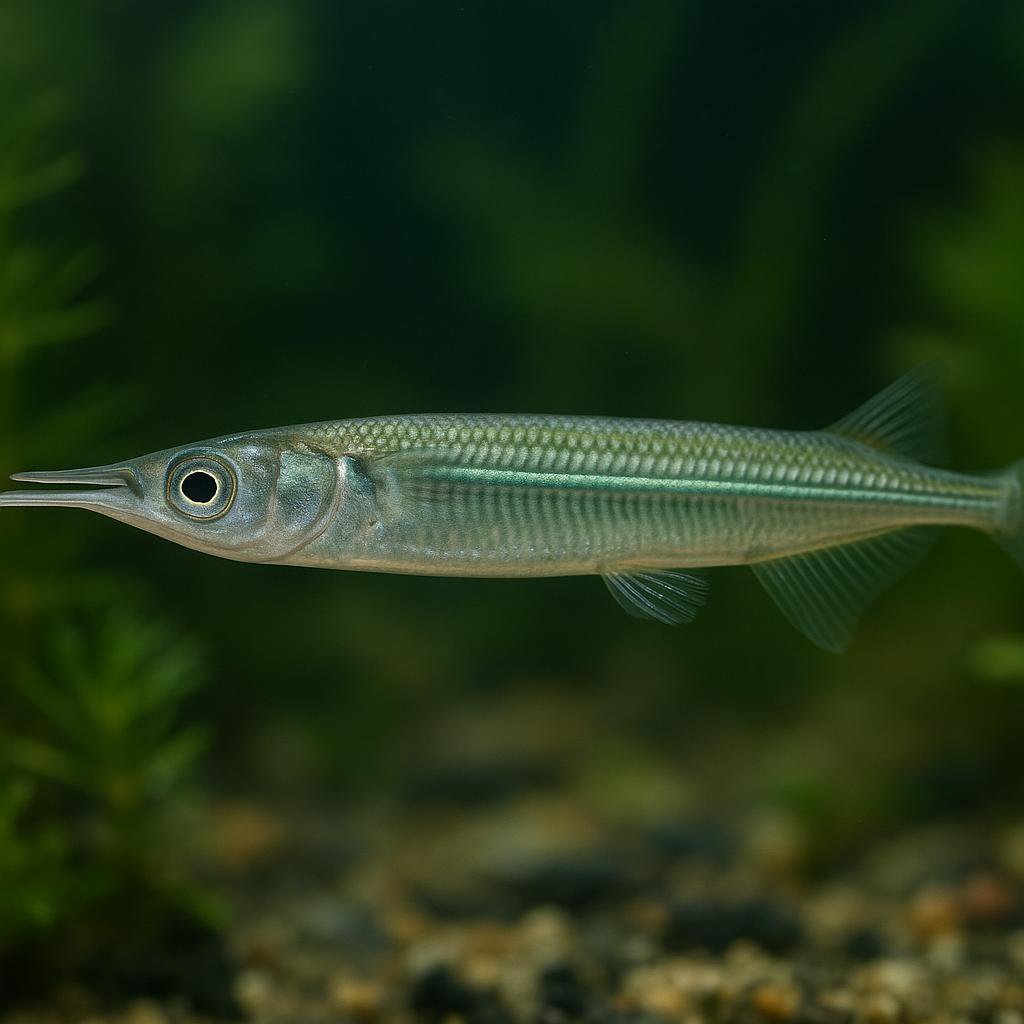
Skipper halfbeak
Hyporhamphus snyderi
This is a sleek little open-water halfbeak from the Tropical Eastern Pacific, with that classic underbite beak and a silvery body with dark lines along the back. Its whole vibe is cruising the surface in a school, so if you ever tried keeping one you would be planning around swimming room and a seriously escape-proof lid.
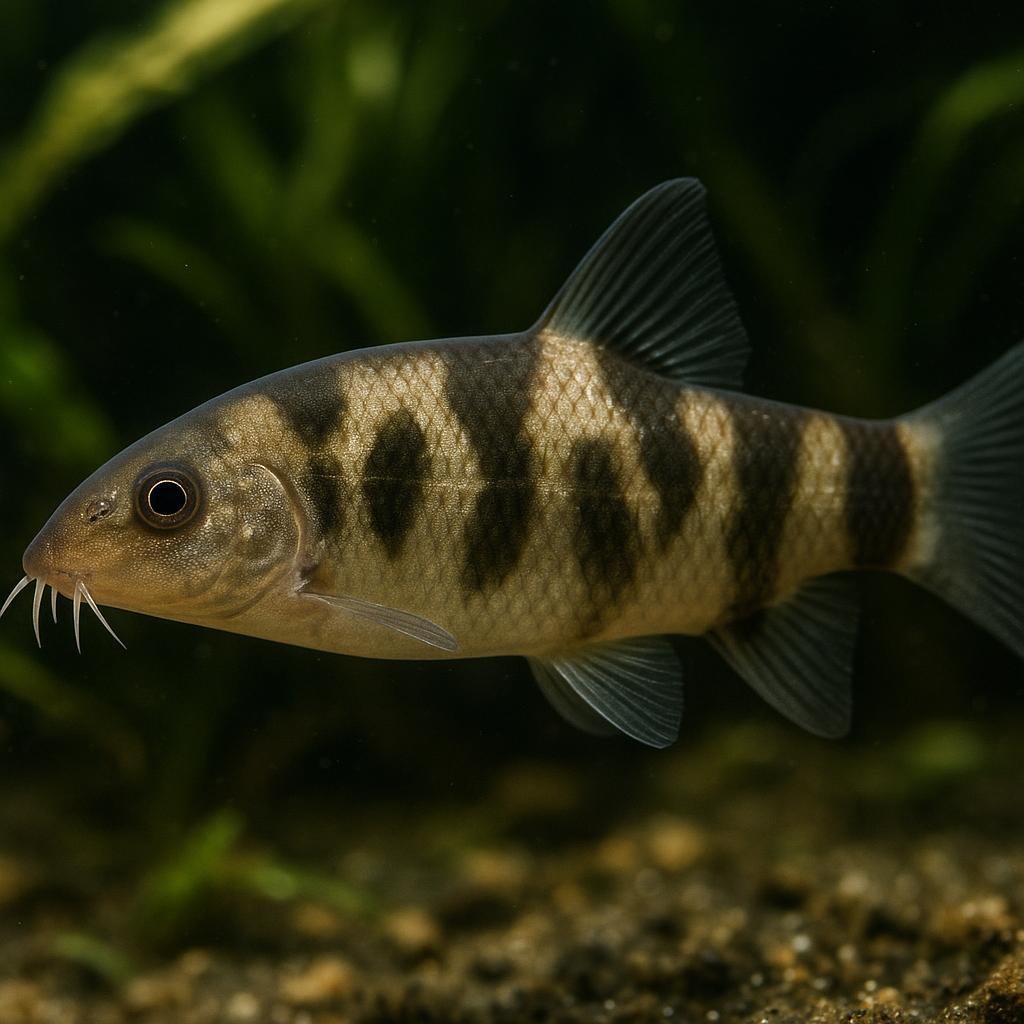
Skunk loach
Yasuhikotakia morleti
This is the little loach with the bold black "skunk stripe" down its back, and it acts just as sassy as it looks. Give it a group and a pile of caves and it turns into a busy, clicking, bottom-patrolling gremlin that will happily hunt snails. It stays fairly small, but it can get nippy if you try to keep just one or you pair it with slow, long-finned fish.
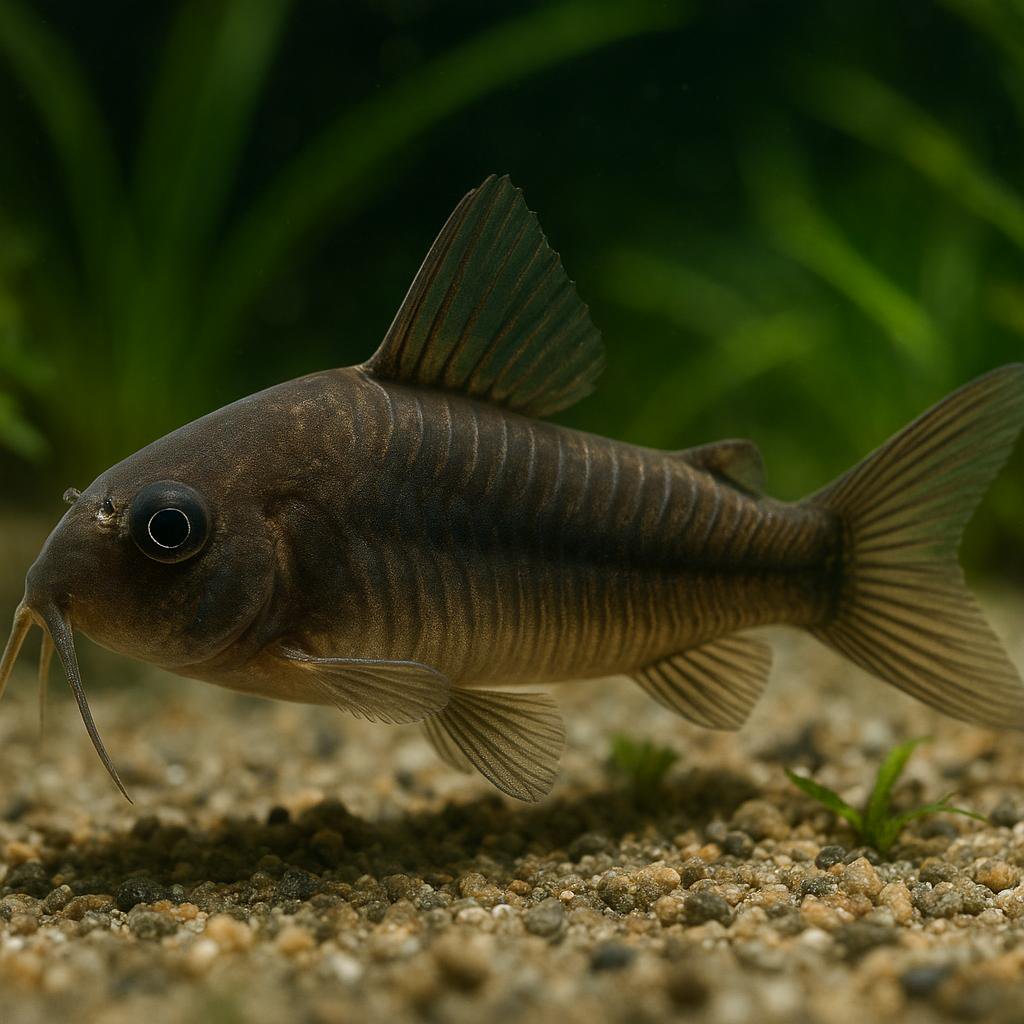
Slate cory
Hoplisoma concolor
Corydoras concolor is that deep slate-gray, chunky little cory that looks almost like a moody, high-backed cousin of the bronze cory. Give them a soft sand bottom and a group to hang with, and you will see those neat rusty-orange fin flashes when they are comfortable. They are bottom cruisers that spend all day sifting and snuffling for food, and they will dart up for air now and then (totally normal).
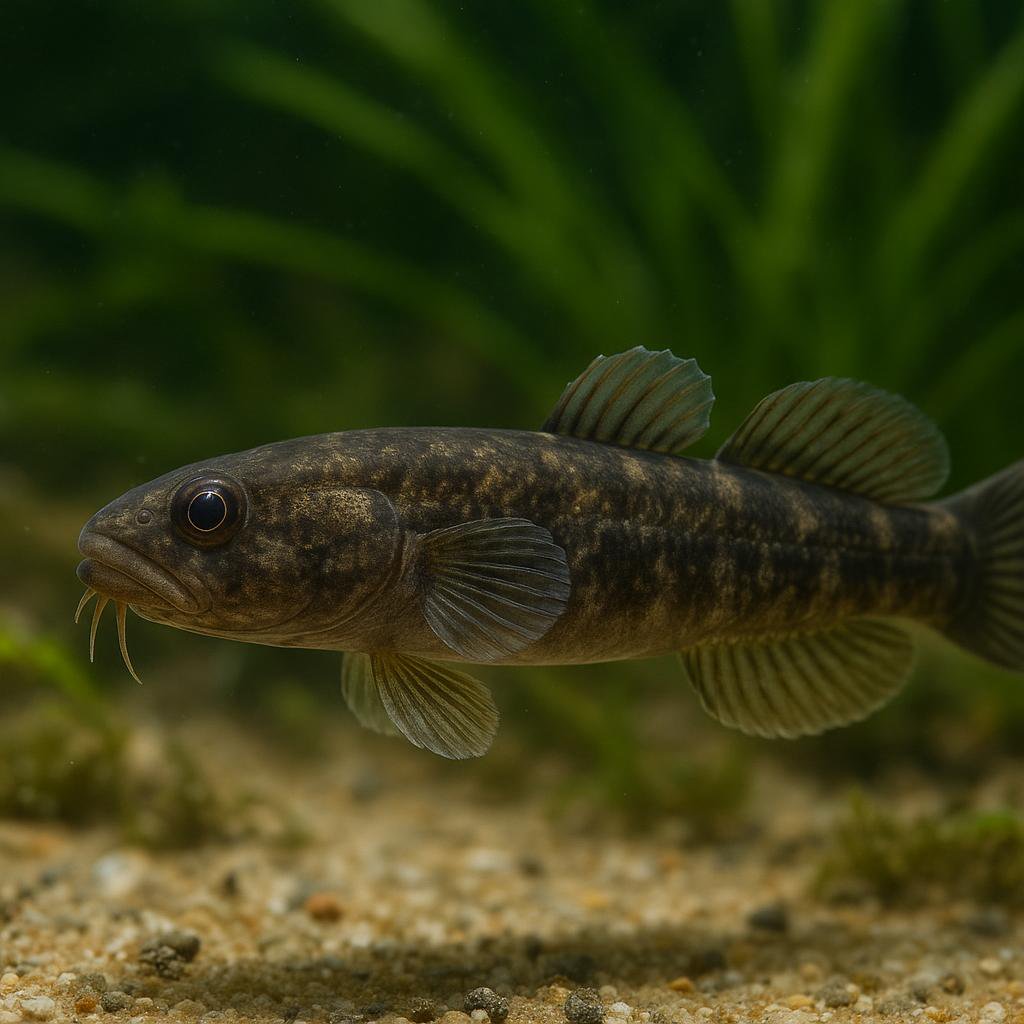
Slender abyssal cusk-eel
Sciadonus pedicellaris
Sciadonus pedicellaris is a rare deep-sea livebearing brotula (family Bythitidae) with a very slender body, small deep-set eyes, and loose translucent skin; it occurs at bathyal to abyssal depths and is not suited to typical aquarium care. The name refers to the stalk-like (“pedicellate”) pectoral-fin base.
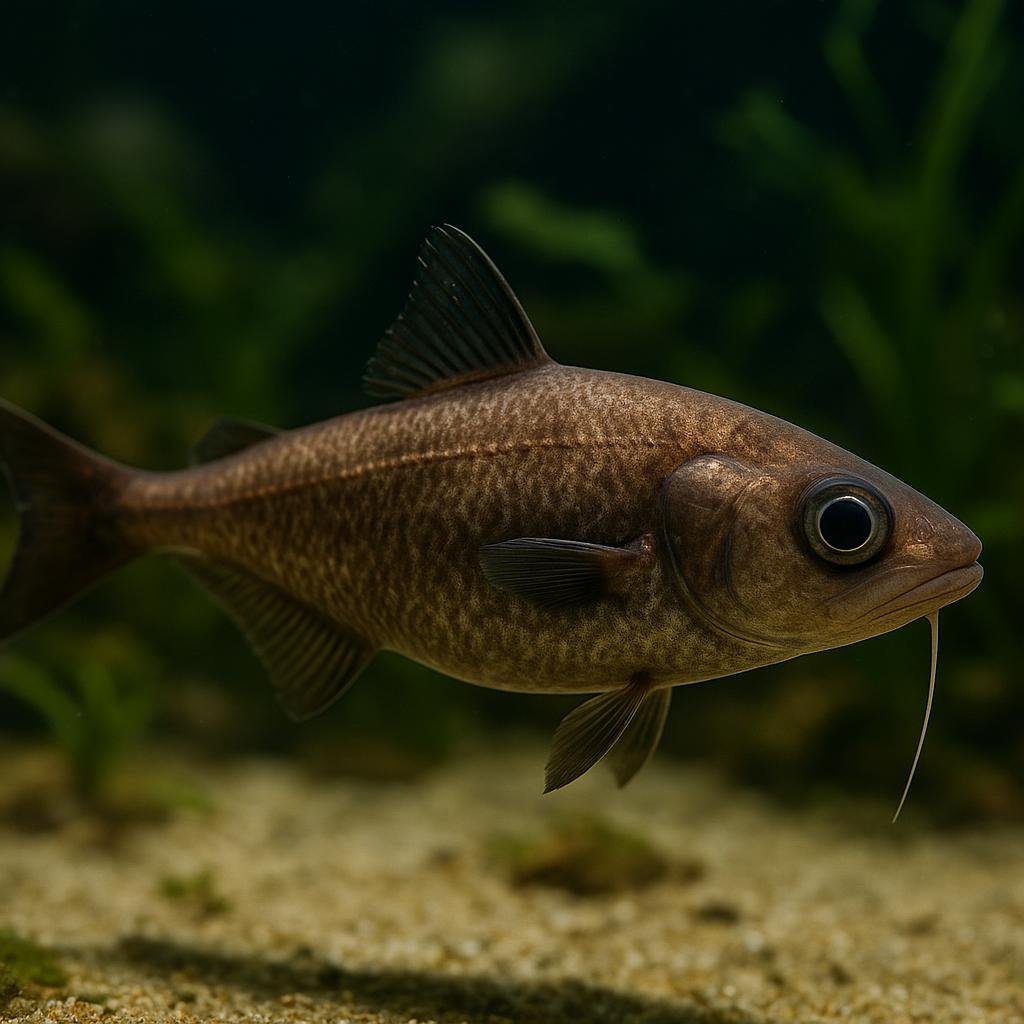
Slender grenadier
Ventrifossa teres
Ventrifossa teres is a deep-slope rattail (grenadier) from the southeast Pacific, built like a skinny little torpedo with that classic big-head-tapering-tail grenadier look. Its whole deal is living way down in the dark (hundreds of meters deep), so its "aquarium care" is basically a public-aquarium-only kind of fish, not a home tank species.
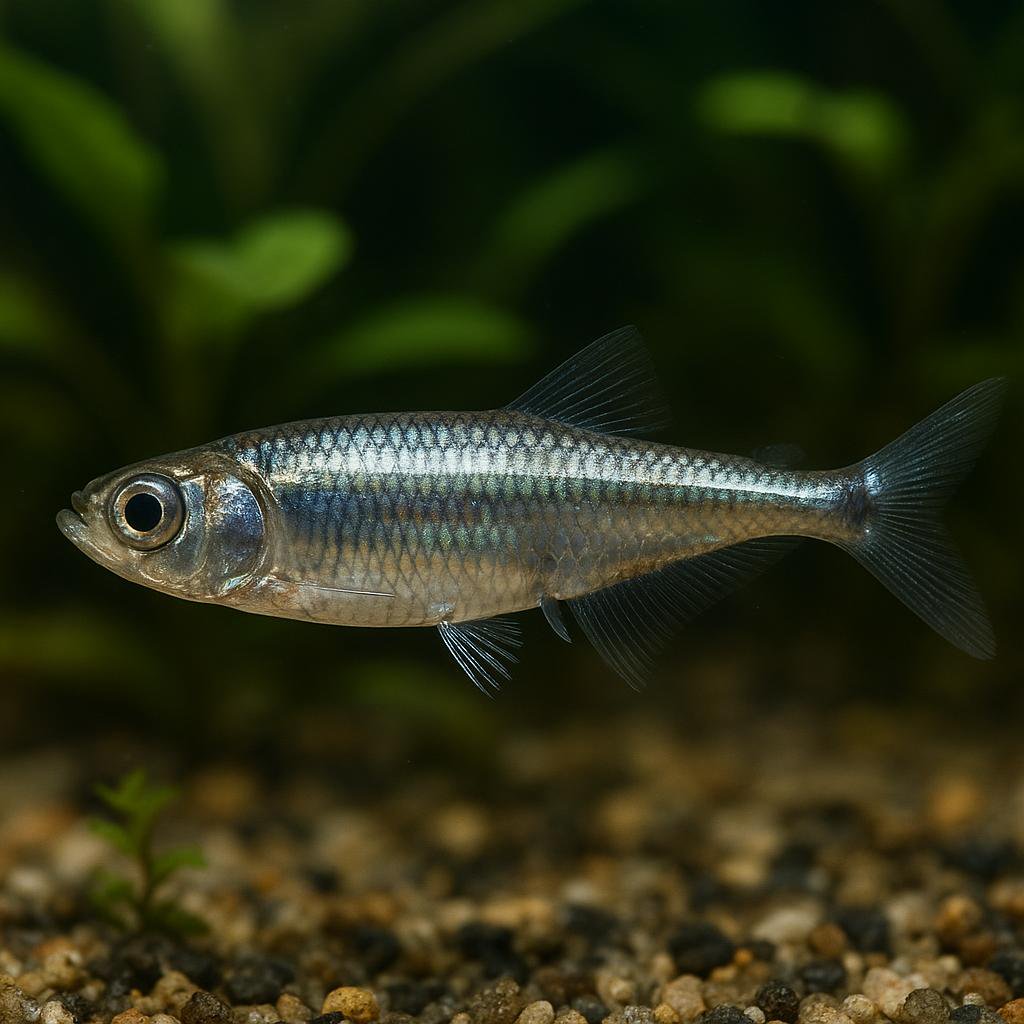
Slender lightfish
Vinciguerria attenuata
This is a tiny deep-water lightfish that spends its life way out in the ocean twilight zone, cruising up and down the water column each day. It has rows of photophores (little light organs) on the underside, plus those slightly tubular eyes that are built for looking up in the dark. Super cool biology, but realistically its not an aquarium fish at all.