

Fish That Start With G - Page 2 of 2
Browse all aquarium fish species with common names beginning with "G". Each profile includes care requirements, water parameters, tank size recommendations, and compatibility information for freshwater, marine, and brackish species.
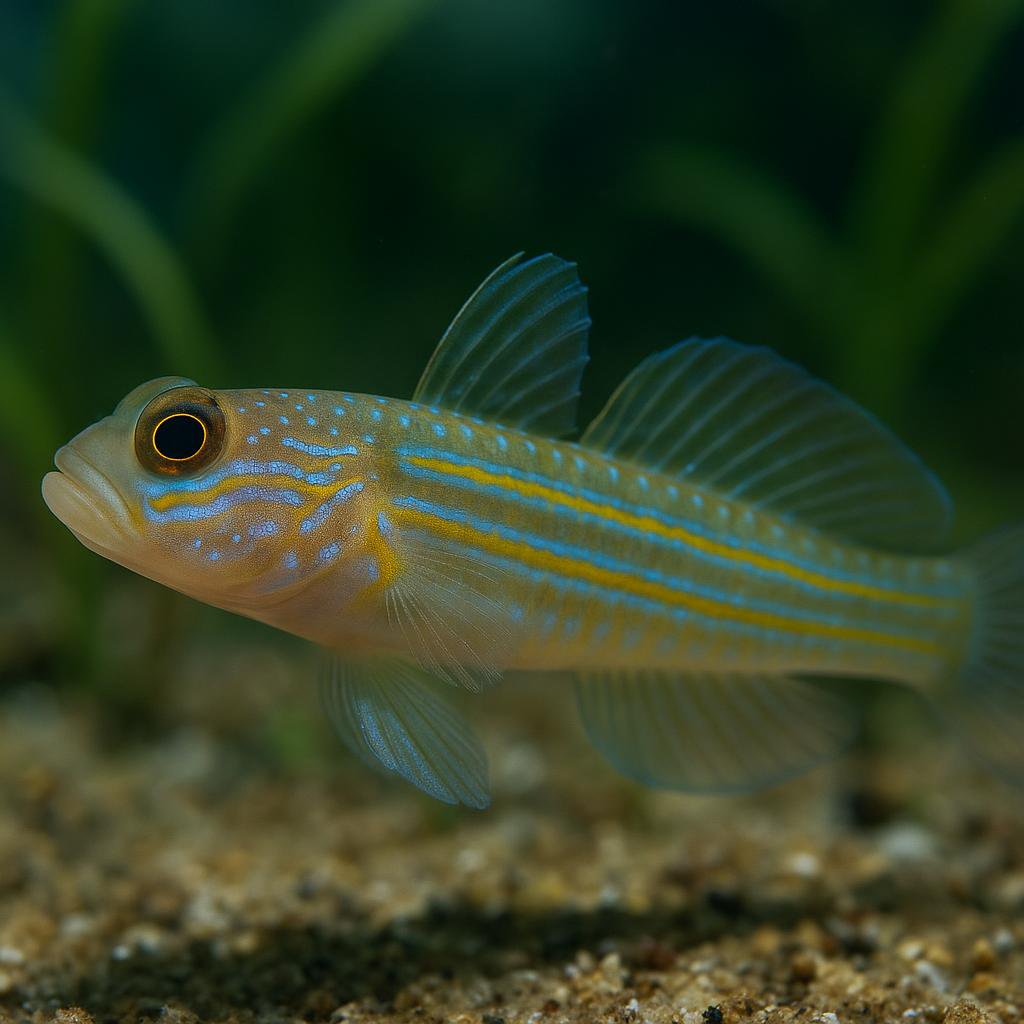
Gold-marked shrimpgoby
Vanderhorstia auronotata
This is a tiny little shrimp-goby from Indonesia that hangs out on silty sand slopes and does the whole burrow-living thing with an Alpheus snapping shrimp. The cool part is the bright orange-yellow spotting/lines over a pale body - it is one of those blink-and-you-miss-it gobies that looks even better up close than from across the tank.
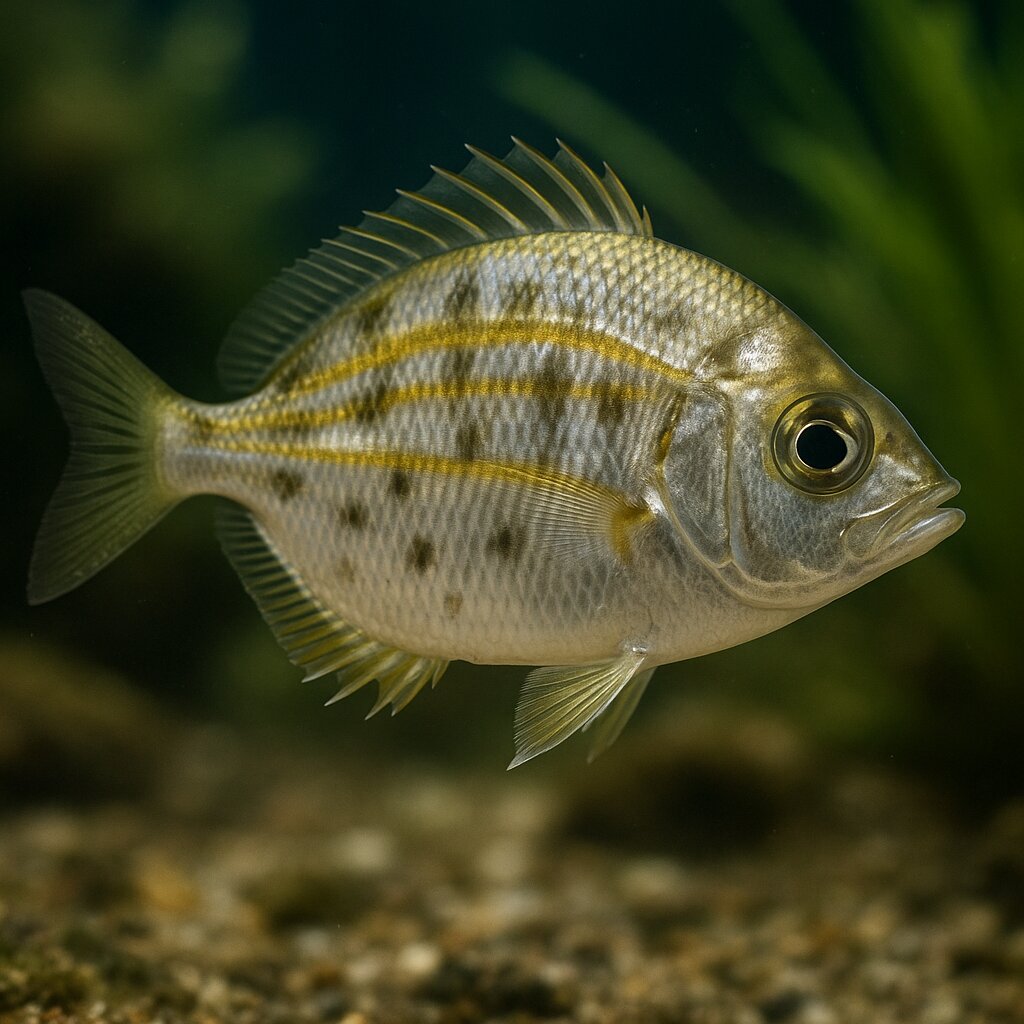
Goldstripe ponyfish
Karalla daura
Silvery little schooling ponyfish with a bright gold stripe and that classic slipmouth look. They cruise muddy shallows in tight groups and, like other ponyfish, have a cool bacterial light-organ setup for signaling at night. Not a common aquarium fish, but super interesting if you are set up for marine schooling species.
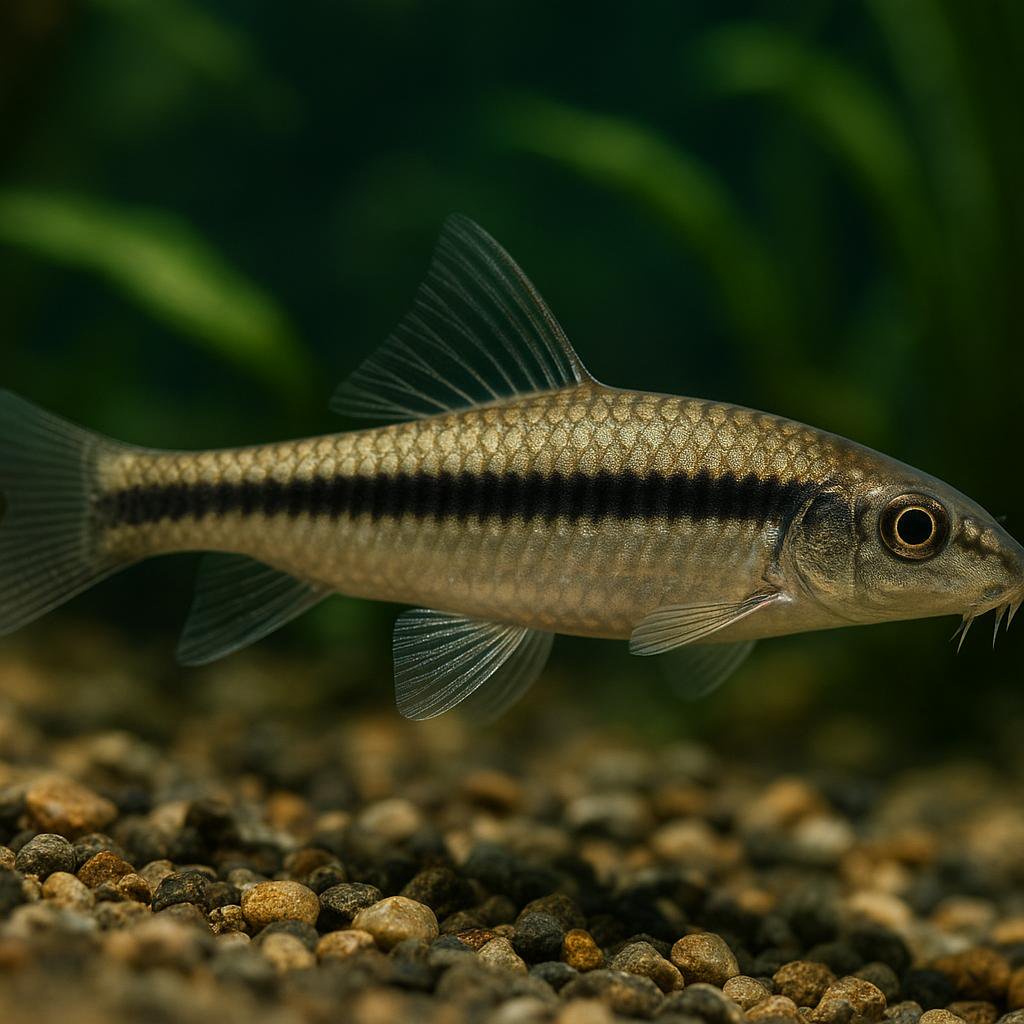
Goldstriped flying fox
Crossocheilus cobitis
Crossocheilus cobitis is one of those true river fish that spends its day cruising and grazing - algae, periphyton, and whatever micro-stuff it can rasp off hard surfaces. It gets a decent adult size (around 15 cm/6 in) and really appreciates a long, current-y tank with tons of oxygen and clean water. Also, it is a species that can be mixed up in the trade with other similar Crossocheilus, so ID matters.
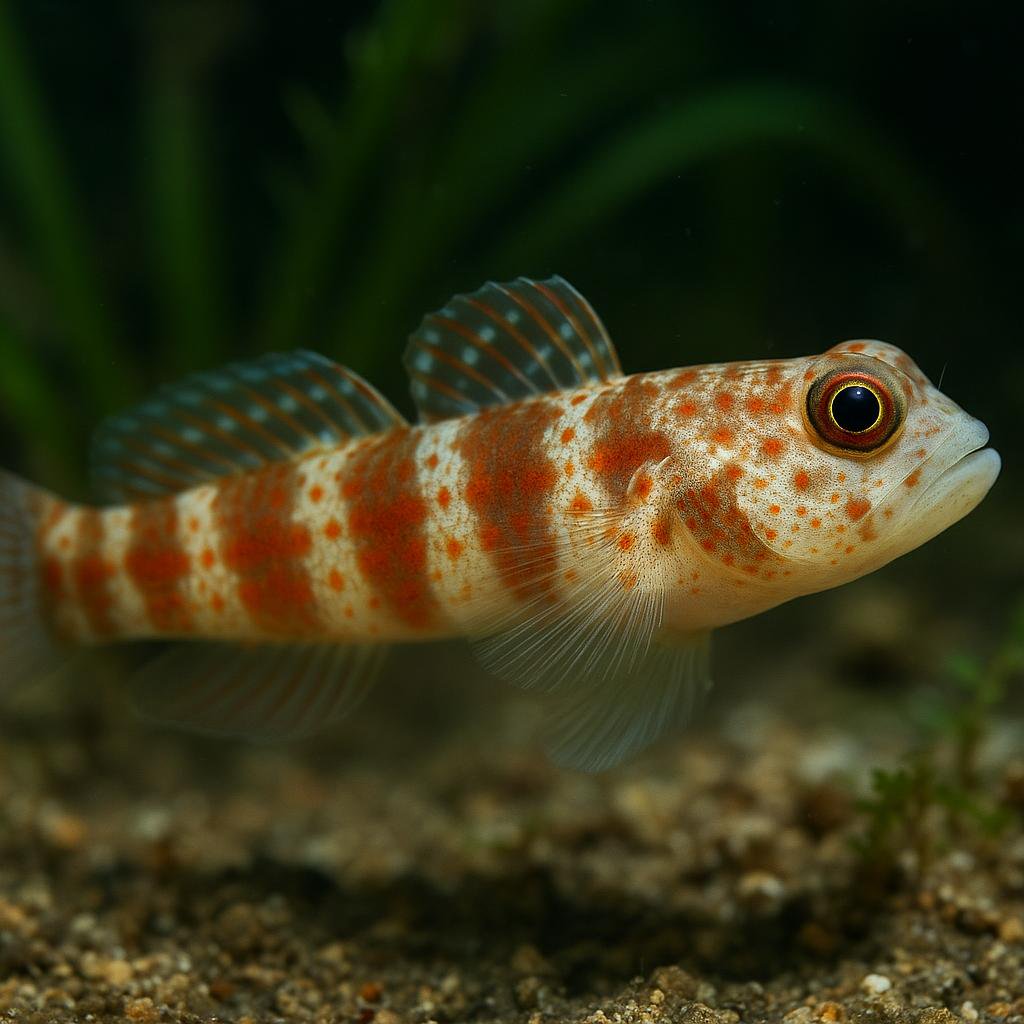
Gorgeous prawn-goby
Amblyeleotris wheeleri
Amblyeleotris wheeleri is that classic shrimp-goby that picks a sandy spot, makes a burrow, and basically turns your tank into a little nature documentary if you pair it with a pistol shrimp. It hangs at the burrow entrance, does the whole lookout routine, and flashes those red bands and blue speckling when it is settled in.
Goulding's lampeye
Fluviphylax gouldingi
This is one of those truly tiny Rio Negro blackwater lampeyes - like, adult size is basically the length of a grain of rice. In the right light you can catch a little orange blotch on the face, and males have a neat filament on the pelvic fin. They do best in a calm, heavily planted (or leaf-litter) setup where micro-food is always available.
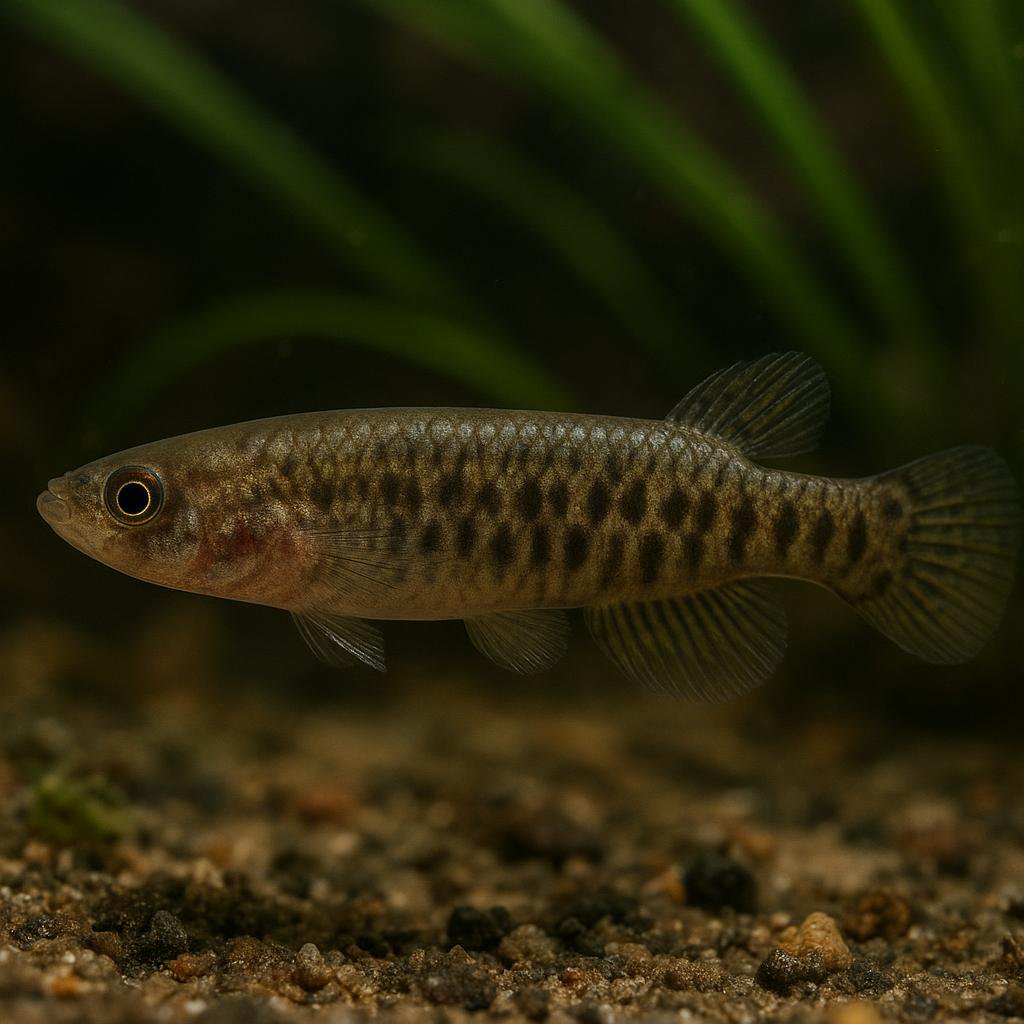
Gracile rivulus (Kryptolebias)
Kryptolebias gracilis
Kryptolebias gracilis is a very small Brazilian rivulid killifish from the Saquarema Lagoon basin (Rio de Janeiro State). It occurs in creeks and swamps in open vegetation, often in very shallow water (~5–10 cm), in both clear and tea-coloured water, and feeds mainly on small crustaceans (e.g., ostracods) and terrestrial arthropods.
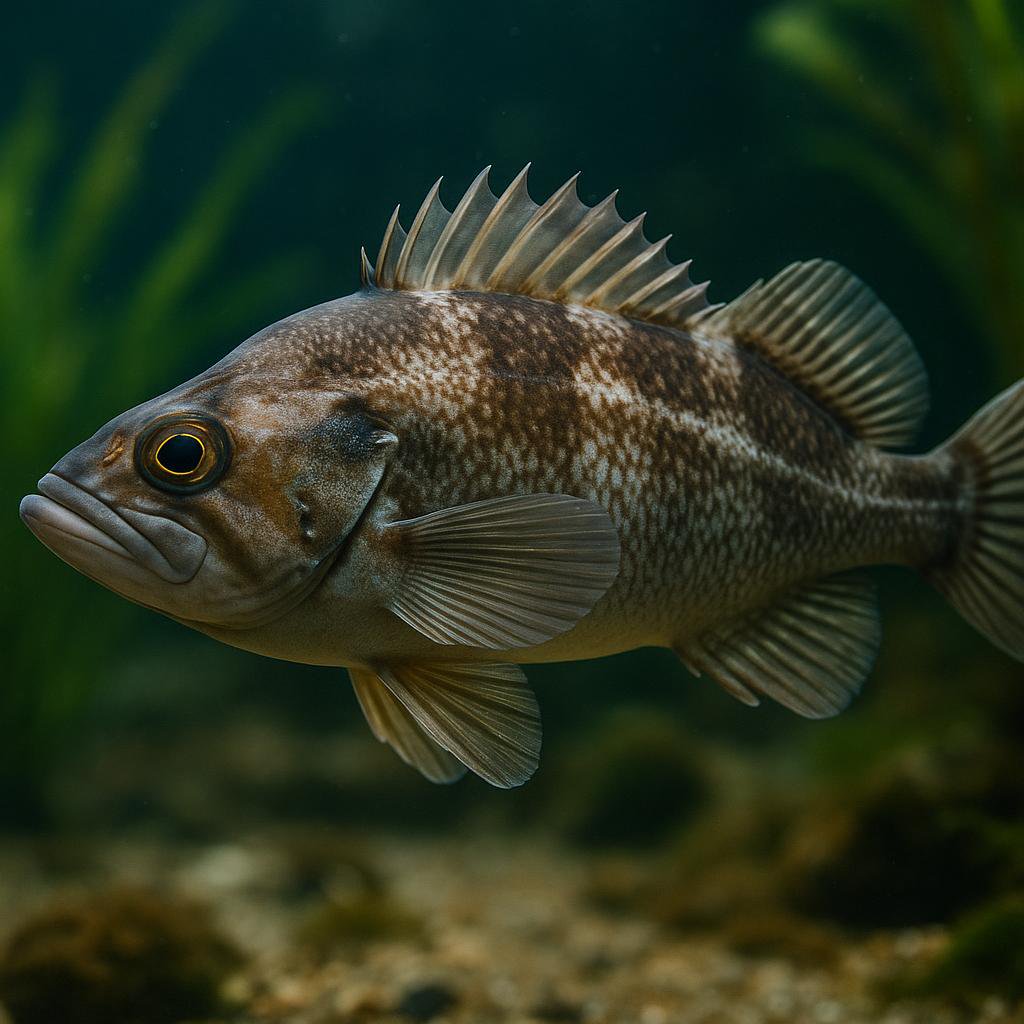
Gray rockfish
Sebastes glaucus
Sebastes glaucus is a cold-water gray-to-dark rockfish from the northwest Pacific that hangs out deep and close to the bottom. Like other rockfishes it is livebearing (viviparous), and it is the kind of fish you mainly see in public aquariums or fisheries talk - not really a home-aquarium species unless you can provide a large, chilled marine setup.
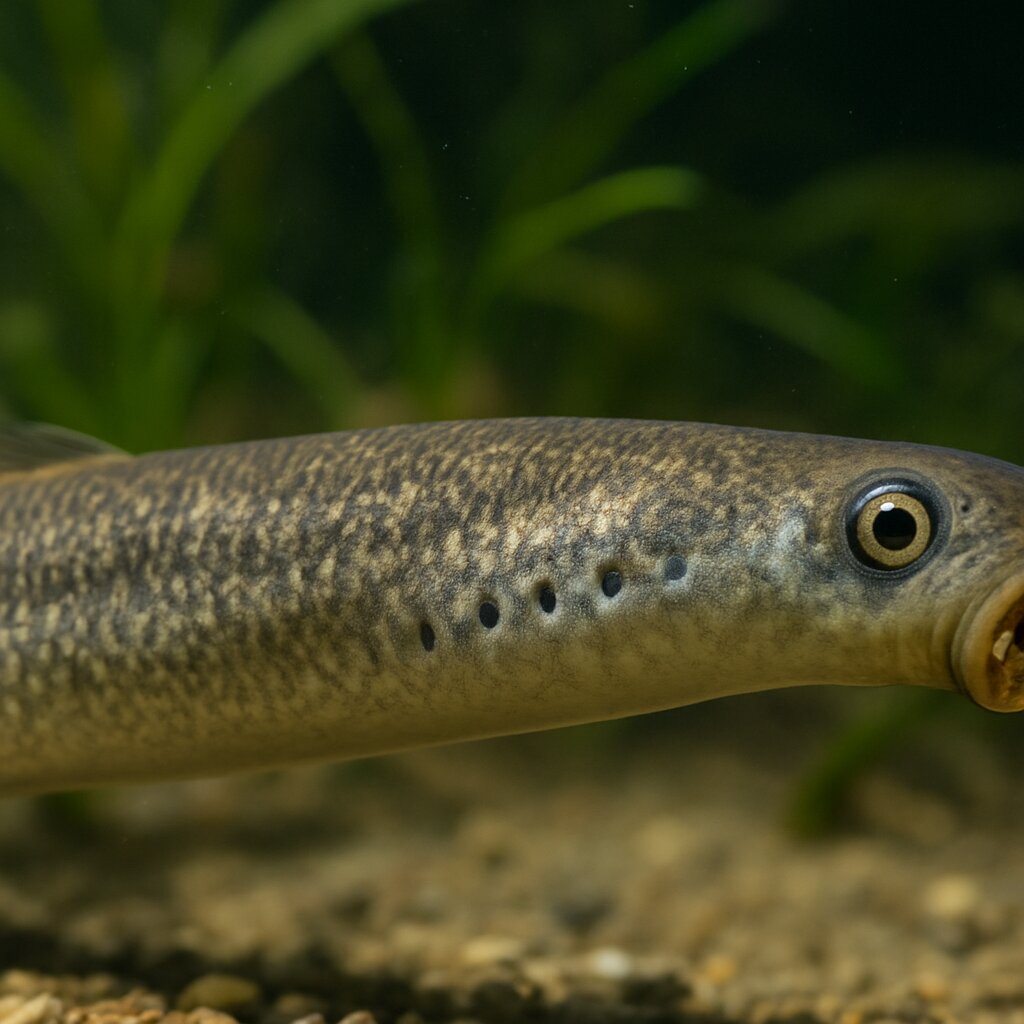
Greek lamprey
Caspiomyzon hellenicus
Wild little jawless oddball from cool Greek spring-fed streams. Larvae live buried in sand filtering microscopic food for years, then transform into short-lived, non-feeding adults that spawn and fade out. Super neat biology, but not a practical aquarium fish at all.
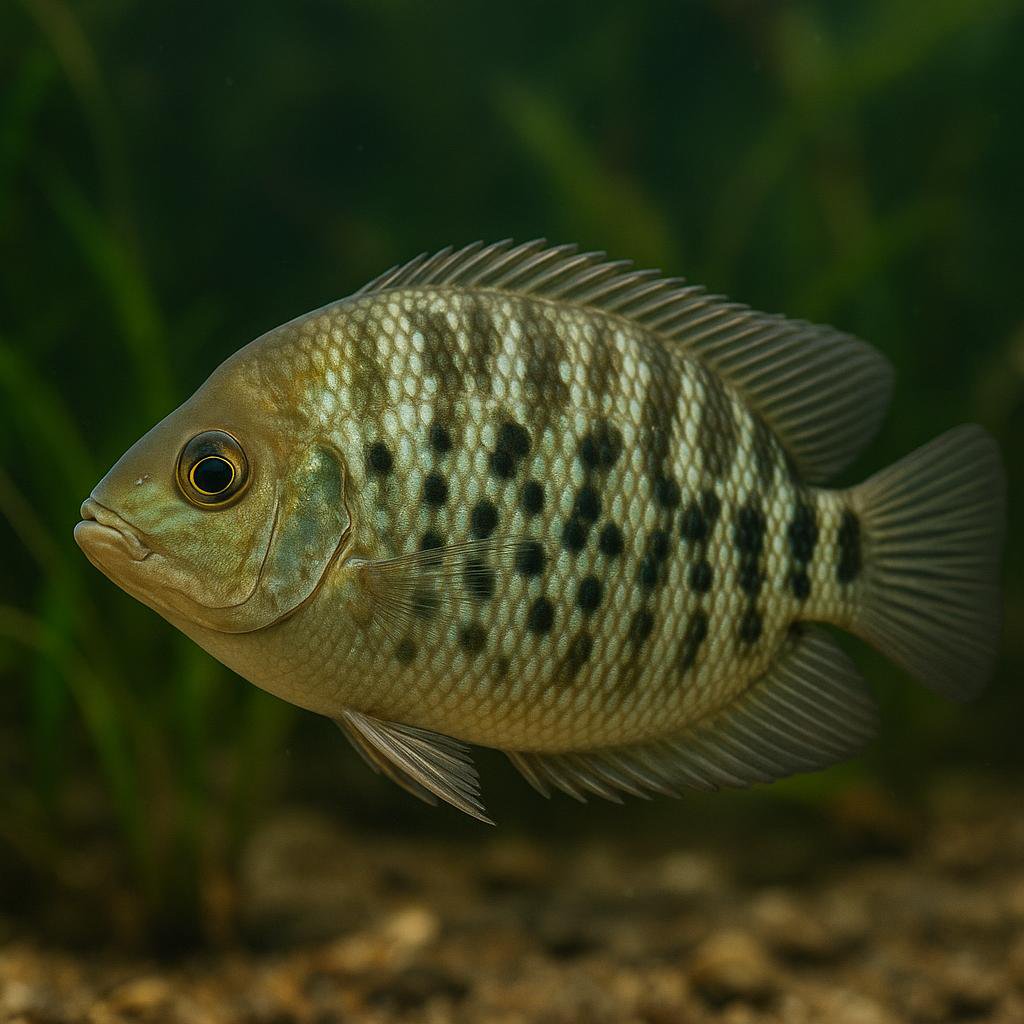
Green chromide
Etroplus suratensis
This is that big, chunky Indian/Sri Lankan cichlid that looks like it's sprinkled with little "pearl" flecks on each scale once it colors up. It's a brackish-leaning grazer that loves to pick at algae/plant matter and it gets way more interesting in a group-plus the parents do classic cichlid guard-the-eggs-and-fry behavior.
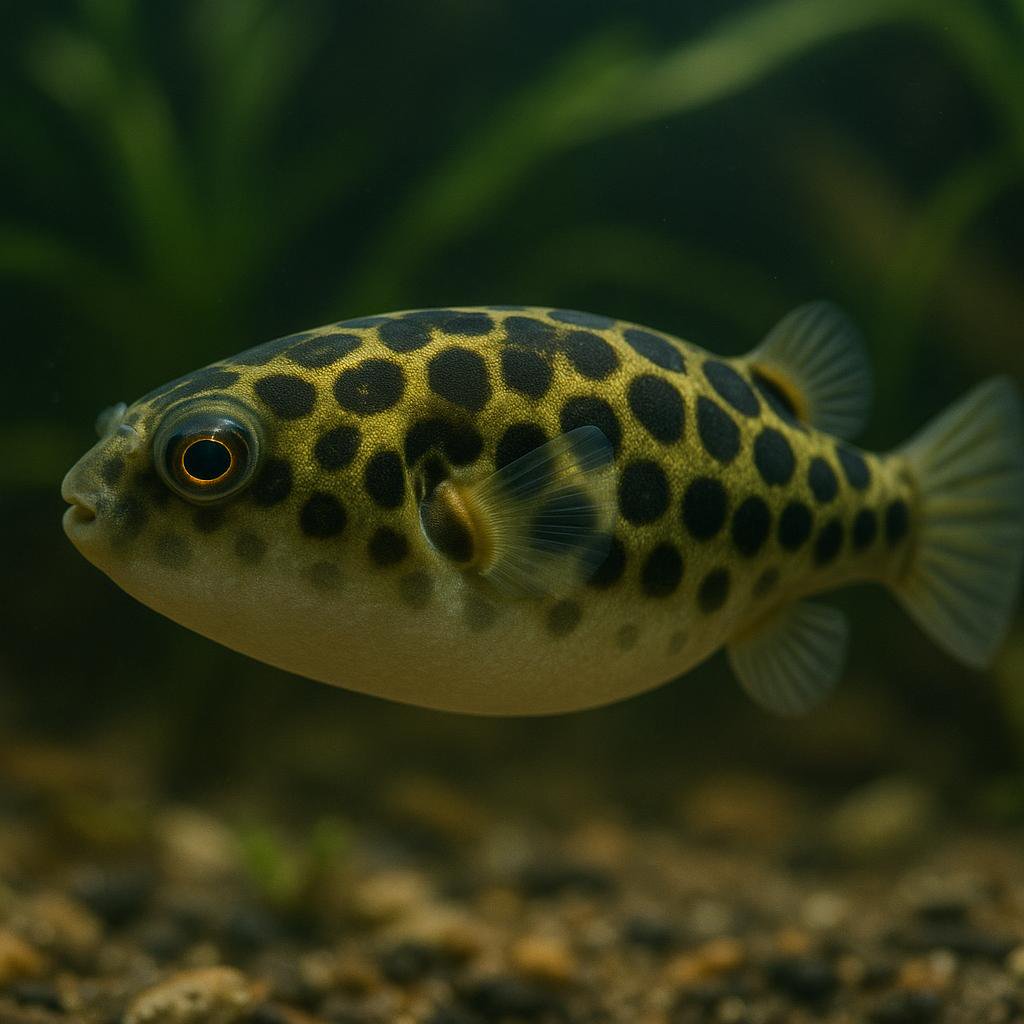
Green Spotted Puffer
Tetraodon nigroviridis
Green spotted puffers are little water puppies with fins-super curious, always watching you, and they'll beg like they've never been fed in their life. The bright green-and-black spotting stays eye-catching, and they've got that classic puffer "I'm plotting something" face. Just know they're not a true freshwater fish long-term, and they really do need crunchy foods to keep their teeth worn down.
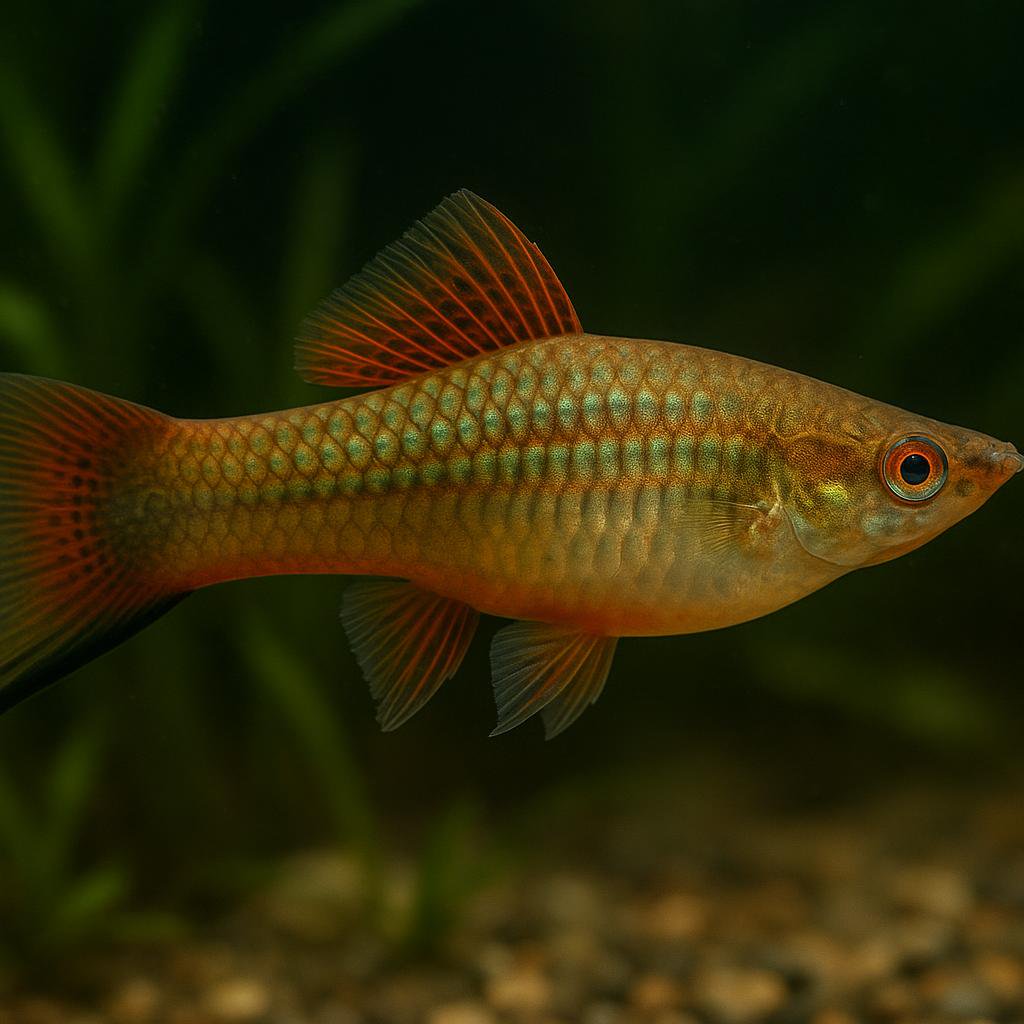
Green Swordtail
Xiphophorus hellerii
Swordtails are busy, always-on-the-move livebearers, and the males' "sword" tail extension is the whole show-lots of displaying and posturing in the open water. They're tough as nails in hard, slightly alkaline water, but in tight tanks the males will absolutely bicker and chase each other around.
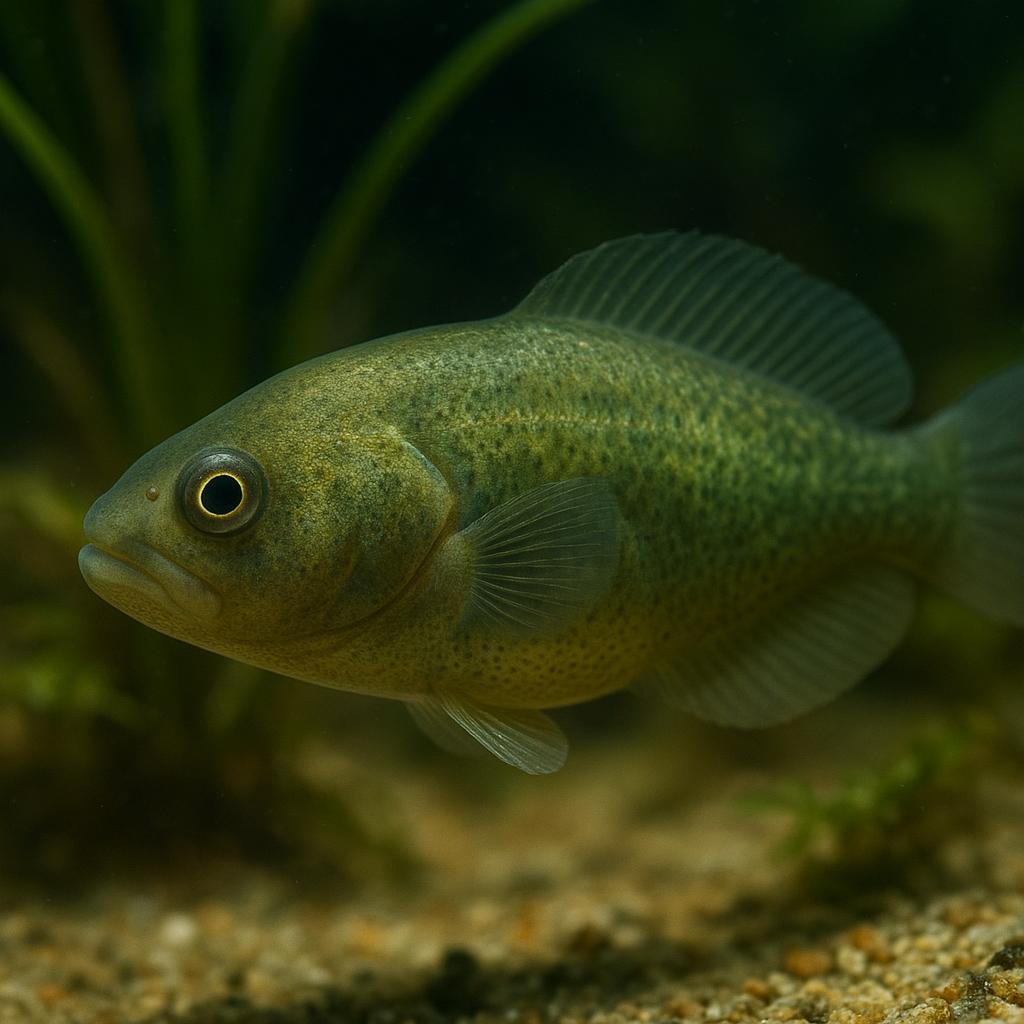
Green-peritoneum snailfish
Paraliparis entochloris
Paraliparis entochloris is a deepwater snailfish from the northwest Pacific, and the name is basically calling out its weird party trick: it has a green peritoneum (the lining around the organs) that can show through the body wall. This is not an aquarium fish at all - it is a cold, deep, bottom-associated species that is mostly known from scientific collections rather than the hobby.
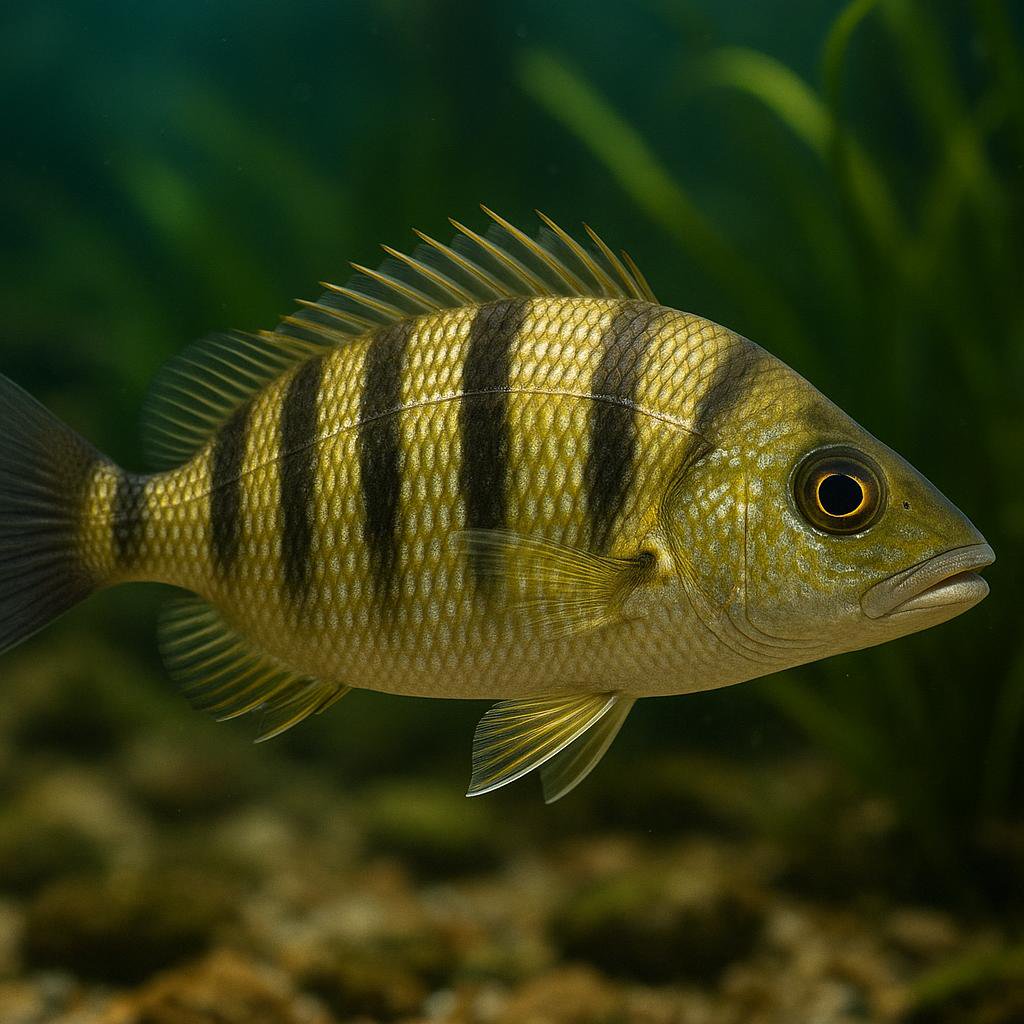
Greybar grunt
Haemulon sexfasciatum
This is one of those big, cruising grunts from the tropical eastern Pacific that spends the day stacked up in big schools around rocky reef structure, then fans out at night to hunt. The barred pattern is super sharp when they're settled in, but the real "wow" is their size and that classic grunt behavior of nosing around sand and rubble for food.
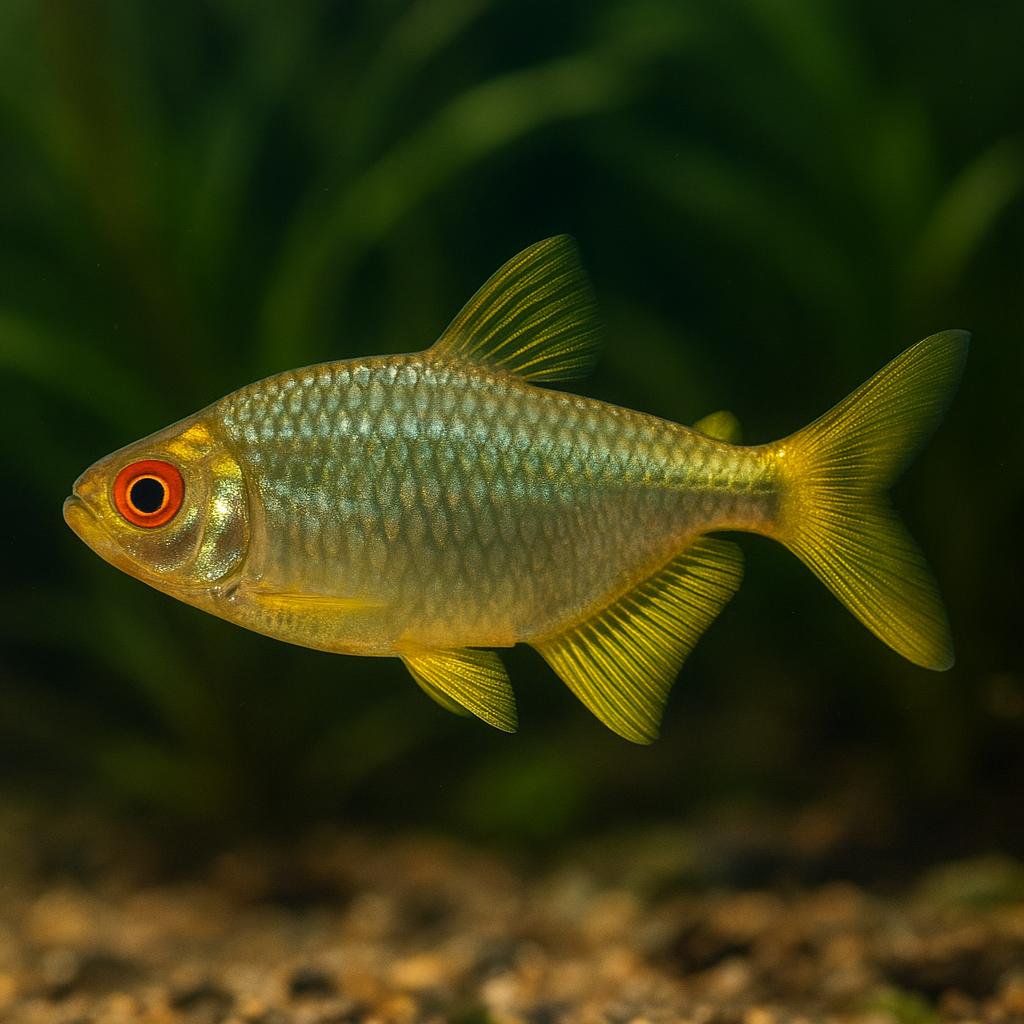
Guaruba moenkhausia (Guaruba tetra)
Moenkhausia guaruba
Moenkhausia guaruba is a newly described Brazilian characin from the upper rio Braco Norte (Tapajos system), and it gets pretty big for a Moenkhausia - think "chunky, fast tetra" vibes. Since its formal description is recent, real aquarium-specific info is still thin, so I'd treat it like a larger, riverine Moenkhausia: keep a proper group, give it current and open swimming room, and expect it to act like a confident midwater schooling fish.
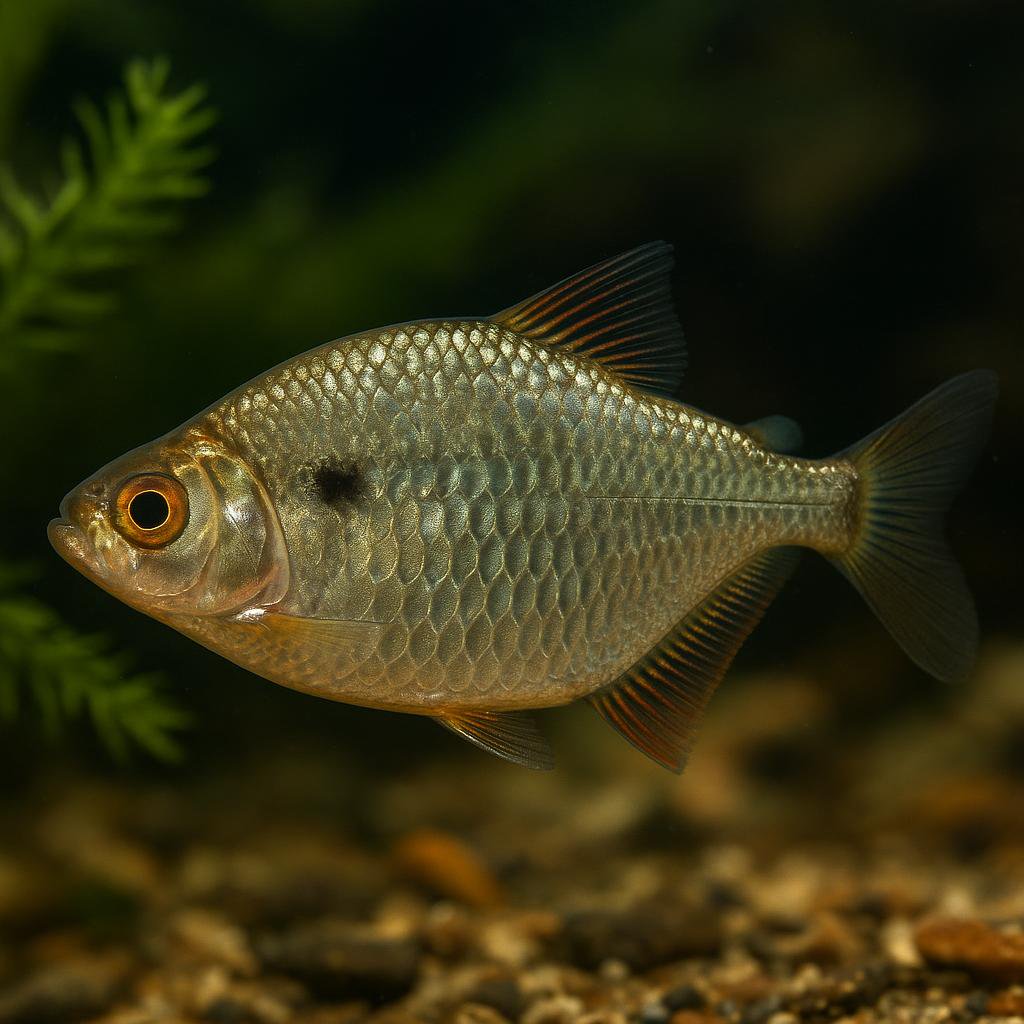
Guatemalan headstander
Roeboides guatemalensis
This is one of those oddball characins that gets lumped in with "predatory tetras" - it is built for nipping scales and mucus off other fish (lepidophagy), which is wild to watch in nature but a headache in a community tank. It is a super active, open-water swimmer, and in aquariums it usually does best treated like a specialty predator/oddity fish rather than a "tetra."
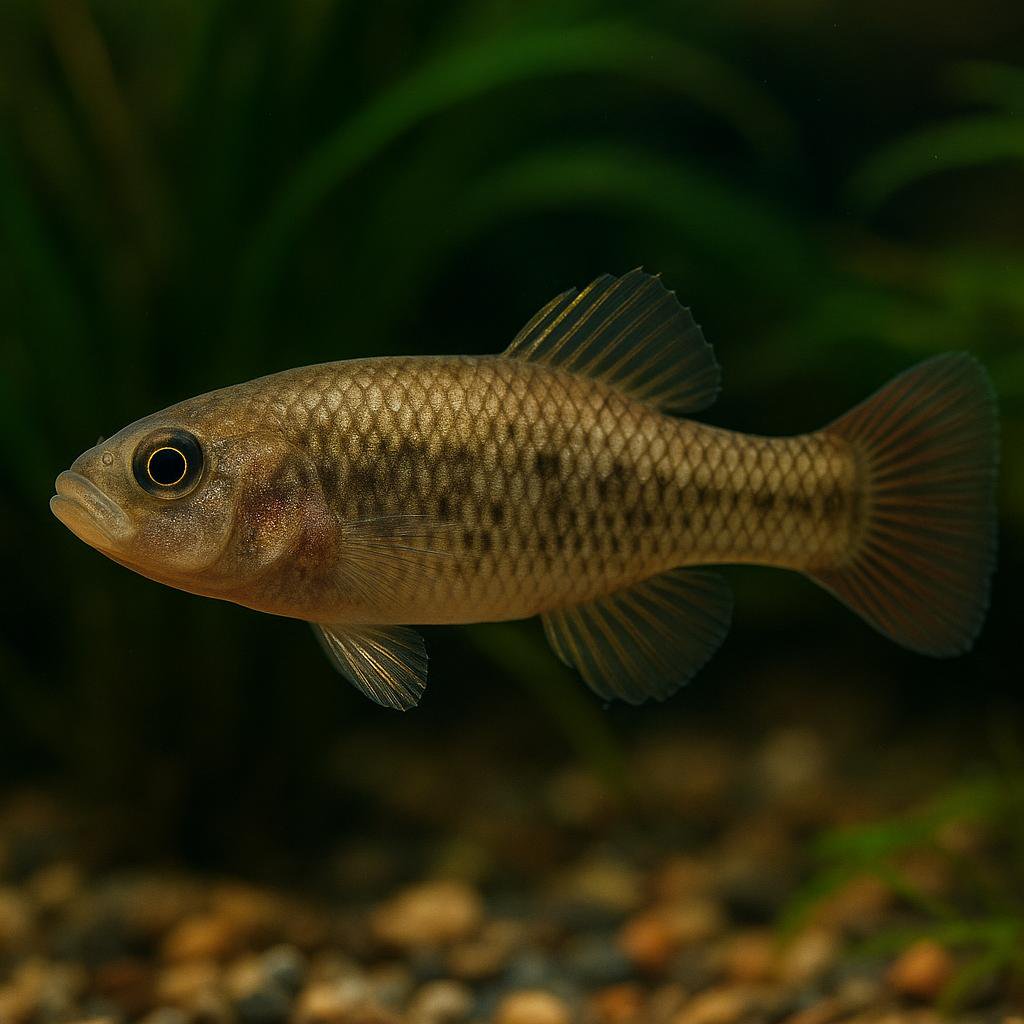
Guaymas goby
Quietula guaymasiae
This is a small, bottom-hanging goby from Mexico's Gulf of California, usually found in shallow estuaries and lagoons. The really cool bit is it can do facultative air-breathing, so its built for those warm, low-oxygen, mucky spots. Its not a typical community freshwater fish - think brackish/marine lagoon goby that wants sand or mud and calm water.
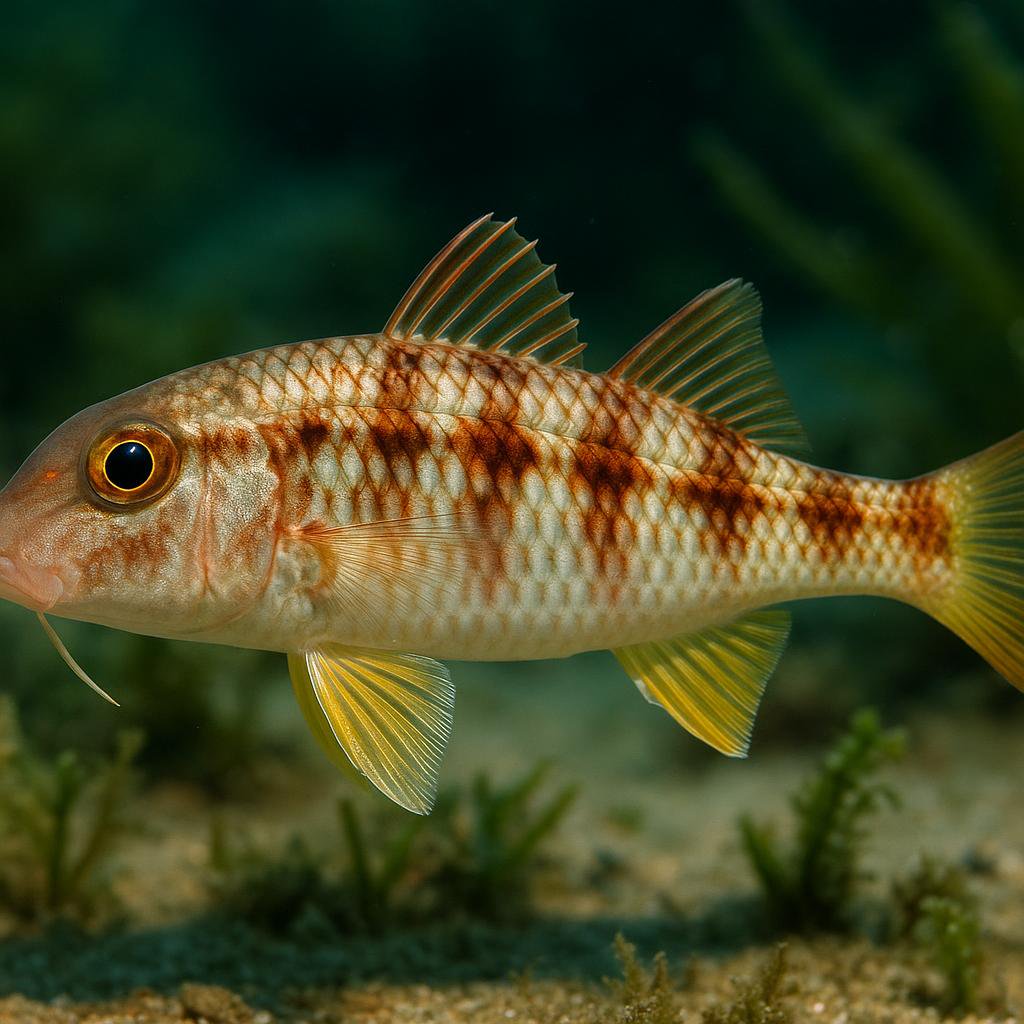
Gubal goatfish
Upeneus gubal
Upeneus gubal is a tiny Red Sea goatfish that cruises over sand and mud and uses its little chin barbels to feel around for food. Its max size is under 9 cm standard length, so it is more of a "dwarf" goatfish compared to the bigger goatfish you see in the trade. Because it is a wild marine demersal species from the Gulf of Suez area, it is not something you will run into with a normal, well-established aquarium care playbook.
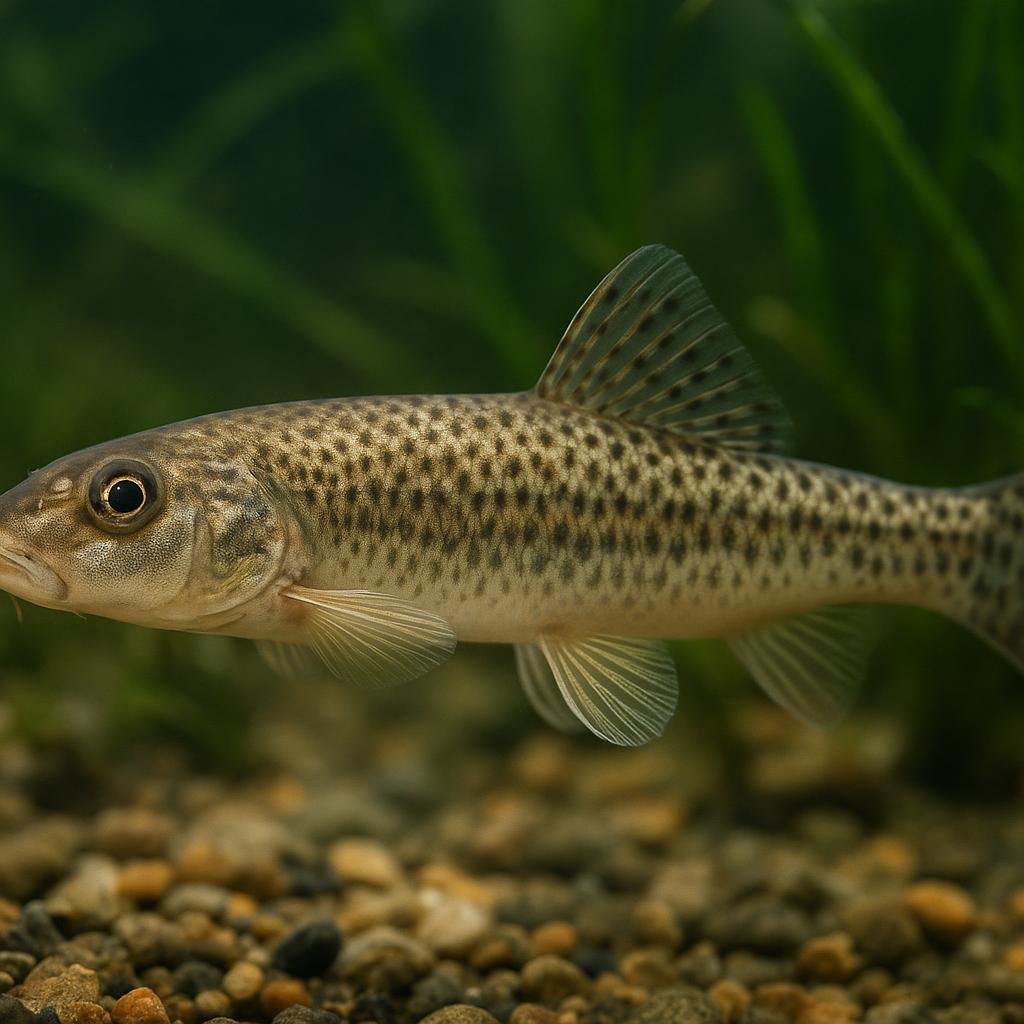
Guenther's gudgeon
Acanthogobio guentheri
This is a Chinese river gudgeon from the upper Yellow River area, a bottom-hugging little cyprinid that spends a lot of time cruising the substrate. Its vibe is more "stream fish" than "tropical community" - give it good flow, lots of oxygen, and a sand-and-pebble setup and it really shines.
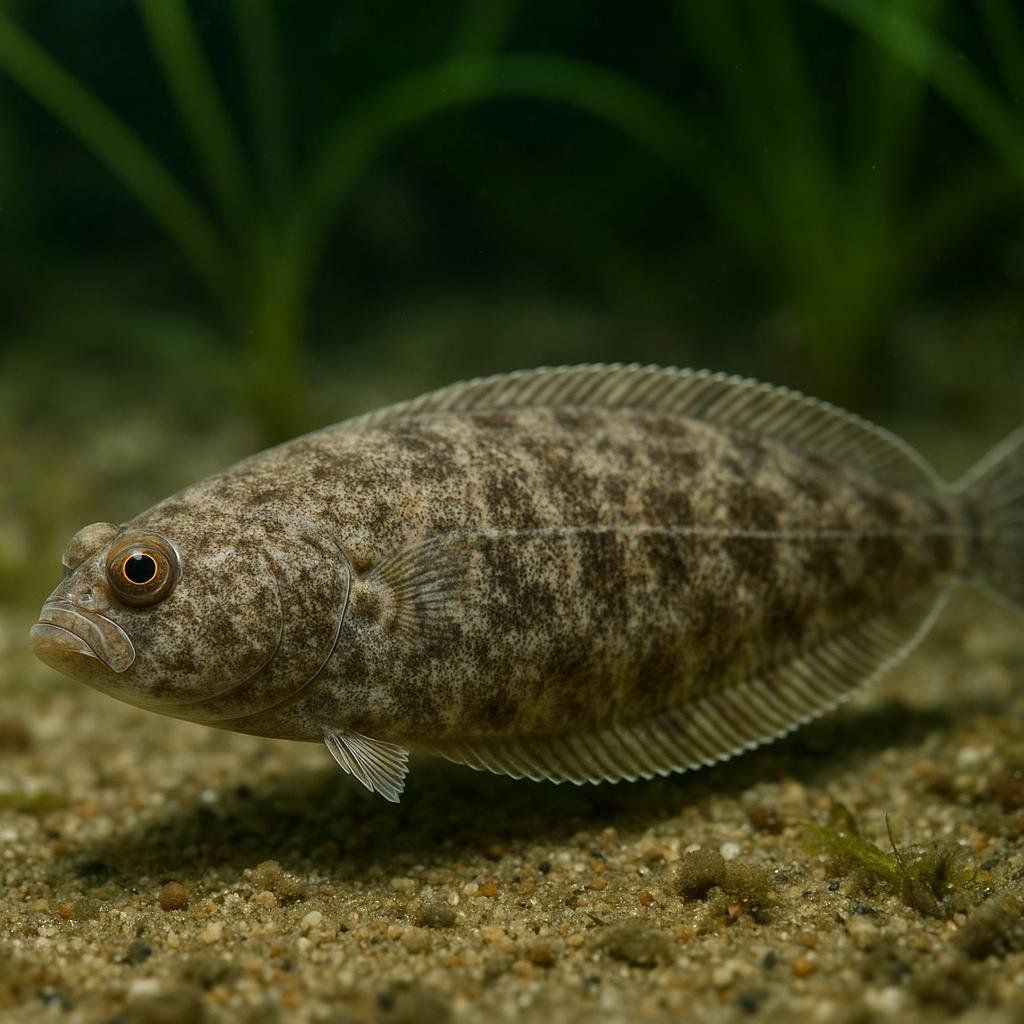
Guinean sole
Synaptura cadenati
Synaptura cadenati is a West African sole that lives right on the bottom over sand and mud, usually in shallow coastal water. It is a flatfish with little white spotting on the eyed side, and it tops out around 35 cm - more of a food-fish than something you will realistically see (or want) in a home aquarium.
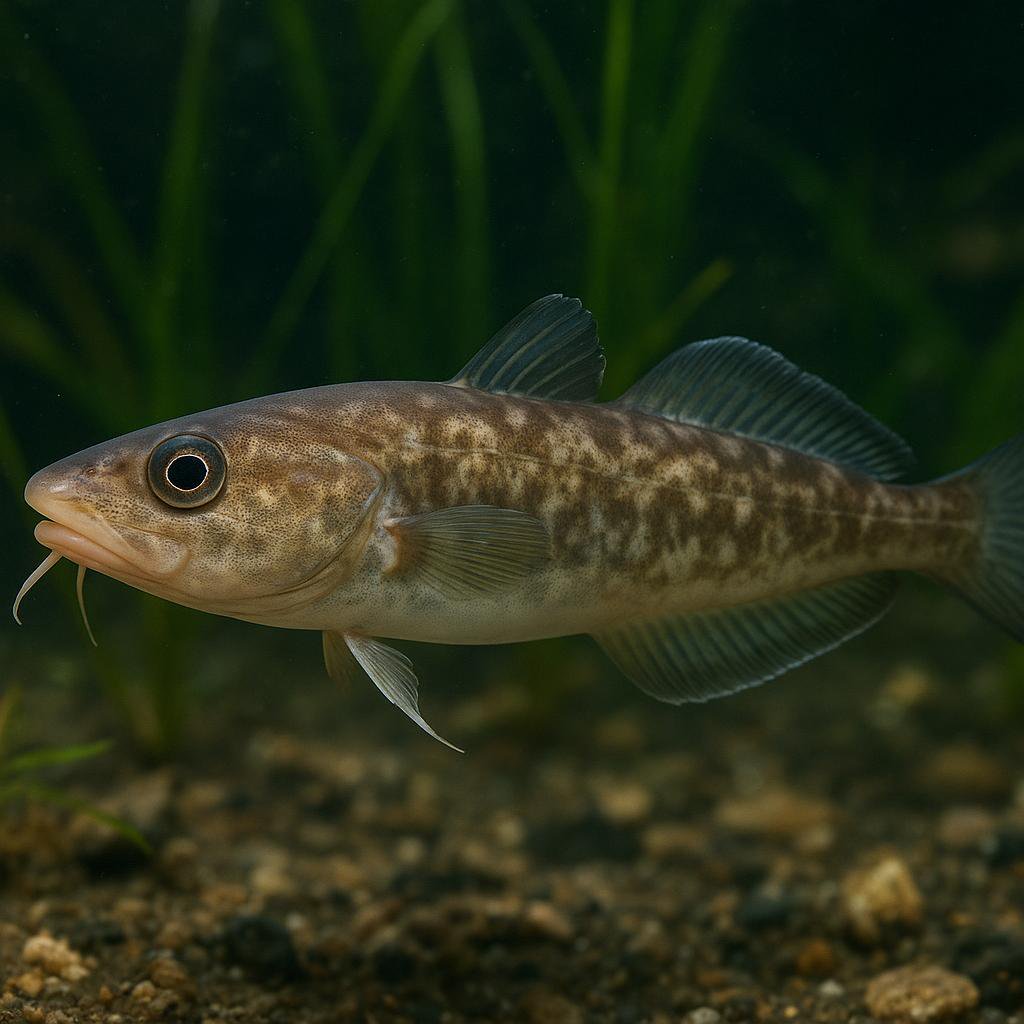
Gulf hake
Urophycis cirrata
Urophycis cirrata is a deep-water phycid hake from the western Atlantic, and it has that classic "cod-family" look with a little chin barbel and long, feeler-like pelvic rays. Its whole vibe is muddy-slope bottom dweller, cruising around in colder water way deeper than any normal home aquarium is built to handle.
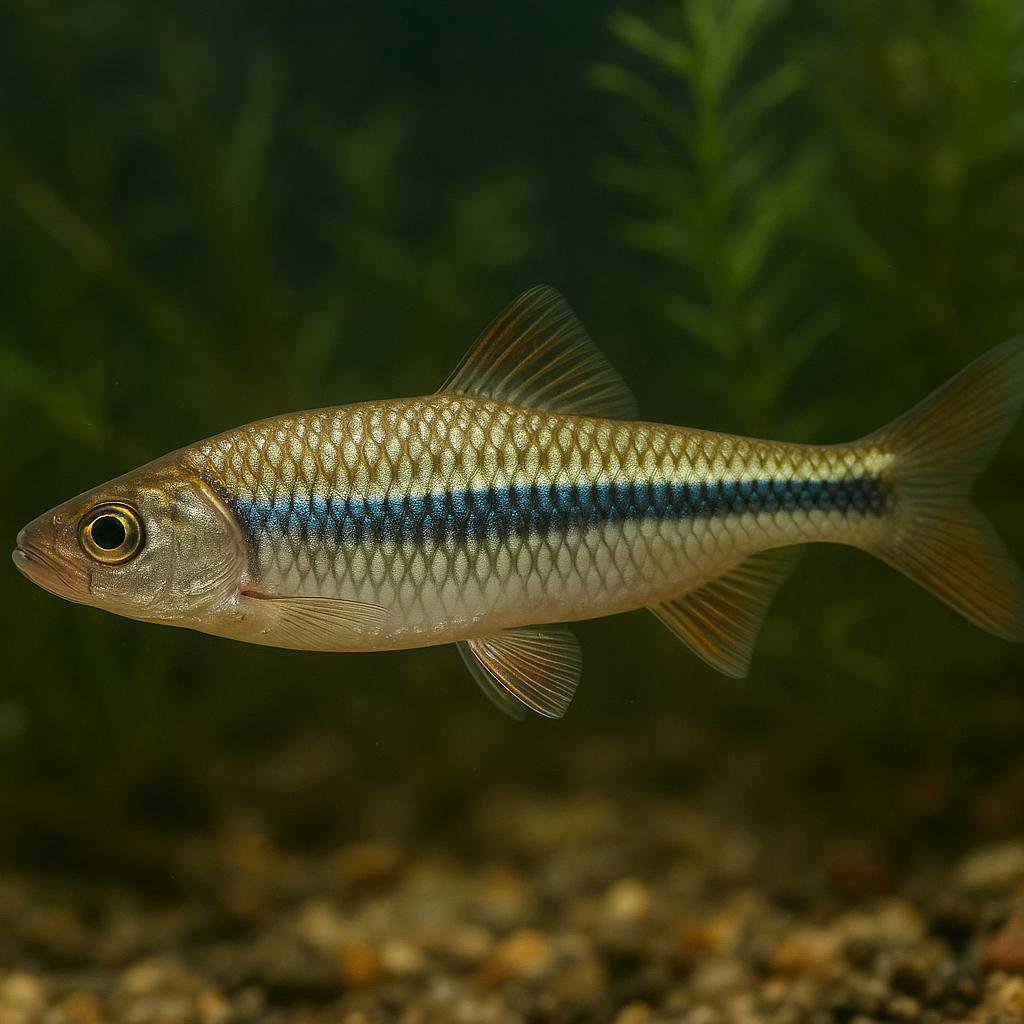
Gunther's baril
Opsarius radiolatus
Opsarius radiolatus is a fast, stream-type danio relative that really wants room to cruise - think clear, gravelly water and a lot of current. If you keep a small group in a long tank with good flow, they settle in and you get that constant, zippy midwater action that makes river tanks feel alive.
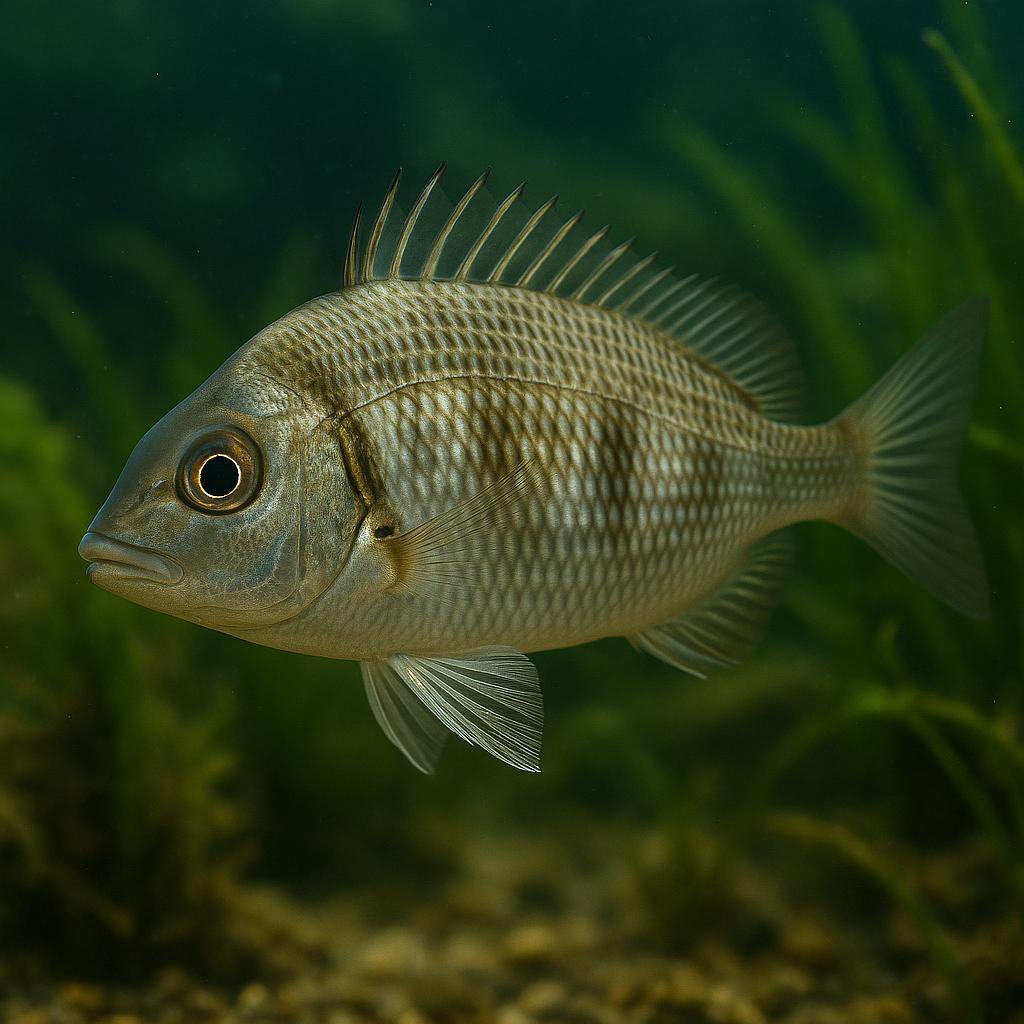
Günther's karanteen
Crenidens macracanthus
A small marine sparid (seabream) from the Indian Ocean (FishBase: eastern Indian Ocean-India; also recorded from Pakistan) with distinctive incisor-like teeth; references note its diet is mainly algae and its dentition appears specialized for grazing. Rarely encountered in the aquarium trade; most information is from ichthyological sources rather than hobby care guides.
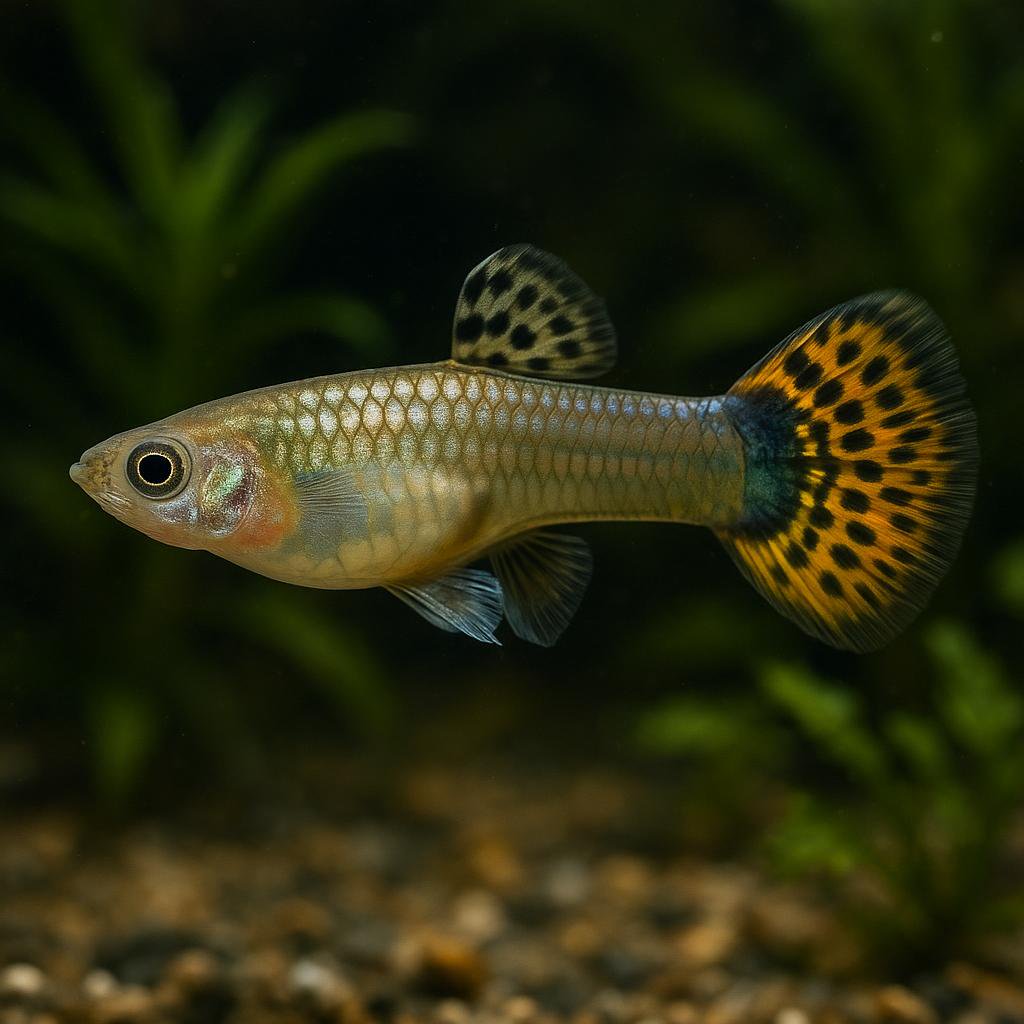
Guppy
Poecilia reticulata
The Guppy is one of the most popular freshwater fish among aquarium enthusiasts due to its colorful appearance and lively nature. These fish have a wide range of vibrant colors and tail shapes, making them a visual delight in any aquarium. Guppies are known for their peaceful temperament and ease of care, making them ideal for both beginner and experienced fishkeepers.
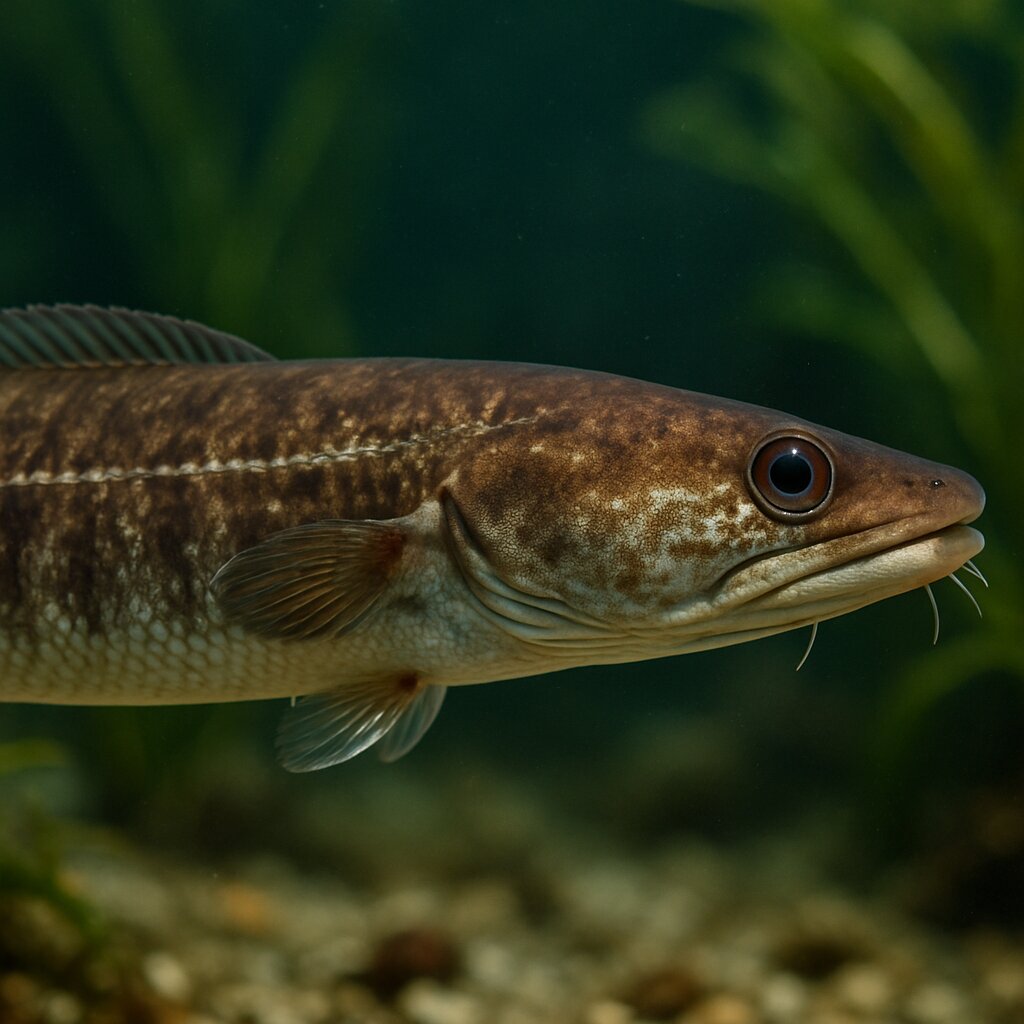
Guppy conger
Rhynchoconger guppyi
This is a deepwater Caribbean conger eel with a long needle-like tail, black-edged fins, and a big pointy snout that gives it a serious hunter vibe. It cruises soft bottoms 100-450 m down picking off crustaceans and small fish. Super impressive creature, but it grows close to a meter and really is not a home aquarium candidate.