

Fish That Start With R - Page 2 of 2
Browse all aquarium fish species with common names beginning with "R". Each profile includes care requirements, water parameters, tank size recommendations, and compatibility information for freshwater, marine, and brackish species.
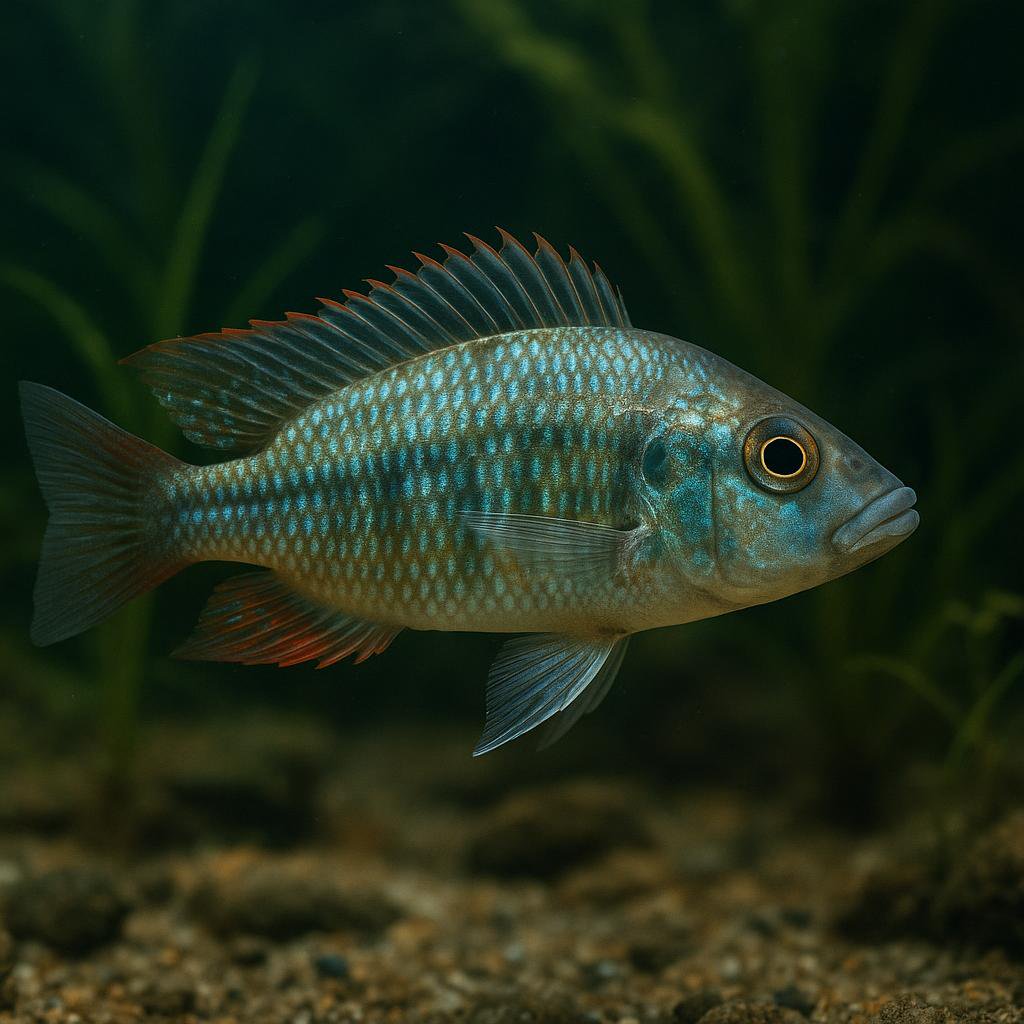
Ripon Falls haplochromine
Haplochromis macrops
This is a smaller Lake Victoria haplochromine cichlid from the littoral zone, hanging around sandy and rocky shore areas. In the wild it picks at insect larvae and other small inverts, and like a lot of Victorian haps the females are maternal mouthbrooders. Its care is basically "Lake Victoria hap" style - clean, well-oxygenated water, sand/rock decor, and a bit of attitude like most cichlids.
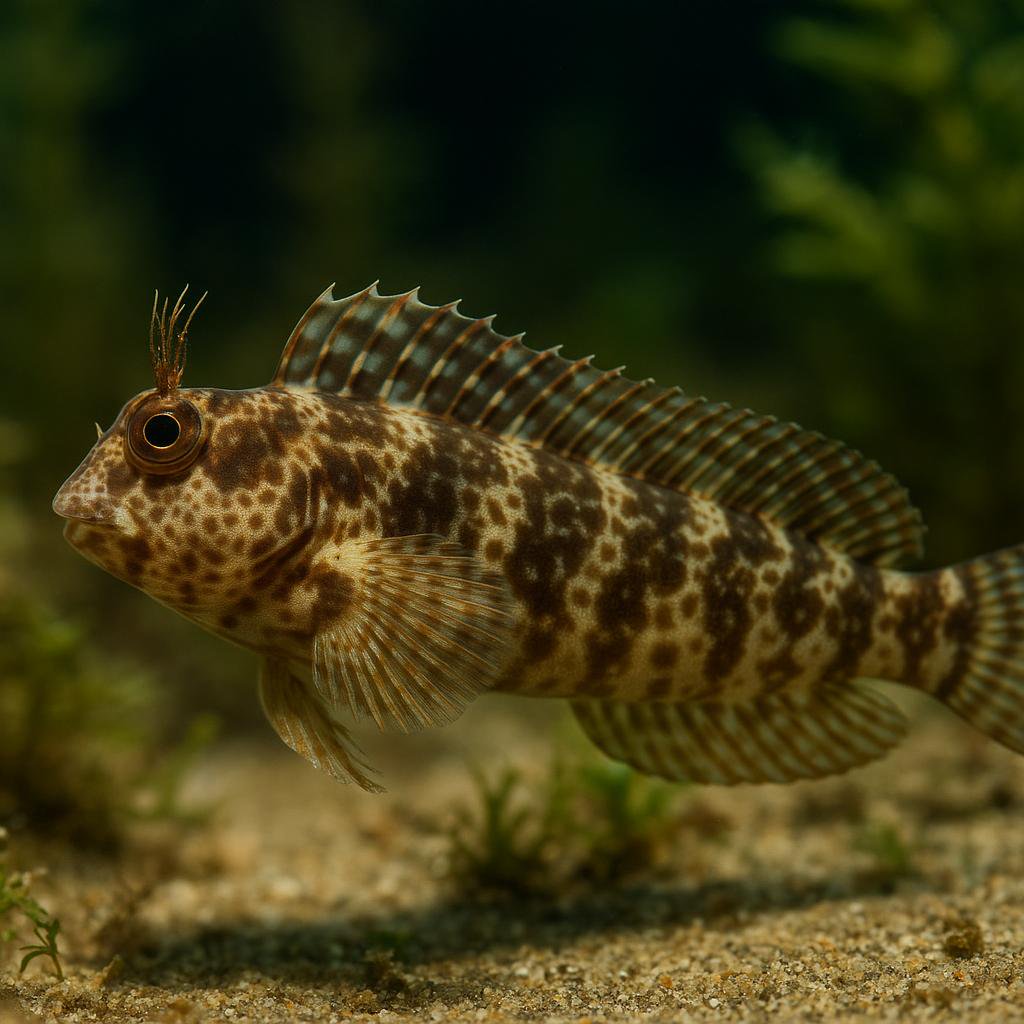
Rippled rockskipper
Istiblennius edentulus
This is a tidepool combtooth blenny that basically lives life on the edge - it hangs in super-shallow rocky spots and can even air-breathe and hop between pools when it feels like it. Give it lots of rockwork and a covered tank, and it will perch, watch you, and cruise around grazing film algae like a little saltwater lawnmower with attitude.
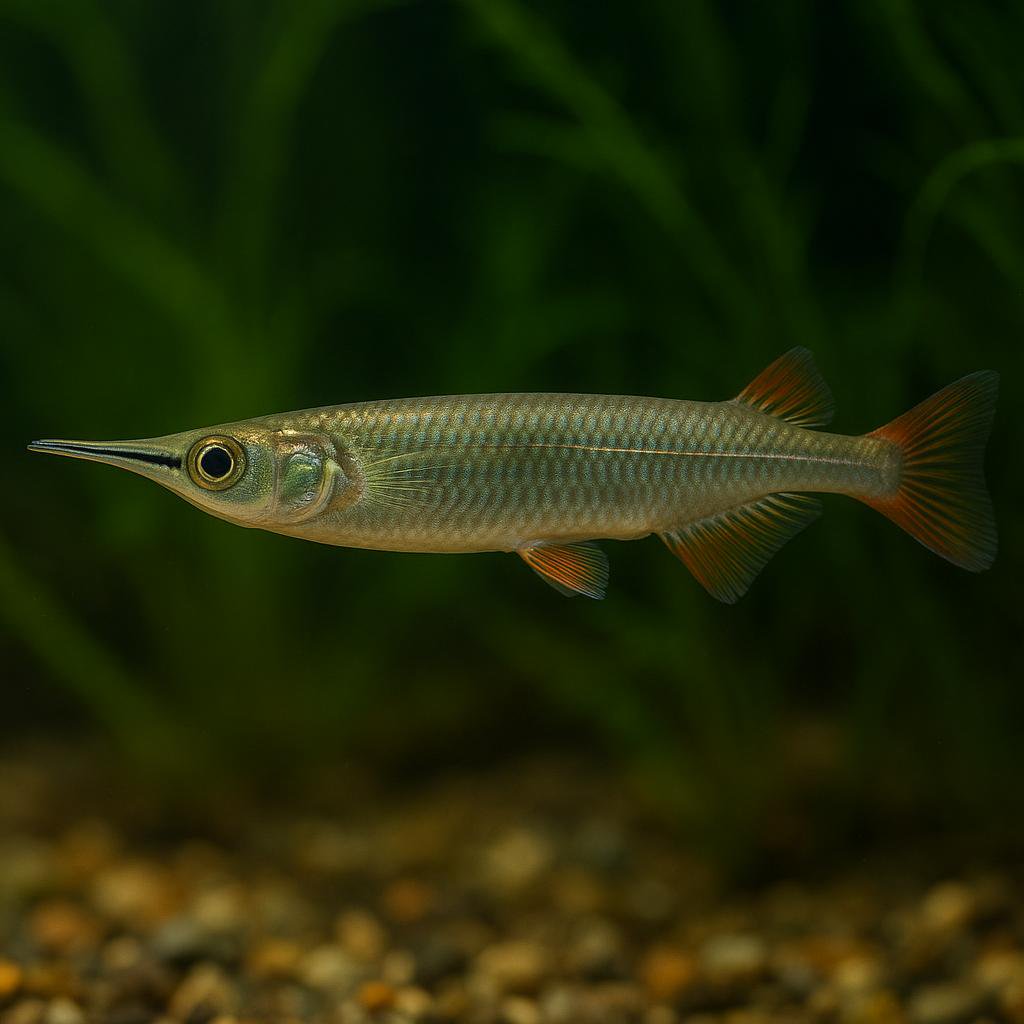
River garfish
Zenarchopterus xiphophorus
This is a slim, surface-hugging halfbeak from the mouth of a river in Sumatra, and it has that classic "half-beak" look where the lower jaw sticks out. Its biology is way more "wild fish" than "pet shop fish" - think open-water cruising up top and spooking easily if the tank is busy or uncovered.
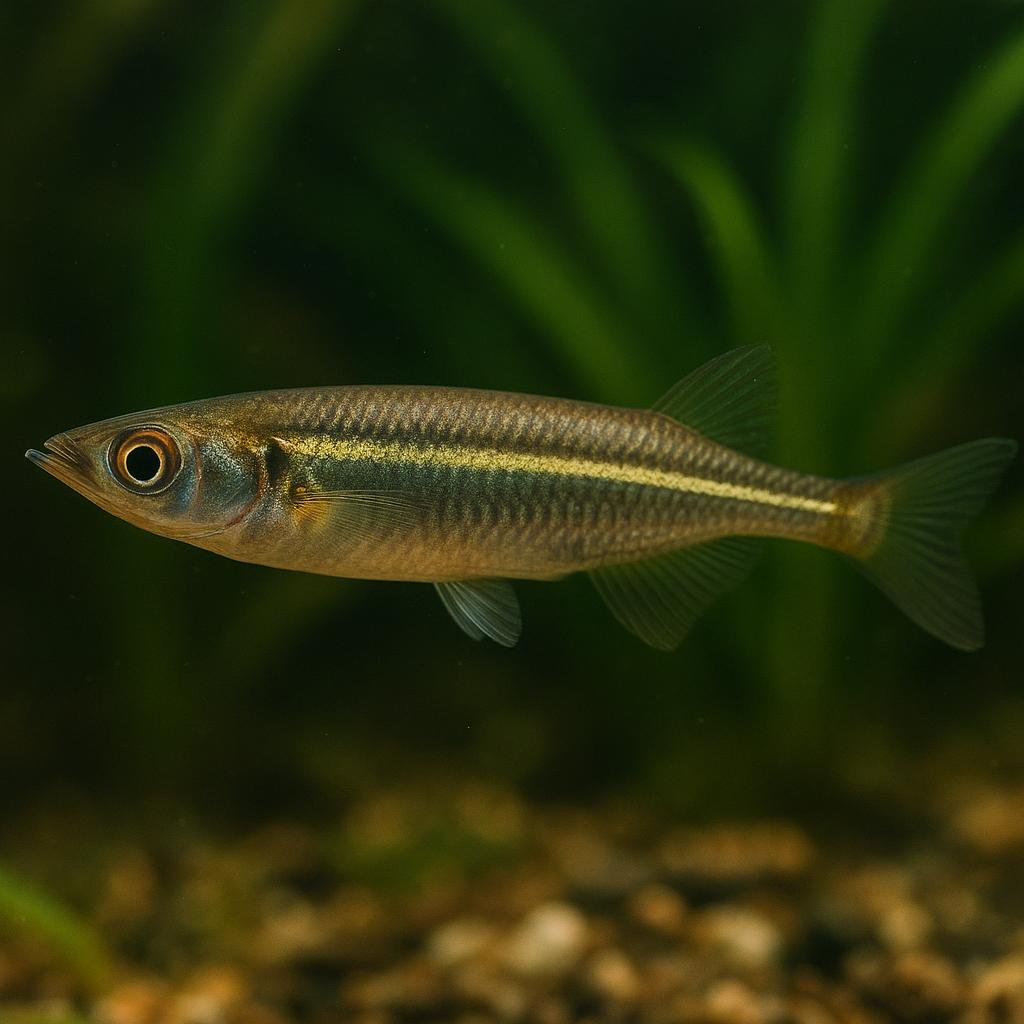
River garfish (halfbeak)
Zenarchopterus clarus
Zenarchopterus clarus is a true halfbeak - that long lower jaw is built for picking stuff off the surface. Its a tropical, surface-cruising fish from the Western Central Pacific (Thailand and Borneo), and it reproduces via internal fertilization with ovoviviparous young.
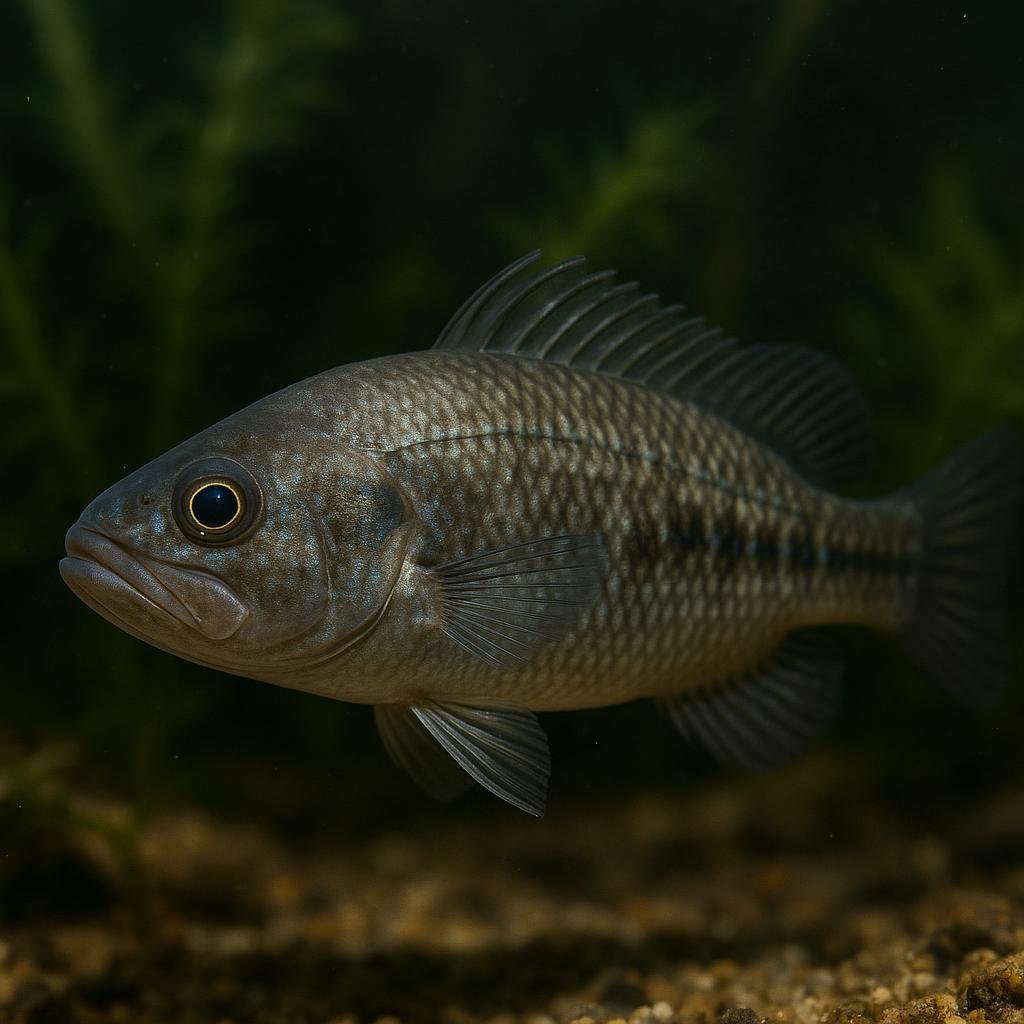
Robust assfish
Bassozetus robustus
Bassozetus robustus (robust assfish) is a deep-sea marine cusk-eel (Ophidiidae) with a circumglobal distribution in tropical to temperate waters. It occurs at great depths (reported to >1000 m and to over 4000 m). Reproduction is oviparous and has been described as producing buoyant/pelagic eggs (reported as occurring in a gelatinous egg mass in some references). It is not an aquarium species, as its habitat conditions (depth/pressure and deep-sea environment) cannot be replicated in typical home systems.
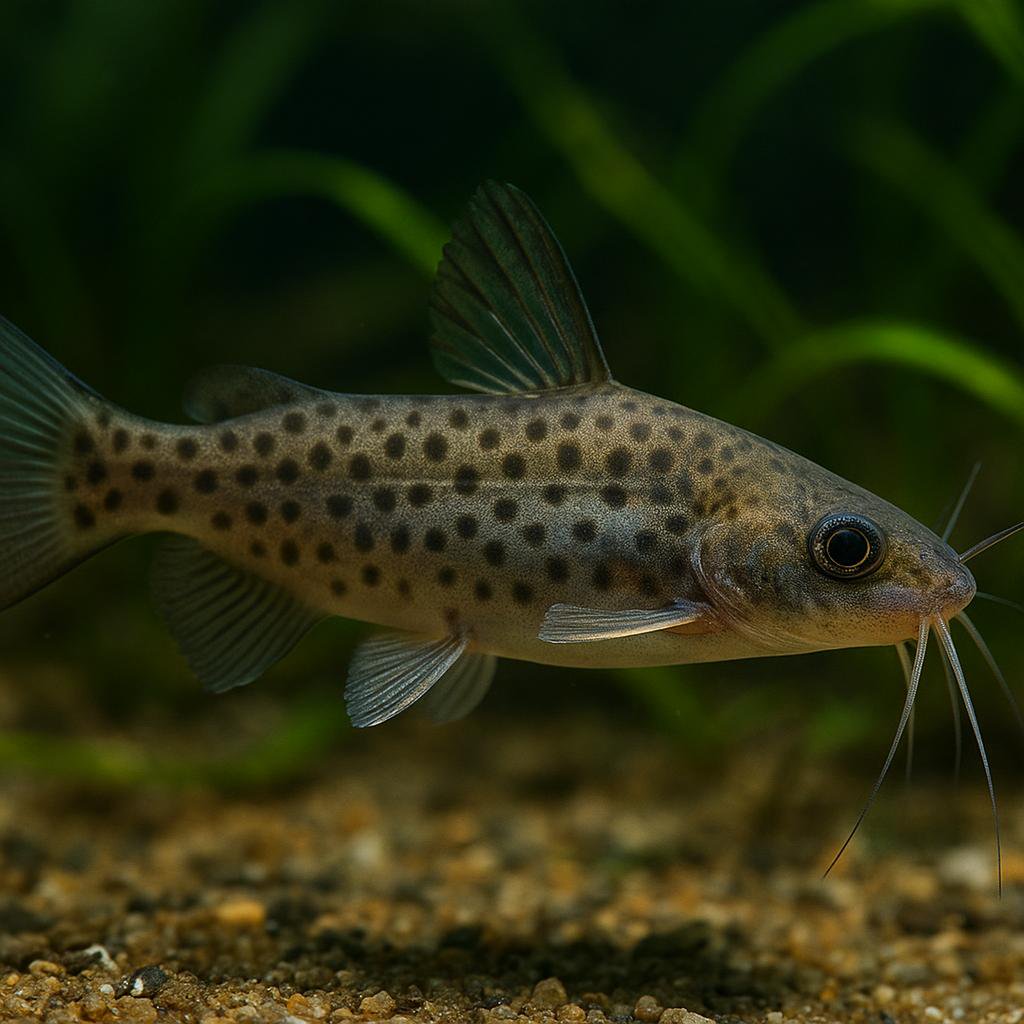
Rock catfish
Rhamdia laticauda
Rhamdia laticauda is a chunky little heptapterid catfish from Mexico down into Panama that likes moving water and hanging tight to the bottom over sand and stones. Its the kind of fish thats basically invisible all day, then cruises around after lights-out like a little whiskered vacuum cleaner hunting bugs. It also shows up in caves in the wild, which tracks with the shy, nocturnal vibe.
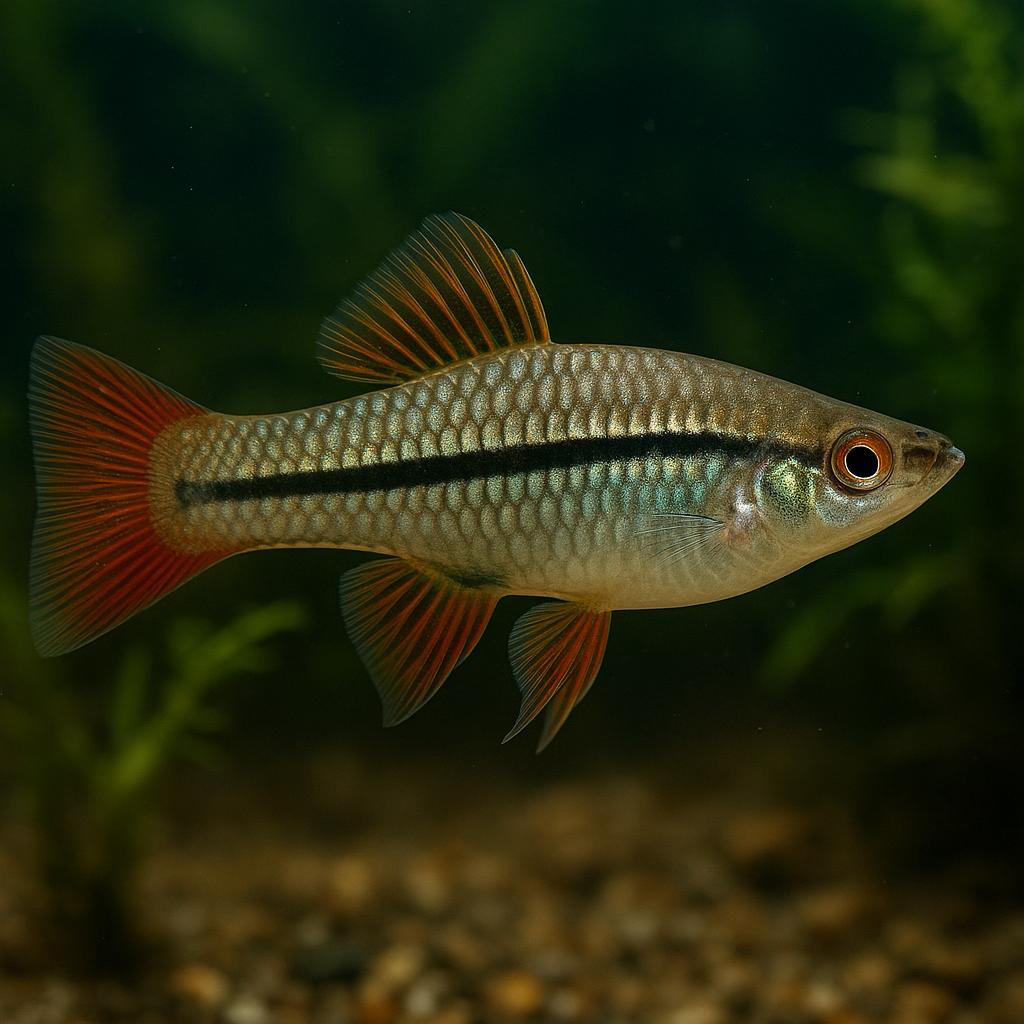
Rosen's Hybrid Platy
Xiphophorus roseni
Xiphophorus roseni is a Mexican livebearer that shows up in the hobby mostly as a "weird/obscure Xiphophorus" rather than a mainstream platy or swordtail. The big twist is that a lot of sources treat it as a natural hybrid form (often discussed as variatus x couchianus), so it is more of a "locality oddball" than a clearly distinct, widely traded species.
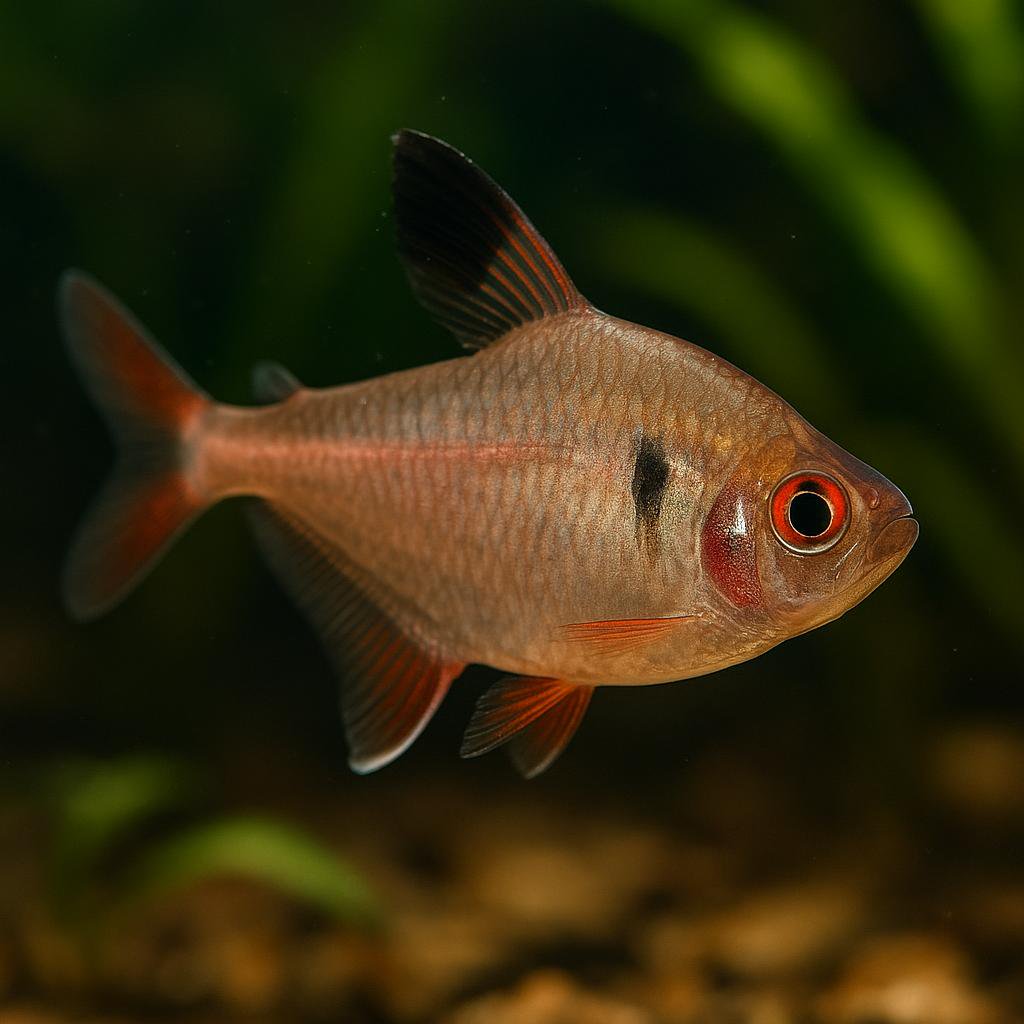
Rosy Tetra
Hyphessobrycon bentosi
Rosy tetras are those little coppery-pink characins that look kinda "glowy" when the light hits them right, and the males can get nice extended fins when they're settled in. Keep a small group and you'll see them do their little pecking-order sparring and flashing-nothing scary, just classic tetra drama that looks awesome in a planted tank.
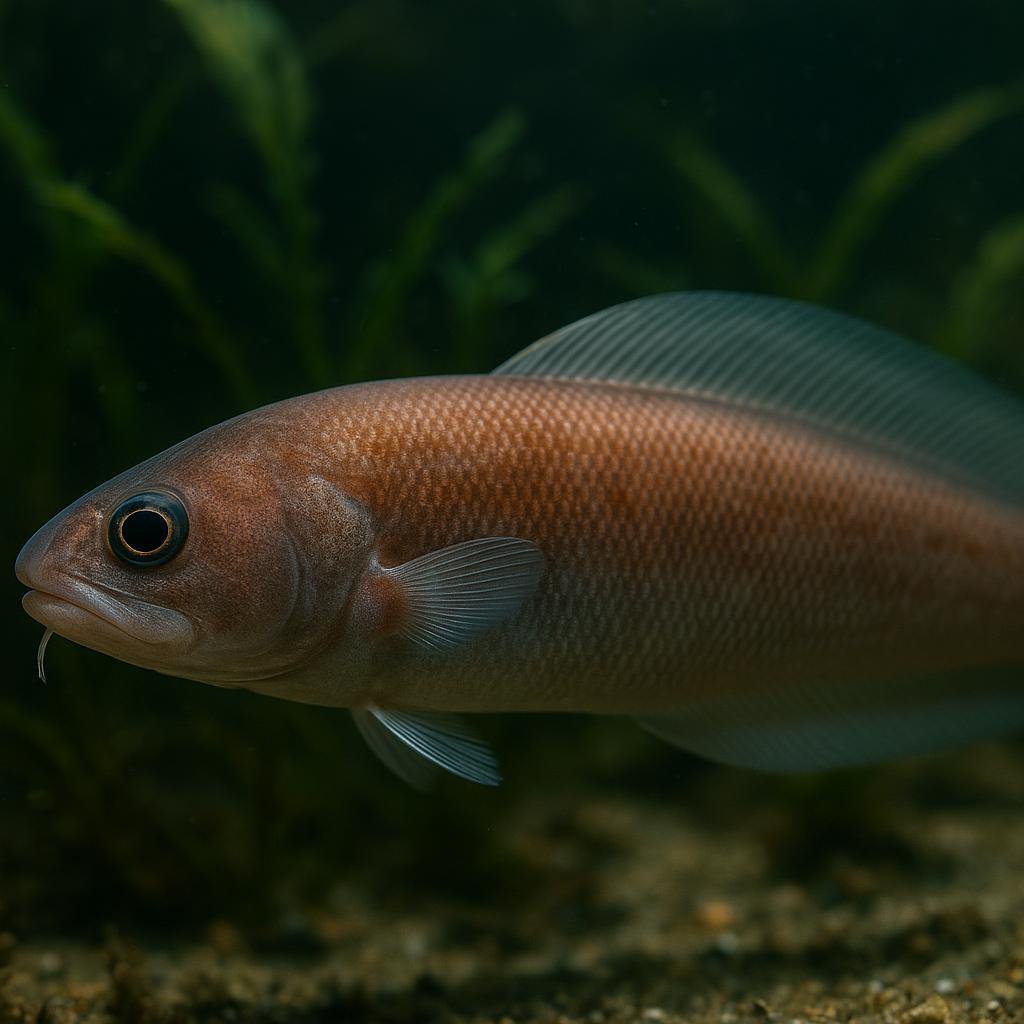
Roule's abyssal cusk
Barathronus roulei
Barathronus roulei is a deep-sea bythitid/brotula-type fish from the Northeast Atlantic, recorded from deep water (e.g., ~1349 m). It is extremely rarely encountered and not an aquarium species due to collection and decompression/pressure constraints.
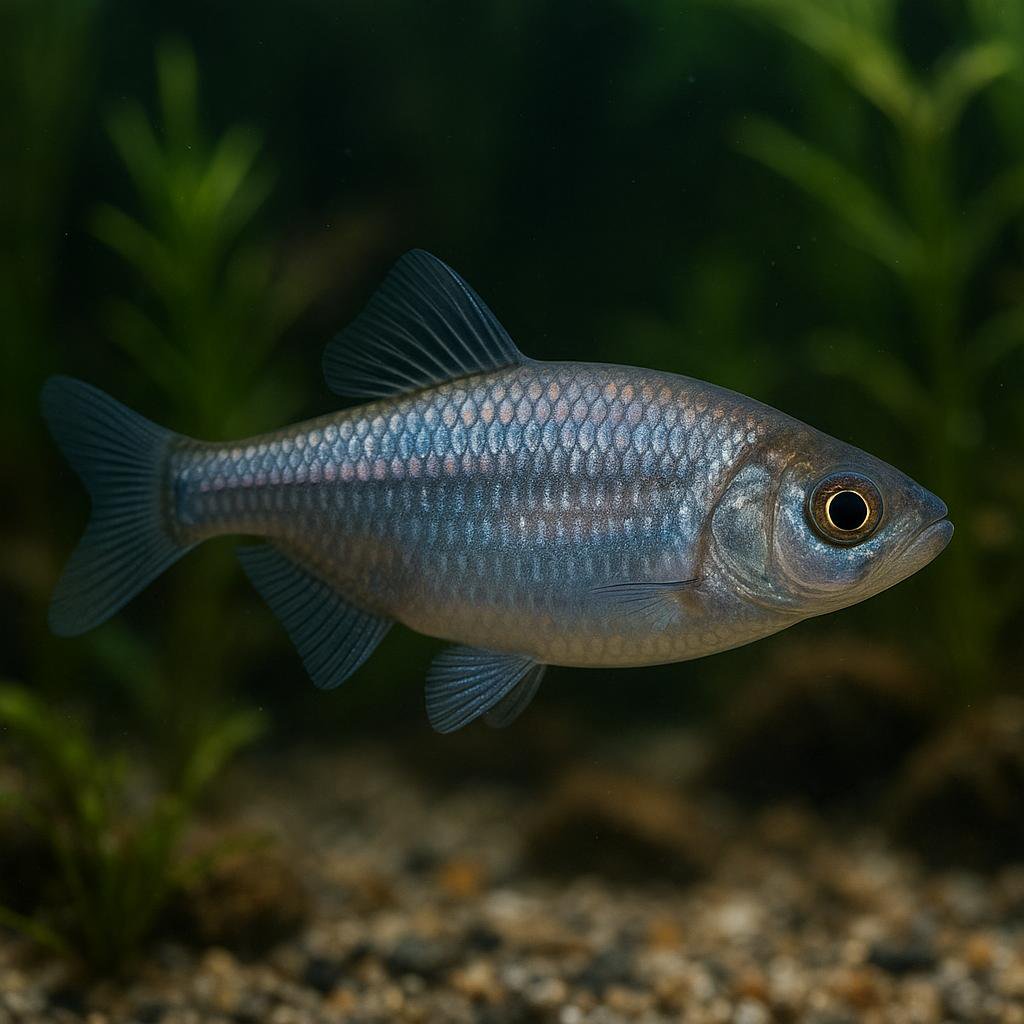
Roule's smooth-head
Rouleina livida
Rouleina livida is a deep-sea slickhead (family Alepocephalidae) that lives way down in the bathypelagic zone, not something you will ever see in the aquarium trade. It tops out around 34 cm standard length and has those classic deep-sea vibes like huge eyes plus little light organs (photophores) around the head and jaw.
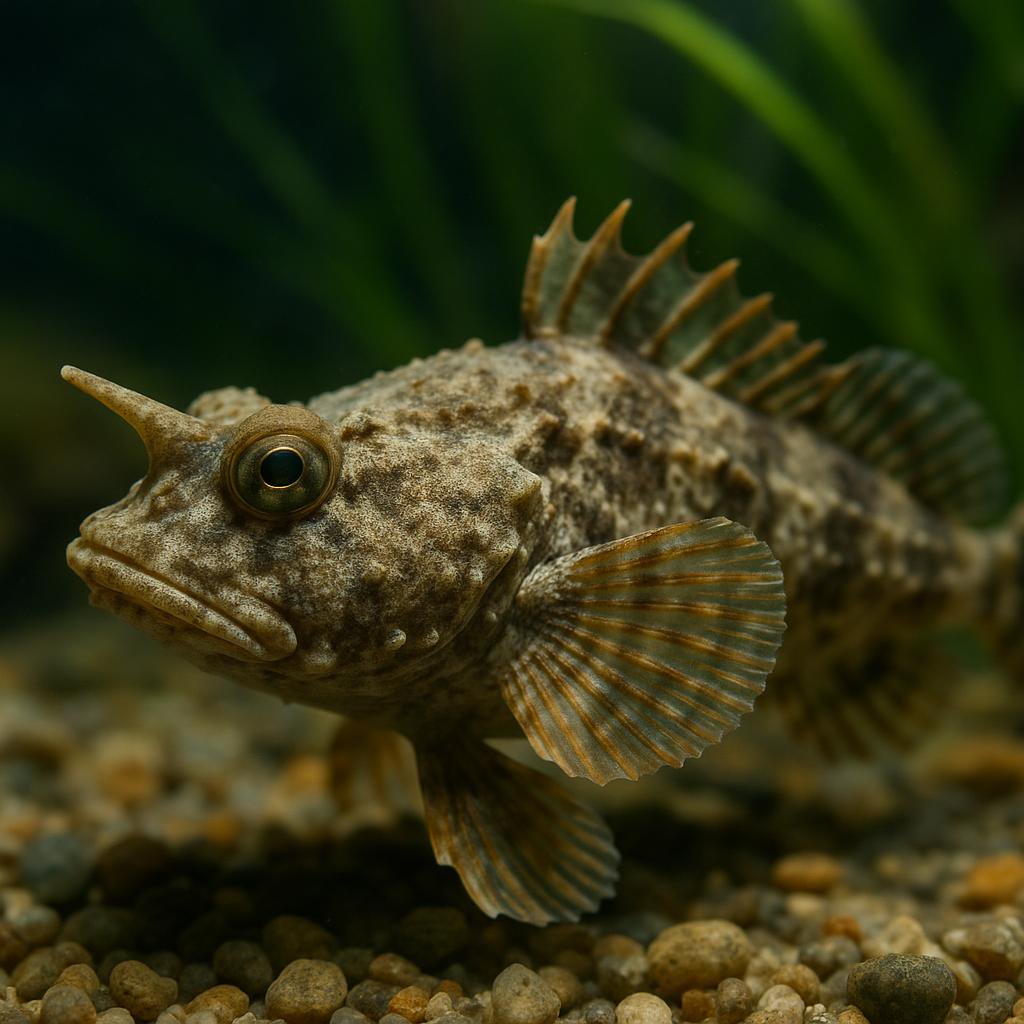
Roundel batfish
Zalieutes elater
Zalieutes elater is a weird little "walking" batfish that lives on sand and mud bottoms and basically scoots around like a tiny sea creature robot. The coolest giveaway is the pair of orange-and-black eye-spots (ocelli) on its back, plus it has a short anglerfish-style lure it uses to ambush small crustaceans and fish.
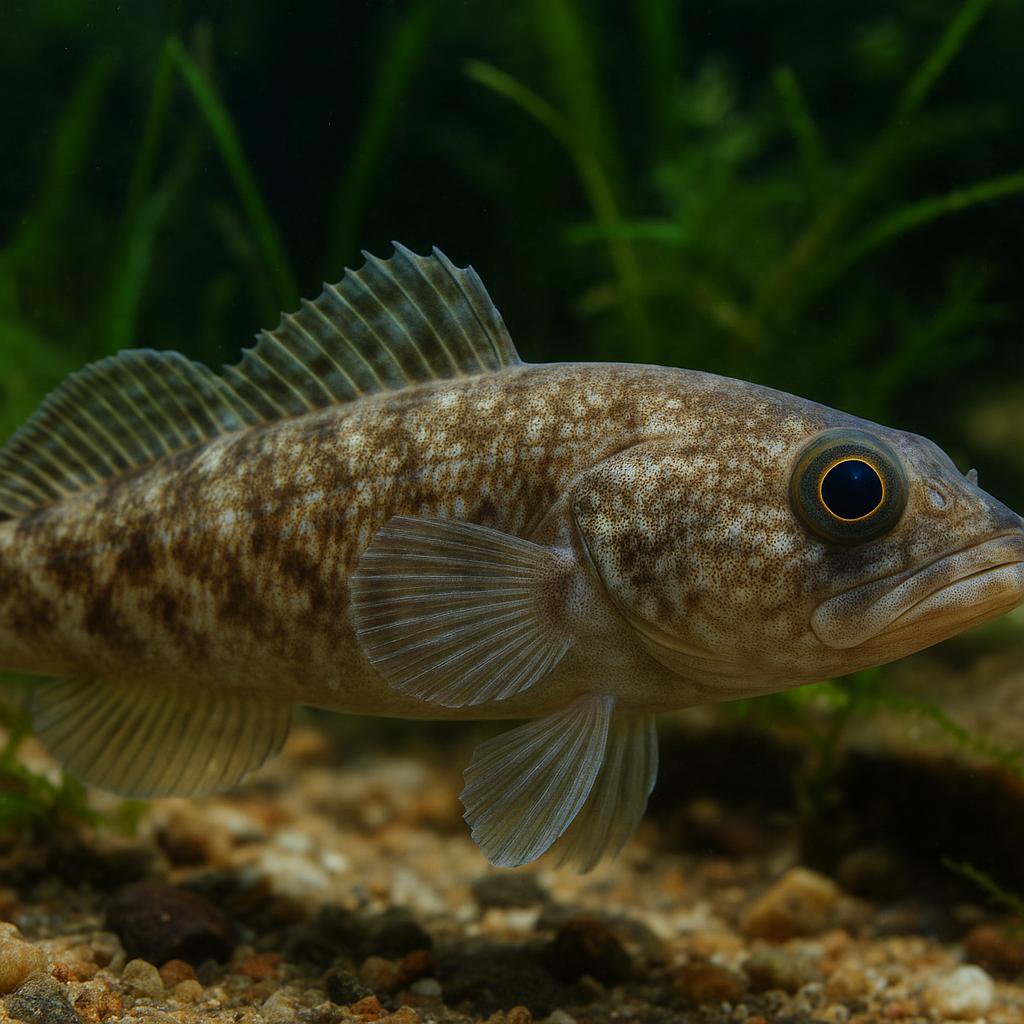
Roundtail duckbill
Bembrops greyi
The roundtail duckbill (Bembrops greyae) has the classic duckbill appearance with its broad, flattened head and a mouth designed for catching prey. Its natural home is way down on the slope, so its care is basically "public-aquarium only" rather than something that realistically fits a normal home setup.
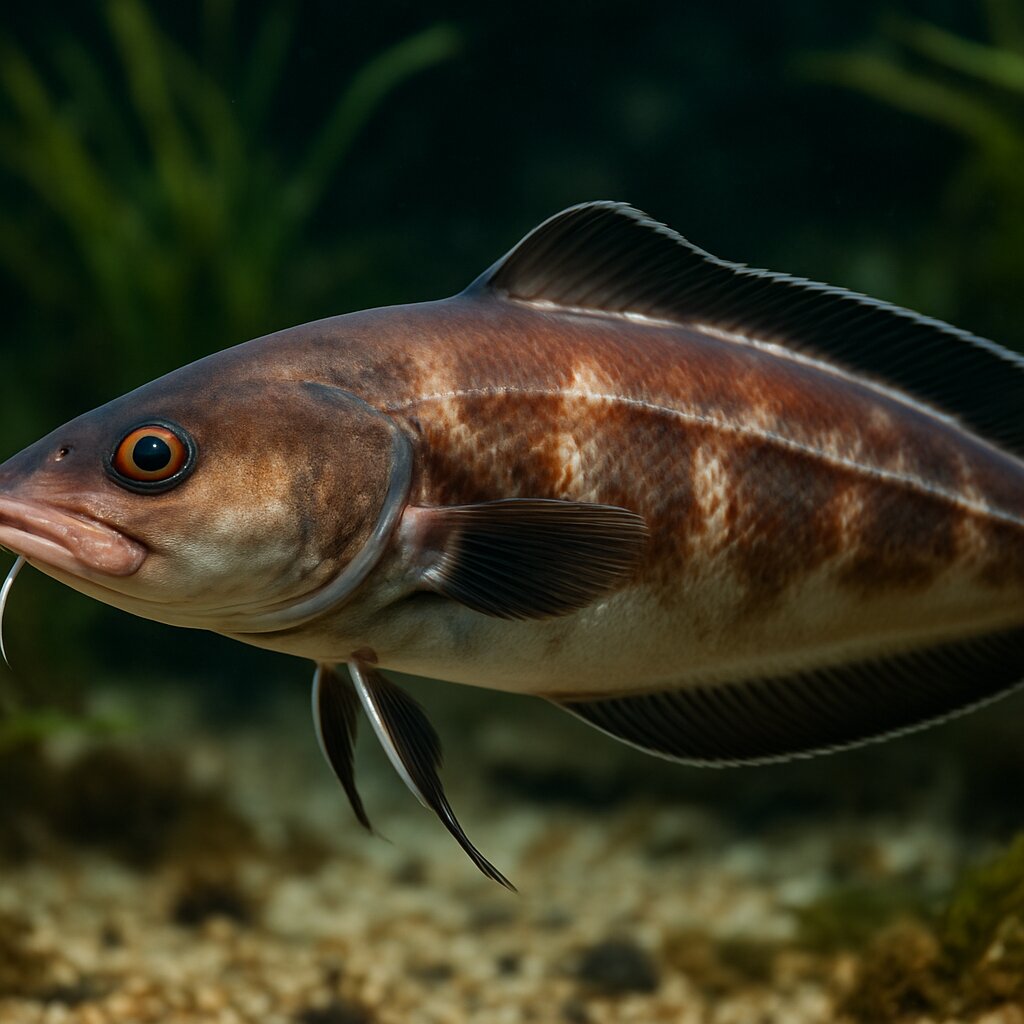
Royal codling
Urophycis mystacea
This is a deepwater hake from the Southwest Atlantic, hanging over muddy and sandy bottoms a couple hundred meters down. It maxes out around two feet and snacks on shrimps, crabs, and squid, so it is a public-aquarium fish at best. Super cool chin barbel and classic codling look, but way too big and cold for home tanks.
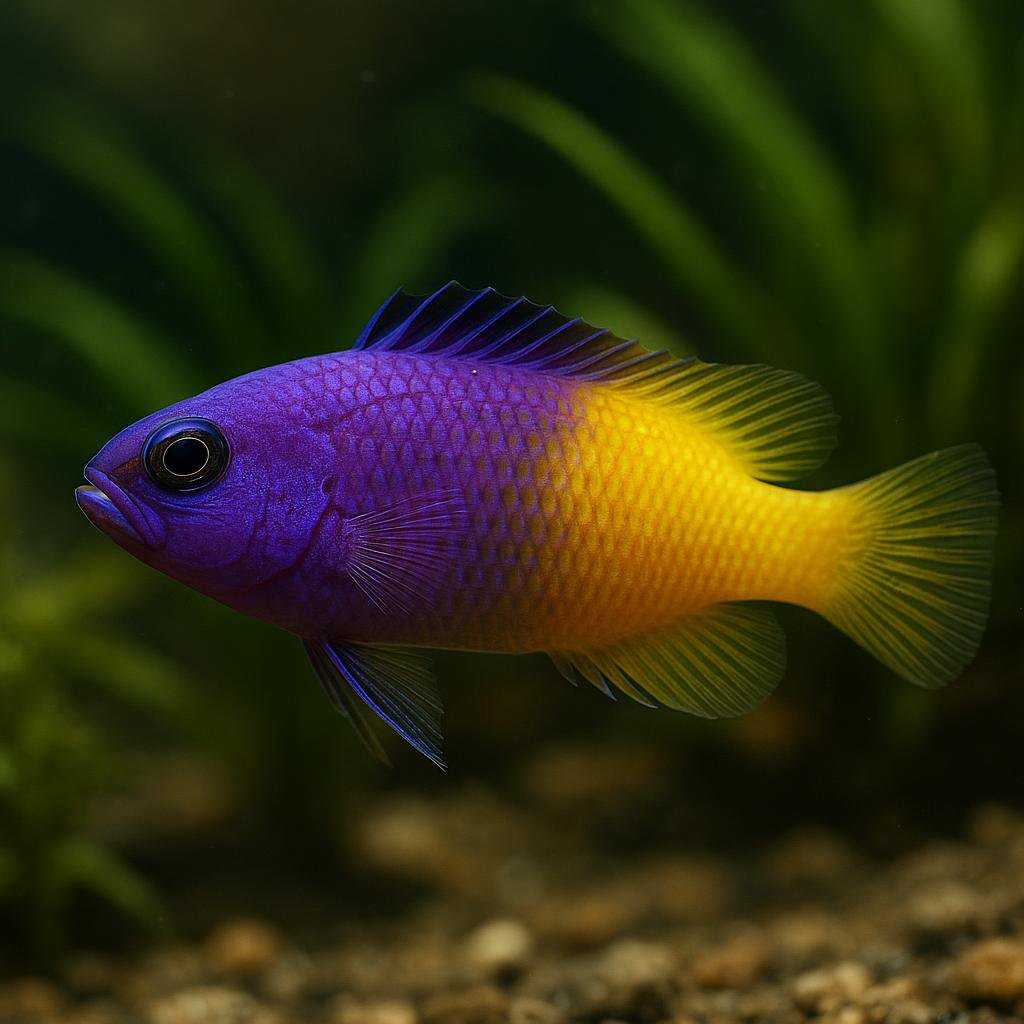
Royal gramma
Gramma loreto
Royal grammas are that classic purple-to-yellow Caribbean basslet that likes to claim a cave and hover around it (sometimes totally upside-down under a ledge). They're usually chill with tankmates, but they can get spicy with other grammas/basslets/dottybacks if space is tight-give them rockwork and a "home" cave and they settle right in.
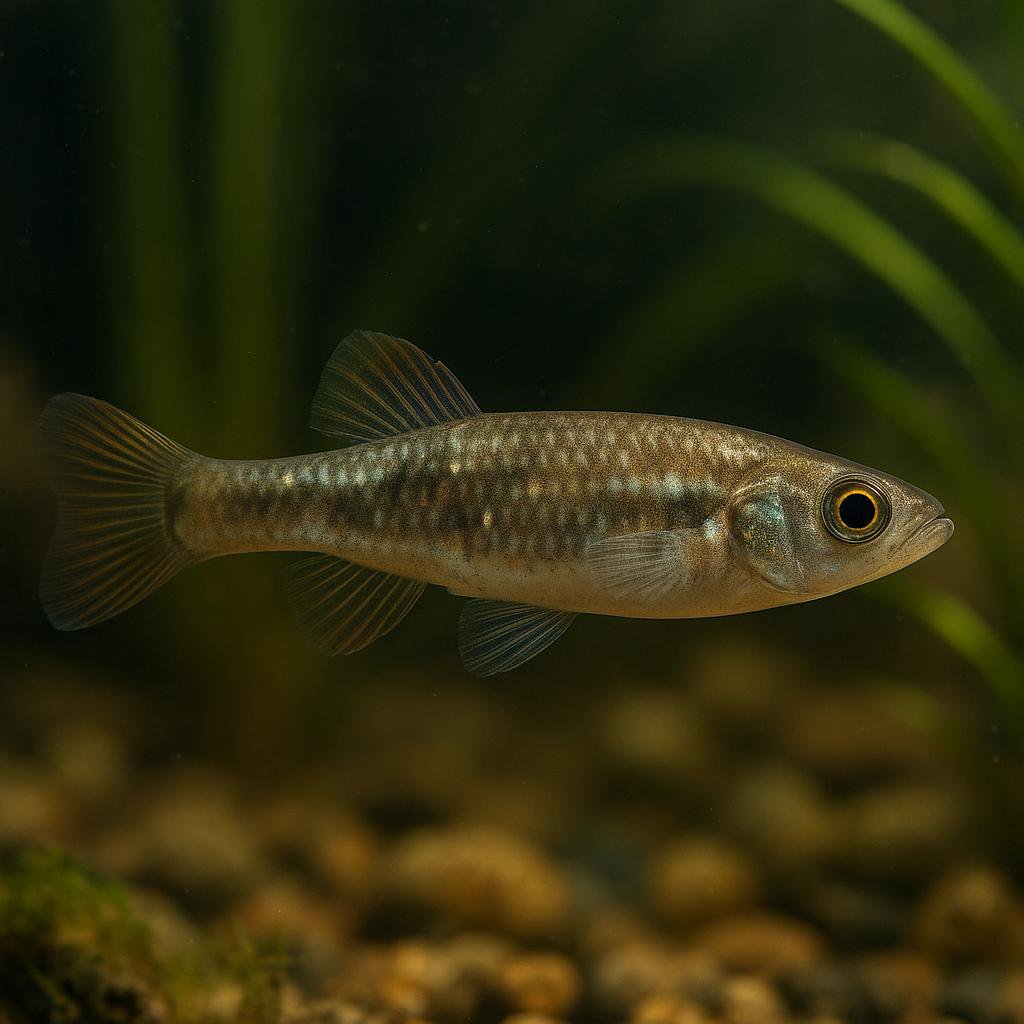
Ruaha kneria
Kneria ruaha
Kneria ruaha is a small Tanzanian freshwater shellear (Kneriidae) from the Ruaha River basin. It inhabits cool, quiet stream sections and feeds on detritus in the wild; aquarium husbandry guidance is sparsely documented, so keep in a mature, oxygen-rich tank and offer a varied small sinking diet alongside natural grazing.
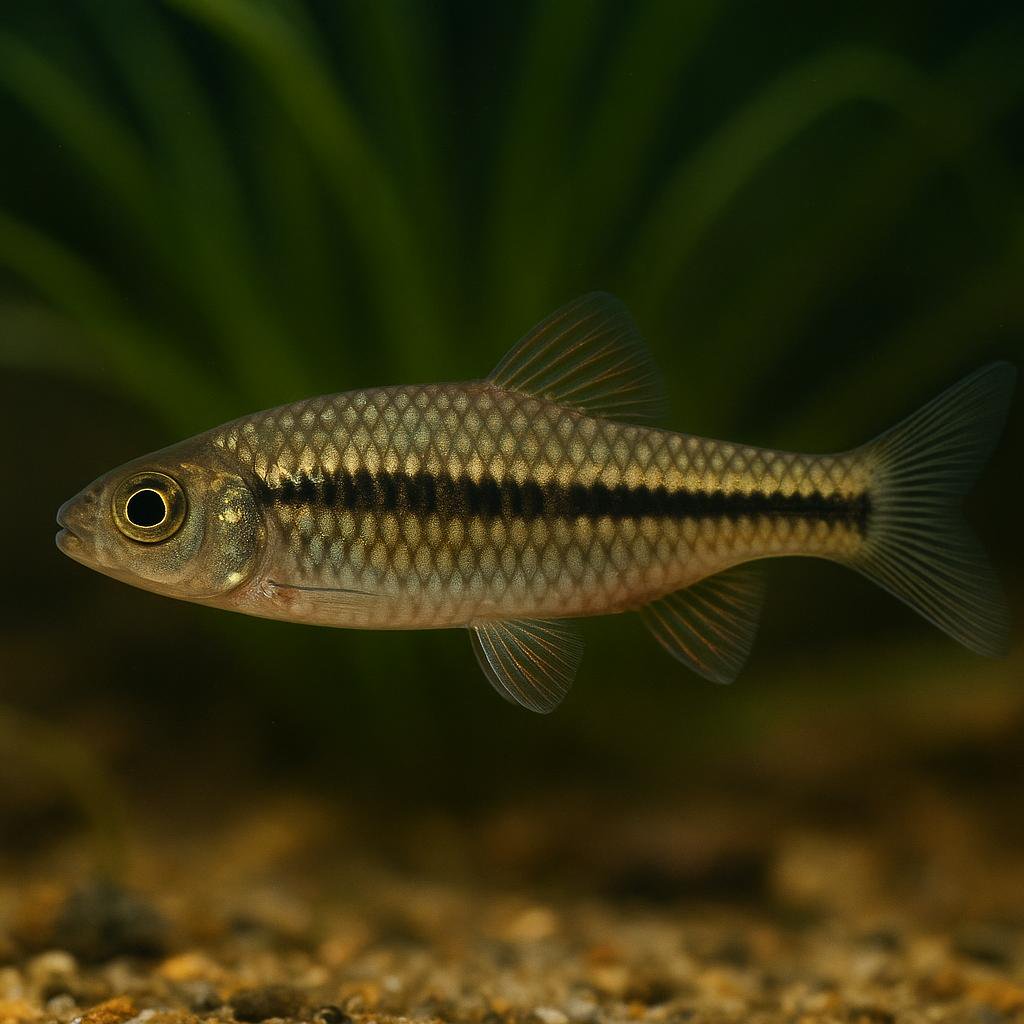
Rubenstein's nannocharax
Nannocharax rubensteini
This is a tiny Congo Basin distichodontid that stays really small and has that sleek, "mini-darter" look. It tends to hang in the water column and pick at small foods, and it really shines in a calm, well-oxygenated setup with plenty of cover and a small group of its own kind.
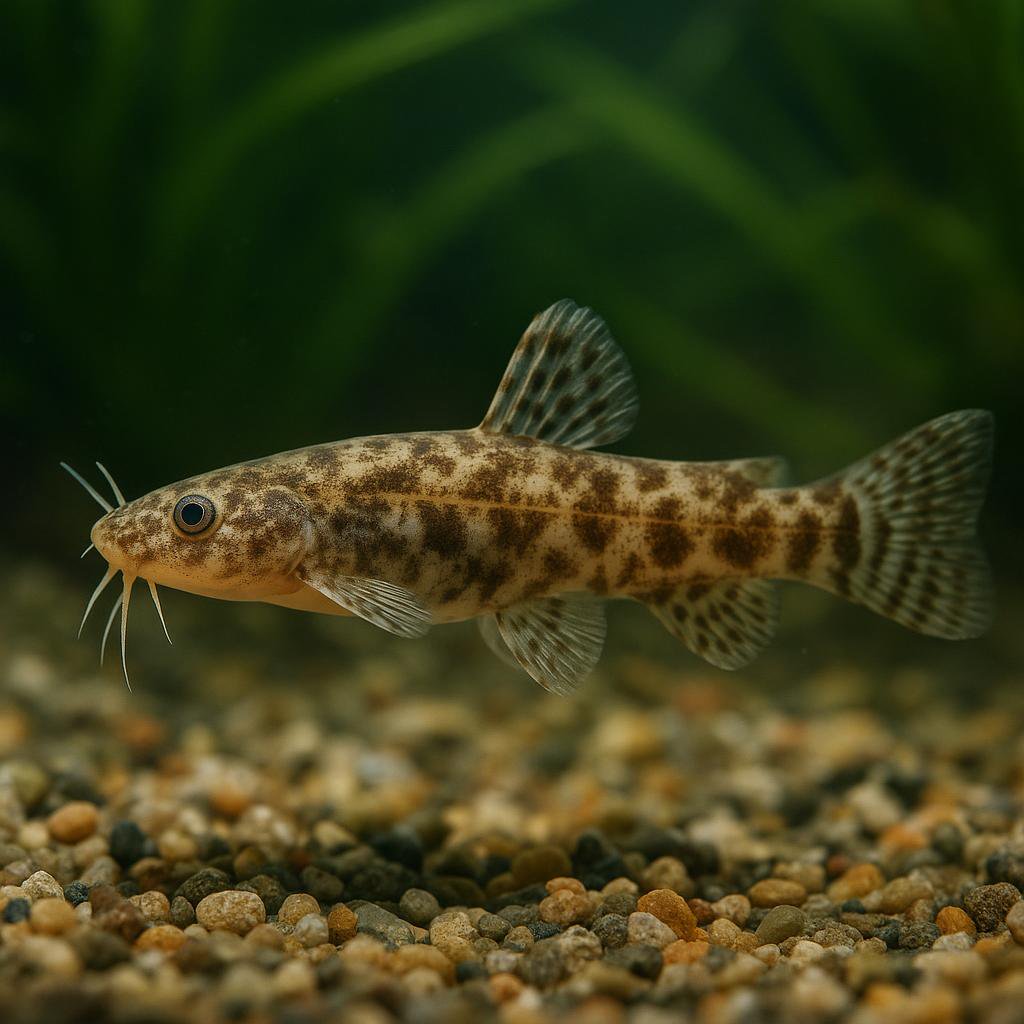
Ruitoque pencil catfish
Trichomycterus ruitoquensis
This is a tiny Colombian Trichomycterus (a pencil catfish) from cool, upland streams in the Magdalena basin. It is the kind of skinny, bottom-hugging little catfish that spends its time nosing around rocks and crevices, and its wild range is super localized around the upper Lebrija drainage.
-1771034027.jpg)
Rummy-nose tetra
Petitella rhodostoma (Ahl, 1924) (formerly Hemigrammus rhodostomus)
This is the classic rummy-nose tetra-the one with the bright red "nose" and the crisp black-and-white tail that flashes when the whole group turns together. They're tight-schoolers, so a bigger group in a longer tank is where you really get that synchronized, hypnotic swimming. The red face also doubles as a little "health meter" since it tends to fade when they're stressed or water quality slips.
-1772108746.jpg)
Rummy-nose tetra
Petitella rhodostoma (syn. Hemigrammus rhodostomus)
This is the classic rummy-nose tetra - silver body, a solid red "face," and that crisp black-and-white tail that flashes when the whole group turns at once. The red nose is a legit mood ring for water quality and stress, so when they are happy and stable, they look incredible in a tight school.
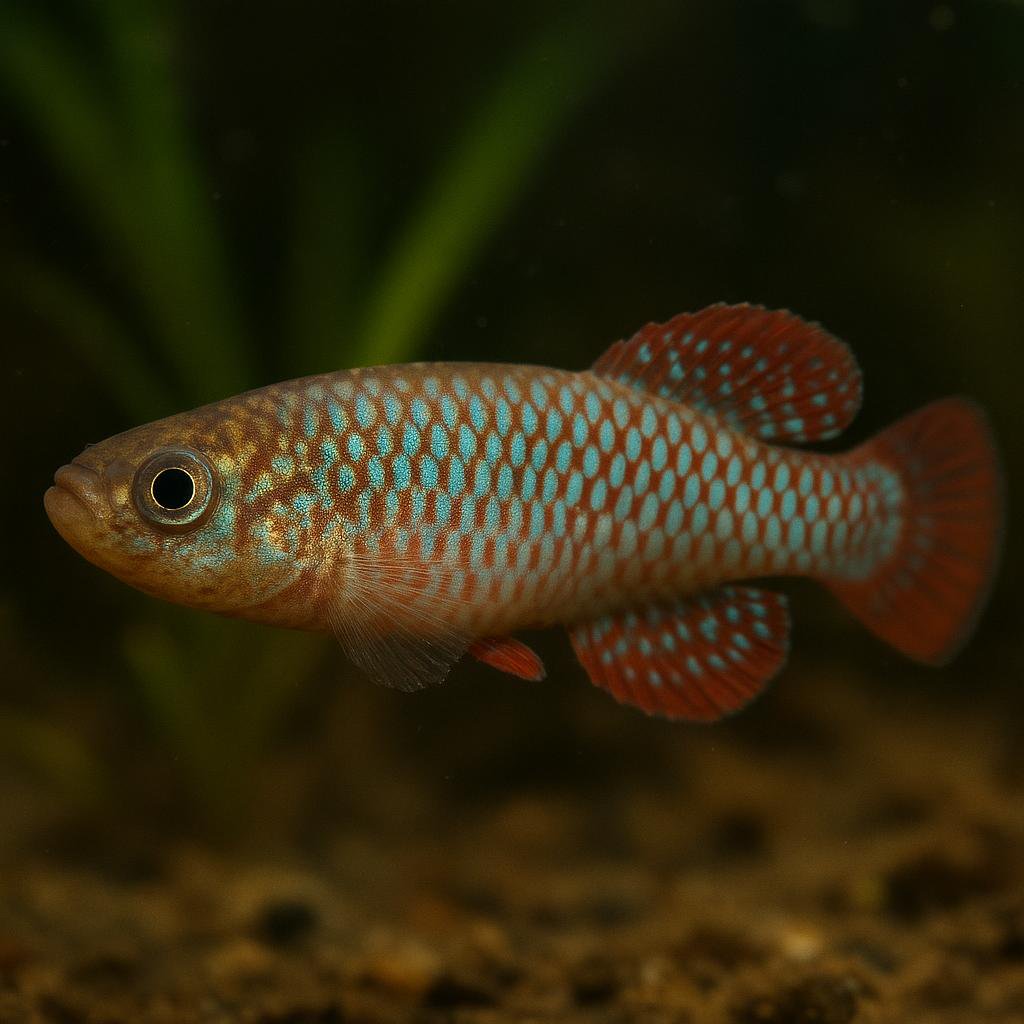
Rungwa annual killifish
Nothobranchius rungwaensis
This is one of those classic annual Nothobranchius that lives fast and bright - it comes from seasonal pools that dry out, so the adults dont stick around long. Males are the showstoppers, and like the rest of the genus they are little predators that really come alive on live and frozen foods.
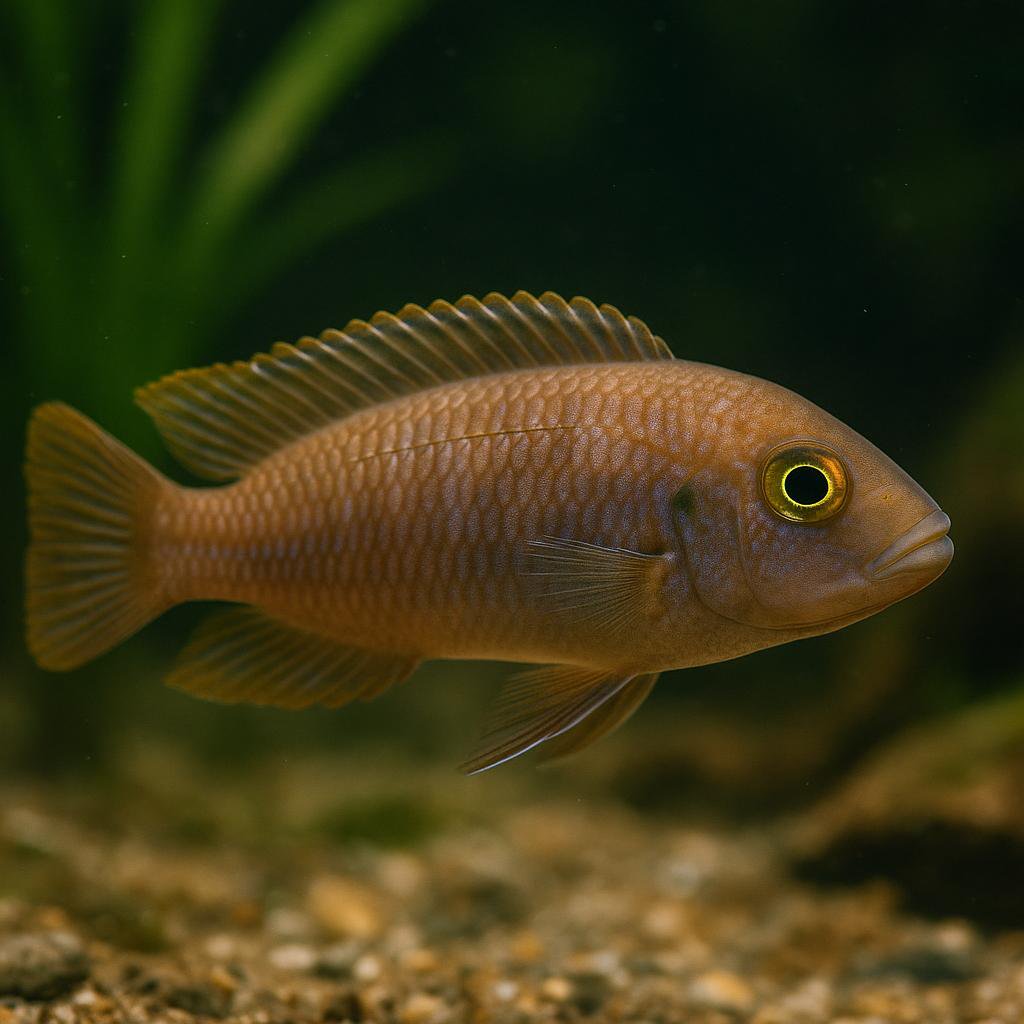
Rusty cichlid
Iodotropheus sprengerae
This is the classic "rusty" mbuna from Lake Malawi - females and juveniles stay that warm rusty-brown, and grown males often pick up a really nice lavender-purple sheen. Compared to a lot of mbuna, they are pretty chill, but they still do the cichlid thing with little territories and lots of attitude around rocks. They are maternal mouthbrooders too, so watching a holding female is always fun.