

Fish That Start With S - Page 2 of 6
Browse all aquarium fish species with common names beginning with "S". Each profile includes care requirements, water parameters, tank size recommendations, and compatibility information for freshwater, marine, and brackish species.
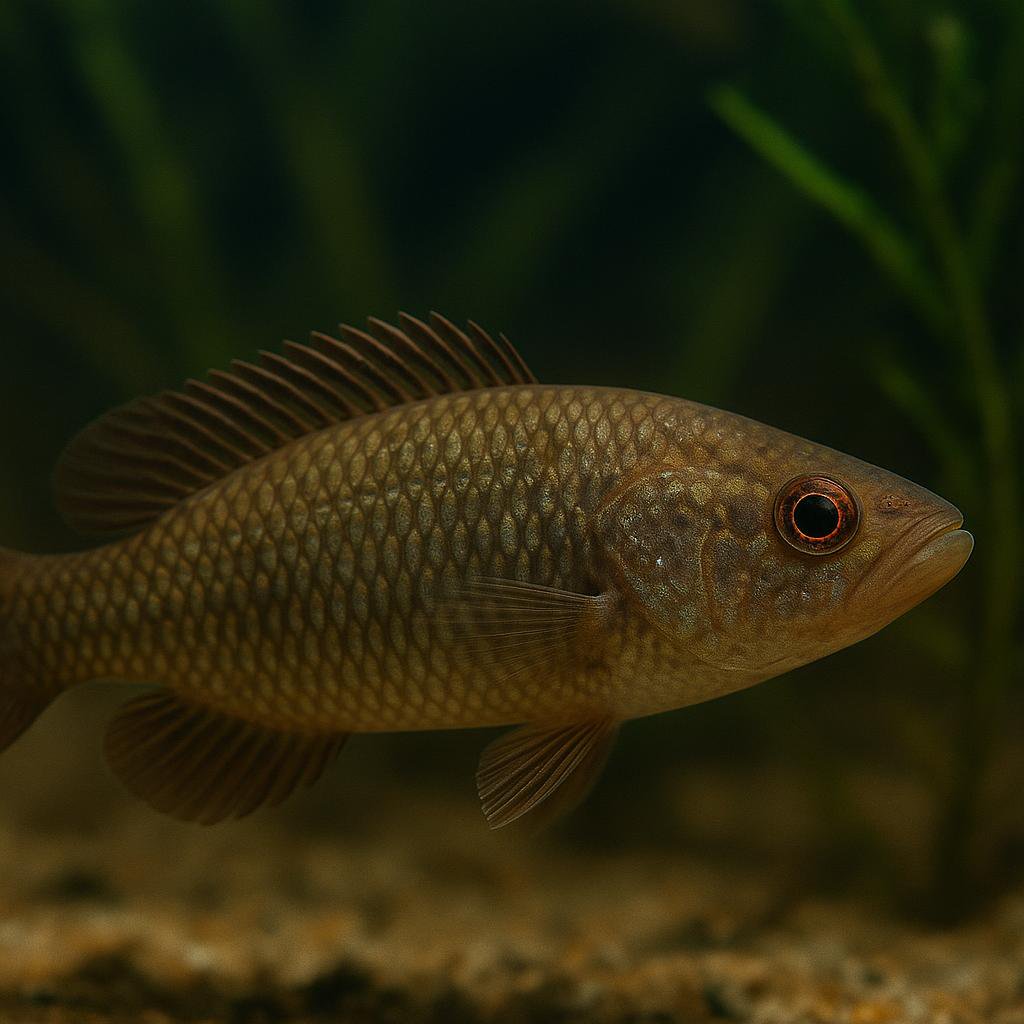
Scaly-headed triplefin
Karalepis stewarti
This is a New Zealand triplefin that hugs rocky reef structure and comes out more at night, so you often spot it perched and watching everything rather than cruising the water column. It tops out around 15 cm and lives in cool-temperate coastal water, picking at tiny crustaceans and mollusks.
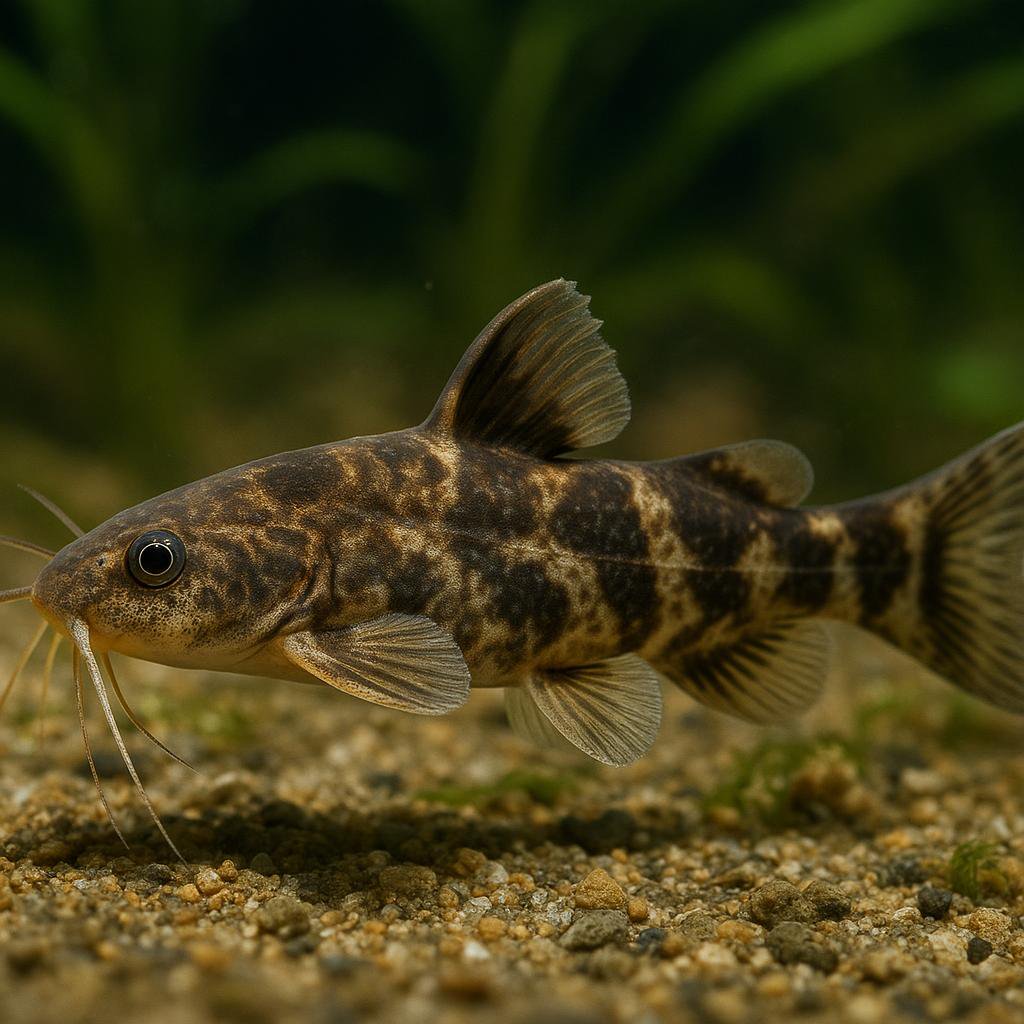
Schmidt's hillstream catfish
Glyptothorax schmidti
This is one of the little Asian hillstream catfish that lives in fast, cool, super-oxygenated water and literally clings to rocks with a sticky belly pad. In an aquarium its whole vibe is "powerhead + smooth stones + pristine water," and if you nail that setup its rock-hugging behavior is seriously cool to watch.
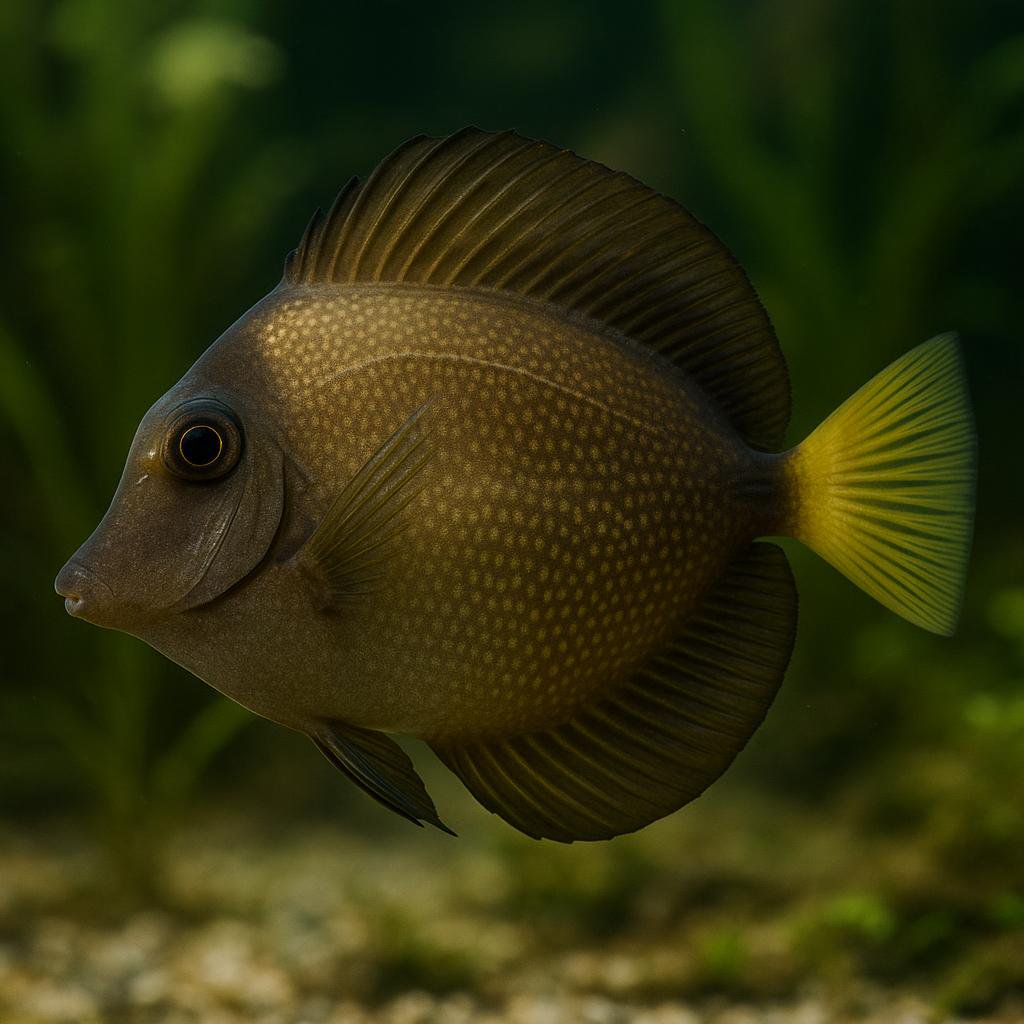
Scopas tang
Zebrasoma scopas
Scopas tangs are earthy brown-to-olive Zebrasoma with fine blue‑green lines (becoming dots on the head). They spend the day grazing turf/film algae on rockwork and may become territorial with other tangs in tight quarters. In the wild they occur in small groups and sometimes larger grazing aggregations—behavior that can be echoed in very large reef systems.
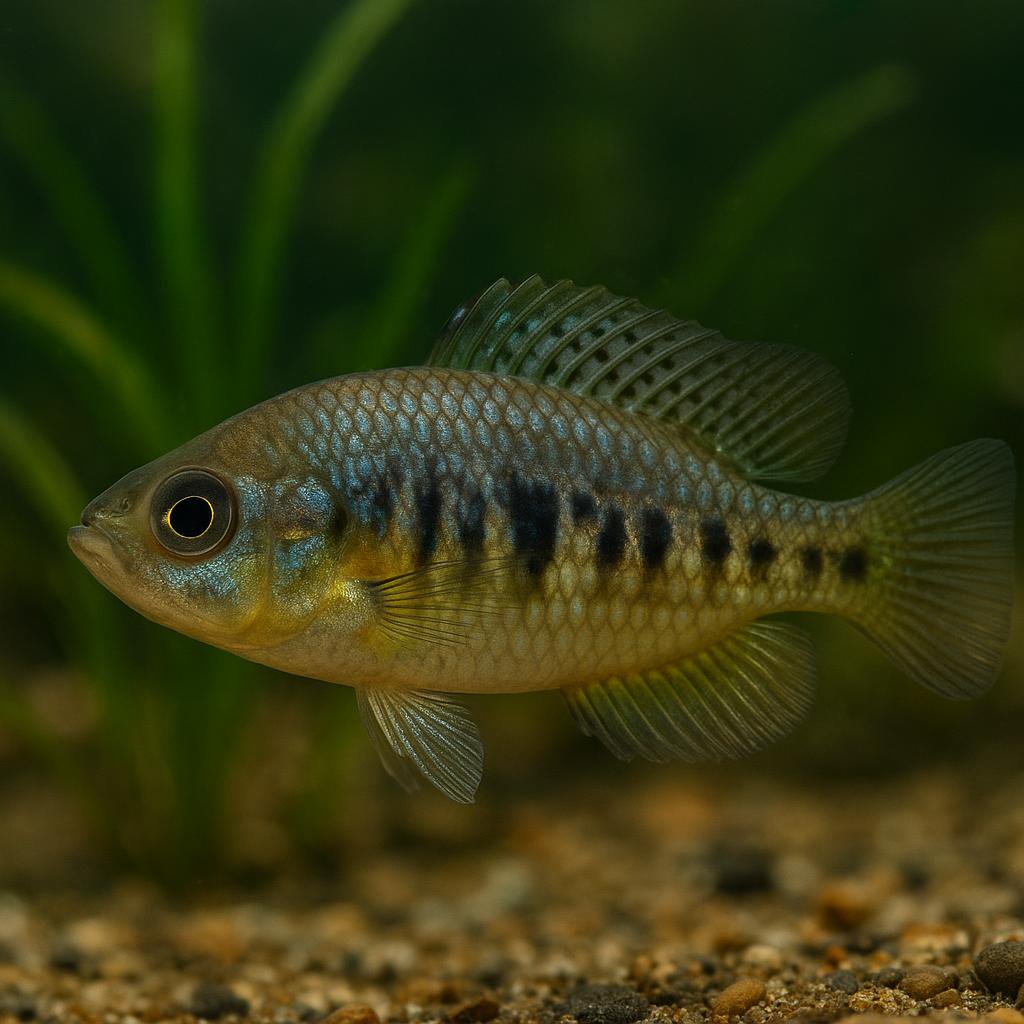
Sea trumpeter
Pelsartia humeralis
Sea trumpeters are Aussie inshore grunters that like hanging around shallow seagrass beds and cruising in schools. They will literally grunt when handled, and the males guard and fan the eggs, which is pretty cool for a coastal marine fish.
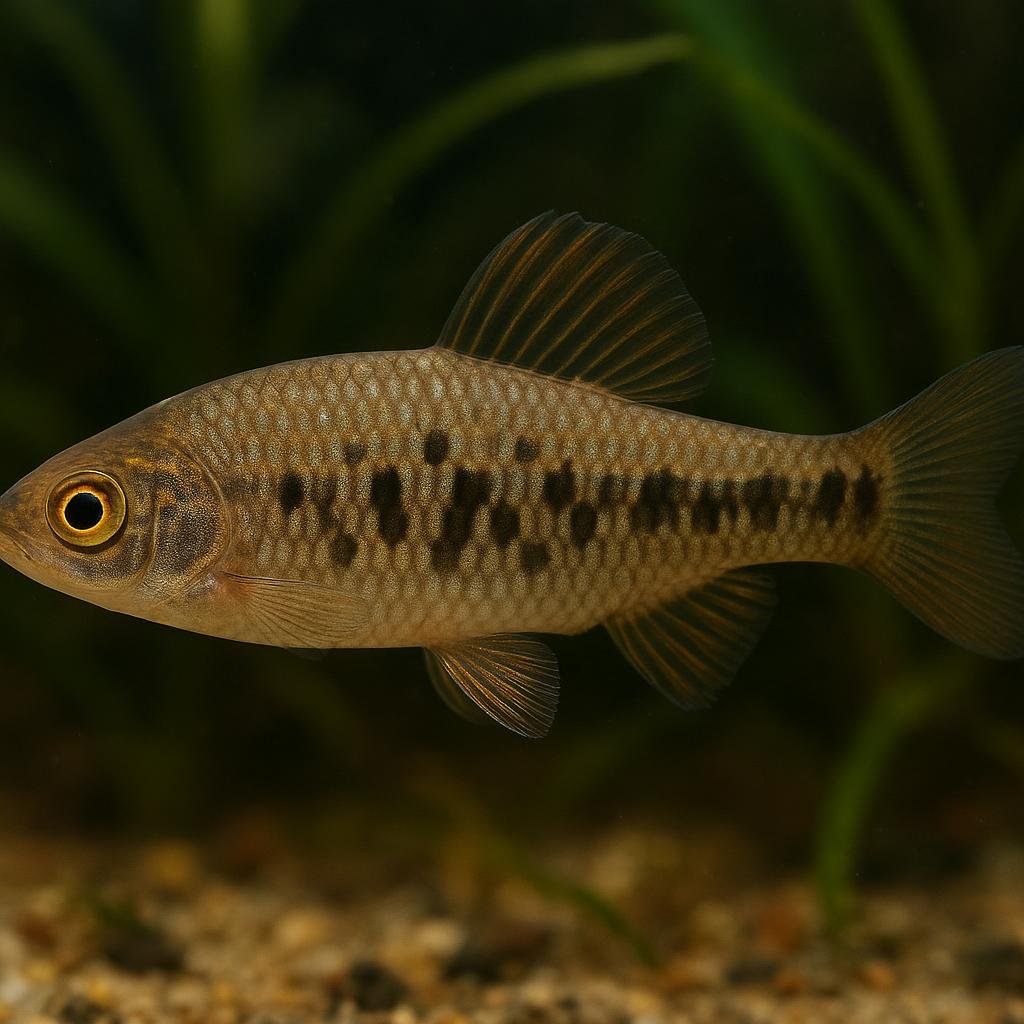
Seba's goby
Feia seba
Feia seba is a tiny little marine goby from Papua New Guinea that lives tight to the reef and spends a lot of time perching and darting between cover. Its whole vibe is "blink and you miss it" - super small, super subtle, and really more of a nano reef curiosity than a fish you build a tank around.
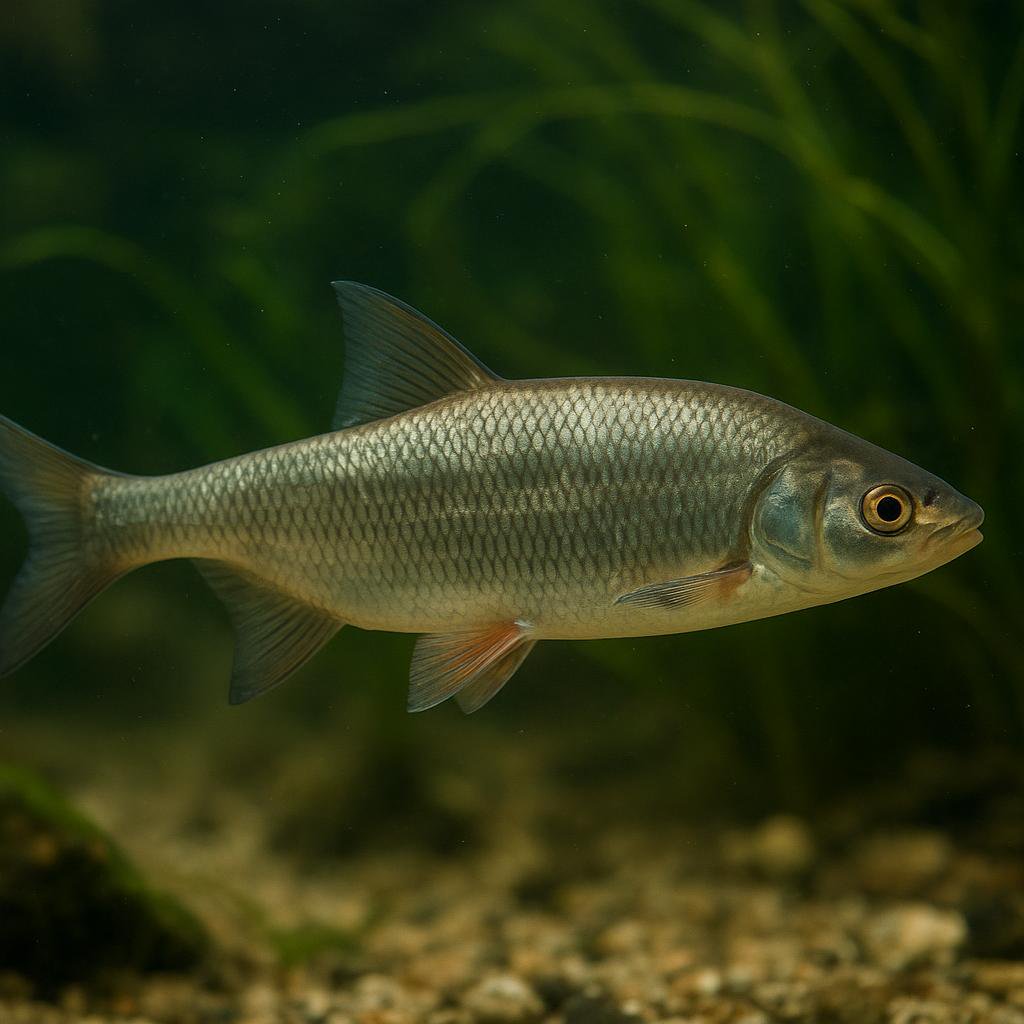
Seerussling
Vimba elongata
Vimba elongata (Seerussling) is a temperate European cyprinid from the Danube basin, especially alpine lakes in southern Bavaria and Upper Austria. It is a slim, silvery bottom-forager that roots around for small benthic critters, more like a wild "nase/bream" vibe than a typical colorful aquarium fish.
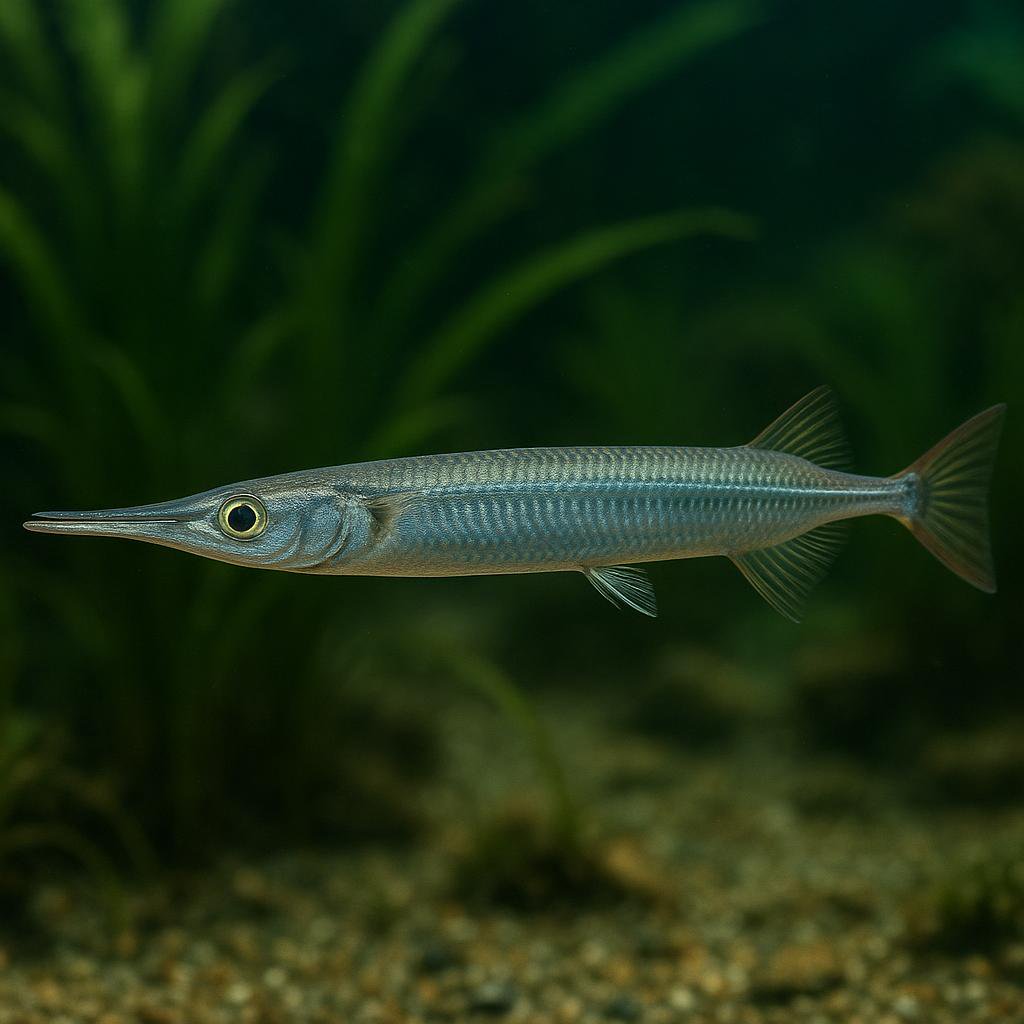
Senegal needlefish
Strongylura senegalensis
This is a long, sleek coastal needlefish with that classic beak full of teeth, built to rocket around the surface and ambush smaller fish. It naturally cruises marine water but also pushes into estuaries and brackish lagoons, so it is a true salt-to-brackish kind of fish. Cool predator, but it gets way too big for normal home aquariums and really needs serious space and a tight lid.
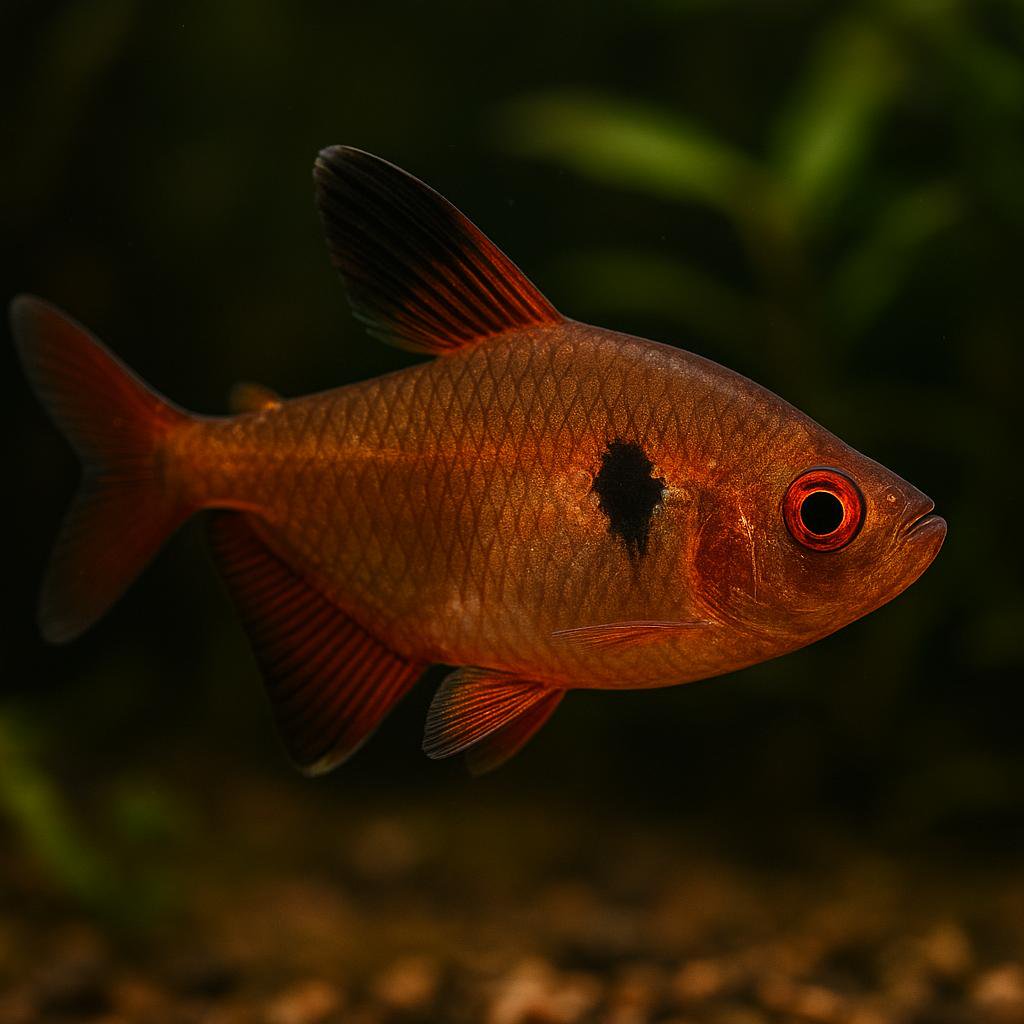
Serpae Tetra
Megalamphodus eques
Serpaes are those fiery little red tetras with the black "comma" behind the gill-super eye-catching in a planted tank. They're active and a bit spicy, so they do best in a real group where they'll squabble with each other instead of nipping slower tankmates. When they're settled in, you get this constant cruising-and-chasing vibe that makes the tank feel really alive.
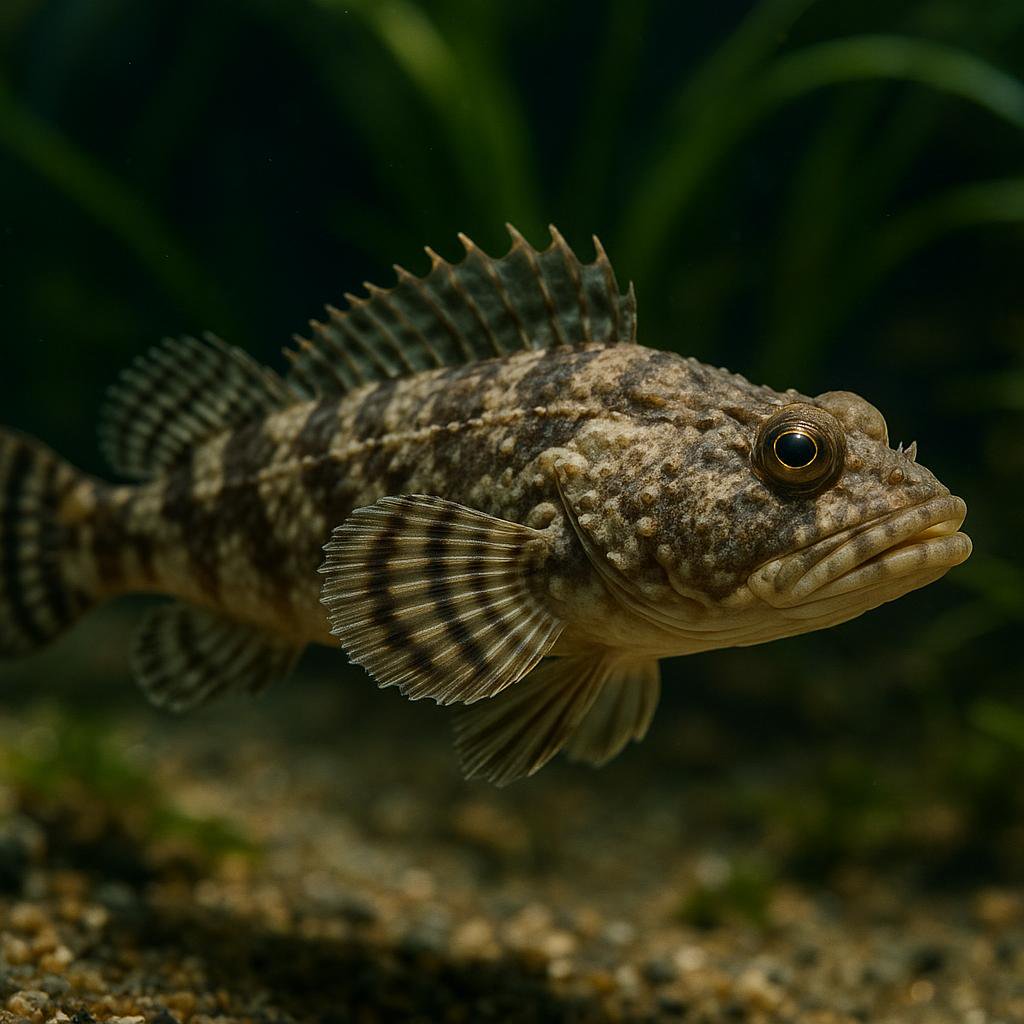
Serrated flathead
Rogadius serratus
Rogadius serratus is a sneaky little flathead that basically lives glued to the bottom, blending into sand and rubble like a living leaf-litter camouflage job. It is the kind of fish that does almost nothing until food shows up, then it strikes fast. Super cool look up close, but it is absolutely not a community tank fish.
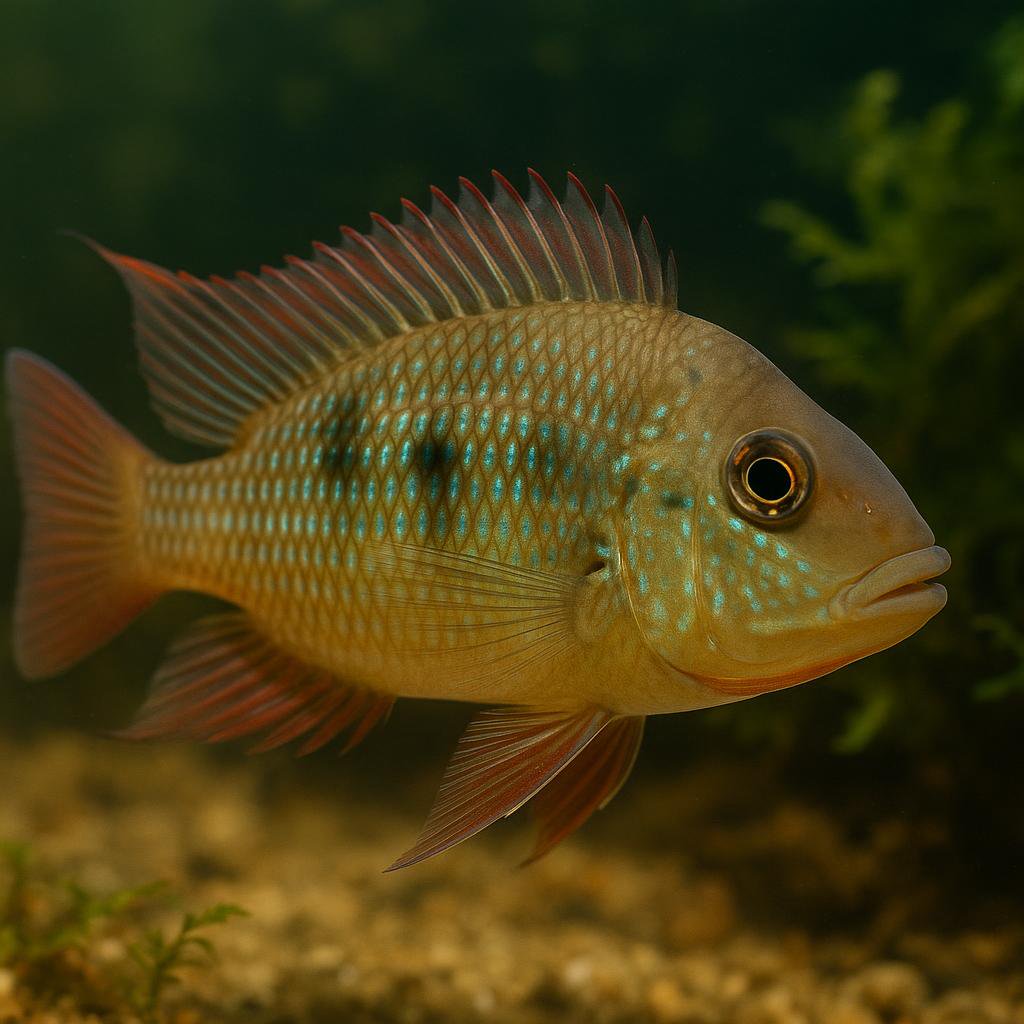
Sete Quedas eartheater
Gymnogeophagus setequedas
This is a smaller South American eartheater cichlid from the Parana River basin, and its vibe is classic Gymnogeophagus: cruising the bottom, picking at the substrate, and doing that cool biparental fry-guarding thing. It stays under 4 inches, but it still acts like a real cichlid when pairing up, so giving it space and some structure matters.
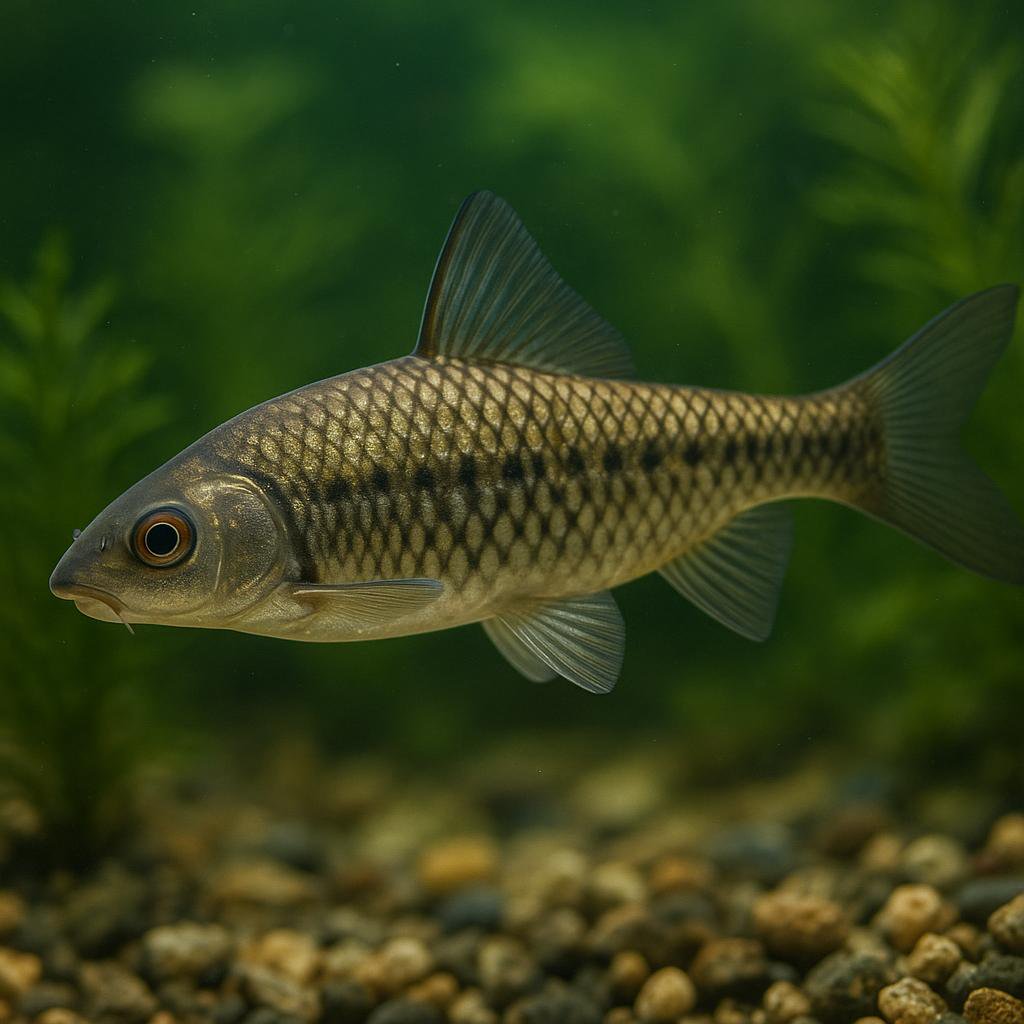
Seven khramulya
Capoeta capoeta
Capoeta capoeta is a big, streamy scraper-barb from western Asia that spends a lot of its time cruising rivers and grazing on plant matter. Think of it like a coldwater-ish, current-loving algae grazer that gets way too large and active for most typical community tanks.
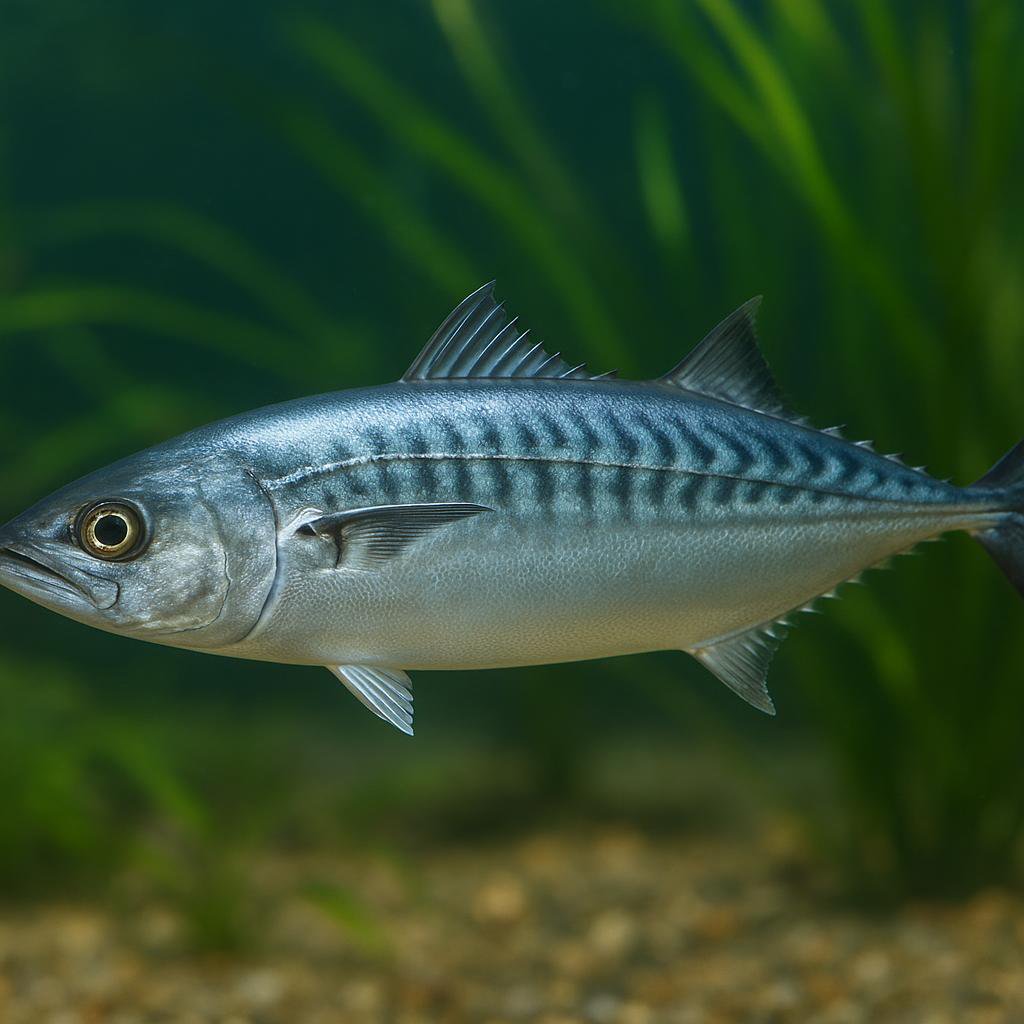
Shark mackerel
Grammatorcynus bicarinatus
This is a fast, open-water mackerel that cruises reef edges and offshore areas and grows into a serious, one-meter-class fish. It is a saltwater predator built for speed, so its whole vibe is chasing baitfish in the water column, not hanging around rocks like a typical reef tank fish. Awesome animal, but it is absolutely not an aquarium species unless you are talking public-aquarium scale.
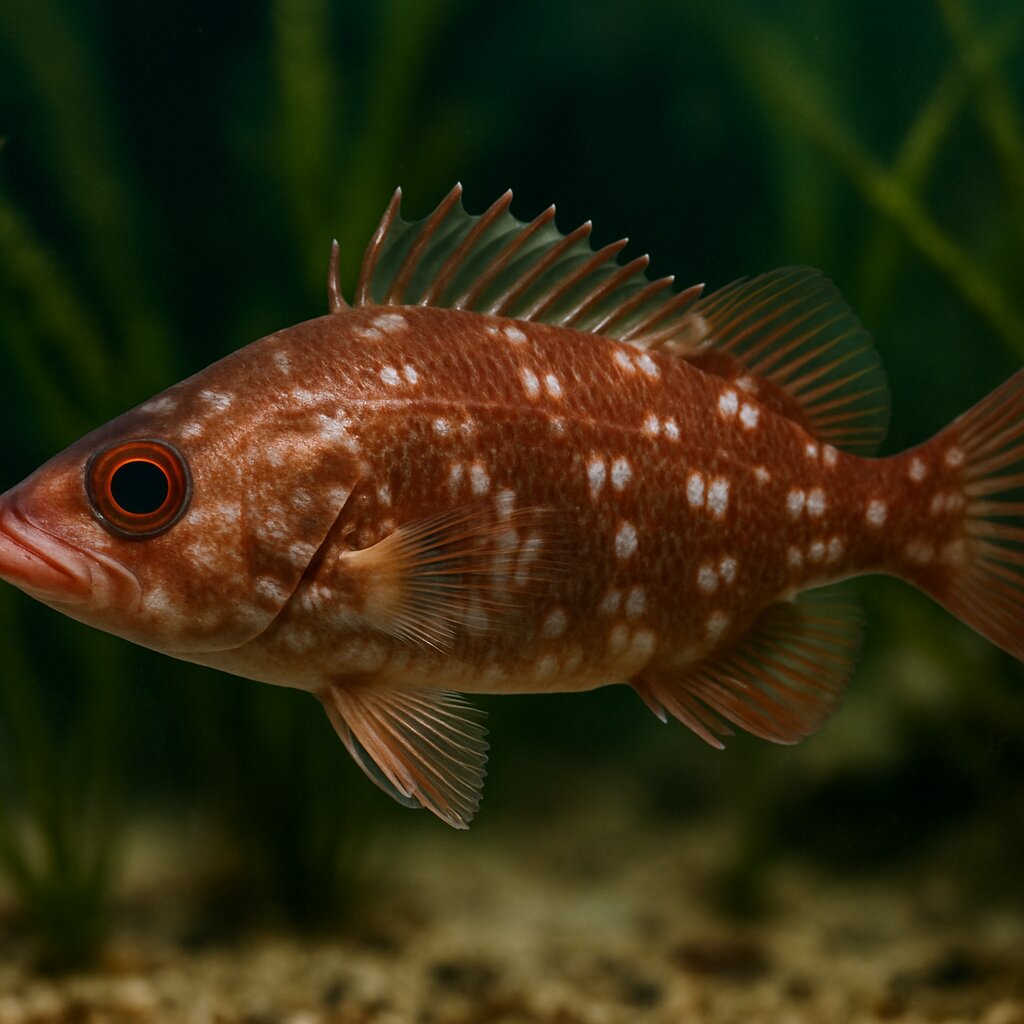
Sharphead perch
Lepidoperca magna
Sharphead perch is a deepwater basslet from Australia and New Zealand that hangs out on seamount slopes hundreds of meters down. It tops out around 27 cm and would want cool, dim, rockwork-heavy seawater, so it is really a public-aquarium fish rather than a home-tank candidate.
Sharpnose sand eel
Ichthyapus acutirostris
Ichthyapus acutirostris is a finless snake eel (worm eel) that spends a lot of its life buried in sand or mud with just the head out, waiting to grab small prey. Its whole vibe is stealth and hiding, which is super cool to watch in a big, mature marine setup with a deep, fine sand bed. This is not an aquarium-trade fish with a well-established care playbook, so most "care" info out there is guesswork.
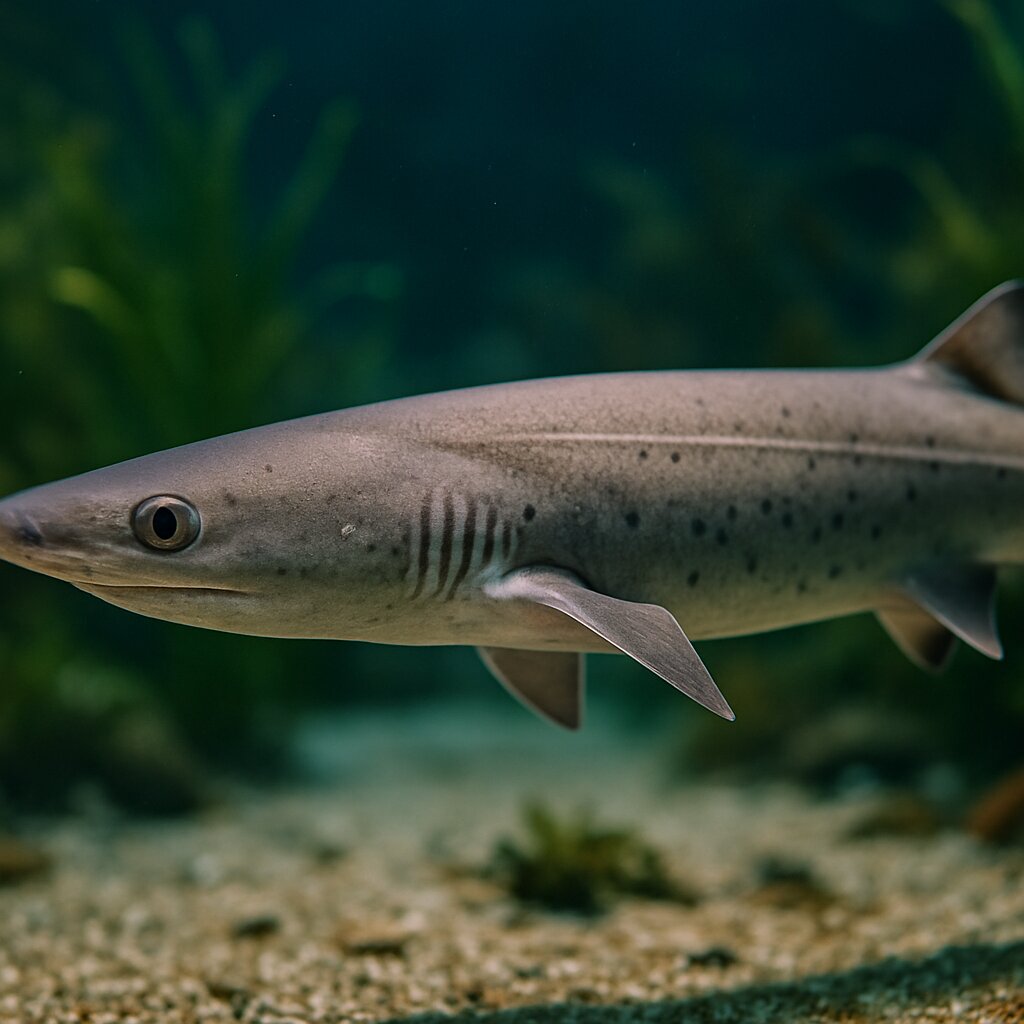
Sharpnose sevengill shark
Heptranchias perlo
A deepwater sevengill with big green eyes and a narrow snout, this shark cruises outer shelves picking off squid, crustaceans, and small fishes. It reaches about 1.4 m and looks wild under lights because its eyes glow green. Super cool animal, but strictly a public aquarium species, not a home tank fish.
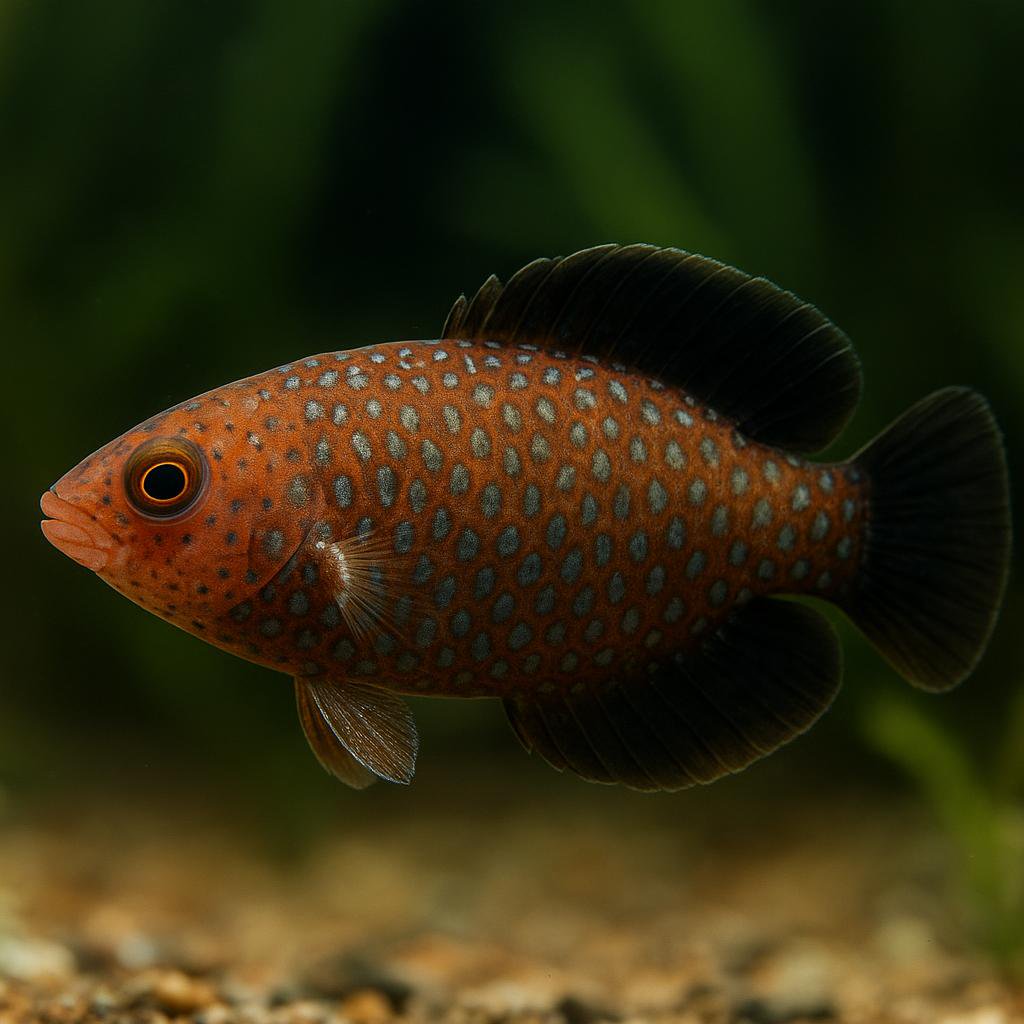
Sharpnose wrasse
Wetmorella nigropinnata
This is one of those tiny, sneaky reef wrasses that lives in the rockwork - you'll see it poking its little sharp snout into cracks hunting micro-prey. Super peaceful and shy, but once it settles in, its yellow bars and twitchy 'possum wrasse' vibes are seriously addictive to watch.
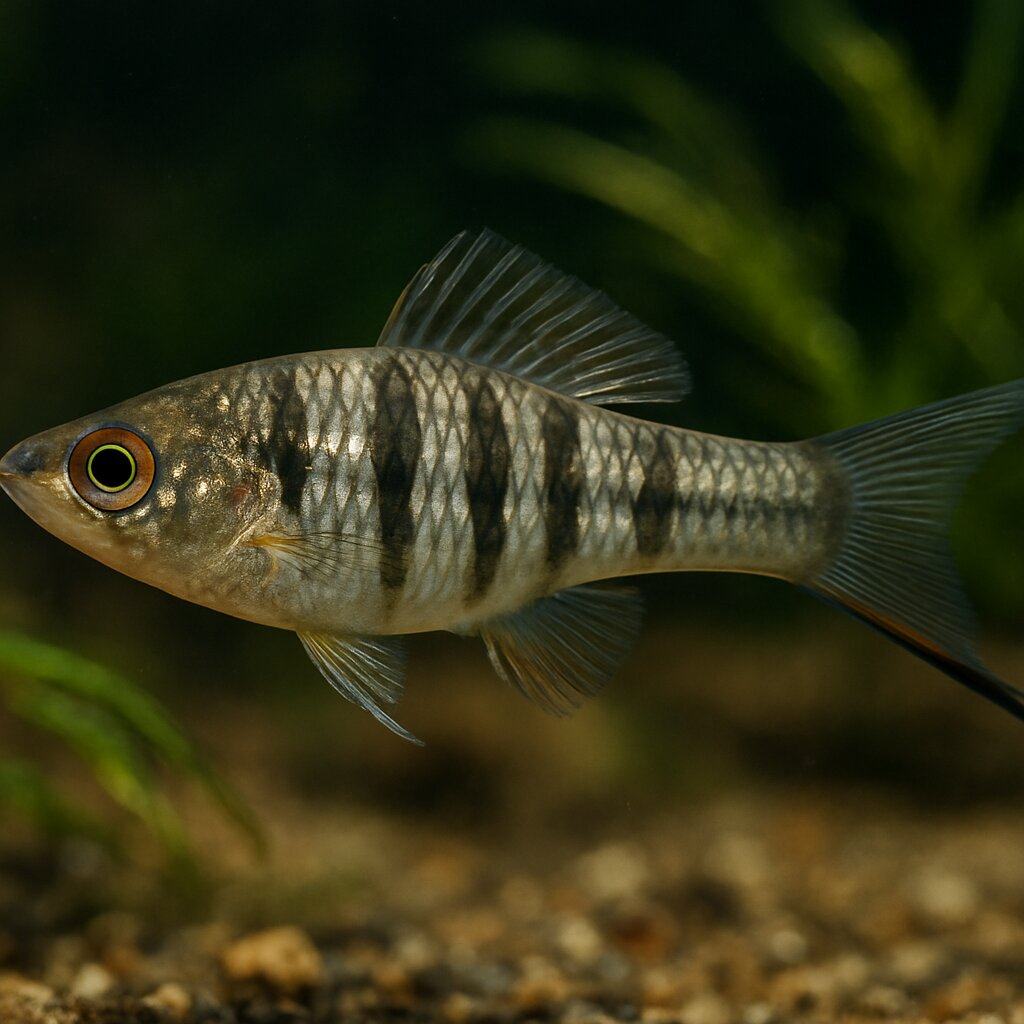
Sheepshead swordtail
Xiphophorus birchmanni
A wild swordtail from eastern Mexico that loves fast, splashy streams and shows off bold vertical bars and a big, yellow-speckled dorsal. Males barely carry a sword at all, which always surprises folks, but they make up for it with tons of personality when kept in a roomy, well-oxygenated tank.
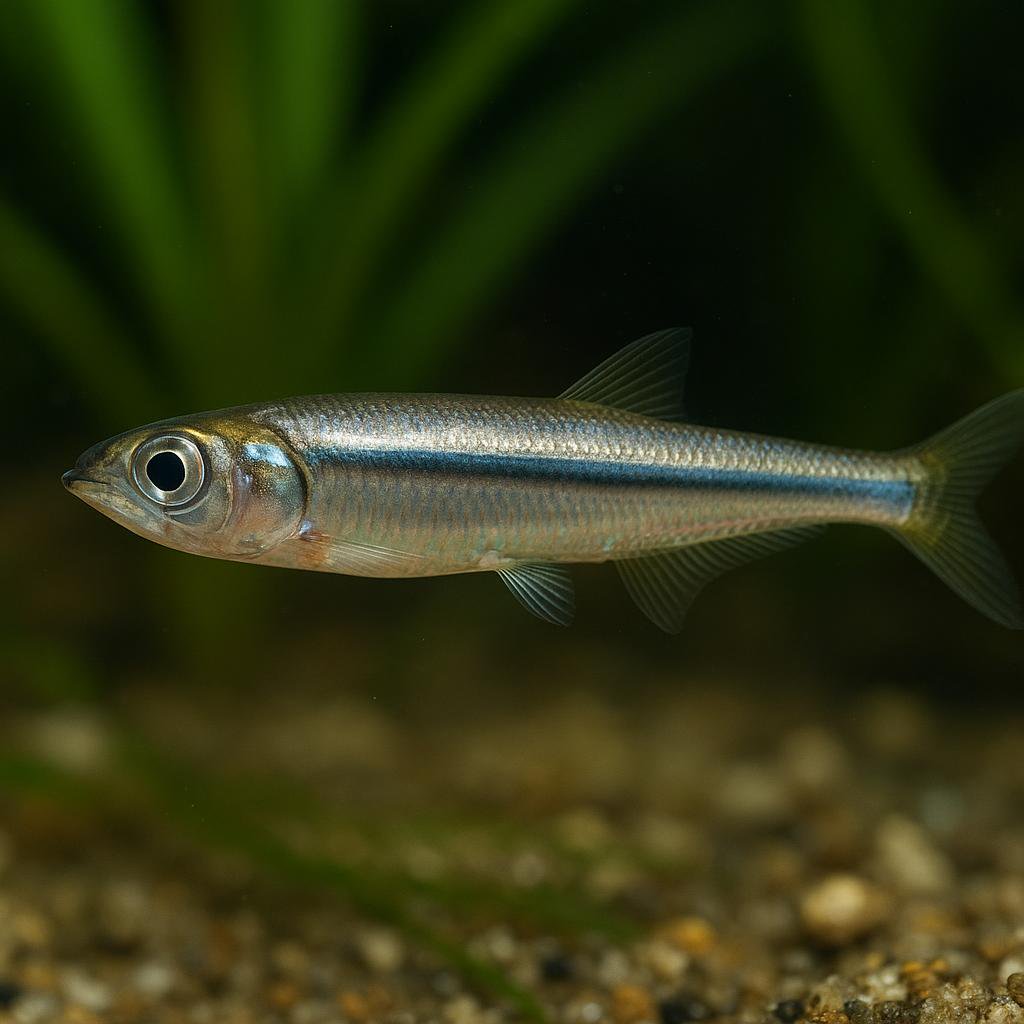
Shiner anchovy
Encrasicholina intermedia
Encrasicholina intermedia is a tiny, open-water anchovy from the western Indian Ocean that spends its life cruising the coastal shallows in big, nervous schools. In the wild it is basically bite-sized forage fish, constantly picking off plankton and flashing around near the surface - super cool behavior, but it is not really a normal home-aquarium species.
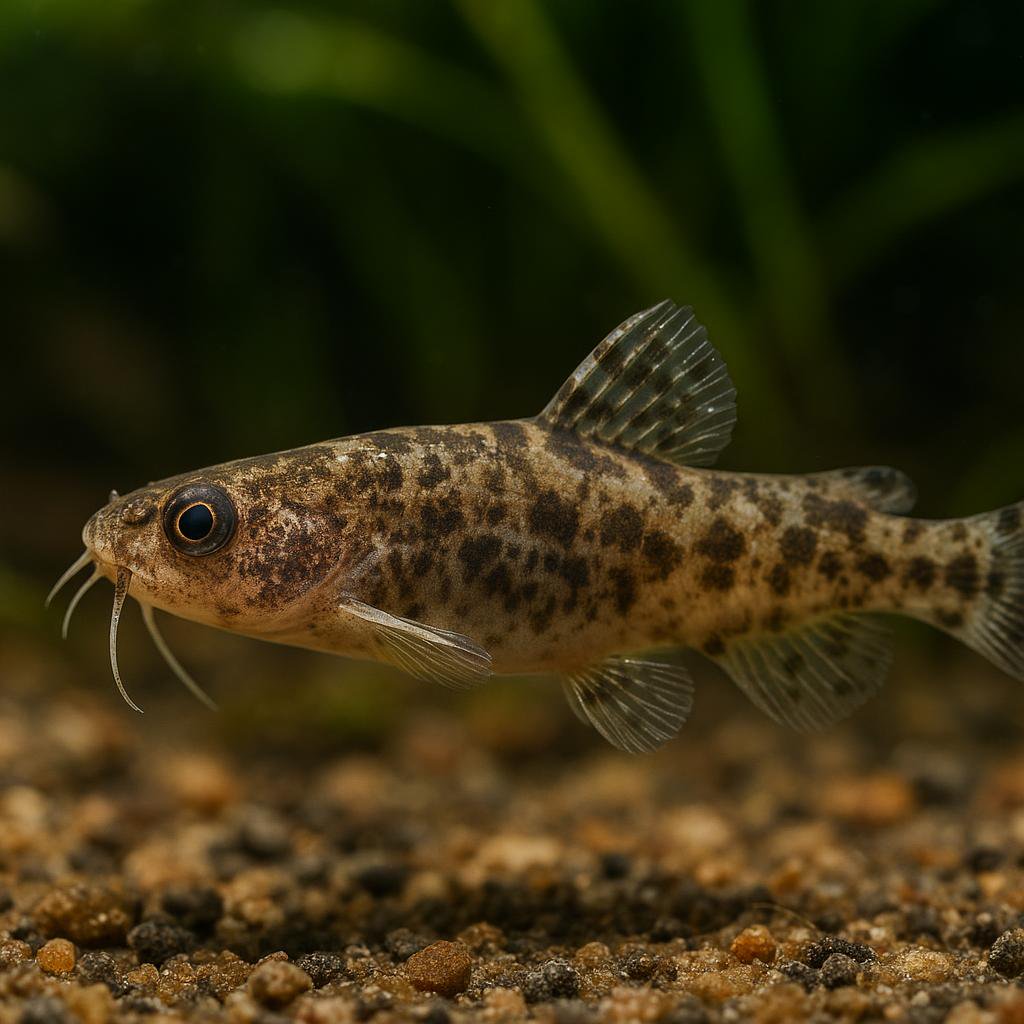
Short Zaireichthys (dwarf loach catfish)
Zaireichthys brevis
Zaireichthys brevis is a tiny little African loach catfish from the Congo River basin - think "micro catfish" that spends its time down on the bottom. Its wild habitat is sandy stretches of big river, so it tends to appreciate fine sand and some rocks/cover, and it is more of a look-and-enjoy species than an interactive pet.
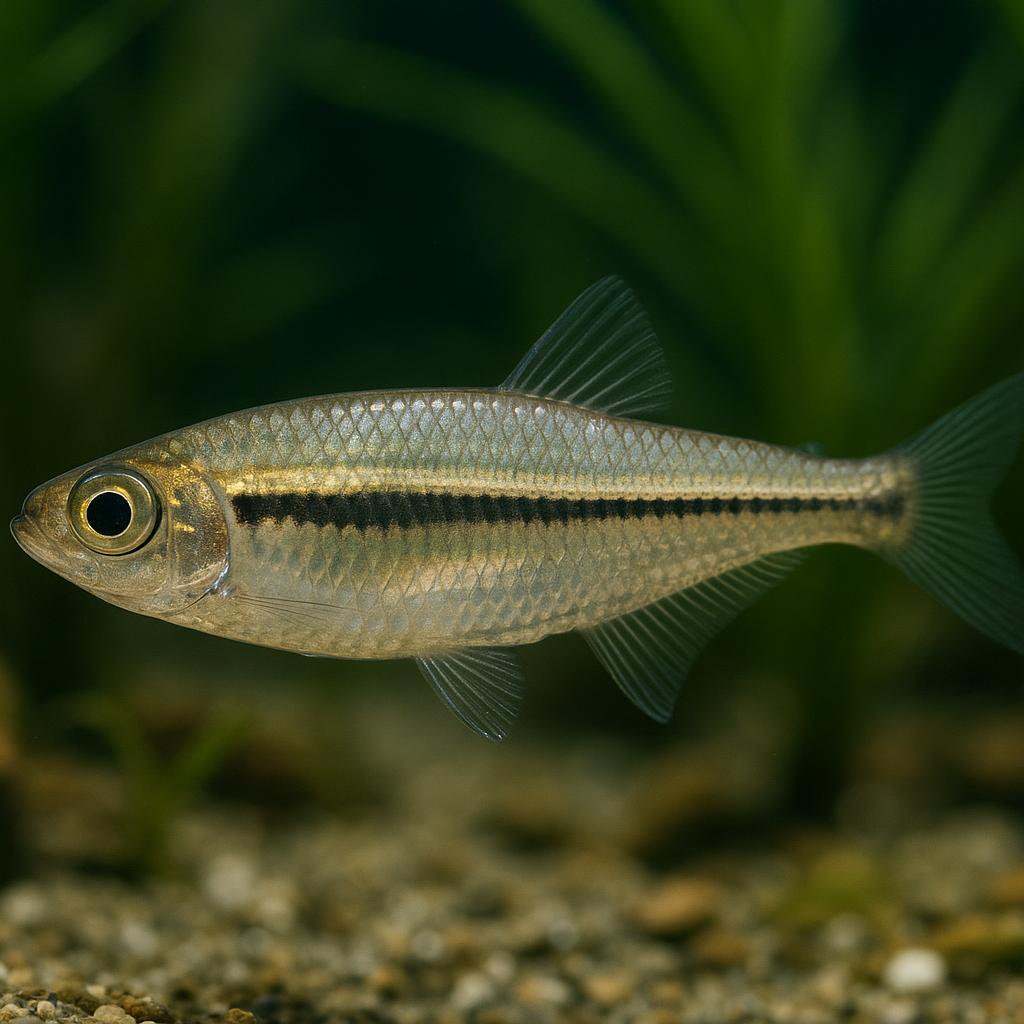
Shortband herring
Jenkinsia stolifera
Jenkinsia stolifera is a tiny, super-flashy little round herring from Florida and the Caribbean that spends its life in tight, nervous schools near the surface. In the wild it is basically living fish confetti - tons of silver, constant motion, always picking at zooplankton - and that "always on the move" vibe is what makes it so cool. It is not really an aquarium species though; most setups cannot provide the huge swimming room, flow, and constant live plankton-style feeding it does best with.
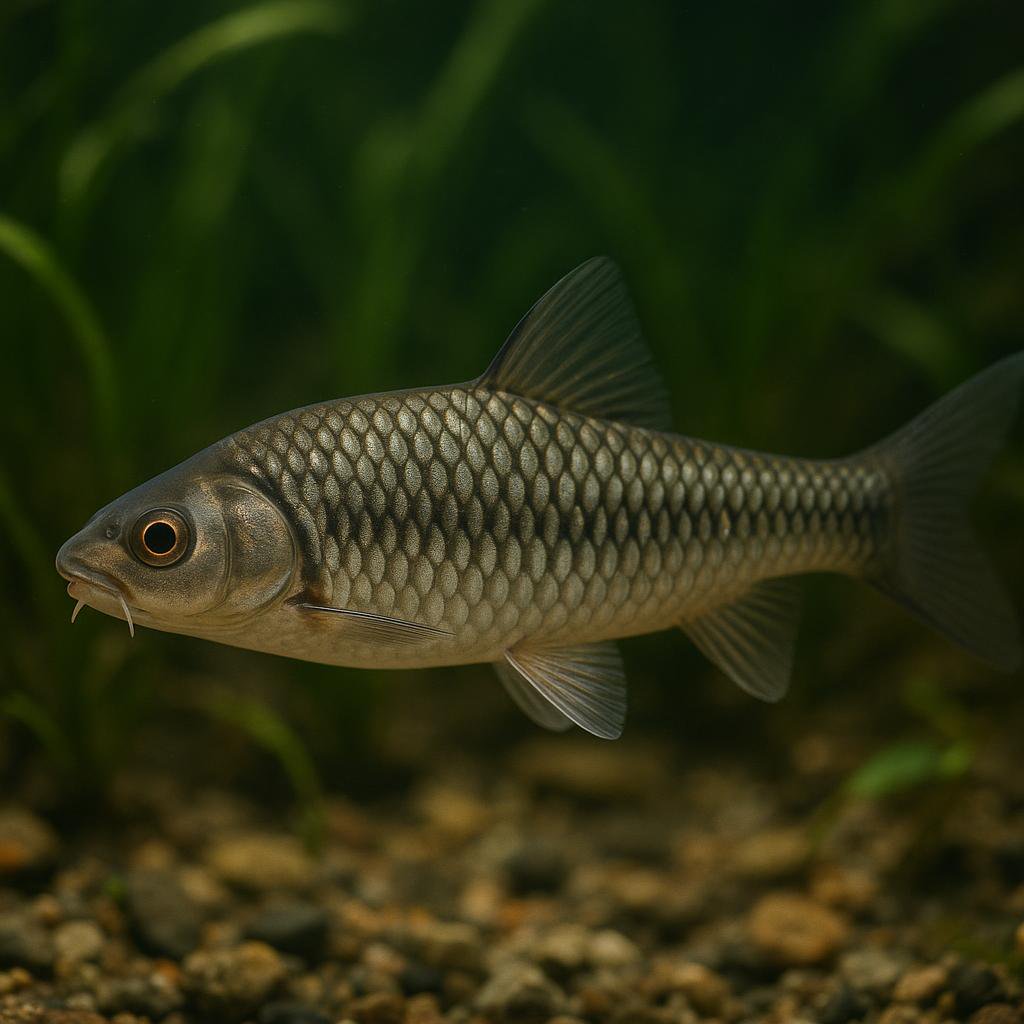
Short-bodied white-armored fish
Onychostoma breve
Onychostoma breve is a small river carp from the Yangtze River system in China, topping out around 14.6 cm standard length. Its whole vibe is a streamlined, current-loving minnow that wants lots of oxygen and moving water, so it is way happier in a river-style setup than a typical calm community tank.
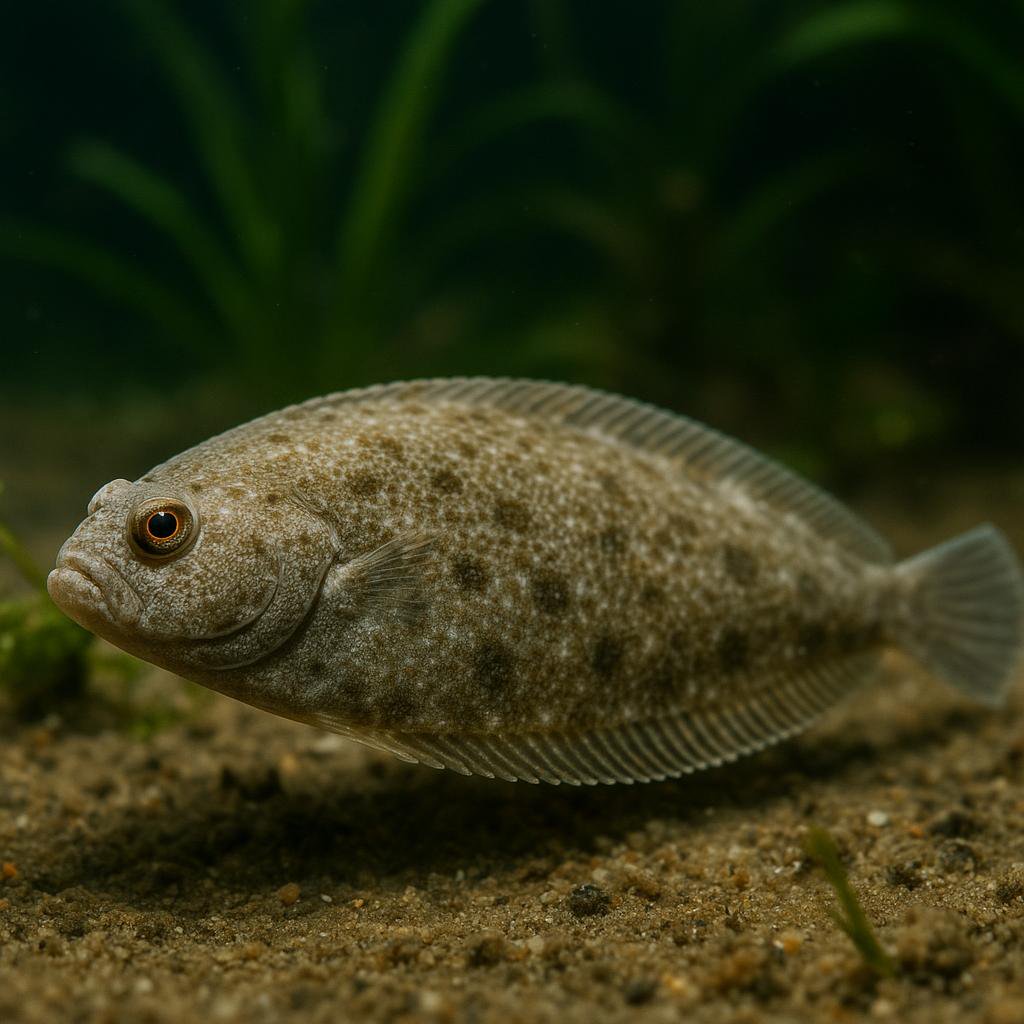
Shorthead sole
Brachirus breviceps
Brachirus breviceps (the shorthead sole) is a little bottom-hugging flatfish from Australia that lives right on soft sand or mud in shallow coastal water. Its whole thing is staying camouflaged and half-buried, so it is more of a "you spot it and smile" fish than a constant swimmer. Also worth knowing up front: there is basically no solid aquarium-care info published specifically for this exact species, so any tank recommendations are best treated as cautious, general "small sole" guidelines.
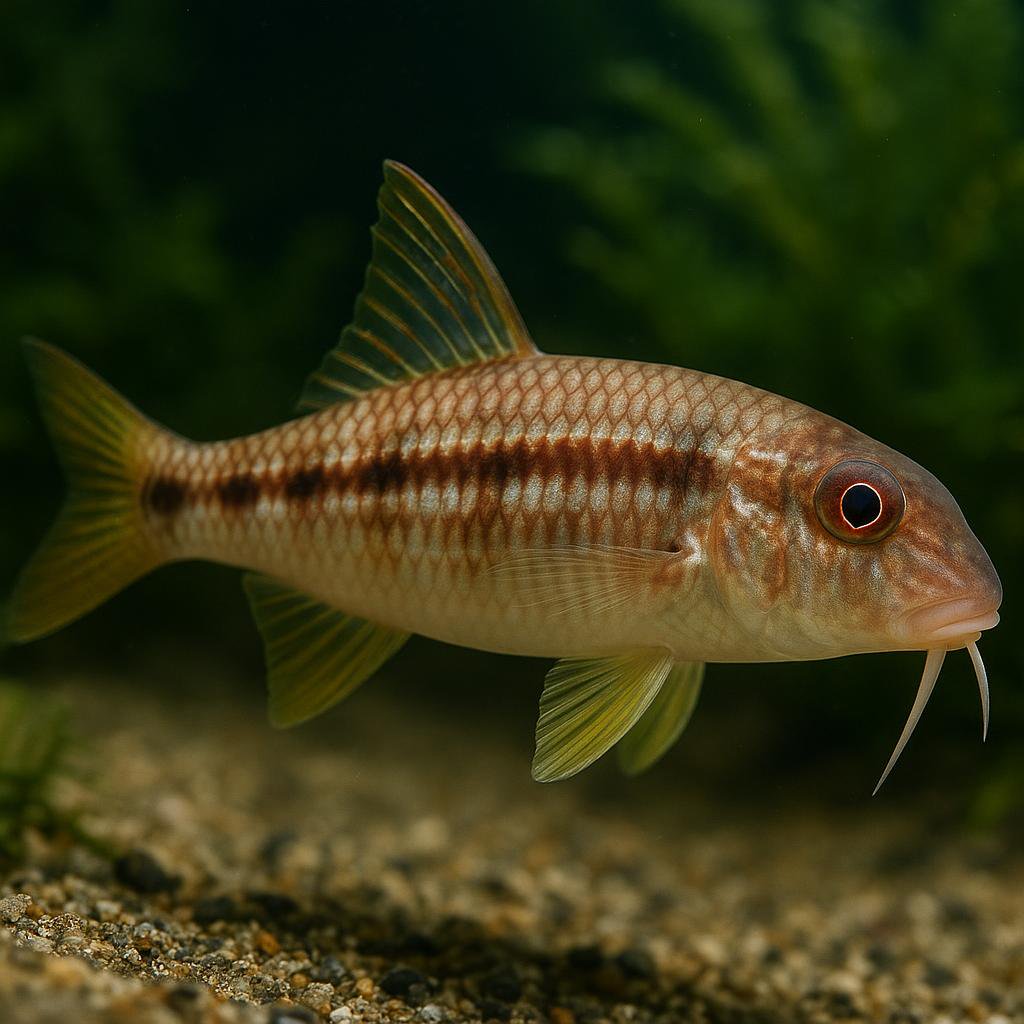
Shortjaw goatfish
Upeneus brevignathus
Upeneus brevignathus is a marine goatfish (family Mullidae) described in 2024 and currently known from the NW Indian Ocean (off SE Yemen). Like other goatfishes it has chin barbels used to locate benthic prey; captive suitability is not specifically documented for this species and would be inferred from general goatfish husbandry.
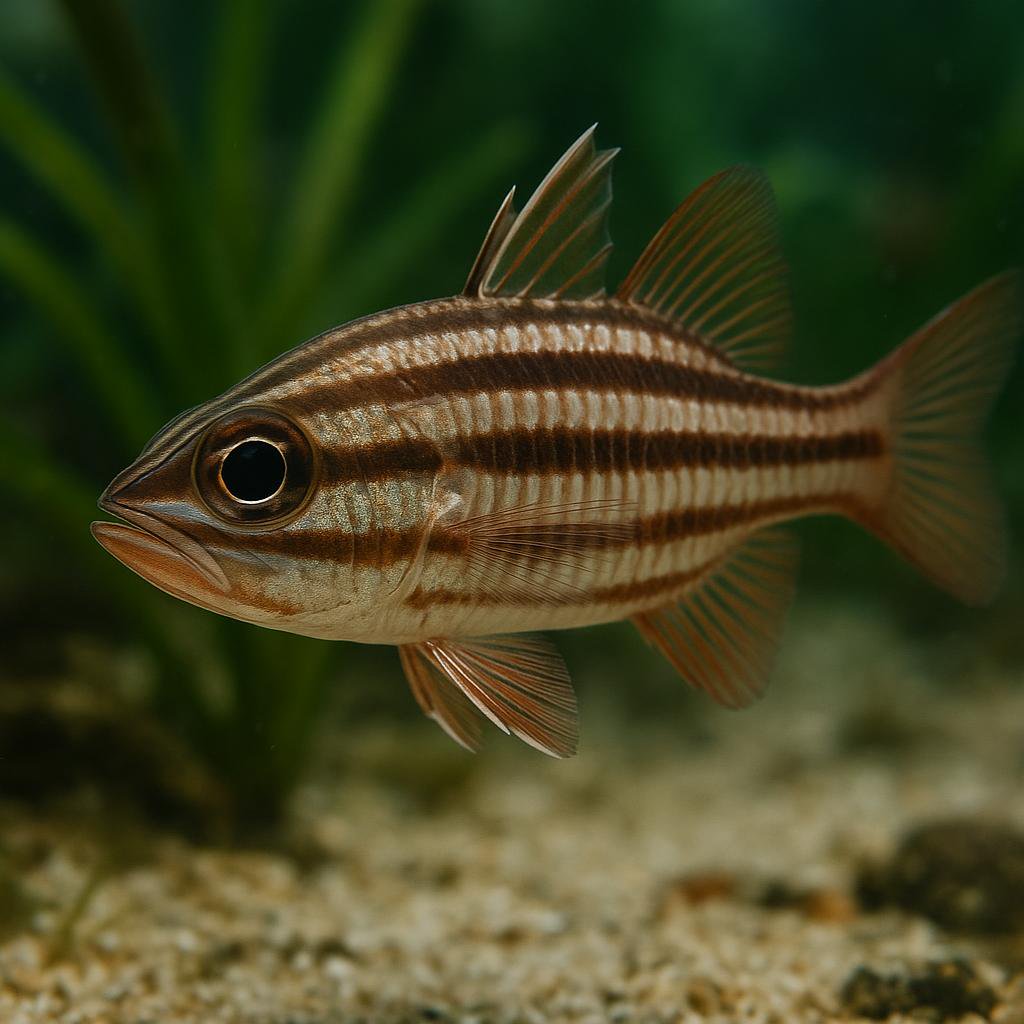
Shortspine cardinalfish
Ostorhinchus brevispinis
This is a small deepwater cardinalfish from French Polynesia. It has alternating brown/golden-brown and whitish longitudinal stripes and a dark mark on the caudal peduncle; the name refers to its very short first dorsal-fin spine.